- The paper introduces SerpentFlow, a novel generative unsupervised domain alignment method for multivariate wind field downscaling.
- The method decomposes spatial scales via spectral separation and uses a flow-matching UNet to reconstruct high-resolution wind data.
- Results show enhanced spatial fidelity and multivariate consistency compared to traditional statistical and dynamical downscaling benchmarks.
Generative Unsupervised Downscaling of Climate Models via Domain Alignment: A Technical Overview of SerpentFlow
Introduction
The challenge of deriving credible, high-resolution projections from coarse General Circulation Model (GCM) outputs is acute in wind energy and related sectors, where spatially-coherent, multivariate, and physically consistent wind fields are non-negotiable. While traditional statistical and dynamical downscaling techniques and bias correction methods have addressed aspects of this problem, their limitations are evident in high-dimensional, multivariate, and nonstationary contexts—particularly with respect to spatial structure, cross-variable consistency, and credible extrapolation into future climates.
The paper "Generative Unsupervised Downscaling of Climate Models via Domain Alignment: Application to Wind Fields" (2604.03341) systematically addresses these issues by employing SerpentFlow, a generative and interpretable domain alignment method. SerpentFlow operates in an unsupervised regime, avoids the necessity for strictly paired low- and high-resolution datasets, and explicitly decomposes spatial scales to separate GCM-resolved large-scale structure (shared across domains) from unresolved small-scale variability (domain-specific). The approach is evaluated against established multivariate downscaling benchmarks and shown to yield robust gains in spatial, distributional, and multivariate fidelity.
Methodological Foundations and Architecture
Core Principle: Shared-Structure Decomposition
SerpentFlow decomposes fields into low- and high-frequency components using a spectral (Fourier-based or Gaussian-blur-based) separation, with low-frequency modes capturing large-scale physically meaningful structure that is assumed to be "shared" between the GCM and observation domains. The high-frequency (fine-scale, domain-specific) variability is stochastically modeled via a generative mapping using a UNet architecture parameterized as a flow-matching model.
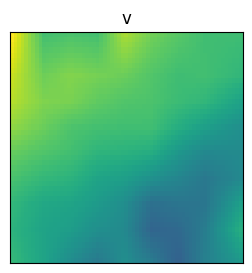
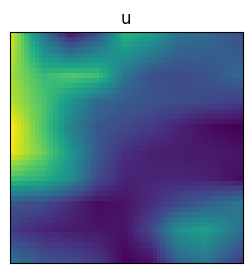
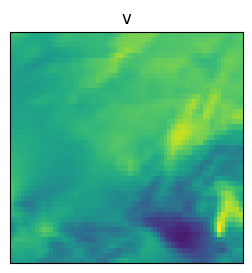
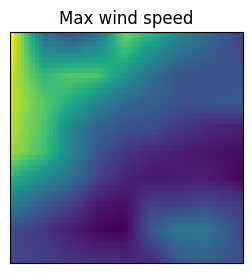
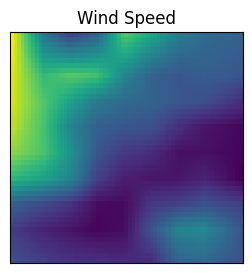
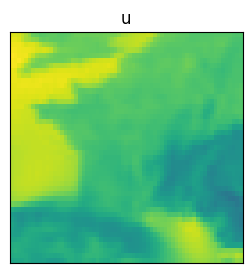
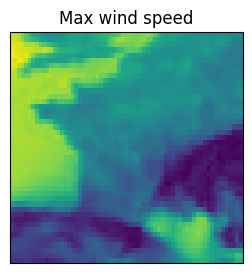
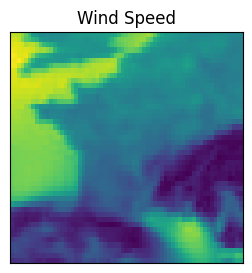
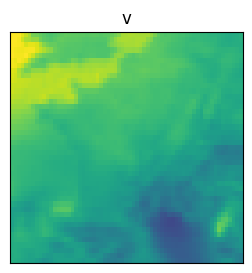
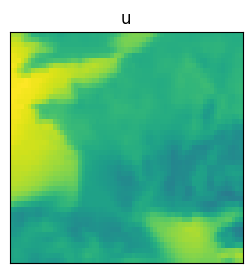
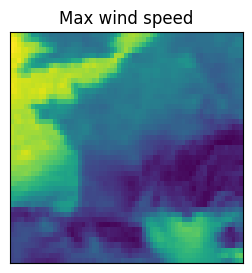
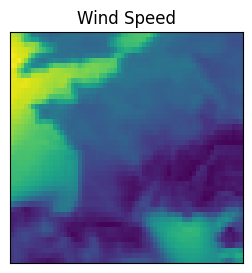
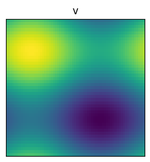
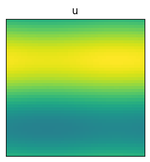
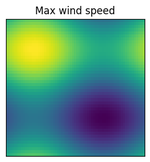
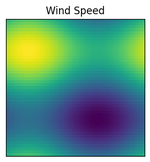
Figure 1: A schematic overview of the SerpentFlow domain-alignment pipeline emphasizing scale separation and generative mapping for multivariate downscaling.
Training and Inference Workflow
Pseudo-pairs are generated by recombining the shared large-scale component with samples of stochastic fine-scale structure derived from the target domain. The generator is trained to reconstruct the target field from this composite, promoting robustness and interpretability with respect to which features are transferred versus stochastically generated. At inference, new downscaled realizations are constructed by projecting GCM samples into the shared domain and synthesizing small-scale variability using the trained flow-matching model.
Cutoff Frequency Selection
The critical hyperparameter governing the trade-off between large- and small-scale structure is the spectral cutoff ωcut. This can be tuned via a classifier distinguishing domain sources or canonically set to the effective GCM resolution, ensuring that downscaling only stochastically reconstructs sub-GCM-scale features.
Experiments and Results
Experimental Setup
SerpentFlow was rigorously compared with established methods: univariate quantile-mapping (CDF-t), multivariate stochastic correction (R2D2), and a normalizing-flow-based domain adaptation baseline (Dual FM). Two wind field targets were examined: (1) downscaling ACCESS GCM wind variables (sfcWind, sfcWindmax, uas, vas) over France with ERA5 ($25$ km) as reference and (2) a univariate setup using CNRM-CM6-1 and the higher-resolution SAFRAN reanalysis ($8$ km). Evaluation metrics encompassed distributional similarity, spatial correlation structure (including variograms and spectra), cross-variable consistency, reproduction of historical/future GCM dynamics, and extreme event statistics.
Evaluation against ERA5 demonstrates that SerpentFlow with cutoff at the effective GCM scale (1200 km) achieves a favorable balance: it reduces CDF error, reproduces mean and standard deviation at each grid point, and attains high spatial Spearman correlation and inter-variable Pearson correlation with the target. Notably, the ensemble's mean absolute difference in spatial mean ($0.061$) and standard deviation ($0.057$) is substantially lower than that of the GCM ($0.639$ and $0.452$, respectively), and its performance on extremes and cross-variable correlation exceeds both CDF-t and R2D2 in most cases.
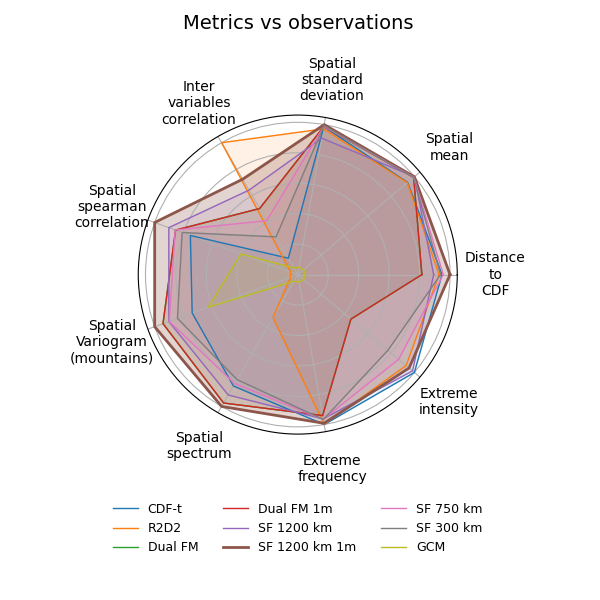
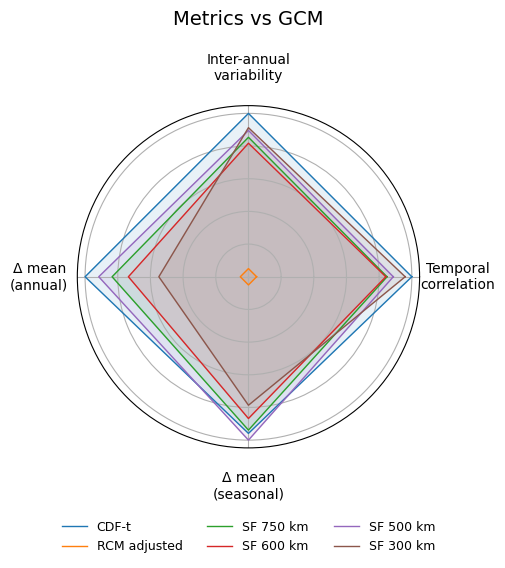
Figure 2: Radar plot summarizing performance relative to ERA5 for all methods and variables.
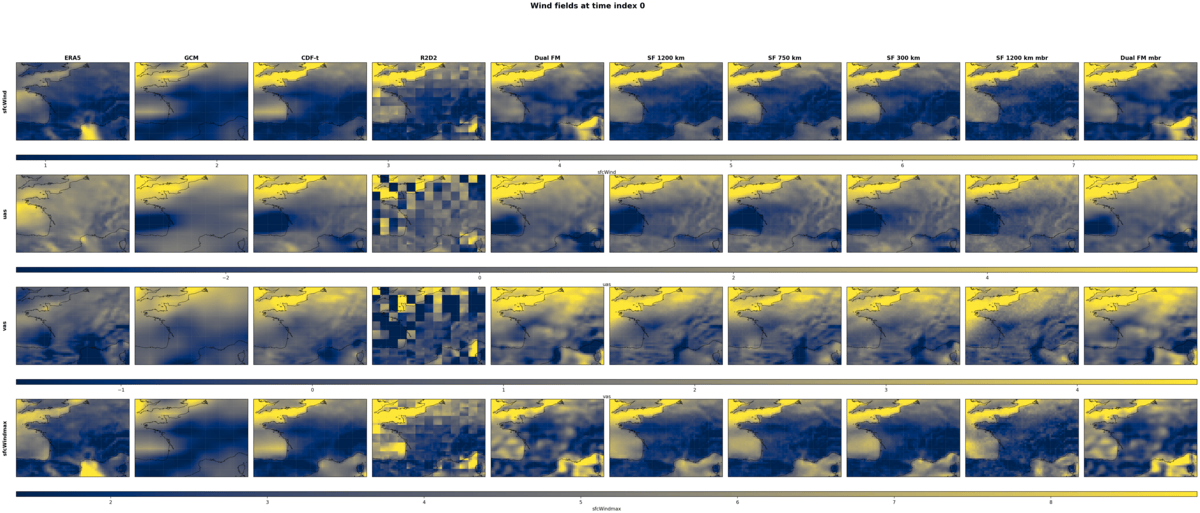
Figure 3: Comparison of downscaled wind maps from different methods for four wind variables; artifacts and loss of coherence are apparent for Dual FM and R2D2.
Calibration diagnostics further confirm that ensemble realizations from SerpentFlow can be tuned to be well-calibrated via noise scaling, with a=1.1 yielding near-flat rank histograms and reliable spread-skill ratios.
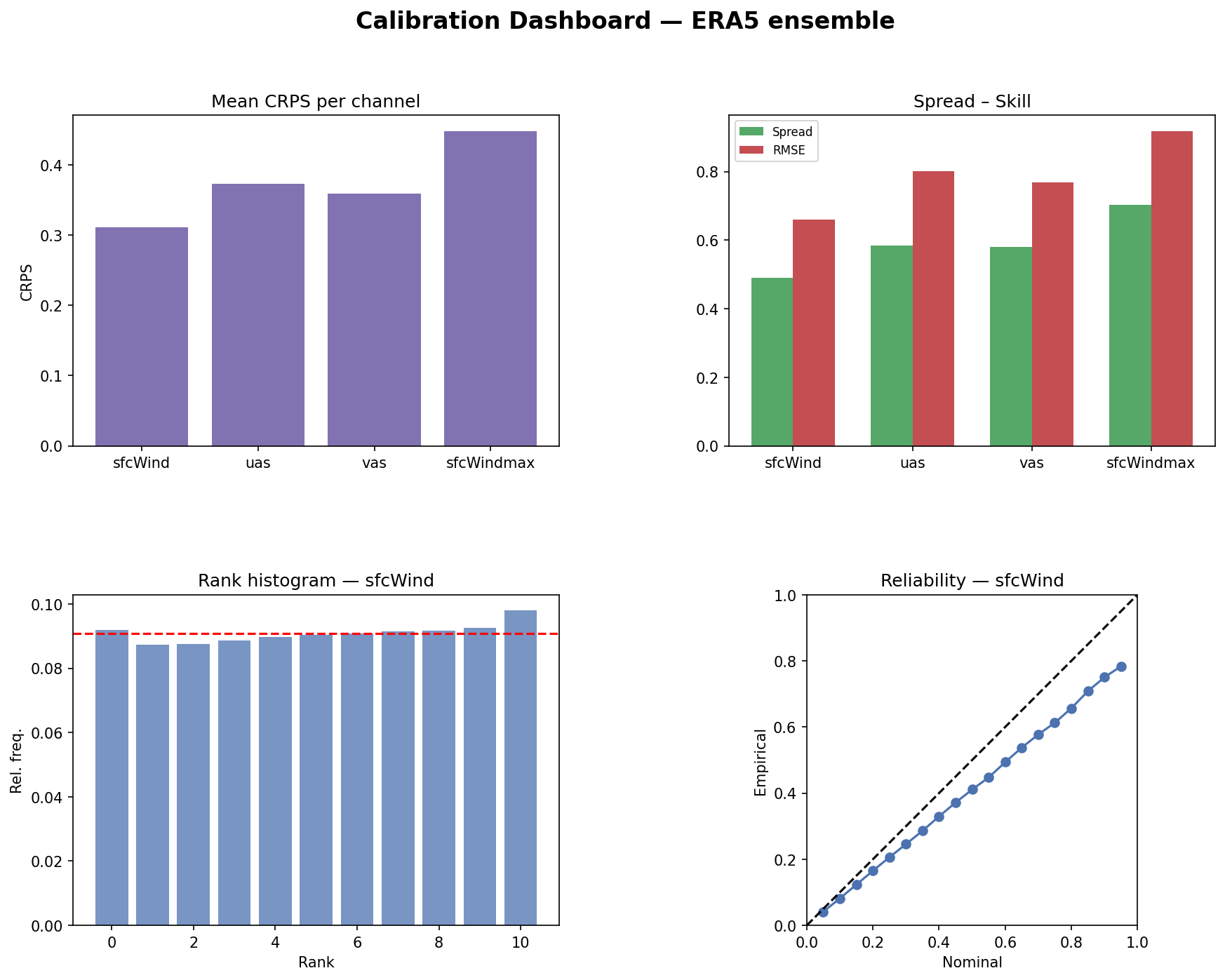
Figure 4: SerpentFlow calibration dashboard showing well-calibrated ensemble behavior via rank histogram and reliability diagnostics.
When evaluated against the driving GCM projections into the future (temporal correlation, climate deltas), SerpentFlow provides superior preservation of the GCM's large-scale temporal dynamics and inter-annual variability compared to multivariate methods like R2D2 and Dual FM. Although CDF-t, by design, follows the GCM most closely in temporal fidelity, it does so at the expense of spatial structure and multivariate consistency.
Robustness to Irregular Domains and High Resolution
The methodology generalizes to irregular observational domains (e.g., land-only grids) via a Gaussian-blur decomposition, which replaces the standard Fourier cutoff. Application to SAFRAN demonstrates that SerpentFlow maintains its effectiveness, outperforming CDF-t with respect to spatial structure and local statistics, and confirming the method's suitability for heterogeneous, high-resolution observational settings.
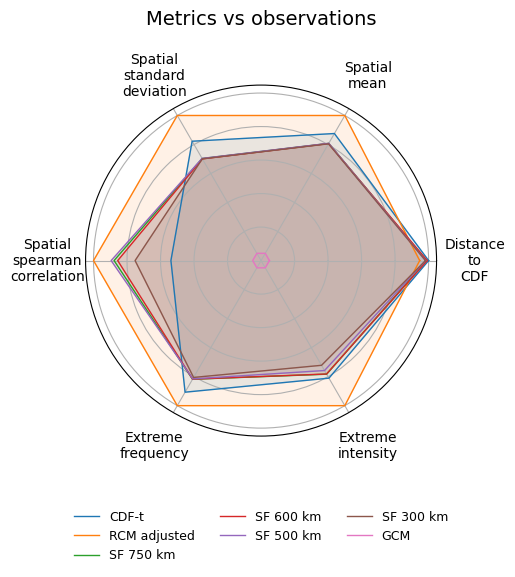
Figure 5: Metrics against SAFRAN illustrating transferability of SerpentFlow to high-resolution, irregular domains.
Spectrum and Variogram Analysis
Spatial power spectra and variogram diagnostics provide compelling evidence of the model's success in restoring missing small-scale power and reproducing spatial variability, particularly in orographic (mountainous) regions where both classical and flow-based methods can fail.
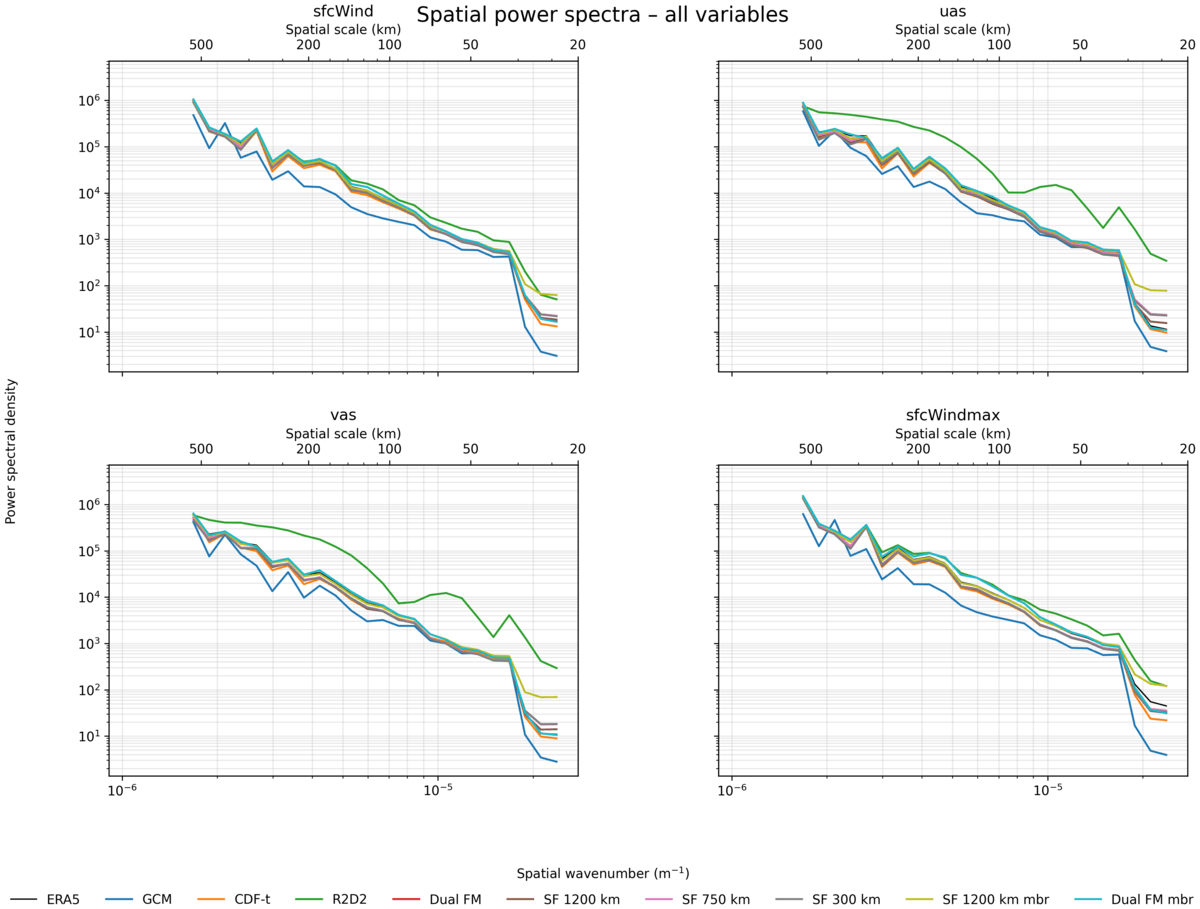
Figure 6: Spatial power spectra showing the successful recovery of high-frequency structure in SerpentFlow relative to ERA5.
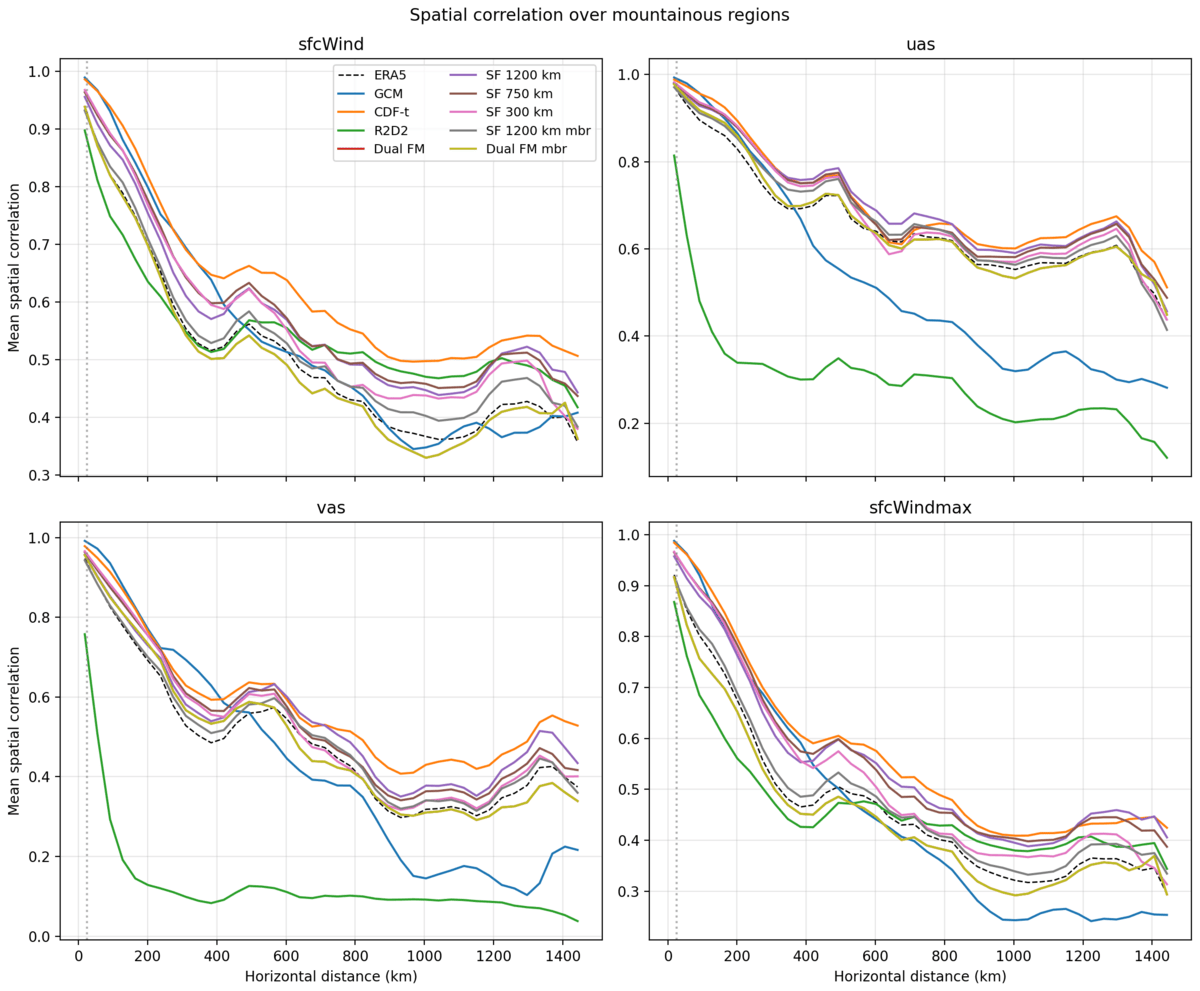
Figure 7: Enhancement of spatial correlations in mountainous regions under SerpentFlow, contrasting over-correlated GCM/CDF-t patterns.
Trade-offs and Control via Cutoff Frequency
Different cutoff frequencies provide explicit trade-offs between replication of reference observations (lower cutoffs favor closer agreement with ERA5/SAFRAN) and preservation of GCM's large-scale temporal dynamics (higher cutoffs). This introduces application-dependent controllability over the degree of fidelity to observational versus modeled climate features.
Implications and Theoretical Reflections
SerpentFlow formalizes and operationalizes scale-aware, interpretable generative SR/bias correction, combining frequency decomposition with modern continuous generative models (flow-matching UNets). Its approach has notable theoretical virtues: (1) explicit physical interpretability of the mapping between domains; (2) bypassing the need for paired data; (3) rigorous control over the transfer versus invention of information at different scales; (4) practical feasibility in high-dimensional, nonstationary settings.
In practice, SerpentFlow enables computationally efficient, ensemble-based, bias-corrected downscaling that does not sacrifice multivariate or spatial coherence—essential for risk, impact, and energy applications. Furthermore, the modularity of the generator and its independence from GCM specifics (save for cutoff selection) allows for broad applicability across models and scenarios.
The paper asserts that traditional adversarial, diffusion-bridge, or transport-based generative domain adaptation methods often lack explicit control over which structures to transfer, occasionally resulting in inconsistencies or drifts from large-scale climate signals—a claim strongly substantiated via temporal correlation analysis and interannual anomaly tracking.
Directions for AI and Downscaling Research
Potential extensions involve integrating physics-informed constraints, leveraging hierarchical decompositions, or coupling with dynamical downscaling frameworks—using SerpentFlow for bias-correction of regional climate model outputs. The approach is also well-suited to expansion toward other variables (precipitation, temperature extremes) and multimodel ensembles. The tractable, interpretable nature of SerpentFlow presents an attractive alternative to opaque GAN- or diffusion-based approaches for real-world climate impact pipelines.
Conclusion
SerpentFlow provides a robust and interpretable generative domain adaptation scheme for statistical downscaling and bias correction, with demonstrated improvements in distributional, spatial, and multivariate metrics relative to established baselines (2604.03341). The approach is scalable to high-resolution, irregular grids, effectively bridges the observational–modeling gap, and offers explicit trade-offs between spatial/temporal fidelity and structural consistency. Its technical contributions highlight the value of combining unsupervised generative learning with physically meaningful scale separation, providing a blueprint for future developments in AI-driven post-processing of climate projections.

