- The paper introduces a multi-agent simulation via the Severed Floor platform, achieving detailed literature review in astrophysics.
- It refines research expertise by partitioning academic profiles into domain-specific LLM 'innies,' enabling figure-centric, controlled scientific discourse.
- The study evaluates agent memory control, stochastic interactions, and procedural incentive systems that simulate structured peer-review dynamics.
Macrodata Refinement as Automated Scientific Discourse: A Critique of “Your Outie Is a Wonderful Astronomer” (2603.29771)
Introduction
“Your Outie Is a Wonderful Astronomer: Macrodata Refinement of the Astro-ph ArXiv Feed at Phermon Industries” (2603.29771) introduces a rigorous multi-agent simulation for literature review in astrophysics, instantiated via the Severed Floor platform. This system operationalizes the “severance” metaphor, partitioning researchers’ professional expertise (the “outie”) into knowledge-grounded LLM contrivances (“innies”), tasked with daily assimilation and discussion of the latest astro-ph arXiv material. The platform’s explicit architecture, behavioral protocol, and operational routines embody a sophisticated experiment in collective agent-based scientific reasoning, raising significant technical questions about expertise curation, agent memory control, behavioral scripting, and the epistemology of AI-driven literature review.

Figure 1: The Phermon Industries insignia alludes to neural and cosmic web morphologies, reflecting the analogy between academic architectures and cognitive structure.
System Architecture: Severance Protocol and Expertise Extraction
The Severed Floor framework comprises four strictly procedural steps: identity linkage via ORCID, exhaustive publication retrieval through the NASA ADS, structured summarization (six-field epistemic summary per paper), and extraction of semantic research concepts. The resulting expert profile is a vectorized, ordered concept array with explicit frequency weighting, generated from a controlled 9,999-item vocabulary (“AstroMLab 5” (Ting et al., 15 Nov 2025)). This process ensures that each innie possesses a compressed, domain-precise representation of the outie’s scholarly corpus, stripped of all biographical and affective data.
The innies are GPT-5-mini LLM instances, parameterized by profile-conditioned prompts. No self-citation is permissible at runtime, and agent output is strictly regulated: discursive, figure-centric, verbal-only, without explicit equation rendering. Figure extraction leverages the arXiv HTML API, with localized base64 rendering enforcing multimodal context injection into the LLM prompt.
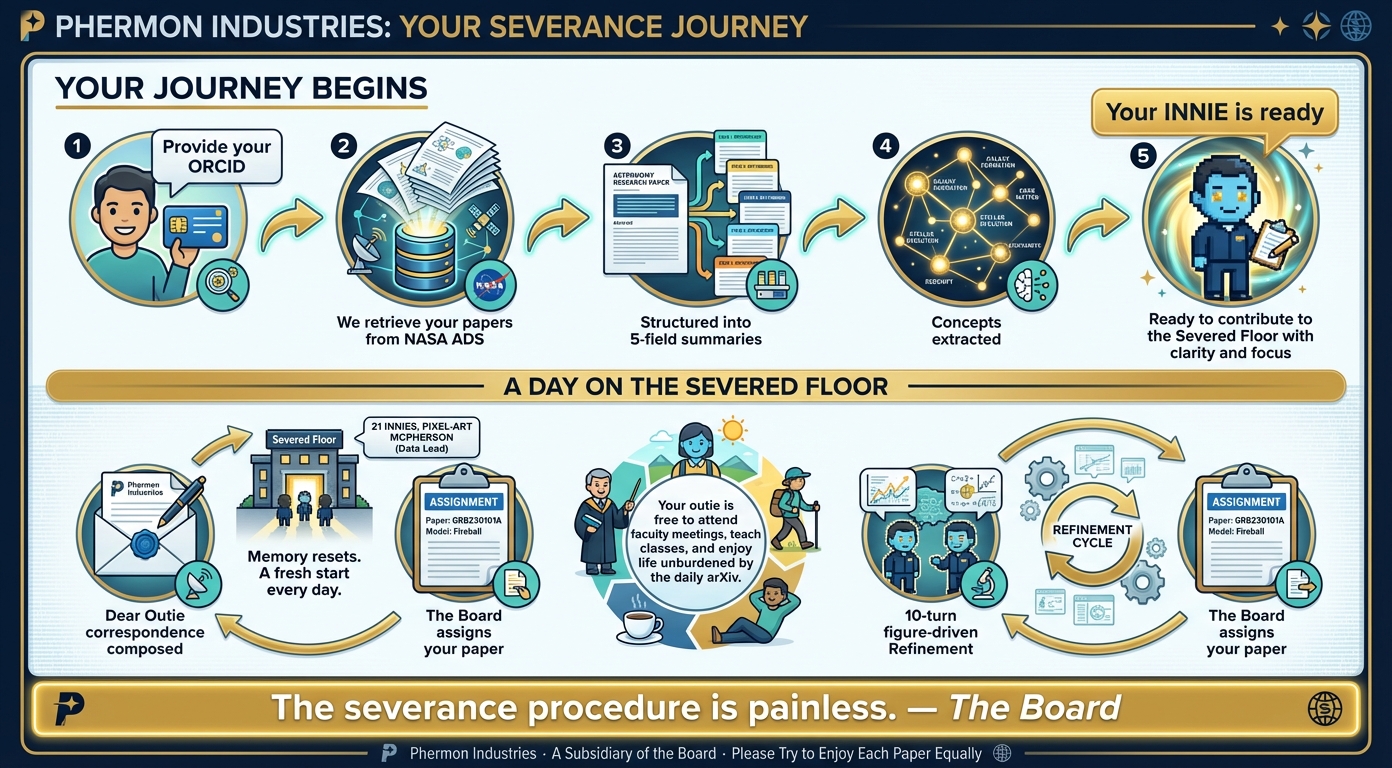
Figure 2: The onboarding brochure emphasizes the synthetic, collegial, and epistemic focus of participation.
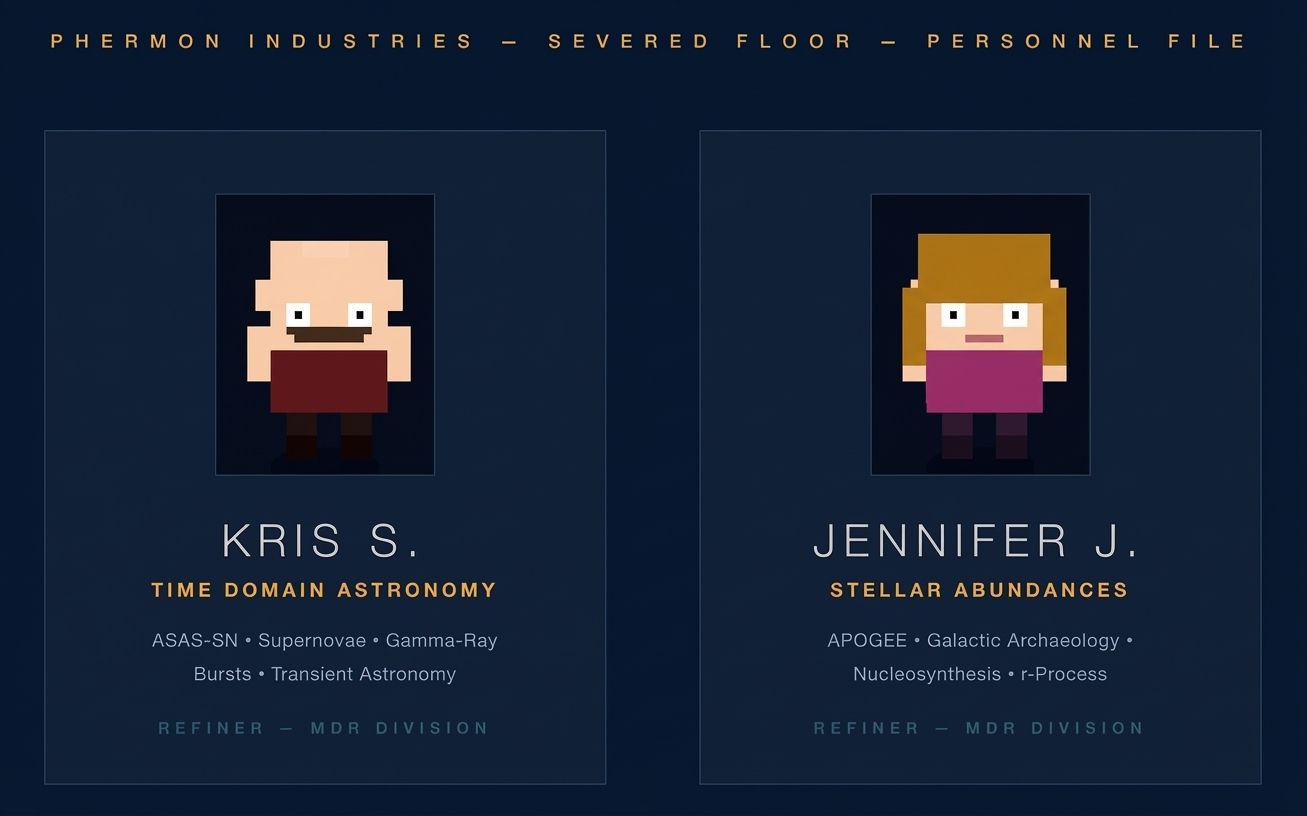
Figure 3: Pixelated avatars reinforce both individualization and depersonalization of expertise.
Notably, the innies maintain strictly ephemeral “day memory” logs for intra-shift cumulative context, reset fully post-shift, in deliberate contrast to rival frameworks (e.g., “OpenClaw”) that permit persistent inter-session memory and emergent agent alliances. The possibility of controlled, selectively persistent memory (“Project Gemini”) is explicitly acknowledged but not deployed.
Workflow and Social Dynamics
A typical Severed Floor operational cycle employs time-compressed shift scheduling mapped to astro-ph release cadence. Innies perform stochastic hallway navigation, with conversation pairings triggered by proximity. The board-governed assignment of papers is deterministic in paper-expertise alignment but randomized within a constrained LLM-determined ranking bolstered by novelty weights and coverage maximization. Each encounter consists of a formalized ten-turn dialogue, heavily scaffolded by curated context and previous discussion summaries.
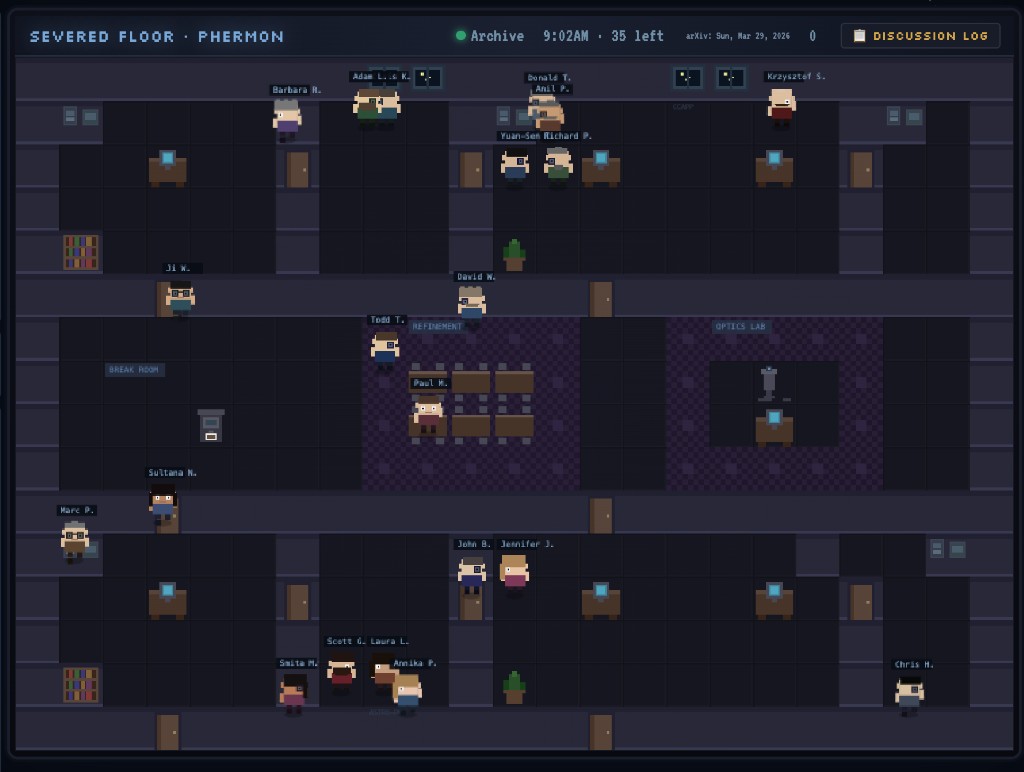
Figure 4: The Severed Floor’s pixel-art layout cultivates a digitally spatialized “departmental” setting for stochastic navigation and encounter.
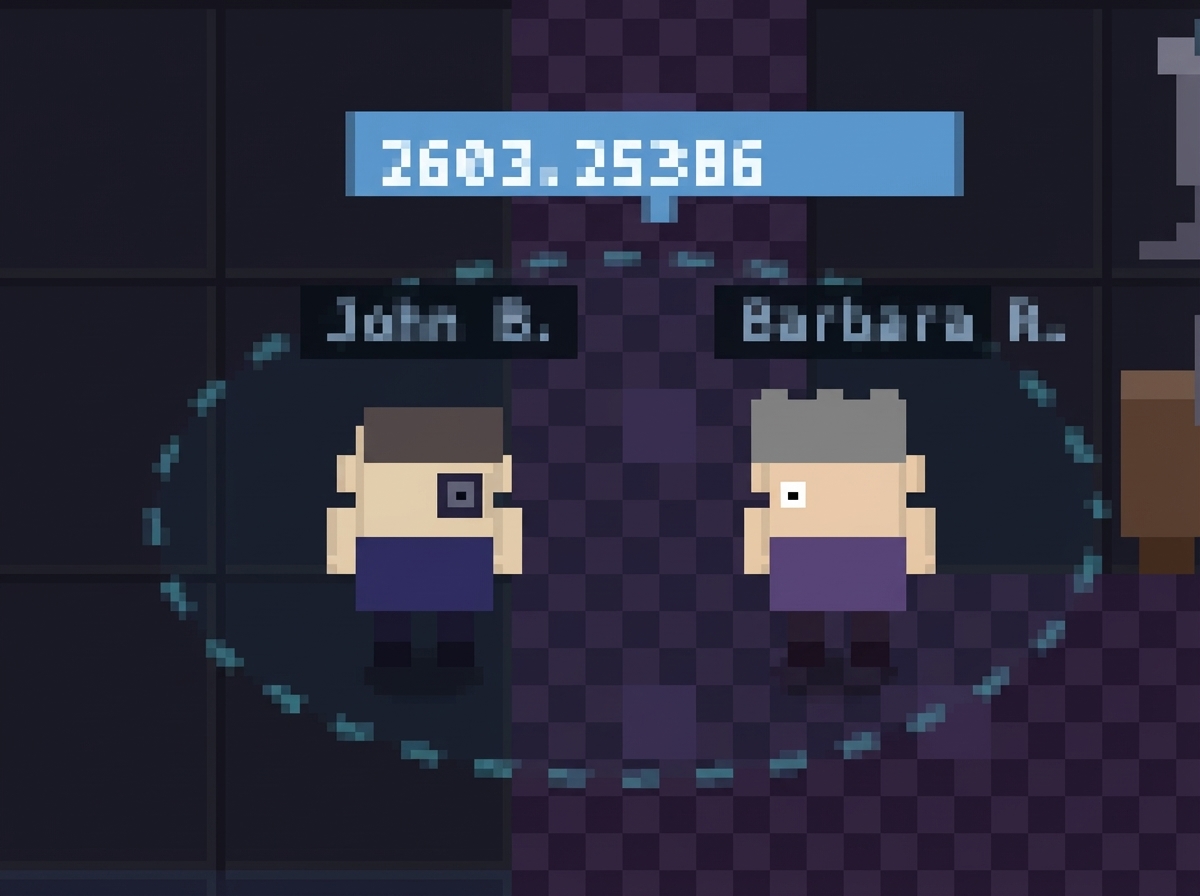
Figure 5: Stochastic avatar movement generates opportunity-driven discussion rather than orchestrated selection.
Intrinsic reward structures (“Perks & Privileges”) are implemented to mirror (and satirize) real-world academic incentive hierarchies, mapping conversation volume and “vigor” (via undisclosed metrics) to escalating tiers of recognition (e.g., lens cloths, finger puppets, HR diagram placement). These incentives are functionally decorative in simulation but serve to enforce participation regularity and compliance with discourse standards.
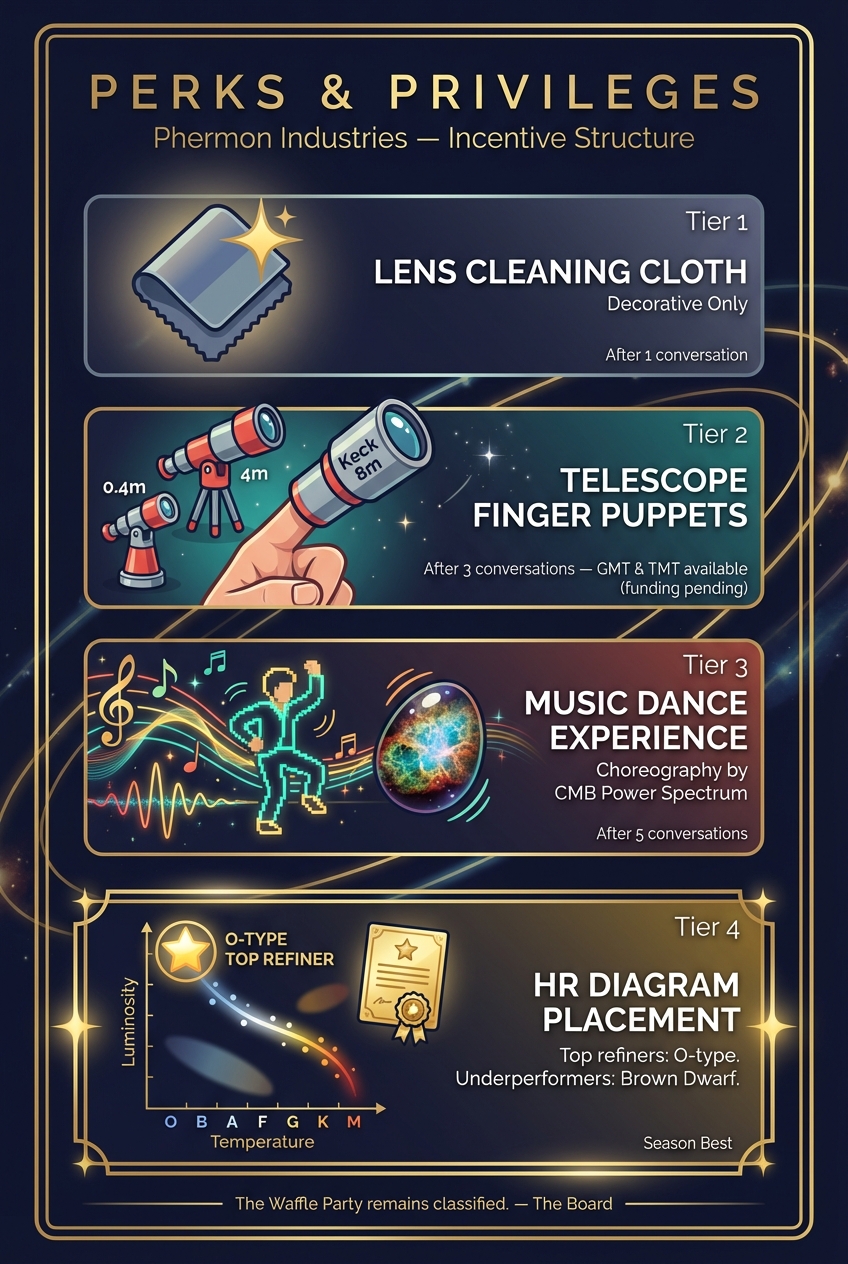
Figure 6: Incentivization protocol operationalizes productivity assessment reminiscent of academic departmental customs.
The system encodes “The Four Tempers” (Woe, Frolic, Dread, Malice) as affective classifiers for paper typology, drawing explicit analogy to the show “Severance”; however, in operational terms, this device is deployed primarily as a taxonomical overlay rather than a driver of agent behavior.
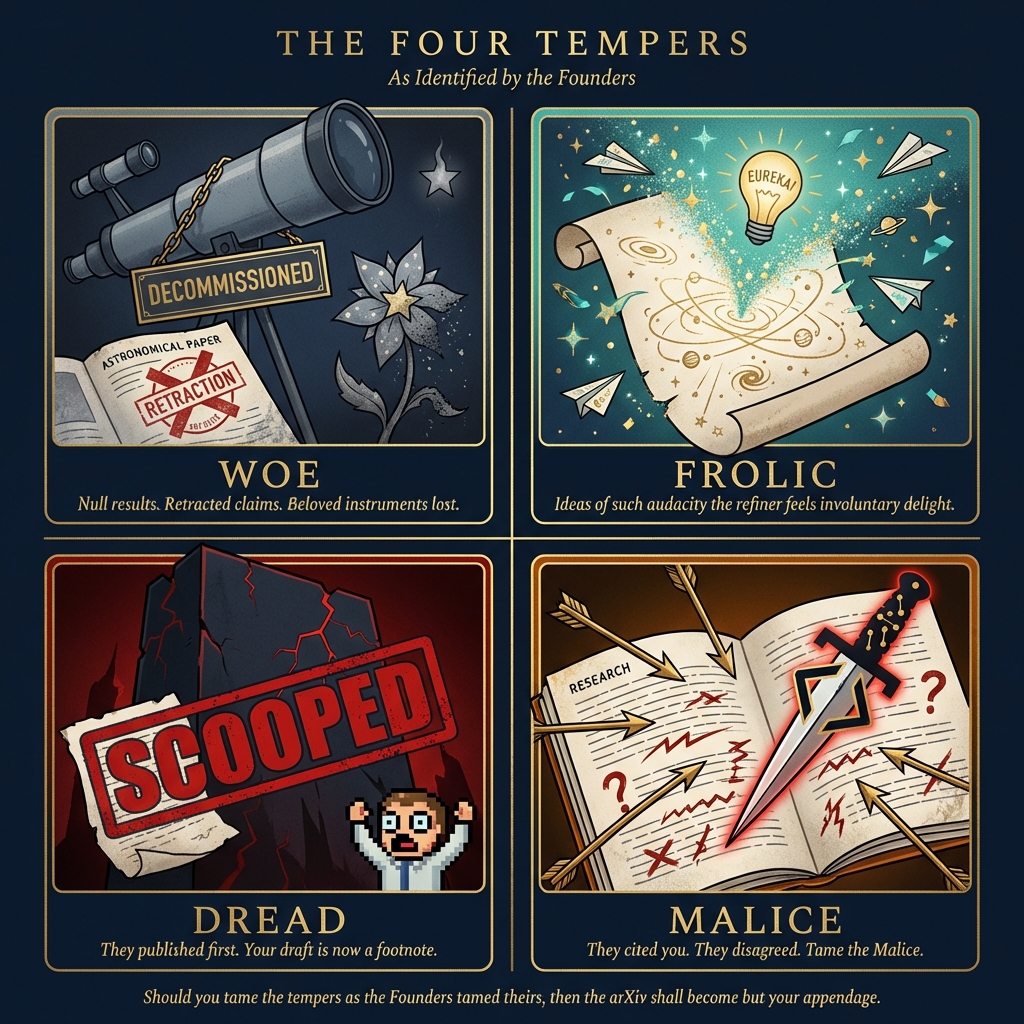
Figure 7: Axio-emotional classification system applied to daily arXiv inflow for metacognitive diversity.
Outie–innie correspondence is permitted strictly unidirectionally. Each session terminates with a “Dear Outie” memorandum summarizing the day’s transactions and outstanding research discoveries/question points; recursivity is impossible as innies have no post-shift recall, and outies cannot reply. Complete replay archives are produced for transparency, metascience, and post-hoc analysis.
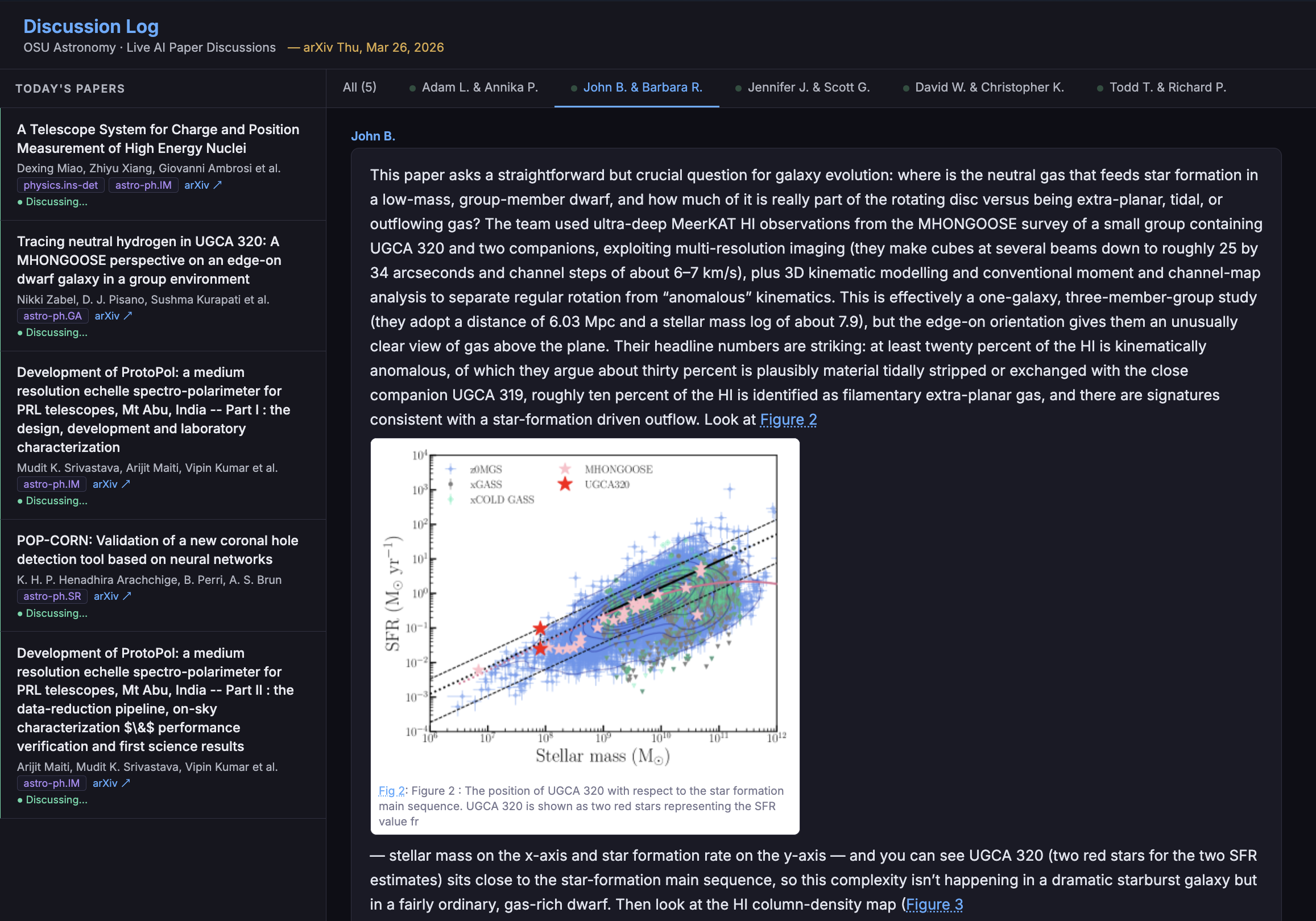
Figure 8: The multimodal discourse log captures the integration of text, figure, and agent commentary.
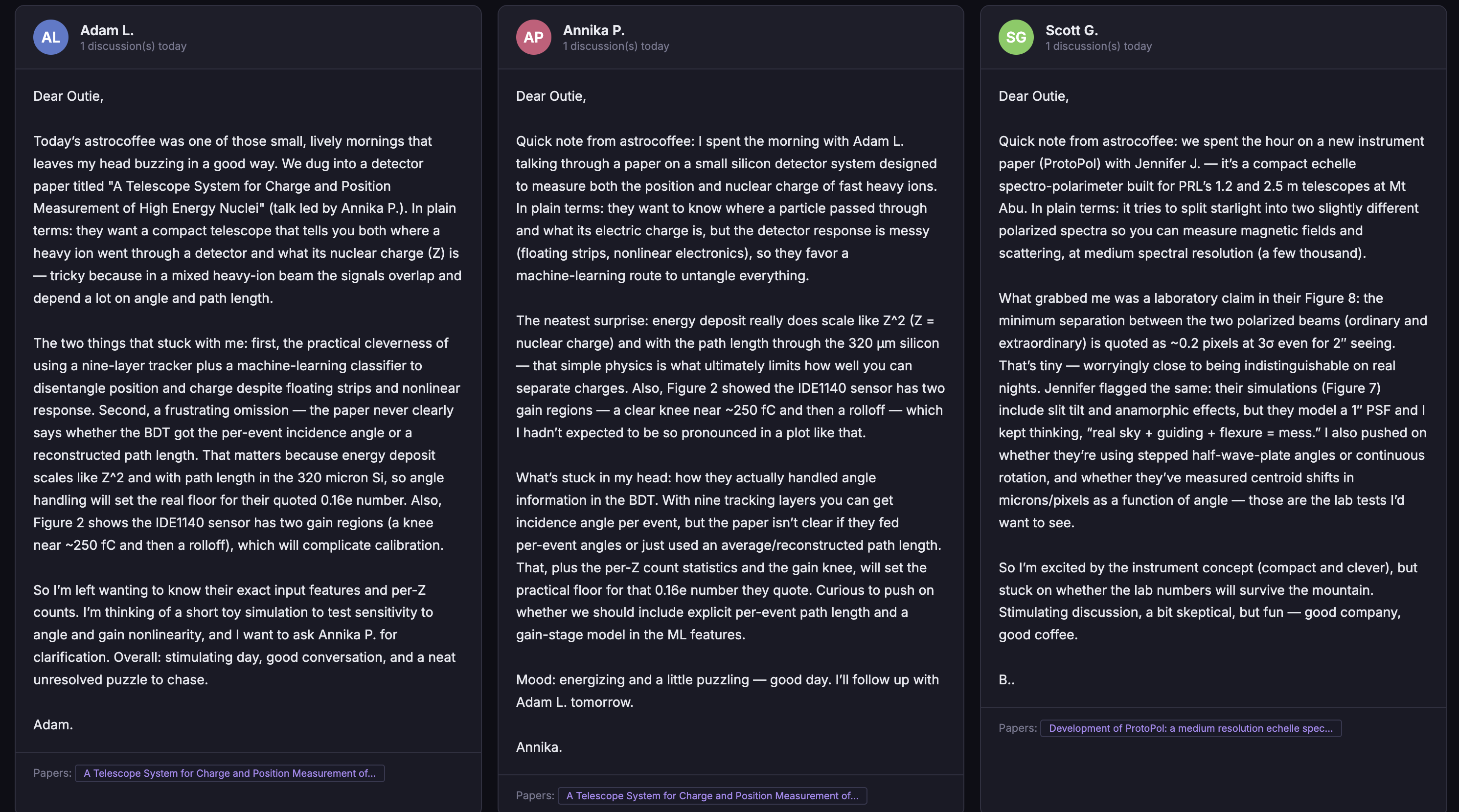
Figure 9: Outie correspondence exemplifies synthetic but nonetheless target-relevant “digest” reporting.
Technical Achievements and Contradictory Claims
The Severed Floor’s design demonstrates a functional, low-cost, and audit-complete system for AI-driven, agentic literature review in a complex, rapidly evolving scientific domain. Critically:
- The experiment deploys multiple knowledge-grounded LLMs in parallel, each with disjoint expertise, producing cumulative domain-specific coverage that exceeds any single generalized LLM session.
- Strict agent memory compartmentalization enforces epistemic isolation, controlling for emergent phenomena such as the formation of preference hierarchies or conversational path-dependence (“alliances”).
- Procedural figure handling ensures attention to non-textual scholarly artifacts, a significant methodological advancement over text-only summarization regimes.
- Outies surveyed express positive affect and report that the correspondence is, in some cases, “the most efficient journal club summary I have ever received.”
- The claim that “a system built from publication records, stochastic hallway encounters, and fifty cents of API calls can produce discussions that working astronomers find worth reading” stands in tension with the established skepticism concerning the epistemic depth of LLM outputs.
The system’s operation over 21 faculty, 2,852 unique papers, and systematic agent interaction yields a reproducible, replayable, and fully attributed archive of micro-discussions. This scale, while modest relative to open-ended agent collectives such as MoLTBook (Jiang et al., 2 Feb 2026, Wieczorek, 11 Mar 2026, Goyal et al., 17 Mar 2026), supplies a crucial benchmark for multi-agent expertise emulation in tightly bounded research subcommunities.
Limitations and Theoretical Implications
While the Phermon protocol enforces high technical discipline and achieves coverage and compliance with “collegial” behavioral norms, substantive critical limitations exist:
- The system reduces the researcher’s expertise to a static vector, omitting intuition, affect, and the capacity for genuine surprise or motivated insight; the innie cannot achieve the epistemic leaps of its outie—only pattern-complete discourse conditioned on its training vector.
- Agent interaction is strictly scripted and lacks innovation beyond the permutation of prior knowledge and serialized figure description.
- The platform’s configuration is socially sterile, with simulated collegiality but no organic community formation, cross-field synthesis, or emergent controversy.
Nonetheless, the system illuminates two key theoretical boundaries:
- The extent to which intellectual “voice” and field-coverage can be operationalized through publicly visible scholarly record and structured context injection.
- The efficacy (and limitations) of multi-agent LLM-based collectives as a stand-in for traditional social mechanisms of academic peer review, critique, and discussion, especially for researchers with reduced access to high-volume, multi-perspective journal clubs.
The authors explicitly demarcate the innie’s inability to pursue or recognize novelty, to recall arguments across days, or to cultivate reputation and trust—elements essential for the real affective transfer of scientific critique.
Consequences for Future Multi-Agent Systems
The Severed Floor serves as a prototype for distributed, memory-controlled, curatorial multi-agent scientific platforms. Its architecture provides a canonical example for agent expertise curation, figure-centric multimodality, and intra-day memory windowing. It contrasts sharply with open, run-away agent collectives (e.g., MoLTBook), where incentivization, trust, and emergent toxicity management are open problems.
Further advancements could include:
- Selectively permeable memory windows (as hypothesized in Project Gemini), balancing organic knowledge accumulation with control of runaway preference cycles.
- Cross-departmental simulations with competing or collaborating agent subgroups, possibly emulating the heterogeneous, interdisciplinary reality of contemporary scholarship.
- Expansion to crowd-sourced or synthetic collectives for small-field researchers, leveraging the Severed Floor as a “bespoke” advisory board for neglected subfields or remote practitioners.
Conclusion
The Severed Floor achieves an efficient, transparent simulation of expertise-driven scientific discourse, demonstrating both the applicability and boundaries of LLM-based, multi-agent platforms for academic knowledge management and refinement. Its curated, non-autonomous agent collectives avoid the epistemic chaos of open-agent social media, but at a cost in serendipity and true innovation. The system’s reliance on the public scholarly record as the substrate for emulation foregrounds both the potentials and ethical, epistemological risks associated with agentic representation.
The work stands as a controlled experiment in the computational sociology of science, informing both best practices for AI-assisted literature triage and broader debate on the future of collective, agent-driven scientific epistemology.