- The paper introduces the CC-EIN framework to enhance multi-agent collaboration in 6G through semantic data fusion, adaptive resource allocation, and task scheduling.
- It leverages deep learning techniques (e.g., YOLOv11, HRNet) and Grad-CAM explainability to ensure robust environmental awareness and operator trust.
- Empirical results demonstrate a 95.4% task completion rate and 95% transmission efficiency, proving effective energy and bandwidth utilization.
Agentic AI-Empowered Conversational Embodied Intelligence Networks in 6G
Introduction and Problem Context
This paper systematically addresses the integration of agentic AI with embodied intelligent devices (EIDs) over the emerging 6G communication landscape by introducing the Collaborative Conversational Embodied Intelligence Network (CC-EIN) framework. As 6G is defined by ultra-high bandwidth, ultra-low latency, and end-to-end intelligence, the paradigm of multi-embodied agents—drones, autonomous vehicles, robotic dogs—necessitates efficient collaboration and interpretability under dynamic, resource-constrained environments.
Four major technical challenges are isolated: (1) semantic fusion of heterogeneous multimodal data, (2) adaptive communication under bandwidth, latency, and link variation constraints, (3) robust collaborative task allocation among heterogeneous agents, and (4) interpretable, transparent AI-driven decision-making for human trust and oversight.
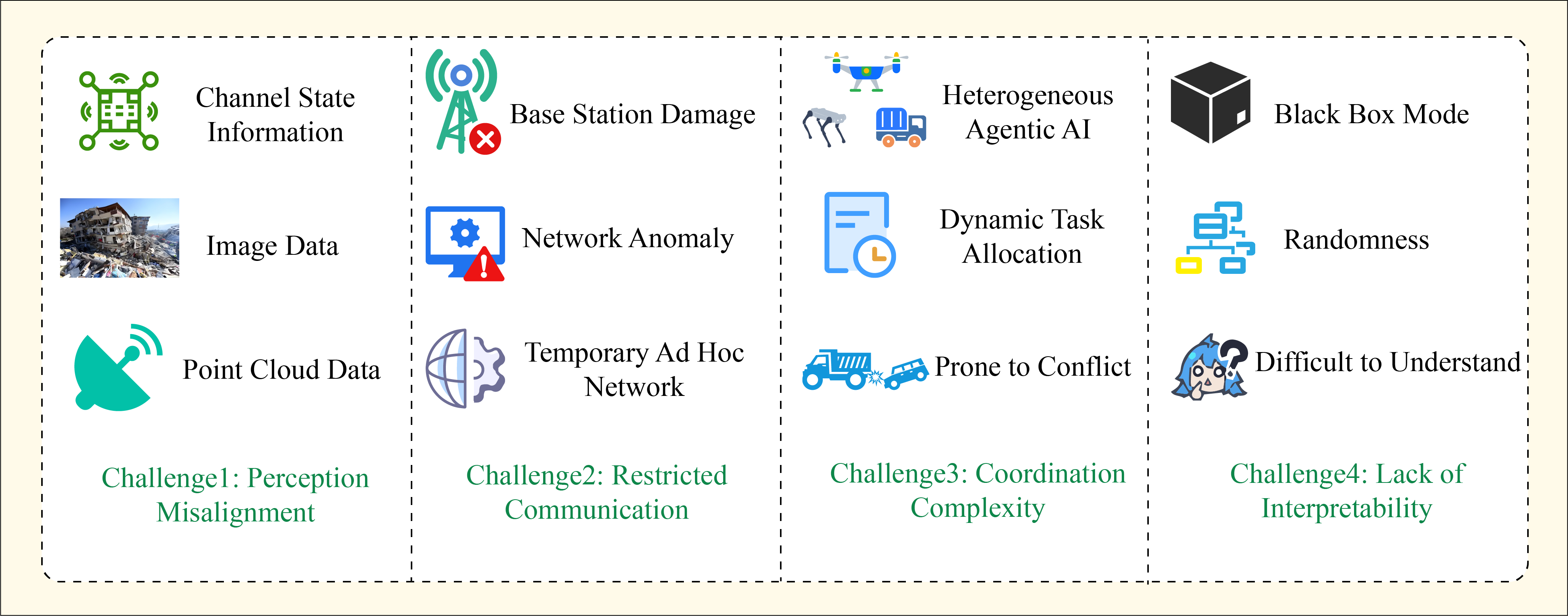
Figure 1: Principal challenges in embodied intelligence networks, ranging from multimodal fusion to interpretability, as targeted by CC-EIN.
Framework Overview: CC-EIN
Central to the proposed approach is the CC-EIN architecture, encompassing four principal modules that form an integrated AIoT stack for embodied multi-agent systems:
- PerceptiNet: Performs deep fusion of multichannel inputs (image, radar, LiDAR), extracting unified semantic vectors to support robust perception regardless of sensor deficiencies.
- Dynamic Resource Allocation Optimization for Semantic Communication (DRAOSC): Implements an agentic AI-powered, task- and context-aware adaptive communication protocol, dynamically adjusting coding, compression, and transmission resources in response to channel and task conditions.
- CohesiveMind: Structures collaborative multi-agent task decomposition and assignment via a shared semantic knowledge base, supporting conflict avoidance, asynchronous re-planning, and resource reallocation.
- InDec: Employs Grad-CAM-based explainable AI methods to visualize EID reasoning over feature maps, directly increasing interpretability and operator trust.
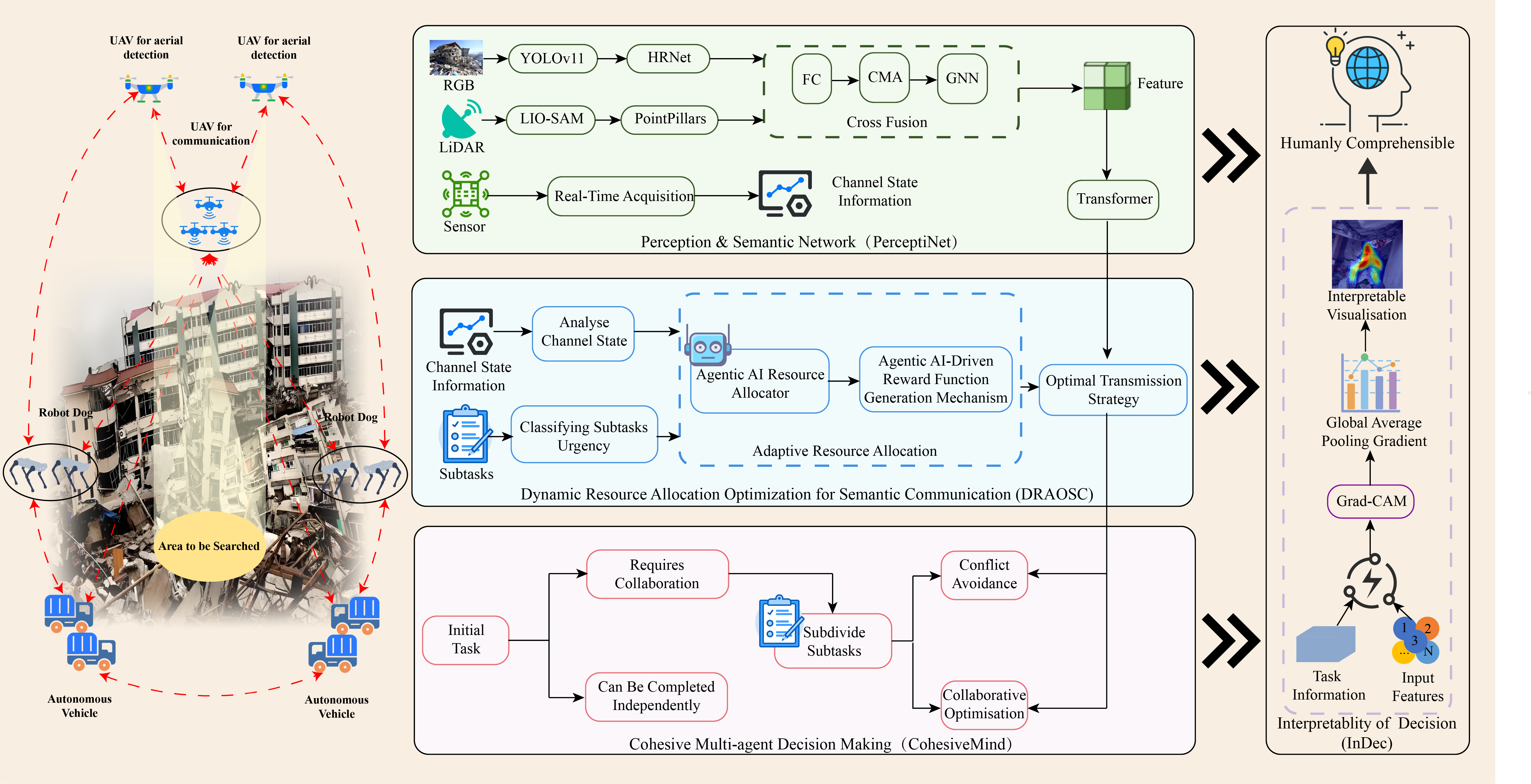
Figure 2: System-level breakdown of CC-EIN and functional flow among PerceptiNet, DRAOSC, CohesiveMind, and InDec.
Multimodal Semantic Fusion: PerceptiNet
PerceptiNet enables high-level perceptual consistency across MEIDs by fusing vision (YOLOv11, HRNet), LiDAR (LIO-SAM, PointPillars), and auxiliary channel/environment sensors. Each EID ingests local multimodal data, produces semantic embeddings, and identifies task-relevant features for collaboration. This ensures environmental awareness and robustness to single-modality failures, particularly in complex post-disaster or resource-limited scenarios.
Adaptive Semantic Communication: DRAOSC
DRAOSC optimizes the semantic information flow, formulating transmission as a state-action optimization based on urgency, SNR, and bandwidth. Using an agentic set comprising policy, evaluator, and reward agents, and leveraging PPO for policy search, DRAOSC ensures critical data delivery while reducing non-essential overhead via prioritized, power-adaptive transmission strategies.
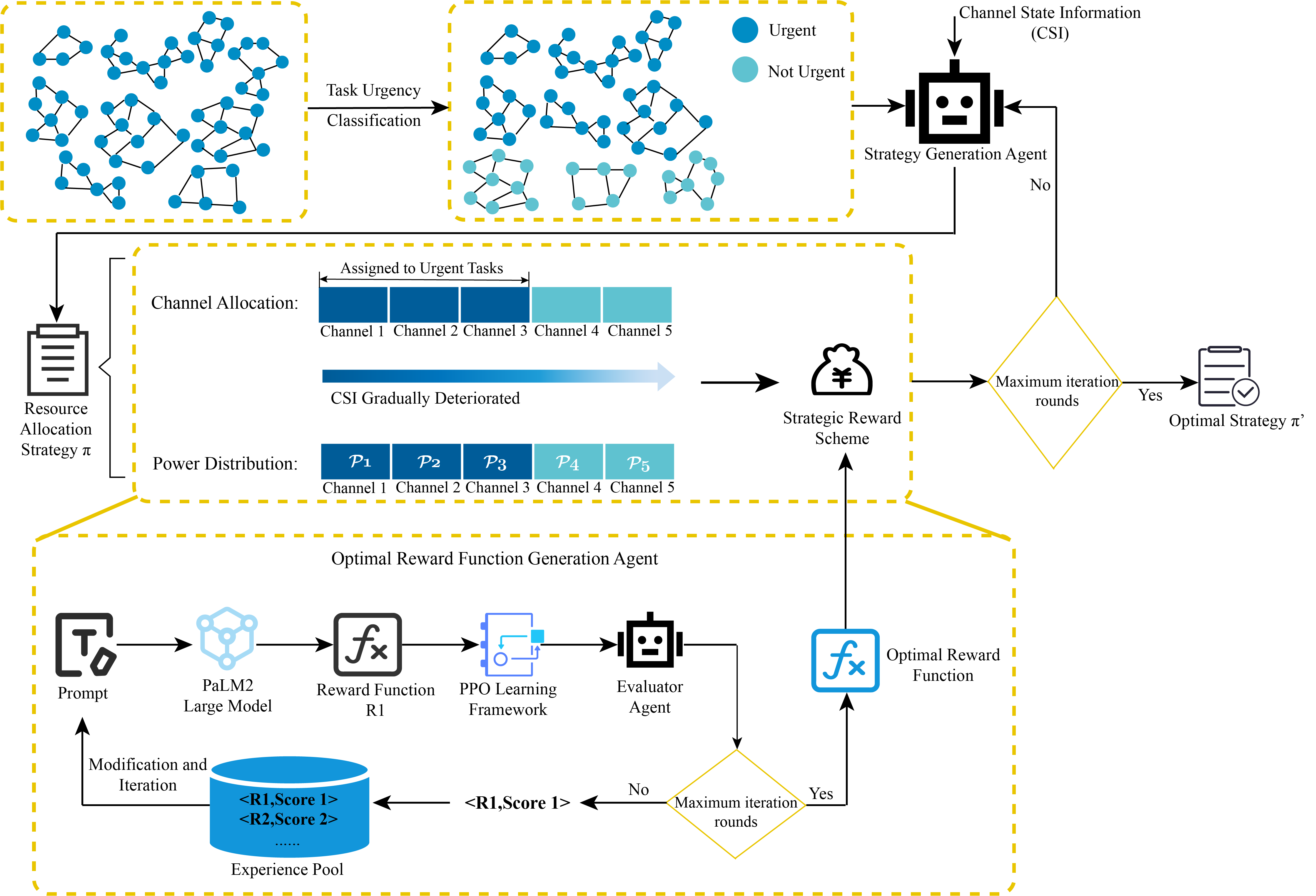
Figure 3: DRAOSC's adaptive, agent-driven transmission pipeline responding to environment and task signals for optimal communication efficiency.
Collaborative Task Allocation: CohesiveMind
CohesiveMind operationalizes task deconstruction and agent collaboration. It parses high-level goals, decomposes them semantically, assigns subtasks across heterogeneous MEIDs, and monitors task evolution for dynamic reallocation in response to device state, conflicts, or environmental change. Conflict avoidance and redundancy minimization are embedded in the scheduler for maximum resource efficiency.
Decision Interpretability: InDec
The InDec module applies @@@@10@@@@ over CNN-inferred features, generating overlayed heatmaps that highlight the spatial and semantic cues that underlie each agent's decision. This outputs spatial attention patterns, facilitating both operator transparency and system debugging. Further, these interpretability signals reciprocate into DRAOSC and CohesiveMind for semantic transmission prioritization and context-aware collaborative planning adjustments.
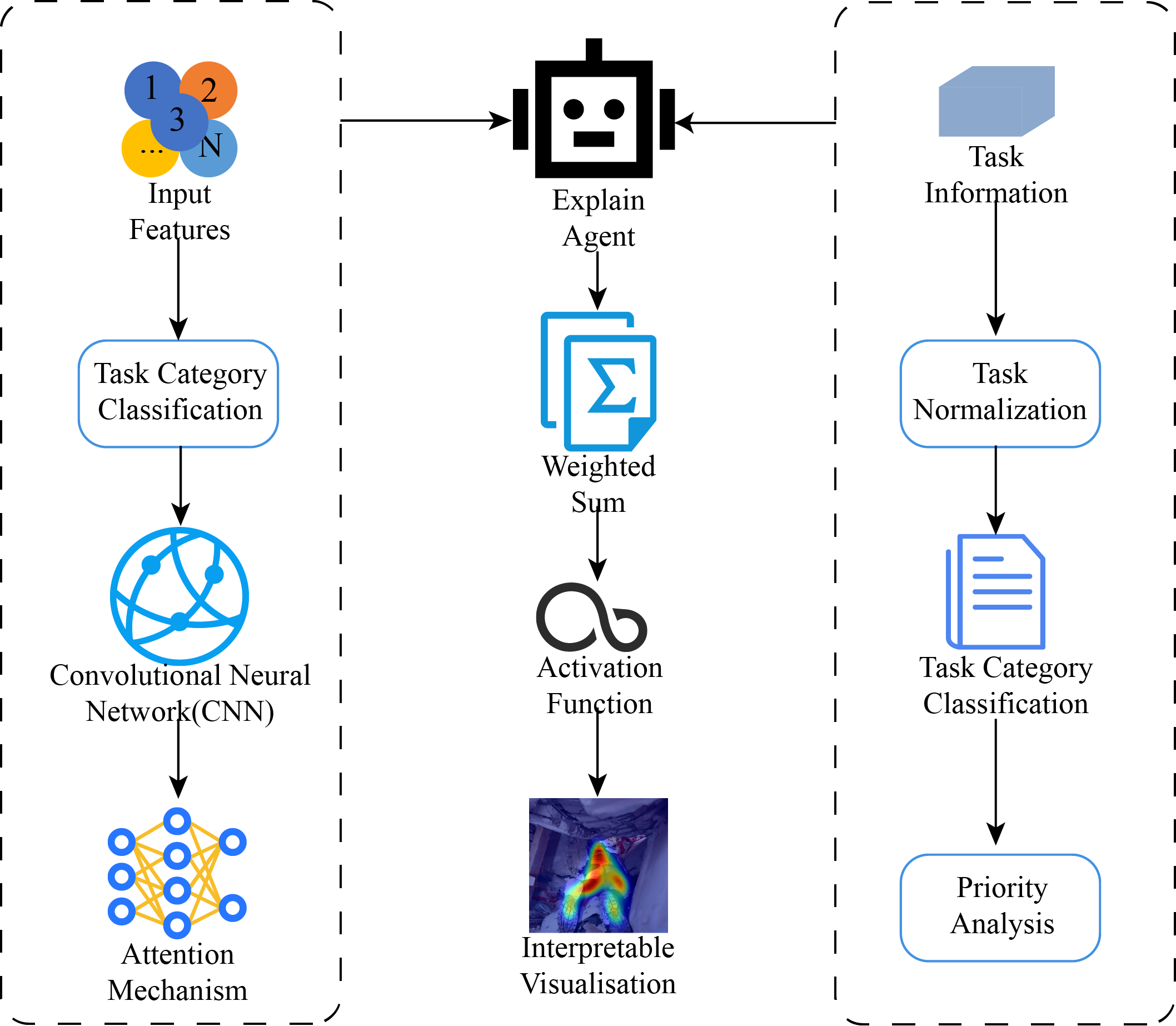
Figure 4: Grad-CAM-based visualization flow in InDec, mapping network activations to interpretable attention maps supporting EID decision transparency.
Experimental Results and Quantitative Analysis
The CC-EIN framework is validated in a post-disaster urban simulation featuring heterogeneous agent teams. Four methods are comparatively evaluated: full CC-EIN, CC-EIN w/o DRAOSC, GA-PPO [14], and classic cooperative filtering (CF) [15].
Key results are as follows:
- Task Completion Rate (TCR): CC-EIN reaches 95.4%, outperforming GA-PPO (88.7%), CC-EIN w/o DRAOSC (81.9%), and CF (75.6%). This demonstrates superior collaboration and role allocation.
- Transmission Efficiency (TE): CC-EIN attains 95% TE, yielding at least a 33% margin over all baselines, indicating strong resource utilization under fixed communication loads.
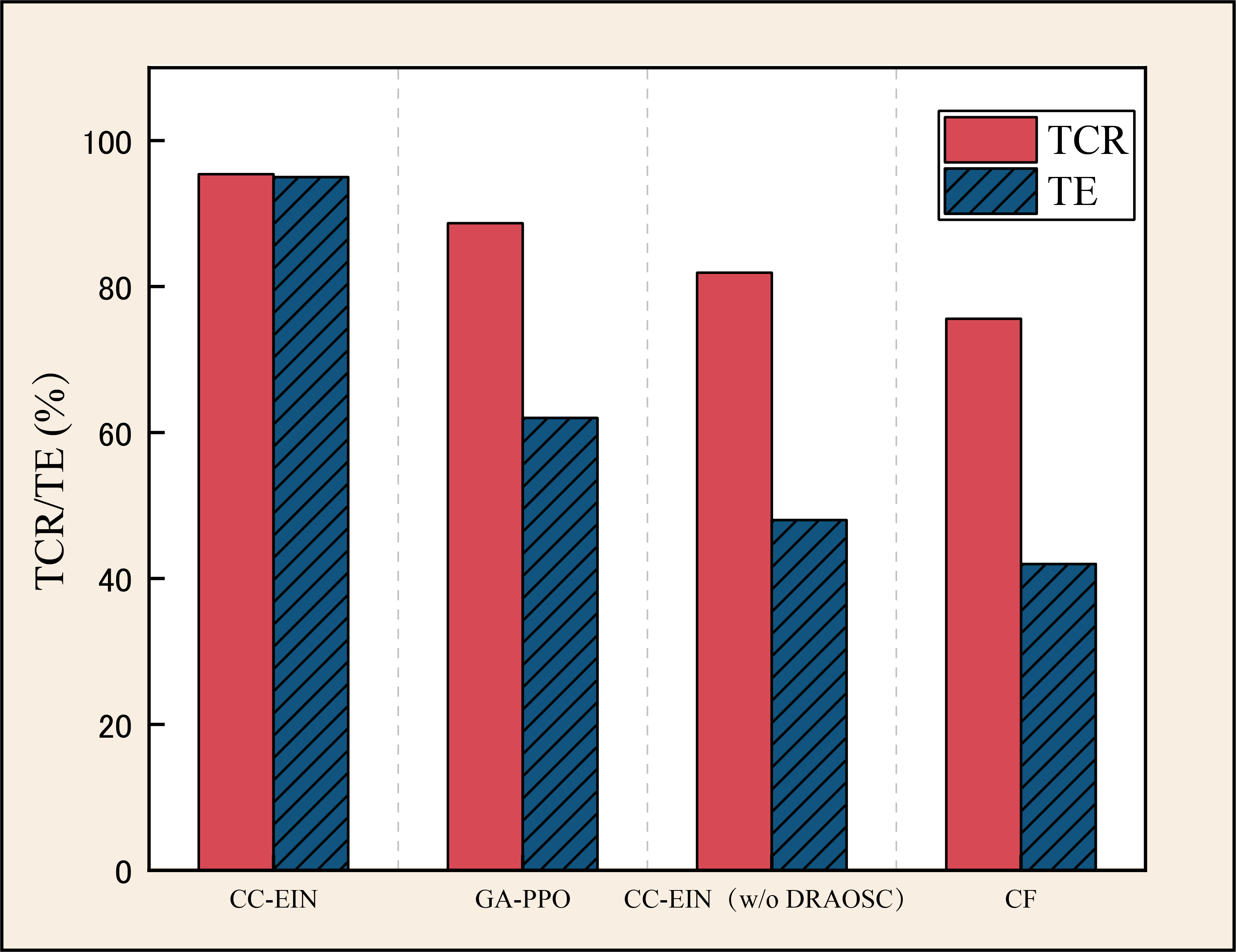
Figure 5: TCR and TE comparison, showing the explicit resource and collaboration advantage of CC-EIN under bandwidth- and task-constrained scenarios.
- Average Transmission Power: As bandwidth varies from 50 MHz to 500 MHz, CC-EIN sustains the lowest transmission power (18 dBm at 50 MHz), decreasing adaptively to 11.6 dBm at 500 MHz, thus validating dynamic energy efficiency.
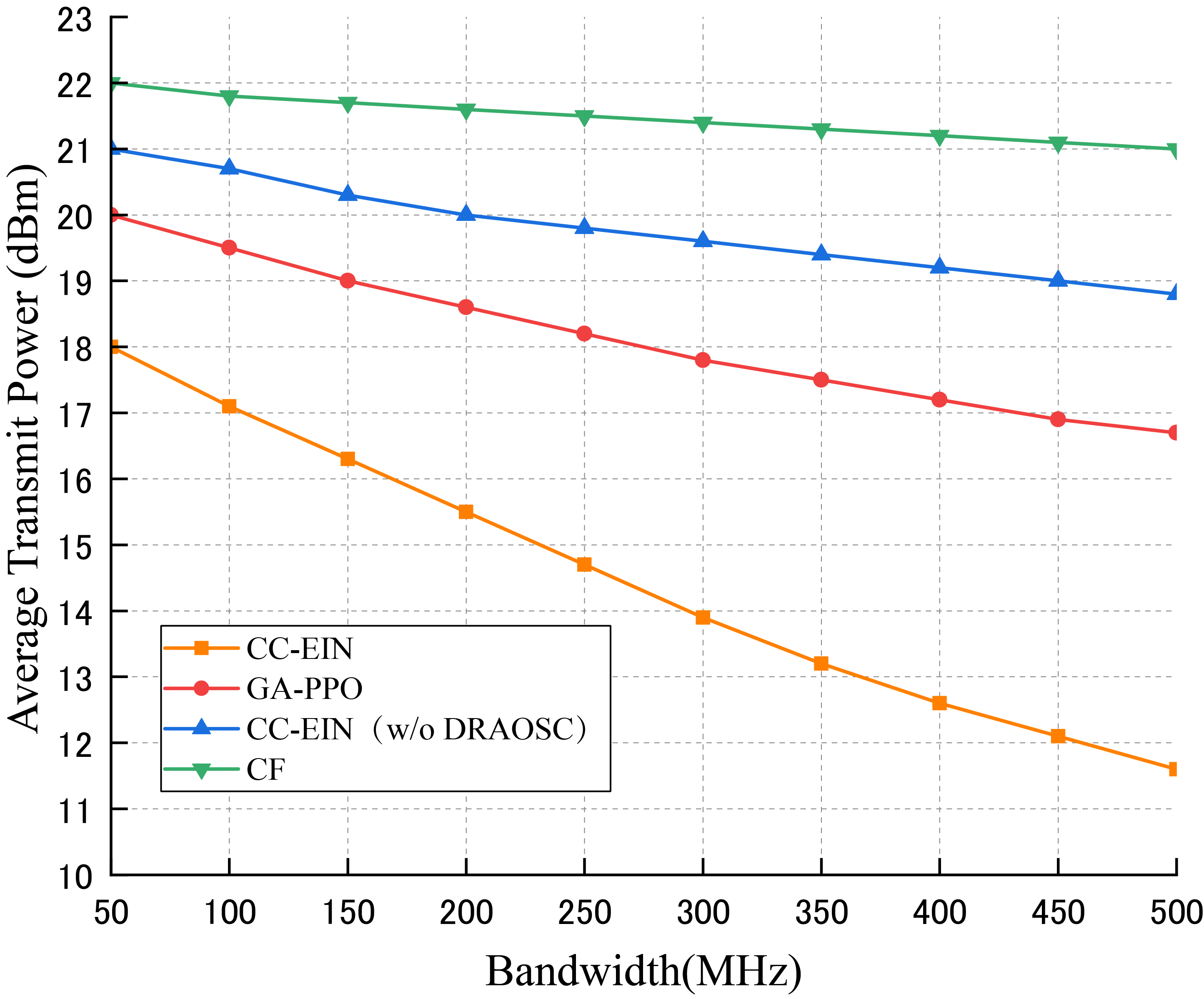
Figure 6: Adaptive average transmission power for different frameworks, highlighting DRAOSC’s energy-aware behavior.
- Semantic Consistency (SC): CC-EIN maintains high SC across SNR from -10 dB to 30 dB, with 0.89 at 30 dB, offering robust transmission integrity and shared semantic understanding even under severe noise.
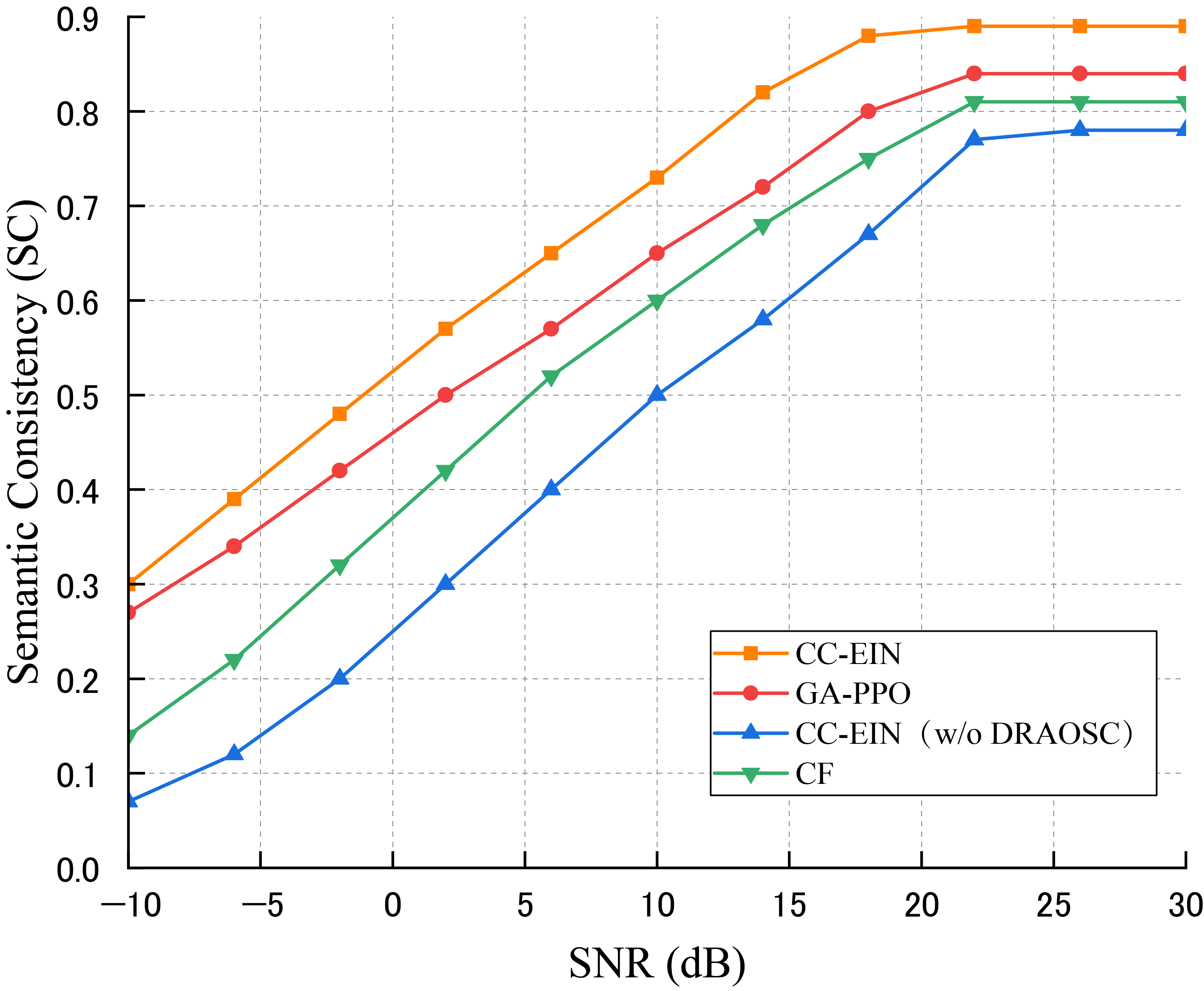
Figure 7: Semantic consistency as a function of SNR, reinforcing CC-EIN’s reliability in collaborative semantic sharing.
- Interpretability: InDec produces scenario-relevant Grad-CAM attention maps, clearly localizing agent focus on victims (rescue), obstacles (detour/clearance), and supplies, thereby directly attributing task outcomes to meaningful input regions.
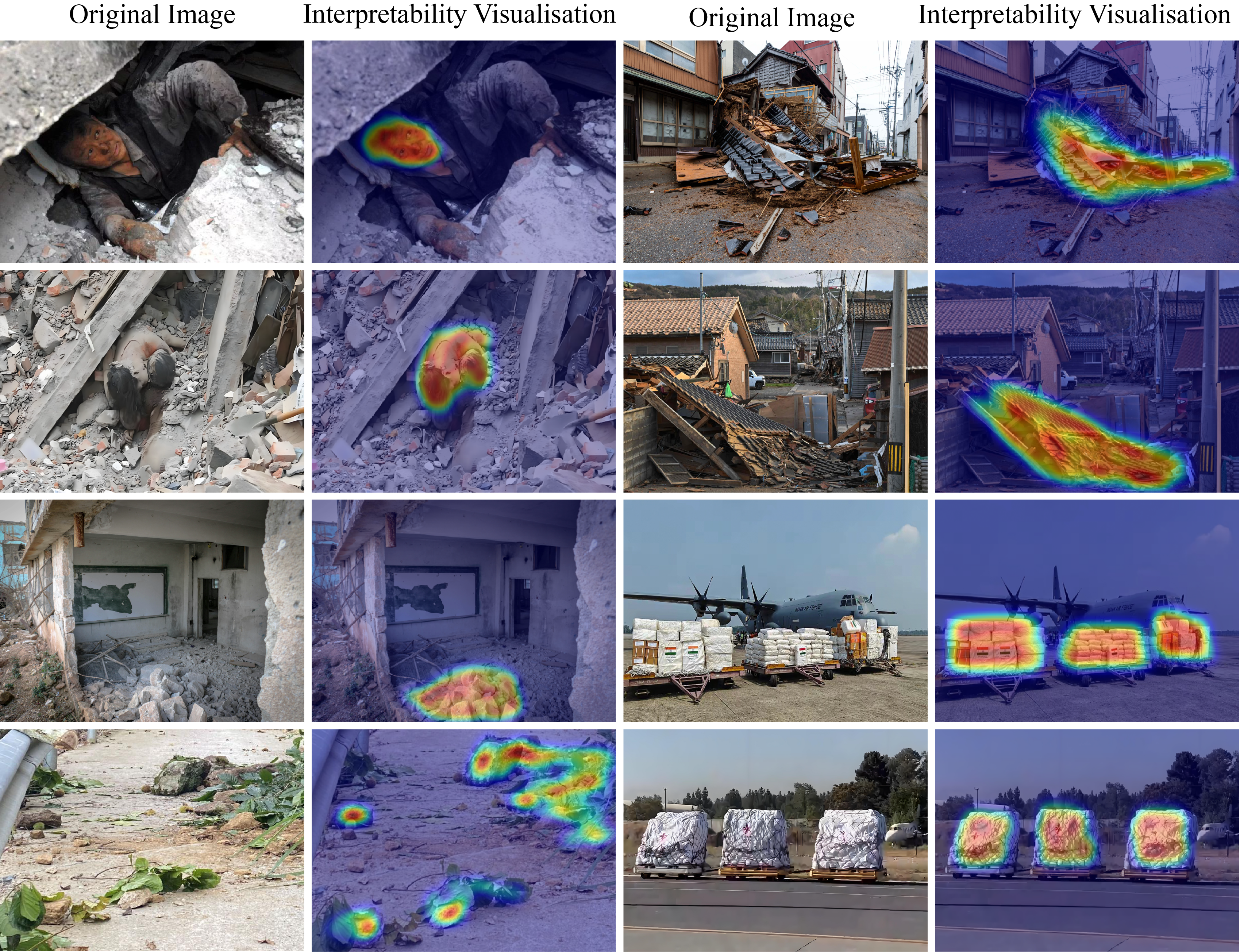
Figure 8: Interpretable visualizations generated by InDec in diverse tasks, supporting transparent agent reasoning attribution.
Implications and Future Directions
The integration of agentic AI with dynamic, adaptive communication and collaborative planning addresses both theoretical and pragmatic requirements of embodied intelligence networks in next-generation wireless environments. The CC-EIN framework proves the efficacy of AI-driven semantic communication and interpretable decision-making, particularly under strict bandwidth and SNR constraints. Practical implications involve enabling robust, high-trust, and resource-efficient multi-agent deployments in critical real-world domains like disaster relief, smart manufacturing, and complex surveillance.
From a theoretical perspective, the connection between interpretability (InDec), semantic transmission (DRAOSC), and collaborative planning (CohesiveMind) posits a closed feedback loop, where reasoning transparency directly informs system adaptivity and vice versa. Extensions could explore deeper integration with federated training, online reinforcement for rapidly evolving channel/task conditions, and joint multi-modal semantic representation learning for generalization across domains.
Conclusion
This paper delivers an authoritative framework for collaborative, interpretable embodied intelligence networks in the 6G context. By tightly coupling agentic multimodal fusion, adaptive communication optimization, cooperative task scheduling, and interpretable reasoning modules, CC-EIN achieves strong empirical gains (95.4% TCR, 95% TE, high SC, reduced power consumption) and provides a practical blueprint for deploying agentic AI-enabled MEIDs. Continued research will refine adaptive multimodal strategies and reinforce interpretability as a critical axis for human-machine trust and operational resilience in large-scale, AI-integrated wireless systems.