- The paper presents an iterative prototyping model combining caregiver feedback and CBIR to develop a culturally tailored AAC platform for non-verbal autistic children in Oman.
- The study demonstrates significant usability improvements through the integration of Arabic voice feedback and customized visual cues to enhance engagement.
- The research highlights the need for adaptive, context-aware features to effectively address linguistic and cultural challenges in assistive communication tools.
Introduction
The research paper presents a methodology for developing a communication platform suited to non-verbal autistic children, particularly tailored for use in Oman. Autism Spectrum Disorder (ASD) poses significant communication and social interaction challenges. Traditional communication aids often suffer from integration inefficiencies and lack sufficient multi-lingual support, particularly for regional languages like Arabic. This study aims to combine various existing technologies to create an enhanced, integrated platform that supports children with ASD and addresses specific regional linguistic needs, thereby improving communication capabilities and social interaction.
Design and Methodology
The design framework follows an iterative prototyping model, allowing for continual refinement based on user feedback. This approach included data collection from caregivers, therapists, and educators who provided critical insights into the specific needs of autistic children. The primary requirements identified were multilingual support, specifically Arabic, and integration of Content-Based Image Retrieval (CBIR) systems. CBIR is emphasized due to its potential for enhancing user interaction by leveraging visual-based data retrieval methods, which is particularly beneficial for autistic children who are often more responsive to visual cues than textual ones.
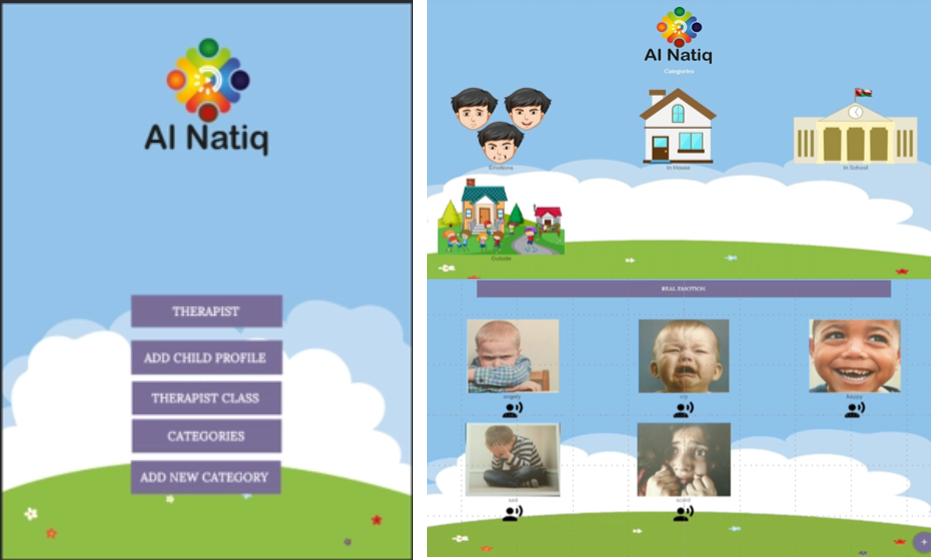
Figure 1: Application Interface Demonstration.
Experimental Findings
Therapist and User Feedback
In initial trials and structured dialogues with speech-language therapists, the platform demonstrated effectiveness in reducing cognitive barriers and promoting engagement through culturally relevant visual stimuli. The inclusion of Arabic voice feedback represented a significant breakthrough in AAC tools in the region. Customization features allowed content to be personalized per individual child's needs, enhancing both usability and therapeutic outcomes.
Usability Trials
Early interaction observations revealed that children could express basic emotions and needs dynamically using the application's touch interface, particularly when the visual prompts were complemented by voice feedback. Case studies showed increased responsiveness and engagement from children who were previously reserved in face-to-face interactions. For example, a significant improvment was noted in a case involving a 10-year-old girl who rapidly increased her interaction confidence through consistent use of the app.
Content-Based Image Retrieval Module
Feedback from experts supported the potential of integrating a CBIR module for personalized content delivery. Such a mechanism could provide ongoing customization of the application by suggesting contextually relevant icons or images based on user interaction patterns. This feature would enhance the system's responsiveness and adaptability, key elements for advancing beyond static communication tools.
Cultural and Linguistic Adaptation
The research underscored the insufficiency of Western-centric AAC tools in addressing the nuances of Arabic language and culture. By embedding culturally familiar icons and Arabic voice feedback, the prototype successfully filled existing gaps and provided a grounded alternative to imported solutions. User feedback reiterated the importance of integrating cultural context into tool design, facilitating more effective communication that aligns with the child's life experiences.
Conclusion and Future Directions
This study laid the groundwork for developing an inclusive, culturally sensitive communication platform for non-verbal children with ASD. Initial trials demonstrated its potential to improve engagement and enhance communication capabilities. Future iterations will include advanced features such as gesture recognition, sign language integration, and CBIR functionalities to support personalized user experiences. Broader empirical trials are necessary to consolidate findings, refine the platform, and ensure it provides lasting benefits to the target population.
The research sets a foundation for future developments in assistive technologies, highlighting the necessity of designing tools that cater to specific linguistic and cultural needs. Integrating intelligent adaptive systems into communication aids will drive progress in supporting autistic children in diverse global contexts.