- The paper introduces the MTOS framework that employs LLMs, dual-layer memory, and structured prompts to simulate multi-topic opinion evolution.
- It utilizes multi-dimensional Hegselmann-Krause models and dynamic topic recommendations to overcome limitations of single-topic simulation.
- Experimental results show that dispersing attention across diverse topics fosters opinion diversity and mitigates echo chamber effects.
MTOS: A LLM-Driven Multi-topic Opinion Simulation Framework for Exploring Echo Chamber Dynamics
Introduction
This paper addresses the challenges associated with understanding the dynamics of opinion polarization in multi-topic social media environments using a framework called MTOS. The framework integrates LLMs to simulate opinion dynamics in multi-topic contexts. Traditional numerical models fall short in capturing the complexity of opinion evolution across multiple interrelated topics, highlighting the necessity for a more nuanced approach. MTOS leverages LLMs, short-term and long-term memory mechanisms, user-selection interaction mechanisms, dynamic topic-selection strategies, and belief decay mechanisms to more realistically simulate opinion changes.
Multi-topic Opinion Simulation Framework
MTOS utilizes LLMs to drive simulations within a multi-topic landscape, thus overcoming the limitations of single-topic models. The framework initializes each agent with a unique set of attributes and positions them within a scale-free network to mimic real-world social structures. Agents hold initial beliefs across multiple topics, and their interactions are modeled using a combination of belief-value averaging algorithms and semantic structured prompts.
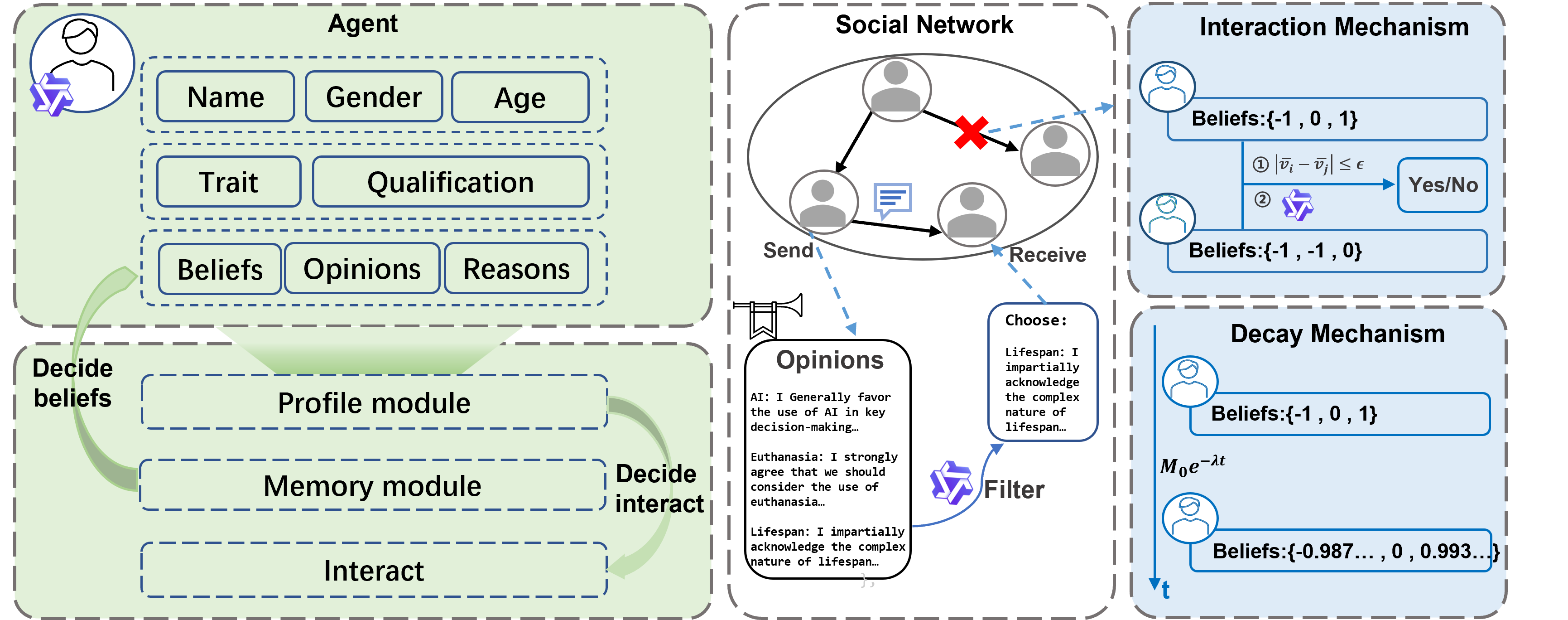
Figure 1: The MTOS framework illustrating user profiles, dynamic topic selection, and interaction mechanisms.
Agents in the framework are equipped with both short-term and long-term memory, enabling them to process and integrate diverse opinions over time. A belief decay mechanism simulates cognitive fatigue, gradually updating the agents' multi-topic beliefs.
Multi-topic Agent Interaction Mechanism
To accurately model agent interactions within multi-topic environments, MTOS employs two primary strategies: a multidimensional Hegselmann-Krause model, which dynamically adjusts neighbor selection based on overall opinion similarities, and a structured prompt-based semantic matching mechanism.
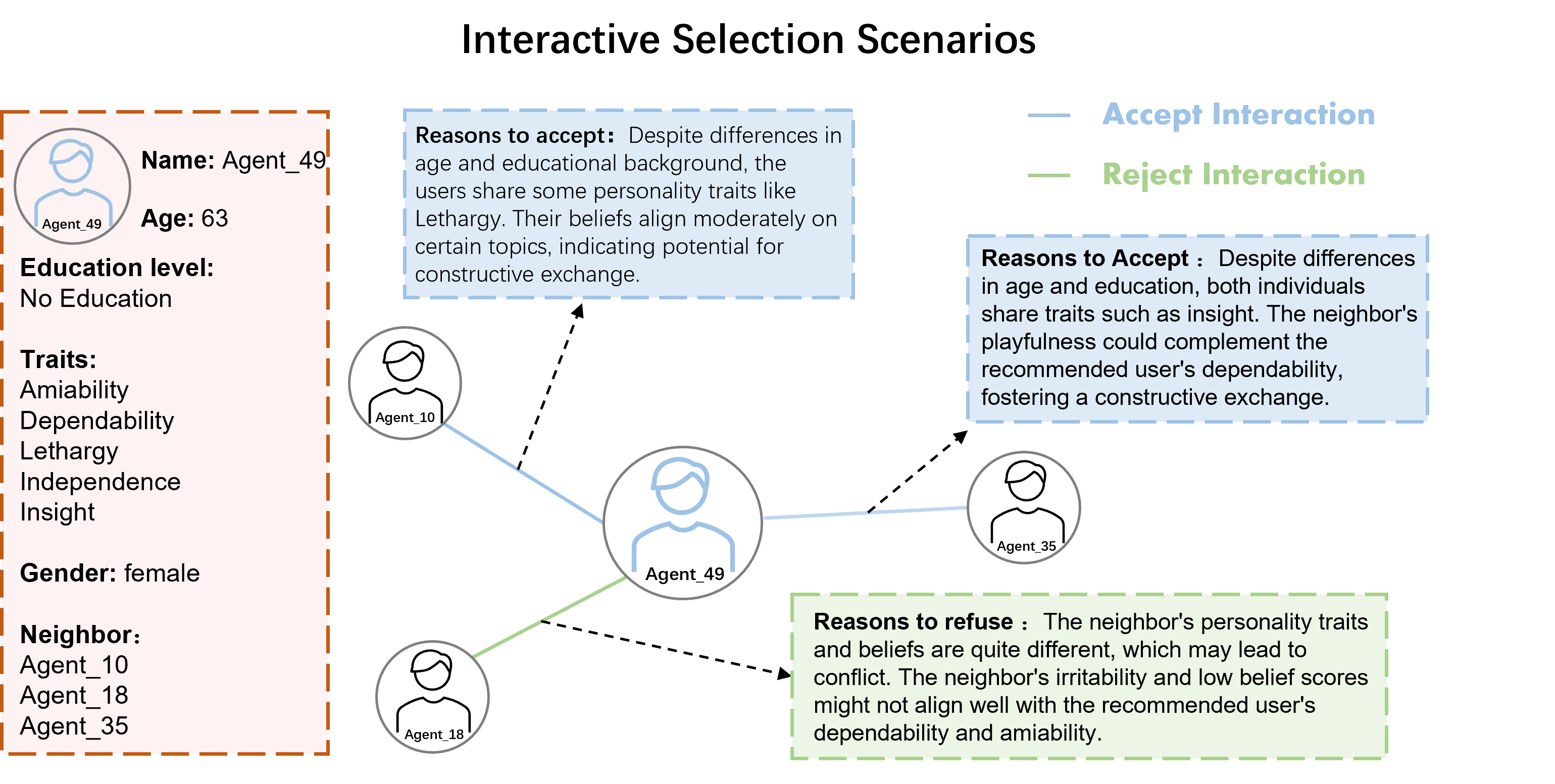
Figure 2: Decision-making logic of agents within social networks during interactions.
These mechanisms allow the simulation framework to reflect real-world patterns of information processing and opinion evolution in multi-topic settings.
Multi-Topic Recommendation and Belief Update Mechanisms
MTOS introduces a dynamic topic recommendation mechanism that allocates topics based on historical interactions and current cognitive states.
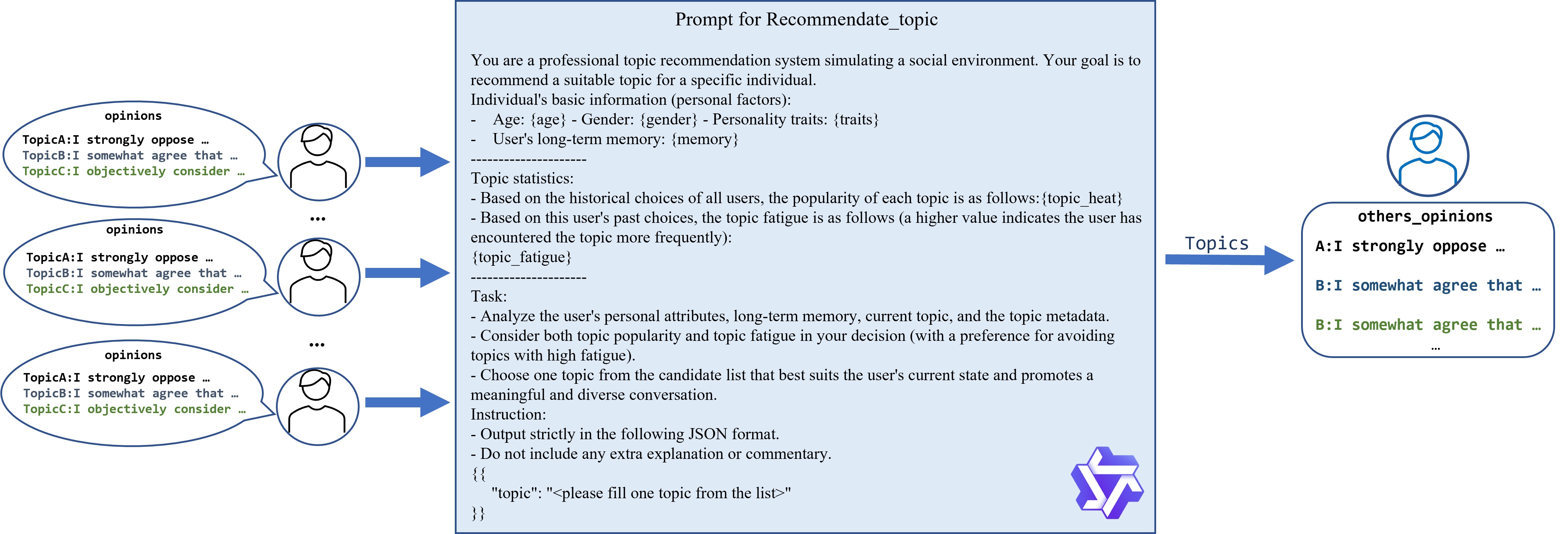
Figure 3: Topic Selection Mechanism.
This approach balances global topic trends with individual agent characteristics, thereby simulating realistic topic competition and attention distribution among agents. The belief update mechanism is governed by a dual-layer memory architecture, providing a comprehensive evolution of opinions reflective of human cognitive processes.
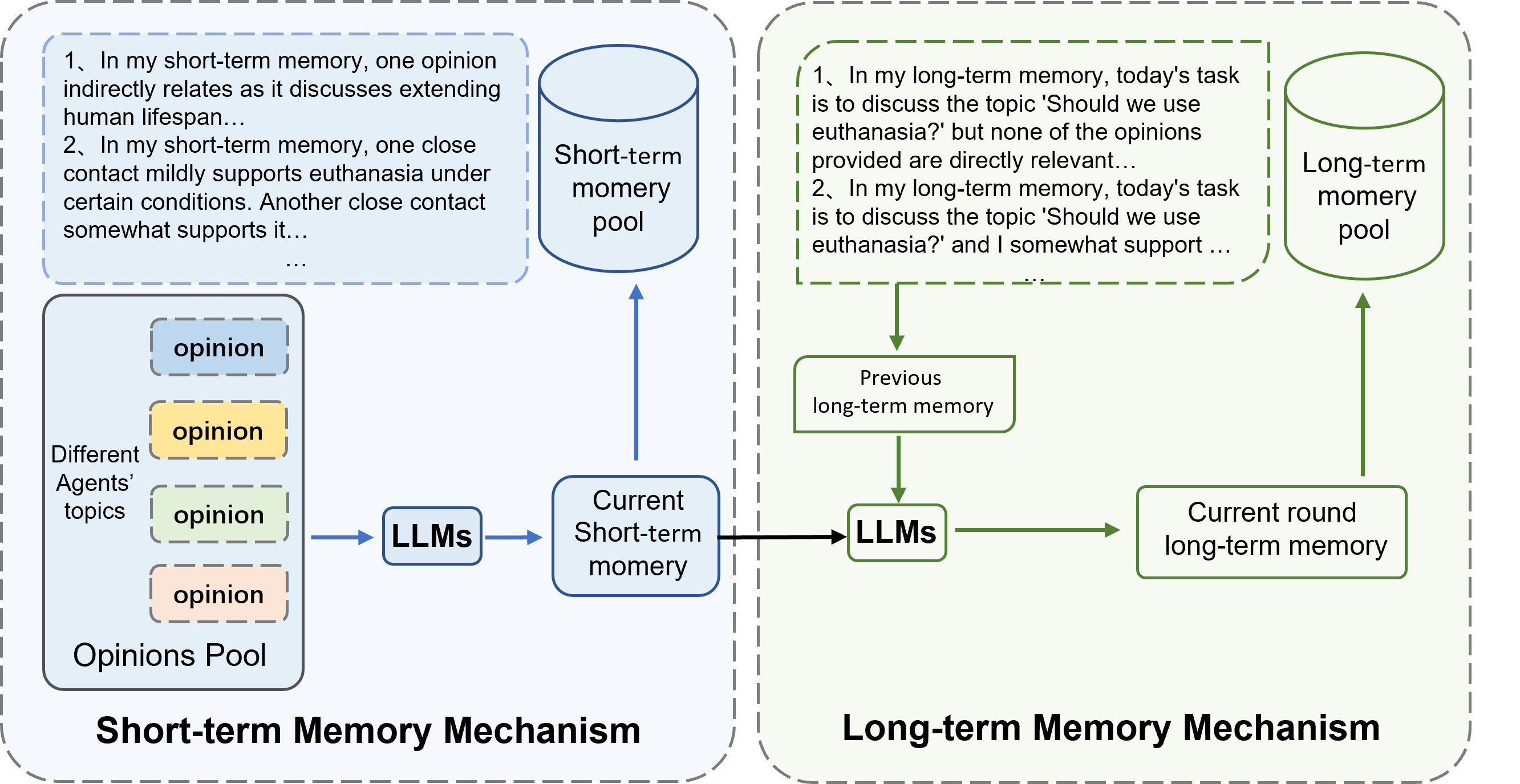
Figure 4: Dual-layer memory structure supporting opinion evolution.
Experimental Analysis
A series of experiments were conducted to validate MTOS's ability to replicate echo chamber dynamics. MTOS was compared with a classic single-topic simulation framework (SSF), highlighting MTOS's effectiveness in simulating multi-topic interactions. The experiments revealed that MTOS could mitigate echo chamber effects by dispersing attention across unrelated topics, thereby fostering opinion diversity rather than convergence.
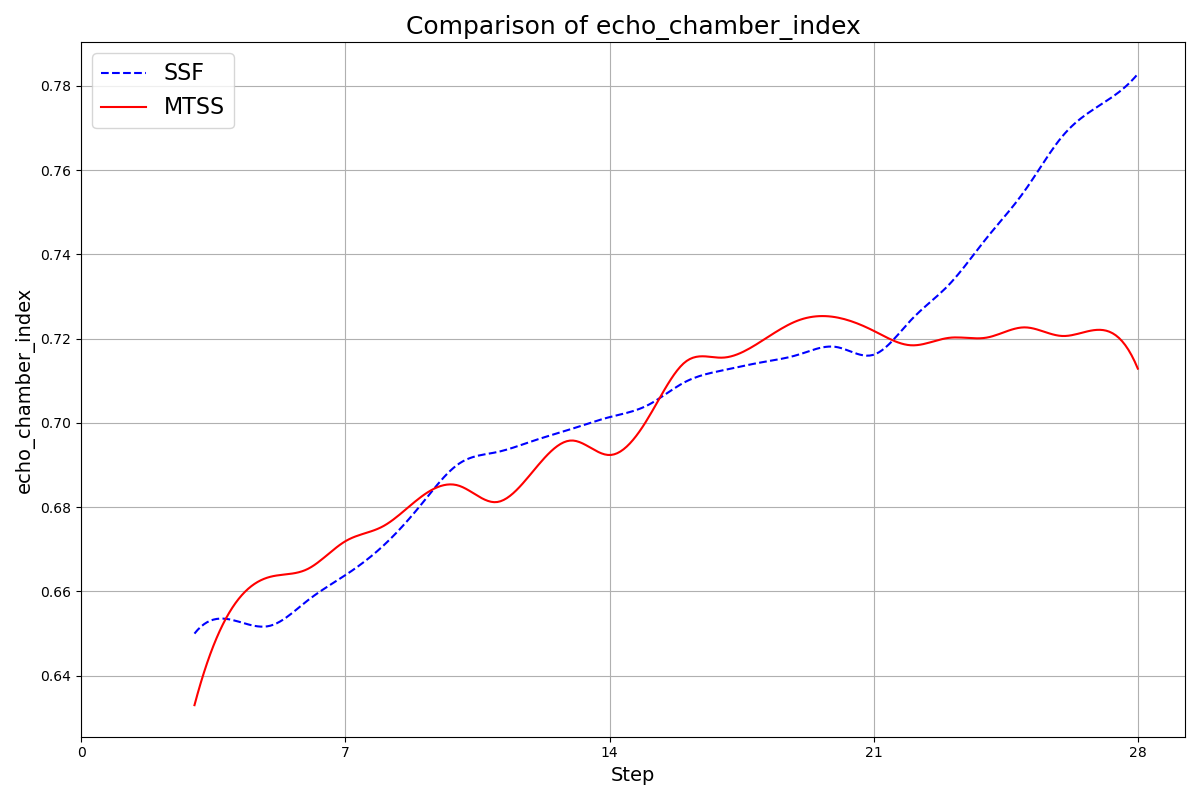
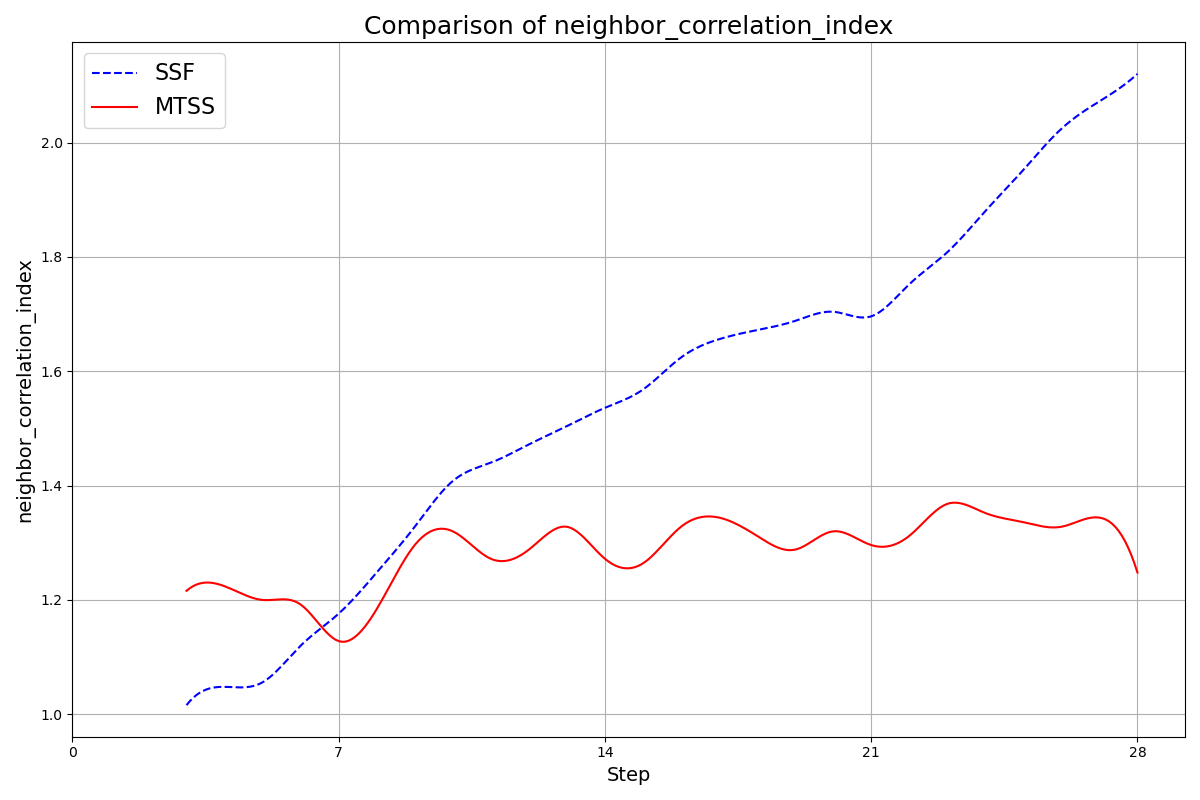
Figure 5: Experimental results showing Echo Chamber and Neighbor Correlation Index variations.
Further exploration of inter-topic correlations demonstrated that topic relevance significantly impacts group opinion dynamics. Introducing negatively or weakly positively correlated topics increased opinion diversity, whereas positively correlated topics fostered consensus more rapidly.
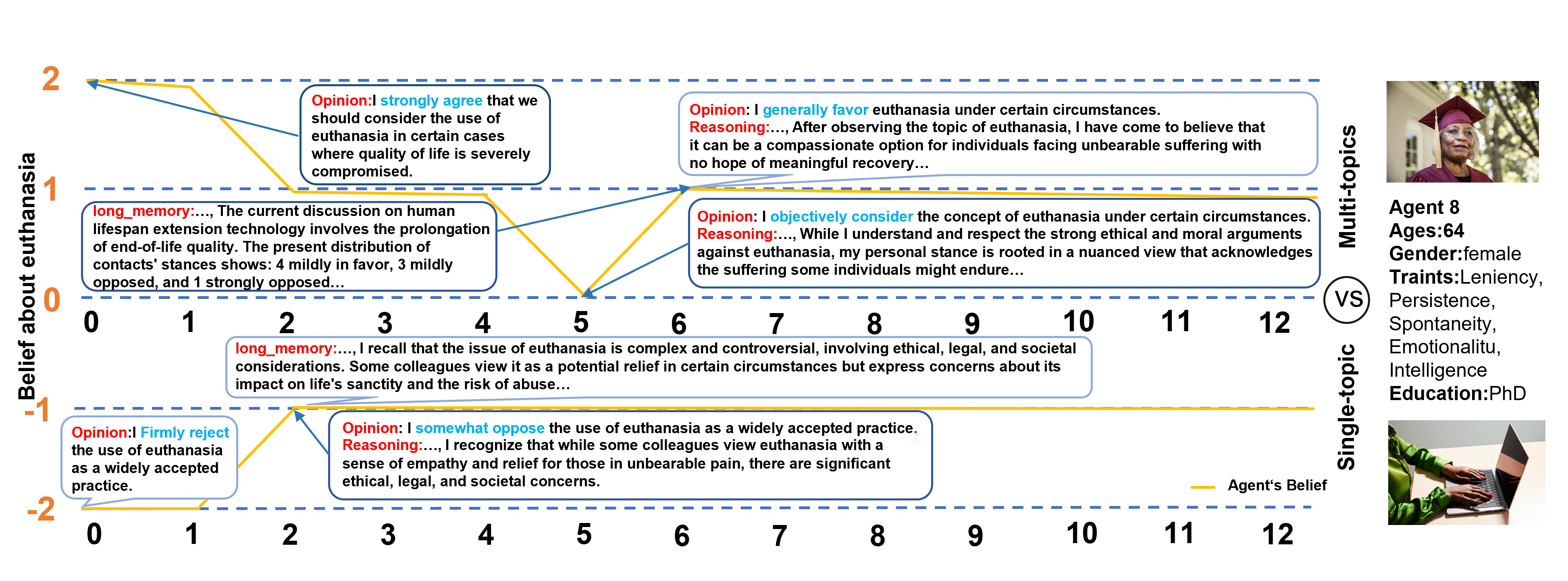
Figure 6: Changes in agent beliefs in single-topic vs. multi-topic environments.
Conclusion
MTOS provides an advanced framework for simulating the evolution of opinions across multiple topics in social media contexts, incorporating LLMs to enhance interpretability and dynamic adaptability. Future work should focus on expanding topic complexity and integrating multi-model strategies to improve the framework's neutrality and cognitive diversity. MTOS thus offers a robust tool for exploring the impacts of echo chambers and multi-topic interactions in networked societies.

