- The paper introduces a framework for pricing-driven DevOps by analyzing over 150 SaaS pricing models and highlighting the role of feature toggles in rapid system adaptations.
- It demonstrates that while the number of pricing plans marginally increases, the exponential growth of add-ons expands the configuration space, emphasizing the Paradox of Choice.
- The study calls for advanced automation in feature toggling and industry standardization to streamline pricing changes and reduce time-to-market.
Racing the Market: An Industry Support Analysis for Pricing-Driven DevOps in SaaS
Introduction
The proliferation of the Software as a Service (SaaS) model has ushered in diverse subscription pricing mechanisms, demanding new methods for operation and development, termed Pricing-Driven DevOps. This analysis explores the paper "Racing the Market: An Industry Support Analysis for Pricing-Driven DevOps in SaaS" (2409.15150), which examines the evolution and management of SaaS pricing models focusing on minimizing the time required for implementing pricing changes to underlying software systems.
SaaS Pricing Complexity
The study tracks over 150 pricing models from 30 SaaS offerings over a six-year period. The analysis reveals that while add-ons exponentially increase the configuration space, the number of pricing plans shows a marginal increase, aligning with the Paradox of Choice, which suggests that fewer options decrease user decision fatigue.
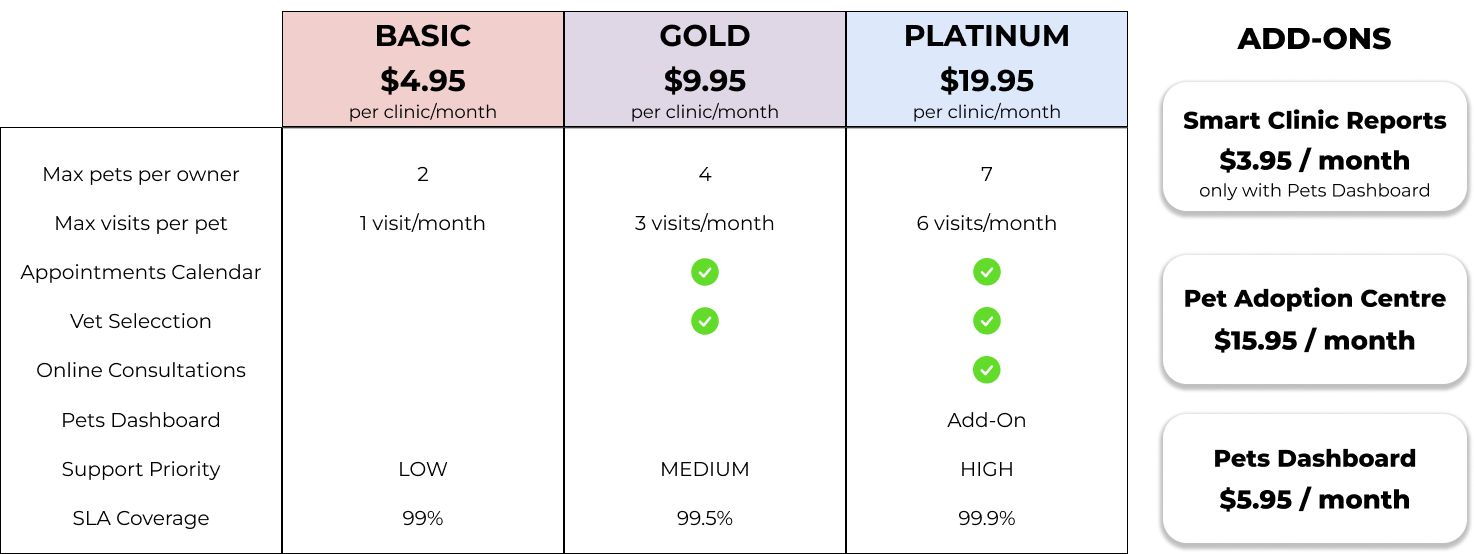
Figure 1: Sample pricing with ten features, three plans and three add-ons.
Pricing configuration spaces, defined as the set of all viable subscription combinations, grow linearly with the number of plans but exponentially with the addition of features and add-ons. Thus, effectively managing this complexity is crucial for SaaS developers to maintain flexibility and quality.
Feature Toggling for Pricing Adaptation
The paper highlights feature toggling, specifically permission toggles, as a strategic mechanism for dynamically facilitating pricing changes. These toggles allow modifications without altering the application codebase, thus expediting adaptation to pricing fluctuations.
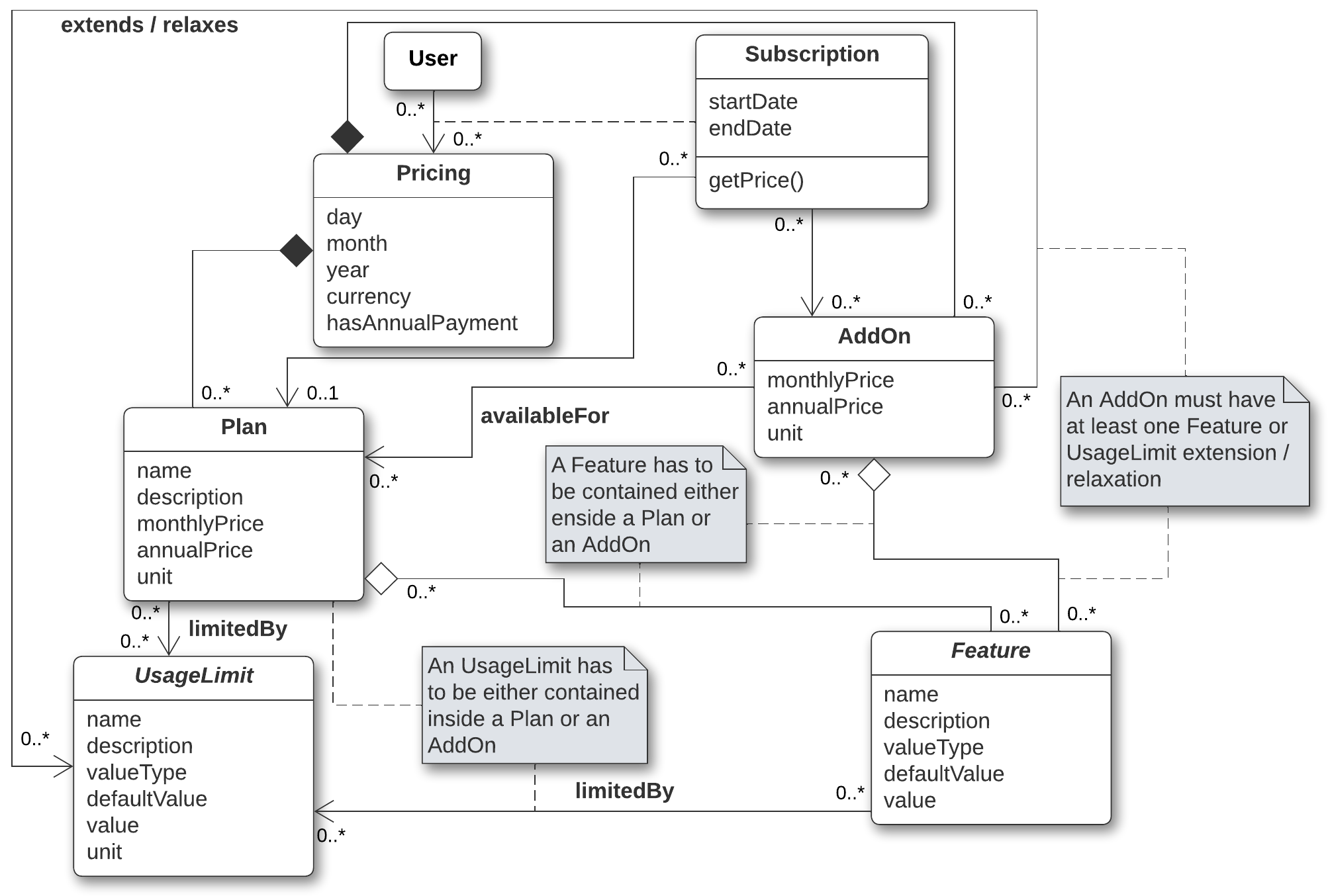
Figure 2: Excerpt of Pricing4SaaS UML Model.
Current implementations of feature toggling largely support dynamic evaluations (Level L1), but only a few possess the advanced capability to integrate toggle evaluations directly from serialized pricing data (Level L3). The study identifies significant gaps in tooling that need to be addressed for fully automated deployment of pricing-driven features.
Observational Findings
Observational studies conducted reveal that pricing models’ configuration spaces are predominantly influenced by the number of add-ons, while evaluation spaces are linearly expanding due to feature proliferation. Statistical testing evidenced significant evolution in SaaS models over the observed period.
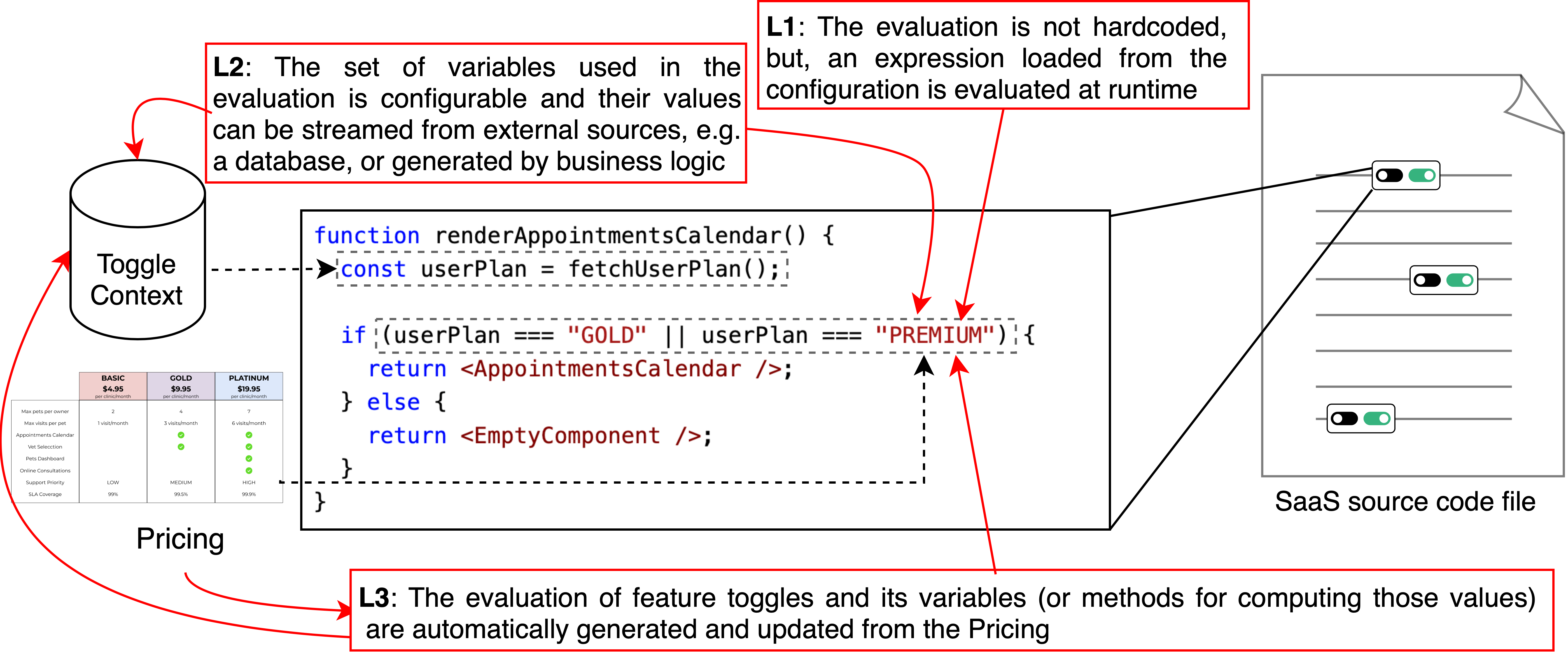
Figure 3: Evolution of SaaS pricings per year.
The complexity of managing these spaces is articulated through the need for streamlined feature toggle frameworks capable of handling this dynamic nature without extra burden on development teams, leveraging tools like the Yaml4SaaS serialization, which provides a robust modeling ground for such pricing structures.
Implications and Future Directions
The paper provides a foundational framework for future technological advancements needed in Pricing-driven SaaS DevOps. It advocates the development of robust automated solutions to optimize and speed up the deployment of pricing changes. Existing tools fall short in fully exploiting pricing configurations programmatically, presenting a fertile ground for innovation.
The research encourages an industry push towards standardization in pricing schemes and tooling to reduce the manual overhead and facilitate automated operations. Further explorations in modeling diversified SaaS configurations and enhancing feature toggling libraries are suggested as pivotal next steps.
Conclusion
This paper underscores the need for industry-wide progress in systematically addressing the intricacies introduced by advanced SaaS pricing models. By advocating for improved feature toggling solutions that integrate with pricing models, the study lays the groundwork for reducing time-to-market in SaaS updates, preserving ecosystem integrity, and maximizing operational efficiency. Such advancements represent not only a reduction in operational overhead but also a strategic alignment with market competitiveness through rapid, lower-cost adaptations.
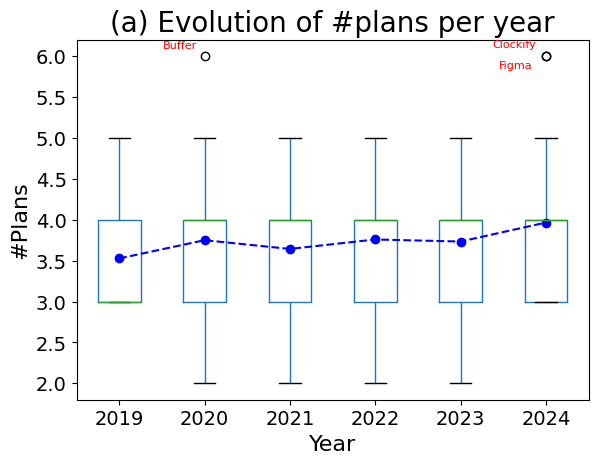
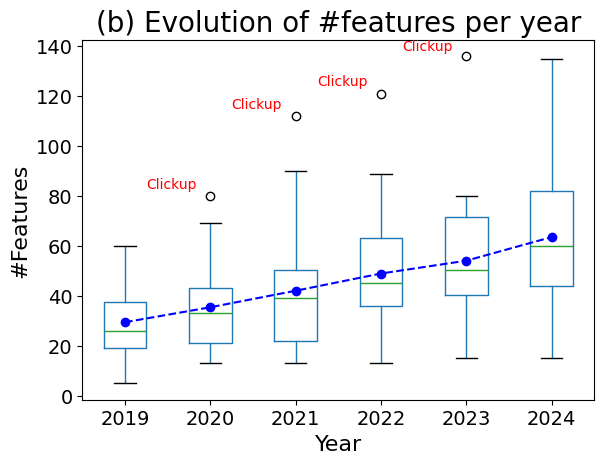
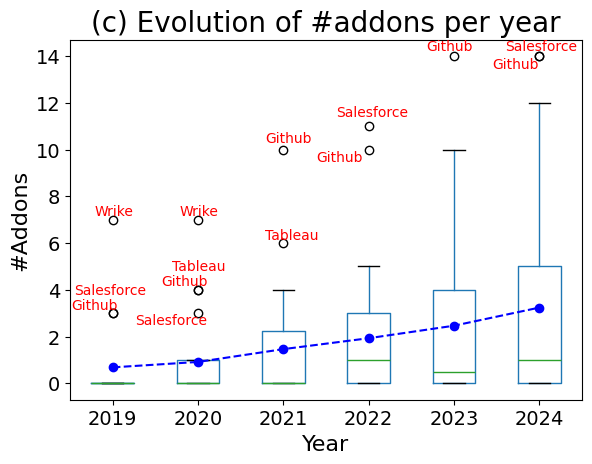

Figure 4: Feature toggles and how the defined capability levels relate to their elements.
In essence, aligning SaaS operations with dynamic pricing models requires an intersection of creative tool development and methodological improvements to meet the continuously evolving demands of the cloud-based service ecology.