- The paper introduces a detailed taxonomy of human-AI collaboration by analyzing dimensions such as complementing flow, task horizon, model representation, and teaming goals.
- It demonstrates how human inputs enhance AI reasoning and interpretability improves trust, outlining effective strategies for mutual support.
- The survey emphasizes challenges like cost constraints and the need for state-based models in sequential tasks to guide future research and applications.
Human-AI Symbiosis: A Survey of Current Approaches
The paper "Human-AI Symbiosis: A Survey of Current Approaches" (2103.09990) provides a detailed examination of the evolving landscape of human-AI collaboration. The authors aim to categorize and summarize the various methodologies that facilitate cooperative engagement between humans and AI systems. This survey splits research into dimensions such as complementing flow, task horizon, model representation, knowledge level, and teaming goals, creating a taxonomy that bridges disparate studies in this domain.
Introduction to Human-AI Collaboration
Human-AI teams are increasingly significant as AI systems become ingrained in daily life. When humans and AI collaborate, they can maximize each other's strengths, leading to superior outcomes compared to working independently. However, combining human and AI capabilities introduces new challenges, such as AI systems needing to interpret human actions and their mental models. The taxonomy proposed by the authors helps contextualize various research efforts within coherent dimensions.
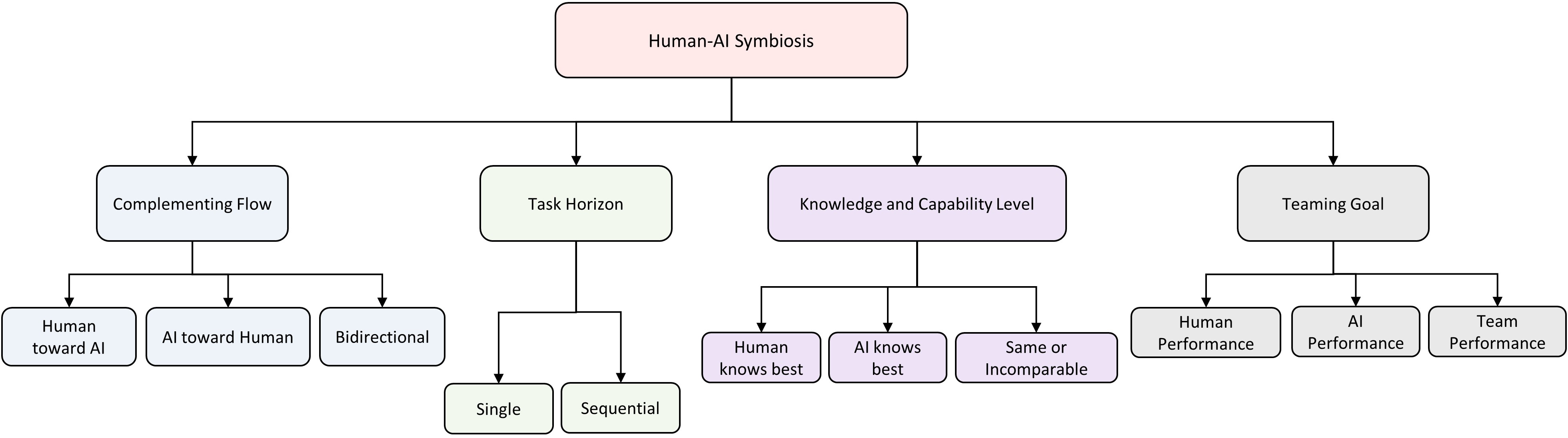
Figure 1: We survey various dimensions based on the paradigm of recent approaches.
Complementing Flow
Complementing flow pertains to the interaction between human and AI as entities that complement each other's weaknesses. Depending on whether the human complements the AI, the AI complements the human, or a peer-to-peer approach is undertaken, different challenges arise. Human inputs can improve AI performance when humans complement AI. Conversely, AI systems should be interpretable to humans for effective collaboration when AI complements humans.
Human Complements AI
Utilizing human inputs in AI systems can create cost-related challenges, and AI systems require robust reasoning capabilities to determine optimal instances for input integration. Human involvement is often crucial in overcoming AI limitations, and these collaborations assume the human has superior knowledge and capability levels, optimizing the AI system's performance.
AI Complements Human
The AI system emphasizes optimal decision-making and interpretability to facilitate effective collaboration. These approaches aim to conform to human expectations, accommodating trust and understandability. AI systems can communicate intentions through behaviors or explicit explanations, enhancing collaboration fluency and trust.
Task Horizon and Model Representation
Task horizon differentiates between single tasks, such as classification, and sequential tasks, like planning. Sequential tasks, encompassing more complex operations, typically require state-based models integrating goals, intentions, and observational nuances. In human-AI collaboration, understanding model representation, including beliefs and capabilities, is pivotal. The relationship between task horizon and model representation often aligns with machine learning models for single tasks and MDP models for sequential tasks.
Knowledge and Capability Level
The synergy of human-AI teams depends on the complementary skill sets of both participants. These teams leverage the relative strengths of humans and AI systems, varying from expert AI systems to human expert-driven tasks. The literature divides scenarios based on expertise levels, affecting the problem-solving capacities of the team.
Teaming Goal
Human-AI teams may pursue different objectives based on performance goals or interaction states. Enhancing individual performance or focusing on team efficiency offers distinct challenges. Interaction type, whether single or longitudinal, influences goals, with long-term collaborations emphasizing trust and interpretability.
Implications and Future Directions
Real-world applications integrating human and AI capabilities signify promising advancements. Despite this potential, various research directions remain fragmented. The dimensions proposed address fundamental challenges and foster clarity in research connections. These insights are crucial in guiding future research, facilitating innovations in human-AI symbiosis, and enabling practical implementation across diverse applications.
Conclusion
The survey elucidates the taxonomy of human-AI collaboration efforts, contributing substantial clarity and foresight in research strategies. By mapping research endeavors to distinct dimensions, it not only enhances understanding across various studies but also fosters interdisciplinary collaboration. The comprehensive taxonomy provided is positioned to streamline research development and encourage innovative applications in human-AI teamwork across numerous domains.

