- The paper introduces robust transaction fee mechanisms that counteract censorship and bribery by employing a multi-proposer model with FOCIL.
- It evaluates three fee models (Double, Single, and Single Prioritized TFMs) that adapt to adversarial incentives and congestion scenarios.
- The study quantifies the minimum bribes needed to enforce censorship, setting the stage for future blockchain protocol updates.
Multiple Proposer Transaction Fee Mechanism Design: Robust Incentives Against Censorship and Bribery
Introduction
The paper "Multiple Proposer Transaction Fee Mechanism Design: Robust Incentives Against Censorship and Bribery" (2505.13751) addresses a significant challenge in the blockchain ecosystem—designing transaction fee mechanisms (TFMs) that effectively counteract censorship and bribery attacks. Blockchain systems often rely on a single proposer model where a solitary actor decides which transactions to include in a block. However, this setup can incentivize censorship behaviors, particularly if proposers aim to maximize Maximal Extractable Value (MEV). The emergence of mechanisms allowing multiple proposers to contribute to block construction, such as Fork-Choice Enforced Inclusion Lists (FOCIL), necessitates robust TFMs that can uphold censorship resistance while adapting to incentives and adversaries.
Fork-Choice Enforced Inclusion Lists (FOCIL)
FOCIL represents a blockchain design innovation aimed at enhancing censorship resistance by empowering multiple proposers—within an inclusion list committee—to mandate transaction inclusion in blocks. Each committee member can suggest transactions from a collective mempool or fabricate their own for inclusion. Notably, FOCIL ensures that proposers involved, whether proposing transactions or constructing blocks, adhere to strict protocols that prevent censorship through transaction omission.
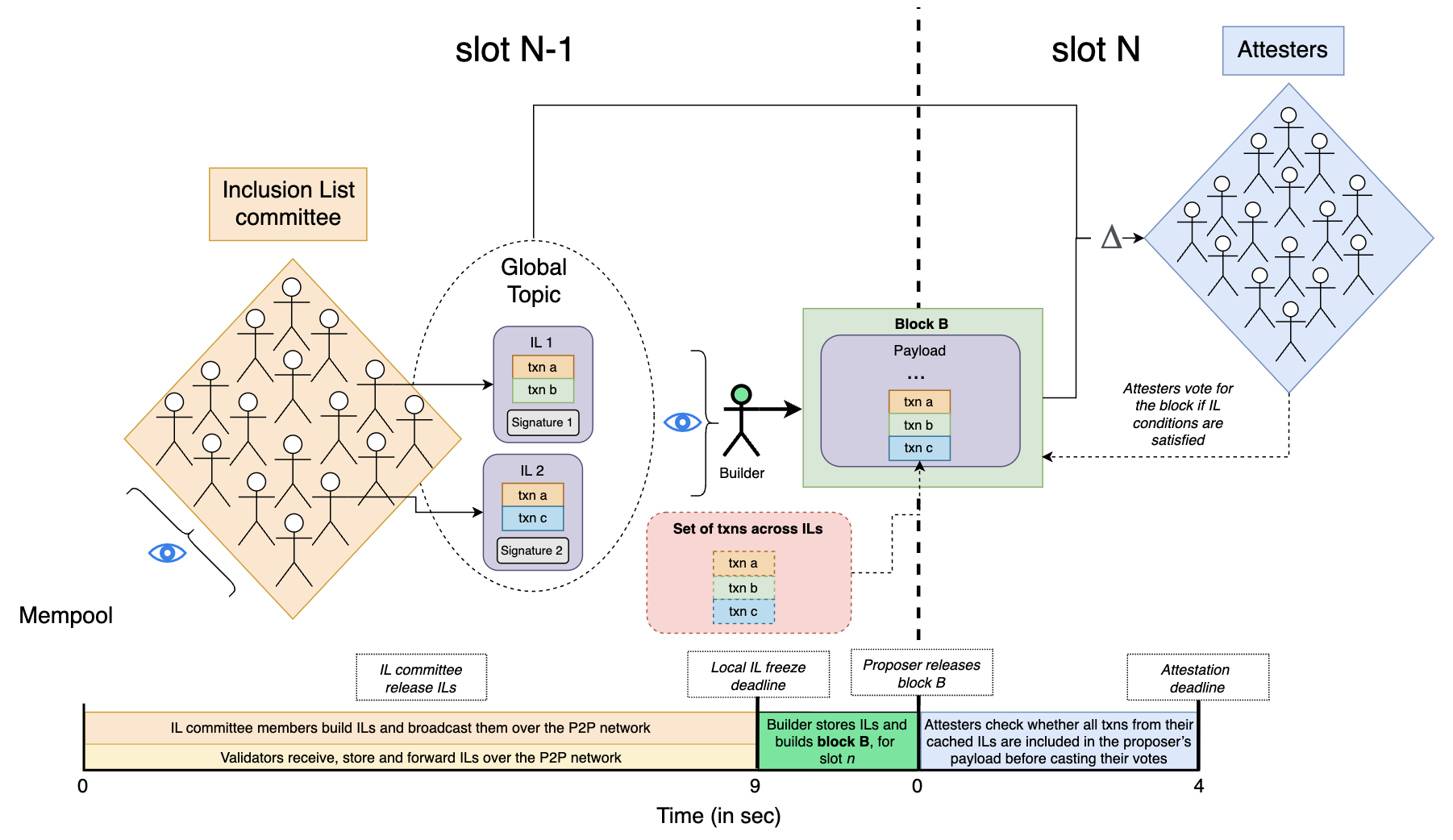
Figure 1: Overview of the FOCIL mechanism.
Transaction Fee Mechanisms (TFMs) for Multiple Proposers
The paper identifies three TFMs conducive to the operational dynamics of FOCIL:
- Double TFM: Here, users specify fees separately allotted to two entities—the committee and the block producer. The user determines the allocation between these parties.
- Single TFM: This mechanism streamlines the fee-setting process. Users set a total fee which is partitioned by the system between the committee and the producer.
- Single Prioritized TFM: It prioritizes committee incentives by directing the entire fee to them when inclusion lists are involved.
Incentive Compatibility and Censorship Resistance
Crucial to the efficacy of these TFMs is their incentive compatibility under various adversarial conditions. The Double TFM and Single TFM have demonstrated properties akin to Ethereum's EIP-1559, enhancing censorship resistance even amid congestion scenarios. The Single Prioritized TFM, however, struggles with fair-under-congestion properties under specific cost constraints.
Censorship Resistance Analysis
The paper's model quantifies the resistance level against censorship, evaluating how proposed TFMs maintain incentive compatibility in bribery scenarios. For instance, the minimum bribe required to enforce censorship when a transaction is not congested is roughly the transaction's fee plus costs incurred by proposers deviating from protocol norms by inserting 'fake' transactions.
Practical Implications and Future Directions
The proposed TFMs harbinger potential protocol updates within Ethereum, particularly as FOCIL becomes incorporated. By establishing robust TFMs, the paper lays groundwork for future blockchain designs that prioritize transaction integrity and fair fee divisions amongst proposers. As blockchain architects continue to innovate, understanding the game-theoretic implications of TFMs will be paramount in fortifying blockchain systems against both internal and external corruptive influences.
Conclusion
The paper presents a comprehensive examination of TFMs in blockchain systems. By scrutinizing the interplay between censorship resistance and incentive structures through models like FOCIL, it contributes essential insights into blockchain resiliency strategies. Future research can extend these models to broader applications, enriching the blockchain ecosystem with mechanisms that defend against systemic bribery and enhance proposer cooperation.
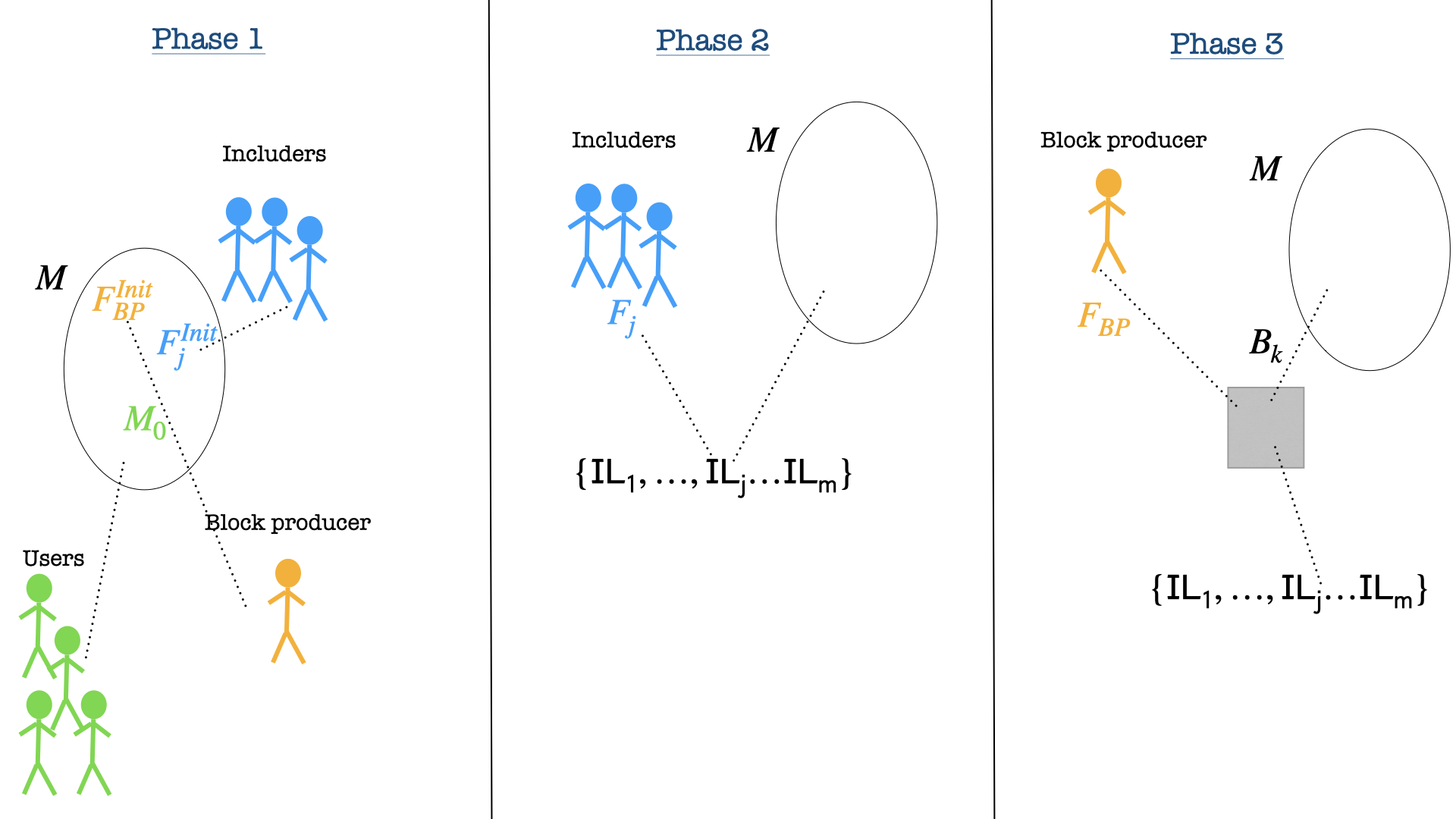
Figure 2: Model Phases illustrating transaction interactions among multiple proposers.

