- The paper introduces an infinite-dimensional extension of next-generation reservoir computing by using kernel ridge regression to overcome limitations of lag selection and polynomial order.
- The methodology transforms NG-RC into a kernel ridge regression framework, enabling efficient model training in expansive infinite-dimensional feature spaces.
- Numerical simulations on chaotic systems like Lorenz and Mackey-Glass validate the approach through improved forecasting accuracy and faithful replication of statistical properties.
Infinite-dimensional Next-Generation Reservoir Computing
Introduction
The paper "Infinite-dimensional next-generation reservoir computing" (2412.09800) explores the advancements in reservoir computing, specifically focusing on next-generation reservoir computing (NG-RC). NG-RC has emerged as a prominent methodology for spatio-temporal forecasting in complex systems due to its simplicity and effective performance. The authors present an innovative approach to enhance NG-RC by employing kernel ridge regression, thereby facilitating the efficient training of models even in cases with expansive polynomial feature spaces. This approach extends to infinite-dimensional spaces, allowing the framework to function independently of lag selection and polynomial order, overcoming a critical limitation of traditional NG-RC methods.
Theoretical Foundations
Reservoir computing (RC) comprises a recurrent neural network with a randomly generated state equation and a simple readout layer, often linear, trained to mimic the data-generating process of time series. NG-RC entails nonlinear vector autoregression employing polynomial covariates derived from past inputs, with critical hyperparameters being the polynomial order and number of lags. As the complexity of NG-RC models escalates with these parameters, the computational resources required increase exponentially. The paper demonstrates that NG-RC can be perceived as a kernel ridge regression problem under polynomial kernels, which transform input data into higher-dimensional feature spaces where linear learning occurs, independent of feature space size.
Infinite-dimensional Kernel Framework
Transitioning from finite-dimensional polynomial kernels to infinite-dimensional Volterra kernels represents a significant theoretical leap. The Volterra kernel, due to its recursive properties, accommodates sequences of inputs with arbitrary lags and polynomial degrees without incurring additional computational complexity. This feature is especially beneficial in cases modeling long-memory processes or systems exhibiting intricate dependencies. Universality in this context implies that any continuous data-generating function can be uniformly approximated, which is critical for modeling complex dynamical systems.
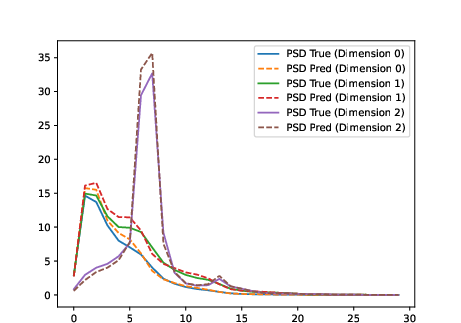
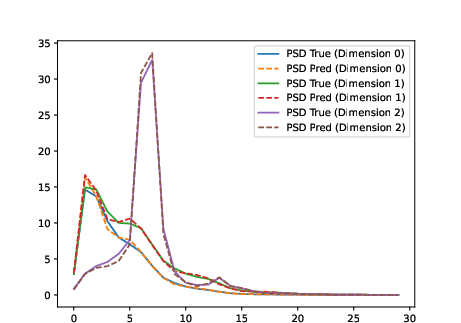
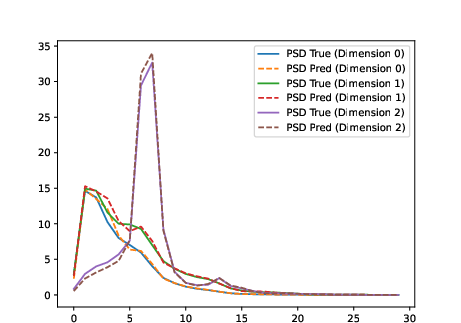
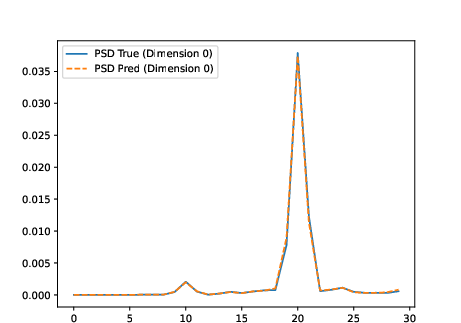
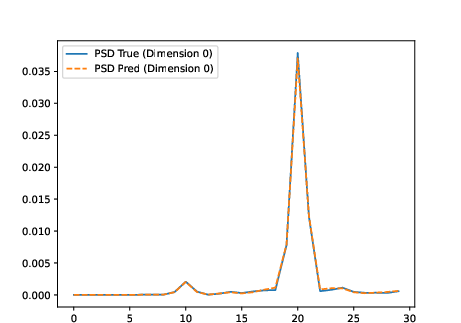
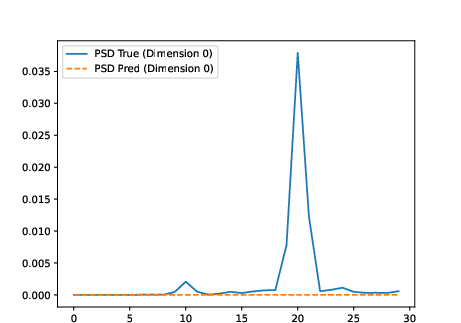
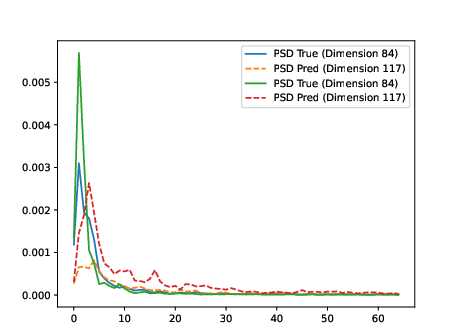
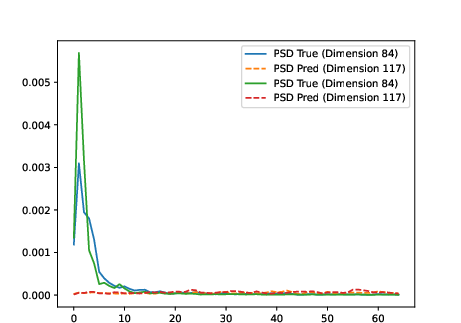
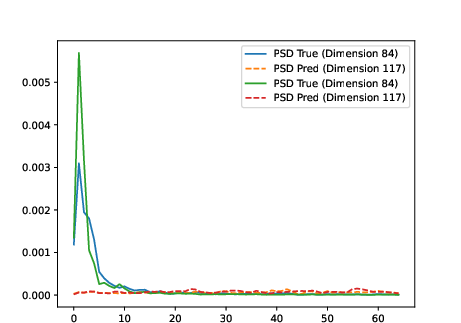
Figure 1: Comparative analysis of forecasting performance between infinite-dimensional NG-RC and traditional methods.
Numerical Illustrations
Through simulations on systems like Lorenz and Mackey-Glass, as well as the Baba-Engle-Kraft-Kroner (BEKK) model in financial econometrics, the paper underscores the superior performance of infinite-dimensional NG-RC models. These systems serve as benchmarks due to their inherent complexity and chaotic nature, validating the efficacy of kernelized NG-RC in not only achieving higher forecasting accuracy but also replicating the statistical properties of the underlying processes.
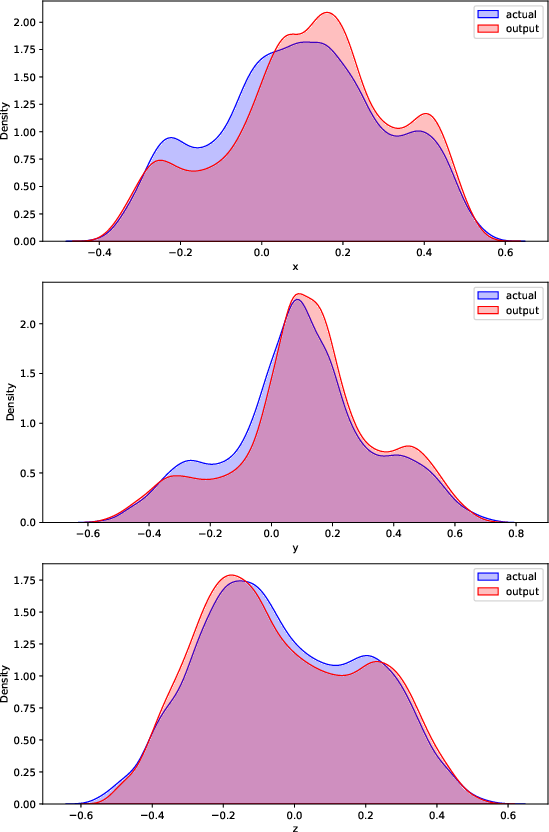
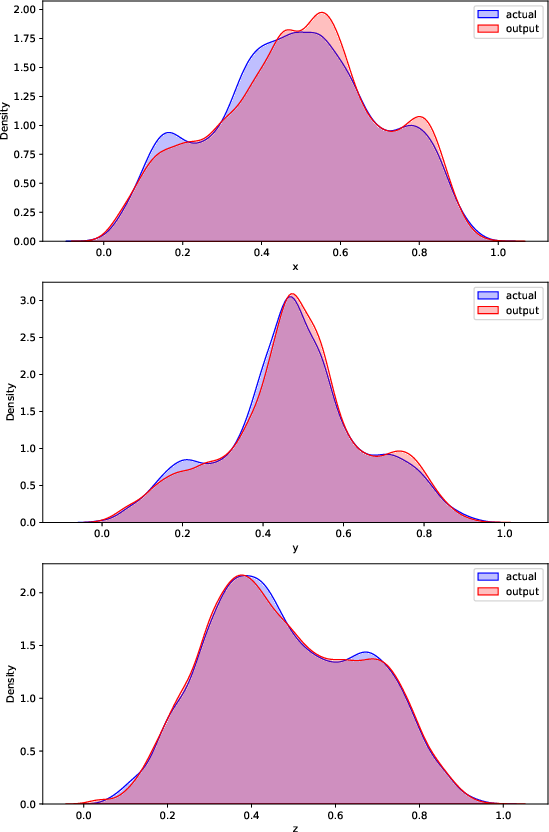
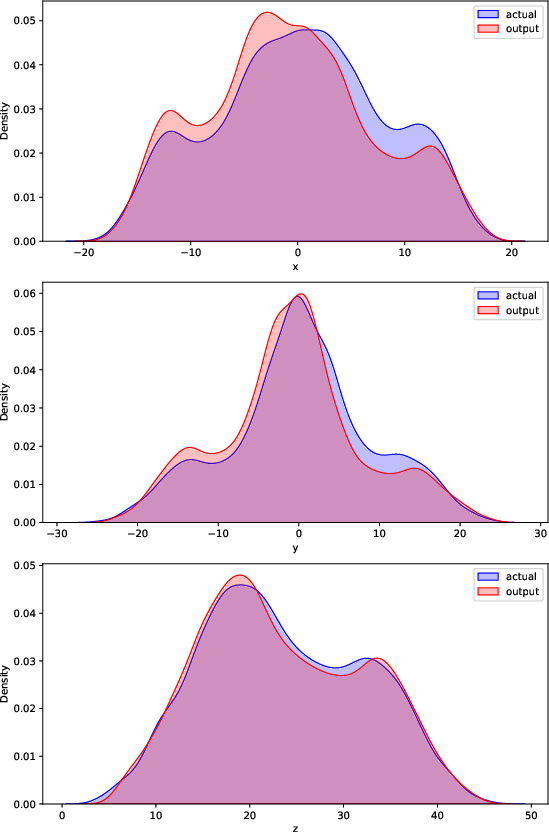
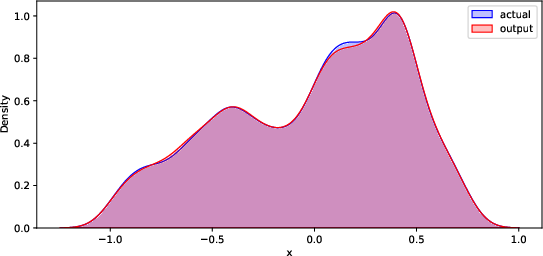
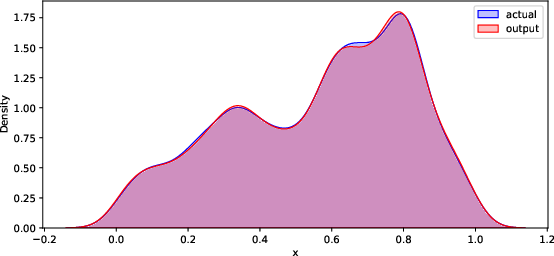
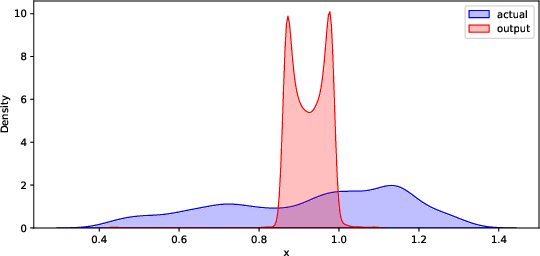
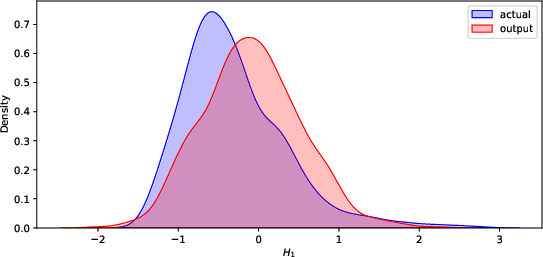
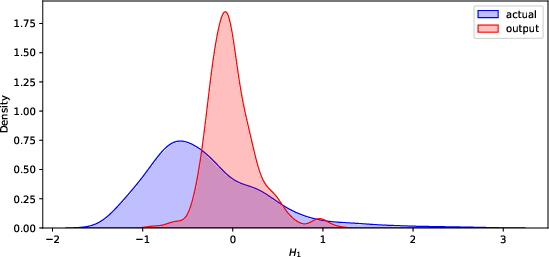
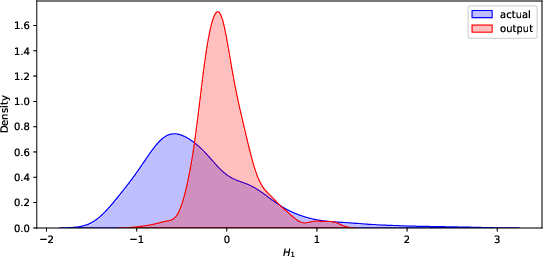
Figure 2: Error metrics showing improved predictions using infinite-dimensional reservoir computing across different test systems.
Practical Implications and Future Directions
The transition to kernelized forms of NG-RC opens doors for more scalable implementations of reservoir computing, crucial for real-time forecasting in high-dimensional and complex domains such as climatology, quantitative finance, and beyond. Future research may explore optimizing kernel parameters and exploring other universal kernel functions to broaden the applicability of NG-RC methodologies. Integrating these approaches with emerging AI technologies could further enhance interpretability and reliability in AI-driven forecasts.
Conclusion
The paper successfully demonstrates that infinite-dimensional extensions of NG-RC via kernel methods offer significant theoretical and practical advantages, removing previous limitations related to feature selection and computational expense. By enabling efficient handling of increasing complexity, this approach paves the way for expanded application in numerous fields requiring robust and adaptable forecasting solutions.
