- The paper presents a novel approach, AGGNNI-CG, that integrates graph neural networks with column generation to optimize joint rider trip planning and crew shift scheduling.
- It leverages attention and gating mechanisms in GNNs to accurately predict valuable edges, thereby significantly reducing the search space in pricing and routing subproblems.
- Validated on real-world Paratransit data, the method achieved a balanced accuracy of 88.5%, enhancing computational efficiency and service scalability in complex MaaS systems.
Boosting Column Generation with Graph Neural Networks for Joint Rider Trip Planning and Crew Shift Scheduling
Introduction
The paper presents an advanced approach to service scheduling in Mobility-as-a-Service (MaaS) systems, specifically tackling the Joint Rider Trip Planning and Crew Shift Scheduling Problem. This problem involves optimizing both rider trip planning and crew scheduling within complex dynamic services, a task that current methods struggle with due to computational constraints. The authors propose a novel machine-learning-backed solution method named AGGNNI-CG (Attention and Gated Graph Neural Network-Informed Column Generation), which significantly reduces computational burdens while delivering near-optimal solutions.
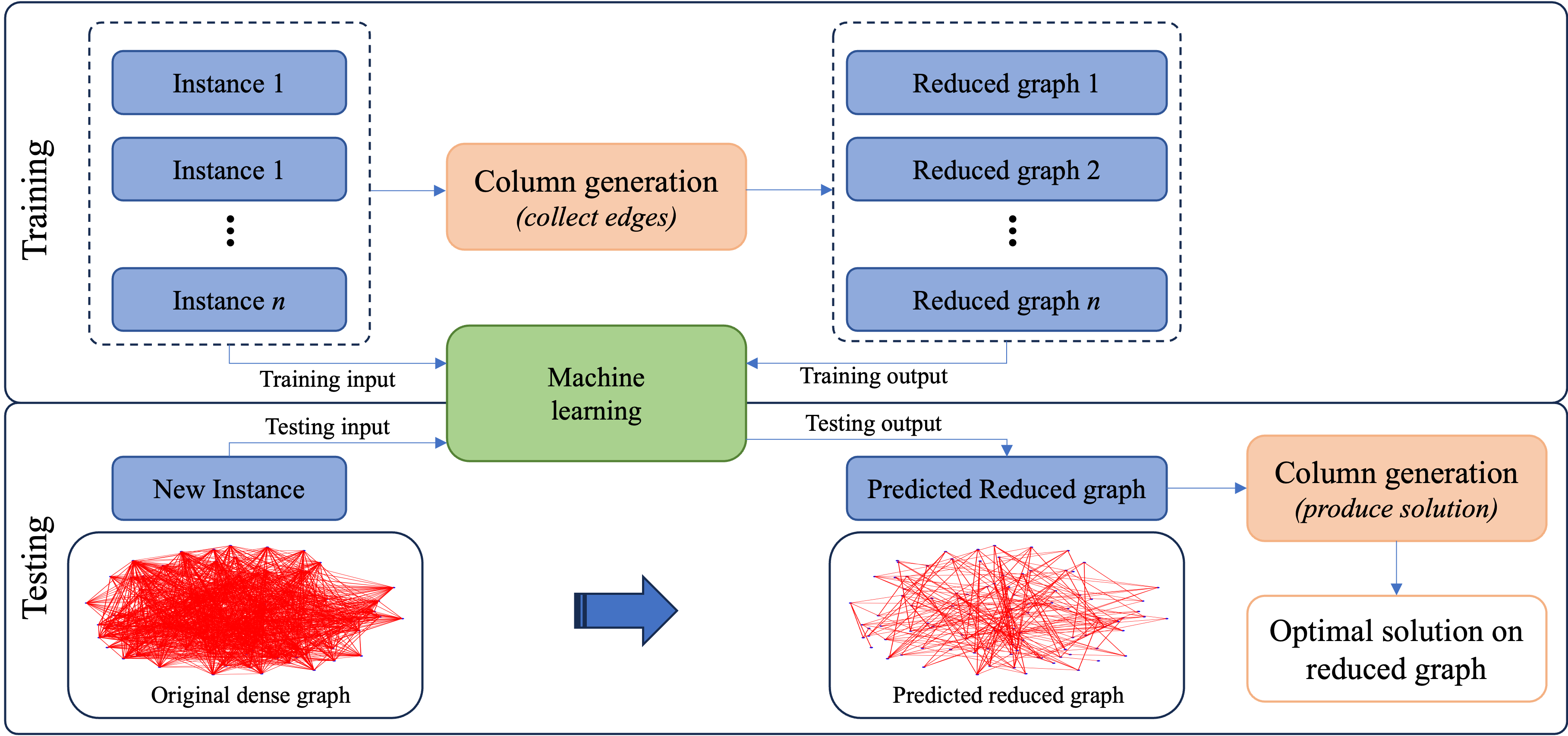
Figure 2: The Machine Learning Framework of AGGNNI-CG.
The study focuses on the integration of machine learning via Graph Neural Networks (GNNs) to enhance column generation methods. AGGNNI-CG applies this hybrid approach to a dataset from Chatham County’s Paratransit system in Georgia, demonstrating significant improvements over baseline methods in both medium-sized and large-scale scenarios.
Methodology
The problem is framed as a variant of the Dial-A-Ride Problem (DARP), where multiple trip requests per rider must be fulfilled as a set and driver shifts are flexible within a maximum duration constraint. The goal is to maximize the number of requests served using a homogeneous fleet with capacity constraints and known travel times between various nodes. AGGNNI-CG uses an arc and path-based model to efficiently handle this complex scheduling environment.
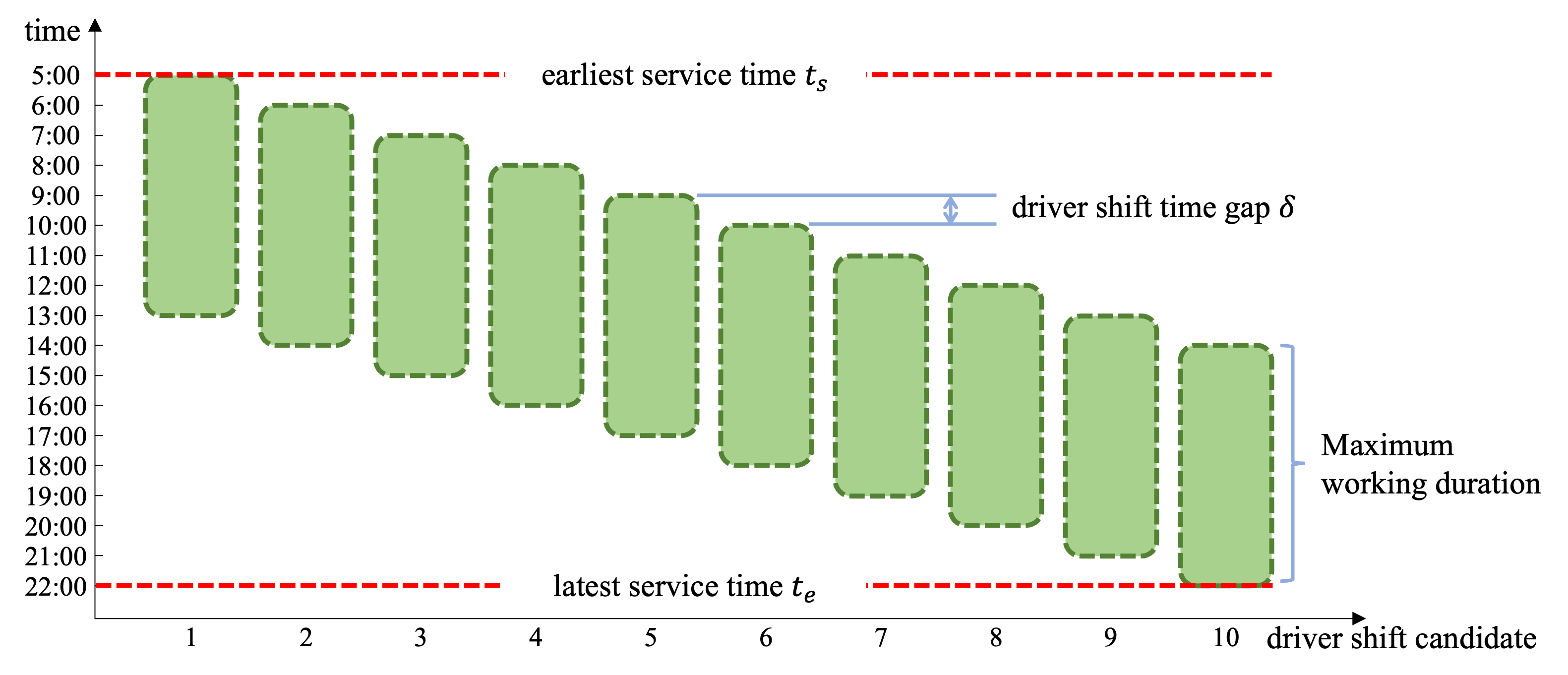
Figure 4: A Potential Candidate Set for Driver Shifts on a Particular Day.
The arc-based model leverages binary decision variables for vehicle paths, while the path-based model optimizes routes directly considering driver shifts. The column generation technique iteratively selects promising routes through a dynamic pricing component, which addresses the most computationally intense part of the model.
Machine Learning Integration
To handle these computational challenges, AGGNNI-CG employs GNNs, which adeptly work with varied input sizes in dynamic environments. The GNN component simplifies the largest computational component—pricing problems—by predicting which edges are likely valuable in high-quality solutions, thereby reducing the search space significantly. AGGNNI-CG enhances efficiency by using attention mechanisms and residual gating within the GNN to tailor graph processing on dynamic daily operations.
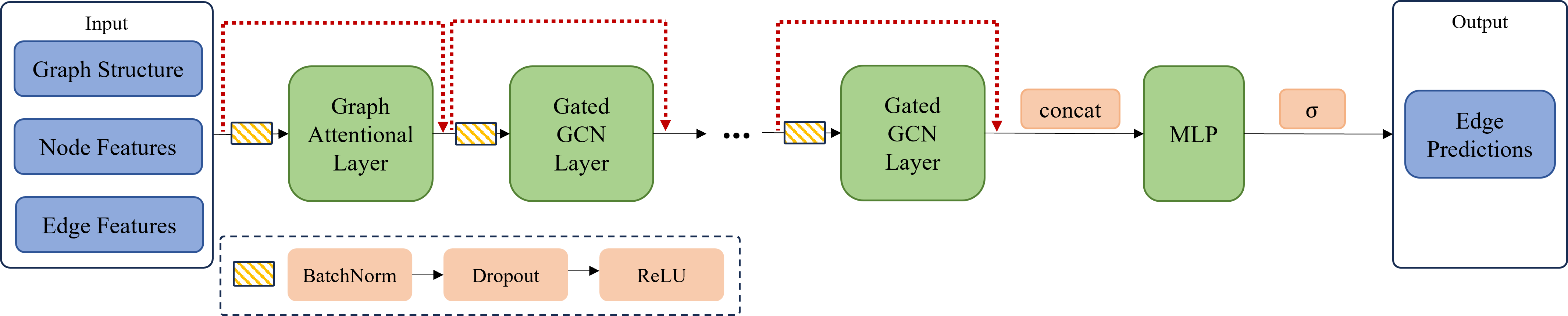
Figure 6: A diagram of the graph neural network pipeline for edge classification.
The machine learning model is trained on historical data from prior scheduling instances, with the GNN predicting reduced graphs for current operations, drastically decreasing computational loads in pricing subproblems. The use of multi-head attention mechanisms allows the model to efficiently process node features and make accurate predictions regarding edge utility.
Numerical Experiments
AGGNNI-CG was validated using extensive real-world data comprising daily trip requests over several years. Figures such as the daily number of requests were analyzed to ensure that machine learning components capture stable patterns over time.
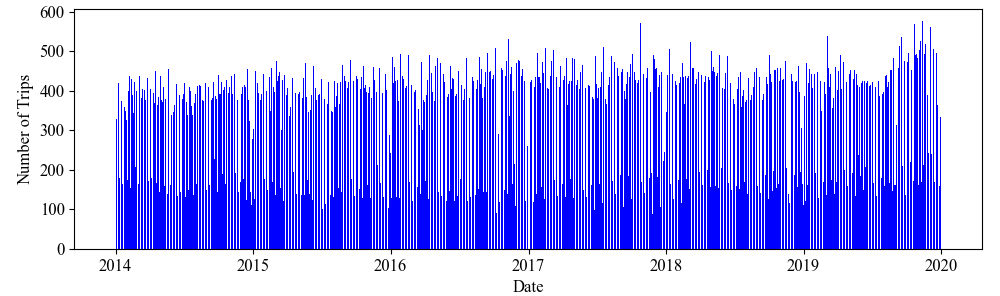
Figure 3: Daily Number of Trip Requests from January 2014 to December 2019.
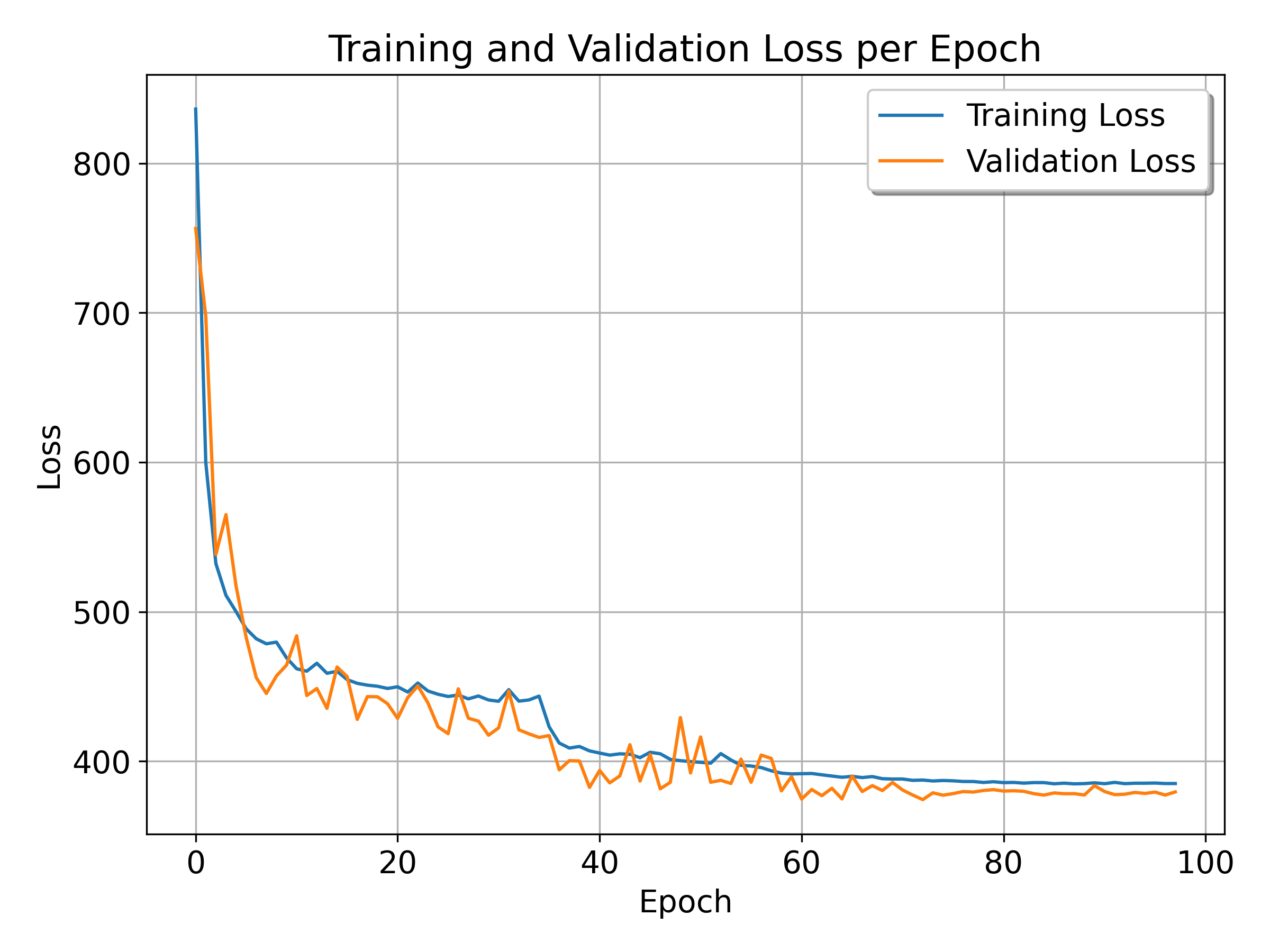
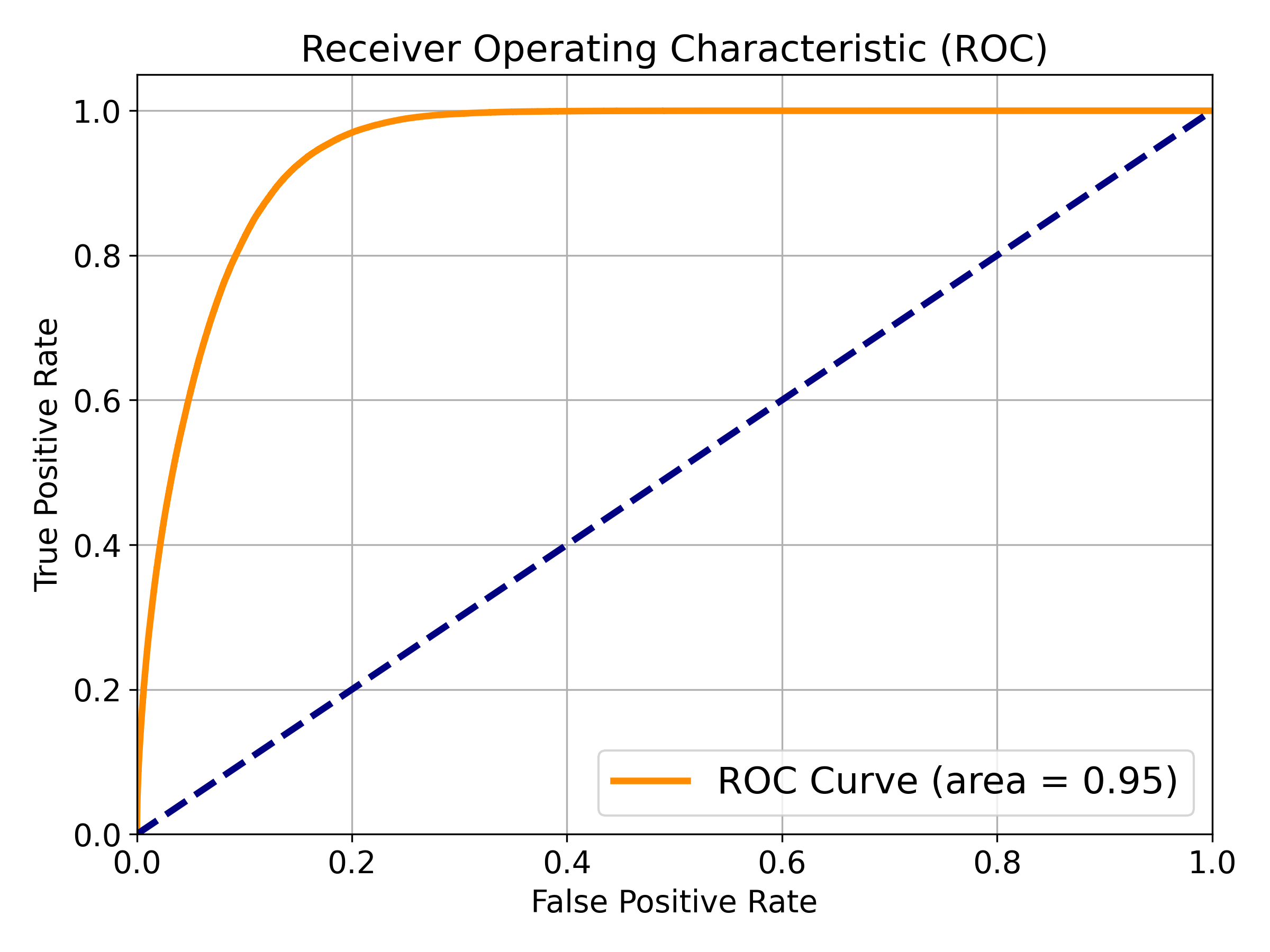
Figure 9: Train and validation loss per epoch.
The trained GNN model showed high recall and specificity, indicating robust performance in distinguishing promising edges in practical applications, with a balanced accuracy of 88.5%.
Discussion and Implications
The empirical evidence suggests AGGNNI-CG delivers substantial improvements in computation speed and solution quality compared to traditional methods. Its application increased the quality of service visibly in the analyzed Paratransit system, accommodating more requests without compromising computational feasibility.
The approach has profound implications for MaaS systems, particularly in scalable settings requiring fast and efficient scheduling of complex trip and crew arrangements. The hybridization of deep learning and traditional optimization proposes new avenues for MaaS operational efficiency, expanding solutions across multimodal, on-demand urban transit.
Conclusions
This paper successfully introduces AGGNNI-CG, a compelling fusion of machine learning and column generation that optimizes complex MaaS frameworks. The methodology excels in processing large real-world datasets while reducing computational loads and maximizing operational efficiency. Future research could extend the methodology to more varied transit system configurations and implement data augmentation strategies to widen applications to weekends and public holidays.
Overall, AGGNNI-CG stands out as a technical advancement addressing a critical gap in real-time, complex transportation scheduling.