- The paper proposes an adaptive divide-and-conquer strategy using ADPMs to distribute dynamic control objectives across DERs in DVPPs.
- The methodology integrates local LPV H∞ controllers to optimize frequency and voltage responses and enhance stability under varying DER conditions.
- Simulations on IEEE nine-bus systems demonstrate the DVPP’s superior performance in dynamic grid scenarios compared to static control approaches.
Control Design of Dynamic Virtual Power Plants: An Adaptive Divide-and-Conquer Approach
This essay provides an in-depth technical overview of a novel approach to the control design of Dynamic Virtual Power Plants (DVPPs), focusing on the proposed adaptive strategy to manage diverse Distributed Energy Resources (DERs) for enhanced ancillary services.
Overview of Dynamic Virtual Power Plants
Traditionally, Virtual Power Plants (VPPs) have been used for aggregating distributed generators to offer static ancillary services like power tracking. This paper introduces a Dynamic Virtual Power Plant (DVPP) concept, addressing the need for dynamic services such as fast frequency and voltage control in future power systems predominantly powered by non-synchronous DERs.
Adaptive Divide-and-Conquer Strategy
Disaggregation via Adaptive Dynamic Participation Matrices (ADPMs)
The control design utilizes an adaptive divide-and-conquer strategy, partitioning the desired collective DVPP behavior using ADPMs. These matrices distribute the dynamic control objectives across different DER units within the DVPP, modulating the individual responsiveness based on their capabilities and constraints.
Local Linear Parameter-Varying (LPV) H∞ Control
Each DER is equipped with a local LPV H∞ controller, ensuring they adhere to their designated roles within the DVPP. The adaptive nature of the control ensures the DVPP can dynamically reallocate tasks in response to fluctuations in DER availability, especially pertinent for weather-driven resources.
Case Studies and Results
Case Study I: IEEE Nine-Bus System with a DVPP at Bus 1
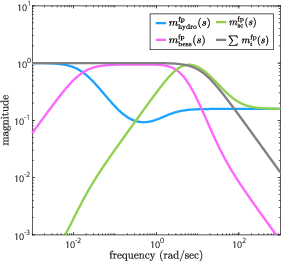
Figure 1: Case study I: IEEE nine-bus system with a DVPP at bus~1.
Simulations on the IEEE nine-bus system demonstrated improved frequency response by integrating a DVPP at bus 1, substituting a standalone hydro unit. Active power deviations were optimally matched to desired levels with constrained actuation, illustrating improvements in stability and control precision.
Case Study II: Adaptive Control for Weather-Driven DERs
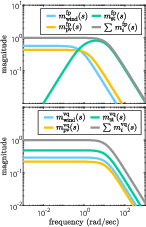
Figure 2: Case study II: IEEE nine-bus system with DVPPs at buses~1 and~3.
A further case study showcased the DVPP's adaptability in handling rapid PV capacity changes. Online adaptation of ADPMs allowed the DVPP to maintain stable power output despite the intermittency, without compromising on the overall desired dynamic behavior.
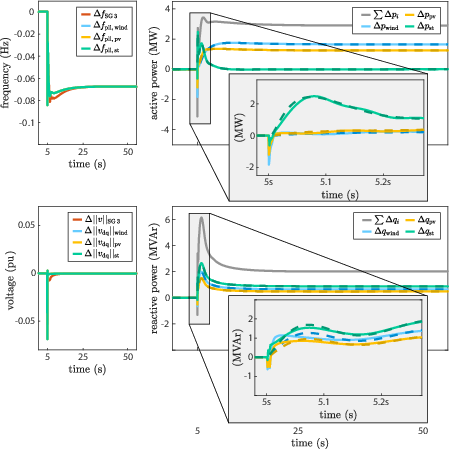
Figure 3: System response in case study II after load step at bus~3. The dashed lines indicate the desired power injection of the DVPP devices.
Comparison with Existing Approaches
In a comparative analysis, the proposed adaptive model outperformed existing strategies reliant on static or non-adaptive participation factors. The superior aggregate frequency and voltage response verified the advantages of the adaptive approach.
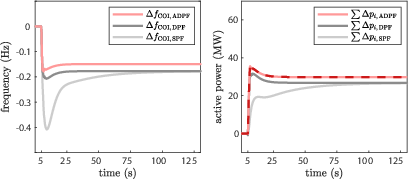
Figure 4: Frequency and active power response of the DVPP during a loss of PV generation.
Conclusion
The proposed DVPP control strategy exemplifies a robust and scalable means of delivering dynamic ancillary services, seamlessly integrating diverse and intermittent DERs into the grid framework. Future avenues of research include integrating grid-forming converters and exploring geographical distribution considerations. The methodology's effectiveness across case studies underlines its potential for widespread application in modern power systems.