- The paper introduces a framework using in-plane magnetic fields to discriminate between Anderson localization and Wigner crystallization in 2D electron systems.
- It employs RPA-Boltzmann transport theory to show how spin polarization under different disorder types affects resistivity and critical density.
- The analysis provides experimental benchmarks that clarify the MIT mechanism, guiding the design of high-mobility and low-density 2D materials.
Two-Dimensional Transport in an In-Plane Magnetic Field: Distinguishing Wigner Crystallization from Anderson Localization
Introduction and Physical Motivation
The nature of the metal-insulator transition (MIT) in two-dimensional electron systems remains a critical open problem in condensed matter physics. The two dominant theoretical scenarios for the observed density-tuned MIT are Wigner crystallization, driven by strong electron correlations at low carrier densities, and Anderson localization, induced by disorder and the resultant carrier scattering. This work presents a detailed theoretical framework for using a parallel in-plane magnetic field to discriminate between these competing mechanisms by examining its direct influence on electronic screening and spin polarization.
Of particular significance is the interplay between disorder strength, encapsulated by the ratio of impurity density ni to carrier density n, and electron-electron interaction strength, measured by the Wigner-Seitz radius rS. As density is reduced, both rS (increasing correlations) and ni/n (increasing effective disorder) grow, but their trajectories through the (rS,ni/n) phase space affect whether the MIT is driven by crystallization or localization.
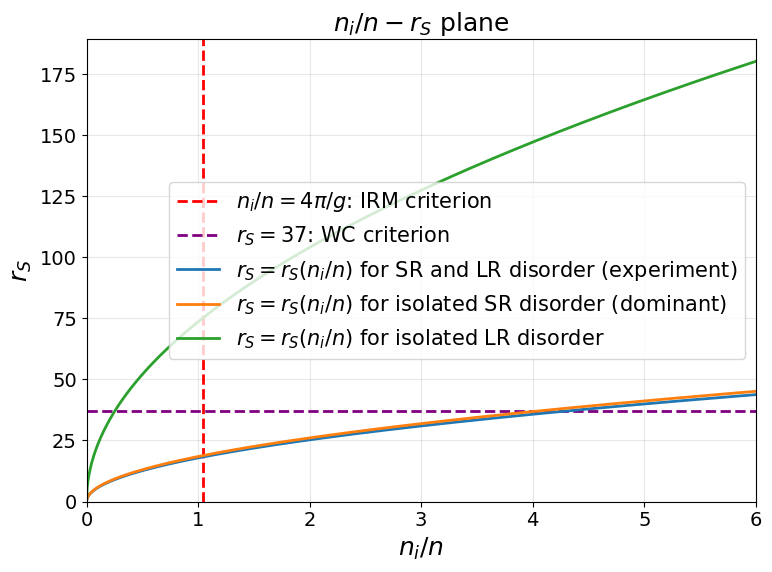
Figure 1: Schematic phase diagram in the ni/n−rS plane, illustrating the separation between Wigner crystallization (horizontal line) and IRM (Anderson localization, vertical line) criteria and their dependence on carrier density and disorder strength.
Theoretical Framework: Screening, Spin Polarization, and Transport
The core argument underpinning this study is that a parallel (in-plane) magnetic field couples directly to electron spin but negligibly to orbital motion in strictly two-dimensional systems. Via Zeeman splitting, the field lifts spin degeneracy, changes the density of states, and hence modifies static screening. This, in turn, alters the effective scattering rates from charged impurities, a key ingredient in the random phase approximation (RPA)-Boltzmann transport formalism.
Resistivity is computed as a function of temperature, magnetic field, carrier density, and the underlying disorder profile—distinguishing between short-range and long-range impurity potentials. The critical carrier density nc at which an MIT is expected, determined by the Ioffe-Regel-Mott (IRM) criterion kFl∼1, depends sensitively on the total degeneracy g (spin n0 valley degeneracy). The theory yields analytical and numerical results for both the fully spin-polarized (n1) and unpolarized (n2) regimes, as well as for intermediate fields.
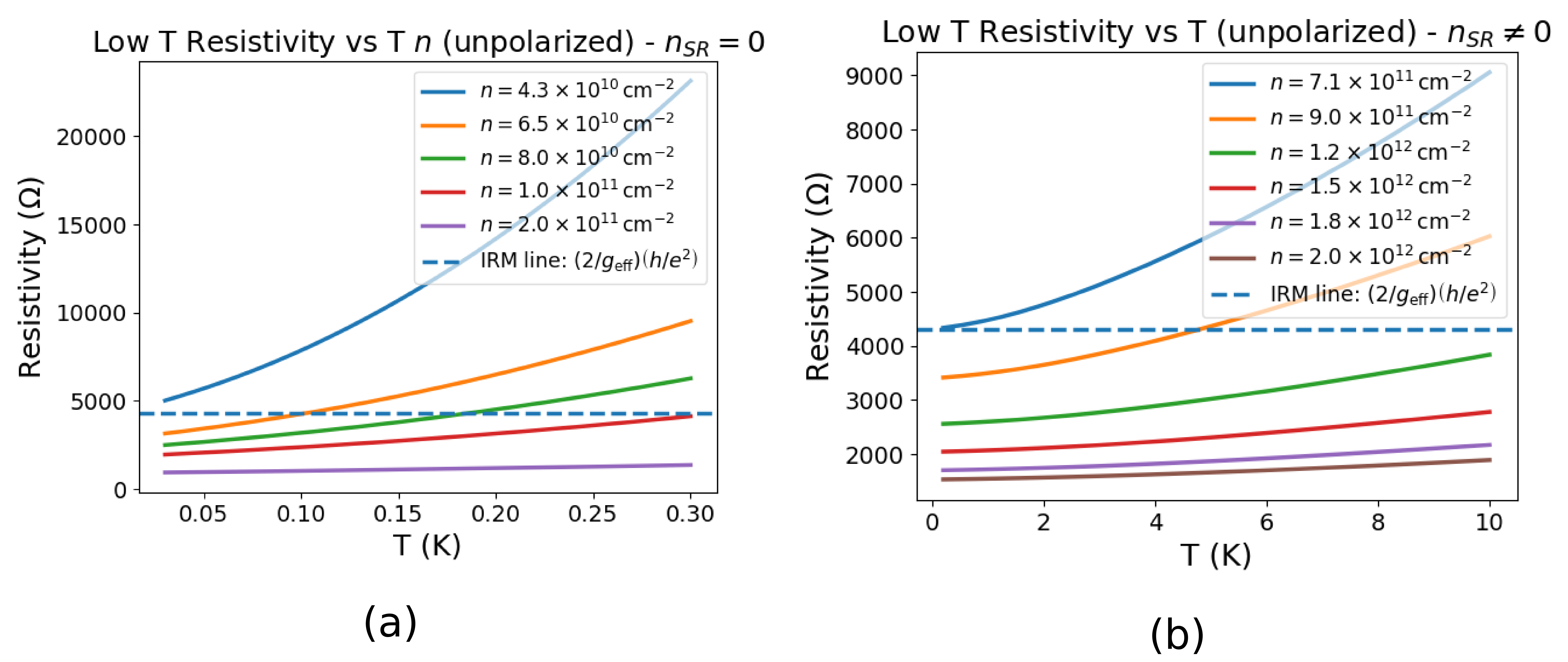
Figure 2: Zero-field resistivity for varying carrier densities, contrasting the cases with and without significant short-range disorder.
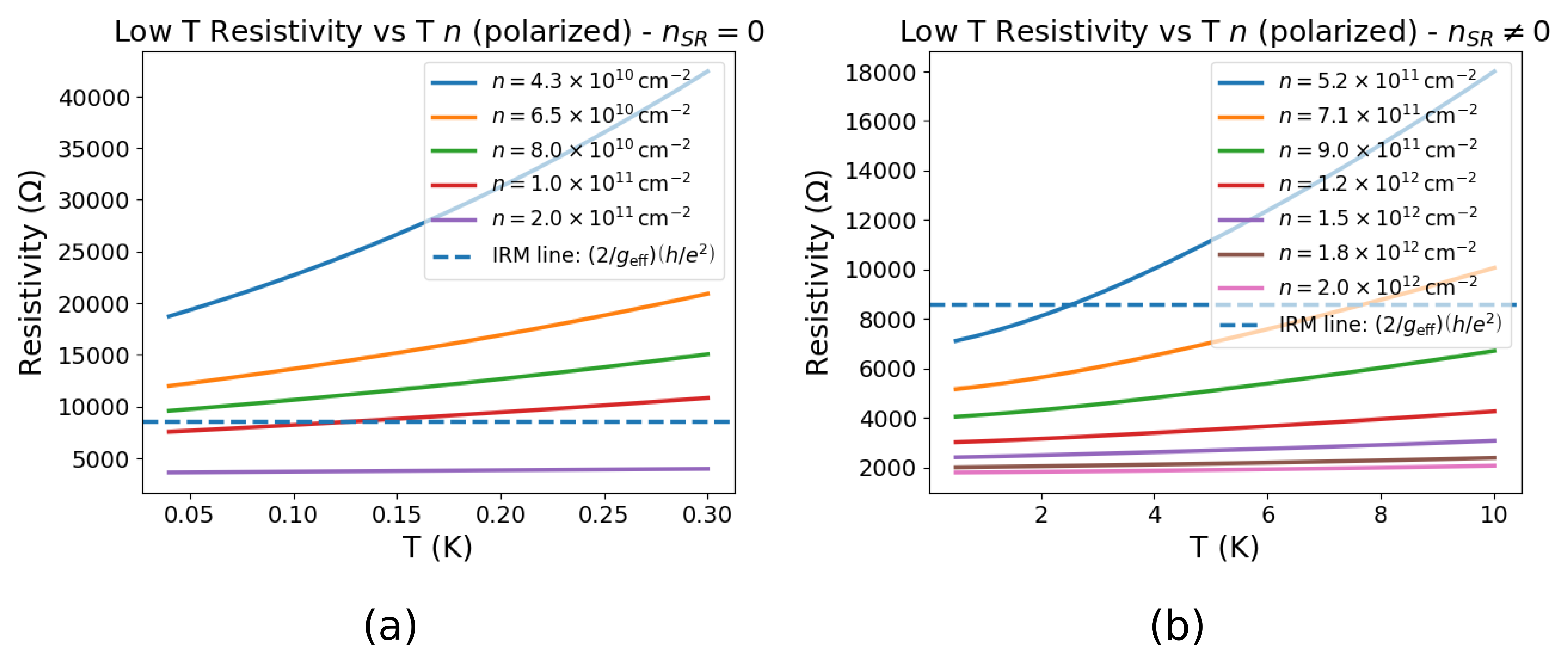
Figure 3: Resistivity as a function of carrier density under a magnetic field just sufficient to fully polarize spins at n3, for both the absence and presence of short-range disorder.
A salient claim demonstrated numerically is that for dominant short-range disorder, spin polarization leaves resistivity essentially unchanged but reduces the critical density by a factor of two. In contrast, when long-range disorder prevails, spin polarization increases both resistivity and the critical density by factors dependent on the changing screening effectiveness.
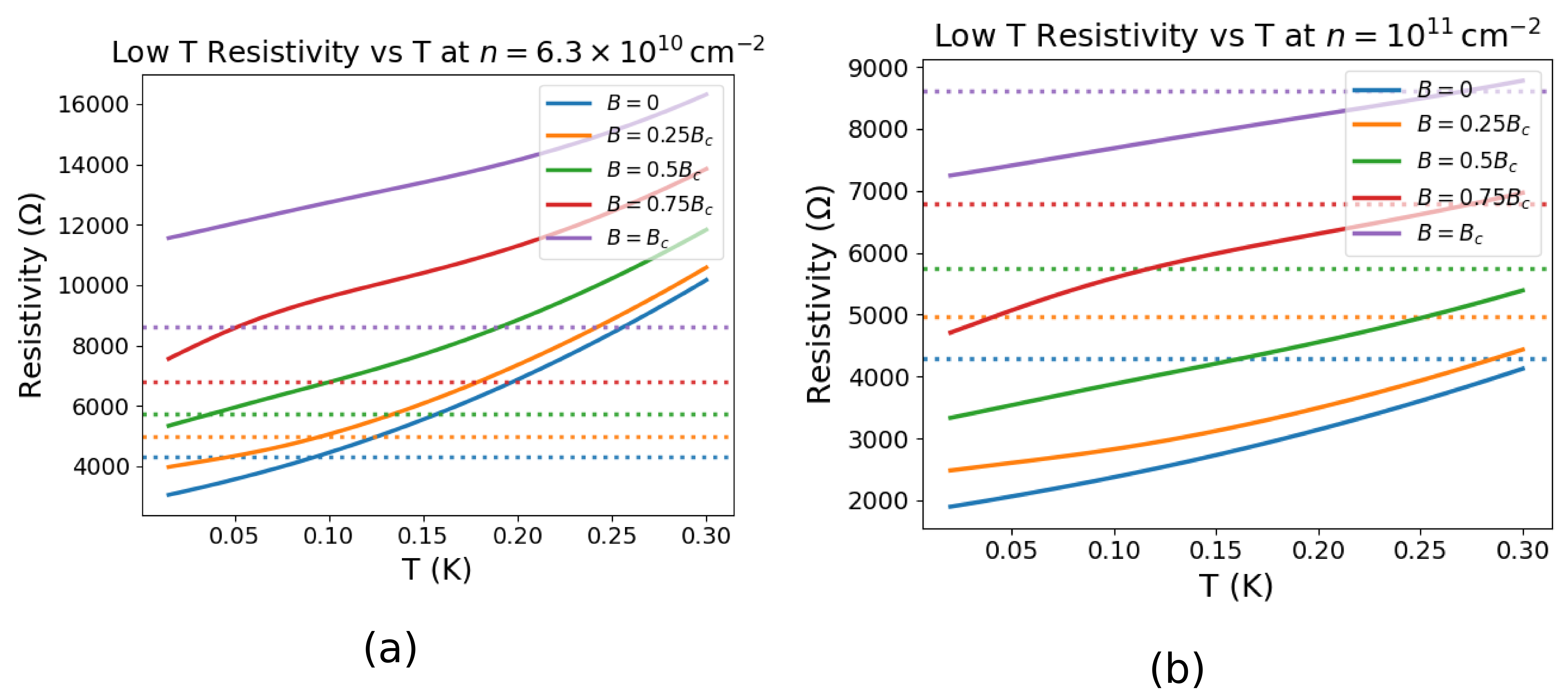
Figure 4: Temperature-dependent resistivity at fixed density for several fixed in-plane fields, mapping smoothly the transition between unpolarized and fully polarized regimes and the associated IRM lines.
Magnetoresistance: Asymptotics and Ifields Observable in Experiments
The paper derives and confirms numerically asymptotic formulas for the zero-temperature magnetoresistance n4, capturing the field dependence through n5 expansions. This enables direct comparison to experiment and facilitates the extraction of disorder parameters from magneto-transport data.
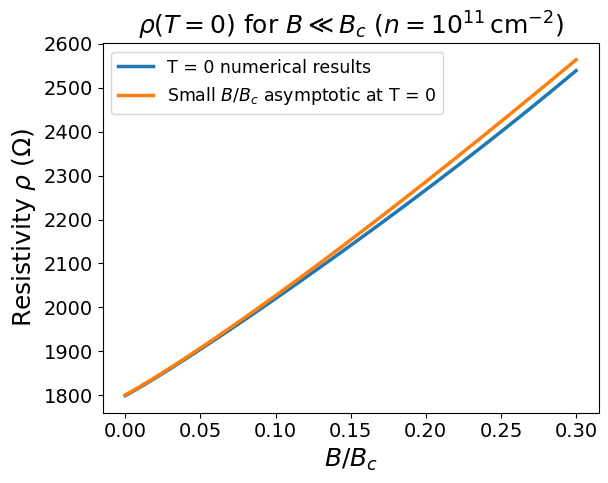
Figure 5: Numerical n6 at n7 for n8 compared with the n9 analytic asymptotic for a typical experimental parameter set.
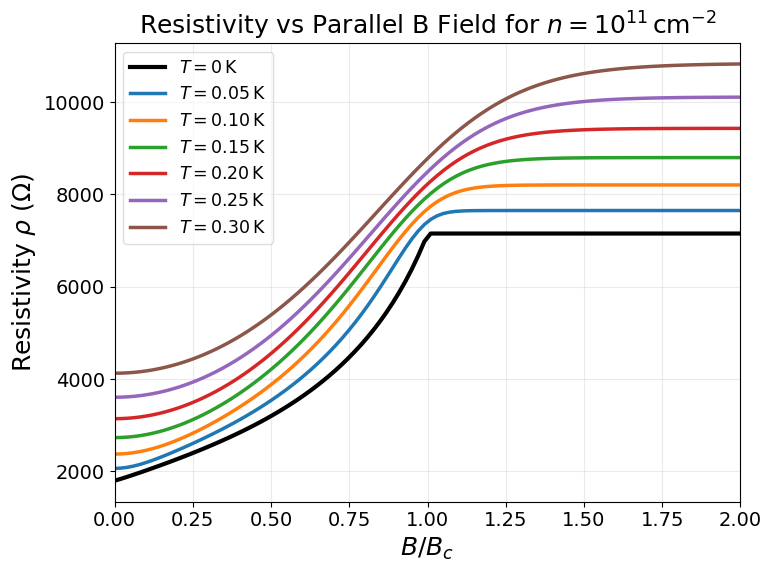
Figure 6: Magnetoresistance as a function of in-plane field for multiple fixed low temperatures, highlighting thermal broadening effects.
Experimental Context and Implications
The theoretical results are juxtaposed with data from recent experiments in bilayer MoSerS0 [Ge et al., (Ge et al., 13 Oct 2025)] and rhombohedral graphene [Han et al., (Han et al., 31 Mar 2026)], both of which claim the realization of a Wigner crystal from transport. Through quantitative modeling, the study shows that the observed MIT in these works occurs under disorder conditions favoring IRM-type (localization) transition rather than crystalline ordering.
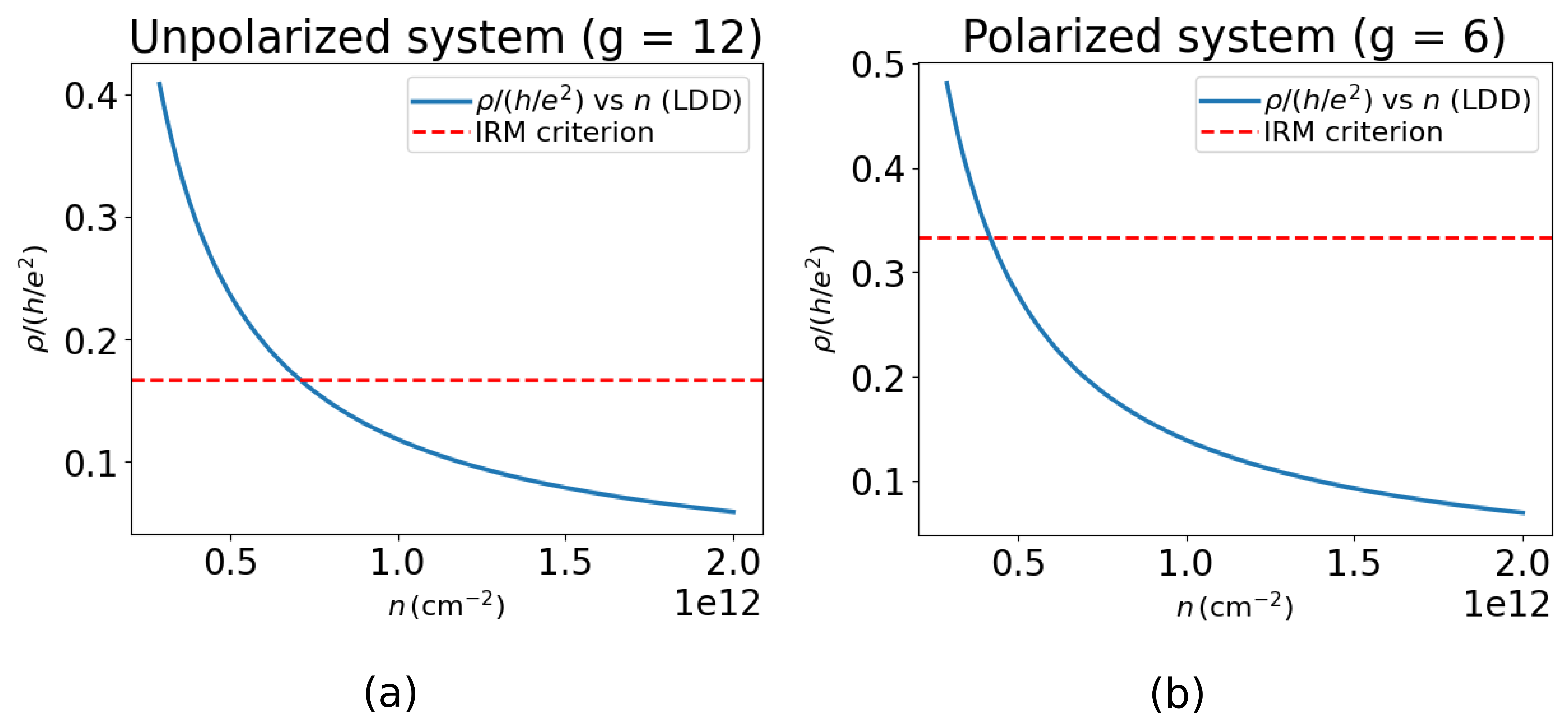
Figure 7: Zero-temperature resistivity for realistic values of both long-range and short-range disorder as in the Berkeley experiment, for both unpolarized and fully spin-polarized cases.
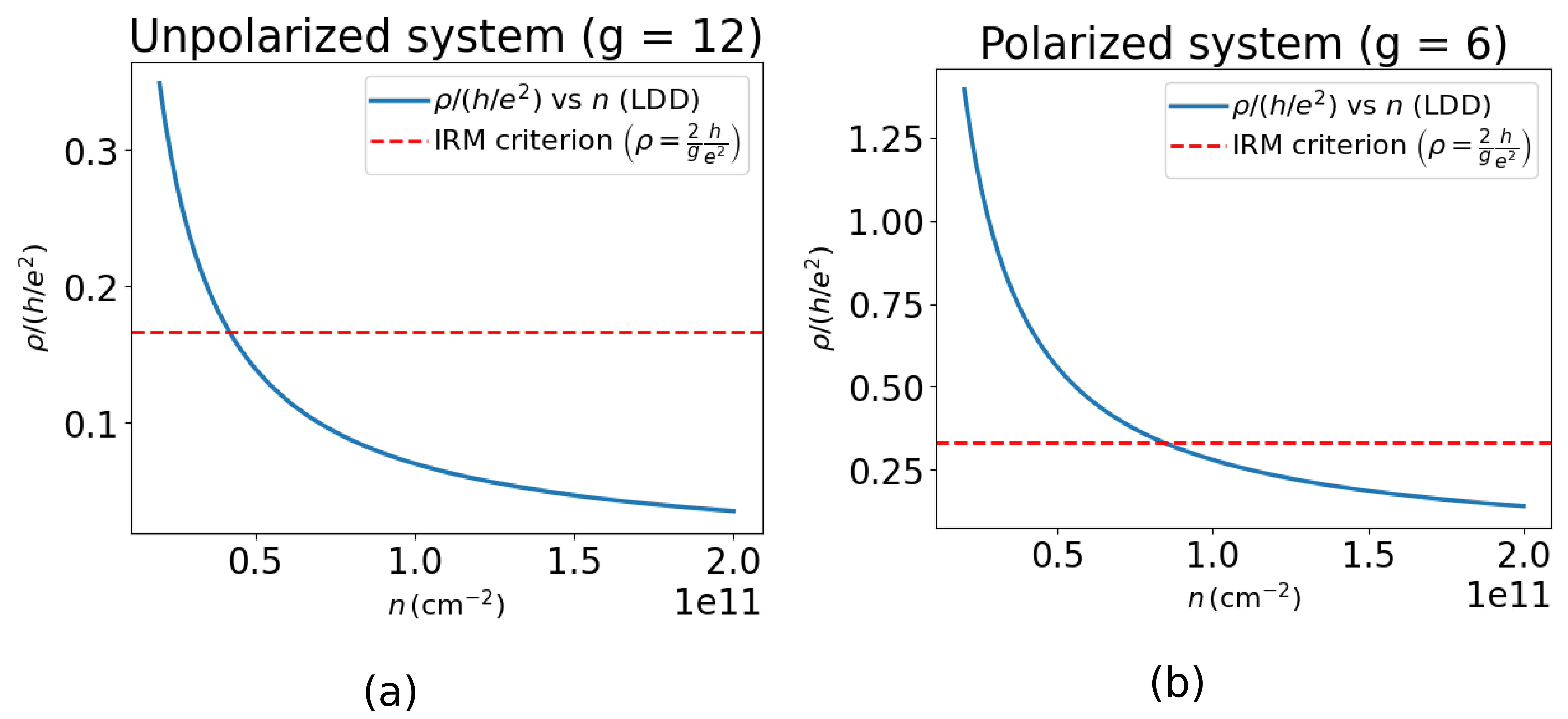
Figure 8: Zero-temperature resistivity for purely long-ranged disorder, showing the pronounced increase in resistivity under spin polarization.
For the Berkeley MoSerS1 sample, where short-range disorder dominates, the theory predicts that full spin polarization should halve the critical carrier density for localization, purely due to degeneracy reduction. In contrast, when long-range disorder dominates (e.g., in ultra-clean samples or as relevant in parts of the MIT rhombohedral graphene experiment), spin polarization should increase the critical density, as the loss of screening raises the effective disorder strength.
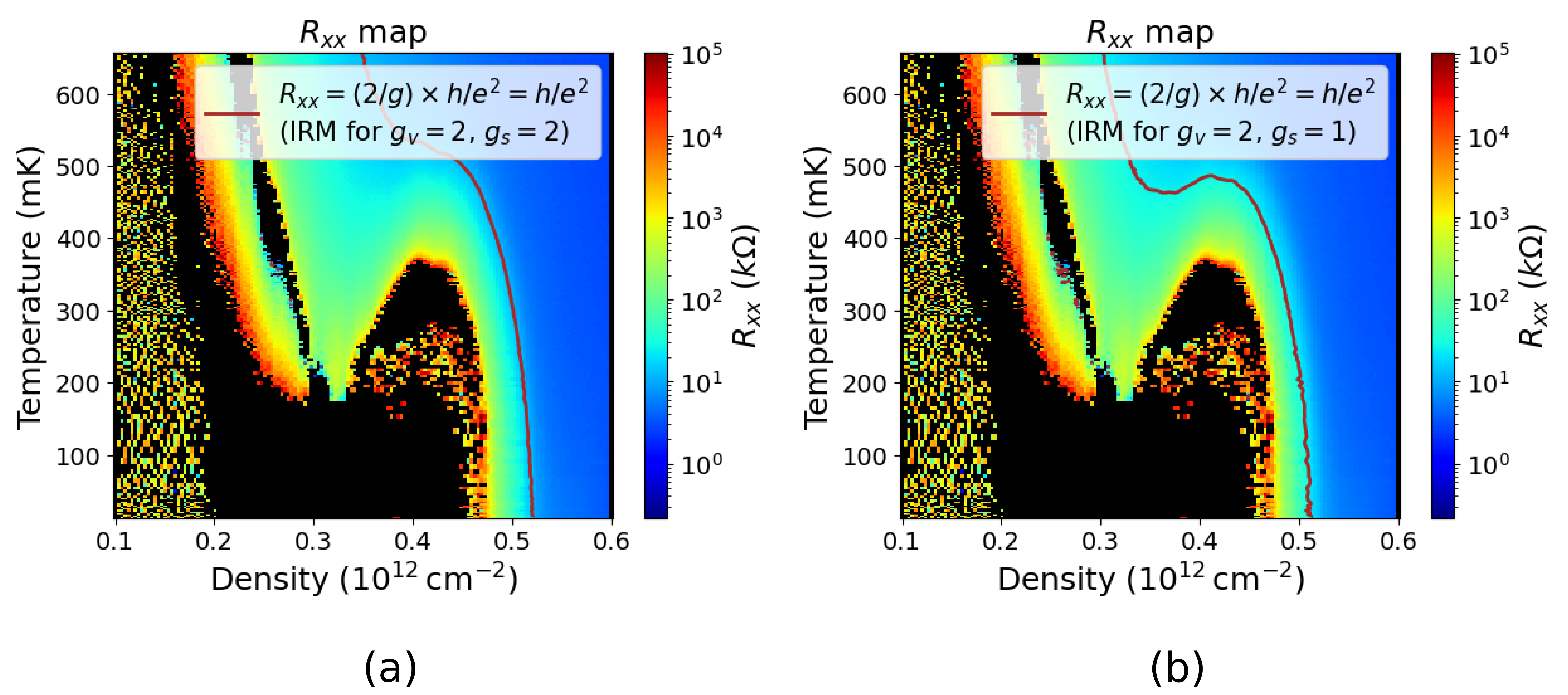
Figure 9: Experimental rS2 data from the MIT experiment overlaid with the IRM curve (a) for the unpolarized and (b) spin-polarized system, showing the boundary tracks the IRM criterion rather than a Wigner crystal threshold.
A crucial observation, emphasized with the analysis of previous GaAs experiments, is that actual MITs in both the purest hole systems (rS3 at the transition) and the dirtiest electron systems (rS4) can be quantitatively explained by the IRM threshold, not Wigner crystallization. Recent STM and spectroscopic imaging support the presence of a localized amorphous electronic state rather than true crystalline order near the MIT.
Theoretical and Practical Implications
The theoretical framework shows that parallel magnetic fields provide a sensitive diagnostic for the mechanism of the MIT in 2D systems:
- Anderson localization scenario: The critical carrier density for the MIT depends on the total degeneracy rS5 and will be shifted by full (or partial) spin polarization. The direction and magnitude of the shift are disorder-dependent: decreases for dominant short-range disorder, increases for dominant long-range disorder.
- Wigner crystallization scenario: The critical interaction strength (rS6) is insensitive to spin polarization due to negligible exchange and spin entropy at strong coupling. Thus, the transition density is independent of field—providing a discriminant.
Experimental application requires strictly in-plane fields (to avoid orbital coupling) and knowledge of the disorder profile. This methodology can be directly used to distinguish pinned WC from disorder-driven insulating phases in future high-mobility van der Waals and semiconductor heterostructures, as well as in moiré superlattice systems.
Conclusion
The analysis establishes a comprehensive quantitative connection between magneto-transport, screening physics, and MIT mechanisms in 2D electron systems. The strong dependence of the critical density on spin polarization underlines Anderson localization as the dominant driver of the majority of observed MITs in state-of-the-art samples, including those previously interpreted as likely realizations of Wigner crystallization. Moving forward, combined magneto-transport and disorder characterization promise to decisively resolve the origin of insulating behavior in the lowest-density regimes of 2D materials and inform the search for robust correlated crystalline electron states.