- The paper demonstrates that K-band high-resolution spectroscopy robustly detects CO-dominated emission and thermal inversions in ultra-hot Jupiters.
- It employs both free and equilibrium retrieval methods to analyze atmospheric composition and vertical structure despite thermochemical dissociation challenges.
- Findings underscore the need for broader spectral coverage and advanced modeling to better constrain elemental ratios and atmospheric dynamics.
Atmospheric Characterization of Six Ultra-Hot Jupiters from K-Band High-Resolution Spectroscopy
Introduction and Scientific Context
This paper presents a comprehensive high-resolution spectroscopic analysis of six ultra-hot Jupiters (UHJs) using the Keck/KPIC instrument suite in the K-band, specifically targeting emission spectra to infer atmospheric composition, vertical structure, and dynamical properties (2607.03992). The sample comprises WASP-33 b, KELT-9 b, MASCARA-1 b, WASP-189 b, KELT-20 b, and TOI-1518 b, all orbiting early-type, rapidly-rotating host stars. The observational strategy leverages the high orbital velocities, short periods, and high planet/star flux ratios specific to UHJs to maximize signal recoverability and phase coverage.
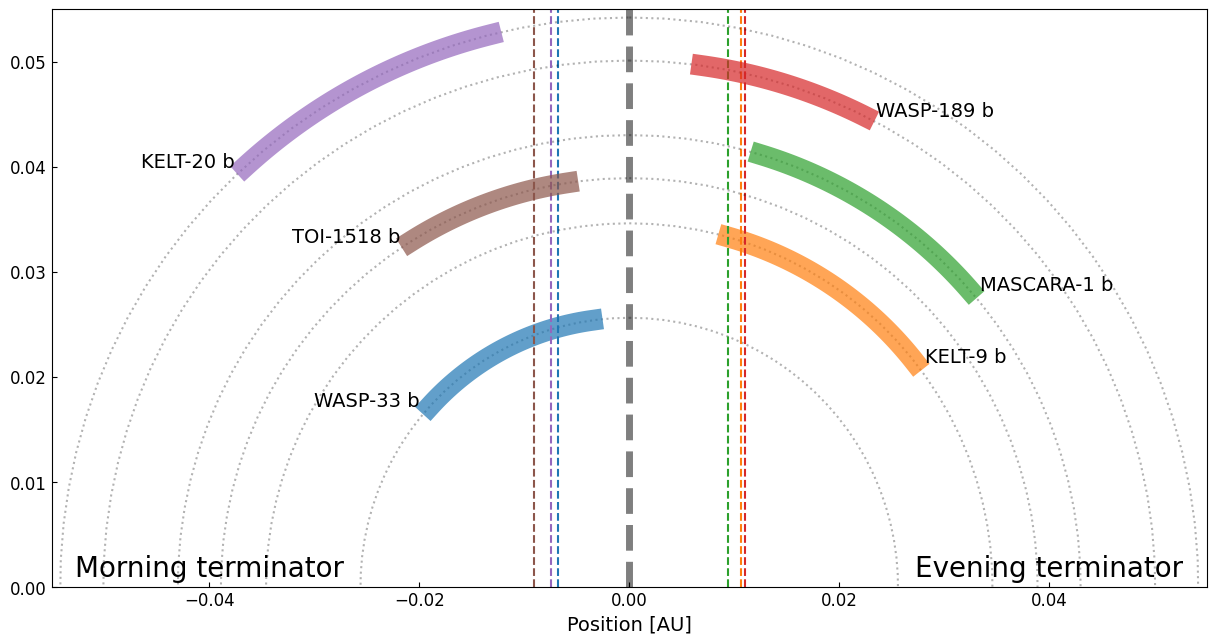
Figure 1: Orbital phase coverage for the observations, illustrating the sampling of planet orbital positions and secondary eclipse intervals for each target.
The study addresses several outstanding questions in exoplanet atmospheric science: the compositional diversity and vertical structure of UHJ atmospheres, the prevalence and properties of thermal inversions at very high equilibrium temperatures, the impact of thermal dissociation and vertical chemical inhomogeneities, and the reliability of abundance constraints (e.g., C/O, metallicity) using K-band high-resolution data in the context of strong non-equilibrium effects.
Methodological Overview
Data Acquisition and Processing
The observations utilized the Keck/NIRSPEC spectrograph upgraded with the KPIC module to achieve diffraction-limited, high-resolution (R∼35,000) spectra in the K-band. The observing program was designed for extensive phase coverage, avoiding secondary eclipse portions when necessary to ensure uncontaminated emission spectra.
Detrending followed standard HRCCS protocols: frame-to-frame flux normalization, PCA-based removal of time-variable tellurics, and careful masking of residual artifacts. Stellar spectra were modeled with PHOENIX atmospheres, rotationally broadened to match observed vsini values. Atmospheric forward modeling, including molecular and atomic opacities, was performed using petitRADTRANS.
Atmospheric Modeling and Retrieval Strategy
Two classes of retrievals were implemented:
- Free Retrievals: Parametric temperature-pressure (P-T) profiles and flexible molecular abundance profiles, with explicit treatment of vertical abundance gradients for H2O and OH leveraging semi-analytic prescriptions accounting for thermal dissociation.
- Equilibrium Retrievals: Imposition of local chemical equilibrium, fitting C, O, and overall metallicity abundances and deriving self-consistent vertical profiles via easyCHEM.
Both approaches were subjected to robust Bayesian inference (MultiNest, >1000 live points) using the noise-aware log-likelihood scheme of Gibson et al., empirically fit to the detrended time series. Posterior robustness was assessed as a function of principal component exclusion in the detrending pipeline.
Results: Detections and Atmospheric Constraints
Molecular and Atomic Signatures
All six targets yielded robust (K0) cross-correlation detections dominated by CO emission features in the K1 bandhead, except for KELT-9 b, whose spectrum is consistent with strong molecular dissociation and possible dominance of atomic Fe emission.
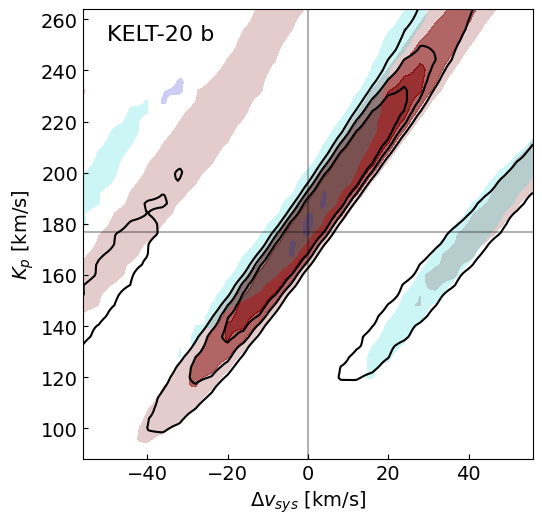
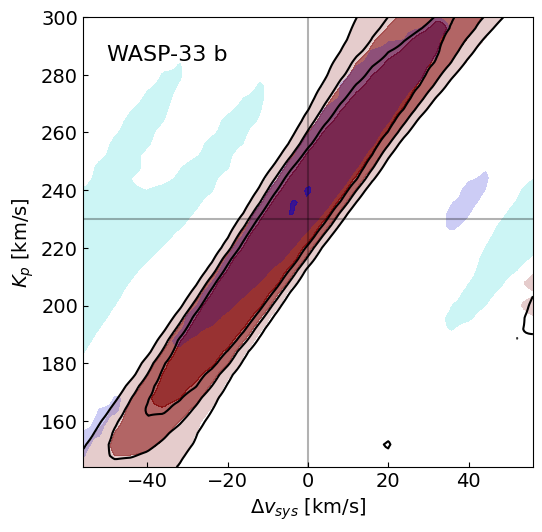
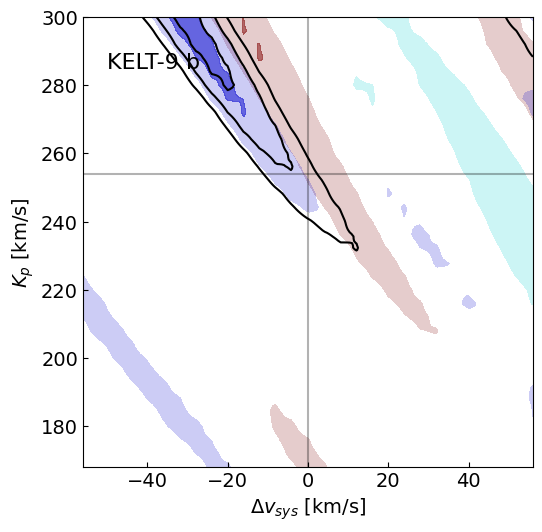
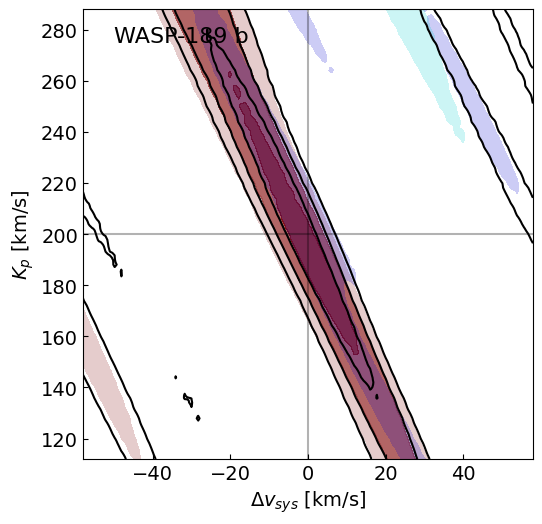
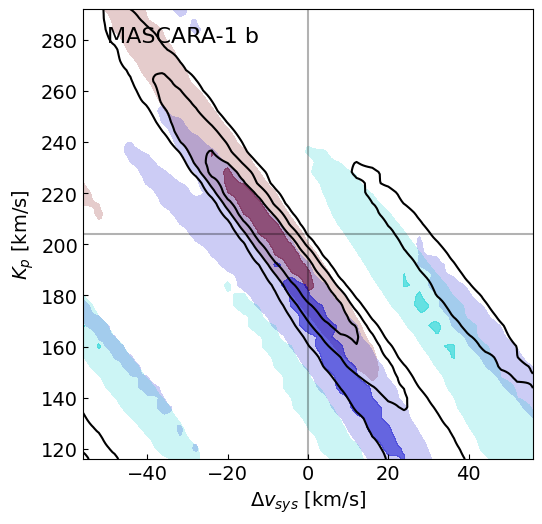
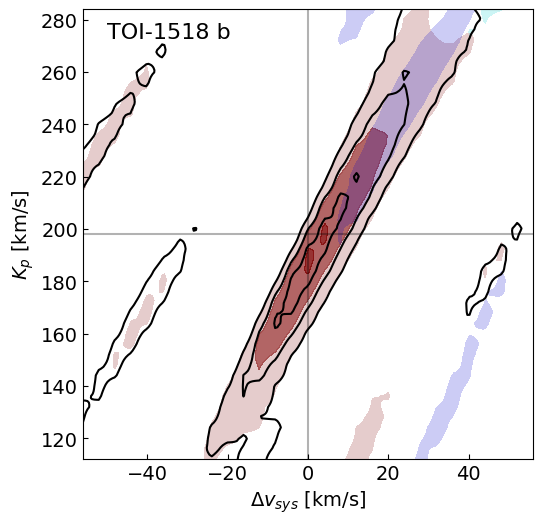
Figure 2: K2–K3 significance contours for full-retrieval, CO-only, HK4O-only, and OH-only cross-correlation templates, isolating the dominant opacity source for each target.
A clear trend emerges: for K5 K, observed spectra are CO-dominated with weak or nondetectable HK6O and OH, the latter two being strongly affected by thermochemical dissociation. The hottest object, KELT-9 b (K7 K), shows markedly diminished molecular features.
Vertical Structure: Temperature and Abundance Profiles
All objects show a preference for strong thermal inversions, inferred from emission line contrasts. However, absolute temperature scale and inversion pressure are poorly constrained due to the short bandpass and the HRCCS continuum sensitivity intrinsically tied to line contrast rather than absolute flux.
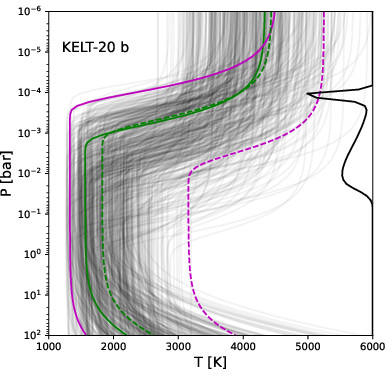
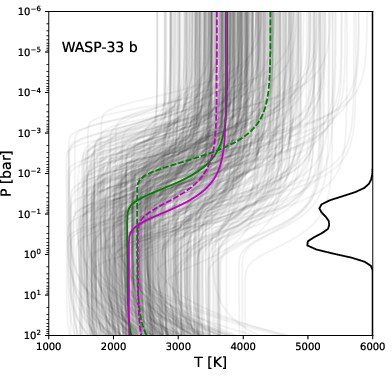
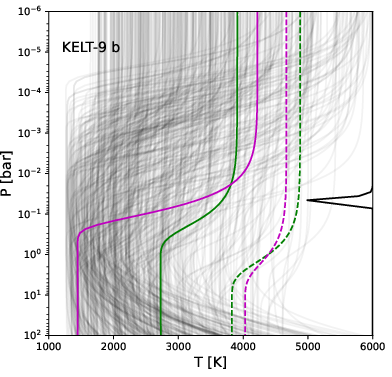
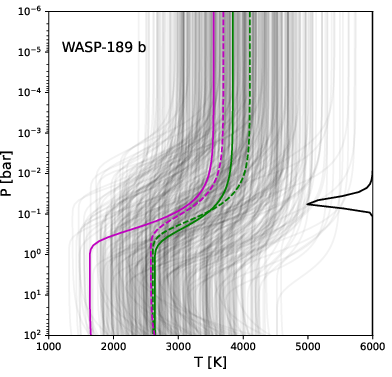
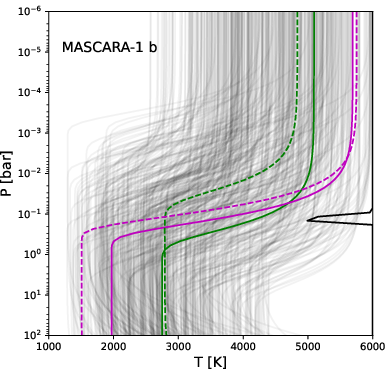
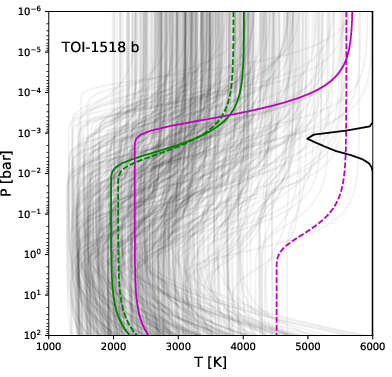
Figure 3: Retrieved K8-K9 profiles for each target from both free and equilibrium retrievals, with posterior ensemble overlays. Inversion strength is robustly detected, but absolute temperature and inversion pressure exhibit wide permissible ranges.
Abundance retrievals for HK0O, CO, OH, and Fe reveal that only CO is consistently well constrained; HK1O and OH are often upper limits, or degenerate with the chosen dissociation profile. Free versus equilibrium retrievals agree for CO-dominated spectra but diverge sharply for KELT-9 b, with the equilibrium approach preferring atomic Fe.
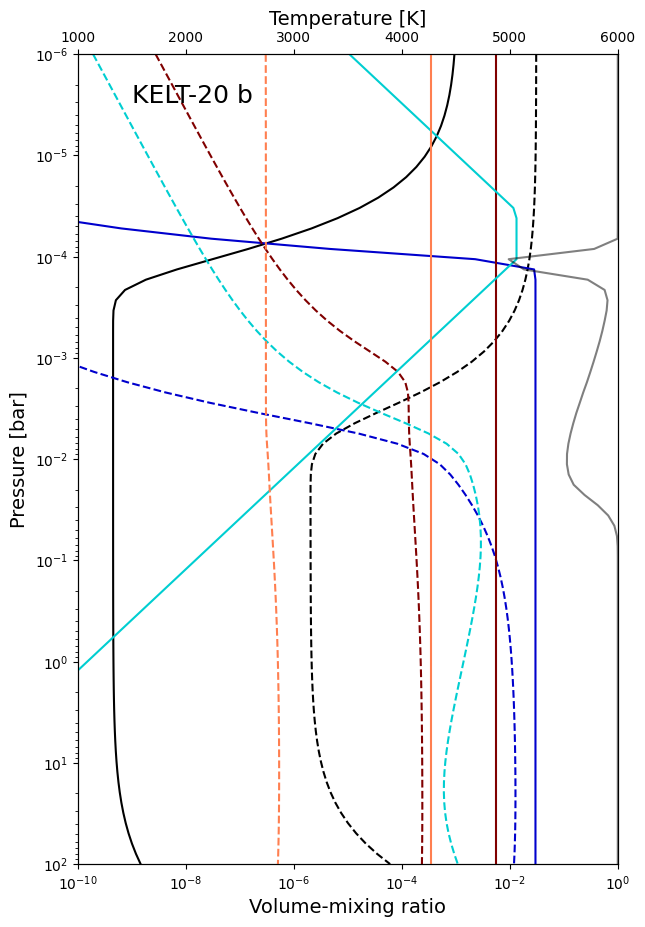
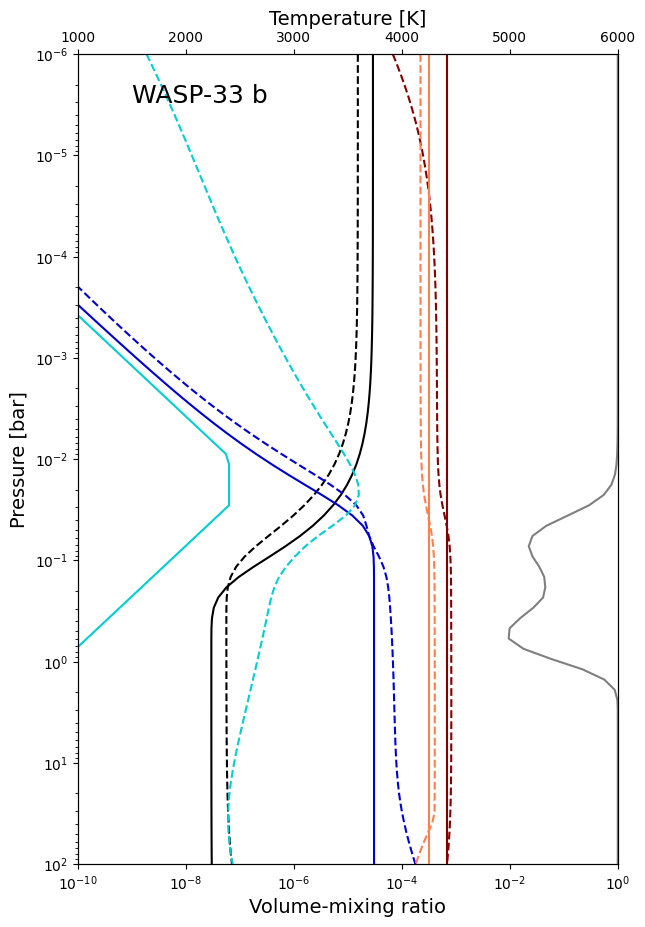
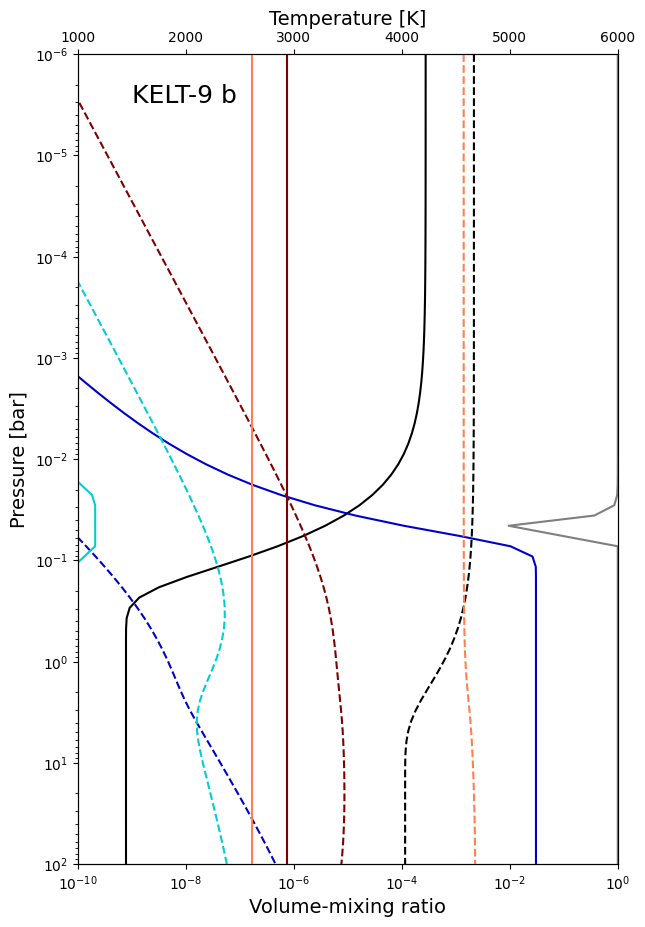
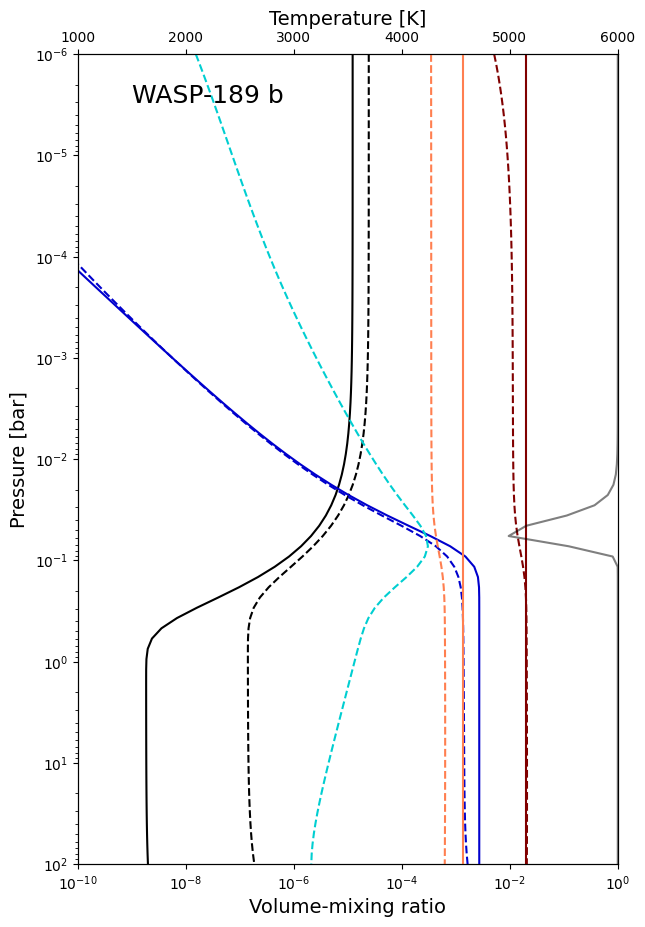
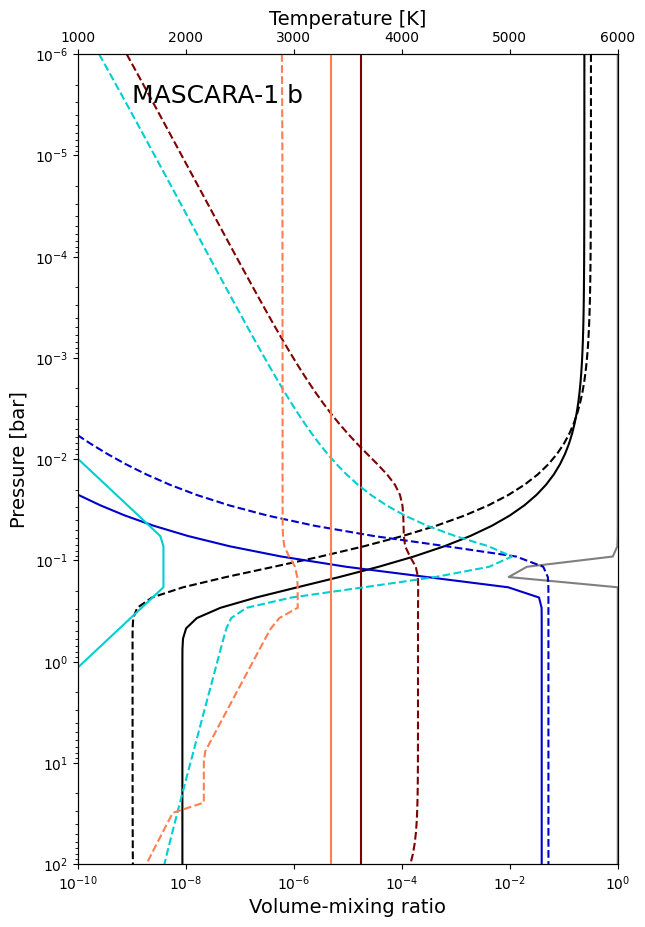
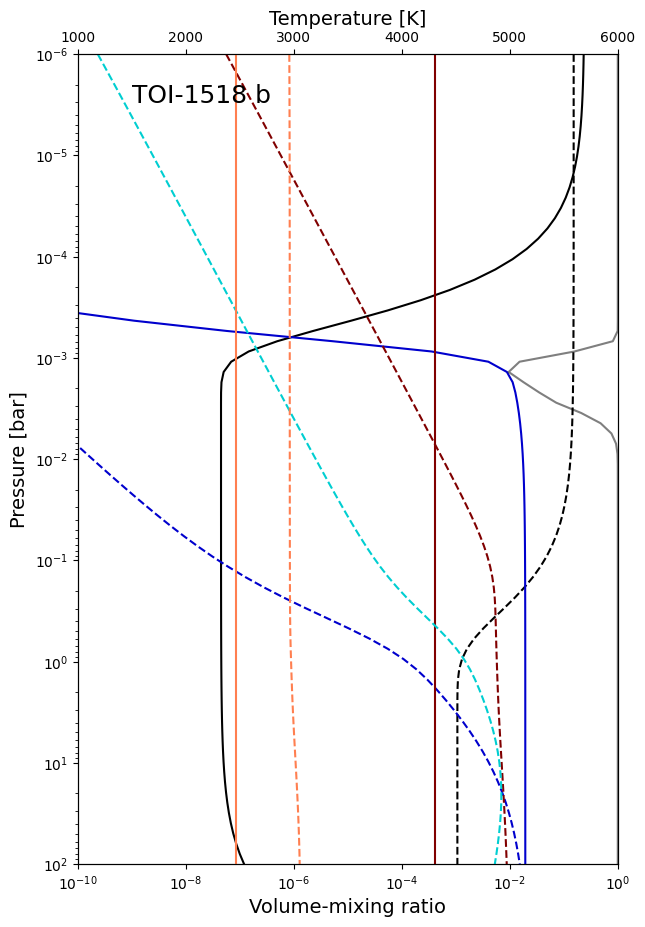
Figure 4: Retrieved vertical mixing ratios for HK2O, CO, OH, and Fe, together with K3-K4 structure and contribution functions. Free-retrieval and equilibrium models are largely concordant except for KELT-9 b, where free retrieval implausibly favors HK5O despite the high irradiation environment.
Abundance Ratios and Trends
The posteriors on C/O and metallicity are extremely broad, primarily reflecting degeneracies introduced by dissociation and poor continuum constraints. The C/O distributions are often bimodal, with solutions clustering near 0 (oxygen rich/deep HK6O dissociation) or 1 (carbon rich/low HK7O abundance/high-altitude dissociation). All retrieved volatile (C, O) abundances are consistent with solar to supersolar values but cannot robustly exclude sub-solar.
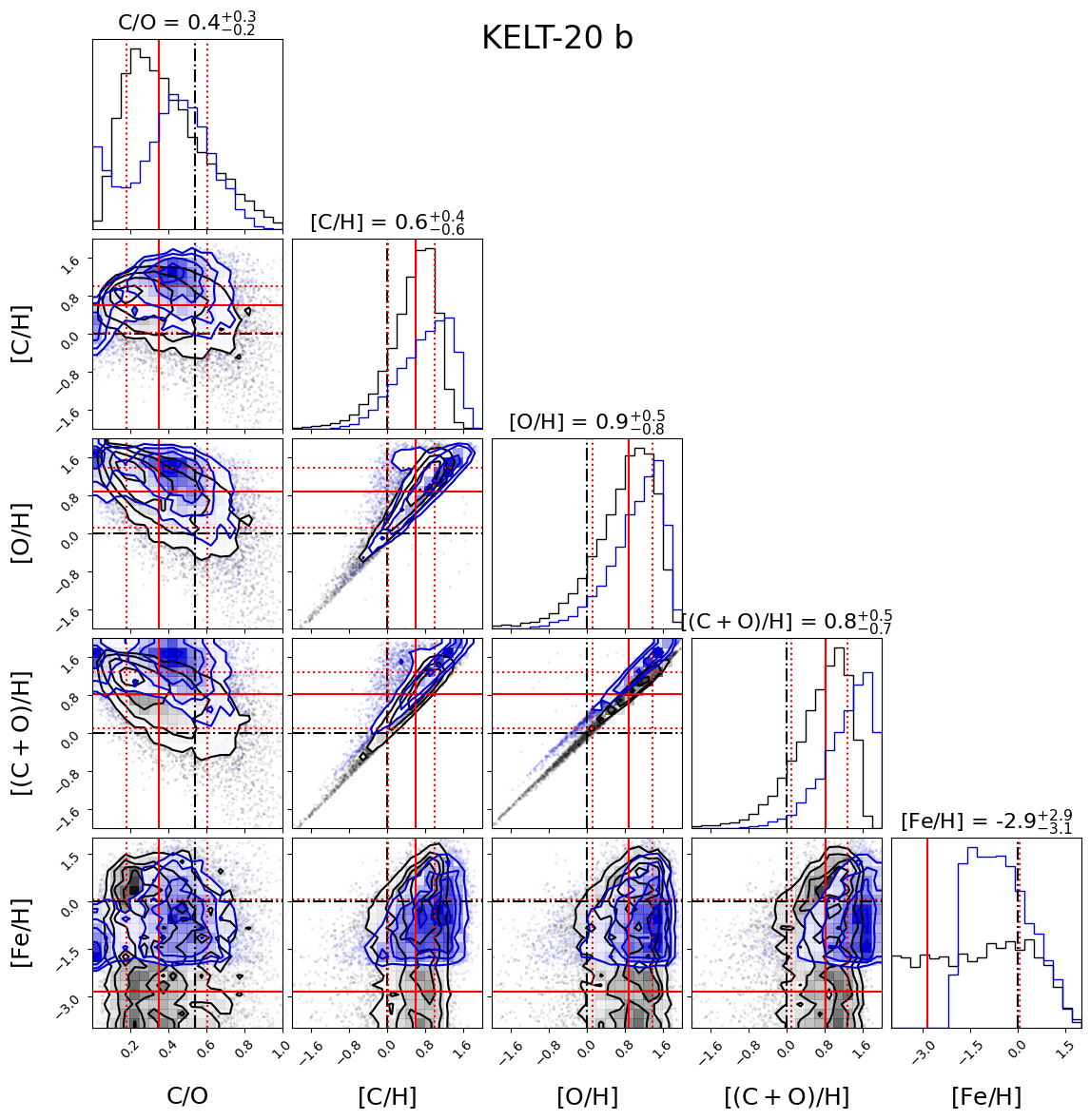
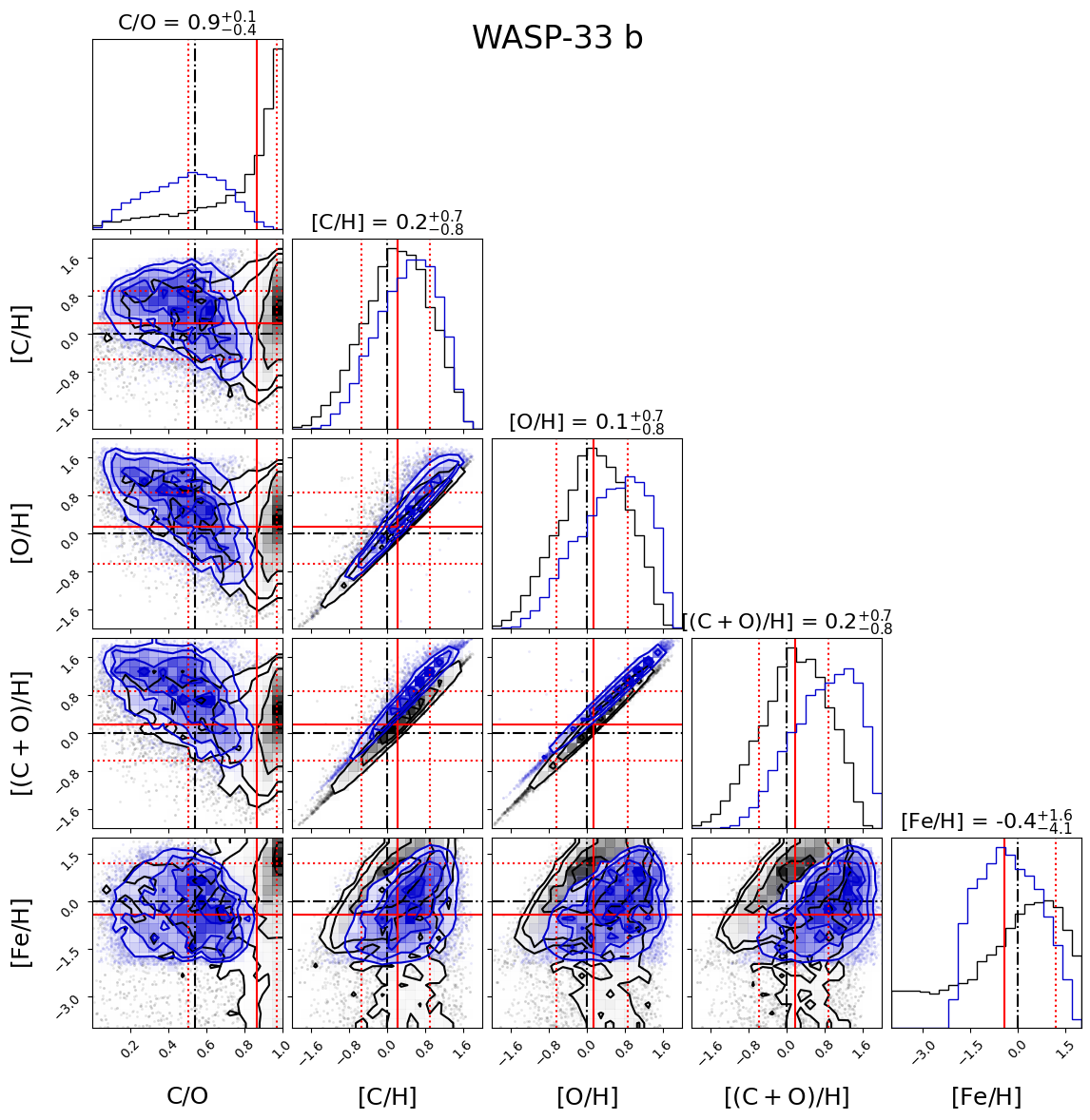
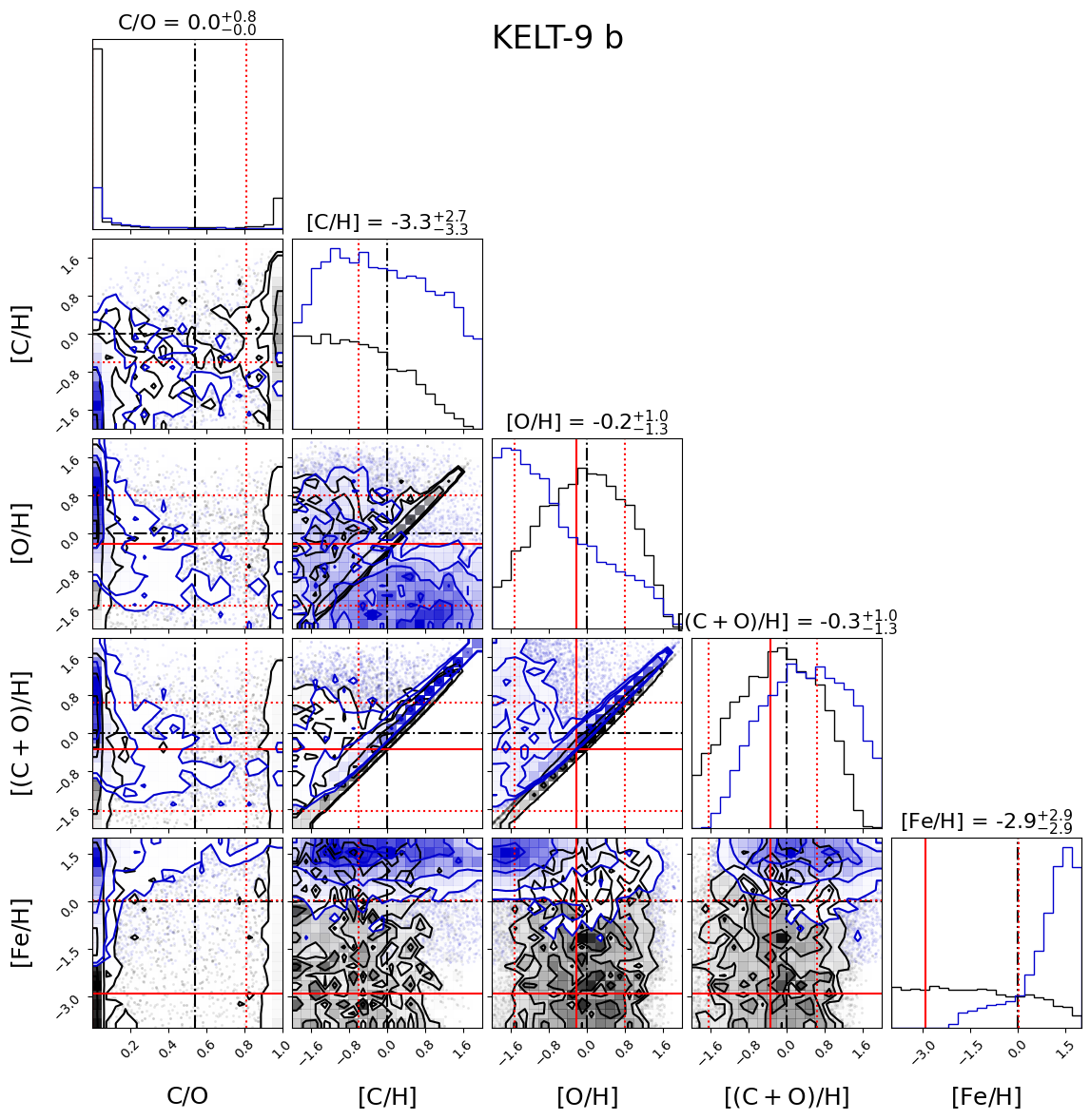
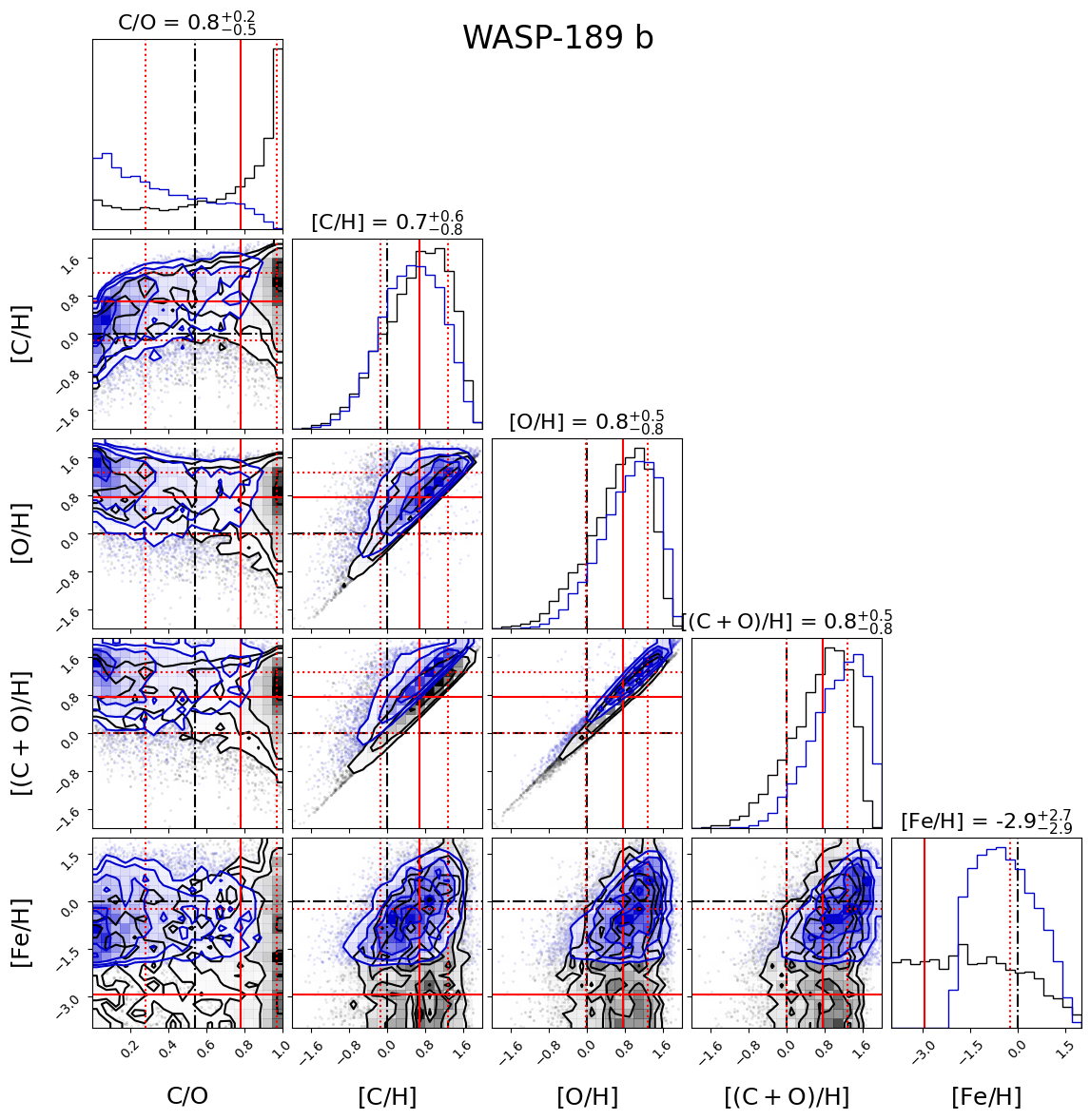
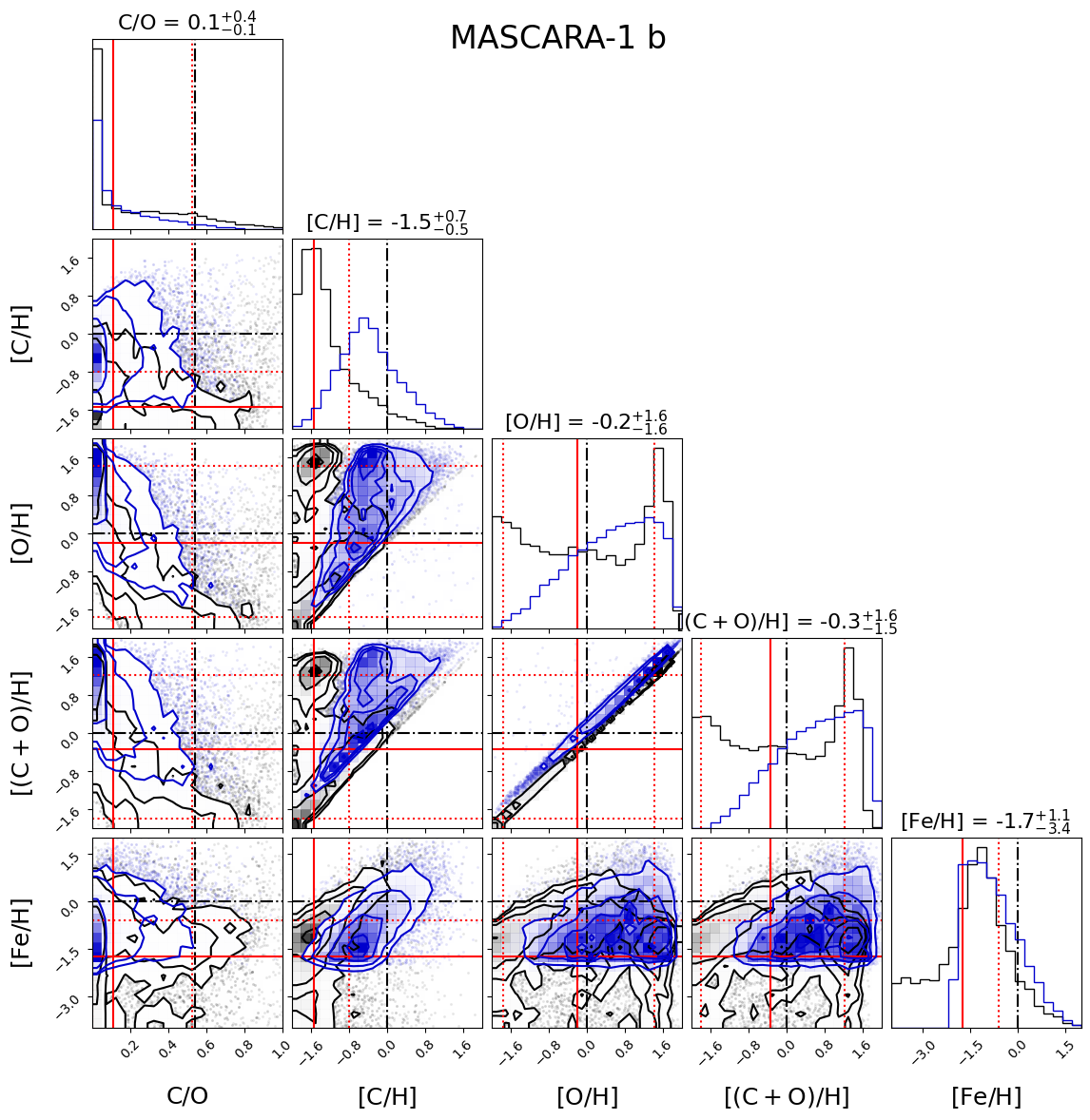
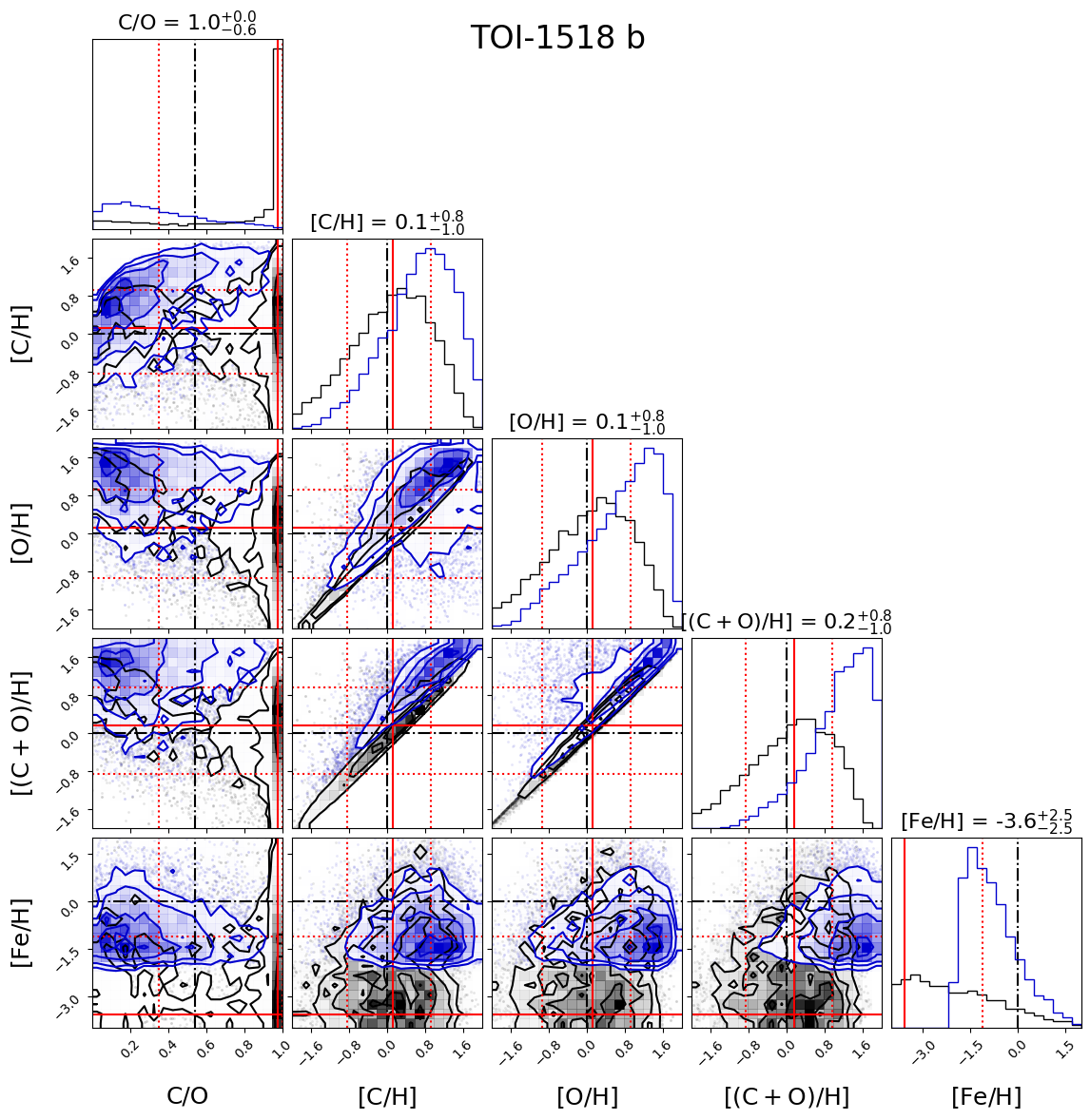
Figure 5: Posterior distributions for derived C/O, [C/H], [O/H], [(C+O)/H], and [Fe/H] comparing free and equilibrium retrieval strategies. The inability to differentiate between high and low C/O states reflects deep degeneracies in the current observational regime.
Multi-object comparison finds no statistically significant correlation between C/O or total volatile enrichment and planetary mass or temperature within the sample.
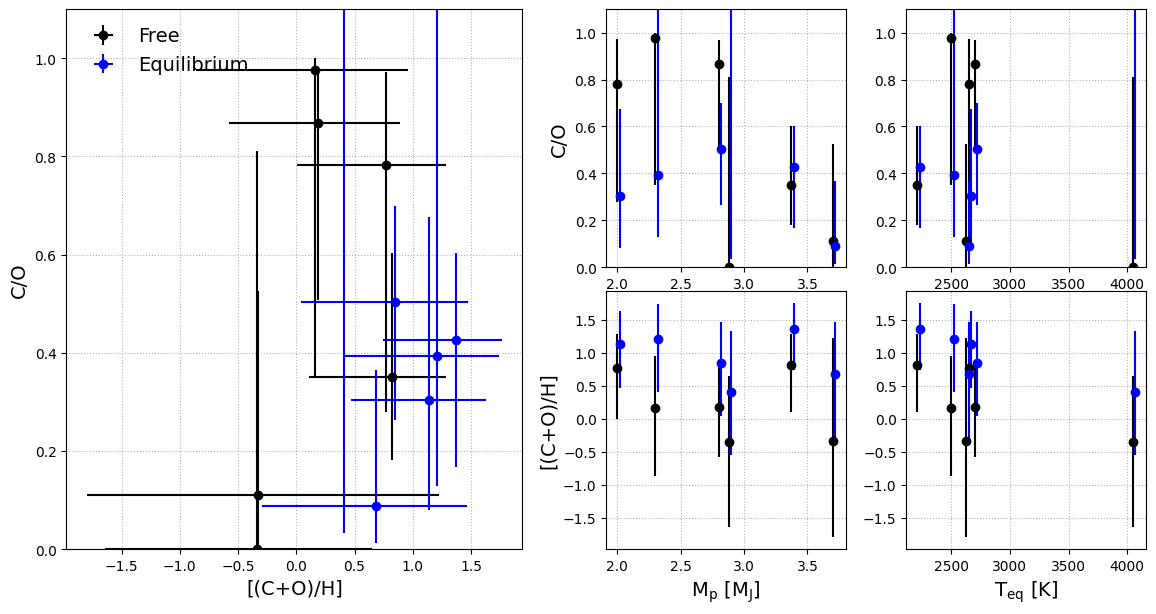
Figure 6: Correlation analysis between C/O, volatile abundance, planet mass, and equilibrium temperature, indicating the absence of significant trends between these properties.
Discussion
Implications for UHJ Atmospheric Characterization
- Thermal Inversion Prevalence: All targets exhibit atmospheric temperature inversions, confirming theoretical expectations for strong UV/visible irradiation and associated optical absorbers driving inversions even at high gravities.
- Dissociation-Dominated Chemistry: The analysis demonstrates that over the K8-band, inferred HK9O and OH abundances are fundamentally limited by the dominant effect of vertical dissociation, with CO as the only robust probe.
- C/O and Metallicity Inference: The inability to constrain bulk C/O from R∼35,0000-band HRCCS alone is attributed to degeneracies between R∼35,0001-R∼35,0002 profile, dissociation pressure, and absolute continuum, notwithstanding high SNR molecular detections. Moreover, the derived C/O is highly sensitive to vertical profile parameterization. Wide-coverage (R∼35,0003 or addition of R∼35,0004-band) spectra will be mandatory for robust elemental ratio inference.
Methodological Outcomes
- Retrieval Degeneracies and Model Dependence: Free-retrieval and chemical equilibrium approaches return consistent results for most targets, supporting parameterized dissociation treatments. For KELT-9 b, free retrieval fails, highlighting systematic risks in low-SNR data or extreme thermal environments.
- Cross-Correlation Limitations: The cross-correlation technique efficiently detects molecules, but its insensitivity to continuum combined with narrow spectral grasp amplifies degeneracies and limits precision in physical parameter inference.
- Kinematic and Spatial Inhomogeneity: The analysis repeatedly notes apparent velocity offsets between CO, HR∼35,0005O, and OH features, plausibly due to species-specific wind fields or spatial inhomogeneity (consistent with recent 3D model and observational findings). Future retrieval pipelines must support differential kinematic modeling for chemically distinct phases.
Path Forward
- Wide Spectral Coverage and Higher Resolution: Next-generation facilities (e.g., KMOS, CRIRES+, HISPEC) with their broader coverage and higher resolution will be required to break degeneracies and resolve absolute abundances in UHJs.
- Multi-Tracer and Multi-Wavelength Synergy: Integrating high-resolution emission and transmission data, spanning optical to R∼35,0006-band, will be essential to constrain vertical, horizontal, and compositional structure holistically.
- Model Advancements: Continued development of retrieval frameworks that fully incorporate multi-dimensional atmospheric structure, vertical and horizontal chemical gradients, and flexible treatment of wind-induced velocity differentials is critical.
Conclusion
This work demonstrates that R∼35,0007-band high-resolution spectroscopy robustly detects CO emission and thermal inversions in a population of UHJs with R∼35,0008 K. However, the current strategy is intrinsically limited in constraining C/O, metallicity, and vertical structure beyond the CO photosphere due to the dominant role of dissociation and the narrow bandpass. The findings underscore the imperative for wide-band, multi-phase, and multi-species measurements, coupled with advanced retrieval frameworks, to enable reliable bulk composition measurements and constrain UHJ formation and chemical evolution pathways.
These results provide a critical baseline for interpreting forthcoming high-resolution spectroscopic surveys and motivate substantial methodological development in both retrieval and instrument strategy for the characterization of the most extreme atmospheres in the exoplanet regime.