- The paper introduces an automated framework that leverages existing SysML models to derive DTs, significantly reducing manual modeling and engineering efforts.
- It describes a configurable architecture including a DTGateway, ModelInterpreter, and DigitalShadow to enable real-time monitoring, anomaly detection, and dynamic service configuration.
- Empirical evaluations demonstrate rapid DT instantiation across diverse industrial settings, confirming the framework’s extensibility and robust PT/DT co-evolution support.
Model-Based Framework for Automated Digital Twin Development in Industry 4.0
Introduction
The integration of CPS and IoT technologies under Industry 4.0 has amplified the demand for Digital Twins (DTs), which serve as dynamic digital representations of physical systems. Despite their utility in enhancing situational awareness and operational optimization, the development of DTs has been constrained by the absence of standardized engineering processes and the resource intensity required. This paper presents a model-based, tool-supported framework that leverages existing engineering models of physical twins (PTs) to automate large portions of DT derivation, with the goal of minimizing redundant modeling effort, reducing human intervention, and ensuring adaptability to PT evolution (2607.03080).
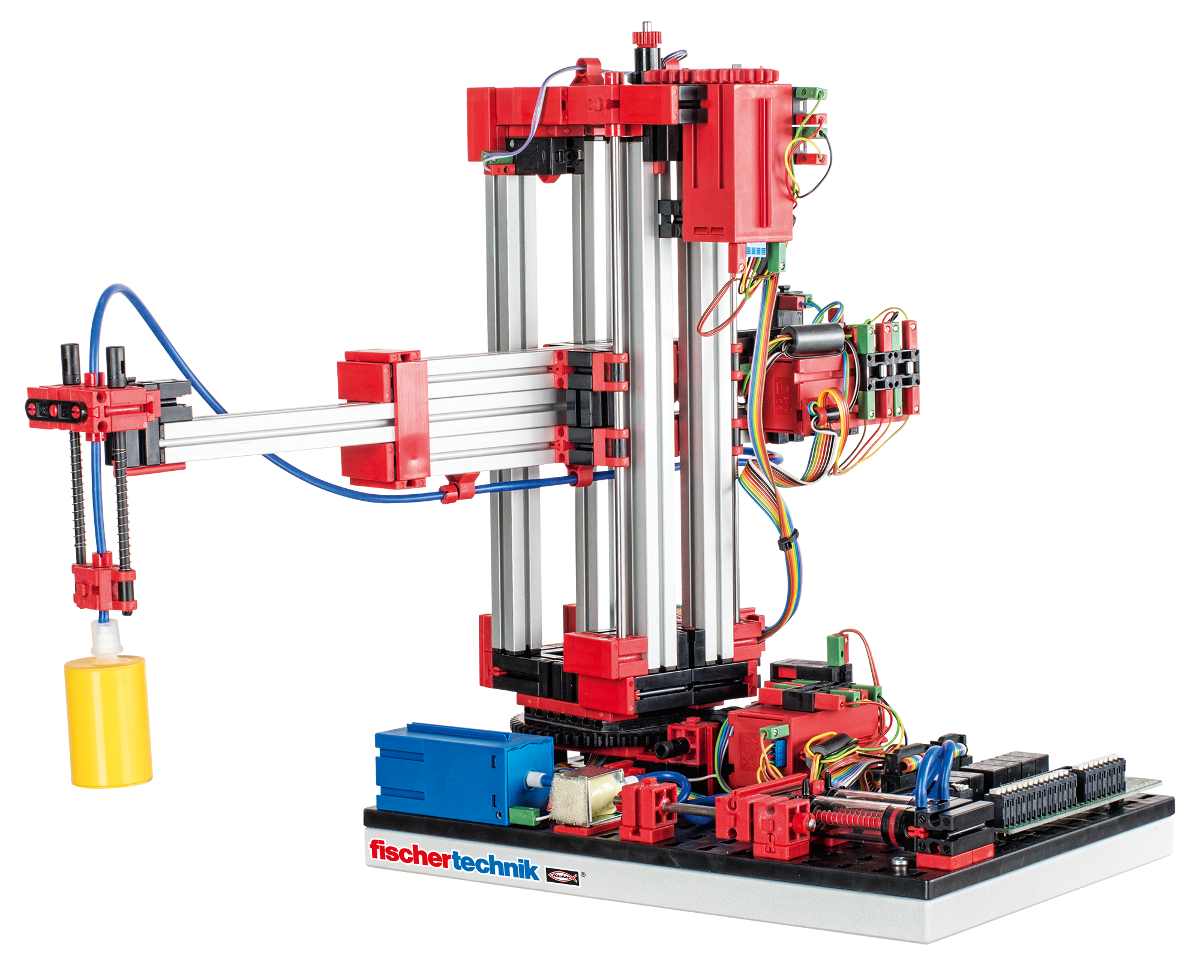
Figure 1: Vacuum Gripper Robot (VGR) serving as the physical twin for the motivating example in the framework.
Conceptual and Technical Foundations
Digital Twin development in automated industrial settings is generally impeded by lifecycle disparities between PT and DT development, model fragmentation, and a lack of protocolized architecture. This work differentiates three essential model categories:
- Models of the PT: SysML-based structural and behavioral specifications capturing hardware configuration and operational logic.
- Models of the DT: Architectural blueprints detailing component organization and runtime services (e.g., monitoring, anomaly detection, actuation).
- Models in the DT: Runtime representations supporting service execution, including prescriptive and predictive models.
This distinction is vital for separating responsibilities and promoting configuration-driven DT instantiation rather than ad hoc software engineering.
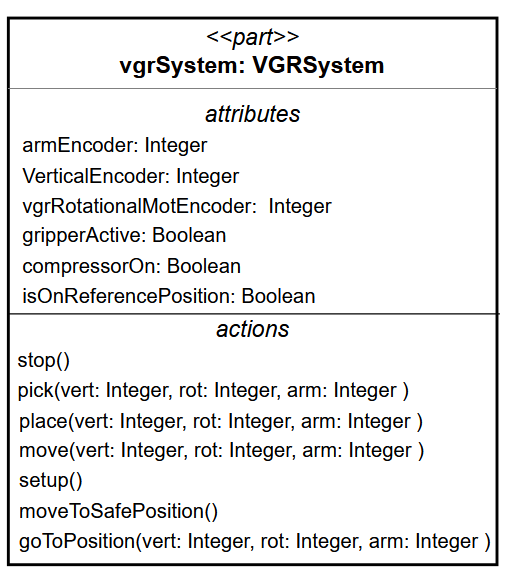
Figure 2: Excerpt of the Conceptual Block diagram of the VGRSystem, illustrating high-level system decomposition.
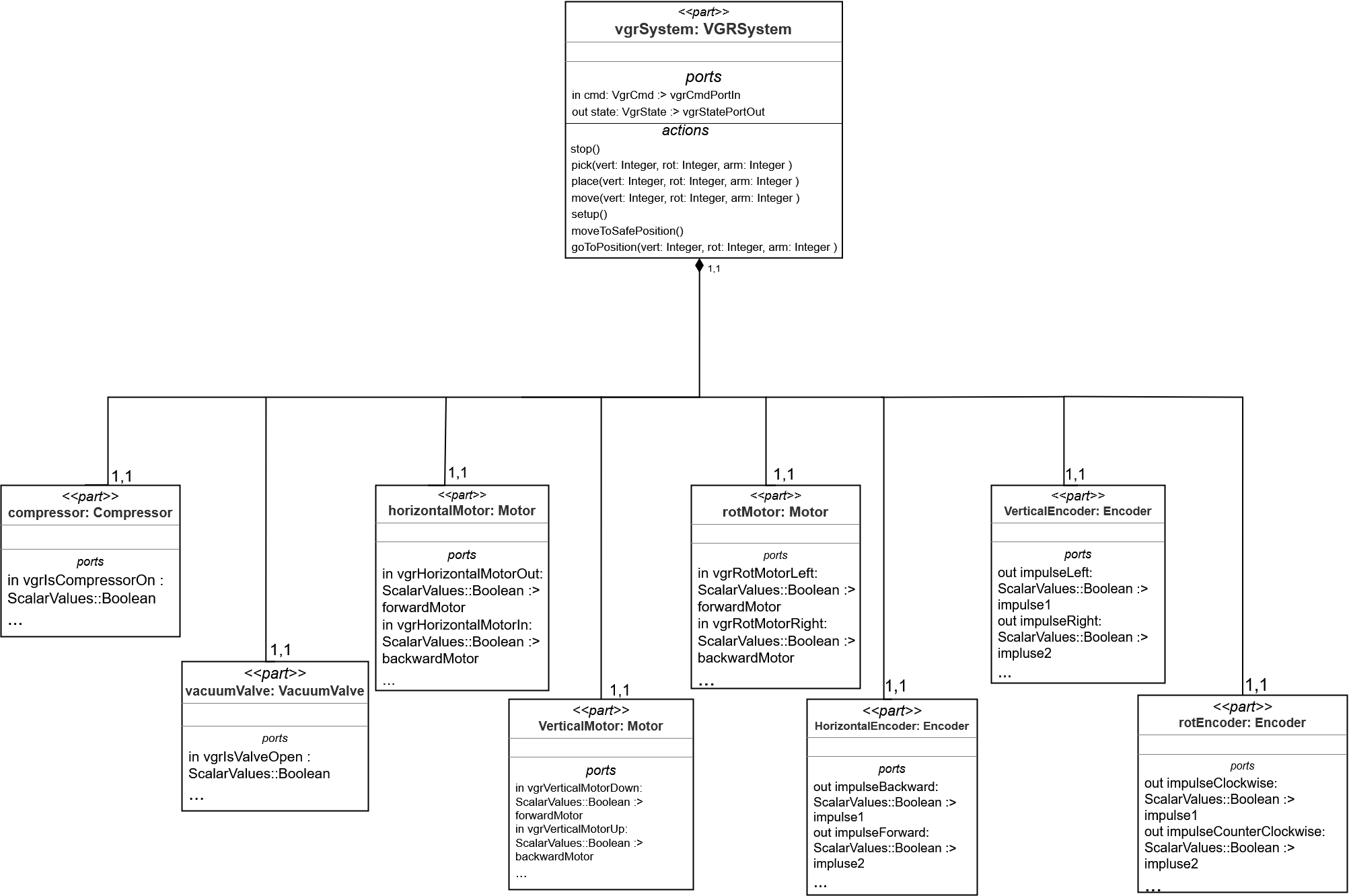
Figure 3: Detailed Part Definition Diagram of the VGRSystem, depicting component interactions and interfaces.
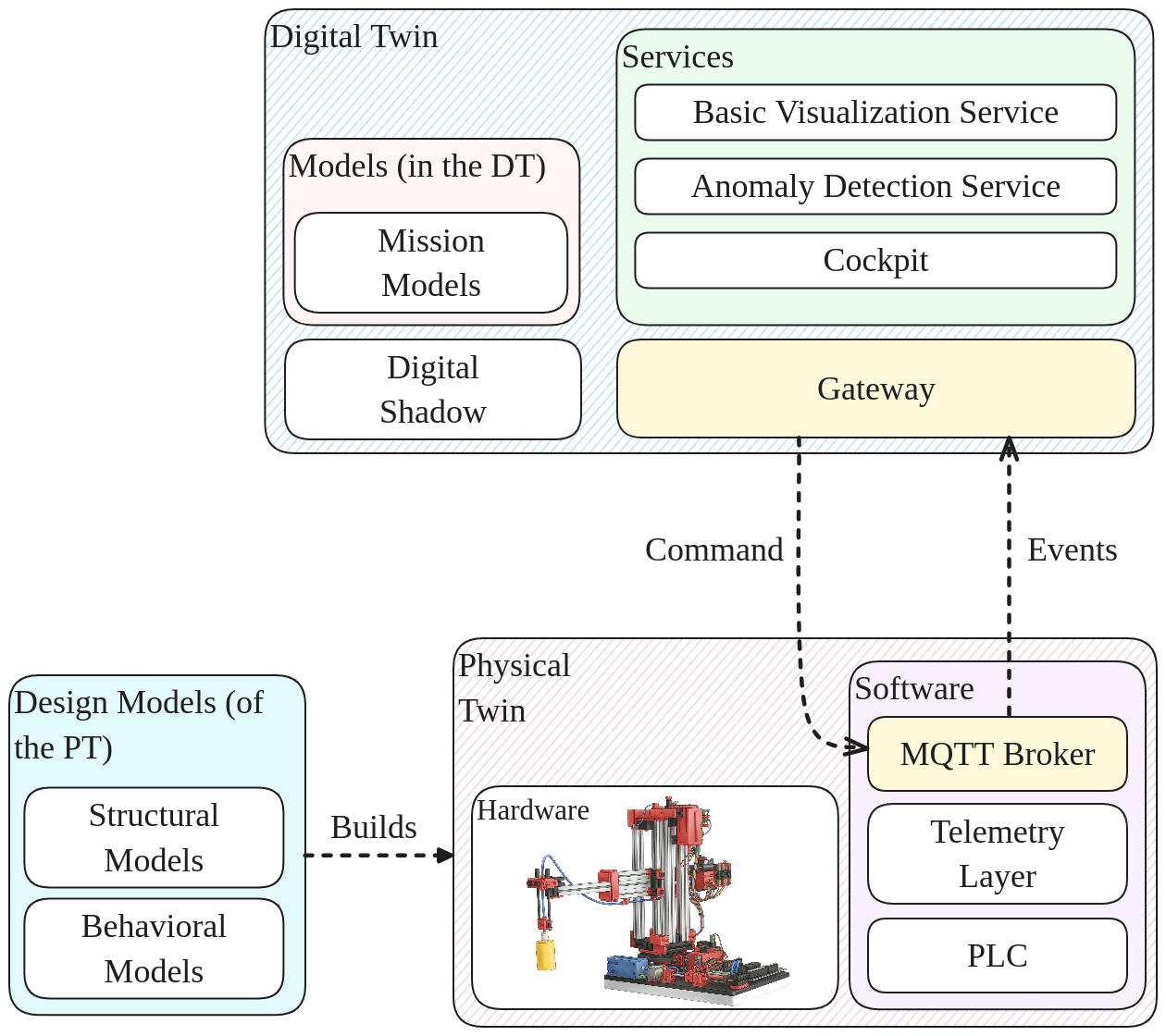
Figure 4: Physical Twin (PT) and Digital Twin (DT) components for the VGR, mapping model-to-runtime relationships.
Framework Architecture and Configuration
The framework introduces a configurable, reusable architecture centered around a DTEngine that orchestrates DT instantiation and operation. It integrates:
- DTGateway: Abstracts communication protocols for bidirectional PT/DT interaction, supporting modular protocol extension (e.g., MQTT, OPC-UA).
- ModelInterpreter: Handles parsing of SysML V1/V2 models, extracting part definitions, behavioral statecharts, and attribute constraints for mapping incoming data and validating runtime states.
- DigitalShadow: Implements persistent, time-stamped storage in a schema derived from model attributes, providing both real-time observation and historical traceability.
- Service Layer: Comprising basic visualization, anomaly detection (conformance with behavioral models), and cockpit interfaces (control/actuation), each activatable by configuration rather than manual coding.
The configuration logic is encapsulated in a feature model, enabling domain experts to select services, communication protocols, and actionable/model attributes without engaging with the underlying codebase.
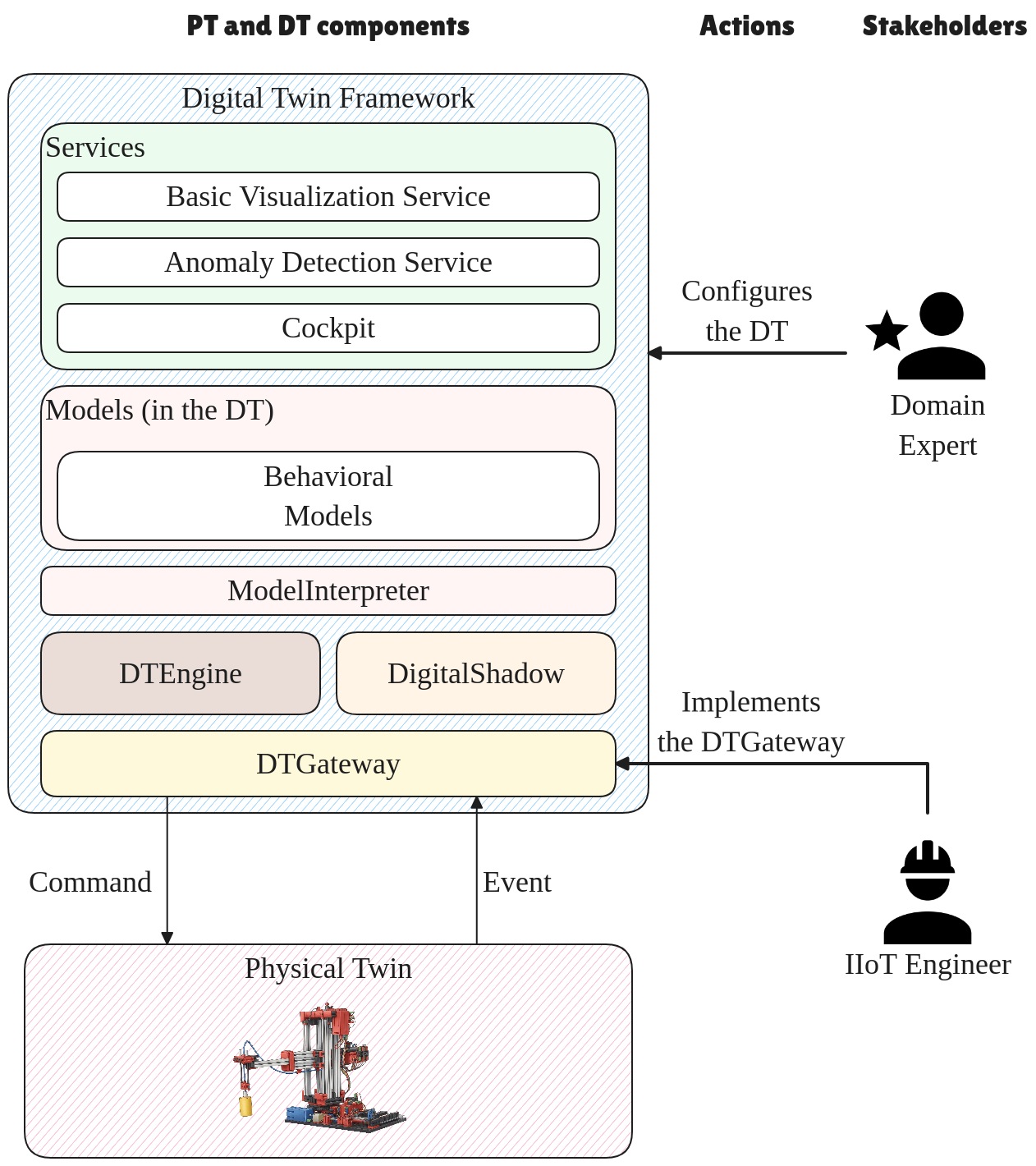
Figure 5: Digital Twin Framework architecture highlighting new stakeholder roles—Domain Expert and IIoT Engineer—enabling role separation and increased automation.
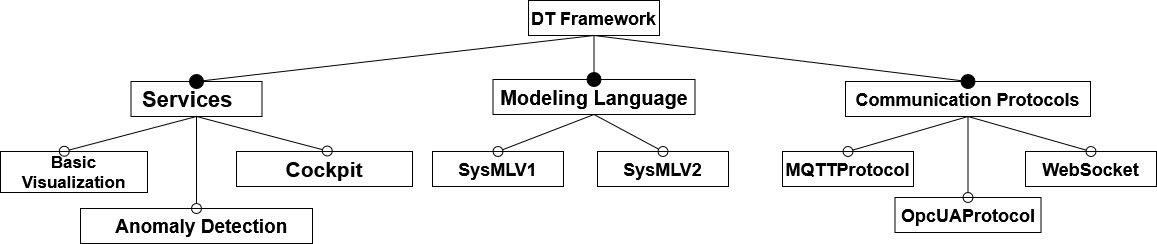
Figure 6: Feature Model showing configurable aspects, including supported services, protocols, and model levels, facilitating rapid DT instantiation.
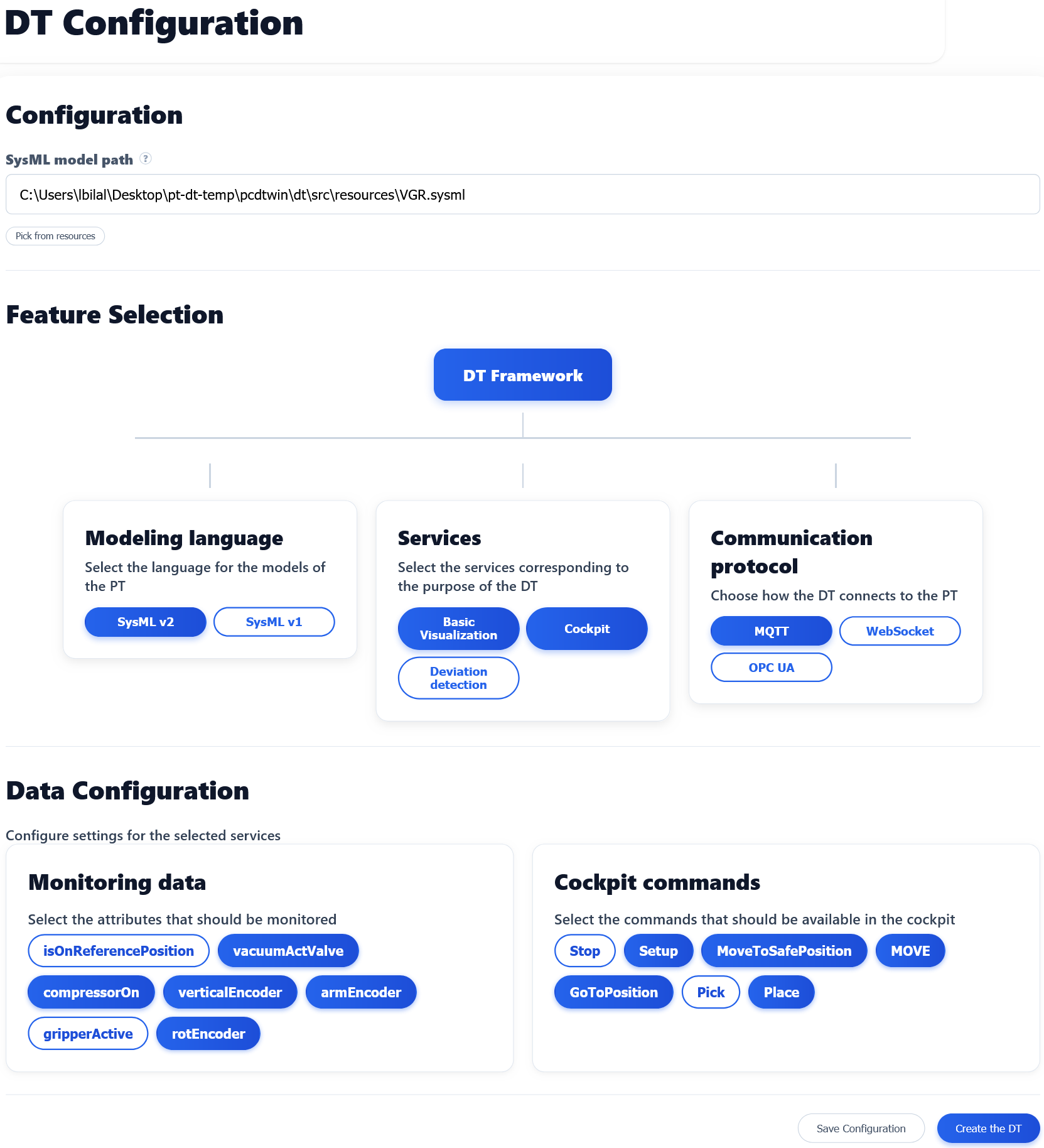
Figure 7: Configuration User Interface, exposing model-driven configuration to domain experts for service and protocol selection.
Evaluation and Applicability
Efficiency and Stakeholder Impact
Empirical evaluation was conducted using four use cases across discrete manufacturing (VGR robot, conveyor belt), industrial energy (steam turbine), and smart home settings (home automation demonstrator). Key findings include:
- Minimal Gateway Engineering Effort: Gateway code footprint remained less than 5% of the DT implementation, primarily due to reusability and protocol abstraction; most PTs only required existing signals to be forwarded through MQTT with trivial glue code.
- Rapid End-to-End Configuration: Non-expert users (familiar with SysML) instantiated operational DTs for complex PTs in under two minutes, driven entirely by UI-based selection without code intervention.
- Architecture Generalizability: Application to diverse PTs (beyond purely industrial contexts) confirms the framework’s extensibility, conditioned on the availability of accurate SysML or reverse-engineered PT models and protocol-compatible interfaces.
- Support for PT/DT Co-Evolution: Sensed attribute addition/removal, and actuator evolution are managed through SysML model updates and gateway reconfiguration; the DT services dynamically adapt without requiring system restart.
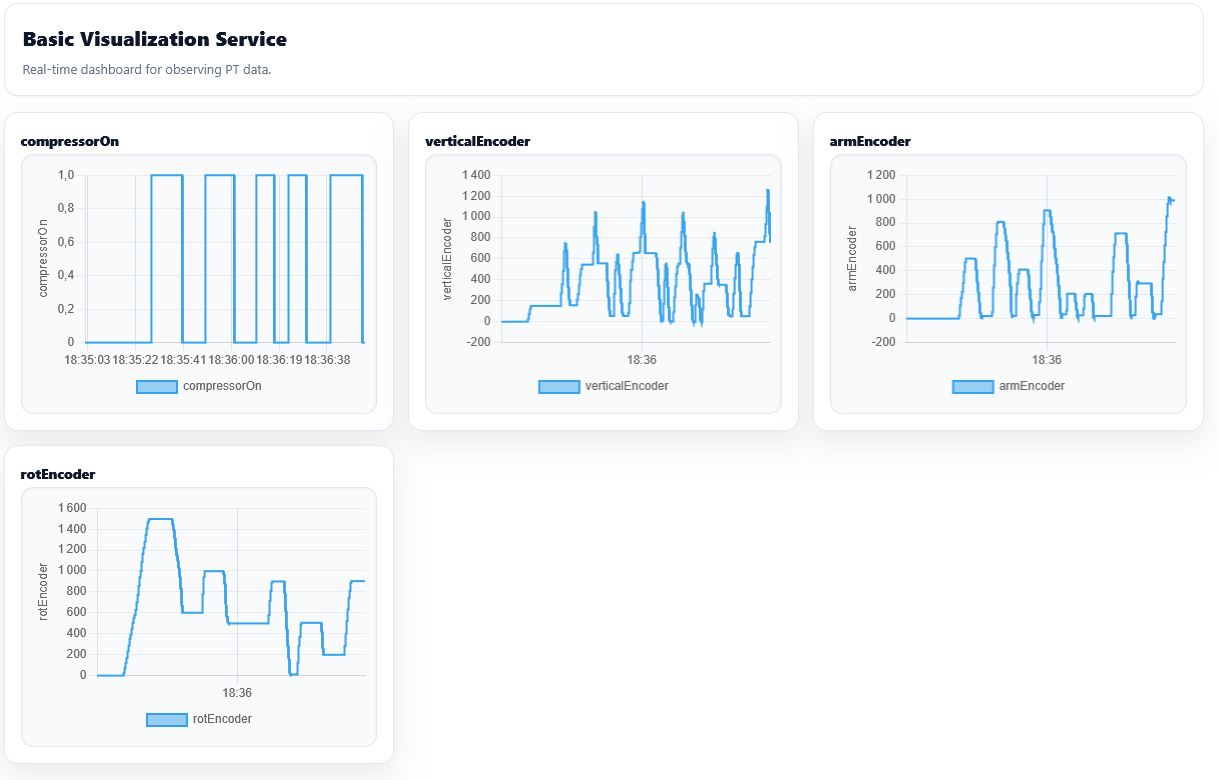
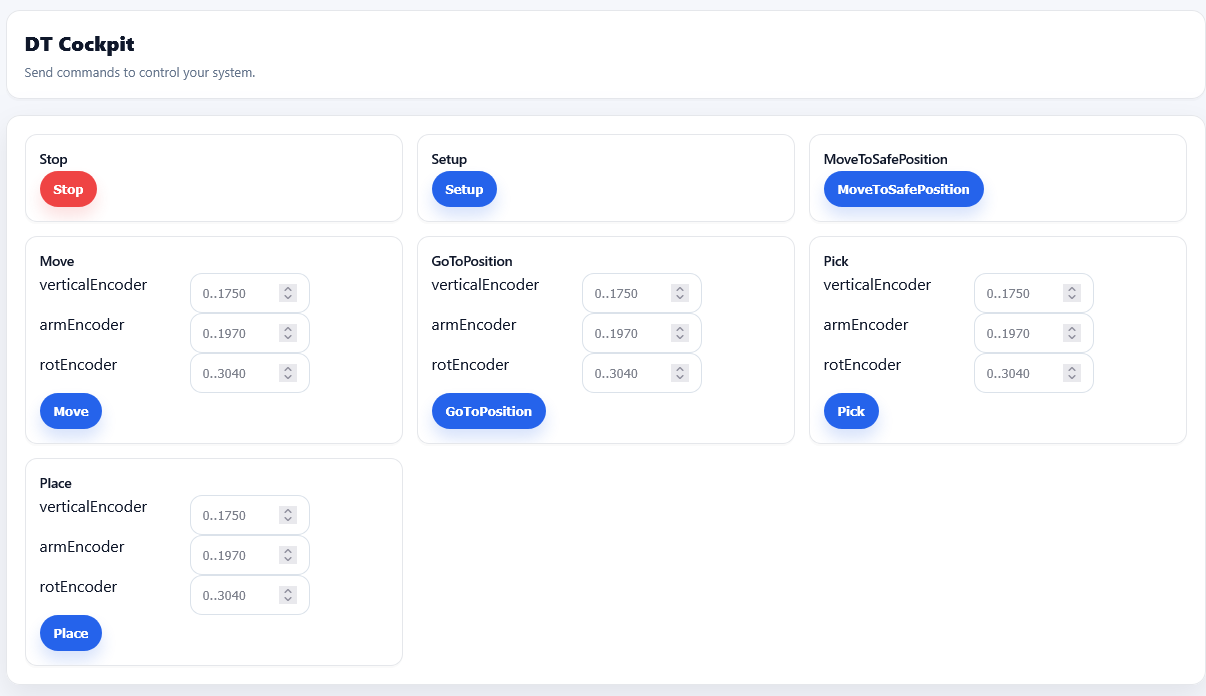
Figure 8: Basic Visualization User Interface showing selected data monitored in near real time as configured for a DT instance.
Comparison to Prior Art
The framework’s contribution is distinguished by its exclusive reliance on existing engineering models of the physical system, runtime model interpretation, and a separation of DT services at the configuration and interface layers. This departs from prior approaches that leverage custom DSLs [bibow2020injection], static artifact generation, or emphasize only visualization [Dalibor2020TowardsAM] or interface synchronization [kirchhof2020construction]. Support for runtime co-evolution and service extension is explicit, facilitating deployment and maintainability in rapidly changing industrial environments.
Limitations and Future Work
The presented approach assumes the availability of formal system models in SysML (or compatible formats); efforts for reverse engineering or model translation are not captured in the quantitative evaluation. Further, although the architecture supports discrete-time behaviors and state-based feedback, it does not address systems requiring continuous-state reasoning, predictive simulation, or high-velocity data pruning strategies. Addressing scalability, integrating additional modeling languages, and supporting multi-fidelity and reconfiguration services are identified as future directions.
Conclusion
This work formalizes the automation of DT derivation in Industry 4.0 by bridging existing engineering models with configurable framework-driven DT construction. By reducing the engineering overhead and decoupling stakeholder roles, the approach enhances adoption feasibility and operational agility. The open extensibility towards new services and protocols, as well as native support for PT/DT co-evolution, provide a promising baseline for robust, long-term DT deployments across several CPS-intensive domains.
References
For the full methodological details, evaluations, and comparative analysis, refer to "A Model-Based Framework for Developing DTs in Industry 4.0" (2607.03080).