- The paper introduces a coherent maximum likelihood wavelet reconstruction method that combines multi-detector alignment with z-statistic based glitch rejection.
- It demonstrates improved signal recovery, showing match improvements of up to 6.3% and significantly reduced false alarms compared to single-detector approaches.
- The model enables real-time, low-latency reconstruction in LIGO data, providing a robust initialization for computationally intensive Bayesian inference methods.
MaxWave Signal: Coherent Maximum Likelihood Wavelet Reconstruction for Gravitational Wave Transients
Algorithmic Framework and Methodological Innovations
The MaxWave Signal model addresses the increasing demand for robust, rapid signal reconstruction in gravitational wave (GW) detection, particularly as event rates rise and non-Gaussian transient noise artifacts ("glitches") become prevalent in detector data. Expanding on the maximum likelihood-based wavelet reconstruction underpinning the original MaxWave algorithm, MaxWave Signal integrates a novel multi-detector coherence mechanism. This approach leverages z-statistic-informed alignment (time, phase, amplitude) relative to the highest-SNR detector reconstruction to construct a synthetic, coherent detector stream. Data from individual detectors are aligned, scaled, and combined through adaptive noise-weighting derived from a geometric mean noise spectrum, preserving Gaussian noise statistics while amplifying features with consistent phase and amplitude evolution across the detector network.
The algorithm operates by performing independent MaxWave glitch reconstructions for each detector, selecting the highest-SNR reconstruction as reference, and computing complex cross-correlations (z-statistics) for alignment. If the computed time-shifts are consistent with inter-detector light travel constraints, a coherent detector stream is constructed, and MaxWave is re-applied to this composite stream to obtain a network-optimized reconstruction. The model explicitly encodes network diagnostics, can reject coincident glitches via clean residual checks, and is designed for real-time, low-latency operation without compromising detection sensitivity to diverse signal morphologies.
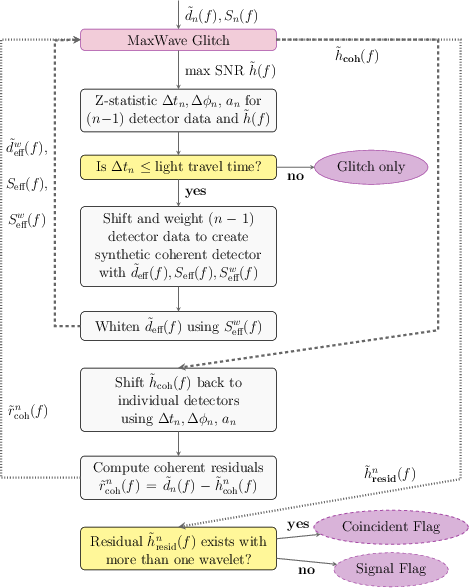
Figure 1: The MaxWave pipeline for coherent multi-detector transient reconstruction and glitch rejection, with signal alignment, synthetic detector construction, and iterative residual analysis.
Application of MaxWave Signal to canonical GW events from LIGO O3 validates strong improvements over traditional single-detector approaches. For GW150914, the coherent detector amplifies signal content and yields residuals with reduced contamination compared to independent reconstructions.
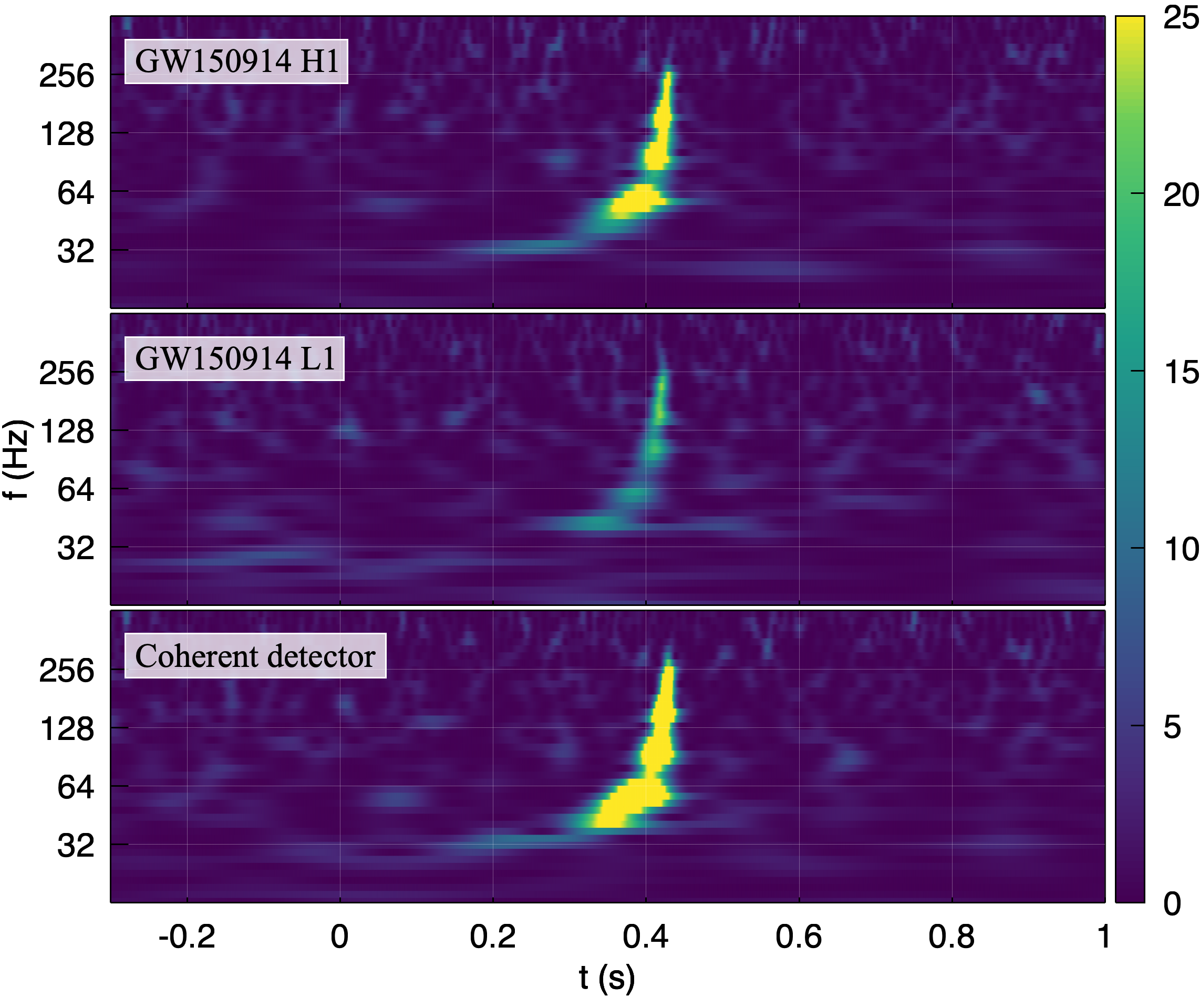
Figure 2: Time-frequency Qscans showing enhanced signal recovery in a synthetic detector for GW150914, compared to individual H1 and L1 detectors.
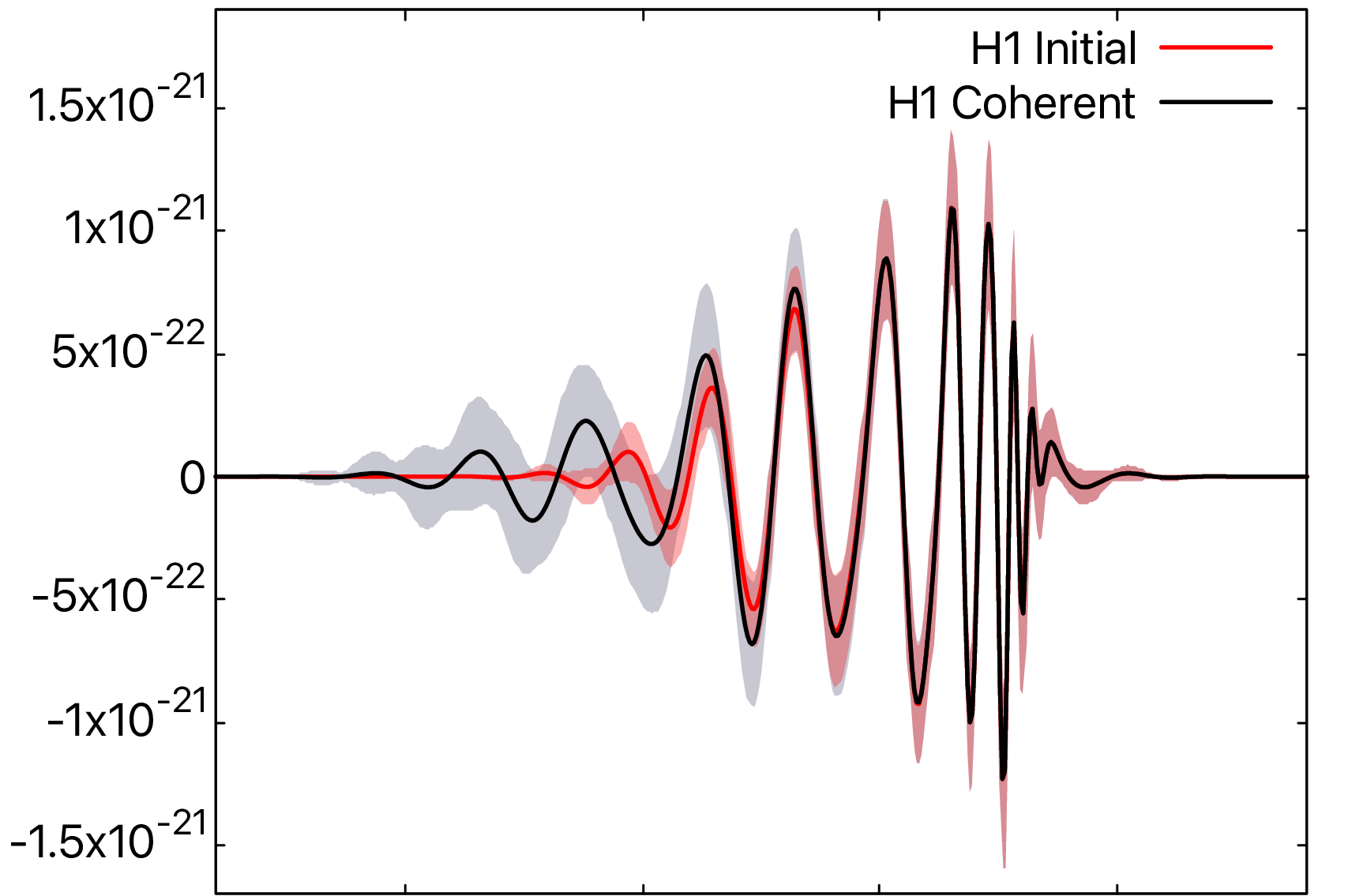
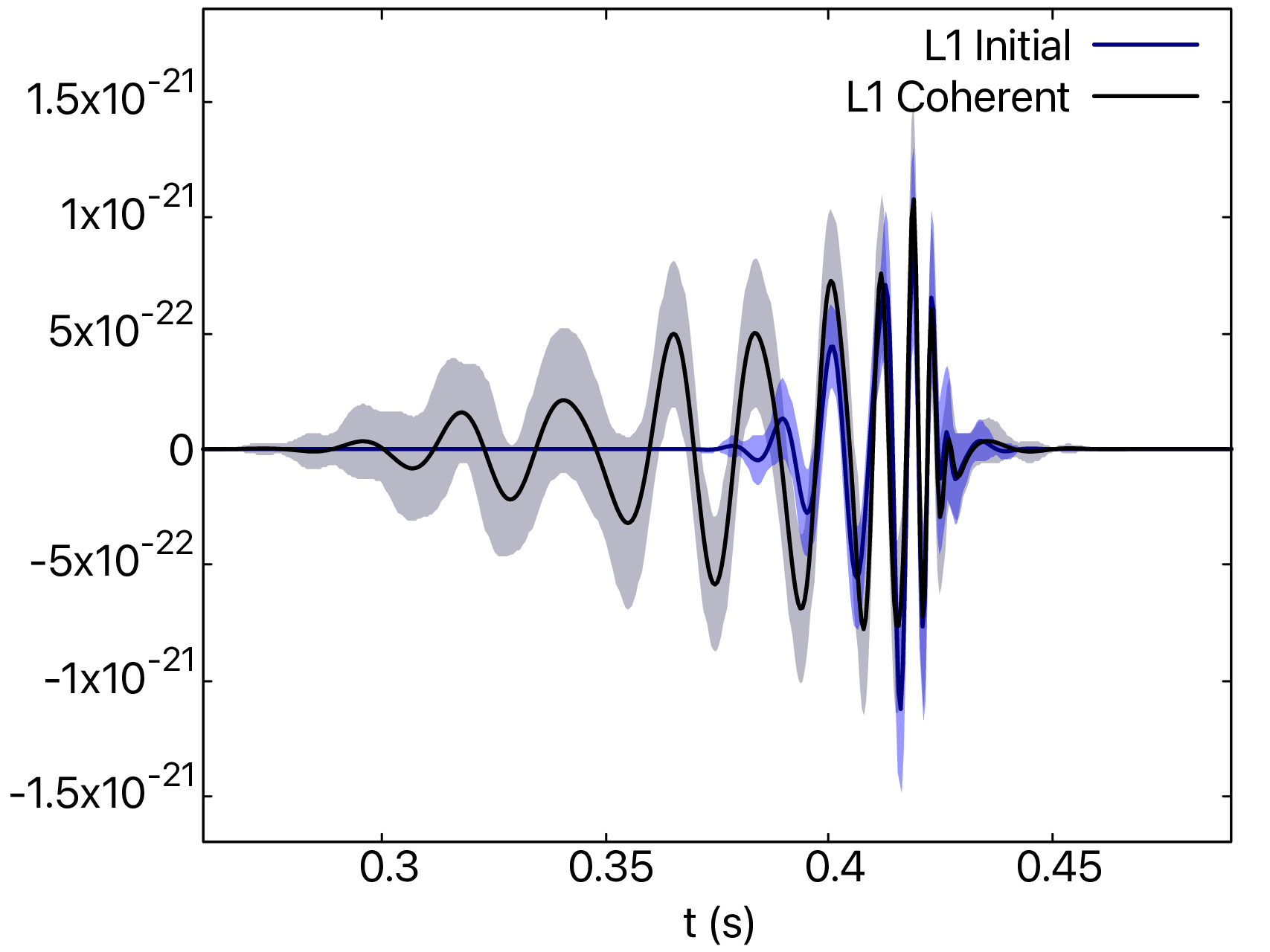
Figure 3: Time-domain unwhitened reconstructions for GW150914 exhibiting expanded capture of signal features in the shifted coherent reconstruction.
Precision quantification is provided by match statistics against injected IMRPhenomD binary black hole waveforms in real detector noise. Network SNR 10 injections showed a 6.3−1.7+3.3% match improvement, and SNR 20 injections a 3.2−0.7+1.2% improvement when moving from single to coherent detector reconstructions. The convergence of MaxWave Signal match statistics toward those achieved by BayesWave RJMCMC, particularly at higher SNRs and larger system masses, is notable, establishing the coherent MaxWave solution as an efficient initialization point for computationally intensive Bayesian inference algorithms.
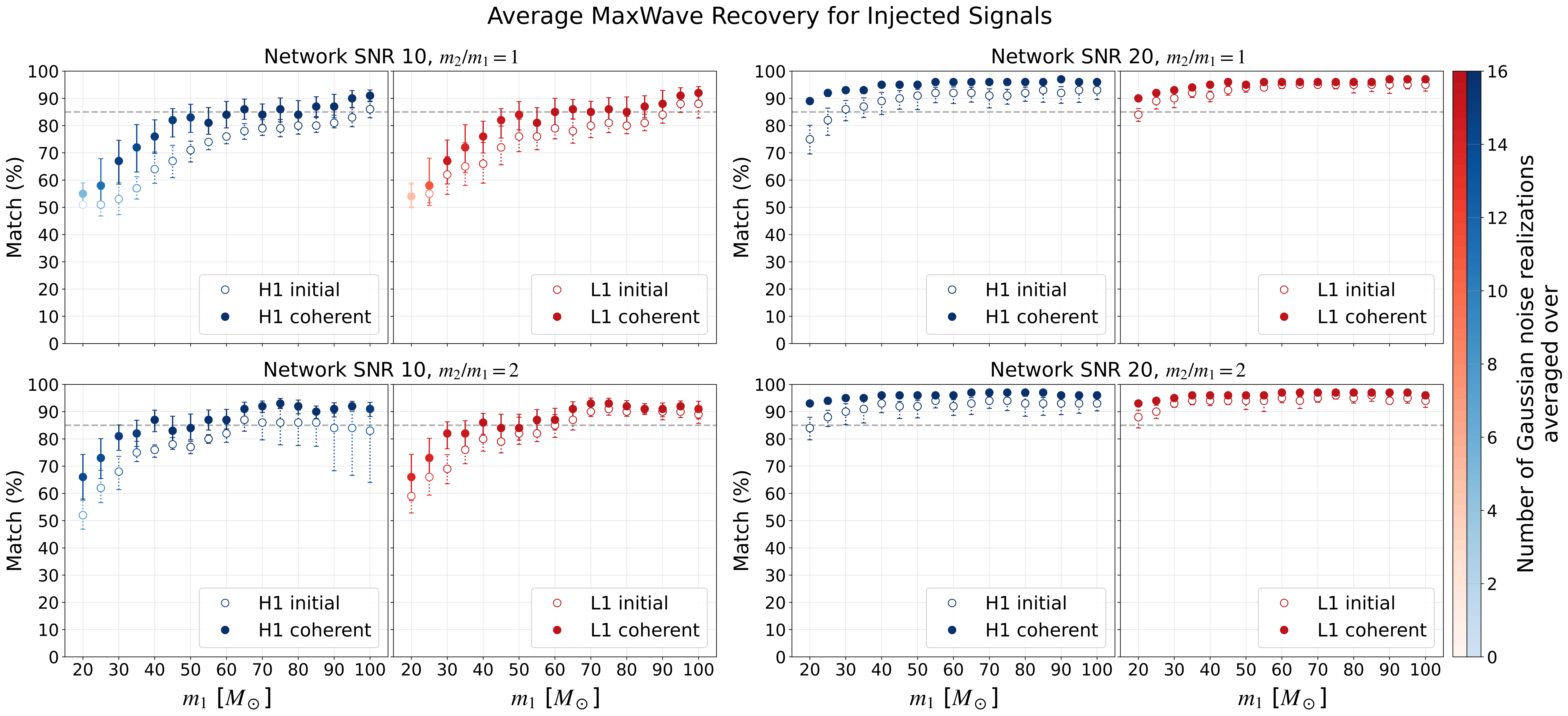
Figure 4: Averaged match improvements for MaxWave single versus coherent detector injection recoveries across mass ratio and SNR regimes.
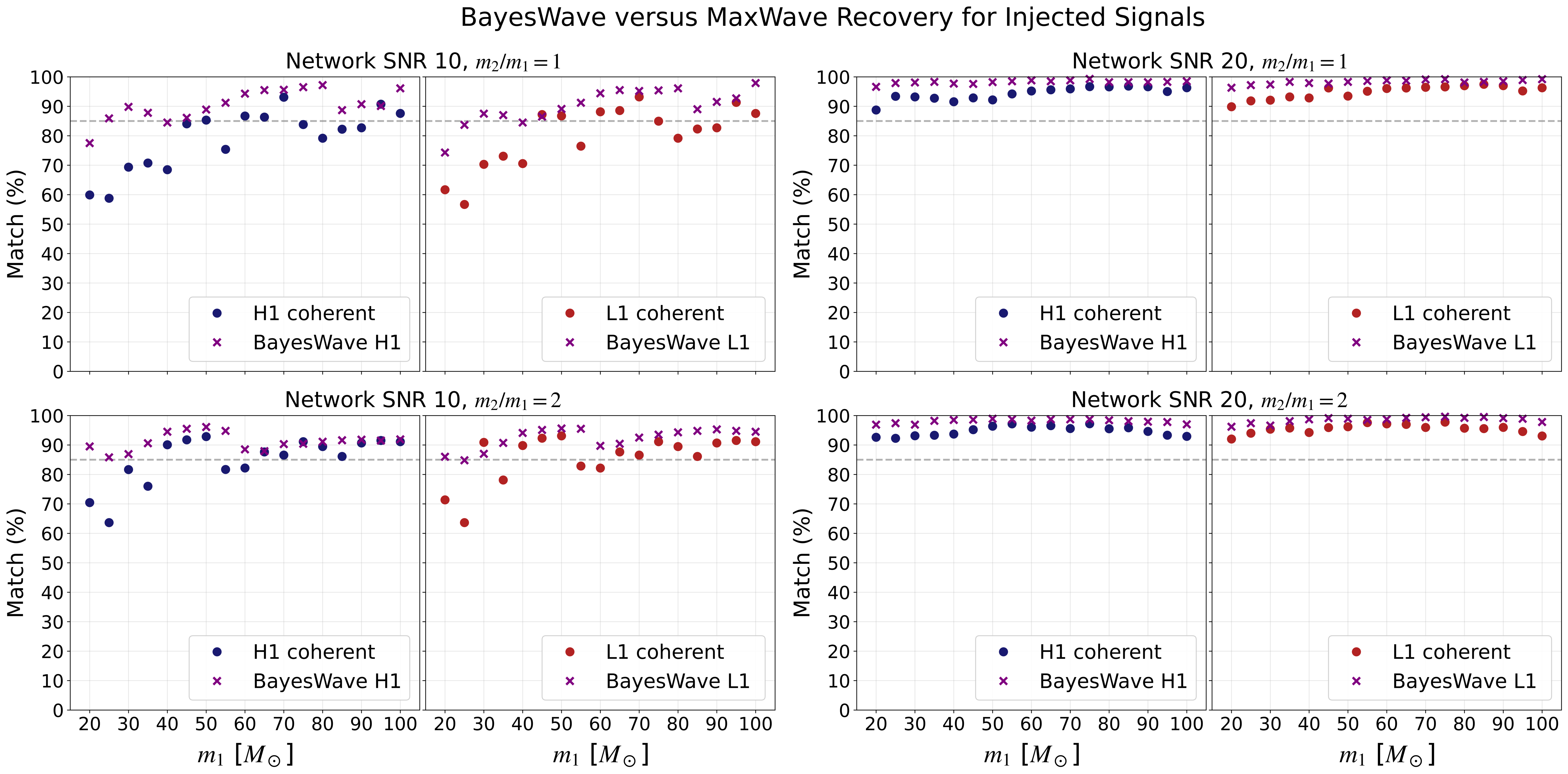
Figure 5: Direct comparison of BayesWave and MaxWave Signal match statistics for injected transients in real noise, highlighting SNR and mass sensitivity trends.
Glitch Rejection Mechanisms and False Alarm Control
MaxWave Signal incorporates two principal glitch rejection strategies: z-statistic light travel time consistency (to exploit geographic detector separation) and coherent residuals analysis. Empirically, these gates reject 74.4% and 94.0% of artificially coincident glitches respectively across Gravity Spy categories, with cross-type coincidences achieving 95.9% rejection. False alarm rates are estimated as 6.9×10⁻⁷ Hz for simultaneous glitches, substantiating robust separation of signals from spurious noise events.
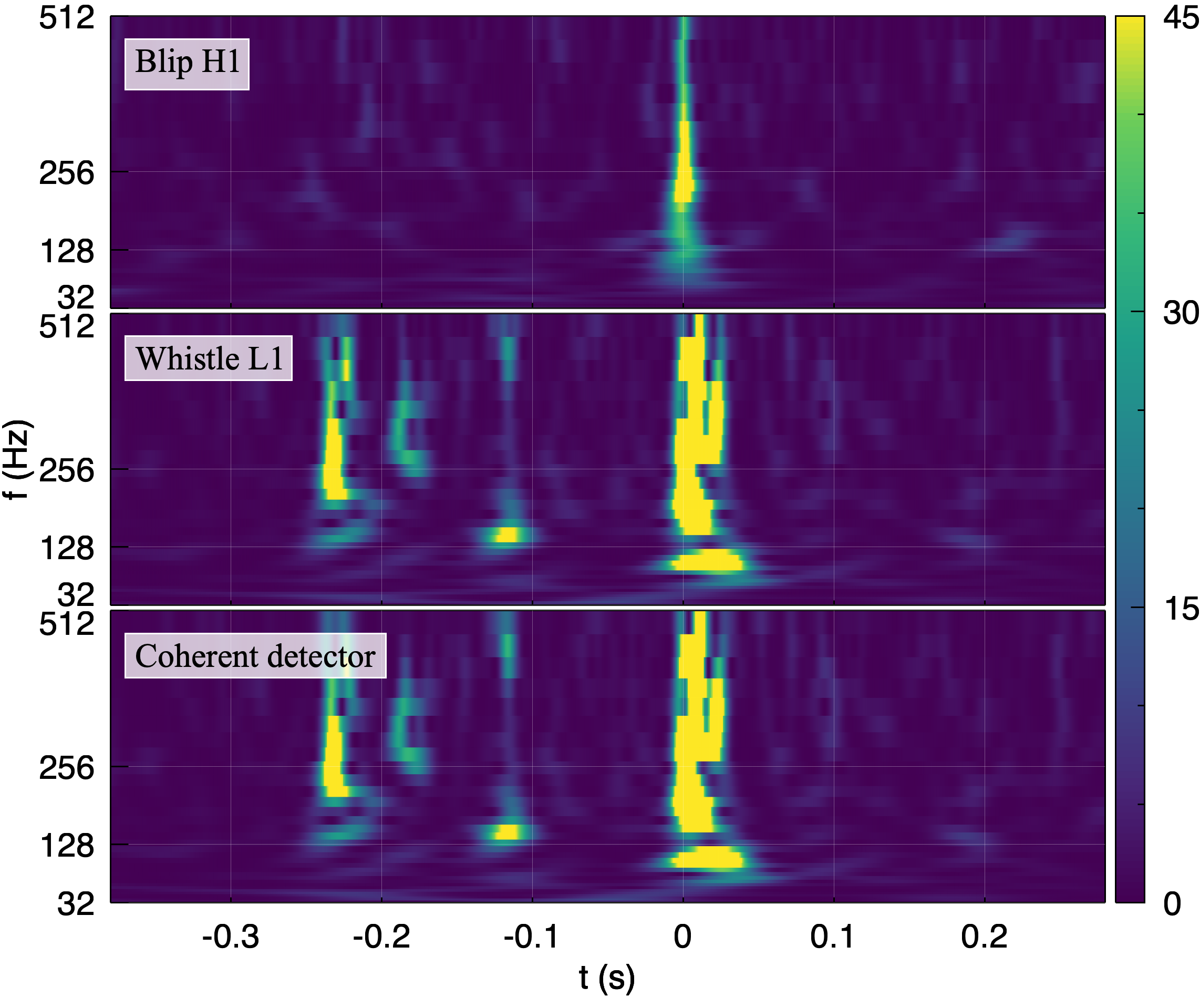
Figure 6: Qscans of synthetic coincident glitches demonstrating incoherent morphological structure in individual and composite streams.
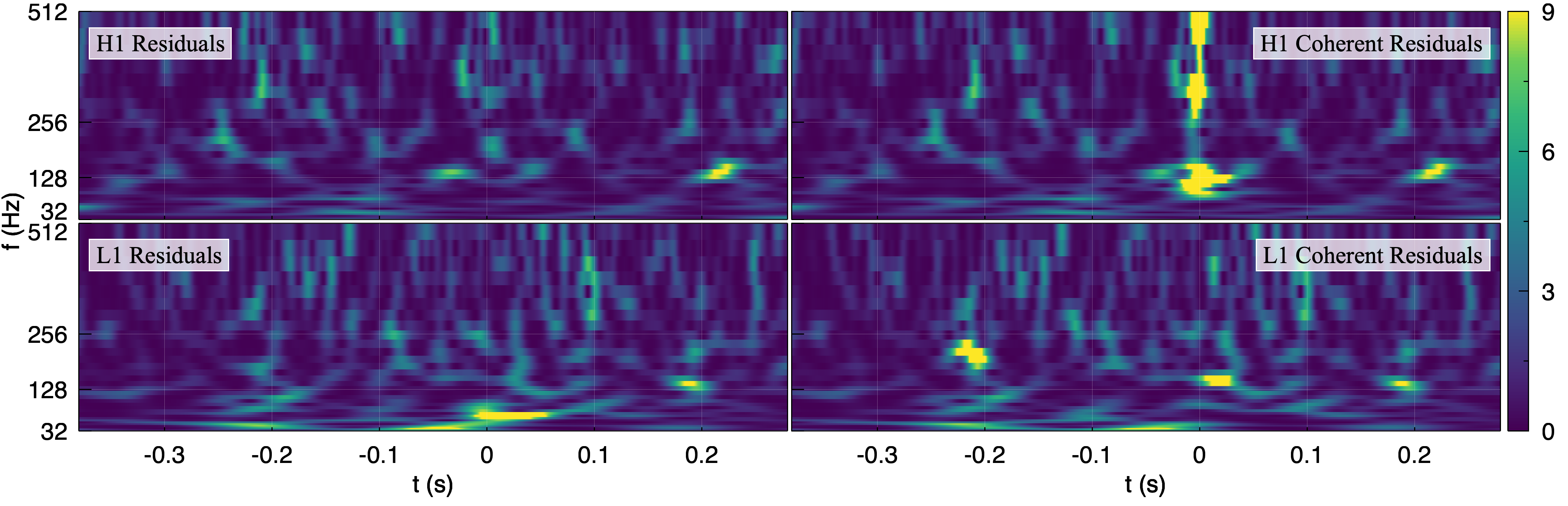
Figure 7: Residual analysis for jointly injected glitches; coherent reconstructions retain glitch power, allowing accurate coincident event flagging.
MaxWave's signal model maintains real-time performance in networks up to five detectors, with operations cost scaling linearly with detector number and sub-3.4 s runtime for 4 s data segments and eight wavelet extent layers.
Comprehensive Real-World Data Application
Fourteen hours of LIGO O3 data were analyzed, with MaxWave Signal correctly identifying GW190521 events at SNRs consistent with the GWOSC catalog, and yielding a time-slide false alarm rate of ≤1.99×10⁻⁵ Hz (<2/day). The model reconstructed glitches at lower SNR thresholds than those of Gravity Spy and flagged significant transient features reliably.
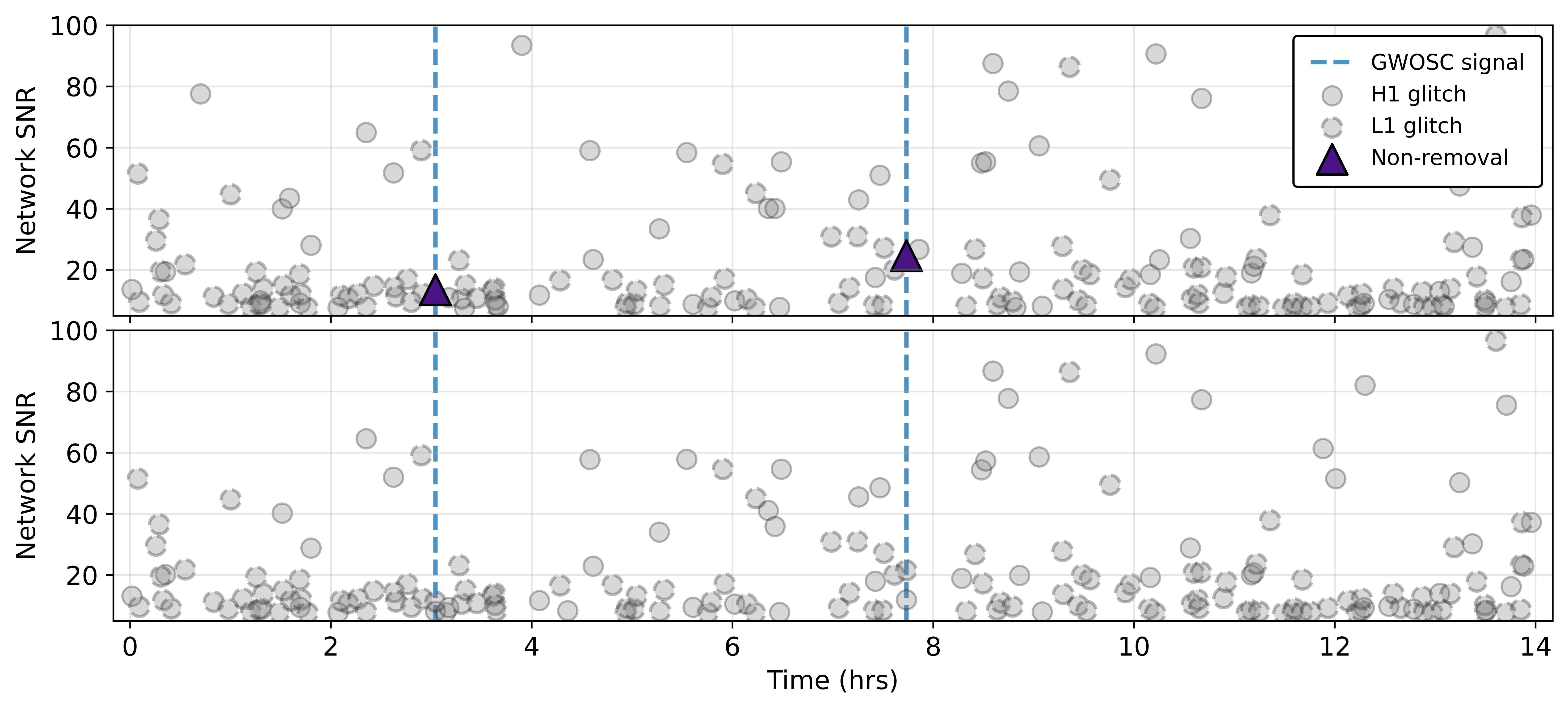
Figure 8: Timeline of identified signals and glitches in a 14-hour H1-L1 dataset, with signal non-removal flags corresponding to catalogued GW events.
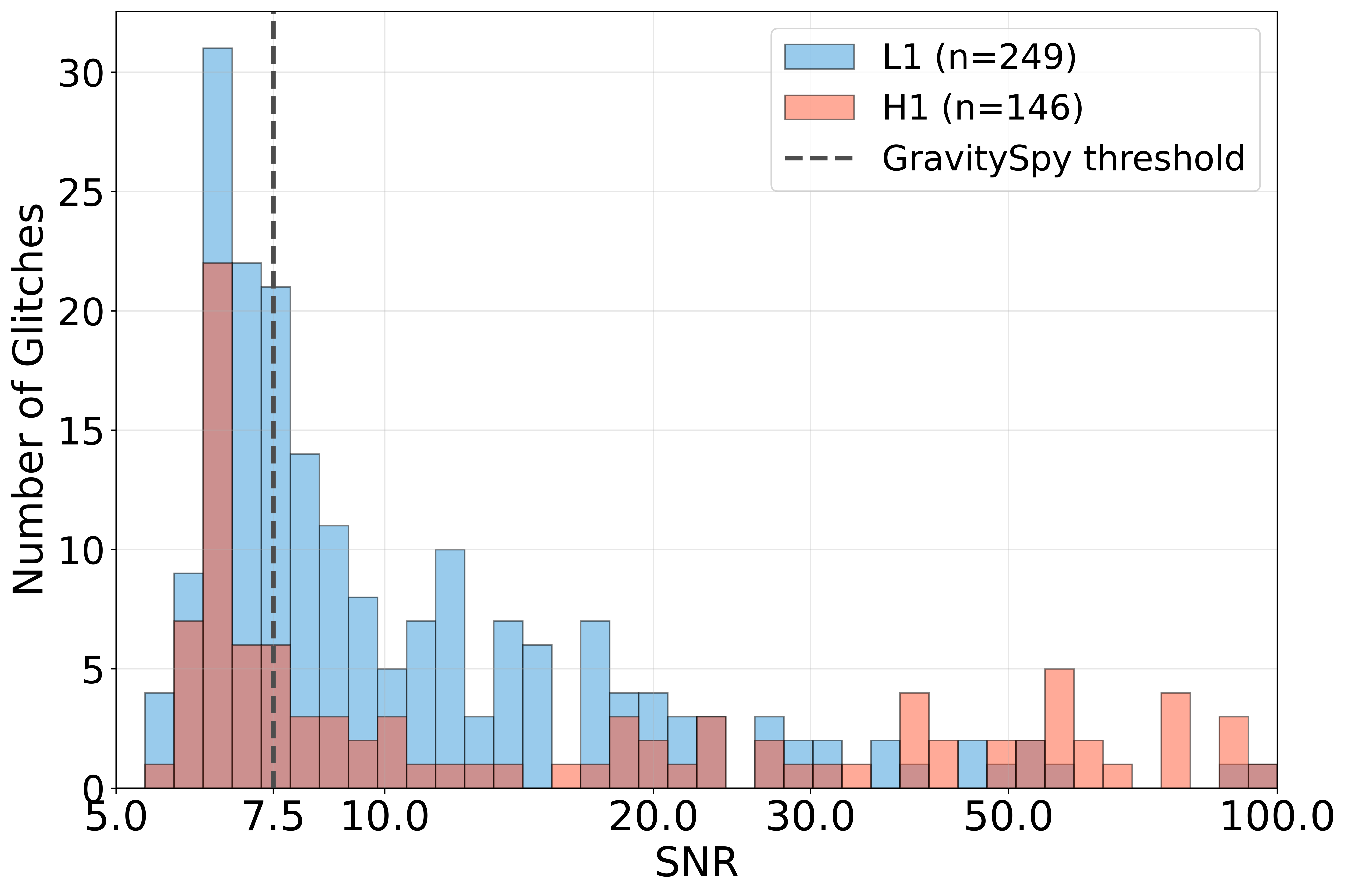
Figure 9: Histogram of glitch SNRs across 14 hours, demonstrating sensitivity below machine learning thresholds.
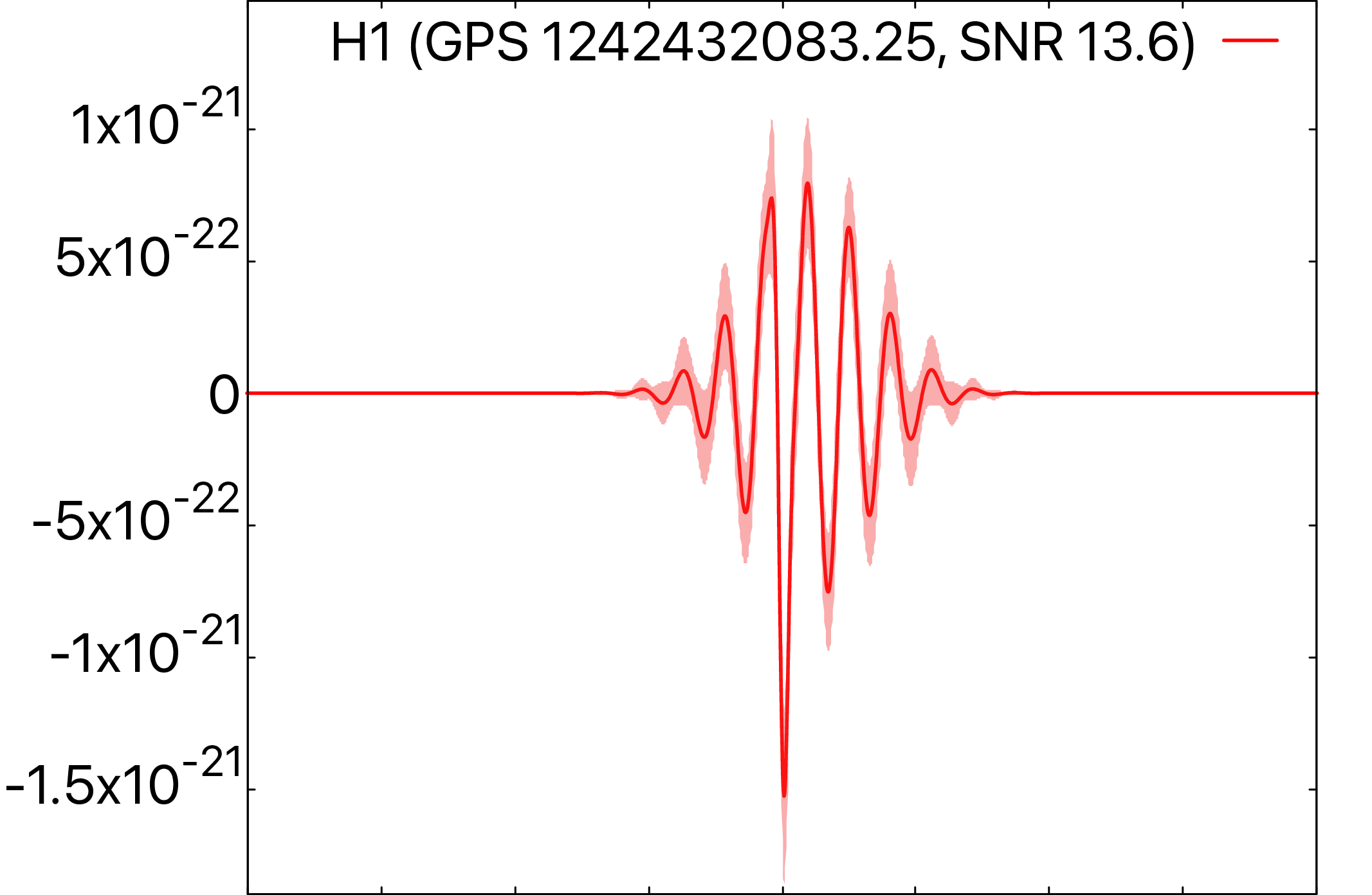
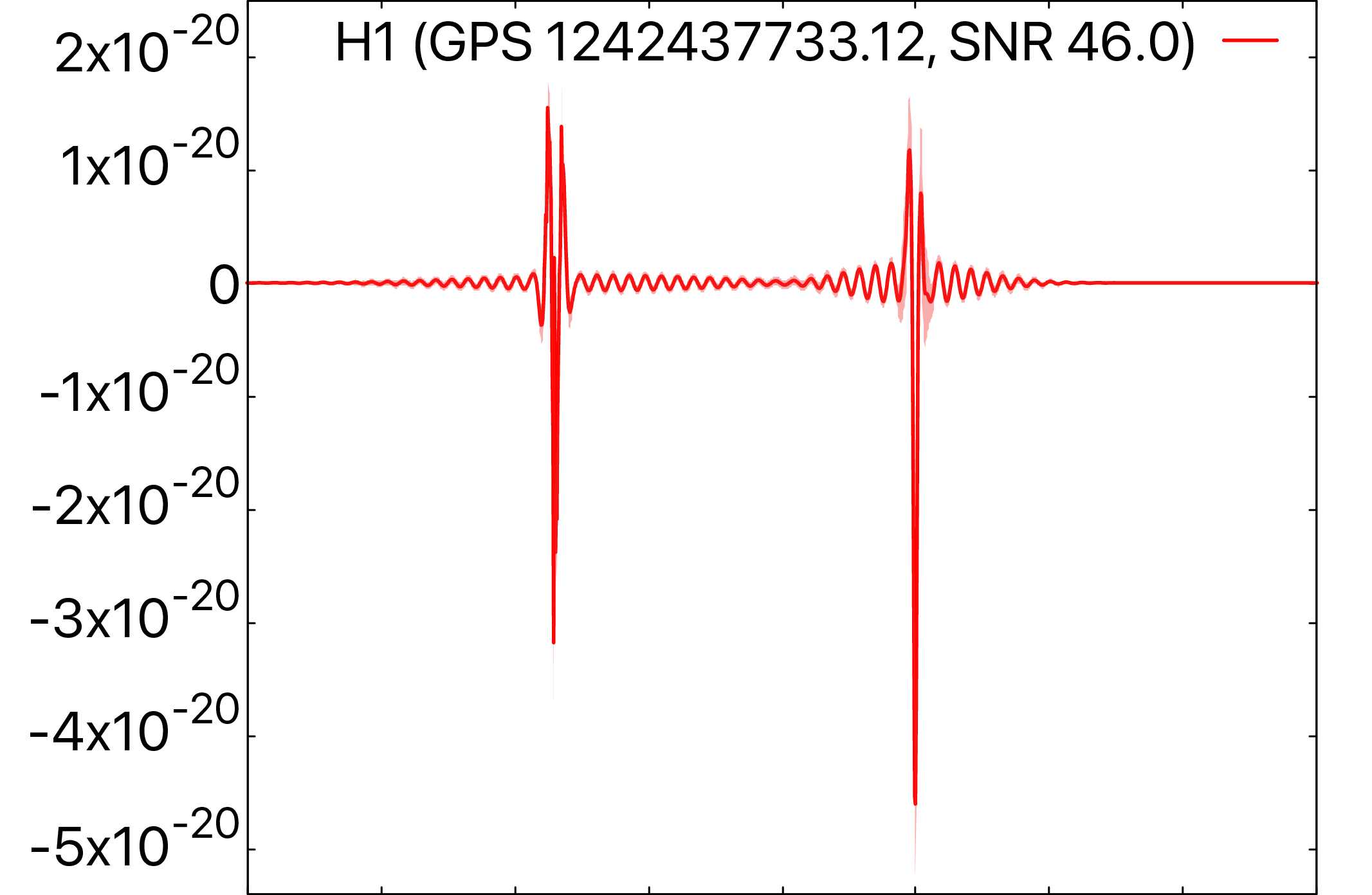
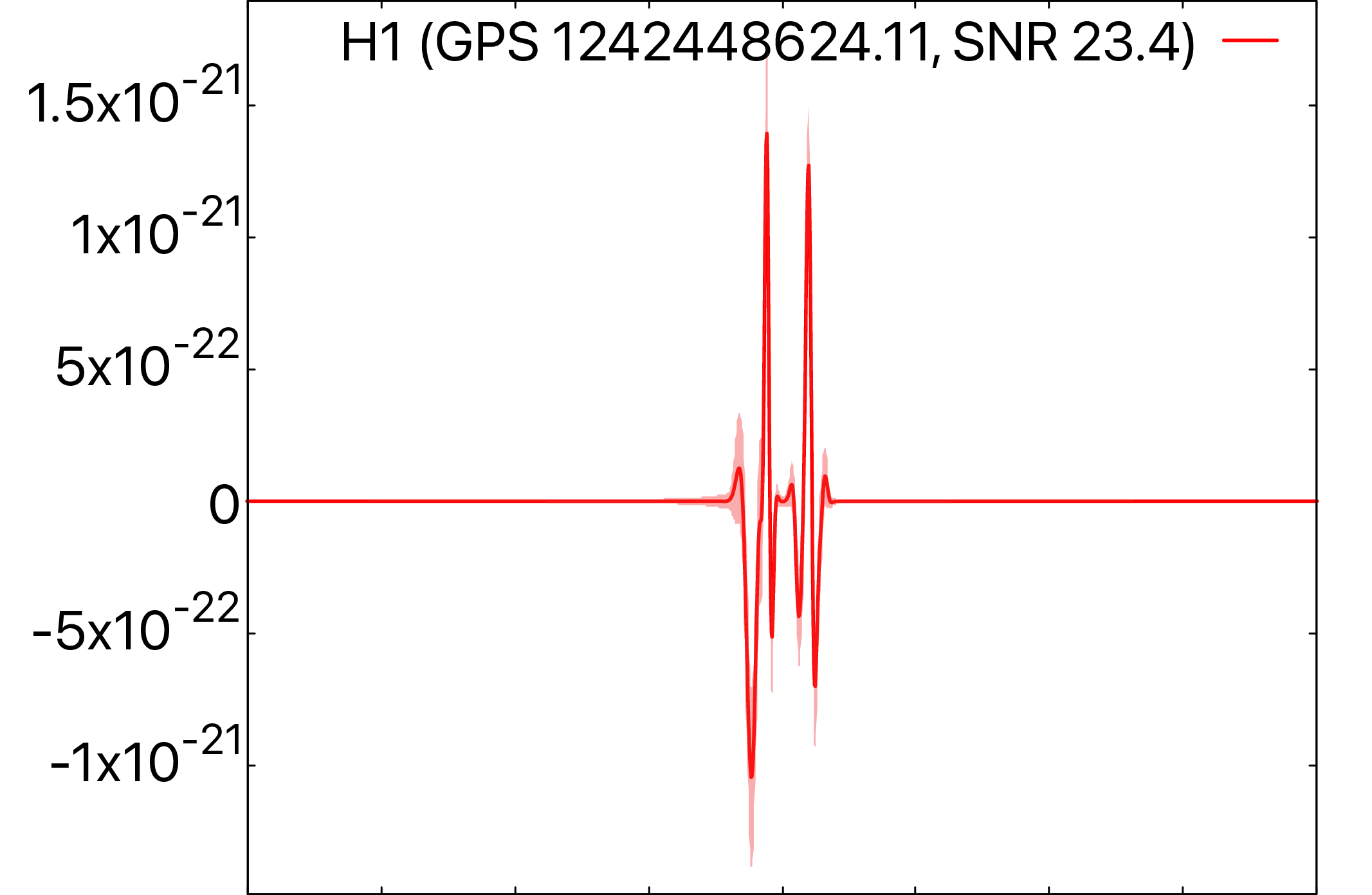
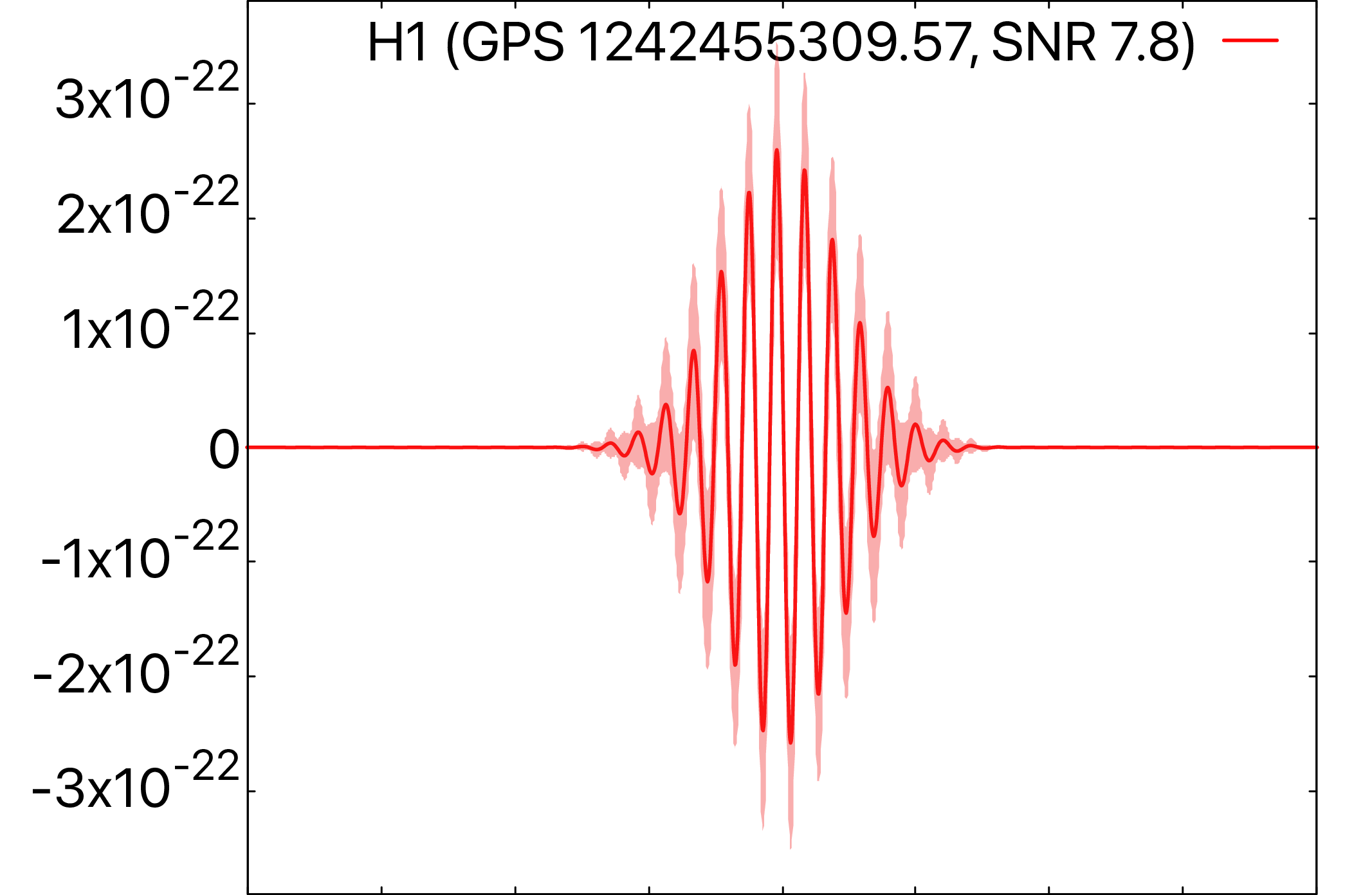
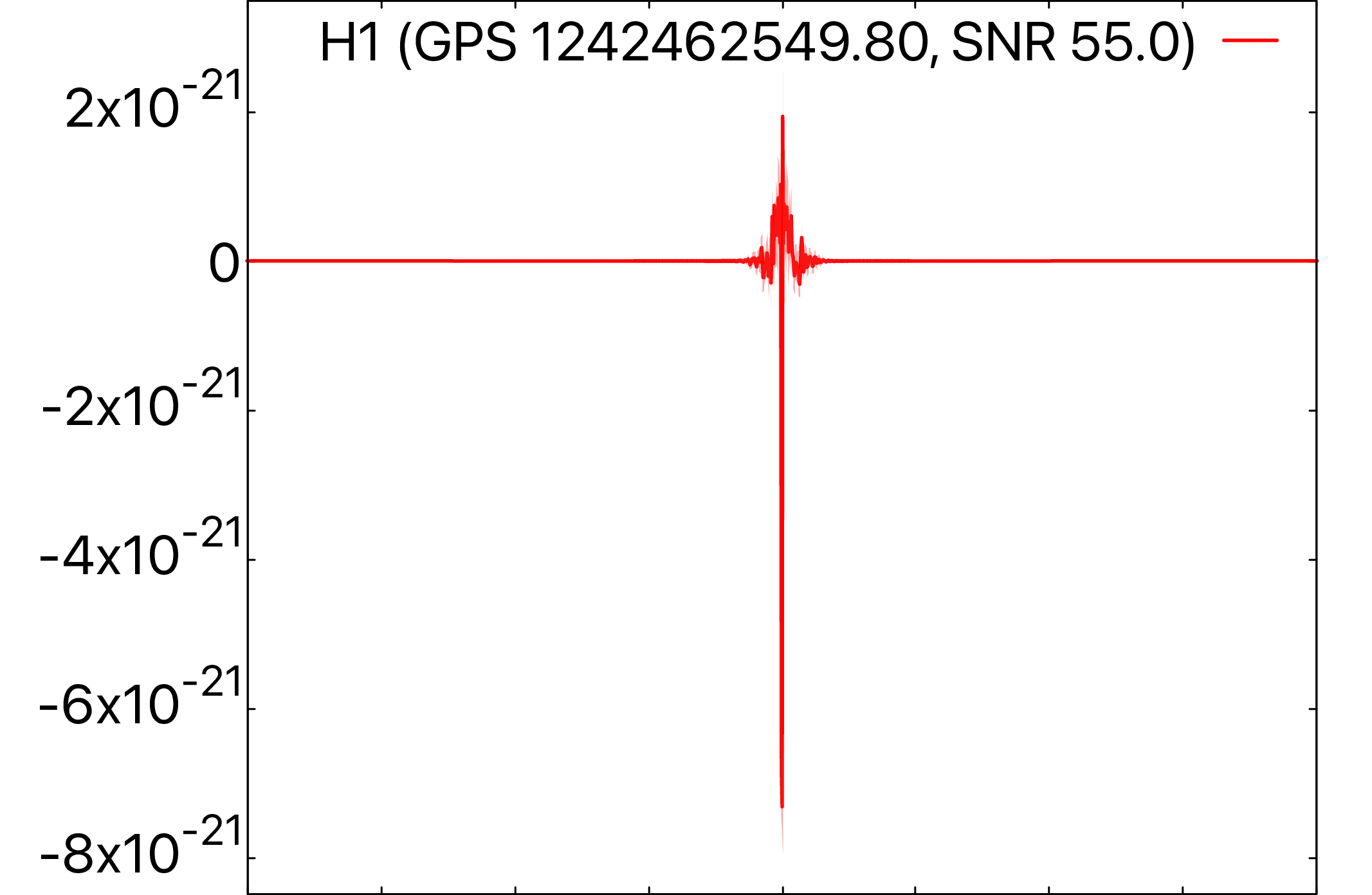
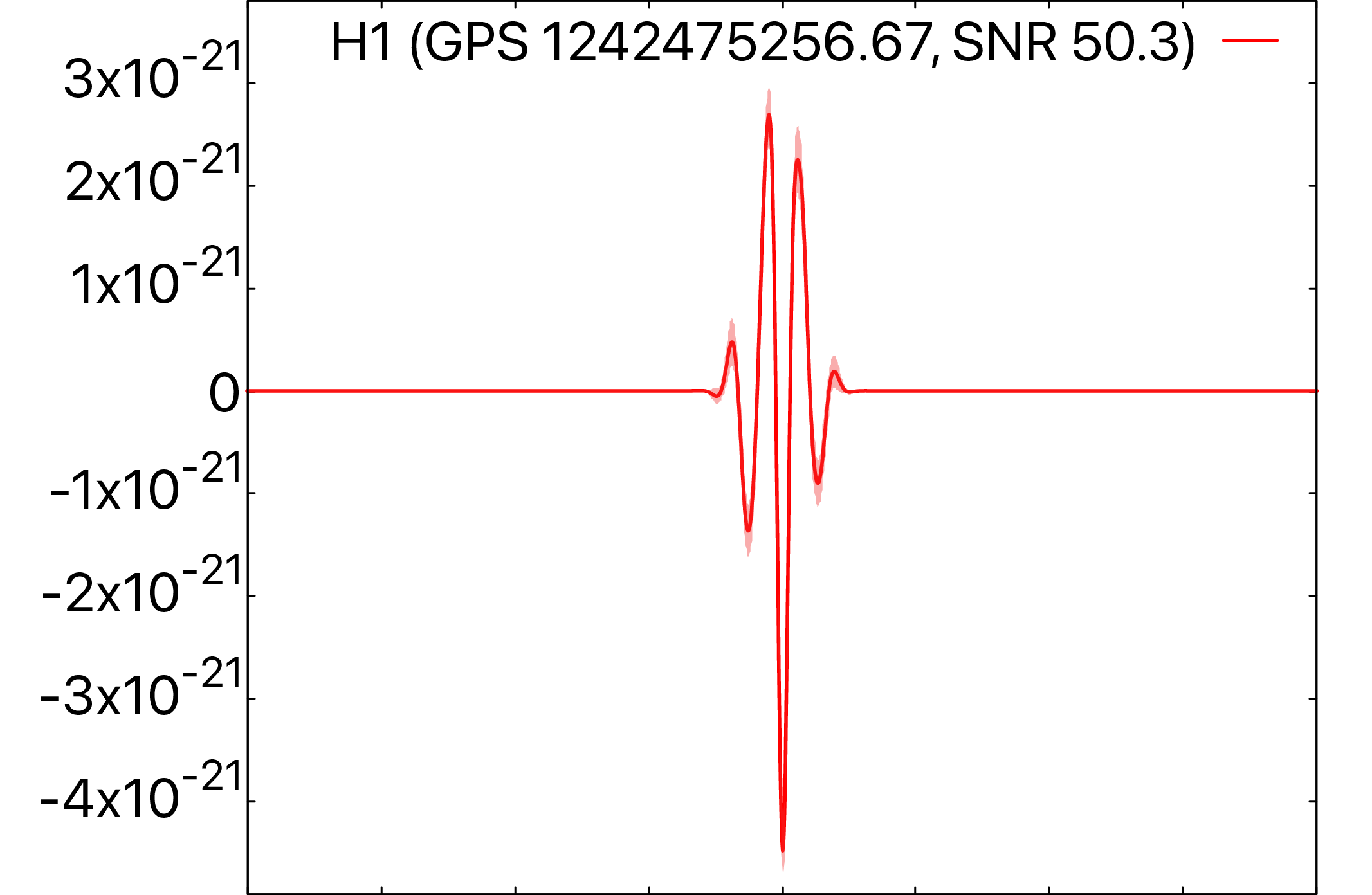
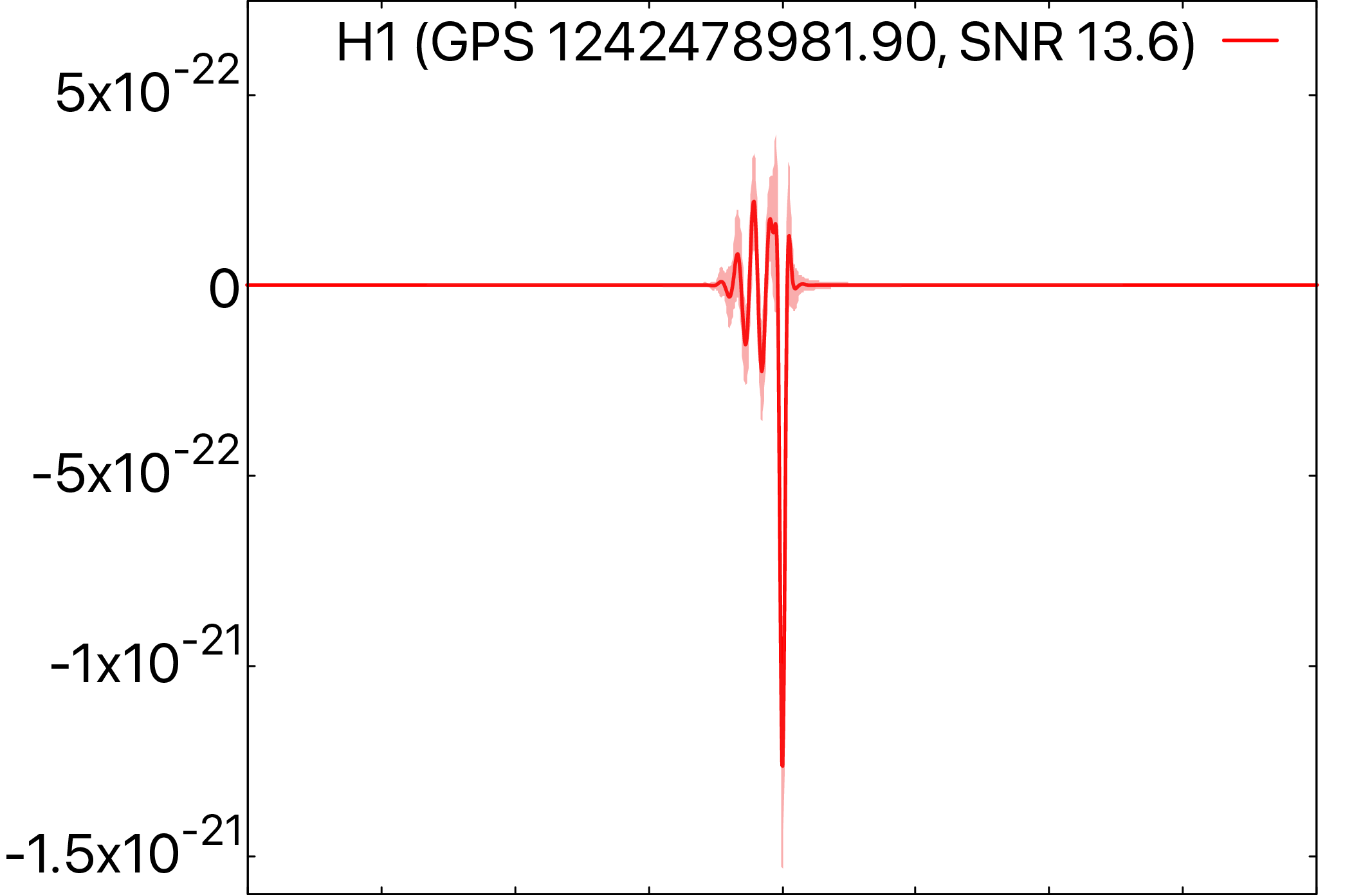
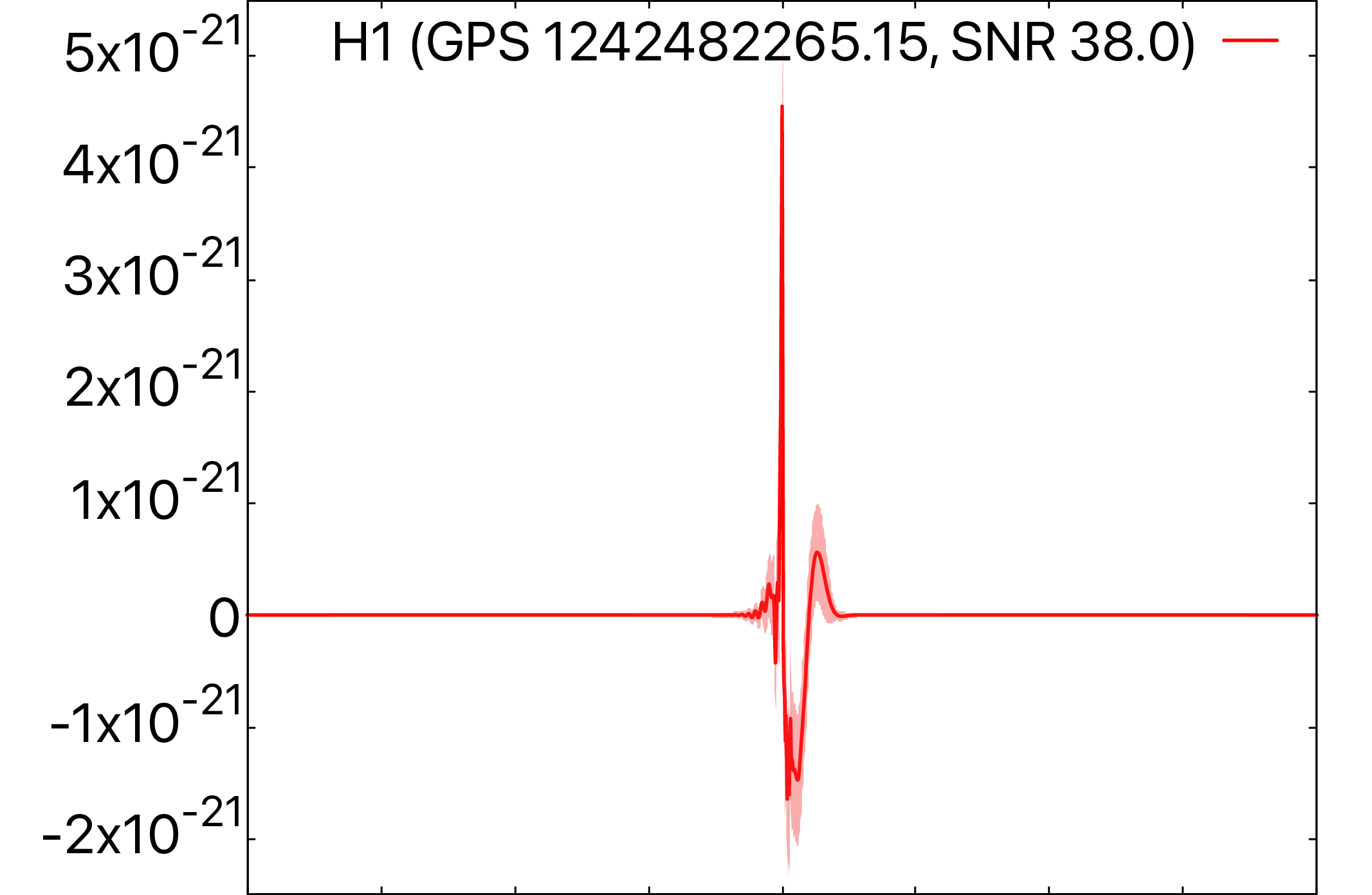
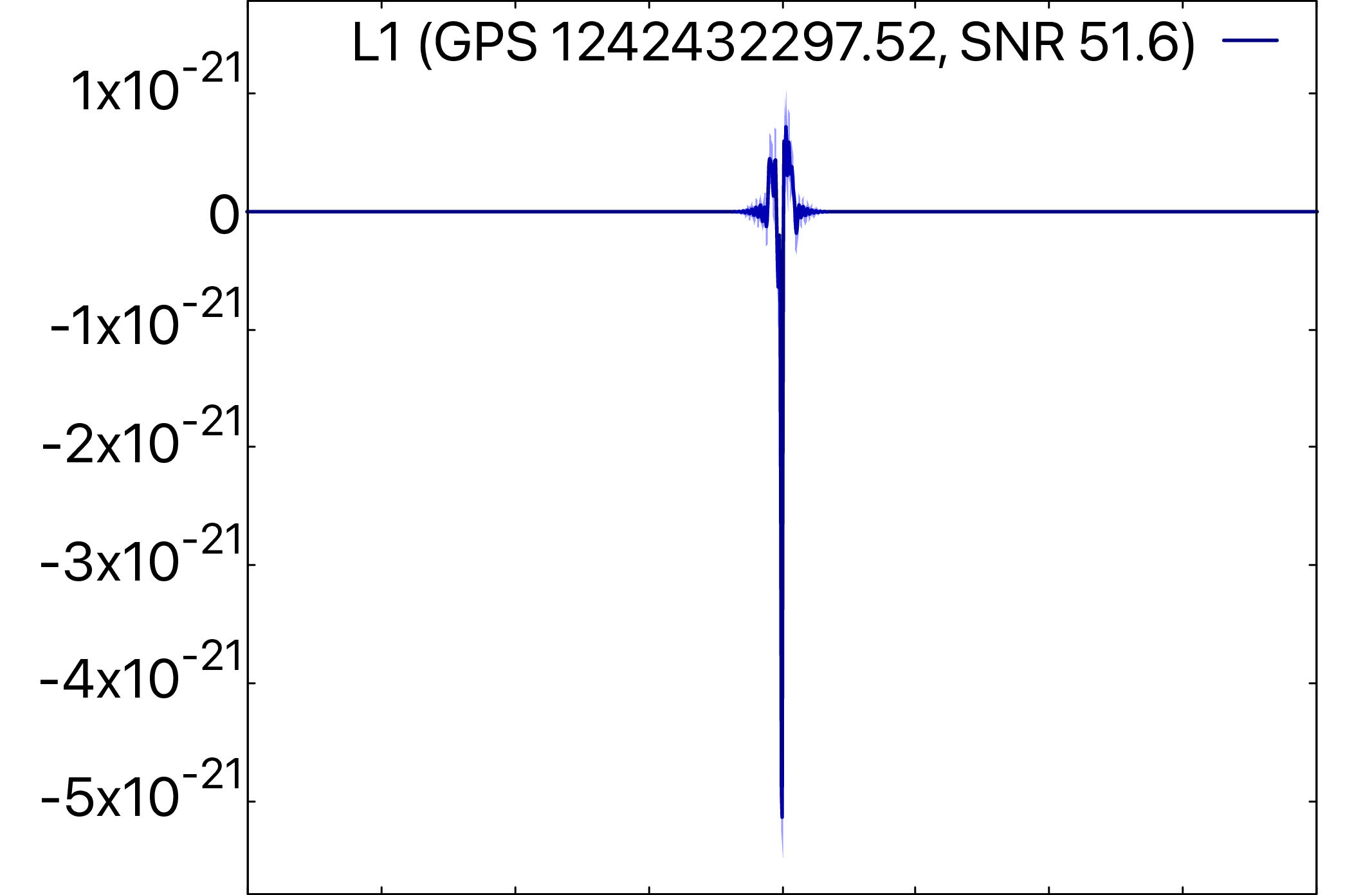
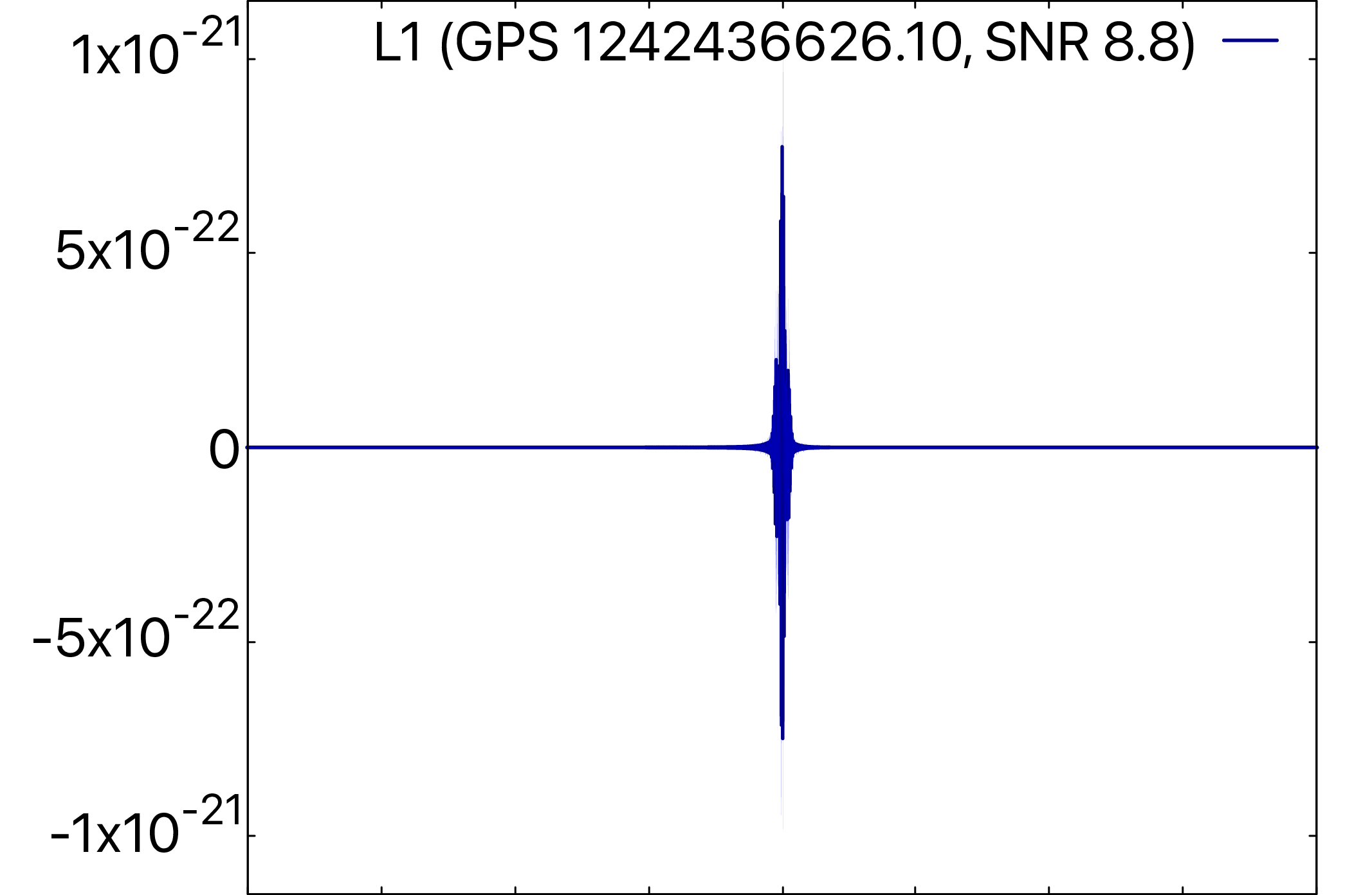
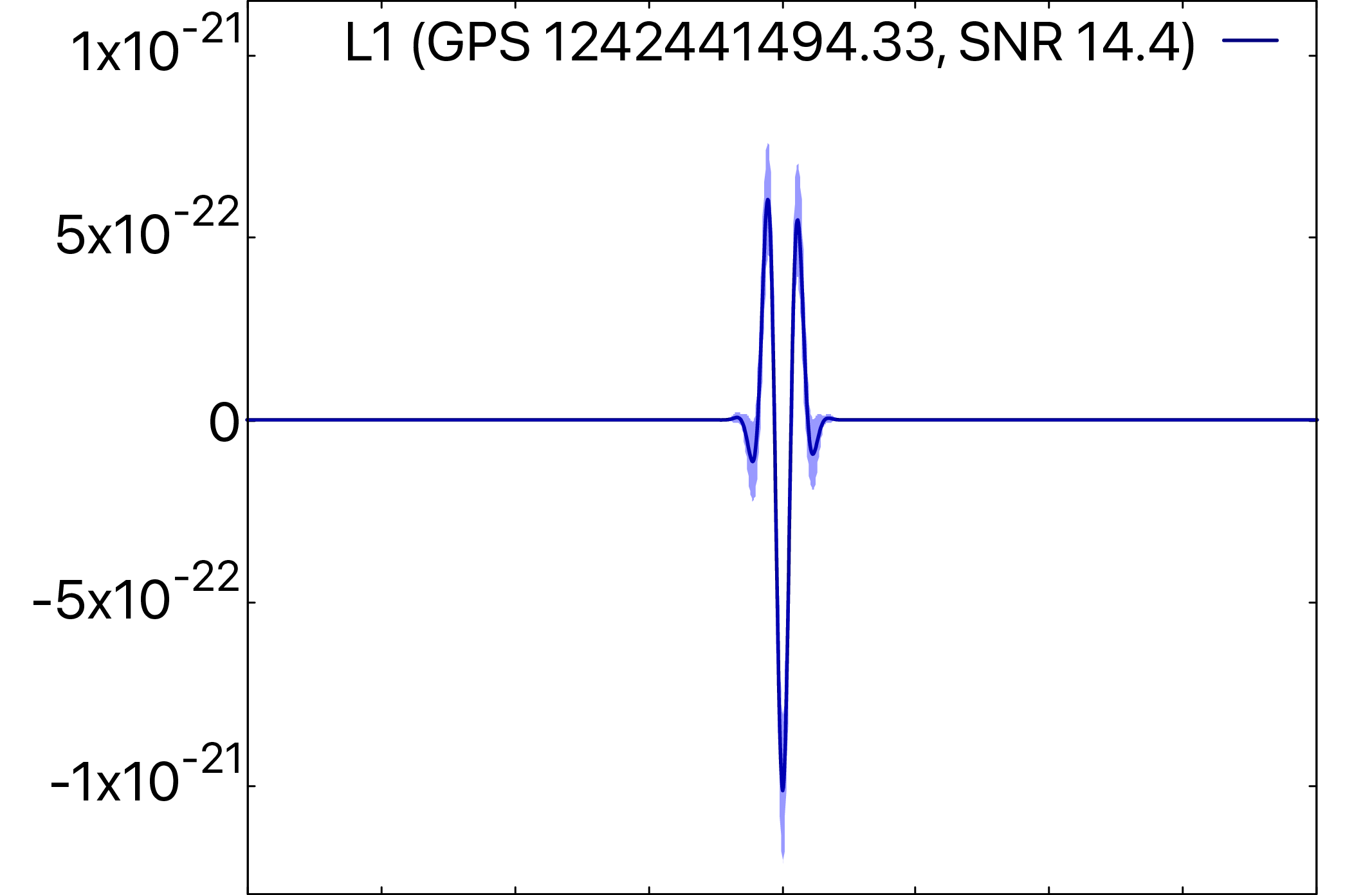
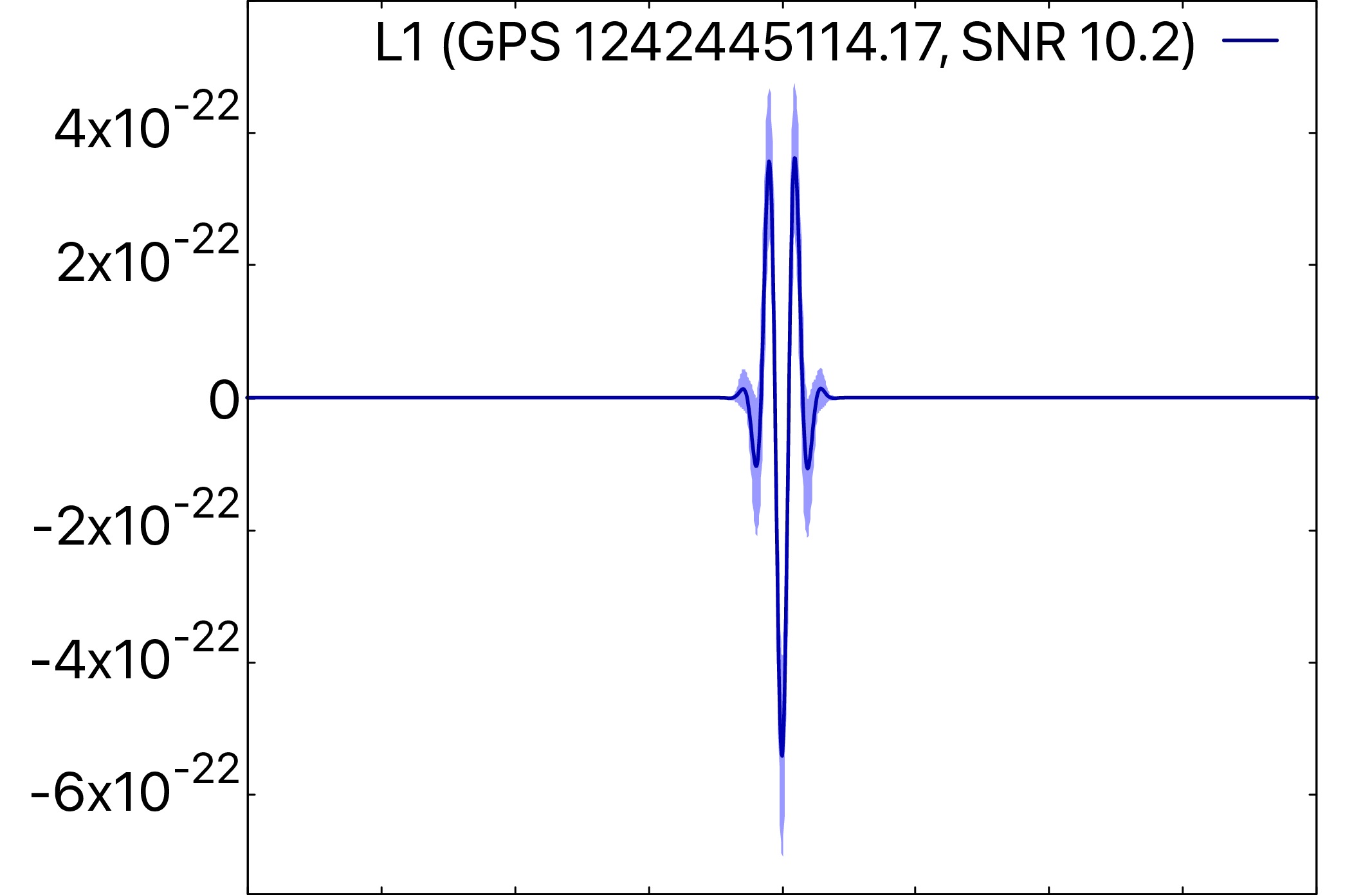
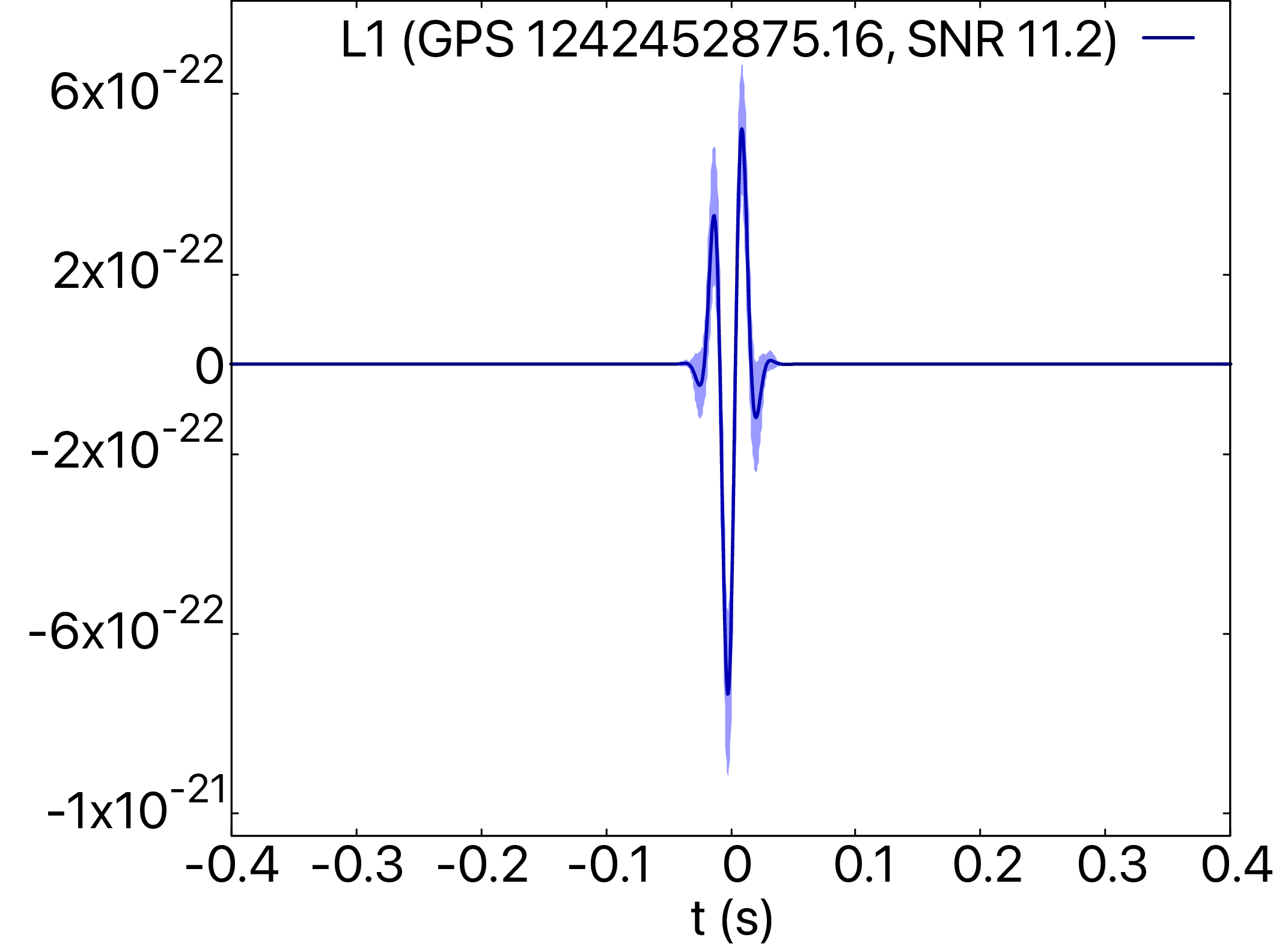
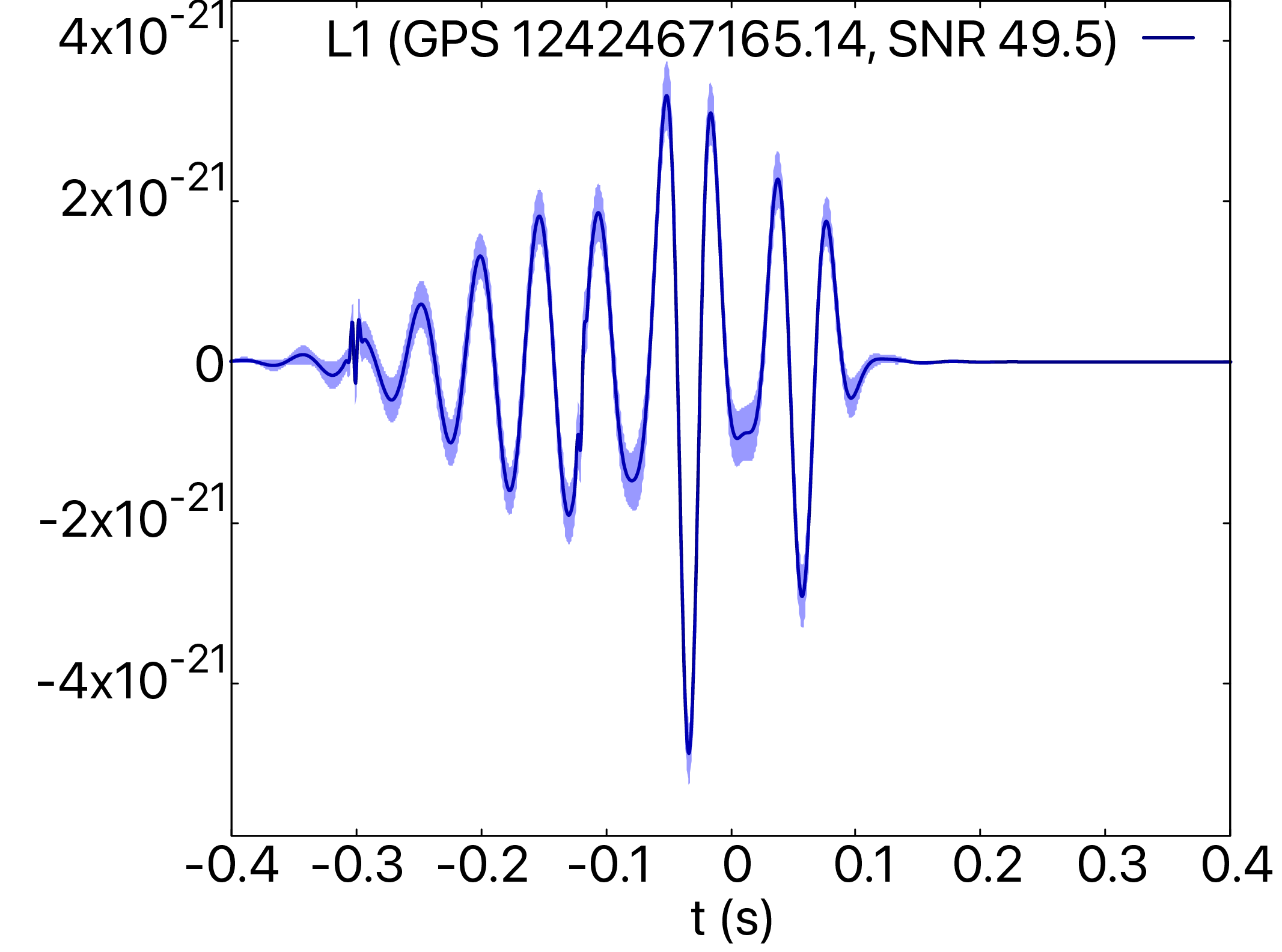
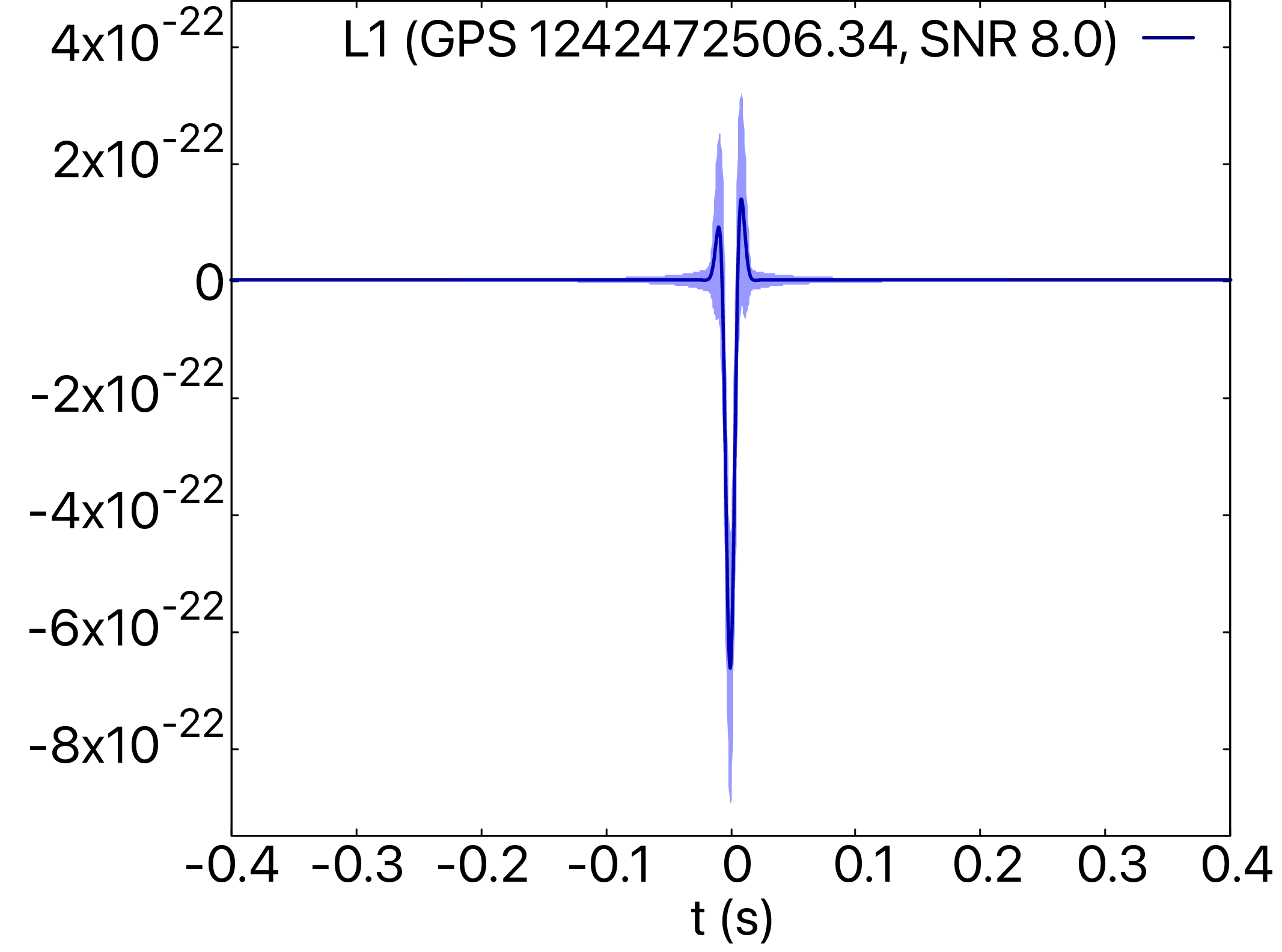
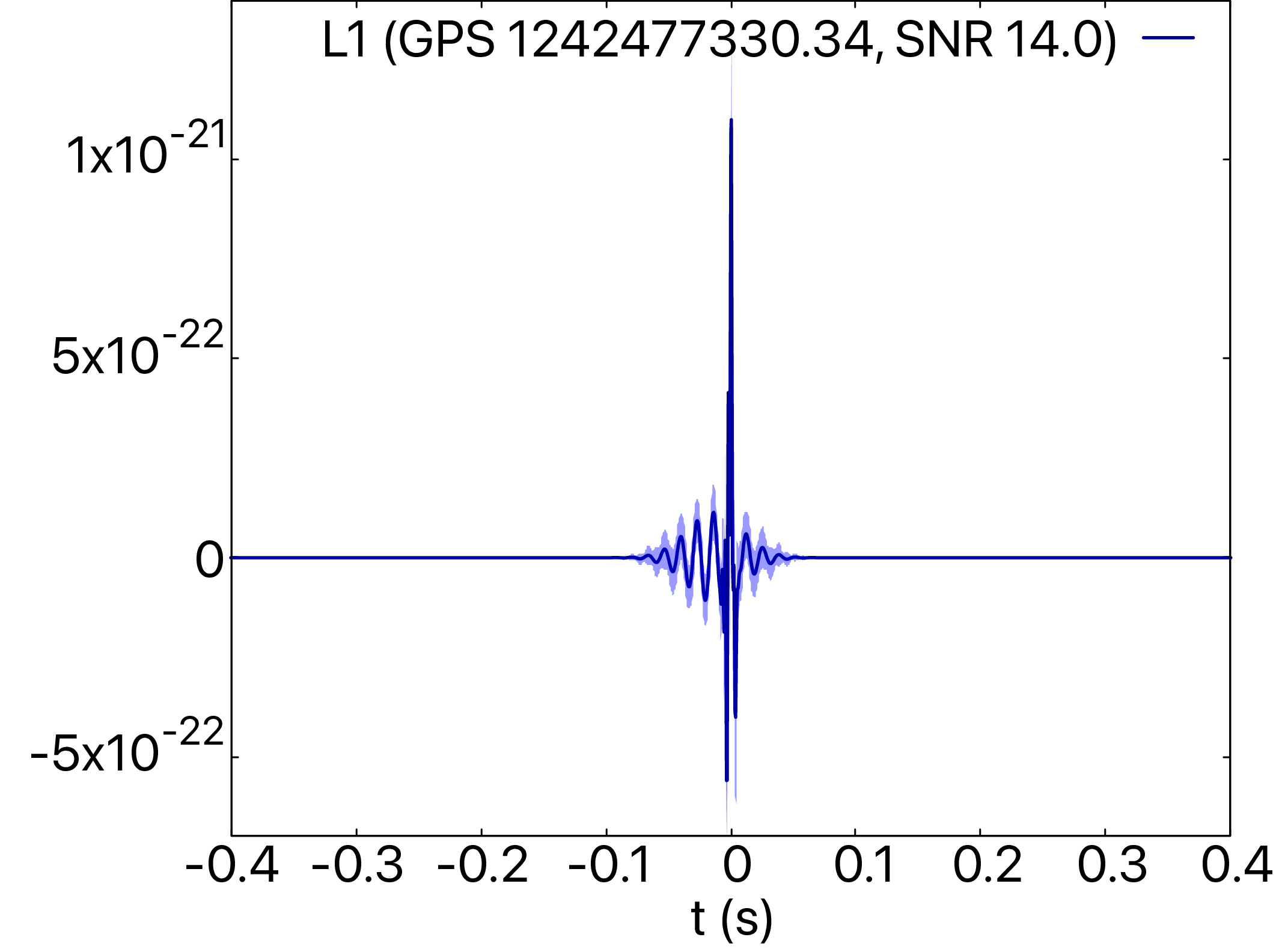
Figure 10: Gallery of glitch reconstructions for H1 and L1, exhibiting diverse transient morphologies as captured by MaxWave.
Mitigation of Glitch-Signal Overlap: Challenging Event Cases
MaxWave Signal was further tested on GW191109 and GW200129, where parameter estimation is compromised by low-frequency or instrument glitches within or near the signal time-frequency window. Coherent reconstruction effectively removed remnant signal power from the residual, isolating incoherent glitch features without contaminating reconstructed waveforms, outperforming deep learning-based approaches such as AWaRe which left signal residuals in similar scenarios.
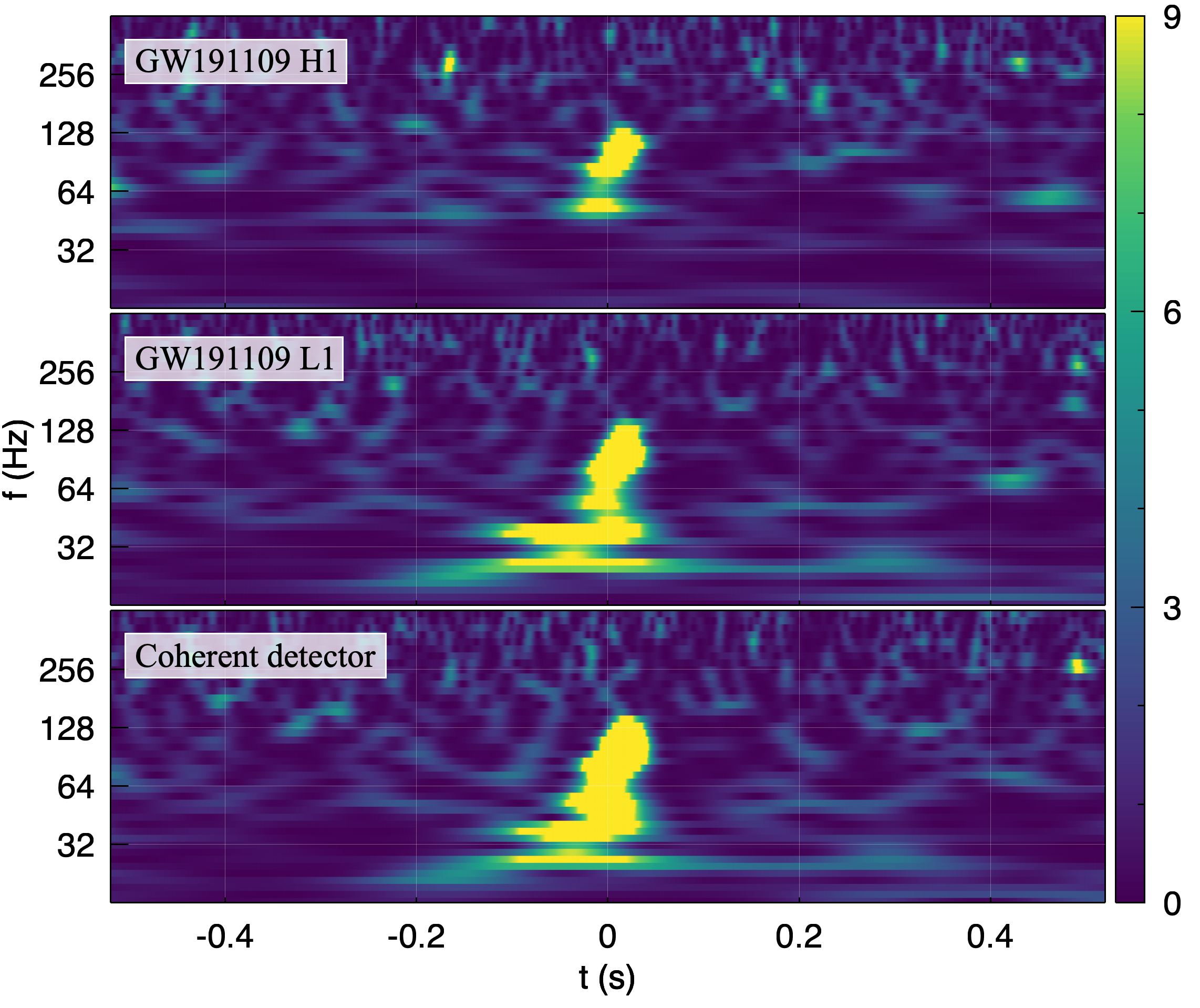
Figure 11: Qscans of GW191109 showing overlapping scattered light glitch. The coherent stream enhances signal clarity and reduces glitch power.
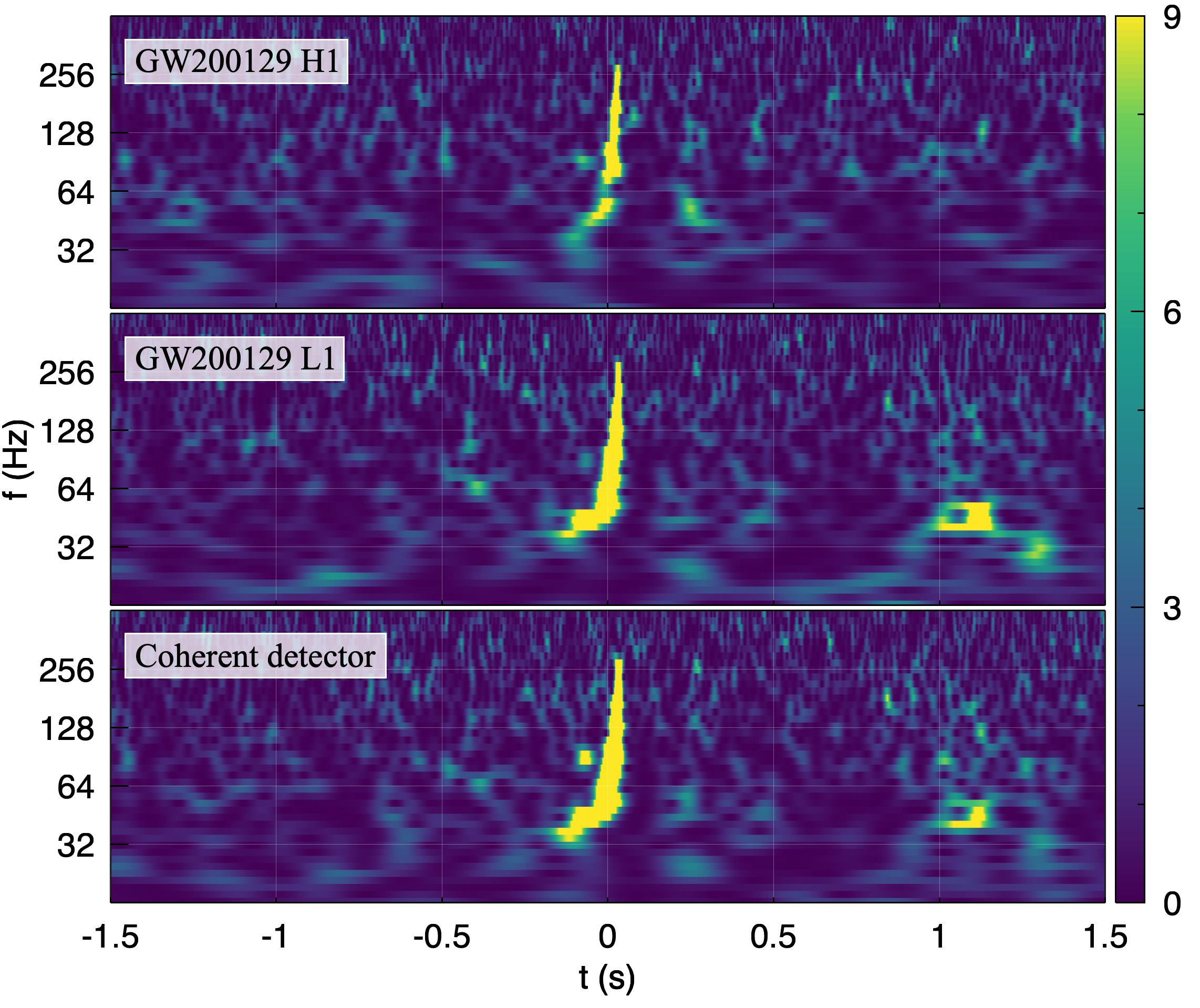
Figure 12: Qscans of GW200129 with coincident instrument glitch in L1, where coherent multi-detector reconstruction suppresses false signals.
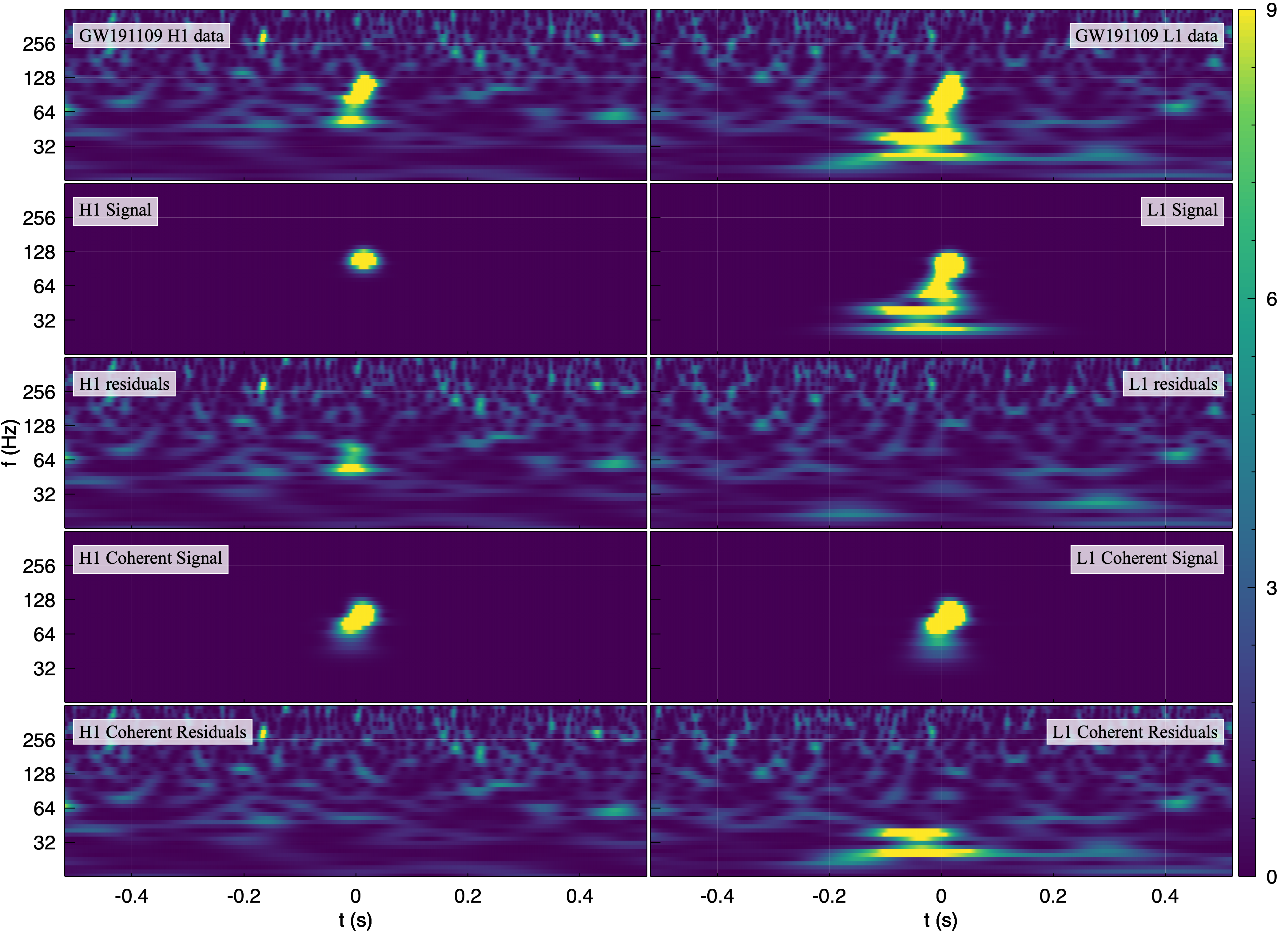
Figure 13: Layered residual analysis for GW191109 demonstrating superior glitch isolation in coherent residuals.
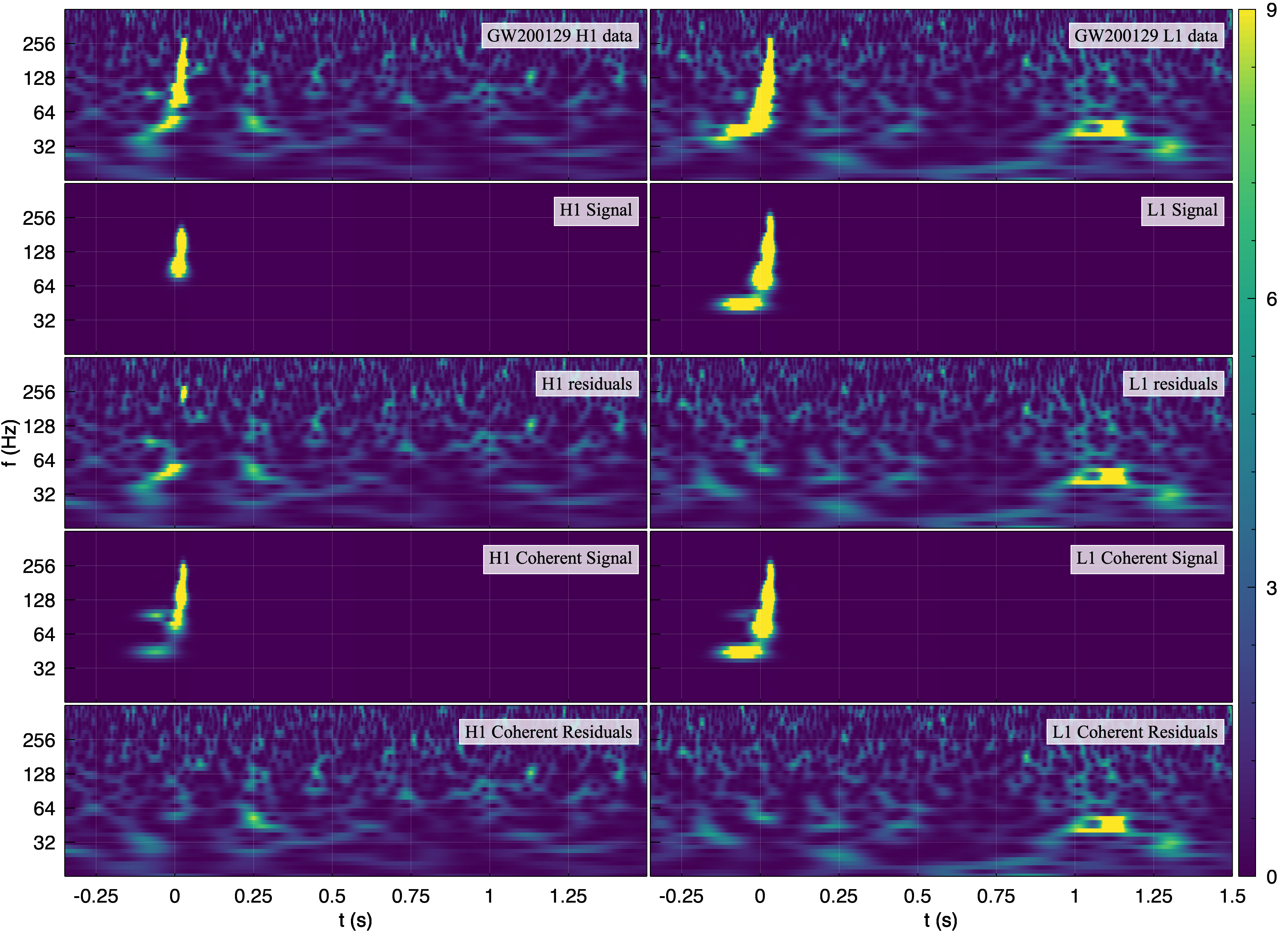
Figure 14: Layered residual analysis for GW200129 revealing improved mitigation of instrument-induced contamination in coherent reconstructions.
Theoretical and Practical Implications
The MaxWave Signal model introduces a fundamentally distinct framework for burst search and reconstruction, complementing established approaches (cWB, X-Pipeline, Bayesian waveform models, deep learning). Its real-time, model-independent, low-latency capability enhances GW data cleaning, accelerates Bayesian inference, and delivers consistent performance across a diversity of astrophysical event classes, including those with unknown or mixed morphology. By providing robust initialization in multimodal, high-dimensional parameter spaces (e.g., for sky location and polarization in RJMCMC), MaxWave Signal increases statistical efficiency and accuracy in downstream analyses. The sophistication of its glitch rejection is directly relevant for large-scale detector networks, ensuring minimal contamination of signal catalogs and reliable astrophysical inference.
Relaxing the elliptical polarization assumption to allow generic polarization reconstruction can further improve performance on precessing binaries and unpolarized transients. Integration of MaxWave Signal into a fully autonomous burst search pipeline is feasible, with detection statistics ready for implementation and comparison to other frameworks.
Conclusion
MaxWave Signal provides a rapid, coherent maximum likelihood wavelet reconstruction architecture for transient signals in GW data, combining multi-detector alignment, robust glitch rejection, and efficient residual analysis. It improves signal recovery fidelity over single-detector methods (match increases up to 6.3%), achieves low false alarm rates, and supplies a viable, informative initial solution for computationally demanding Bayesian models. Its applicability to real-world, multi-detector observation runs, capacity for model-independent denoising, and adaptability for extension to generic polarizations establish it as a versatile tool in GW data analysis, with promising prospects for enhanced burst search pipelines and advanced astrophysical inference.