- The paper demonstrates that GaN:Si and ZnO:Ga exhibit ultrafast scintillation kinetics, with GaN:Si showing a ~9.8 ps rise time and ZnO:Ga achieving a sub-5 ps rise time.
- The paper quantifies effective light yields with GaN:Si around 1060 ph/MeV and ZnO:Ga around 2600 ph/MeV, establishing competitive performance against YAP:Ce.
- The paper presents enhanced timing resolution (35 ps for GaN:Si) and promising position resolution improvements, underscoring their potential in advanced imaging applications.
Characterization of GaN:Si and ZnO:Ga for Position-Resolved Fast Timing Applications
Introduction
This study presents a comprehensive characterization of silicon-doped gallium nitride (GaN:Si) and gallium-doped zinc oxide (ZnO:Ga) as fast, crystalline scintillator candidates for in-vacuum alpha detection, emphasizing their deployment in applications demanding high-performance timing, position, and energy resolution, such as associated particle imaging (API), medical imaging, and nuclear security. The work benchmarks these materials against cerium-doped yttrium aluminium perovskite (YAP:Ce), a widely adopted scintillator in API systems, quantifying performance in terms of rise and decay times, light yield, coincidence timing resolution (CTR), detector timing resolution (DTR), and position resolution. The results suggest that both GaN:Si and ZnO:Ga are viable, high-performance drop-in replacements for YAP:Ce, with potential practical benefits in sensitivity, operational rates, and spatial resolution.
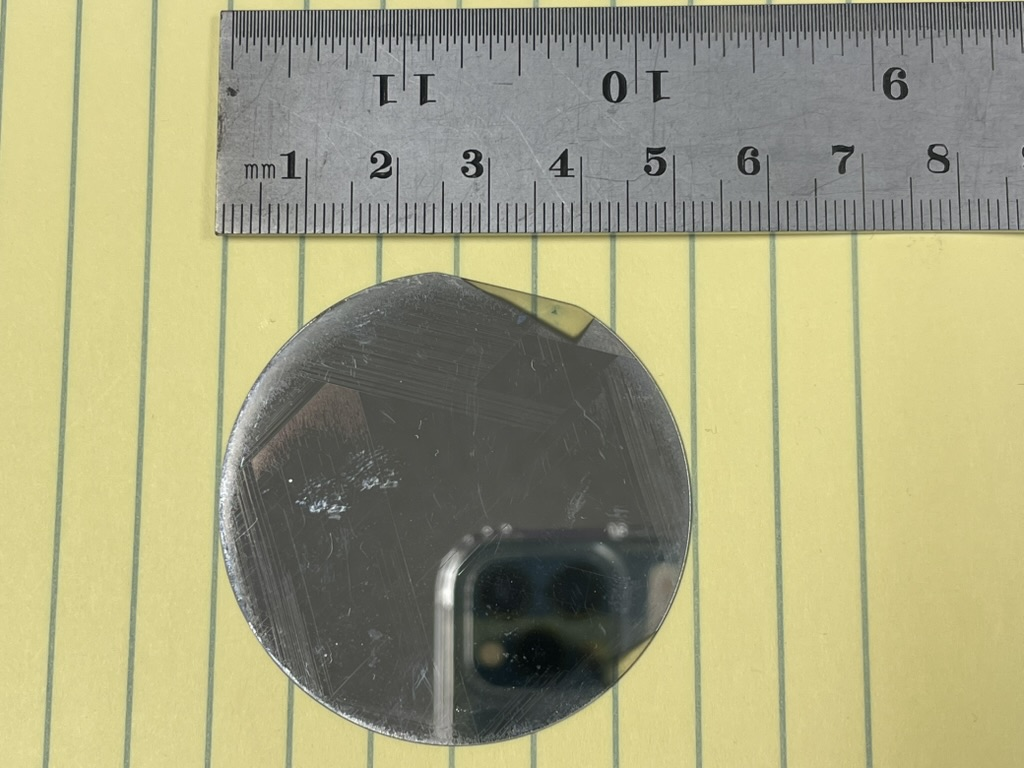
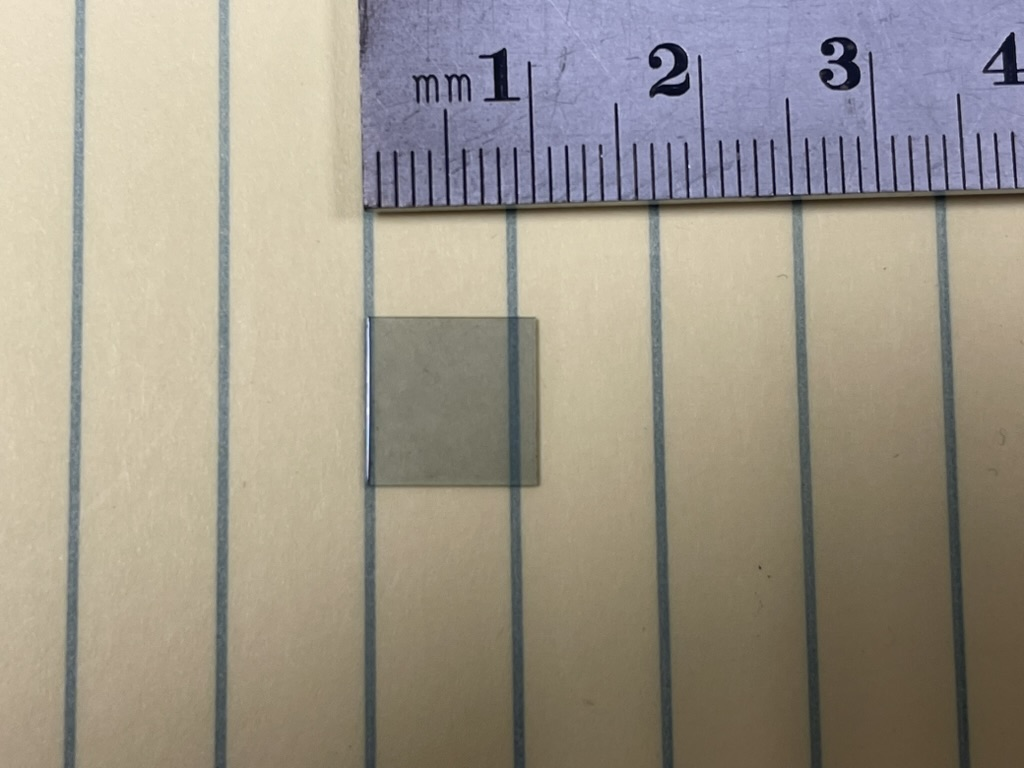
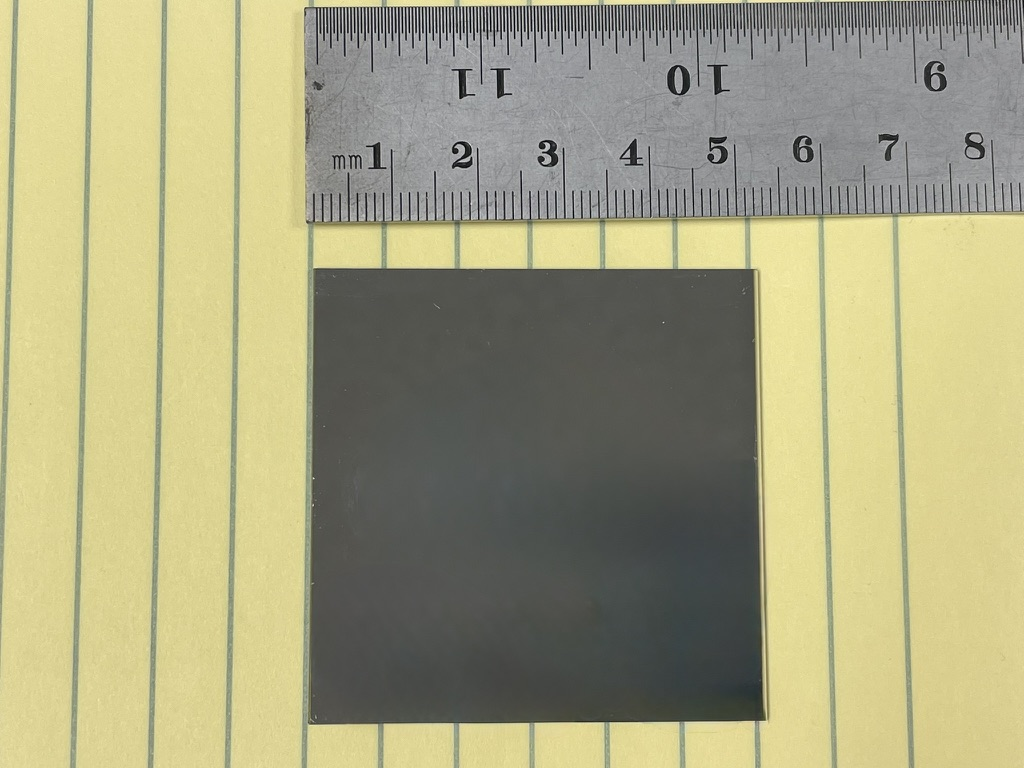
Figure 1: GaN:Si, ZnO:Ga, and YAP:Ce samples used for fast timing and position resolution characterization.
Scintillation Kinetics and Material Properties
Rise and Decay Times
Room-temperature scintillation kinetics were probed via X-ray-induced time-correlated single-photon counting (TCSPC). GaN:Si (Si: 7×1018 cm−3) exhibited exceptionally fast rise (9.8±2.7 ps) and primary decay (32.4±1.0 ps, 95.8% weight) times, with a negligible contribution from defect-driven slow components (∼ 0.5%). ZnO:Ga showed a single-component decay (805±1 ps, 99.98%), dominated by donor-acceptor recombination, and a rise time ≤5 ps. In contrast, YAP:Ce displayed a much slower dominant decay (24.3±0.1 ns, 95%) (Figure 2).
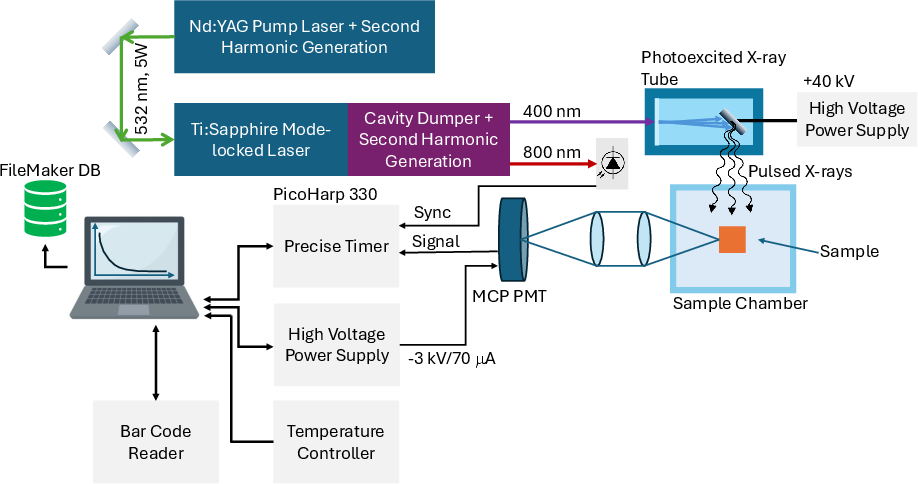
Figure 2: TCSPC temporal profiles for GaN:Si, ZnO:Ga, and YAP:Ce, illustrating the fast kinetics of GaN:Si and ZnO:Ga versus YAP:Ce.
The ultra-fast decay components in GaN:Si and ZnO:Ga originate from direct bandgap recombination and donor-acceptor pair mechanisms, respectively. The minimal overlap with defect-related bands in ZnO:Ga contrasts with GaN:Si, where some yellow luminescence is observed but remains a minor contributor.
Light Yield
Absolute light yield quantification under alpha particle irradiation revealed effective yields of 1060±350 ph/MeVα for GaN:Si and −30 ph/MeV−31 for ZnO:Ga, compared to −32 ph/MeV−33 for YAP:Ce. Despite lower yields than YAP:Ce, both materials showed energy-resolved alpha peaks and effective photon statistics suitable for high-rate applications. The relative light yield was approximately 17% (GaN:Si) and 43% (ZnO:Ga) with respect to YAP:Ce (Figure 3).
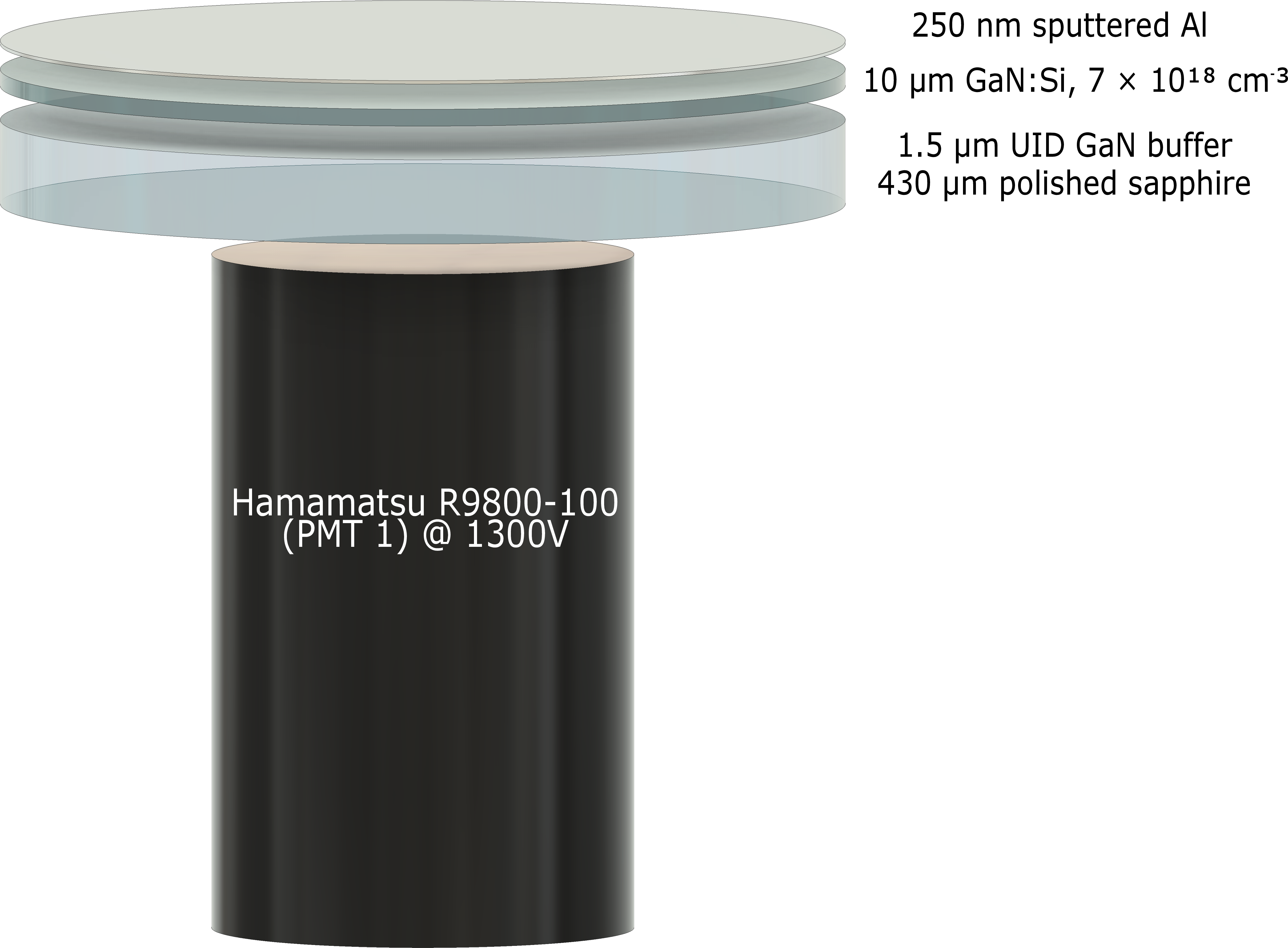
Figure 3: Effective alpha-induced light yield comparison for GaN:Si, ZnO:Ga, and YAP:Ce, showing detected photoelectrons and converted photon yield.
Ionoluminescence spectra revealed direct, red-shifted near-bandgap emission in both GaN:Si and ZnO:Ga: GaN:Si −34372 nm (band-edge and yellow ~567 nm), ZnO:Ga −35401 nm (donor-acceptor channel).
Self-Absorption and Optical Losses
Self-absorption is significant in both GaN:Si and ZnO:Ga due to emission energies only slightly below the bandgap. For GaN:Si, the Urbach tail yields an absorption coefficient −362470 cm−37, and for ZnO:Ga −382160 cm−39 in the emission region. Optical transport efficiency is reduced by index mismatch and internal reflections, especially in thicker geometries or without reflective coatings.
Coincidence Timing Resolution
CTR and DTR measurements were carried out using a triple-coincidence setup with Hamamatsu R9800-100 PMTs and EJ-214 plastic scintillator as reference. GaN:Si demonstrated DTR of 9.8±2.70 ps, ZnO:Ga 9.8±2.71 ps, and YAP:Ce 9.8±2.72 ps (Figure 4)—a %%%%2332.4±1.024%%%% improvement in timing resolution over YAP:Ce.
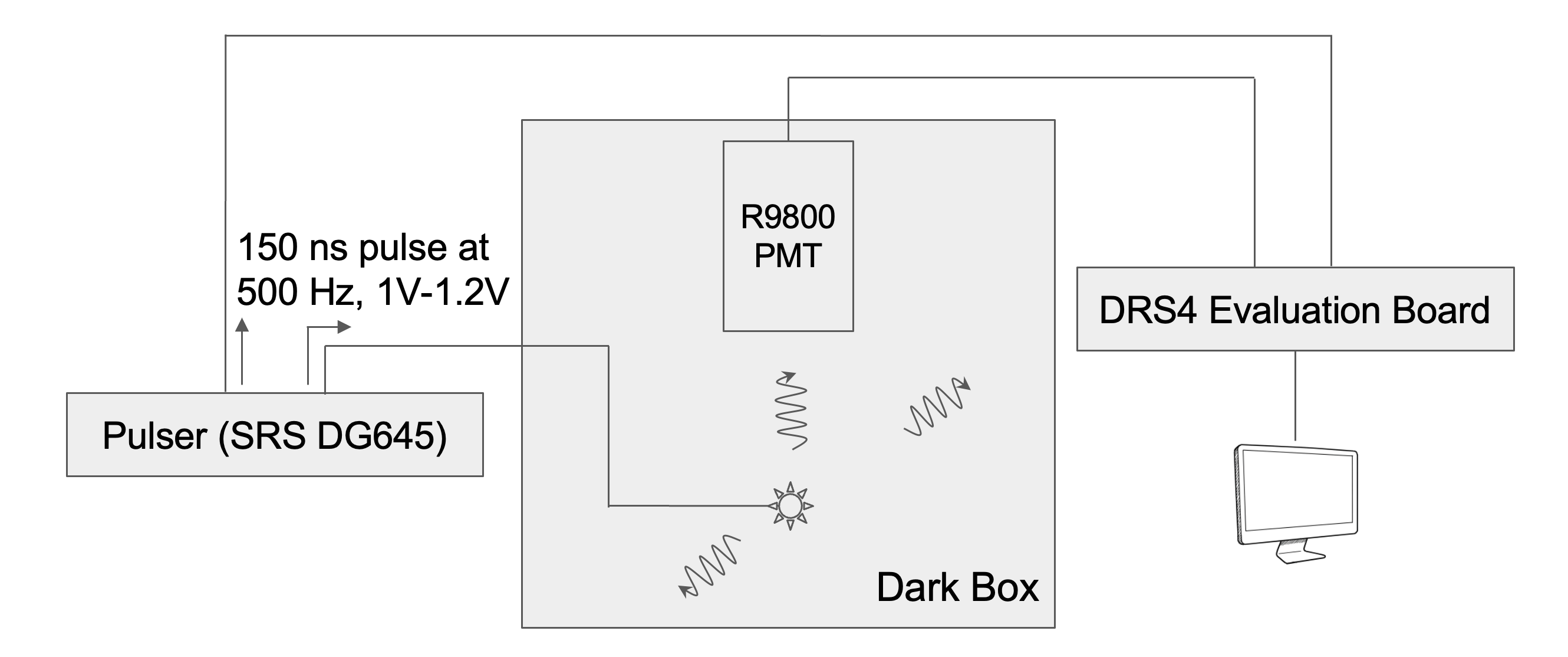
Figure 4: Experimental setup for CTR measurement with three PMTs and alpha source.
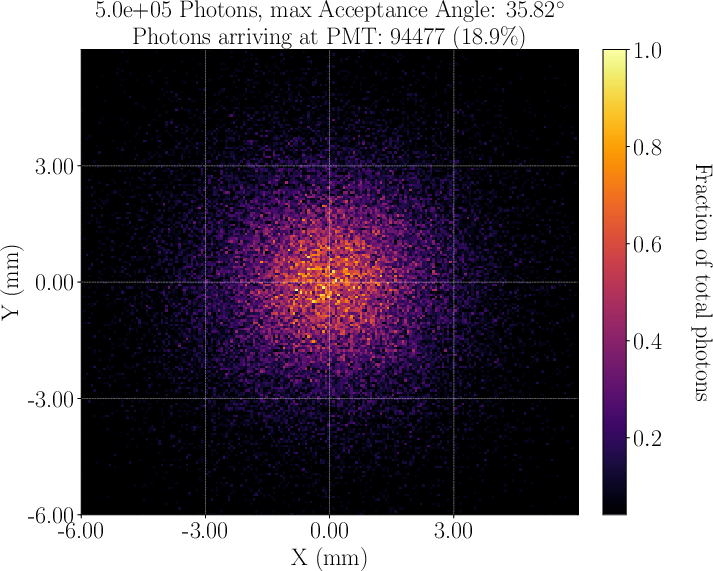
Figure 5: Coincidence timing resolution distributions for GaN:Si, ZnO:Ga, and YAP:Ce; Gaussian fits illustrate the enhanced timing precision of GaN:Si and ZnO:Ga.
Theoretical Cramér-Rao lower bound (CRLB) calculations suggest that, for photodetectors with transit-time spread (TTS) 9.8±2.75100 ps FWHM and comparable quantum efficiency, DTRs 9.8±2.7610 ps (GaN:Si) and 9.8±2.7720 ps (ZnO:Ga) are achievable (Figure 6).
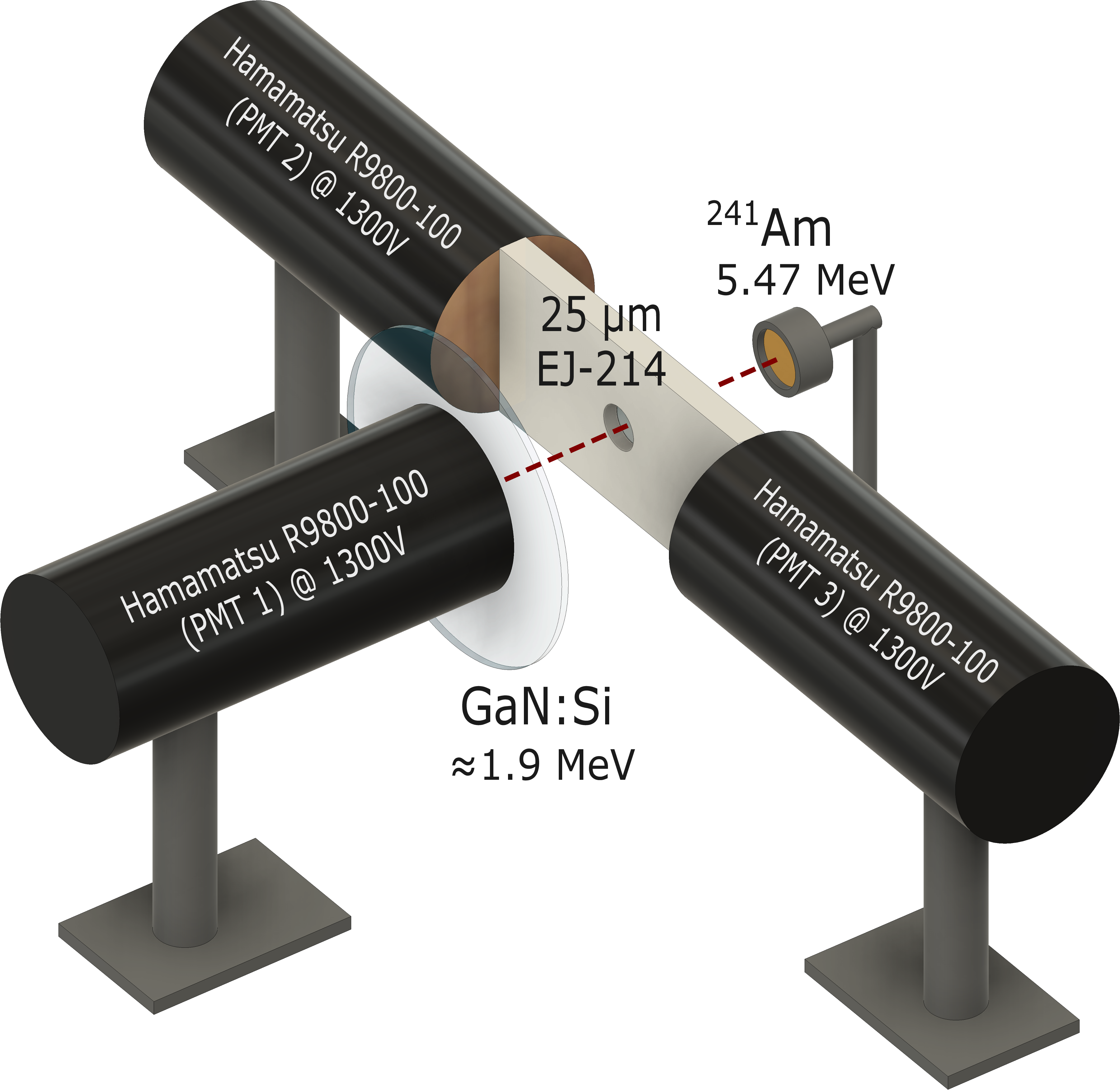
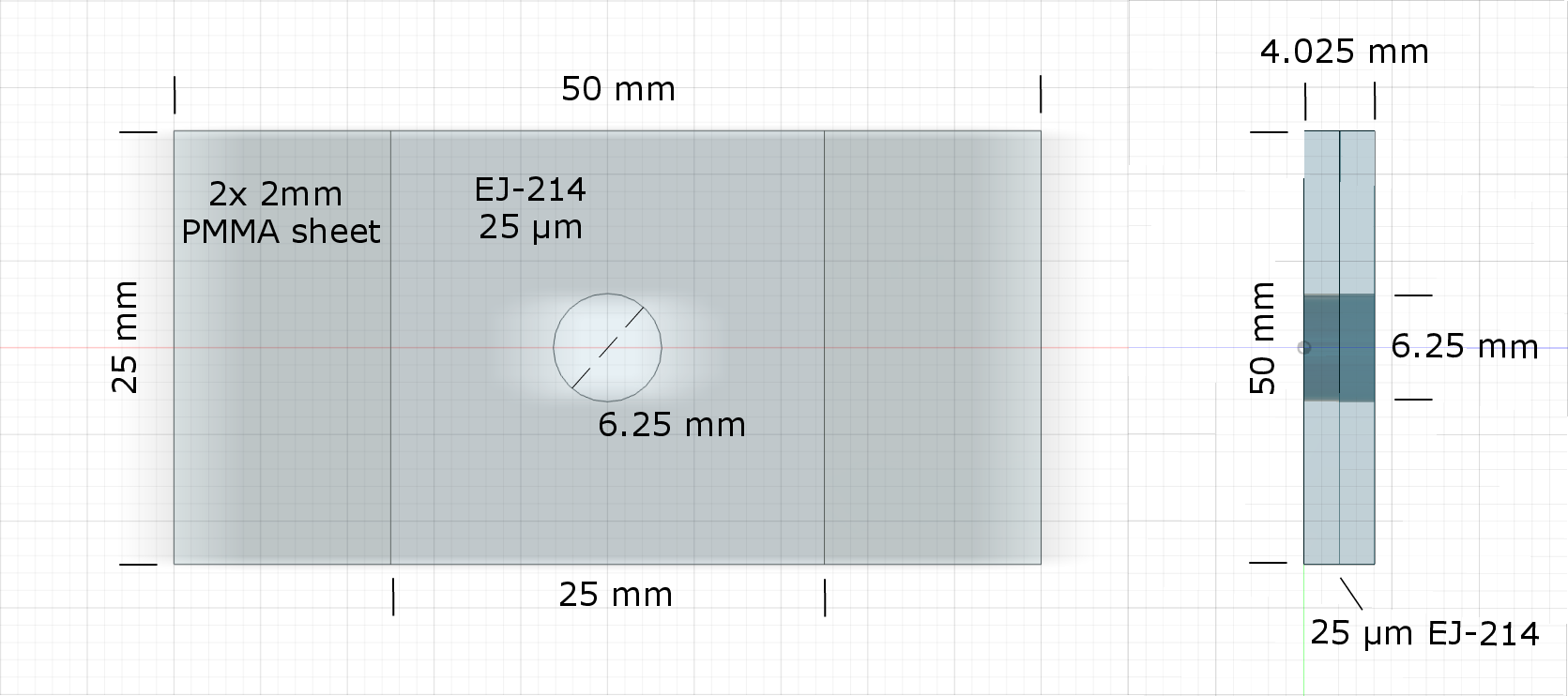
Figure 6: Statistical timing resolution limit (CRLB) heatmaps for GaN:Si and ZnO:Ga, showing achievable DTR as a function of detected photons and PMT TTS.
Position Resolution
Position resolution was characterized using a mask-based experimental setup and further evaluated through Monte Carlo photon transport simulations. YAP:Ce provided a spatial resolution 9.8±2.78 mm, whereas GaN:Si resolved 9.8±2.791 mm and ZnO:Ga 32.4±1.000.3 mm in simulation; when adopting a thin geometry with a reflective layer, ZnO:Ga approached YAP:Ce-level resolution (32.4±1.010.18 mm) (Figures 7, 8, and 16).
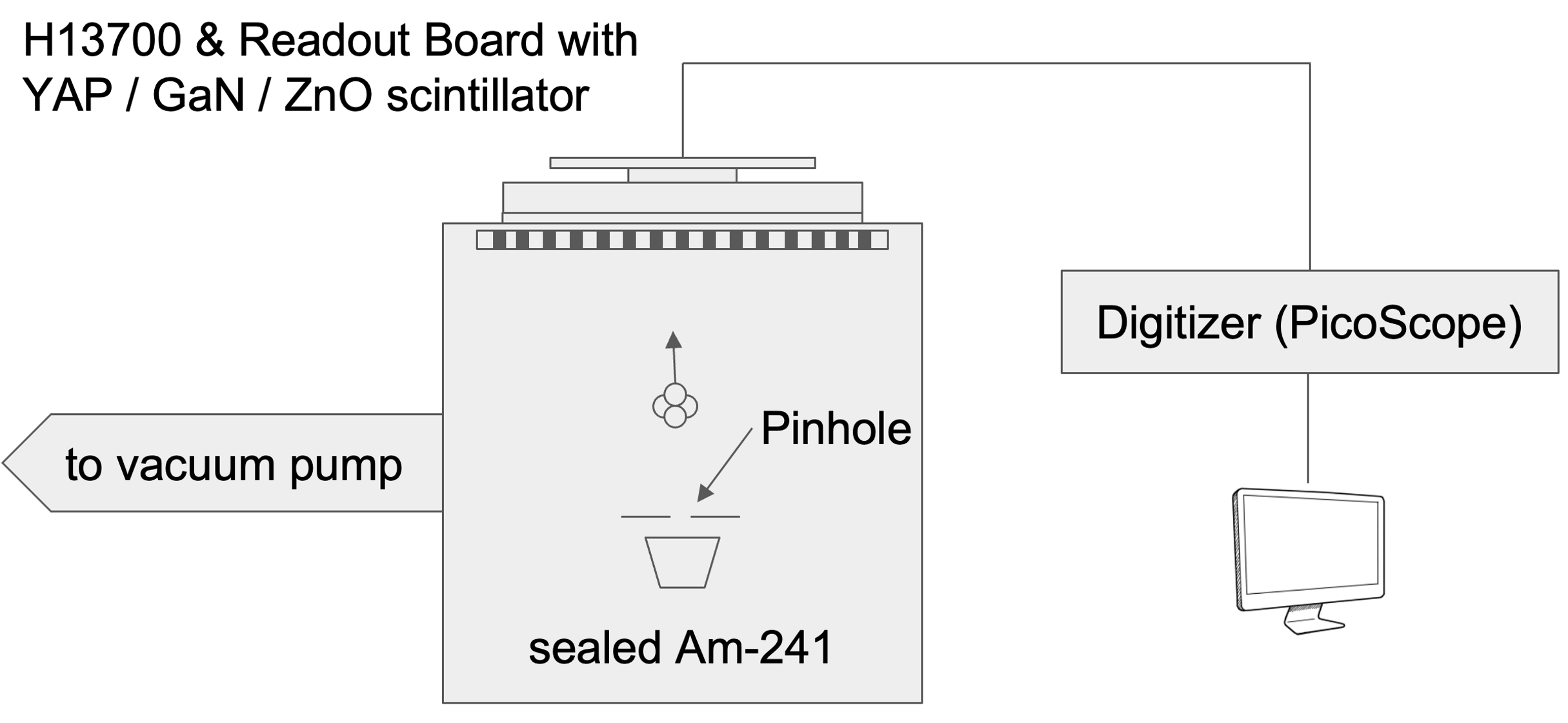
Figure 7: Experimental setup to measure position resolution capabilities with mask and pixelated PMT.
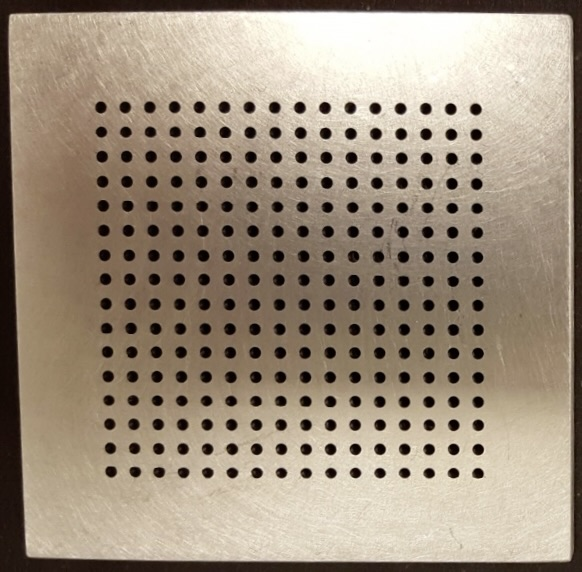
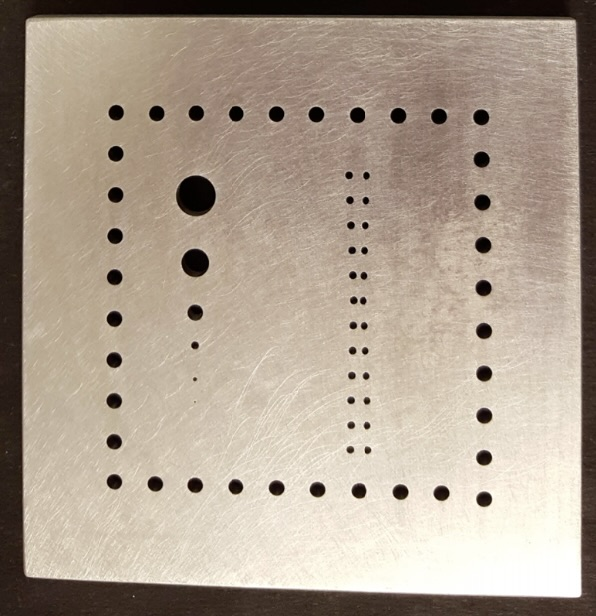
Figure 8: Example of coarse mask used for qualitative position reconstruction.
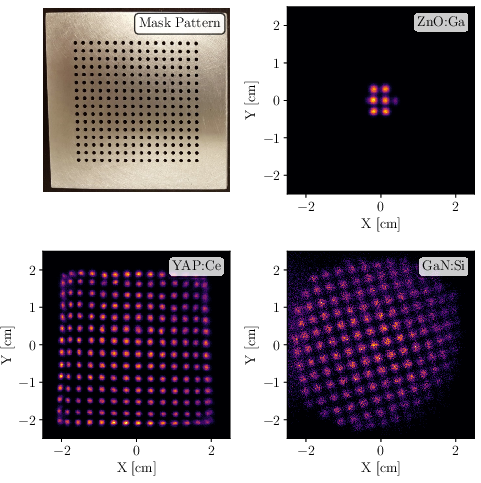
Figure 9: Position reconstruction results for all three scintillators, demonstrating pattern resolution capability and highlighting material differences.
Simulation data indicate that losses due to bulk self-absorption and interface effects are the principal factors limiting spatial resolution, but can be mitigated by sample thinning and reflectivity enhancement.
Implications and Future Directions
The characterization establishes GaN:Si and ZnO:Ga as competitive alternatives for position-resolved fast timing alpha detection in API and related modalities. The combination of sub-ns scintillation kinetics, energy-resolved peaks, and improved timing precision enables higher operational rates, reduced pile-up, and finer spatial localization. These advantages are particularly relevant to next-generation API systems for 3D isotopic mapping, rapid medical imaging (e.g., time-of-flight PET, low-dose CT), field-deployed nuclear security, and planetary exploration.
From a theoretical perspective, statistical timing limits are dictated primarily by scintillator decay constants and photon statistics, independent of photodetector specifics once TTS falls below 100 ps. Practical optimization should focus on enhancing light collection efficiency through geometry tailoring and coatings, alongside photo-sensor development for reduced TTS and increased quantum efficiency.
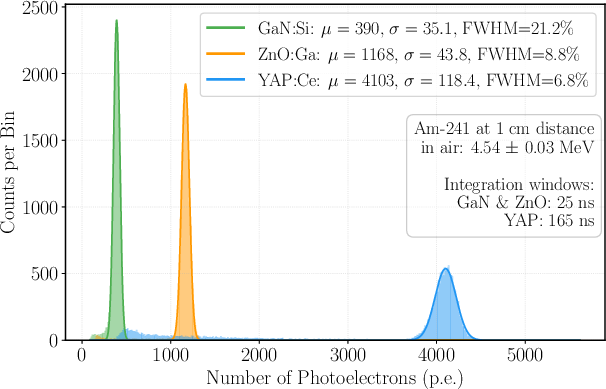
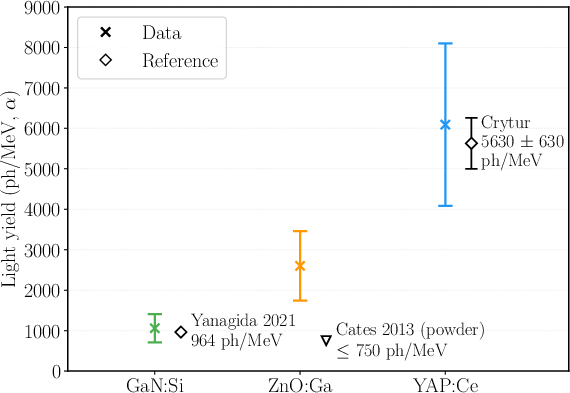
Figure 10: Absolute light yield comparison versus literature values and calculated photon yields for all samples.
Conclusion
This study delivers a quantitative assessment of GaN:Si and ZnO:Ga scintillators, demonstrating strong performance in fast timing, spatial, and energy resolution for API and related alpha particle detection systems. Experimental evidence confirms a %%%%3232.4±1.033%%%% improvement in DTR and competitive position resolution. The results support immediate practical adoption as drop-in replacements for YAP:Ce and point to significant future improvements via material engineering and optical system optimization. Advanced photodetectors promise to further exploit the intrinsic scintillation kinetics, with sub-10 ps timing and sub-mm spatial localization theoretically within reach. The findings have wide-ranging implications for high-rate, high-resolution imaging in nuclear science, medical diagnostics, and space exploration.