- The paper demonstrates that a high-viscosity Theia colliding with a low-viscosity proto-Earth produces a debris disk containing up to 70% proto-Earth material.
- It employs detailed SPH simulations with 10⁵ particles and ANEOS equations to model distinct mantle properties, contrasting 10¹⁴ Pa·s with 10 Pa·s.
- The findings suggest that the natural viscosity contrast during impact resolves the lunar isotopic crisis while satisfying geochemical and angular momentum constraints.
Giant Impact between High-Viscosity Theia and Low-Viscosity Proto-Earth: Revisiting the Lunar Isotopic Crisis
Introduction and Background
The giant impact hypothesis posits that the Moon was formed from material accreted from a debris disk produced by the collision of a planetary embryo, known as Theia, with the proto-Earth. While this paradigm explains numerous dynamical and physical characteristics of the Earth-Moon system, canonical SPH simulations have repeatedly indicated that the resultant disk typically contains a dominant fraction of material from the impactor, rather than the proto-Earth. This leads to an apparent contradiction with geochemical measurements: the isotopic compositions of Earth and Moon display remarkable similarity, a phenomenon termed the lunar isotopic crisis. The disparity has driven consideration of mechanisms such as post-impact equilibration or the unlikely scenario of an Earth-identical Theia. However, these approaches have not fully reconciled simulation outcomes with geochemical data.
Viscosity Contrast as a Determinant in Disk Composition
The paper introduces a fundamentally new mechanism: a viscosity contrast between Theia and the proto-Earth. Terrestrial planets undergo repeated melting episodes during accretion, developing transient magma oceans. Small bodies such as Theia cool and solidify rapidly, imparting high mantle viscosity, while larger bodies (proto-Earth) retain low-viscosity magma oceans for longer durations. This difference is expected to significantly affect the dynamics of planetary collisions.
By implementing distinct physical viscosities—1014 Pa·s for Theia and $10$ Pa·s for proto-Earth—in SPH simulations, the study demonstrates that in high-viscosity-impactor collisions, the generated debris disk predominantly comprises proto-Earth material, with numerical results showing up to 70% proto-Earth origin at the sampled viscosity contrast. In the limiting case of extreme viscosity, the disk approaches full proto-Earth composition.
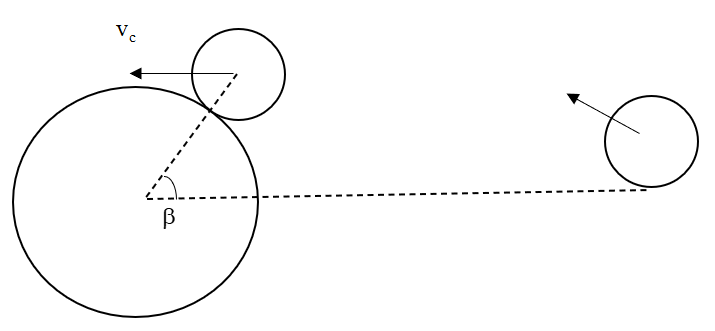
Figure 1: Schematic of the impact geometry between Theia (impactor, high viscosity) and proto-Earth (target, low viscosity), defining the masses, impact parameter, and velocity at contact.
Numerical Implementation and Simulation Outcomes
Simulations were conducted using 105 equal-mass SPH particles to trace the post-impact distribution and composition of debris. Variations in the viscosity parameter were used to feature both the canonical (low viscosity for both bodies) and the proposed contrasting scenario. Material properties were modeled via ANEOS equations of state for Fe–Si and forsterite components, encompassing mantle and core structures.
The results distinctly display the temporal evolution of the post-impact system. The high-viscosity scenario exhibits markedly less mixing and ejection of impactor material, in sharp contrast to previous models where disk composition is dominated by impactor-originating matter.
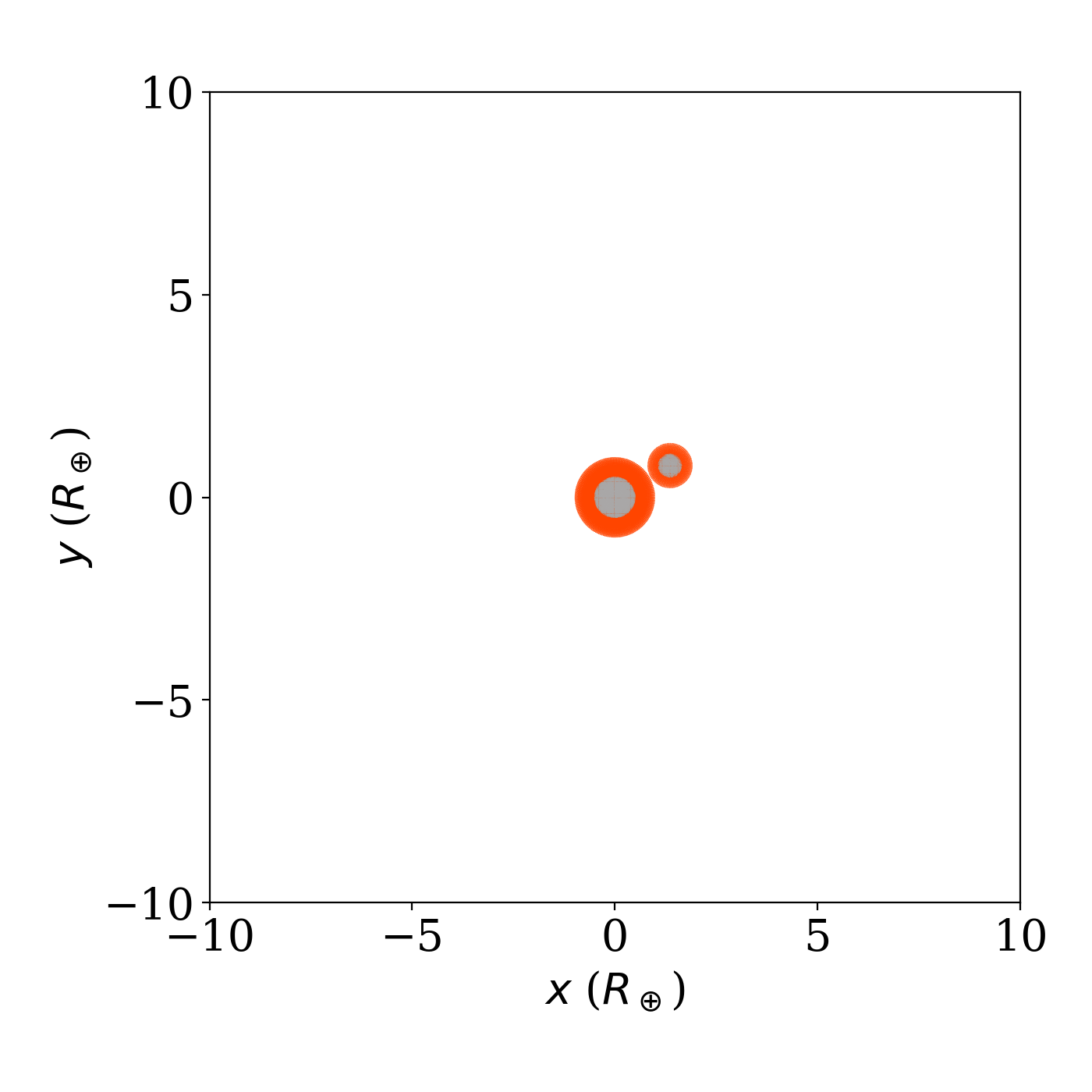
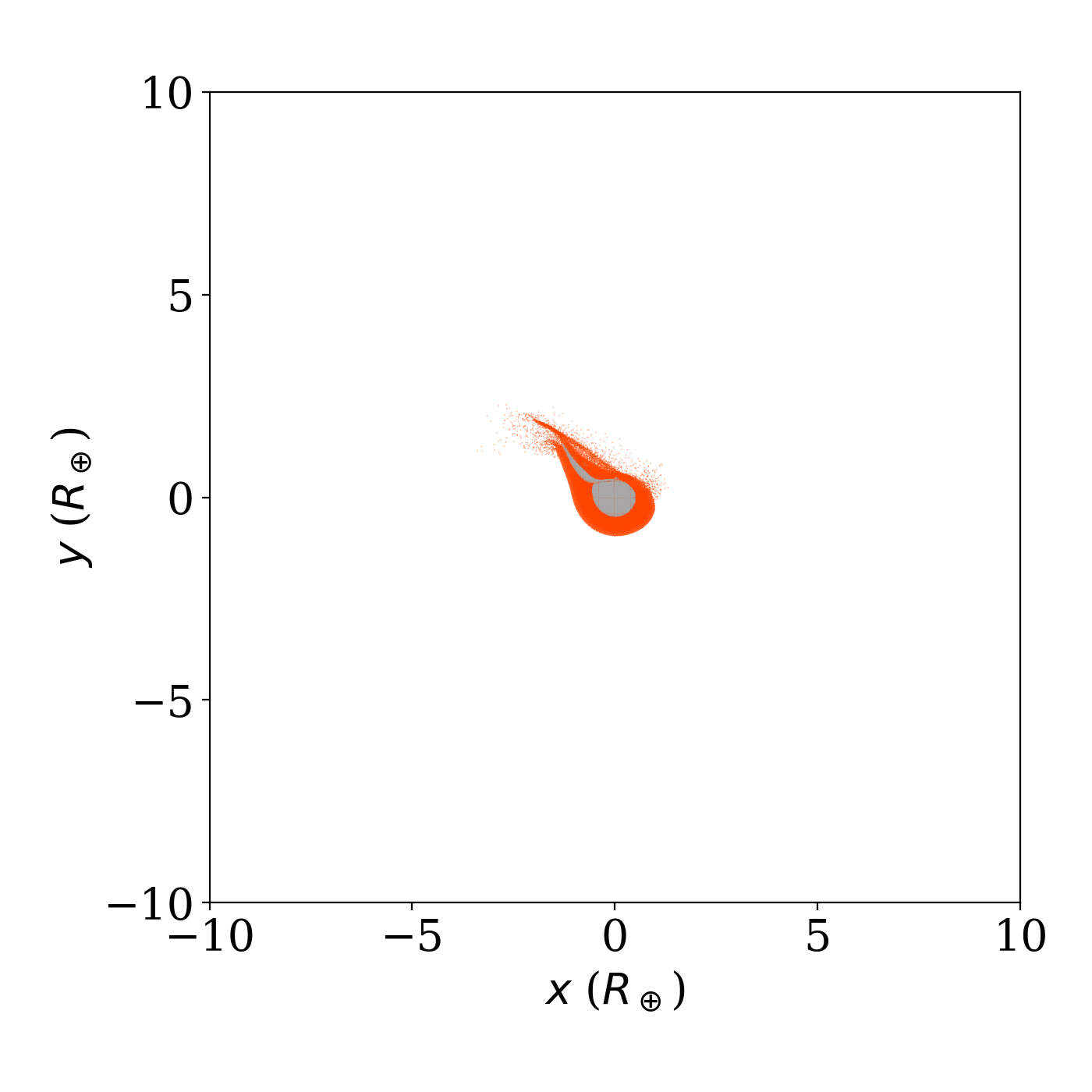
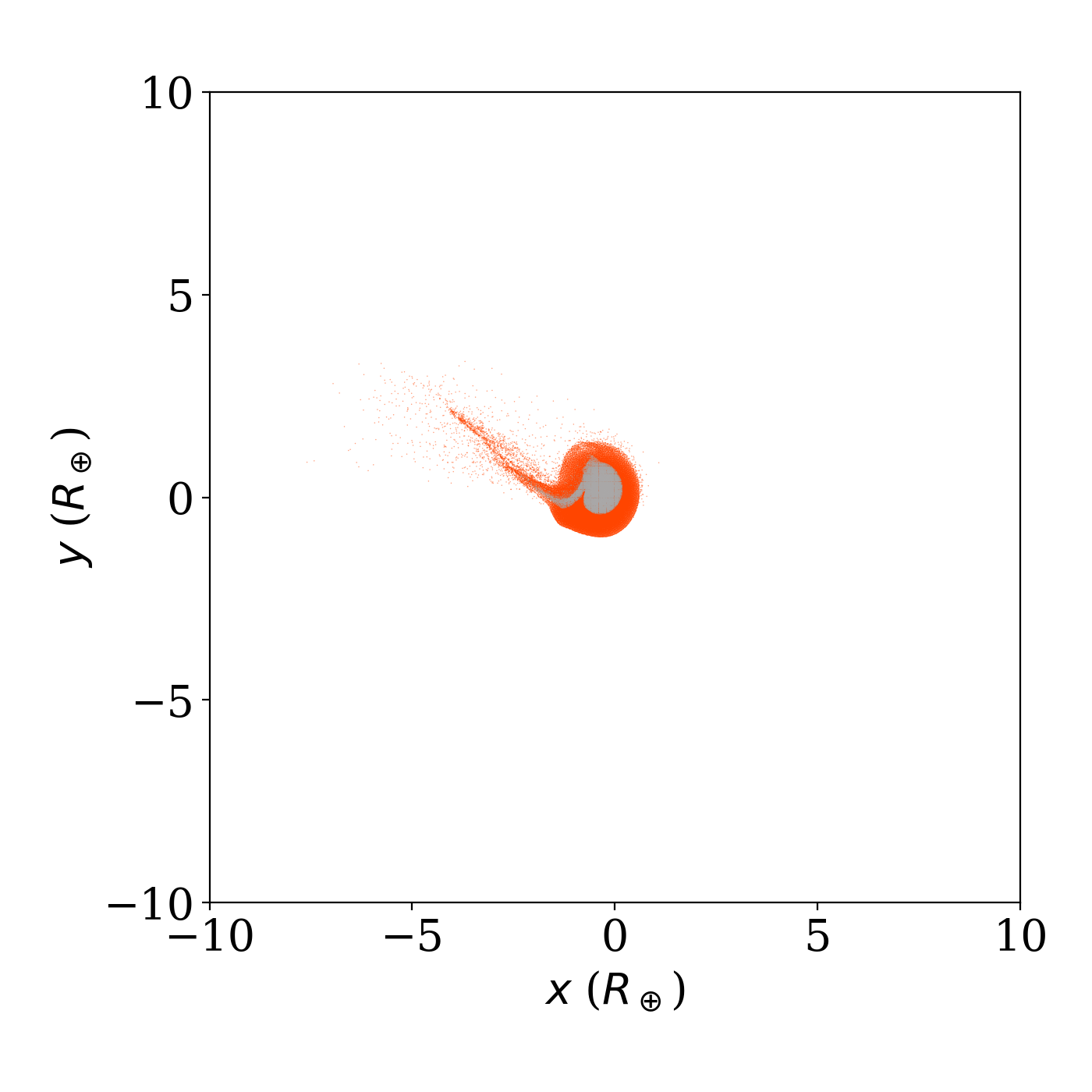
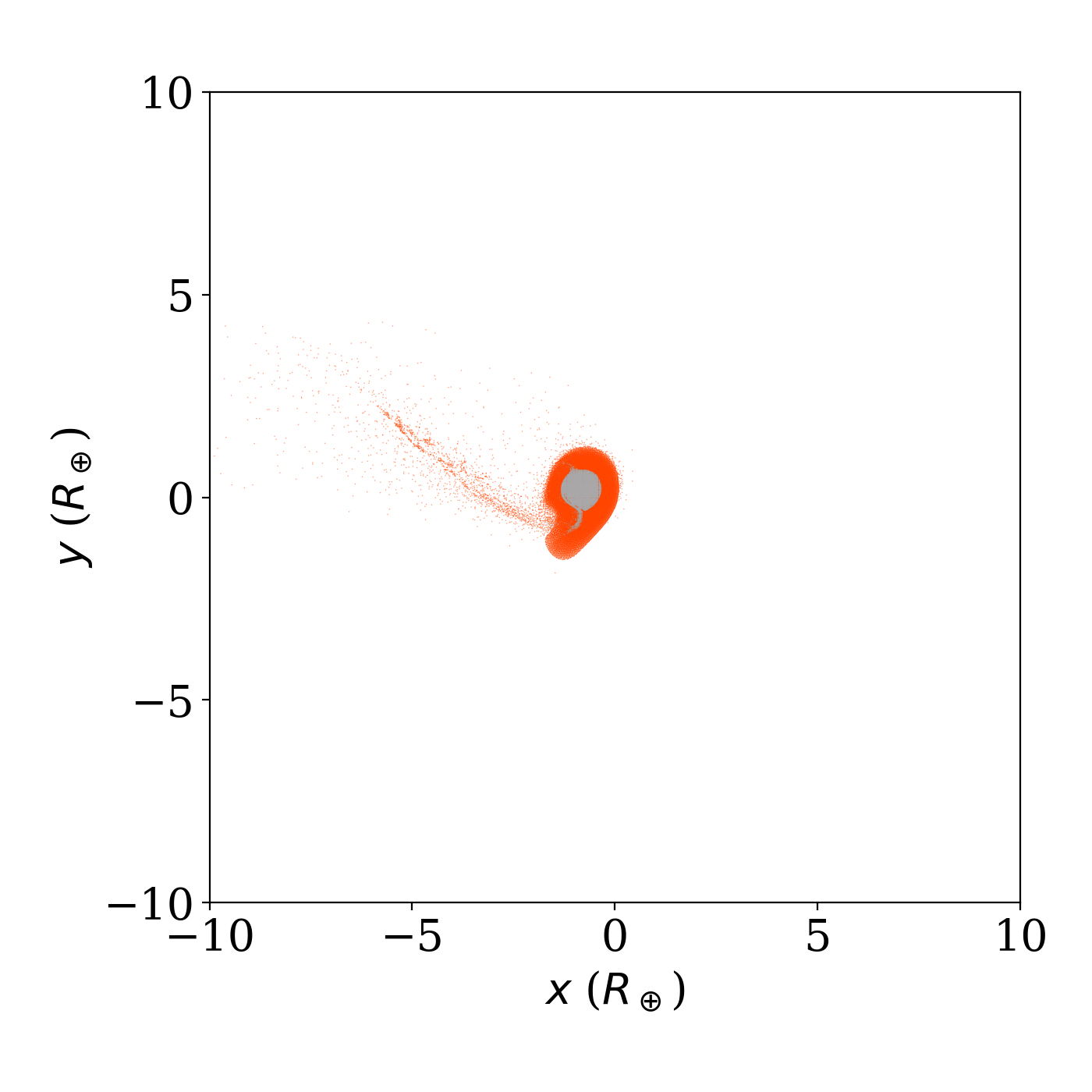
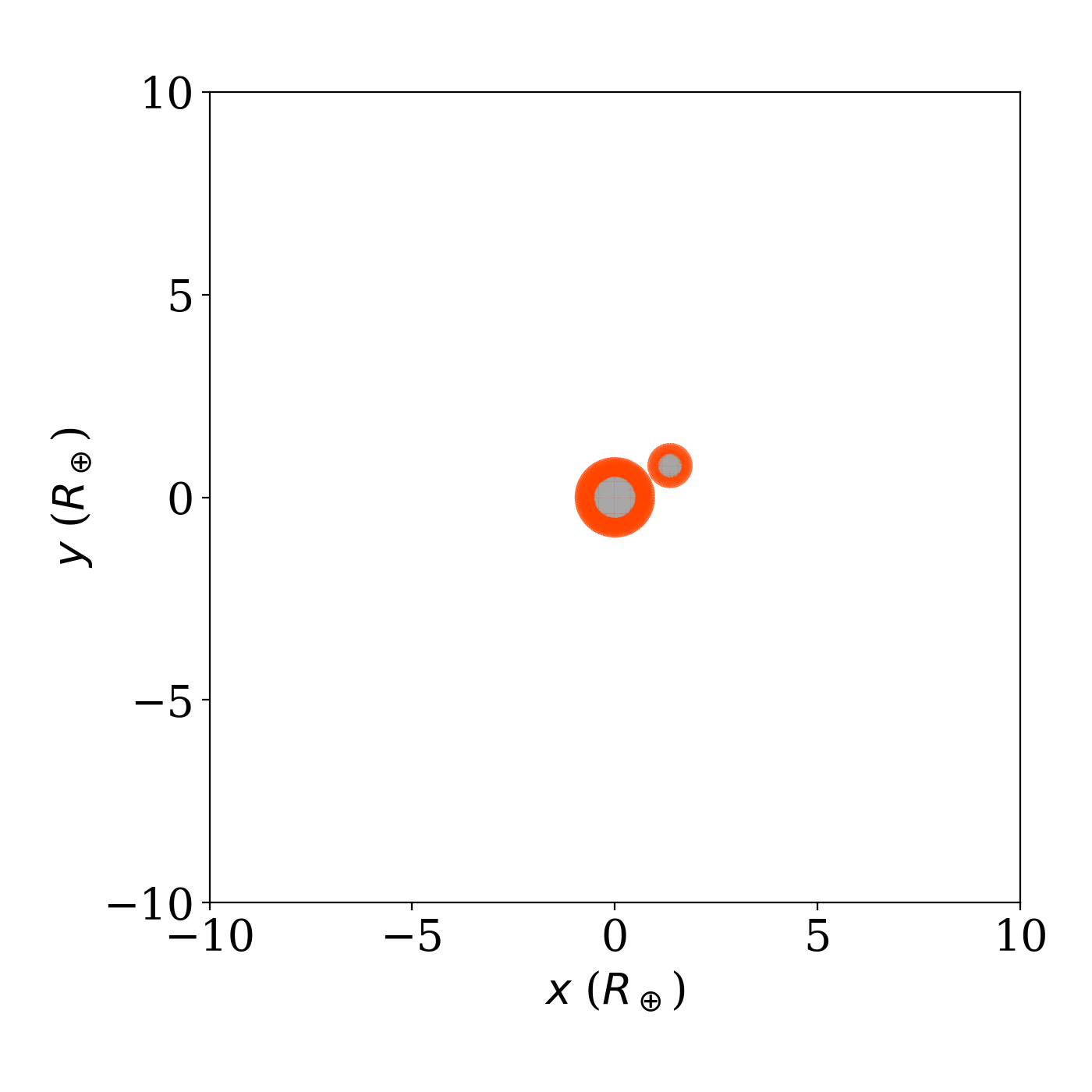
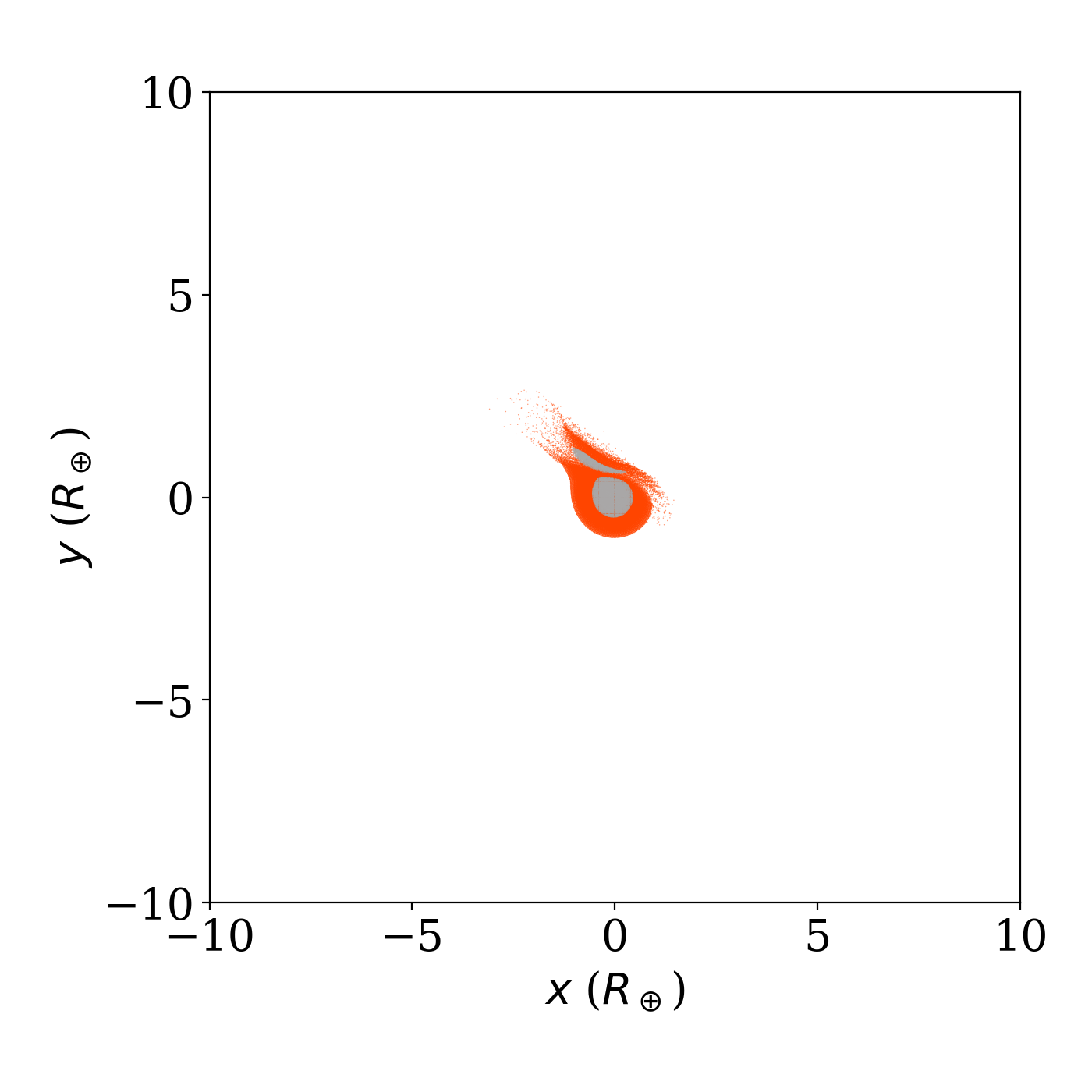
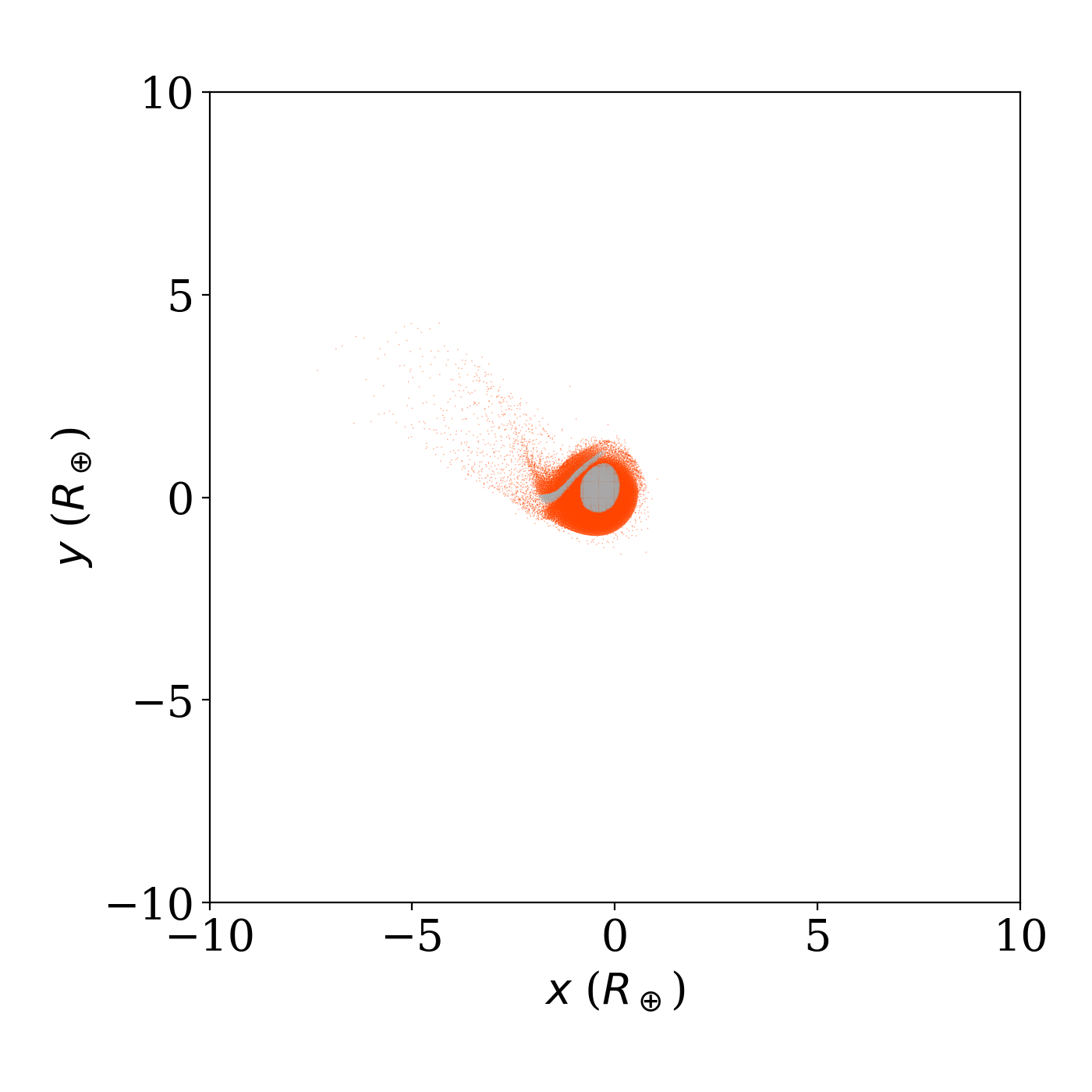
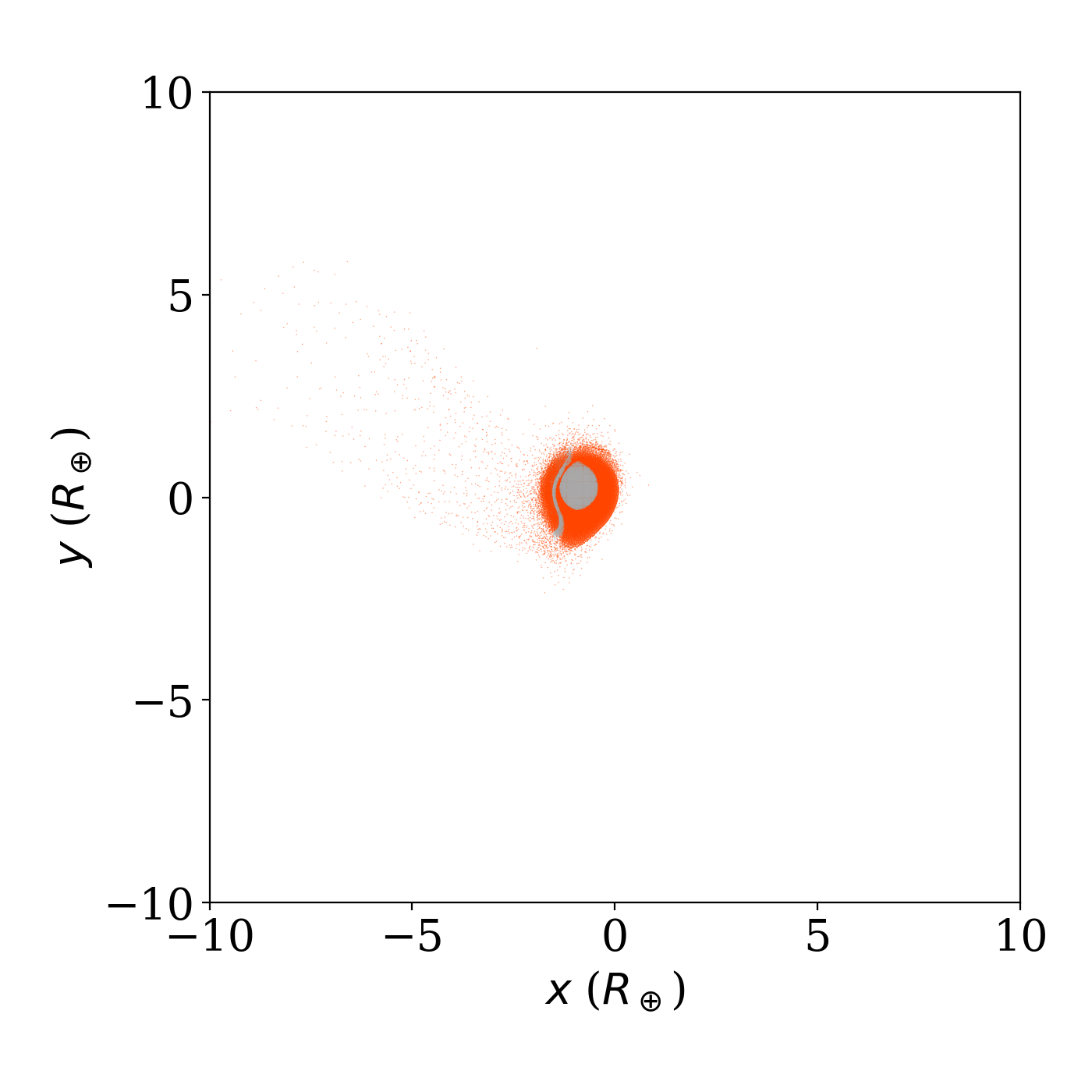
Figure 2: Temporal evolution (0–1.68 hours) of giant impact simulations; top: canonical viscosity case, bottom: viscosity contrast case, revealing proto-Earth dominance in debris disk composition for the latter.
Implications for the Lunar Isotopic Crisis
This model circumvents the need for either improbable compositional identity or post-impact equilibration, instead positing that the proto-Earth's magma ocean state and the solidified Theia mantle produce a natural mechanism favoring proto-Earth dominance in the lunar-forming disk. The results uphold the angular momentum constraints of the Earth-Moon system and do not require exotic mechanisms for subsequent angular momentum loss, as in some prior high-energy models.
An additional consequence is the fate of Theia material: owing to its higher density (expected from iron-rich mantle composition, consistent with cosmochemical observations of small bodies), Theia's remnants would sink to Earth's lower mantle layers post-collision, further reducing its signature in the lunar disk.
Theoretical and Practical Perspectives
From a theoretical standpoint, the viscosity-contrast mechanism provides a deterministic model that links the physical state of planetary bodies at the time of impact to disk composition outcomes, elegantly resolving the isotopic crisis without invoking unlikely impactor properties or complex post-impact mixing.
Practically, this framework refines constraints on early solar system evolution and the conditions necessary for moon formation processes. For planetary formation modeling and SPH simulation practitioners, the results highlight the critical importance of incorporating variable viscosity regimes, rather than treating all bodies as generalized low-viscosity fluids.
Looking forward, the extension of these simulations to include explicit material strength effects and even greater viscosity contrasts is anticipated. This will allow exploration of the full regime consistent with Theia's solid-state scenario, potentially driving disk composition to near 100% proto-Earth origin and further solidifying the physical plausibility of this impact configuration.
Conclusion
The examination of viscosity contrast during giant impacts delivers a credible mechanism explaining the Moon's isotopic similarity to Earth. Detailed SPH simulations indicate that a high-viscosity Theia colliding with a low-viscosity proto-Earth generates a lunar-forming disk with up to 70% proto-Earth material, robustly addressing the lunar isotopic crisis. This physically motivated hypothesis aligns with both dynamical and geochemical constraints and opens new avenues for modeling early terrestrial planet formation dynamics and moon formation scenarios (2606.20398).

