- The paper introduces ReMAP, a framework that decouples abstract task understanding from low-level policy learning using a DPMM prior and dual learning branches.
- It demonstrates that ReMAP outperforms baseline methods with up to 99.79% reduced tracking error and superior sample efficiency across diverse agents.
- The framework employs a semantic-magnitude interface and stride predictor to align temporal dynamics, ensuring robust policy deployment in heterogeneous simulated environments.
Motivation and Framework Overview
The paper introduces ReMAP, a meta-reinforcement learning (Meta-RL) framework designed to decouple task-level meta-knowledge acquisition from embodiment-specific policy learning. The motivation stems from the inefficiencies and transfer limitations of existing end-to-end Meta-RL approaches, where task inference is entangled with agent-specific dynamics and often relies on restrictive latent priors (typically a fixed Gaussian). This coupling obscures task semantics and hampers knowledge reuse across heterogeneous agents. ReMAP addresses: (1) learning non-parametric task representations via a Dirichlet Process Mixture Model (DPMM) prior on a dynamics-simplified agent, (2) disentangling task inference from low-level control using dual independent learning branches, and (3) deploying meta-knowledge across diverse agents using a semantic-magnitude interface (SMAI) and a stride predictor for temporal alignment.
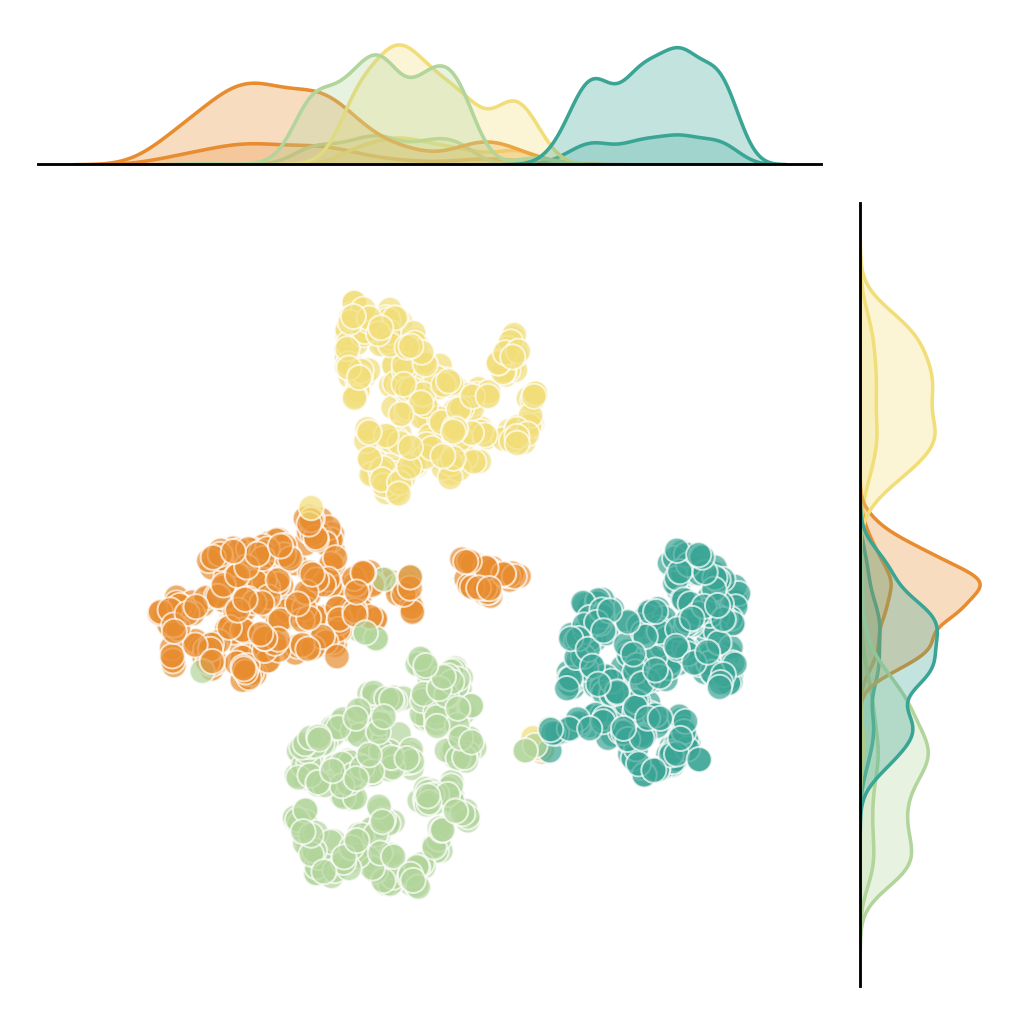

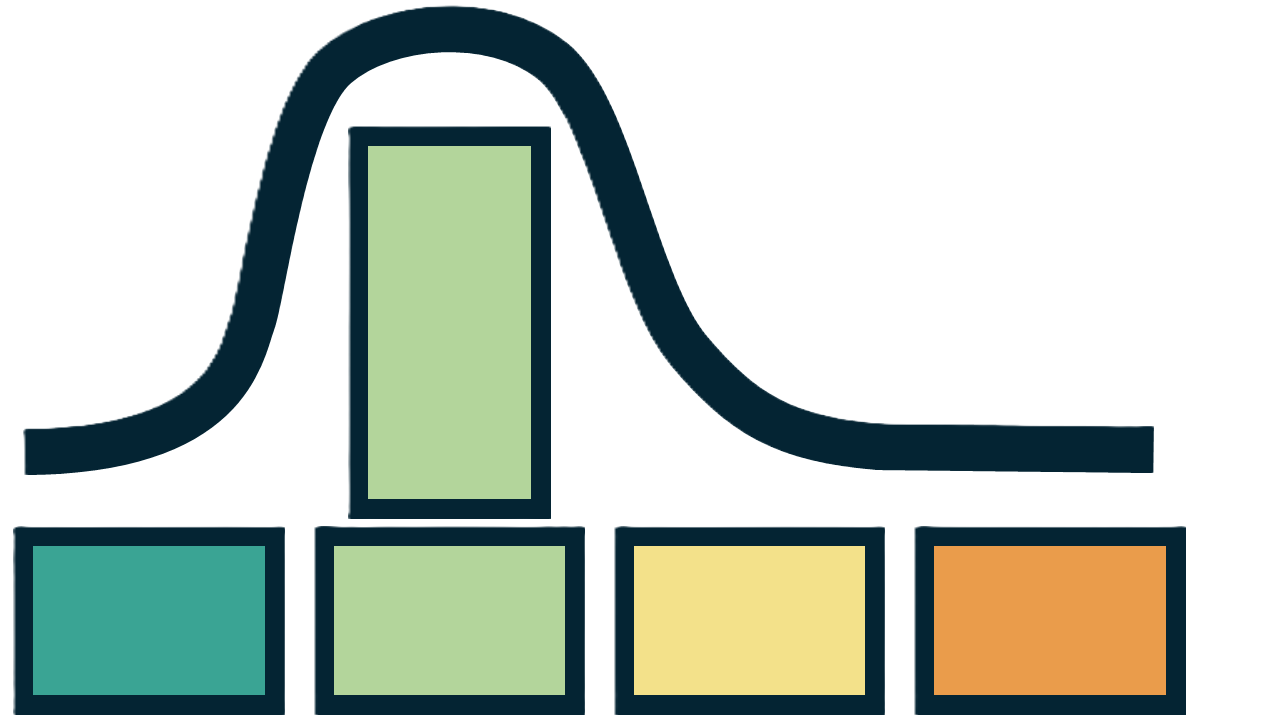
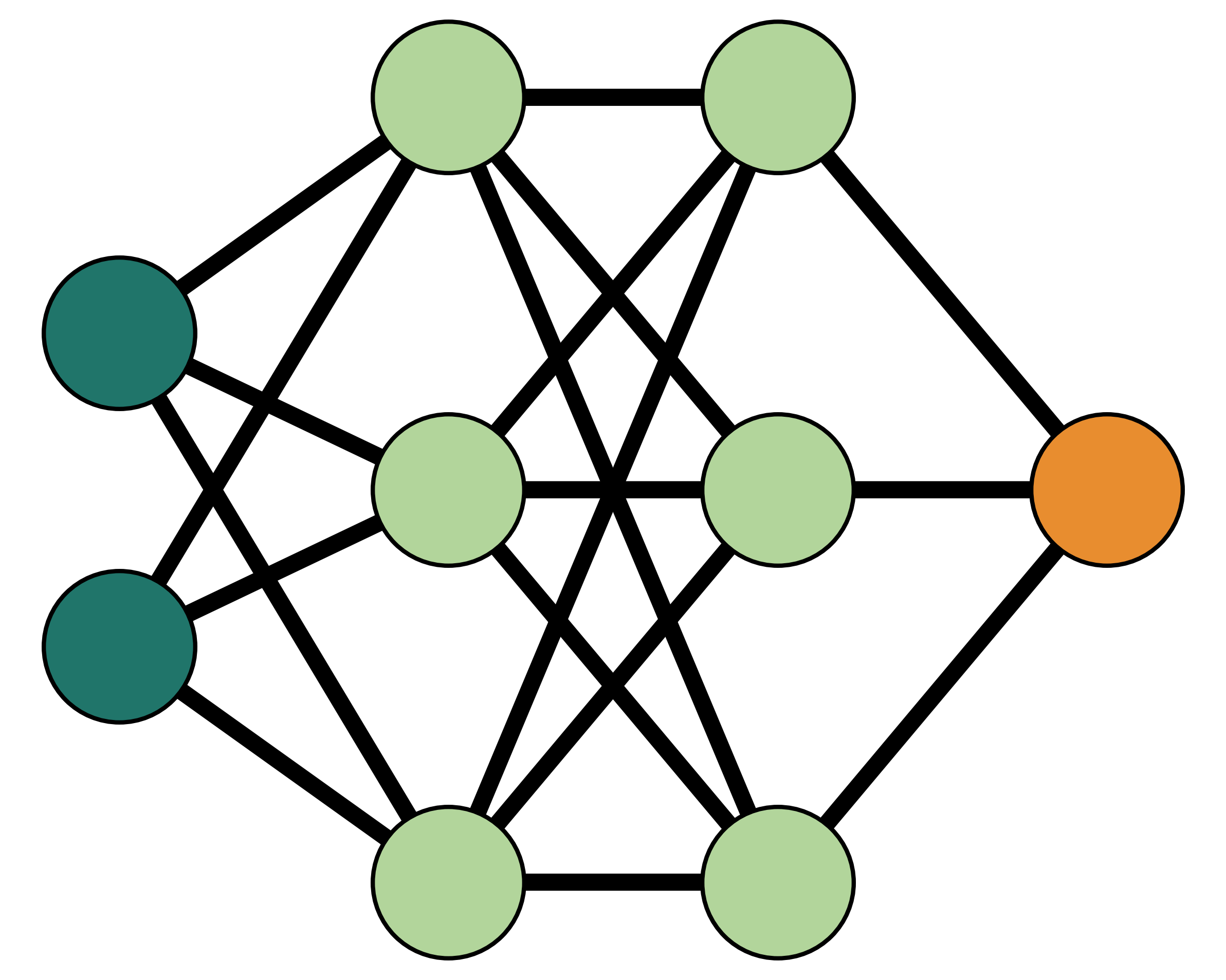
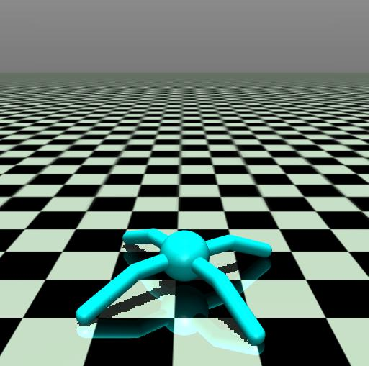
Figure 1: The ReMAP framework learns meta-knowledge on a simplified agent, adapts low-level policies via magnitude-guided curriculum, and reuses frozen meta-knowledge for deployment on heterogeneous agents.
Methodological Contributions
ReMAP's design centers on disentanglement and modularity:
- Task-Level Meta-Knowledge Acquisition: The inference module (implemented as a VAE with DPMM prior) learns abstract task representations from trajectory contexts consisting of position, velocity, and reward, using a context window for history compression. The DPMM (stick-breaking construction) flexibly organizes latent task modes, enabling adaptive clustering without predefining component counts. The high-level policy operates in the abstract task space, translating latent semantics into magnitude guidance. Both modules are trained exclusively on a simplified agent with minimal dynamics—ensuring that the latent encodings capture task structure rather than agent-dependent control patterns.

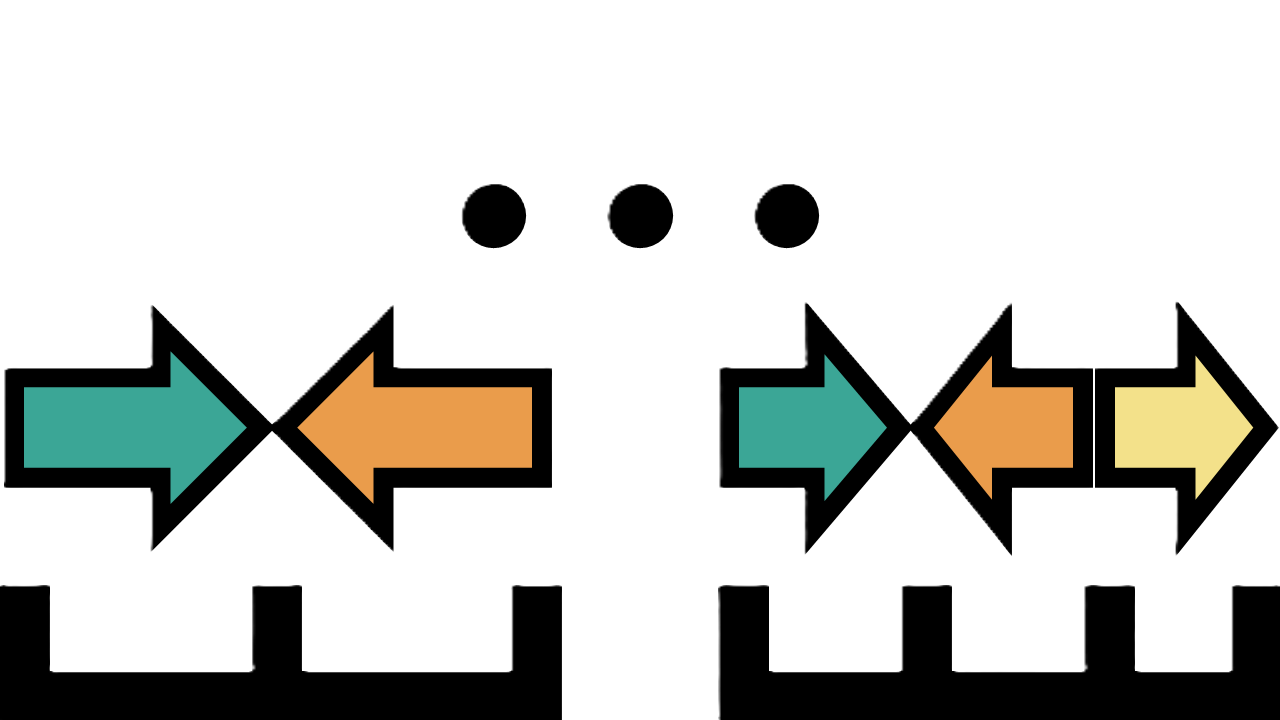

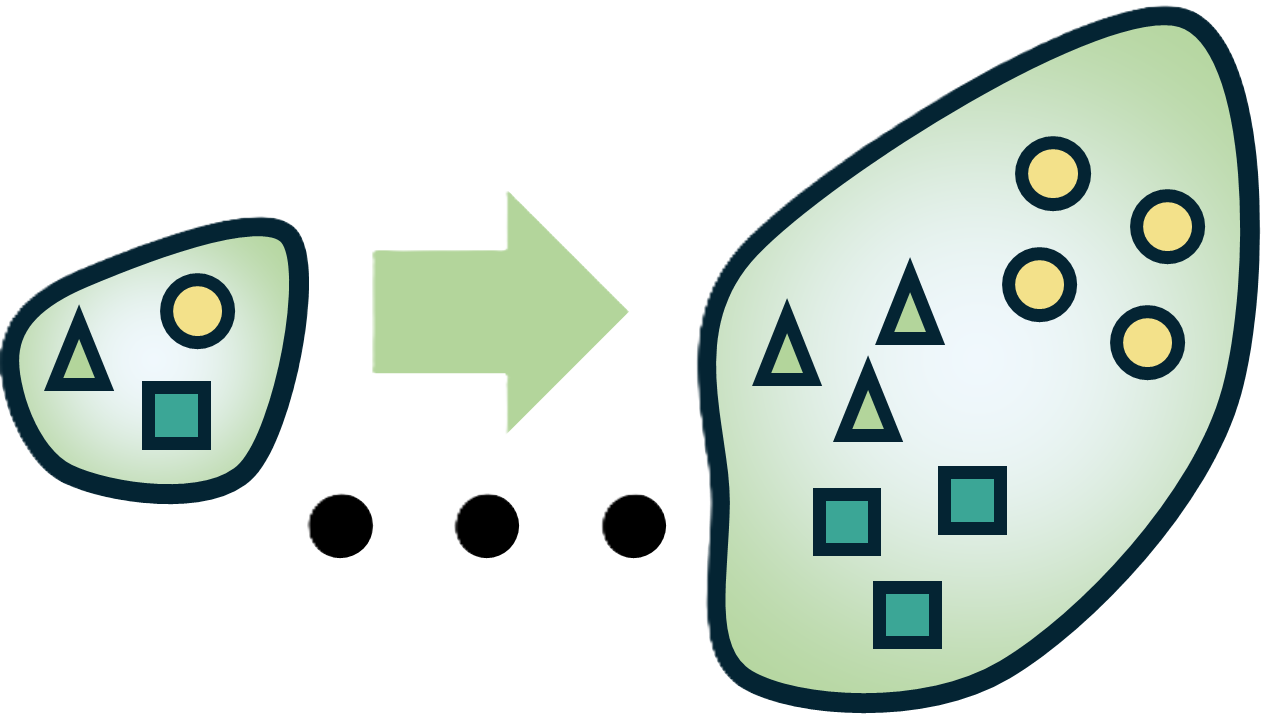
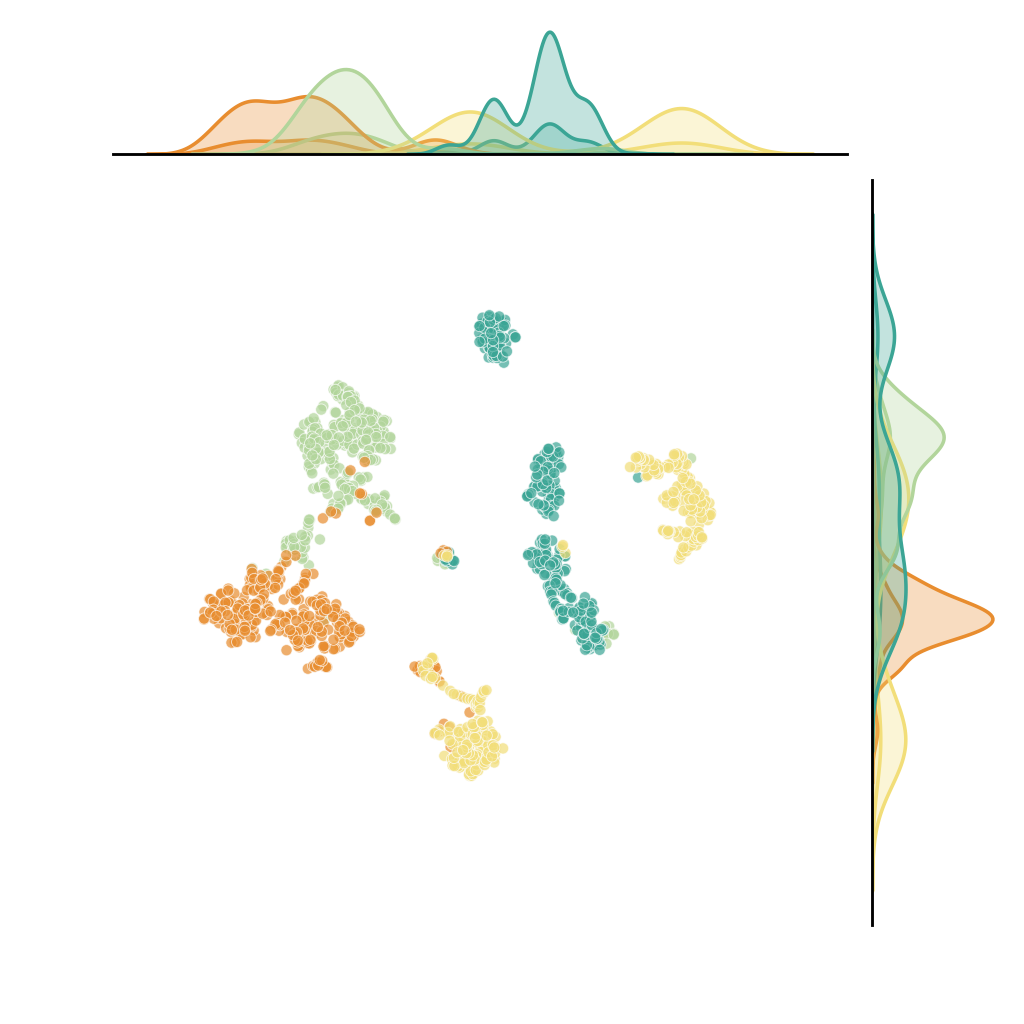

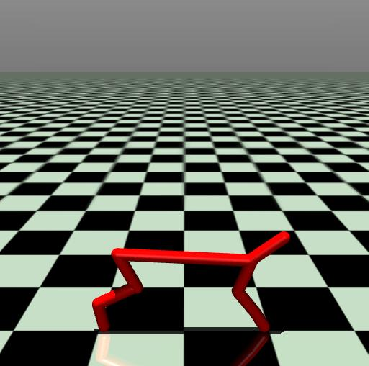
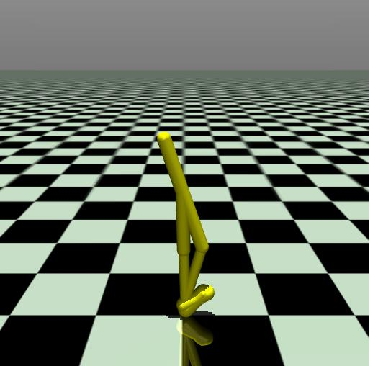
Figure 2: ReMAP workflow—disentangled training on the simplified agent with DPMM-based inference and independent low-level policy warmup via magnitude curriculum; deployment transfers frozen meta-knowledge through SMAI and stride predictor.
Empirical Evaluation
The experiments comprehensively assess cross-embodiment knowledge transfer in the Mujoco environment with Hopper, Walker, Half-Cheetah, and Ant. The task suite includes both goal-reaching and velocity-tracking in forward and backward directions.
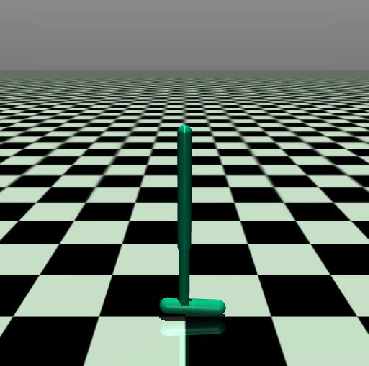


Figure 4: Evaluation agents—distinct morphologies (Hopper, Walker, Half-Cheetah, Ant)—each tested on four locomotion tasks.
- Meta-Knowledge Acquisition: Training curves exhibit steady convergence of reward for the simplified agent. The latent variables, visualized via t-SNE, form distinct clusters, validating DPMM-driven semantic separation. Inference trajectories show accurate tracking of target positions and velocities.
- Disentangled Low-Level Policy Learning: Each agent achieves stable locomotion and magnitude tracking under SMAI conditioning, though agents with less stable morphologies require longer training.
- Cross-Agent Meta-Knowledge Reutilization: Frozen inference modules and high-level policies generalize to all target agents. Across the 12 non-parametric tasks, agents achieve consistent goal and velocity tracking, irrespective of embodiment. t-SNE visualizations post-deployment show semantic clusters in the latent space are preserved. Confusion matrices reveal decoder prediction accuracy of latent task modes remains high, substantiating embodiment invariance.
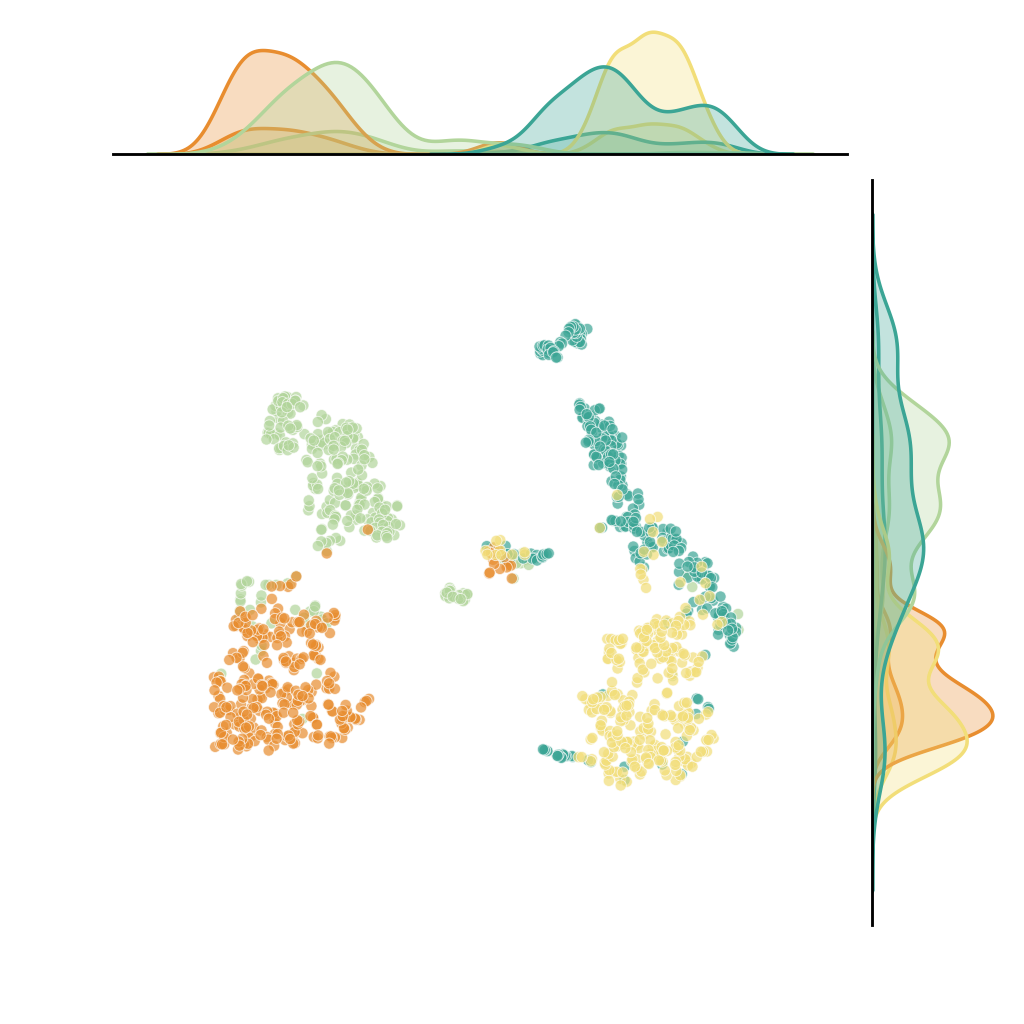
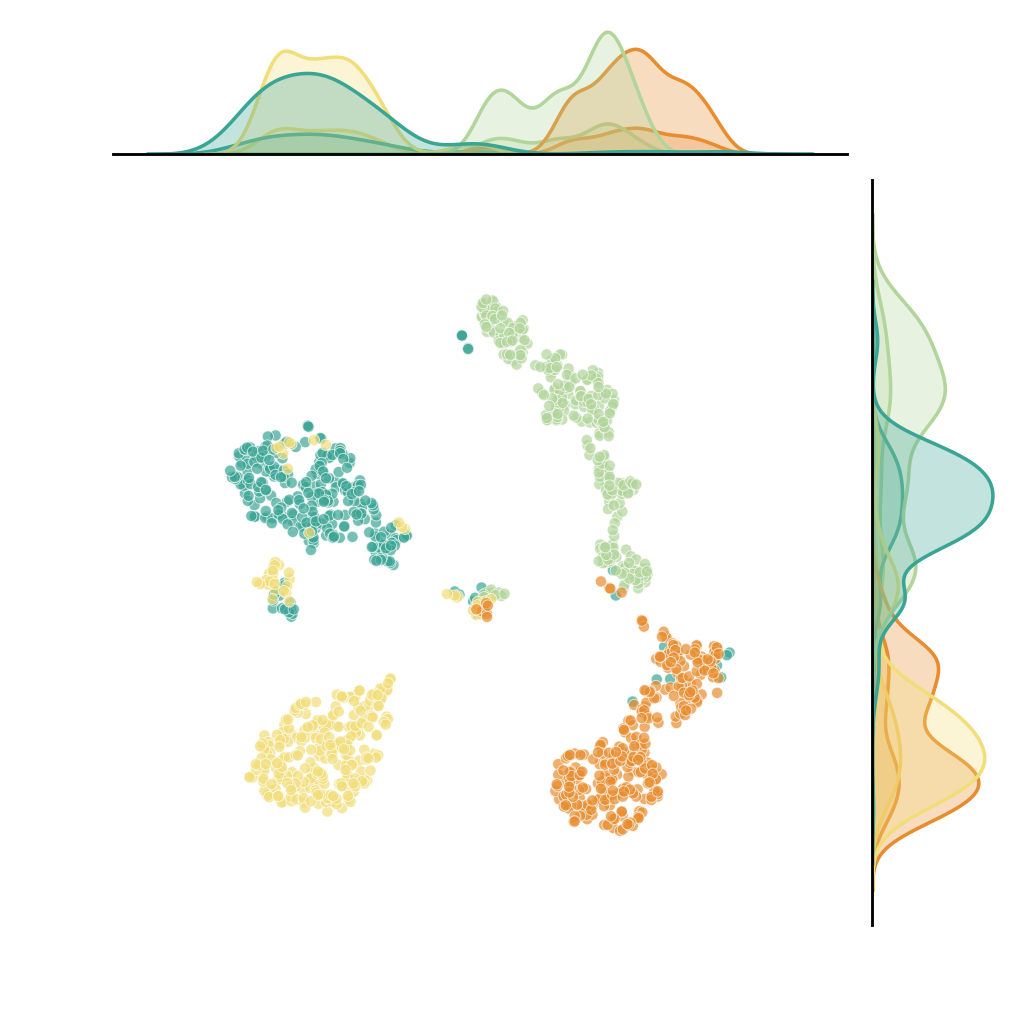
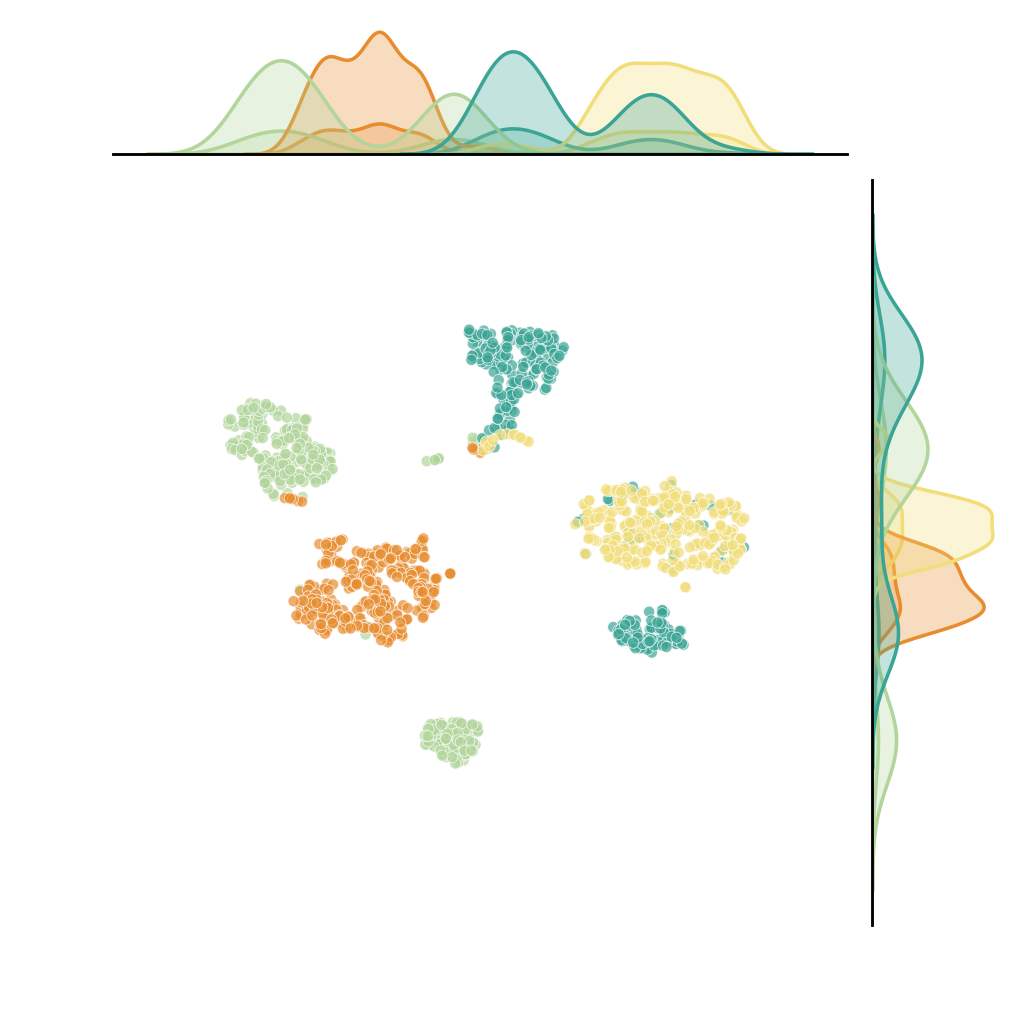
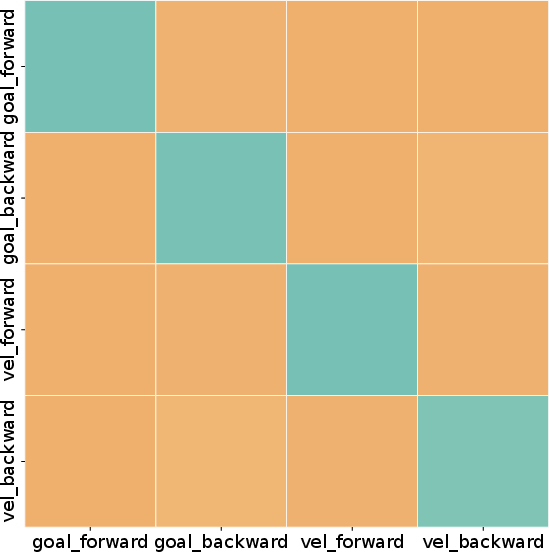
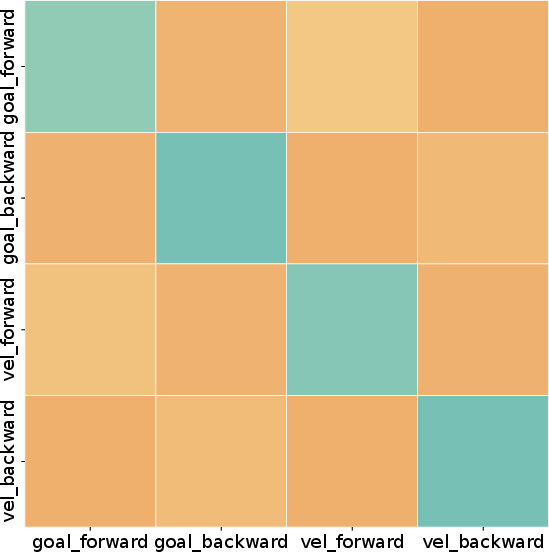
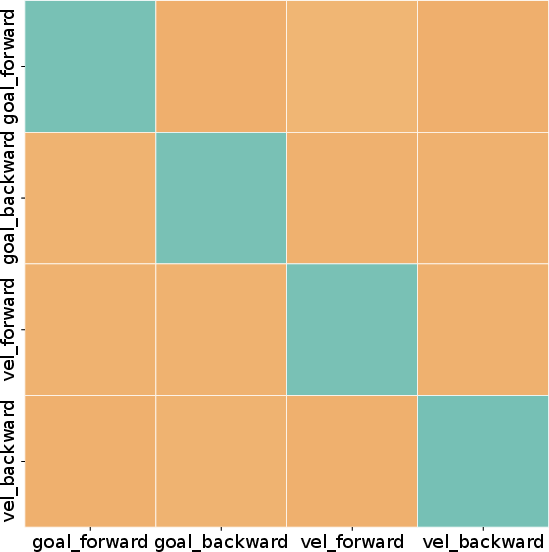
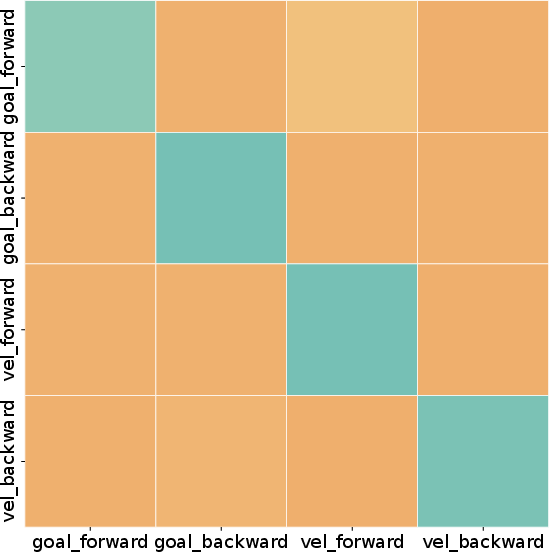
Figure 5: Cross-agent deployment—trajectory tracking, t-SNE latent cluster preservation, decoder confusion matrices—validating semantic consistency and prediction accuracy across embodiments.
Comparative and Quantitative Results
- Baseline Comparison: ReMAP is benchmarked against RL2 (recurrence-based), PEARL (probabilistic context-based), CEMRL (GMM-based), and MELTS (DPMM-based, end-to-end). ReMAP consistently achieves lower tracking MSE (goal and velocity), especially at final rollout timesteps, with reductions of 94.75%–99.79% relative to baselines.
- Sample Efficiency and Training Cost: ReMAP attains comparable deployment performance with approximately 23.8% of MELTS's interaction data (38M vs. 160M steps). Ablative studies demonstrate that fixed Gaussian priors and improper GMMs degrade semantic separation, underscoring the necessity of Bayesian non-parametric priors.
Implications and Future Directions
ReMAP establishes that disentangled task-level meta-knowledge, acquired with expressive and adaptive priors, is reusable across varied embodiments without retraining. This decoupling advances sample-efficient cross-embodiment adaptation, reducing transfer complexity and promoting modular RL architectures. The implications are substantial for robotics: agents can rapidly adapt to novel morphologies by leveraging transferable abstract task knowledge. Theoretical advances in Bayesian non-parametric clustering synergize with practical modularization for scalable policy deployment.
Future research will explore expanded semantic-magnitude interfaces, broader task diversity, and sim-to-real transfer to bridge the gap between simulation-based abstraction and physical deployment.
Conclusion
ReMAP achieves efficient cross-embodiment policy transfer in Meta-RL via task-level meta-knowledge regularized by DPMM and disentangled from low-level control. The framework delivers robust tracking accuracy, high semantic separability, and abated training cost, outperforming end-to-end baselines and demonstrating the practical and theoretical utility of reusable abstract task representations.

