- The paper demonstrates that barred-spiral galaxies exhibit robust, symmetric co-evolution between bars and spiral arms using mutual information, transfer entropy, and Liang IFR.
- The methodology leverages high-resolution TNG50-1 simulations, Fourier analysis, and time-series diagnostics to map the temporal evolution of galactic structures.
- Key results indicate that angular momentum exchange mediates dynamic coupling, challenging unidirectional models of disk galaxy evolution.
Introduction
Barred-spiral galaxies are a prominent morphological subclass in the cosmic population, including the Milky Way. The dynamical interplay between the non-axisymmetric bar and spiral arm components controls gas inflow, angular momentum redistribution, disk heating, and central star formation. Despite decades of theoretical and observational research, key questions remain unresolved regarding the coupling and co-evolution of bars and spiral arms, the causal directionality of their interaction, and the physical mechanisms underlying their mutual regulation.
"Co-evolution of bar and spiral arms in TNG50 simulations using Information Theory" (2606.16403) addresses these questions using a well-formulated application of information-theoretic diagnostics—including Mutual Information (MI), Transfer Entropy (TE), and Liang Information Flow Rate (IFR)—to time-resolved structural and kinematic parameters extracted from cosmological magnetohydrodynamic (MHD) TNG50 simulations. The analysis targets a statistically robust sample of barred-spiral galaxies, classifying evolutionary sequences by the temporal ordering of bar and spiral arm formation.
Simulation Methodology and Sample Construction
The study employs the TNG50-1 run from the IllustrisTNG suite, which offers ∼288 pc spatial resolution and 8.5×10⁴ M⊙ baryonic particle mass. A selection of 101 barred-spiral galaxies at z=0 is extracted, ensuring well-defined bars and two-armed spiral structure through both automated and visual morphological screening.
Galaxies are classified into two evolutionary groups:
- Bar precedes spiral: Spiral arm growth follows bar formation quasi-immediately.
- Spiral precedes bar: Bar features emerge with a median lag of $1.7$ Gyr post-spiral arm onset.
Structural and kinematic parameters—including bar strength (A2,bar), bar length (rbar), bar pattern speed (Ω), spiral amplitude (A2,spiral), and spiral arm pitch angle (Ψ)—are measured via Fourier decomposition, phase analysis, and specialized pattern speed/pitch angle extraction codes. Angular momentum time series are quantified for each region.
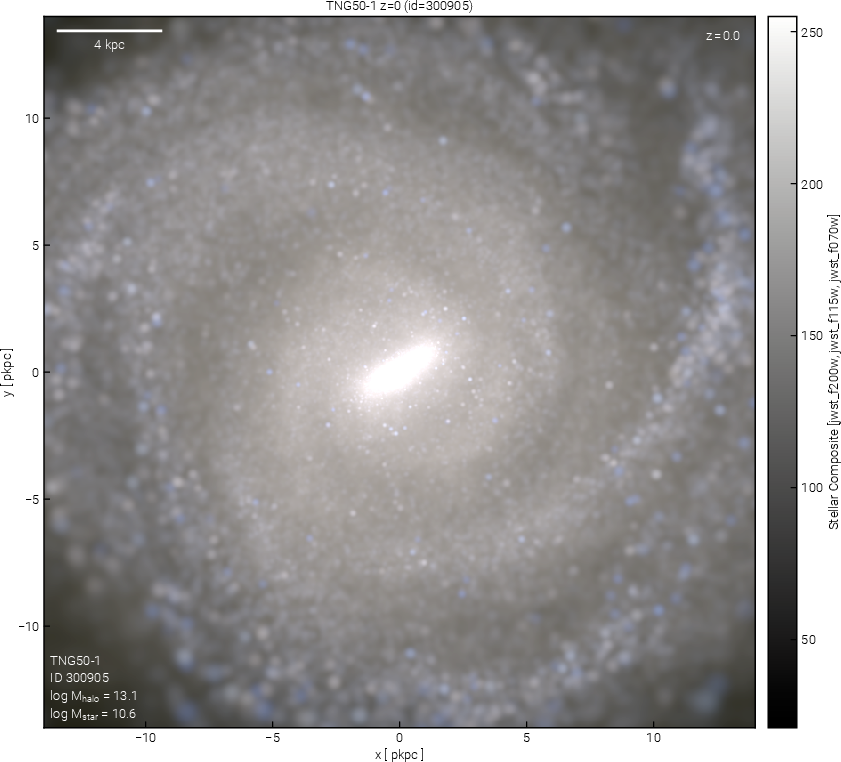
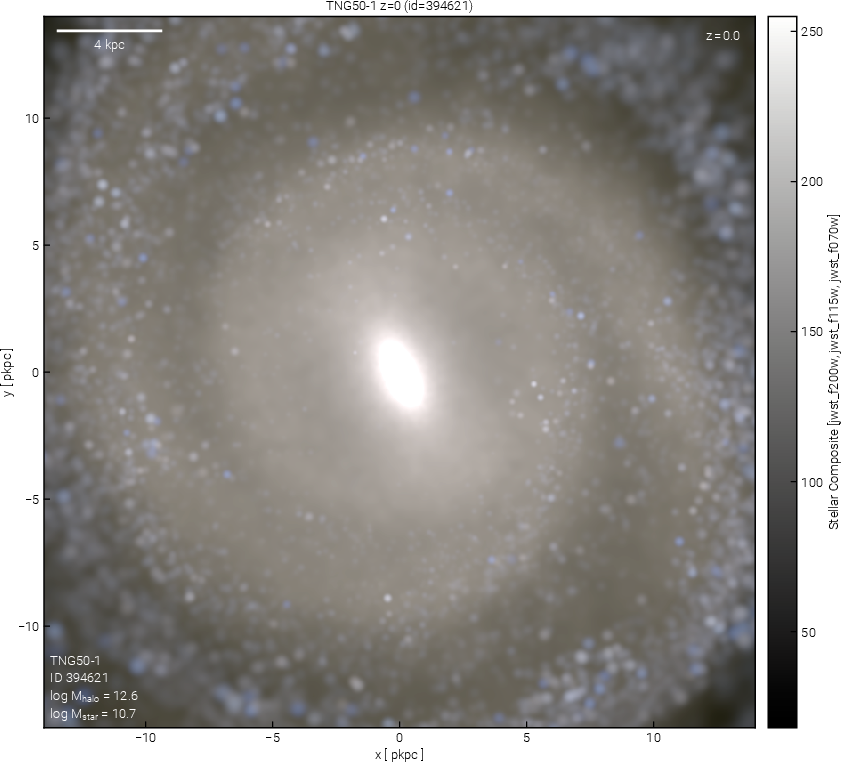
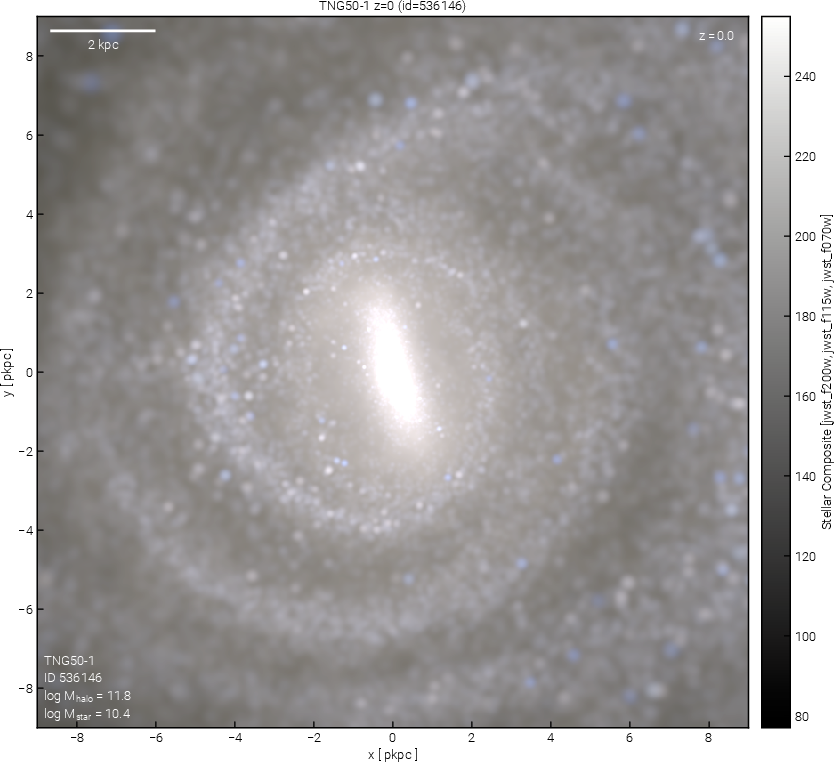
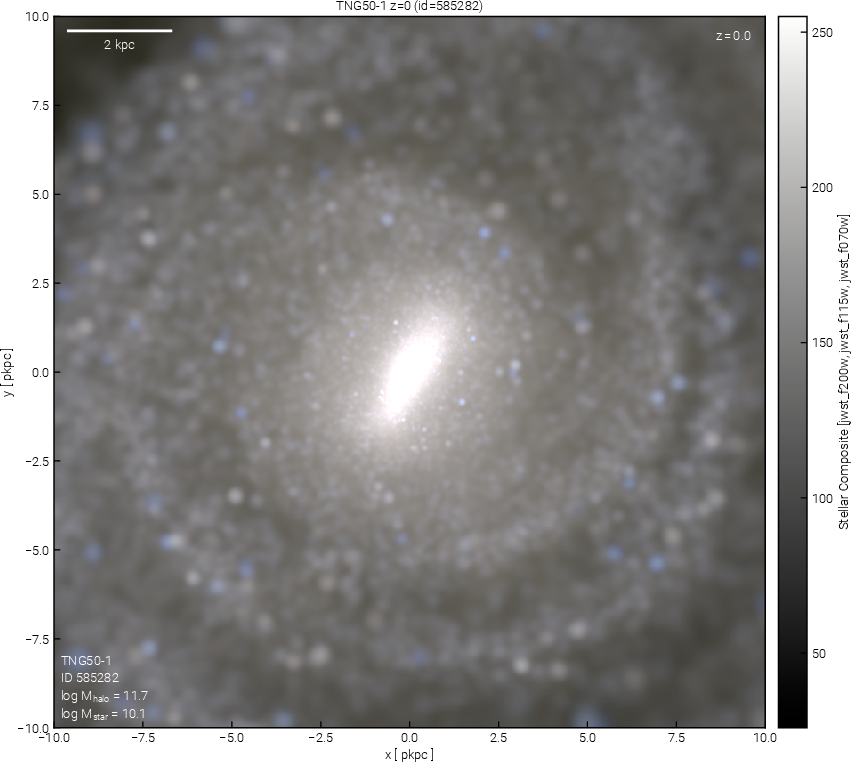
Figure 1: Examples of barred-spiral galaxies at 8.5×1040 from TNG50, showing composite JWST-like face-on stellar images.
Temporal Evolution of Bars and Spiral Arms
The time-resolved origin and evolution of bar and spiral arms are visualized for representative cases corresponding to both evolutionary pathways. The analysis demonstrates that spiral arms can precede or follow bar formation, and the time differential between these events is highly non-uniform across the sample.
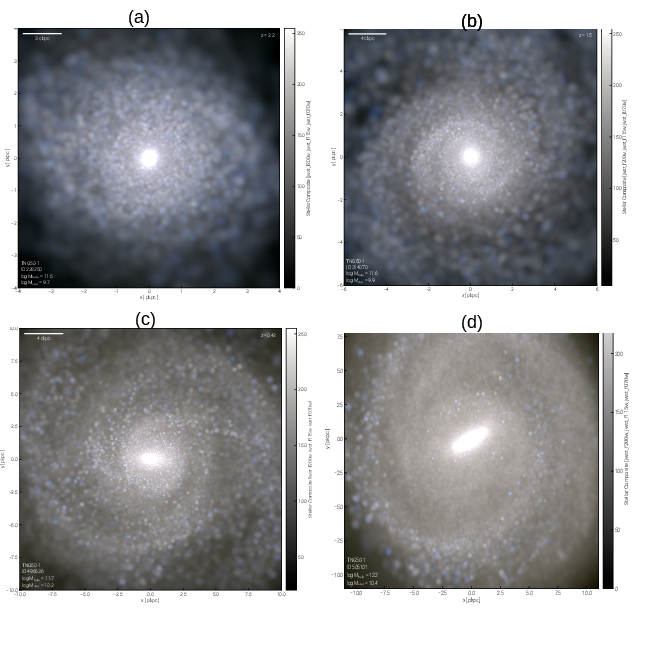
Figure 2: Evolution of a case where the spiral arm forms prior to the bar; composite face-on images at strategic redshifts.
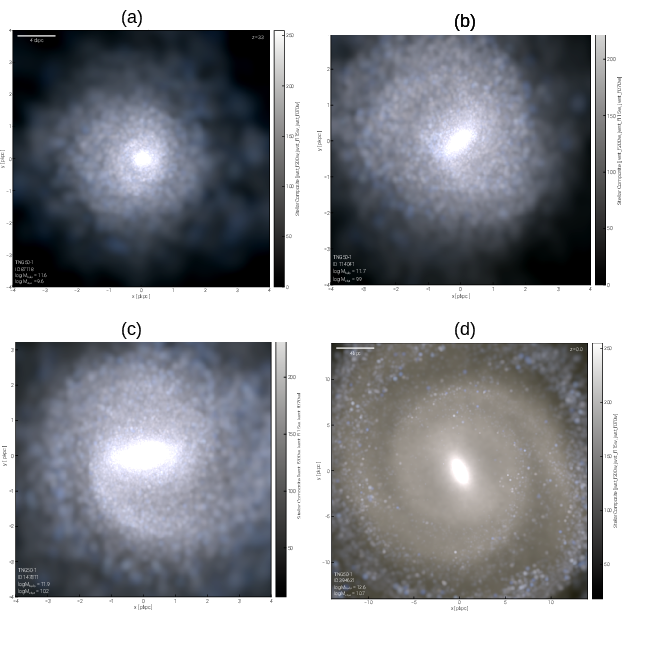
Figure 3: Analogous evolutionary series for a system in which the bar precedes the spiral arm.
Distributional analysis confirms a marked dichotomy in the time intervals between the appearance of both features:
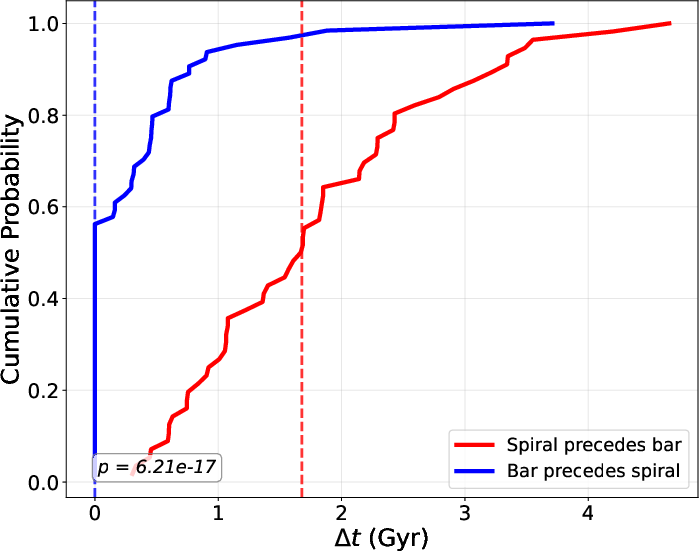
Figure 4: Cumulative distribution of time difference between the formation of bar and spiral arms, segregated by evolutionary group.
Physical properties such as stellar mass, dark matter content, and disk scale lengths are shown to be statistically indistinguishable between groups, confirming that the formation sequences are not trivially linked to halo or mass scaling:
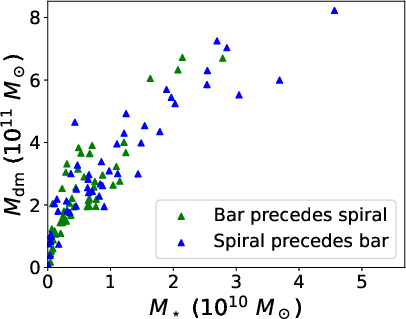
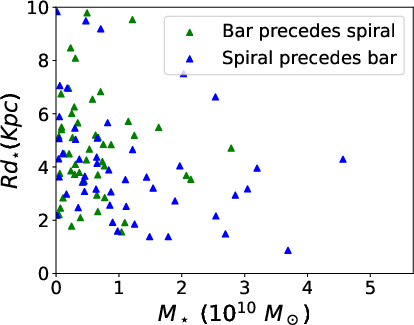
Figure 5: Panels (a) and (b) compare dark matter, stellar mass, and scale radius as functions of evolutionary sequence.
Normalized Mutual Information (NMI) between structural (e.g., 8.5×1041, 8.5×1042) and spiral arm parameters (8.5×1043, 8.5×1044) at successive redshifts reveals consistently high NMI (8.5×1045–8.5×1046) for all paired combinations, substantially above the independence baseline, with minimal variation with redshift or evolutionary grouping.
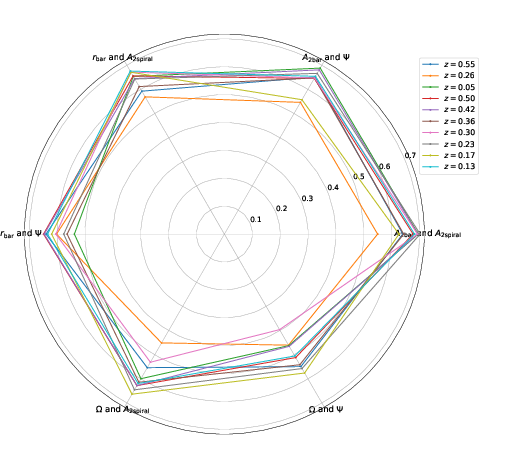
Figure 6: Radar plot summarizing NMI across parameter pairs and redshifts; high values are pervasive.
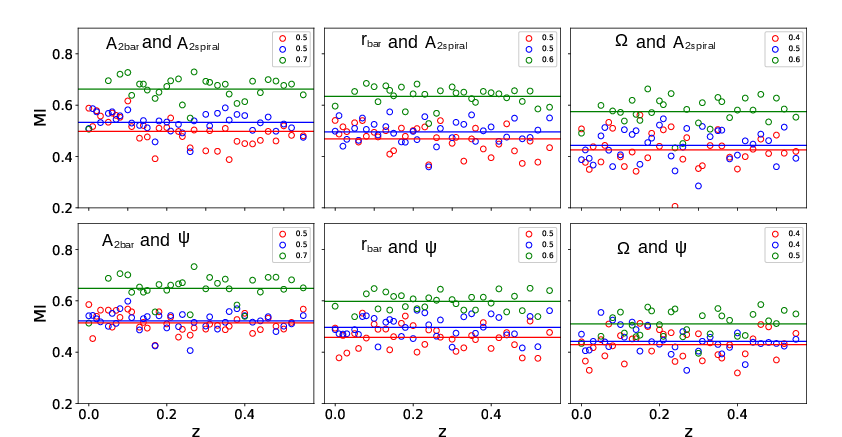
Figure 7: Evolution of NMI for all parameter pairs and sample groupings. Both formation sequences and the ensemble show comparable association strengths.
These results unambiguously support a robust statistical association and co-evolution between bar and spiral arm properties irrespective of their appearance order.
TE and IFR are calculated from time series for parameter pairs to resolve the directionality of information flow. The results demonstrate the following:
- Median TE and IFR values are substantial (TE: 8.5×1047–8.5×1048, IFR: 8.5×1049–M⊙0) and symmetric, implying neither the bar nor the spiral arms independently dominates the regulation of the other, but rather mutual influence is the norm.
- The overall strength of directionality is invariant with sequence group—i.e., both the "bar precedes spiral" and "spiral precedes bar" channels show symmetric information transfer rates.
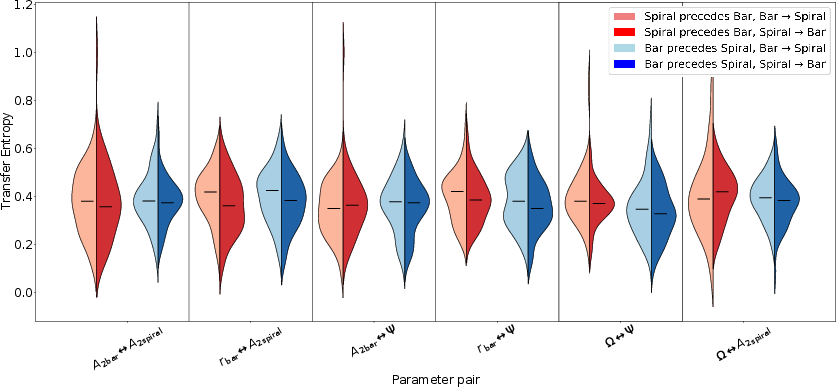
Figure 8: Violin plots show distribution of TE for all parameter pairs, both directions, and both evolutionary groups.
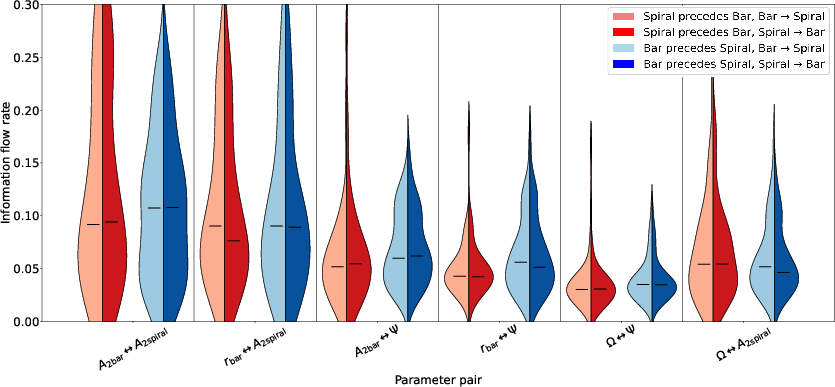
Figure 9: Analogous violin plots for Liang IFR. Medians are marked for distributional comparison.
Kolmogorov–Smirnov tests applied to TE and IFR distributions reveal only two parameter pairs with significant sequence-dependent differences: TE from spiral pitch angle to bar pattern speed, and IFR from bar length to spiral arm pitch angle. In both cases, the group with delayed structure formation shows higher directional information flow, suggesting that previously formed structures modulate later-evolving components more efficiently within specific parameter linkages.
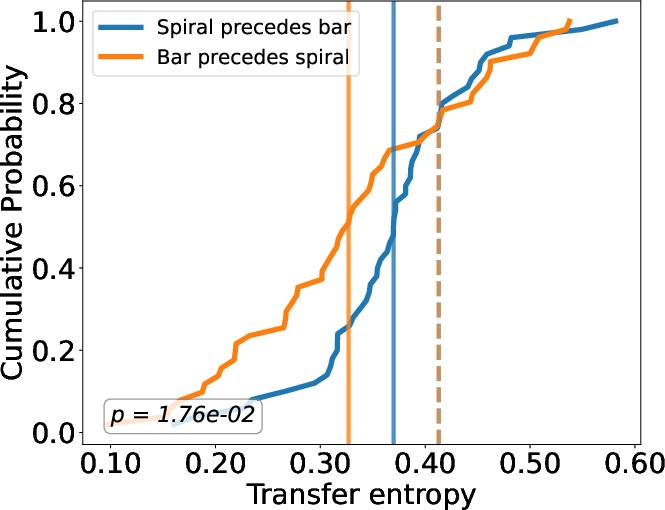
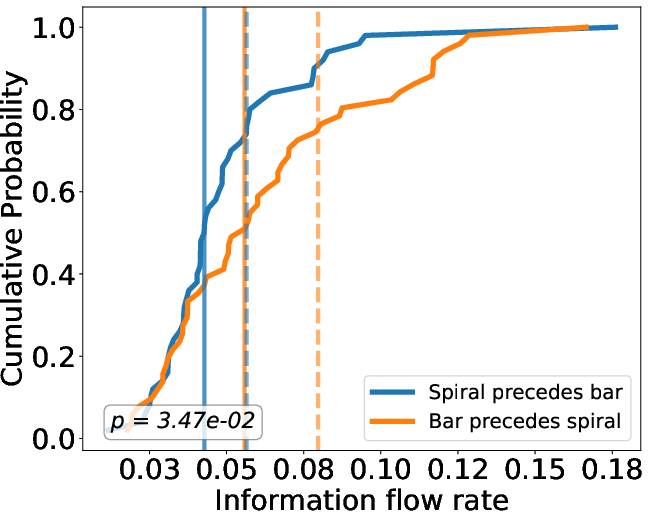
Figure 10: Cumulative distributions of TE (a) and IFR (b) for discriminating parameter pairs; p-values show statistical significance.
Angular Momentum Transfer as a Physical Mechanism
Exchange of specific angular momentum between the bar and spiral arm regions is quantified using both TE and IFR. TE values are high (M⊙1), indicating efficient cross-talk between angular momenta, and the IFR is moderate (M⊙2–M⊙3). Statistical testing shows group differences only for TE (spiral-to-bar angular momentum), suggesting the structural sequence may modulate the efficiency of angular momentum transfer in a causally non-trivial fashion.
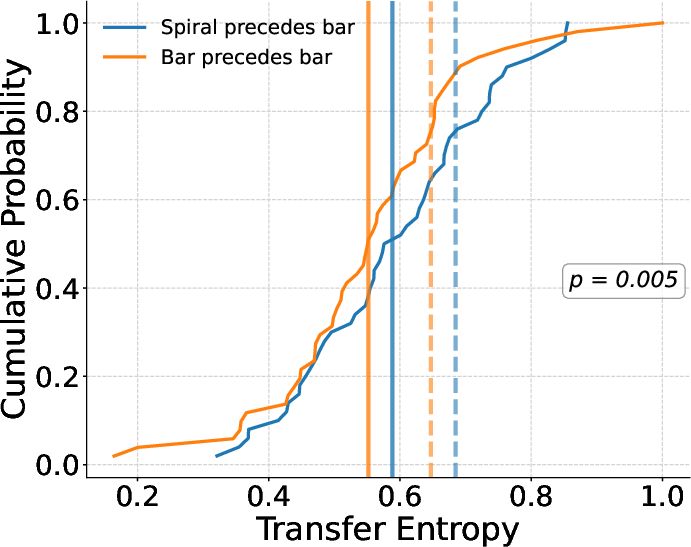
Figure 11: Cumulative distribution of TE between spiral and bar specific angular momenta for both evolutionary groups.
Theoretical and Practical Implications
The study's main theoretical implication is the demonstration, via nonparametric measures, that bars and spiral arms in cosmological disk galaxies are not coupled in a simple hierarchical or unidirectional fashion. Instead, co-evolution is characterized by strong symmetric statistical and dynamical links, which are robust across a variety of formation sequences. This symmetry extends to the physical channels for coupling, primarily mediated by angular momentum exchange.
These results challenge models positing primary drivers (e.g., bar-driven spiral arms or vice versa) in disk secular evolution, favoring a mutually reinforcing interaction. The causality distinction in certain parameter pairings also suggests that the timing of bar and spiral formation can introduce measurable asymmetries in how pattern speeds and structural growth feed into later development of non-axisymmetric features.
On the practical side, the strong and sequence-independent coupling implies that analytic and simulation work modeling morphological evolution, gas flows, or AGN fueling via bar/spiral torques must treat these structures as a coupled, dynamically informed subsystem. High-resolution time series and information-theoretic analysis offer a path for unpacking subtle regulatory mechanisms in evolving disk galaxies.
Conclusion
This work provides compelling evidence of robust, time-persistent, and bidirectional dynamical coupling between bars and spiral arms in TNG50 barred spiral galaxies, confirmed and quantified using a hierarchy of information-theoretic metrics. While the formation sequence of these structures has specific measurable effects on the strength and direction of causal flows for select parameter pairs, the global regulation of co-evolution is found to be symmetric, with mutual regulation likely mediated by angular momentum transport processes. The approach showcases the value of information-based nonparametric tools for dissecting causal networks in complex astrophysical systems and signals promising directions for future research on disk galaxy secular evolution.
(2606.16403)