- The paper introduces a model that selects shortest paths with maximal k-step reach centrality to balance efficiency and network coverage.
- It employs dynamic programming with pruning based on 2k-node suffixes, ensuring polynomial-time solvability for unweighted graphs.
- Empirical experiments demonstrate that increasing k leads to shorter paths with superlinear increases in neighborhood coverage, benefiting urban transit planning.
The k-Step-Central Shortest Path Problem: Balancing Efficiency and Reachability in Route Selection
The paper addresses the fundamental network optimization problem of selecting a shortest path that, while minimizing travel cost or distance, also maximizes the k-step reach centrality—that is, the number of nodes within k hops of the selected path. This problem abstracts a key tension in rapid transportation and network design: optimizing both directness (efficiency) and network coverage (reachability/adoption). Traditional shortest path models provide cost-efficient solutions but frequently exhibit minimal coverage, while maximum centrality approaches may lead to circuitous or operationally infeasible routes. By restricting attention to shortest paths and employing k-step reach centrality, the authors develop a model directly parameterizing the critical trade-off between rapidity and coverage, where k controls the emphasis on local versus global accessibility.
The model is motivated primarily by network design in urban transit and related applications, including logistics, communication, and surveillance or intervention strategies. It extends naturally to last-mile facility location, maximizing message propagation in social networks, and other combinatorial settings where operational constraints require solutions to be paths with maximal reach per hop constraint.
Structural Results and Algorithmic Contributions
The authors provide a detailed complexity analysis of the k-step-central shortest path (kStep-CSP) problem. For unweighted graphs, they establish that the problem is polynomial-time solvable for any fixed k, utilizing structural properties of shortest paths in the context of group centrality measures. Core to the approach is the observation that, under the k-step centrality metric, many extensions of partial paths can be pruned during enumeration due to isomorphism in their terminal segments—specifically, only the most central path for each unique $2k$-node suffix needs to be retained.
The central result—an algorithm with complexity O(m∣V∣2k+4) (with k0 the graph diameter)—uses a dynamic programming paradigm augmented with pruning rules derived from the neighborhood disjointness lemmas. This restricts otherwise exponentially-growing path extensions, making computation feasible on realistic networks. The correctness and tractability of the algorithm rest on careful analysis of how k1-step neighborhoods of path segments interact as paths are extended.
The following sequence of figures illustrate the salient structural properties and behaviors for various instances and parameter choices:
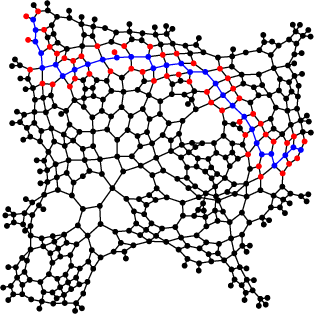
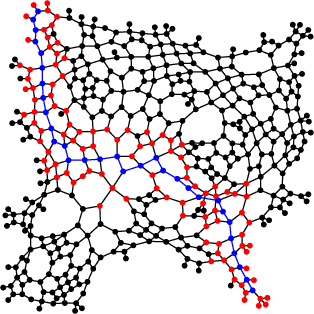
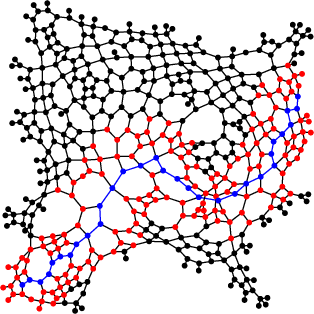
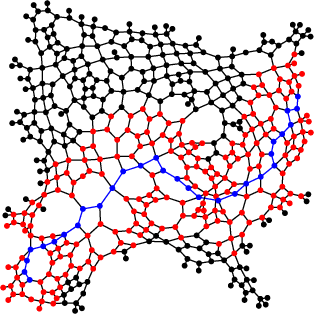
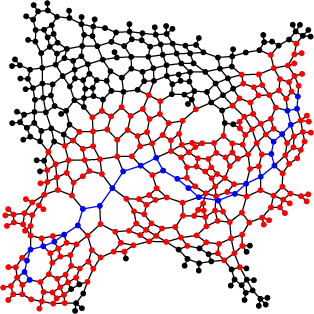
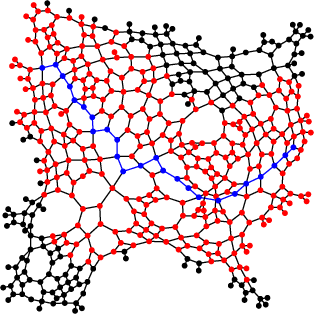
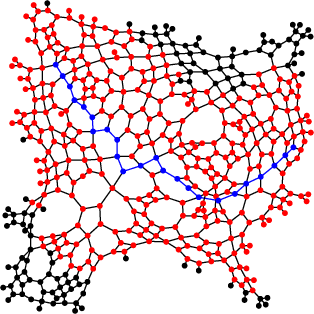
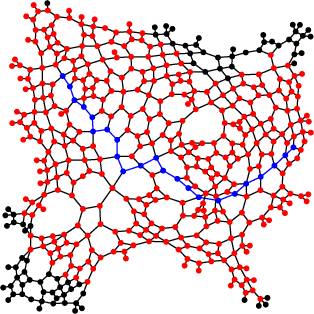
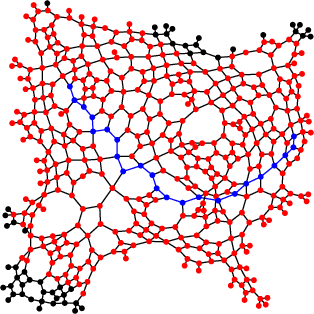
Figure 2: Example k2-step-central shortest path with k3 and k4 on London urban street network.
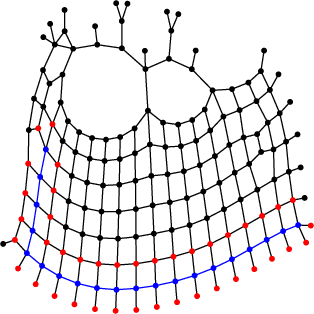
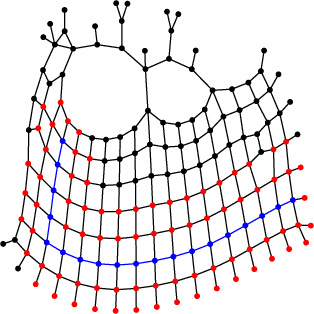
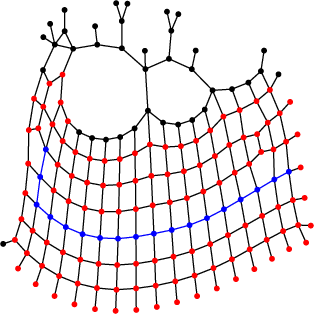
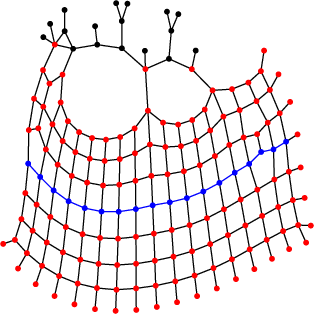
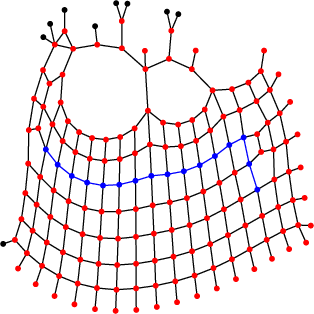
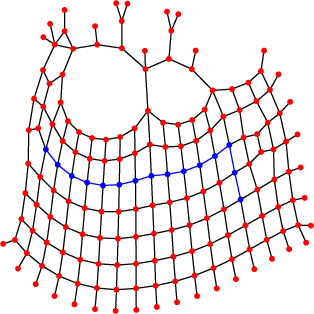
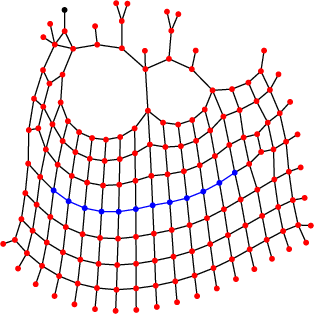
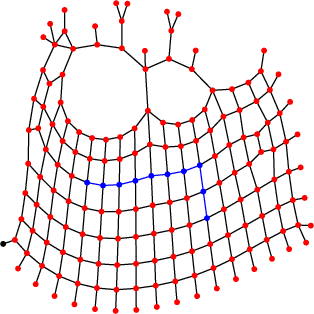
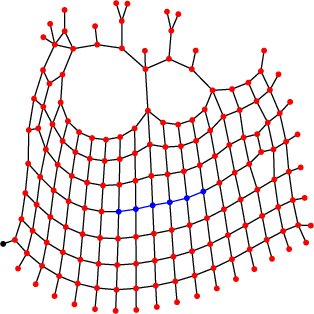
Figure 4: For k5, k6, k7 in the San Francisco grid, with the optimal path strongly centralized spatially.
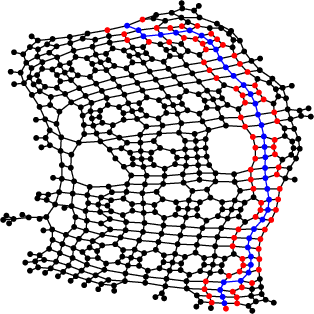
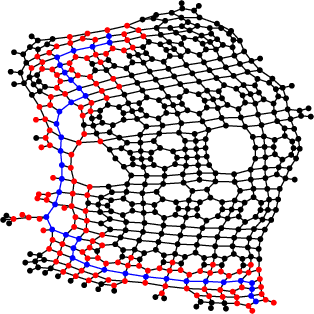
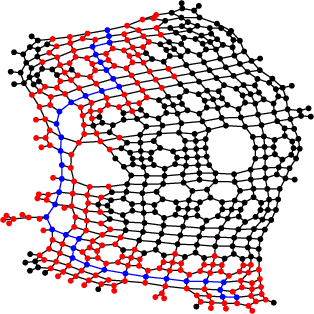
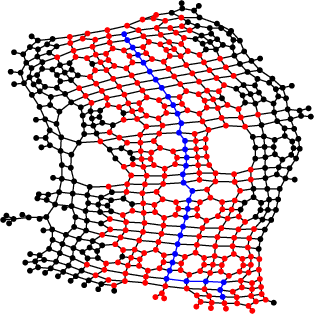
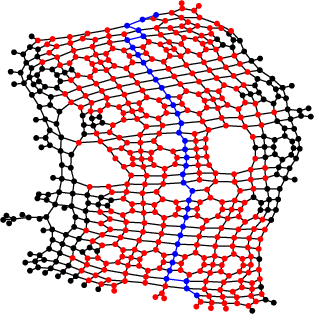
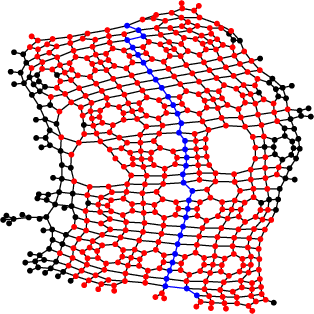
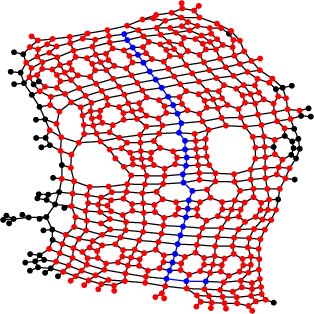
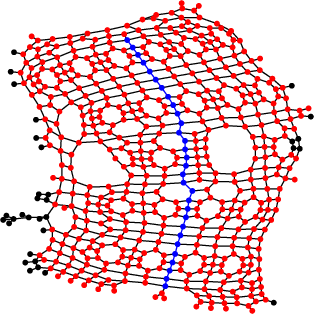
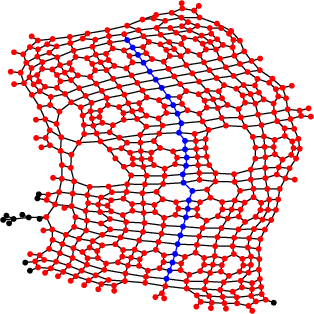
Figure 6: In Savannah, k8 yields k9, k0, further emphasizing the effect of topology on reach.
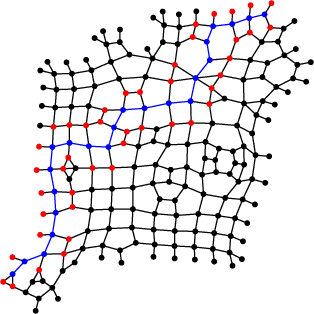
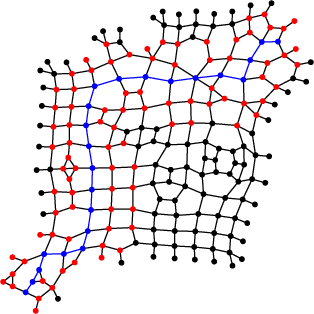
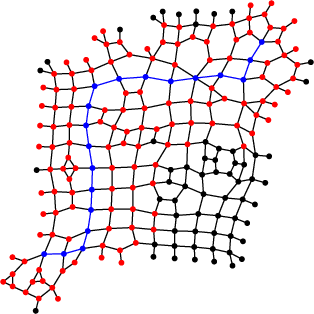
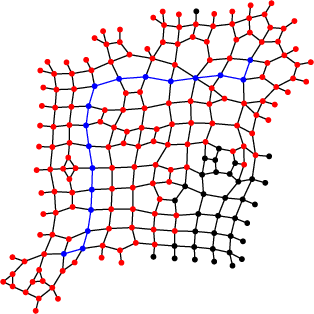
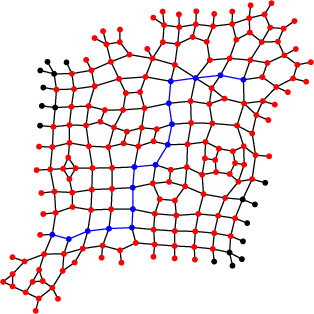
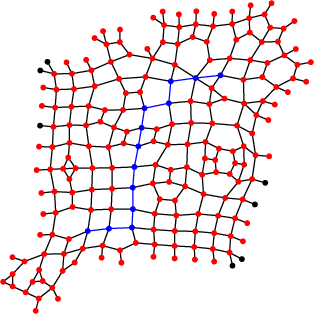
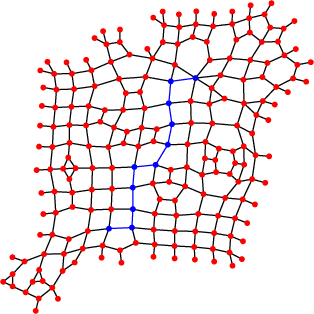
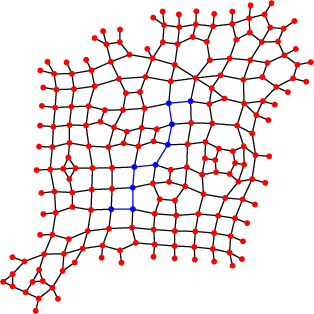
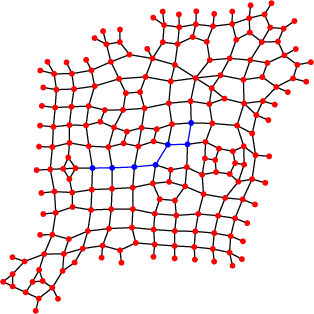
Figure 8: Barcelona instance, k1, k2, k3, supporting rapid coverage with compact paths.
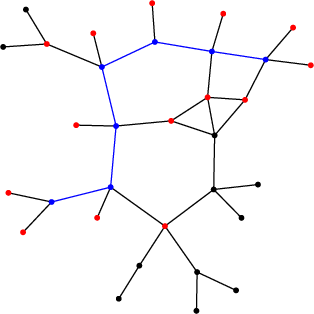
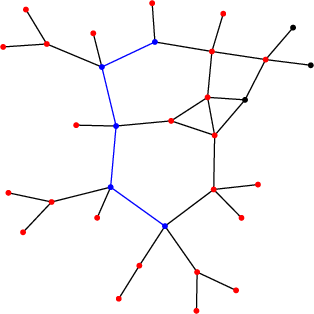
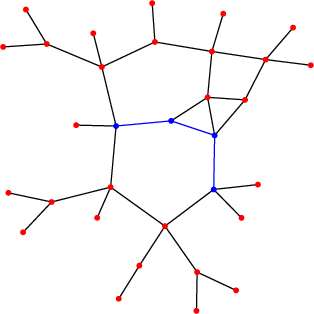
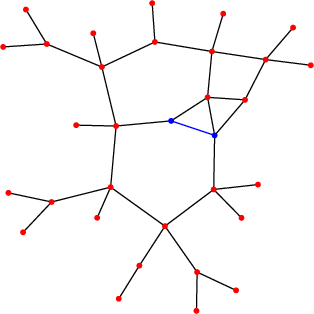
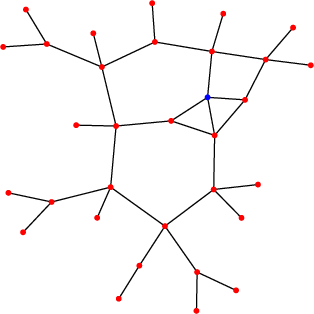
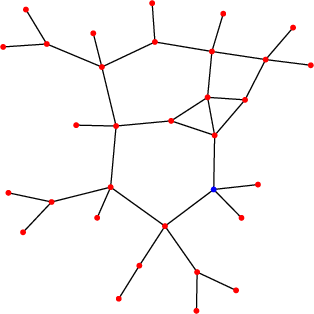
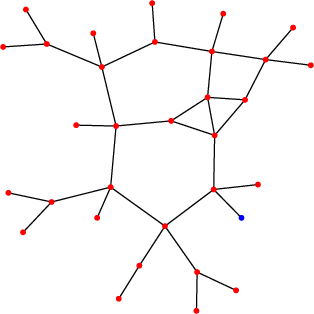
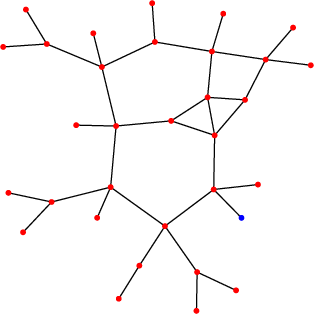
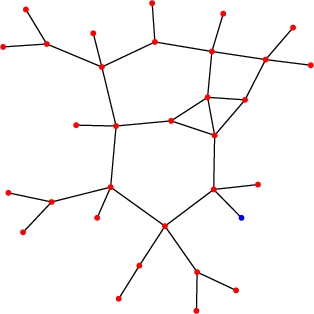
Figure 10: Irvine1 (small tree-structured network), k4, k5, k6, underscoring limitations of tree topologies for coverage even with direct routing.
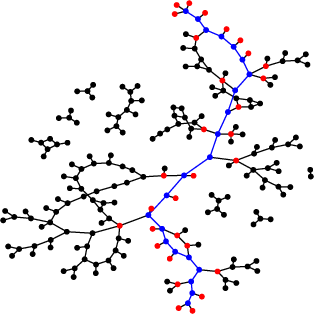
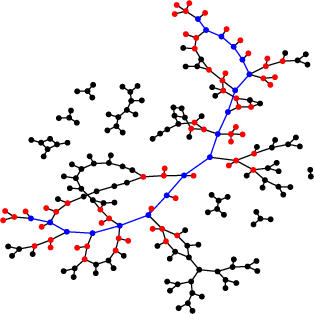
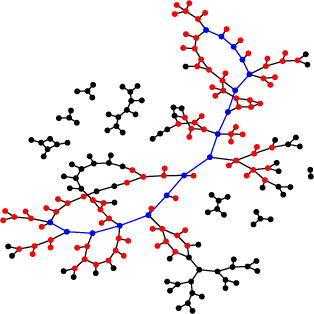
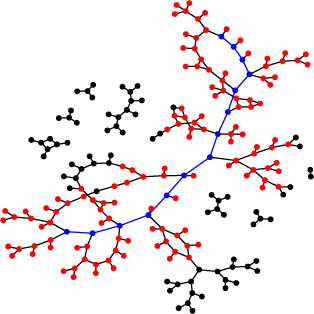
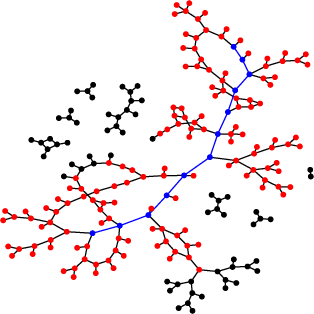
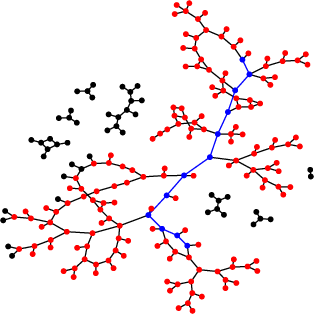
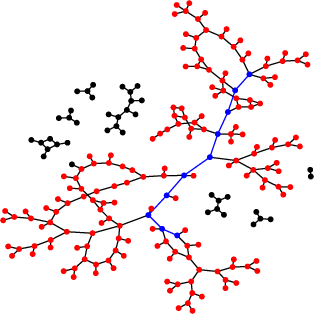
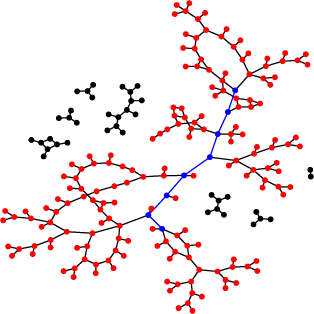
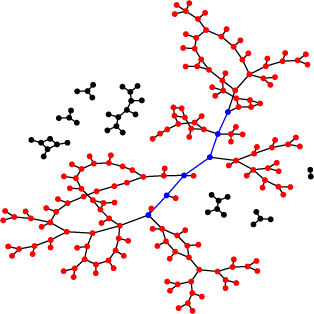
Figure 1: Irvine2 (medium-size network), k7, k8, k9, demonstrating the method's applicability even with increased network size and complexity.
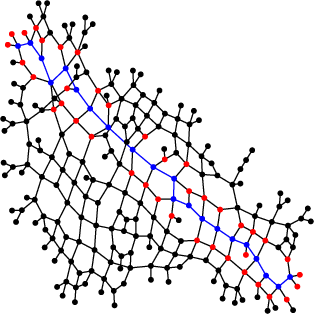
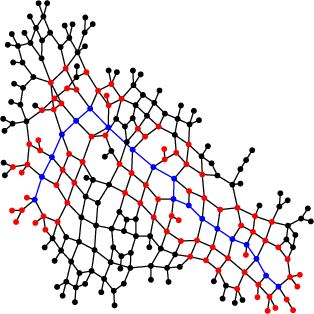
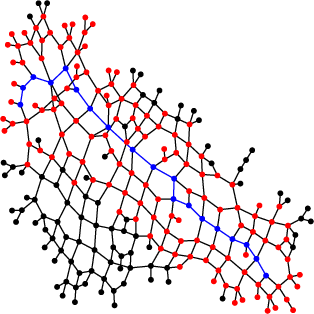
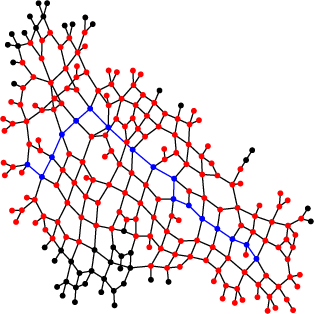
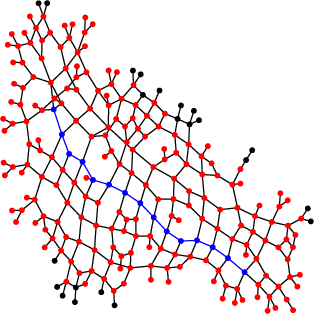
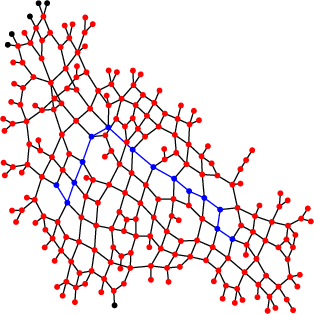
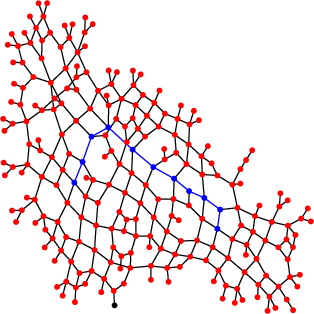
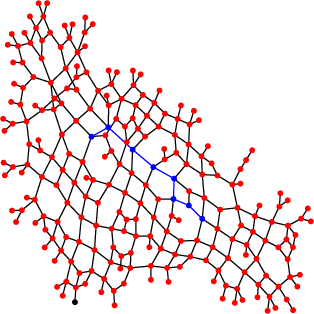
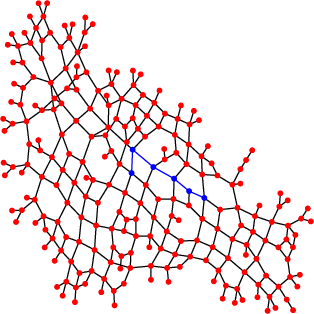
Figure 3: Los Angeles network, k0, k1, k2, showing interplay of grid elements and main corridors for maximal reach.
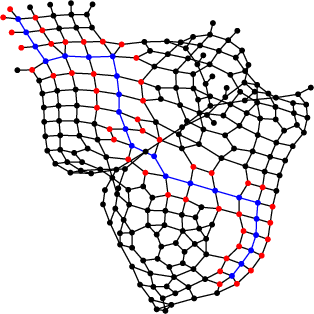
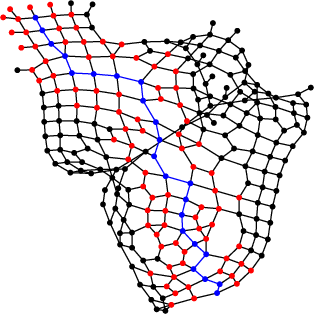
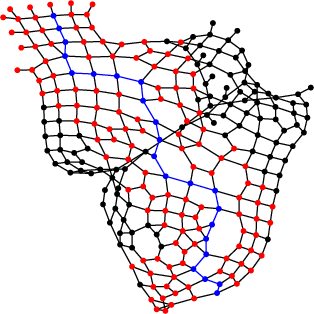
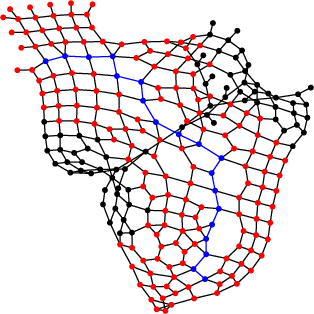
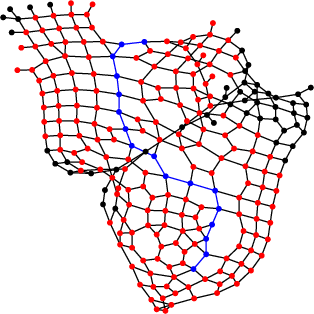
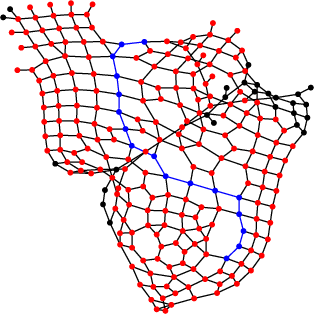
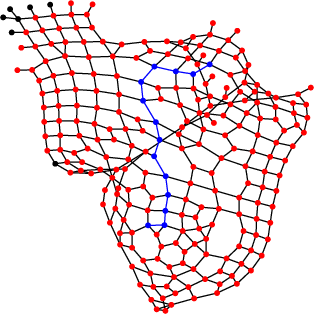
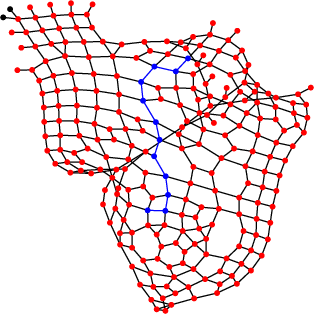
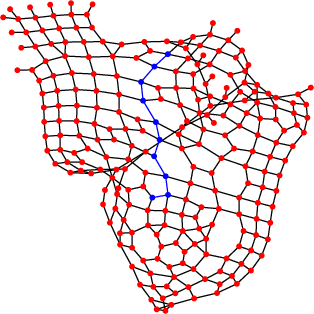
Figure 5: New York network, k3, k4, k5, showcasing the effect of Manhattan's urban grid.
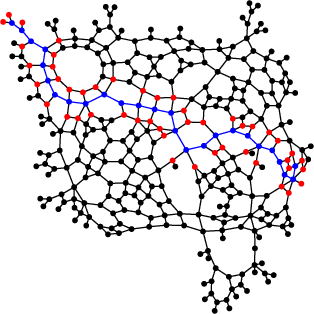
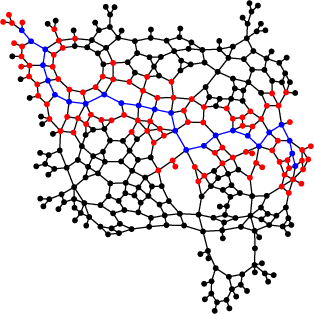
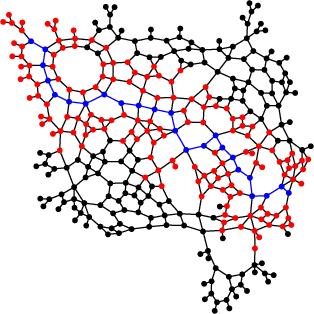
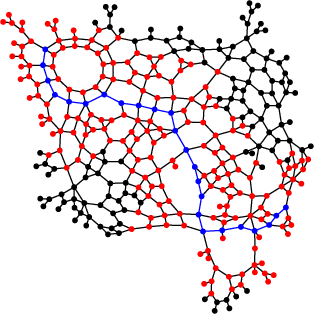
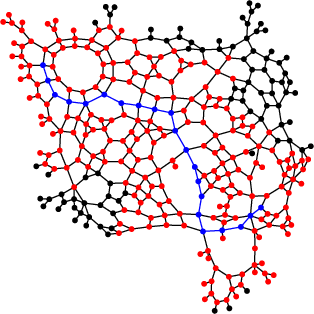
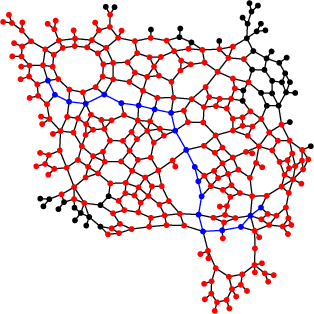
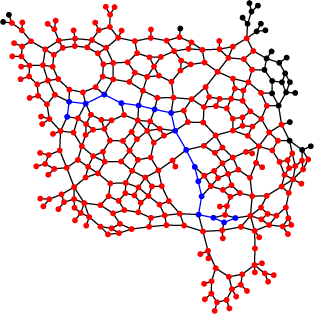
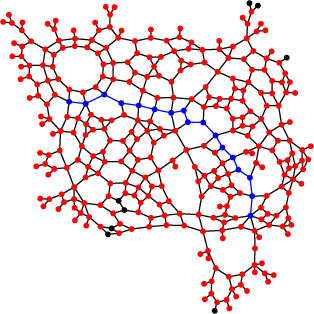
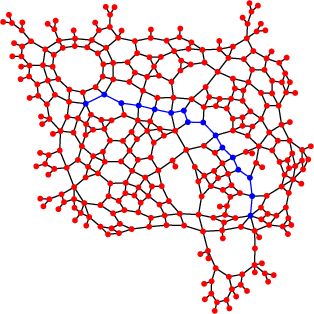
Figure 15: Paris, k6, k7, k8, path embedding in the radial-natural layout.
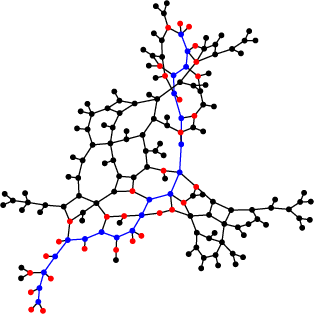
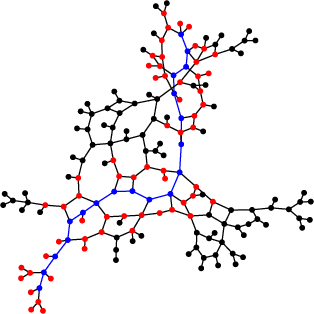
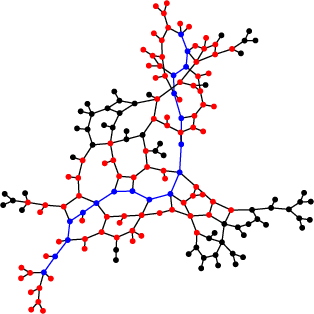
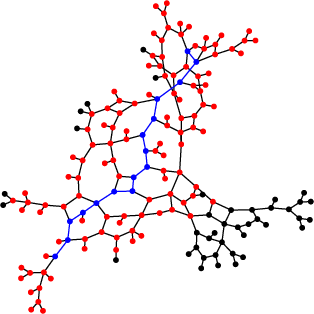
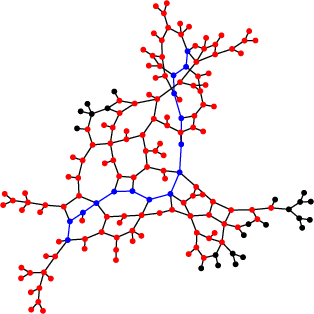
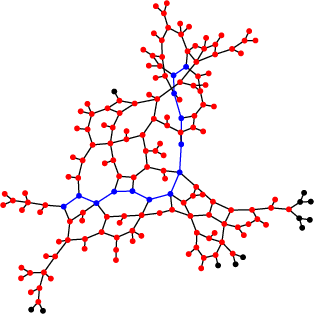
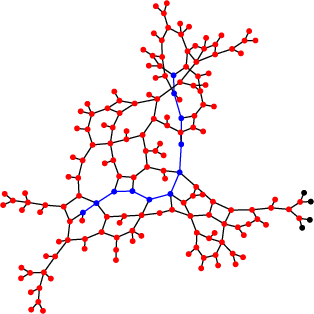
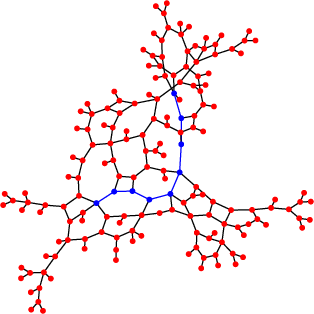
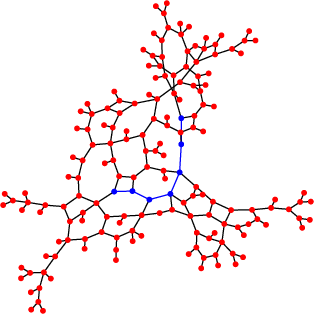
Figure 17: Walnut Creek, k9, k0, k1, illustrating the impact of moderate-size planar road networks.
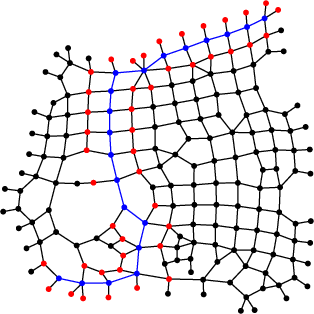
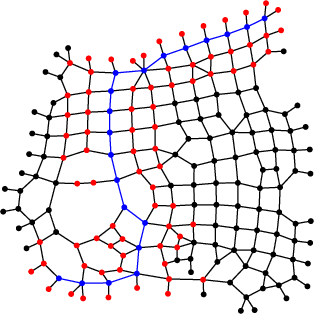
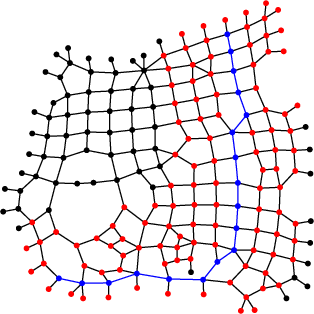
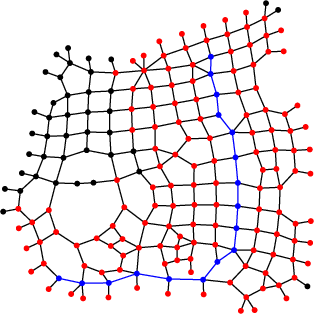
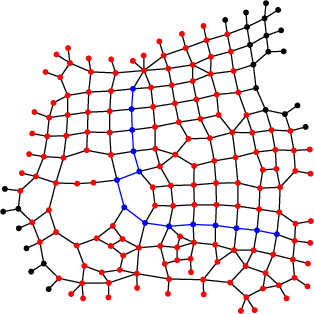
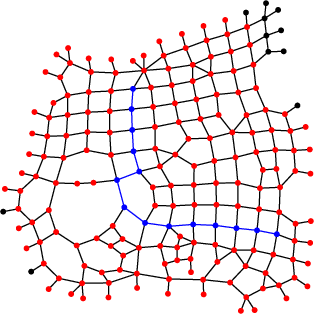
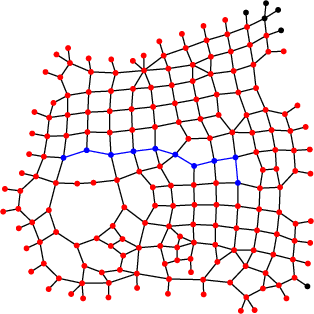
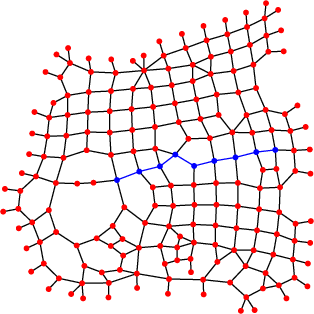
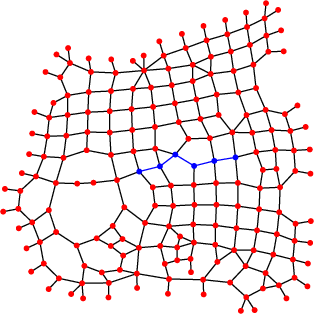
Figure 7: Washington, k2, k3, k4, showing centralized routing in a government-planned topology.
Complexity in Weighted Graphs
The computational landscape exhibits a dichotomy: Introducing edge weights renders the problem NP-hard, with the hardness shown via a reduction from SAT to the decision version of kStep-CSP on weighted graphs. The reduction exploits the flexibility in interleaving clauses and variables, encoding feasible assignments via shortest paths. Furthermore, it is shown that the algorithm developed for the unweighted case cannot be extended to general weighted graphs unless P=NP.
This complexity transition aligns with previously established hardness results when group centrality and combinatorial structures are intertwined—see closely related work on the minimum vertex cover, k5-center, and covering path problems [PhosavanhMatsypura2025]. The result situates the k6-step-central shortest path problem squarely within the class of computationally challenging facility location and coverage problems, generalizing beyond degree or betweenness-centric variants.
Numerical Experiments and Empirical Insights
The algorithm's practical scalability and versatility are demonstrated on synthetic graph classes (Watts-Strogatz, Barabási-Albert) and real-world urban street networks up to 2,000 nodes. Experimental results corroborate the anticipated linear-in-k7 trade-off: As k8 increases, the size of the covered neighborhood grows superlinearly, allowing substantial coverage improvements with equivalent or reduced path lengths. This is empirically validated through both centrality measures and run-time analyses.
Several clear operational findings emerge:
- Path length contraction with increased k9: As the reachability parameter k0 grows, optimal paths become shorter yet cover substantially more of the network.
- Drastic coverage increase: Doubling k1 can more than double the covered neighborhood, highlighting the efficiency of improving local accessibility versus lengthening main corridors.
- Topological influence: In lattice-like or highly meshed networks, the combinatorial explosion of shortest paths is mitigated via the described pruning algorithm. Figure-based analyses suggest that the optimal path's structure and location vary with k2 and underlying network topology.
These results have direct consequences for transit network and facility planning. Investments focused on improving local accessibility (e.g., secondary, active-transport infrastructure) yield a higher marginal gain in total network coverage per unit of mainline extension than further expanding route length.
Connection to Closeness Centrality and Further Extensions
A methodological extension shows that the algorithm for k3-step-central shortest paths yields an exact solution to the closeness-central shortest path problem (minimizing the maximum node distance to any path node). This connection emerges as k4 increases—the k5-step centrality approaches a global, closeness-like property. Thus, iterative application for increasing k6 efficiently bounds the optimal path eccentricity.
This unification under the group-centrality framework suggests algorithmic generalizations beyond degree-centric measures to other centrality-driven path selection problems, with tractability conditioned on semantical graph properties (e.g., absence of edge weights, bounded diameter).
Implications and Future Directions
The paper’s framework provides a rigorous, scalable method for multi-objective network design—reconciling coverage and efficiency—backed by both theoretical guarantees and empirical demonstration. The formalization of the k7-step-central shortest path problem and the associated pruning-enabled dynamic algorithm represent a significant advance in applicability for operational research, particularly for urban systems, logistics, and communication network planning.
Potential avenues for expansion include:
- The development of integer programming and heuristic approximation algorithms suitable for weighted or very large-scale graphs where k8 and network diameter may still pose computational barriers.
- Incorporation of node or edge weights reflecting demand, cost, or topographical constraints, to further modulate the coverage–efficiency trade-off.
- The analysis of online and incremental variants for dynamic or evolving networks.
- Broader integration with multimodal accessibility frameworks and multi-layer networks.
Conclusion
This work systematically elucidates the design space for direct yet highly reachable network routings, formalizing and solving the k9-step-central shortest path problem in unweighted graphs and charting the boundaries of polynomial-time solvability. The integration of centrality measures, practical network design imperatives, and algorithmic efficiency positions this approach as a foundation for data-driven resource allocation and infrastructure planning. The results serve both as a decision-theoretic tool and as a theoretical bridge across centrality-optimized routing and classical facility location, with algorithms and empirical findings that are readily extensible to further optimization and AI network design research.
Reference: "Designing Efficient and Reachable Routes: The k0-Step-Central Shortest Path Problem" (2606.14128).

