- The paper establishes localized, in-situ acceleration up to PeV energies in the western jet through spatially resolved, multiwavelength X-ray spectroscopy.
- It demonstrates a clear spectral steepening from the jet ‘Head’ downstream, consistent with energetic electron cooling and reacceleration processes.
- Hybrid magnetic field modeling reveals that a transition from poloidal to toroidal configurations is needed to reproduce both the X-ray morphology and TeV flux observations.
Hard X-ray Emission and Jet-driven Particle Acceleration in the Western Lobe of SS 433/W50
Introduction
This work provides a comprehensive spatially- and spectrally-resolved characterization of hard X-ray emission in the western lobe of the W50 supernova remnant, powered by relativistic jets from the microquasar SS 433 (2606.07452). The analysis leverages NuSTAR and XMM-Newton imaging and spectroscopy, and juxtaposes the western jet’s evolution with that of the eastern lobe, incorporating high-fidelity jet/SED modeling informed by recent TeV γ-ray observations. The study probes fundamental questions of jet-ISM interaction, in-situ particle acceleration, field geometry, and Galactic PeVatron energetics.
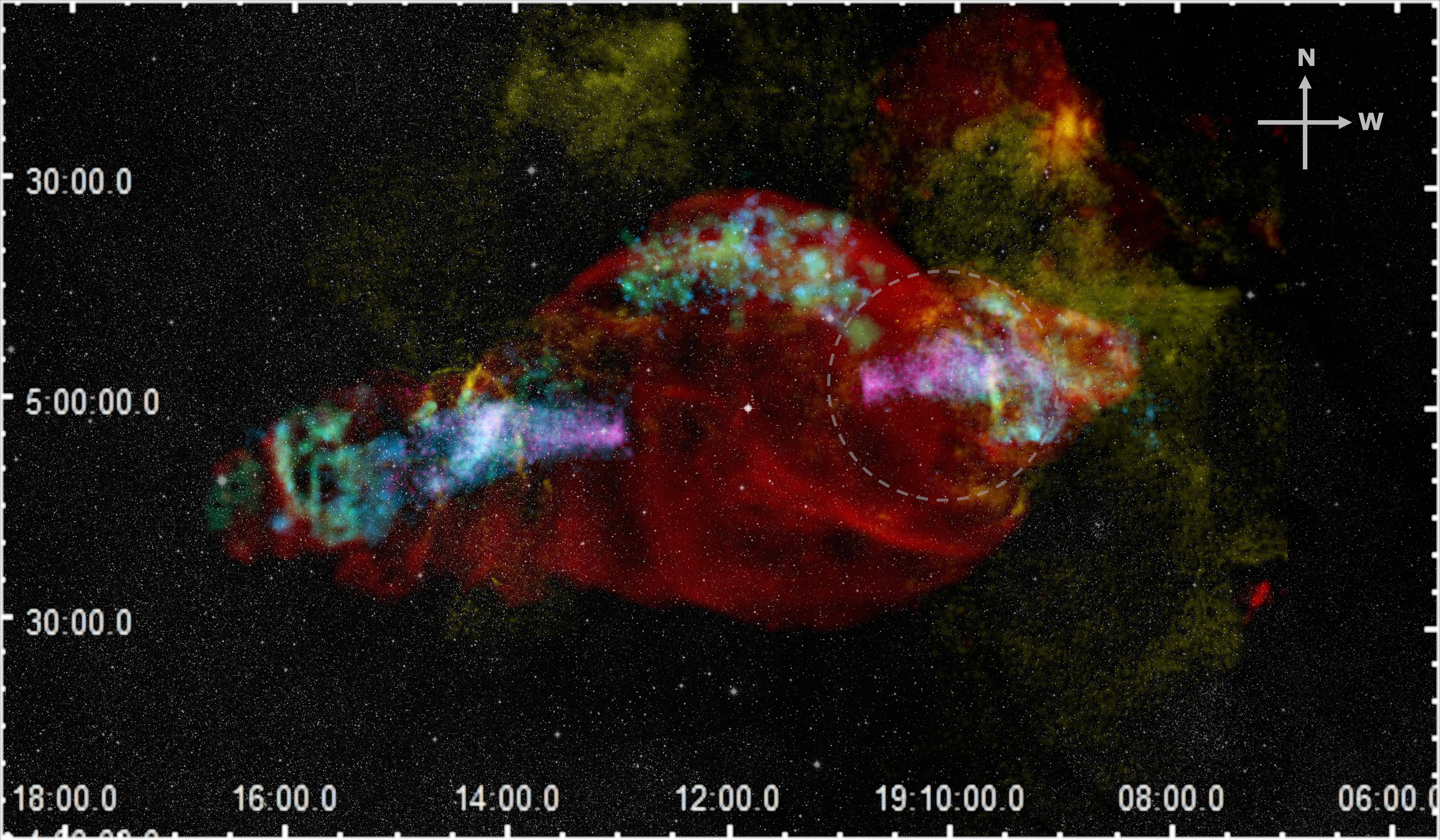
Figure 1: Multi-wavelength image of the W50 nebula, showing radio, optical, and X-ray bands with distinct east-west lobes. The western “Head” region is highlighted as the onset of hard X-ray emission.
Morphology and Imaging: Jet Structure and Acceleration Zones
Combined multi-wavelength imaging reveals the western lobe of W50 as an elongated, radio and X-ray-bright “ear”-like structure, with the X-ray emission enveloped within the radio contour, and the hardest non-thermal X-rays originating from a compact knot (“Head”) ~17′ west of SS 433 (26.5 pc at 5.5 kpc).
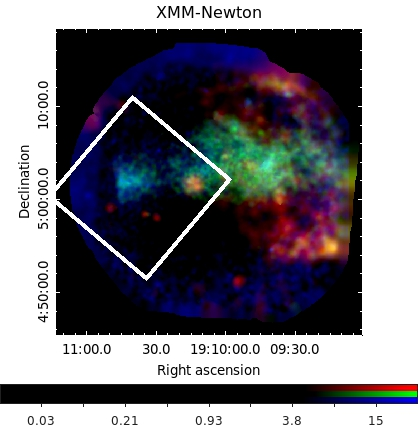
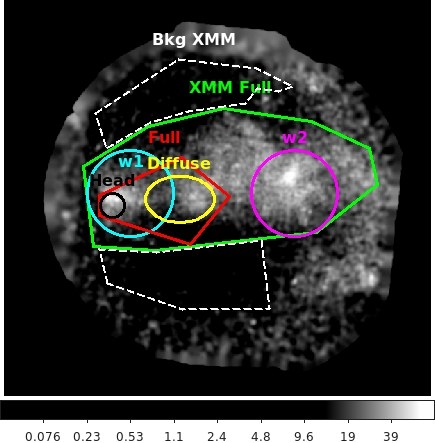
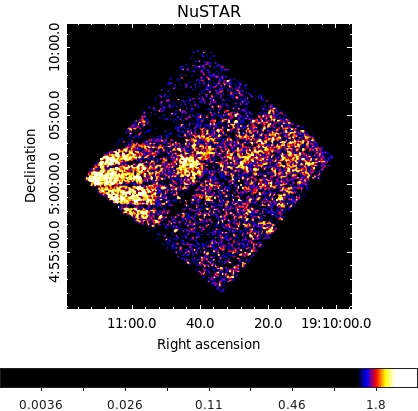
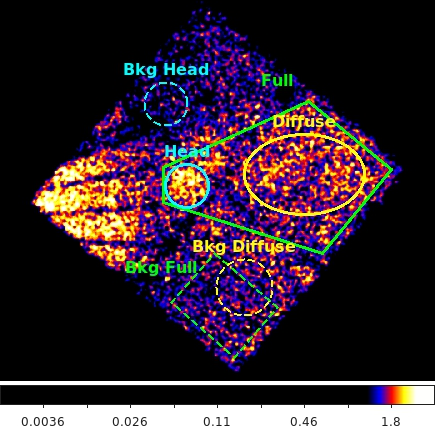
Figure 2: XMM-Newton and NuSTAR image panels delineate the extent and emission hardness gradient across the western jet, and define regions (“Head”, “Diffuse”, “Full”) for spatially-resolved analysis.
Intensity profiles along the jet axis in the 3–10 keV and 10–20 keV bands confirm that the “Head” is significantly extended relative to the instrument PSF, and hardness-ratio maps reveal a monotonic softening as one moves downstream of the acceleration site.
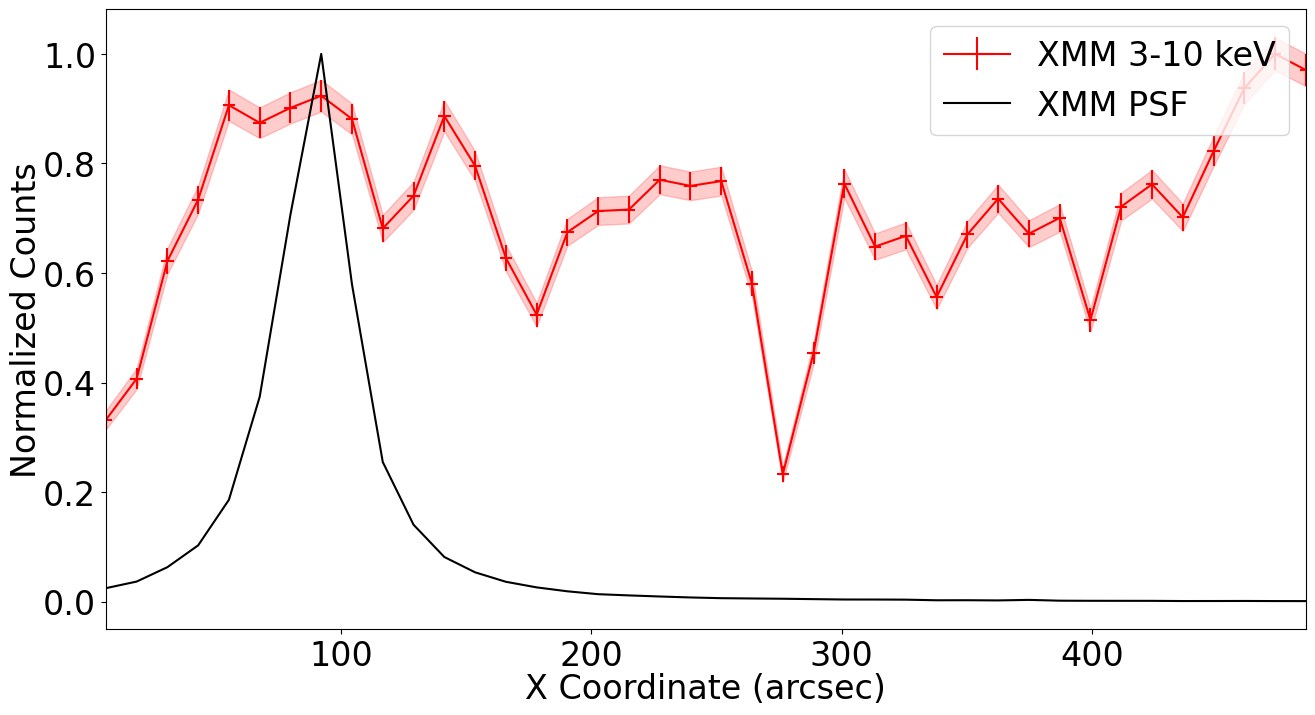
Figure 3: Spatial profile of the 3–10 keV emission compared to the PSF, demonstrating the extended, resolved nature of the jet emission at the “Head” knot.
Broadband Spectroscopy: Hard Non-thermal X-ray Component and Spectral Steepening
XMM-Newton (0.5–10 keV) and NuSTAR (3–30 keV) spectroscopy, using spatially distinct regions, consistently identifies hard, featureless power-law spectra with photon indices:
- “Head”: Γ=1.55±0.07
- “Diffuse”: Γ=1.67±0.04
- “w2” (56 pc from SS 433): Γ=2.10±0.05
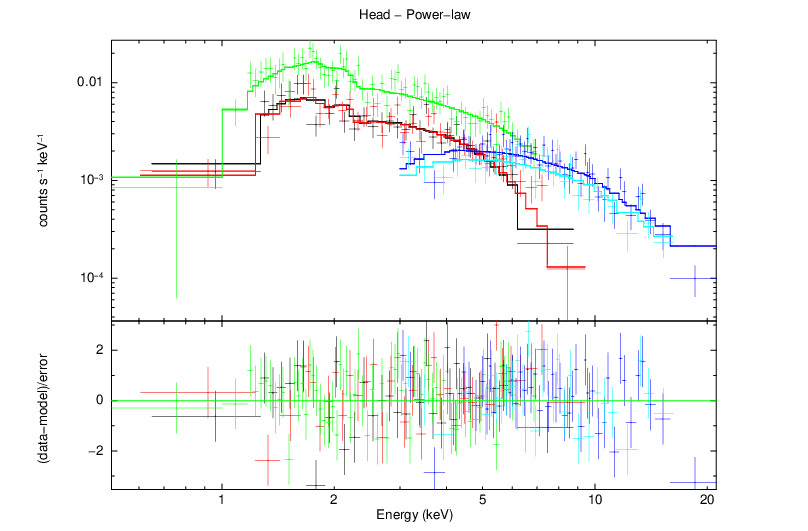
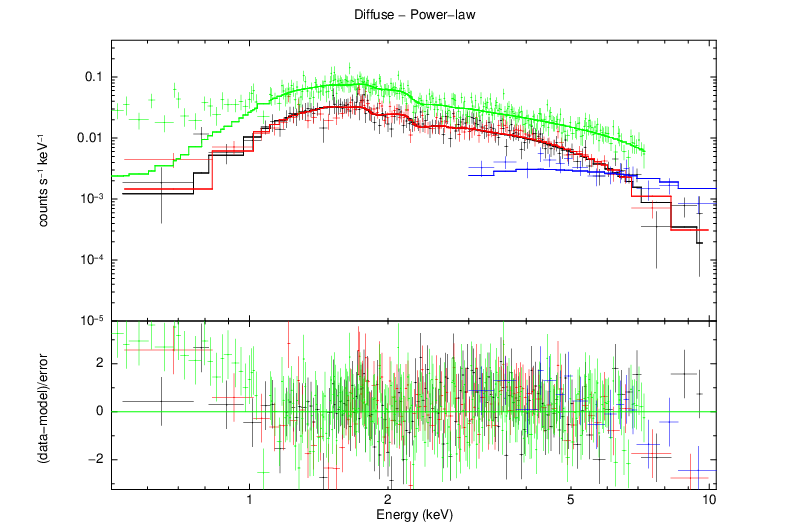
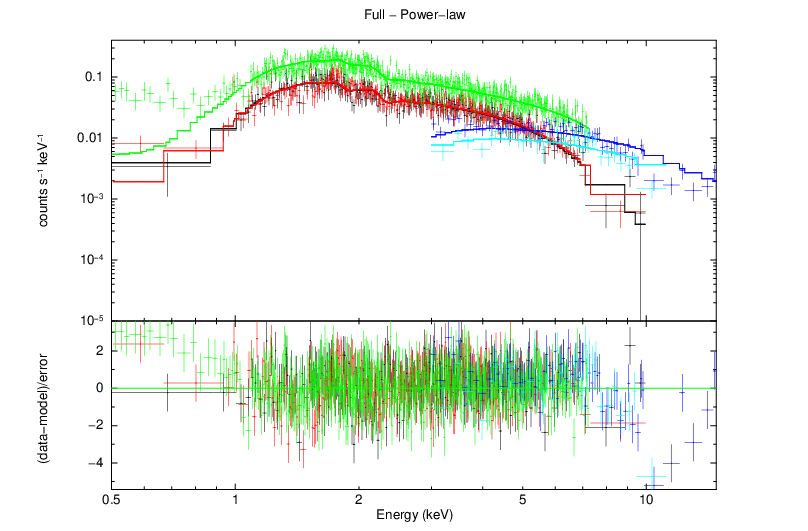
Figure 4: NuSTAR and XMM-Newton joint spectra for “Head”, “Diffuse”, and “Full” western lobe regions, best fit with absorbed power-laws showing pronounced spectral evolution.
There is a clear spatial gradient, with the hardest spectra at the “Head” and progressive steepening downstream—indicative of energetic electron cooling. This evolution tracks tightly with the eastern lobe [Safi-Harb_2022], reinforcing lobe symmetry and a jet-driven, NOT ISM-shock, origin for the hard X-ray knots.
Spatially-resolved Spectroscopy and Spectral Gradients
Adaptive contour binning (Contbin) analysis generates high-resolution spectroscopic maps of NH and Γ along the jet (see Figure 5). NH peaks near the “Head”, decreasing further west; the photon index map exhibits continual steepening downstream. Analogous maps for the eastern lobe mirror this pattern, demonstrating robust symmetry between lobes and linking spectral evolution to jet transport and local ISM conditions.
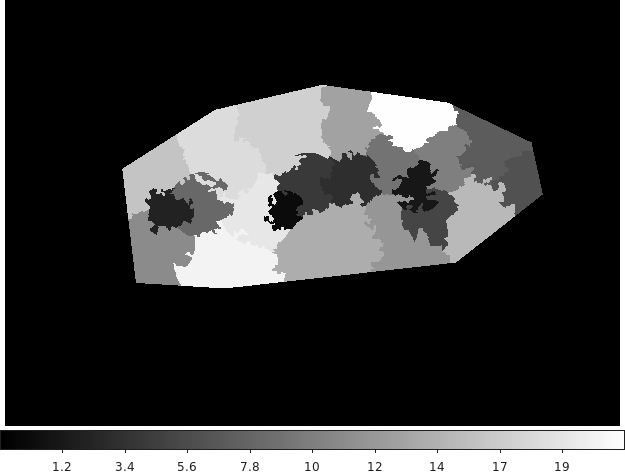
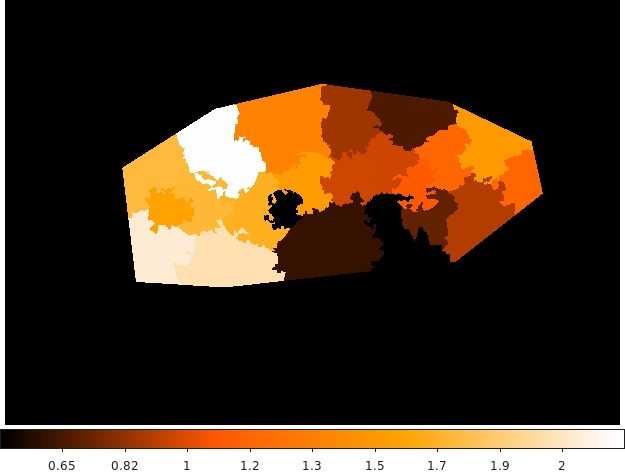
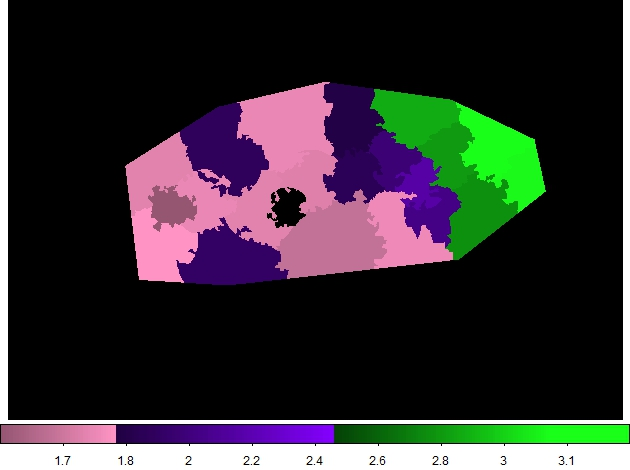
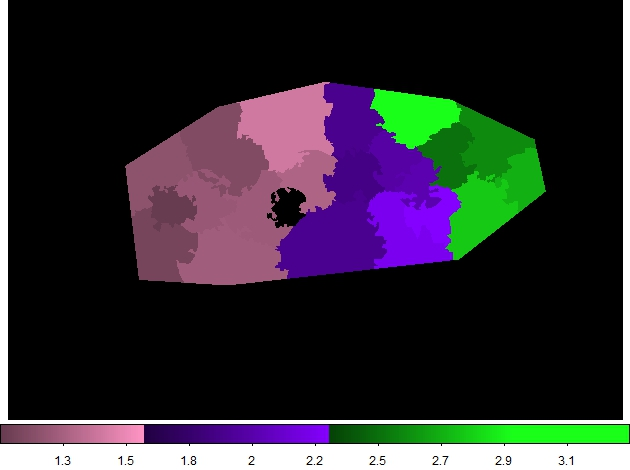
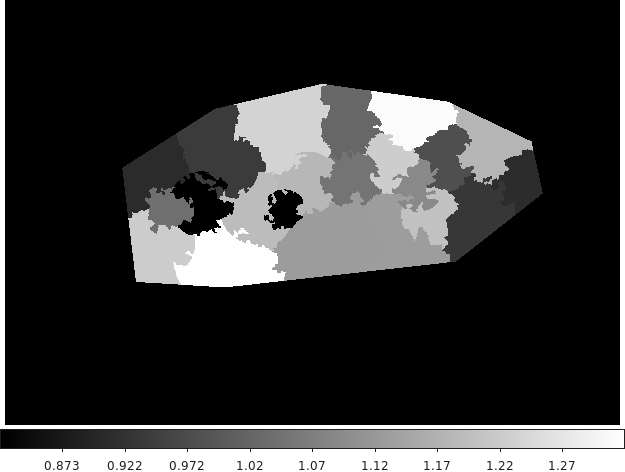
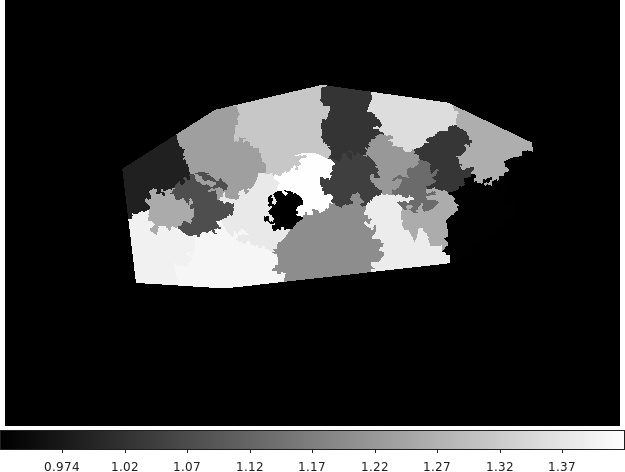
Figure 5: Contbin-adapted spatial bins across the western jet, enabling mapping of NH and Γ and illustrating the continuous gradient of spectral steepening along the jet axis.
Modeling: Jet Structure and Particle Transport
Semi-analytic jet models explore the impact of different flow regimes (constant speed/density) and field geometries (toroidal/poloidal) on the surface brightness and SED. Key conclusions include:
- Models with purely constant speed jets and declining field (poloidal/toroidal) cannot reproduce both the extended hard X-ray morphology and measured X-ray/TeV fluxes.
- Constant density jets with a toroidal field better model the X-ray brightness extension, but underpredict the “Head” intensity unless field amplification or reacceleration is invoked.
- A hybrid model with a dominant poloidal field near the acceleration site decaying into a toroidal component downstream qualitatively matches both the observed spectral and spatial evolution.
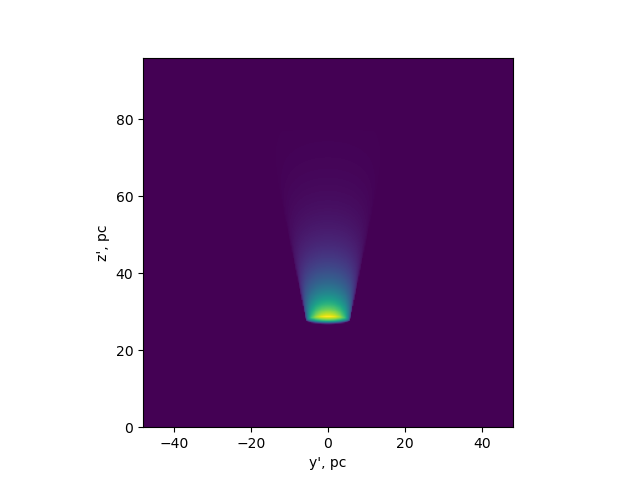
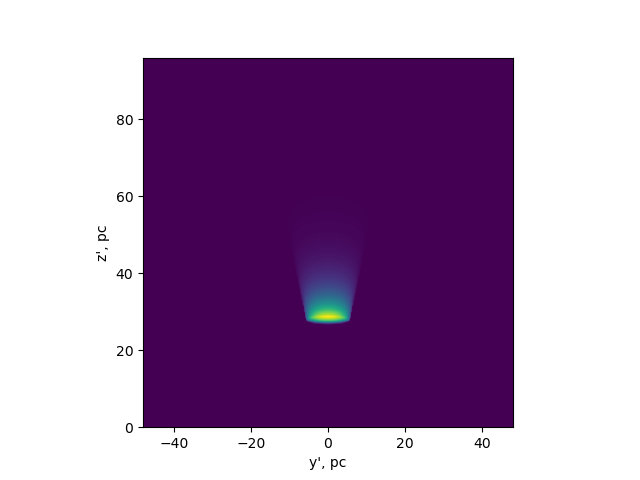
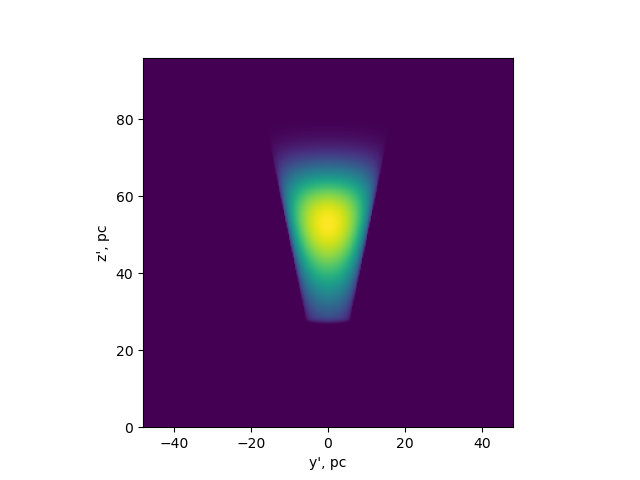
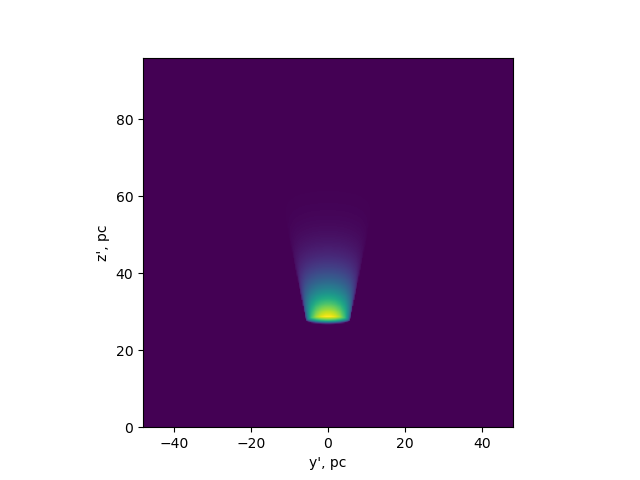
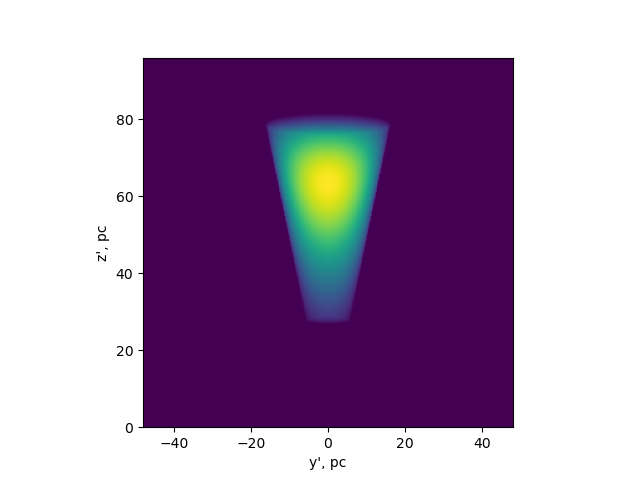
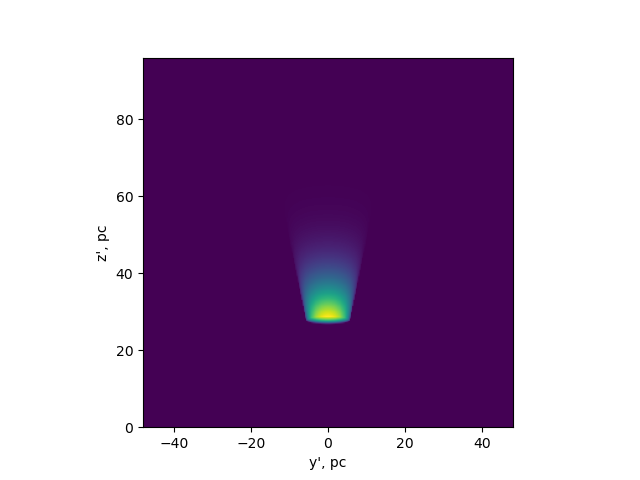
Figure 6: Model A: synthetic surface brightness for a constant-speed jet with toroidal magnetic field.
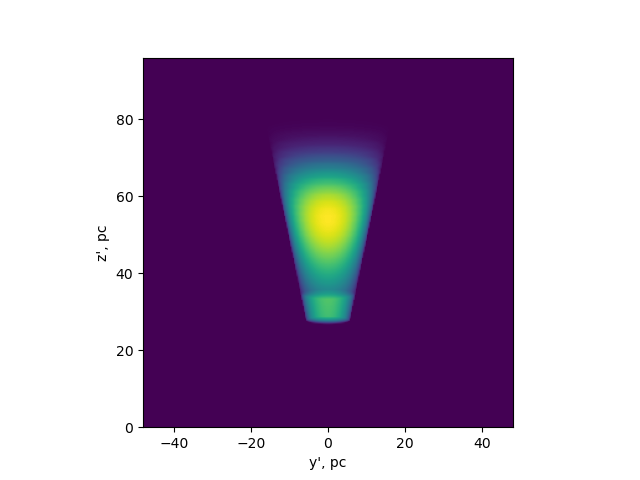
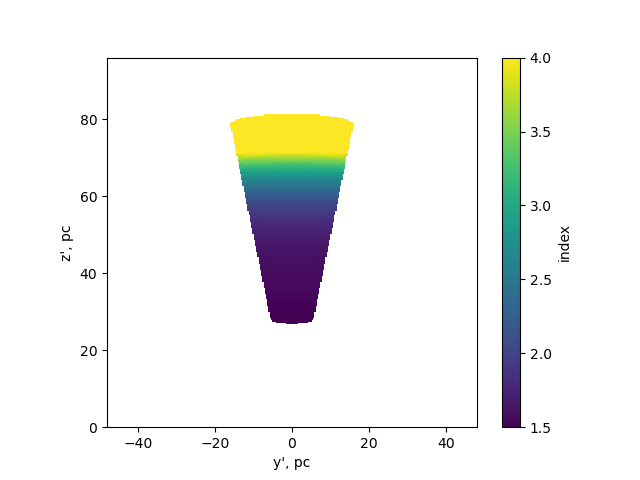
Figure 7: Synthetic synchrotron surface brightness at $3$~keV, demonstrating the extended emission predicted by models compatible with observations.
Furthermore, particles must be accelerated in situ to a hard spectrum (p≈2). The inferred equipartition Γ=1.67±0.040-field in the “Head” is Γ=1.67±0.041G, leading to electron energies Γ=1.67±0.042~TeV (for X-ray synchrotron cutoffs at Γ=1.67±0.04330 keV), consistent with the identification of W50 as a Galactic PeVatron.
Multiwavelength & Γ=1.67±0.044-ray Association
Comparisons with TeV γ-ray maps (H.E.S.S., LHAASO, HAWC) show that ≥10 TeV emission peaks at the same position as the X-ray “Head,” confirming that the acceleration site for the highest-energy leptons coincides with the region of hardest X-ray synchrotron emission. The observed X-ray/TeV flux ratio can only be modeled with Γ=1.67±0.045-fields Γ=1.67±0.046–Γ=1.67±0.047G and requires that the jet electrons are primarily responsible for both the hard X-ray and TeV γ-ray emission (leptonic scenario).
Symmetry and Evolution: East vs. West Jets
Side-by-side comparison with the eastern lobe demonstrates nearly identical onset positions for hard X-ray knots, similar Γ=1.67±0.048-fields, and almost indistinguishable spectral evolution, despite morphological asymmetry due to local ISM gradients. This symmetry places strong constraints on the global jet dynamics and the universality of the particle acceleration mechanism within microquasar-powered SNRs.
Implications for Cosmic Ray Acceleration and Outflows
The hard spectrum, TeV extension, and volumetric energetics support the classification of SS 433/W50 as a bona fide Galactic PeVatron, accelerating electrons (and plausibly protons) to hundreds of TeV. However, the modeling indicates the radiative efficiency for protons is negligible in the jet zone itself; instead, hadronic γ-ray production (as indicated by LHAASO above 100 TeV) probably occurs in the nearby molecular cloud shocked by jet escapees. The fraction of jet kinetic power imparted to electrons is Γ=1.67±0.049, implying substantial unobserved energy in CR protons.
Conclusion
This investigation provides definitive evidence for localized, in-situ particle acceleration up to PeV energies in the western jet of SS 433/W50, revealed through spatially resolved, broadband hard X-ray spectroscopy and robustly linked to TeV γ-ray emission. The western “Head”—hard, luminous, and morphologically distinct—is pinpointed as a primary site of electron acceleration, exhibiting strong symmetry with its eastern counterpart. Multi-zone modeling requires hybrid magnetic field geometries and ongoing reacceleration downstream. These results advance W50/SS 433 as a canonical laboratory for jet-ISM interactions, local cosmic ray production, and spectral evolution in large-scale relativistic outflows. Forthcoming polarimetric and deep X-ray observations are expected to further elucidate the magnetohydrodynamics and acceleration physics at play in Galactic jet-powered nebulae.

