- The paper demonstrates that quenching diagnostics (sSFR, Dₙ4000, PSB, LI(N)ER) yield distinct spatial modes with inside-out prevalence in massive, central galaxies.
- It employs the non-parametric F₍q₎–C₍q₎ method to quantify quenched spaxels, linking quenching mode to both stellar mass and environmental factors.
- Results highlight that inside-out quenching increases with stellar mass, while outside-in quenching is more common among low-mass satellites.
Inside-Out vs. Outside-In Quenching in MaNGA Galaxies: Diagnostic Dependence, Stellar Mass, and Environmental Correlations
Introduction
This study provides a comprehensive analysis of spatial quenching patterns in ∼104 galaxies observed by the MaNGA survey, addressing how the inferred prevalence of inside-out and outside-in quenching in local galaxies depends critically on the choice of quenching diagnostic. By conducting a systematic comparison between four widely adopted diagnostics—sSFR, Dn4000, PSB, and LI(N)ER—this work quantifies both the overlaps and disparities among these methods, investigating how stellar mass and environment correlate with the dominant quenching mode. The analysis employs the non-parametric Fq–Cq method, evaluating both the fraction and spatial concentration of quenched spaxels in individual galaxies.
Quenching Diagnostics and Their Overlap
The study applies stringent selection criteria to spaxels based on sSFR, Dn4000, PSB features, and LI(N)ER emission, after standardizing for stellar mass surface density and coverage within 1.5 Re. The sSFR and Dn4000 selections primarily target star formation suppressed or older regions, LI(N)ER highlights regions dominated by ionization from evolved stars, and the PSB criterion isolates recent or rapid-quenching occurrences, as illustrated by the distinct distributions in MaNGA spaxels.
Distributions of sSFR and Dn4000 within 1.5 Re display the effectiveness of the adopted thresholds in segregating quenched from star-forming regions:
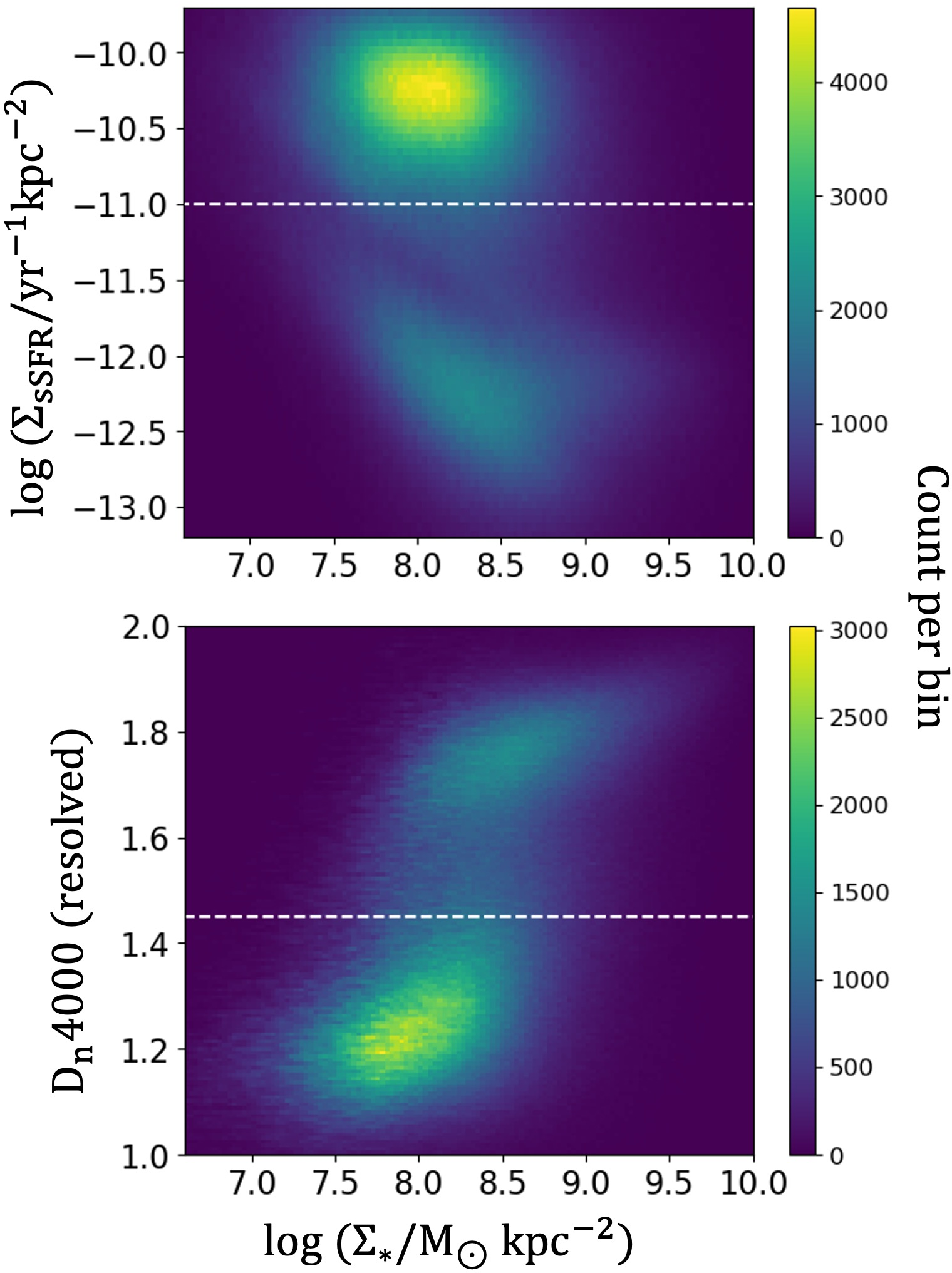
Figure 1: Distributions of sSFR and Dn4000 for spaxels, showing the separation thresholds for quenching diagnostics.
Maps of representative galaxies highlight the spatial signatures associated with each diagnostic. sSFR and Dn04000 typically trace extended quenched structures, while PSB and LI(N)ER identify more localized or distinct regions. PSB-selected spaxels are spatially patchy, consistent with rapid, recent quenching, whereas LI(N)ER regions are more centrally concentrated:
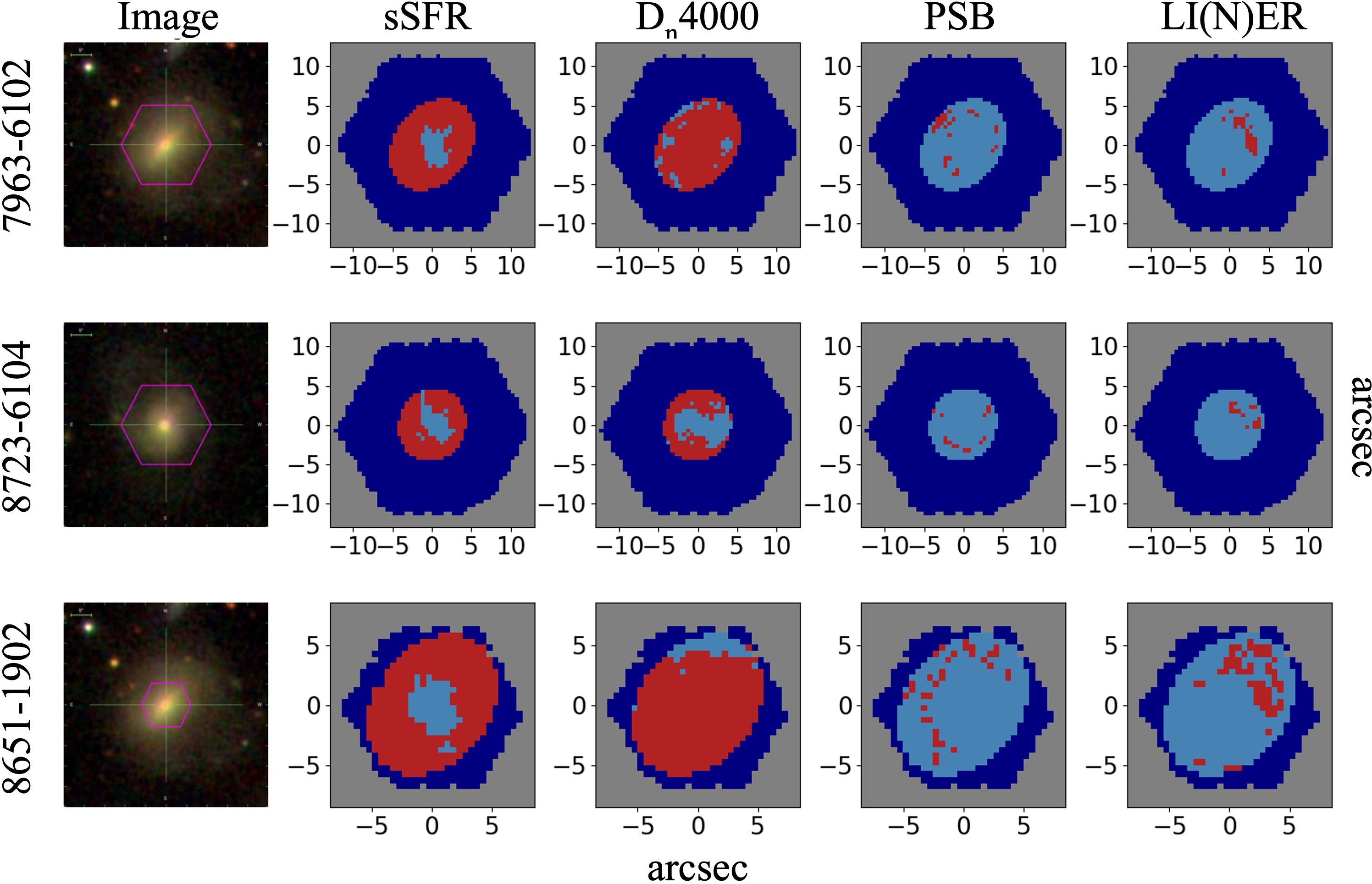
Figure 2: Examples of galaxy maps showing spatial distributions of spaxels selected by each quenching diagnostic; notably, the LI(N)ER criterion highlights strong central concentration.
A spaxel-level upset plot quantifies diagnostic overlap, indicating a strong, but not complete, intersection between sSFR and Dn14000, partial overlap of LI(N)ER with both, and the relative independence and rarity of PSB selection. This non-perfect overlap underscores the fundamentally different physical and temporal stages probed by each diagnostic:
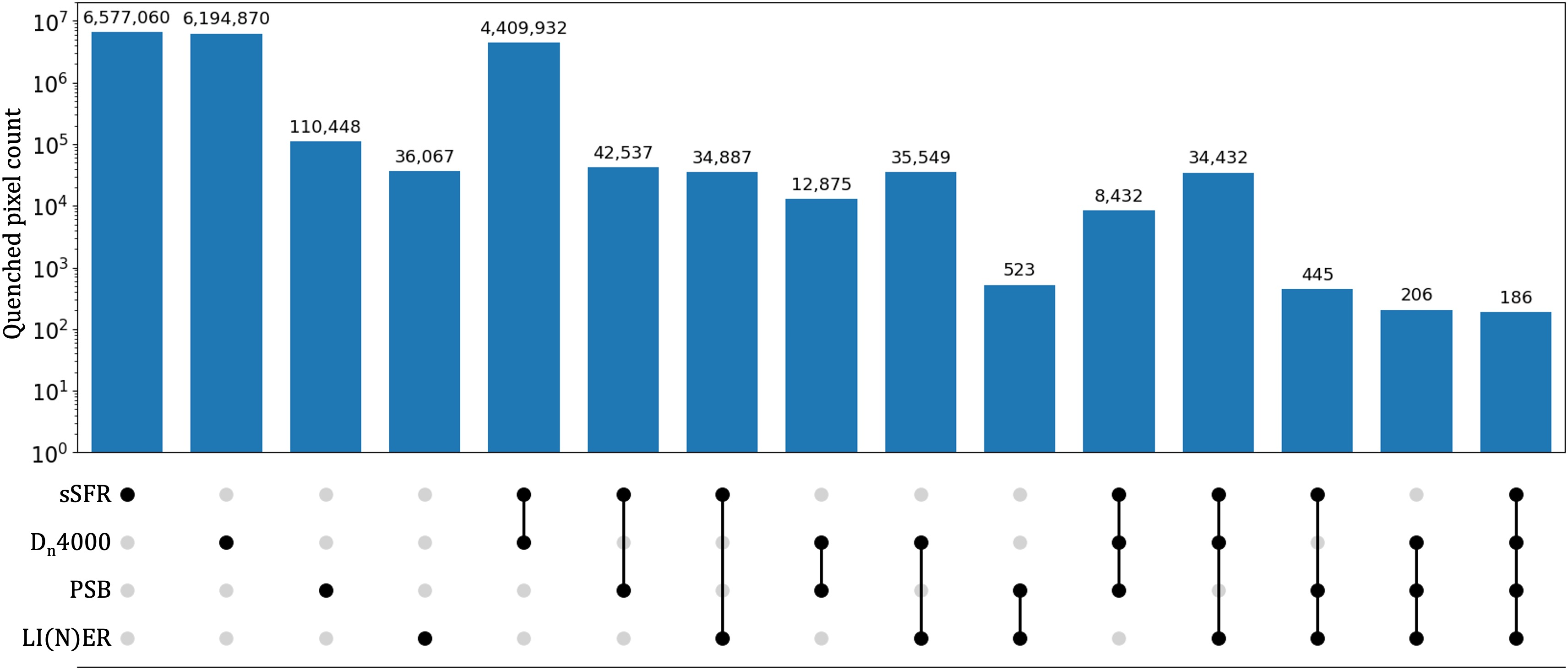
Figure 3: Spaxel-level diagnostic overlap, evidencing both substantial intersection (e.g., sSFR and Dn24000) and diagnostic-specific selection.
Statistical Quenching Mode Classification
The n3–n4 framework divides galaxies into inside-out or outside-in quenched based on the radial dominance of the quenched area. Analysis of the entire DR17 MaNGA sample exposes diagnostic-dependent quenching mode statistics: under the sSFR criterion, inside-out and outside-in classifications are nearly balanced (37% vs. 36%), but Dn54000 and LI(N)ER diagnostics yield a higher fraction for inside-out quenching and negligible outside-in assignment for LI(N)ER. PSB-selected regions are skewed toward outside-in or patchy configurations reflecting their short-lived, rapid-quenching epoch.
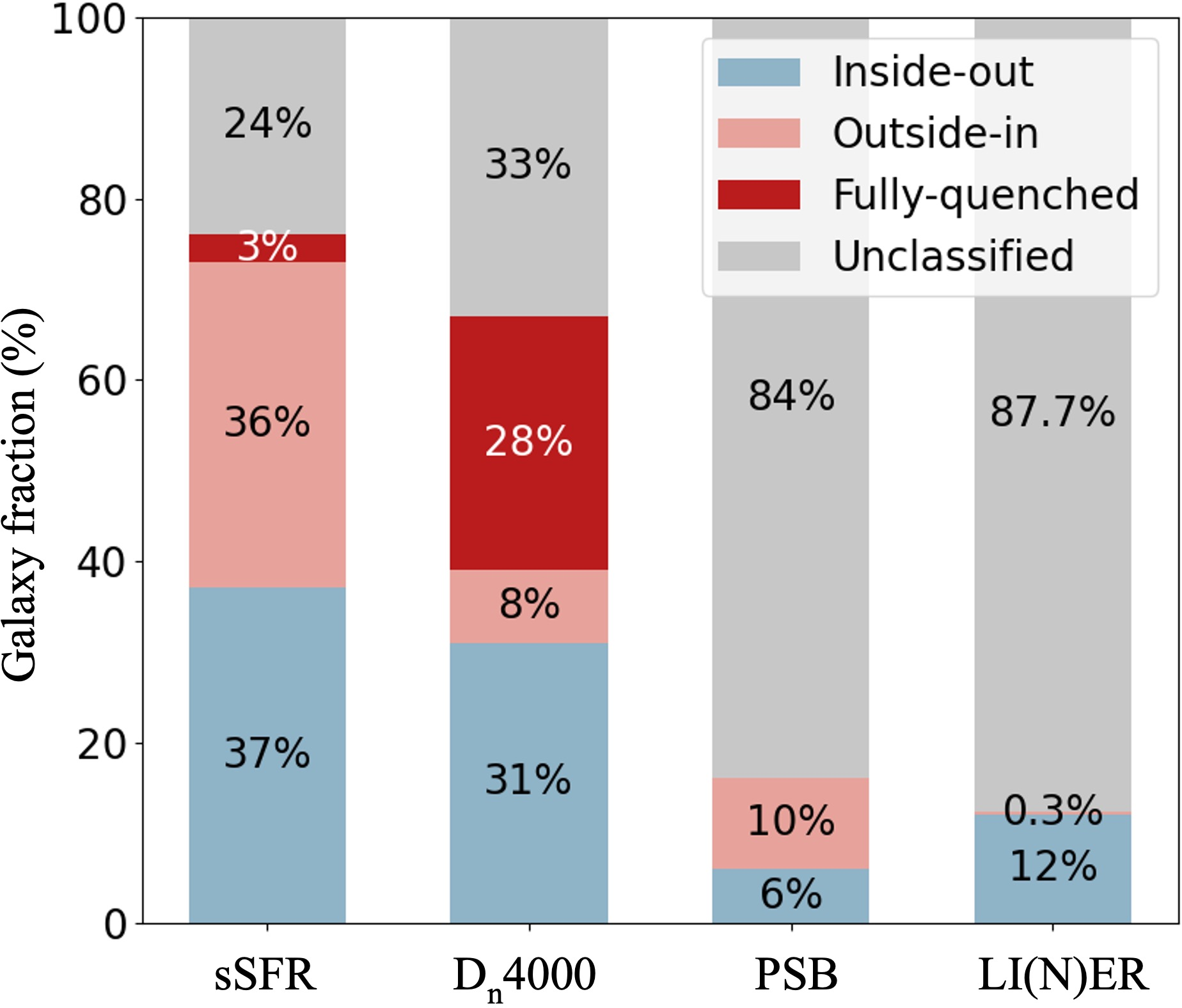
Figure 4: Fractional breakdown of quenching modes across diagnostics, displaying balanced sSFR classification and strong inside-out dominance for Dn64000 and LI(N)ER.
Subsamples that require overlap across multiple diagnostics (either three or all four) become increasingly biased towards galaxies exhibiting significant, centrally concentrated (inside-out) quenching, with severely diminished outside-in fractions. When requiring all four criteria (including PSB), the sample size contracts drastically, and the surviving galaxies are typically green-valley transitional objects, highlighting the stringent and partially orthogonal nature of the PSB selection:
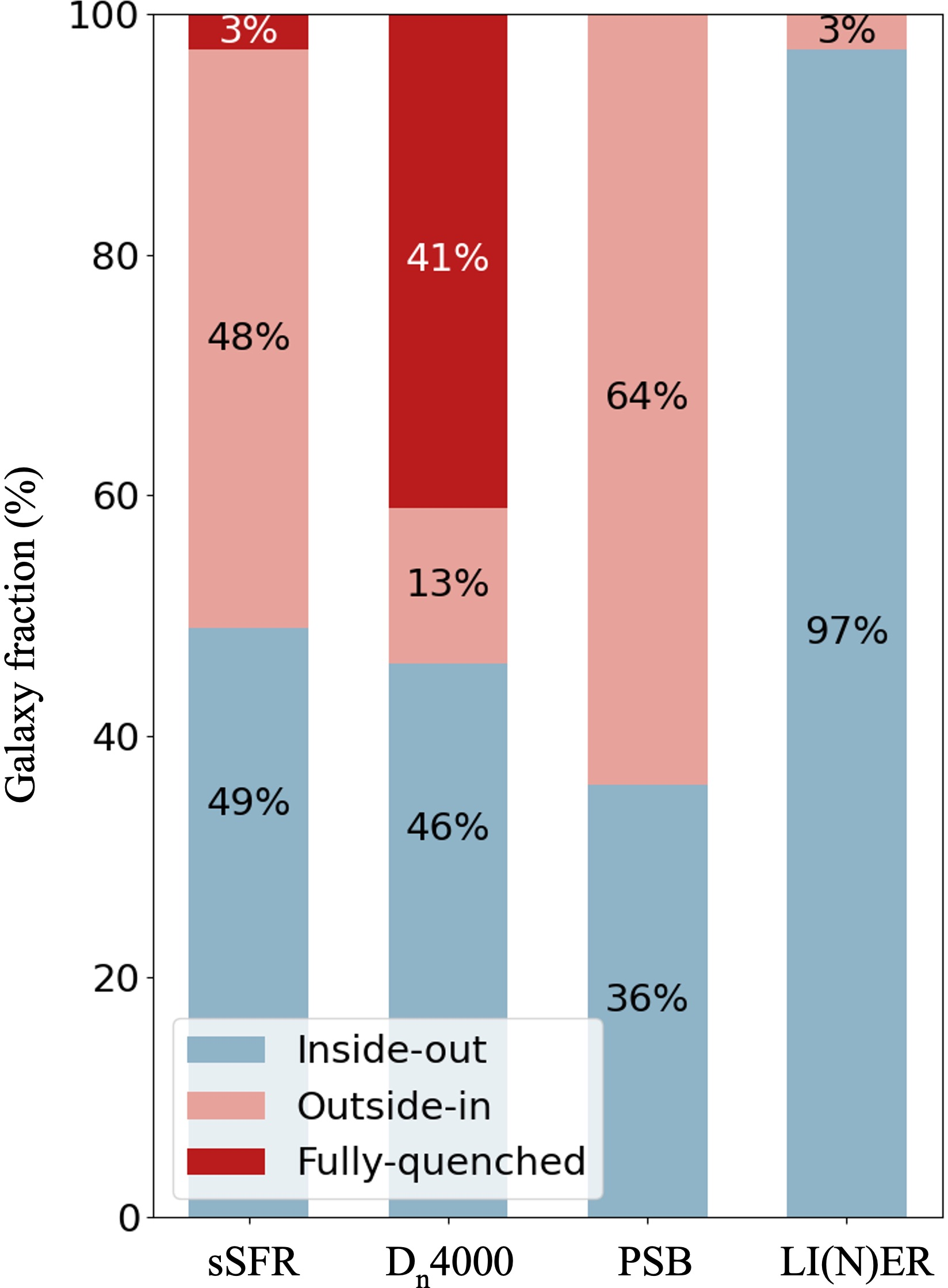
Figure 5: Quenching mode fractions for galaxies simultaneously satisfying all quenching diagnostics, showing pronounced dominance of inside-out mode for Dn74000 and LI(N)ER, whereas the PSB criterion favors outside-in.
Synthetic star formation histories (SFHs) modeled with the Bruzual & Charlot framework reveal that sSFR and Dn84000 cross their quenching thresholds at different evolutionary times and are sensitive to distinct quenching timescales. The PSB phase, in contrast, is a transient window that exists exclusively during rapid quenching, explaining its rarity and patchy selection in both data and models:
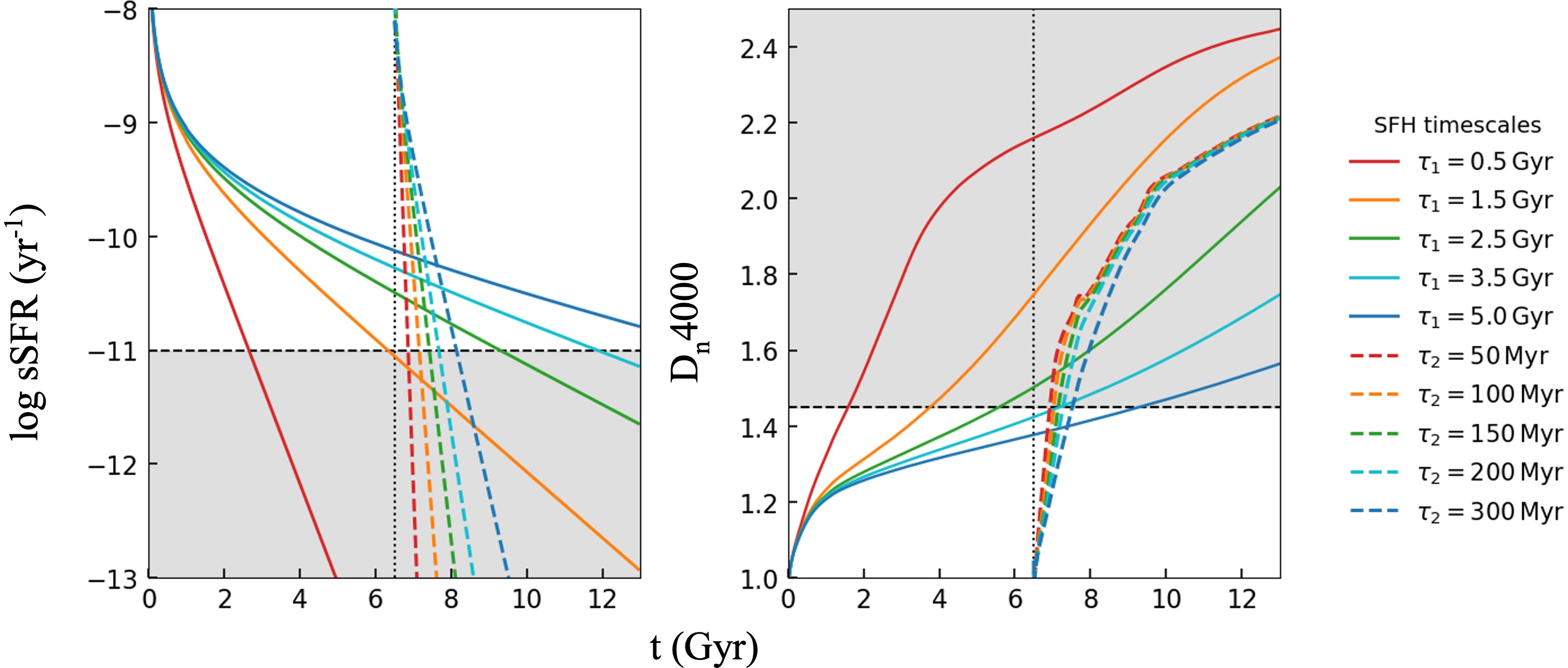
Figure 6: Example SFH tracks show when sSFR and n94000 thresholds are crossed for quenching, demonstrating their distinct temporal responses.
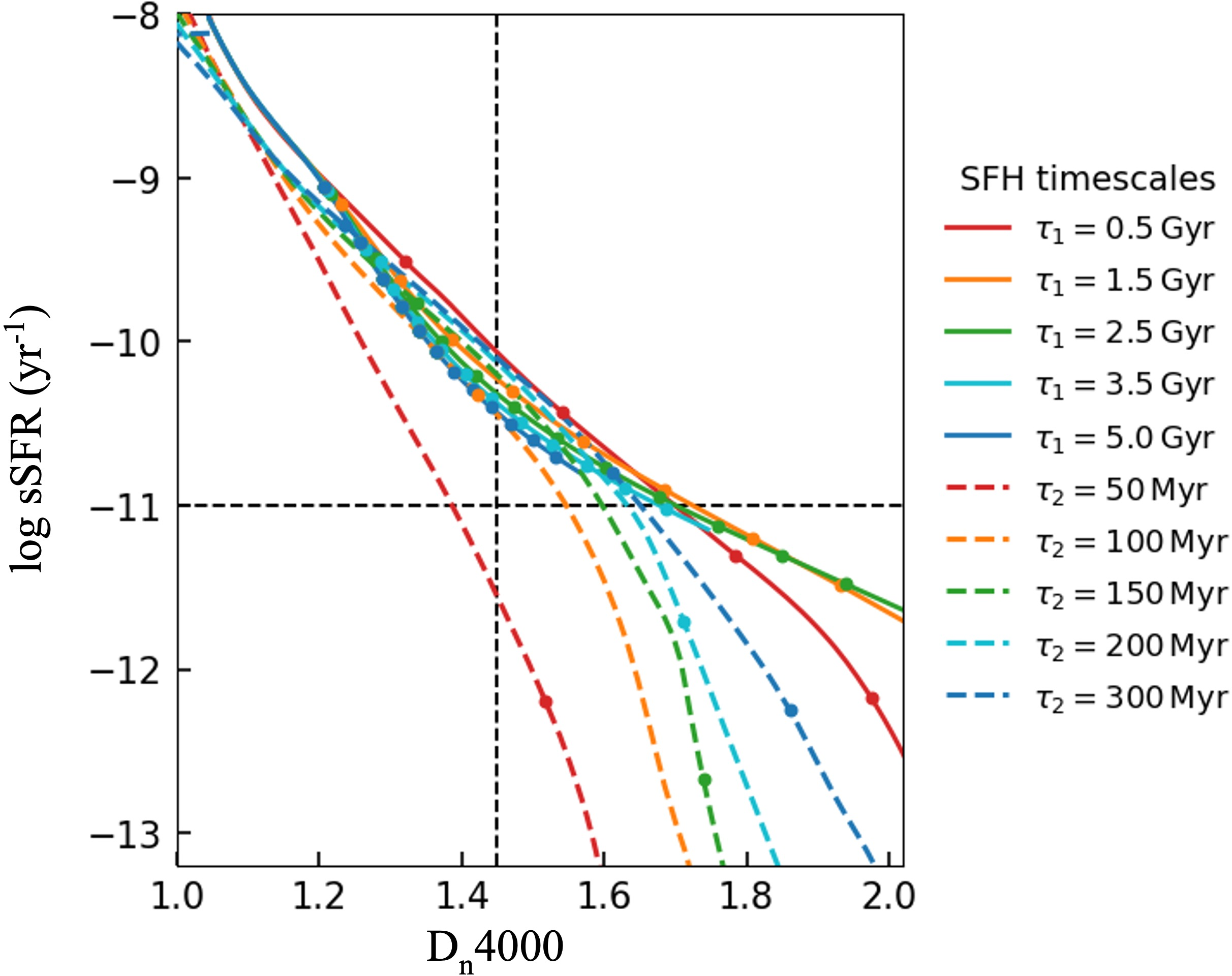
Figure 7: Tracks in the sSFR–Fq04000 plane illustrate the diagnostic phase coverage and their dependence on SFH.
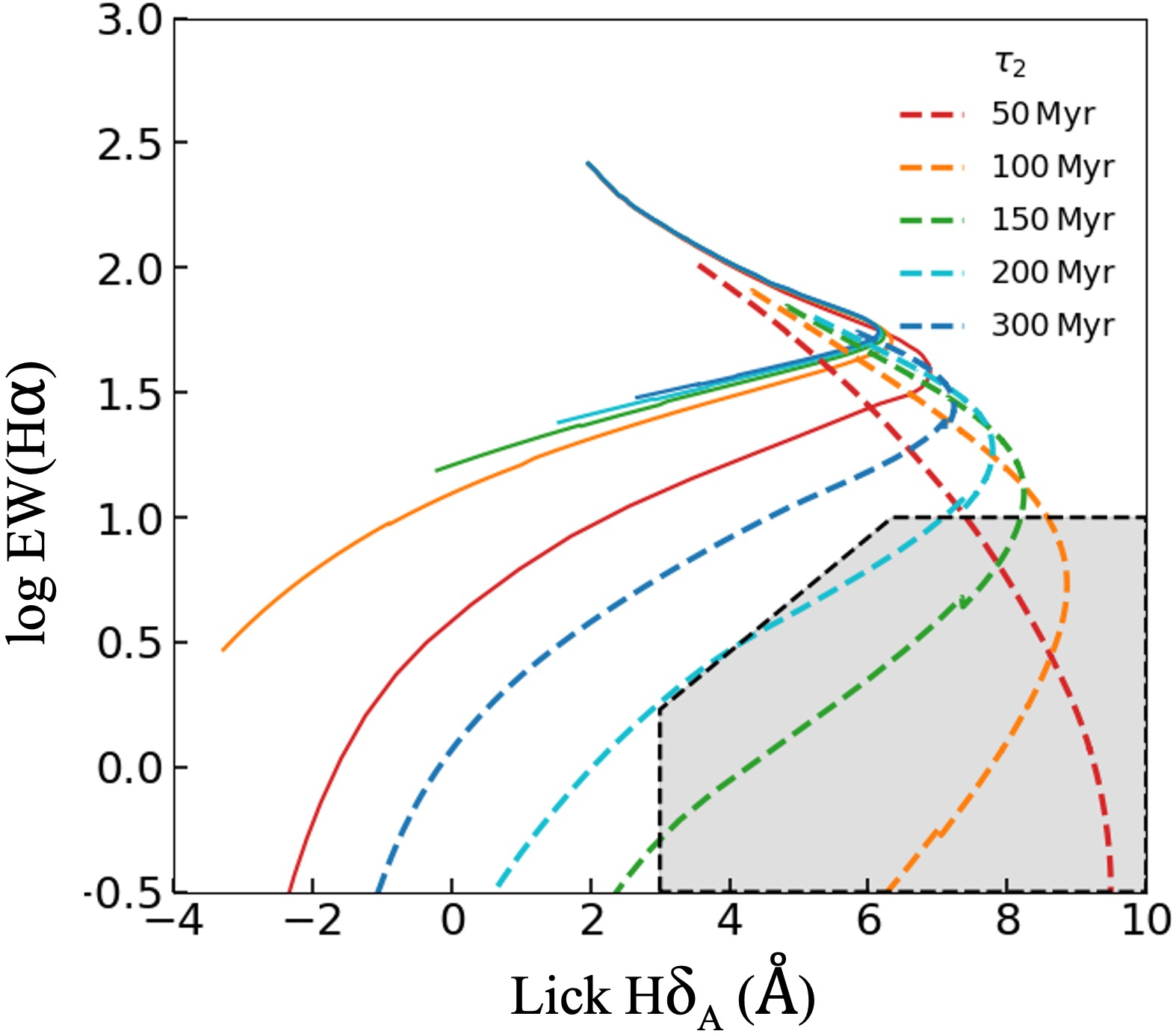
Figure 8: SFHs mapped to the PSB diagnostic window demonstrate the sharp, brief timing of PSB feature detection.
Dependence on Stellar Mass and Environment
The inside-out quenching fraction increases monotonically with stellar mass for satellites under all principal diagnostics. Outside-in patterns are far more common in low-mass satellites, with environmental quenching processes likely at play. Central galaxies are generally dominated by inside-out quenching. The halo mass dependence of the dominant quenching mode is modest and less systematic than the stellar mass trend. Notably, this mass dependence is robust across diagnostics, while environmental dependence is more diagnostic-sensitive and susceptible to sample/systematics:
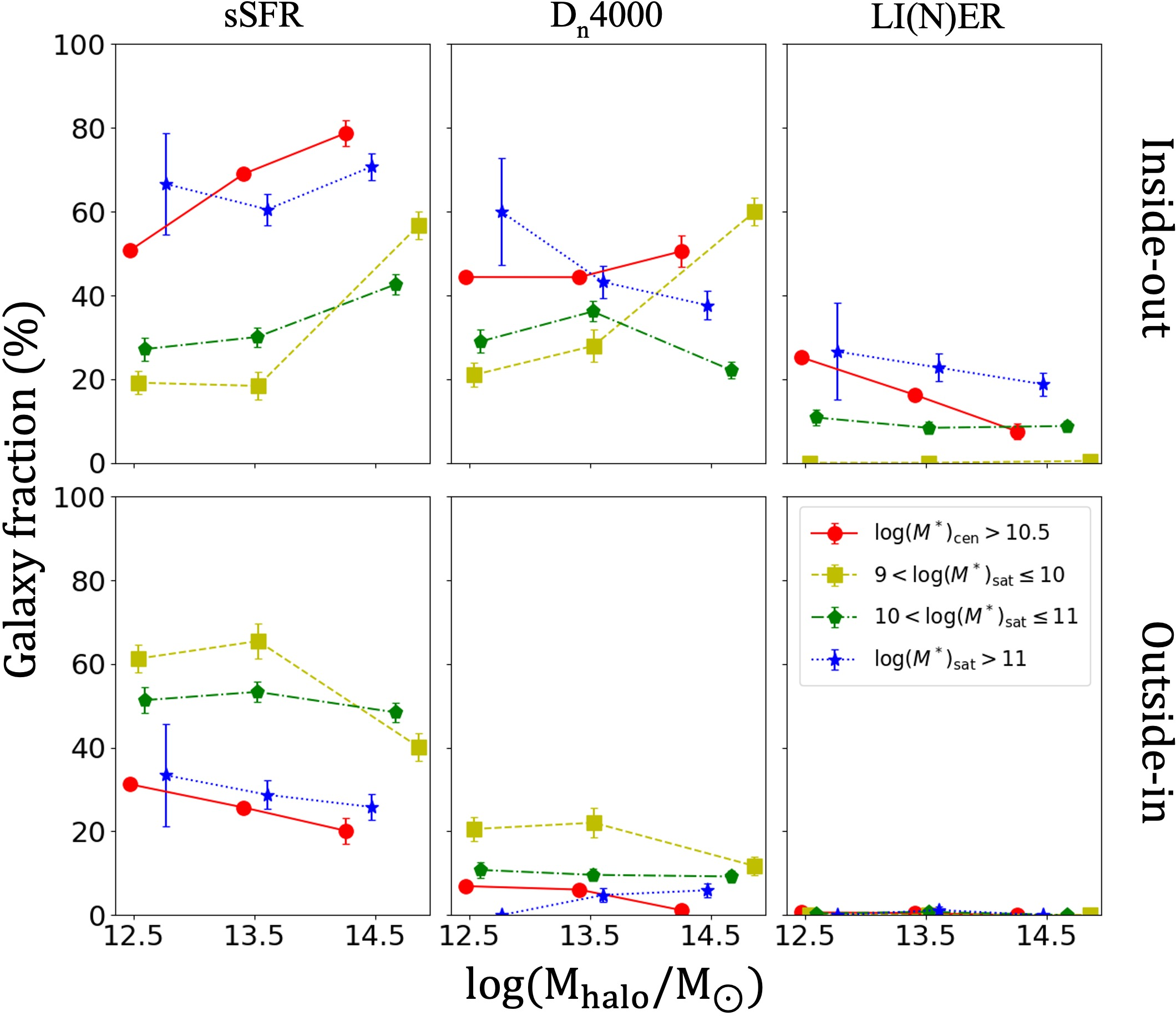
Figure 9: Fractions of galaxies exhibiting inside-out or outside-in quenching as a function of halo mass and group membership, displaying dominant mass-driven quenching mode dependence.
Practical Implications and Diagnostic Selection Effects
The diagnostic dependence implies that care must be taken in generalizing results about spatial quenching mechanisms. High overlap between sSFR and DFq14000 at the spaxel level translates into differing global quenching mode assignments due to distinct physical sensitivities and the emission-continuum dichotomy. The LI(N)ER criterion, relying on weak-line emission and robust only for evolved populations, underestimates outside-in quenching. PSB defines a small, highly selective subset, indicating recent strong quenching but failing to give the integrated picture.
This work shows that multi-tracer approaches provide crucial checks against systematic bias and allow more nuanced interpretation of galaxy transformation pathways. However, composite selection necessarily restricts the sample to specific evolutionary windows and should not be interpreted as representative of the overall galaxy population.
Conclusion
Inside-out quenching emerges as the dominant spatial pattern in massive galaxies and when adopting evolved stellar population diagnostics (DFq24000, LI(N)ER); outside-in and patchy quenching are more prevalent in low-mass satellites and through diagnostic lenses sensitive to abrupt, rapid suppression of star formation (sSFR, PSB). The correlation between quenching mode and stellar mass is robust, while environment plays a secondary, diagnostic-dependent role. Discrepancies between diagnostics arise from their varied timescale and physical sensitivities, emphasizing the need for multi-faceted approaches in future large IFU surveys and cosmological simulations to better constrain the drivers and sequence of galaxy quenching.

