- The paper proposes an adaptive PD controller that limits energy transfer by modulating gains based on instantaneous mechanical energy.
- It employs dissipative scaling functions for potential and kinetic energy to achieve compliance and robust stability through simulation and hardware validation.
- Experimental results on the TALOS humanoid demonstrate improved safe behavior with explicit energy bounds, though with increased settling times.
Adaptive PD Control for Energy-Conscious Physical Human-Robot Interaction
Motivation and Context
Physical Human-Robot Interaction (pHRI) necessitates stringent safety protocols, especially in collaborative environments. Traditional compliant control methods—such as impedance and admittance control—require complex force or torque sensing infrastructure, are often coordinate-dependent, and lack explicit bounds on transferred energy, complicating ISO/TS 15066 certification. Energy-limiting control emerges as a robust alternative, offering coordinate-invariant safety guarantees that directly enforce application-level physical safety constraints. However, integrating energy-limiting strategies into practical controllers often introduces complexity and may lack stability proofs. This paper proposes a streamlined energy-limiting adaptive PD (Proportional-Derivative) controller architecture addressing both kinetic and potential energy, delivering compliant and safe robot behaviors suitable for pHRI.
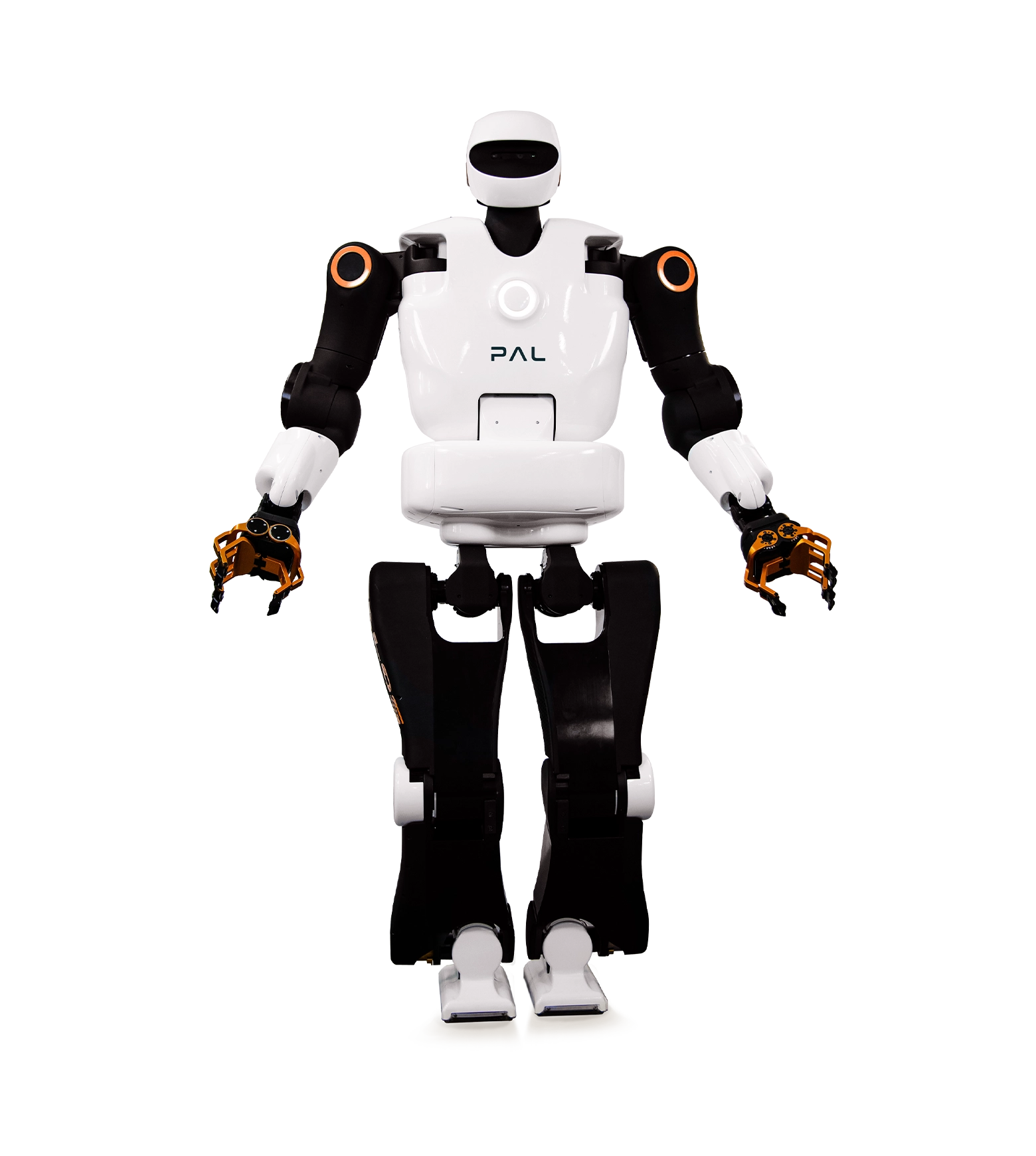
Figure 1: An overview of the energy-limiting control approach where the robot's instantaneous energy governs dissipative scaling functions, which in turn modulate PD gains and enforce stability.
Methodology
The proposed controller adapts PD gains based on the robot's instantaneous mechanical energy, ensuring that total energy remains beneath a user-specified limit Llim. Two dissipative scaling functions r and rT are introduced:
- r is a sharply-decaying function of total energy that modulates proportional gain, preventing excess potential energy accumulation.
- rT is a function of kinetic energy that escalates derivative gain in the presence of anomalous kinetic energy injection, mitigating instability due to unpredictable human interaction.
Proportional gain adaptation is designed as:
Kp=diag[rKpo+(1−r)nLlim]⊘[1+(1−r)q~2]
Derivative gain adaptation includes a maximum damping schedule:
Kd=diag[rKdo⊘(1+(1−r)q˙2)+(1−rT)Kdmax]
These adaptive schemes proactively limit energy transfer during both planned and unplanned interactions.
Stability Analysis
Stability is established via Lyapunov theory. The candidate Lyapunov function combines kinetic and potential energy terms reflecting controller gain adaptation:
V=21q~˙⊤Mq~˙+21q~⊤Kp(t)q~
The derived stability condition requires damping injection to exceed the rate of proportional gain increase in error-dominant regimes:
V˙<0⟹q~˙⊤Kd(t)q~˙>21q~⊤K˙p(t)q~
A controller-side enforcement algorithm modulates gain rates, preventing instability even under rapidly evolving energy or interaction scenarios.
Experimental Validation
Comprehensive simulation and hardware experiments are conducted on the TALOS humanoid platform. Four experimental protocols rigorously examine trajectory tracking, step response, external force compliance, and hardware-level behavioral compliance.
- Sinusoidal Tracking: Both traditional and adaptive PD controllers perform comparably under low-energy reference trajectories, validating that nominal gain tuning remains feasible.
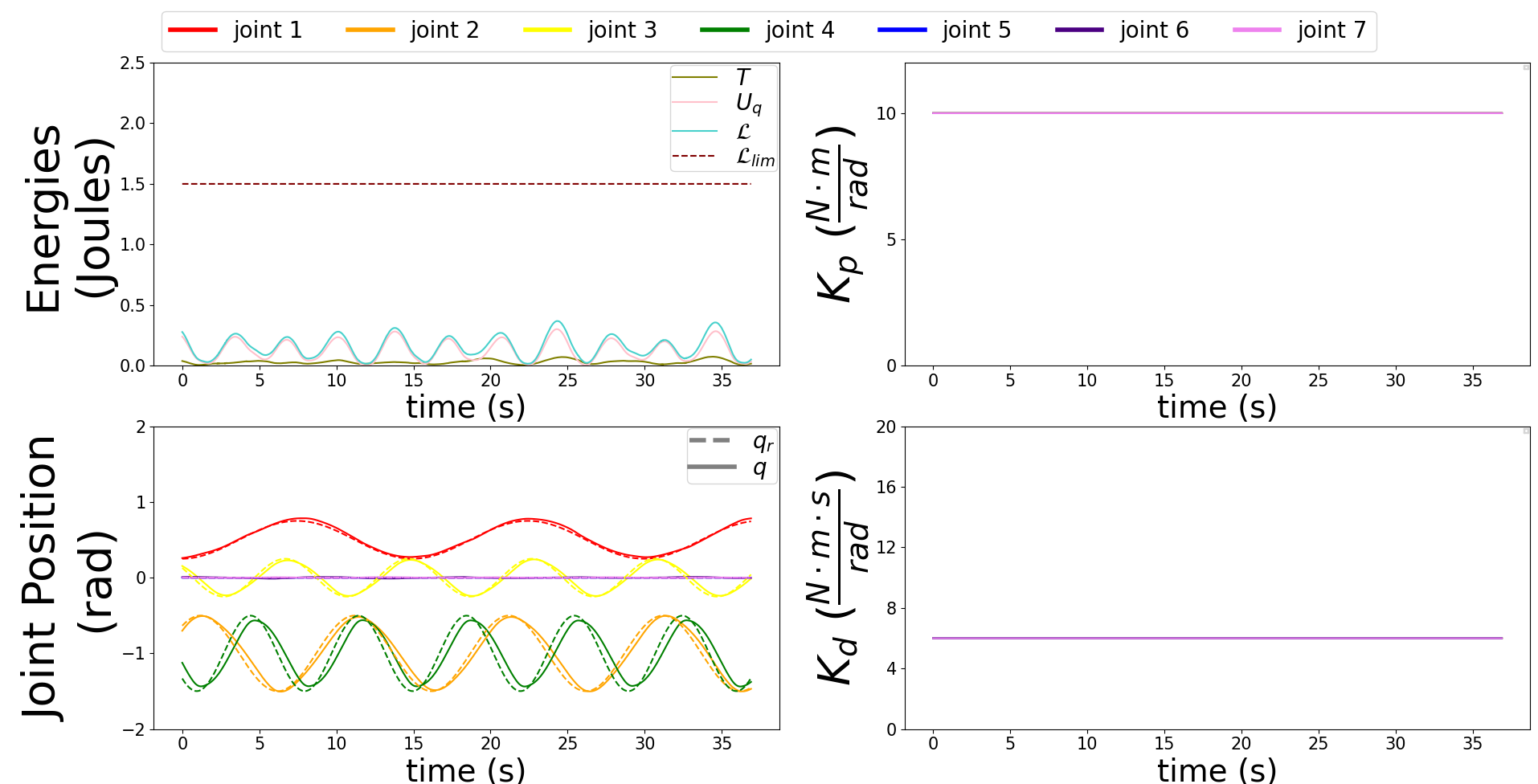
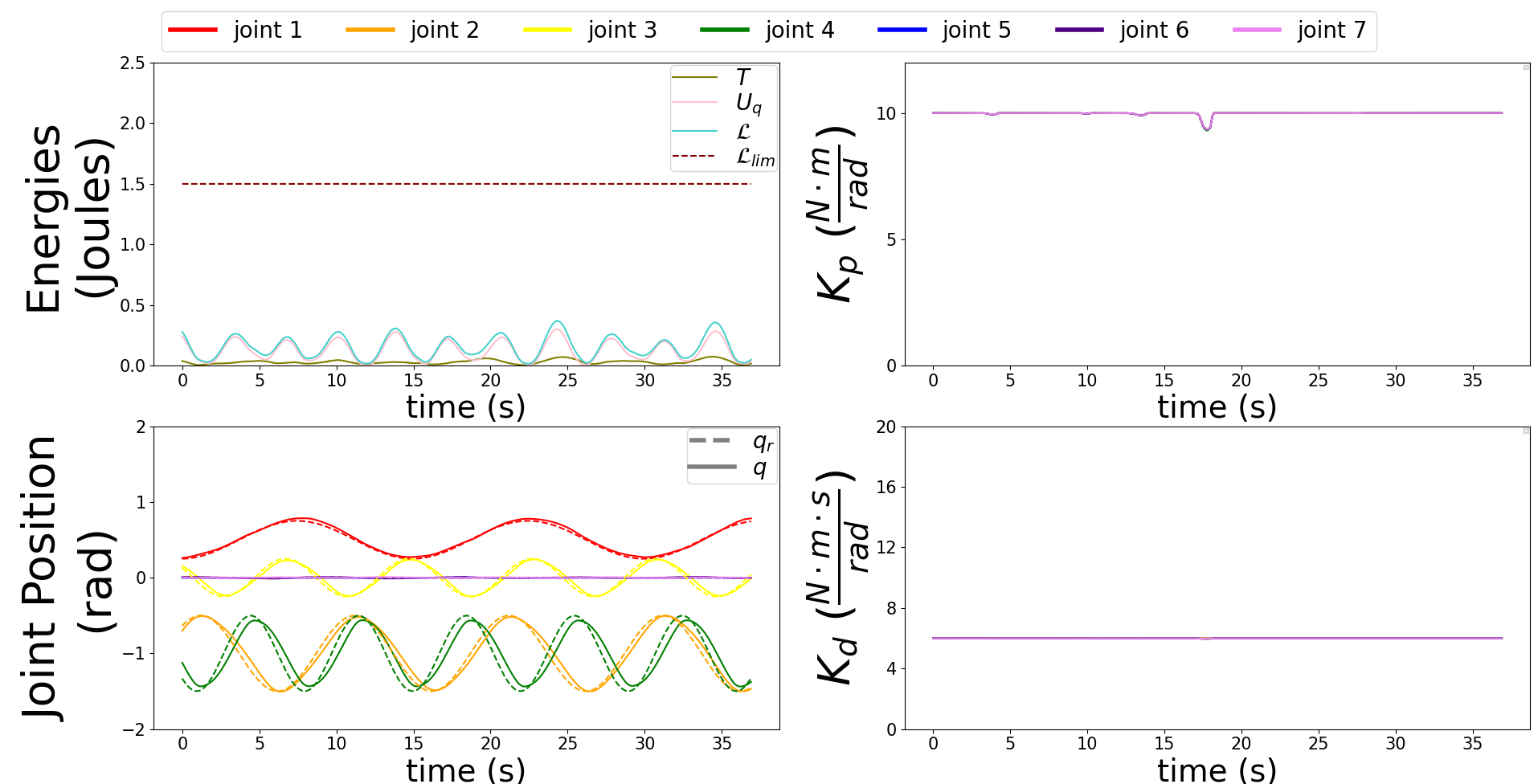
Figure 2: Simulated controller responses to sinusoidal reference trajectories demonstrate close tracking and minimal gain adaptation under low energy.
- Step Response: The adaptive PD controller maintains energy strictly under prescribed limits at the expense of extended settling time, evidencing the tradeoff between agility and safety.
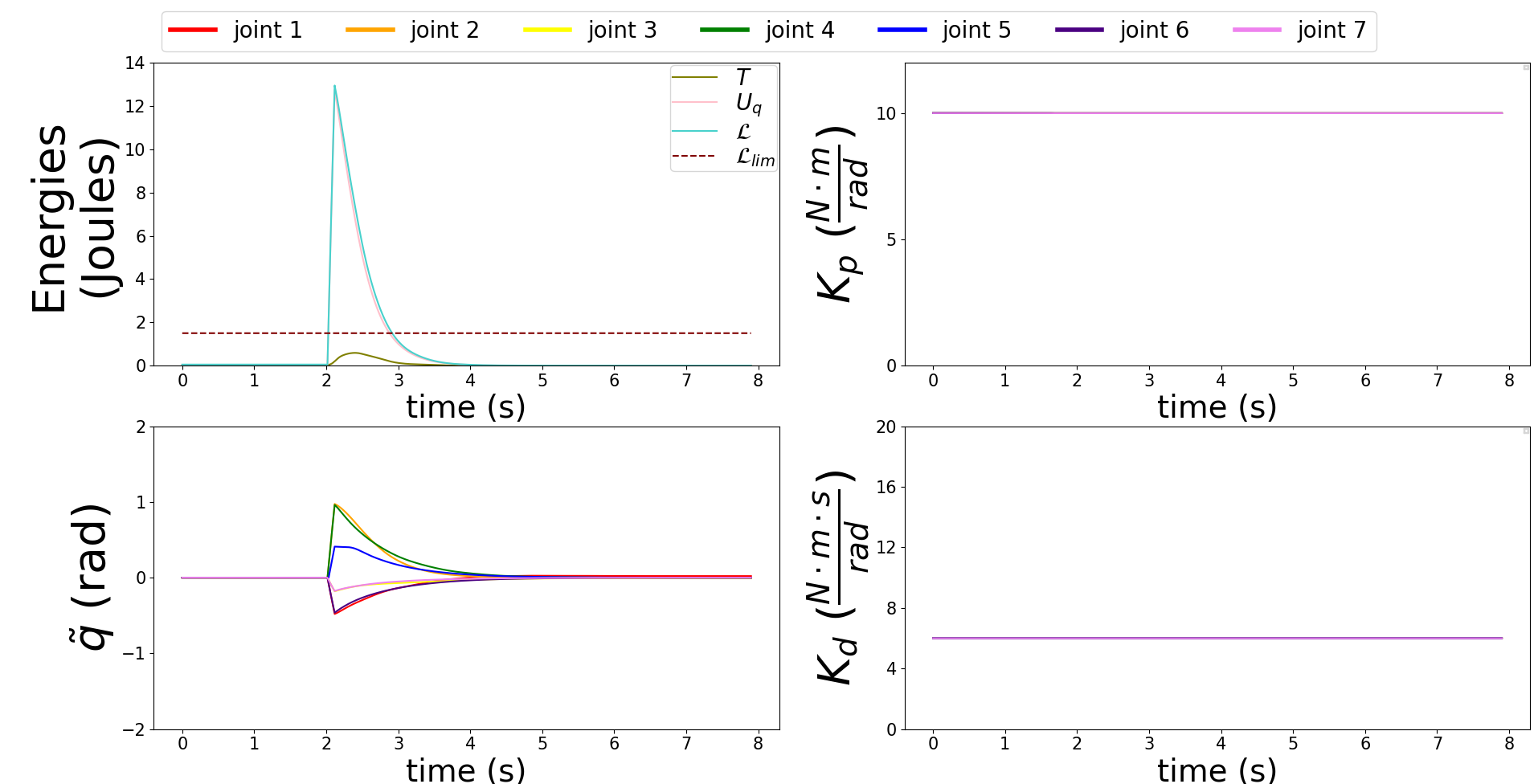
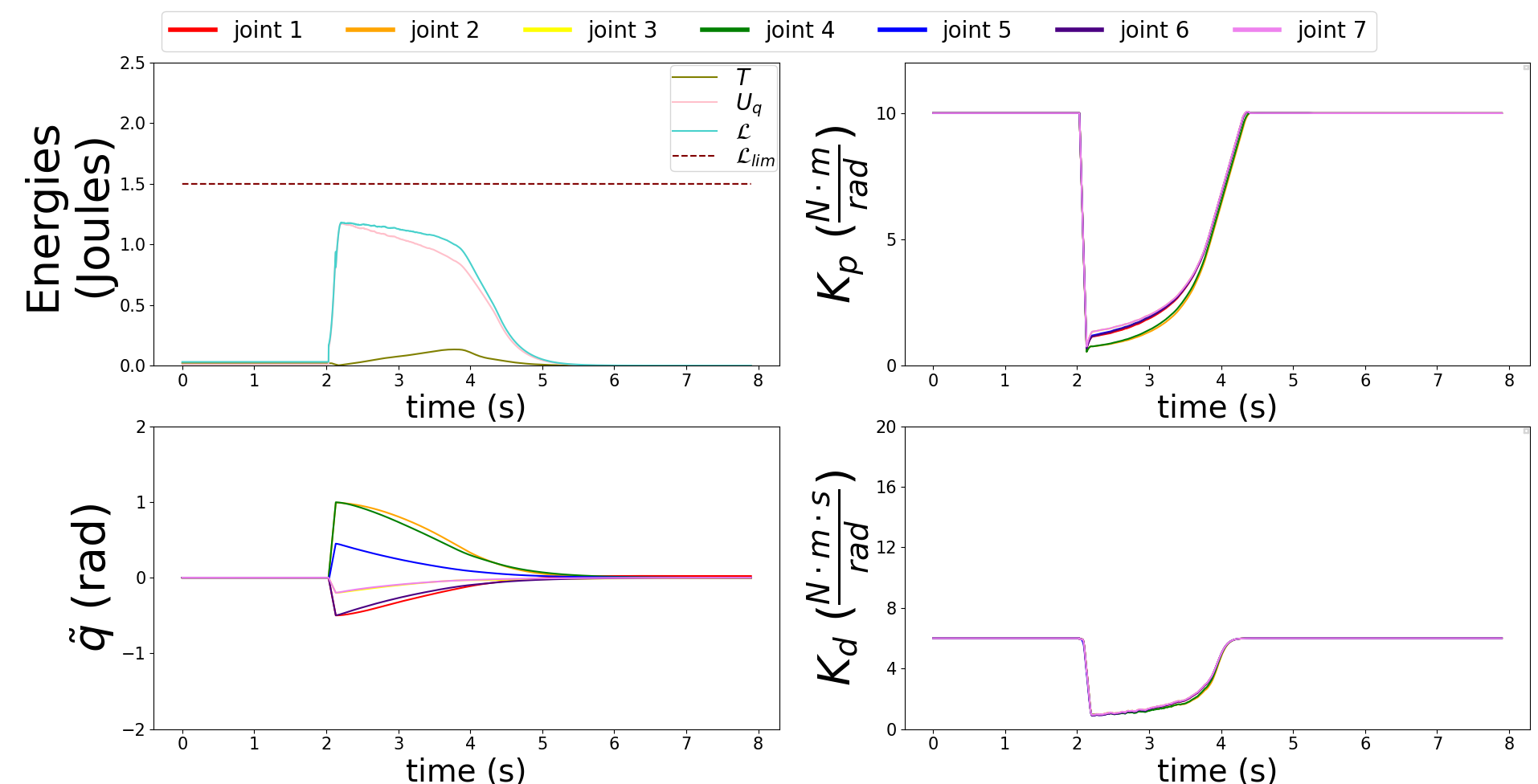
Figure 3: Simulation results for step reference input show energy limit adherence by the adaptive controller, resulting in slower settling compared to traditional PD.
- External Wrench Compliance: Under external force, the adaptive controller's energy-constrained compliance yields larger deflections but prevents violation of energy limits, highlighting improved safety in pHRI scenarios.
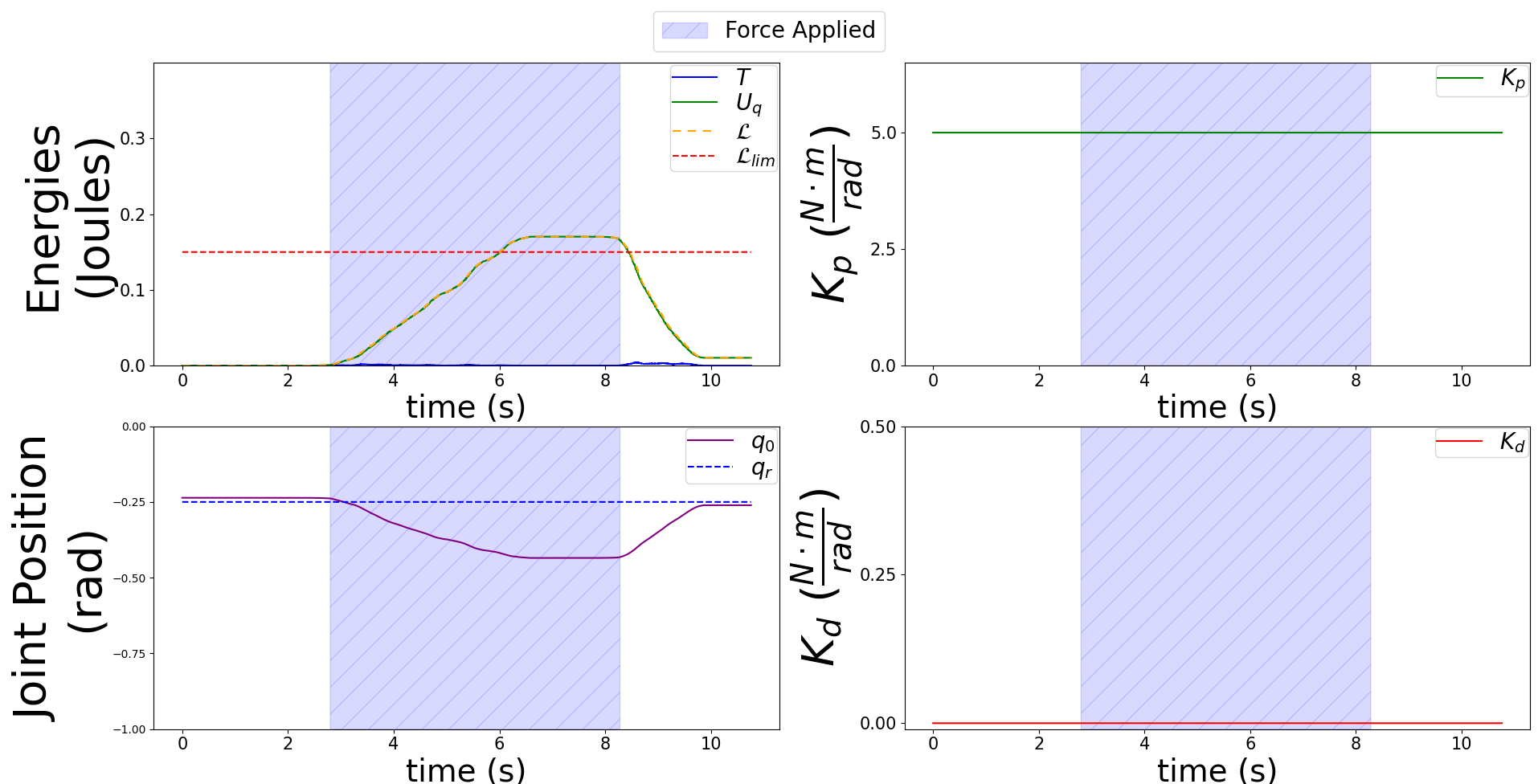
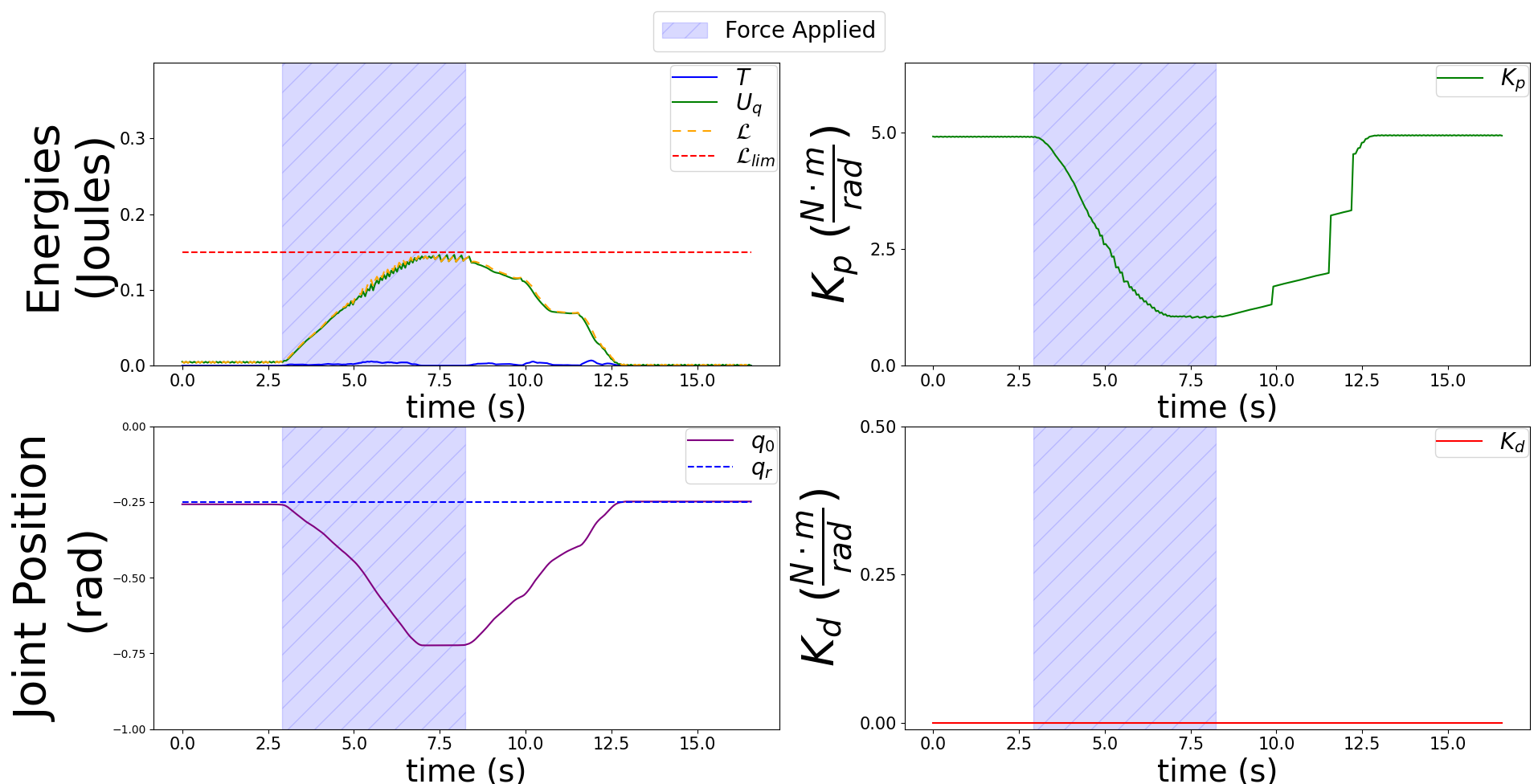
Figure 4: Controller response to simulated external wrench shows preserved energy bounds and heightened compliance.
- Hardware Force Application: Real-world experiments reinforce simulation findings; the adaptive controller maintains energy bounds, exhibits compliant behavior, and achieves gradual trajectory recovery post-interaction.
Figure 5: Hardware validation for external force shows compliance and robust energy limitation, with longer recovery times.
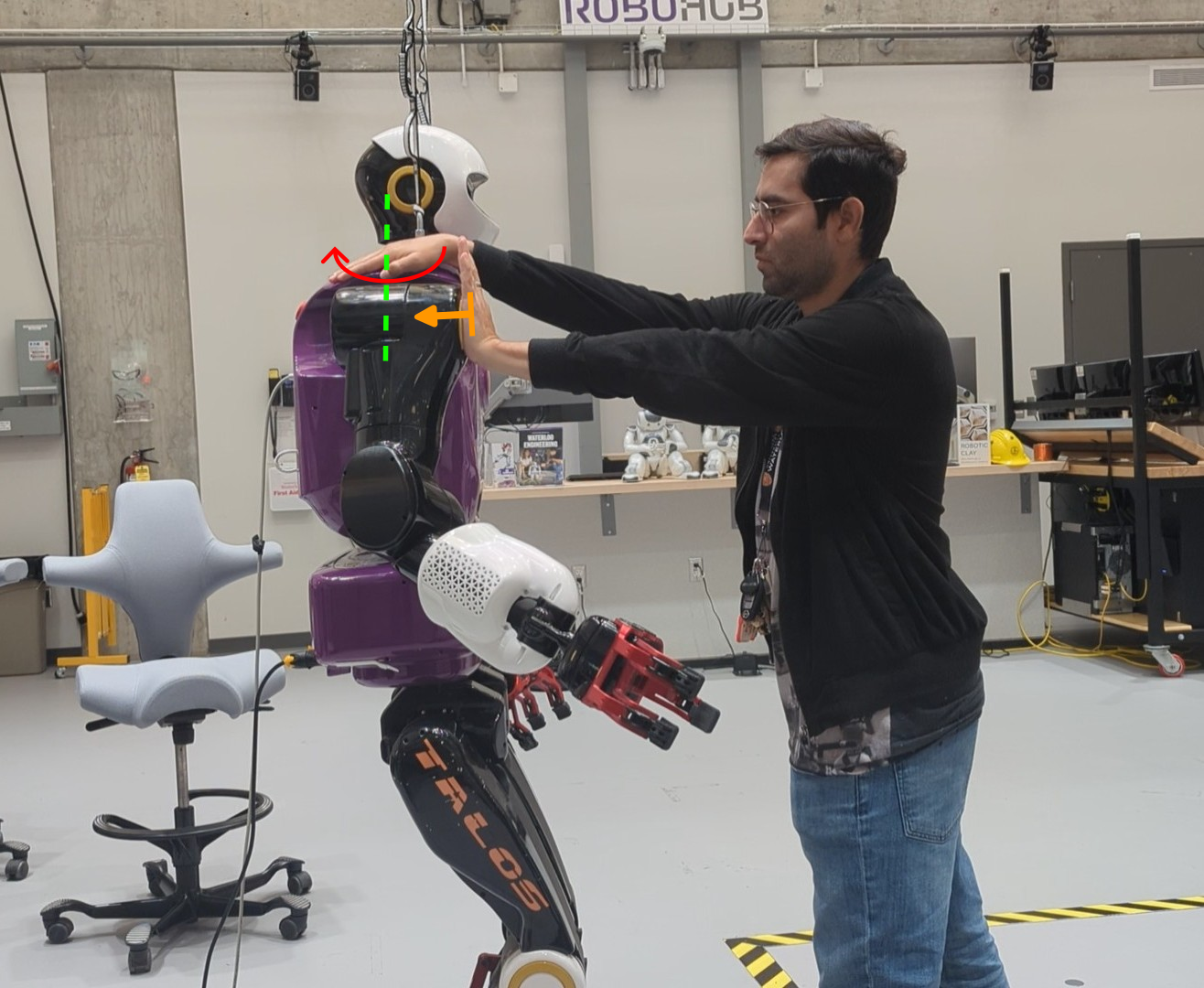
Figure 6: Experimental setup for TALOS robot with visualized force direction and axis of joint rotation.
Numerical and Empirical Results
The proposed controller consistently maintains energy below preset thresholds in all experiments. For step tracking and force compliance, maximum measured energies for the adaptive controller remain well under Llim, while the traditional PD controller regularly exceeds these bounds. Deflection statistics under external force show the adaptive controller enables greater displacement (up to r0) versus r1 for traditional PD, illustrating its compliant behavior. Settling times are systematically extended, confirming the anticipated tradeoff induced by gain dissipation.
Discussion and Implications
The adoption of energy-constrained adaptive PD control provides explicit, tunable safety margins for pHRI. By design, the controller operates transparently as a traditional PD controller under low energy, facilitating integration with existing industrial tuning protocols. The flexibility to allocate energy budgets and adjust dissipative sharpness enables scenario-specific adaptation. However, reliance on accurate dynamic modeling and careful tuning of threshold parameters (r2, r3, r4) is imperative. Energy limitation, while robust, does not guarantee absolute safety due to contact area and pressure factors absent from energy-based constraints.
Theoretically, this formulation supplies a direct path to integrating Lyapunov-stable energy-limiting strategies into canonical control architectures. Practically, it enables heightened compliance in environments where unpredictability and human proximity present acute risk. The controller's proactive gain adaptation is advantageous over reactive force- or torque-modification, notably improving safety profiles in collaborative robots.
Looking forward, advanced joint-level energy allocation, friction compensation strategies, and explicit stability proofs under time-varying reference trajectories represent substantive future directions. Further hardware validation—especially with complex multi-joint scenarios—will illuminate robustness in operational contexts.
Conclusion
This research introduces an adaptive PD control methodology for energy-constrained pHRI, combining dissipative gain adaptation with explicit stability enforcement. Empirical evaluation on the TALOS robot confirms practical compliance, energy bound maintenance, and robust tracking performance under various interaction scenarios. The approach advances both theoretical and practical foundations for safe, compliant human-robot interaction and sets the stage for deeper exploration of energy-based safety certification and controller integration in collaborative robotic platforms.