- The paper presents a rigorous classification of static compact object branches in beyond Horndeski gravity using analytic solutions parameterized by K and µ.
- It demonstrates that light rings and optical signatures depend on the exterior photon potential and disk geometry rather than solely on horizon structure.
- The study reveals that thin-disk optical imaging degeneracy limits the ability to distinguish between horizonless and multi-horizon configurations.
Light Rings and Optical Signatures of Compact Objects in Beyond Horndeski Gravity
Theory Overview: Beyond Horndeski Gravity and Primary Scalar Hair
The paper "Light rings and optical appearances of naked singularities, solitons, and black holes in beyond Horndeski gravity" (2605.29974) investigates the geodesic and optical properties of static, spherically symmetric compact objects within shift- and parity-symmetric DHOST (degenerate higher-order scalar-tensor) theories. These theories generalize Horndeski models, permitting higher-derivative interactions of the scalar field while maintaining ghost-free dynamics via degenerate Lagrangian combinations. The analytic solution family studied is parameterized by a theory parameter K and a dimensionless mass parameter μ, leading to diverse configurations including timelike naked singularities, regular solitons, regular black holes, Reissner-Nordström-like black holes, multi-horizon black holes, and Schwarzschild-like single-horizon black holes.
Primary scalar hair (not fixed by conserved charges) enables a richer space of static solutions. The paper focuses on the n/s=5/2 member of Bakopoulos-Chatzifotis-Nakas analytic families, whose parameter space, at fixed K, admits transitions between these distinct compact object branches as μ varies.
Solution Classification: Horizon Structure and Mass Paths
Extensive phase analysis reveals that, for fixed K, paths in μ realize three distinct evolutionary regimes:
- Path A (0<K<K1): Sequence traverses naked singularity → regular soliton → single-horizon black hole.
- Path B (μ0): Sequence includes naked singularity, a regular soliton, single-horizon black hole, three-horizon black hole, and finally Schwarzschild-like black hole.
- Path C (μ1): Sequence progresses through naked singularity, two-horizon black hole (RN-like), regular black hole, three-horizon black hole, and single-horizon black hole.
The horizon structure is determined by roots of the metric function μ2; double roots mark transitions between branches and extremal configurations.
Geodesic Structure: Light Rings and Circular Orbits
Detailed analysis of null and timelike geodesics yields several nontrivial findings:
- The number and location of unstable light rings do not directly correspond to the number of horizons; some horizonless spacetimes possess light rings, while multi-horizon black holes can have only a single outer light ring.
- Light ring dynamics across mass paths are highly sensitive to μ3 and μ4. For some configurations, particularly on path B, the photon effective potential μ5 exhibits multiple extrema, resulting in multi-scale photonic structure.
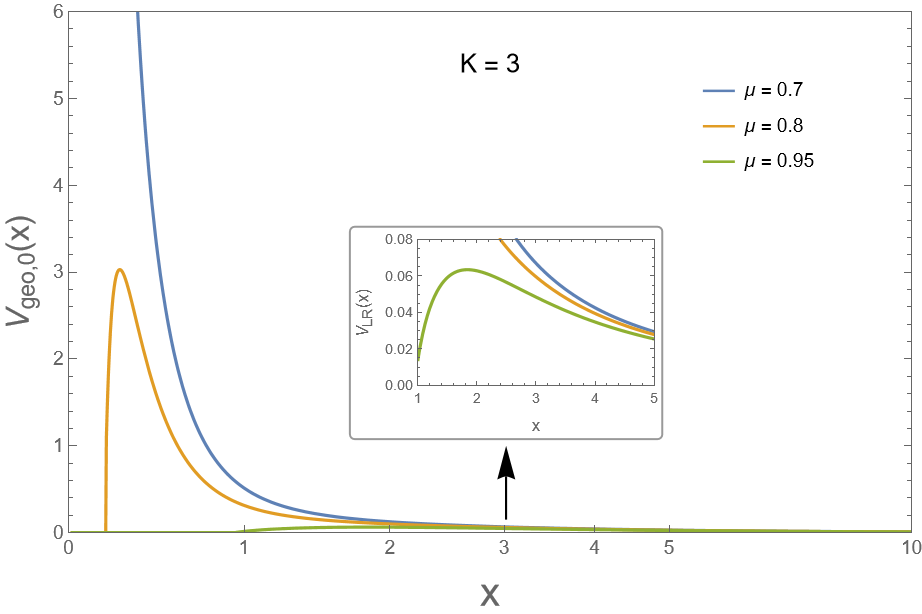
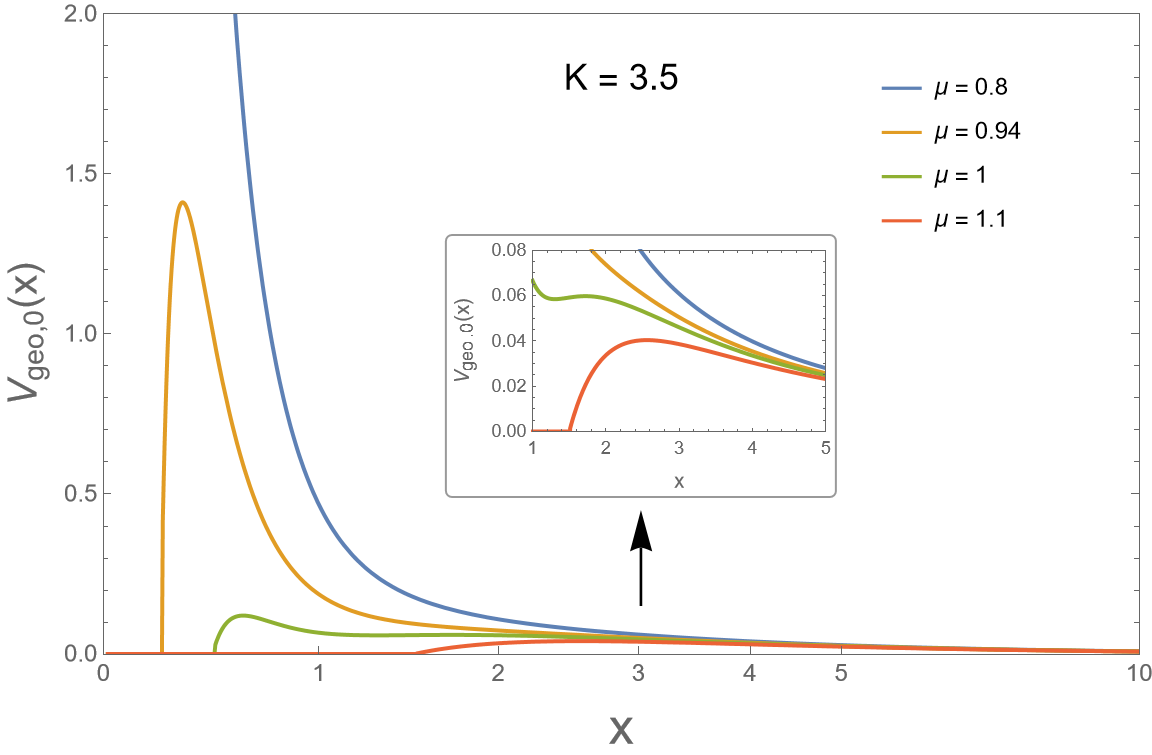
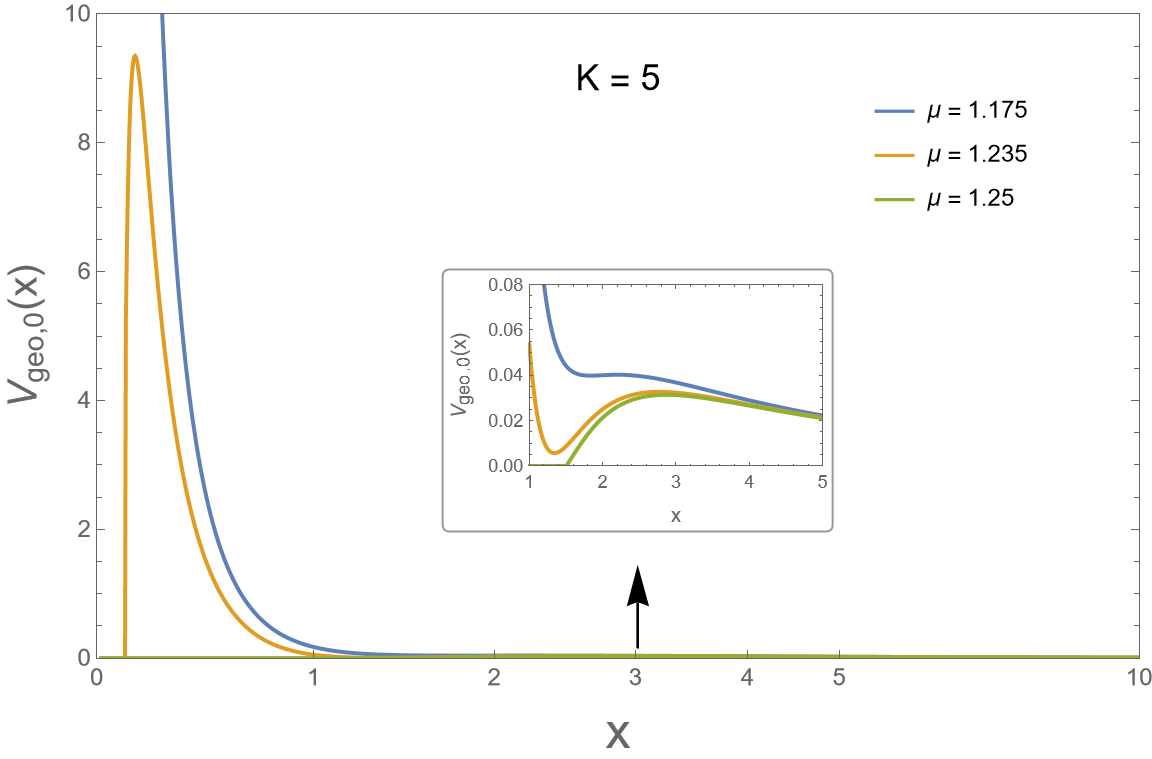
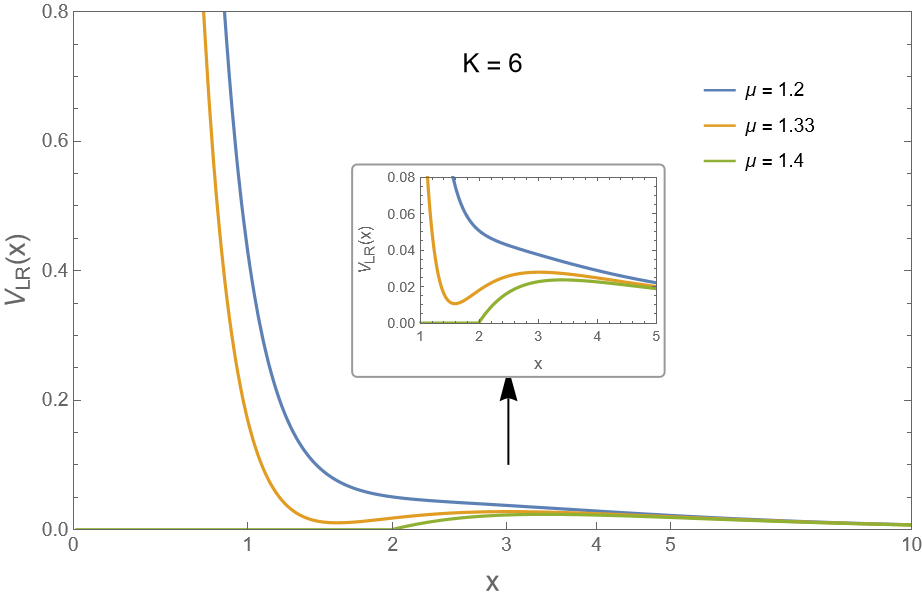
Figure 1: Effective photon potentials for four representative cases (μ6) display fine structure near the potential maximum that translates into light ring multiplicity and position.
Light ring radius μ7 as a function of μ8 is required for understanding impact parameter scaling and optical morphology.
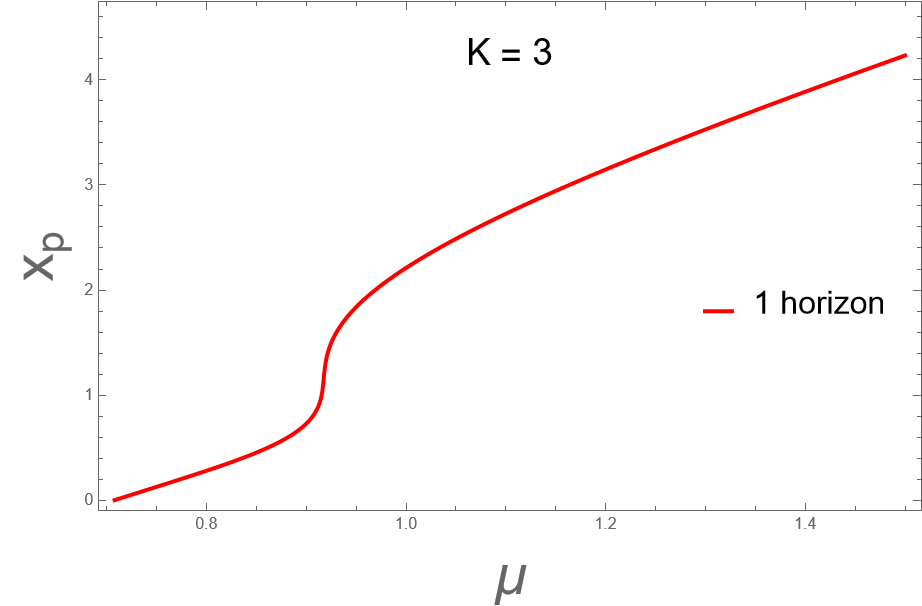
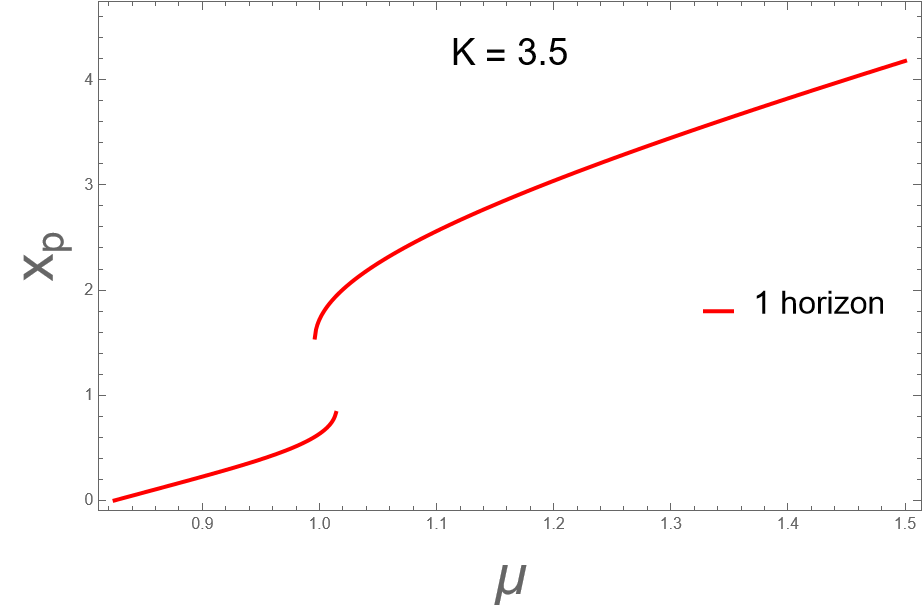
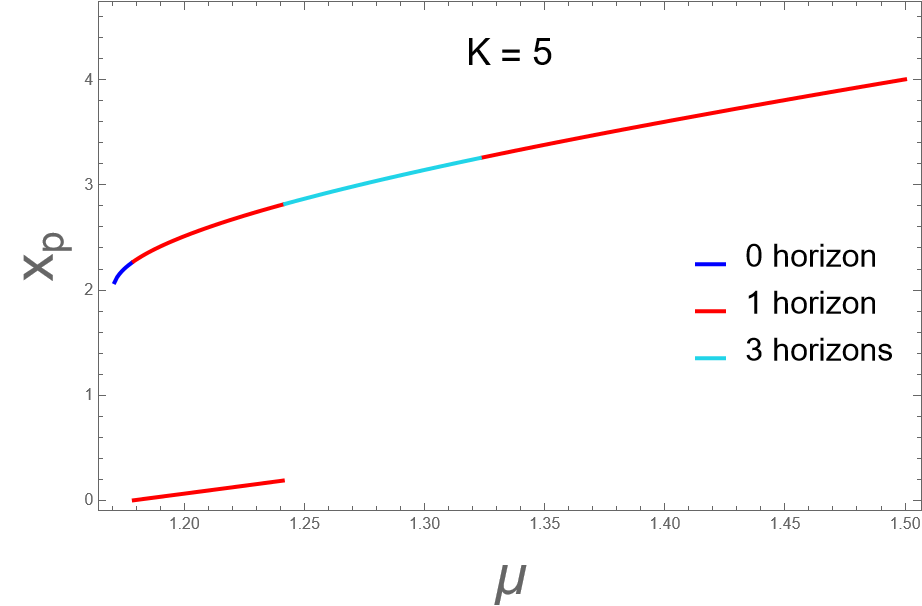
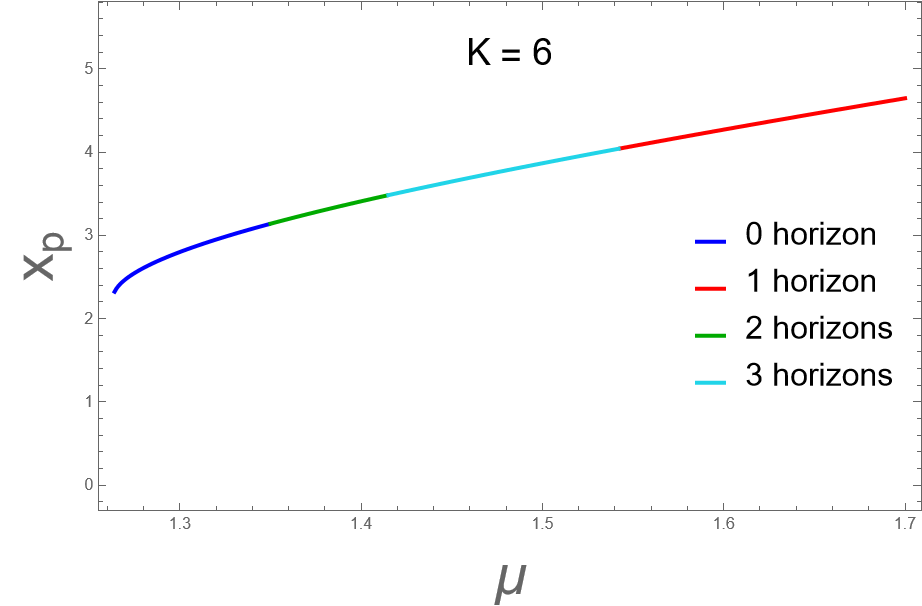
Figure 2: Light ring radius μ9 versus n/s=5/20 for representative n/s=5/21 values, showing variability and transitions between regimes with 0, 1, 2, or 3 horizons.
For massive particles, ISCOs and static spheres serve as disk inner edges. In specific parameter regimes, ISCOs disappear and static spheres become the relevant scale for disk truncation, especially in certain naked singularity branches.
Optical Signatures: Thin-Disk Ray Tracing and Image Diagnostics
Optical image computation is performed via ray tracing for geometrically and optically thin disks, adopting a face-on observer configuration. The disk inner edge corresponds either to the ISCO (if present) or the static sphere, determined by geodesic stability.
Key results include:
- The optical image is not uniquely dictated by the number of horizons; horizonless objects can exhibit shadow-like central depressions, and multi-horizon black holes closely mimic single-horizon black holes when exterior light ring and disk structures are analogous.
- Central depressions in observed intensity are largely governed by the photon potential and the location of the disk inner edge. The deep horizon structure leaves only indirect, non-morphological imprints.
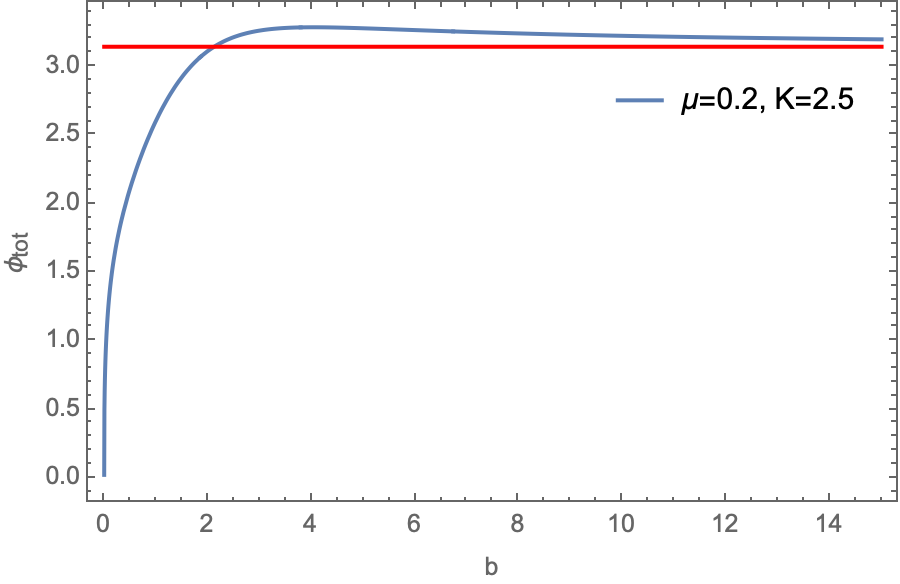
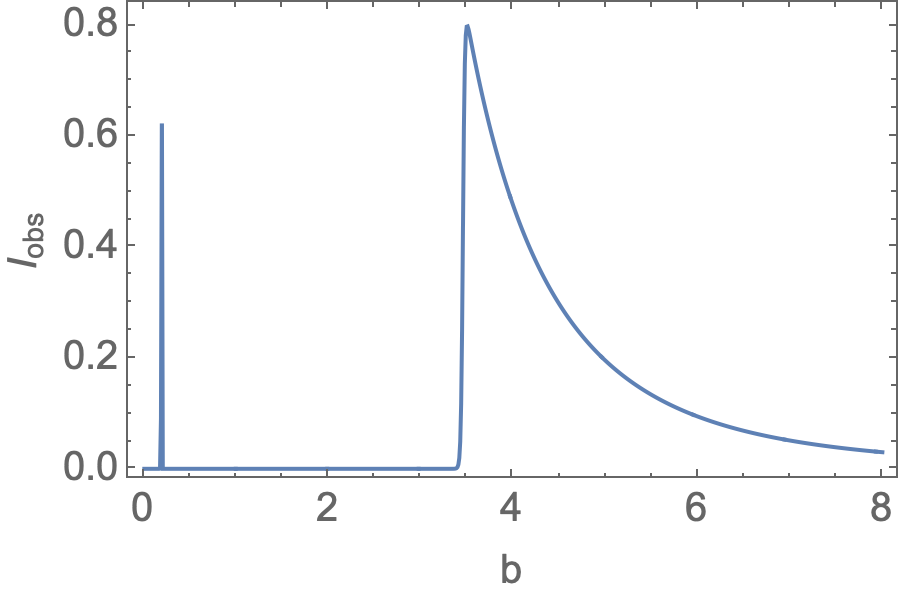
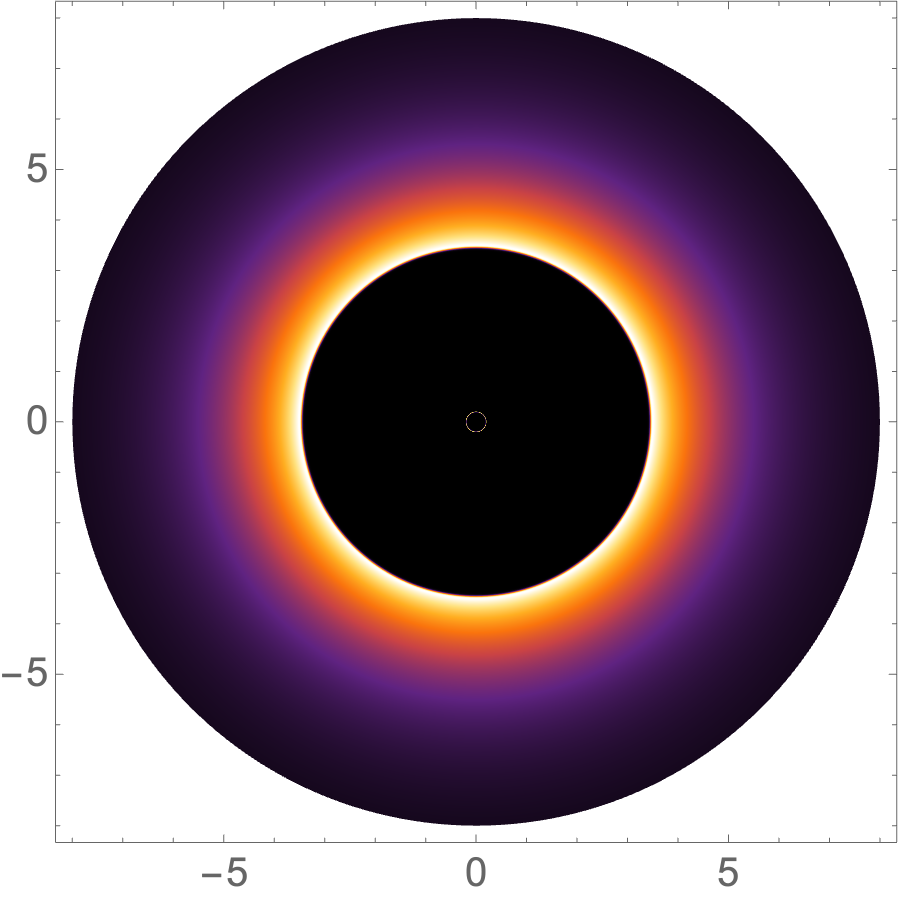
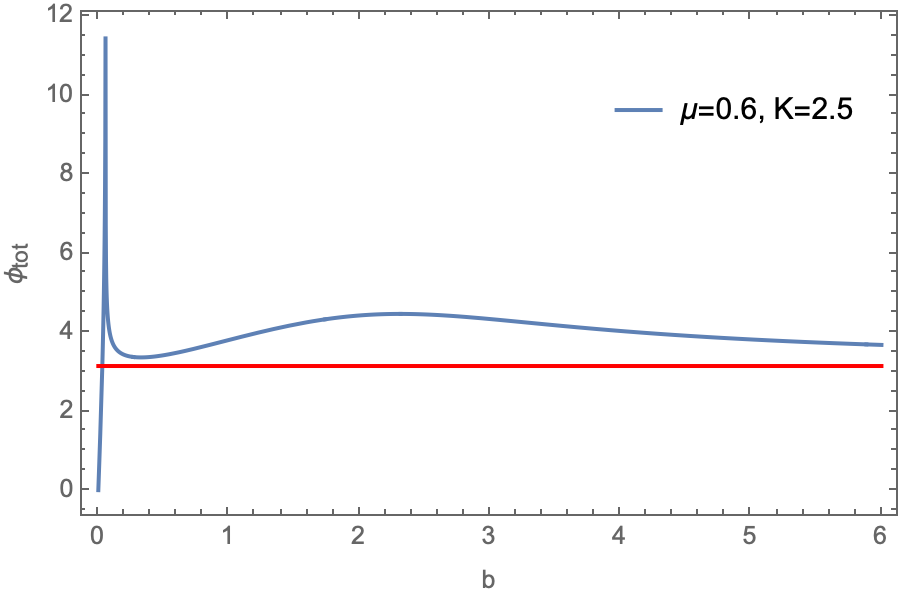
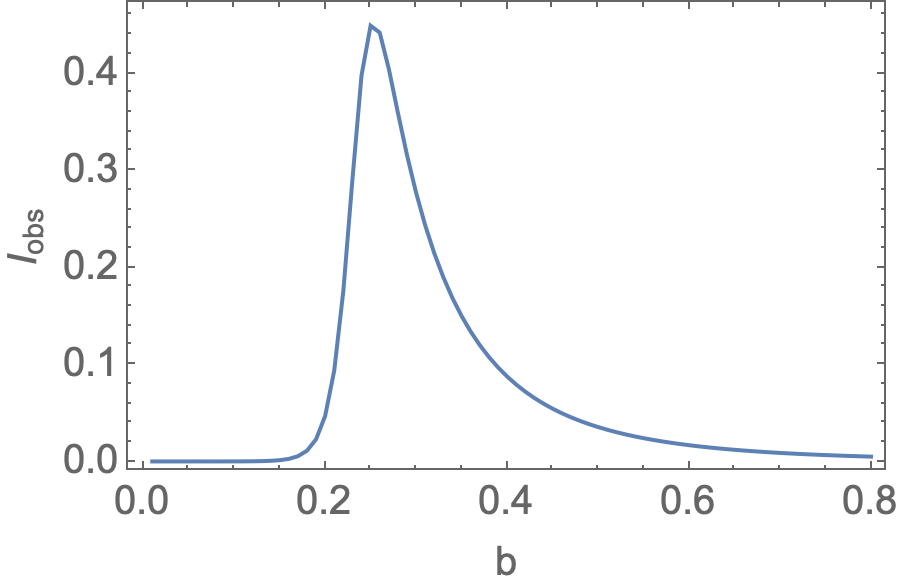
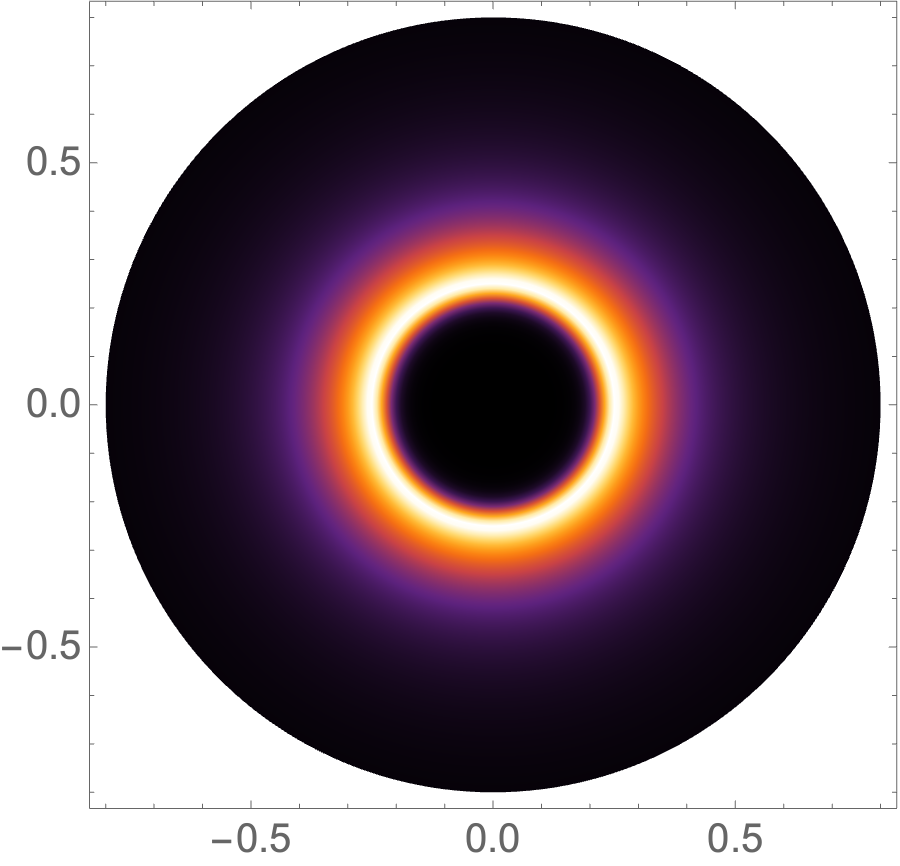
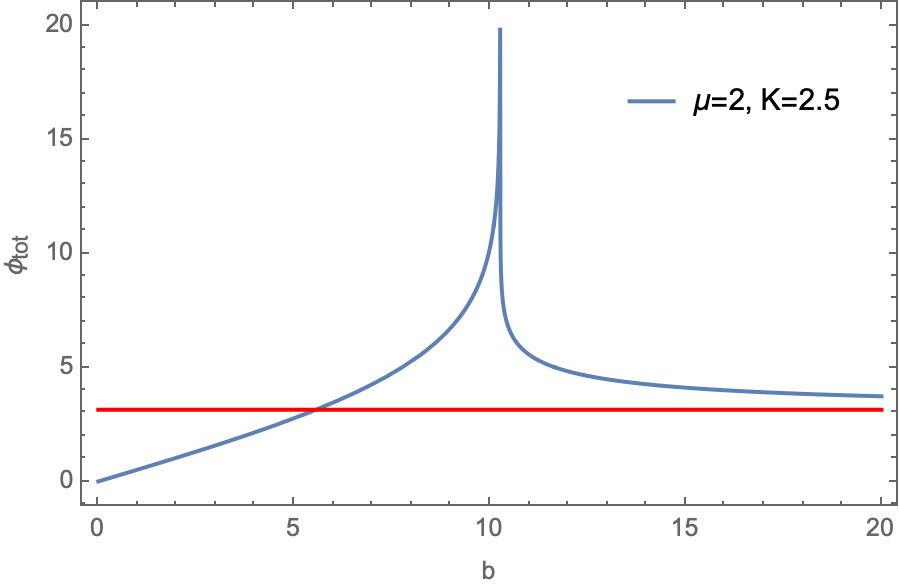
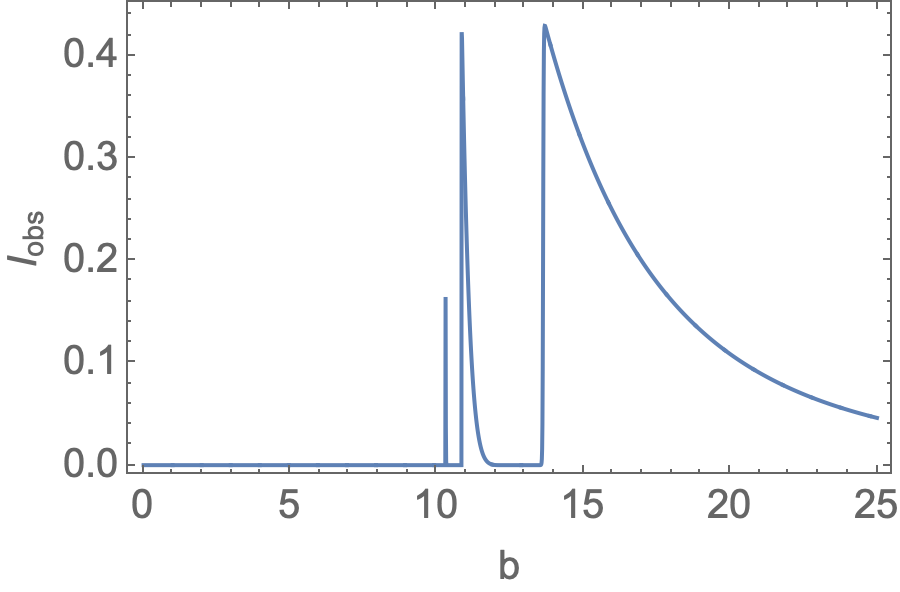
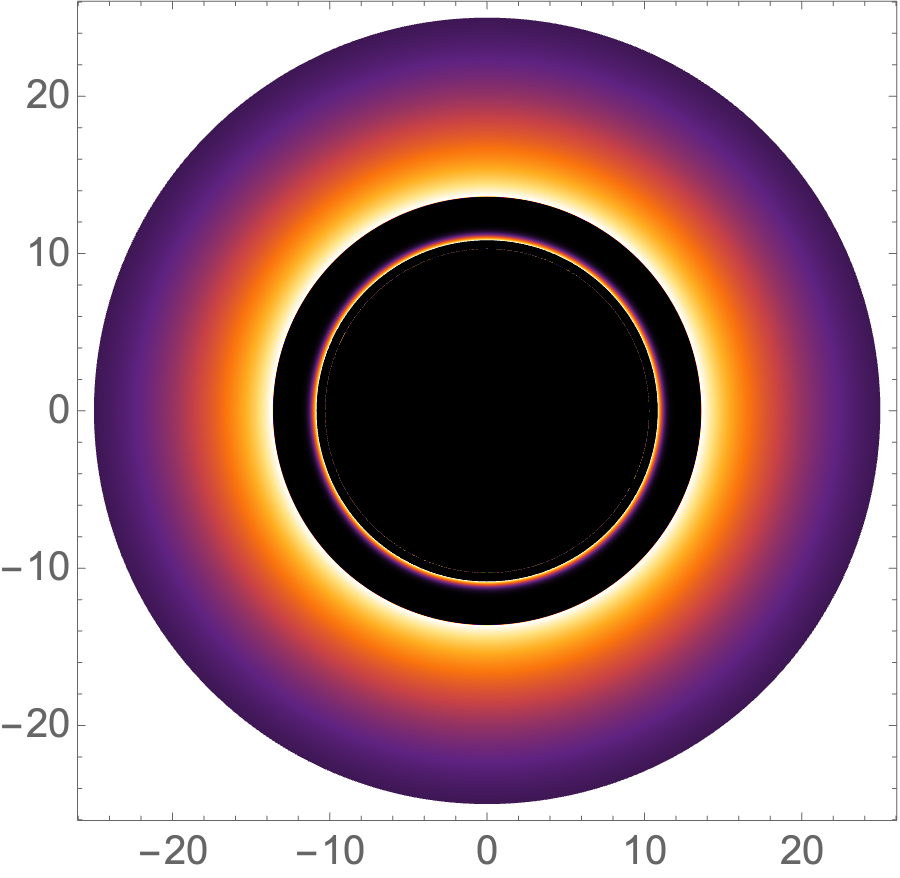
Figure 3: Optical images along path A depict the transition of total deflection angle n/s=5/22, observed intensity, and final image as objects traverse naked singularity, static sphere, and ISCO branches.
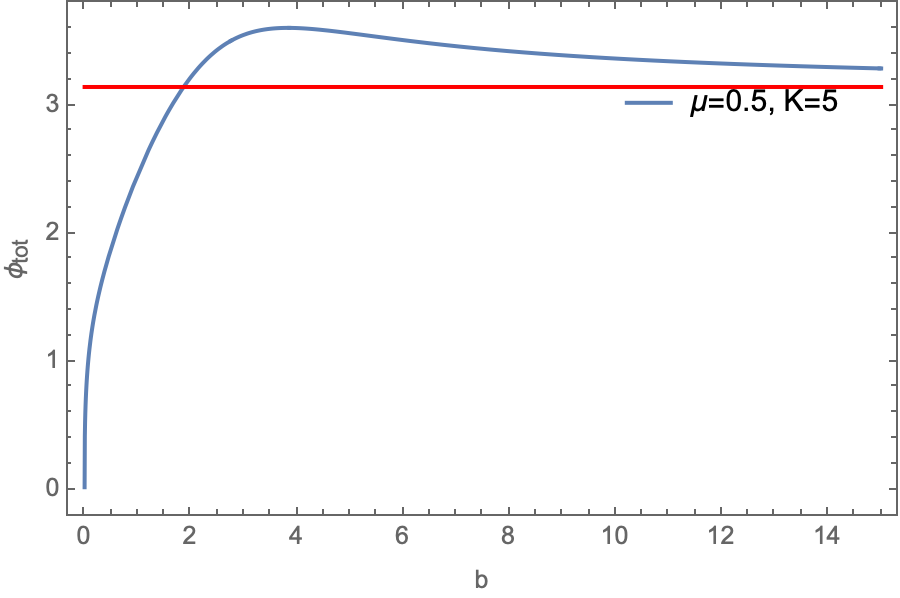
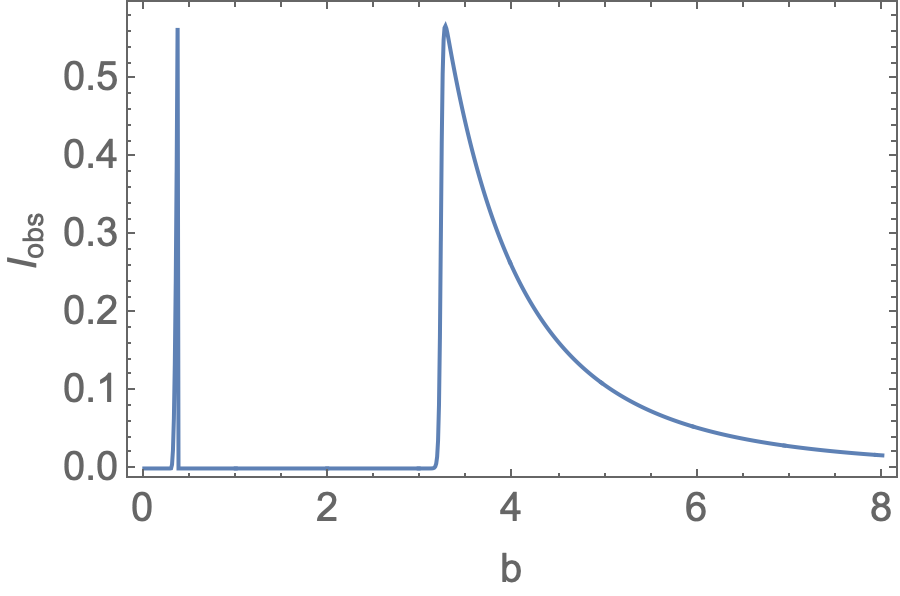
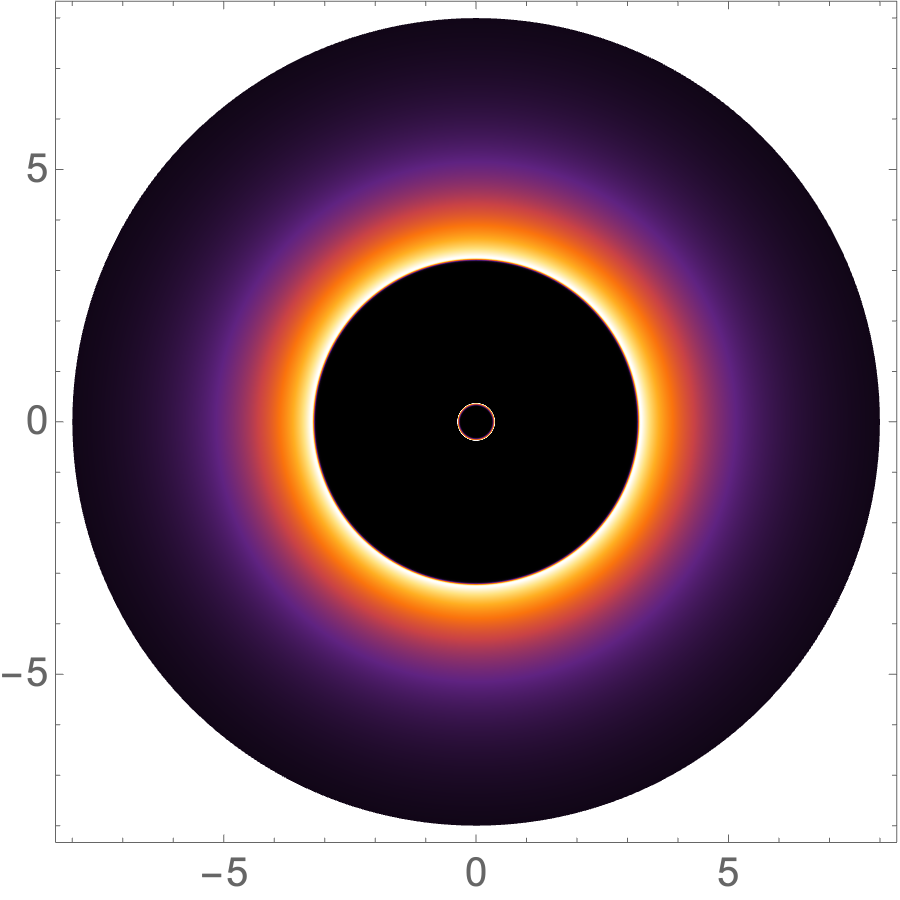
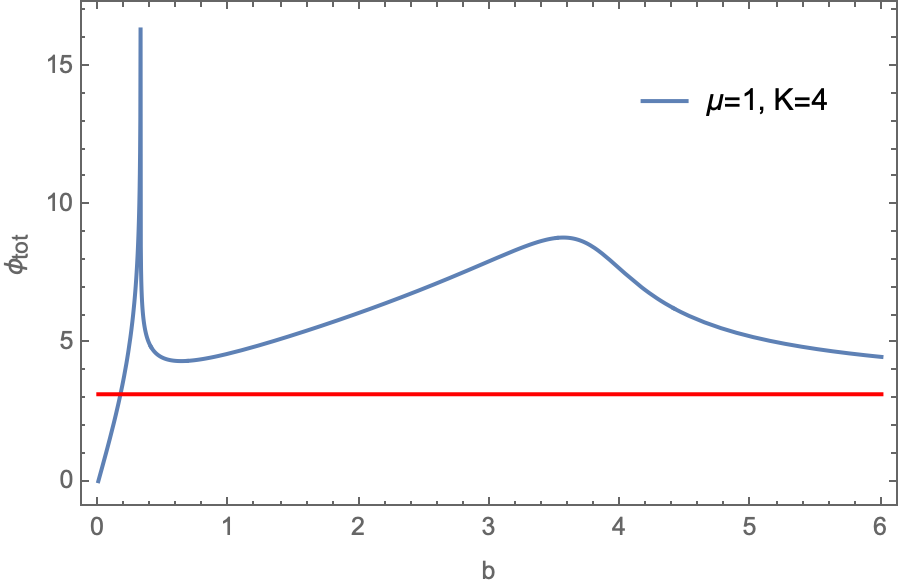
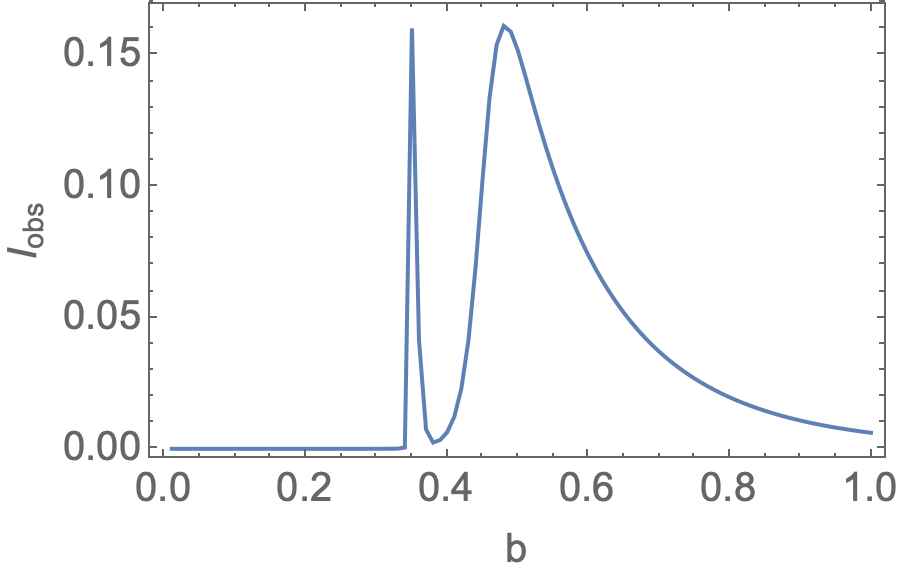
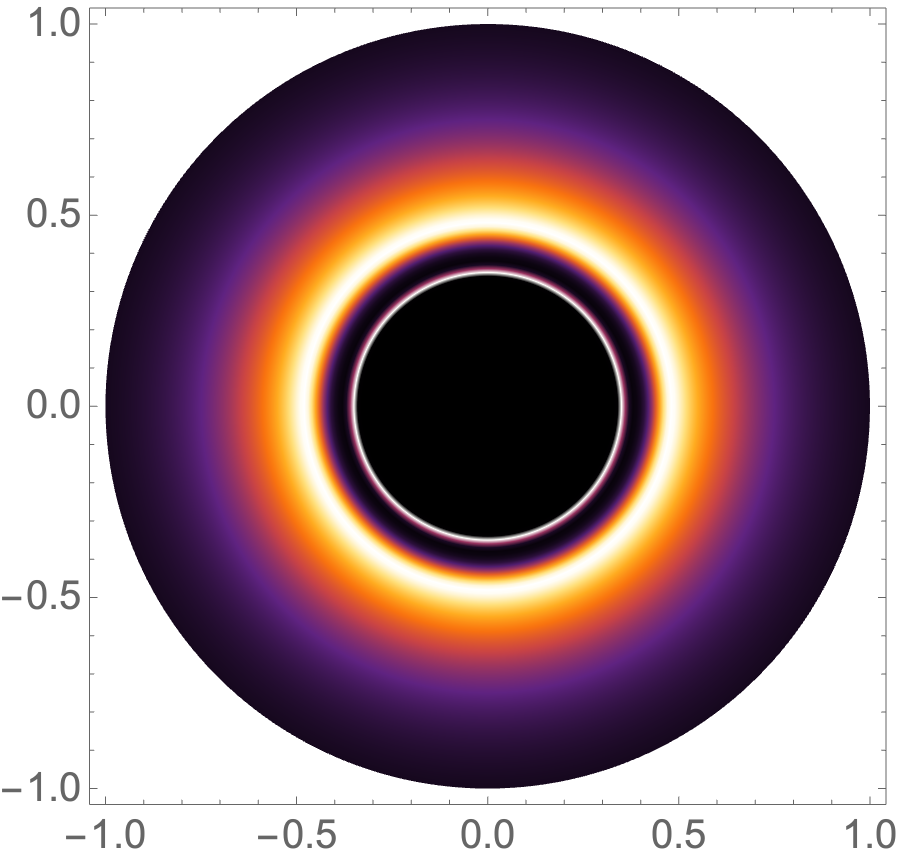
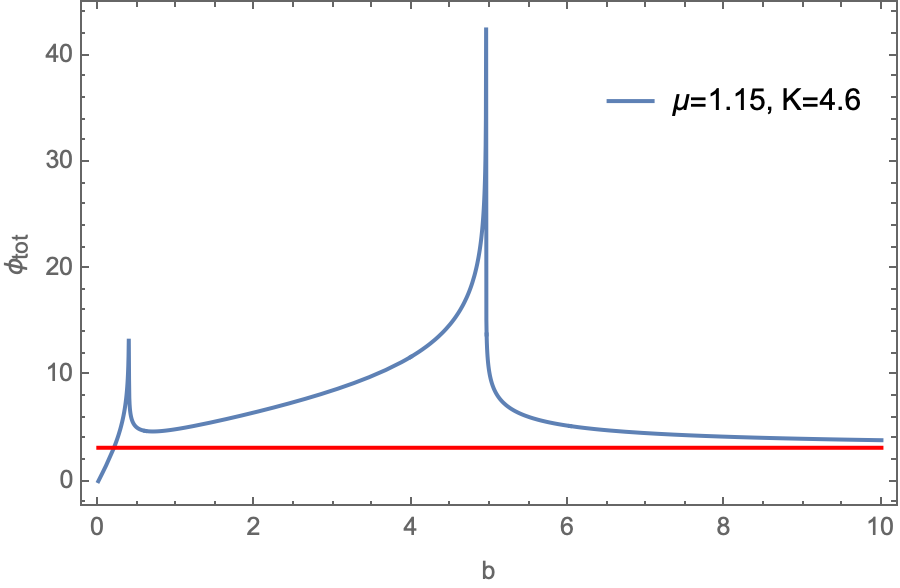
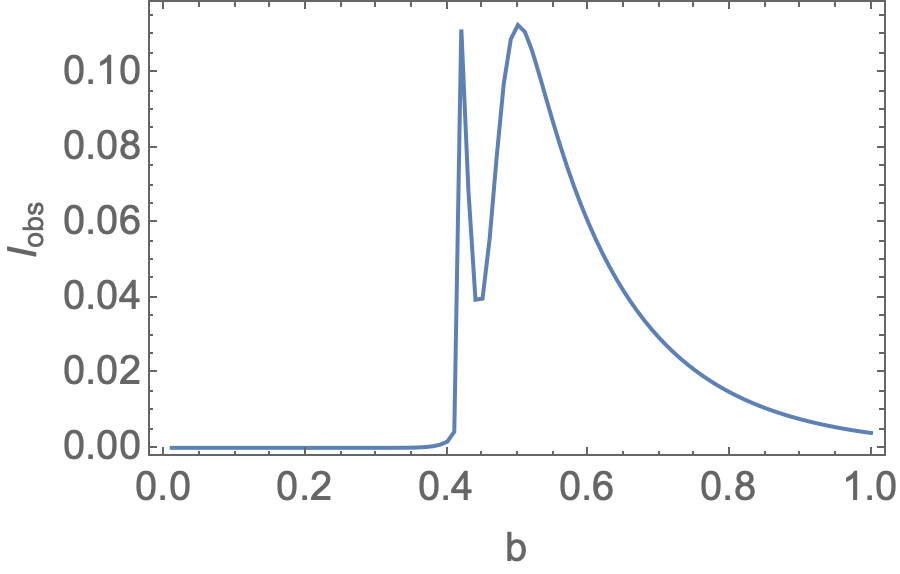
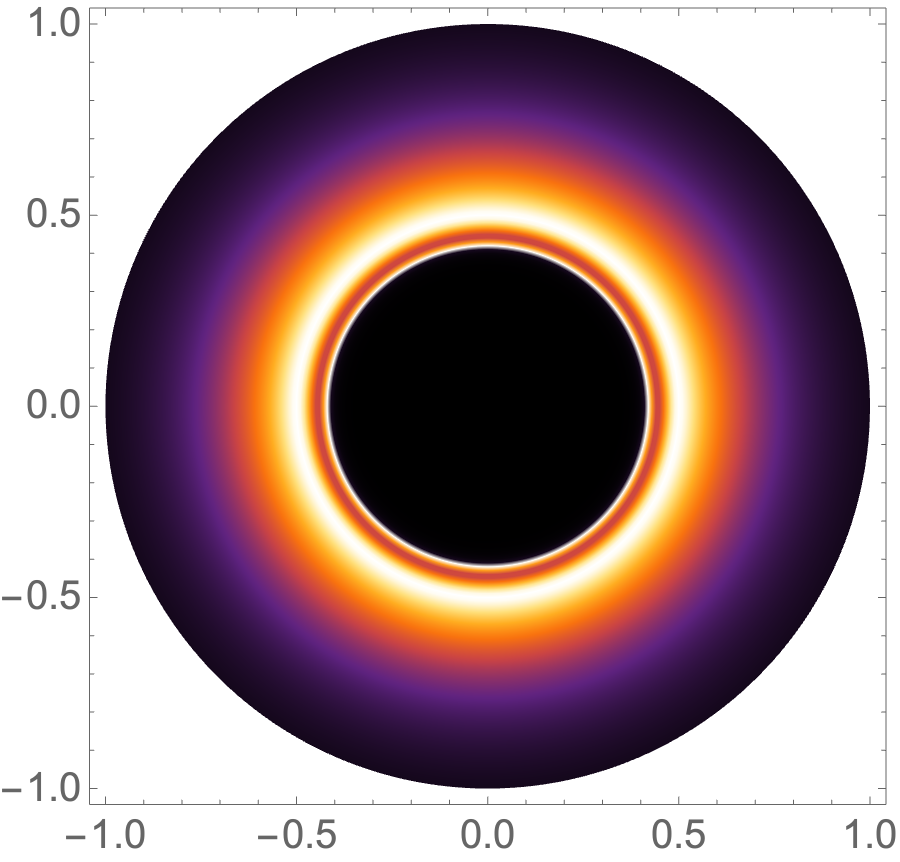
Figure 4: Optical images for path B configurations where disks start from static spheres, illustrating the nontrivial emergence of bright rings and central depressions.
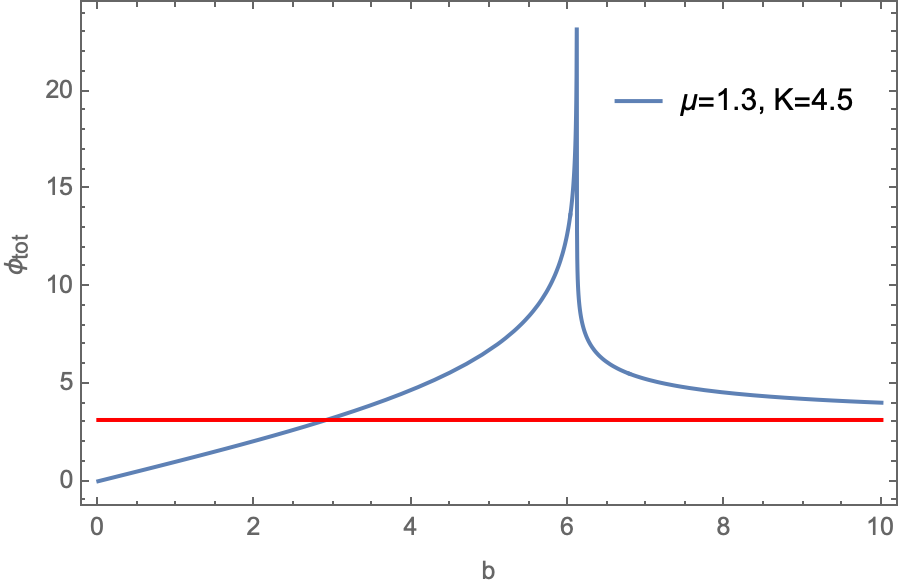
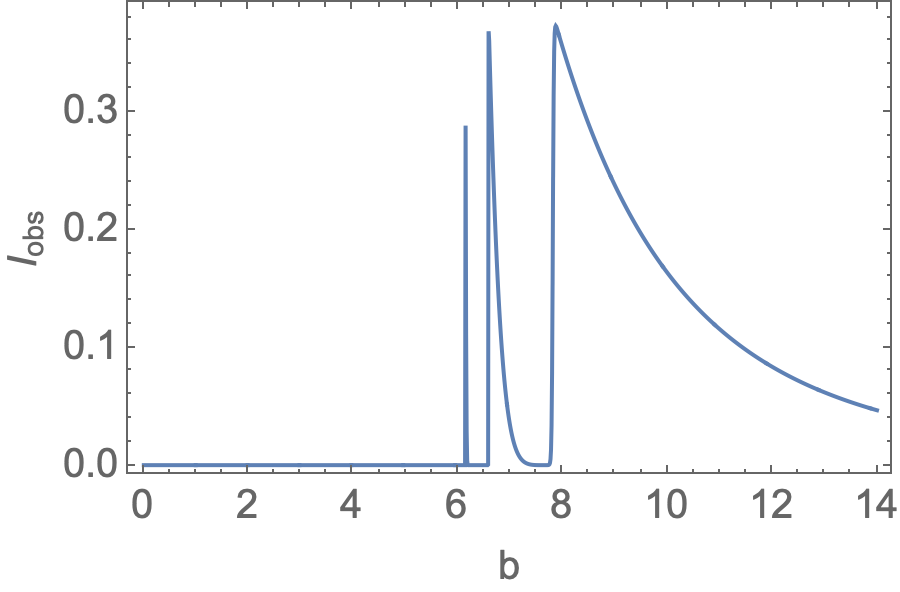
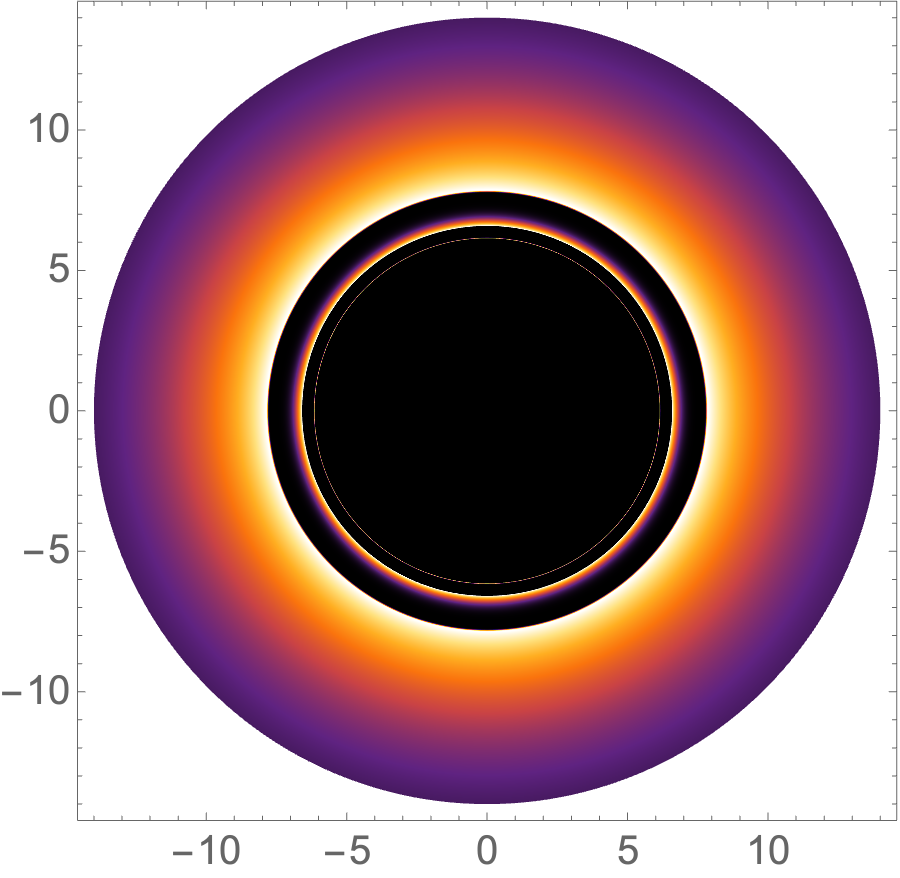
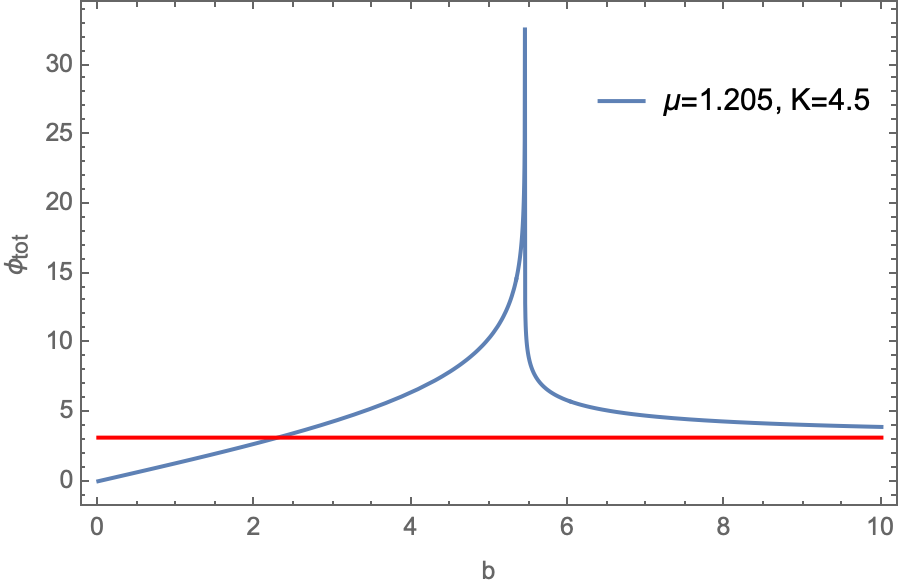
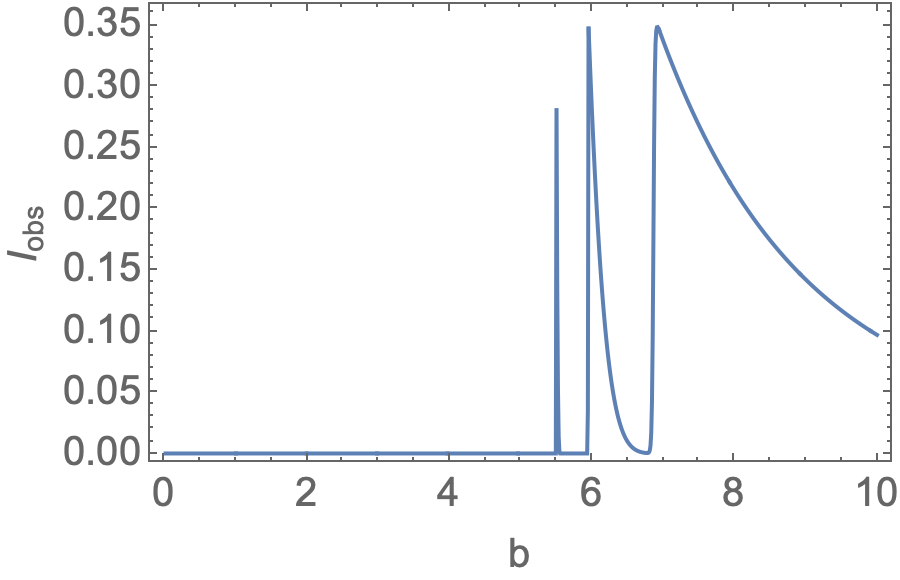
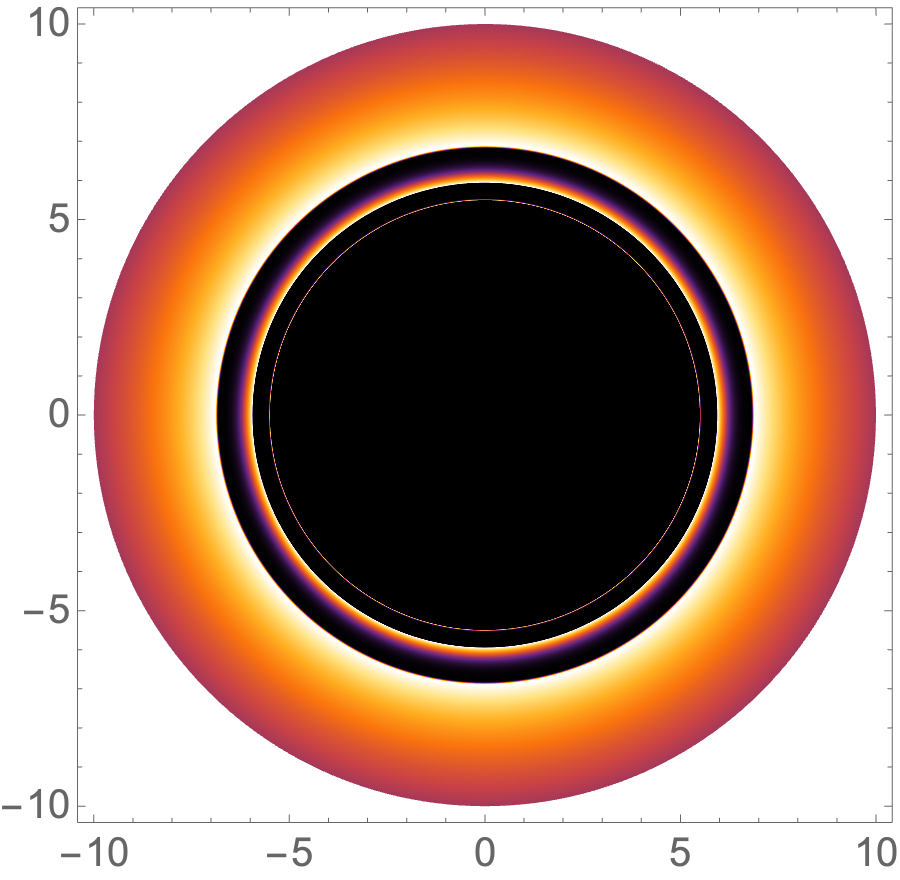
Figure 5: Optical images for black hole configurations with ISCO in path B, showing direct comparisons between single- and multi-horizon image morphologies.
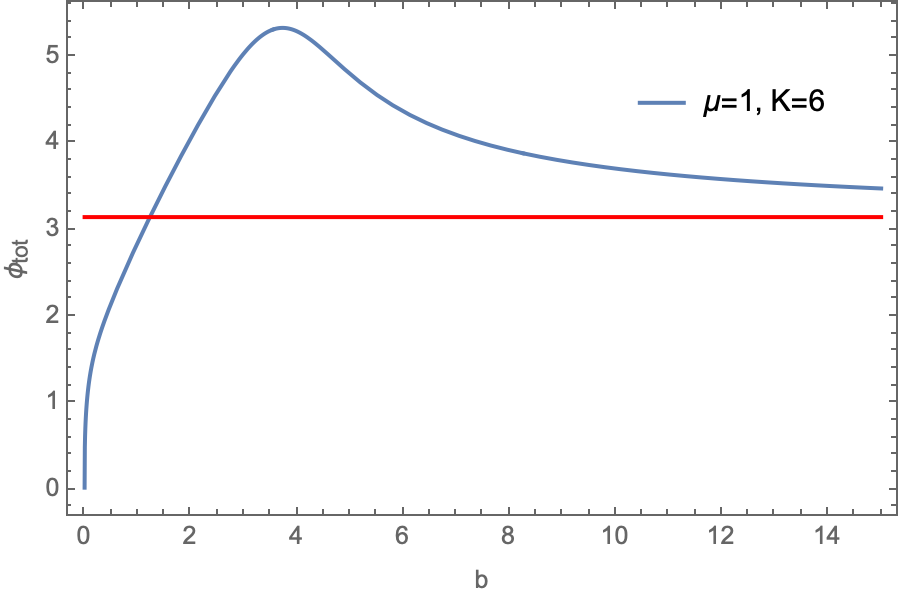
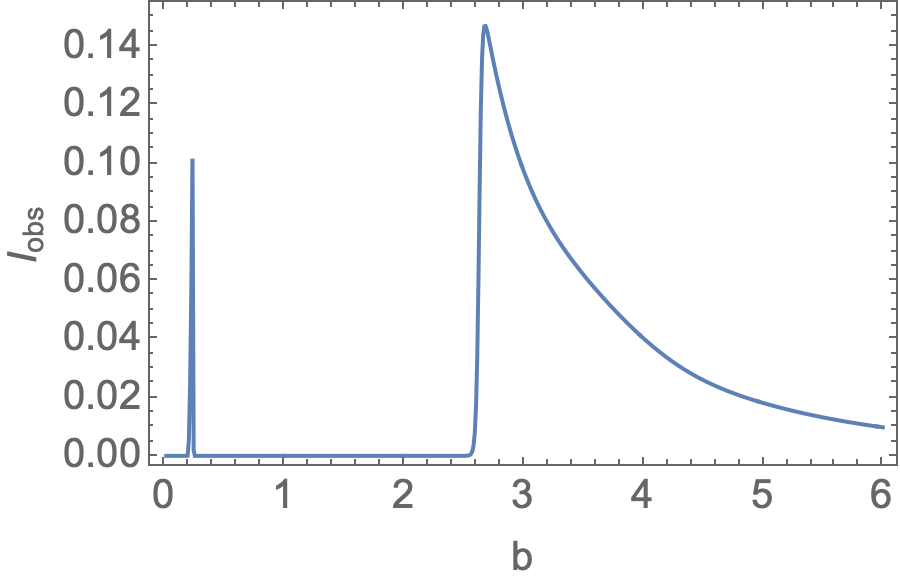
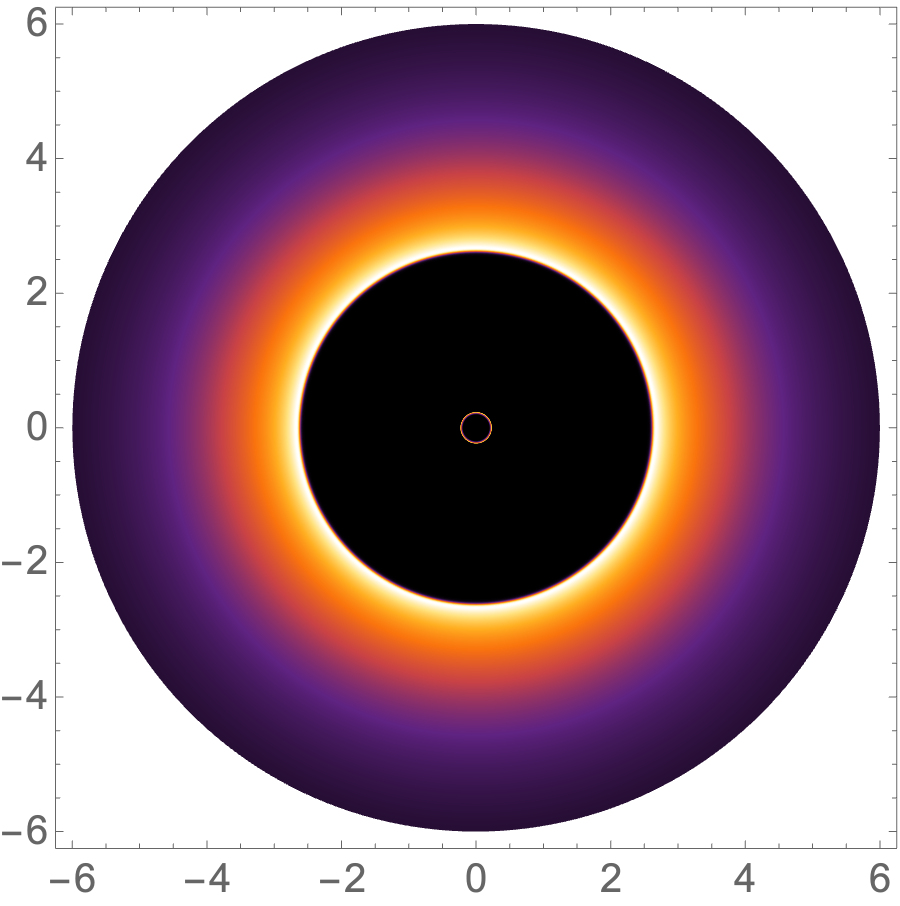
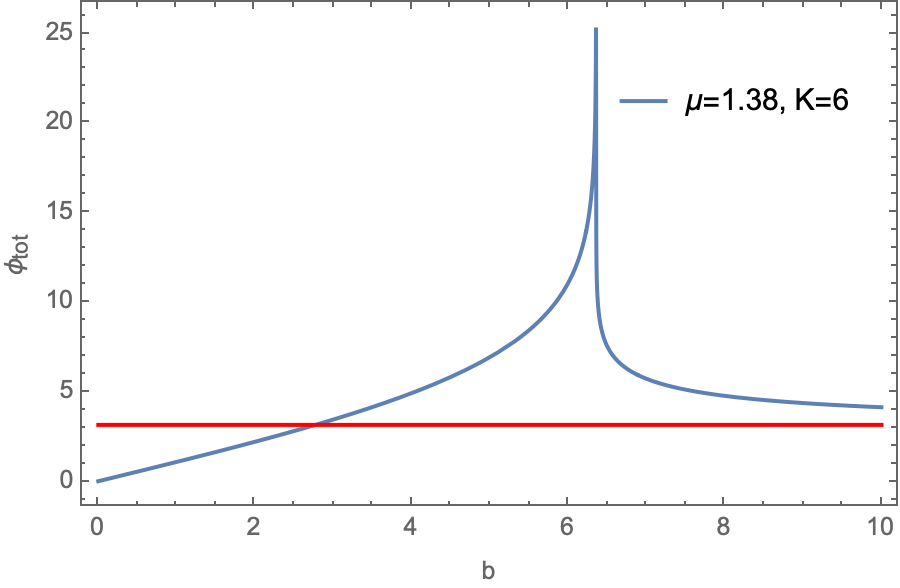
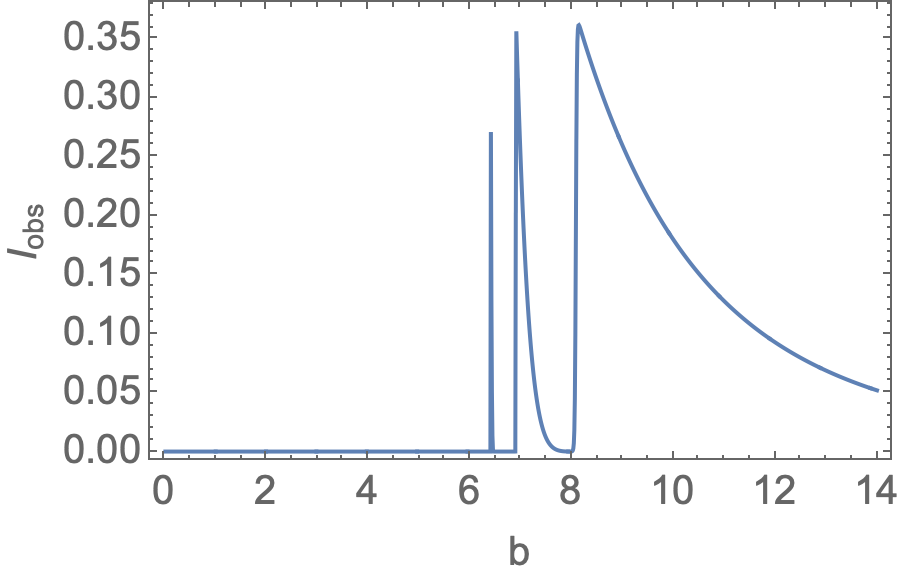
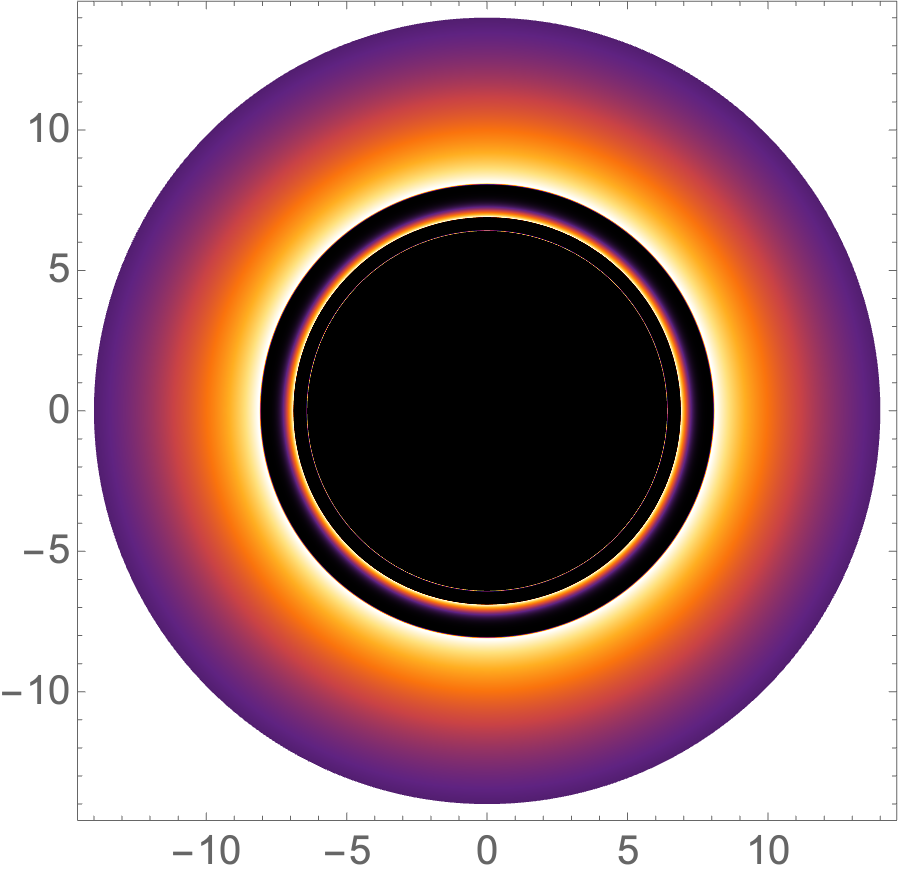
Figure 6: Optical images along path C before/after horizon formation demonstrate the continued presence of shadow-like depressions even in horizonless cases.
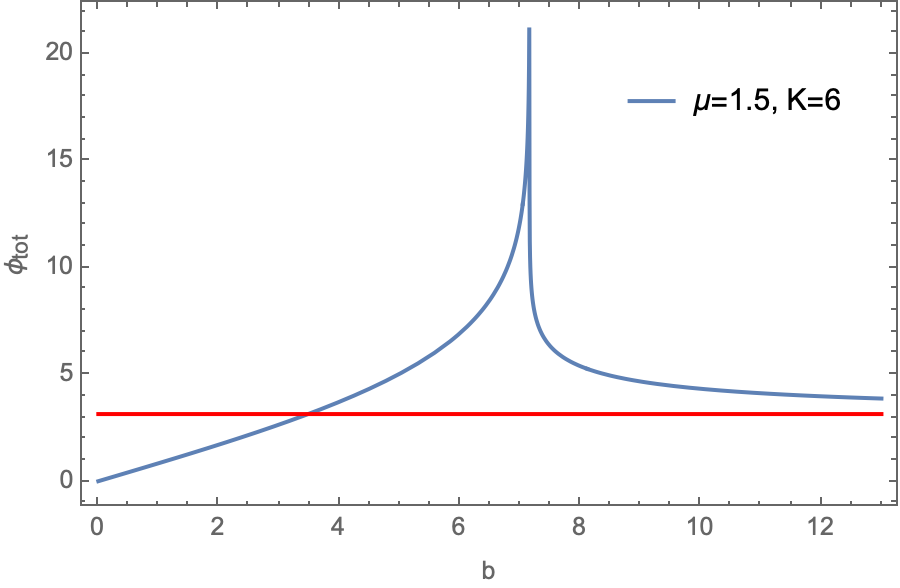
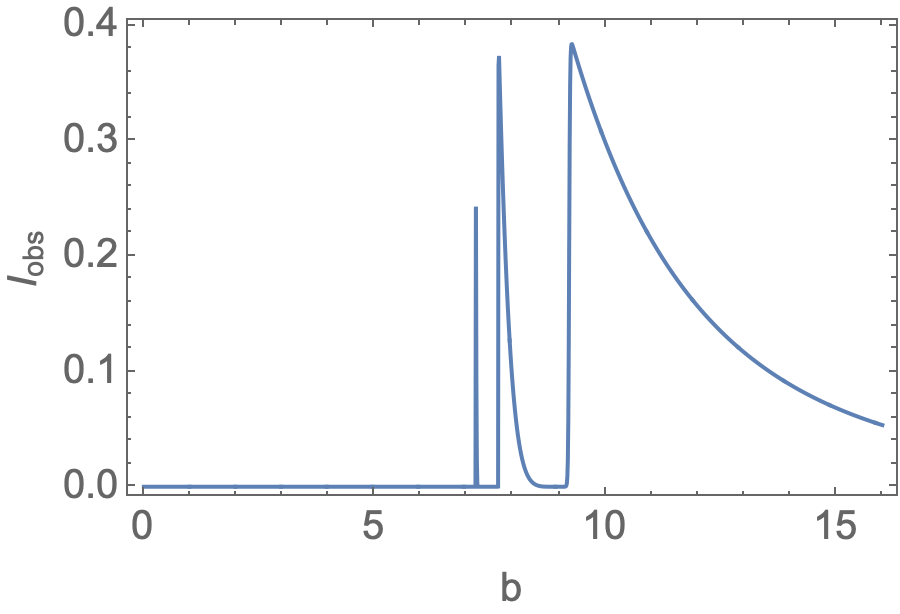
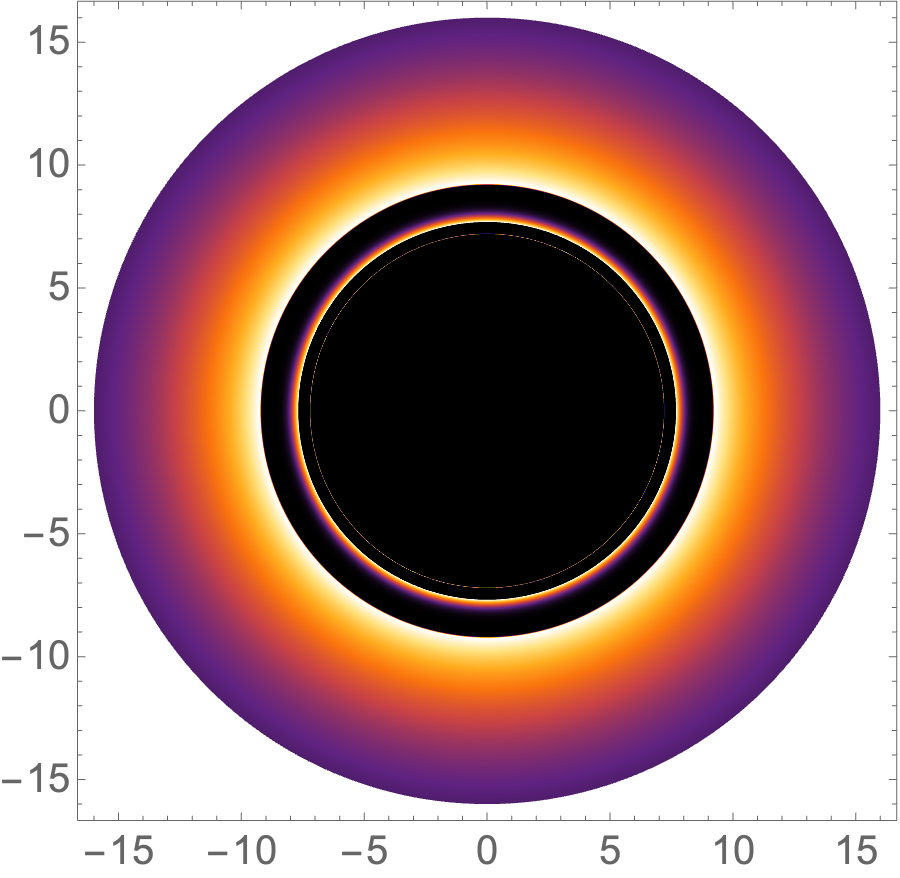
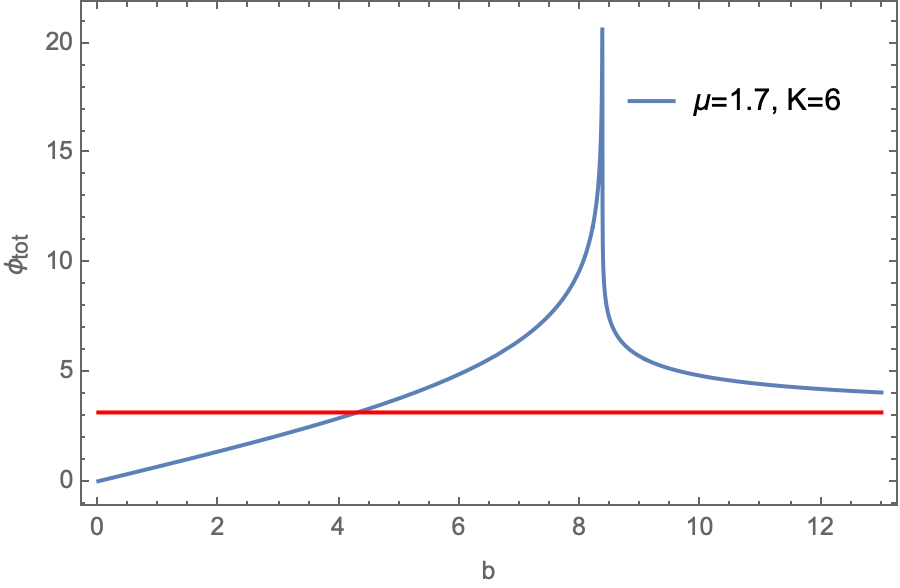
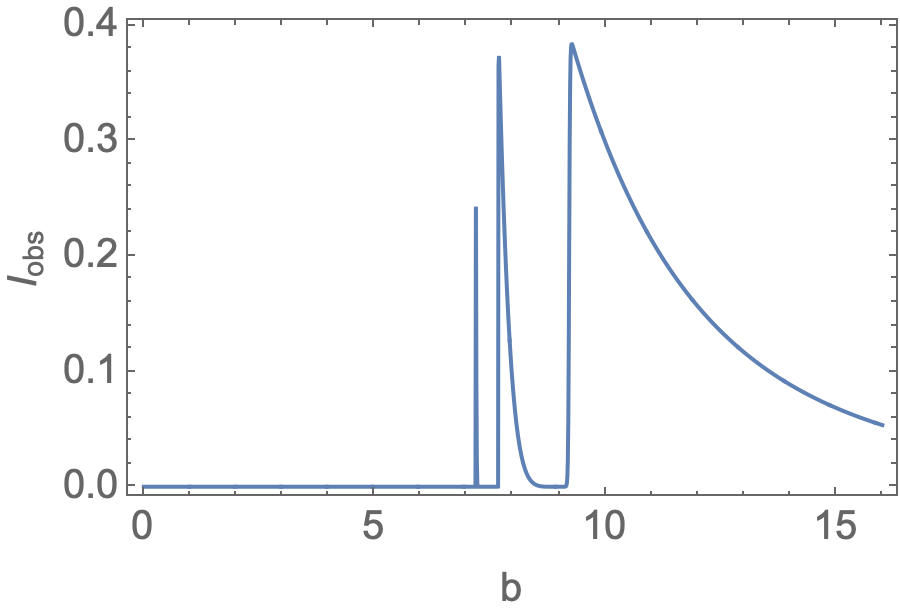
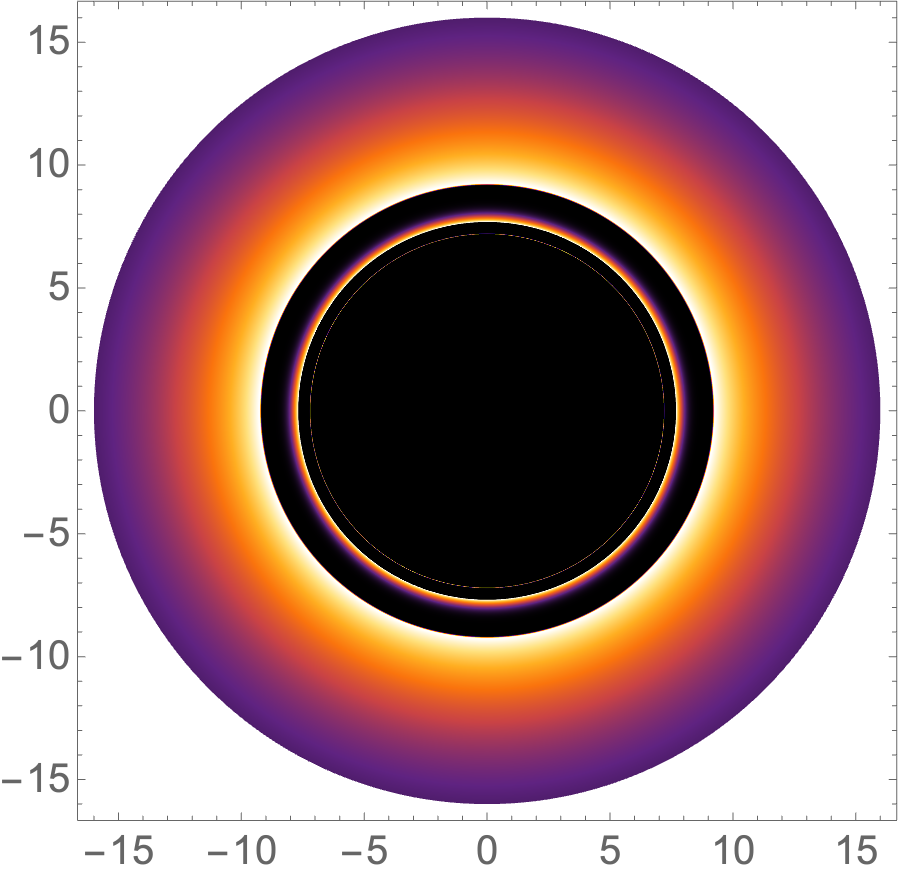
Figure 7: Optical images for black hole configurations with ISCO in path C reinforce the morphological degeneracy between single-horizon and multi-horizon cases.
Quantitative diagnostics, including symmetric n/s=5/23 and shape-rescaled NRMSE comparisons, support the claim that differences at fixed impact parameter are notable but become minor after rescaling by the critical impact parameter. Thus, morphological degeneracy dominates over pointwise brightness profile differences.
Comparison with Schwarzschild, RN, and Horizonless Compact Objects
Reference-normalized diagnostics reveal:
- Schwarzschild and RN optical images may be closely mimicked by beyond-Horndeski black holes depending on matching (ADM mass vs. horizon radius), but pointwise deviations can be substantial on certain mass paths, even if overall morphology is preserved.
- Multi-horizon configurations do not exhibit observational features distinguishable from single-horizon cases when exterior scales are matched.
- Naked singularities and solitons can exhibit shadow-like depressions not related to event horizons, aligning with findings for boson stars and other horizonless objects with thin-disk emission.
Implications and Future Directions
The findings highlight that horizon-scale imaging, such as EHT observations, cannot uniquely distinguish between different horizon configurations in beyond Horndeski gravity, nor differentiate black holes from certain horizonless compact objects based solely on optical morphology. The exterior photon potential and disk geometry are far more determinative for observed features than deeper spacetime topology.
Direct implications for strong-field tests of gravity are:
- Morphological degeneracy undermines the possibility of using face-on thin-disk images as direct probes of horizon structure or light ring multiplicity.
- Observational distinctions between horizonless objects and black holes necessitate more nuanced diagnostics, potentially via inclined disks, Doppler effects, or additional emission mechanisms.
- Theoretical extensions to rotating solutions (Kerr-like generalizations) or full radiative transfer calculations could further clarify whether degeneracy persists under realistic astrophysical scenarios.
Conclusion
This work provides a rigorous classification of static compact object branches in shift- and parity-symmetric beyond Horndeski gravity and a comprehensive analysis of their geodesic and optical signatures. It demonstrates that optical appearance, under thin-disk illumination, is governed fundamentally by exterior photon potential and disk structure, not internal horizon topology. Morphological degeneracy between multi-horizon and single-horizon black holes, as well as between black holes and certain horizonless configurations, is quantitatively established. This result constrains the diagnostic value of current horizon-scale imaging and motivates future explorations into breaking degeneracies through more complex observational strategies and theoretical models.