- The paper introduces a hybrid resampling method with BonFIRE and CampFIRE that achieves high-resolution galaxy formation from 10⁴ to 10¹⁰ M_⊙ at z > 6.
- It uncovers a distinct ultra-compact galaxy population with efficient star formation in both massive and low-mass halos, closely aligning with JWST observations.
- The study predicts UV luminosity functions with a faint-end turnover near M_UV ≈ -14 and details the environmental and bursty drivers of star formation variability.
Simulation Framework and Methodological Advancements
The study introduces the BonFIRE and CampFIRE simulation suite, designed to resolve galaxy formation and evolution at cosmic dawn (z≳6), utilizing the FIRE-3 hydrodynamics framework. BonFIRE covers a (41.2 cMpc)3 volume to z=9 at mbaryon≈5×10⁴ M⊙; CampFIRE zooms into a 5 cMpc subregion at mbaryon≈800 M⊙, supporting robust multi-scale modeling. The core innovation lies in a hybrid resampling algorithm, which applies high-resolution galaxy property distributions from CampFIRE to BonFIRE's larger halo statistics, enabling convergence in properties spanning 104–1010 M⊙. The star formation model transitions from density-threshold-based (FIRE-2) to collapse-oriented in FIRE-3, incorporating explicit metallicity- and Pop III-sensitive feedback channels.
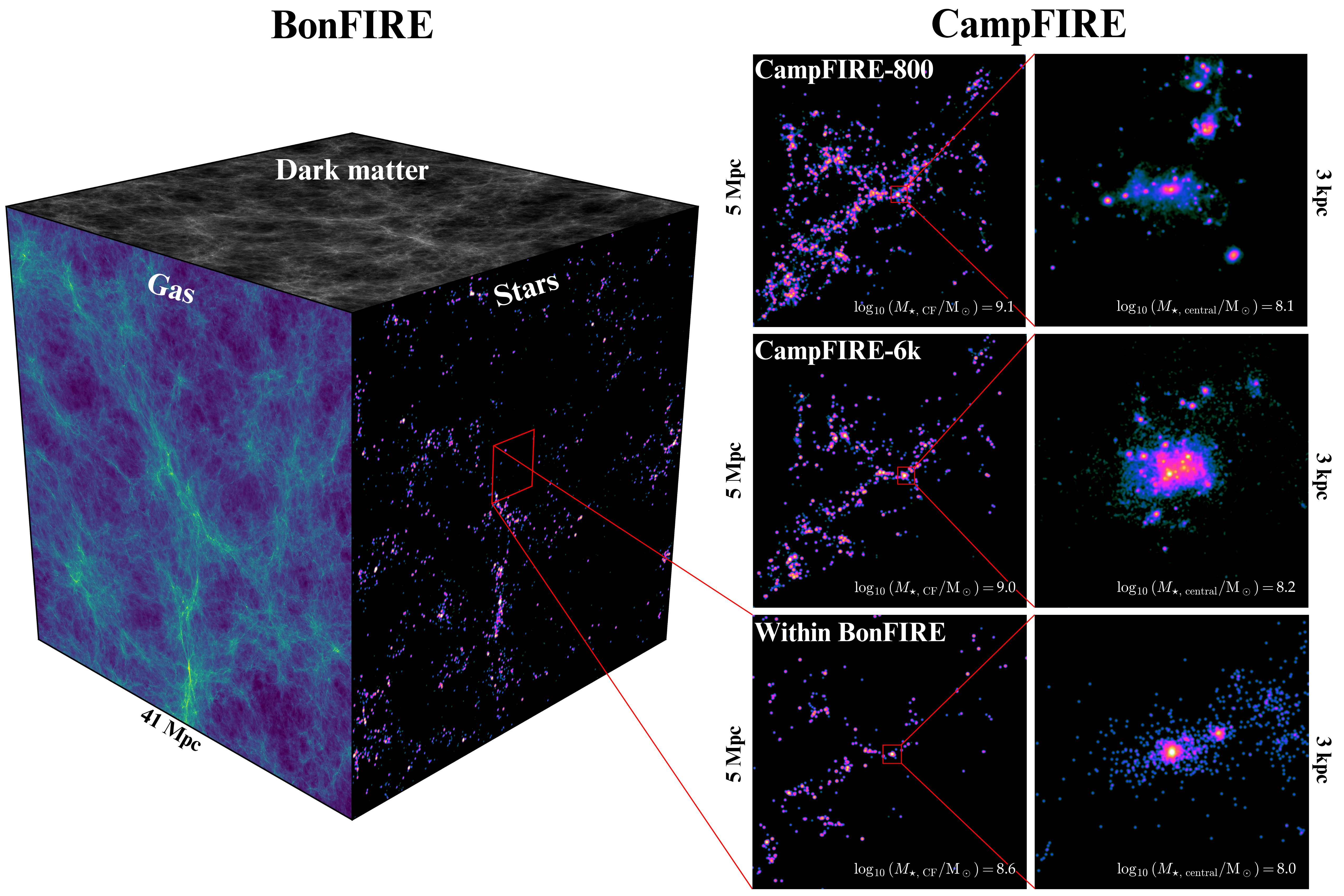
Figure 1: Projected stellar, gas, and dark matter densities in BonFIRE and at all CampFIRE resolutions, demonstrating the model's ability to resolve structure and clustering from proto-galaxy scales to overdense regions.
Analysis of the stellar mass–halo mass relation at z∼9 reveals that BonFIRE+CampFIRE extend resolved galaxy formation down to 104 M⊙ at (41.2 cMpc)30—nearly 1.5 dex below what BonFIRE alone achieves. The SMHM relation exhibits little evolution across (41.2 cMpc)31, with the notable emergence of an ultra-compact galaxy (UCG) population at (41.2 cMpc)32.
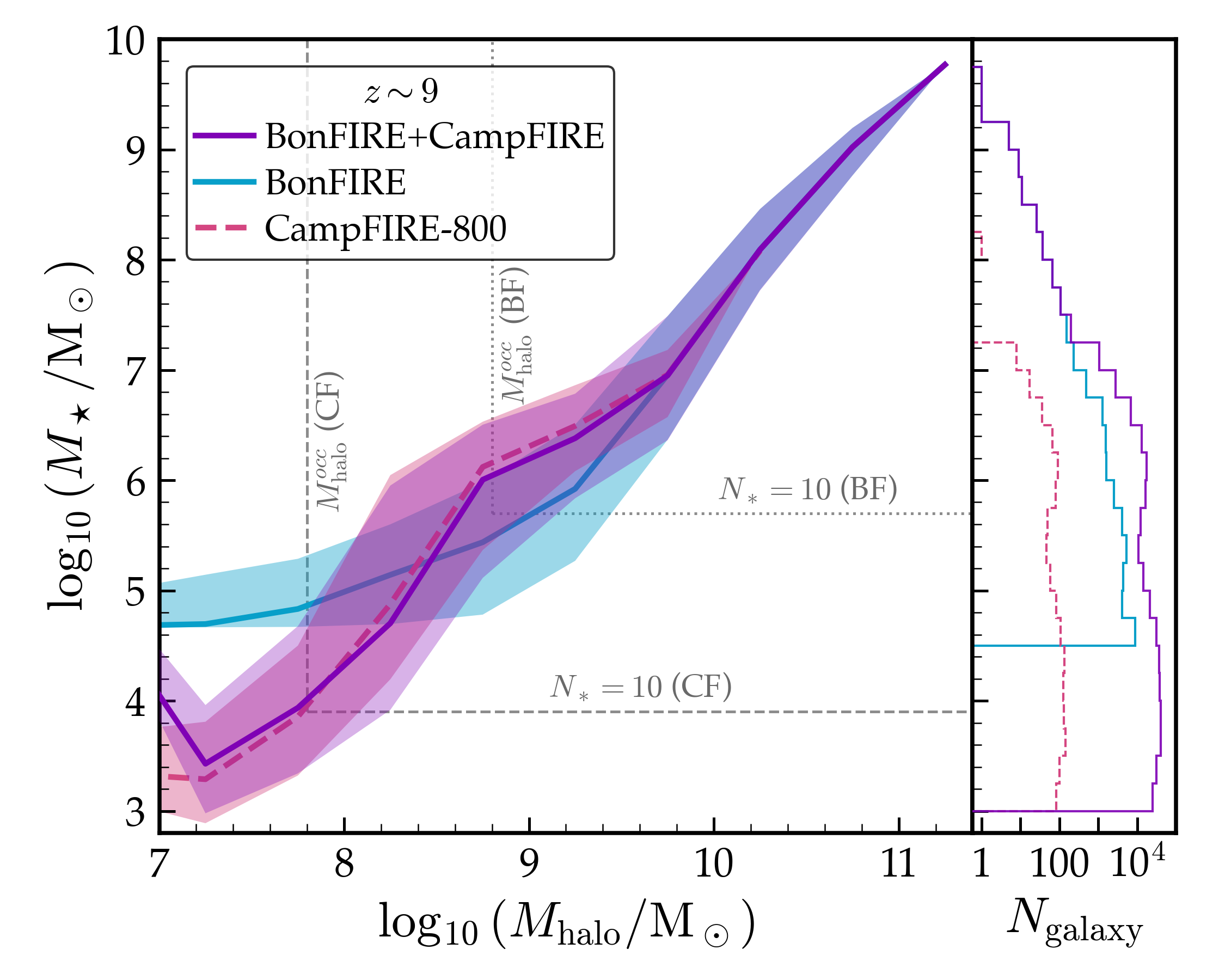
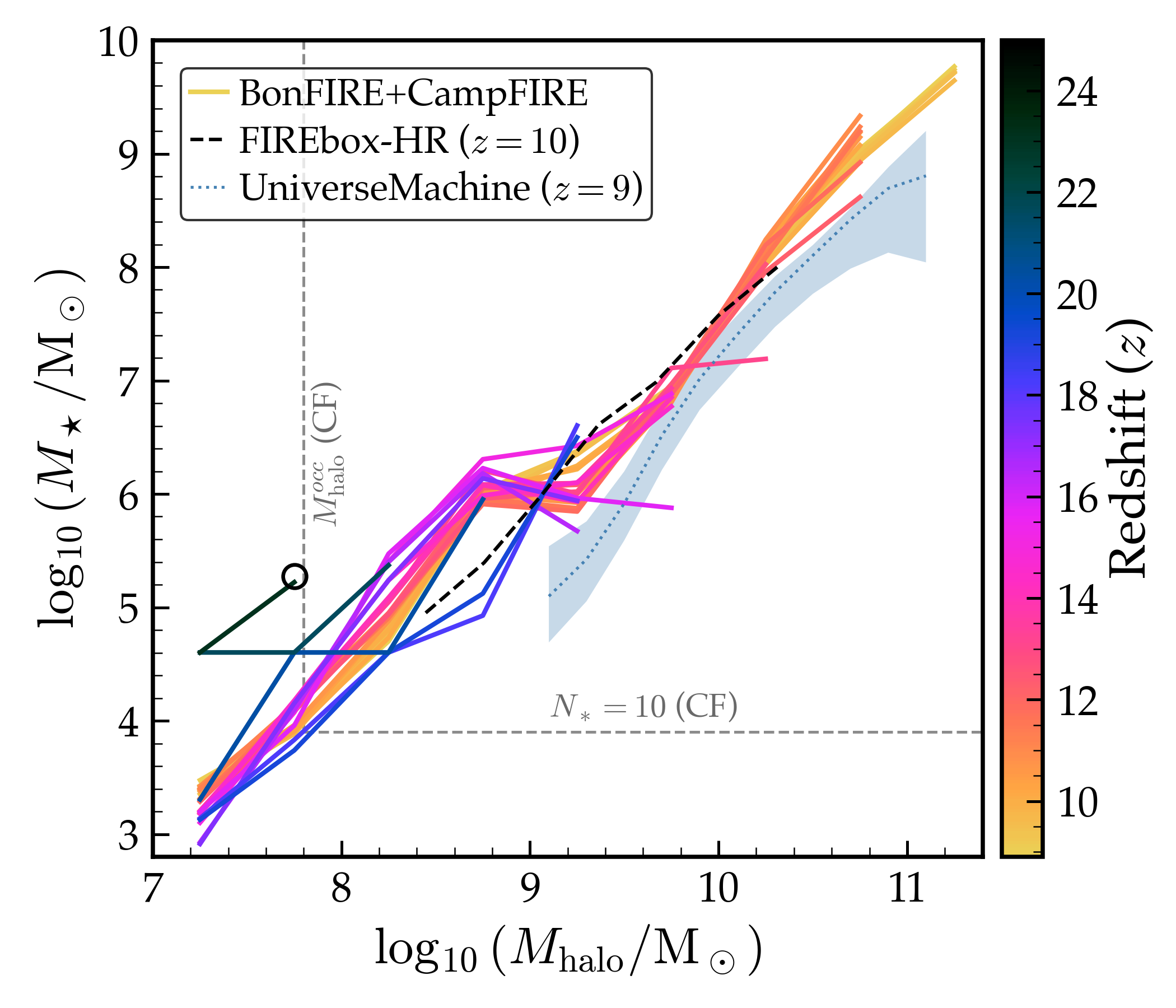
Figure 2: The SMHM relation demonstrates increased completeness at low masses and the onset of a distinct UCG population at (41.2 cMpc)33.
BonFIRE+CampFIRE predict SFE up to (41.2 cMpc)34–(41.2 cMpc)35 in high-mass halos at (41.2 cMpc)36 and a previously unreported population of low-mass halos with SFE exceeding (41.2 cMpc)37. The sharp transition in SFE at (41.2 cMpc)38—where UCGs dominate—contradicts the monotonic SFE scaling predicted by models such as THESAN, IllustrisTNG, and SIMBA.
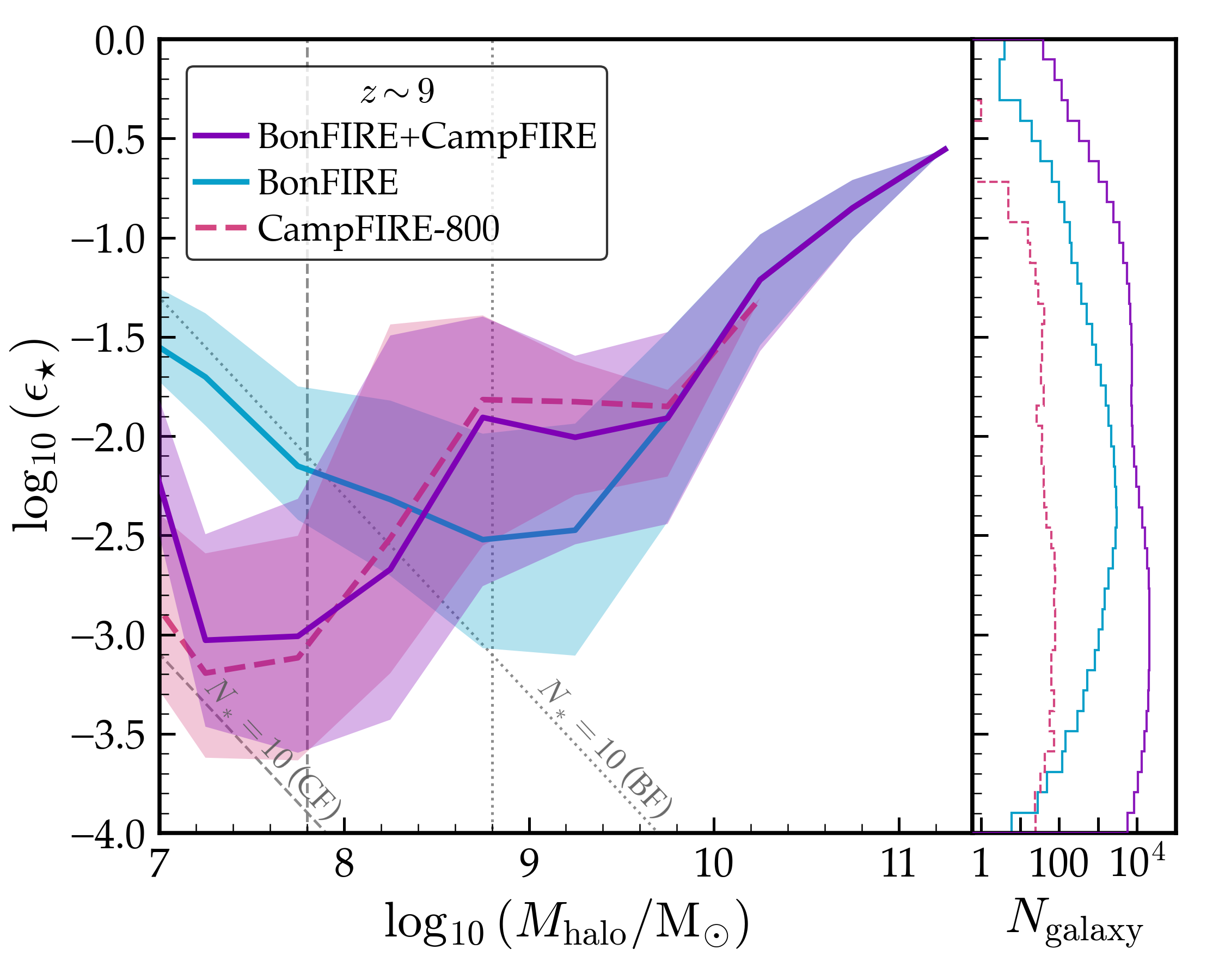
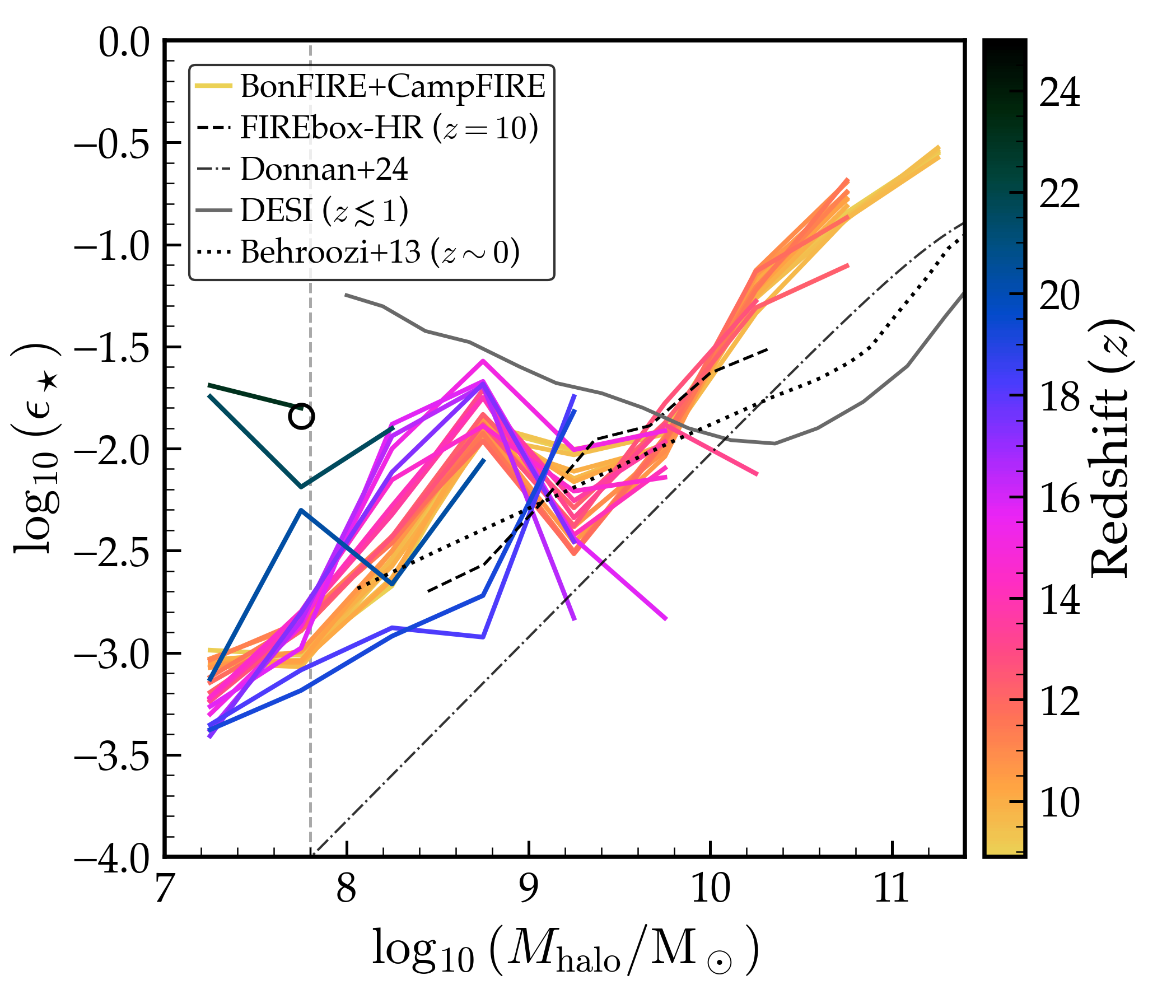
Figure 3: SFE as a function of halo mass, highlighting both the classical feedback-regulated trend at high mass and anomalous efficient starbursts in low-mass halos.
Morphology and Compact Early Structures
The simulations uncover a diversity of star formation morphologies at (41.2 cMpc)39, including large, clumpy systems and ultra-compact single-burst galaxies. UCGs exhibit median sizes z=90~pc and narrow stellar age dispersions (z=91 Myr), with their abundance peaking at z=92, dominating galaxy number counts at these masses. This compactness is robust across resolution, indicating a genuine mode of early assembly rather than a numerical effect.
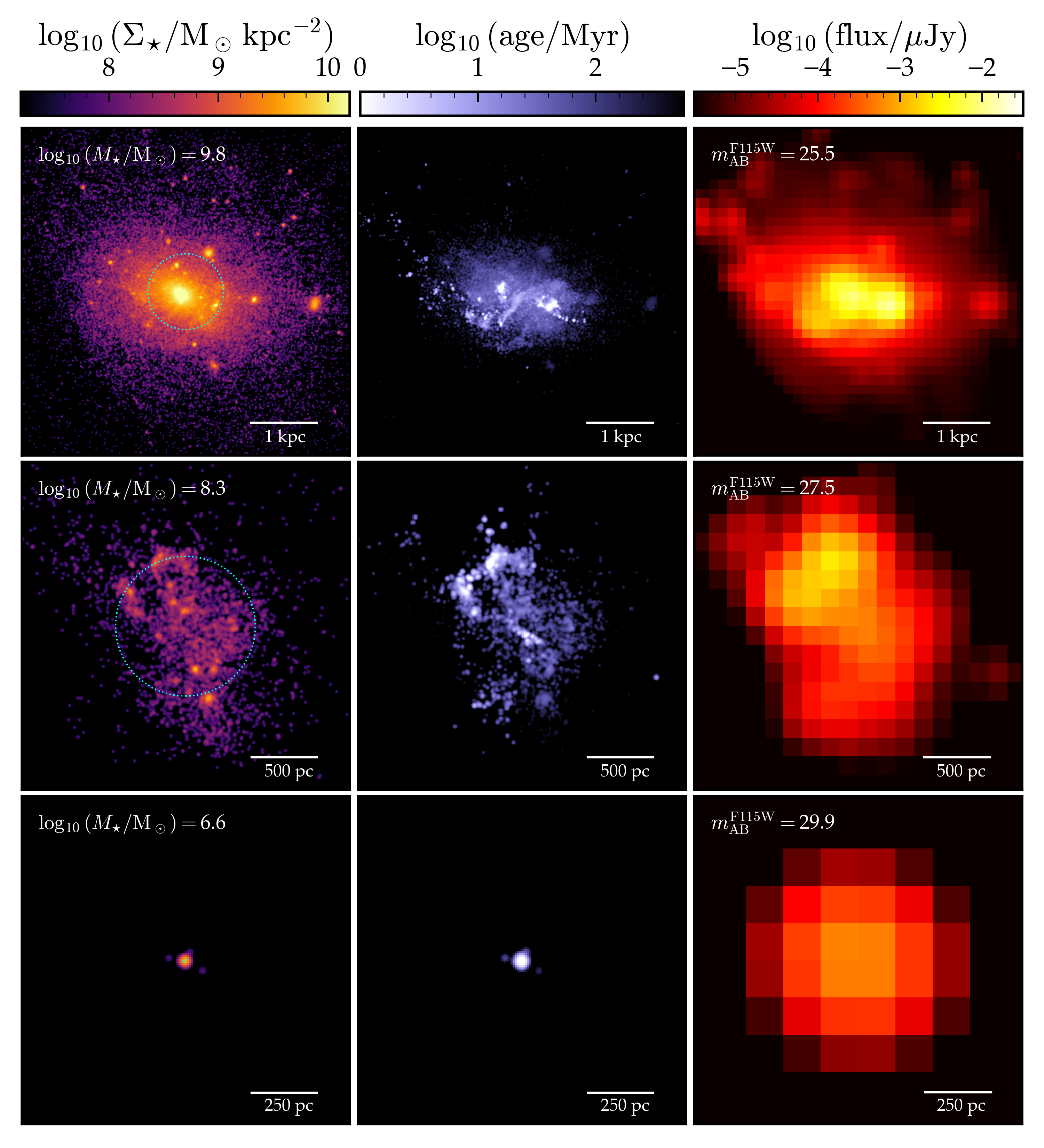
Figure 4: Morphological diversity of BonFIRE galaxies at z=93, from extended to highly compact.
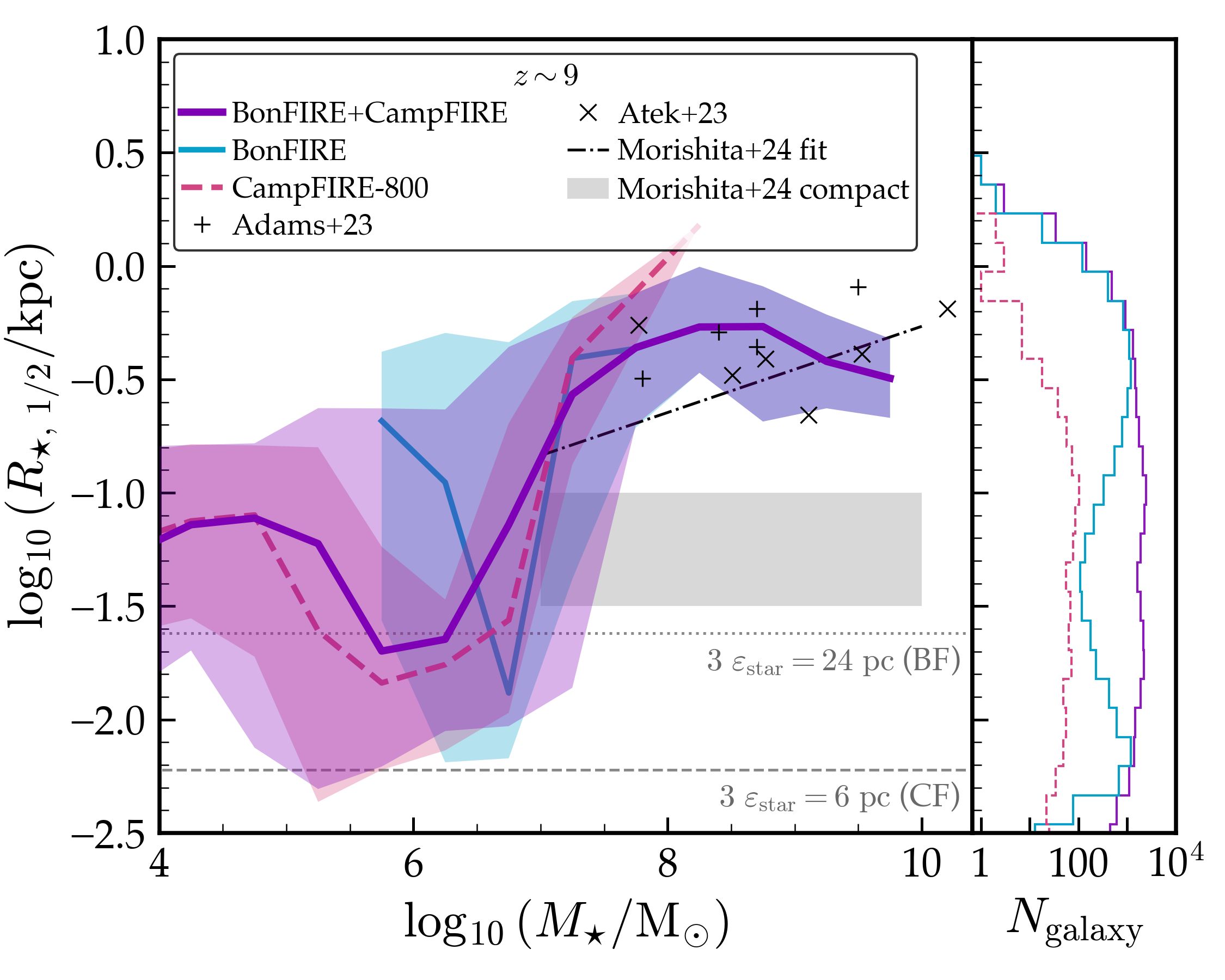
Figure 5: Size–mass relation at z=94, with a marked drop in median size for z=95 tracing the onset of the UCG regime.
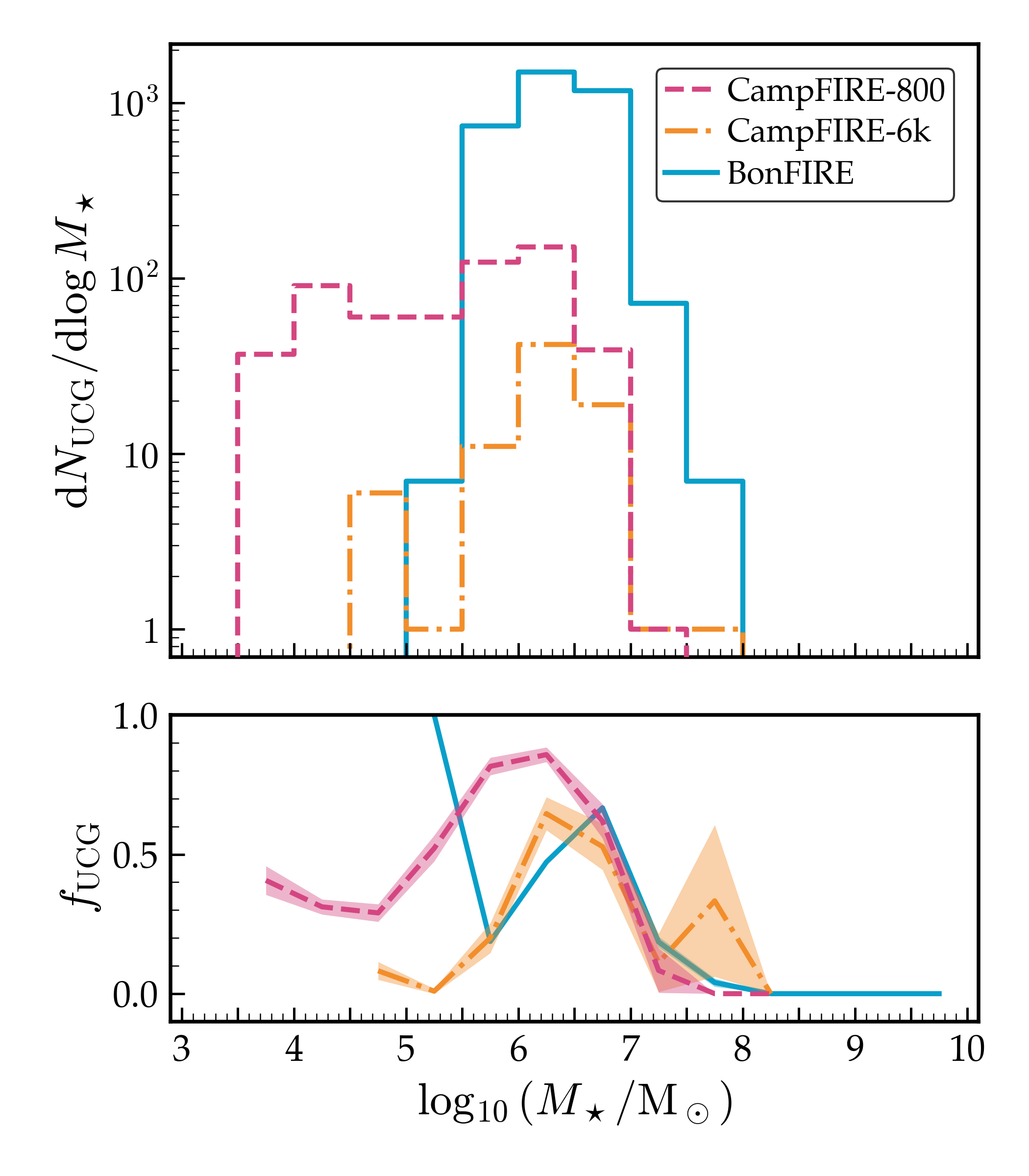
Figure 6: Mass function for UCGs, evidencing their dominance in a restricted stellar mass range.
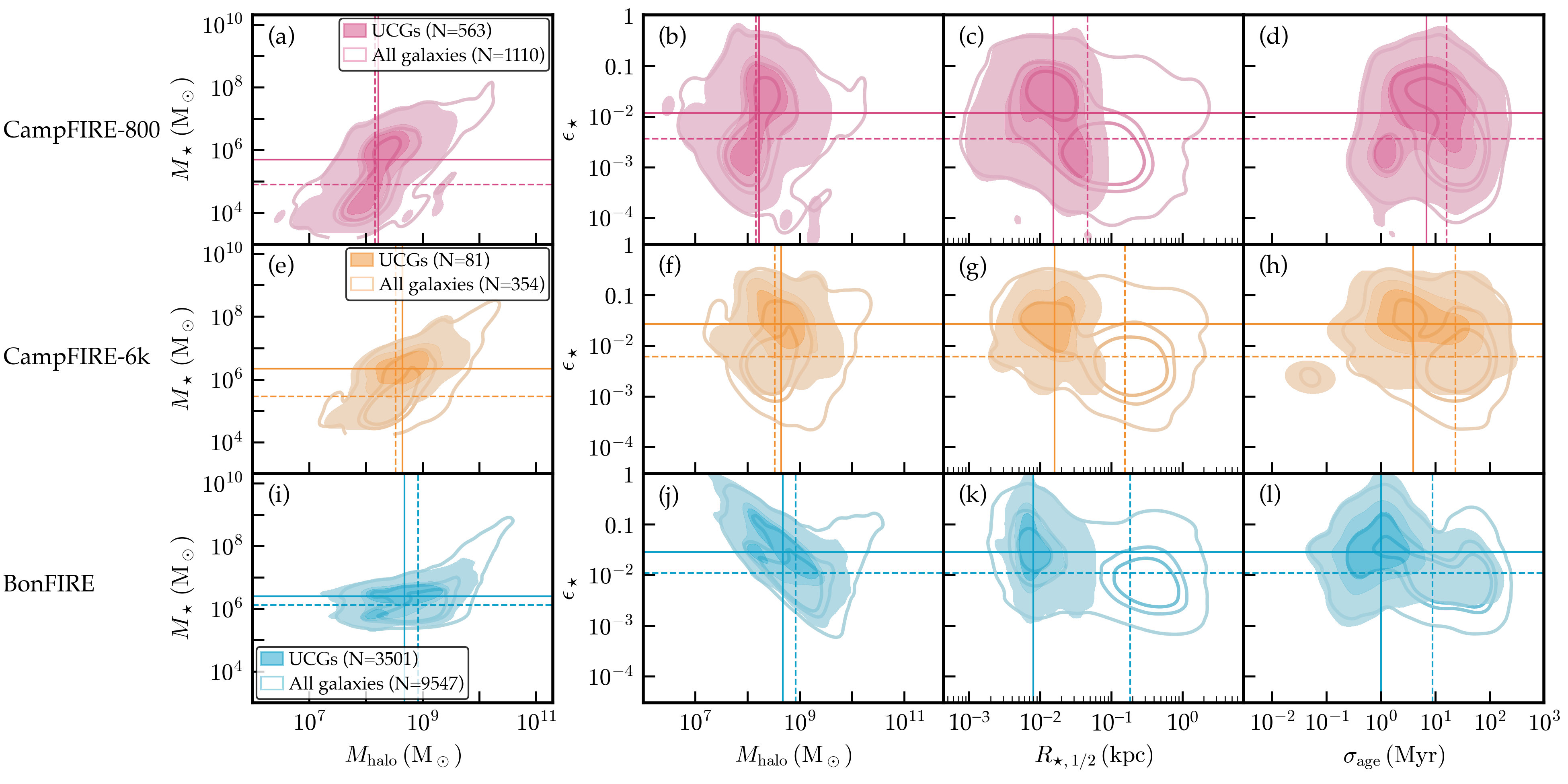
Figure 7: Multi-dimensional parameter space: UCGs systematically preferentially occupy loci of high SFE, low dispersion ages, and compact size.
UV Luminosity Statistics and Observational Relevance
BonFIRE+CampFIRE predict the UV luminosity function (UVLF) over z=96 with an abundance of faint galaxies, a well-resolved faint-end turnover at z=97, and a normalization and slope consistent with JWST observations at z=98. There is, however, a systematic overproduction of bright galaxies by z=99–mbaryon≈5×10⁴ M⊙0 dex. The UVLF evolution is characterized by a non-evolving faint-end turnover and modest bright-end growth toward lower redshift.
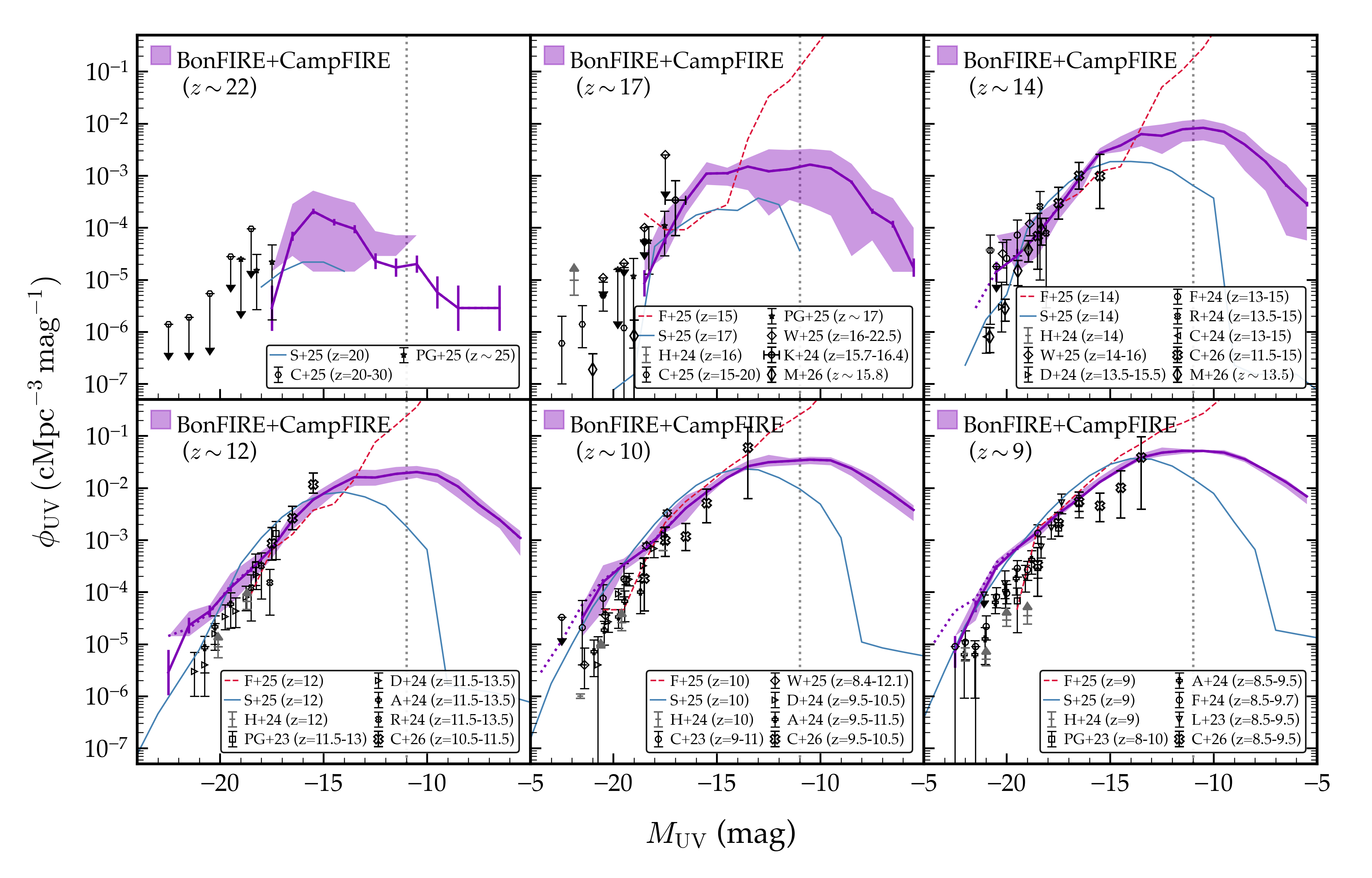
Figure 8: UVLF evolution versus redshift, with resolution limits and empirical constraints overlaid.
The total UV luminosity density and implied SFRD are elevated relative to earlier models, aligning more closely with high-SFE empirical constraints, though with a lasting offset, especially due to the bright-end excess.
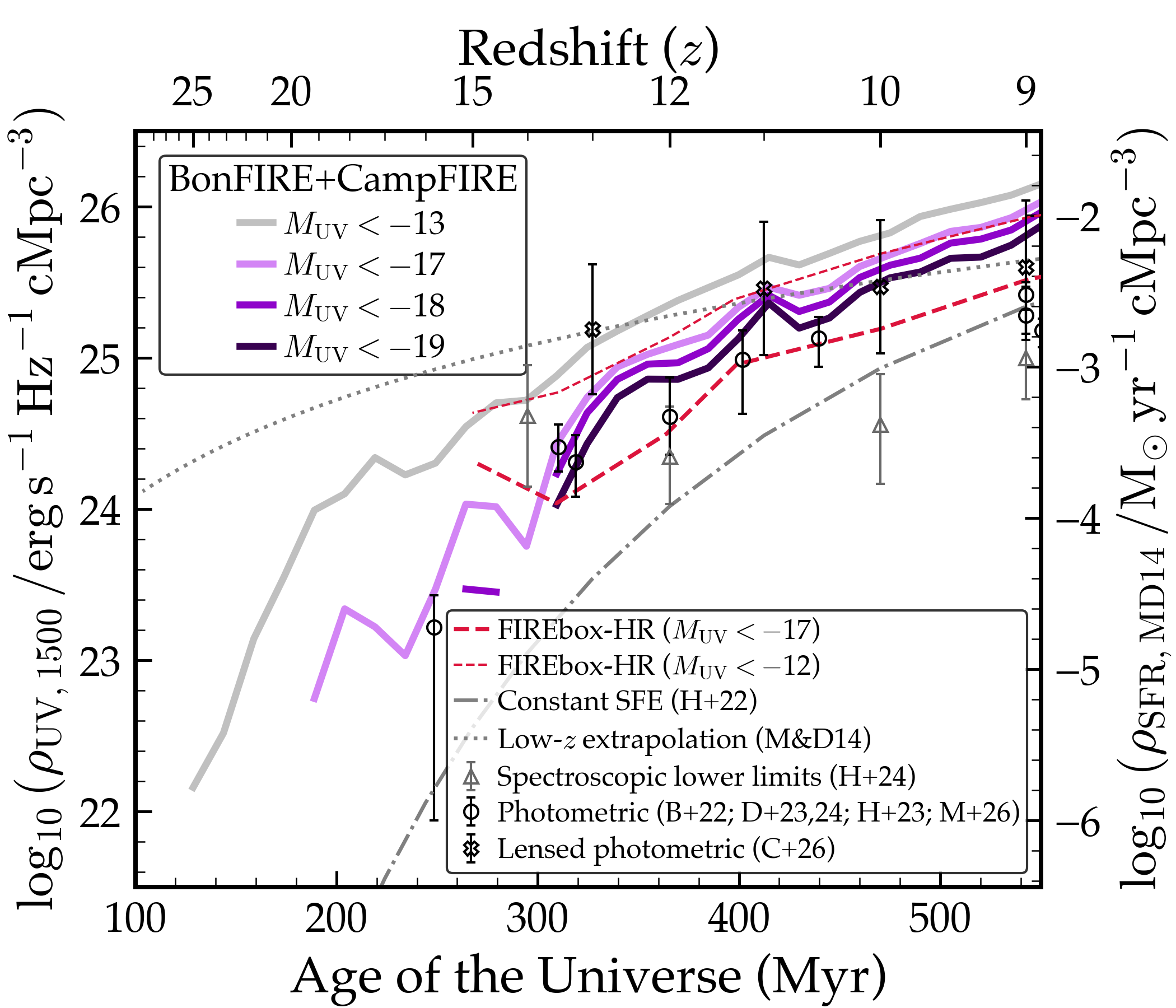
Figure 9: Redshift evolution of UV luminosity density and SFRD, showing elevated normalization vs. both theory and deep photometric samples.
The cumulative surface density of galaxies at CEERS depths supports detectability of these systems, with BonFIRE+CampFIRE matching (or exceeding) observed surface densities, especially at mbaryon≈5×10⁴ M⊙1.
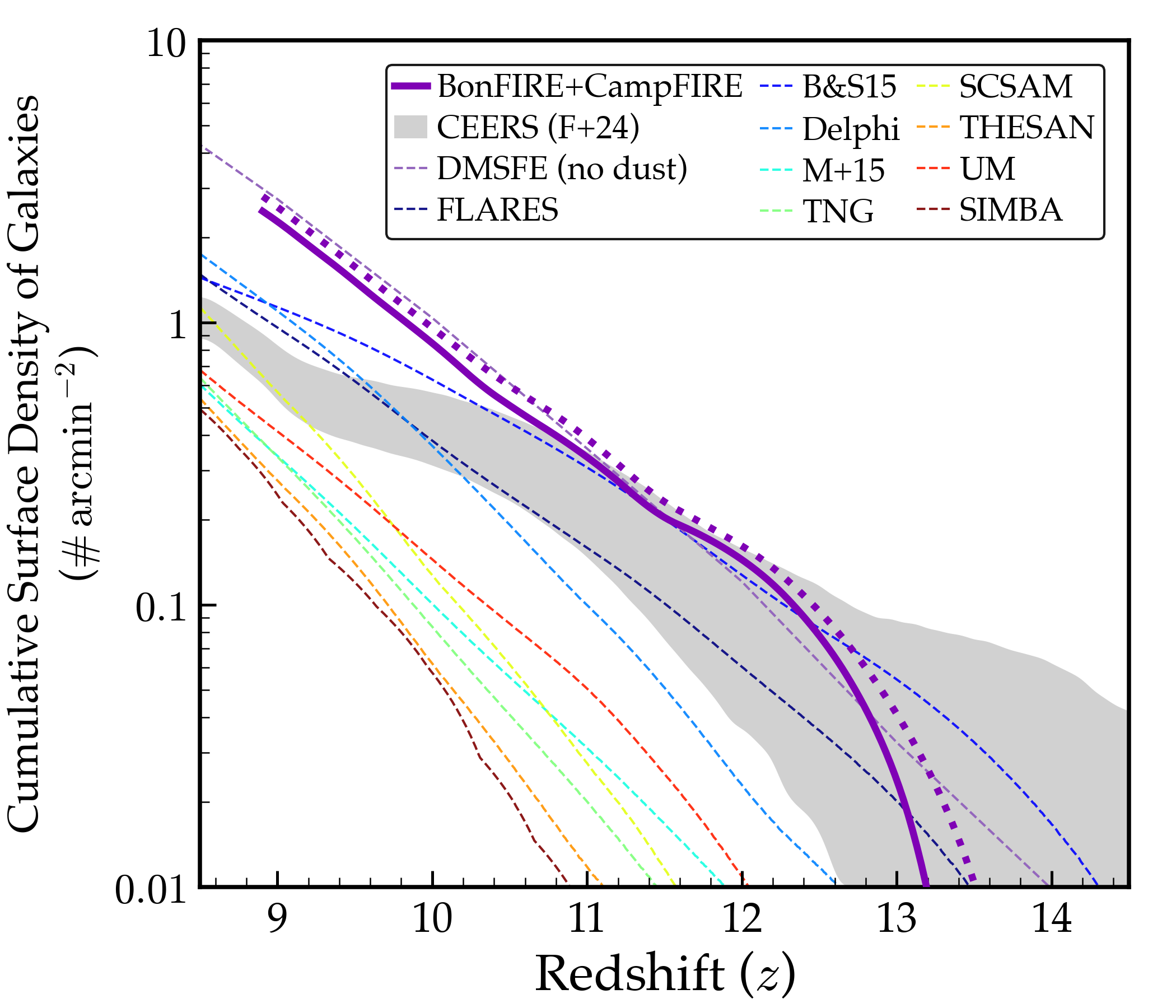
Figure 10: Cumulative surface density predictions, contextualized with JWST survey sensitivities.
Variability in UV Luminosity
UV variability in the simulations is strongly mass-dependent, with the dominant contribution at low mass arising from inter-halo (assembly/environmental) scatter, while at mbaryon≈5×10⁴ M⊙2, temporal intra-halo burstiness and inter-halo variance contribute comparably. The total scatter (rms) in UV luminosity at fixed mass reaches up to mbaryon≈5×10⁴ M⊙3 mag in low-mass halos and mbaryon≈5×10⁴ M⊙4 mag at the high end, agreeing with recent JADES constraints on burstiness.
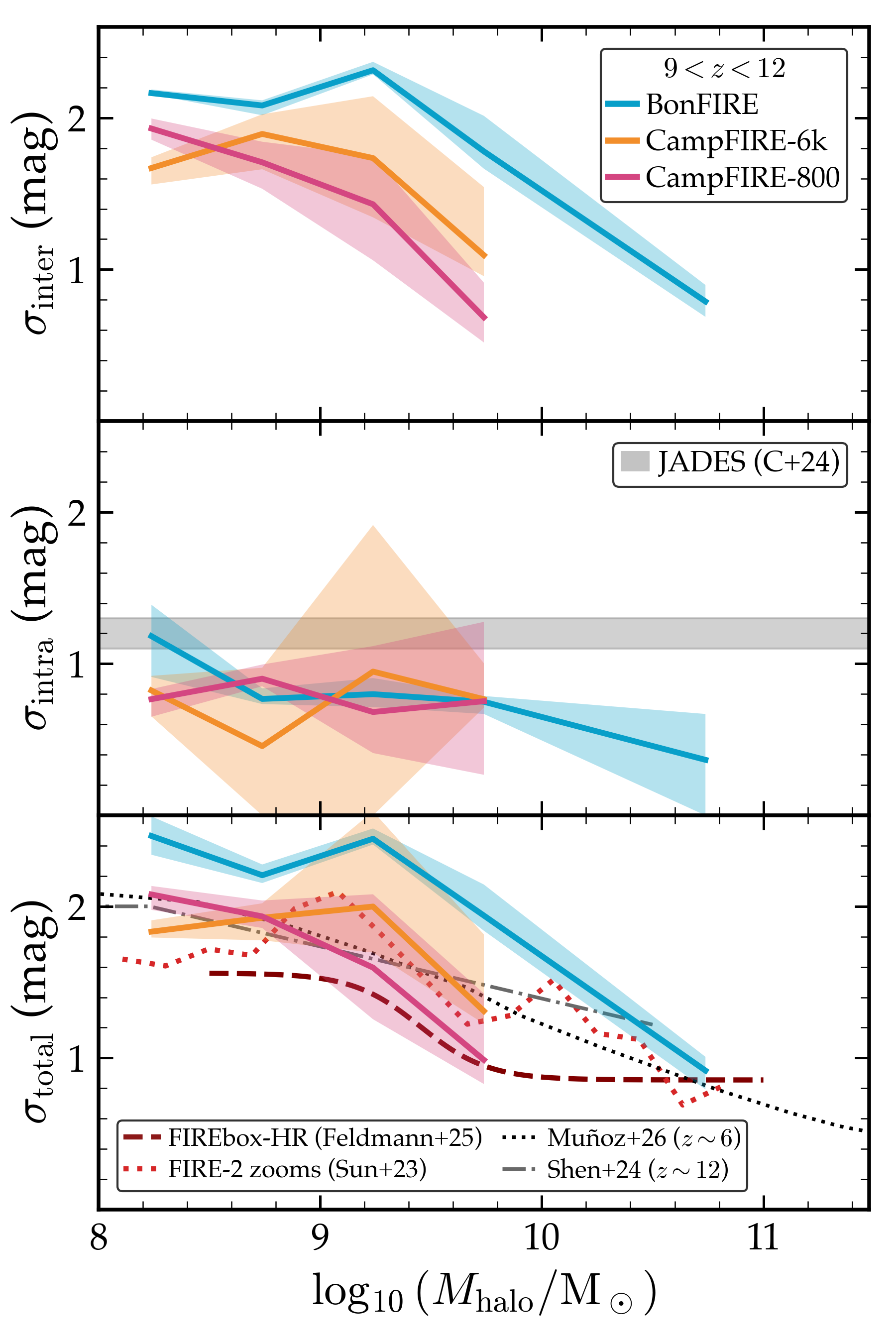
Figure 11: Decomposition of UV luminosity variability into inter- and intra-halo components.
A simple, metallicity-threshold Pop III model is implemented. The Pop III SFRD peaks at mbaryon≈5×10⁴ M⊙5 and declines steeply by mbaryon≈5×10⁴ M⊙6, consistent with semi-analytic and hydrodynamical predictions. The Pop III UVLF is consistent with constraints from observed lensed Pop III candidates at mbaryon≈5×10⁴ M⊙7 and with a non-negligible intermediate-luminosity tail.
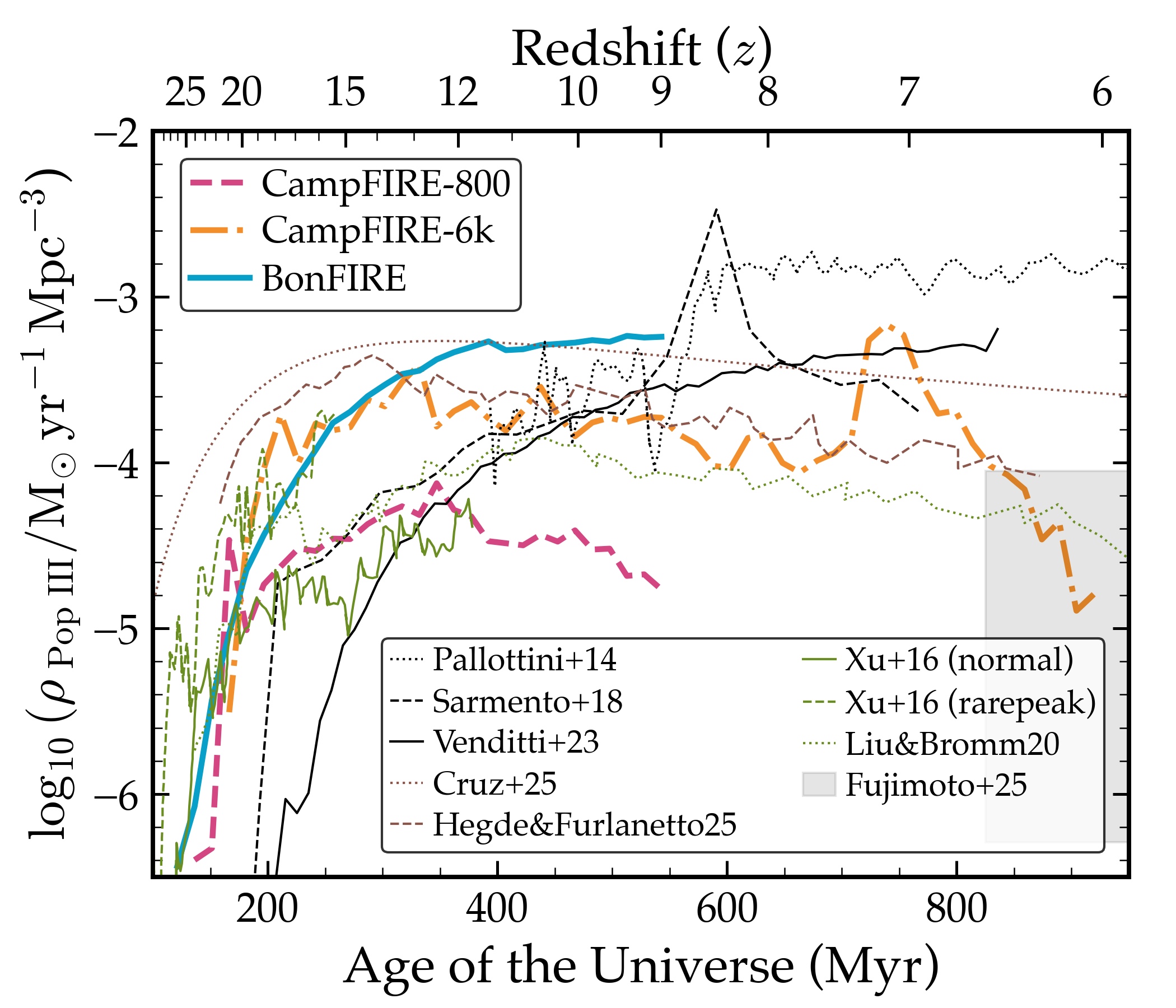
Figure 12: Pop III SFRD compared to theoretical models and empirical limits.
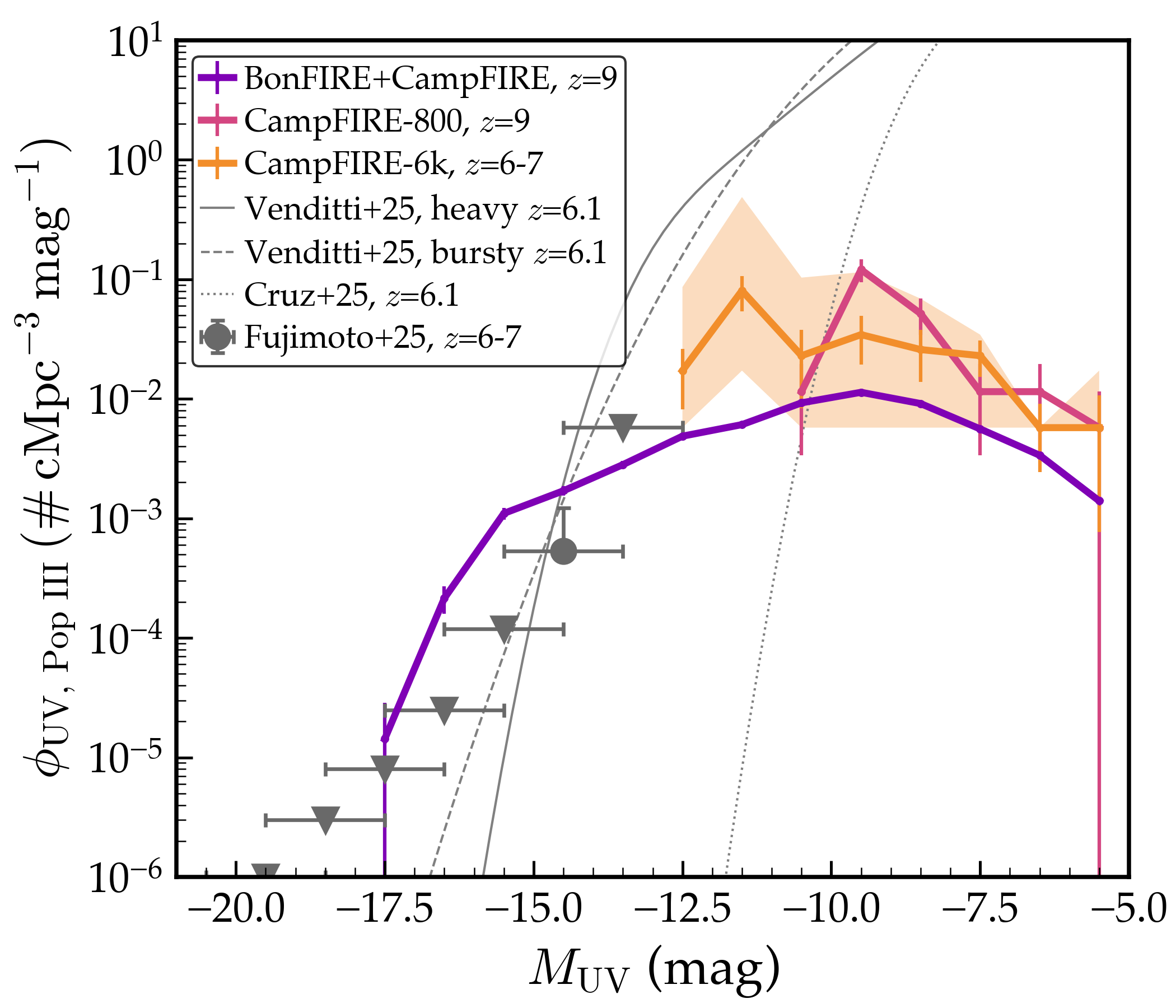
Figure 13: Pop III-hosting galaxy UVLFs, relevant for upcoming deep spectroscopic identification efforts.
Discussion and Outlook
The clear identification and robustness of the UCG population provide evidence of a rapid, exceptionally efficient, burst-dominated mode of star formation in atomic-cooling halos, not predicted by standard sub-grid or semi-analytic approaches. The implications for the early assembly of globular cluster-like objects and their survival remain to be addressed, though the simulations support a potential pathway for their origin.
The excess in the bright end of the UVLF may indicate over-efficient star formation, incomplete dust attenuation, or missing AGN feedback processes. The simplified dust prescription captures the main halo-mass dependence but may underestimate attenuation in the highest-mass systems.
The high SFE in both massive and select low-mass halos—and the invariance of the SMHM relation—suggest that standard feedback-regulated models may be insufficient for accurately capturing early galaxy formation. Resolution convergence analysis underscores the necessity of hybrid simulation-resampling methodologies to obtain robust statistics at faint/low-mass scales.
Conclusion
The BonFIRE and CampFIRE suite, leveraging FIRE-3 and a self-consistent hybrid resampling strategy, offers a new benchmark for modeling galaxy formation at cosmic dawn. The findings include:
- Stable SMHM and SFE–halo relations to mbaryon≈5×10⁴ M⊙8, with SFE up to mbaryon≈5×10⁴ M⊙9 in the most massive halos and unexpectedly efficient starbursts in low-mass systems.
- A robust, abundant ultra-compact galaxy population, with structural and star formation properties distinct from classical feedback-regulated galaxies.
- UVLF predictions supporting a high abundance of faint galaxies, a faint-end turnover at 5 cMpc0, and bright-end overproduction.
- Pop III star formation histories and UVLFs consistent with, but somewhat at the upper end of, extant constraints.
- Quantification of the stochastic and environmental drivers of burstiness in early galaxies.
These results have immediate implications for JWST observational strategies, high-5 cMpc1 galaxy feedback modeling, and the interpretation of the origin of compact stellar systems. Going forward, incorporation of explicit AGN physics, improved dust modeling, and extended evolutionary tracking of UCGs are necessary next steps.
Reference:
"Resolving galaxy formation in the early Universe with BonFIRE and CampFIRE" (2605.24104)