The Search for Technosignatures: a Review of Possibilities
Abstract: This paper aims to review the diverse range of technosignatures that have been proposed in the literature. We organize the review by scales, starting carefully from Earth, then zooming out to Earth's orbit, the solar system, including the Moon, the Earth-Moon Lagrange points, the inner solar system, the asteroid belt, interstellar objects, the outer solar system, the Kuiper belt, the solar gravitational lens region, and the Oort cloud. We then introduce the Kardashev and Barrow scale before exploring exoplanetary technosignatures, from surface, atmospheric to orbital sources. We next consider stellar technosignatures that may involve massive energy utilization, stellar modification or stellar pollution, and end with a section about compact objects. We then review attempts to detect interstellar communication, and discuss many dimensions of the search space from first principles. Then we consider interstellar travel technosignatures, and end with galactic, extragalactic and universal signatures. We end with a discussion about synergies between biosignatures and technosignatures searches, anomaly detection, multimodal strategies, instruments for detecting technosignatures, how to evaluate and prioritize the search, as well as epistemological issues.
Paper Prompts
Sign up for free to create and run prompts on this paper using GPT-5.
Top Community Prompts
Explain it Like I'm 14
Overview
This paper is about “technosignatures,” which are signs of technology made by extraterrestrial civilizations. Think of technosignatures like footprints or fingerprints that advanced beings might leave behind, whether they’re trying to talk to us or not. The authors collect and organize many ideas for what to look for and where to look—from right here on Earth, to nearby space, to distant stars and galaxies—so scientists can search more wisely.
Key Objectives
The paper asks simple but big questions:
- What kinds of technology-made clues could exist in the universe?
- Where should we look for them (Earth, the Moon, other planets, stars, the whole galaxy)?
- How could we detect them with today’s or near-future instruments?
- How do we judge which searches are most promising?
- How can searches for technosignatures work together with searches for biosignatures (clues of life like certain gases)?
It also points out limits of older ways of thinking (like focusing only on radio signals or only on planets like Earth) and encourages a broader, more creative search plan.
How the Researchers Approached the Topic
This is a review paper, which means the authors read many scientific studies and pulled them together into one big picture. Their approach is:
- Organize by “scale,” starting from Earth and moving outward: Earth itself, Earth’s orbit, the Moon, the solar system (asteroid belt, outer regions), all the way to other stars, galaxies, and the universe.
- Use helpful frameworks:
- Kardashev scale (how much energy a civilization uses, from their planet to their star to their galaxy).
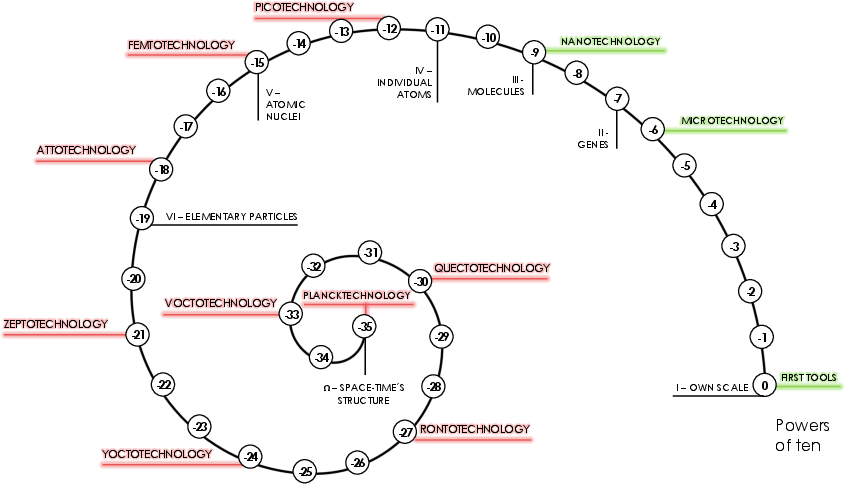
- Barrow scale (how much a civilization can control the very small—like tiny machines and materials).
- Think in “first principles”: what physics allows, what instruments can measure, and how signals might look if no one is trying to communicate intentionally.
- Emphasize “multimodal” data: combine different types of evidence (light, radio, radar, chemistry, geology) to reduce confusion.
- Highlight false positives and careful reasoning: many things can look strange but have ordinary causes (like Venus being mistaken for a UFO, camera artifacts, weather phenomena).
- Suggest synergy: piggyback technosignature searches on missions already observing planets, stars, or the solar system so we don’t waste resources.
- Encourage anomaly detection and machine learning: train computers to spot weird-but-promising patterns in giant datasets.
To explain technical ideas with simple analogies:
- A technosignature could be like seeing city lights from far away, spotting unusual gases in an atmosphere (like pollution), seeing a giant “solar panel shell” around a star (similar to a Dyson sphere idea), or finding unusual debris that suggests advanced travel.
- The Sun’s gravity can act like a magnifying glass (a “gravitational lens”), potentially boosting signals if someone places a probe in the right spot.
Main Findings and Why They Matter
The paper doesn’t claim a new discovery. Instead, it gives a clear map of possibilities and how to investigate them. Key points include:
- On Earth: It’s hard but not impossible to find ancient tech traces because nature erases evidence over millions of years. Still, scientists can look for unusual clues in rocks and sediments, like:
- Odd isotope patterns (like unusual carbon or radioactive signatures).
- Signs of large-scale mining or persistent pollutants (plastics, PFAS).
- Rare, durable markers that could outlast civilizations.
- Speculative ideas like “genomic SETI,” checking DNA for patterns that might be a message or metadata embedded by an advanced group.
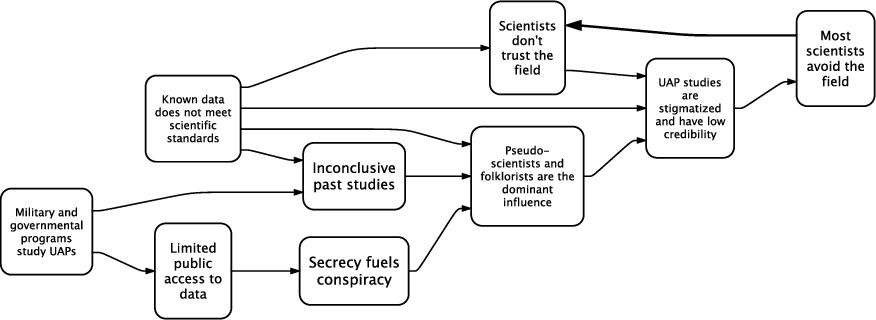
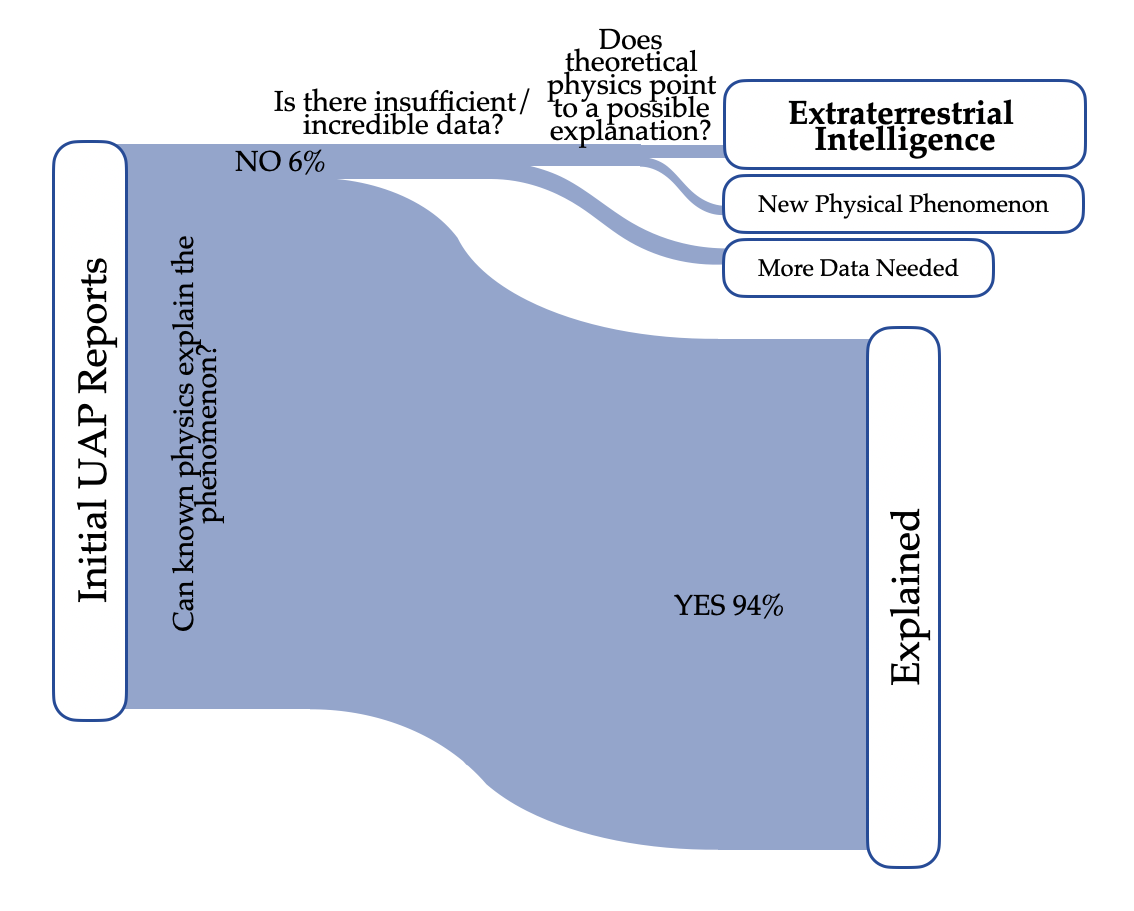
- Unidentified Aerial Phenomena (UAP): Most reports have ordinary explanations (planets, weather, instruments, aircraft), but a small fraction remains unexplained mainly because data quality is poor. The paper encourages better science:
- Use high-quality instruments that work together (optical/infrared cameras, radar, microphones, magnetometers, satellite data).
- Share data openly so findings can be checked.
- Focus on measurable anomalies (size, speed, acceleration, energy emissions) that would exceed what human technology can do near Earth.
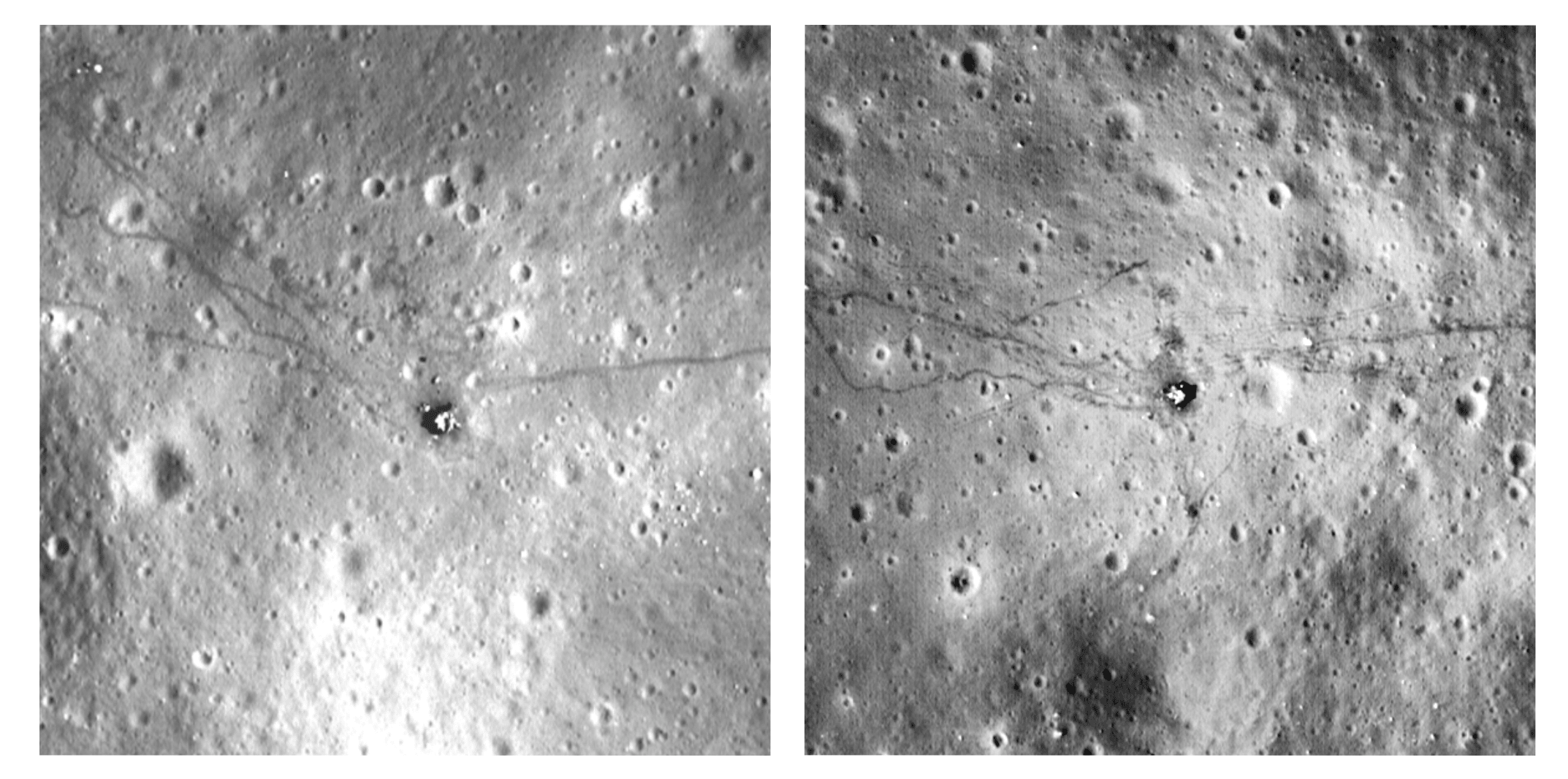
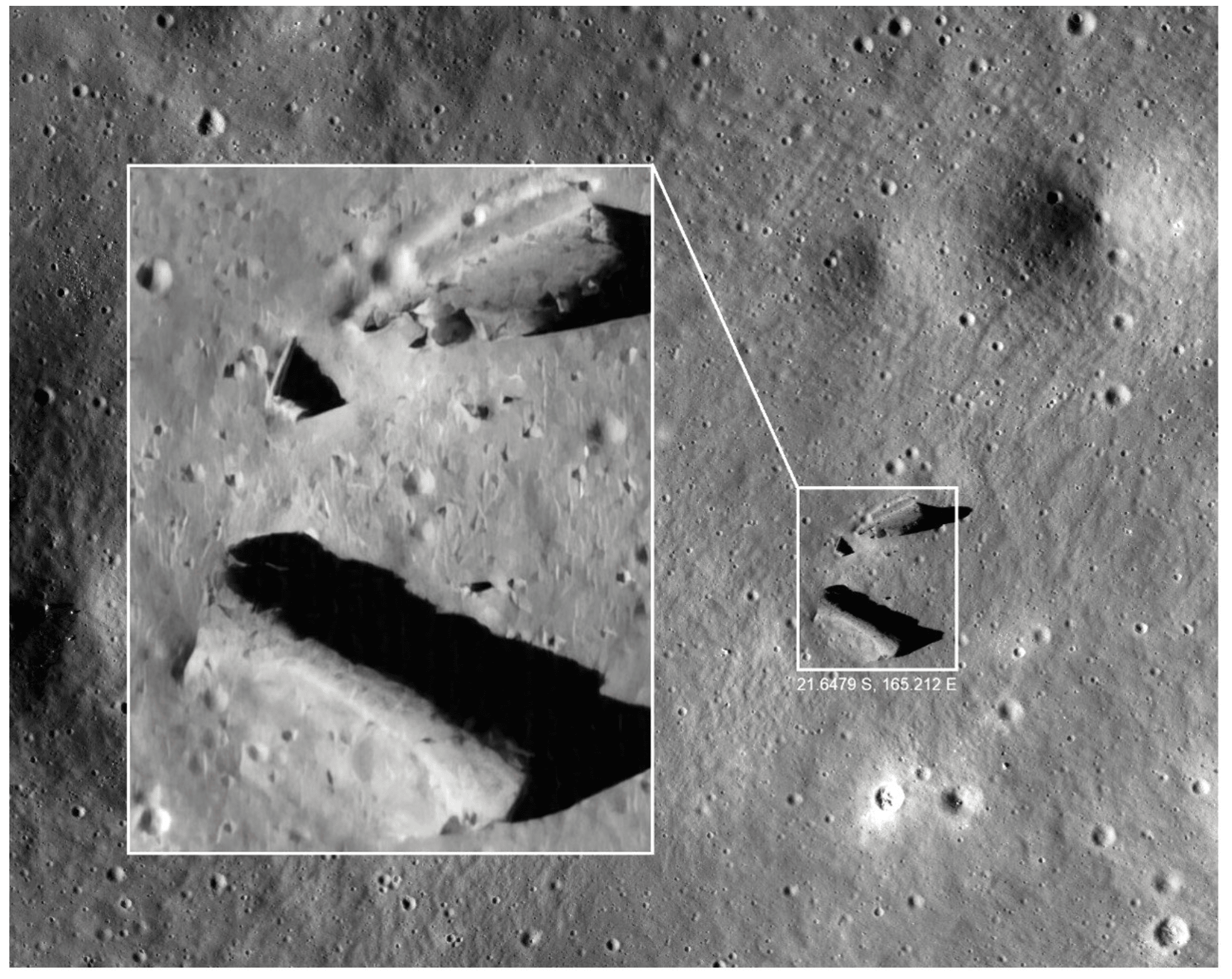
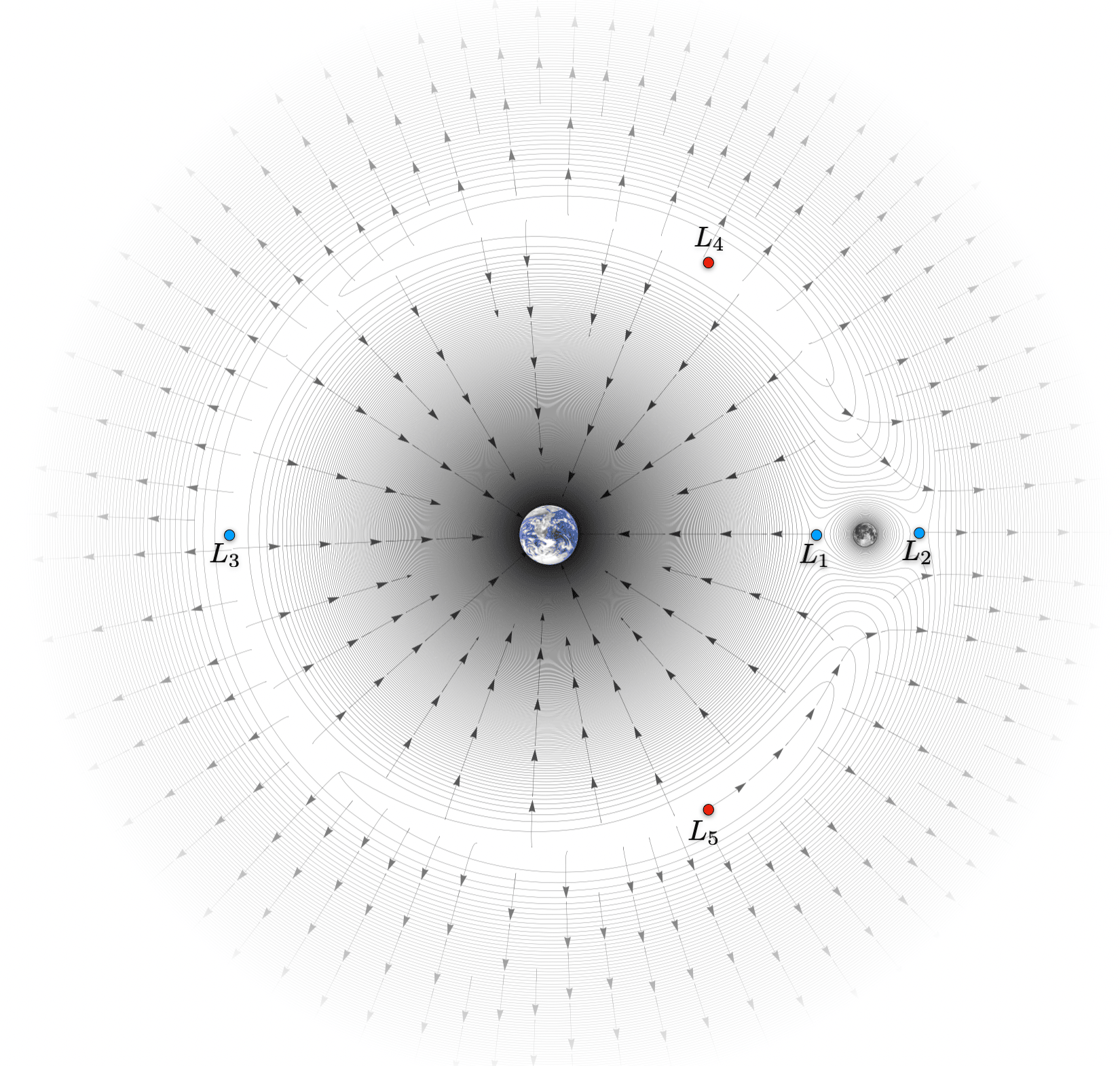
- In the solar system: Search in logical places for artifacts—Moon, stable orbital points, asteroid belt, outer regions (Kuiper Belt, Oort cloud), and special spots like where the Sun’s gravity lenses signals.
- Exoplanets (planets around other stars): Look for atmospheric gases that are hard to produce without life or industry, unusual heat patterns, possible artificial light, or odd satellite activity. Some gases can be made naturally, so scientists must be careful.
- Stars and galaxies: Very advanced civilizations might use enormous amounts of energy. That could leave detectable signs:
- Star “engineering” or megastructures that change starlight.
- “Waste heat” signatures across a galaxy if many stars are tapped for energy.
- Chemical “pollution” in stars or unusual light behavior.
- Communication and travel: While classic SETI listens for radio messages, the review expands the menu—lasers, neutrinos, or other carriers; and signs of interstellar travel (like distinctive trails, unusual fragment materials, or gamma-ray signatures from exotic propulsion).
- Evaluation and prioritization: Not all searches are equal. The paper discusses how to weigh detectability, the chance of false positives, cost, and scientific value even if no aliens are found. A smart strategy gives useful results about nature regardless of technosignature success.
Why this matters:
- It widens the search beyond “listen for radio” to a rich set of clues.
- It helps scientists design efficient, realistic projects.
- It reduces the risk of chasing illusions by stressing careful methods and cross-checks.
- It shows how technosignature searches can benefit other fields (planetary science, climate history, materials science) even if no ET is detected.
What Could This Mean for the Future?
The paper encourages a more balanced investment in both biosignatures and technosignatures. Practical impacts include:
- Designing missions that look for life and technology at the same time.
- Building instrument networks that continuously monitor the sky with multiple sensors.
- Training computers to flag anomalies while guarding against false alarms.
- Using open, transparent, reproducible science to improve trust and progress.
- Learning more about our own planet and environment, since methods that find “tech clues” also uncover natural patterns, new phenomena, and boost planetary defense.
Bottom line: If we “leave no stone unturned,” we improve our odds of finding life—whether biological or technological—and we learn a lot about the universe along the way.
Knowledge Gaps
Knowledge gaps, limitations, and open questions
The following list identifies specific gaps and unresolved questions highlighted or implied by the paper that future researchers can address:
- Lack of a quantitative, cross-scale prioritization framework that ranks technosignature searches by detectability, expected yield, cost, discriminatory power, and ancillary science value (i.e., a formal value-of-information approach).
- Simplistic Earth visitation estimate (N_vis) without rigorous, stochastic colonization models that incorporate probe replication, failure rates, revisit intervals, dormancy, ethics/constraints, and spatial-temporal spread; need model-derived priors for Earth visitation probabilities.
- Large uncertainty in Earth’s extraterrestrial mass influx (5–300 tons/day); need a global, calibrated sensor network (optical/radar/infrasound) to constrain the flux and distinguish natural vs artificial high-velocity entries and exits.
- No targeted stratigraphic “search windows” aligned to known stellar flybys (e.g., Scholz’s star) with precise timing and depositional predictions; need a compiled catalog and associated sampling campaigns.
- Silurian-hypothesis markers are proposed but not operationalized: establish detection limits and background rates for δ13C anomalies, industrial organics (e.g., PFAS-like residues), heavy-metal patterns, and thermodynamic/kinetic degradation models over >1 Myr.
- Insufficient systematic surveys for long–half-life radioisotopes (e.g., Cm-247, Pu-244, I-129) in sediments/ice cores; need calibration standards, depth-age models, and false-positive mitigation for natural processes.
- Absence of a “mining anomaly atlas”: remote sensing and geomorphological methods to identify ancient large-scale excavation and refined ore signatures distinct from natural erosion/tectonics.
- Methods lacking for detecting ancient plastics/microplastics/polymer residues in older (>1 Ma) sediments; require contamination-controlled protocols and aging/degradation models to interpret absence/presence.
- No global mapping of enantiomeric excesses in ancient organics to test for nonbiological polymer production or shadow-biosphere signals; define statistical thresholds and environmental controls.
- Need sensitive, contamination-robust protocols to detect engineered nanostructures (nanotubes/nanowires/nanomachines) in ancient strata and to differentiate them from abiotic analogs.
- Oklo-like technosignatures: define geochemical criteria that would distinguish a natural reactor from an engineered one (e.g., moderation history, burnup profiles, fission-product distributions); survey other uranium deposits.
- Artifact provenance remains weakly constrained: build a multi-element, multi-isotope discriminant library (with interlaboratory validation) to separate solar-system from extrasolar material origins.
- Genomic SETI lacks formal testing: develop pre-registered, power-analyzed statistical tests for non-natural information in noncoding DNA under realistic mutation/selection models to suppress apophenia and multiple-testing artifacts.
- Identify and prioritize target organisms (e.g., space-resistant extremophiles) for genomic searches; include synthetic “message” inserts as positive controls to validate detection pipelines.
- Pulsar-navigation-in-genome hypothesis needs operational details: specify candidate encoding schemes, redundancy, and expected signals against current pulsar timing arrays; publish algorithms and report null results.
- Internet “invitation” experiments lack design/metrics: define observable response channels, anomaly criteria, safe “honeypot” architectures, long-term monitoring schedules, and falsification protocols.
- UAP sensor standards are not yet established: community-agreed calibration, timing, geolocation, spectral response, and metadata schemas across optical/IR/radar/acoustic/magnetic modalities with open reference implementations.
- Absence of reproducible, uncertainty-aware multi-modal fusion and kinematic estimation pipelines (triangulation, range, velocity, acceleration); need public benchmark datasets, simulations, and community challenges.
- Weak, ad hoc deconfliction with confounders: formal real-time cross-checks with ADS-B, transponderless traffic, satellite/rocket catalogs, weather products, and NOTAMs under privacy/classification constraints.
- Network selection functions are unknown: quantify detection efficiencies, sky coverage, and human/operator biases to enable population-level inference and robust null-result interpretations.
- Claims of extreme UAP accelerations rely on limited/processed data: require independent re-analyses using raw sensor data, validated sensor-error models, and simulation-based inference with credible intervals and code transparency.
- Fragment recovery lacks scientific chain-of-custody: establish preregistered protocols for recovery, contamination control, and interlaboratory round-robin analyses (mass spectrometry, isotope ratios, microstructure).
- Ocean-floor mapping for “transmedium” events is insufficient: deploy high-resolution bathymetry, targeted spherule recovery, and compositional tests that discriminate interstellar vs solar-system origins.
- Archival-sky plate searches (Earth orbit technosignatures) remain underexploited: build scalable pipelines to detect noncataloged glints/tracks, model glint physics, and cross-match with historical satellite/rocket catalogs.
- Need geographically distributed, synchronized, always-on all-sky monitoring networks with PTZ follow-up; include calibration sources and negative controls to quantify false-alarm rates.
- Lack of governance frameworks to reconcile open science with airspace safety, privacy, and classification; define data-access tiers, declassification pathways for scientific use, and community oversight.
- Synergy strategy remains conceptual: translate into concrete, funded add-on measurements for non-SETI missions (sampling priorities, telemetry requirements), with predefined success metrics even under null detections.
Practical Applications
Immediate Applications
Below are near-term, actionable uses that can be deployed with existing tools, data, and infrastructure, often by augmenting current programs.
- Commensal technosignature searches on existing observatories
- Sectors: academia, software, space
- Tools/products/workflows: radio/optical commensal pipelines; robust RFI mitigation; anomaly-detection ML on telescope backends; real-time event brokers for follow-up
- Assumptions/dependencies: data rights and compute at partner facilities; low-friction scheduling; community-agreed data standards
- Multimodal anomaly sensor fusion for airspace safety and drone detection (UAP-inspired)
- Sectors: aerospace/defense, aviation/public safety, software
- Tools/products/workflows: fused optical/IR, passive radar, RF, magnetometers, acoustic arrays; ADS-B/AIS integration; ML triage for false positives (birds, balloons, meteors)
- Assumptions/dependencies: airspace data access (ADS-B, radar); privacy and export-control compliance; cross-agency MOUs
- Standardized anomaly reporting and triage for aviation and maritime operations
- Sectors: aviation (FAA/ICAO), maritime, insurance
- Tools/products/workflows: harmonized reporting forms, decision trees, and evidence thresholds; automated cross-checks (satellites, NOTAMs, weather)
- Assumptions/dependencies: regulator buy-in; training for controllers/crews; secure dashboards for sensitive data
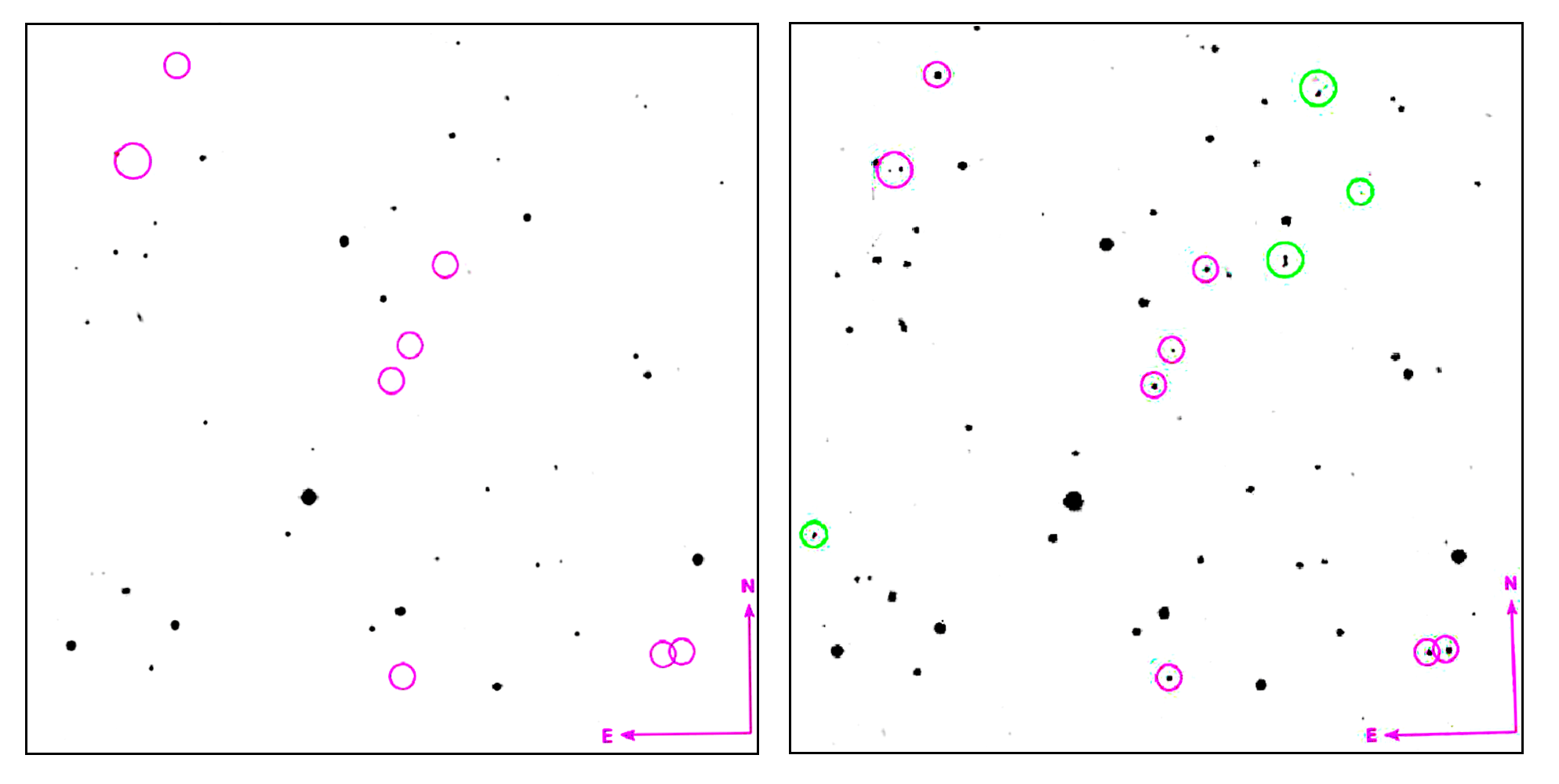
- Archival plate digitization and analysis for transient glints and non-cataloged objects
- Sectors: space situational awareness (SSA), academia, heritage digitization
- Tools/products/workflows: high-throughput scanning; ML artifact rejection; cross-match with historical satellite logs to identify uncataloged objects
- Assumptions/dependencies: access to plate archives; funding for digitization; curated training sets
- Environmental and geological forensics strengthened by technosignature-style markers
- Sectors: environment, energy/nuclear safeguards, geoscience
- Tools/products/workflows: isotope ratio mass spectrometry for CO2, U/Pu/I; PFAS and persistent organic pollutants in cores; microplastics mapping; stratigraphic “Anthropocene” markers
- Assumptions/dependencies: core access; interlaboratory calibration; chain-of-custody protocols
- Planetary defense synergies via all-sky optical/IR meteor networks
- Sectors: emergency management, space
- Tools/products/workflows: upgraded all-sky camera arrays; standardized data sharing with defense sensors; automated alerts
- Assumptions/dependencies: real-time data exchange agreements; consistent sensor calibration
- Targeted ocean bathymetry and seabed surveys along meteor tracks and stellar-flyby windows
- Sectors: telecom (subsea cables), energy/minerals, environment
- Tools/products/workflows: multibeam sonar, satellite altimetry, autonomous underwater vehicles; probabilistic targeting using celestial encounter catalogs
- Assumptions/dependencies: ship time; exclusive economic zone permissions; integrated mission planning with other surveys
- Genomic anomaly detection pipelines with “genomic SETI” methods repurposed for biosurveillance
- Sectors: healthcare, biotech, academia
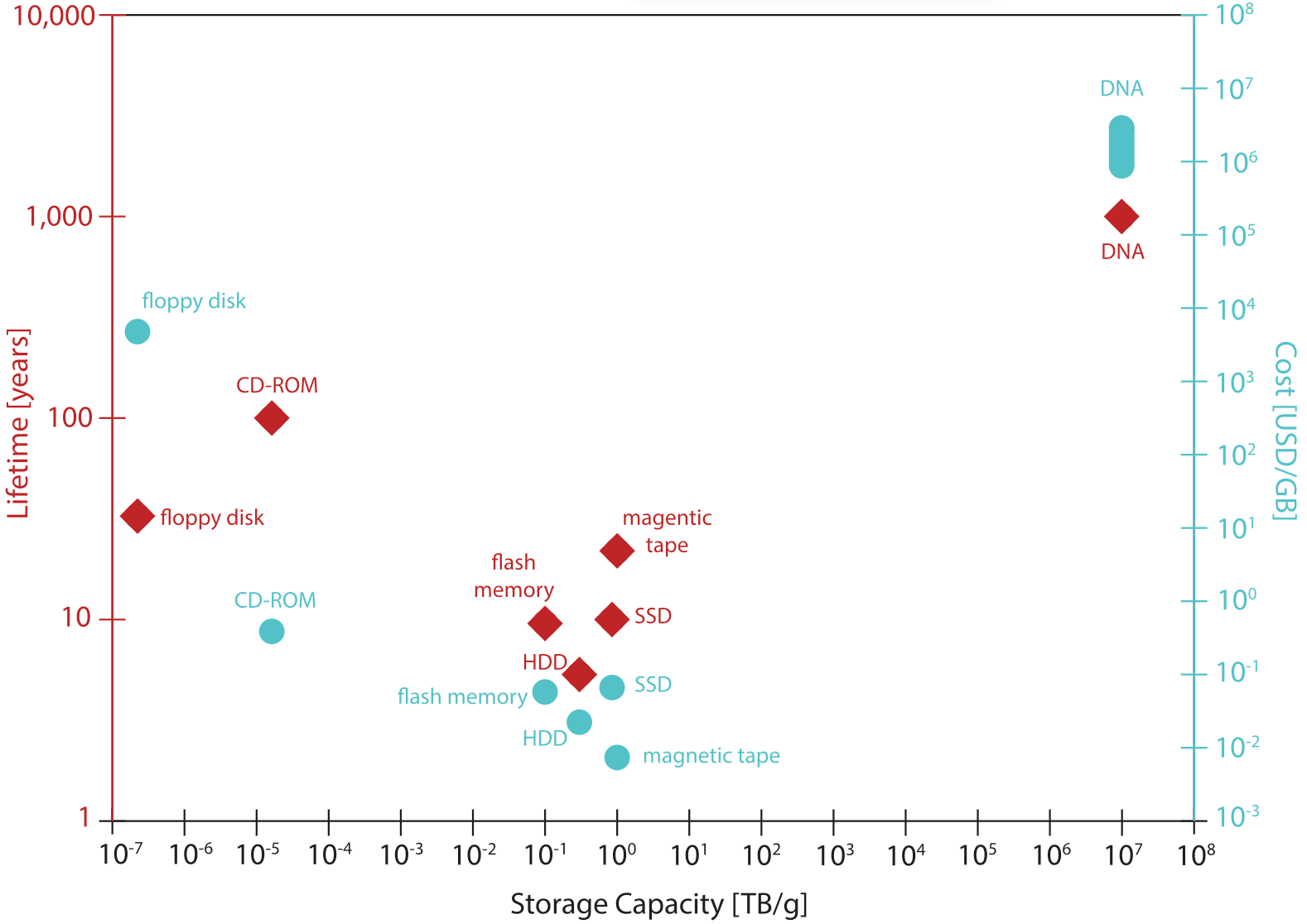
- Tools/products/workflows: bioinformatics for atypical sequence motifs, chirality clues, and DNA-storage signatures; secure compute; anomaly scoring for sequencing datasets
- Assumptions/dependencies: access to diverse genomes; strong safeguards against overinterpretation; IRB/ethics oversight
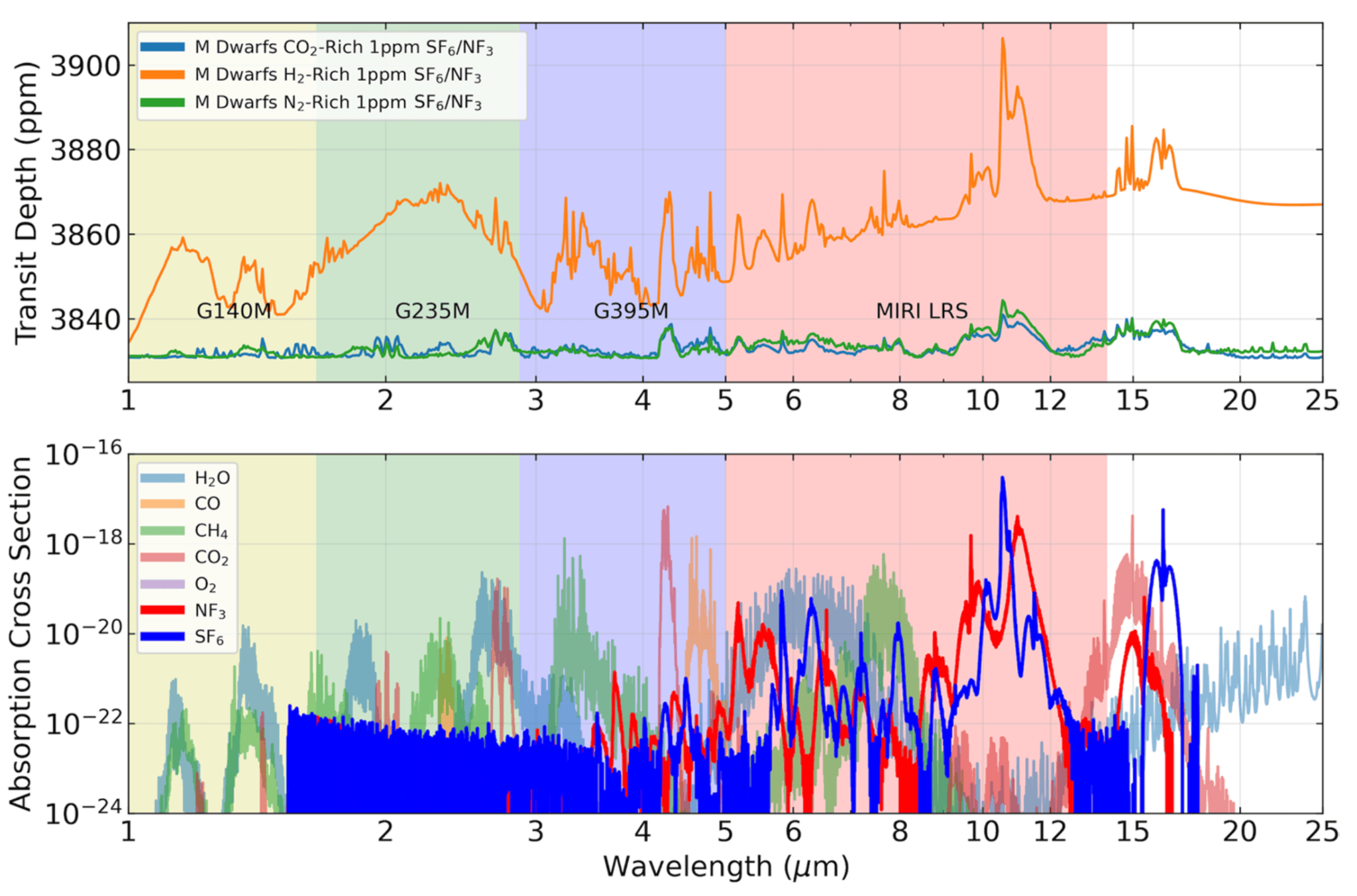
- Spectral libraries of industrial gases for exoplanet and Earth remote sensing
- Sectors: environment, space, software
- Tools/products/workflows: lab measurements and radiative-transfer models for industrial byproducts (e.g., chlorofluorocarbons, DMS pathways); shared libraries for retrieval pipelines
- Assumptions/dependencies: laboratory capacity; standardized formats; cross-validation with Earth observations
- Open data governance and provenance for anomalous physical samples
- Sectors: policy, academia, standards bodies
- Tools/products/workflows: chain-of-custody templates; pre-registered analysis plans; open repositories for spectroscopy, crystallography, and isotope data
- Assumptions/dependencies: stakeholder alignment; safe-harbor policies; funding for curation
- Citizen science and education programs on anomaly vetting and critical thinking
- Sectors: education, public engagement
- Tools/products/workflows: curated training datasets; Zooniverse-style platforms; modules on epistemology and false-positive sources
- Assumptions/dependencies: quality control; responsible communications; educator partnerships
- Cross-discipline “piggyback” evaluation frameworks for dual-benefit projects
- Sectors: research funding, policy
- Tools/products/workflows: scoring rubrics quantifying co-benefits (e.g., SSA, meteorology, biodiversity); portfolio balancing tools
- Assumptions/dependencies: funder adoption; robust metrics; transparent review
Long-Term Applications
These require new capabilities, scaling, or major coordination, but could be transformational and have broad spillovers.
- Global All-Domain Anomaly Observatory Network
- Sectors: aerospace/defense, weather/climate, public safety
- Tools/products/workflows: persistent multi-sensor nodes (optical/IR/RF/radar/magnetics/acoustics); real-time fusion; open APIs with tiered access
- Assumptions/dependencies: multi-agency governance; sustainable funding; privacy and international data-sharing frameworks
- Space-based all-sky transient constellations (optical/IR/UV)
- Sectors: space, SSA, planetary defense
- Tools/products/workflows: smallsat constellations with on-orbit ML; rapid ground and on-orbit follow-up; cross-links to ground networks
- Assumptions/dependencies: launch cadence; spectrum/satcom allocations; debris mitigation
- Lunar far-side radio observatory for ultra-quiet SETI/biosignatures
- Sectors: space, radio astronomy
- Tools/products/workflows: low-frequency arrays shielded from Earth RFI; lunar logistics; robotic construction
- Assumptions/dependencies: lunar infrastructure; international accords (frequency protection zones)
- Solar Gravitational Lens mission for high-resolution exoplanet imaging
- Sectors: space, optics, software
- Tools/products/workflows: precision navigation to >550 AU; deconvolution algorithms; coronagraphic/relay spacecraft
- Assumptions/dependencies: deep-space propulsion and power; multi-decade program continuity
- Rapid-response interstellar object intercept and sample return
- Sectors: space, planetary defense, materials science
- Tools/products/workflows: survey-to-intercept pipelines; high-delta-V smallcraft; contamination control; open materials databases
- Assumptions/dependencies: detection sensitivity; responsive launch; global coordination
- Deep-time technosignature geosurvey
- Sectors: geoscience, environment, energy
- Tools/products/workflows: global stratigraphic drilling campaigns; high-resolution isotope/organic analyses; integrated sediment databases
- Assumptions/dependencies: international field access; standardized protocols; long-horizon funding
- Genomic SETI at scale and DNA storage R&D
- Sectors: biotech, information storage, academia
- Tools/products/workflows: secure pipelines scanning extremophile genomes for structured encodings; advances in DNA write/read; error-aware decoding frameworks
- Assumptions/dependencies: ethical safeguards; data access agreements; rigorous null models
- Exoplanet technosignature retrieval (industrial pollutants, waste heat, night-side lights)
- Sectors: space, software
- Tools/products/workflows: next-gen telescope time (ELT/LUVOIR/HabEx concepts); Bayesian retrieval with pollutant priors; joint bio/techno modeling
- Assumptions/dependencies: mission selection; laboratory cross-sections; community consensus on detection claims
- AI-driven anomaly triage across multi-messenger archives
- Sectors: software, astronomy, finance/security spinoffs
- Tools/products/workflows: active learning on multi-modal time series; uncertainty-aware prioritization; human-in-the-loop review tools
- Assumptions/dependencies: labeled datasets; compute resources; standardized metadata
- Harmonized defense–civil science data corridors
- Sectors: policy, defense, academia
- Tools/products/workflows: classification-reduction workflows; secure enclaves for vetted researchers; reproducibility-ready data releases
- Assumptions/dependencies: legal reforms; trust frameworks; auditing mechanisms
- High-resolution global bathymetry and seabed characterization
- Sectors: climate/oceanography, telecom, energy
- Tools/products/workflows: multi-year sonar/LiDAR campaigns; fusion with gravity/altimetry; public bathymetric commons
- Assumptions/dependencies: international coordination; coastal state permissions; standardized QC
- Materials forensics platforms for anomalous samples
- Sectors: materials science, energy, policy
- Tools/products/workflows: open, tamper-evident analysis pipelines (XRD, SEM/TEM, ICP-MS, isotopics); preregistered protocols; replicability networks
- Assumptions/dependencies: funding and insurance; liability frameworks; shared SOPs
- International post-detection and exceptional-claims governance
- Sectors: policy, science communication, risk management
- Tools/products/workflows: tiered evidence standards; pre-negotiated communication plans; scenario exercises; data escrow
- Assumptions/dependencies: UN/ICSU-like convening; cross-cultural considerations; legal clarity
- Technosignature institute/consortium coordinating dual-use R&D
- Sectors: academia, industry partnerships, standards
- Tools/products/workflows: shared testbeds; evaluation benchmarks; workforce development; co-benefit metrics (First Law of SETI Investigations)
- Assumptions/dependencies: diversified funding; open participation; outcome transparency
Note: Feasibility for many items hinges on cross-disciplinary collaboration, robust false-positive controls, open-yet-secure data practices, and careful communication to avoid stigma and overclaiming while maximizing co-benefits to mainstream science, safety, and sustainability.
Glossary
- ADS-B: A surveillance technology that broadcasts aircraft identity and position for tracking. "such as the Automatic Dependent Surveillance-Broadcast (ADS-B) to check whether it was a known aircraft."
- Anthropocene: A proposed epoch marked by significant human impact on Earth’s geology and ecosystems. "even one going through an anthropocene phase"
- Astrobiology: The scientific study of life in the universe, including its origins, evolution, distribution, and future. "Astrobiology has taken off as a science"
- Astroarcheology: The search for ancient technological artifacts in space or on celestial bodies. "astroarcheology, astroengineering, or stellar engineering."
- Astroengineering: Large-scale engineering applied to astronomical systems or celestial bodies. "astroarcheology, astroengineering, or stellar engineering."
- Barrow scale: A scale proposing civilizational advancement by the ability to manipulate progressively smaller physical scales. "We then introduce the Kardashev and Barrow scale"
- Bathymetry: The measurement and mapping of the seafloor’s topography. "the study of ocean floor (bathymetry) remains incomplete"
- Biosignatures: Measurable indicators (e.g., gases, structures) that may imply the presence of life. "the search for biosignatures, typically searching for microbial lifeforms in the solar system or for traces of biospheres in exoplanets."
- Chirality: A property of asymmetry where a structure and its mirror image are non-superimposable; in biology, molecules often have a preferred handedness. "If we found varying chirality, it may indicate artificial organic polymers"
- Commensal SETI: Conducting SETI observations simultaneously with other astronomy programs using the same instruments. "when running commensal SETI pipelines on some of Earthâs most capable radio telescopes"
- Curium-247: A long-lived radioactive isotope that can serve as a potential technosignature due to its scarcity in nature. "Curium-247 and Plutonium-244 which have halflives of millions of years."
- Directed panspermia: The hypothesis that life was intentionally seeded on Earth (or elsewhere) by an intelligent civilization. "so they are part of directed panspermia hypotheses"
- Dimethyl sulfide (DMS): A sulfur-containing gas often produced by marine biology, considered a candidate biosignature. "Dimethyl sulfide (DMS), serves as suggestive evidence of life on exoplanet K2-18b."
- Dimethylsulfoniopropionate (DMSP): A compound produced by marine organisms (e.g., phytoplankton) and a precursor to DMS. "via dimethylsulfoniopropionate (DMSP) produced by phytoplankton"
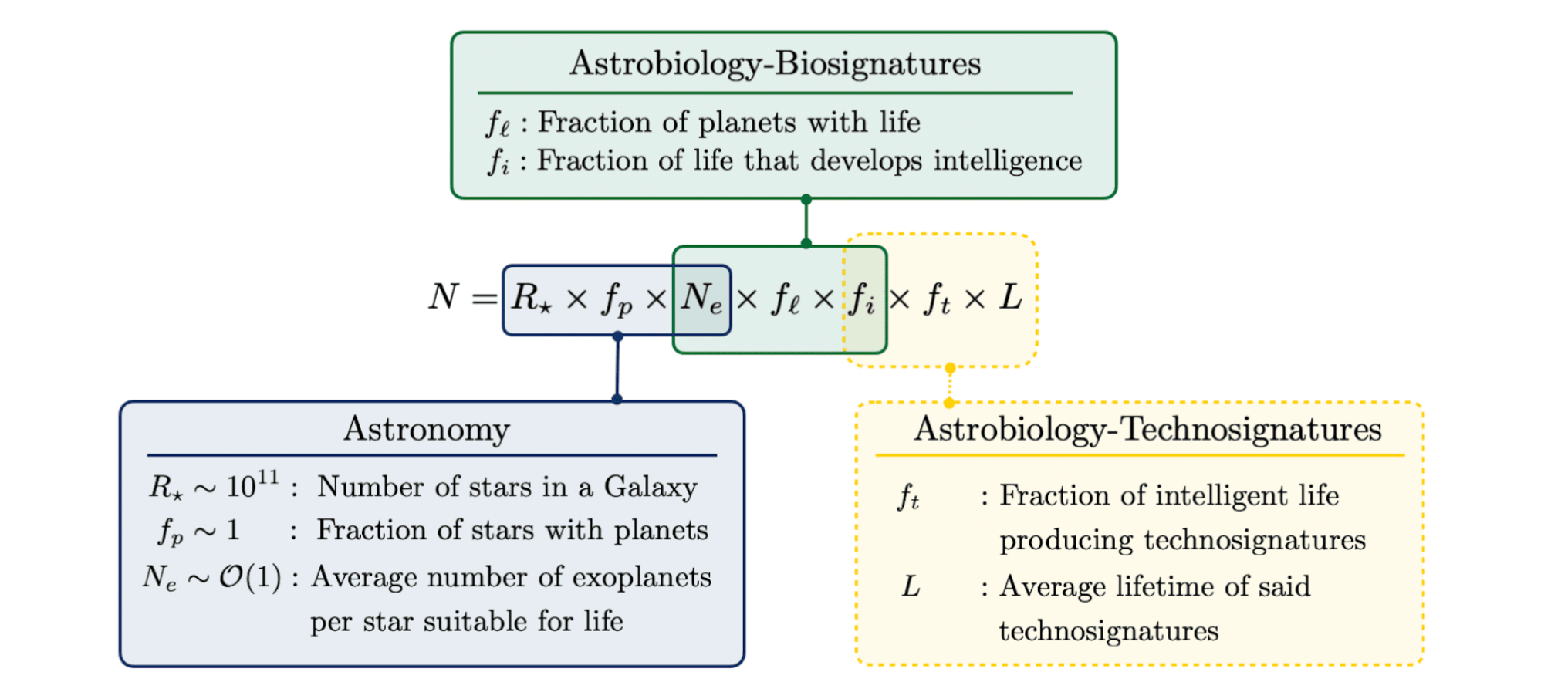
- Drake equation: A probabilistic framework to estimate the number of active, communicative civilizations in the galaxy. "The Drake equation addresses the many factors used to estimate the number of civilizations producing technosignatures in our galaxy at any given time."
- Dysonian SETI: A technosignature search approach focusing on detecting large-scale astroengineering and artifacts rather than communications. "a wider search that has been called Dysonian SETI"
- Galactic colonization: The spread of a civilization across many star systems in a galaxy. "or for galactic colonization models?"
- Galactic crossing time: The time it takes an object to traverse the Milky Way’s disk. "the galactic crossing time, which is years"
- Gamma-ray bursts: Extremely energetic cosmic explosions emitting brief flashes of gamma rays. "interpreted the data as sky-bound gamma-ray bursts"
- Green Bank meeting: The 1961 meeting that helped launch modern SETI efforts and introduced the Drake equation. "to structure the 1961 Green Bank meeting"
- Iodine-129: A long-lived radioactive isotope, often from nuclear fission, proposed as a potential technosignature. "We could add Iodine-129, a byproduct of nuclear testing"
- Kardashev scale: A measure of civilization advancement based on energy usage (Types I–III). "Type I civilizations on Kardashevâs \citeyearpar{kardashev1964TransmissionInformation} scale."
- Kuiper belt: A region of small icy bodies beyond Neptune’s orbit. "the Kuiper belt"
- Lagrange points: Locations where gravitational forces balance, allowing objects to remain relatively stationary with respect to two bodies. "the Earth-Moon Lagrange points"
- Mass spectrometry: An analytical technique to identify materials by their mass-to-charge ratio and abundances. "Mass spectrometry can decipher elemental compositions and abundances"
- Megastructures: Hypothetical large-scale structures built by advanced civilizations (e.g., Dyson spheres). "the search for megastructures"
- Millisecond pulsars: Rapidly rotating neutron stars with millisecond periods, useful as precise cosmic clocks. "Millisecond pulsars are a prime candidate to provide stable and long-lived coordinate systems"
- Oort cloud: A distant spherical reservoir of icy bodies surrounding the solar system. "was inside the Oort cloud $70,000$ yrs ago"
- PFAS: A class of durable synthetic chemicals (per- and polyfluoroalkyl substances) that can persist as pollutants. "Per- and poly- fluoroalkyl substances (PFAS)."
- Permafrost: Permanently frozen ground, which can preserve atmospheric and environmental records. "Atmospheric pollution may be preserved in permafrost or sedimentary layers."
- Persistent organic pollutants: Organic compounds resistant to degradation, potentially serving as long-term technosignatures. "Other signatures could include persistent organic pollutants"
- Plate tectonics: The large-scale movement of Earth’s lithospheric plates, which recycles and erases surface evidence over geologic time. "such as surface weathering or plate tectonics."
- Project Blue Book: A U.S. Air Force program (1952–1969) that investigated UFO reports. "culminating in the extensive Project Blue Book"
- Project Condign: A UK Ministry of Defence study of UAP, which introduced the term “Unidentified Aerial Phenomena.” "changed to âUnidentified Aerial Phenomenaâ (UAP) in Project Condign"
- Self-replicating probes: Hypothetical machines capable of replicating themselves to explore/colonize space exponentially. "especially considering self-replicating probes"
- SETA: The Search for Extraterrestrial Artifacts, a technosignature approach focusing on detecting physical artifacts. "Search for Extraterrestrial Artifacts (SETA)"
- SETI: The Search for Extraterrestrial Intelligence, typically by looking for signals or other signs of intelligent life. "When designing a new SETI search strategy"
- Silurian hypothesis: The proposition that an advanced pre-human technological civilization could have existed and left subtle geological traces. "through the Silurian hypothesis"
- Solar gravitational lens region: Distances from the Sun where its gravity focuses light, enabling extreme-magnification observations. "the solar gravitational lens region"
- Technosignature: Any observable evidence of technology or technological activity by extraterrestrial civilizations. "The term technosignature was first coined by Jill \citet{tarter2007EvolutionLife}"
- Transmedium: Describing objects or phenomena reported to move across multiple media (e.g., air, water, space). "Following up on “transmedium” UAPs reports"
- UAP: Unidentified Aerial Phenomena, a term for aerial (now “anomalous”) observations not readily explained. "changed to âUnidentified Aerial Phenomenaâ (UAP) in Project Condign"
Collections
Sign up for free to add this paper to one or more collections.

