- The paper proposes a novel coreset-induced framework that replaces isotropic noise with a GMM surrogate to closely align with target velocity distributions.
- It combines entropic Sinkhorn coreset selection, closed-form conditional velocity, and correction flow training to reduce function evaluations and transport costs.
- Empirical results show significant FID improvements and robust multimodal generation on datasets such as MNIST, CIFAR-10, and CelebA-HQ.
Coreset-Induced Conditional Velocity Flow Matching: A Technical Analysis
Motivation and Background
The study introduces the Coreset-Induced Conditional Velocity Flow Matching (CCVFM) framework, addressing discrete generative sampling bottlenecks in flow matching paradigms. Traditional flow matching and its hierarchical rectified flow extension (HRF2) model the full conditional velocity law π(v∣x,t), but rely on isotropic noise as an inner source, leading to inefficient sampling in multimodal target distributions. This inefficiency manifests in mean-field learning, requiring high numbers of function evaluations (NFE) due to the averaging out of multimodal structures.
CCVFM proposes replacing the isotropic Gaussian source with a data-informed surrogate constructed as a Gaussian mixture model (GMM) via a weighted coreset derived from Sinkhorn entropic optimal transport. This surrogate source allows for closer alignment with the target velocity distribution, dramatically reducing the correction task's transport cost and directly enabling efficient few-step generation.
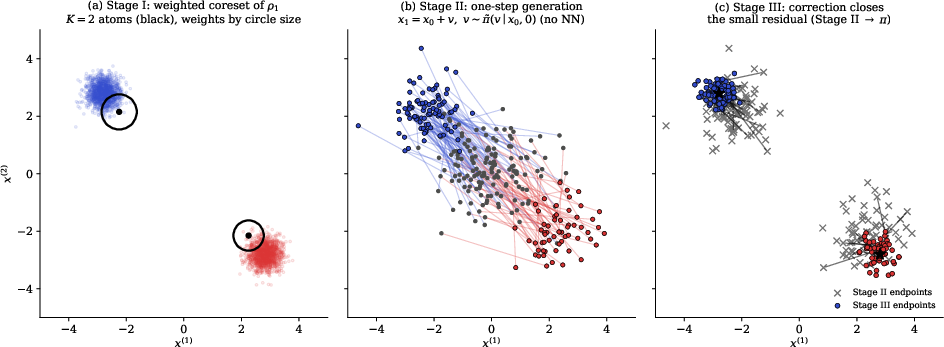
Figure 1: CCVFM pipeline: an entropic-Sinkhorn coreset is lifted to a GMM surrogate; the induced law (v∣xt,t) is a closed-form GMM; a correction flow with source itself refines the surrogate-to-target residual.
Methodology
Stage I: Sinkhorn Coreset and GMM Lift
Given a sample set from the target distribution ρ1, Stage I compresses the dataset to K weighted atoms (wk,μk) using an entropic Sinkhorn objective, optimizing assignments via Kullback-Leibler regularization. The resulting pseudo-sample atoms are then lifted to a GMM, fitting each component's covariance by truncated SVD.
Plugging the Stage I GMM surrogate into the conditional velocity law identity yields a closed-form mixture distribution for (v∣xt,t). For t=0, the sampler is reduced to a categorical draw over mixture weights followed by a Gaussian sample, delivering exact alignment with the shifted target law.
Stage III: Correction Flow Training
A lightweight correction network is trained to minimize the surrogate-to-target residual, starting from surrogate GMM samples rather than isotropic Gaussian noise. The loss is defined on random velocity interpolation points, regressing the network’s output to the difference between real and surrogate velocities.
This three-stage pipeline ensures that the correction task solves a truncated transport problem, with provable reduction in Wasserstein distance relative to HRF2.
Theoretical Results
Transport Task Reduction
The correction cost for CCVFM equals W2(ρ1,) and is O(K−1/d) under the coreset compression assumption. In contrast, HRF2’s cost exhibits a dimension-scale lower bound, remaining constant as K increases, due to the prescription of isotropic Gaussian as the source.
Residual Second Moment Analysis
The conditional second moment of the correction training residual under the surrogate-source sampler is expressed as:
(v∣xt,t)0
This excess is small whenever the surrogate matches the conditional velocity law of the target closely in mean and covariance, outperforming the independent-Gaussian-source baseline whose source-dependent excess is (v∣xt,t)1.
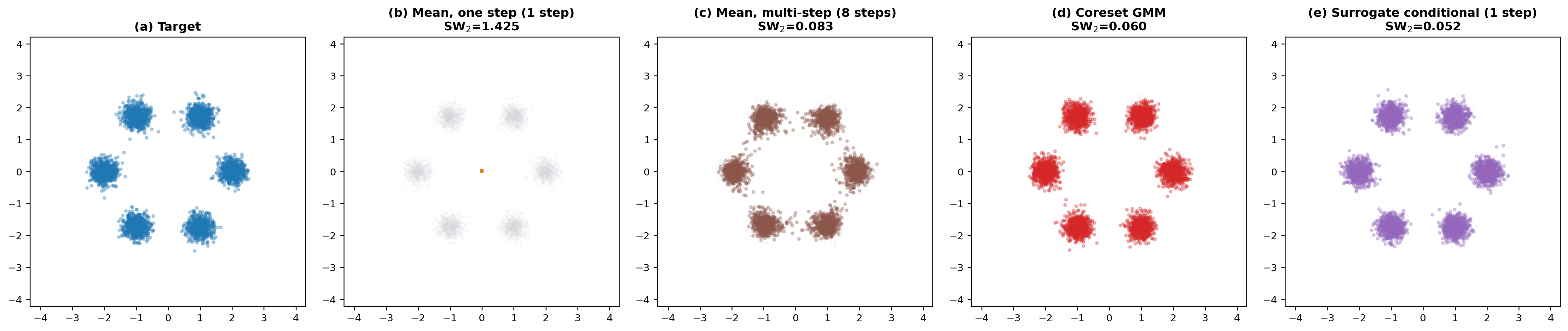

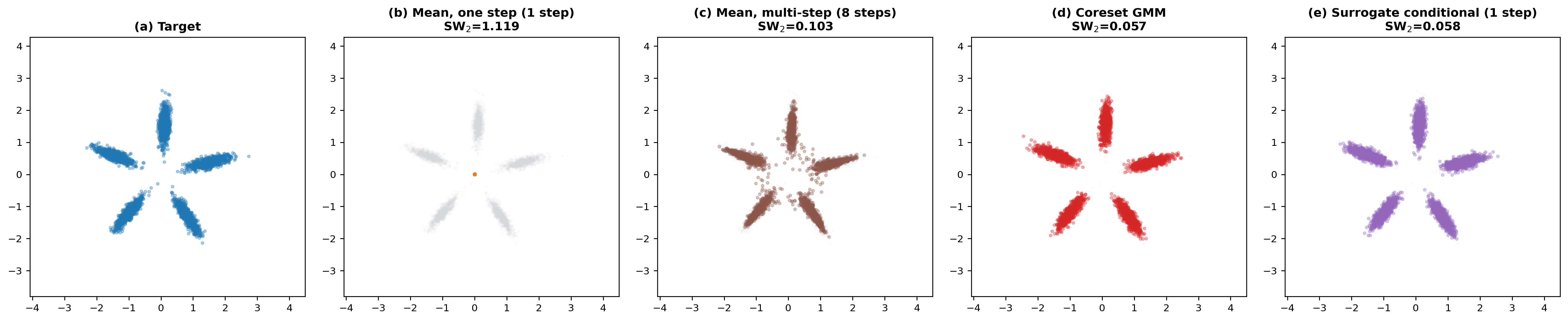
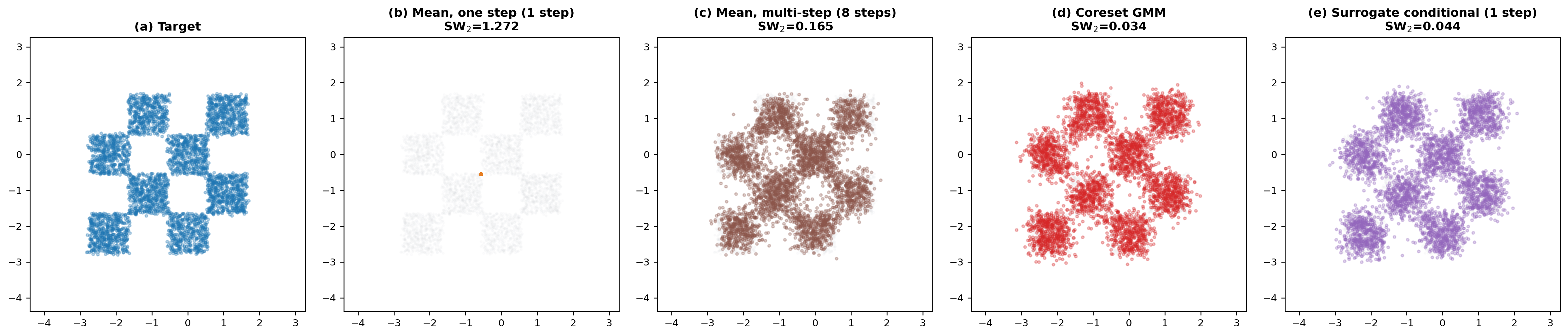
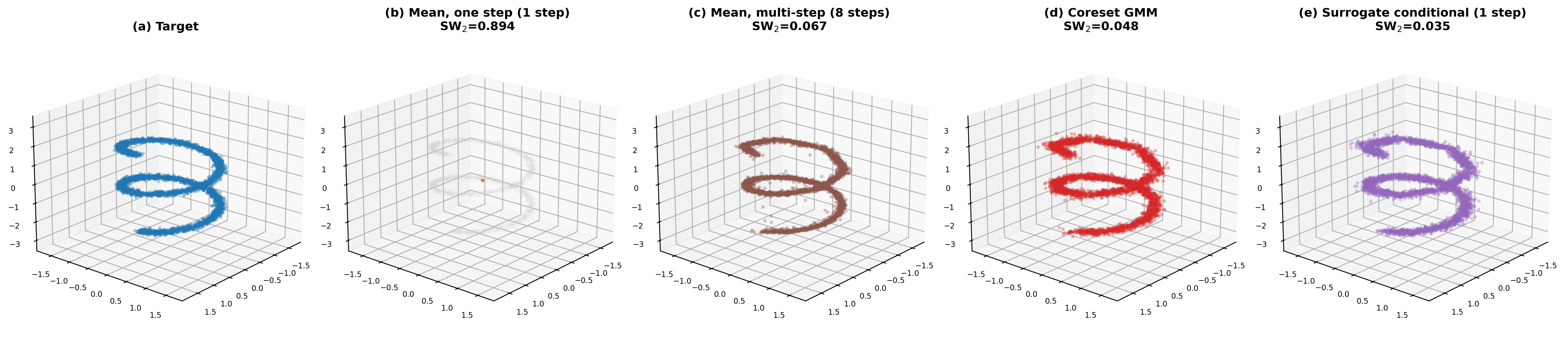
Figure 2: Toy benchmarks across five synthetic targets, comparing ground-truth samples, rectified-flow outputs, Sinkhorn-coreset samples, and CCVFM Stage II generator.
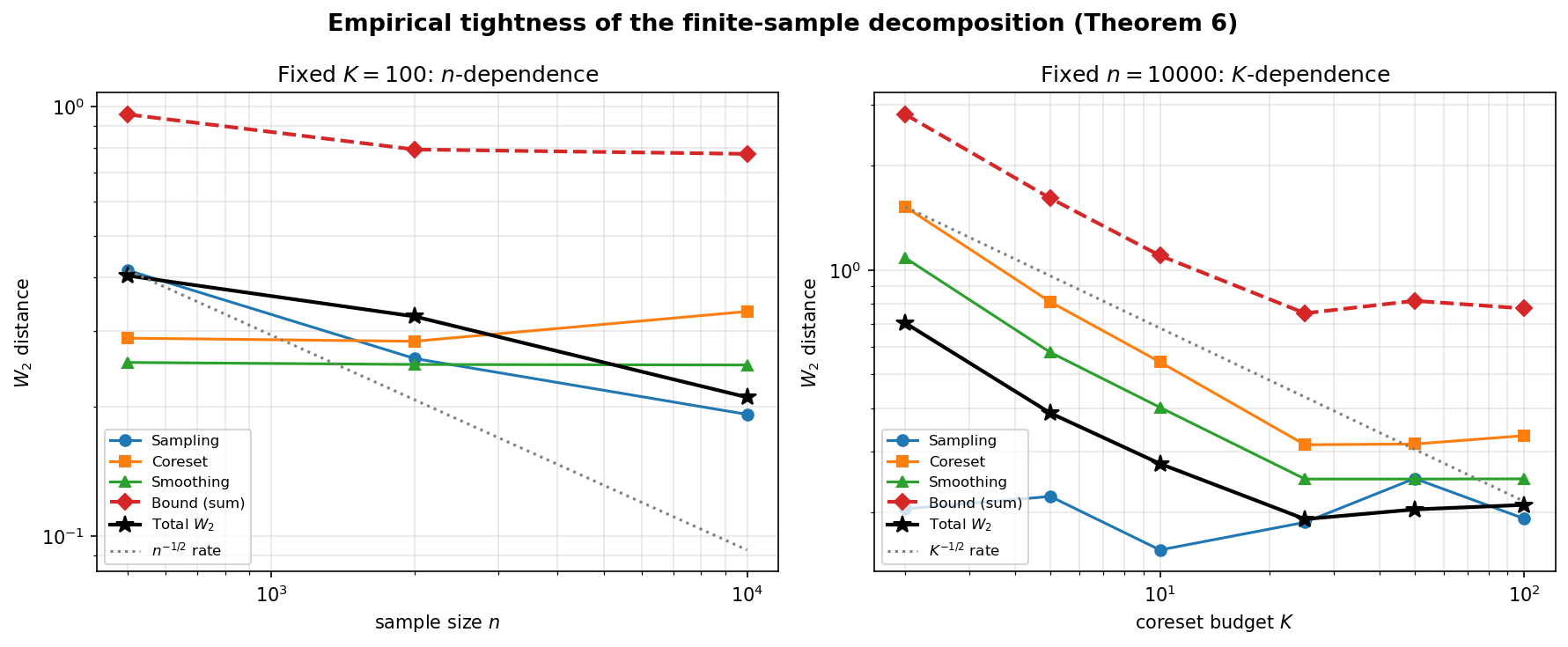
Figure 3: Empirical illustration of the surrogate-gap decomposition and measured generation error, confirming the tightness of theoretical bounds on synthetic targets.
Numerical Results
CCVFM achieves competitive, and often superior, FID scores with dramatic NFE reduction across multiple datasets:
- MNIST: FID(v∣xt,t)2 at 51 NFE, outperforming HRF2’s 2.574 at 500 NFE.
- CIFAR-10: FID(v∣xt,t)3 at 51 NFE.
- ImageNet-32: FID(v∣xt,t)4 at 51 NFE, with a (v∣xt,t)5 gap at 11 NFE compared to HRF2.
- CelebA-HQ (256): FID(v∣xt,t)6 at 51 NFE, competitive with state-of-the-art diffusion-based models at significantly fewer steps.
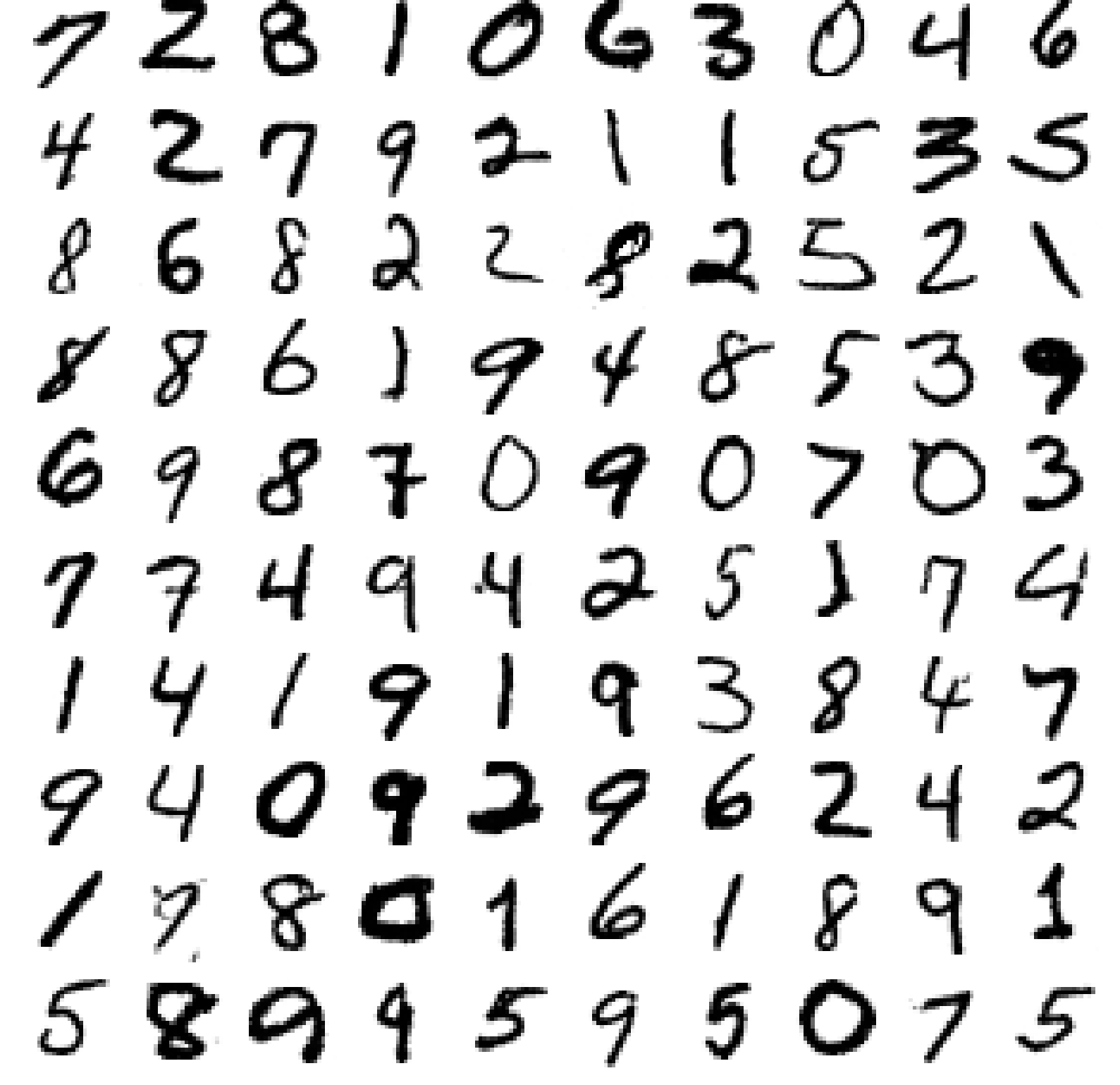
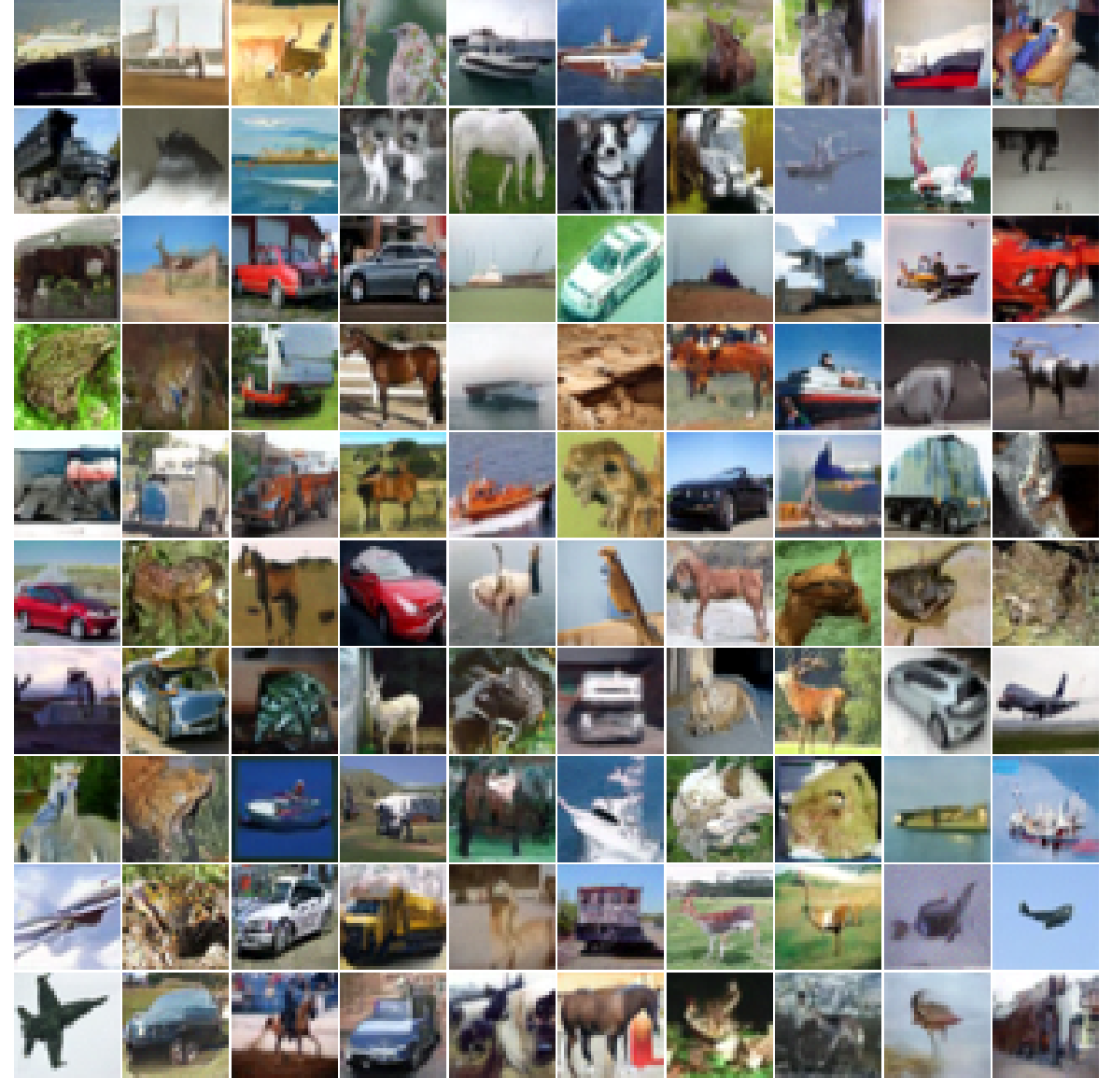
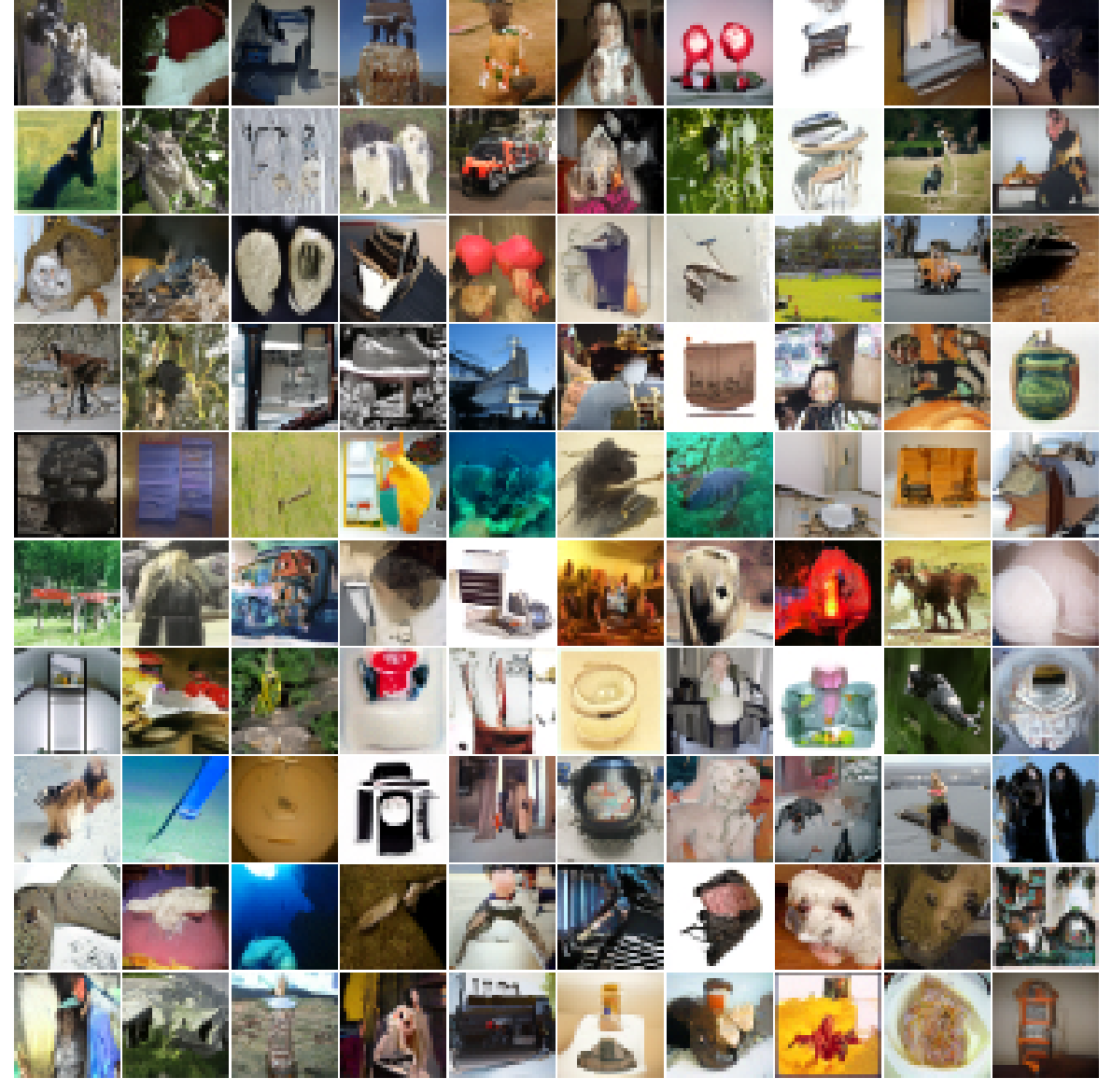
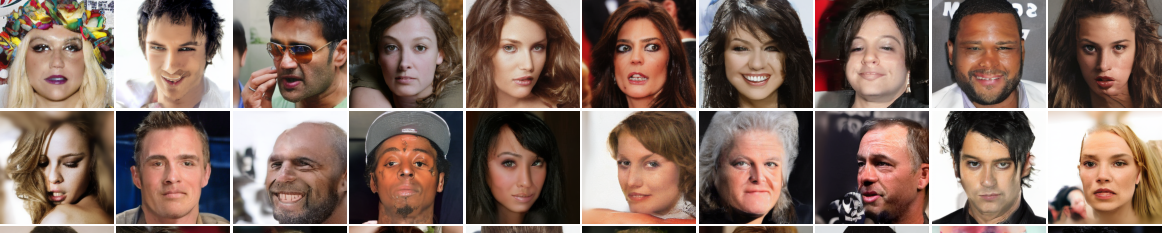
Figure 4: Uncurated samples used for the reported FID pools, demonstrating strong visual fidelity and diversity.
Diagnostic and Memorization Analysis
Extensive memorization diagnostics based on 1-NN distances in Inception feature space confirm that CCVFM's generated samples are not merely memorized training data; the generated pool statistically matches the distribution of real data, with no dependency on training set proximity.
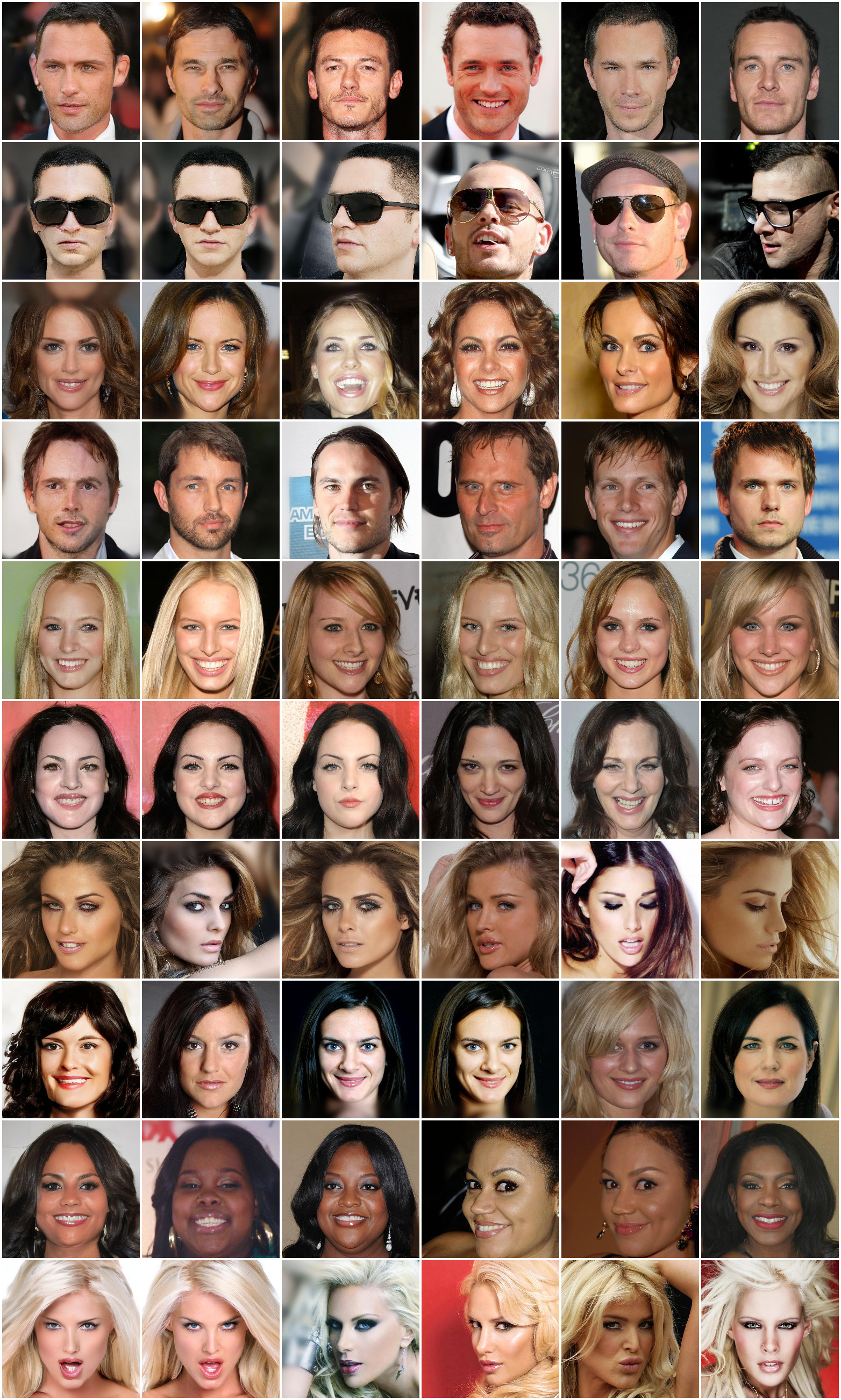
Figure 5: Memorization probe showing CCVFM generations diverge from nearest training images in pose, identity and expression.
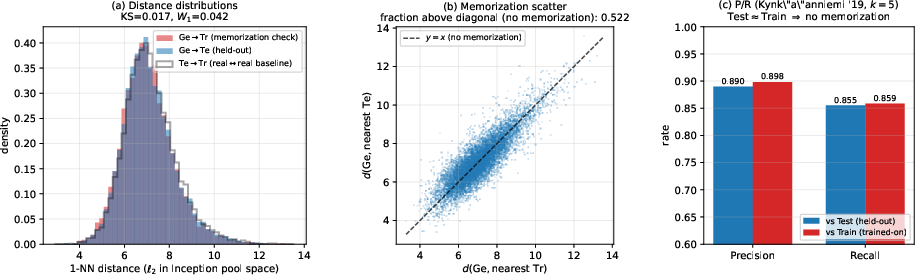
Figure 6: Goodness-of-fit diagnostics in Inception feature space demonstrating overlap between generated and real distributions.
Mode Collapse and Multimodality Preservation
A critical advantage is CCVFM’s preservation of multimodal structure in the conditional velocity law. In toy benchmarks with ring clusters and mode-dropped mean-field flows, CCVFM reconstructs mode structuring precisely via its GMM surrogate.
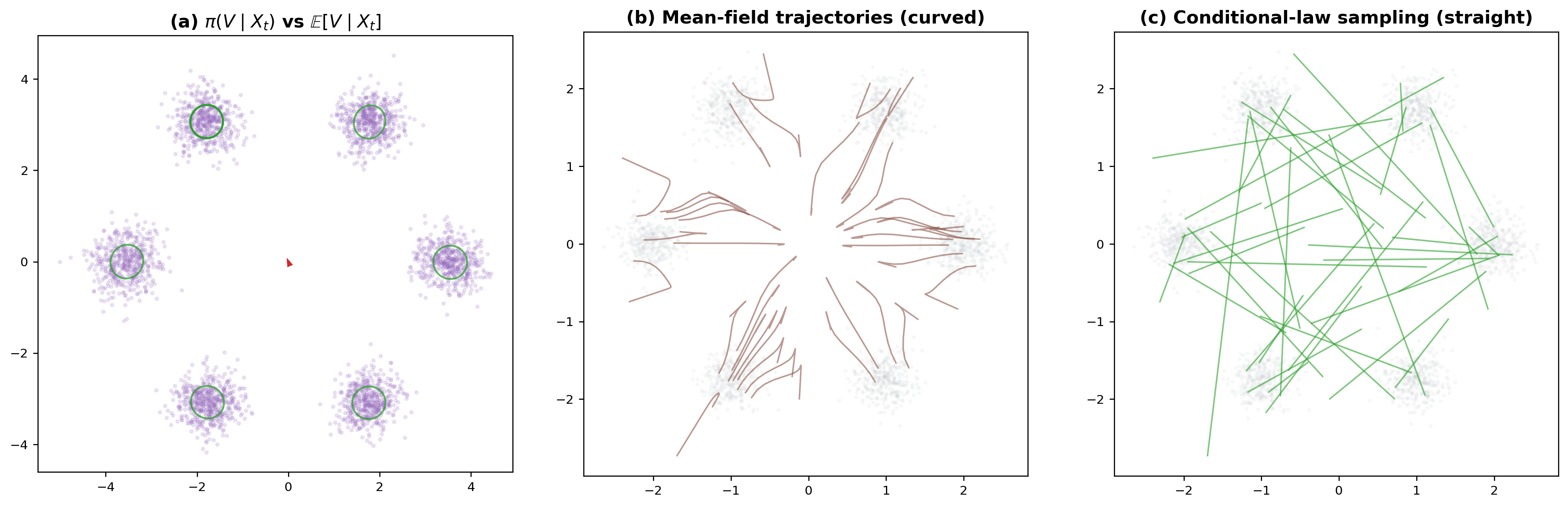
Figure 7: Conditional-velocity advantage: CCVFM recovers multimodal conditional velocity structure exactly, unlike mean-field collapse.
Sample Quality Progression
CCVFM's sample quality improves as the correction step budget increases, with Stage II-to-III transitions sharpening image details and reducing FID.
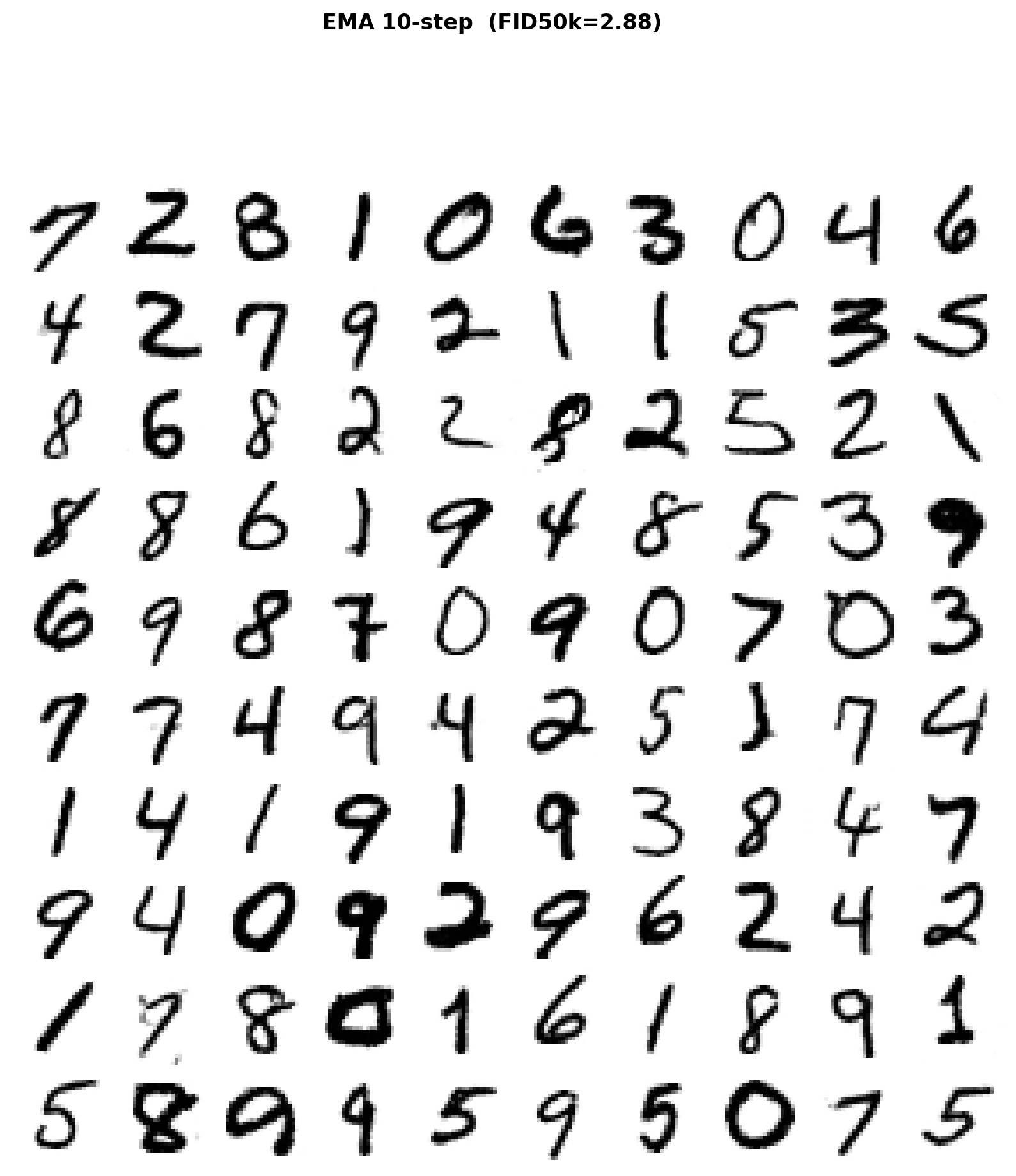
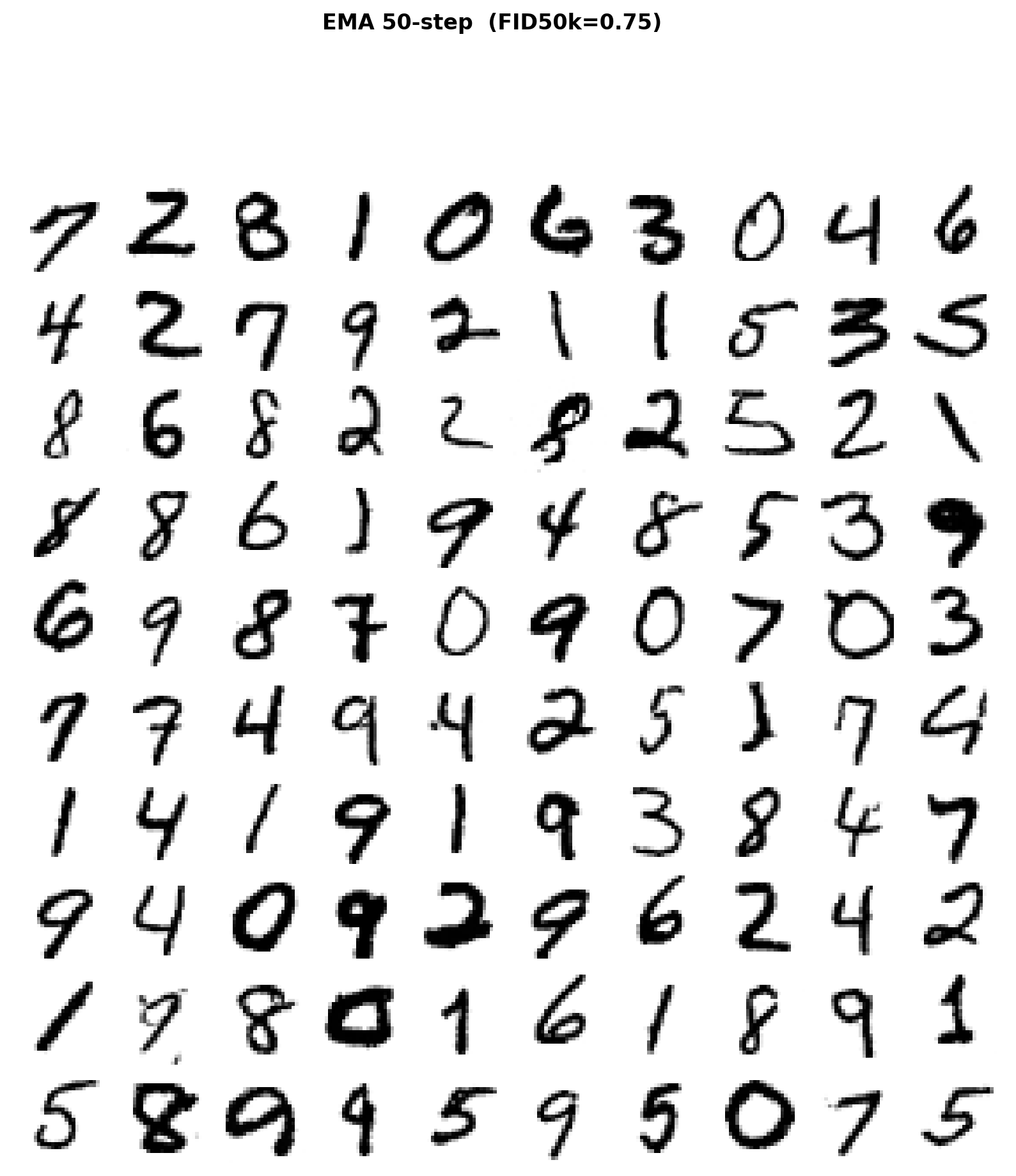
Figure 8: MNIST Stage III samples across correction budgets, showing quality improvement as (v∣xt,t)7 increases.
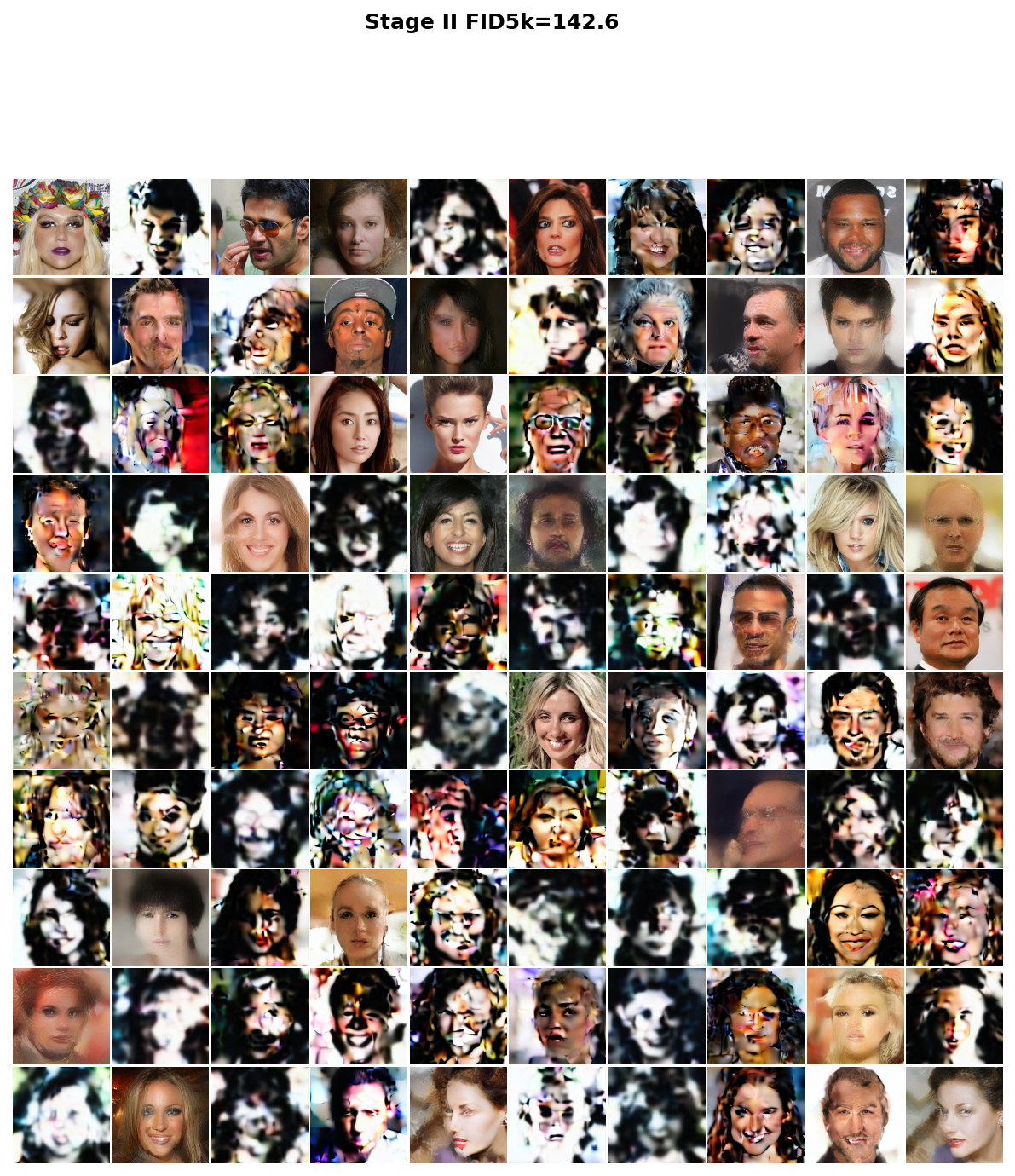
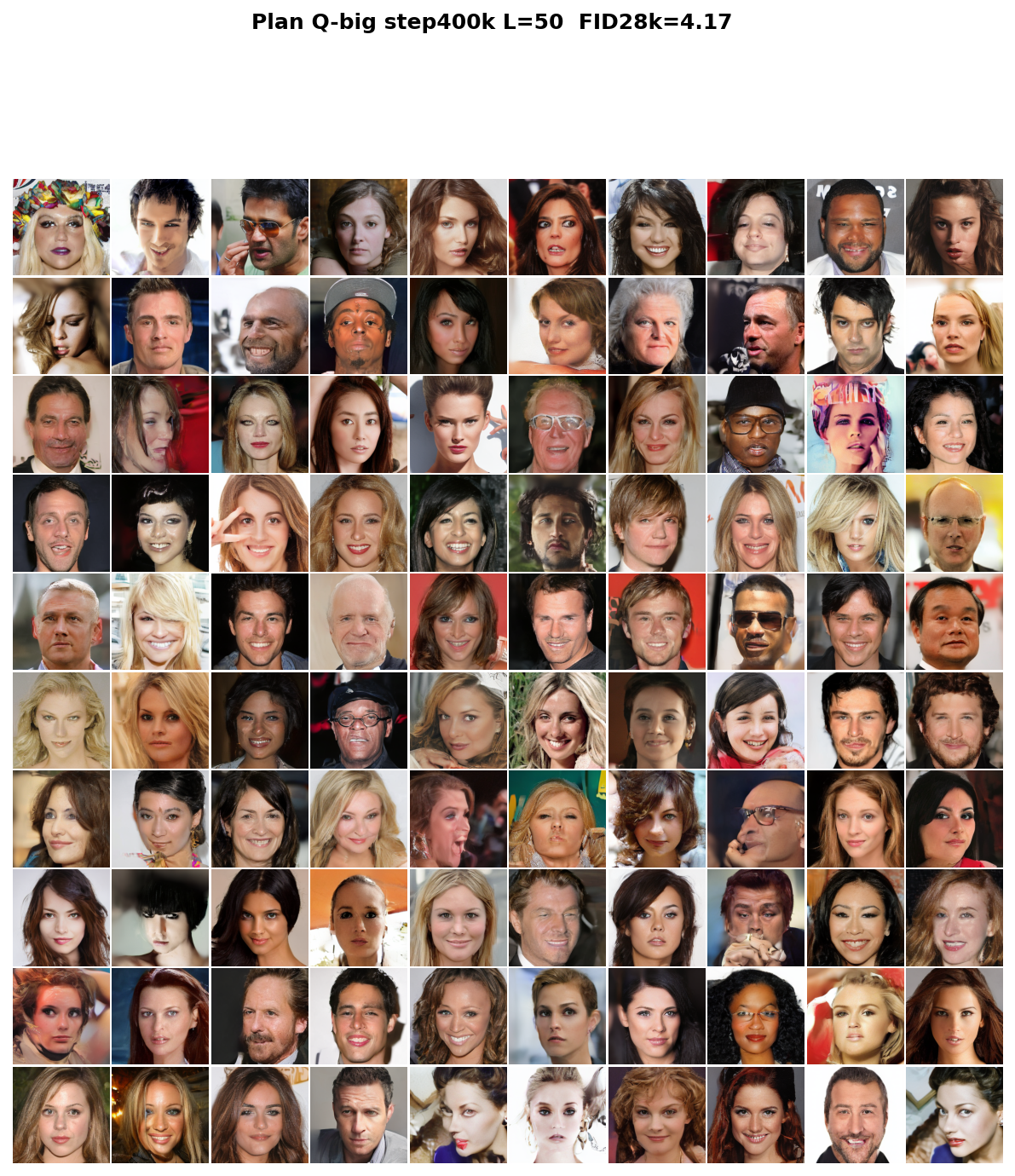
Figure 9: Stage II-to-III progression on CelebA-HQ: Stage II produces correct pose/color but blurry details, Stage III correction restores sharpness.
Implications and Future Directions
Practical Implications
CCVFM reduces the correction burden by adapting the source law to data structure, offering efficient few-step generation. The method is compatible with existing components of modern generative modeling pipelines, and orthogonal to techniques such as distillation, flow straightening, or minibatch optimal transport coupling. The closed-form surrogate is especially beneficial for high-dimensional image synthesis, where it bypasses the mean-field averaging and enables dominance by coreset error rather than dimension-driven lower bounds.
Theoretical Implications
CCVFM defines a sharp theoretical separation, showing that correction flow cost can be reduced arbitrarily (with (v∣xt,t)8) for every nondegenerate target distribution. This creates new possibilities for generative modeling in settings where multimodality and few-step generation are critical.
Future Work
Directions include establishing provable rates for the entropic-Sinkhorn/GMM routine, extending surrogate analysis to non-Gaussian targets, combining CCVFM with flow straightening and distillation techniques, and exploring adaptation in more complex domains (e.g., video, text, high-resolution imagery).
Conclusion
CCVFM advances the generative modeling landscape by offering a principled, scalable mechanism to reduce the correction transport cost in velocity-space flow matching. Its coreset-GMM surrogate aligns the inner source with the target’s local structure, facilitating efficient, multimodal, and non-memorizing image synthesis at competitive FID and sublinear function evaluation budgets. The theoretical reductions and empirical outcomes validate CCVFM's applicability to high-dimensional generative tasks and motivate further exploration of coreset-based surrogate alignment in generative modeling (2605.12951).

