- The paper demonstrates that boundary-dominated optomechanical coupling via the moving-boundary effect achieves unprecedented Brillouin gain (>7000 W⁻¹ m⁻¹) in silicon membranes.
- It employs comprehensive FEM simulations and experimental setups to optimize geometric designs, photon-phonon overlap, and fabrication tolerance.
- Experimental results validate high mechanical Q factors (600–700) and scalable on-chip integration for Brillouin amplifiers and related photonic applications.
Introduction
The paper "Boundary-dominated optomechanics in silicon metamaterial membranes" (2605.07567) investigates the design, simulation, fabrication, and optomechanical characterization of subwavelength acoustic (SWA) membrane waveguides in silicon platforms. The focus is on harnessing boundary-dominated optomechanical coupling—primarily through the moving-boundary (MB) effect, as opposed to traditional photoelastic (PE) mechanisms—to achieve unprecedented Brillouin gain and robust mechanical resonance. The authors provide comprehensive theoretical, numerical, and experimental analysis, highlighting the interplay between geometric optimization, photon-phonon overlap, and practical fabrication tolerance.
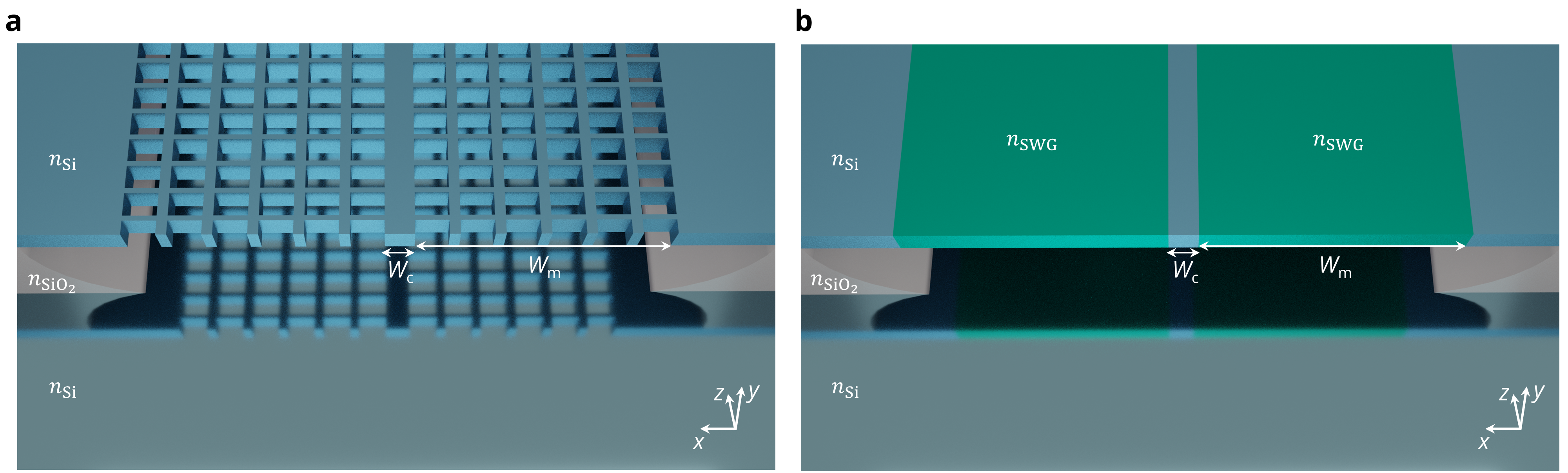
Figure 1: Model of the suspended Brillouin waveguide with lateral metamaterial membranes. SWG cladding is modeled as homogeneous dielectric slabs for tractable simulation.
Optomechanical Modal Simulations and Design Rationale
Intramodal forward stimulated Brillouin scattering (FSBS) is leveraged, where synchronous co-propagation of pump, Stokes, and anti-Stokes optical modes induces an acoustic phonon via phase-matched interaction. The dominant mechanical mode is a vertically breathing resonance, realized in a core-membrane geometry. Finite-element (FEM) simulations include both the MB and PE contributions to the optomechanical overlap, but MB effects overwhelmingly dominate due to strong vertical displacement at membrane interfaces and concentration of the optical field at boundaries.
The optical SWG cladding is approximated as a synthetic dielectric (homogeneous slab) via effective medium theory, facilitating efficient calculation of leakage losses and modal profiles.
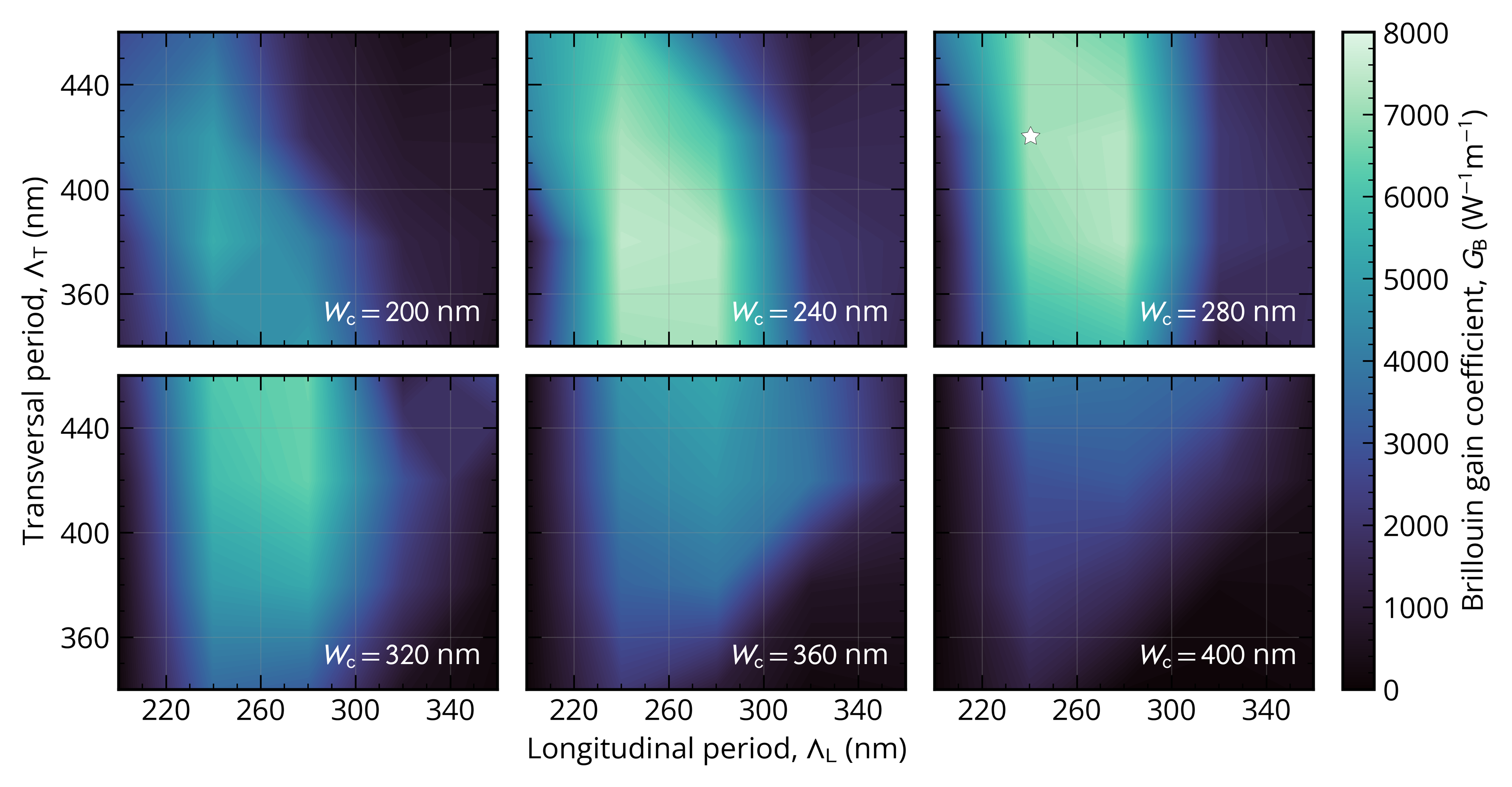
Figure 2: Simulated Brillouin gain coefficient GB as a function of membrane periods and core widths.
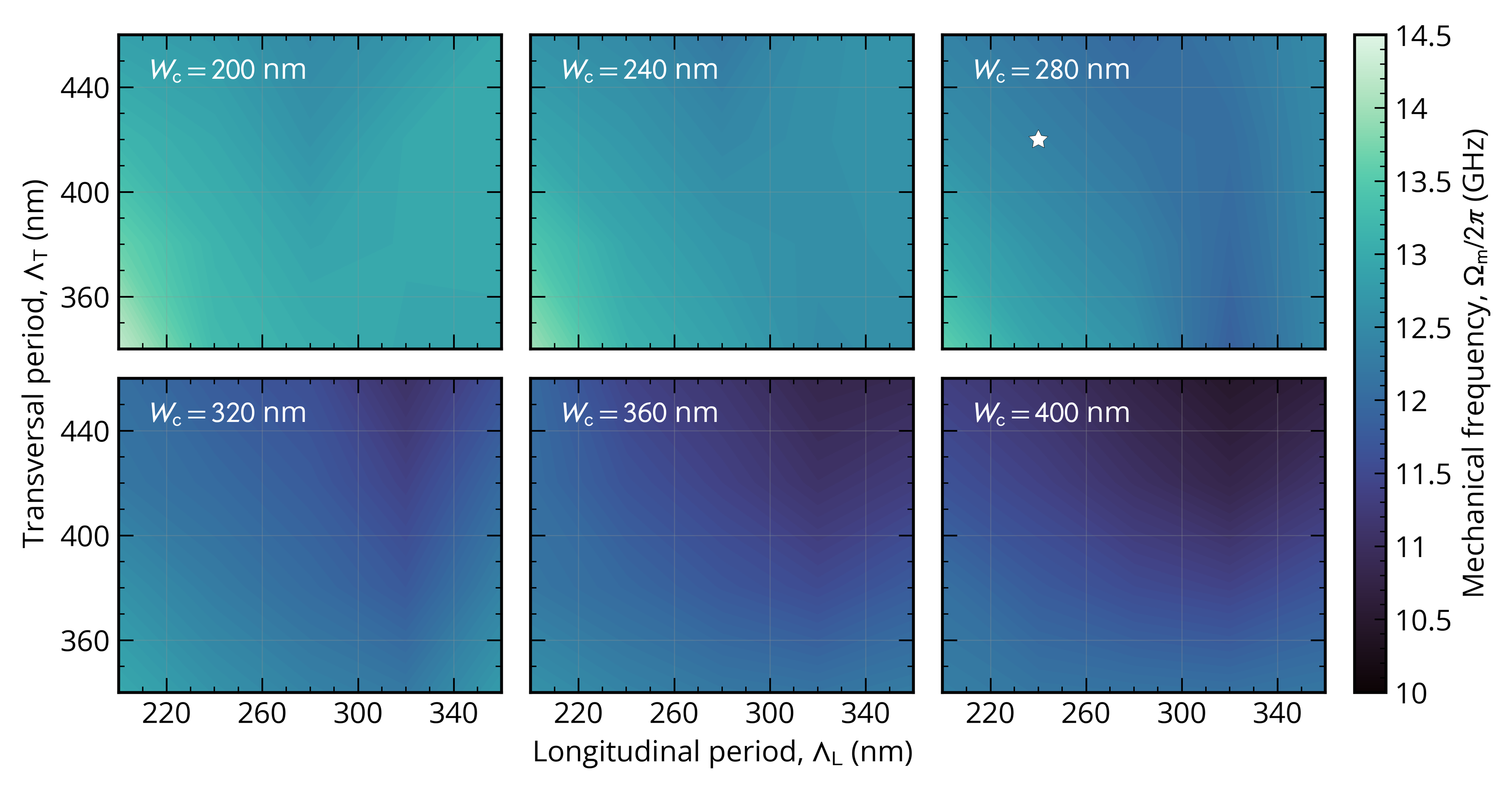
Figure 3: Simulated mechanical frequency Ωm/2π for geometries.
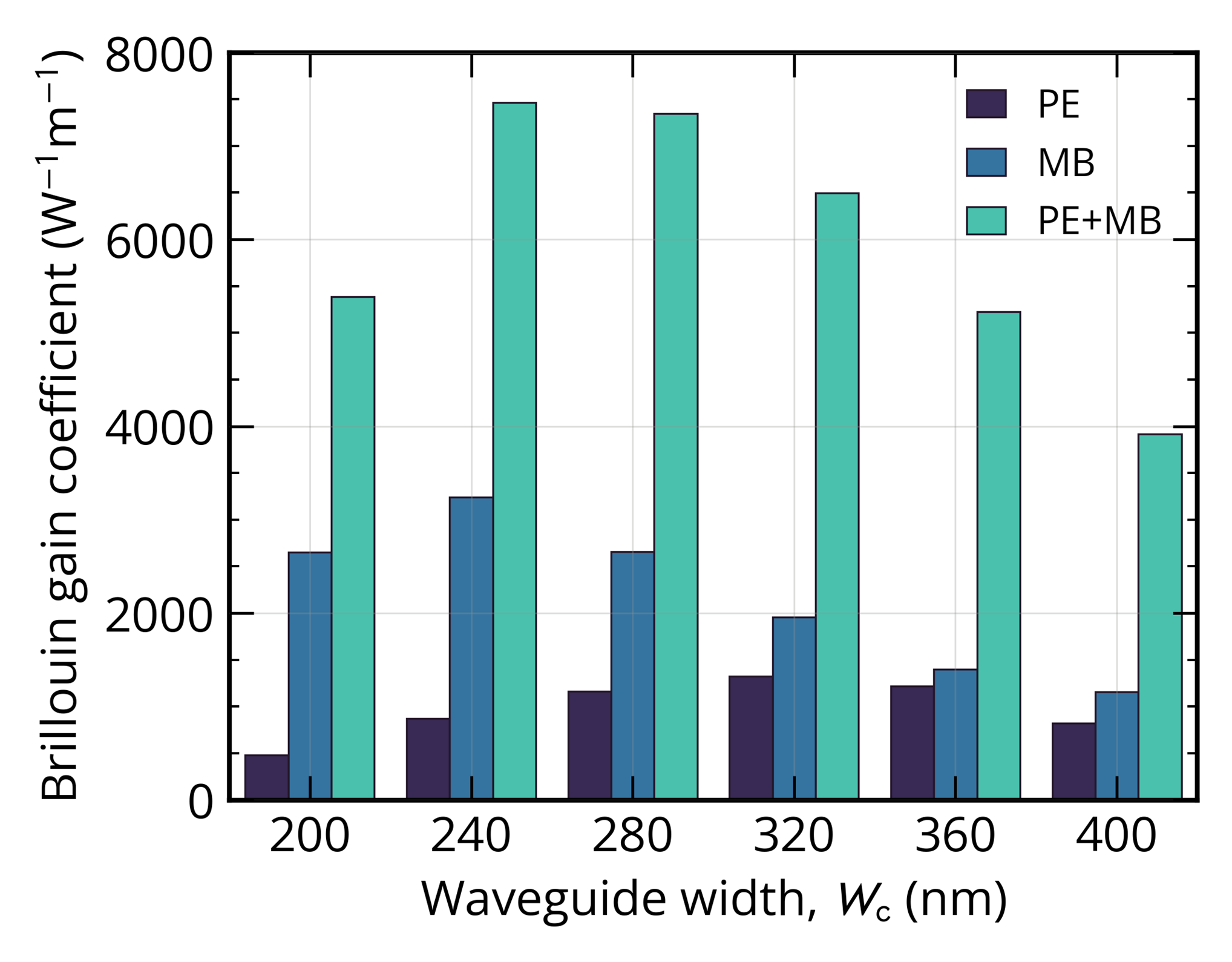
Figure 4: Simulated Brillouin gain coefficient for optimal membrane period, partitioned into MB and PE contributions.
Numerical optimization yields maximal GB>7300W−1m−1 for narrow core (Wc=240 nm), but this is counterbalanced by pronounced leakage losses, rendering such geometry impractical. A compromise at Wc=280 nm maintains GB>7000W−1m−1 while reducing optical leakage by a factor of 30 relative to the extremal configuration.
Fabrication Tolerance and Robustness
COMSOL simulations systematically evaluate the impact of typical fabrication deviations: etching offsets, layer thickness fluctuations, and longitudinal hole length changes. Mechanical frequency is primarily set by the silicon layer thickness, while Brillouin gain is more sensitive to tether/air-hole size adjustments due to altered rigidity and acoustic confinement.
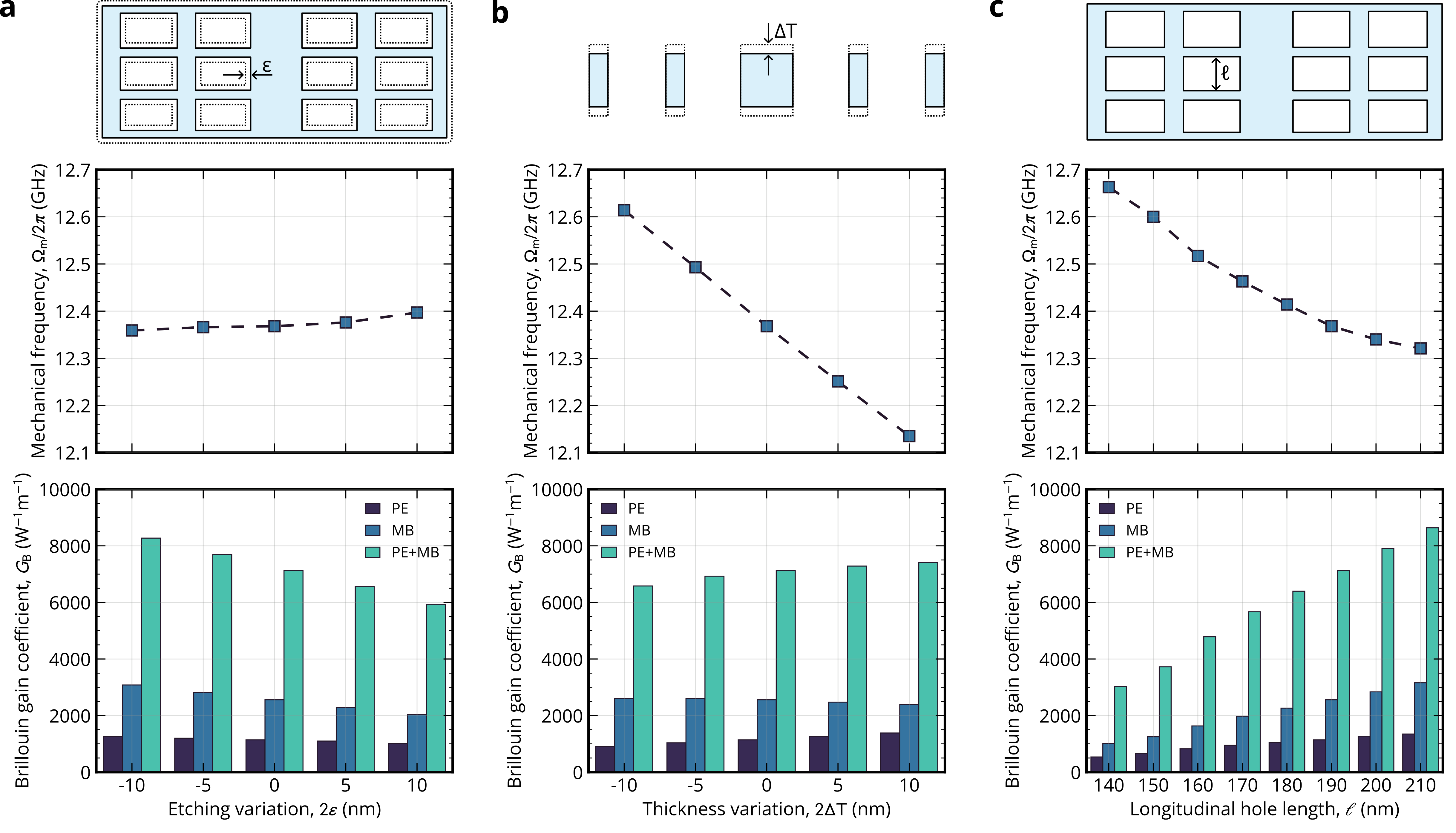
Figure 5: Simulated mechanical frequency and Brillouin gain under etching, thickness, and hole-length variations.
Gain variation across realistic fabrication errors remains above GB>5900W−1m−1, demonstrating substantial tolerance. This property significantly eases implementation of robust high-gain optomechanical waveguides.
Optical and Nonlinear Loss Analysis
The authors consider both linear and nonlinear loss mechanisms, including two-photon absorption (TPA) and free-carrier absorption (FCA), using power-dependent loss models. Optical frequency domain reflectometry (OFDR) measurements yield α∼2–$2.6$ dB/cm. Nonlinear loss coefficients are calculated experimentally and via established analytical relations, with numerical values summarized and corroborated through measurement.
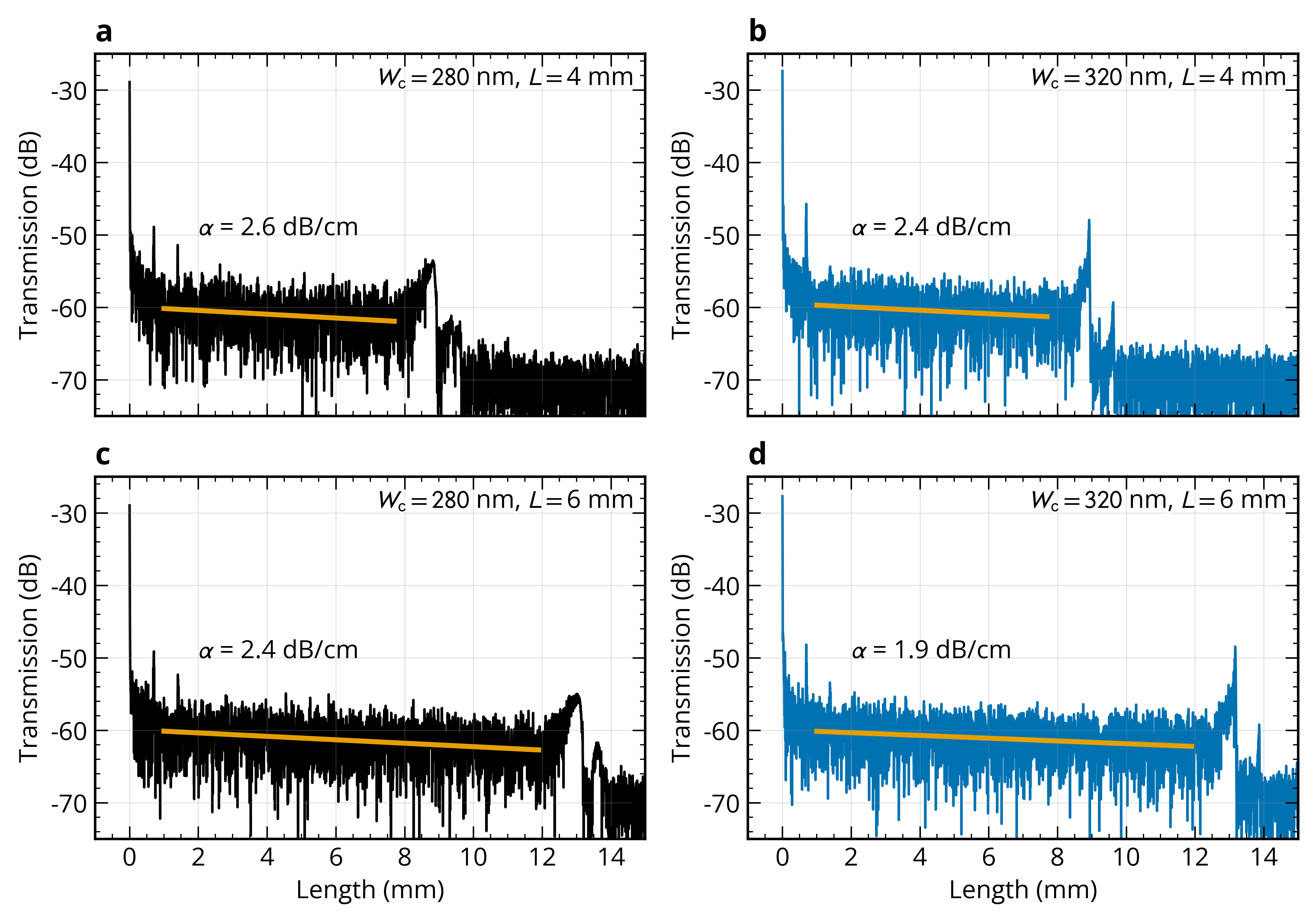
Figure 6: Optical loss measured across four waveguides using OFDR.
Experimental Configurations: Three-Tone and Two-Tone Brillouin Gain
Two experimental setups are deployed: the three-tone scheme (pump + Stokes + anti-Stokes injected together) and the two-tone scheme (pump + one sideband). The three-tone regime enables doubly resonant enhancement and detailed tracking of both Stokes amplification and anti-Stokes depletion/amplification while simplifying filtering requirements.
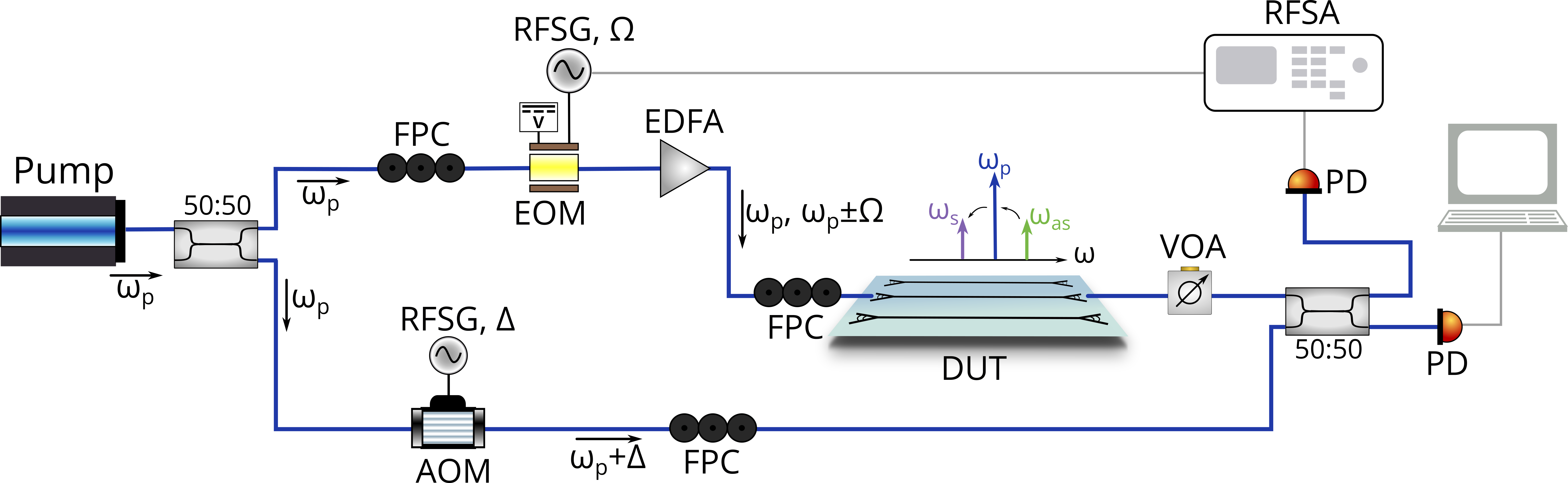
Figure 7: Three-tone gain setup: simultaneous energy transfers between anti-Stokes–pump and pump–Stokes throughout the chip.
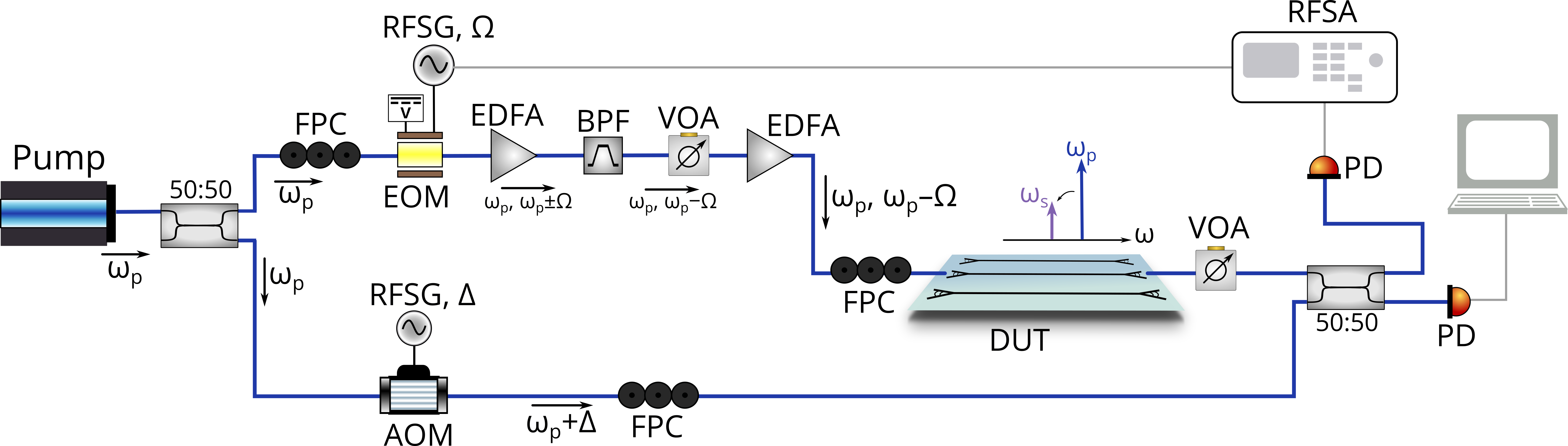
Figure 8: Single-sideband gain setup: energy transfer from pump to sideband as modulation frequency traverses resonance.
Theoretical Modeling and Nonlinear Dynamics
A full three-mode coupled differential equation system models the FSBS process, incorporating mechanical susceptibility and loss coefficients. The model predicts non-exponential signal growth/depletion and non-Lorentzian spectral shapes—contradicting conventional backward Brillouin scattering assumptions. Output dependence on the Brillouin gain coefficient is quantified; strong numerical results include:
- Amplification regime for Stokes and anti-Stokes sidebands at high GB and pump power.
- Asymmetric depletion/amplification dynamics between Stokes and anti-Stokes sidebands.
- Complete anti-Stokes depletion followed by regeneration with Ωm/2π0 phase shift—observable only at sufficiently high gain and appropriate waveguide length.
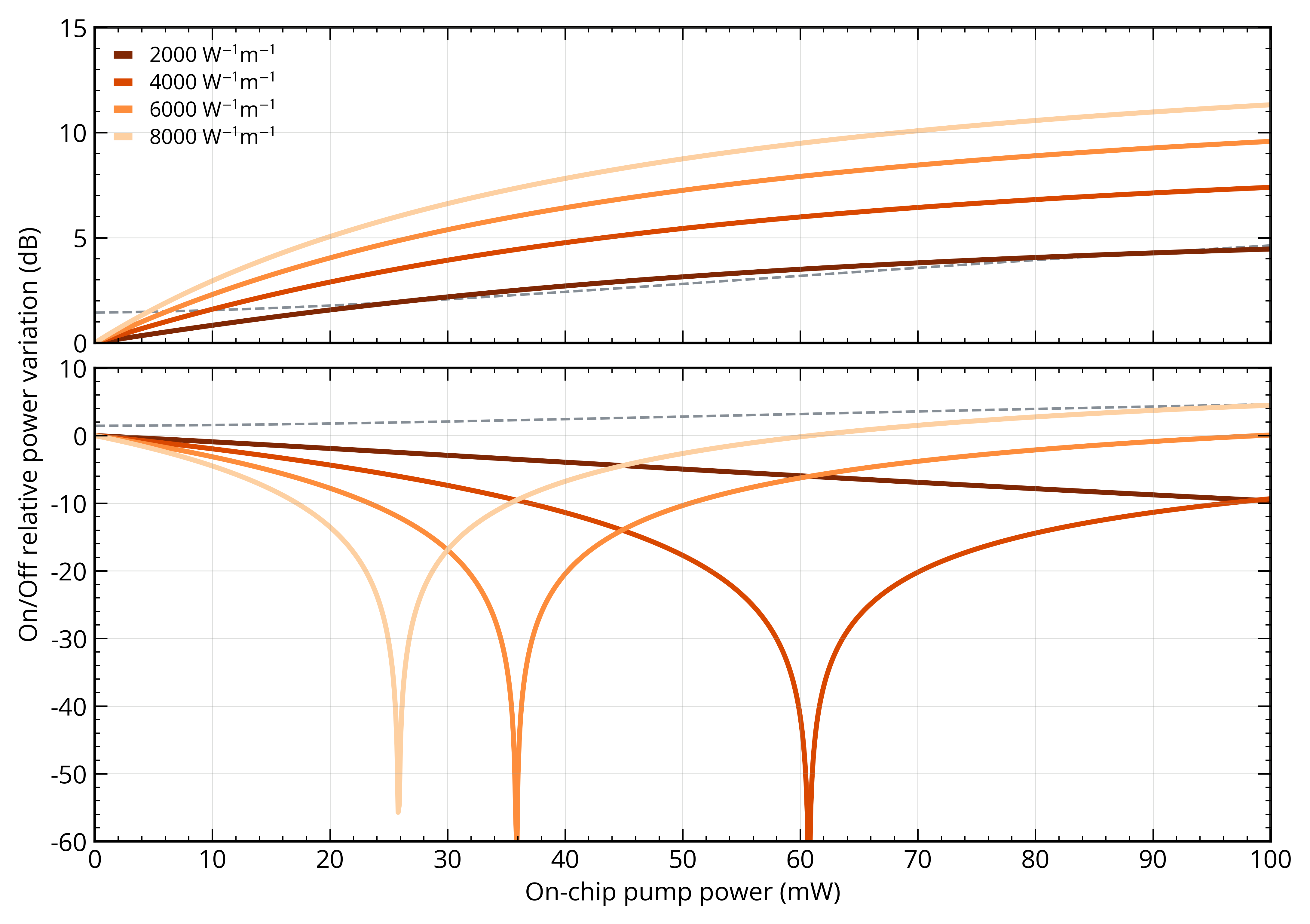
Figure 9: On/off relative power for Stokes and anti-Stokes versus input power for variable Ωm/2π1.
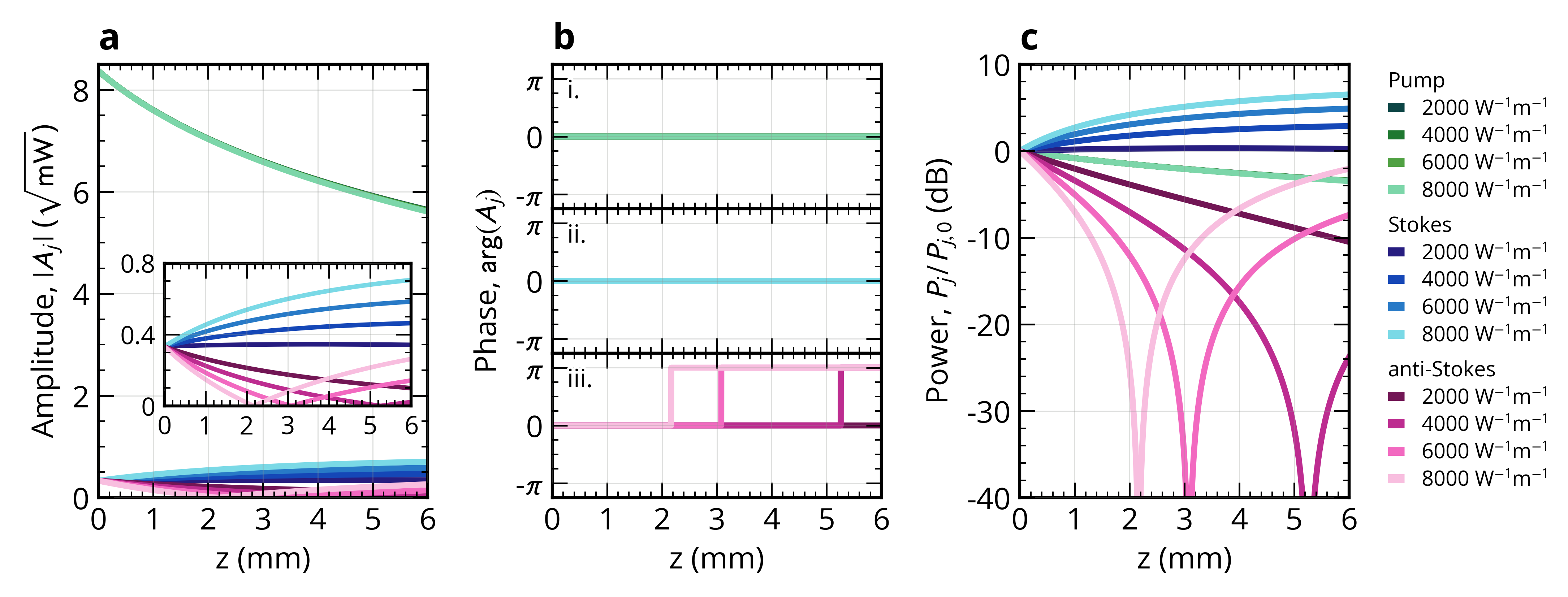
Figure 10: Amplitude, phase, and power evolution for pump, Stokes, and anti-Stokes along waveguide length.
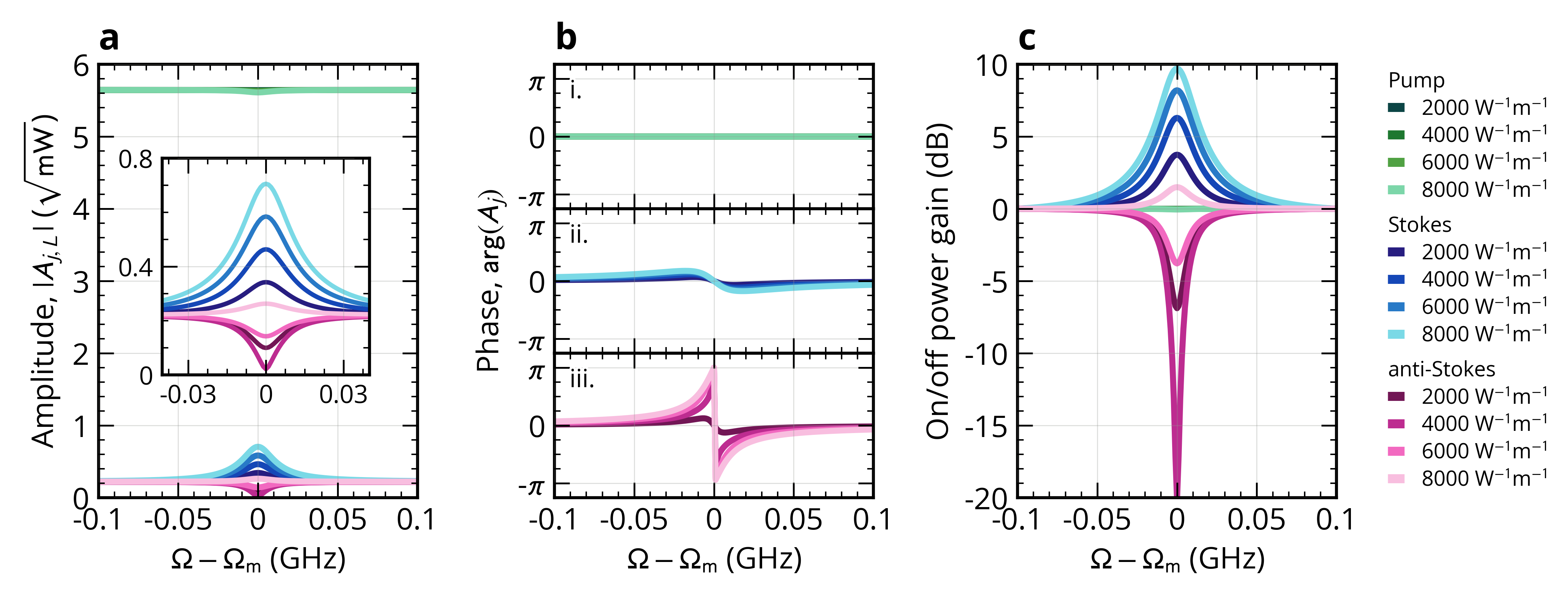
Figure 11: Signal evolution as function of modulation frequency for varying Ωm/2π2. Notably, anti-Stokes regime switches from depletion to gain.
In most experimental cases, the undepleted pump and small-signal limits hold, but at high Ωm/2π3 or extended waveguides, full FSBS modeling is required; small-signal approximations systematically underestimate sideband generation.
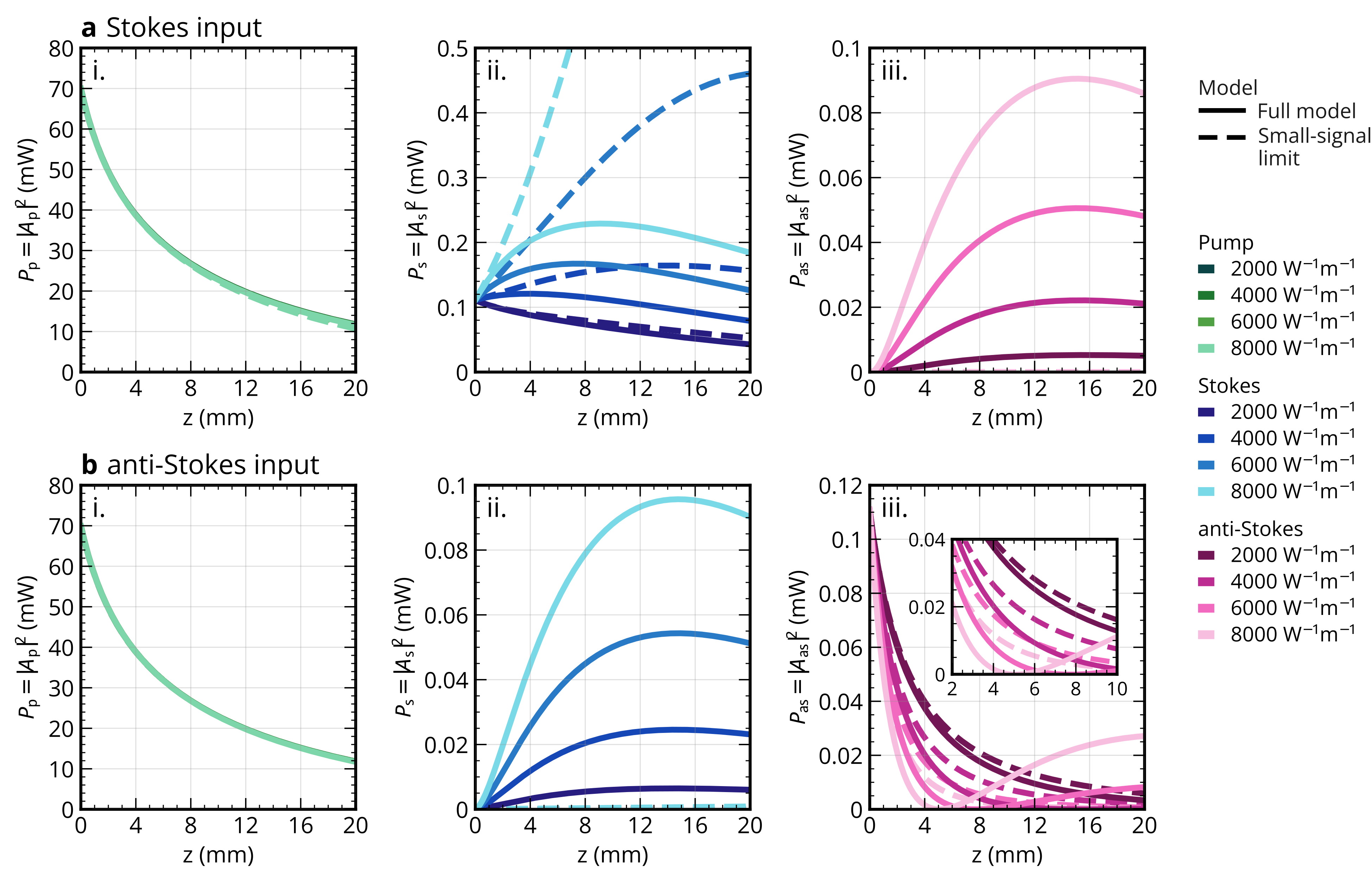
Figure 12: Comparison of full theoretical model vs. small-signal limit for sideband coupling—anti-Stokes sideband is regenerated from noise at high gain.
Experimental Results and Numerical Fitting
The study investigates two core width variants (Ωm/2π4 nm and Ωm/2π5 nm) and two lengths (4 mm, 6 mm). Brillouin gain coefficients extracted from fits reach Ωm/2π67,200–8,000 Ωm/2π7 for Ωm/2π8 nm, and Ωm/2π96,000–7,000 GB>7300W−1m−10 for GB>7300W−1m−11 nm, with mechanical frequencies matched to simulation (GB>7300W−1m−12 GHz). Mechanical Q factors are GB>7300W−1m−13–700.
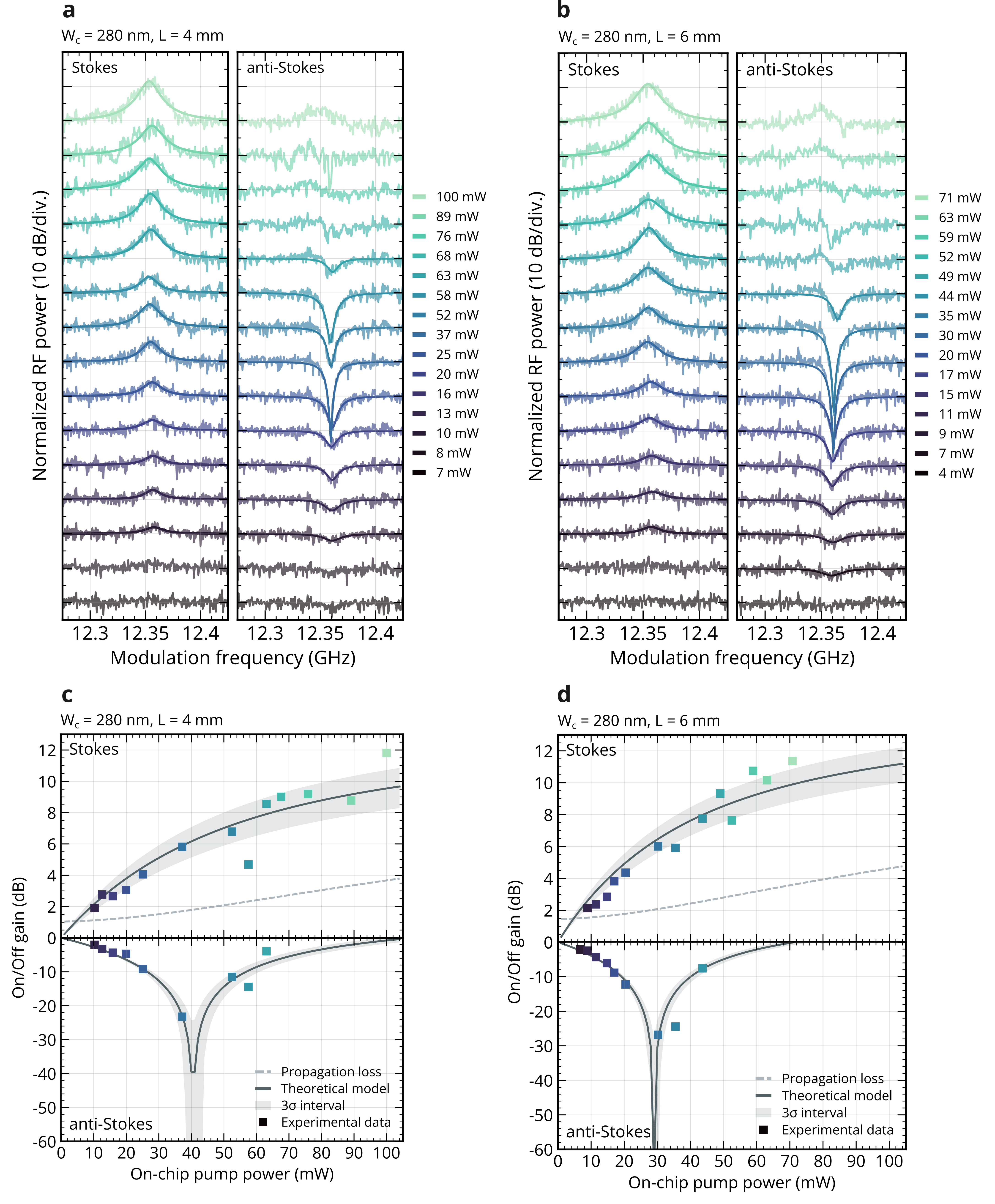
Figure 13: Three-tone pump results for GB>7300W−1m−14 nm: RF beat notes and on/off gain curves for varying powers and lengths.
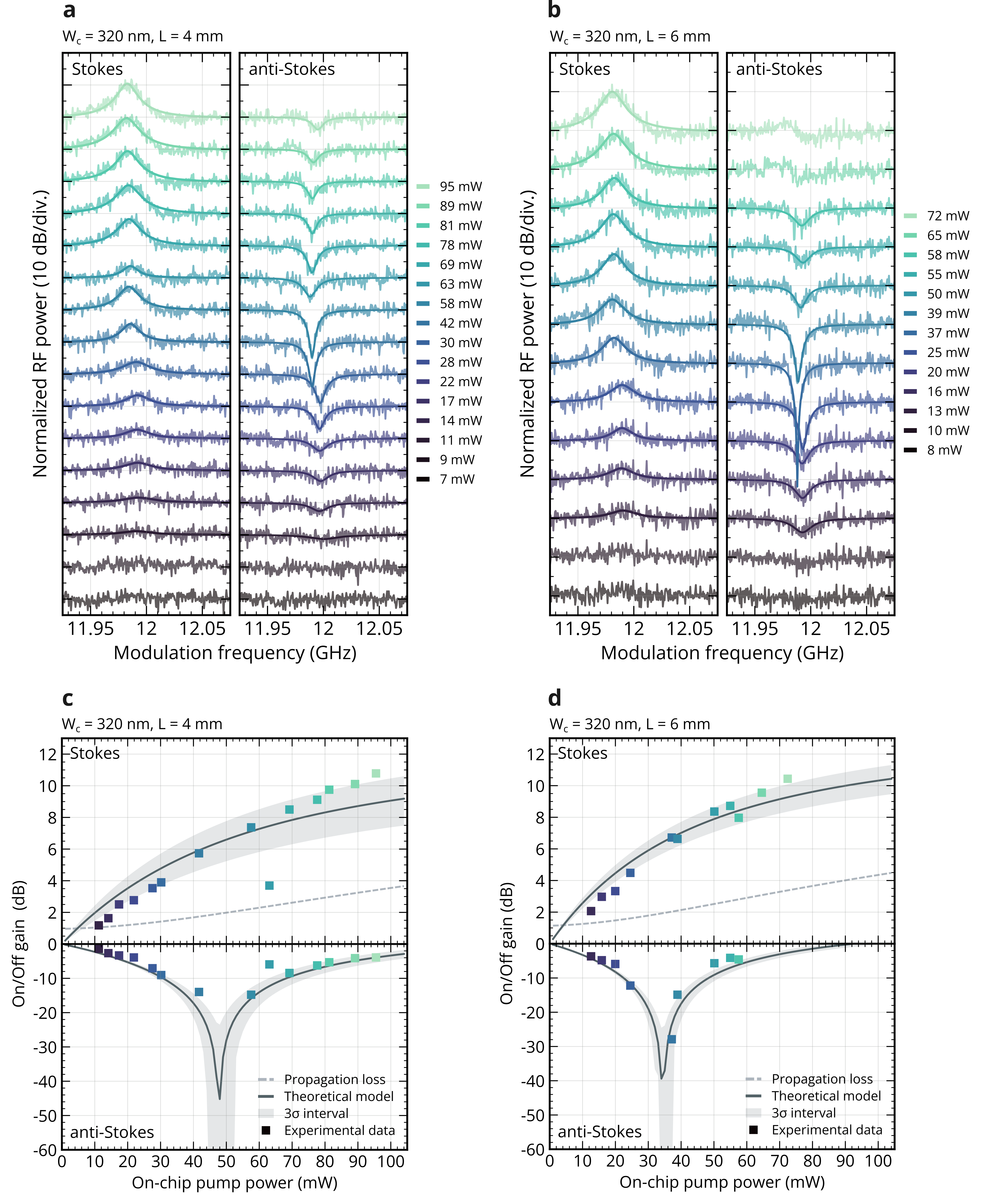
Figure 14: Three-tone pump results for GB>7300W−1m−15 nm: analogous characterizations and gain curves.
Two-tone tests confirm asymmetric Stokes/anti-Stokes dynamics and full theoretical model predictions. Sideband regeneration is not observed at low power, requiring higher gain or extended length.
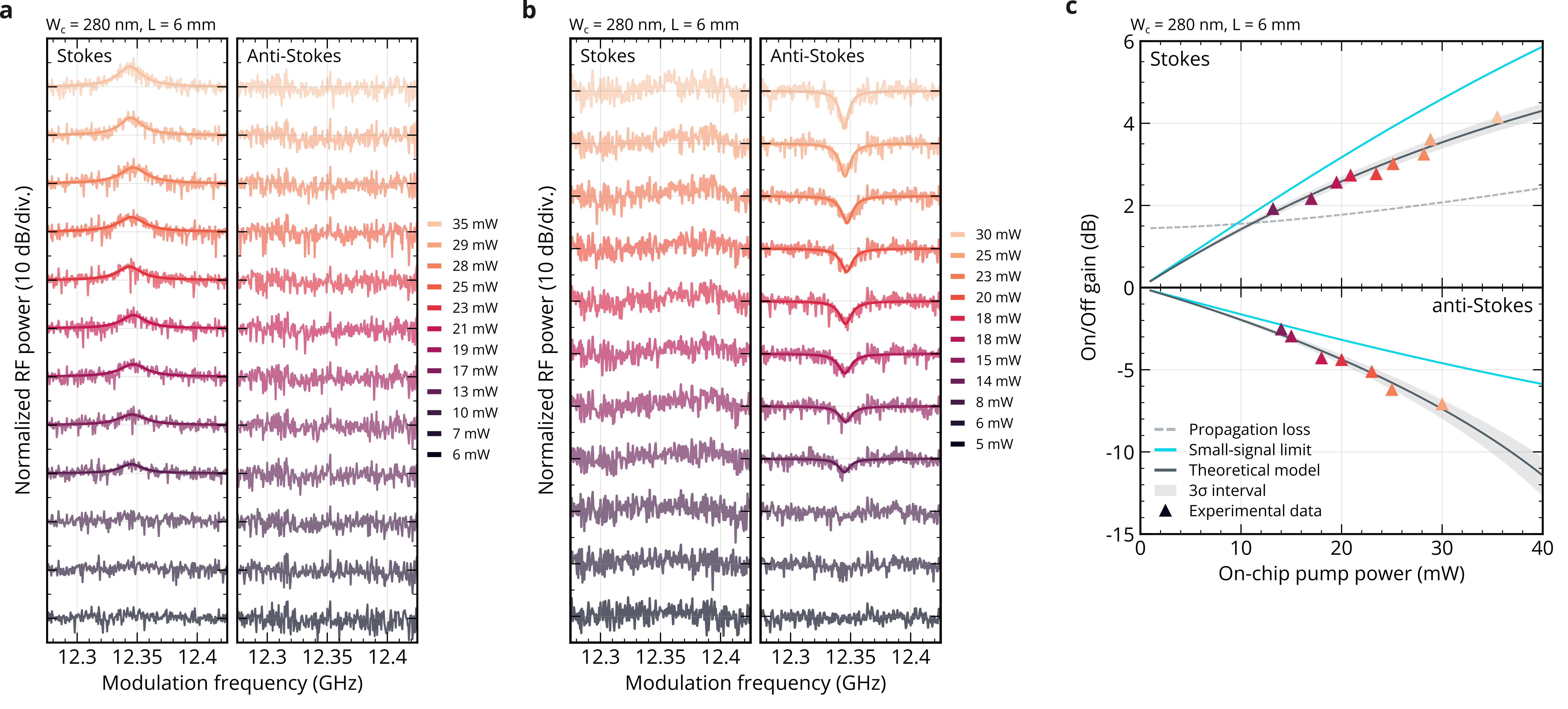
Figure 15: Two-tone pump experiment: normalized RF beat for Stokes/anti-Stokes and on/off gain.
Implications and Future Directions
From a practical perspective, the demonstrated boundary-dominated optomechanical interaction in SWA membrane waveguides enables ultra-high Brillouin gain and robust mechanical confinement—key for on-chip Brillouin amplifiers, lasers, and signal processing devices. The intrinsic fabrication tolerance allows reproducible, scalable manufacturing for silicon photonic circuits.
Theoretically, the established regime contradicts several assumptions in prior FSBS literature (e.g., neglect of MB contributions, oversimplistic small-signal models). The paper asserts that for high-gain, boundary-driven systems, the full nonlinear and modal-coupling dynamics must be considered.
Going forward, this paradigm opens new research directions in engineered photonic-phononic interactions, boundary-modulated metamaterial photonics, and nonlinear device physics. Applications include chip-scale microwave photonics, nonreciprocal devices, and noise-free Brillouin-based filtering, as well as fundamental exploration of non-Lorentzian and multi-sideband dynamics.
Conclusion
This study provides a rigorous account of boundary-dominated optomechanics in silicon metamaterial membranes, combining high-fidelity theoretical modeling, robust geometric optimization, and experimental validation. The resulting SWA membrane waveguides achieve record Brillouin gains, mechanically robust operation, and tolerance to fabrication imperfections, marking a significant advance in integrated optomechanics. The boundary-driven FSBS regime and its unique nonlinear dynamics have substantial implications for next-generation photonic circuits and theoretical foundations of optomechanical interactions.

