- The paper introduces a deep learning framework that leverages acoustic fingerprinting to distinguish genuine bullion coins from sophisticated counterfeits.
- The methodology combines FFT-based spectral feature extraction, dynamic thresholding, and autoencoder anomaly detection to ensure robust authentication.
- Experimental results show genuine coins yield reconstruction errors an order of magnitude lower than counterfeits, underscoring practical security applications.
Hybrid Anomaly Detection for Bullion Coin Authentication via Acoustic Signature Analysis
Introduction and Motivation
Counterfeiting remains a persistent threat to the financial stability and integrity of precious metals markets. Traditional verification methods—such as visual inspection, weighing, and density measurements—have proven insufficient, particularly against sophisticated counterfeits exploiting visual and physical mimicry. "Hybrid Anomaly Detection for Bullion Coin Authentication Leveraging Acoustic Signature Analysis" (2604.27803) introduces an innovative, non-destructive approach for verifying coin authenticity, based on the analysis of acoustic fingerprints produced by coin impacts. This methodology exploits physical principles whereby each coin, defined by its material composition, mass, and geometry, exhibits distinct resonance characteristics observable in its frequency spectrum.


Figure 1: One-ounce Australian Kangaroo Silver Coin.
Acoustic-Based Authentication Framework
Physical Basis and Signal Preprocessing
Upon mechanical excitation (impact), a bullion coin produces distinct resonance peaks within its acoustic spectrum. Authentic and counterfeit coins with analogous geometry but differing internal composition (e.g., genuine silver versus plated tungsten core) yield significantly divergent frequency and amplitude distributions in their spectral signatures.
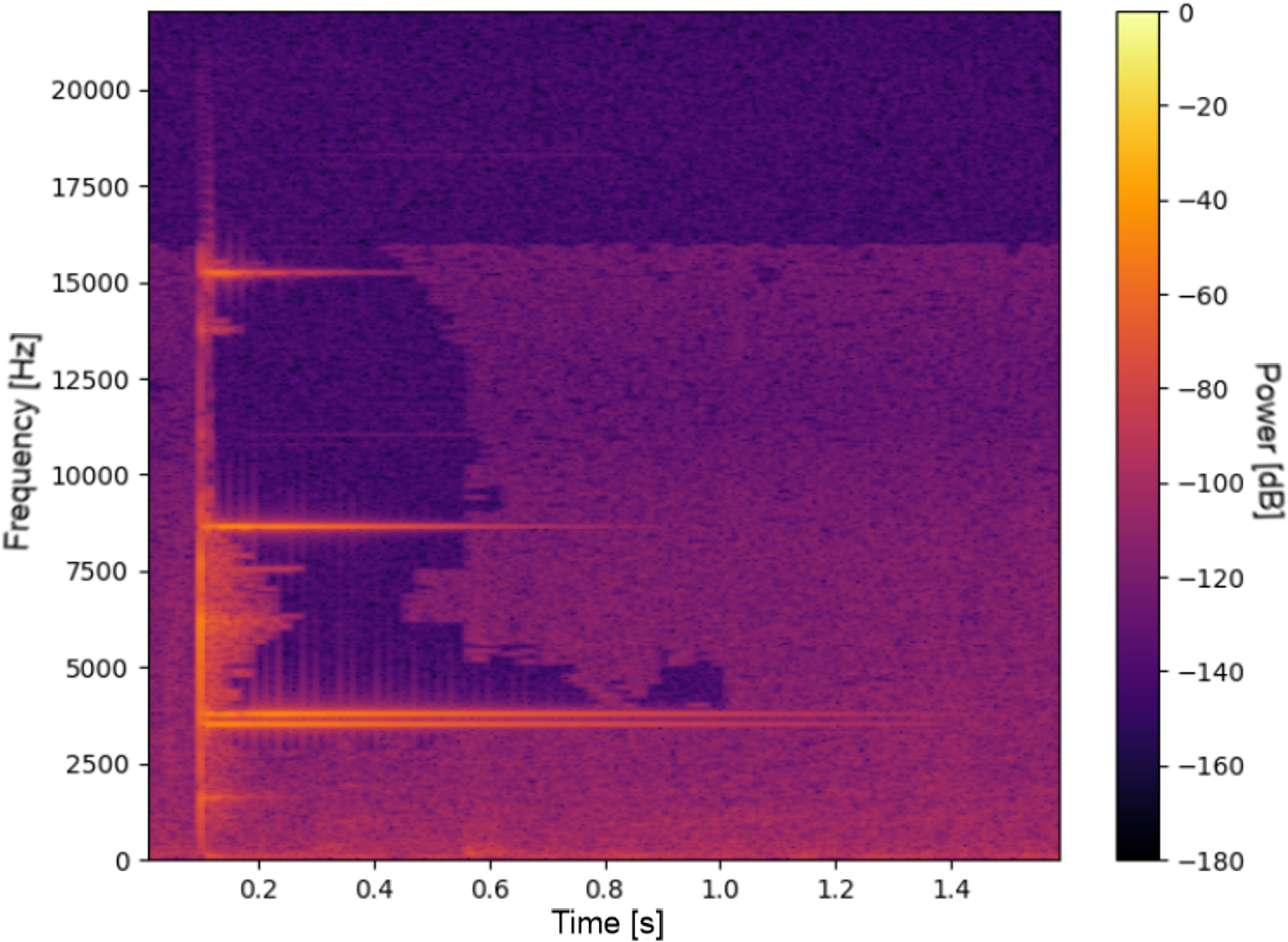
Figure 2: Mechanical impact spectrogram.
The methodology starts with controlled audio acquisition, normalization (notably RMS normalization for amplitude consistency), and extensive data augmentation (amplitude scaling, additive Gaussian noise) to enhance model robustness to environmental variation and recording hardware diversity.
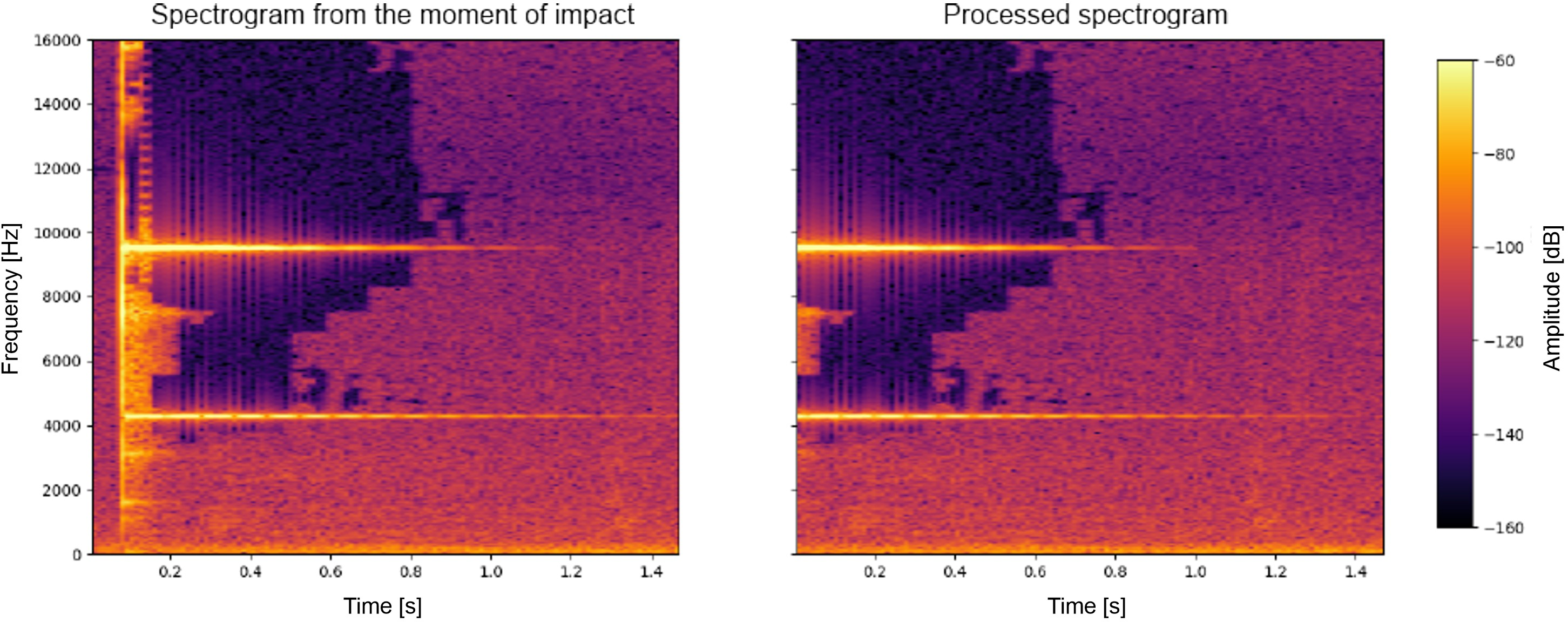
Figure 3: Example of a sound spectrogram before impact (left) and after it has been modified by the algorithm (right).
Signal processing pipelines employ FFT-based transformation, spectral windowing, and dynamic prominence-based peak selection. Ten dominant peaks are selected post-normalization, with emphasis (by weighted distance metrics) on frequency over amplitude to capture the invariant essence of resonance while being resilient to extrinsic factors. Spectral peak sets across genuine coins display markedly low variance, substantiating the discriminative power of the approach.
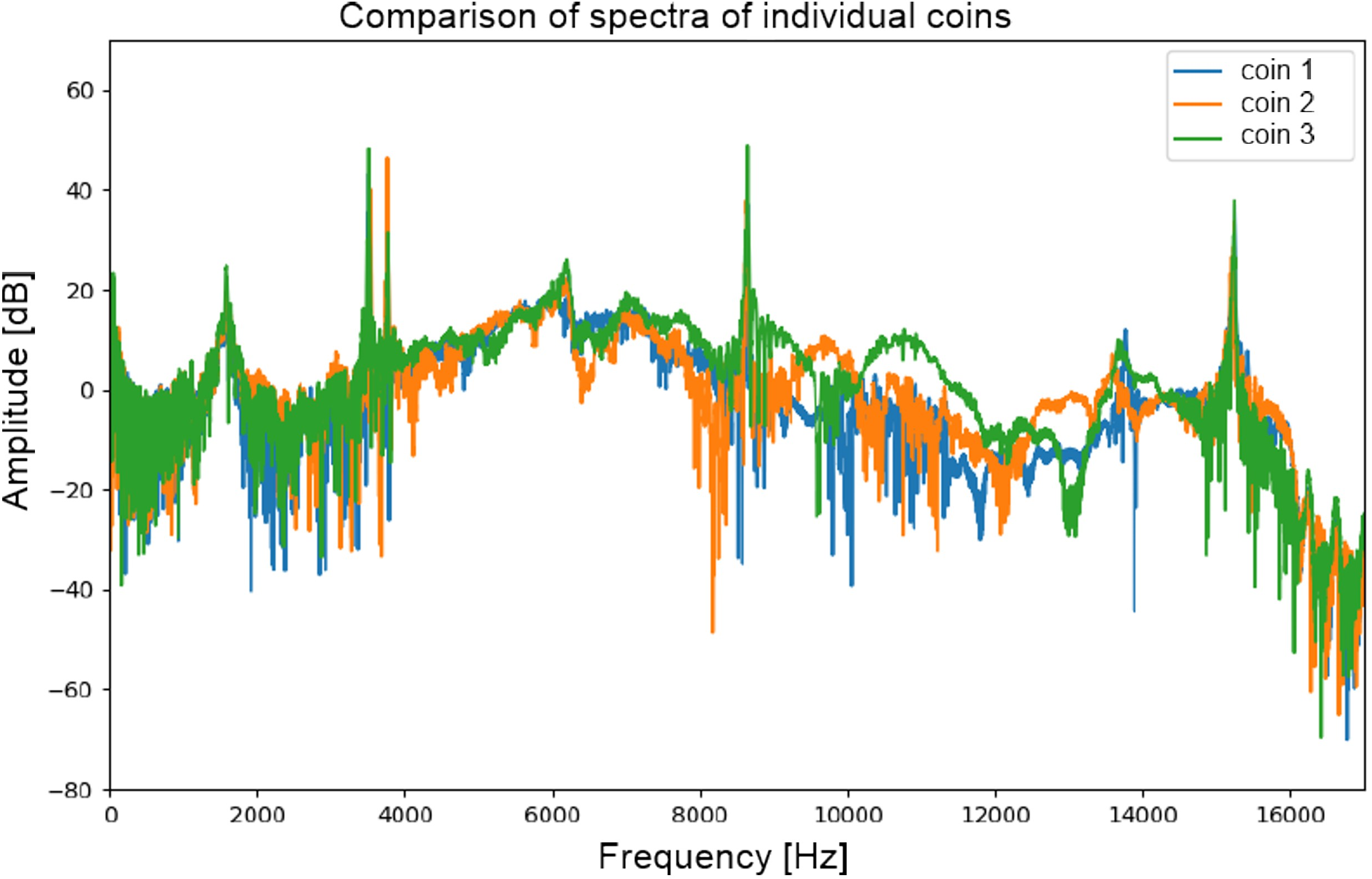
Figure 4: Spectrum of frequency spectra for three different specimens of the same bullion coin.
Comparison between genuine and counterfeit coins reveals distinct deviations in peak positions and amplitudes. These differences result from variations in fundamental properties such as density, Young's modulus, and Poisson's ratio.
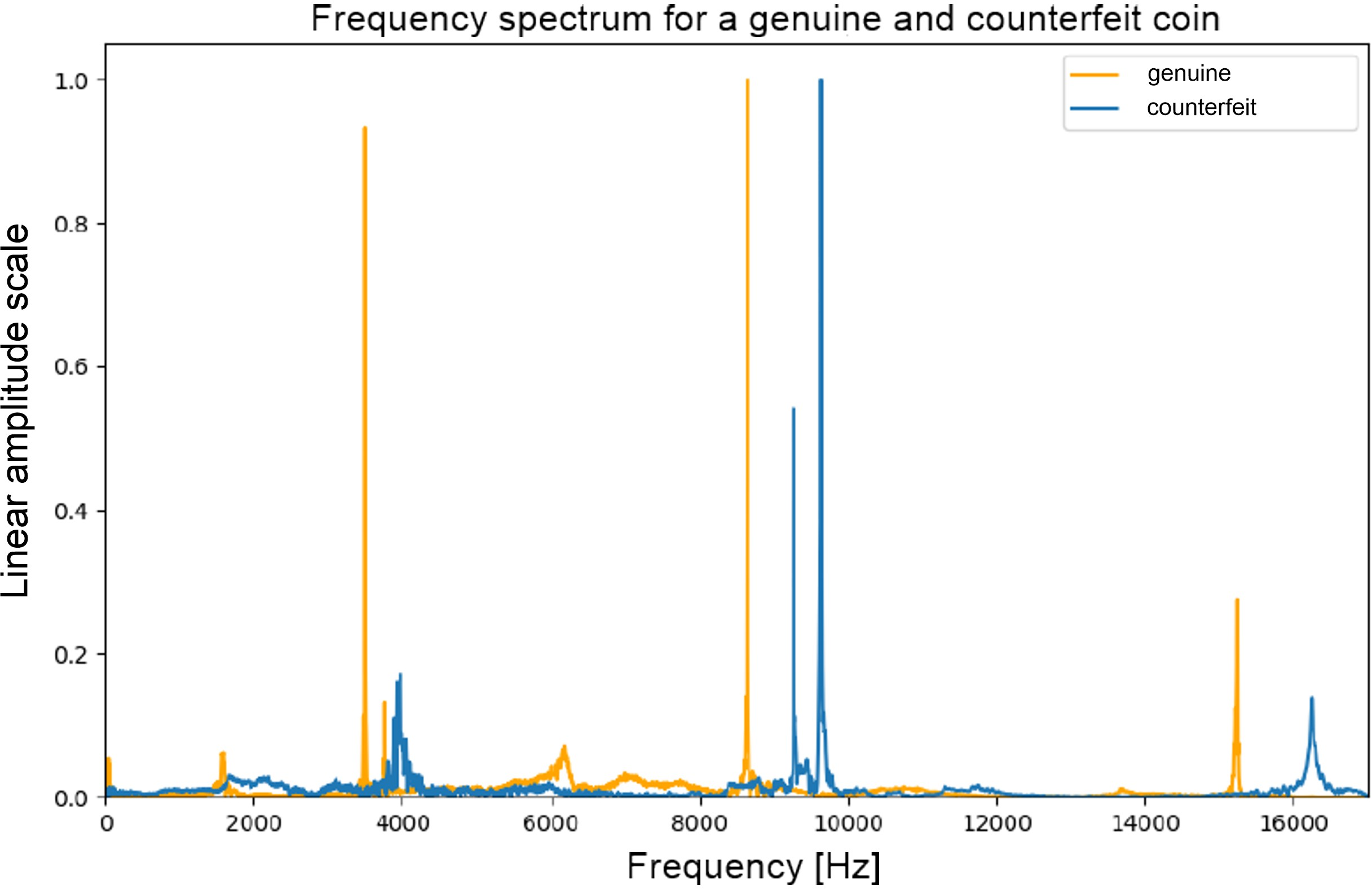
Figure 5: Frequency spectrum for genuine and counterfeit coins.
Dual-Model Deep Learning Architecture
Autoencoder-Based Anomaly Detection
Given the nonexistence of large, diverse labeled datasets—especially those containing verified counterfeits—the study adopts an unsupervised architecture. A deep autoencoder, trained exclusively on the frequency spectra of authentic coins, learns a compact intermediate (latent) representation of normal samples. At inference, the reconstruction error (specifically, the weighted sum of distances between dominant spectral peaks) serves as an anomaly score. The threshold for anomaly detection is dynamically set as the mean plus three standard deviations of training-set reconstruction distances, controlling the trade-off between type I and type II errors.
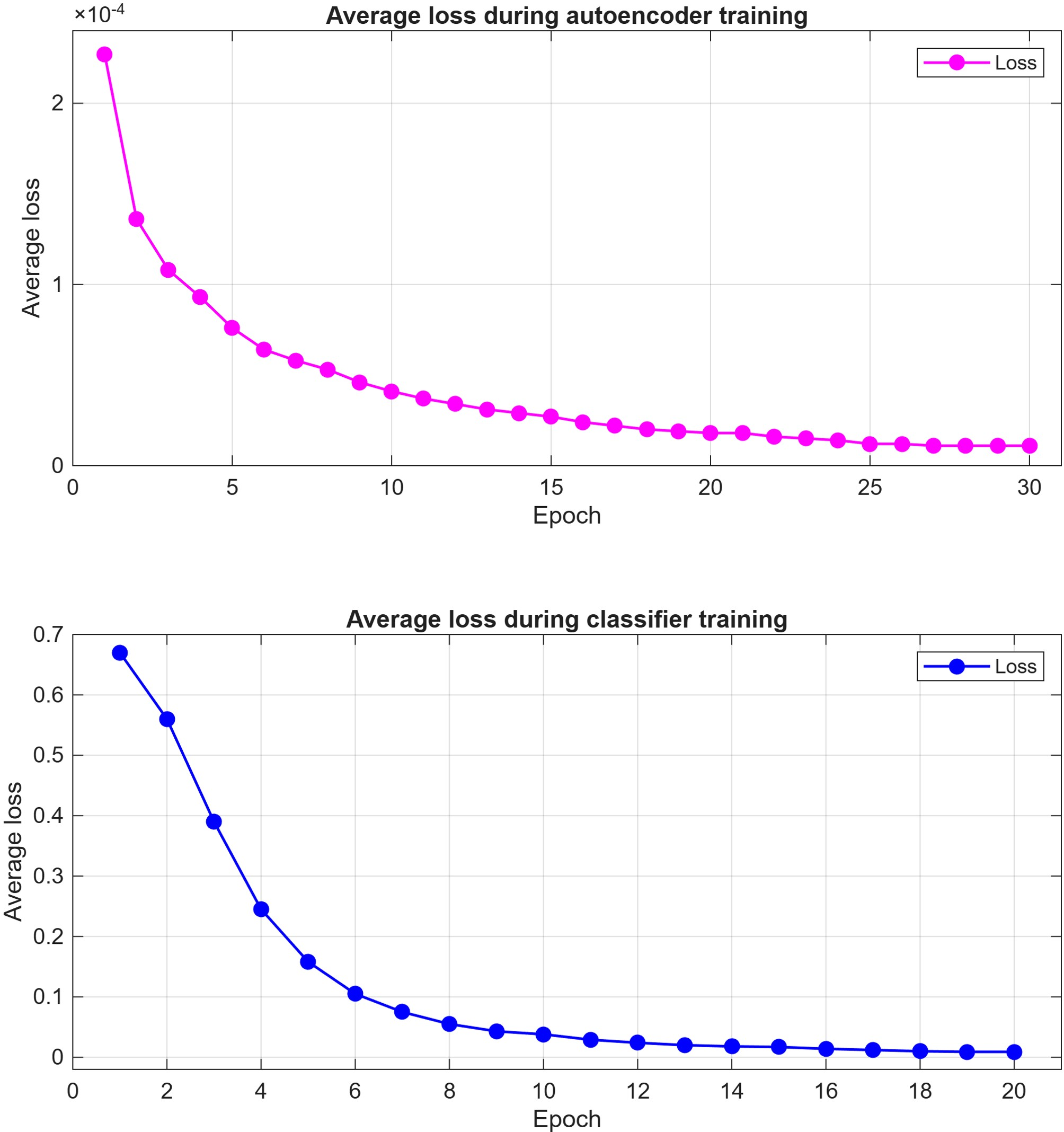
Figure 6: Autoencoder and classifier training curves.
Visualization in the latent feature space confirms that encoder representations of different coin classes are linearly separable, even with modest model complexity. This property yields highly discriminative features for downstream tasks.
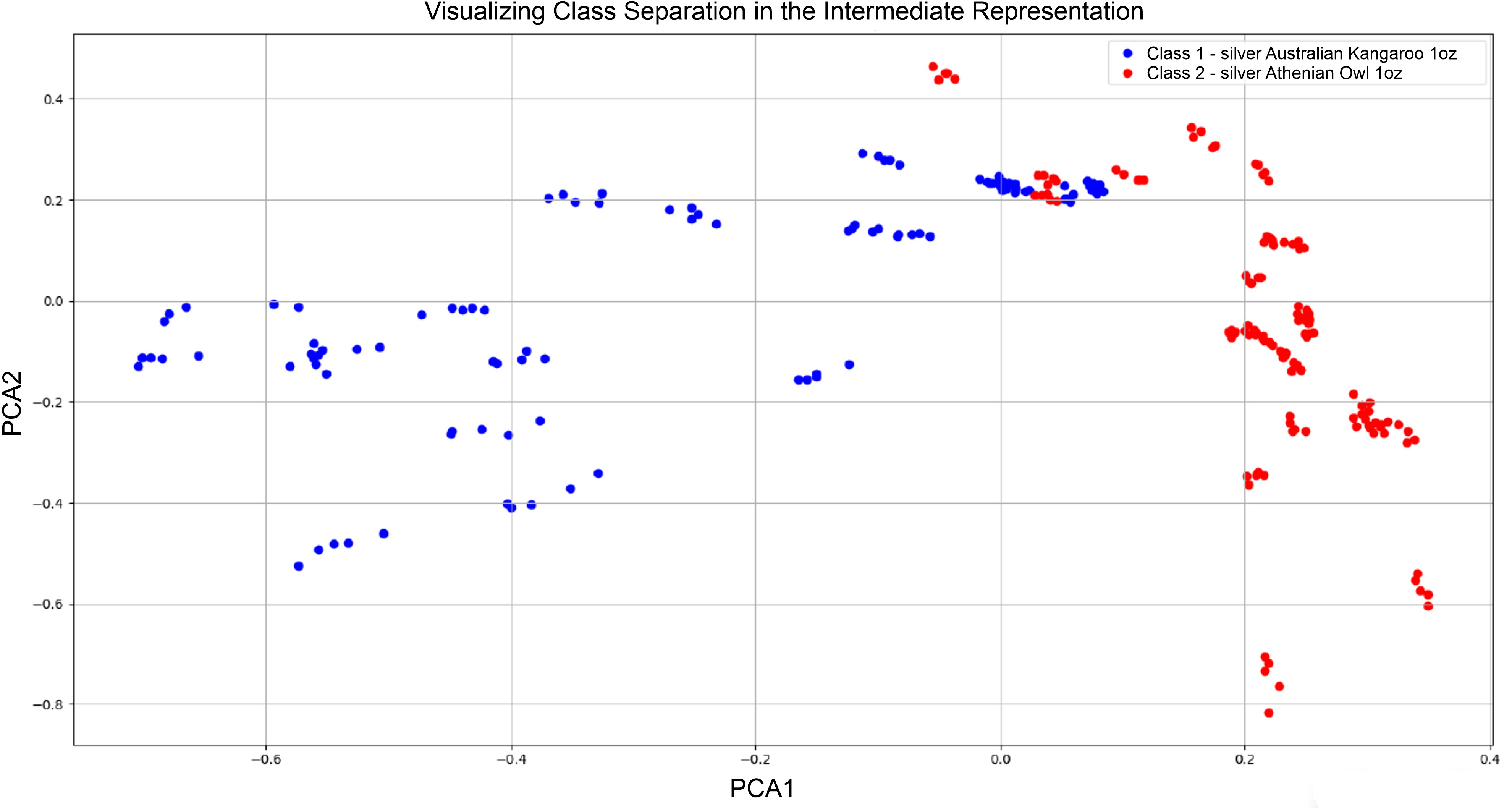
Figure 7: PCA visualization of the autoencoder intermediate representation for two types of coins.
Supervised Classifier for Coin Type Recognition
The second model, a two-layer classifier, operates in the autoencoder-induced latent space. Training on augmented feature data, it achieves rapid convergence and robust separation of coin classes, as evidenced by low test error and high generalization even under diverse noise and recording conditions.
Experimental Validation
The system was validated on bullions including the Australian Kangaroo, Vienna Philharmonic, and Athenian Owl coins. For genuine specimens, reconstructed spectra from the autoencoder closely overlap with inputs, resulting in low peak distances well below the anomaly threshold.
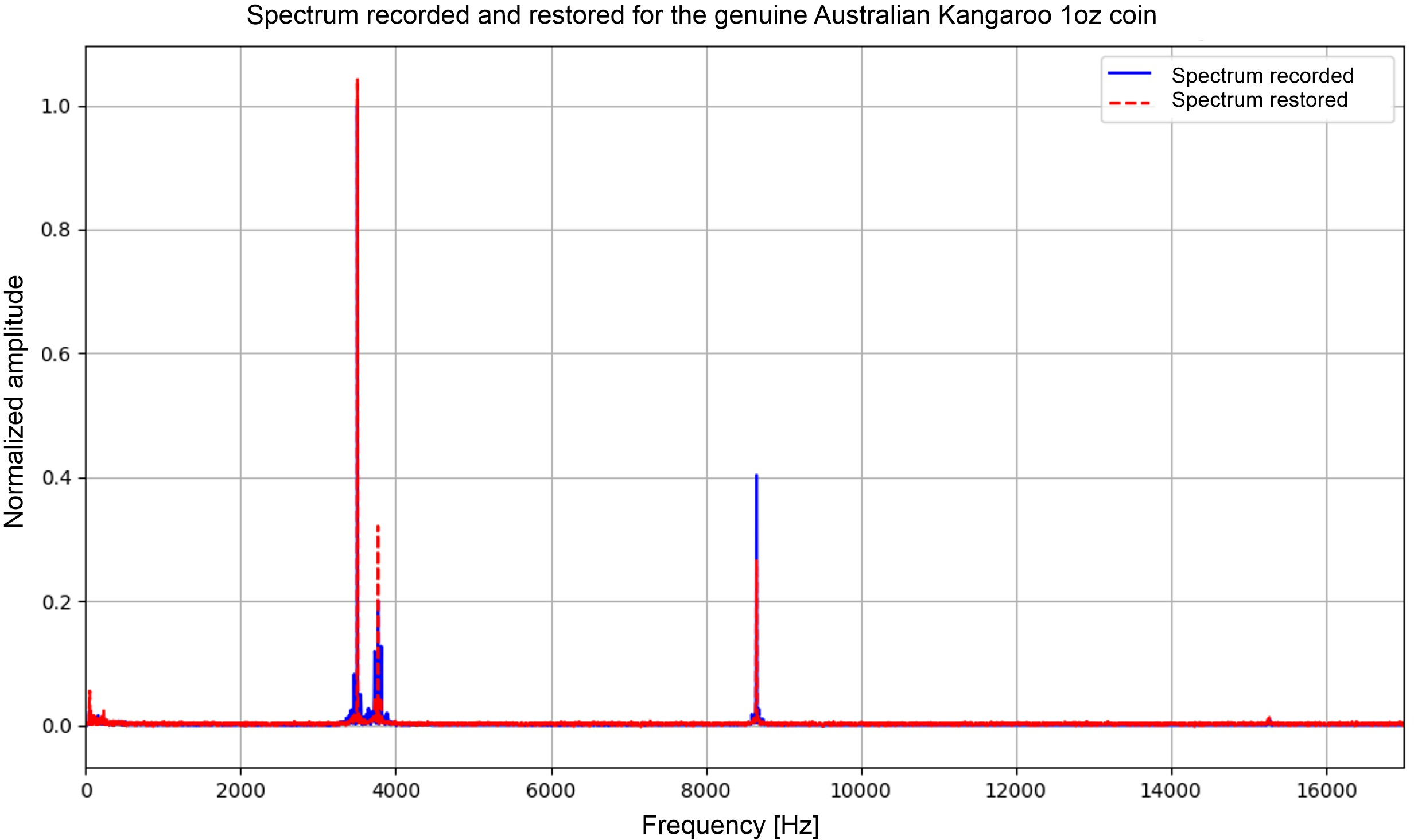
Figure 8: Spectrum recorded and restored for the genuine Australian Kangaroo 1 oz coin.
In contrast, counterfeit specimens yield high reconstruction errors, with non-overlapping spectral peaks driving the anomaly score orders of magnitude above the threshold.
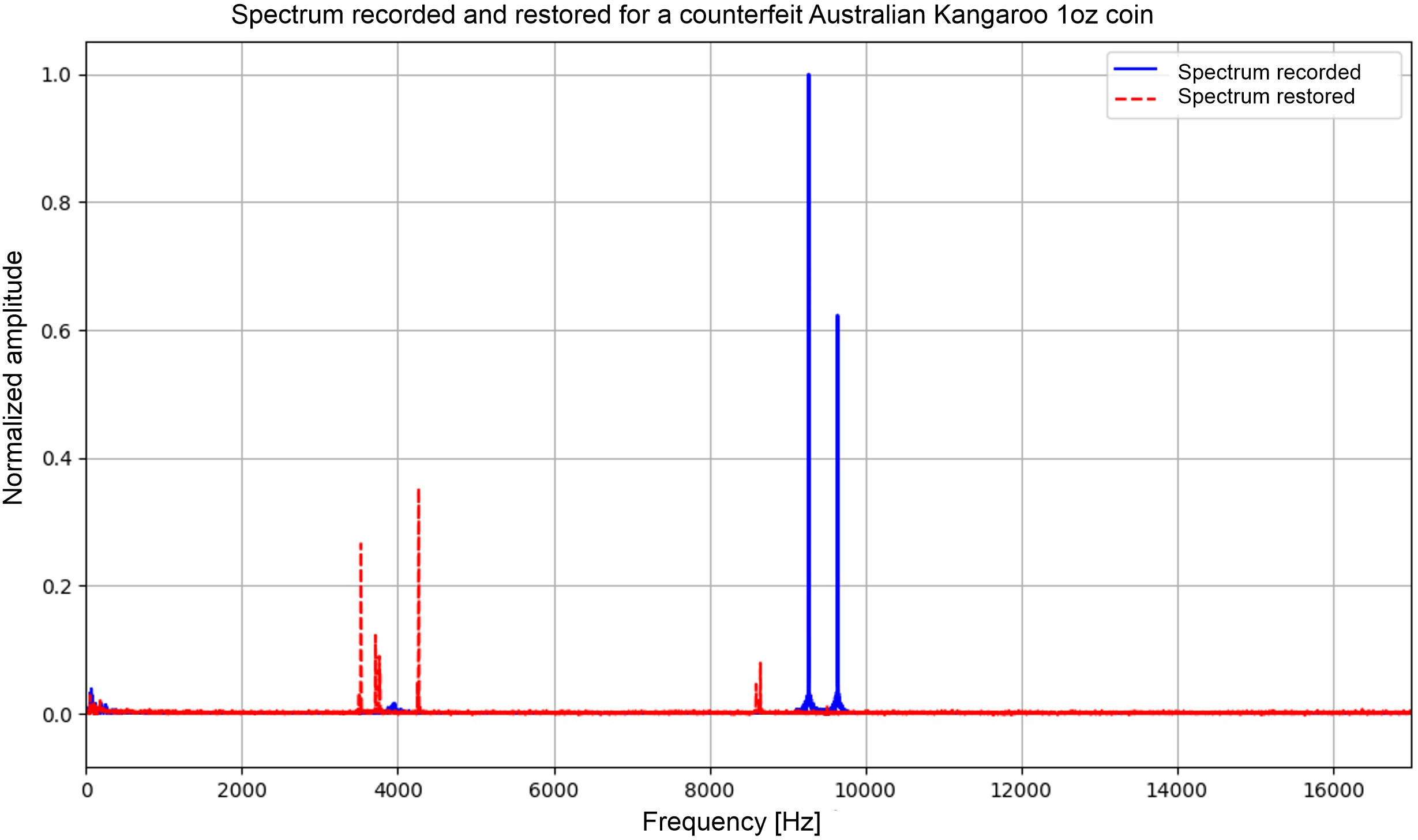
Figure 9: Spectrum recorded and restored for a counterfeit Australian Kangaroo 1 oz coin.
Notably, the system rejects coins outside the distribution of known types: genuine, unseen coin types are classified as anomalies—an expected consequence of the one-class paradigm and conservative security posture.
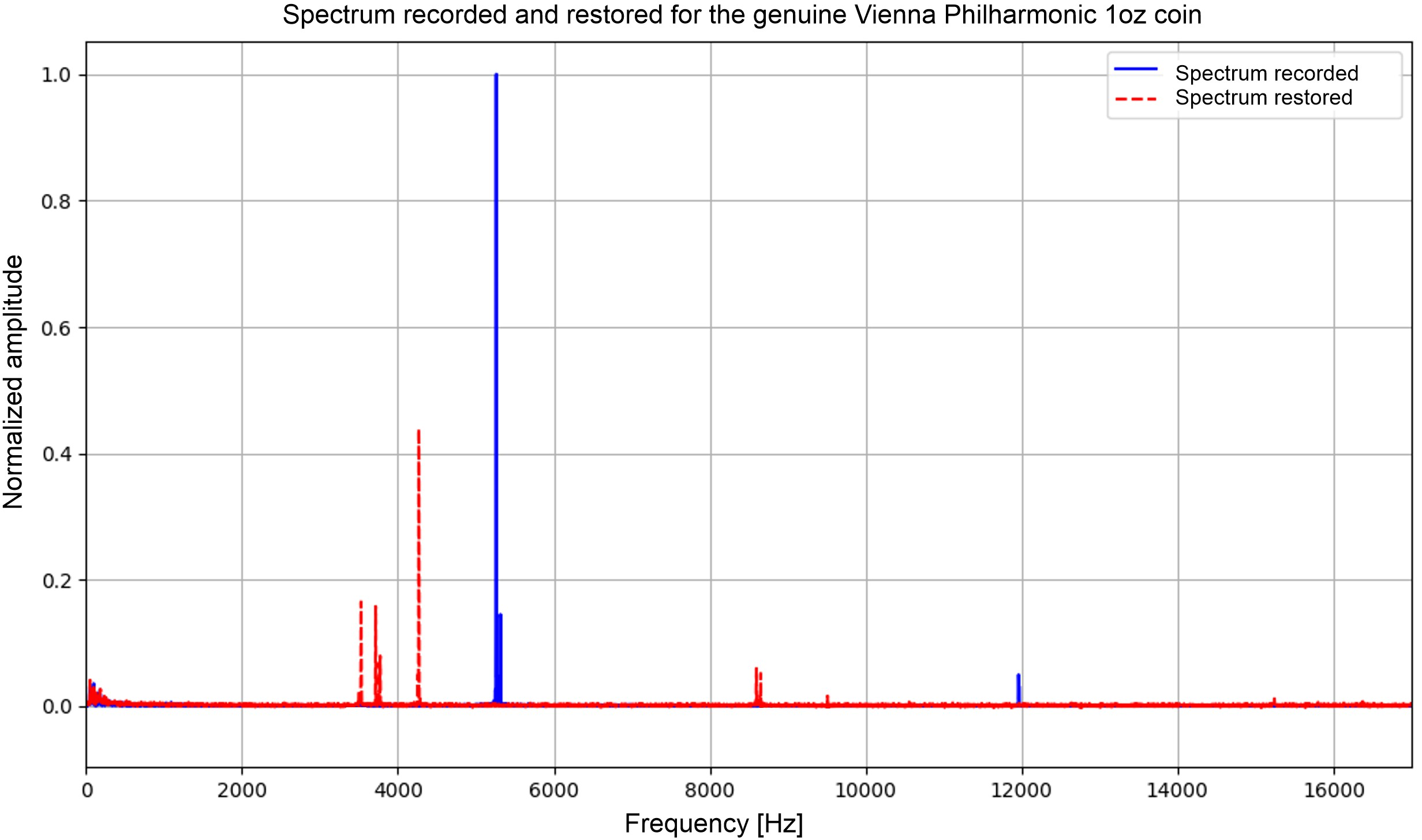
Figure 10: Spectrum recorded and restored for the genuine Vienna Philharmonic 1 oz coin.
Numerical Results and Limitations
- Thresholding: The anomaly detection threshold (mean plus 3σ of training distances) ensures that >99% of in-distribution coins are retained, minimizing type I error.
- Performance: Genuine coins yield peak distances an order of magnitude below the anomaly threshold (e.g., 0.13 vs. 131). Counterfeits and unknown types present peak distances exceeding 1000.
- Generalization Challenge: The classifier exhibits strong generalization within distribution, but is limited to trained classes; novel genuine coins are conservatively categorized as counterfeit, highlighting the bottleneck imposed by restricted dataset diversity.
Practical and Theoretical Implications
This work establishes acoustic fingerprinting, paired with deep anomaly detection, as a viable framework for rapid, non-destructive, and device-agnostic precious metal authentication. The hybrid architecture circumvents the need for labeled counterfeits, a persistent difficulty in monetary forensics, and is resilient to real-world noise and hardware variability through comprehensive data normalization and augmentation procedures. The dual-model synergy enhances both security (through anomaly gating) and usability (via class granularity).
From an applied NDT (Non-Destructive Testing) perspective, the proposed methodology demonstrates immediate scalability to domains where high-fidelity material integrity is crucial (e.g., automotive or aerospace structural components), especially where dataset scarcity precludes conventional supervised approaches.
Prospects for Future Research
Major short-term objectives include the integration of deep variational autoencoder (VAE) architectures for refined probabilistic modeling of in-distribution coins, and benchmarking alternative state-of-the-art anomaly detection models. The exploration of few-shot and zero-shot LLM-based frameworks is proposed to mitigate data scarcity and extend authentication to rare or newly introduced minting series without costly data collection. The implementation of synthetic data via physics-based simulation and generative adversarial modeling may further enhance coverage and robustness.
Conclusion
The proposed hybrid deep learning framework achieves high-precision non-destructive authentication of bullion coins, robustly distinguishing genuine specimens from sophisticated counterfeits and unknowns under diverse operational conditions. The system's architectural and procedural choices—especially its dual autoencoder-classifier topology, dynamic thresholding strategy, and heavy reliance on spectral domain features—enable practical deployment despite fundamental dataset constraints. The methodology is extensible beyond numismatics into broader NDT applications, contingent on further advances in data synthesis, probabilistic modeling, and representation learning.