- The paper presents specialized mobile visualization libraries designed to overcome general-purpose limitations in mHealth applications.
- It details design considerations such as intelligent defaults, health-specific annotations, fluid interactions, and optimized temporal structures for small screens.
- By lowering technical barriers, the proposed libraries improve interpretability and accessibility, fostering more effective digital health management.
Envisioning Specialized Mobile Data Visualization Libraries for Digital Health
Introduction
The proliferation of mobile health (mHealth) applications, currently exceeding 350,000 globally, highlights the critical role of data visualization in supporting health management and self-reflection. However, effective visualization for mobile devices poses unique challenges that are largely unaddressed by existing general-purpose libraries. The paper "Envisioning Mobile Data Visualization Libraries for Digital Health" (2604.24448) advances a comprehensive argument for dedicated visualization libraries tailored to the nuanced requirements of health data and mobile contexts. This essay synthesizes the central findings, design considerations, practical implications, and future directions as articulated in the work.
Landscape of mHealth Data Visualization
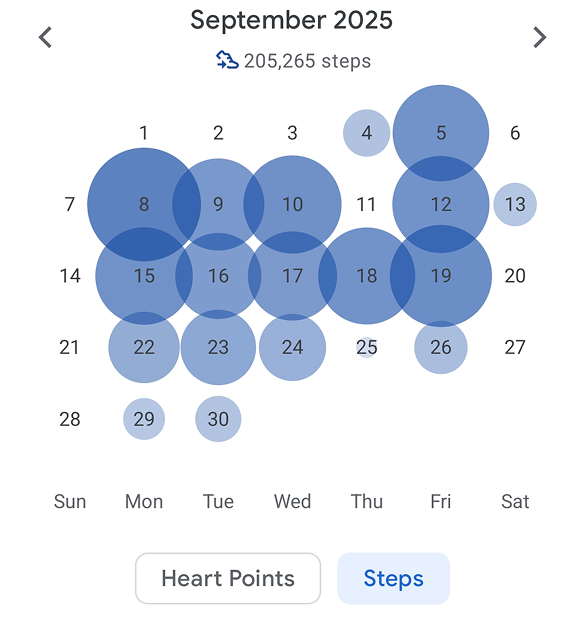
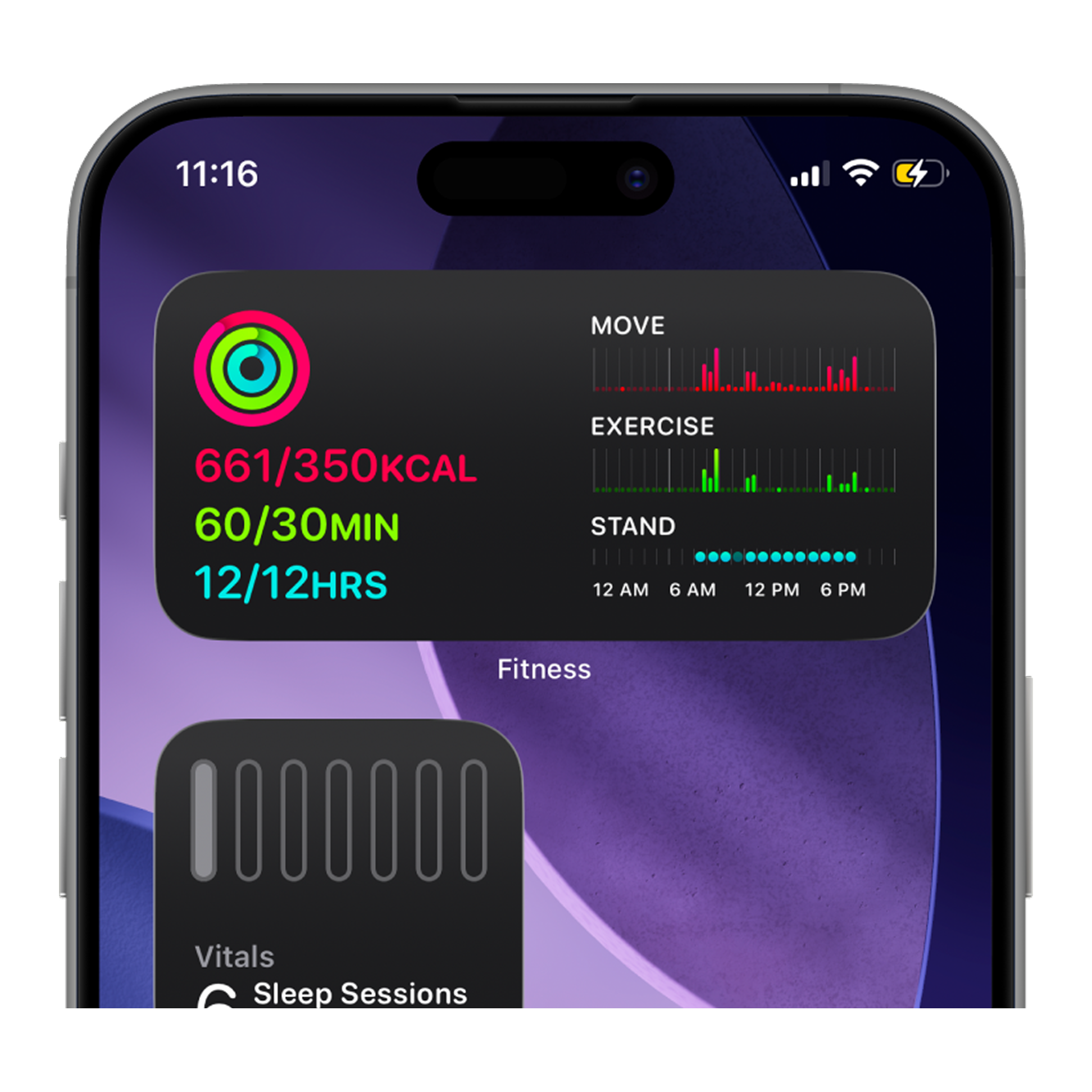
Modern mHealth platforms such as Apple Health, Samsung Health, and Google Fit employ diverse visualizations for summarizing activity, sleep, and physiological metrics. The demand for transforming complex, heterogeneous health data into interpretable visual representations continues to grow, concurrent with the increased adoption of smartphones and wearables. Despite this growth, most existing visualization libraries for mobile (e.g., Victory Native, React Native SVG Charts, MPAndroidChart, Swift Charts) are designed for general-purpose charting and lack critical support for health-specific semantics such as normal ranges, thresholds, and personal goals.
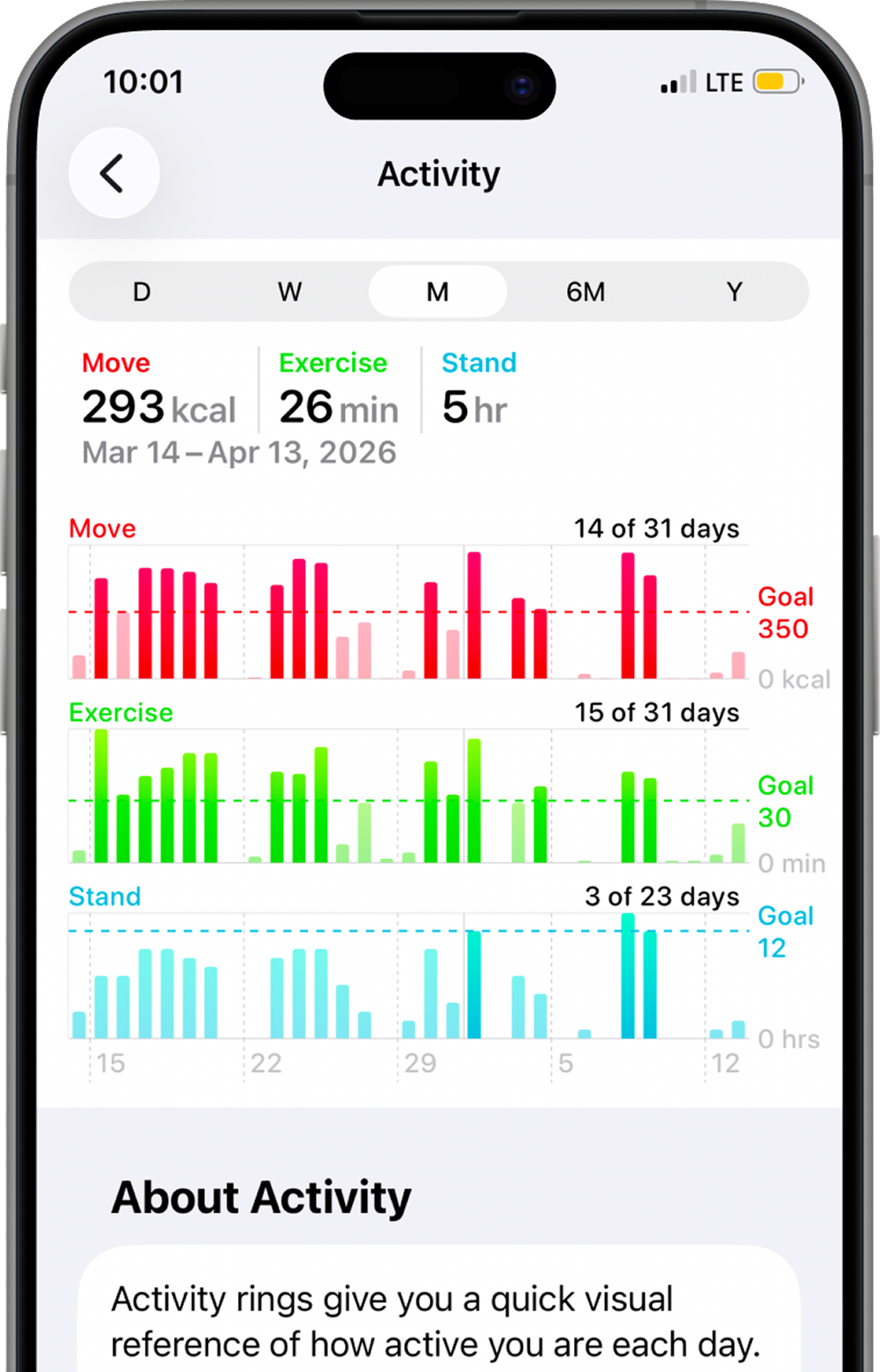
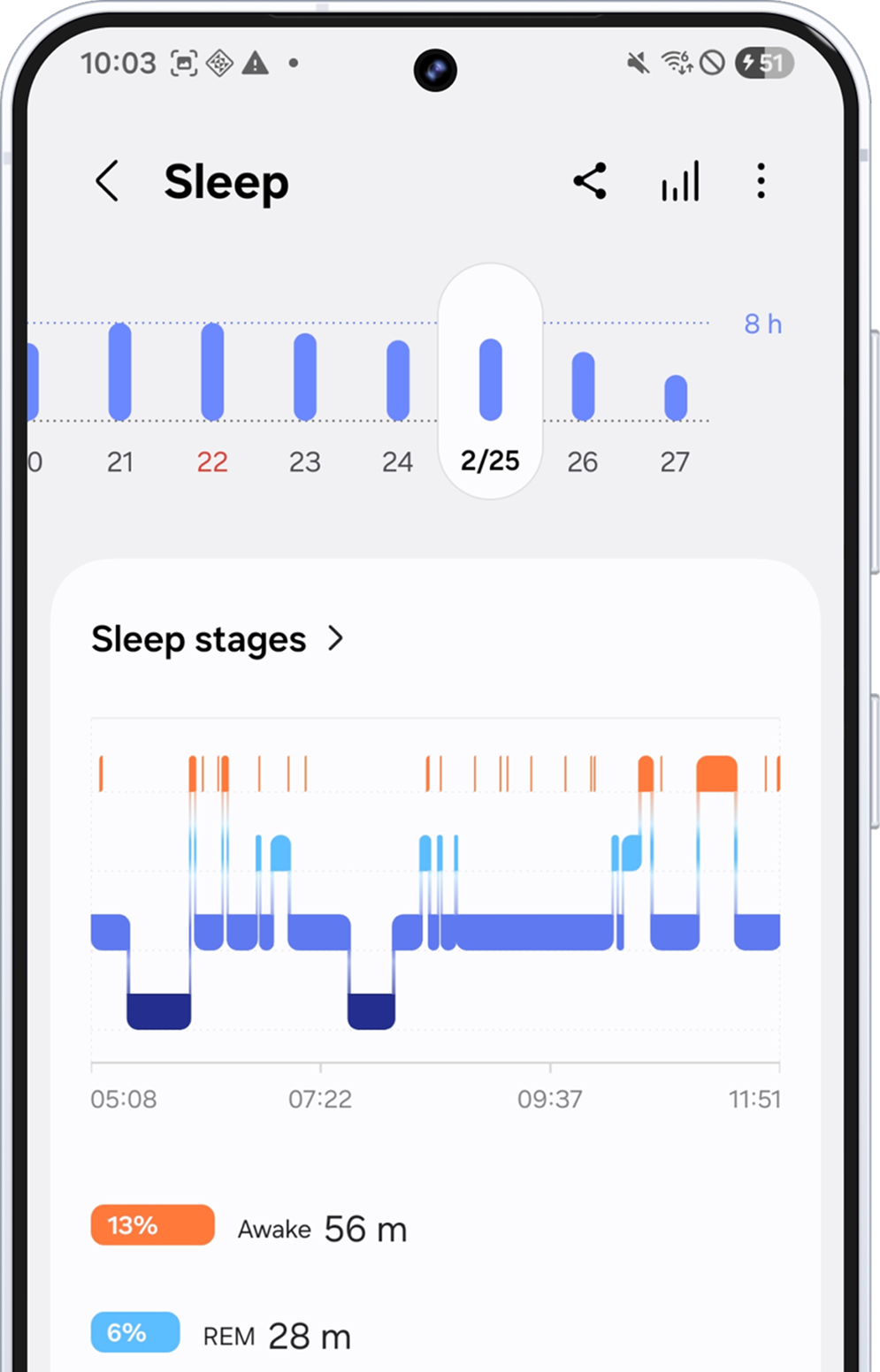
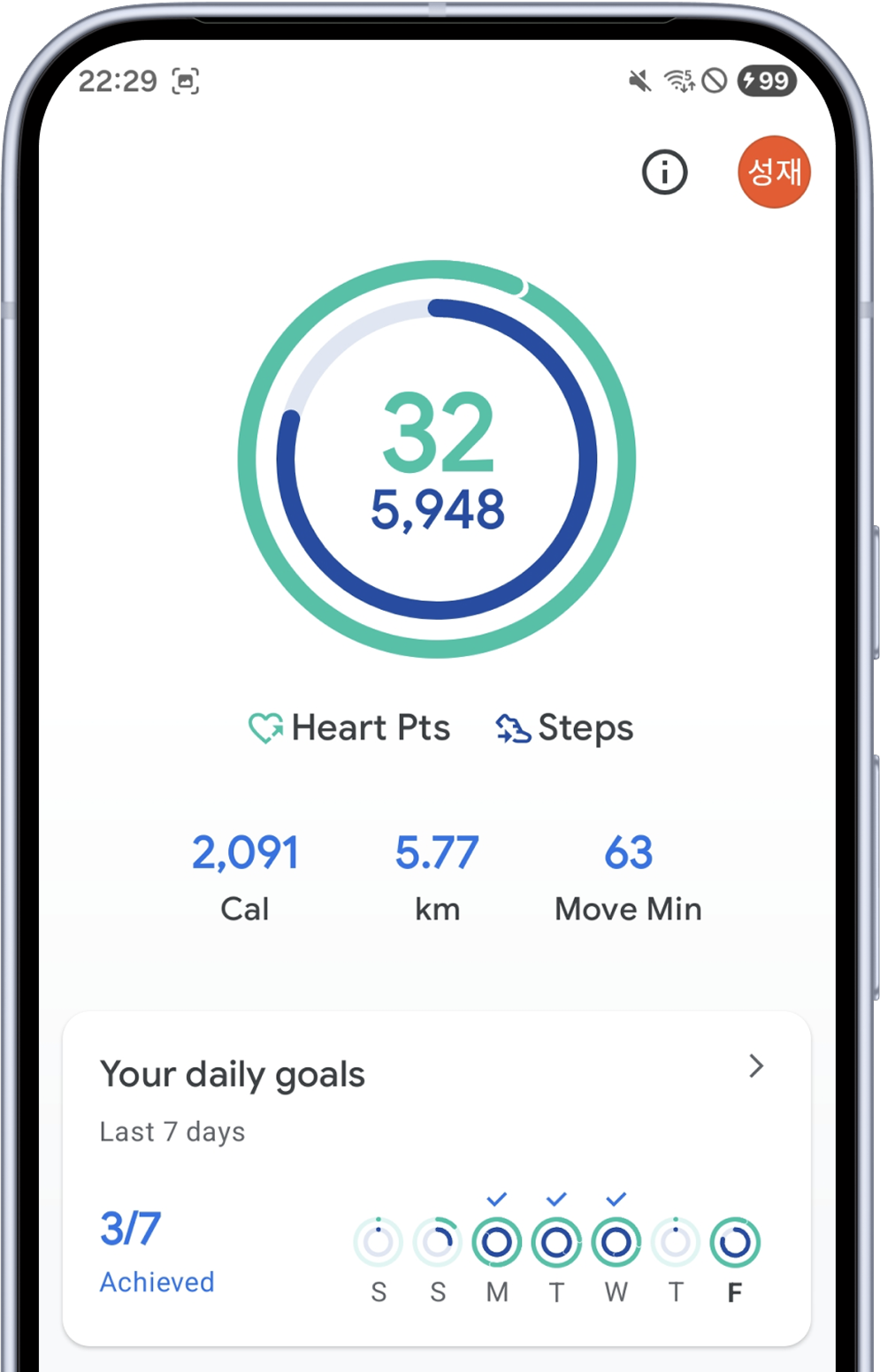
Figure 1: Health data visualizations from three major mobile health platforms: Apple Health, Samsung Health, and Google Fit, illustrating the diversity and complexity in mobile health interfaces.
Limitations of Current Approaches
The paper identifies persistent shortcomings in mHealth visualizations, including dense charting, ambiguous encodings, excessive reliance on color, truncated axes, and direct adaptation from desktop paradigms. These failures reduce interpretability on small screens, especially for lay users with limited health literacy. Illustrative examples from diabetes management apps demonstrate how complexity and insufficient specification impede meaningful understanding, emphasizing the necessity for specialized and well-designed visualization support.
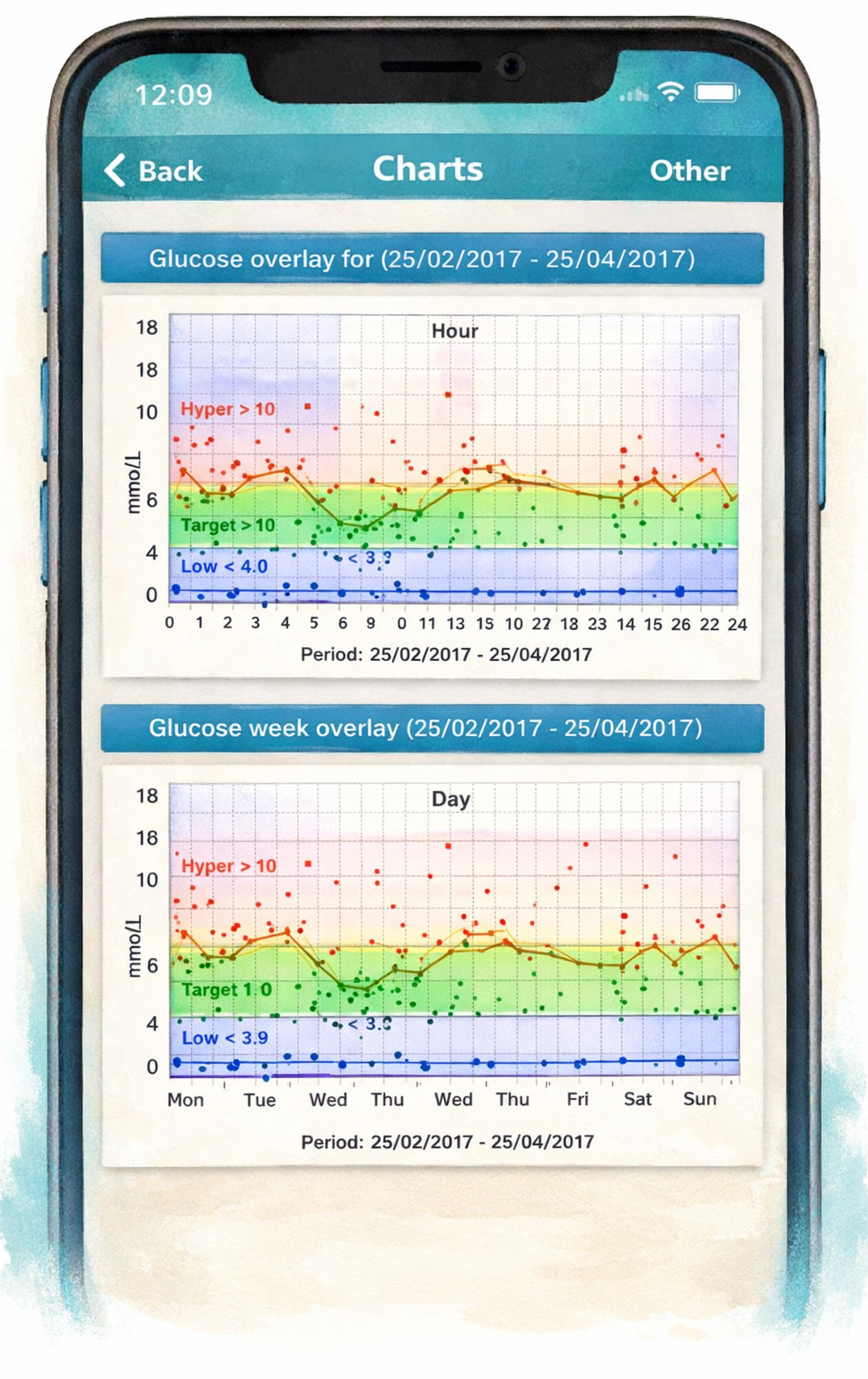
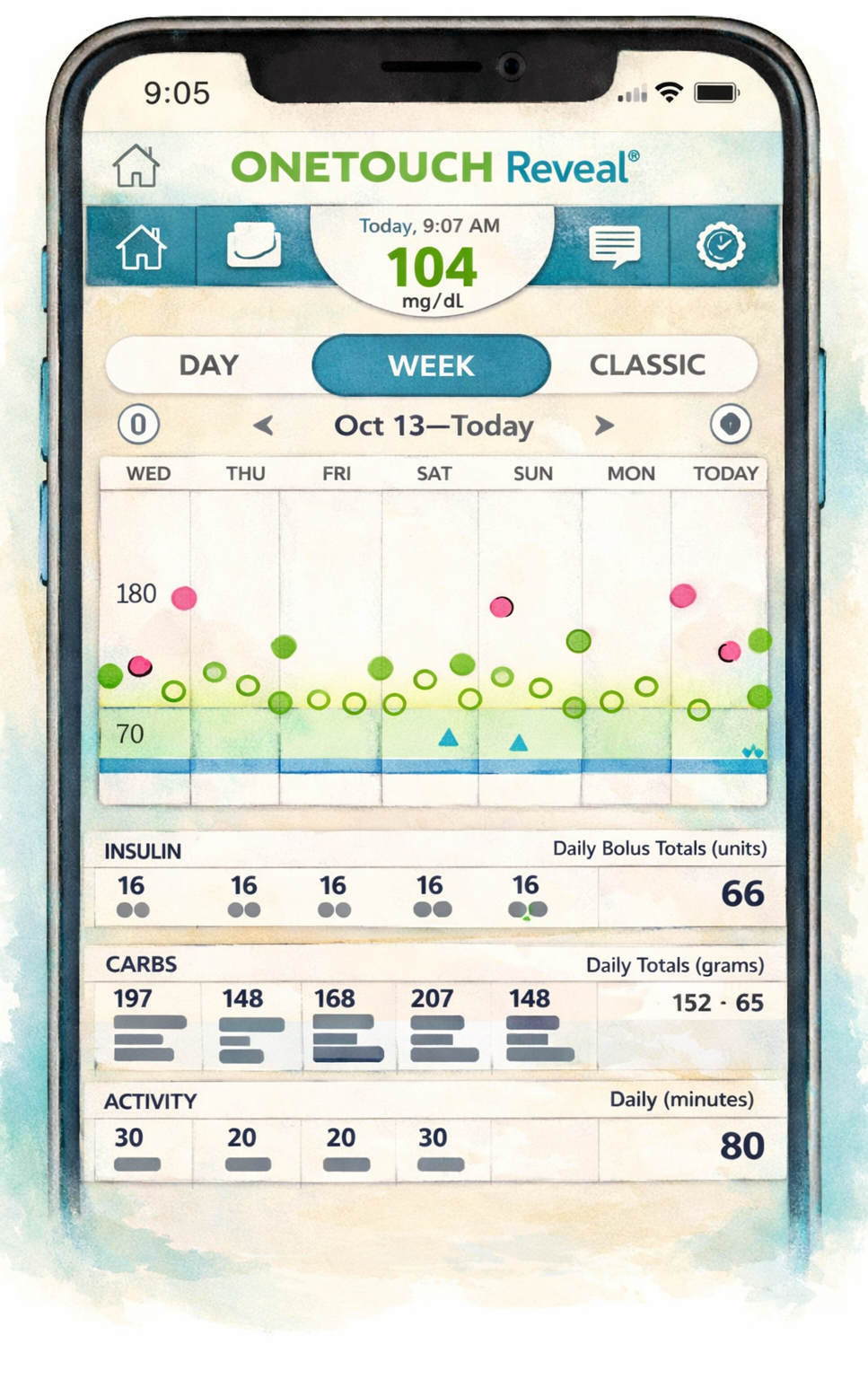
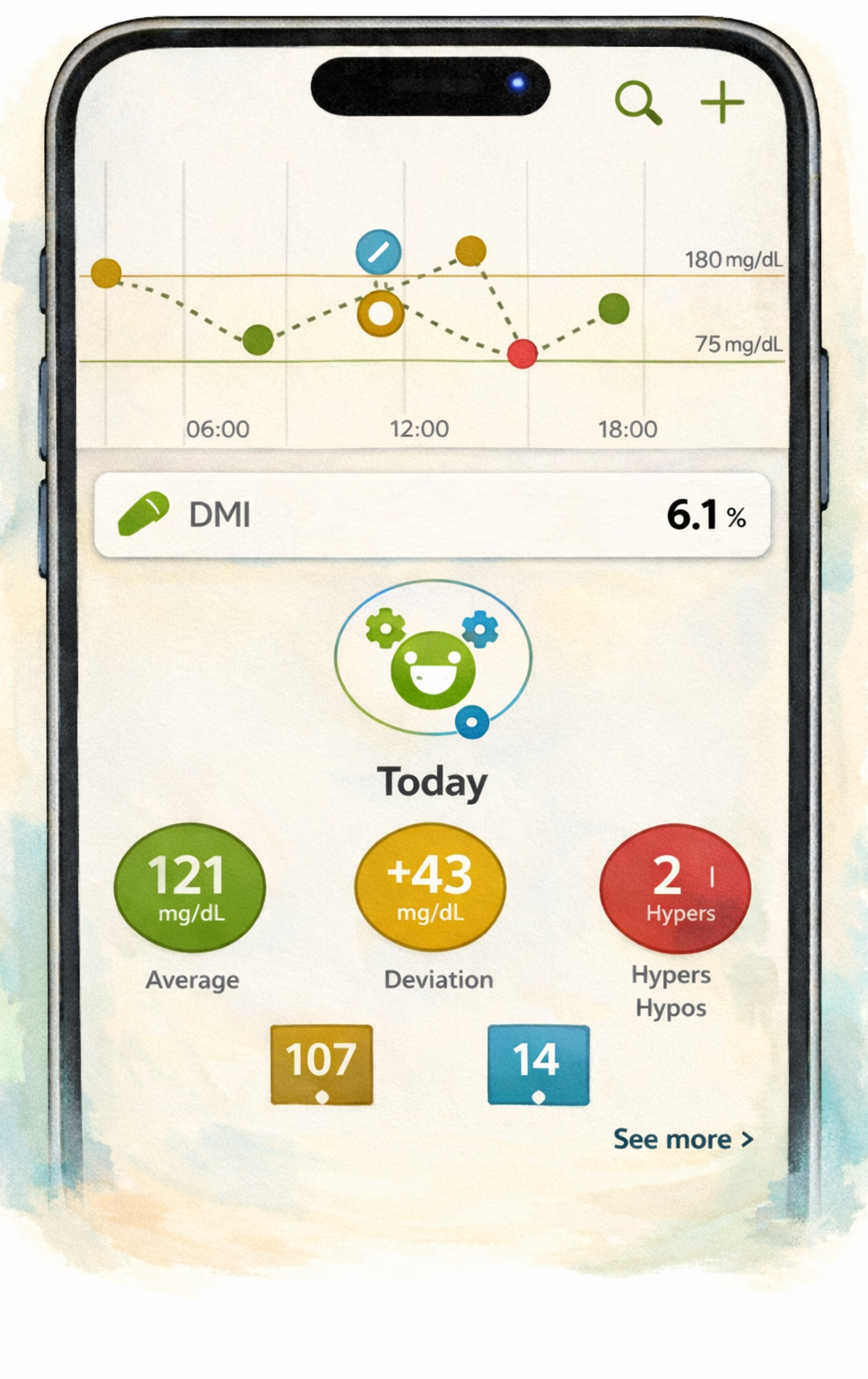
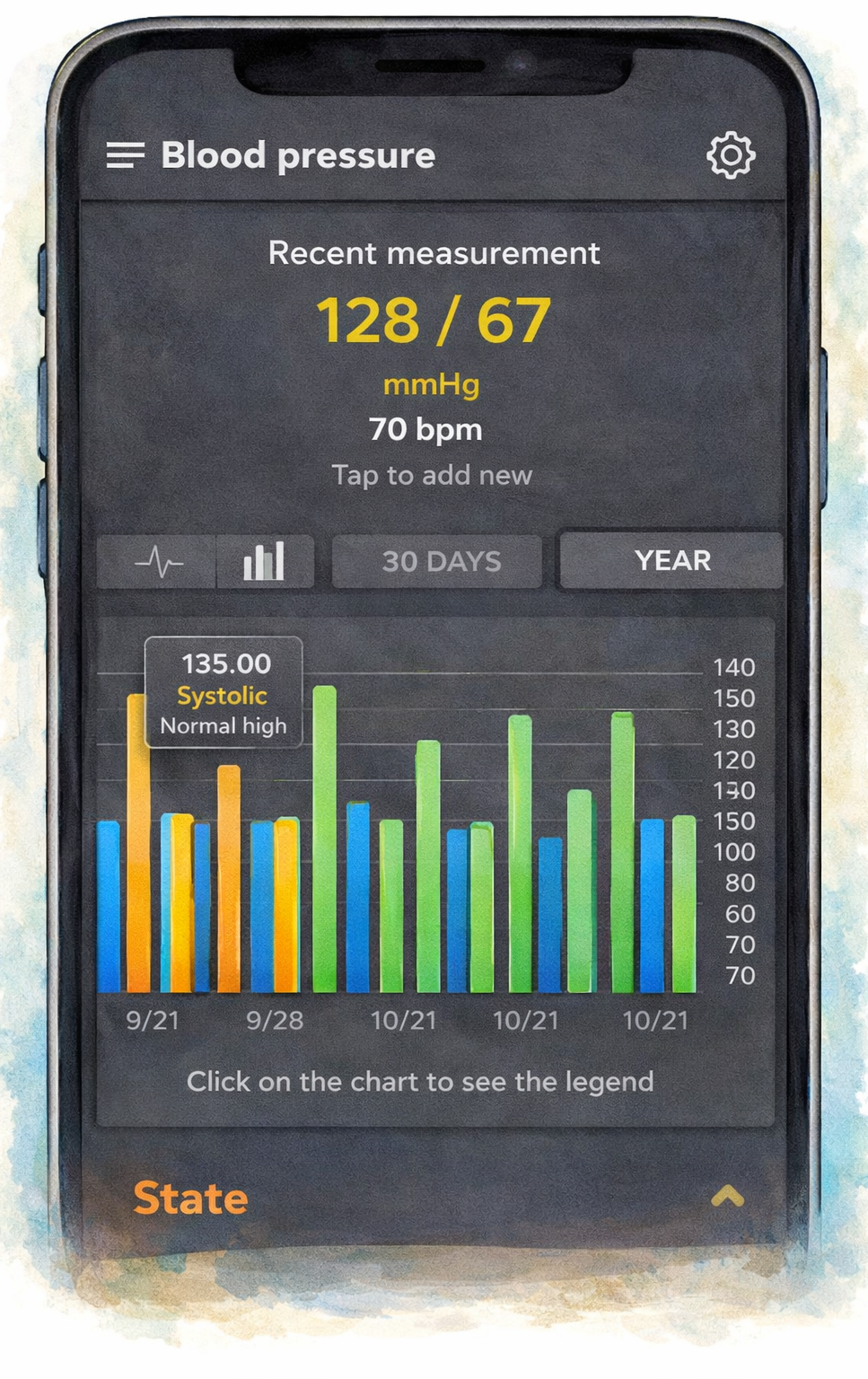
Figure 2: Overly complex or insufficiently specified visualizations in diabetes management apps, highlighting common pitfalls in current mHealth interfaces.
Requirements for Dedicated mHealth Visualization Libraries
The authors propose a structured set of design considerations for the development of domain-specific visualization libraries:
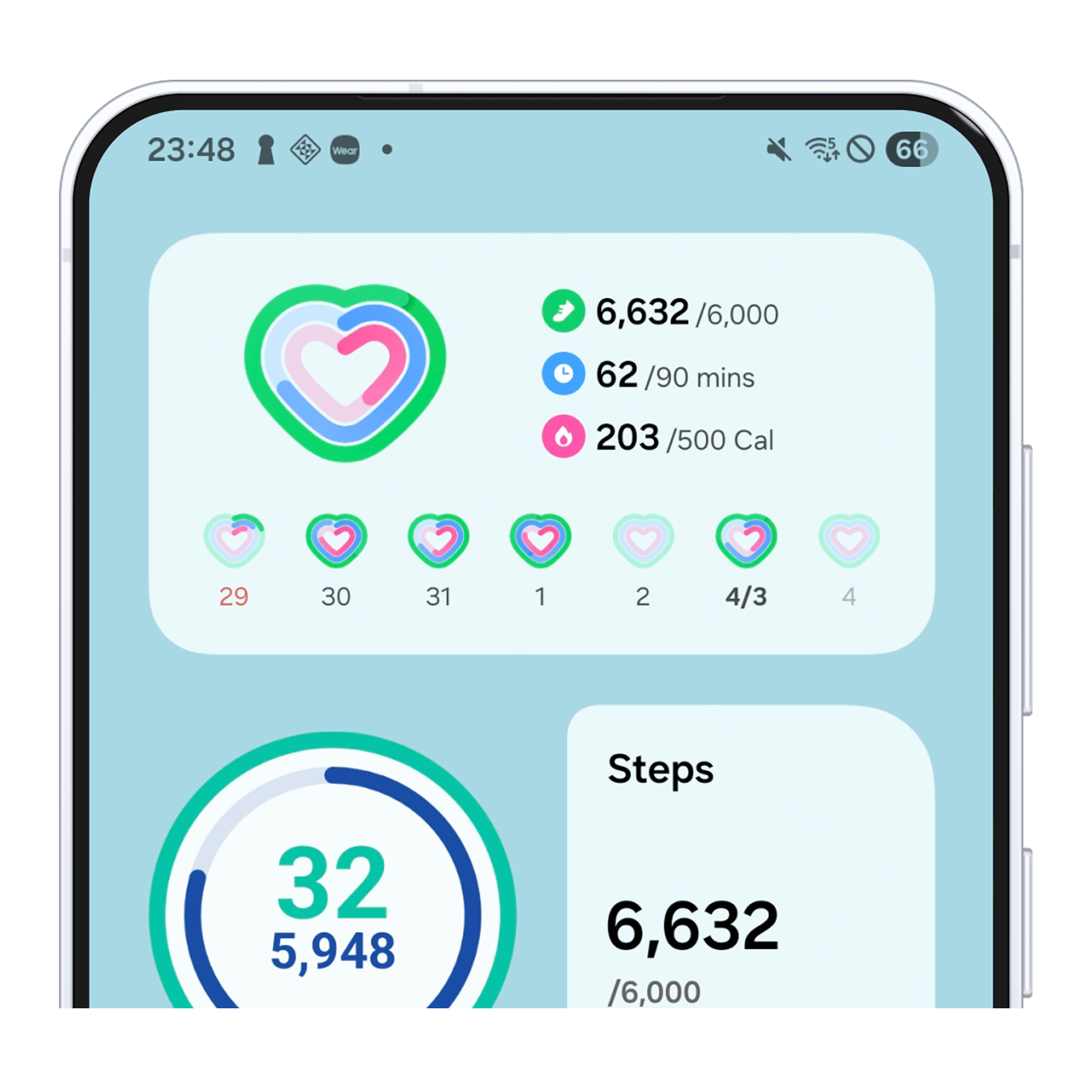
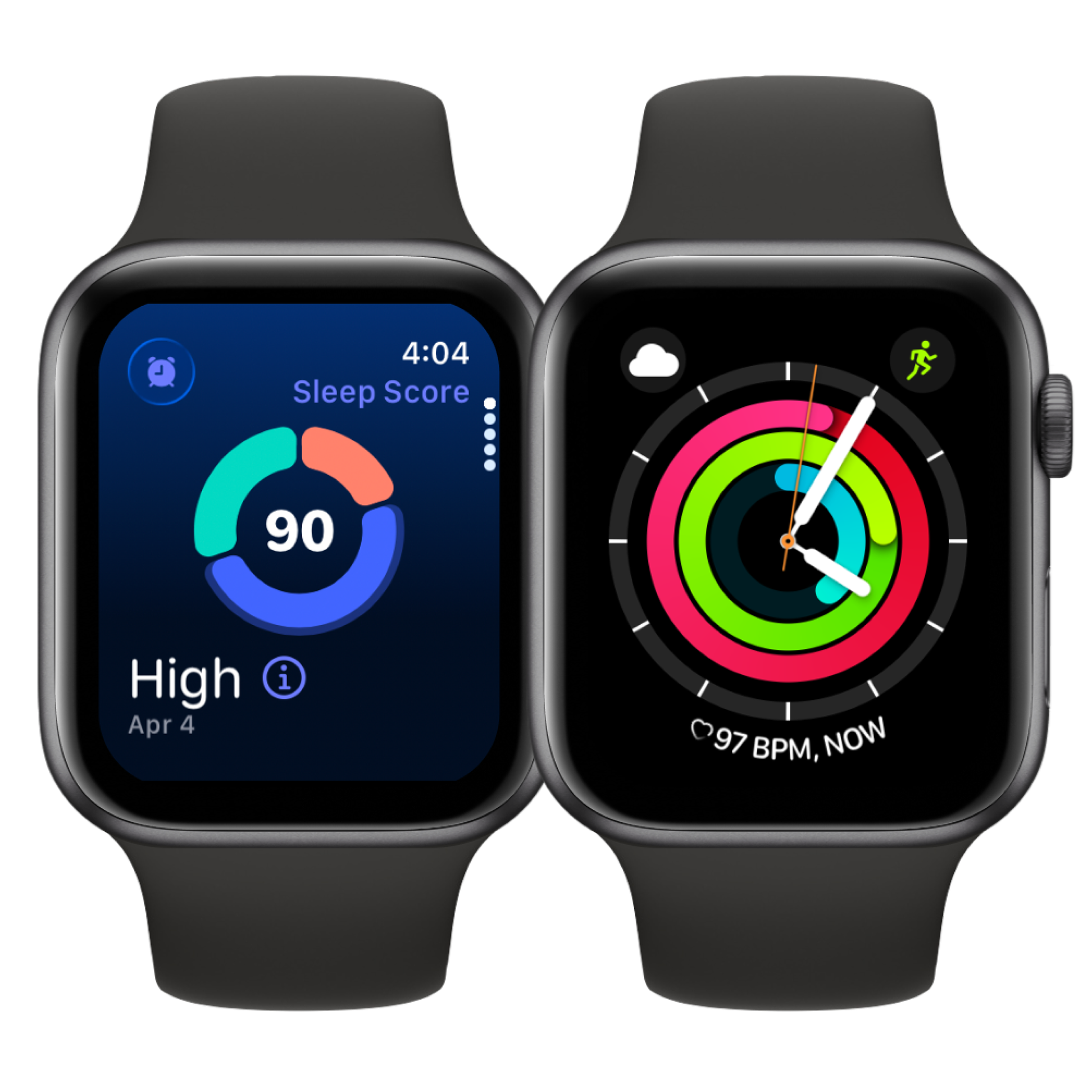
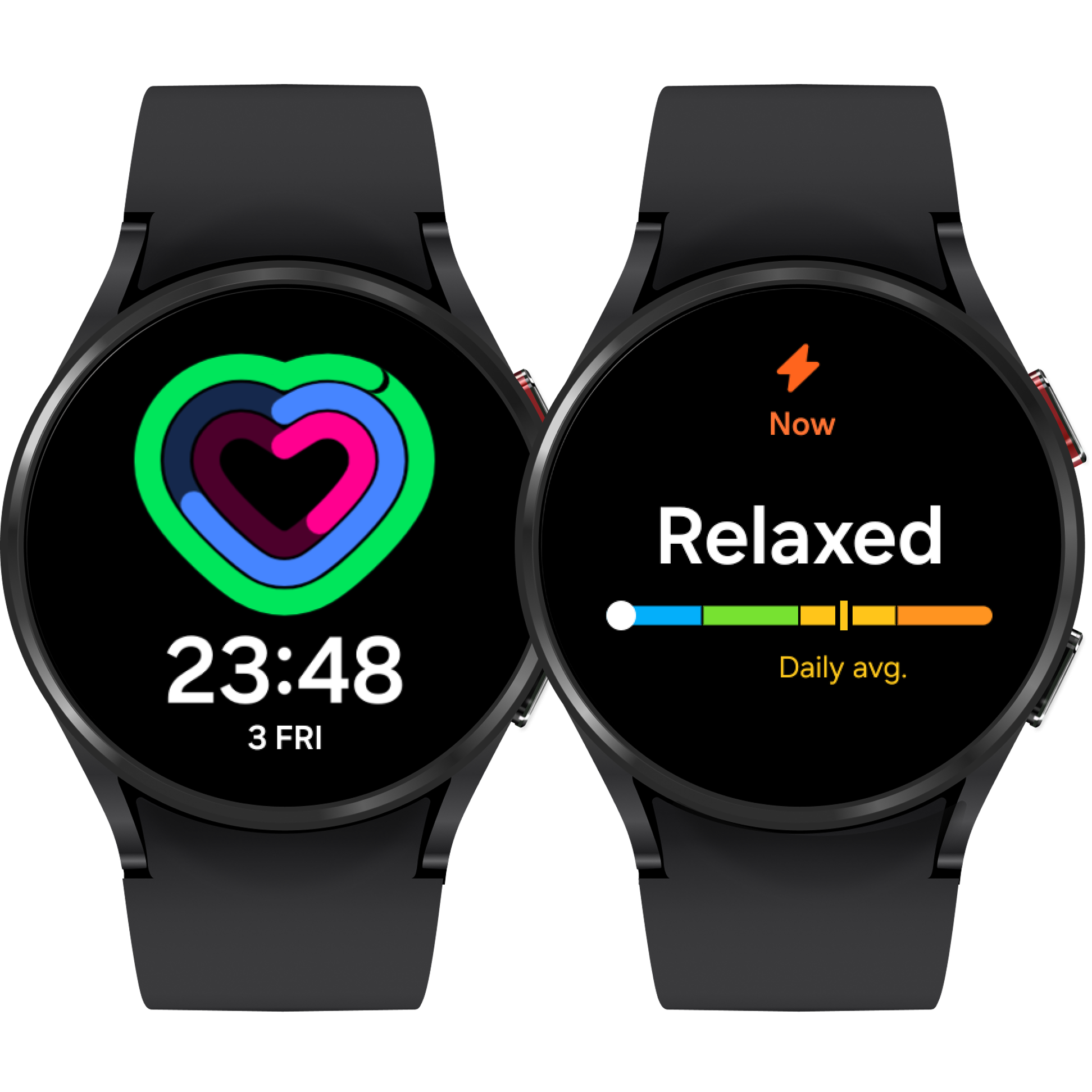
Figure 4: Examples of glanceable health data visualizations on mobile widgets and smartwatches, underscoring the need for compact, efficient designs.
Practical and Theoretical Implications
By proposing domain-specific libraries, the paper asserts that technical and design barriers for app developers can be substantially lowered, promoting ecosystem-wide consistency and interpretability. This approach enables developers to focus on differentiating aspects and user engagement rather than foundational visualization quality. The emphasis on intelligent defaults and health semantics represents a shift from visual rendering to interpretive support, thereby better aligning mHealth apps with user needs, especially in contexts requiring rapid decision-making and reflection. Furthermore, the outlined principles demonstrate extensibility beyond health, serving as robust abstractions for other personal data domains such as finance and education.
Strong empirical evidence from related studies on glanceable visualization [blascheck2018glanceable], multimodal interaction [kim2021data], and accessibility [islam2026visualizing] reinforce these claims. The paper also addresses the tension between template-driven constraints and developer flexibility, advocating for architectures that balance customization with embedded expertise.
Future Directions
The authors note that static visualizations with annotation represent an entry point, and foresee the integration of animation to capture temporal evolution and transitions. They anticipate richer multimodal interaction paradigms, leveraging touch and voice for adaptive engagement. Importantly, they position health-oriented visualization libraries as foundational to broader applications in personal informatics. Further research will likely involve validation studies on user comprehension and engagement, as well as development of principled frameworks for domain-specific annotation and summary generation.
Conclusion
The argument for specialized mobile data visualization libraries in digital health is compelling and well-grounded. Such libraries will catalyze the development of effective, accessible, and interpretable mHealth applications, raising the baseline for visualization quality and inclusivity. The integration of health-specific semantics, intelligent defaults, fluid multimodal interactions, and temporal awareness directly addresses the limitations of current generic charting libraries. These advances represent not only a technical progression for mHealth developers but also a paradigm shift toward enabling empowered, informed health management for diverse populations.