- The paper introduces a proxy-based material embedding framework that reduces the traditional O(n²) measurement cost to near-linear O(nk) complexity.
- It employs transformer encoders and symmetry-preserving MLPs to fuse latent features, achieving high accuracy with R² values near unity.
- The approach generalizes across static and kinetic friction regimes with calibrated uncertainty, offering practical benefits for robotics and materials informatics.
Generalizable Estimation of Inter-Material Friction Coefficients via Proxy-Based Material Embedding
The paper "Generalizable Friction Coefficient Estimation via Material Embedding and Proxy Interaction Modeling" (2604.24188) addresses the challenge of scalable, accurate prediction of friction coefficients between arbitrary pairs drawn from a diverse material library. Classical approaches require exhaustive pairwise measurements, entailing O(n2) complexity, which is prohibitive for large-scale libraries—especially textiles and soft interfaces relevant in robotics and digital fabrication. Analytical models and per-material descriptor mappings fail to capture emergent, nonlinear pair-specific interfacial mechanics.
This work formalizes friction prediction as a kernel embedding problem: given measured coefficients f(A,B) for various pairs, learn latent embeddings zA and zB—each constructed from proxy material interactions via a function g—and an embedding fusion p that accurately approximates f(A,B) via p(zA,zB). By leveraging low-rank structure in the friction matrix, the proxy vector vA=[f(A,c1),…,f(A,ck)] (with k≪n) suffices, reducing measurement cost to f(A,B)0. Embeddings are learned end-to-end, regularized for informativeness, symmetry, and calibration; f(A,B)1 is implemented with MLPs or probabilistic models to provide uncertainty.
Experimental Methodology and Tribological Data Acquisition
A high-throughput friction characterization protocol is established using a custom tribometer. Materials—metals, polymers, composites, and primarily textiles—are tested as block wrappers or counterface surfaces under controlled static and kinetic friction protocols. Static coefficients (f(A,B)2) are determined via incline onset, and kinetic (f(A,B)3) from sliding velocity measurements, with corrections for groove geometry.
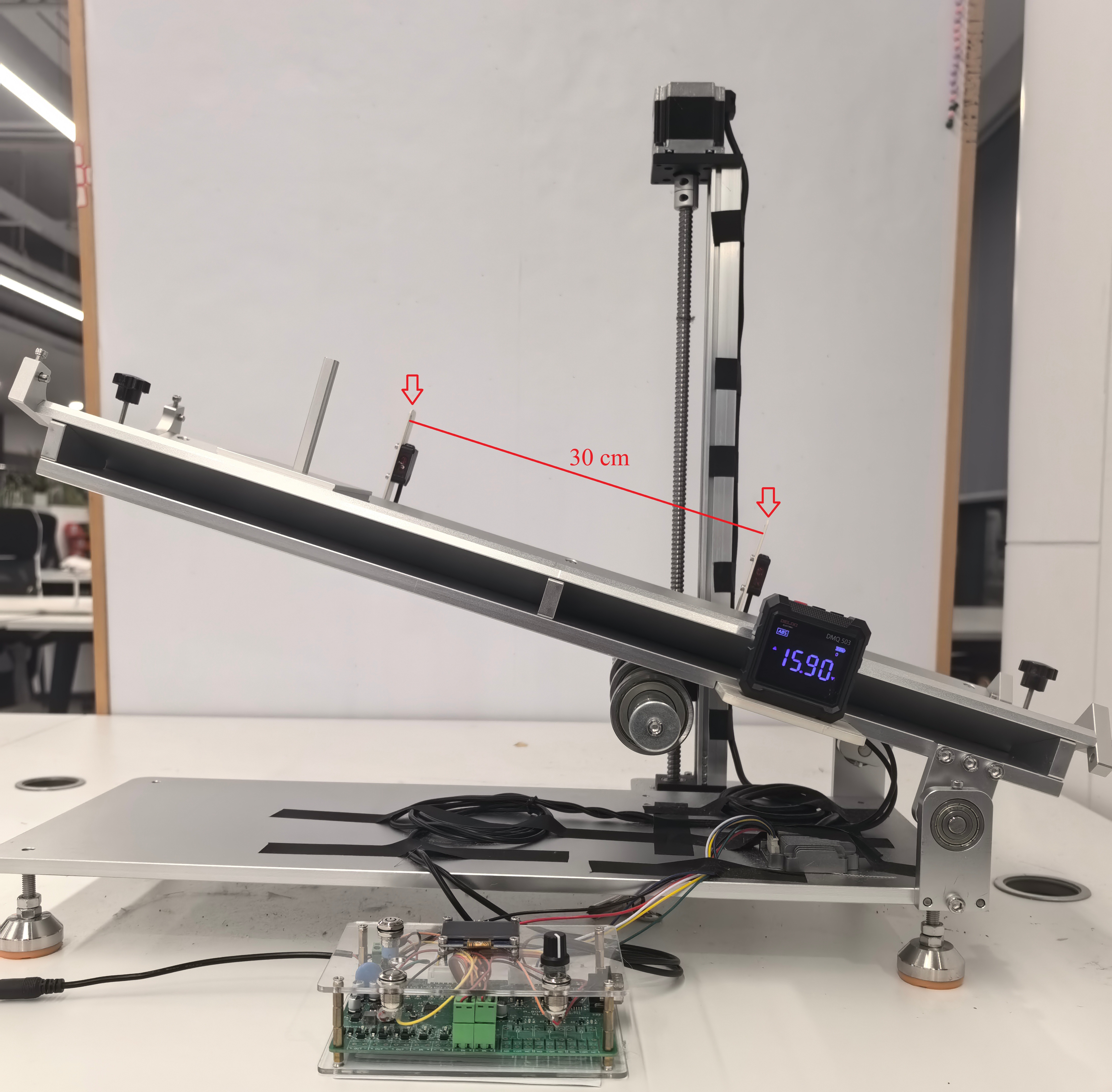
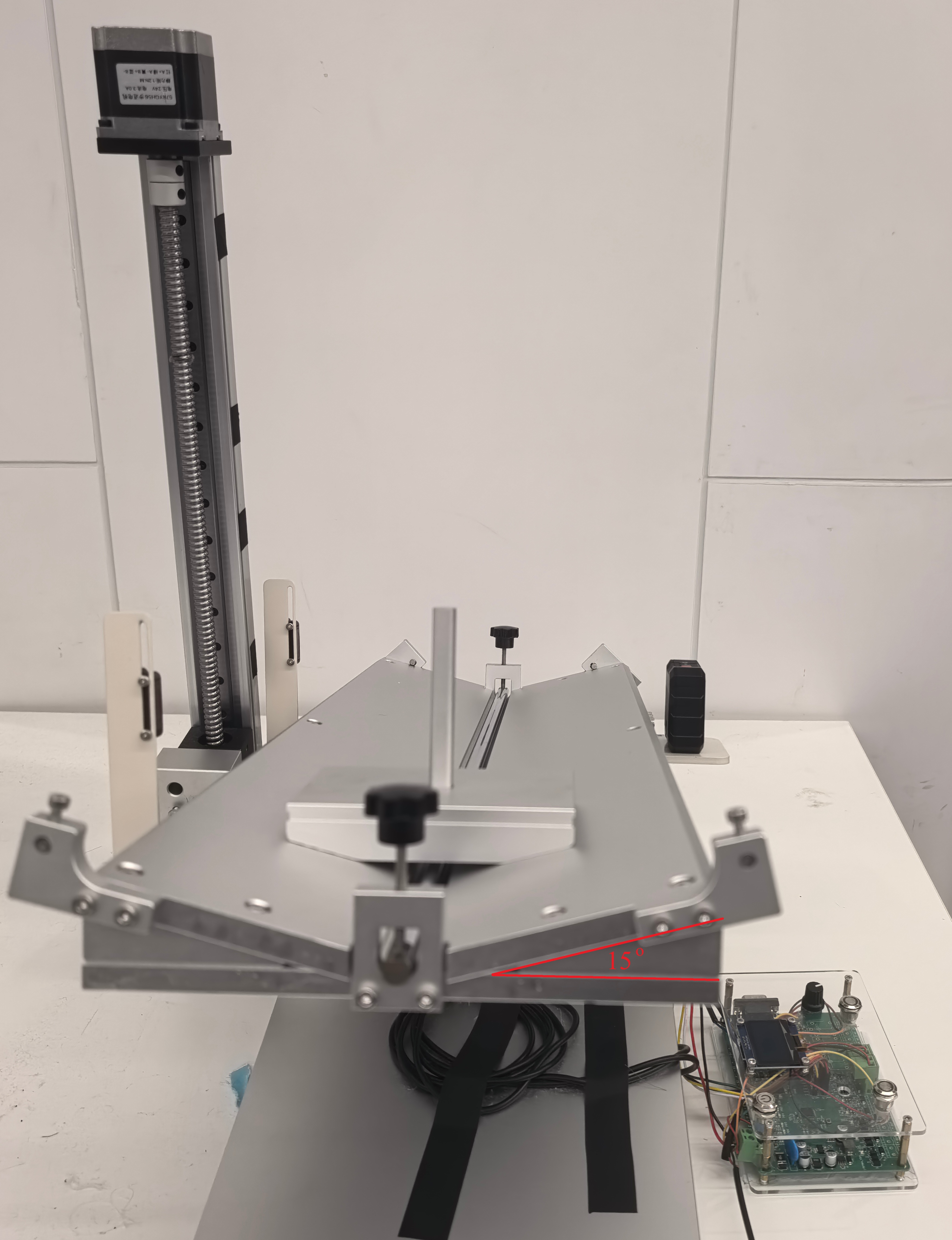
Figure 1: The custom tribometer enables systematic evaluation of static and kinetic friction across a broad material library.
Textile anisotropy is handled by measuring both warp/weft orientations; the data matrix encodes up to four channels per pair. The dataset comprises full and incomplete block structures, including fabric-fabric, fabric-non-fabric, and limited non-fabric pairings.
Embedding Model Architecture and Training Dynamics
The feature extractor f(A,B)4 is a transformer encoder (multi-head attention) operating over interaction vectors with masking for missing entries. Embedding fusion f(A,B)5 is a symmetry-preserving MLP mapping concatenated pairwise features. Probabilistic variants (Gaussian process, Bayesian NN) yield calibrated variance estimates. The supervised metric learning objective combines pairwise prediction fidelity and input-space reconstruction to regularize latent structure.
Training dynamics are characterized by rapid convergence and tight tracking of validation loss, with negligible overfitting.
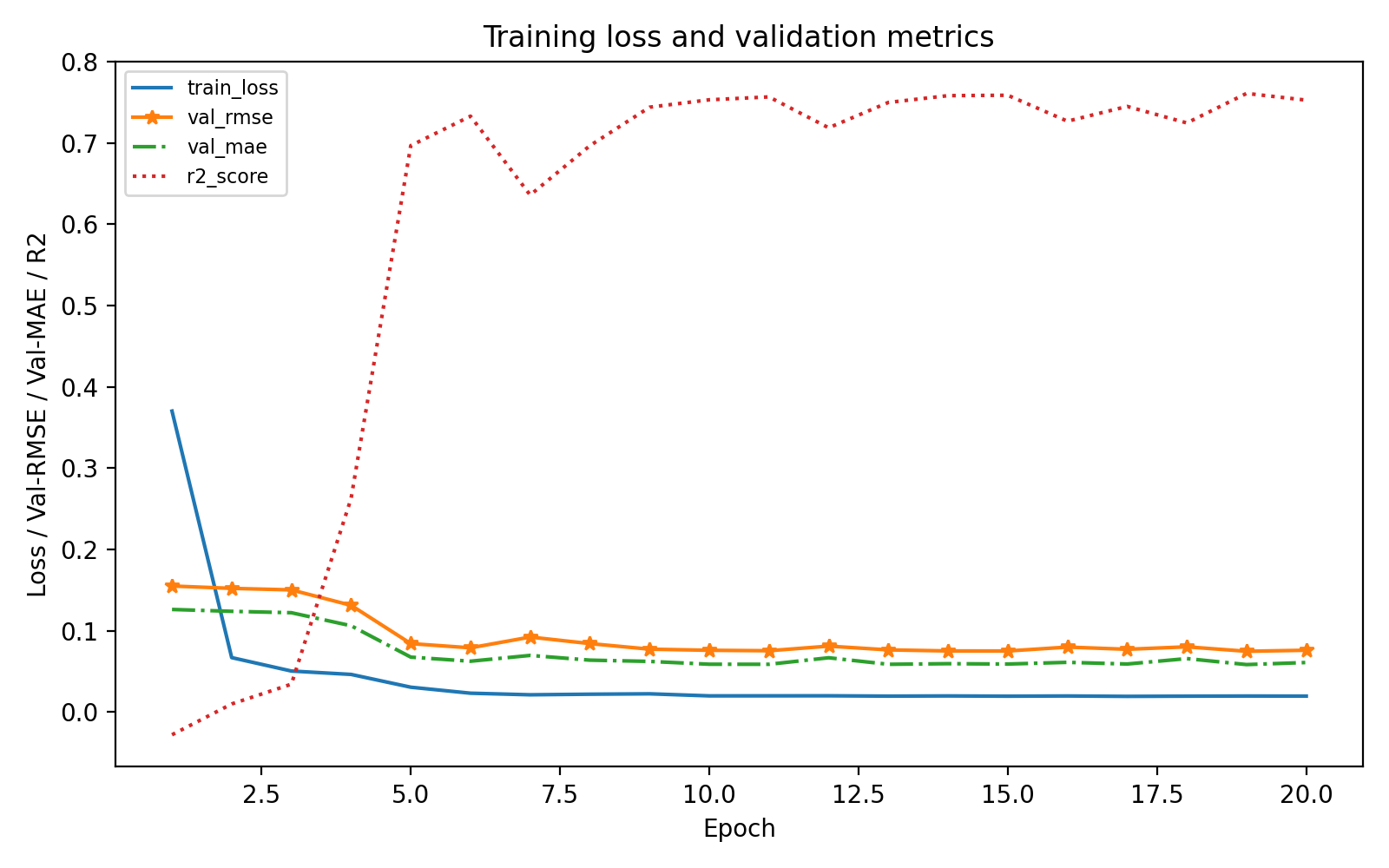
Figure 2: Training and validation loss curves show fast convergence and robust generalization.
The learned latent space is analyzed via PCA and t-SNE. Clusters emerge that correspond to distinct frictional regimes or material classes. Prediction accuracy is validated on held-out test sets: scatter plots show points aligned with the diagonal, and error histograms indicate concentration near zero (low bias/variance). f(A,B)6 approaches unity in cross-validation.
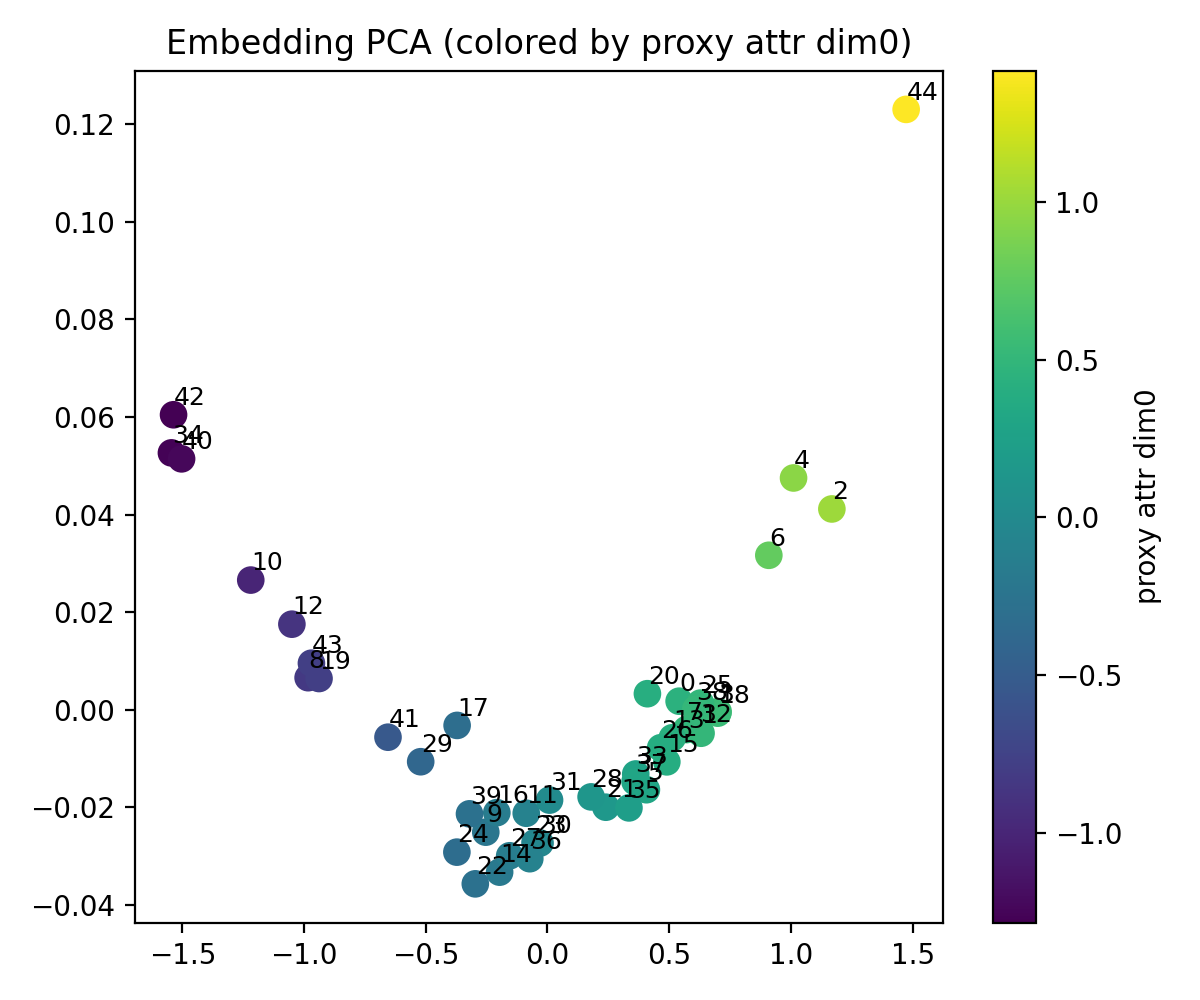
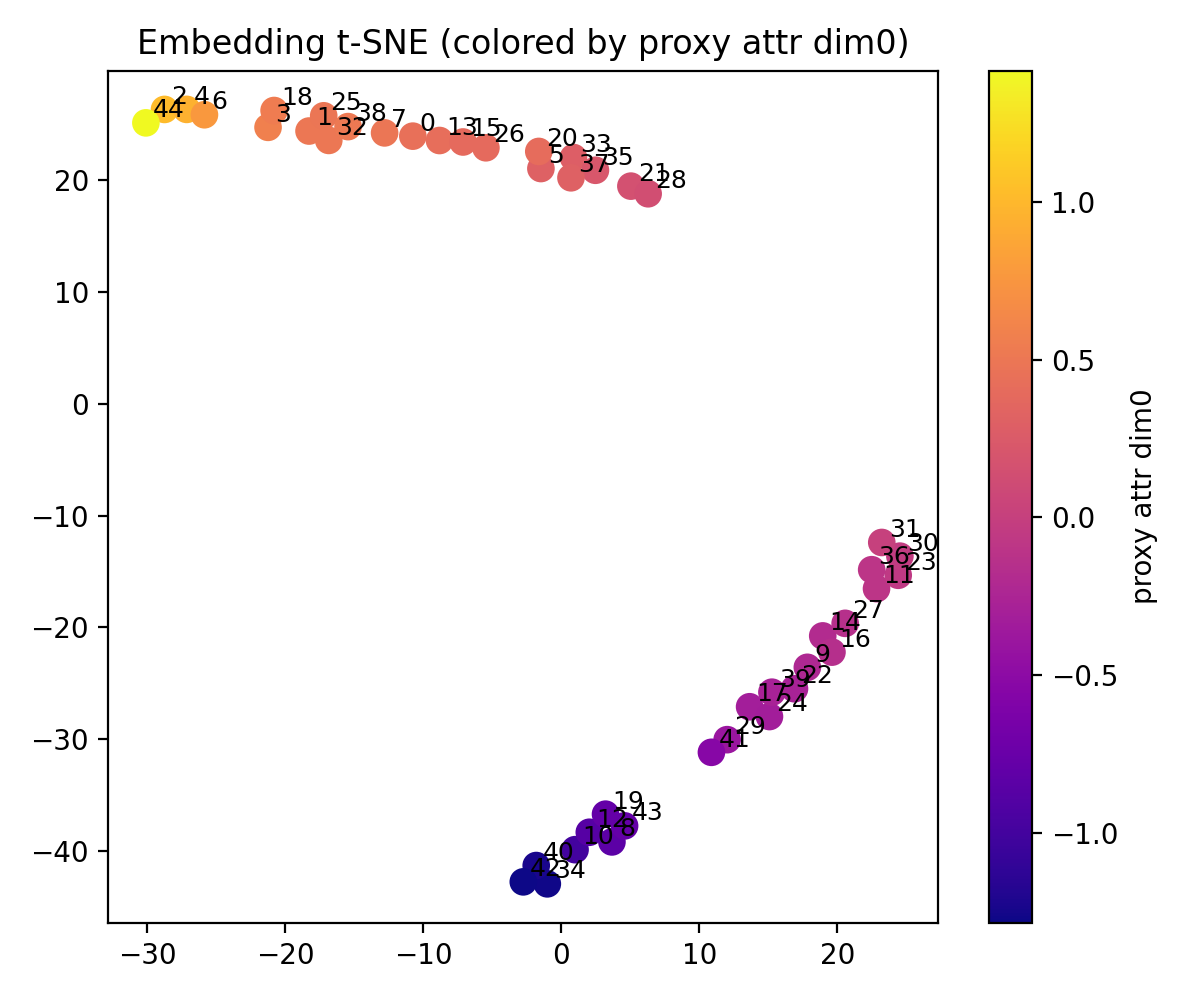
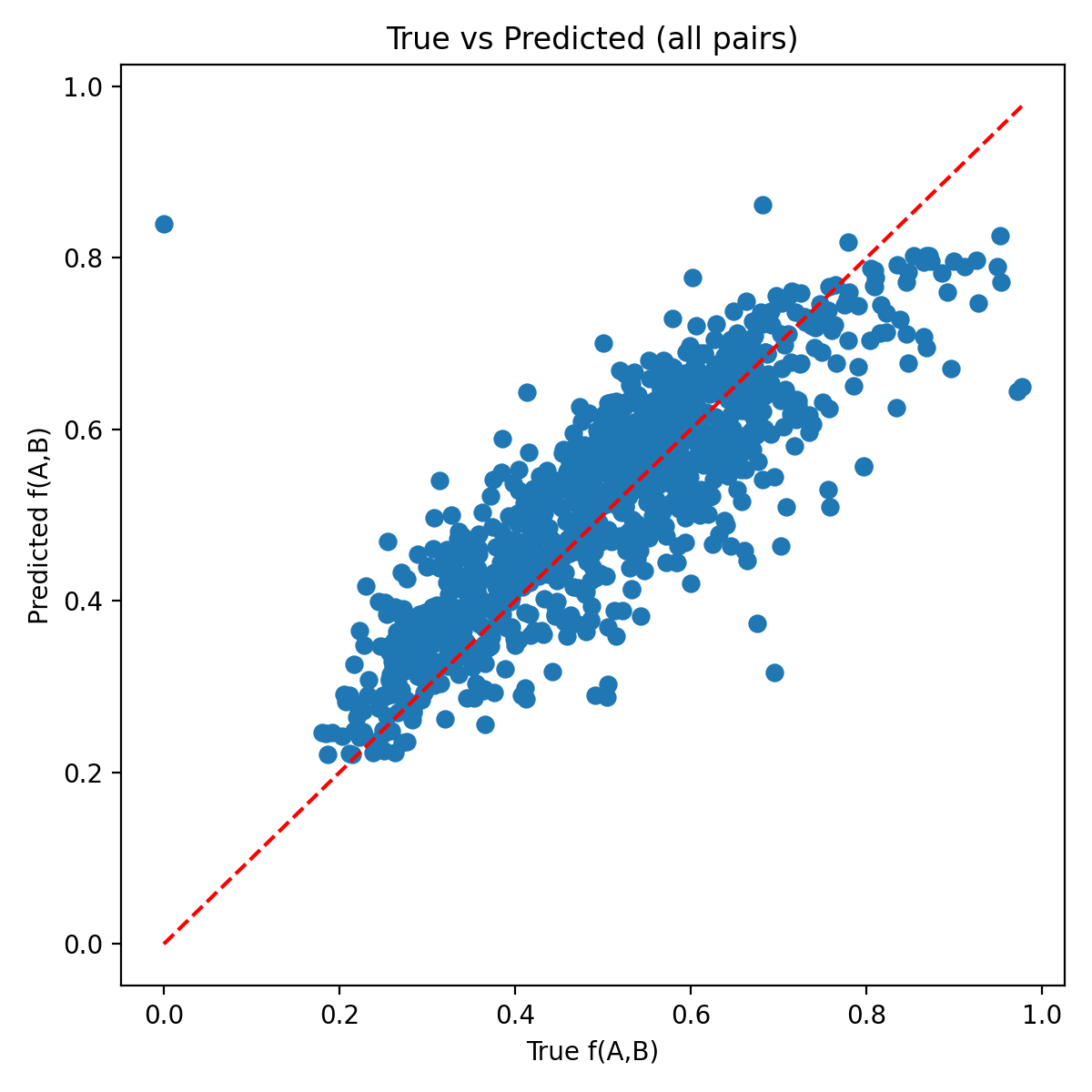
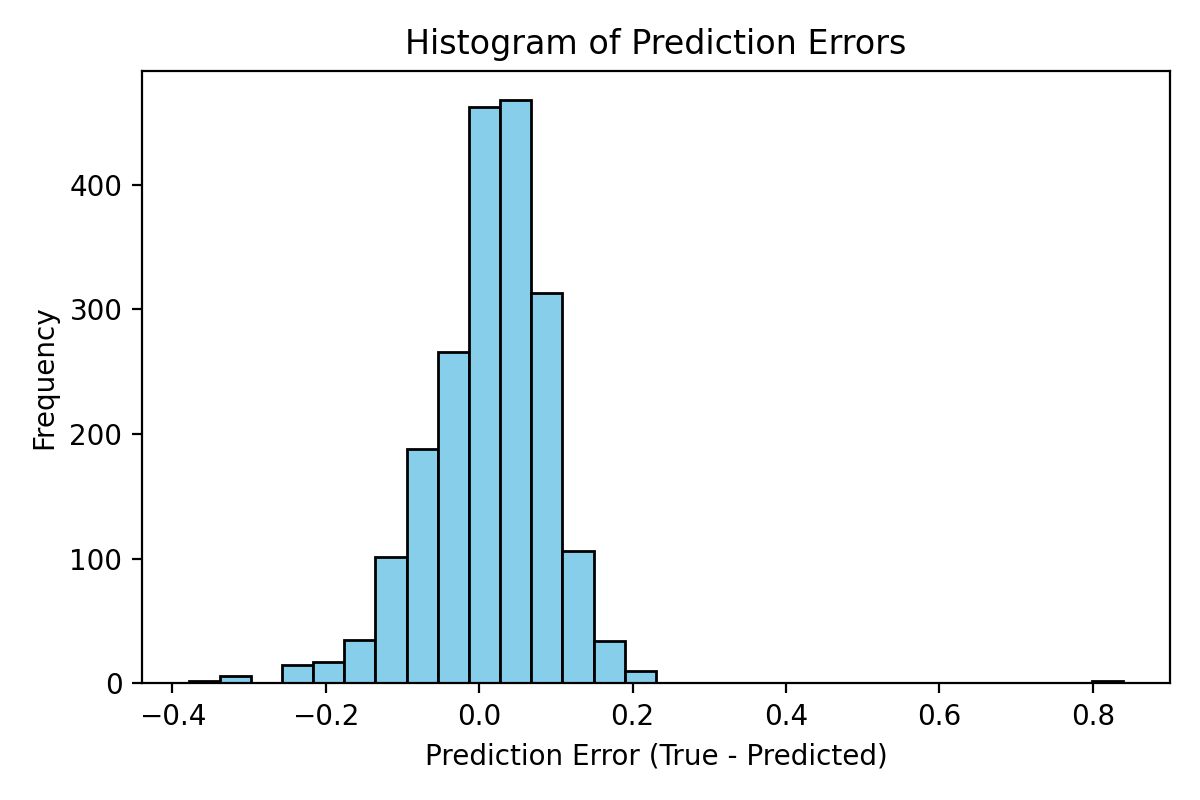
Figure 3: Embedding visualizations, prediction scatter, and error histogram collectively highlight high accuracy and interpretable latent structuring.
Proxy Selection and Measurement Reduction
Proxy material sets are determined by RRQR decomposition, guided by spectral decay in the measured friction matrix—confirming empirical low rank. RRQR-based proxy selection explores the trade-off between proxy budget and fidelity, with stricter spectral thresholds yielding improved cohesion and prediction at the cost of larger f(A,B)7.
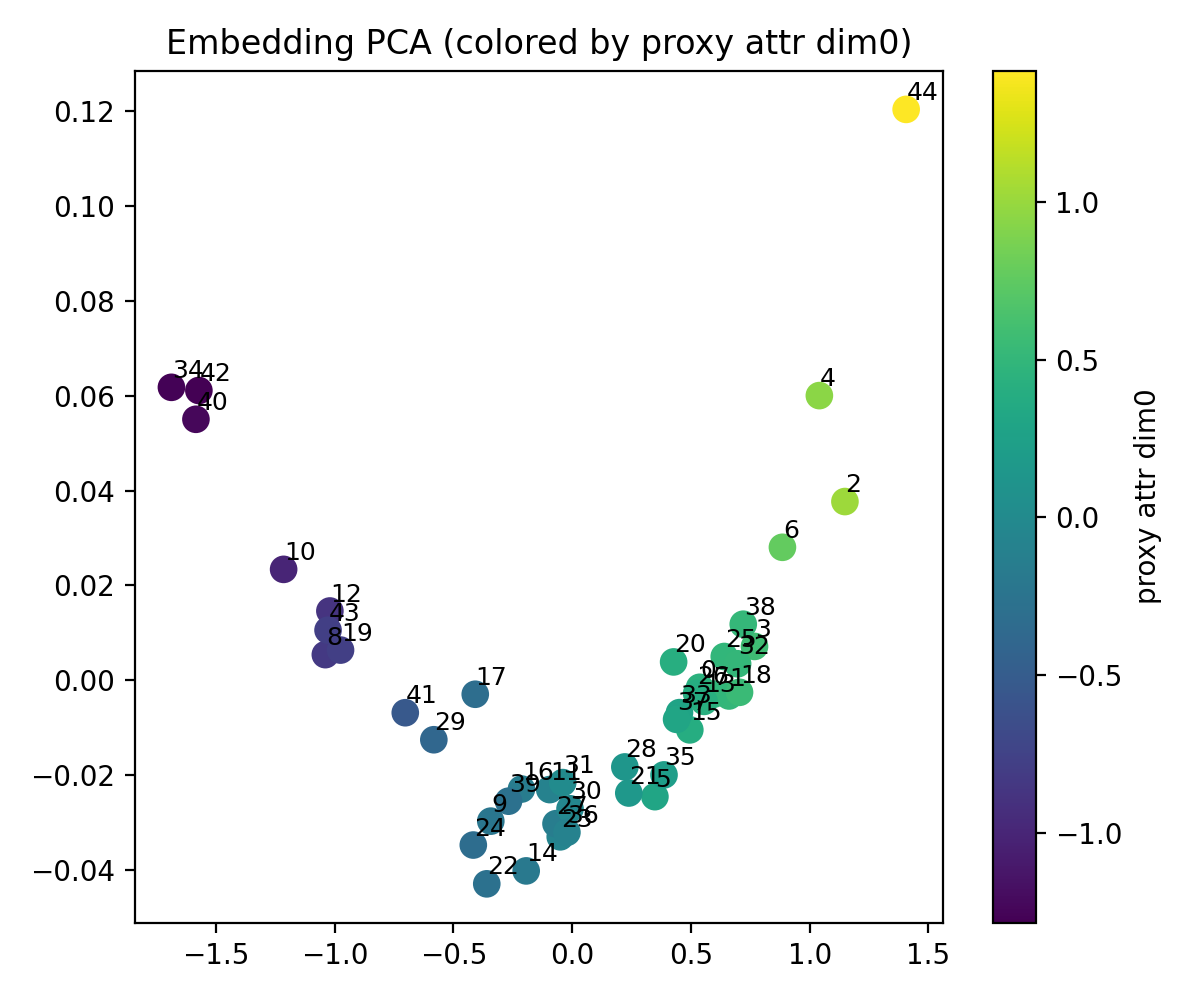
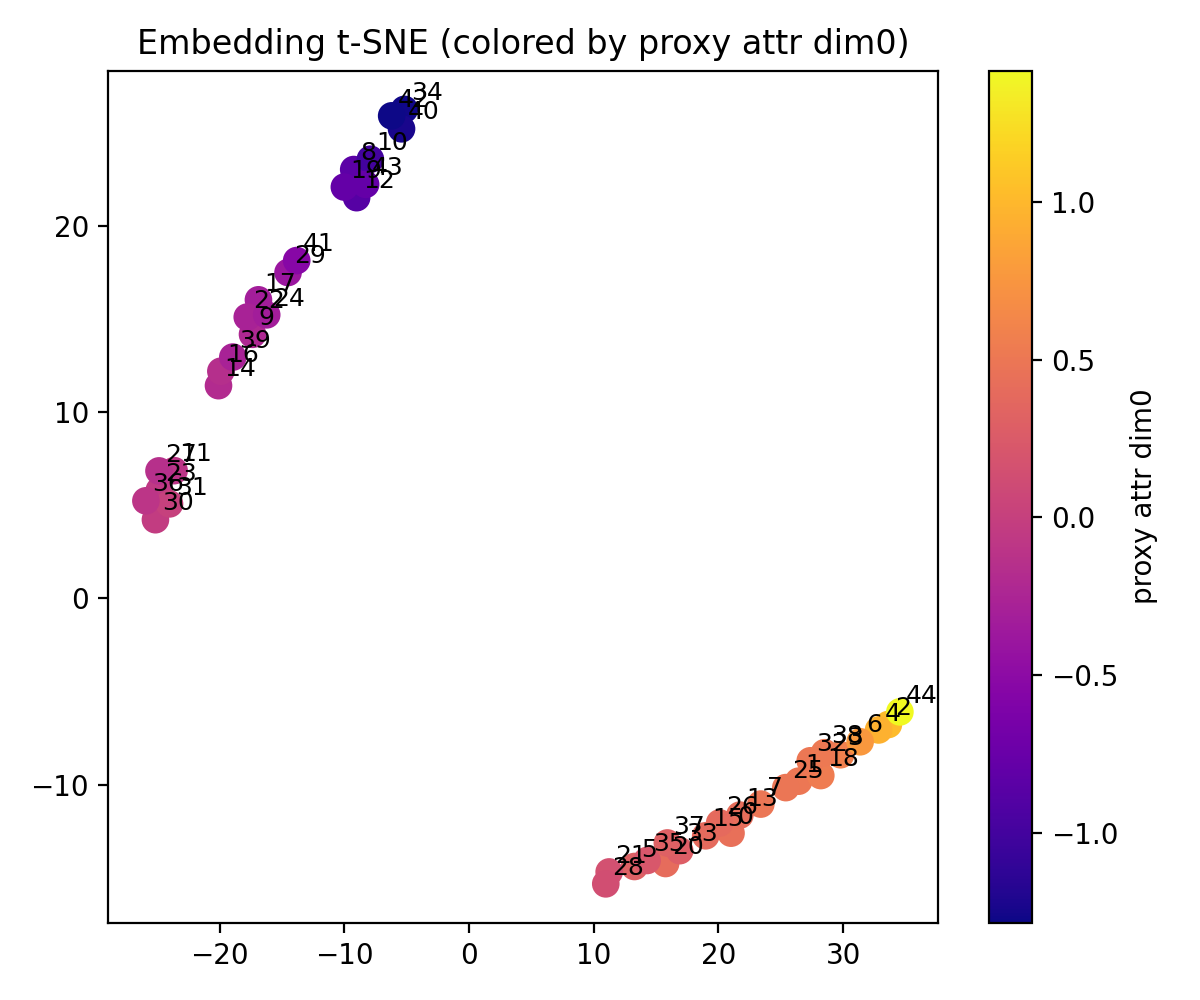
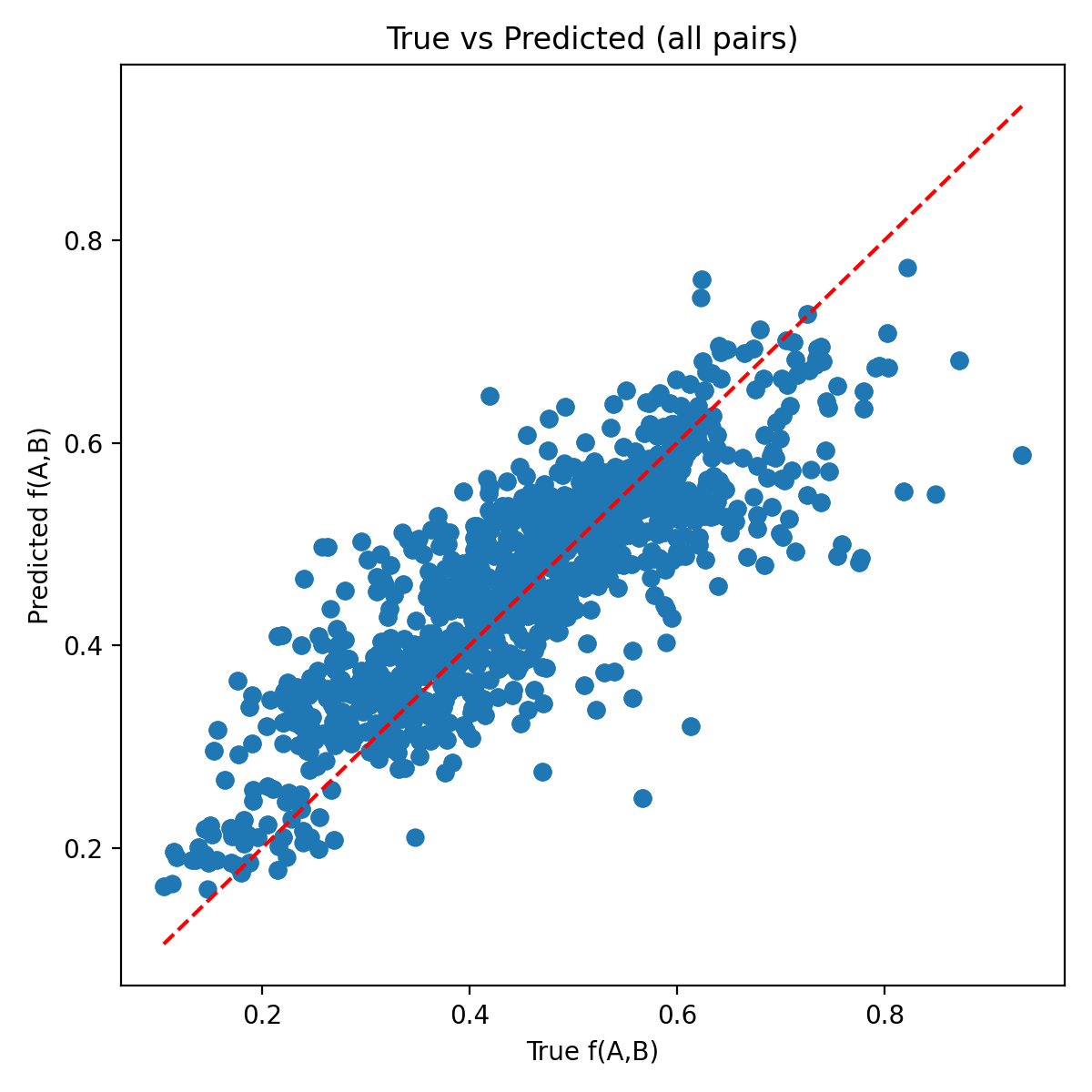
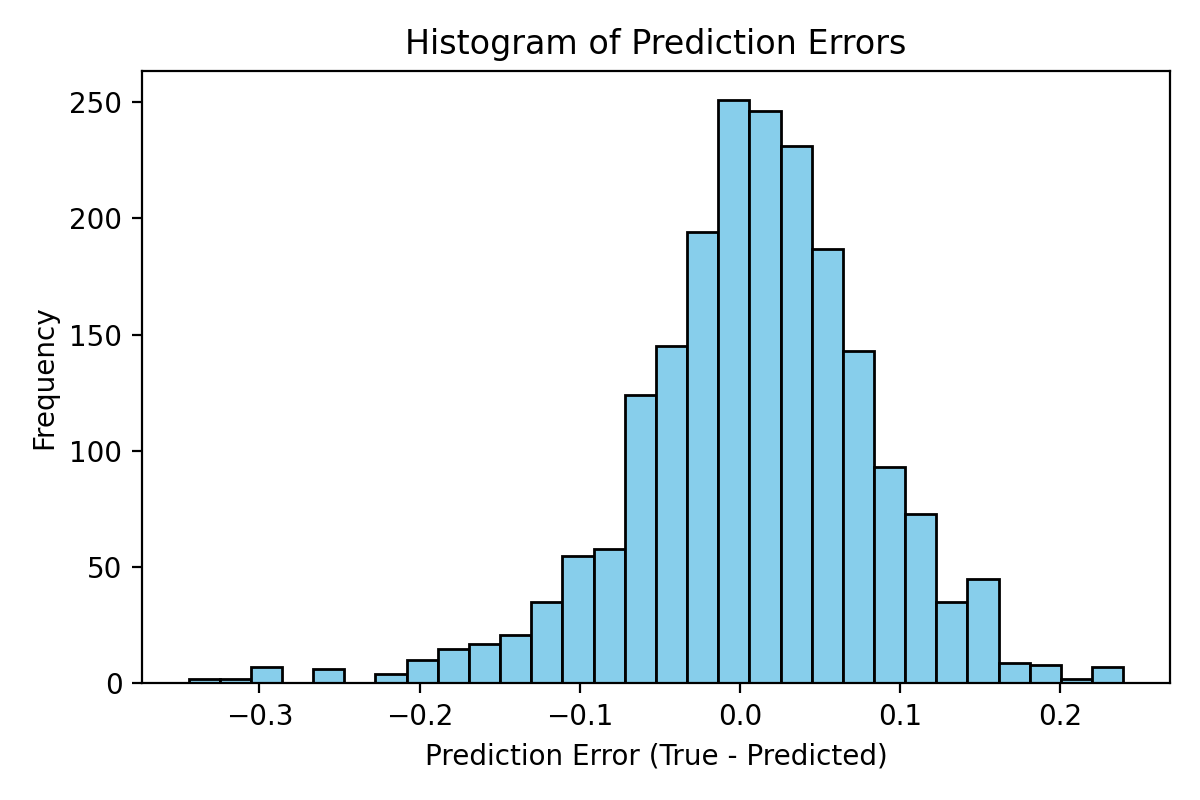
Figure 4: RRQR proxy selection, spectral thresholding, and monotonic improvements in prediction fidelity as k increases.
Task-aligned mask optimization further reduces the proxy set to two materials, achieving comparable latent preservation and predictive accuracy under much smaller f(A,B)8.
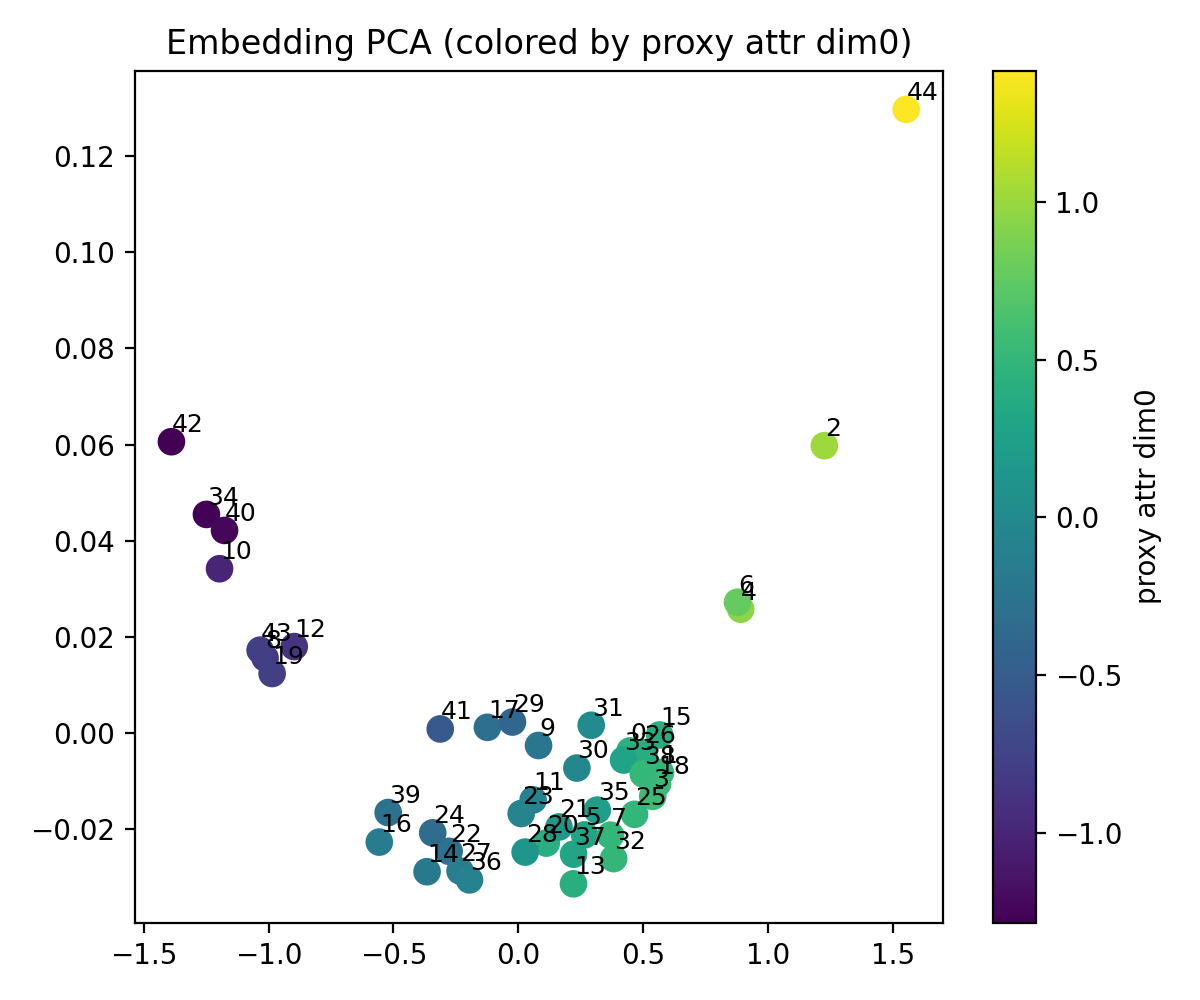
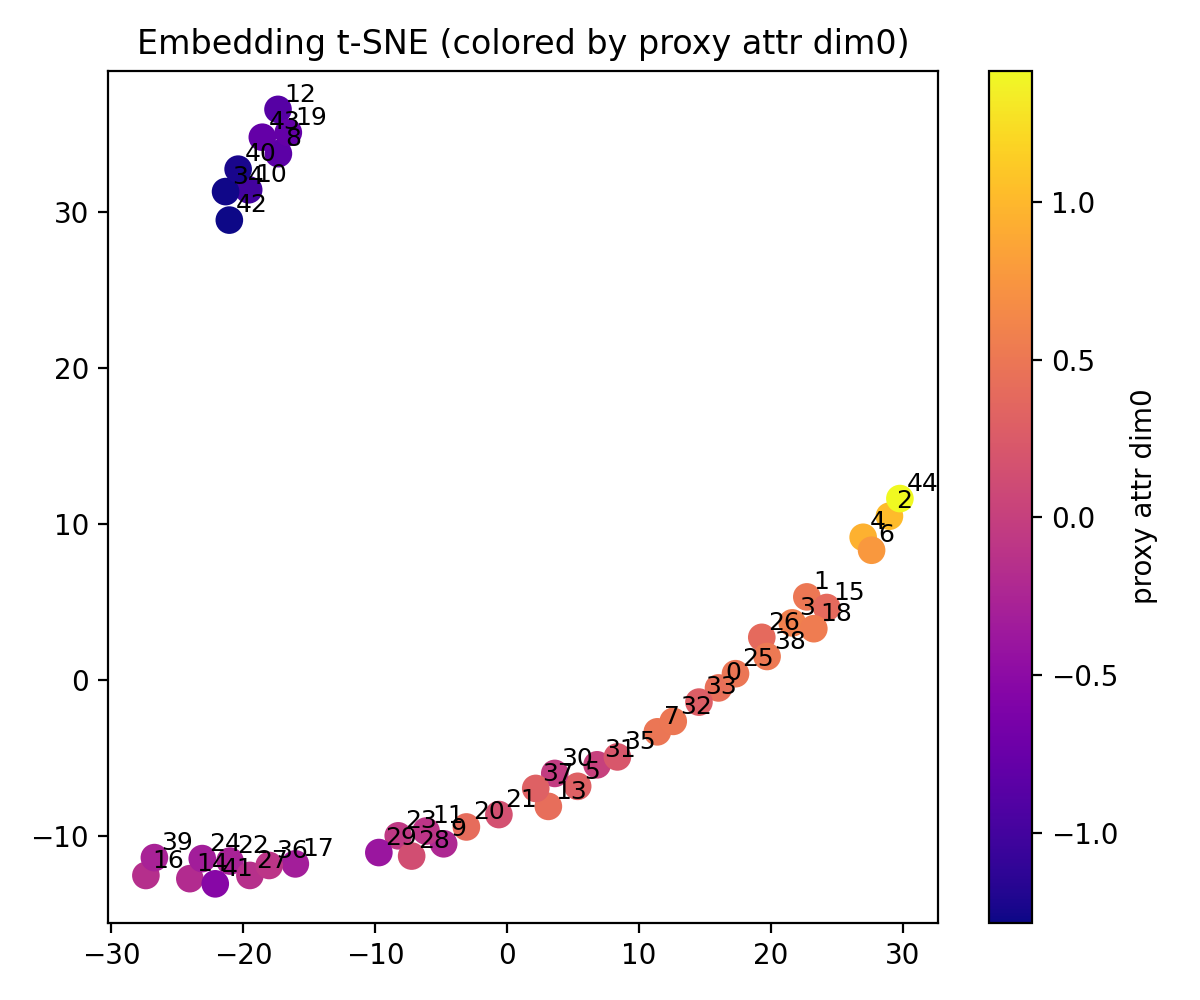
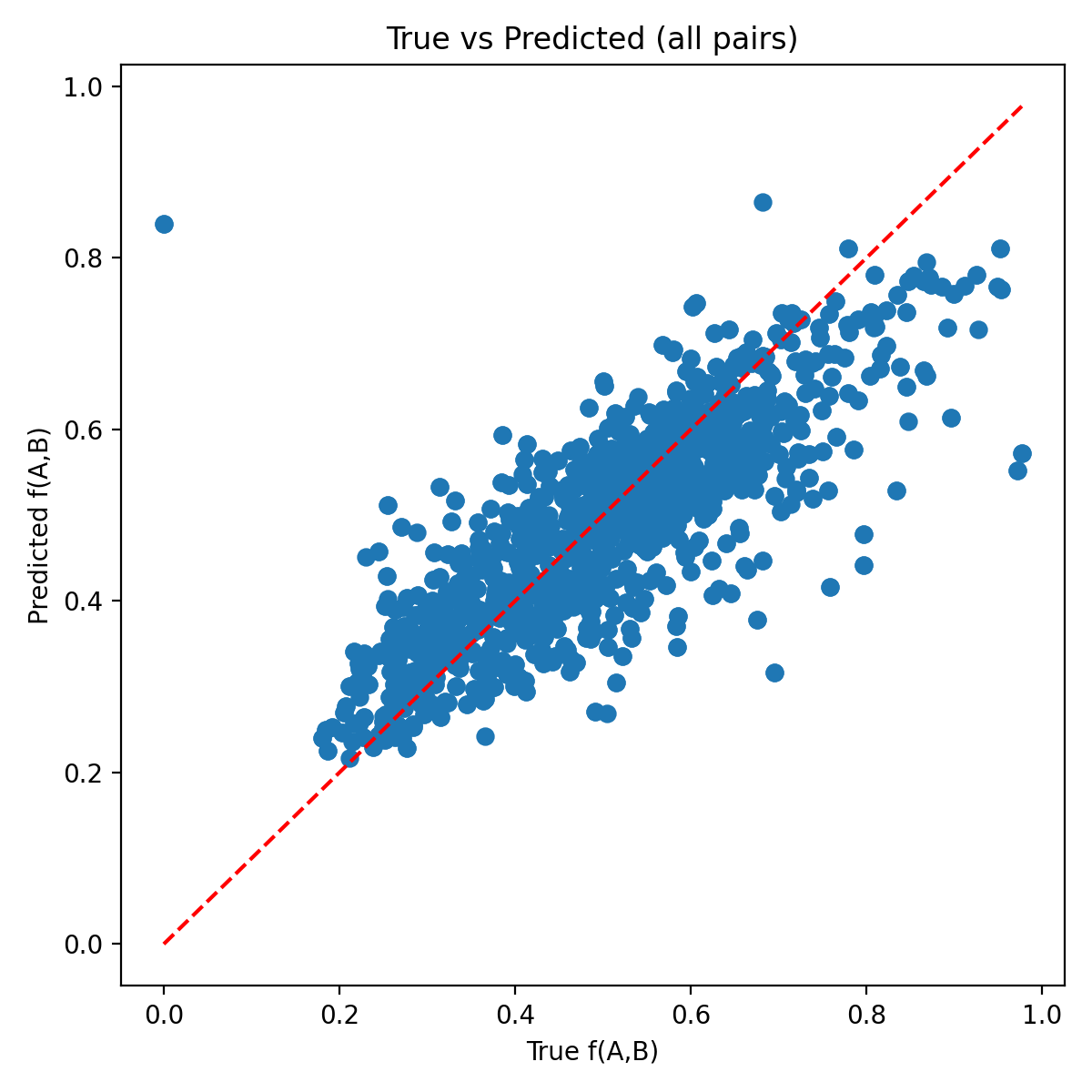
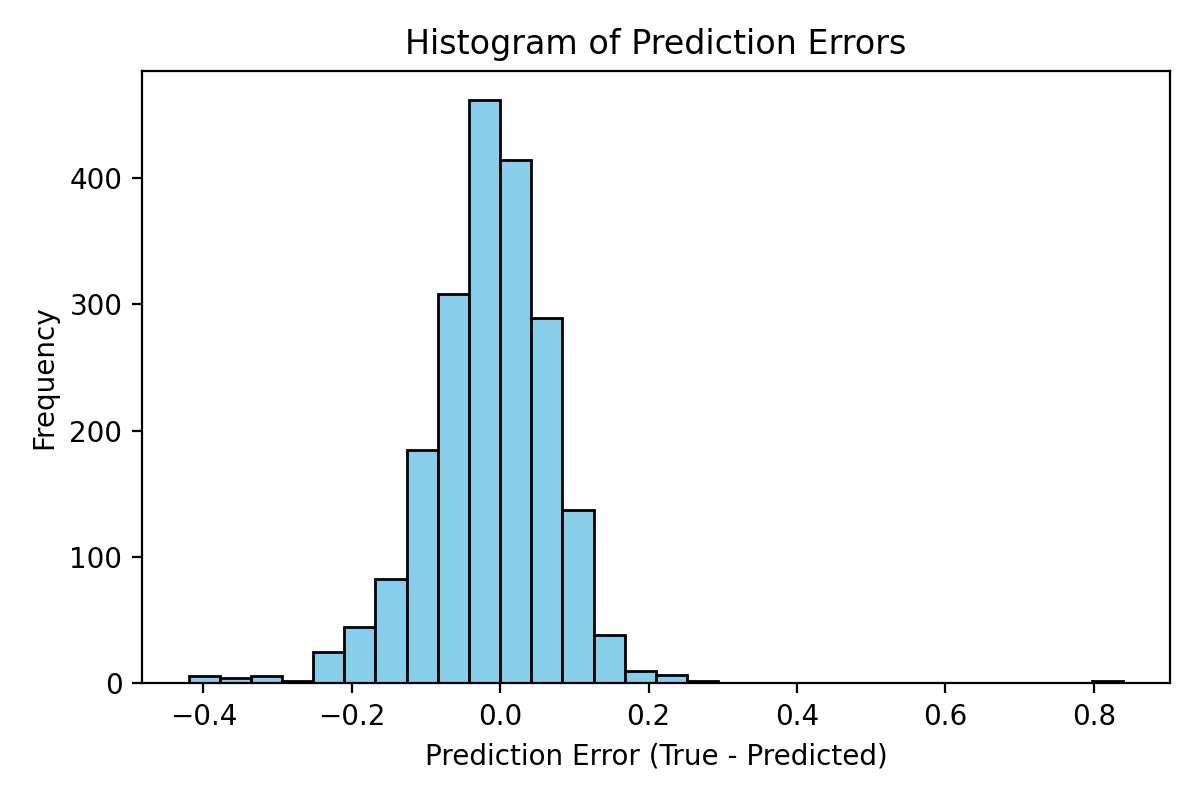
Figure 5: Mask-optimization identifies an optimal two-proxy set, reconstructing full embedding structure.
Regime and Anisotropy Handling
Models trained on static friction readily generalize to kinetic coefficients, with only modest recalibration needed for regime-dependent biases. Dedicated kinetic models further improve regime-specific accuracy. Proxy selection and embedding preservation remain robust across static and kinetic regimes; optimal proxy sets frequently coincide, supporting universal proxy selection strategies.
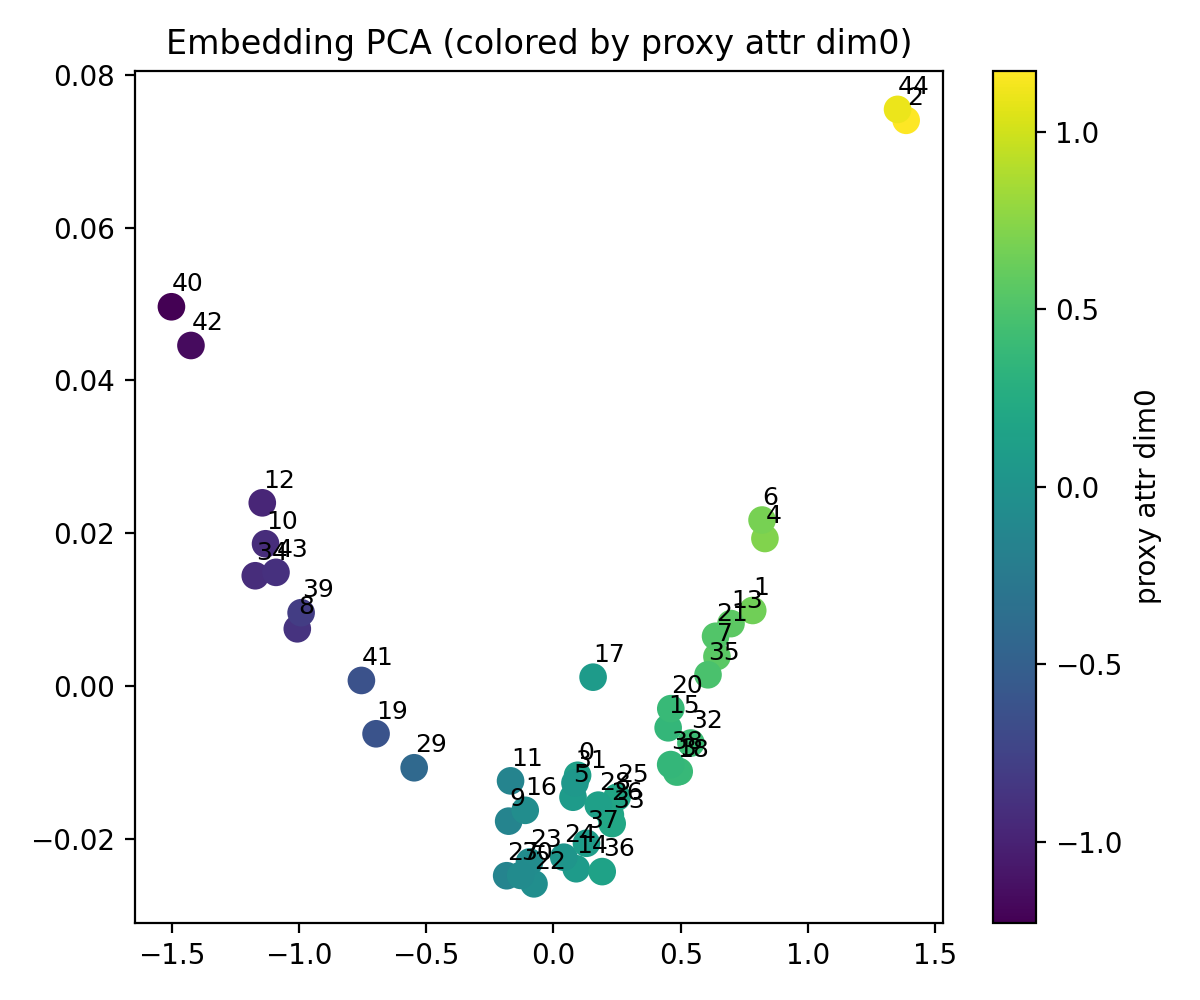
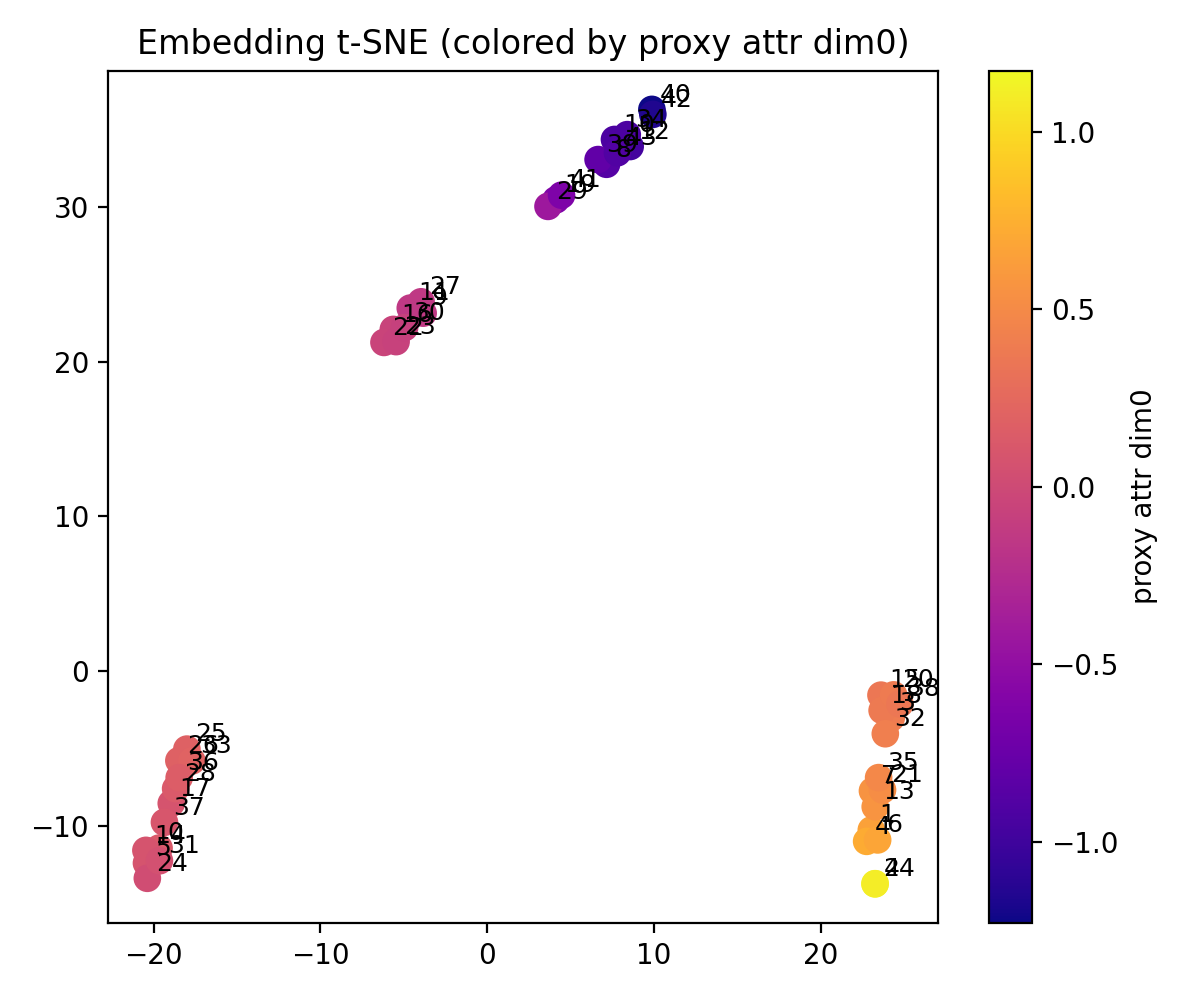
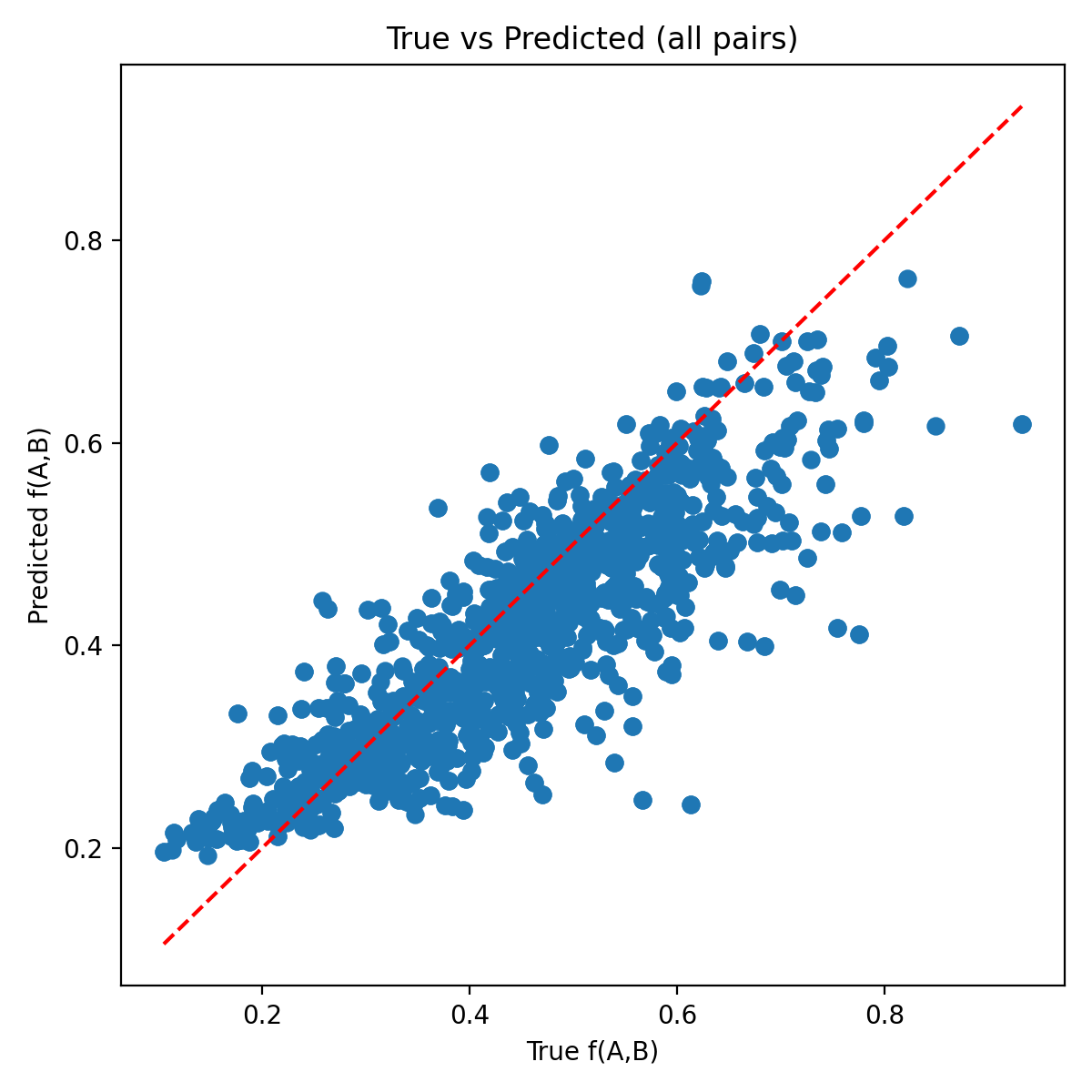
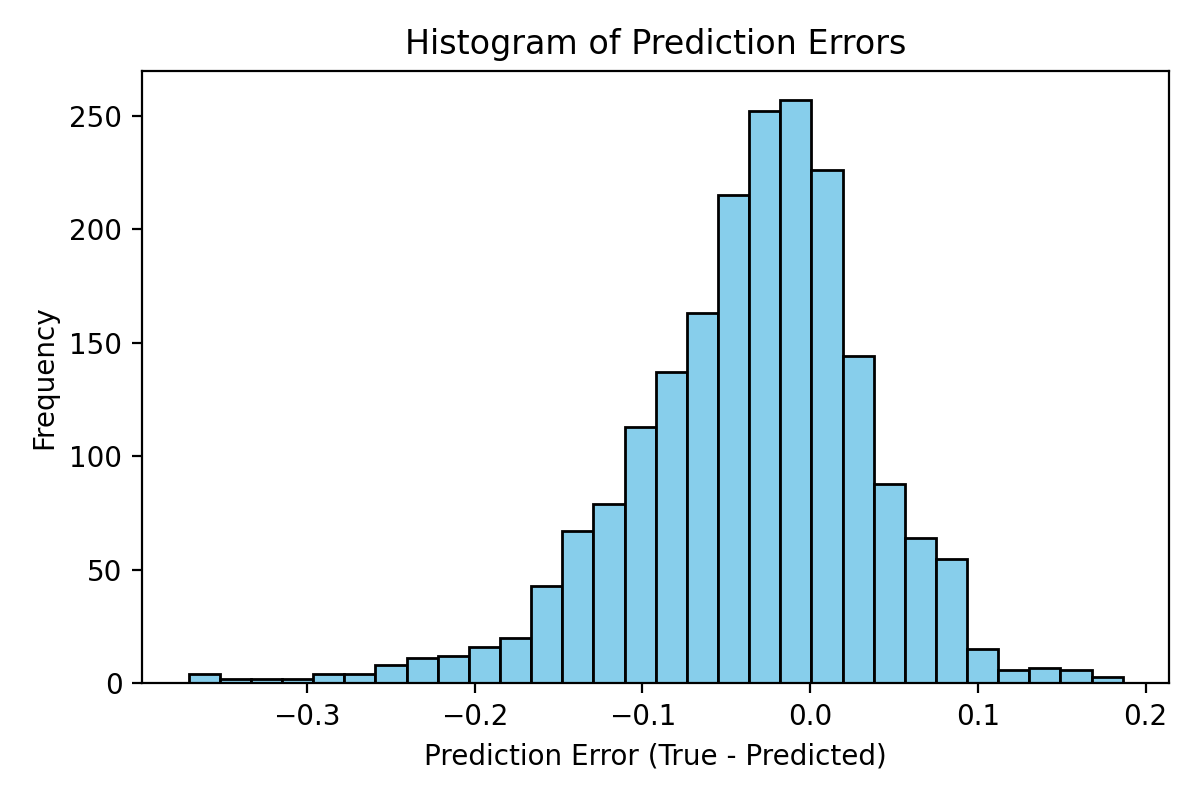
Figure 6: Static-to-kinetic regime transfer evaluated via embedding and predictive performance.
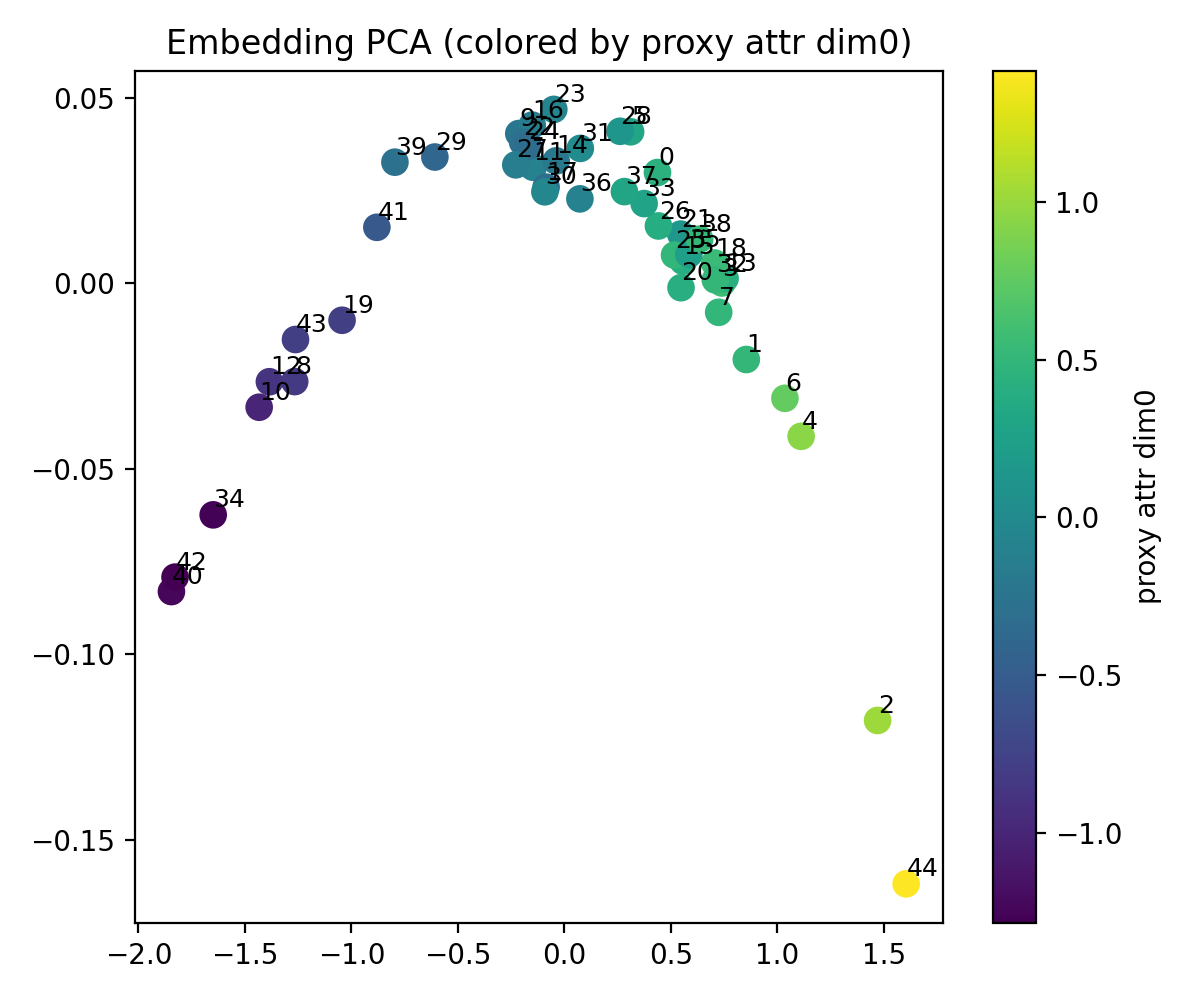
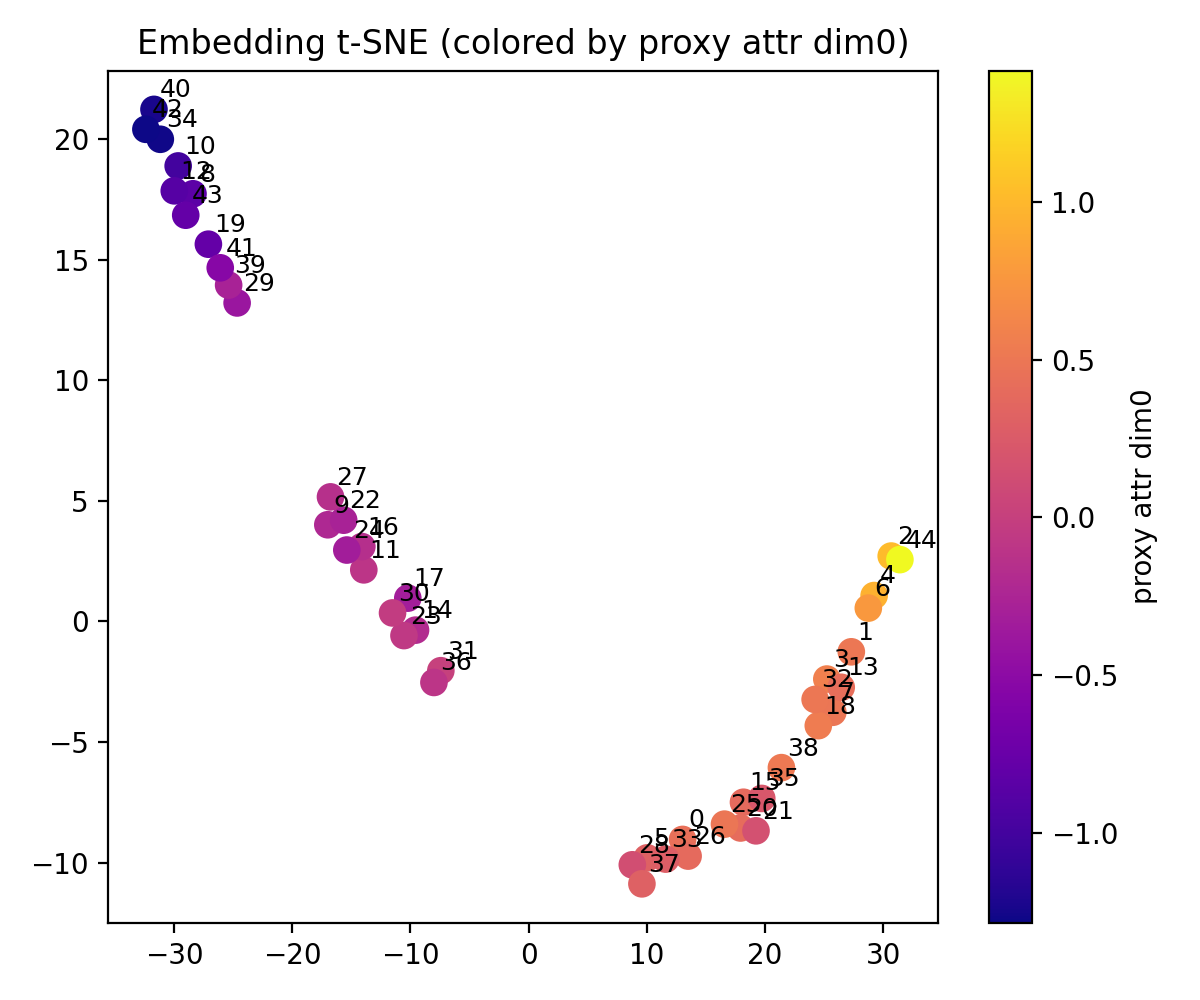
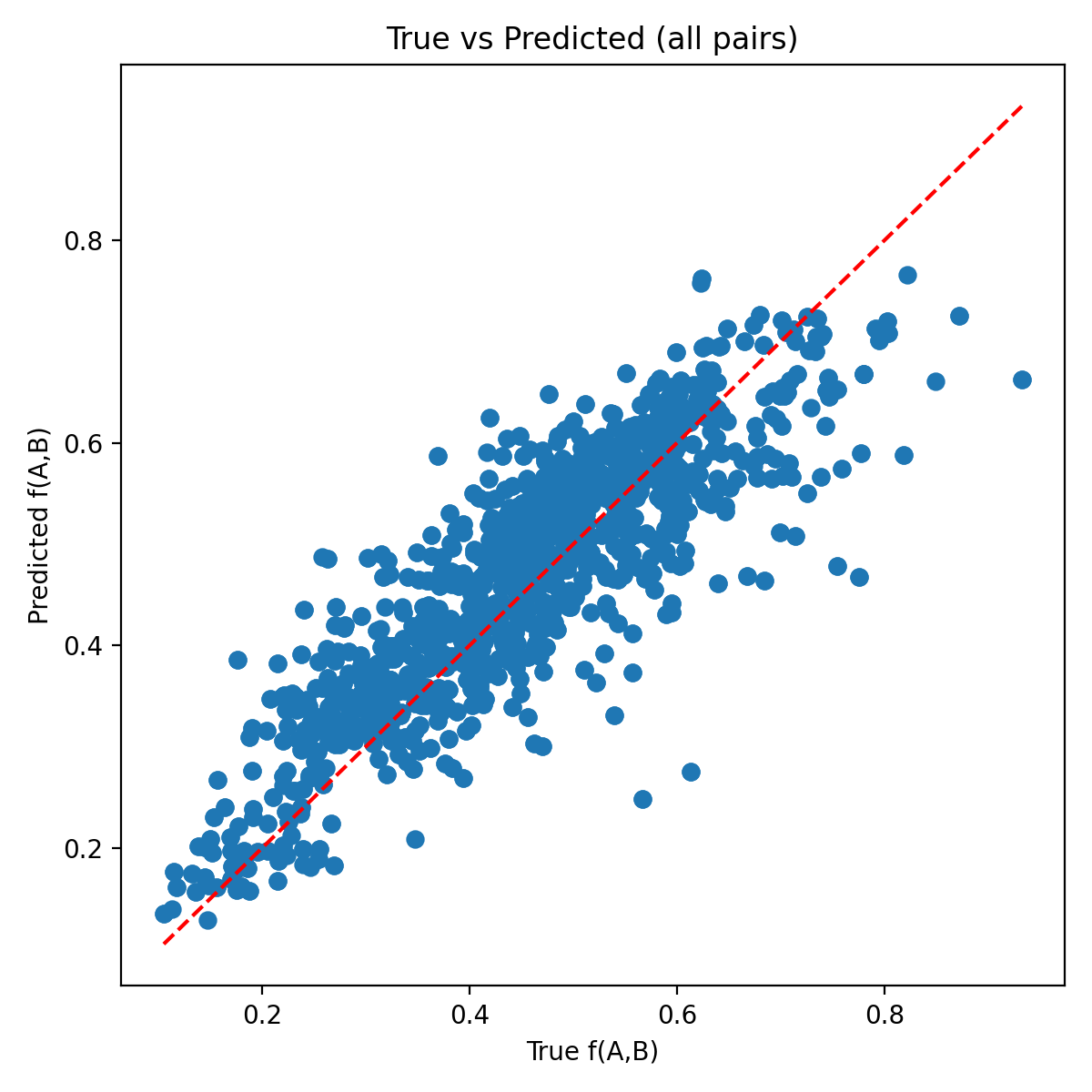
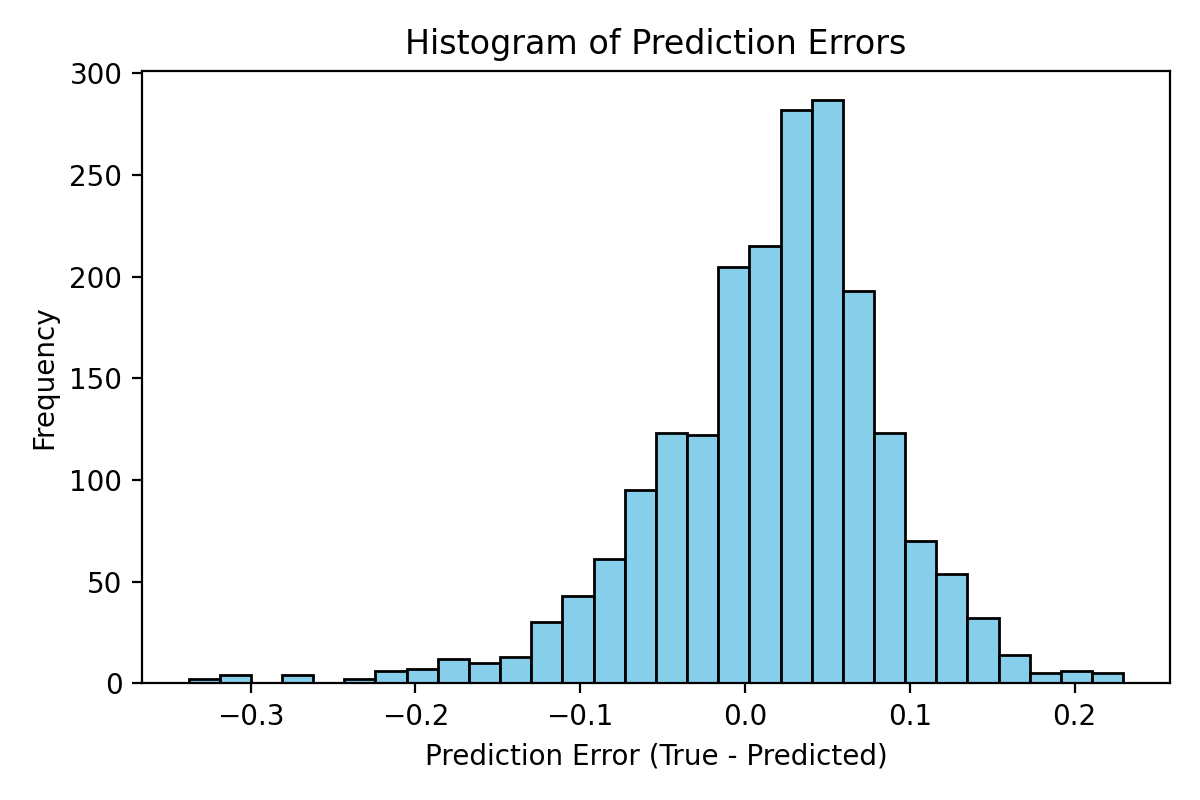
Figure 7: Dedicated kinetic friction model with improved embedding and prediction accuracy.
Proxy selection for kinetic friction closely mirrors the static regime, with mask optimization yielding identical optimal proxies.
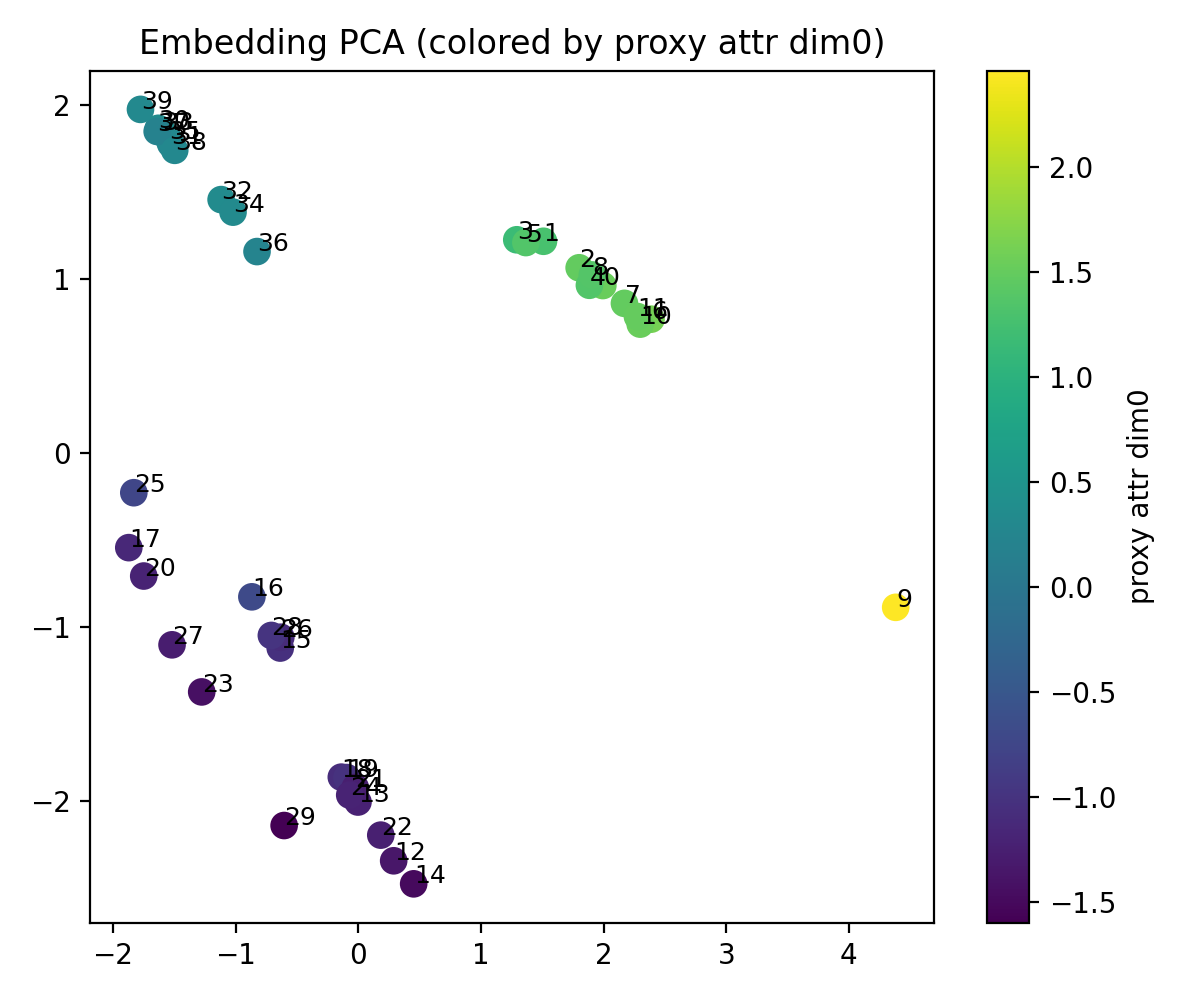
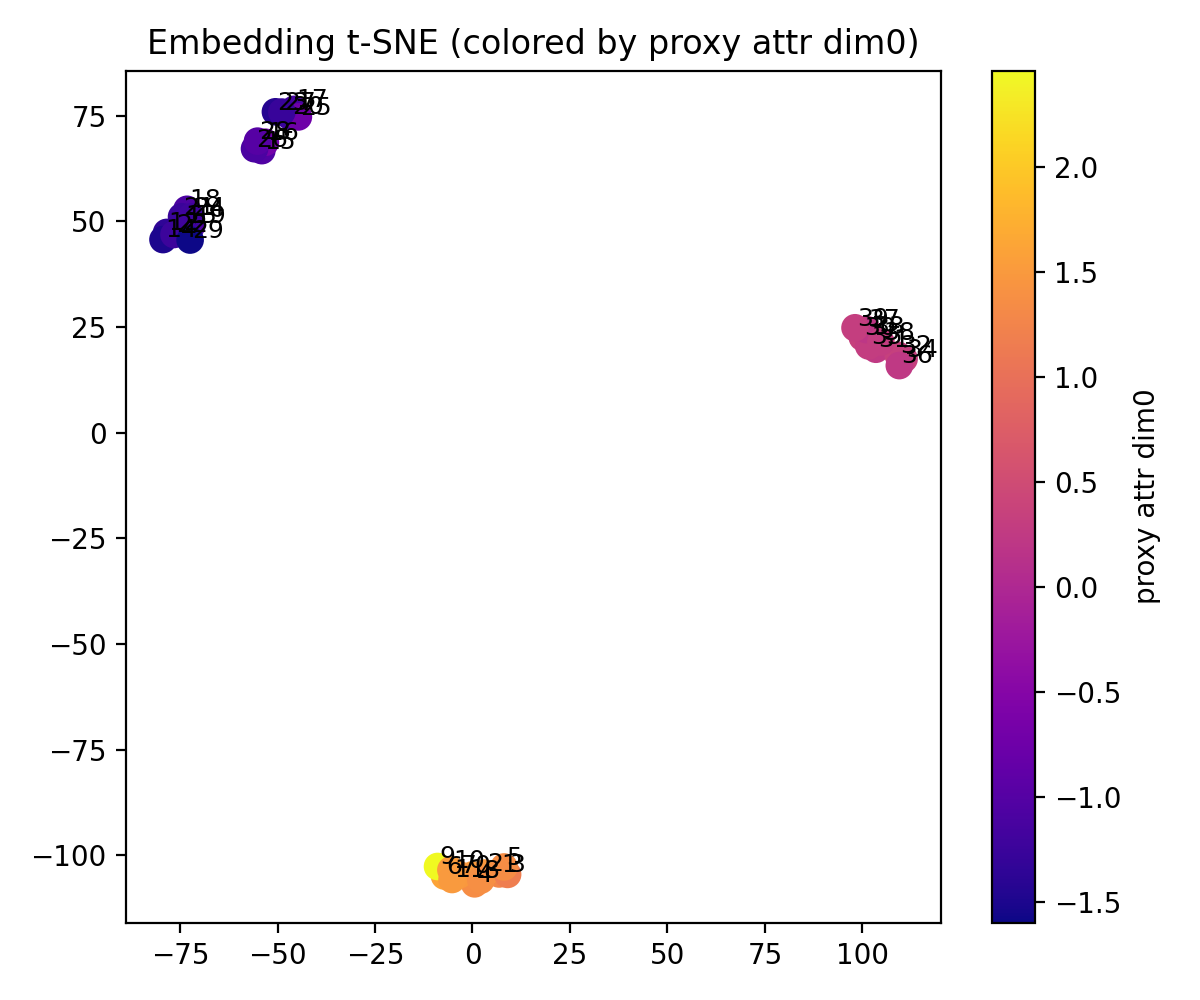
Figure 8: RRQR proxy selection for kinetic friction, paralleling static regime structure.
Figure 9: Mask-optimization achieves minimal proxy selection matching static regime results.
Joint embedding models trained on both static and kinetic friction demonstrate that unified latent representations efficiently capture regime variability without loss of predictive fidelity.
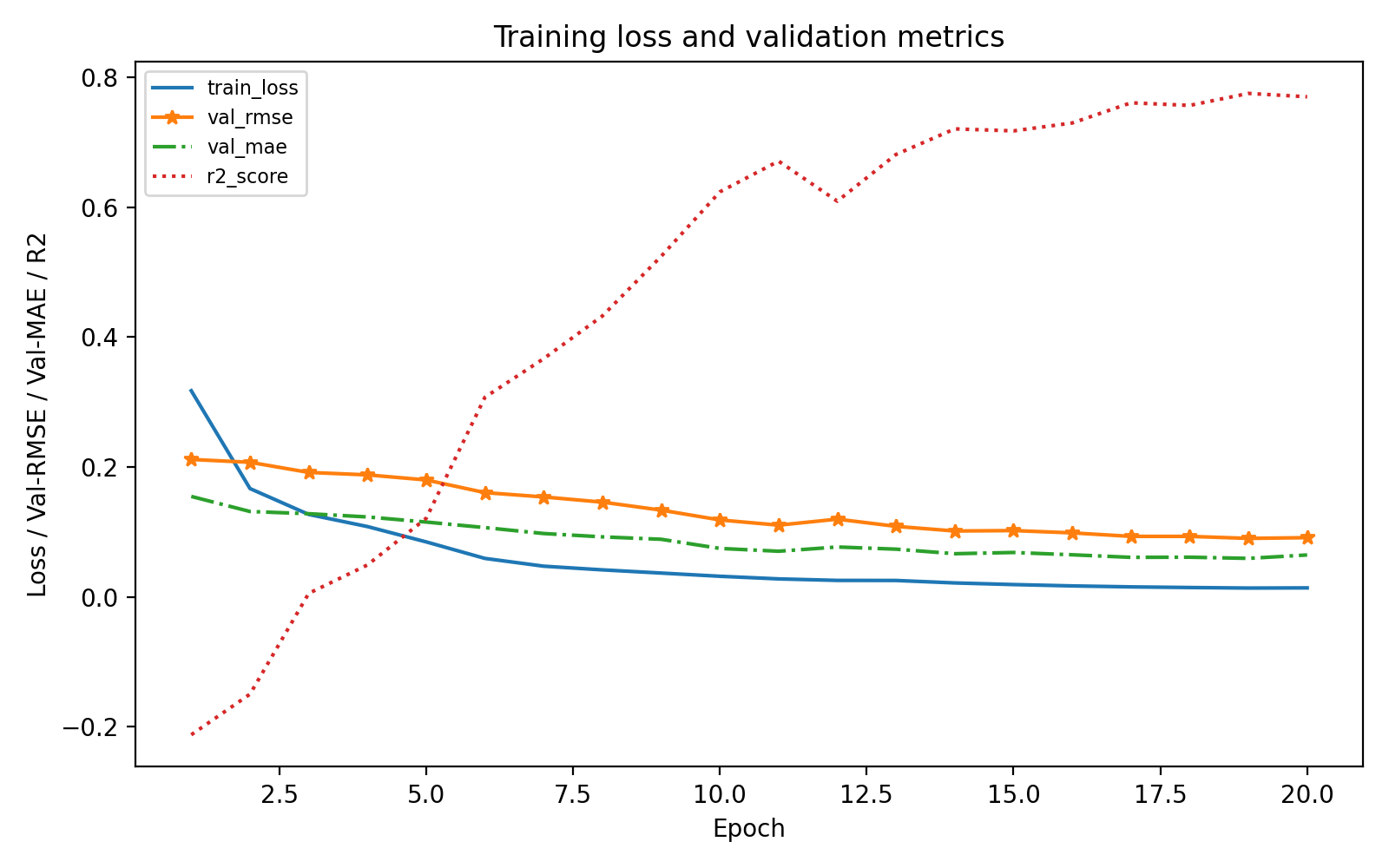
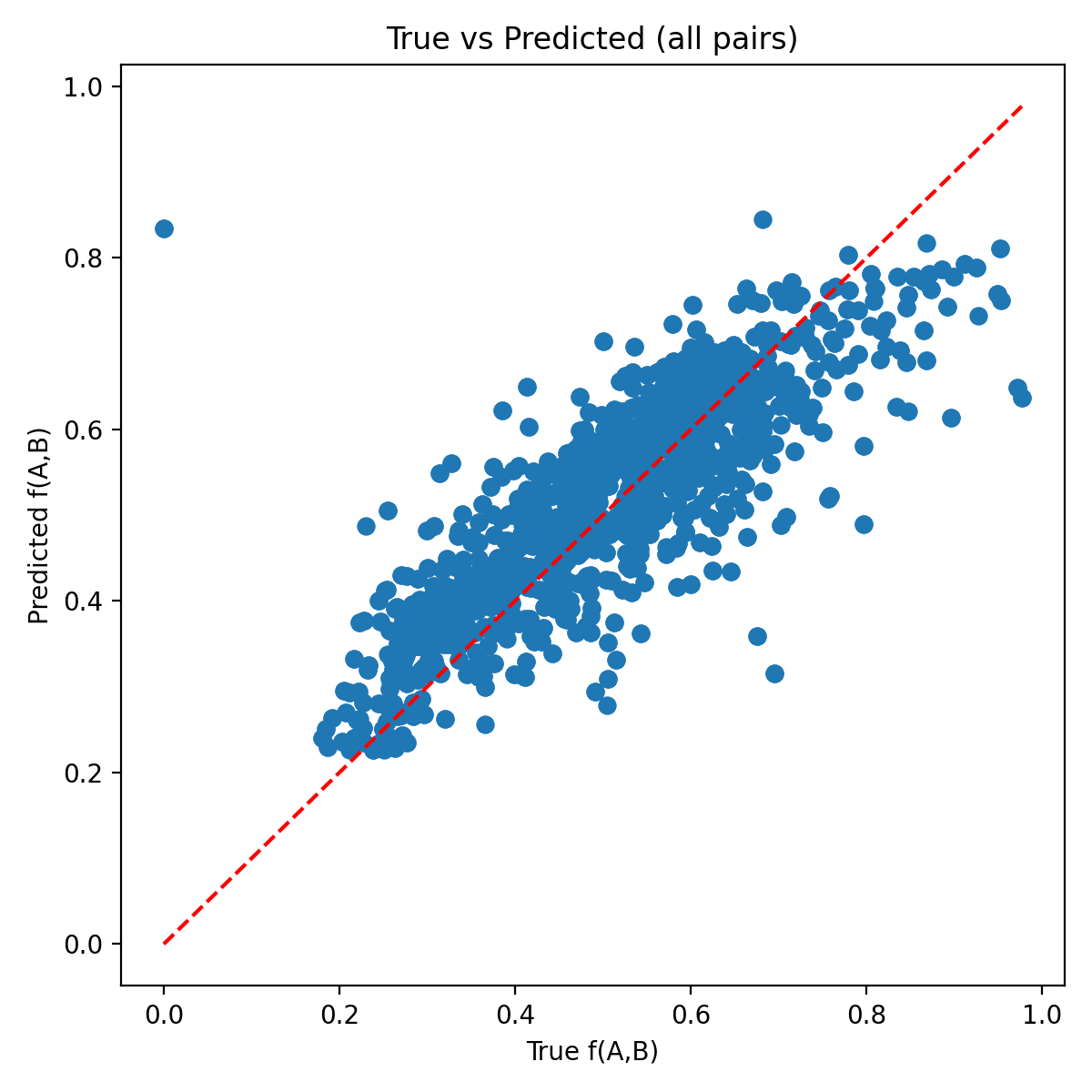
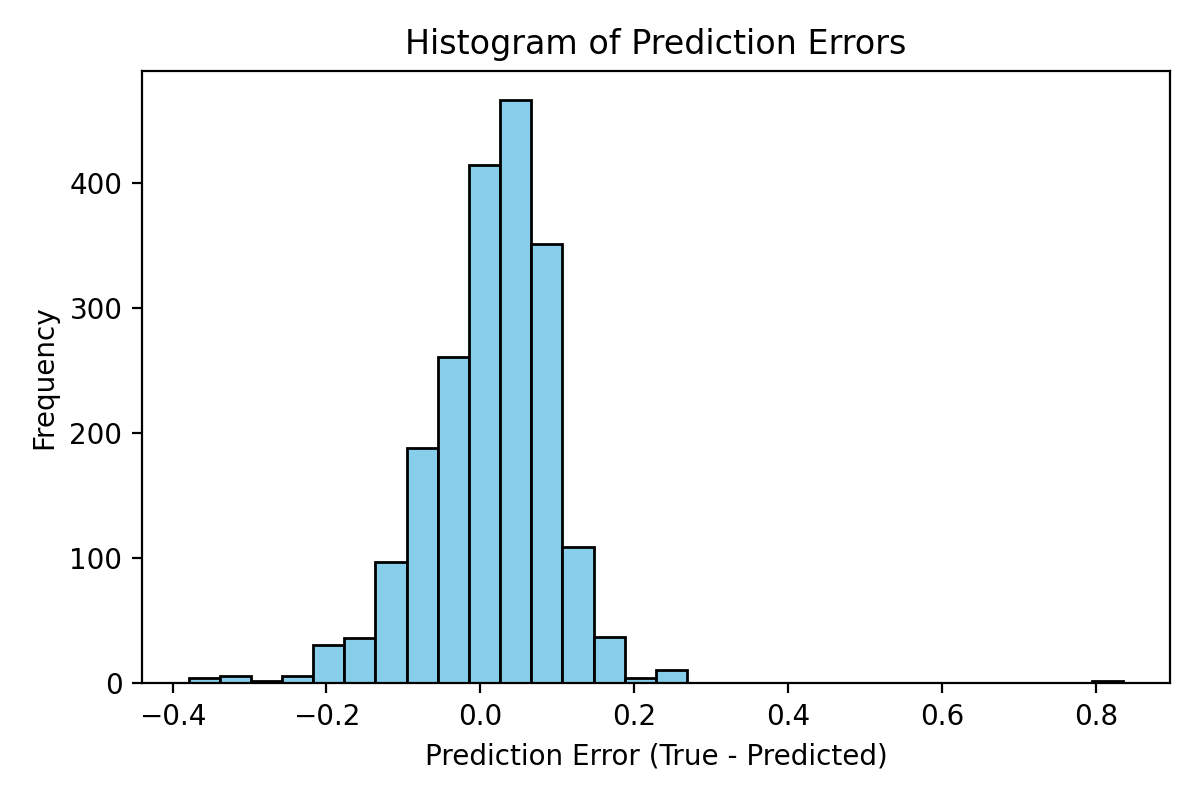
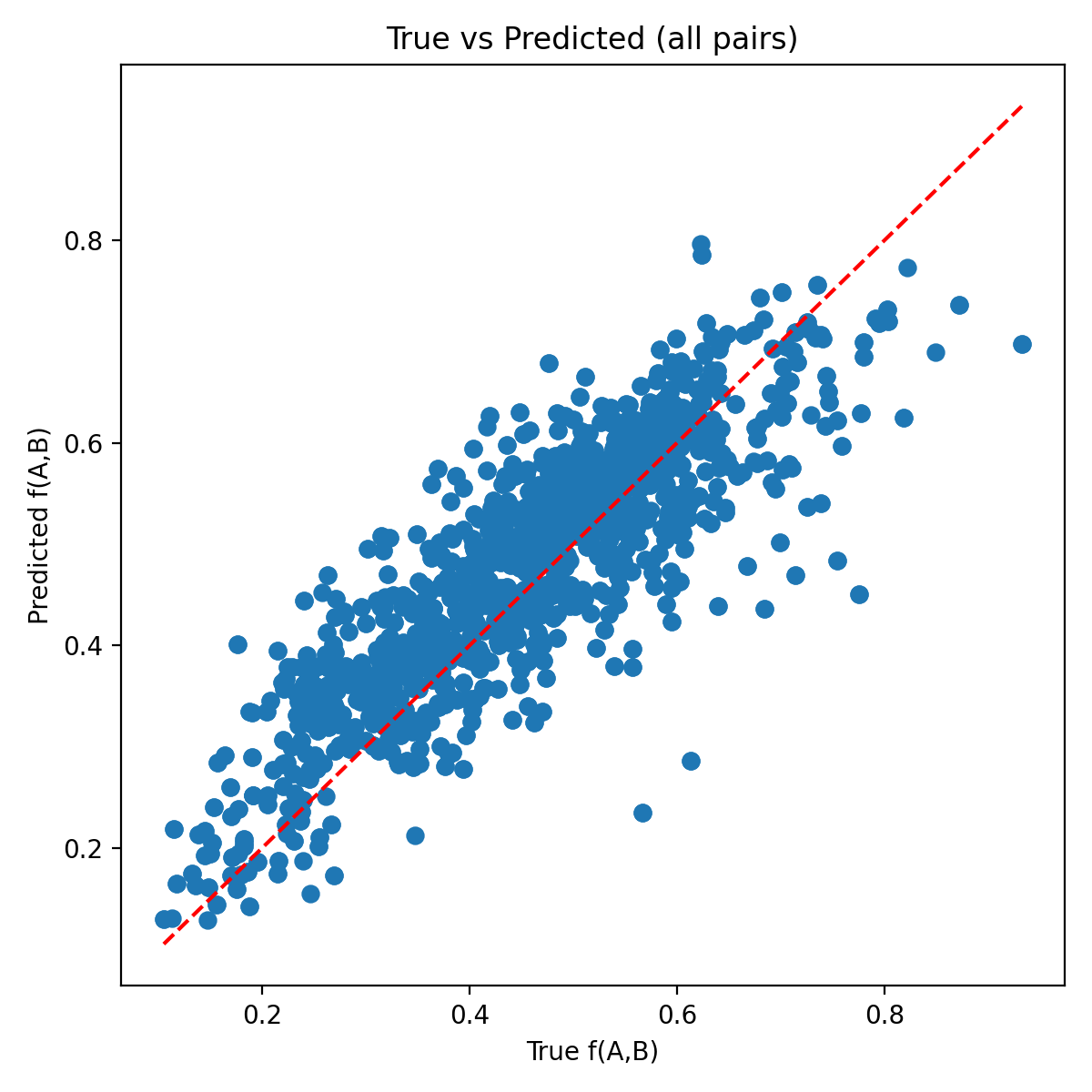
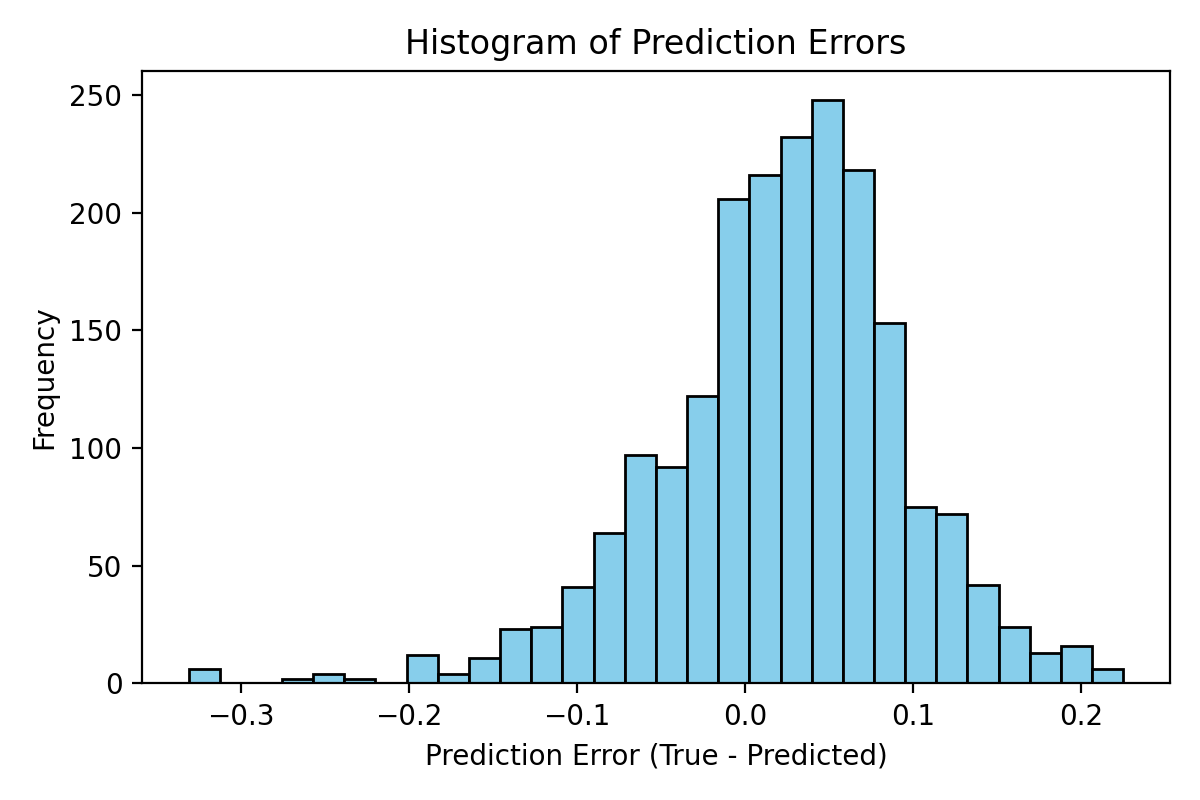
Figure 10: Joint static/kinetic embedding shows high accuracy and structure preservation across friction regimes.
Anisotropic friction data—direction-resolved and sparsely populated—are accommodated with multi-channel embeddings. Models achieve robust clustering and accurate prediction for intra-class pairs. Out-of-distribution performance for withheld knit-woven submatrices is degraded (wider error histograms), underscoring sensitivity to direct supervision and residual sparsity.
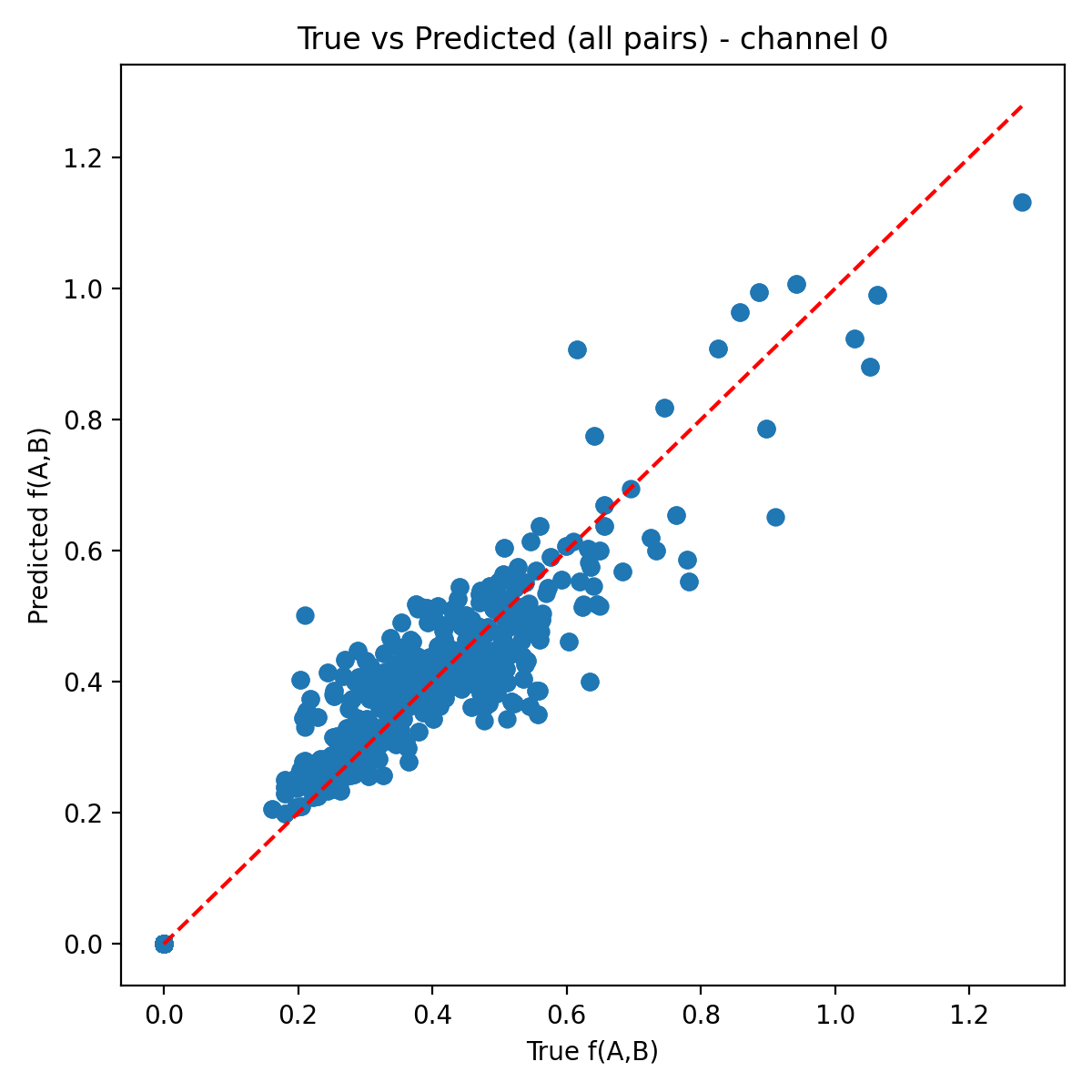
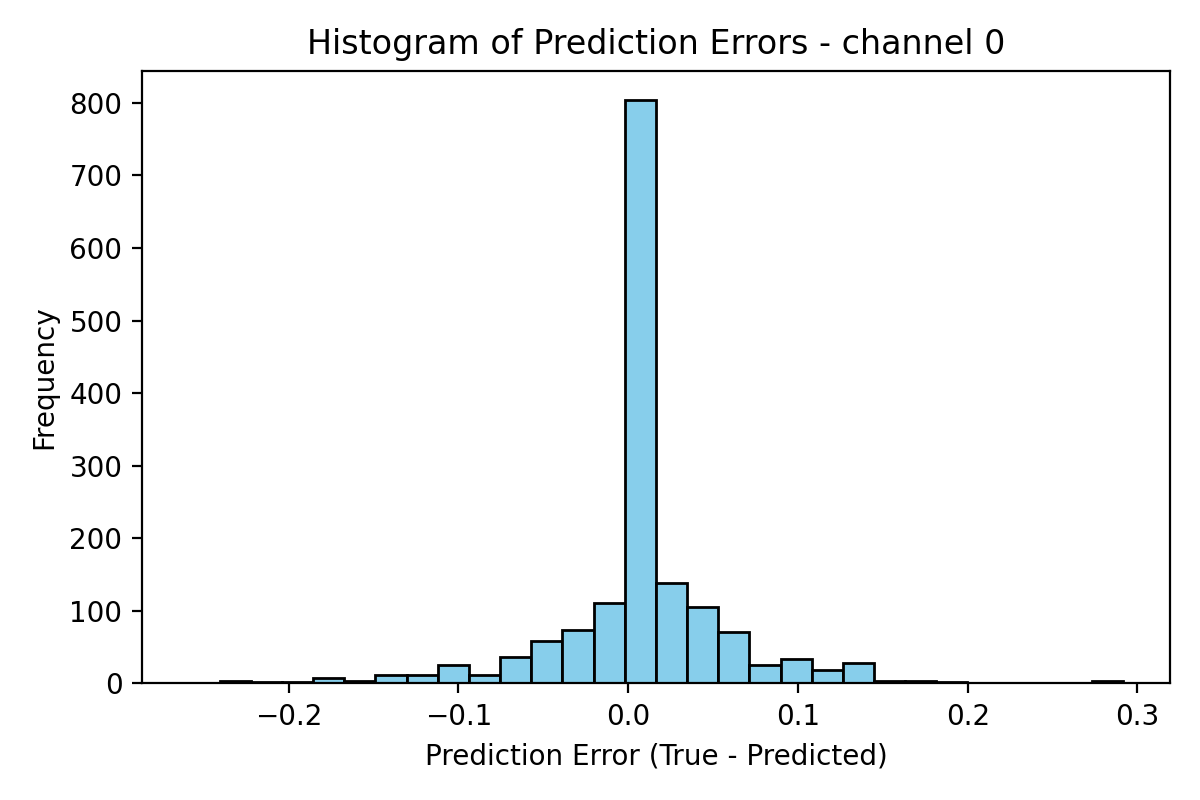
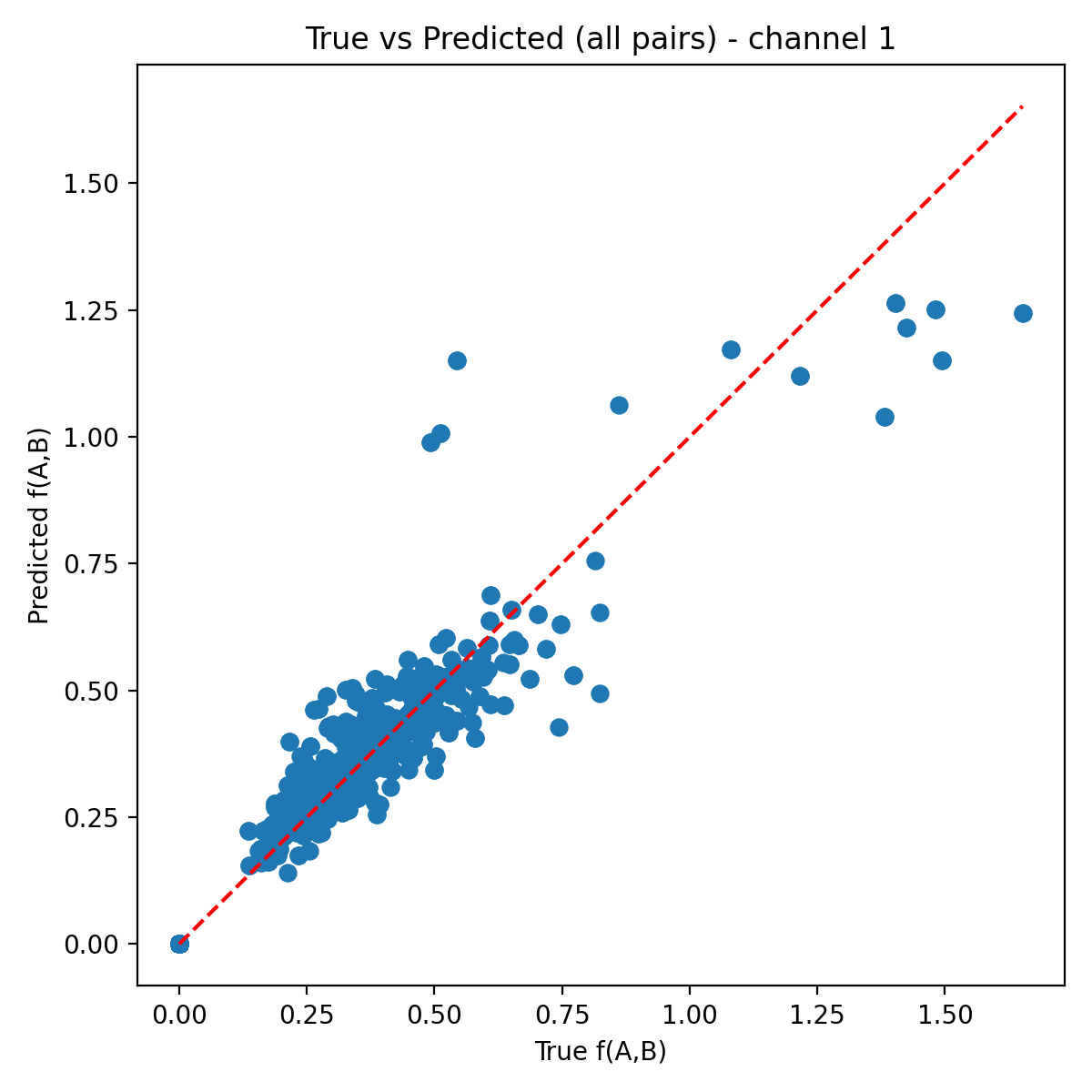
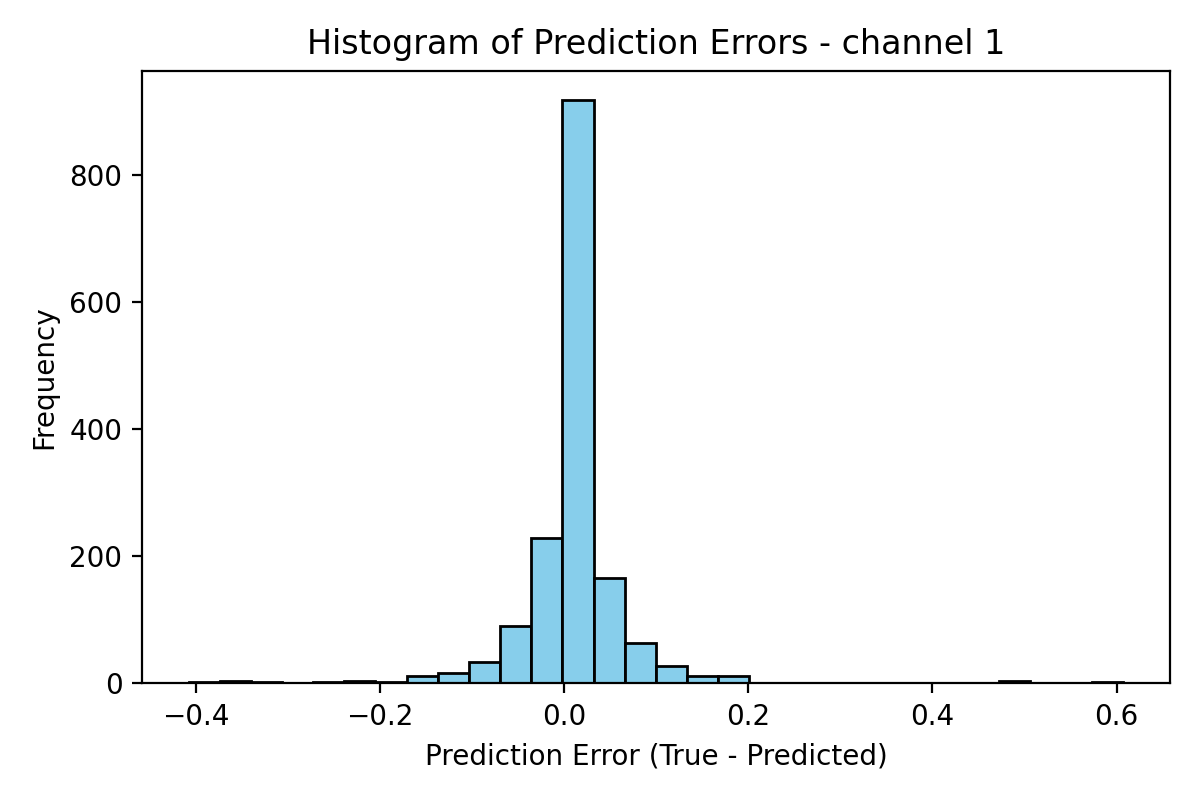
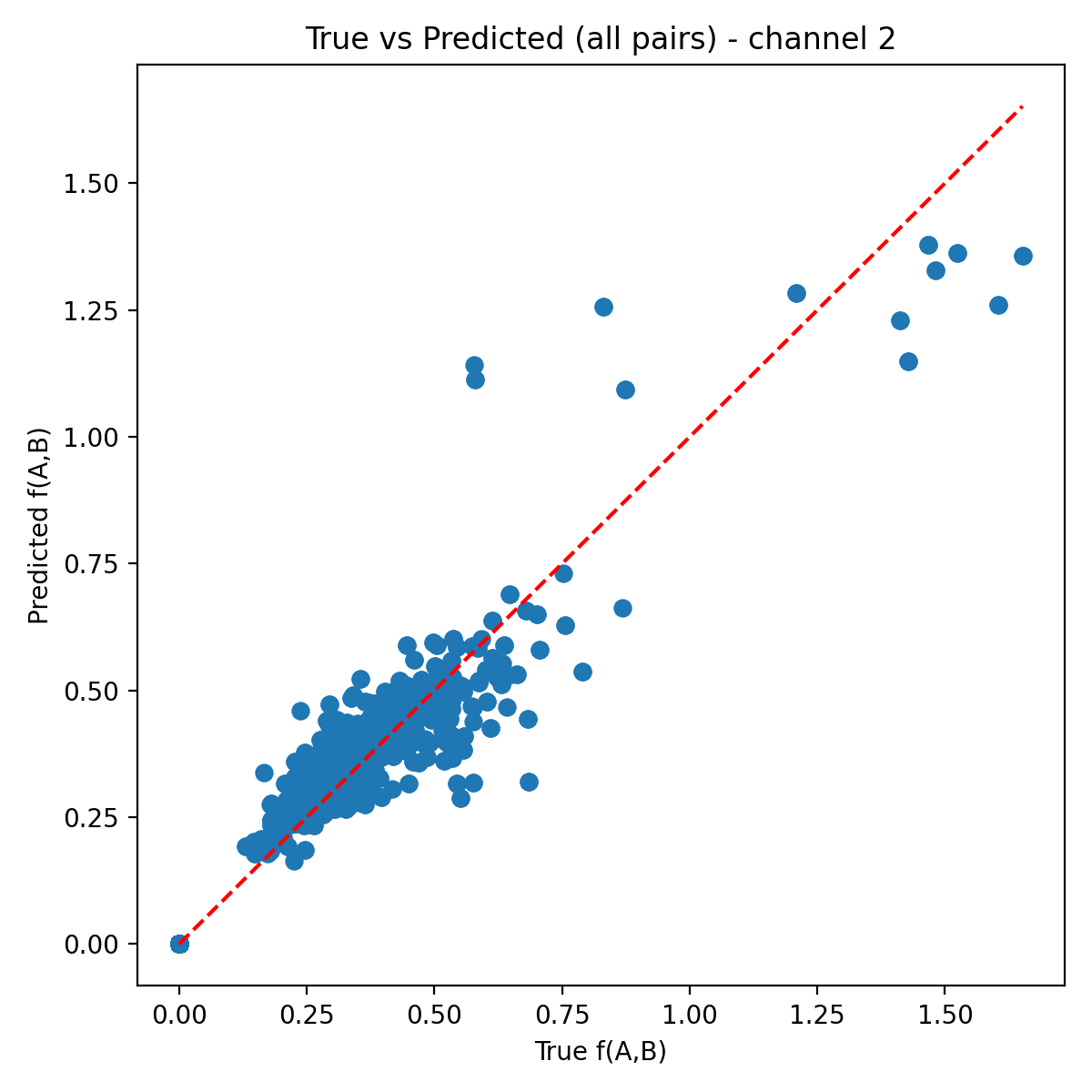
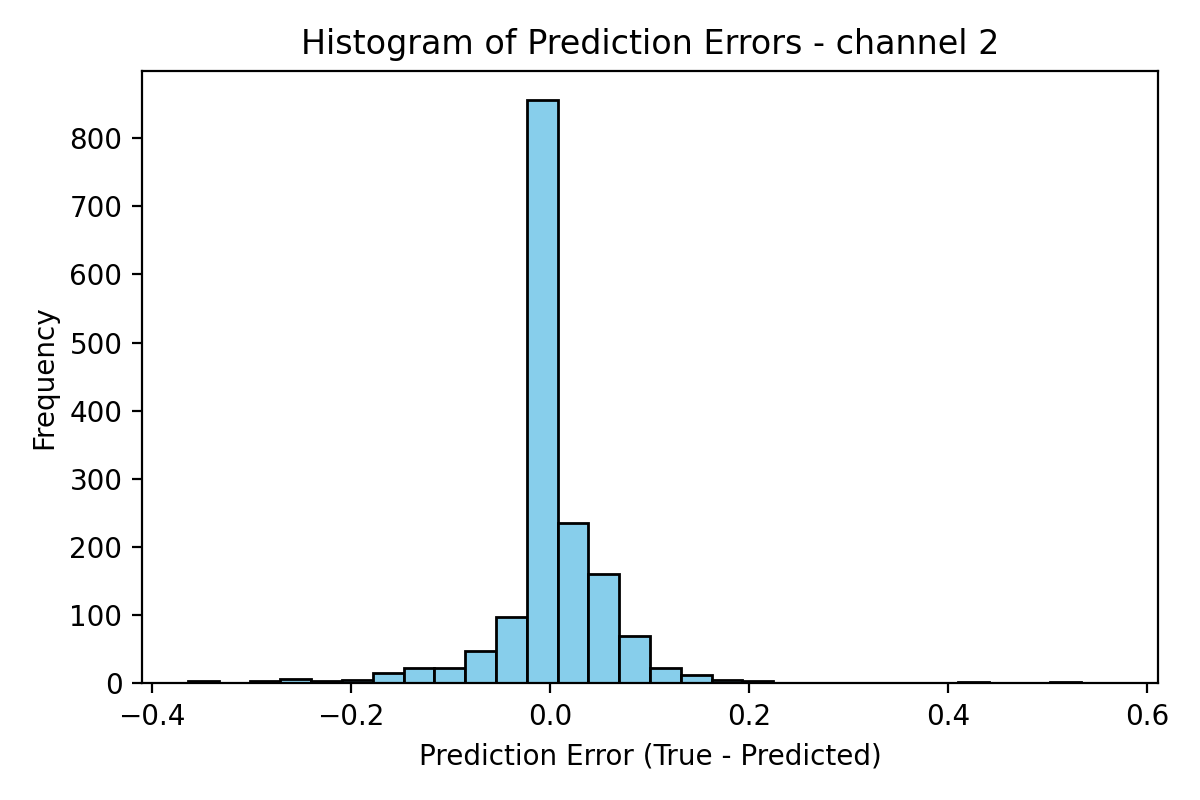
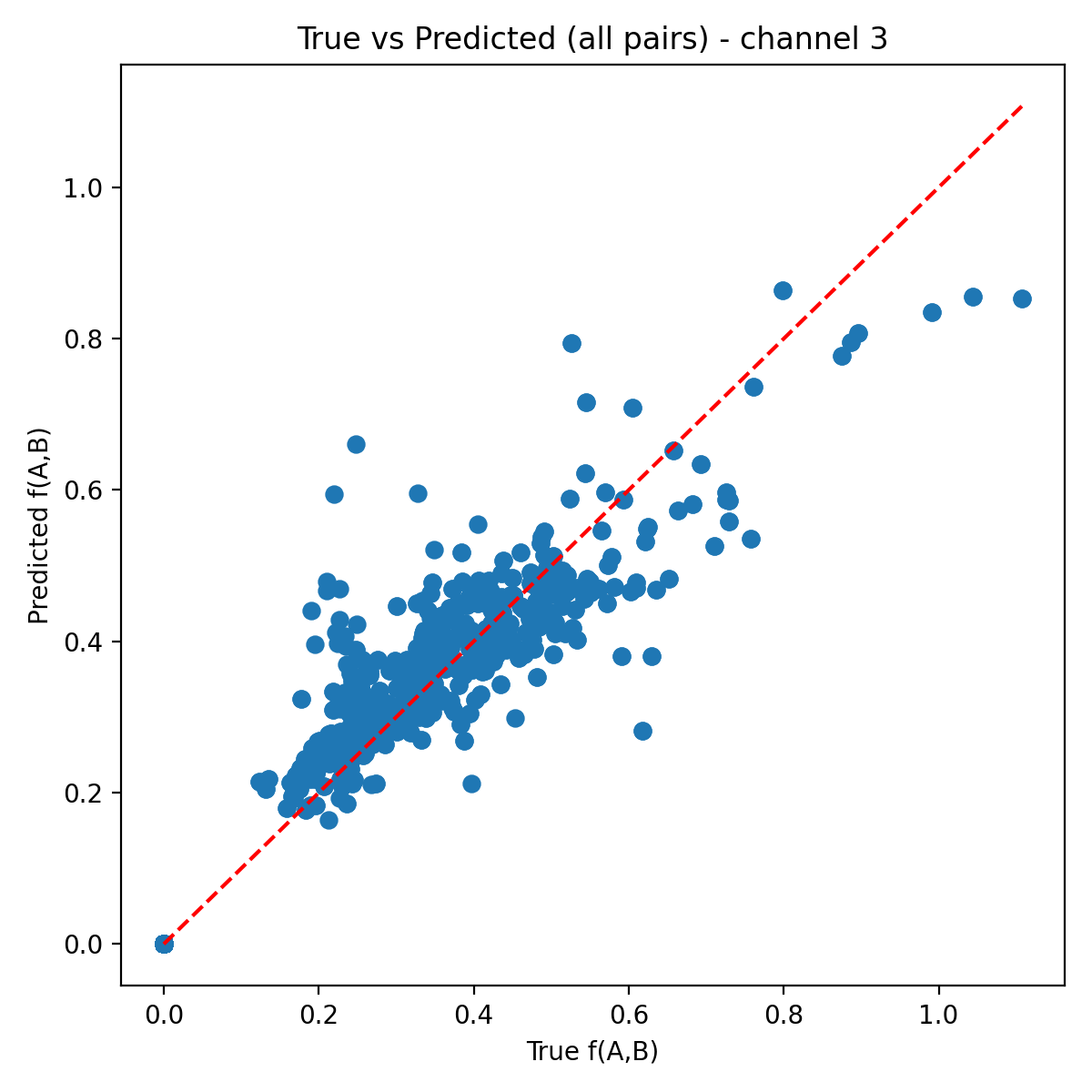
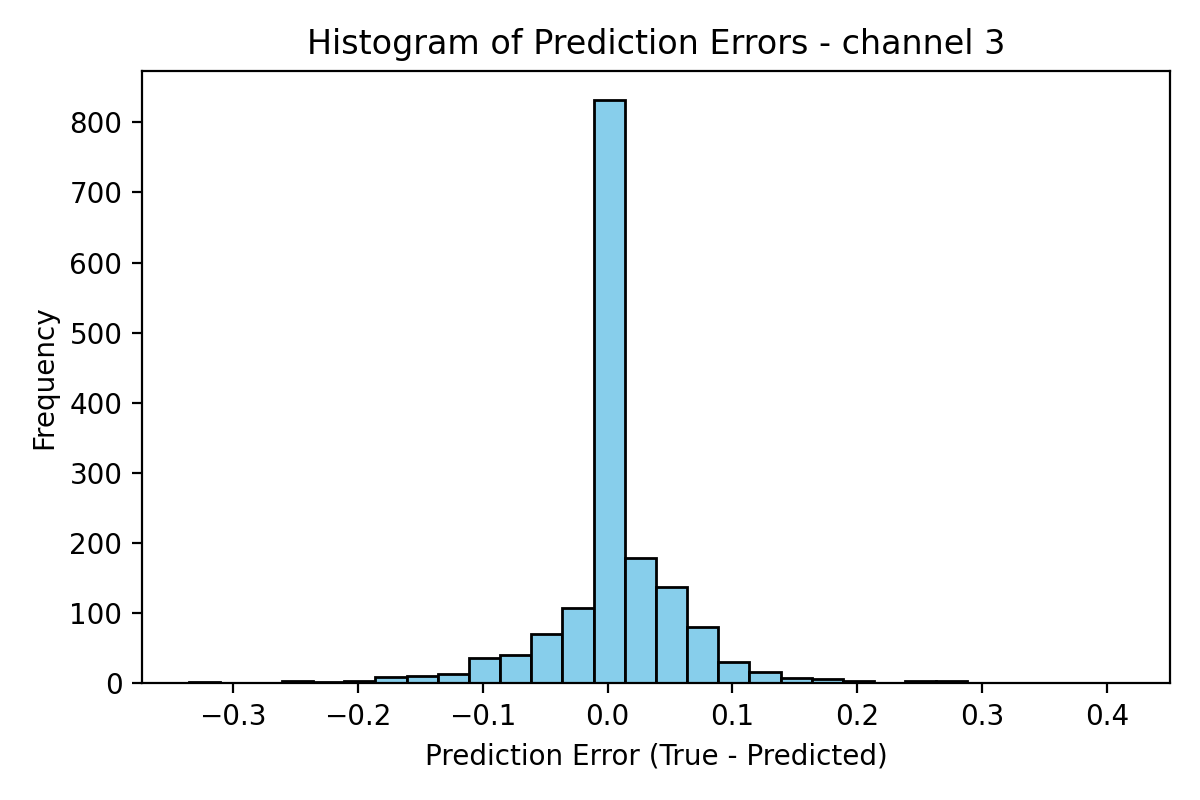
Figure 11: Anisotropic multi-channel joint embedding delivers regime/direction fidelity.
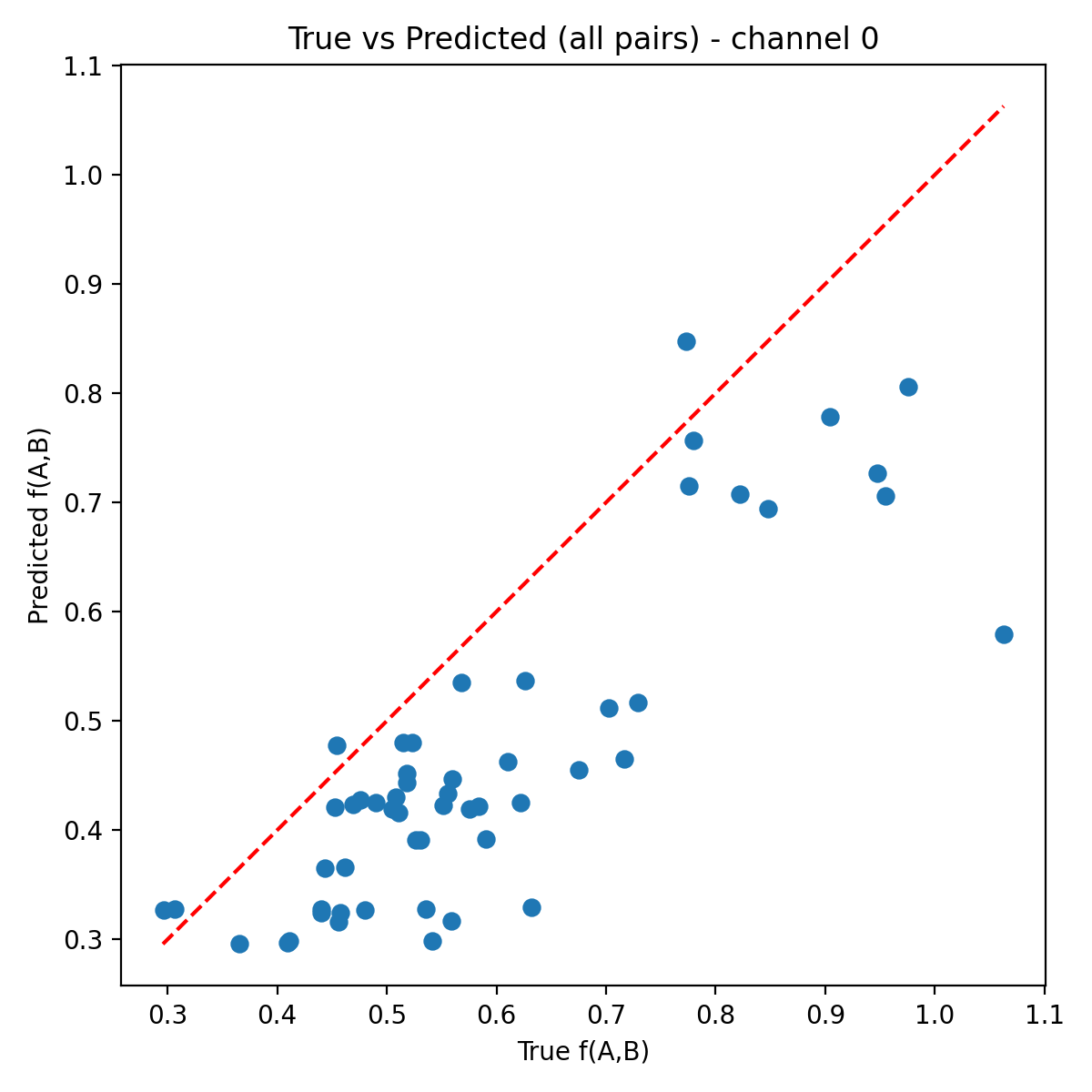
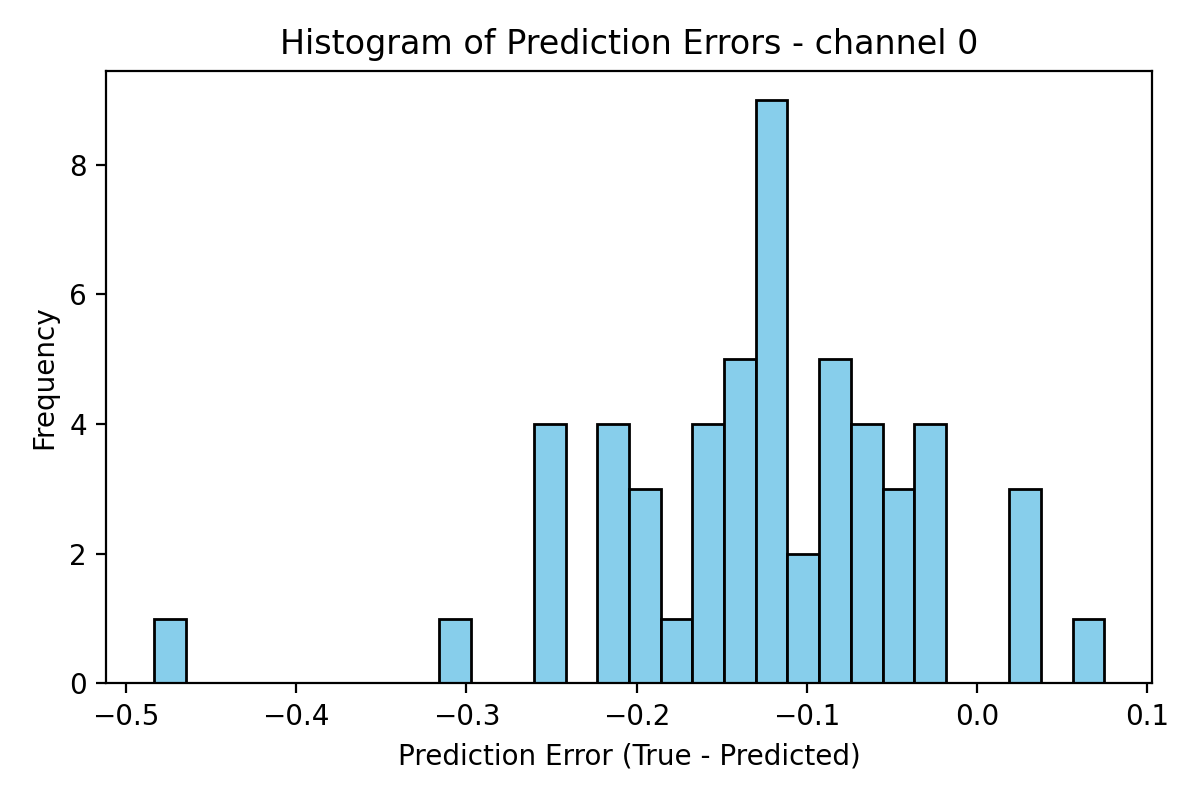
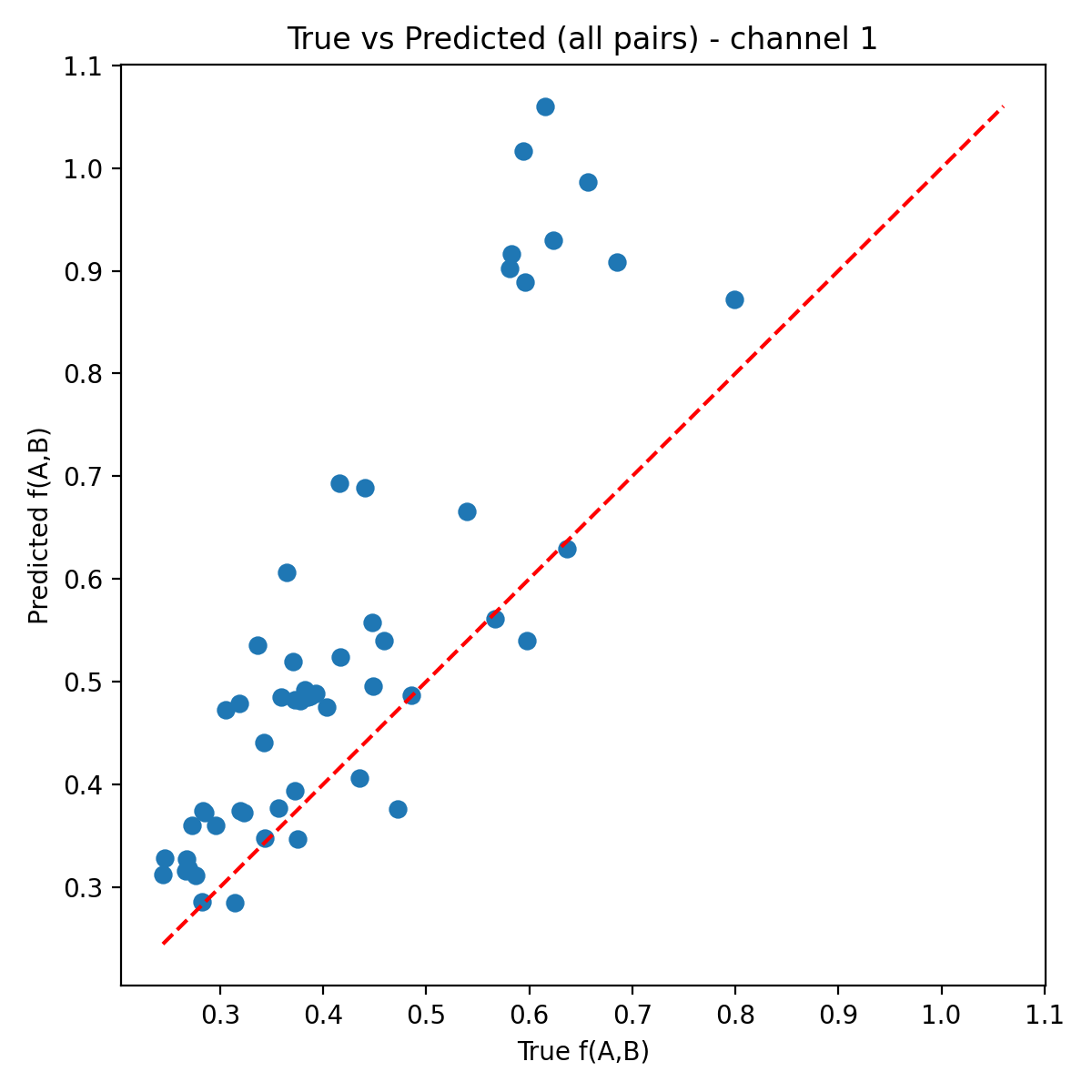
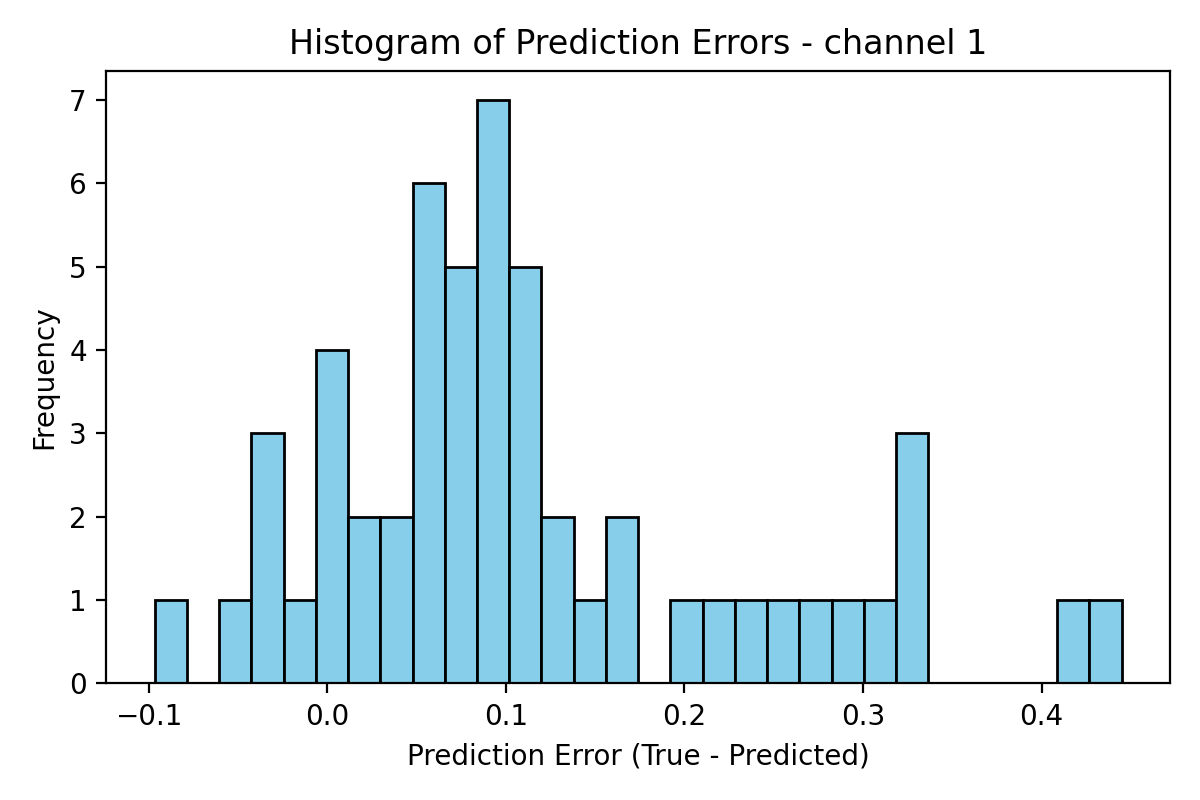
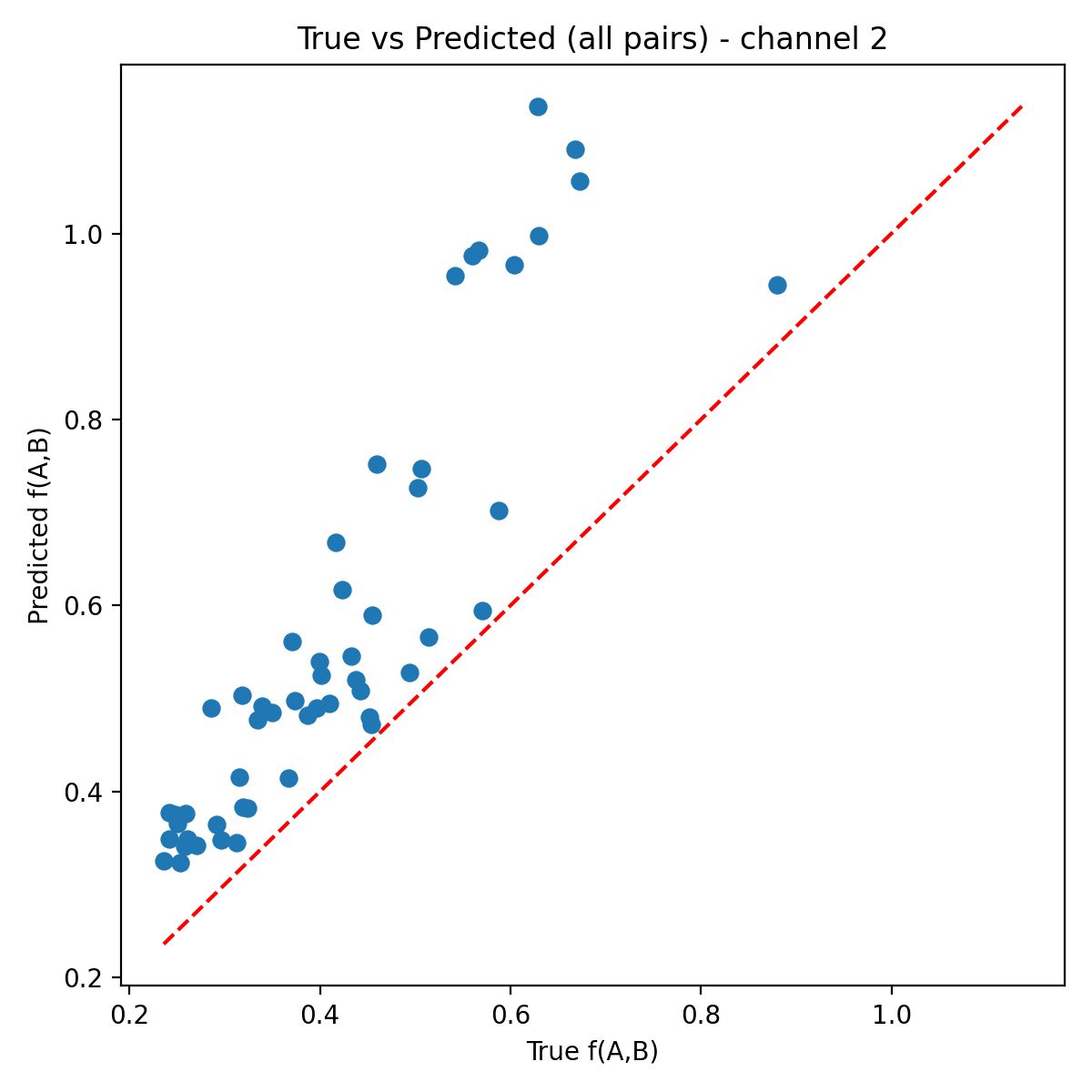
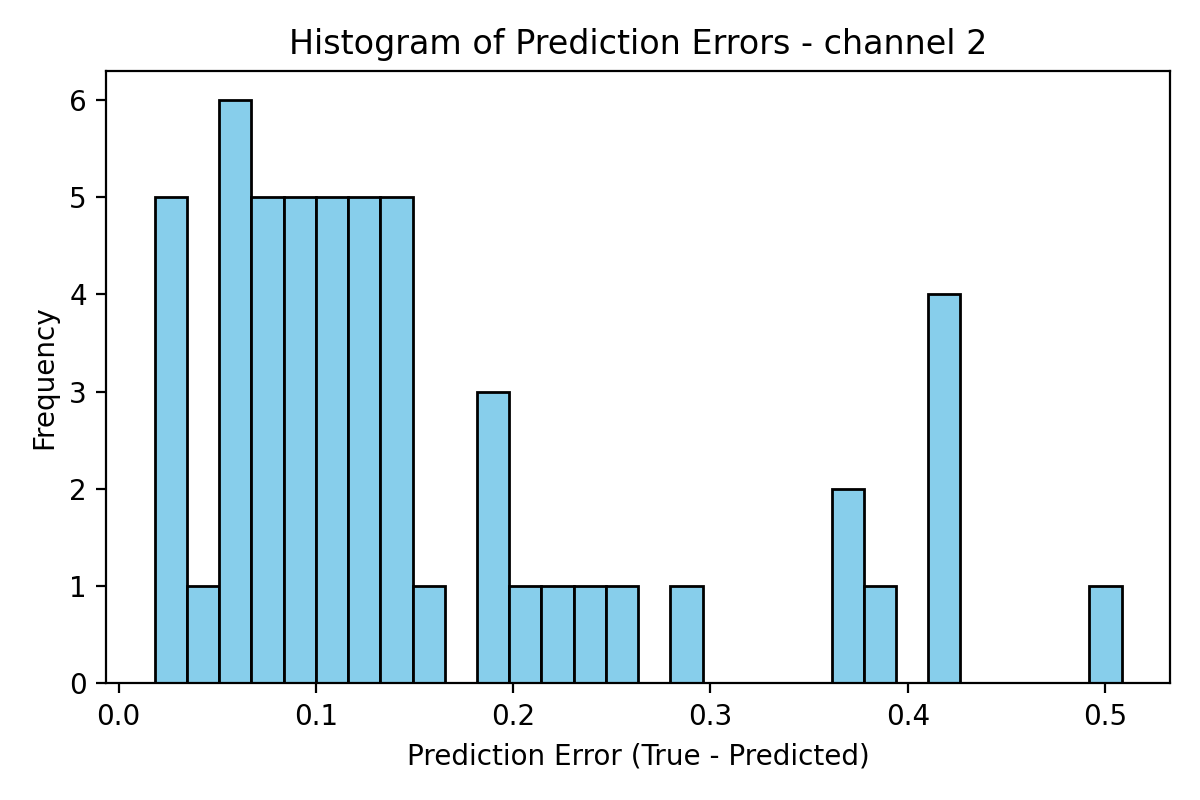
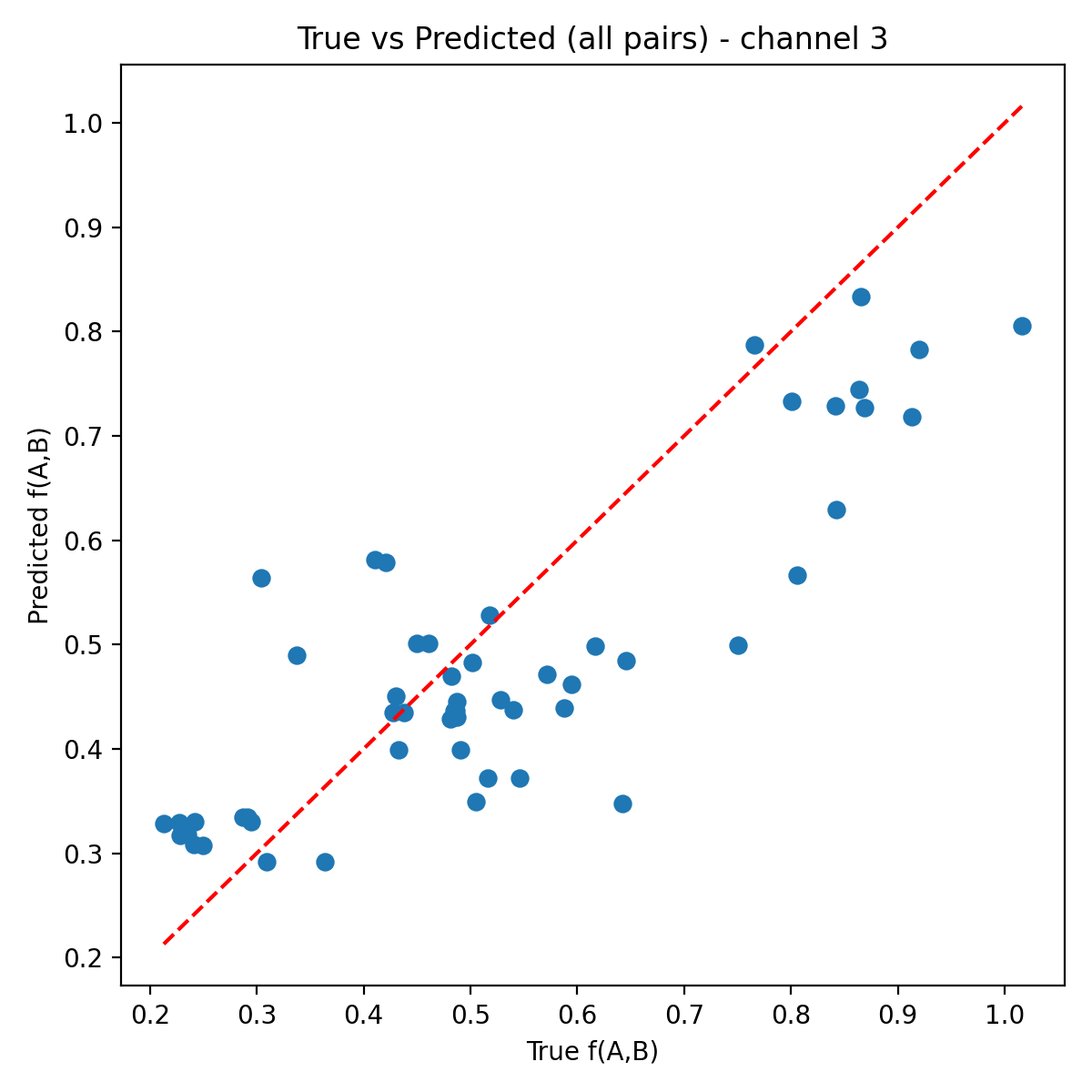
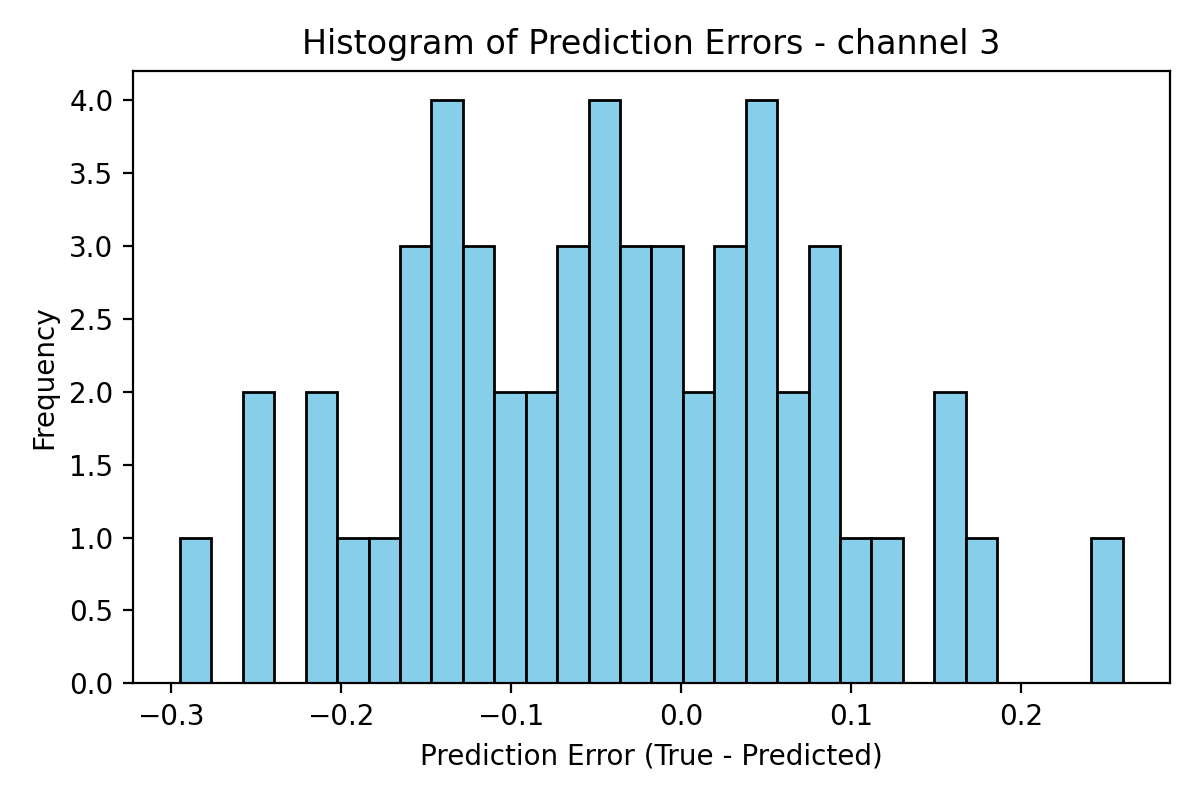
Figure 12: Out-of-distribution evaluation highlights reduced accuracy for unseen knit-woven pairs.
Practical and Theoretical Implications
The proxy embedding framework generalizes friction coefficient estimation with a dramatic reduction in measurement complexity (f(A,B)9 to zA0), preserving interpretability via proxy contribution analysis. Robust handling of missing or noisy data enables integration into materials informatics pipelines and physically-based simulation frameworks. Probabilistic fusion with calibrated uncertainty is critical for safe robotics deployment.
The empirical low-rank structure of friction matrices across heterogeneous material libraries supports theoretical modeling of interfacial mechanics as a low-dimensional interaction space. Transferability across friction regimes and universal proxy selection suggest broad applicability.
Limitations and Future Directions
The approach remains fundamentally data-driven; embeddings lack mechanistic interpretability and assume stationarity and symmetry, which may be invalid for certain pairs or conditions. Proxy set selection critically impacts accuracy. Improvements in measurement coverage, expansion to multimodal descriptors, and physics-informed priors present ongoing research directions. Active proxy acquisition—guided by epistemic uncertainty—offers potential for adaptive experimental design.
Conclusion
This work systematically develops a proxy-based latent embedding and fusion framework that reduces the quadratic complexity of friction coefficient estimation to near linear scaling, with robust generalization to unseen material pairs and regimes. Embedding preservation, low-rank matrix analysis, and task-aligned optimization underpin practical surrogate modeling of frictional interactions for robotics, fabrication, and simulation. The methodology delivers a data-efficient, interpretable, and uncertainty-calibrated approach, with the potential for extension to broader material informatics and automated experimental design domains.

