- The paper demonstrates that recurrent novae in M31, identified via precise astrometric cross-correlation, challenge the classical MMRD relation with their faint and fast outbursts.
- The paper employs rigorous photometric and spectroscopic analyses to reveal that half of the confirmed M31 RNe recur in under 10 years, contrasting with Galactic outbursts.
- The paper highlights the importance of high-cadence surveys and coordinated follow-ups for accurately mapping nova populations and understanding white dwarf accretion processes.
The Recurrent Nova Population in M31
Introduction and Scientific Motivation
This study presents a comprehensive update and analysis of the recurrent nova (RN) population in M31, leveraging a catalog of over 1300 nova eruptions documented between 1909 and 2025. The investigation revisits and expands upon the previous systematic search for RNe in M31 [Shafter et al. 2015], focusing on identifying new RNe, refining spatial and photometric properties, and comparing the resulting population to both classical novae (CNe) and Galactic counterparts. The M31 nova system is particularly advantageous for such a study due to its large, equidistant sample and extensive temporal coverage by various wide-field transient surveys.
Data Set and Methodology
The analysis is based on positional cross-correlation of all known nova eruptions in M31, identifying candidate RNe through nearest-neighbor (NN) approaches with screening thresholds tailored to astrometric precision and survey era. Registration of archival imaging and calculation of local surface densities enable confirmation of recurrence and estimation of chance coincidence probabilities. The methodology incorporates both photometric and spectroscopic data, with particular attention to coordinated follow-up to classify ejecta and outburst characteristics.
The spatial distribution and completeness effects, as illustrated below, are critically discussed.
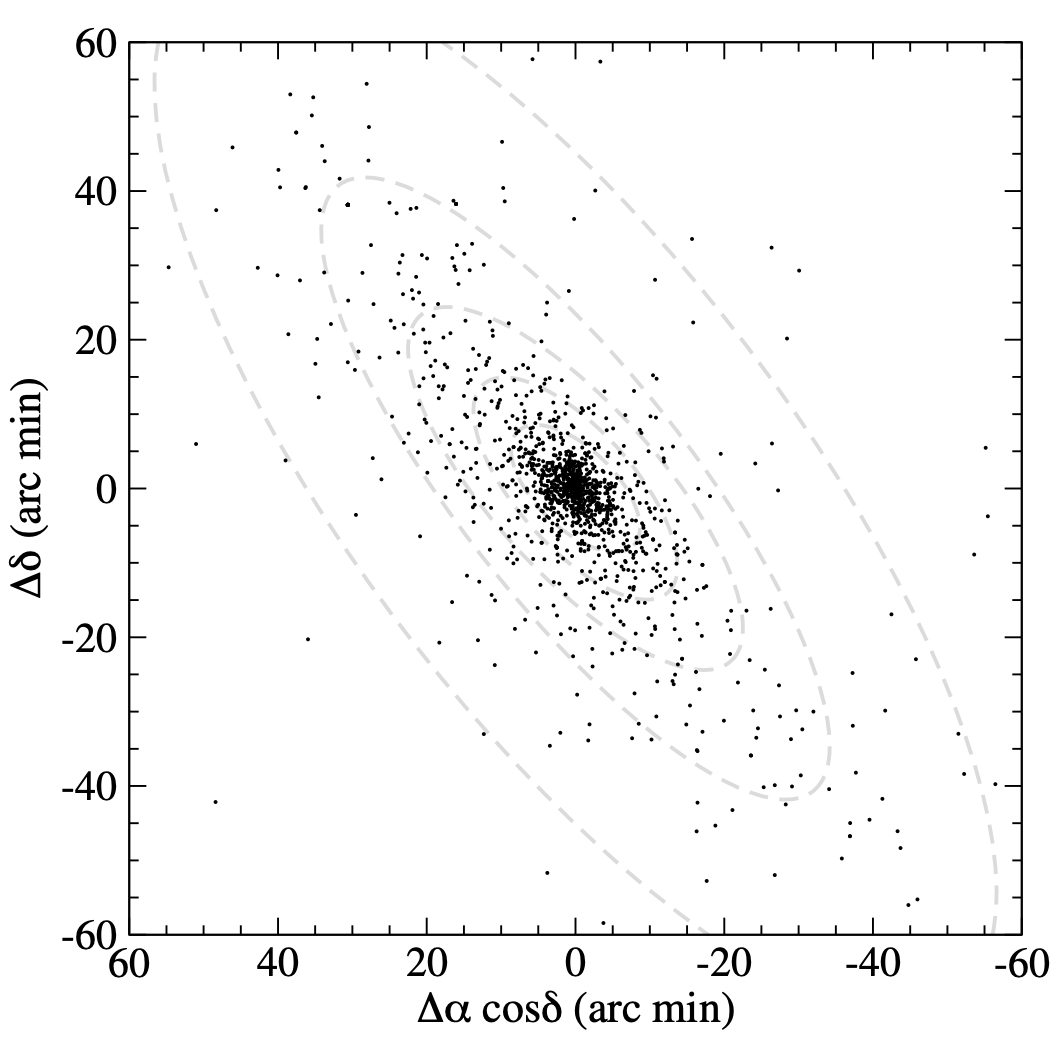
Figure 1: Apparent projected distribution of M31 nova candidates, highlighting the survey bias toward the bulge and the resultant non-representativity of the detected population’s true spatial distribution.
Identification and Confirmation of Recurrent Novae
The updated search yields a total of 22 robust RN systems in M31, incorporating seven newly confirmed systems identified over the past 12 years. For each candidate pair or group, high-accuracy astrometric registration is employed to discriminate genuine recurrences from chance alignments, with the excess of close pairs in the NN distribution confirming the efficacy of this approach.
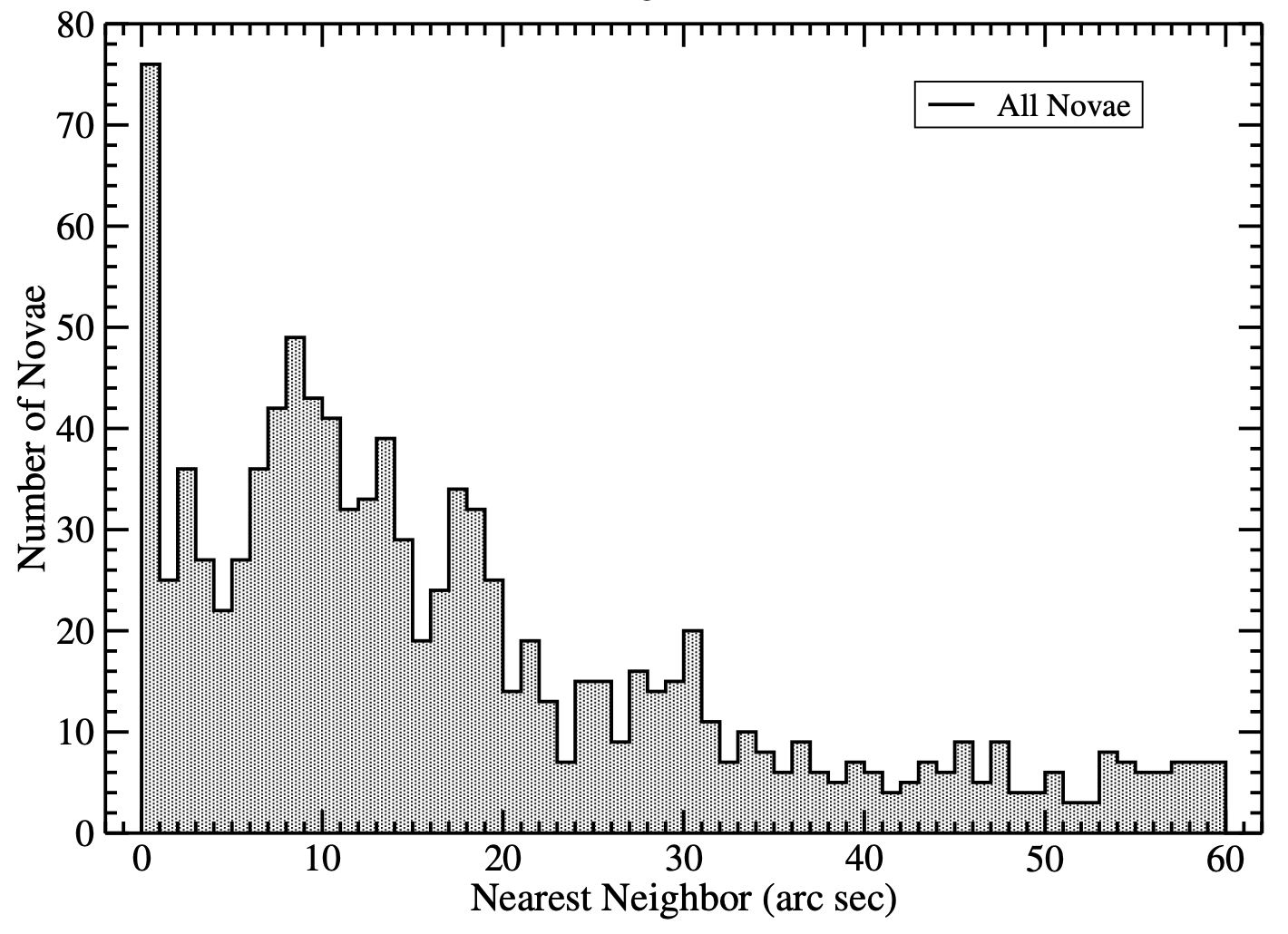
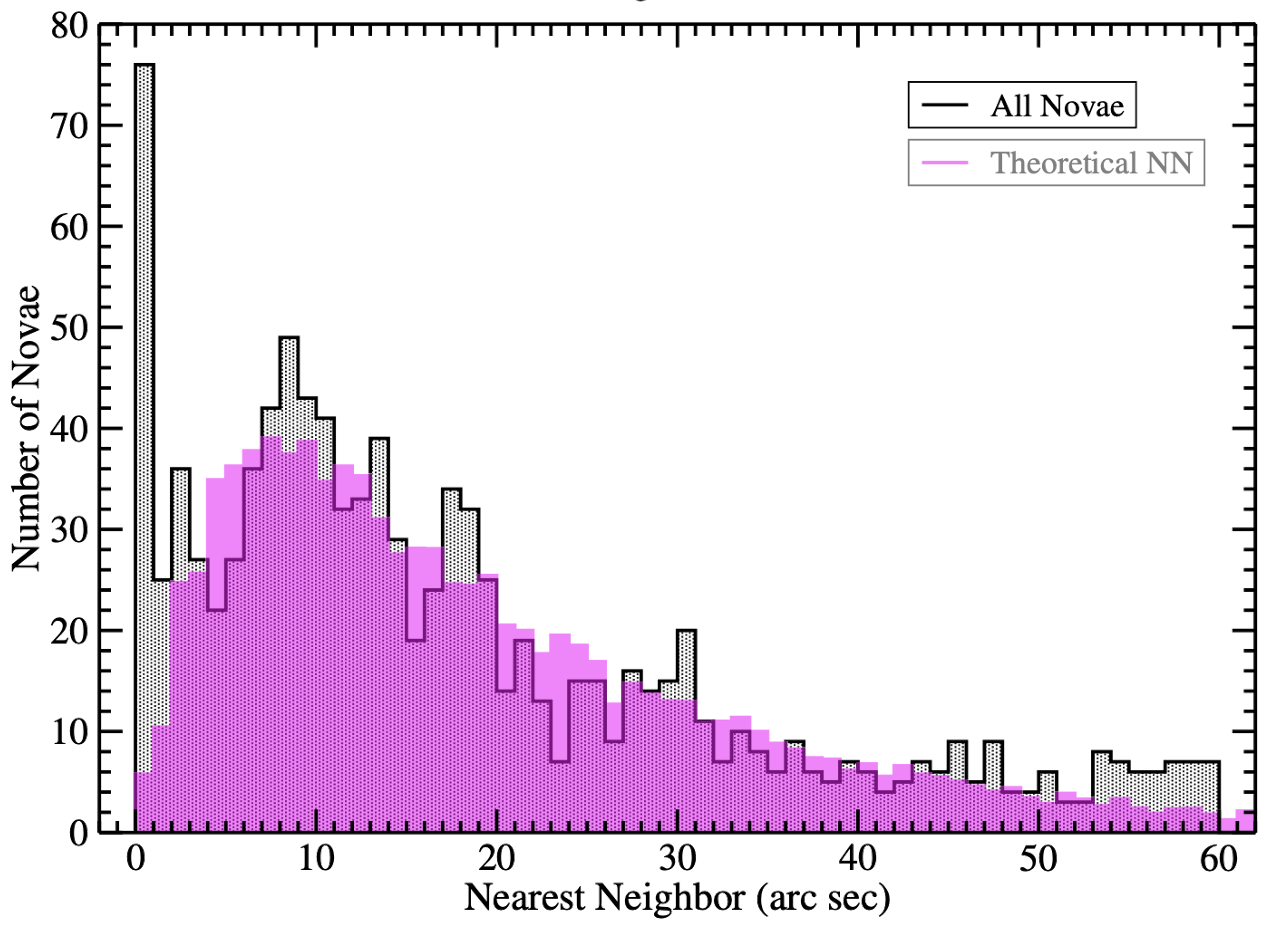
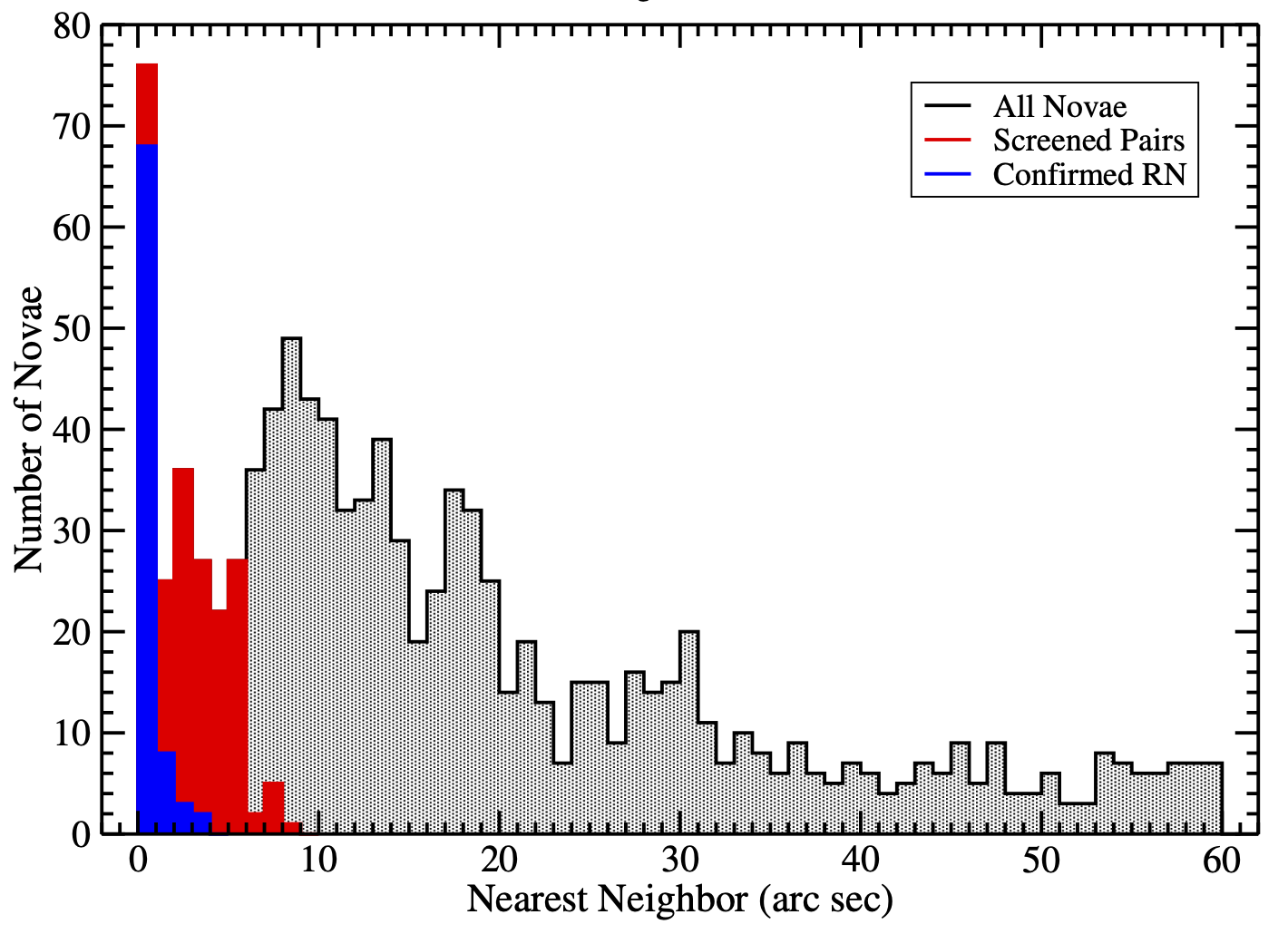
Figure 2: NN distribution analyses showing the observed angular separation histogram, a simulated control with no RNe, and the outcome of RN candidate screening.
The process is further validated by direct image comparison of potential recurrence events. These visual inspections are key in confirming or rejecting candidacy (Figure 3, not shown here).
Spatial and Photometric Properties of RNe
The spatial analysis demonstrates that the distribution of RNe is statistically indistinguishable from the broader nova population, both concentrated toward the bulge (see below).
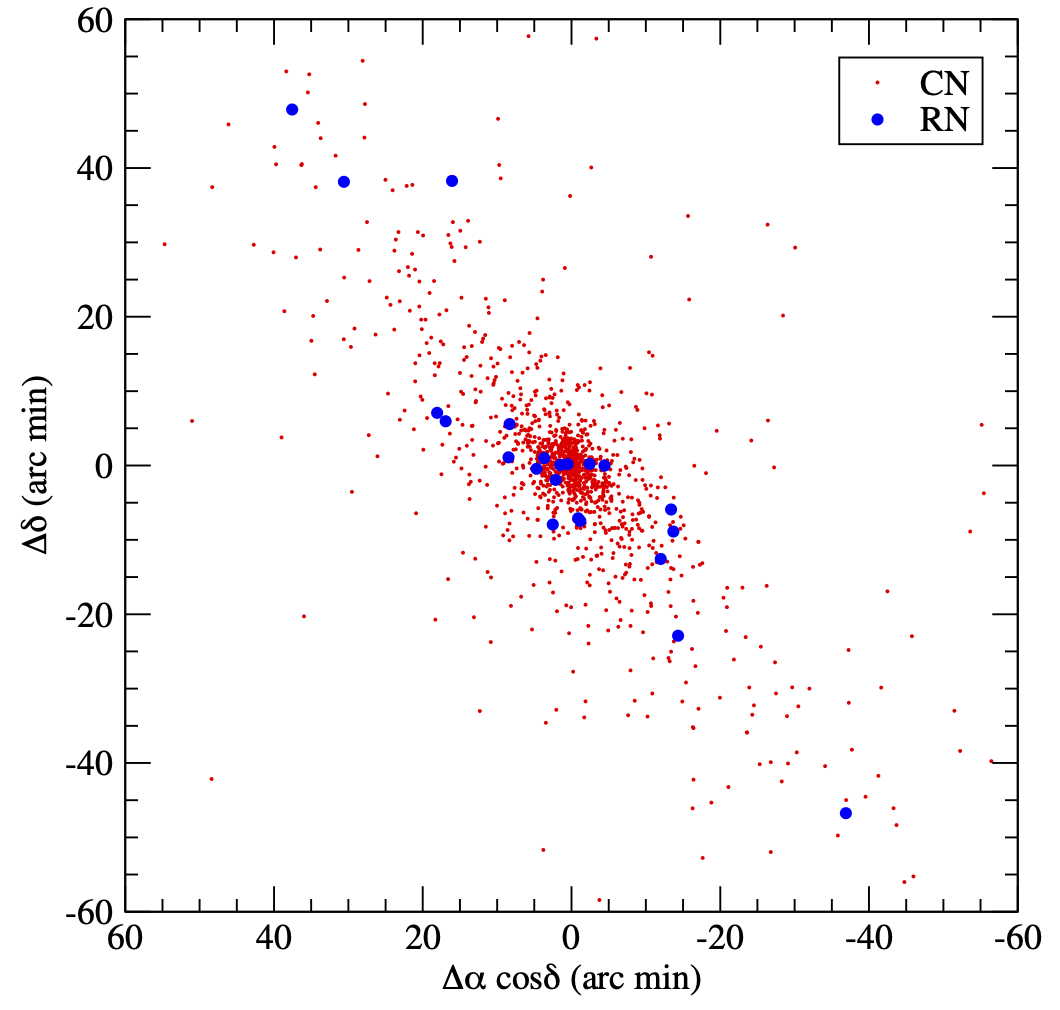
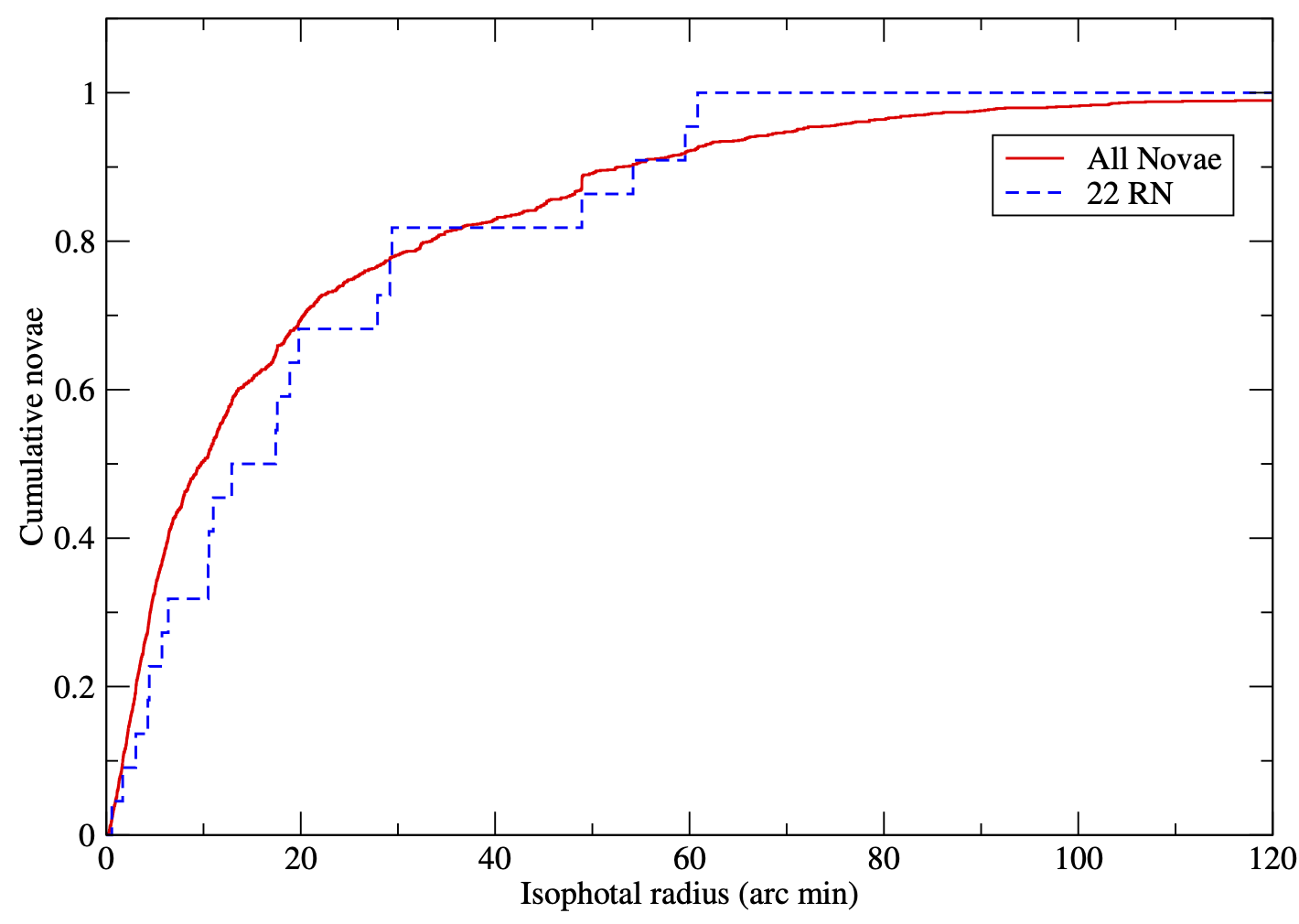
Figure 4: Left—positional plot of RN vs. all novae; Right—cumulative distribution vs. isophotal radius, indicating no meaningful spatial segregation (K-S p=0.75).
Photometrically, RNe consistently occupy the lower left quadrant of the Maximum Magnitude versus Rate of Decline (MMRD) diagram. That is, RNe are fainter and decline more rapidly from maximum light compared to the CNe majority—deviant from the classical MMRD relation that describes CNe.
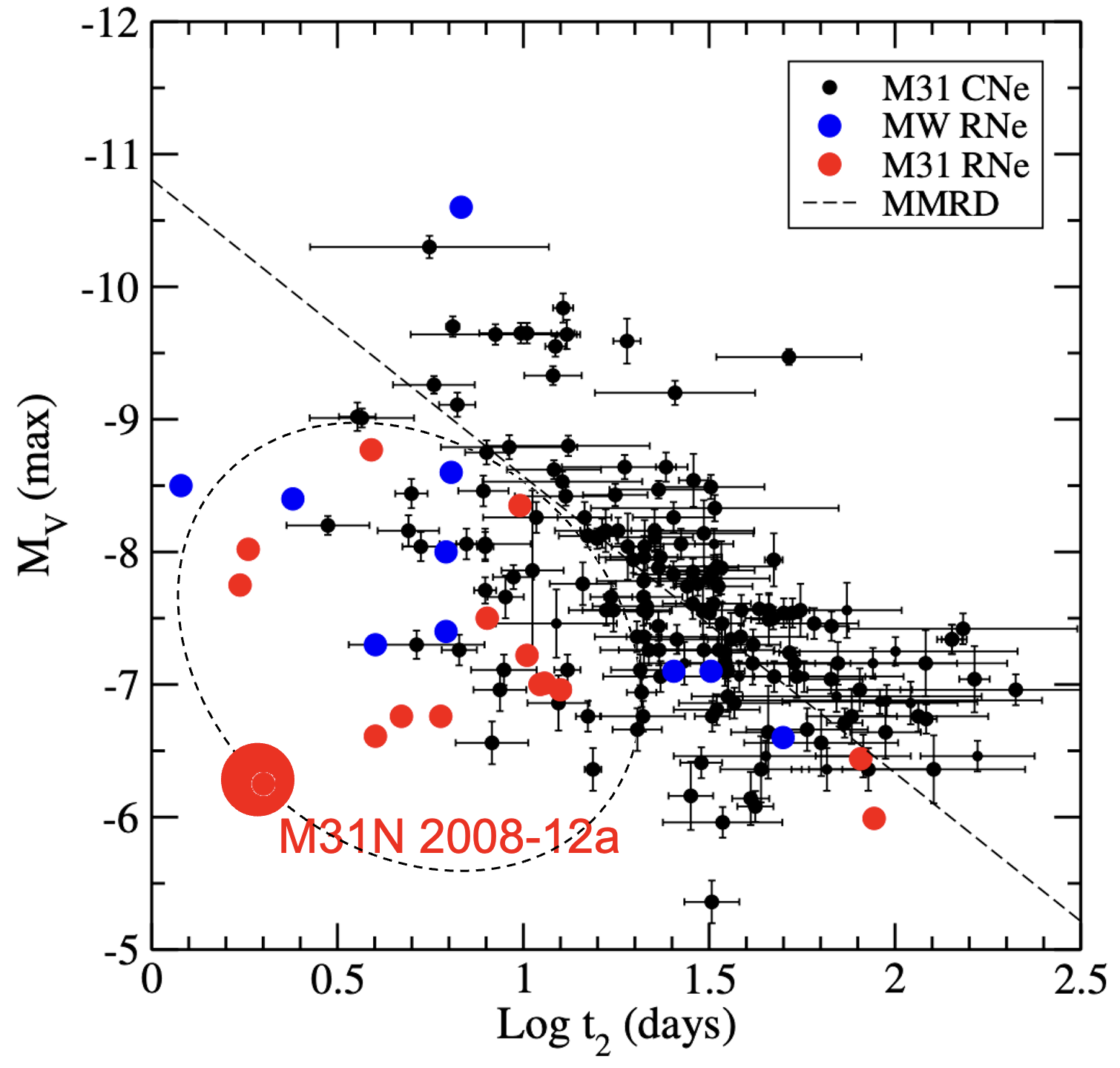
Figure 5: MMRD relation for M31 novae (red) and Galactic RNe (blue); RNe cluster in the faint, fast region, illustrating their atypical behavior relative to CNe.
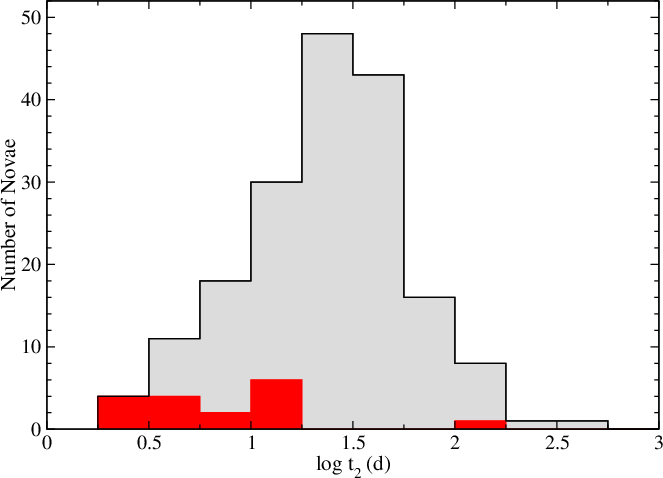
Figure 6: Decline rate distribution (log t2) for 17 well-studied M31 RNe, demonstrating almost universally fast declines, with t2≲10 days, except two Fe II class outliers.
RN Recurrence Time Distributions and Comparison to the Milky Way
The analysis reveals a striking disparity in recurrence time distributions between M31 and the Galaxy. While the fastest recurrence time among Galactic RNe is 10.3 yr (U Sco), half of the M31 RNe exhibit observed recurrence intervals less than this value. The t2 (decline rate) distributions, in contrast, match between the two populations.
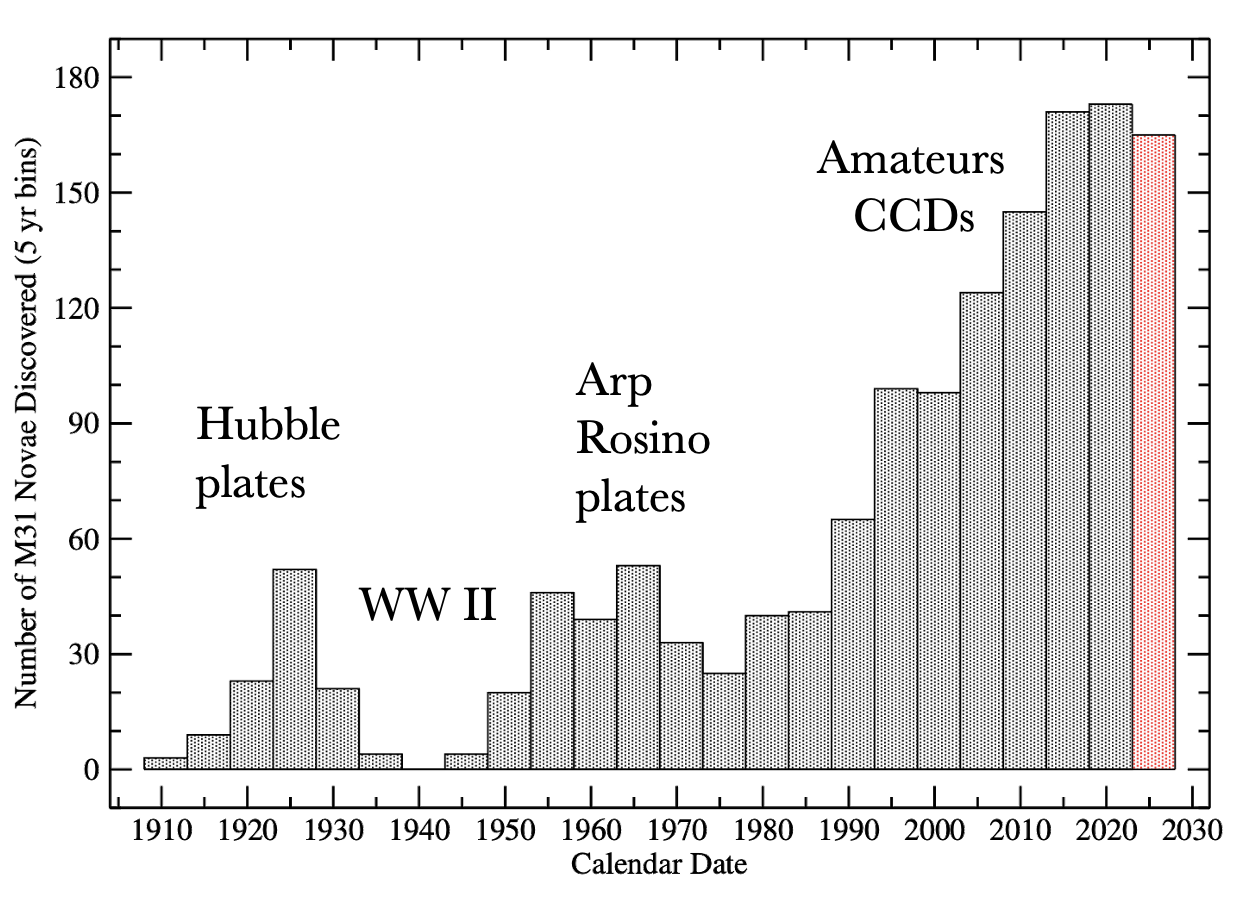
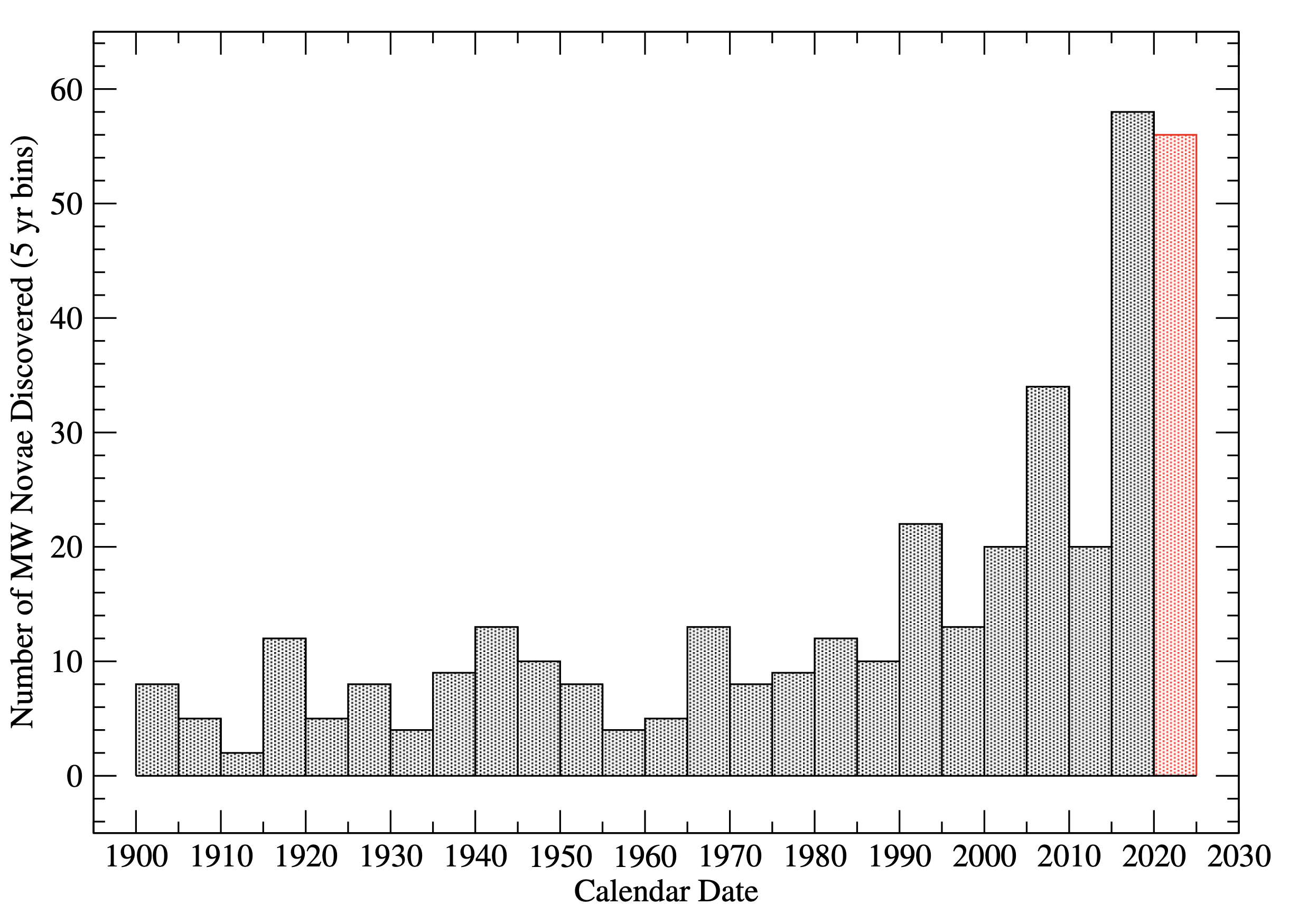
Figure 7: Temporal history of nova discoveries in M31 and the Galaxy, normalized by survey completeness, highlighting an overall higher discovery rate in M31.
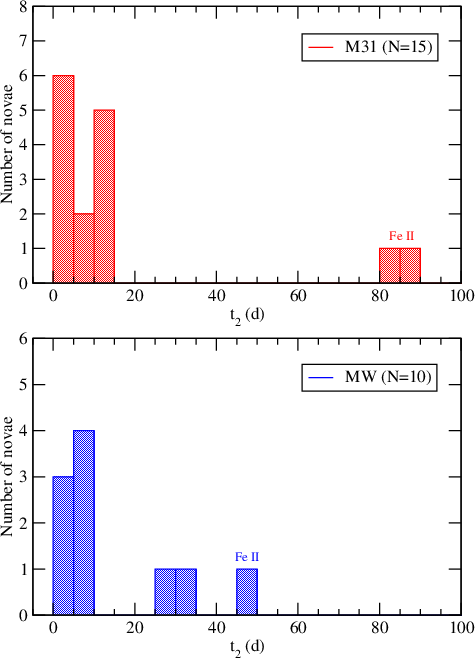
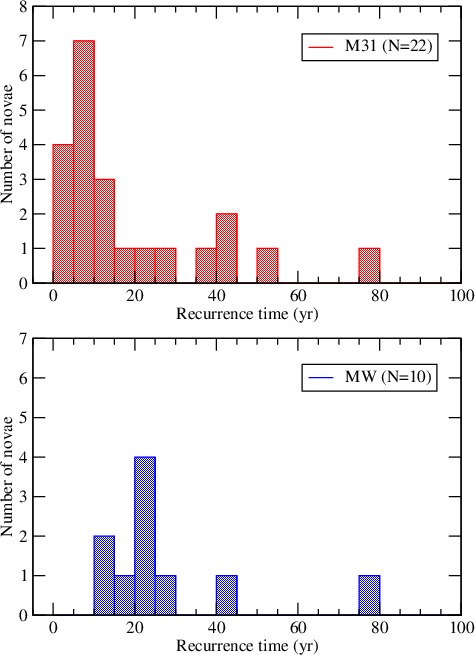
Figure 8: Top left—t2 times for M31 (top) and Galactic (bottom) RNe; Top right—recurrence time distribution, showing the pronounced cluster of fast-repeating M31 RNe.
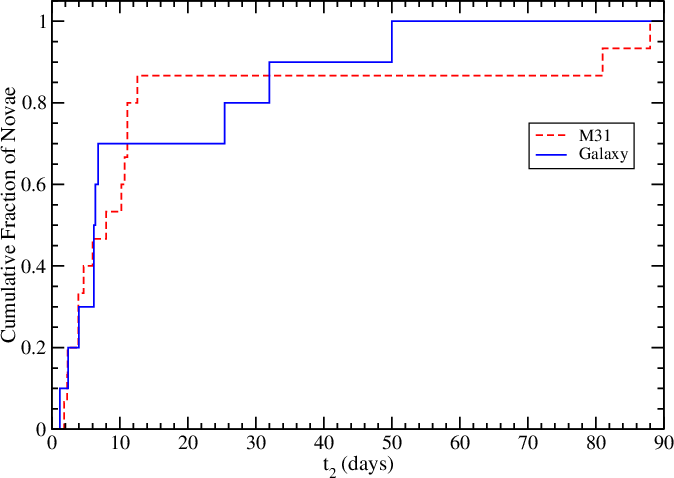
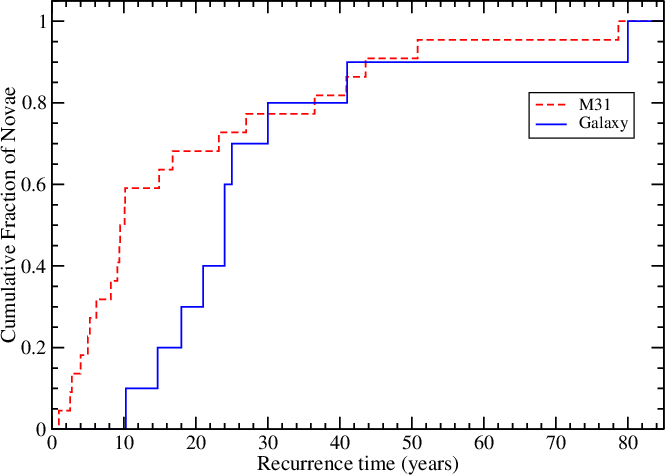
Figure 9: Left—cumulative t2 distribution (K-S p=0.91); Right—cumulative recurrence time (K-S p=0.07), reinforcing the divergent recurrent timescales.
The physical interpretation is consistent with RNe being associated with high-mass white dwarfs and high accretion rates, yielding low ejecta masses and thus rapid, sub-luminous outbursts. RNe are predominantly "faint and fast" and optically thin ejecta lead to the MMRD outlier status (as discussed in the appended discourse).
Discussion: Survey Implications and Future Directions
The comparison between M31 and Milky Way RN samples suggests either a genuine population difference or a significant disparity in selection biases, especially considering survey cadence, lookback durations, and the stellar environments probed (disk vs. bulge dominance). Systematic uncertainties due to missed or unobserved eruptions complicate interpretation of Δt relations. Moreover, the current data do not conclusively link shorter recurrence times to stellar population variables, e.g., the proportion of red giant donor systems in bulge vs. disk environments—an issue complicated by conflicting findings in the literature ([Schaefer 2022], [Williams et al. 2016]).
The technological advent of high-cadence wide-field surveys (ZTF, ATLAS, Rubin Observatory) and IR facilities (WINTER, Roman) will enhance the completeness and temporal coverage of extragalactic nova surveys, facilitating detection of dust-shrouded or short-lived transients. Multi-wavelength, rapid follow-up will be essential to fully characterize the recurrent and classical nova populations, address the progenitor question for Type Ia SN, and constrain the WD mass accretion distribution.
Conclusion
This work documents a substantial expansion and analysis of the recurrent nova population in M31, now comprising 22 confirmed systems with at least 79 detected outbursts. Key results include:
- No significant spatial segregation between M31 RNe and the general nova population.
- RNe exclusively populate the faint, fast outlier region of the MMRD, diverging fundamentally from classical novae.
- A bold empirical finding: Half of confirmed M31 RNe have recurrence times ≤10 yr, shorter than any known Galactic RN, with a K-S test t20 for the recurrence time distributions.
- Theoretical and practical implications include prospects for addressing the WD mass distribution, the nova-SN Ia connection, and the census of fast, faint transients in diverse galactic environments.
Continued wide-field, high-cadence monitoring complemented by deep multi-wavelength and spectroscopic follow-up will be necessary to resolve the origins of the observed differences between extragalactic and Galactic nova populations and to fully map the parameter space of mass-accreting, erupting white dwarfs.
Reference: "The Recurrent Nova Population in M31" (2604.17637)