- The paper presents BROOM as a comprehensive Python toolkit that unifies simulation, component separation, residual diagnostics, and power spectrum estimation for microwave astronomical data.
- It details advanced model-independent algorithms such as ILC, NILC, and constrained methods that achieve significant reductions in foreground residuals and noise biases.
- The framework supports both temperature and polarization analyses, validated on satellite and ground-based setups, setting a benchmark for future CMB experiments.
Model-Independent Microwave Analysis with BROOM: Framework, Algorithms, and Empirical Validation
Introduction and Context
The paper "BROOM: a python package for model-independent analysis of microwave astronomical data" (2604.14088) introduces BROOM, a comprehensive Python toolkit designed to enable model-independent, blind component separation and analysis of microwave-sky observations, with particular emphasis on Cosmic Microwave Background (CMB) studies. The authors place BROOM within the landscape of existing approaches, emphasizing its extensibility to both scalar (temperature) and polarization (spin-2) fields, advanced support for both traditional and state-of-the-art ILC-based algorithms, and its integrated pipeline spanning map simulation, component separation, residual estimation, and power spectrum computation.
Architecture, Scope, and Core Methods
BROOM is architected as a modular Python library intended to unify simulation and analysis for contemporary and future CMB experiments. It is built upon the HEALPix pixelization, leverages wide support for common file formats and simulation tools (e.g., PySM for sky modeling), and offers extensibility through a clearly segmented codebase.
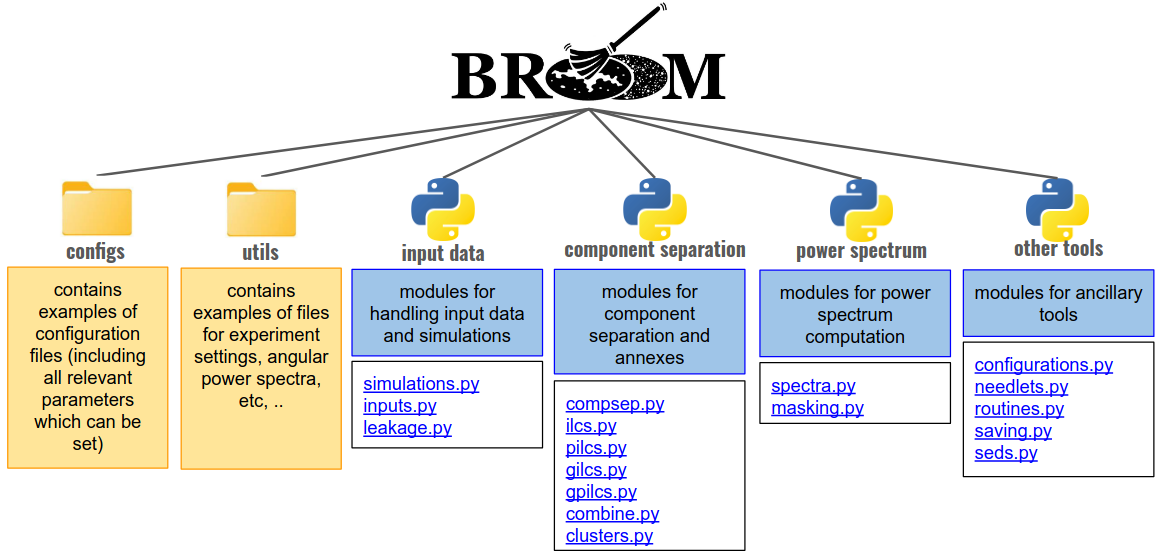
Figure 1: Schematic of the BROOM package structure; modules are organized by functionality, ensuring separation of simulation, component-separation, and power-spectrum estimation pipelines.
The package design, from user interaction through top-level routines, is structured for both pipeline automation and granular control.
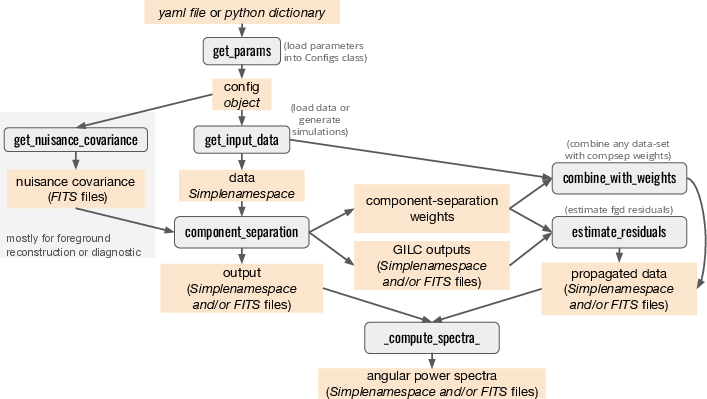
Figure 2: Flowchart detailing BROOM's main functionalities and data flow, encompassing simulation, component separation, residual analysis, and spectrum estimation.
Simulation and Instrument Modeling
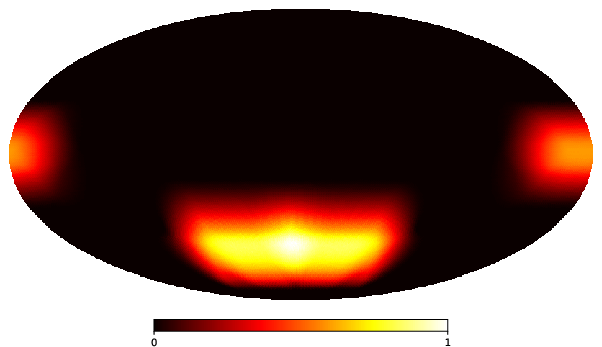
BROOM supports the generation of realistic data for arbitrary experimental configurations—both satellite (full-sky) and ground-based (partial-sky, with complex noise/hits structure). It models the key instrument characteristics, including multifrequency coverage, beams, bandpasses, and anisotropic noise using customizable inputs. All analysis is performed in a user-defined unit system, with temperature, polarization, or intensity units natively supported.
Component Separation Techniques
BROOM systematically implements the following model-independent component separation strategies, focusing on signals with known or unknown SEDs:
- Internal Linear Combination (ILC)/Needlet ILC (NILC): Standard minimum-variance approaches in real or needlet (localized harmonic) domains, applicable to both scalar and spin-2 (Stokes or EB) fields.
- Constrained ILC (cILC, cNILC, cMILC): ILC with explicit deprojection of contaminants via additional constraints, including the deprojection of foreground spectral moments using moment-expansion formalism.
- Multi-Clustering ILC (MC-ILC): Extends NILC by segmenting the sky into patches with homogeneous foreground spectral properties, improving cleaning in regions of complex variability.
- Polarization ILC (PILC/cPILC): Minimum-variance algorithms generalized to full spin-2 fields, supporting both real and complex weights.
- Generalized ILC (GILC/GPILC): Multidimensional extension for blind foreground subspace reconstruction, estimating the number and structure of non-nuisance (foreground) degrees of freedom in the data.
BROOM also implements hybrid approaches containing combinations of these techniques optimized for particular scale ranges or scientific objectives.
Diagnostic and Residual Estimation
The package provides modules for:
- Blind foreground complexity diagnostics: Using the AIC-informed GILC eigenmode counting, BROOM yields spatially and scale-dependent estimates of the foreground-dominated covariance rank.
- Residual template construction: GILC-reconstructed foreground templates are propagated through the same component-separation weights as used for the cosmological signal recovery, providing robust maps and spectra for residual systematics mitigation.
Power Spectrum Estimation
BROOM integrates both traditional (healpy.anafast) and pseudo-Cℓ (NaMaster/Master) spectrum estimators. It rigorously accounts for beam/pixel smoothing, sky masking, E-B leakage, and supports advanced purification techniques for partial-sky analysis.
Validation Strategy and Empirical Results
Configuration Space and Validation Design
Validation is conducted on two archetypal setups:
- Full-sky, satellite-like (LiteBIRD): High-frequency coverage, large fsky, white noise (~idealized), and complex galactic/extragalactic foregrounds with tSZ/kSZ.
- Partial-sky, ground-based (Simons Observatory SATs): Limited sky coverage, strong noise pattern anisotropy (hit-count maps), non-white (knee) noise, and more challenging E-B leakage.
For both scenarios, the authors generate ensembles of ten realizations, enabling statistical assessment of bias and variance across all pipeline stages.
Needlet Basis Characterization
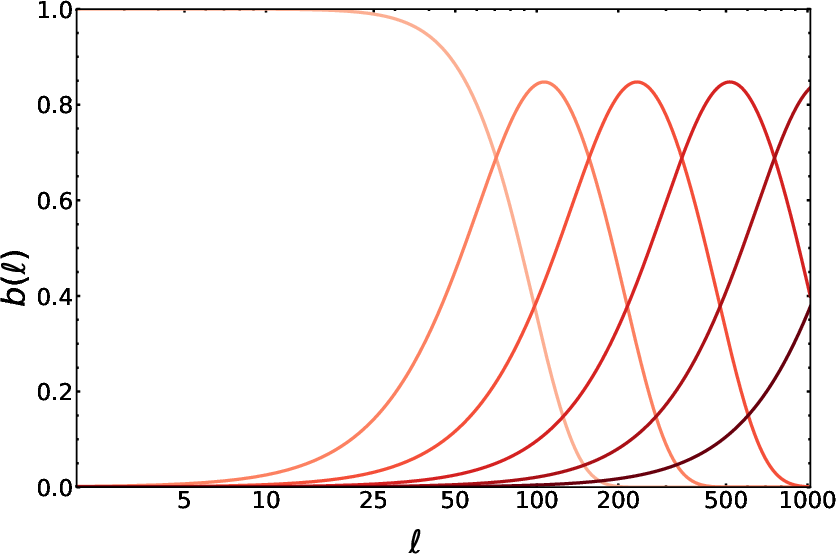
Figure 3: Harmonic-space structure of adopted needlet bands, illustrating localization properties and band merging strategies to control ILC bias and covariance matrix conditioning.
Temperature, E-, and B-mode Analyses
- Both pixel-domain (ILC) and needlet-domain (NILC) methods robustly recover the CMB temperature field, with NILC yielding reduced foreground residuals particularly at small scales, while ILC exhibits less reconstruction noise at large scales.
- In polarization, NILC delivers systematically improved foreground cleaning versus ILC. Constrained ILC (cNILC/cNILC01) further reduces foreground leakage, though with amplified reconstruction noise as the number of deprojected modes increases.
- Multi-clustering ILC (iMCNILC, (rMC)NILC) achieves even lower foreground systematics and noise biases in B-mode recovery when clusters are accurately defined, showcasing the utility of spatially adaptive clustering in regimes of high foreground complexity.
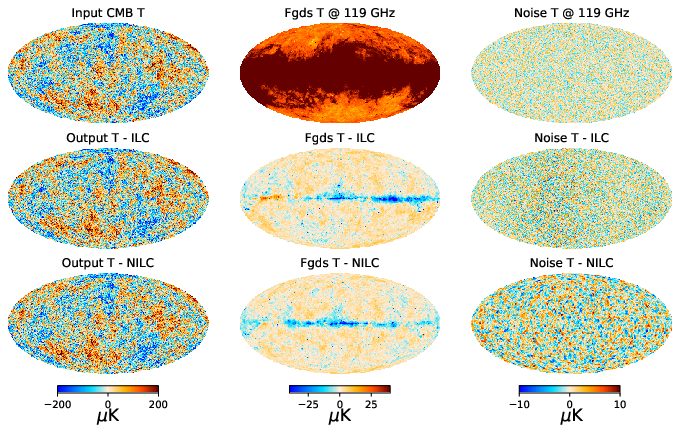
Figure 4: Temperature maps at 119 GHz, with input components and reconstructed maps from ILC and NILC methods, revealing strong residual suppression across the sky.
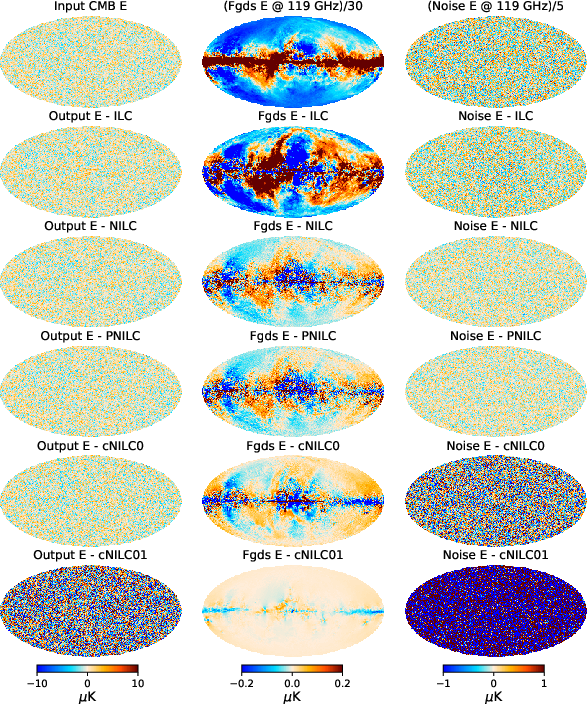
Figure 5: E-mode polarization, contrasting input emission and output maps under several separation schemes; consistent, order-of-magnitude residual suppression is achieved in NILC and cNILC modes.
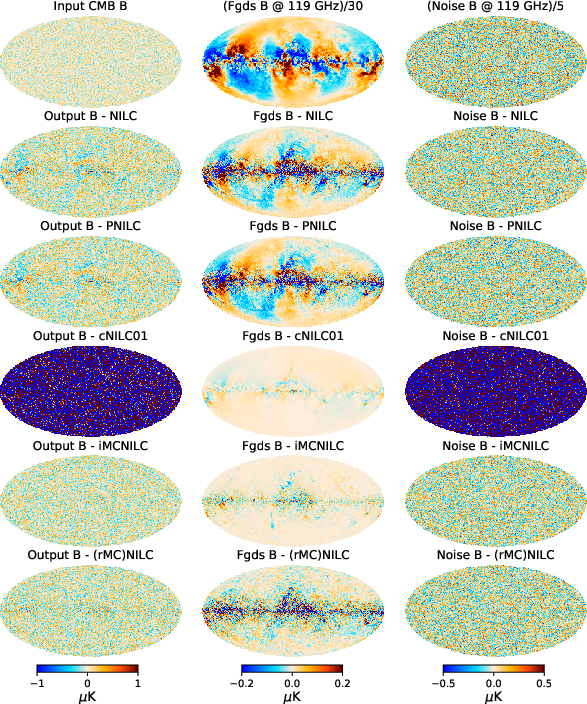
Figure 6: B-mode polarization, with clear demonstration of foreground and noise suppression by advanced component-separation pipelines.
Angular Power Spectra
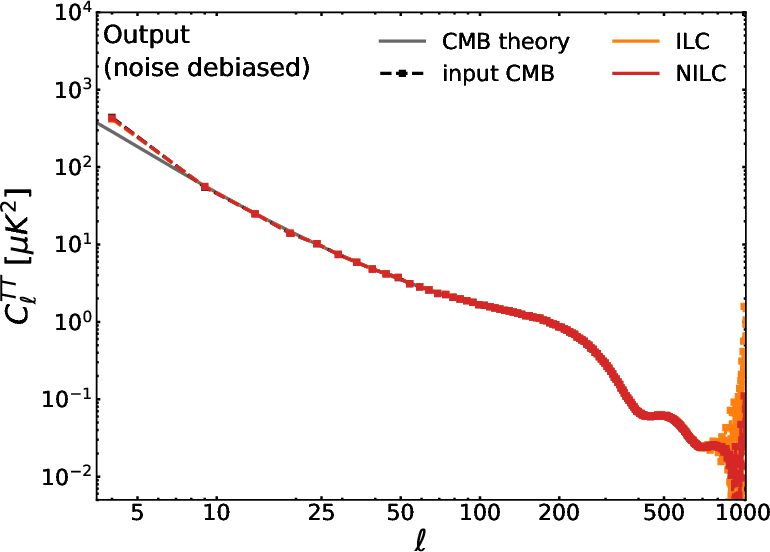
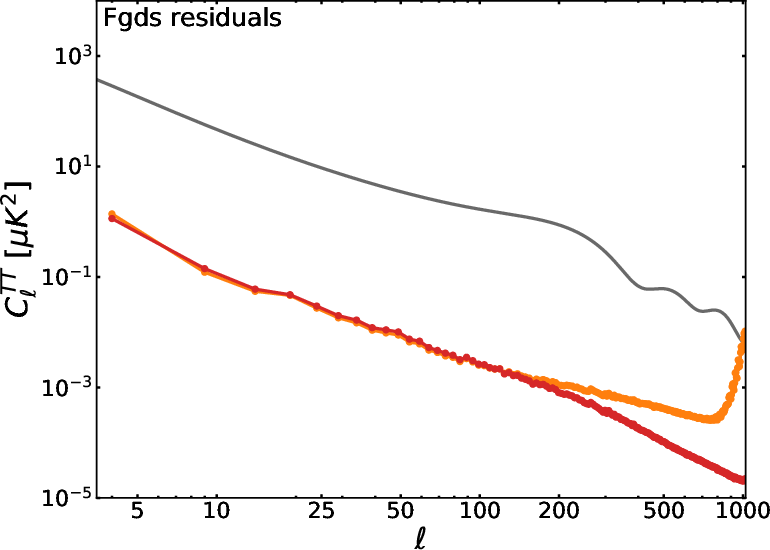
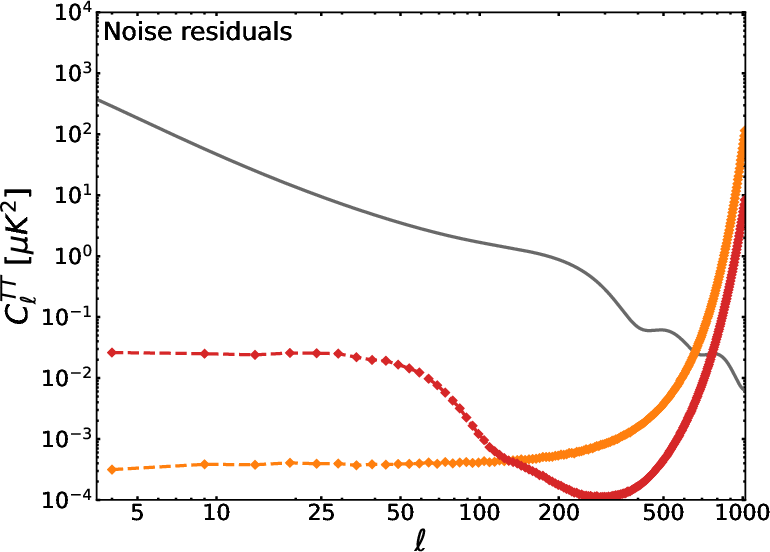
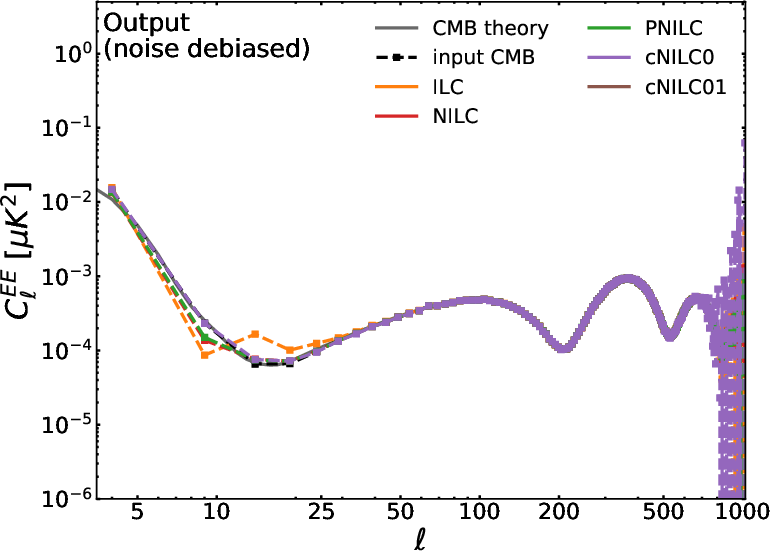
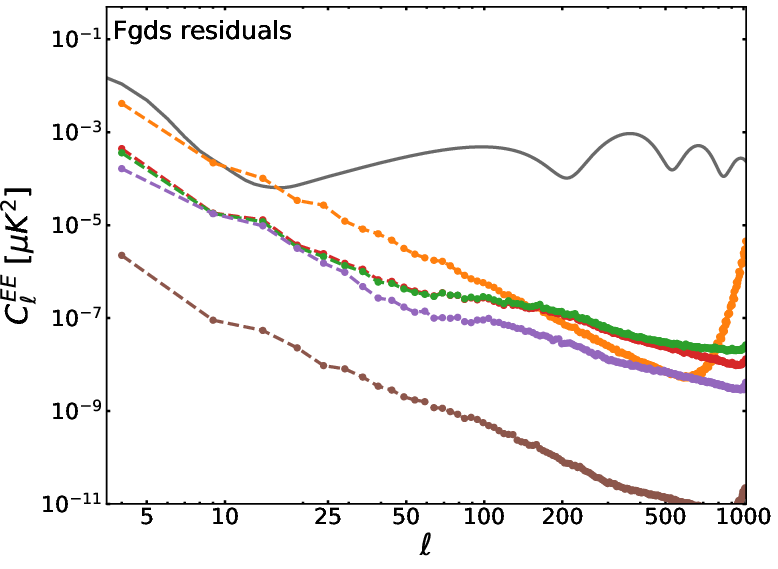
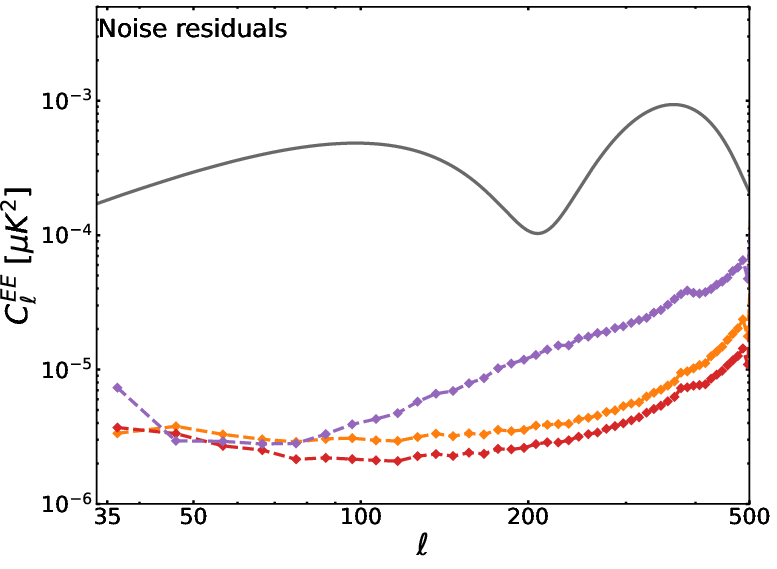
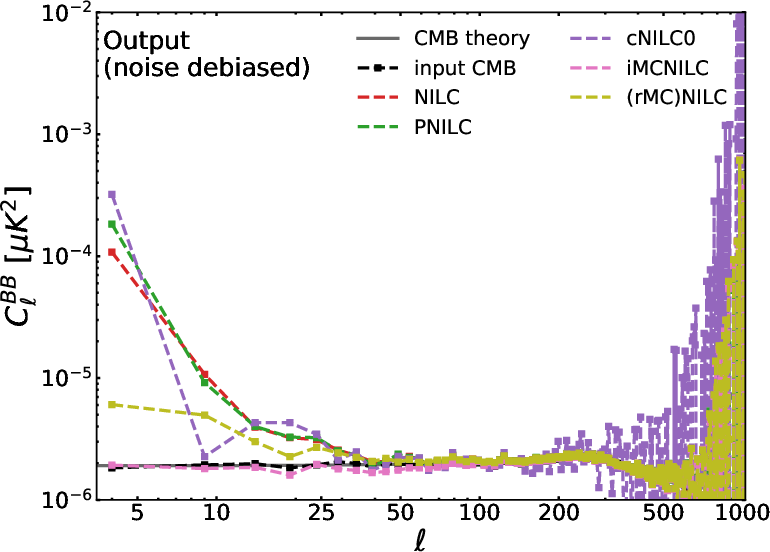
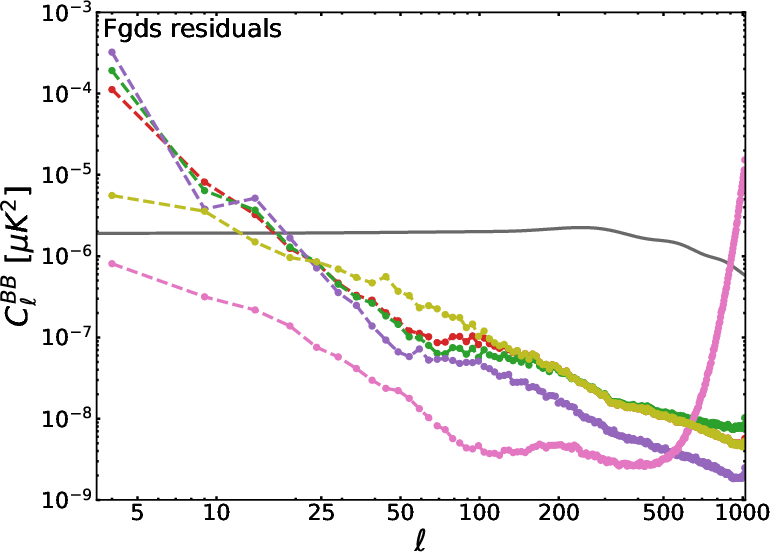
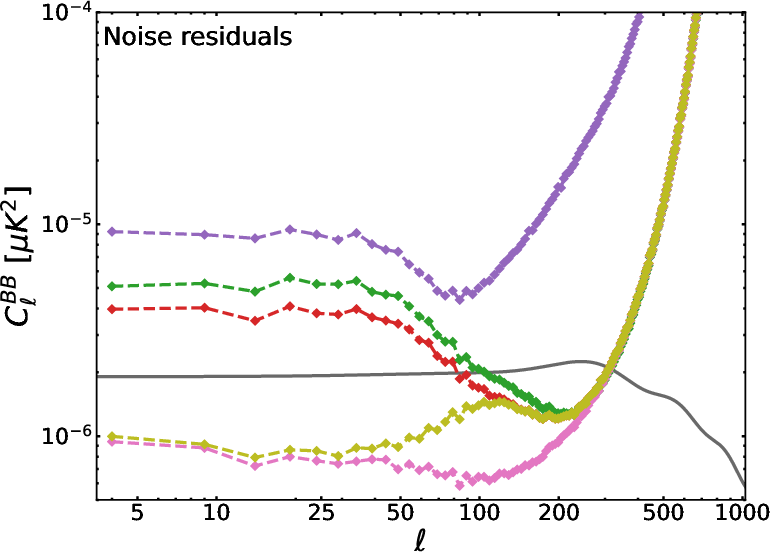
Figure 7: Power spectra from ten realization averages, displaying denoised output, residual foreground, and noise contributions for TT, EE, and Cℓ0 modes across methods.
Results indicate negligible ILC bias, with power spectra of reconstructed maps indistinguishable from theoretical expectations within statistical fluctuations. Notably, the foreground residuals are reduced by a factor >30 with respect to representative frequency channels (e.g., 119 GHz), and noise residuals by a factor ~5 in polarization. These levels of suppression are essential for accurate Cℓ1-mode inference at Cℓ2 or lower.
Foreground Subspace Reconstruction and Complexity Diagnostics
GILC-Based Results
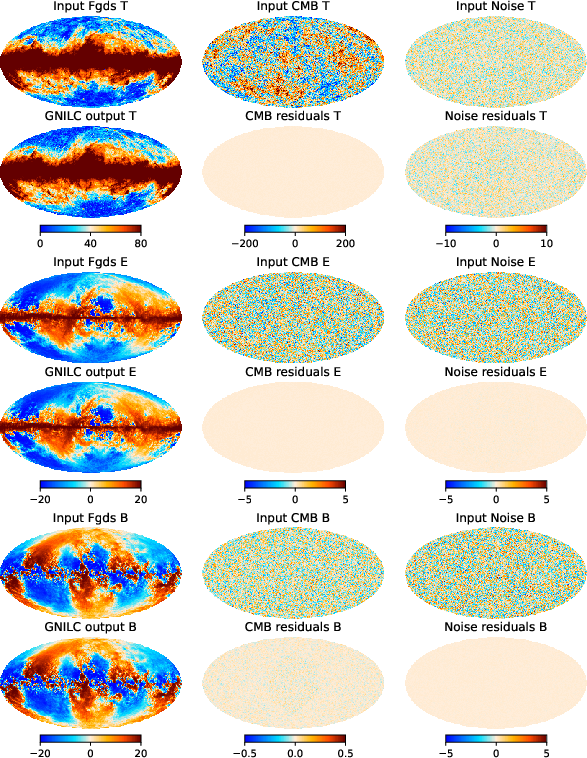
Figure 8: Input versus GILC-reconstructed maps for T, E, B at 119 GHz; efficient suppression of CMB and noise is observed outside regions of foreground subdominance (notably, at high galactic latitudes in T).
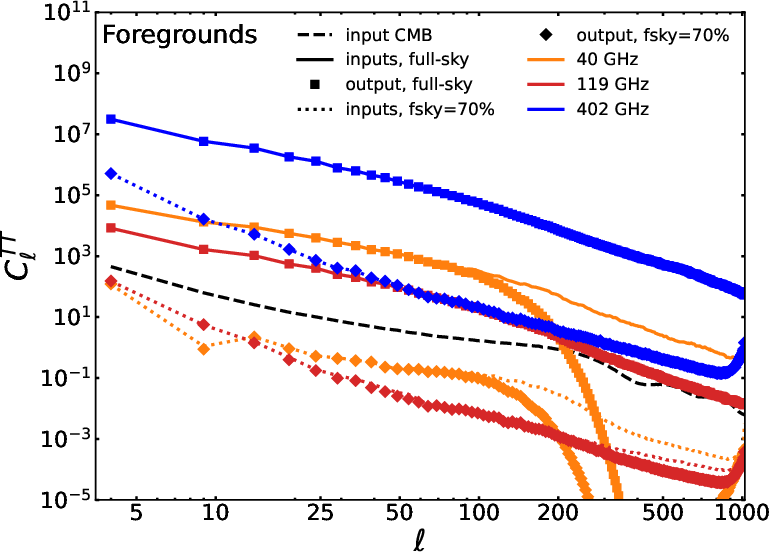
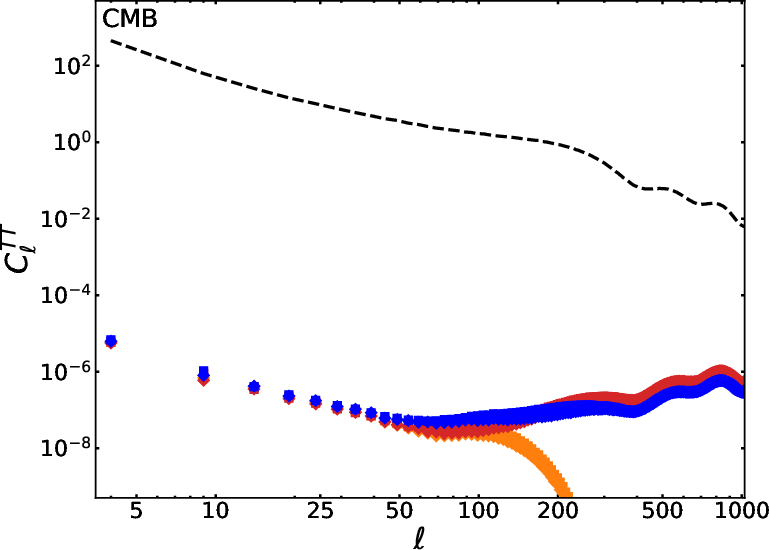
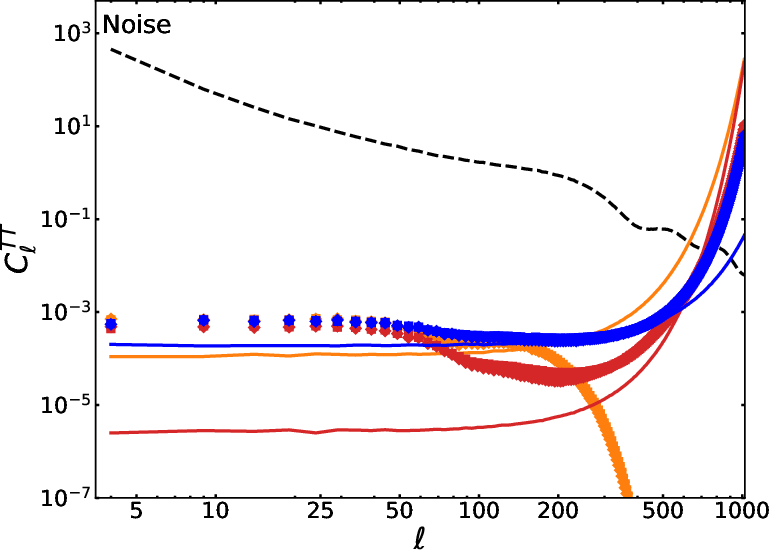
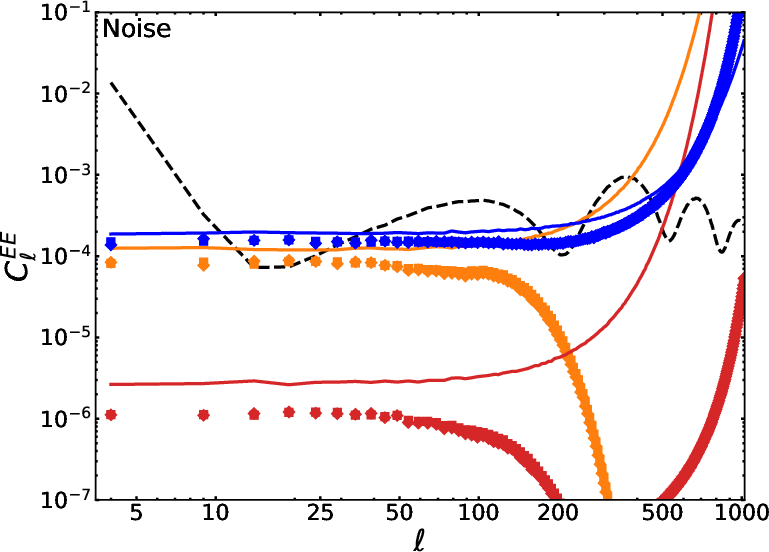
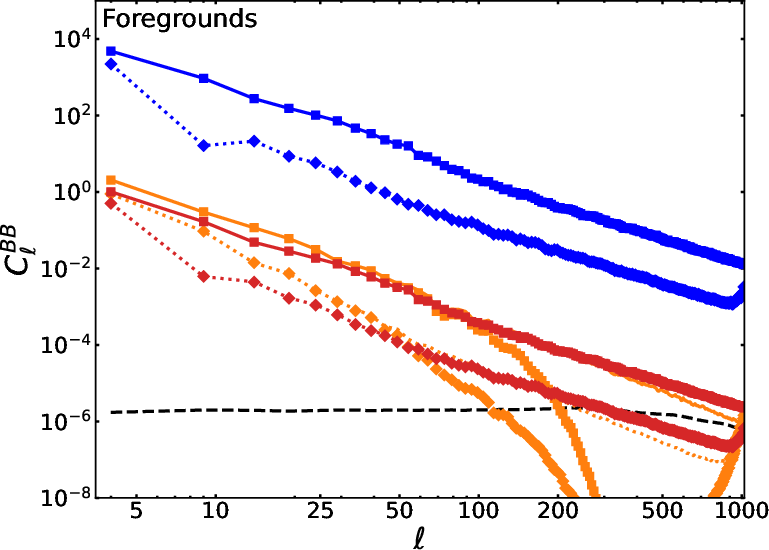
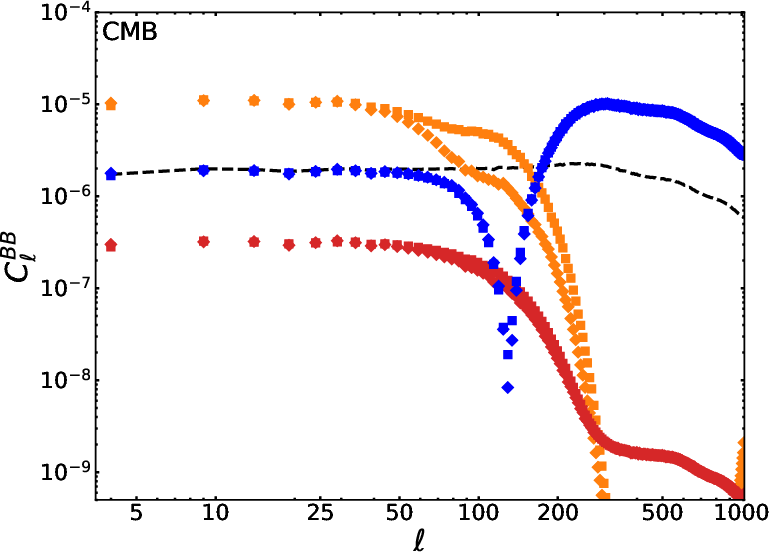
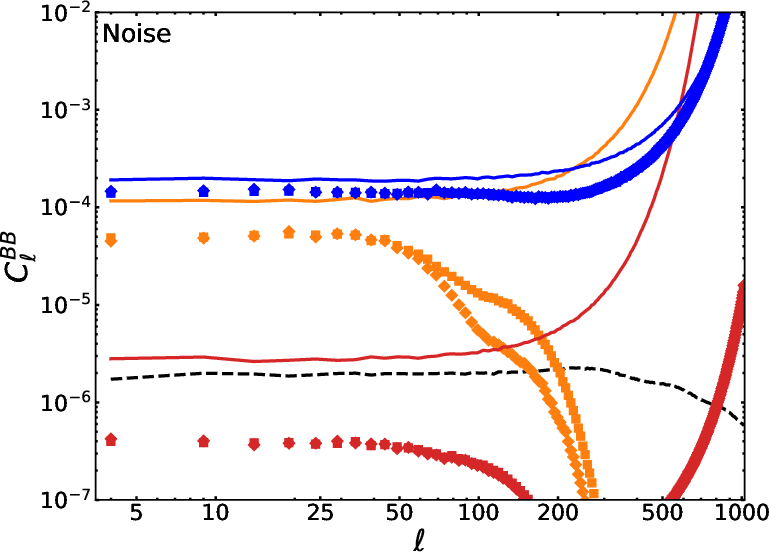
Figure 9: Power-spectral comparison of input and GILC-reconstructed foregrounds, CMB, and noise; outputs closely trace the true sky, except where foregrounds become negligible versus CMB or noise.
Complexity Diagnostics
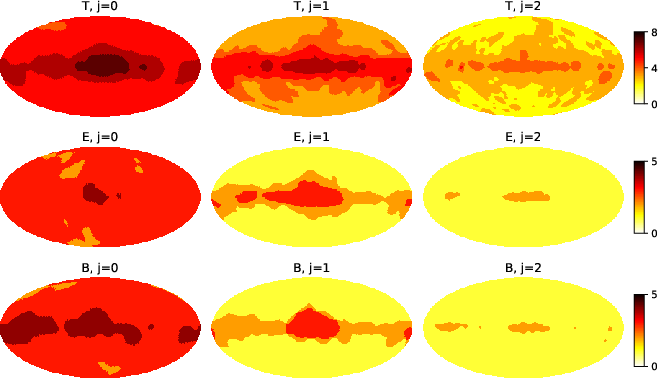
Figure 10: Foreground complexity maps (subspace rank) across needlet scales for T, E, and B, showing high complexity near the Galactic plane and for large-scale T. Rank-diagnostics are used for optimal moment deprojection in separation pipelines.
Ground-Based Experiment: Partial Sky, Noise Anisotropy, and Cℓ3–Cℓ4 Leakage
The partial-sky, SO-SAT–like validation inherits challenges of scan-coverage nonuniformity and spectrum leakage. BROOM is shown to handle:
(Figure 12–14)
Figures 12–14: Input component maps (T, Q, U) for CMB, foregrounds, and noise at several frequencies; demonstrate spatially varying SNR and highly nontrivial noise structure.
Component Separation and Spectral Validation
(Figure 13, 16)
Figure 13: Reconstructed E-mode maps and residuals for ILC, NILC, and cNILC; needlet-based and constrained methods offer superior foreground cleaning at the cost of reconstruction noise.
Figure 14: Reconstructed B-mode maps for the same pipelines, demonstrating the regime where component separation is largely noise dominated at the pixel level.
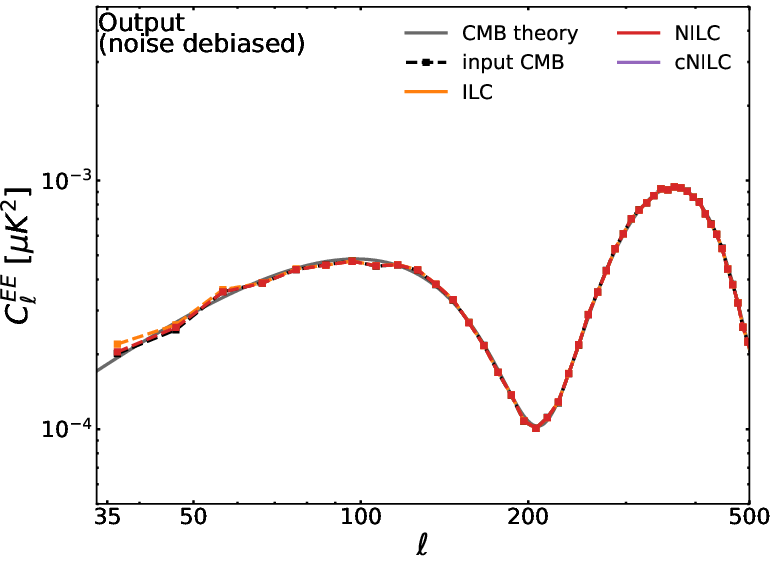
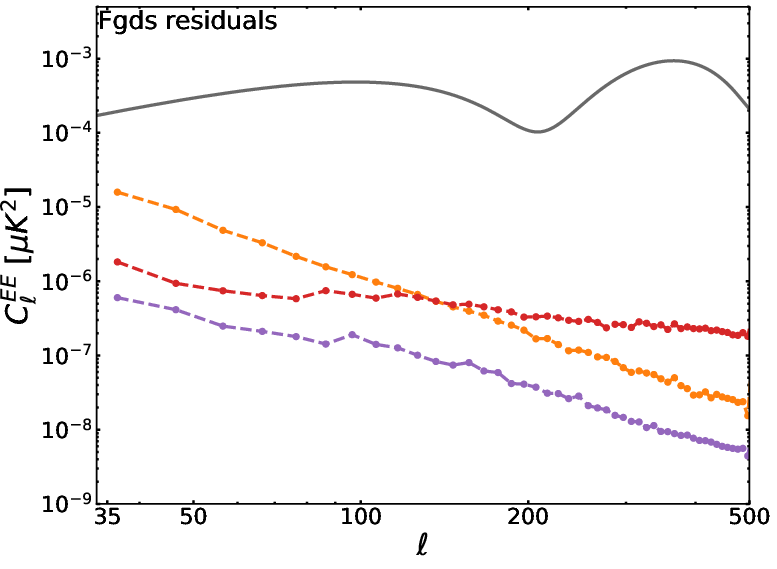
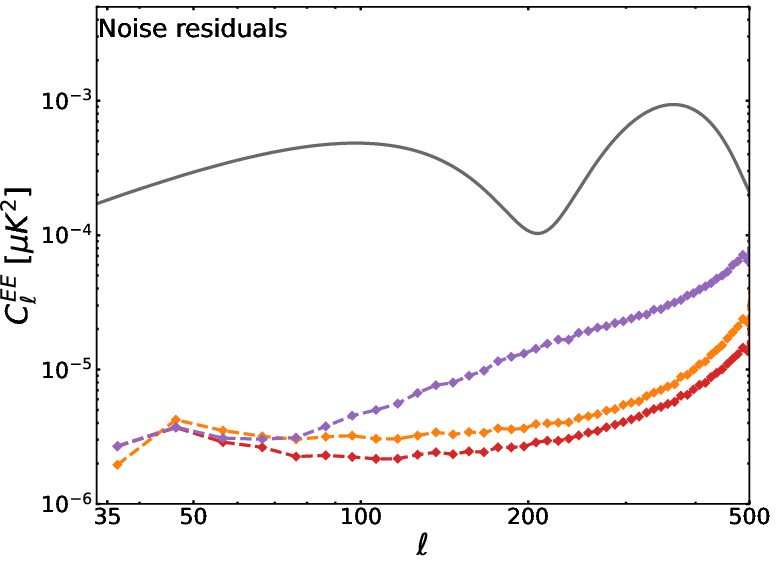
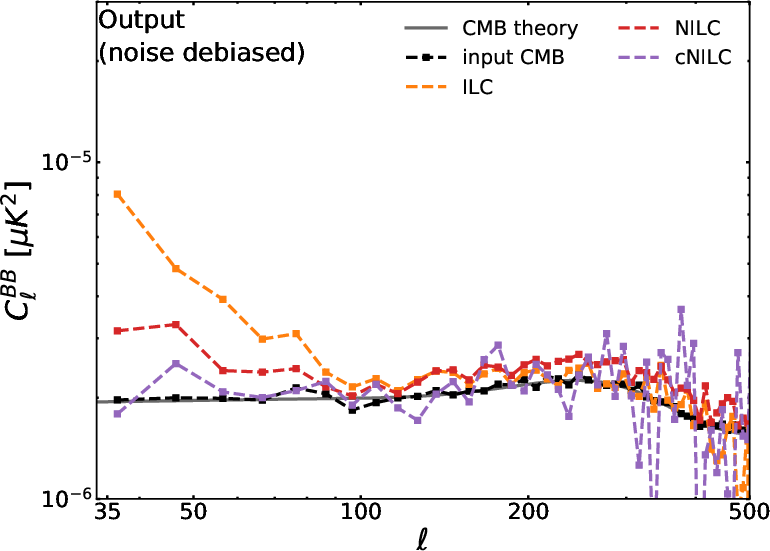
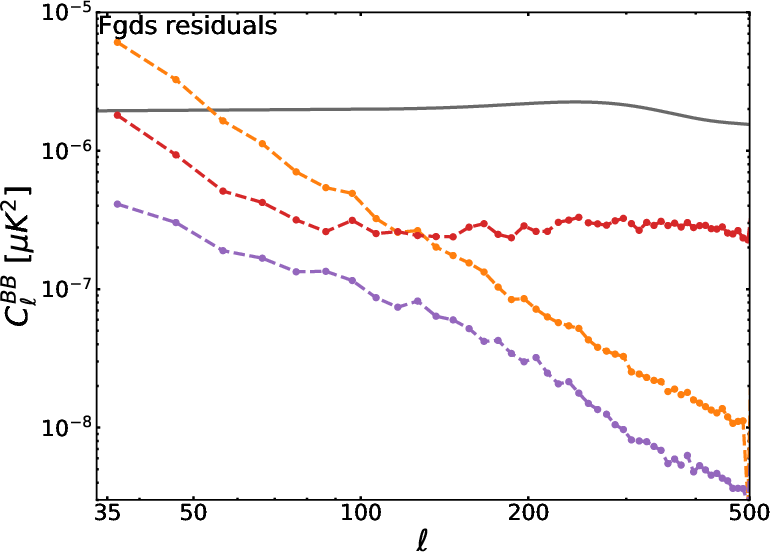
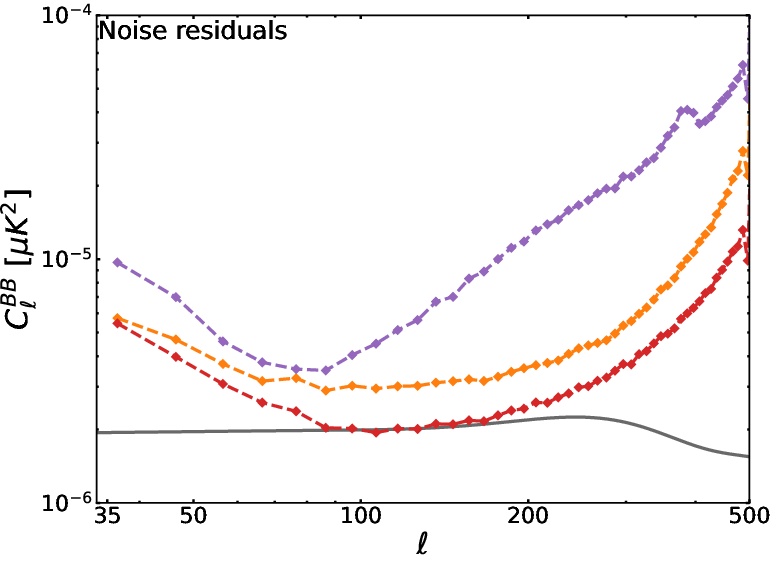
Figure 15: Power spectra of outputs, displaying similar trends as the satellite validation—needlet-based and constraint-augmented methods outperform pixel-only ILC for large-scale cleaning, at the expense of reduced small-scale SNR when degrees of freedom for deprojection are limited.
Cℓ7–Cℓ8 Leakage Mitigation
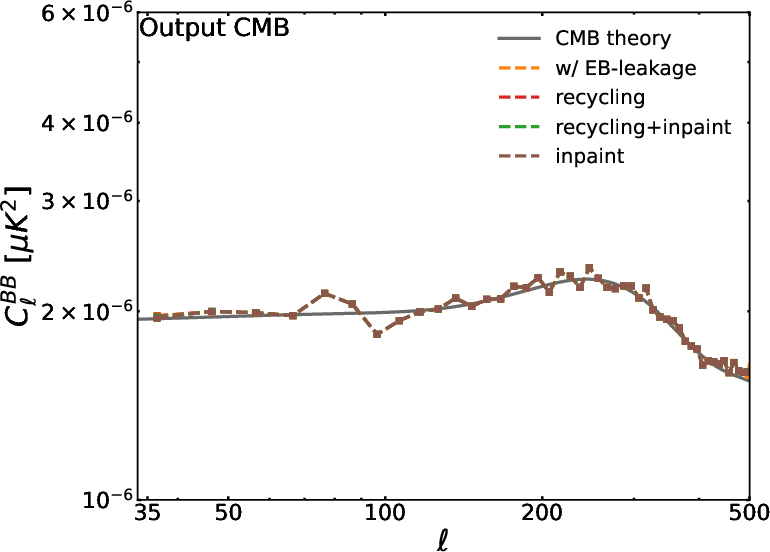
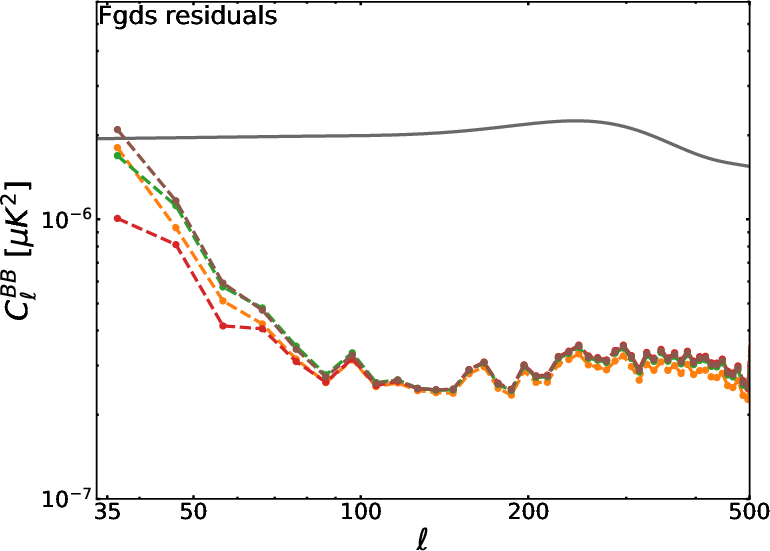
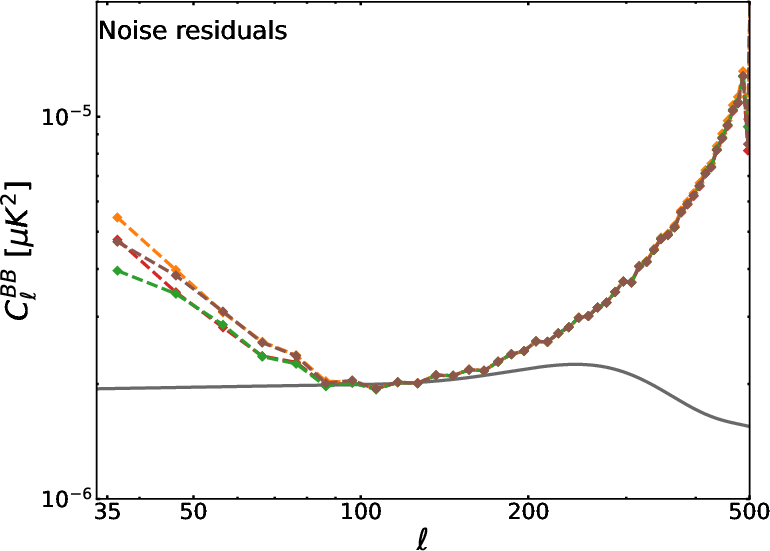
Figure 16: B-mode power spectra under various leakage mitigation strategies; all pipelines with appropriate masking and purification yield unbiased mean Cℓ9, with minimal impact on residual variance.
GILC Foreground Recovery for Partial Sky
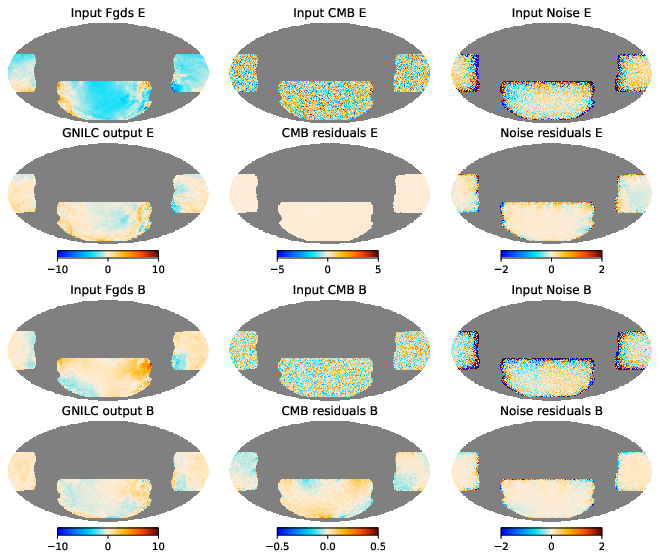
Figure 17: Input and GILC-reconstructed foregrounds, CMB, and noise at 93 GHz; confirms robust component recovery in polarization even on a masked, scan-anisotropic sky.
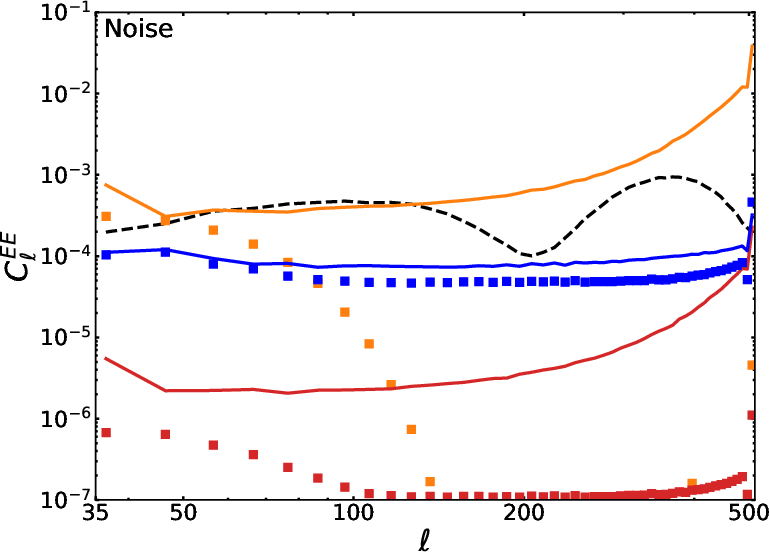
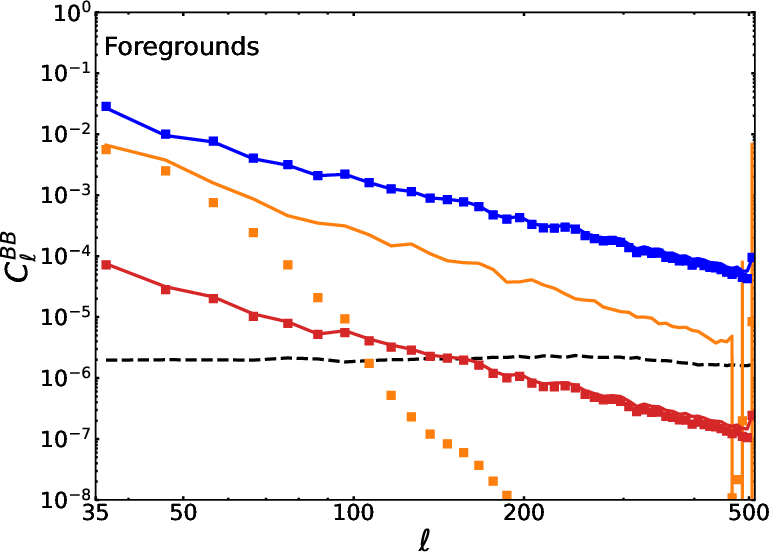
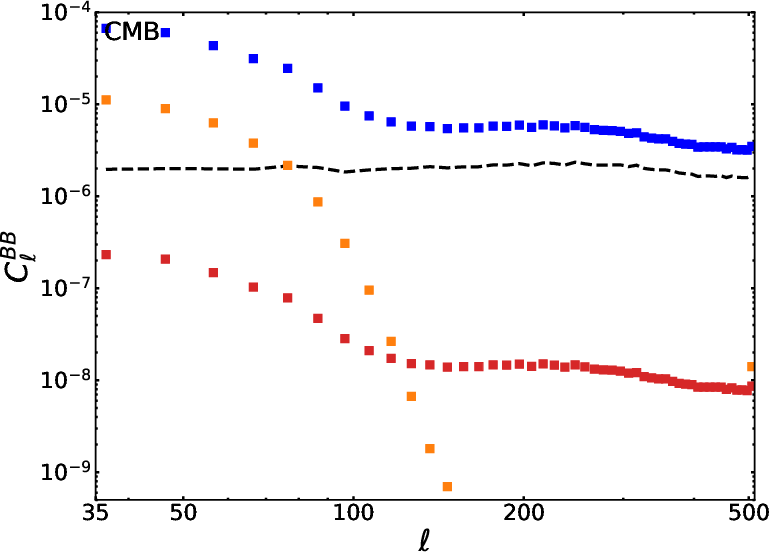
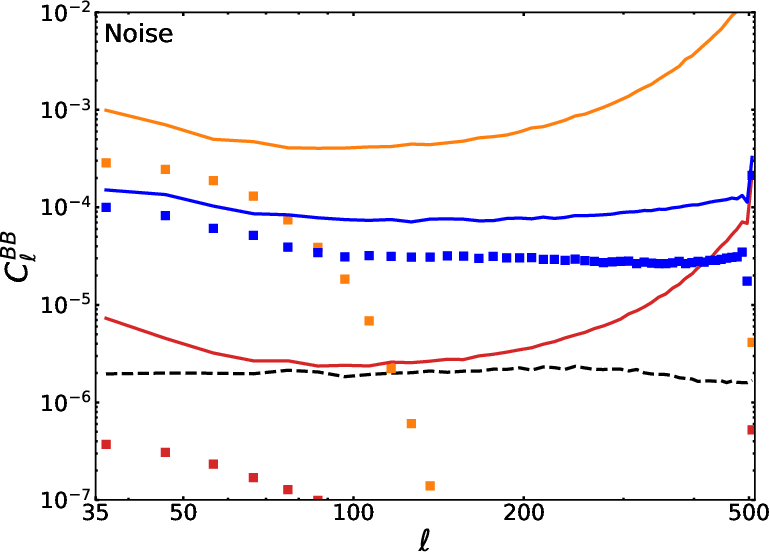
Figure 18: Power-spectral validation, confirming efficient deprojection of CMB and noise from the GILC foreground output, with only mild loss of power in CMB-dominated (central) channels on large scales.
Implications and Prospects
The results place BROOM as a reference implementation for model-independent microwave analysis, emphasizing:
- Modular, robust end-to-end analysis: from experiment-tailored simulation, through advanced component separation, foreground diagnostics, and residuals tracking—enabling statistically meaningful characterization of biases and systematics at the map and spectrum levels.
- Quantified trade-offs: the systematic exploration of noise–foreground suppression via needlet-domain methods, constraint tuning, and clustering provides guidance for optimal configuration for upcoming CMB B-mode missions.
- Extensibility: the explicit moment-expansion SED formalism (accounting for spatial and line-of-sight mixing) is critical as constraints on inflation-related signals push toward E0 and as parametric foreground models lose validity. Future extensions are planned toward optimal, data-driven moment selection (e.g., ocMILC), pixelization flexibility, and performance/scalability improvements.
This framework is not limited to CMB science but has potential application for blind separation in any multifrequency/multicomponent imaging experiment in cosmology or astrophysics.
Conclusion
BROOM represents a comprehensive, validated framework for model-independent analysis of multifrequency microwave observations, providing robust component separation via a broad suite of ILC-based algorithms combined with powerful diagnostic and simulation capabilities. The results demonstrate precise, bias-free separation and quantification of residual contamination for both temperature and polarization across representative satellite and ground-based configurations, setting a methodological benchmark for forthcoming high-sensitivity CMB experiments. The public availability, documentation, and open extensibility of BROOM establish it as a resource for reproducible, community-driven blind analysis pipelines in CMB and microwave astrophysics.