- The paper presents hybrid-kinetic simulations that demonstrate how nongyrotropic ion pickup triggers rapid thermalization via wave-particle interactions.
- It employs Fourier analysis and field-particle correlations to identify and characterize unstable modes such as EMIC, mirror, and ion Bernstein waves.
- The study establishes a new instability threshold based on gyrophase harmonics, challenging conventional bi-Maxwellian assumptions in plasma environments.
Ion Pickup and Kinetic Thermalization at Outer Planet Moons: Instabilities, Wave Modes, and Field-Particle Energy Transfer
Introduction: Ion Pickup as a Plasma Kinetic Phenomenon
Ion pickup at active moons of the outer planets constitutes a fundamental plasma-kinetic process directly coupling surface-atmosphere particle sources to the large-scale magnetospheric environment. Neutral gas tori formed by outgassing or sublimation are ionized by multiple mechanisms, resulting in fresh ions immersed in a corotating planetary plasma. These ions, initially non-thermal and drifting relative to the ambient plasma, rapidly evolve to kinetic equilibrium via collective interactions—an evolution mediated by electromagnetic instabilities, wave excitation, and velocity-space scattering. This work deploys 2D hybrid-kinetic simulations to resolve the nonlinear relaxation of a two-component ion population and the full spectrum of unstable electromagnetic wave modes, with comprehensive field-particle correlation analysis to identify the velocity-space resonances and structures responsible for energy transfer and thermalization dynamics (2604.10083).
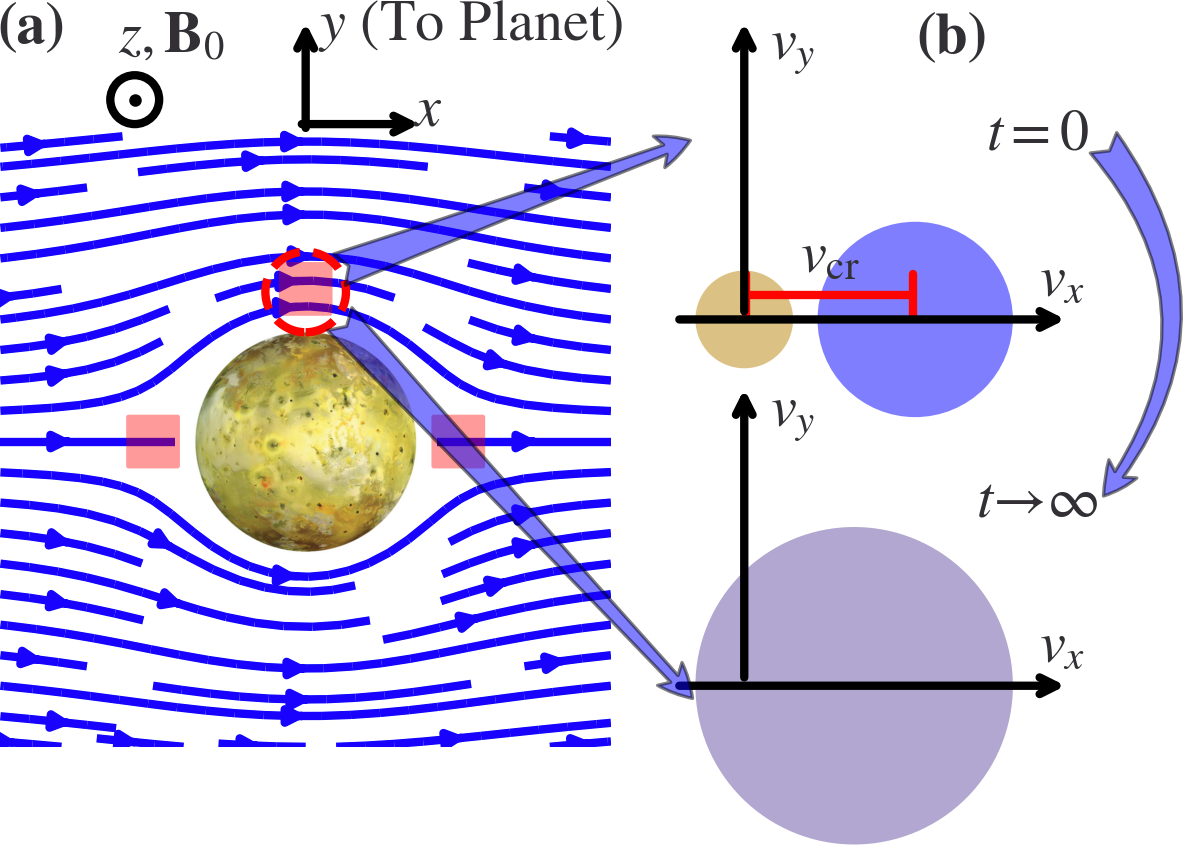
Figure 1: Sketch of the basic configuration of ion pickup at outer planets' moons, showing plasma-moon interaction geometry and velocity-space relaxation of ion populations.
Simulation Approach and Initial Non-Gyrotropic Configurations
A hybrid-VPIC framework is utilized, treating ions kinetically and electrons as a massless isothermal fluid. Simulations initialize corotating ambient O+ ions with a perpendicular drift at 0.9vA and cold stationary pickup O+ ions in the moon frame. Crucially, the initial combined ion velocity distribution is non-gyrotropic, exhibiting clustering at distinct gyrophases in velocity space—a regime distinct from commonly assumed gyrotropic ring distributions. The importance of retaining nongyrotropic features is substantiated by the fact that the timescales for gyrophase mixing, drift relaxation, and perpendicular/parallel thermalization are of the same order, contrary to conventional assumptions.
Nonlinear Evolution: Relaxation Dynamics and Energy Budget
The system rapidly exhibits instability, leading to exponential growth of both transverse and compressional magnetic fluctuations within two gyroperiods. Reduced velocity-space diagnostics show the two ion populations merging into a single drifting Maxwellian on a timescale ∼2τgyro, indicating completion of isotropization and full thermalization.
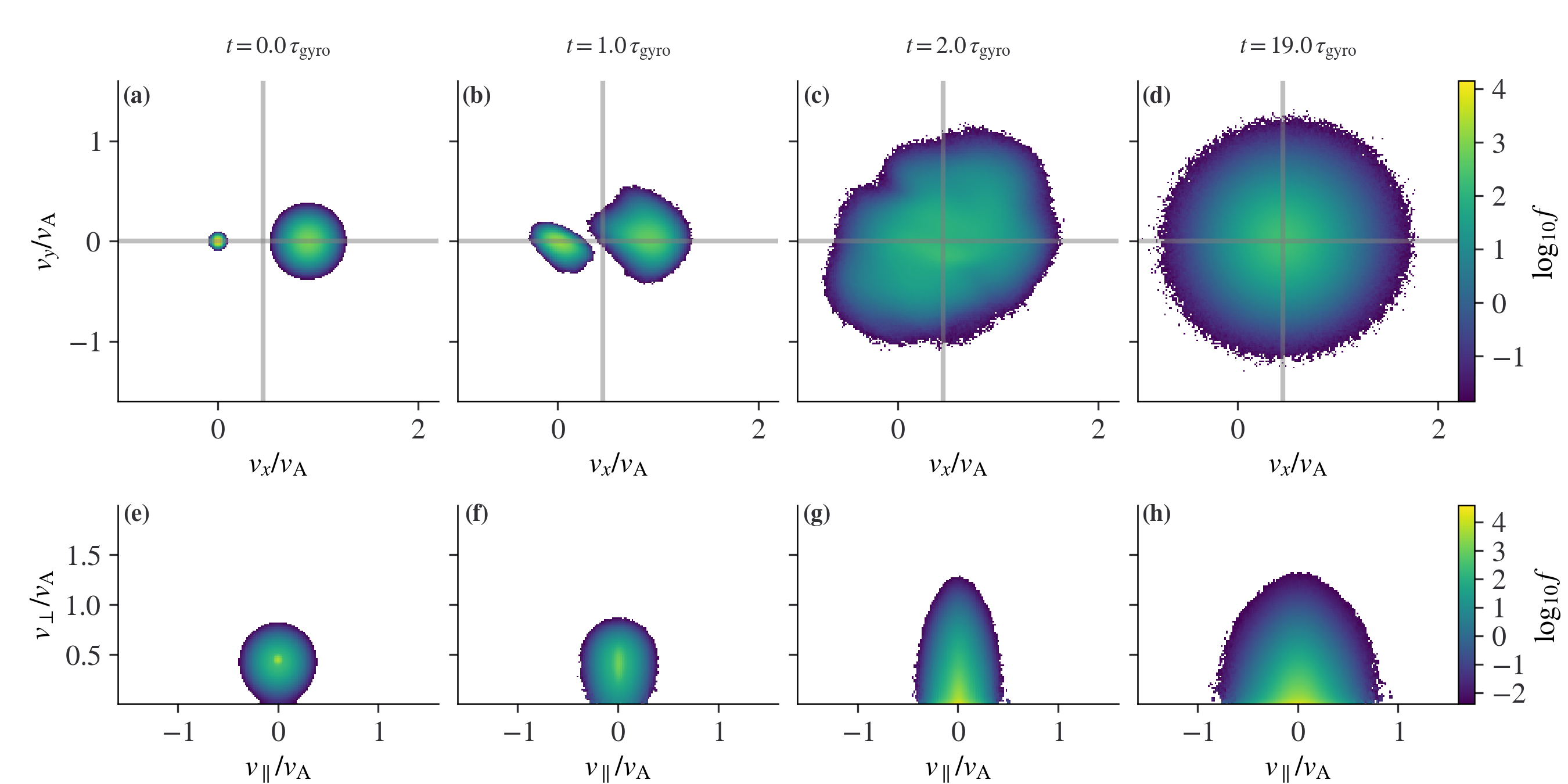
Figure 2: Reduced ion velocity distributions at representative times, showing the evolution from separated, nongyrotropic populations to a fully merged Maxwellian.
The energy pathway is direct: perpendicular bulk kinetic energy associated with drift is transferred to field fluctuations and subsequently converted to thermal energy, as quantified in the asymptotic closure of the bulk kinetic energy budget and the saturation/decay of the wave energy.
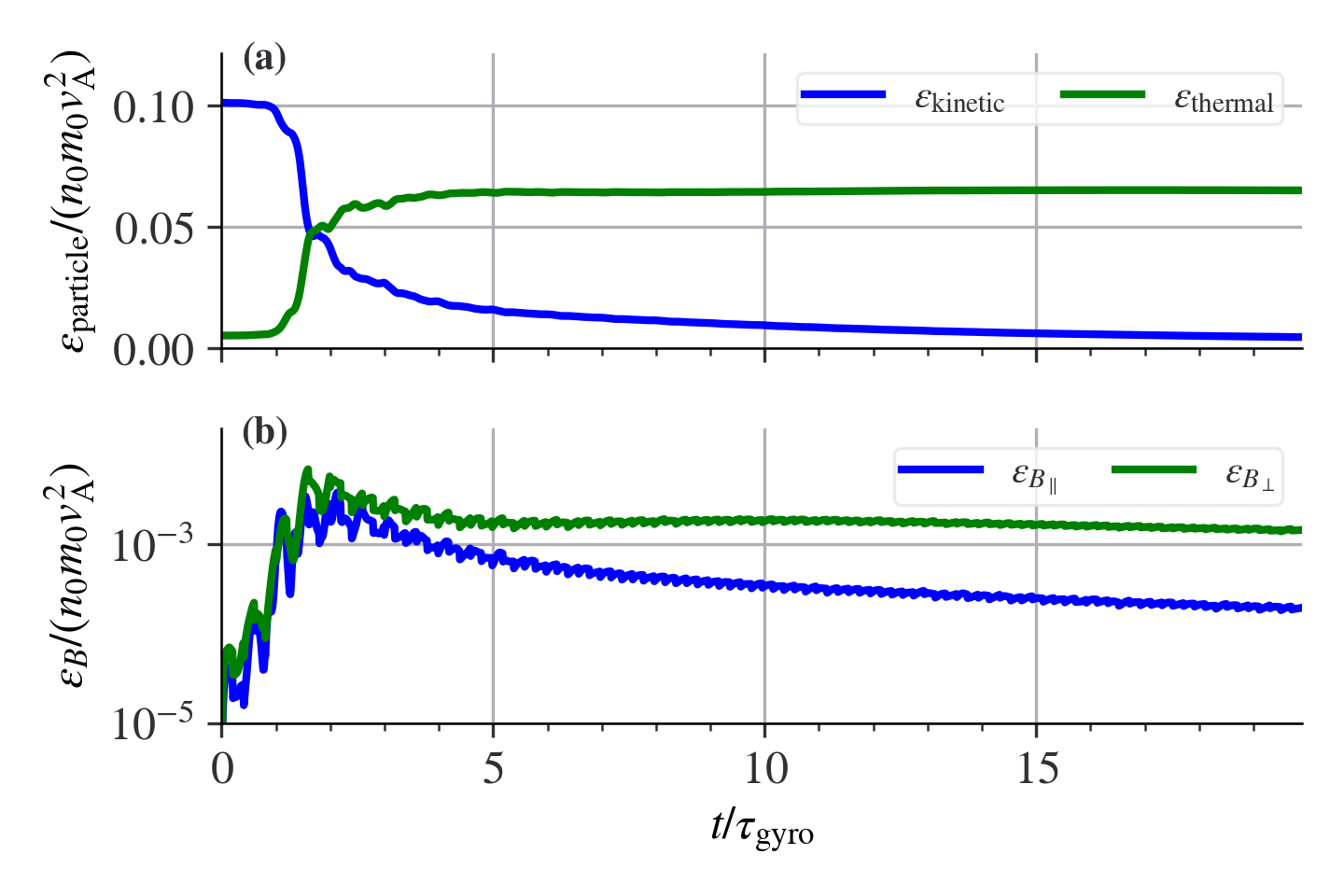
Figure 3: Time evolution of bulk kinetic and thermal energy densities, as well as compressional and transverse magnetic field energies.
A necessary criterion for instability is established: 2MA2(1−ηcr)/(3βcr)>1, expressing the ratio of available kinetic (drift) to thermal energy. This threshold parallels conventional bi-Maxwellian instability criteria but is suitably generalized for the nongyrotropic, drift-dominated regime.
Unstable Modes: Identification and Wave Characteristics
Fourier analysis and polarization decomposition resolve the spectrum of unstable modes. Three classes dominate:
- Transverse (EMIC) Waves: Quasi-parallel propagating electromagnetic ion cyclotron (EMIC) waves, associated with large amplitude left-handed fluctuating fields.
- Compressional Modes: Mirror-mode and ion Bernstein waves with quasi-perpendicular propagation, organizing magnetic power and density fluctuations at distinct k⊥ and ω bands.
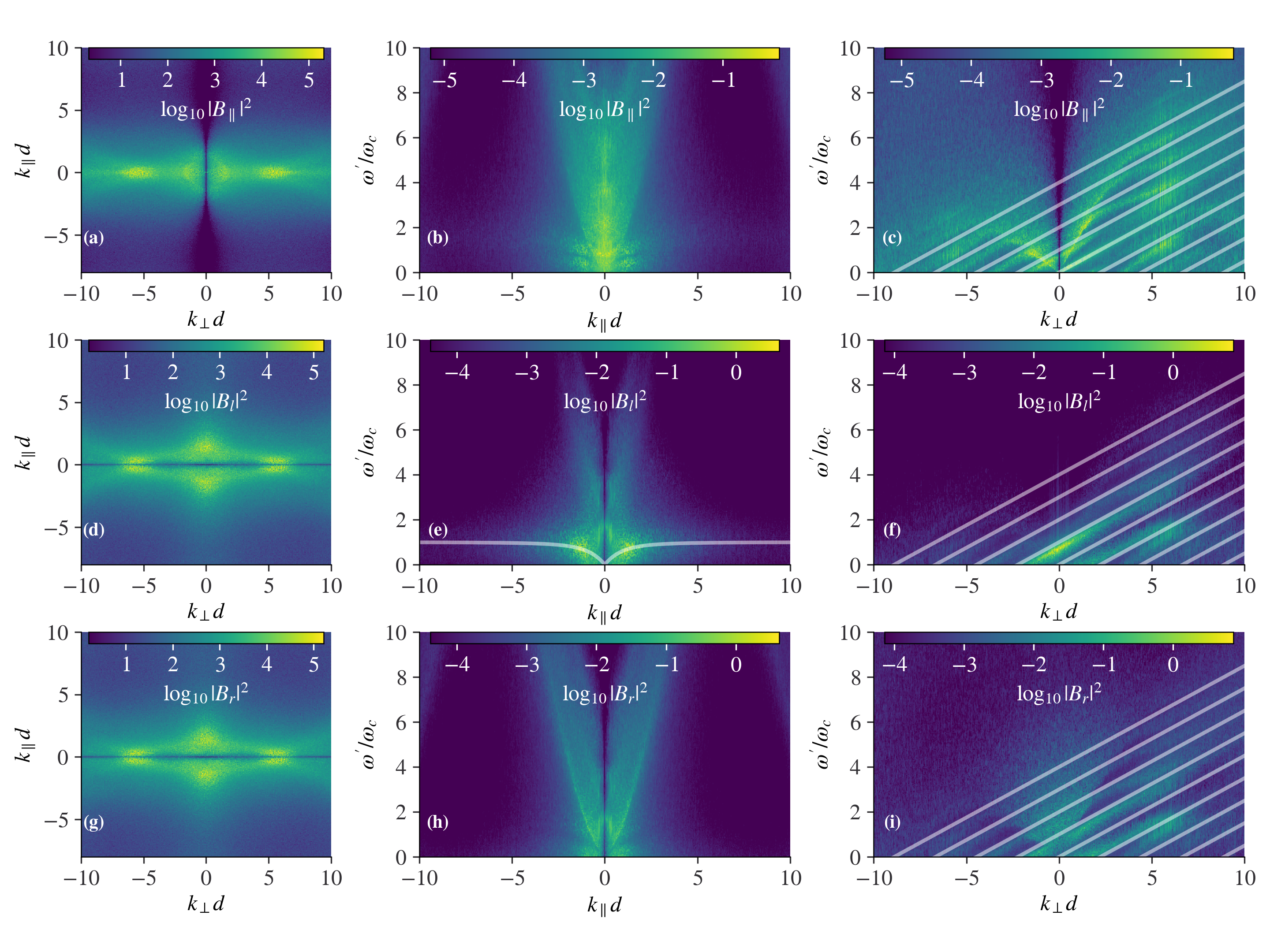
Figure 4: Fourier analysis of magnetic field perturbations; modal decomposition reveals compressional and transverse/EMIC bands, as well as their spectral loci in (k⊥,k∥,ω) space.
Mirror-mode waves exhibit maximal density perturbations, in a phase-anticorrelated relationship with parallel magnetic fluctuations, as expected for pressure-balanced structures.
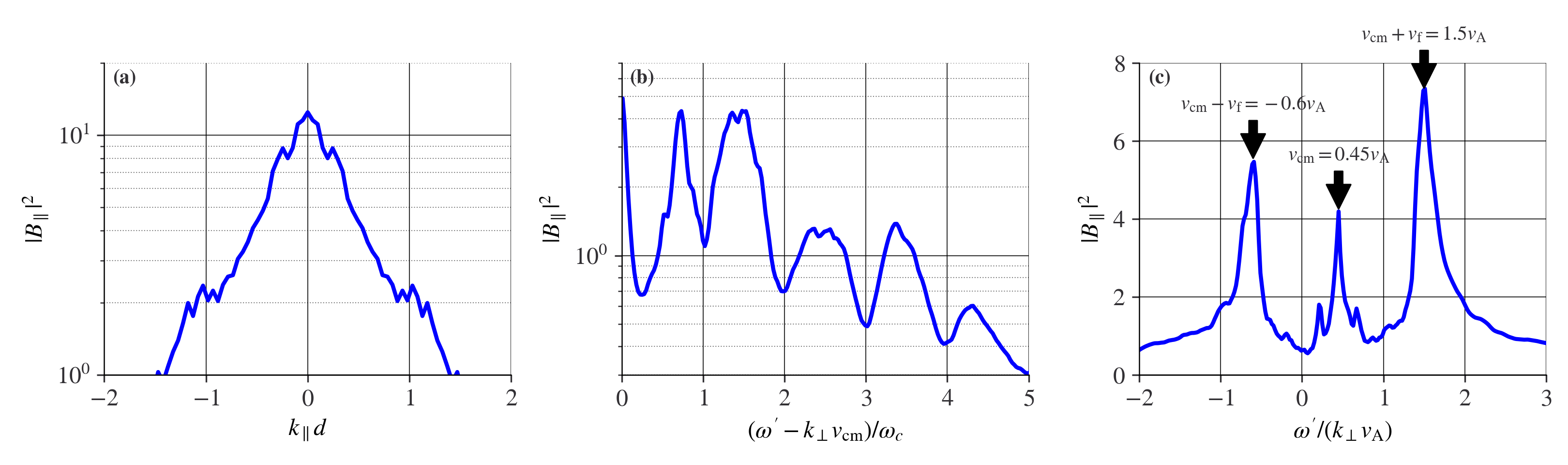
Figure 5: Mirror-mode and ion Bernstein characteristics; spread of power in k∥ and spectral signatures at ω=0 and off-harmonic intervals.
Left-handed EMIC waves dominate the transverse component, peaking near 0.9vA0 for 0.9vA1, while ion Bernstein waves manifest at shorter perpendicular wavelengths.
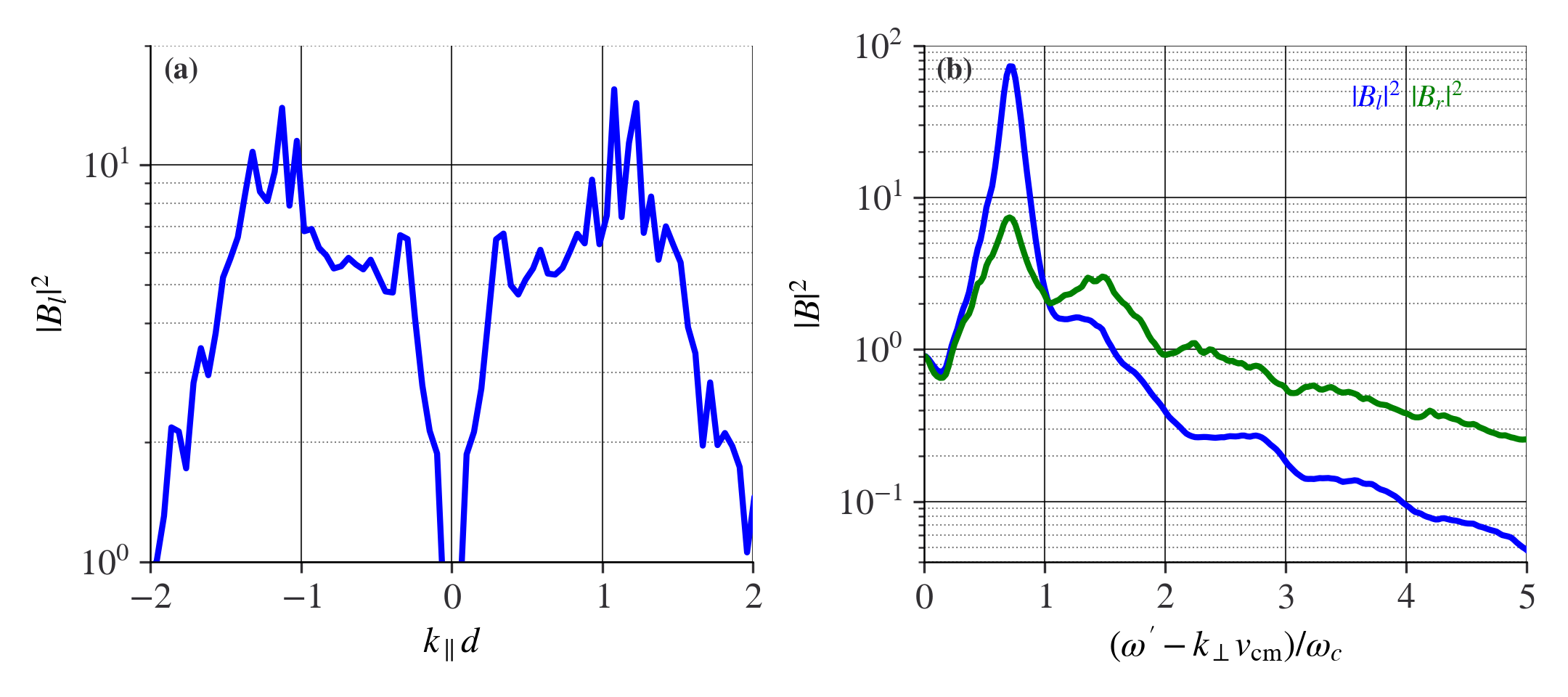
Figure 6: Characteristics of EMIC waves, indicating polarization, power distribution, and the underlying resonant structure.
Electric field analysis demonstrates significant parallel field components for EMIC, together with elliptically polarized compressional field structure for ion Bernstein waves.
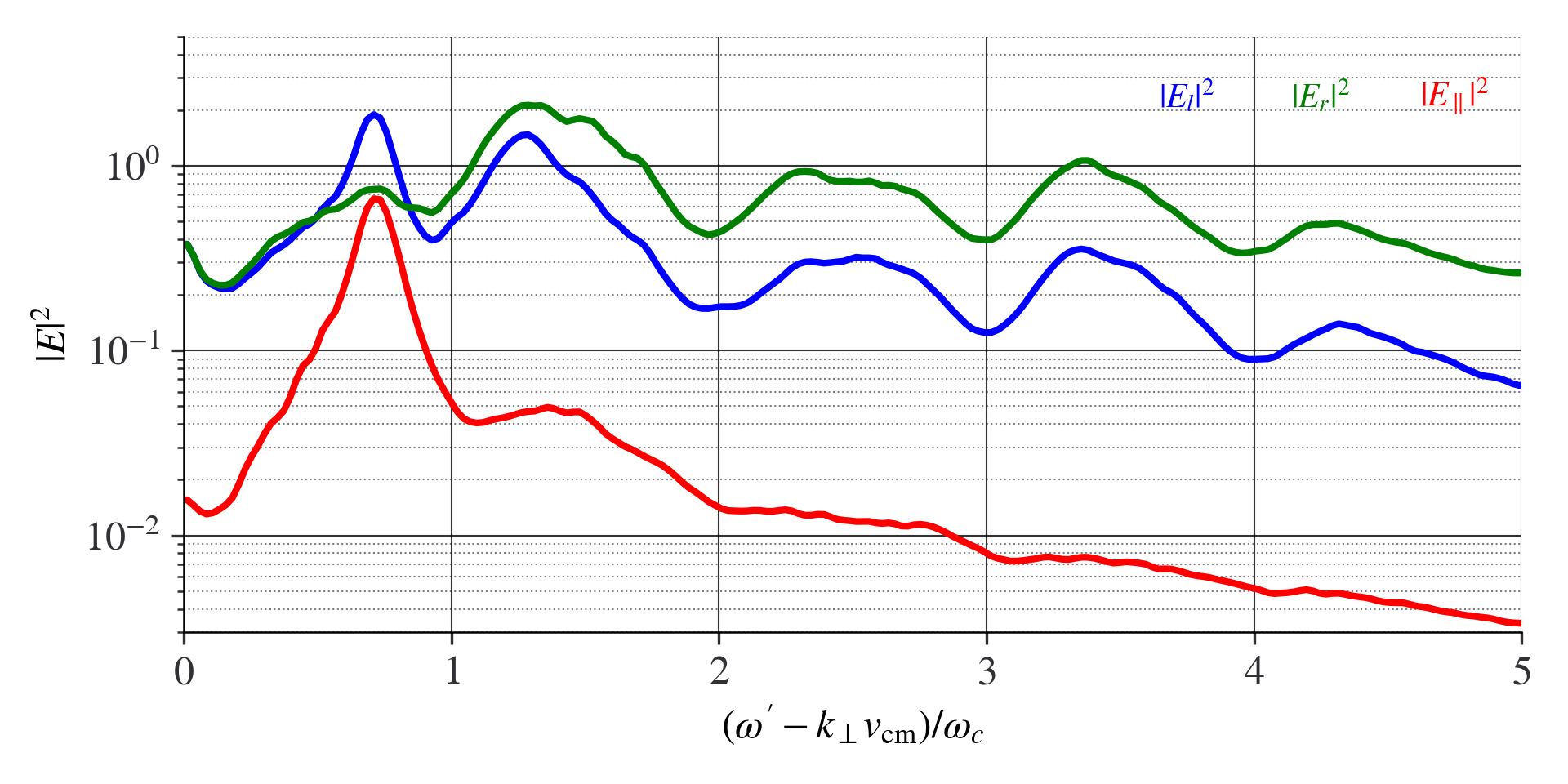
Figure 7: Frequency spectra of different electric field polarization components in the center-of-mass frame.
Density Fluctuations and Mode-Selective Phase Relationships
Density variance closely tracks compressional wave energy, growing and saturating within two gyroperiods. Density Fourier analysis and phase-coherence diagnostics confirm mirror-mode dominance at long wavelength, in antiphase with 0.9vA2, and clarify the subdominant, in-phase density response of EMIC and the overall weak compressional response of ion Bernstein activity.
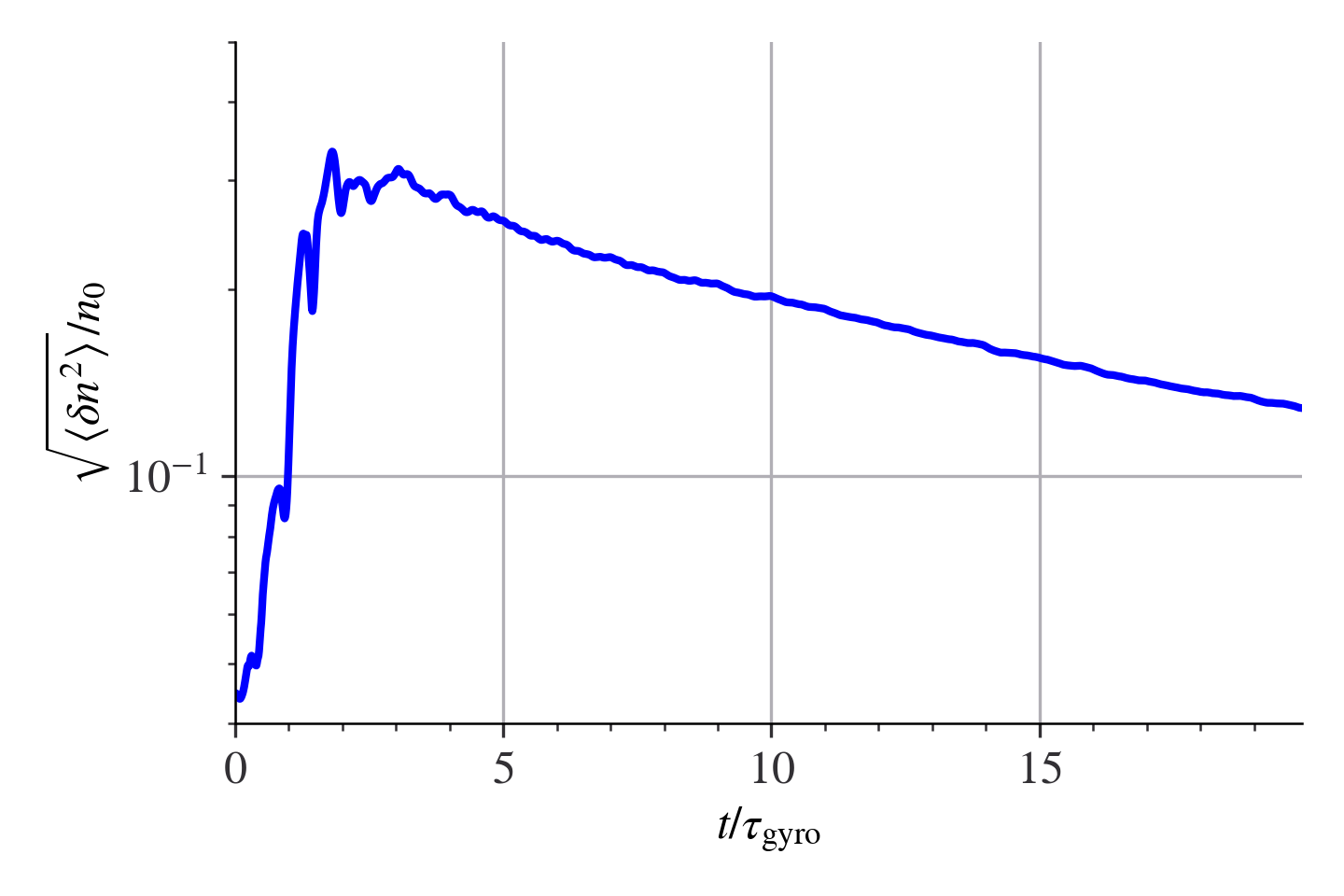
Figure 8: Temporal evolution of normalized density variance.
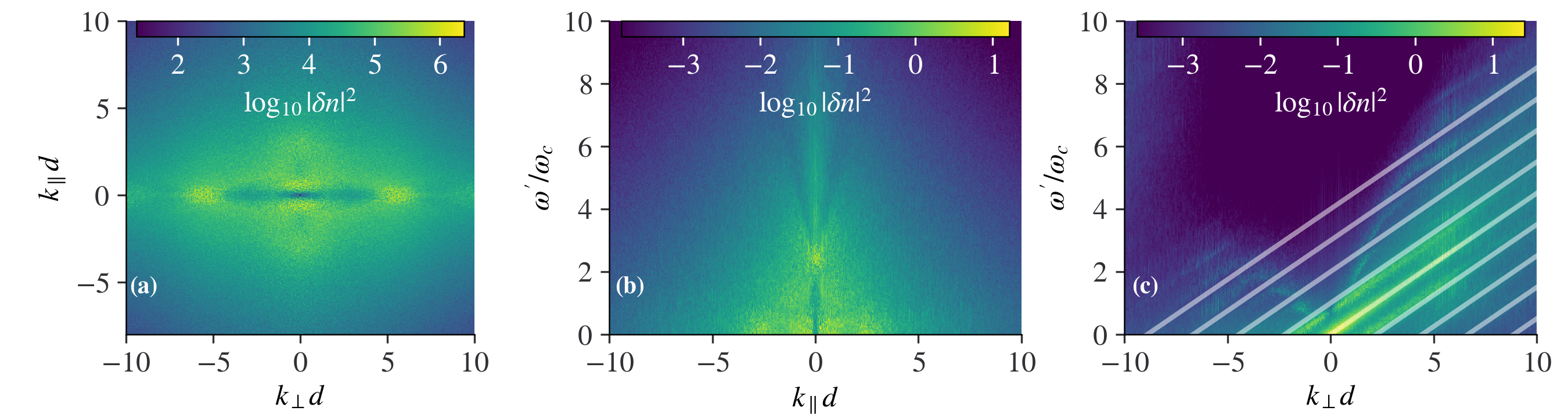
Figure 9: Spectral analysis of density fluctuations in wavenumber-frequency space, with overlays of ion gyrofrequency harmonics.
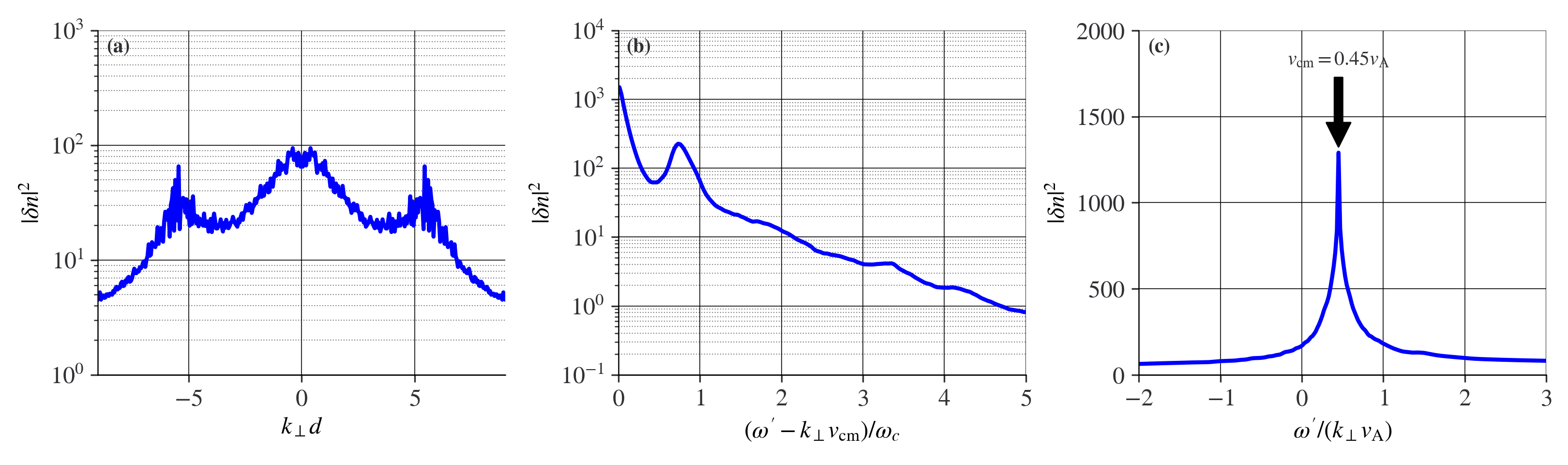
Figure 10: Separation of density fluctuation power among different modes and their spectral signatures.
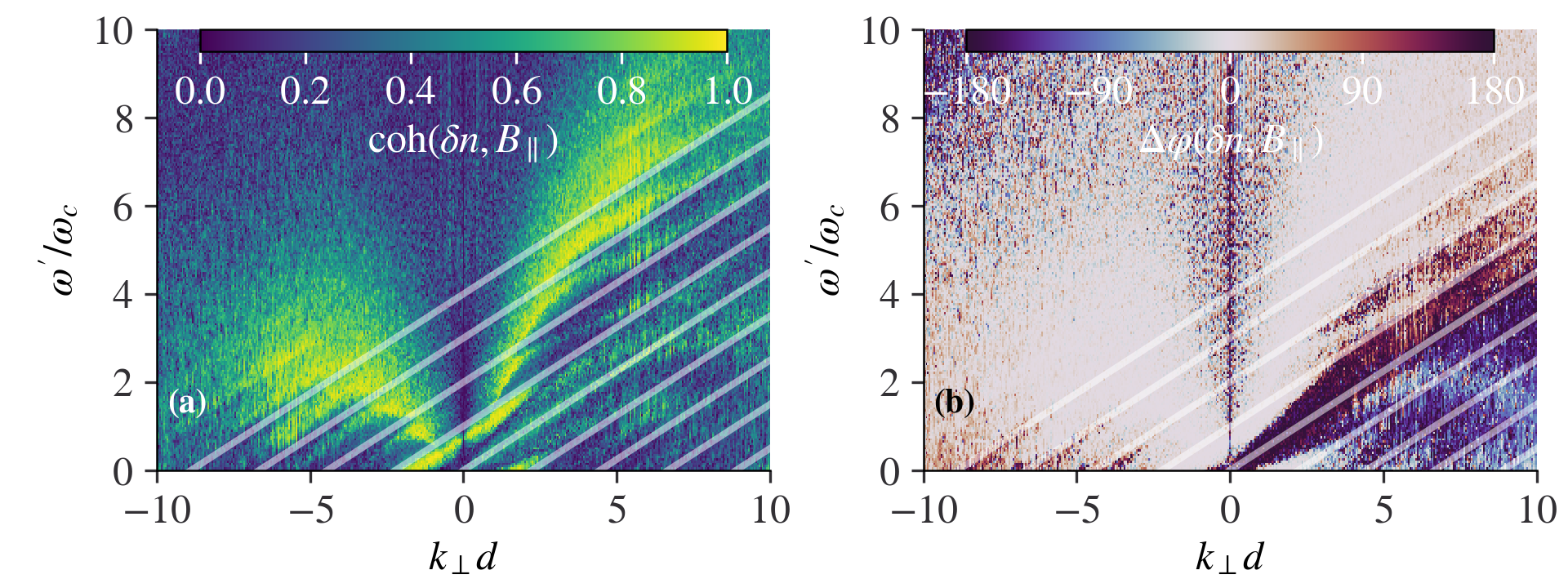
Figure 11: Coherence and phase-difference spectra between density and 0.9vA3; mirror-mode anticorrelation and mode selectivity are evident.
Field-Particle Correlation Formalism: Identifying Velocity-Space Resonances
A central contribution is the generalization of the field-particle correlation function 0.9vA4 to nongyrotropic distributions. Analysis demonstrates that energy transfer signatures are governed not only by gradients 0.9vA5 (with 0.9vA6 the gyrophase harmonic) but also by higher-order couplings between wave modes at 0.9vA7 and 0.9vA8, enabled by the explicit gyrophase structure. These additional energy transfer channels, absent in gyrotropic cases, are shown to be critical for instability and rapid thermalization.
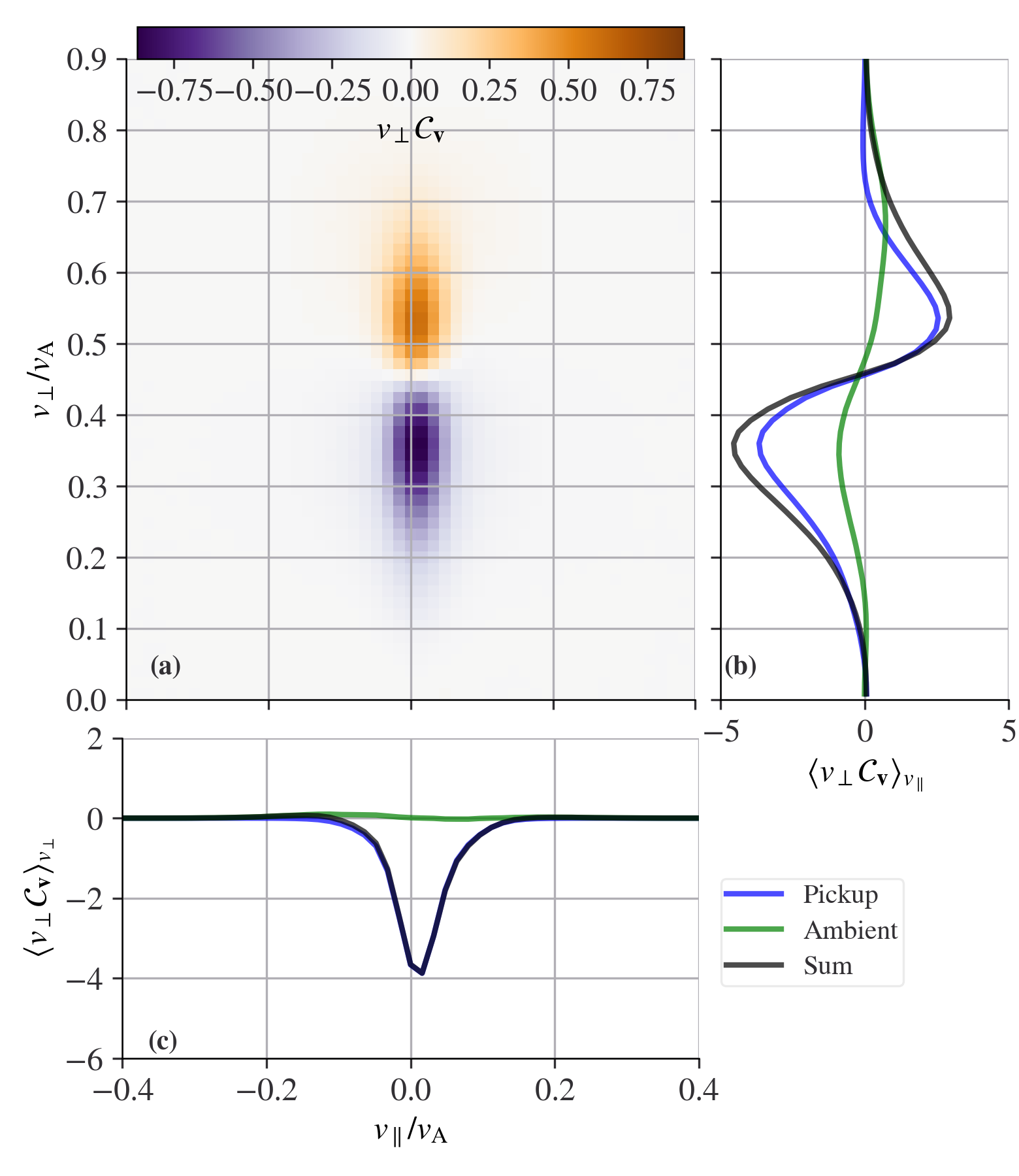
Figure 12: Field-particle correlation function 0.9vA9 prior to wave saturation, highlighting velocity-domain regions contributing to instability and damping.
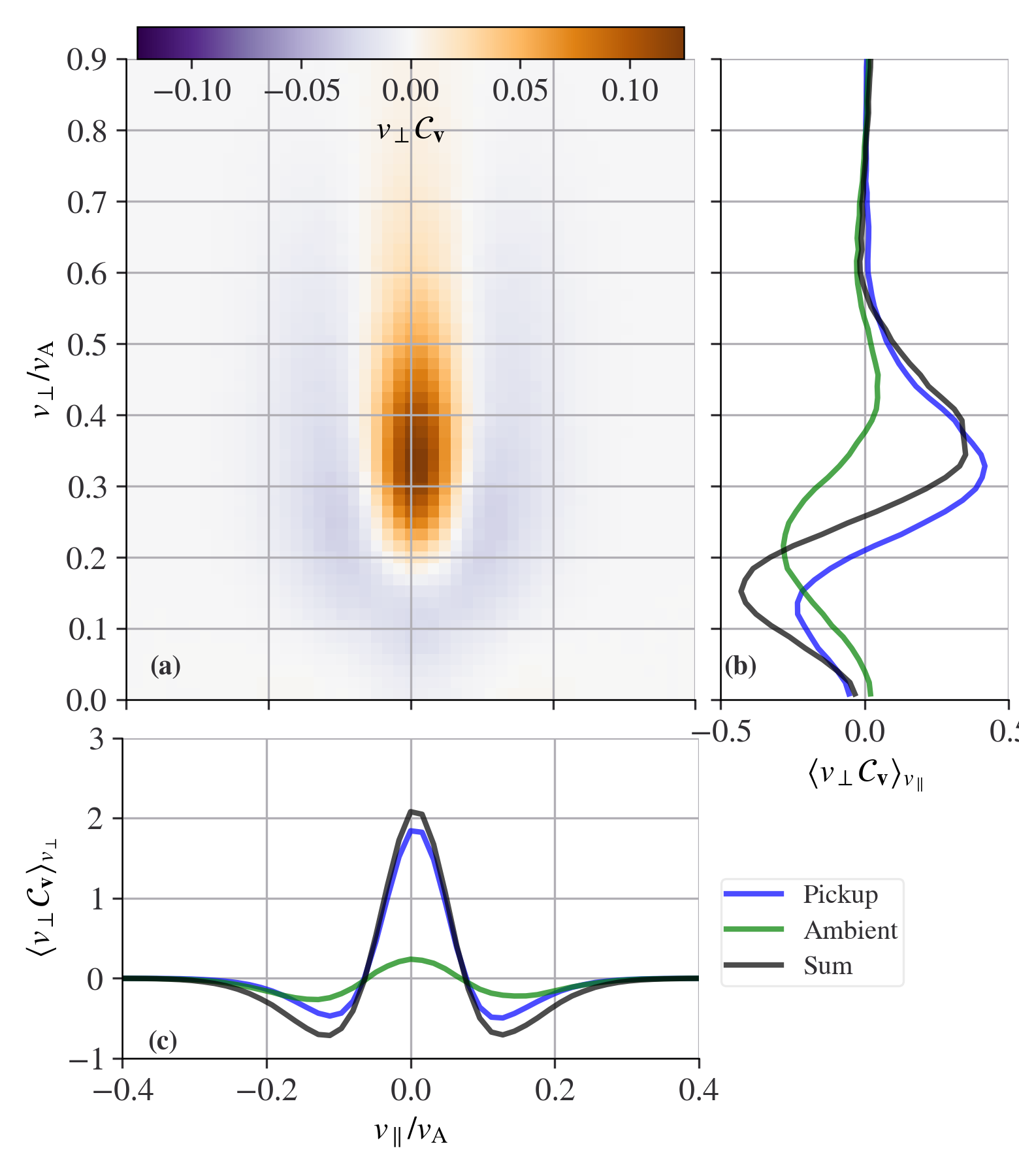
Figure 13: Post-saturation +0 shows reorganization of energy flow and damping dominance.
Nongyrotropy is not only present but essential; the leading contribution to EMIC wave growth arises from the second harmonic +1, via cross-polarization couplings in the field-particle interaction formalism. The gyrotropic (+2) component is found to have a damping effect on EMIC, a numerical result at odds with conventional ring-distribution-driven expectations.
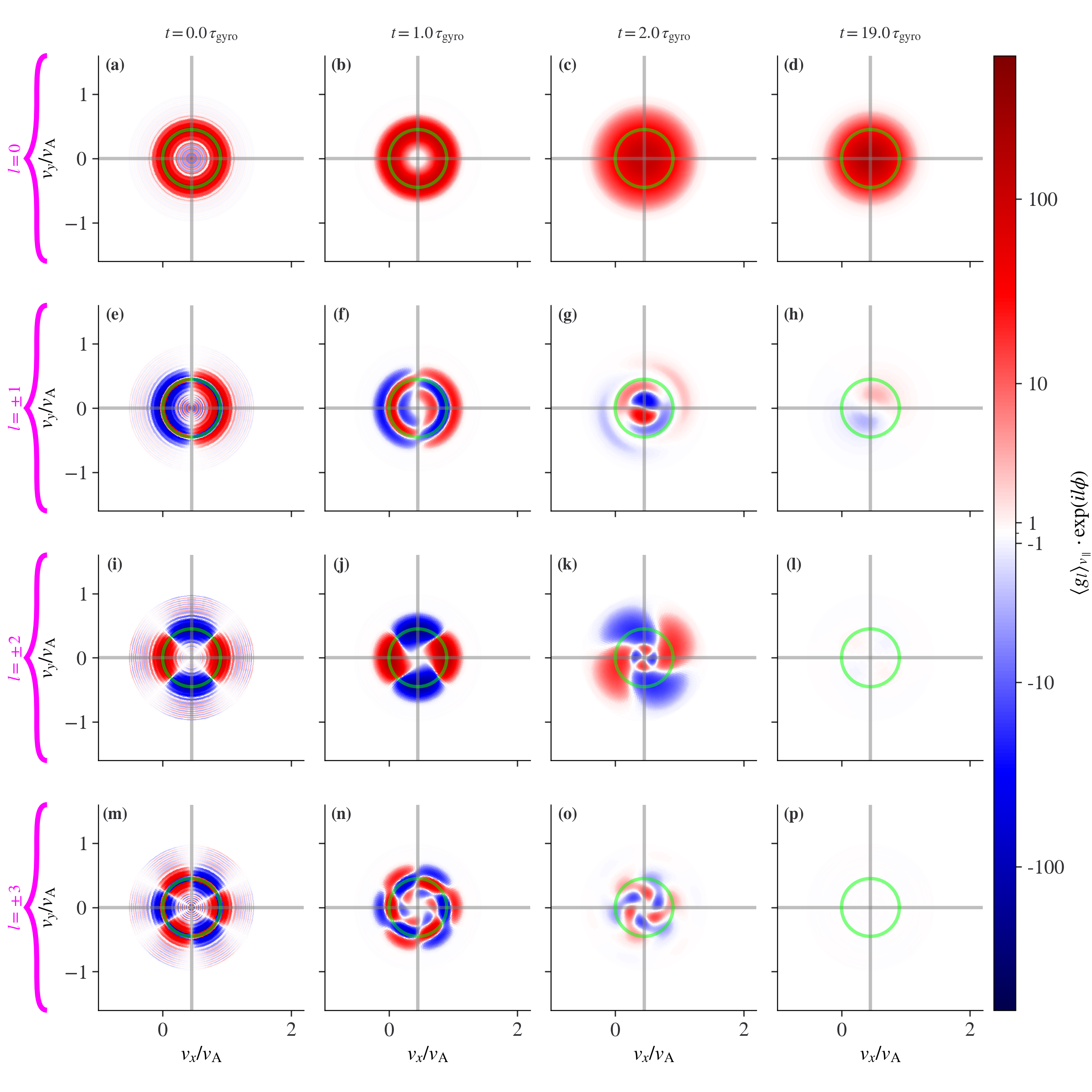
Figure 14: Velocity-space decomposition of the instantaneous, spatially-averaged ion distribution into gyrophase harmonics.
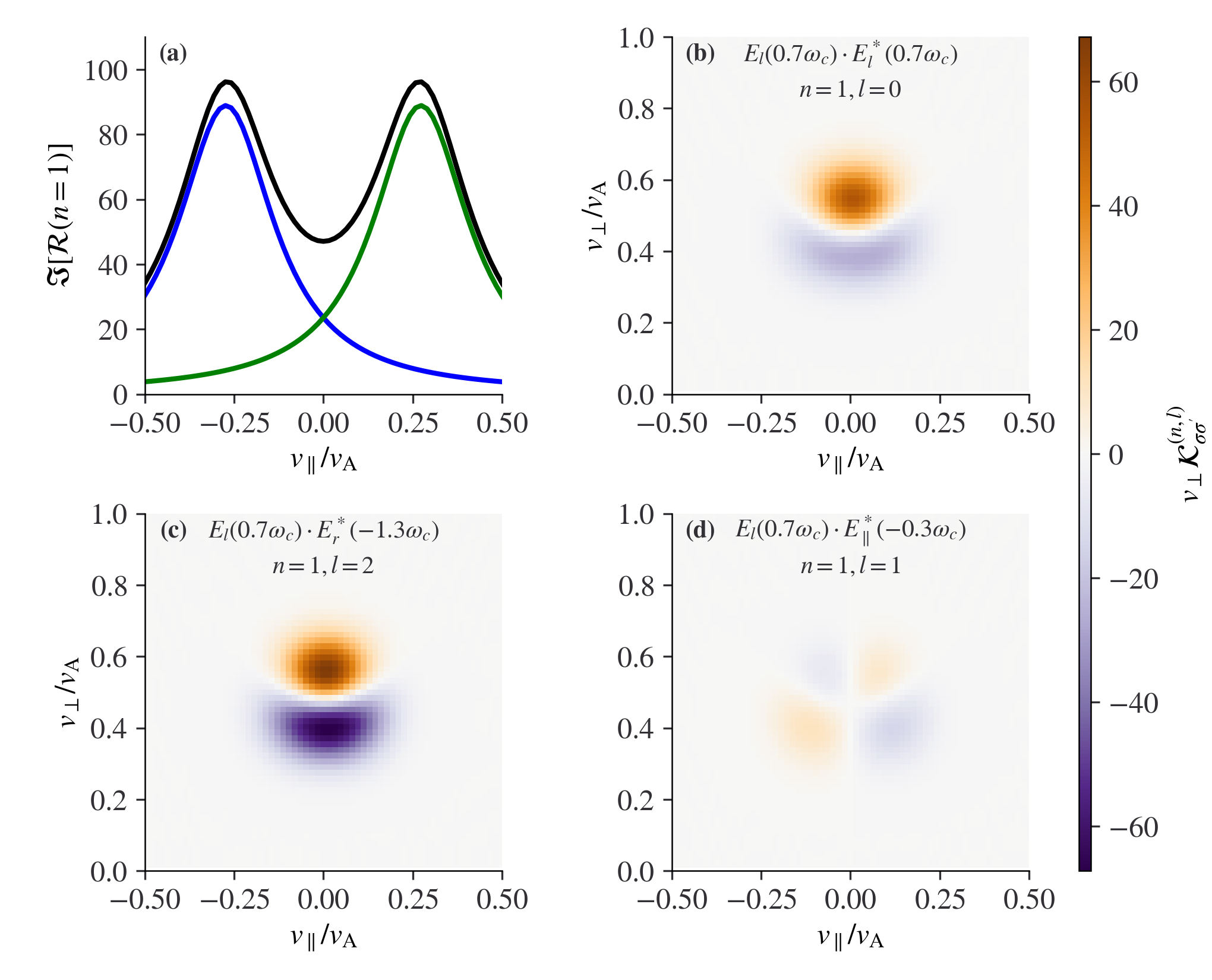
Figure 15: Resonance factor and selected coupling coefficients in field-particle correlation for EMIC wave at +3, +4.
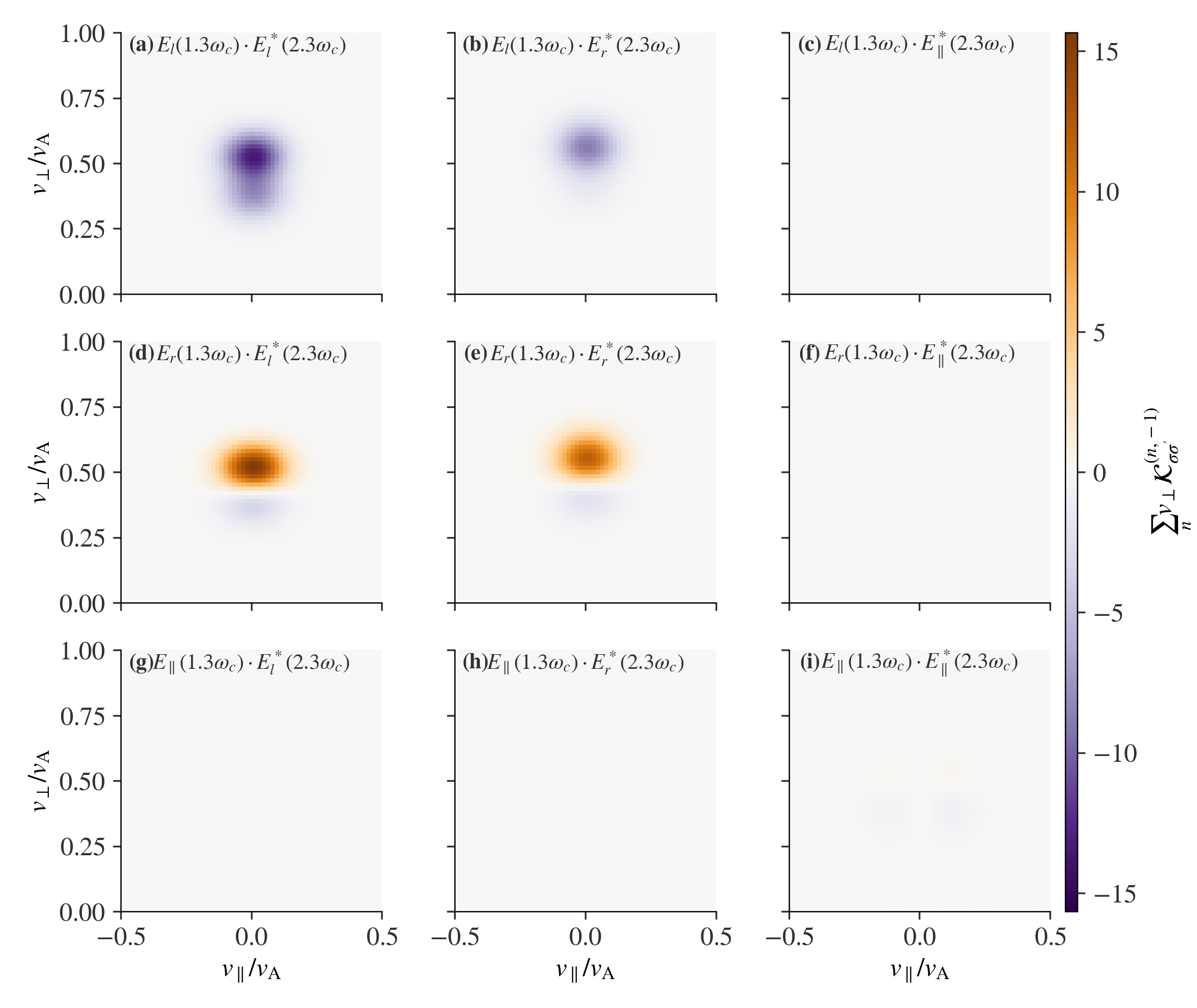
Figure 16: Selected coupling coefficients +5 for the fastest-growing ion Bernstein wave, revealing mode- and harmonic-selective energy transfer structure.
Similar mode- and resonance-selective analyses are performed for mirror-mode waves and additional gyrophase harmonics.
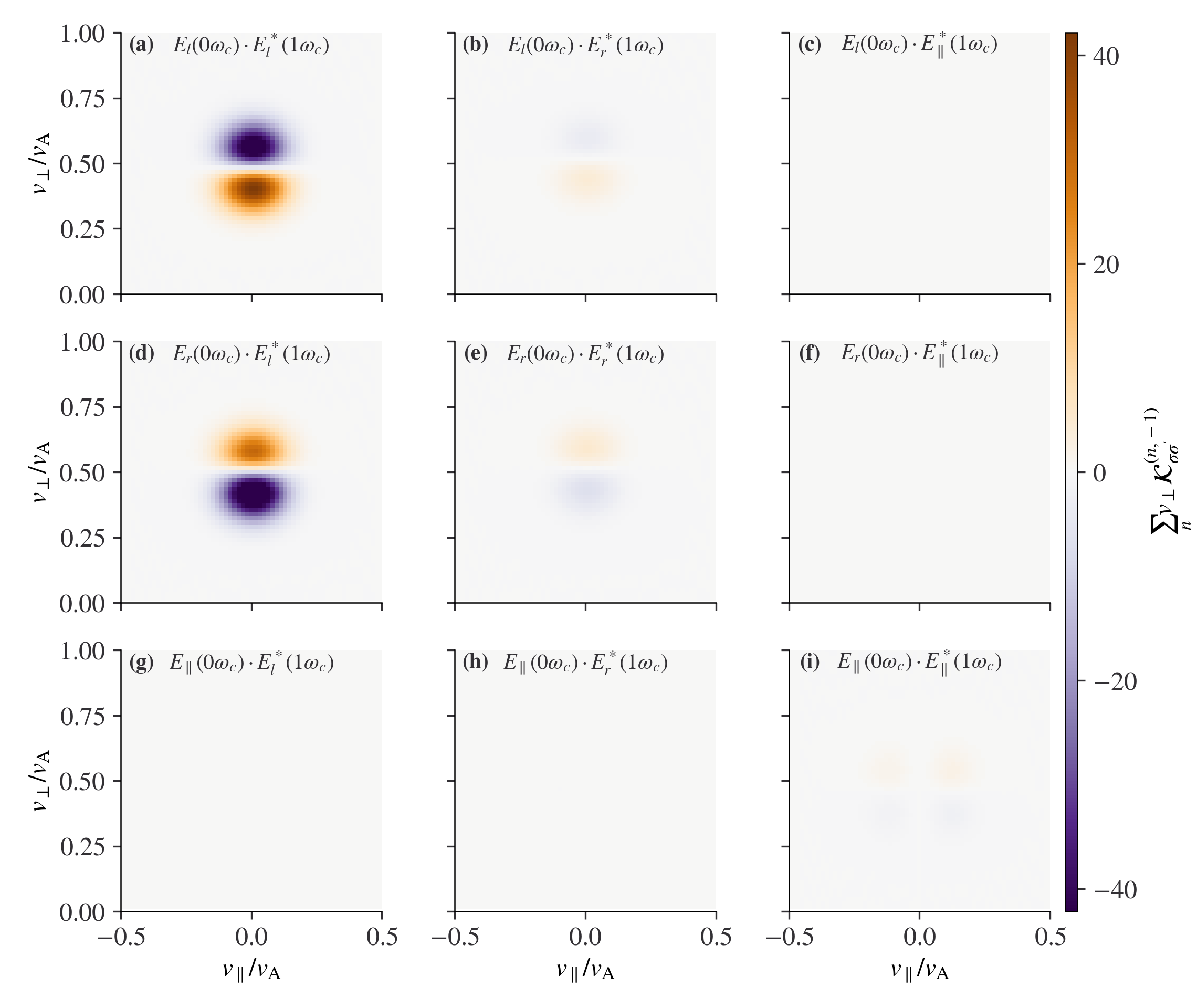
Figure 17: Field-particle correlation coefficients for the fastest-growing mirror mode with +6 gyrophase harmonic.
Implications and Theoretical Prospects
These results establish that, in natural pickup environments where ionization is localized and/or time-dependent, significant nongyrotropy persists and fundamentally controls the excitation, growth, and saturation of plasma modes. The generalized field-particle correlation framework enables mapping of velocity-space energy flows for arbitrary gyrophase structure and identifies new mechanisms for wave growth absent in bi-Maxwellian or ring beam theories.
Theoretical implications include:
- The necessity to generalize instability thresholds and linear kinetic theory to account for arbitrary gyrophase harmonics, directly impacting plasma models for natural satellites, comets, and planetary exospheres.
- The identification of transition regimes where gyrophase scattering is not asymptotically fast compared to perpendicular thermalization, requiring new treatments in global and mesoscale models.
- The practical application to in situ interpretation of spacecraft data at moons like Io, Europa, and Enceladus, where multi-mode wave activity is observed and traditional gyrotropic assumptions may be invalid.
Future directions include kinetic parameter-scan studies to calibrate and sharpen threshold criteria, linear dispersion analysis for arbitrary gyrophase anisotropy, and extension to realistic multi-species ion systems relevant for actual moon-magnetosphere interactions.
Conclusion
This work demonstrates that ion pickup at outer planet moons, in the presence of nongyrotropic velocity distributions, is mediated by the rapid excitation of both EMIC (transverse) and mirror/ion-Bernstein (compressional) waves, ultimately facilitating efficient velocity-space isotropization. The introduction of a generalized field-particle correlation formalism reveals nongyrotropic harmonics as essential drivers of wave growth and kinetic thermalization. The findings call for revision of both theoretical and observational interpretations of pickup-dominated planetary environments, with consequences extending to planetary atmospheric escape, magnetospheric circulation, and comparative heliophysics.
(2604.10083)