- The paper proposes a neural distribution prior module that reweights OOD scores based on class-dependent prior structures in LiDAR data.
- It integrates a Perlin noise-based augmentation and soft outlier exposure strategy to effectively address class imbalance and enhance anomaly detection.
- Empirical results on SemanticKITTI and STU benchmarks demonstrate significant improvements in detection precision without compromising segmentation performance.
Neural Distribution Prior for LiDAR Out-of-Distribution Detection
Out-of-distribution (OOD) detection in LiDAR-based scene perception is a critical yet unsolved challenge for robust open-world autonomous driving. Standard models, trained under the closed-set assumption, are susceptible to misclassifying OOD objects—novel obstacles or hazards not seen during training (e.g., road debris, construction equipment)—as in-distribution (ID) categories, yielding unsafe predictions and poor downstream performance. This problem is exacerbated in LiDAR data by extreme class imbalance, where dominant classes (road, building, vegetation) account for the majority of points while safety-critical actors (pedestrian, bicycle, etc.) are underrepresented by several orders of magnitude.
Existing OOD detectors, primarily designed for images or balanced datasets, are inadequate: they ignore prior logit distribution structure and fail to address imbalanced uncertainty calibration in LiDAR. This paper proposes the Neural Distribution Prior (NDP)—an adaptive, learnable module that reweights OOD scores based on class-dependent prior structure, improving robustness and calibration in challenging long-tailed 3D perception.
OOD detection is cast as point-wise segmentation: given an input point cloud X={xj}, the network must score the likelihood of each point being OOD. Points are classified as OOD if the uncertainty score S(fΘ,xj) exceeds a threshold γ.
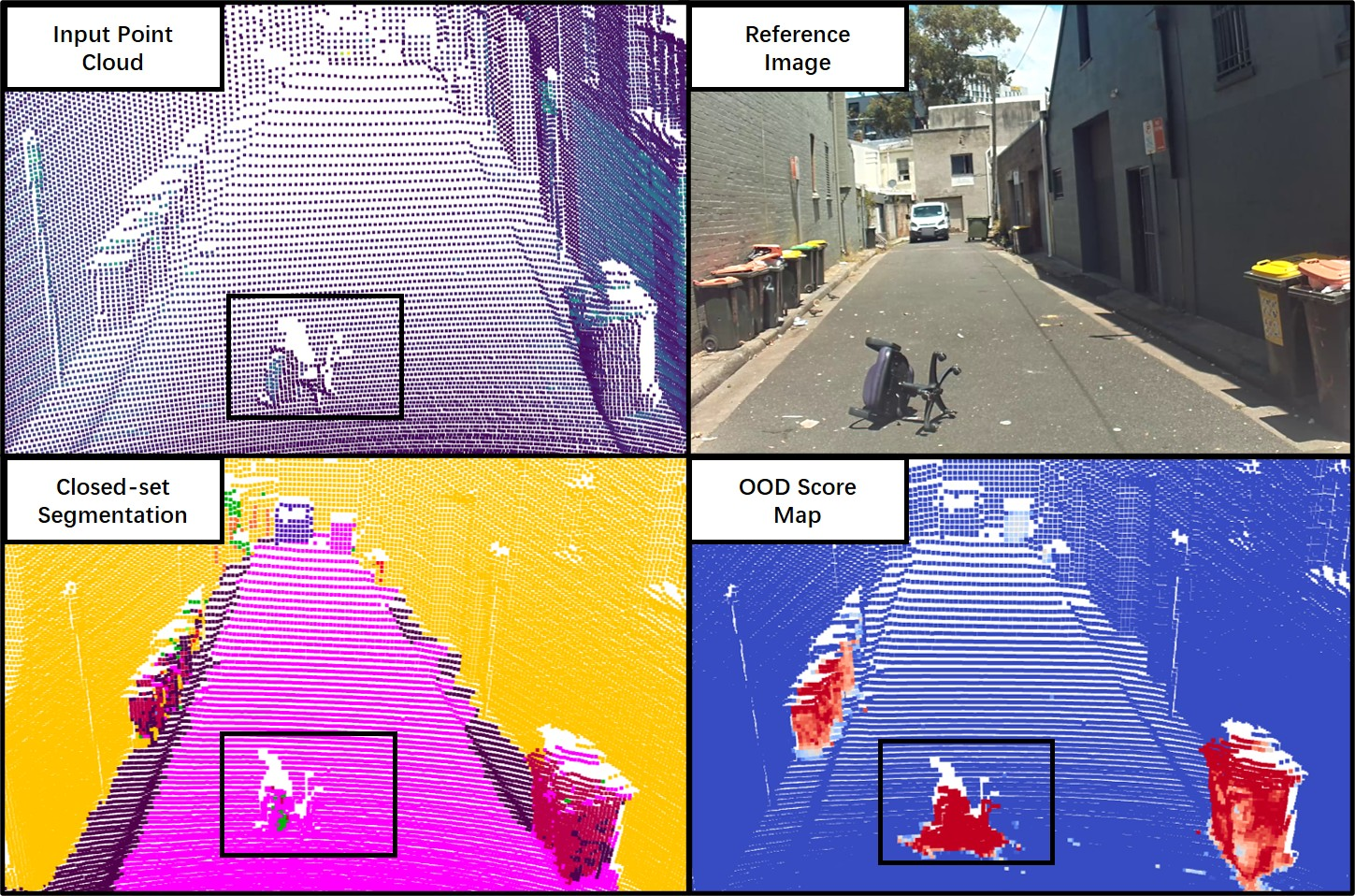
Figure 1: OOD objects are hazardous for LiDAR perception models because they are often misclassified as known categories; NDP recovers high OOD scores for such hazards and anomalies.
The NDP module models the distributional relationships among class logits, regularizing prediction confidence and correcting class-dependent bias through a lightweight, plug-in attention network. For every point, output logits fΘ(x) are projected into a latent embedding, which interacts (via cross-attention) with a learnable distribution prior matrix ψ that captures class-specific logit patterns observed in training data. The resulting attention-derived prior alignment score reweights the base OOD scoring function:
SNDP(fΘ,x)=SMethod(fΘ,x)⋅W(fΘ,ψ)
where W reflects soft alignment between prediction and training prior. This mechanism is agnostic to the base OOD scoring function, supporting entropy, energy, and extended energy-based definitions.
Key architectural components are integrated within the Mask4Former-3D framework: a sparse UNet extracts multiscale features, a multilayer perceptron (MLP) head produces class logits for OOD scoring, and a transformer decoder ensures the closed-set prediction remains robust.
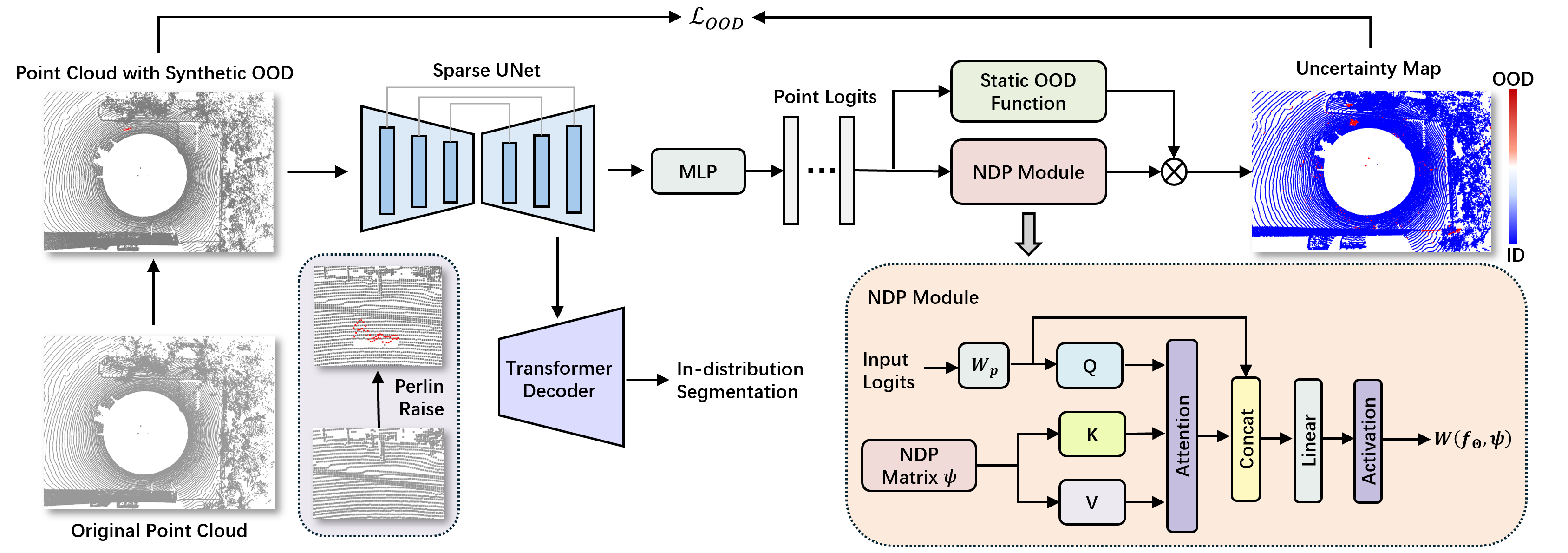
Figure 2: Overview of the NDP framework, illustrating Perlin Raise OOD sample synthesis, multi-branch prediction, and neural prior reweighting.
Synthetic OOD Augmentation via Perlin Raise
A crucial challenge is the scarcity and lack of diversity in auxiliary OOD samples for supervised learning. The paper introduces Perlin Raise, a Perlin noise-based geometric perturbation strategy that generates diverse, realistic pseudo-OOD objects directly from existing LiDAR scans. Noise fields modulate the local surface geometry of randomly selected planar regions (typically road patches), creating smooth yet irregular structures acting as synthetic hazards. Points with the strongest perturbations are clustered (via DBSCAN) and assigned OOD labels. This procedure can generate arbitrary OOD shapes without external data, enhances sample diversity, and supports generalizable boundary learning.
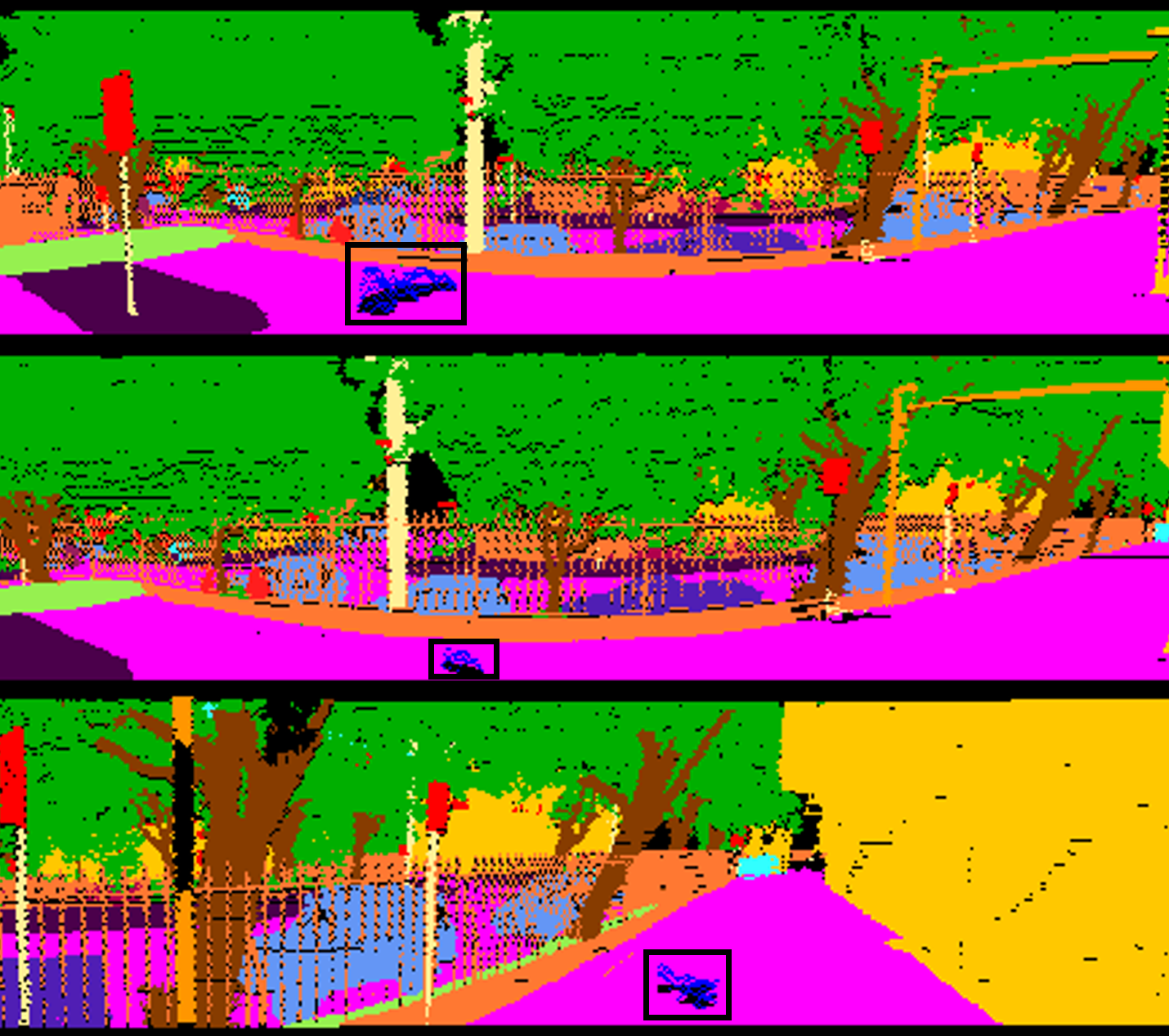
Figure 3: Range-view visualization of Perlin Raise-generated OOD samples (blue) demonstrating geometric diversity.
Soft Outlier Exposure and Training Objective
Classical Outlier Exposure strategies rely on binary hard OOD labels, but in 3D semantic segmentation, "void" regions (label-excluded points) often correspond not to anomalies but to unannotated meaningful content, introducing noise and overfitting risks.
The Soft Outlier Exposure (SOE) strategy assigns soft probability targets (moderate between ID and OOD) to these ambiguous points, allowing the model to benefit from their regularizing effect without collapsing decision boundaries.
The total objective combines:
- Standard cross-entropy for in-distribution points
- Binary logistic OOD loss for synthetic Perlin OOD samples
- Soft regression loss for "void" regions via SOE.
This approach ensures both robust OOD discrimination and preservation of closed-set segmentation performance.
Handling Class Imbalance in LiDAR
The core insight motivating NDP is that static OOD scoring fails under severe class distribution skew. As demonstrated in both SemanticKITTI and STU, dominant classes account for the vast majority of points, hampering memorization-free anomaly detection. NDP's learnable prior automatically calibrates OOD scores depending on the predicted alignment with typical in-distribution class patterns, counteracting bias towards head classes and improving rare event sensitivity.
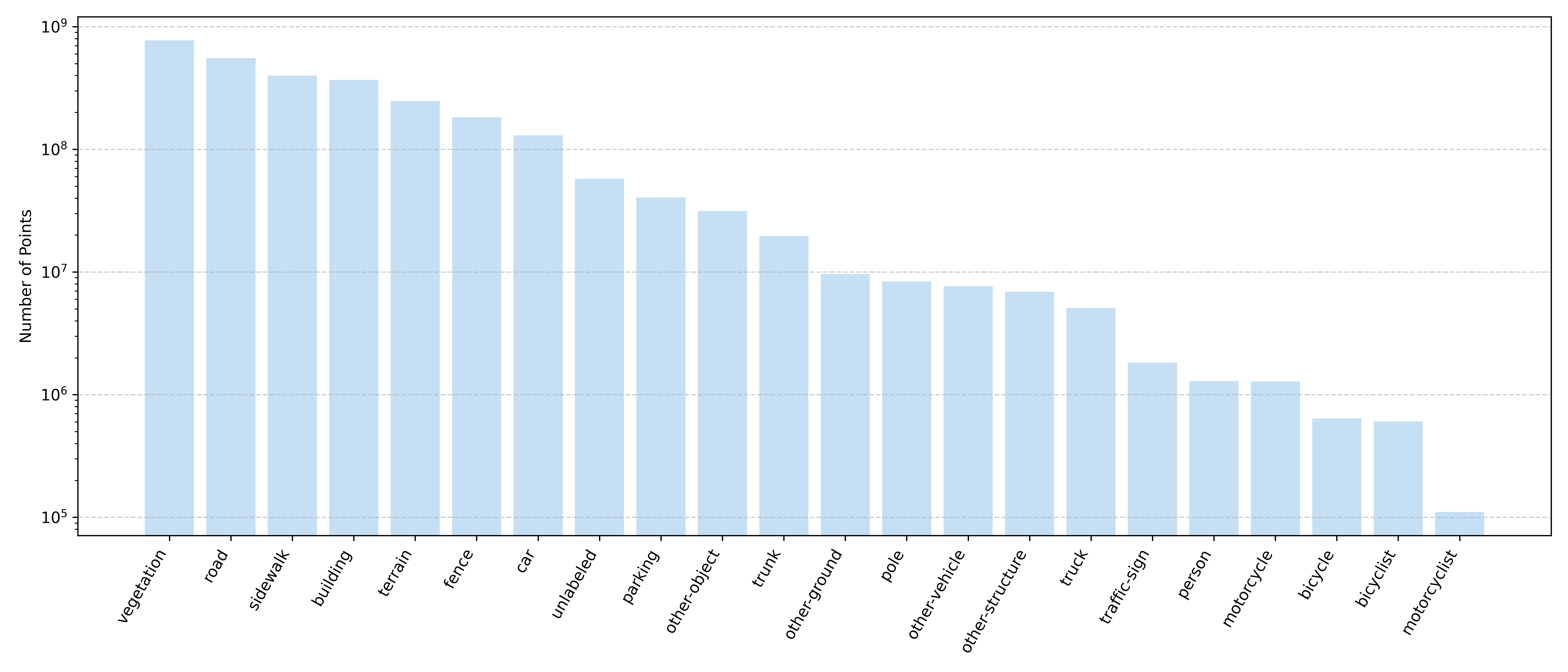
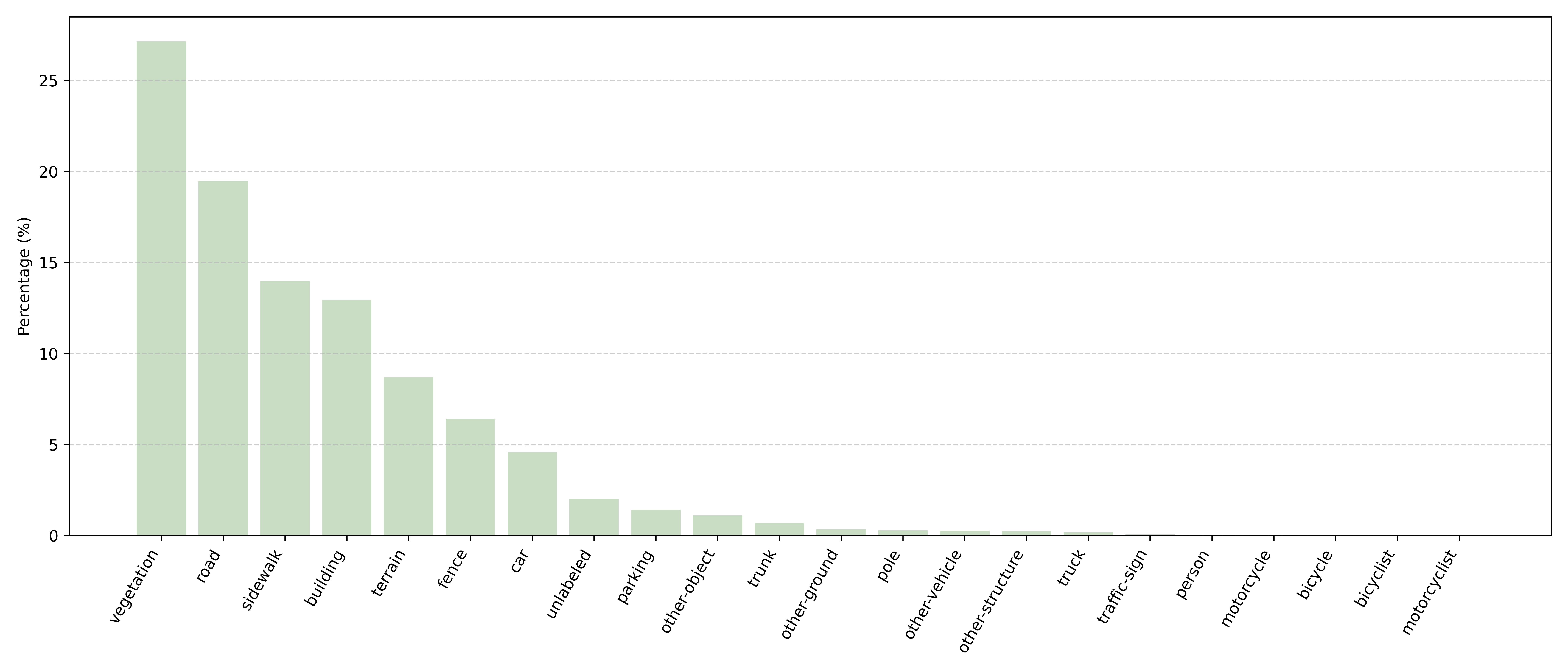
Figure 4: Per-class point counts (log scale), demonstrating severe class imbalance in SemanticKITTI.
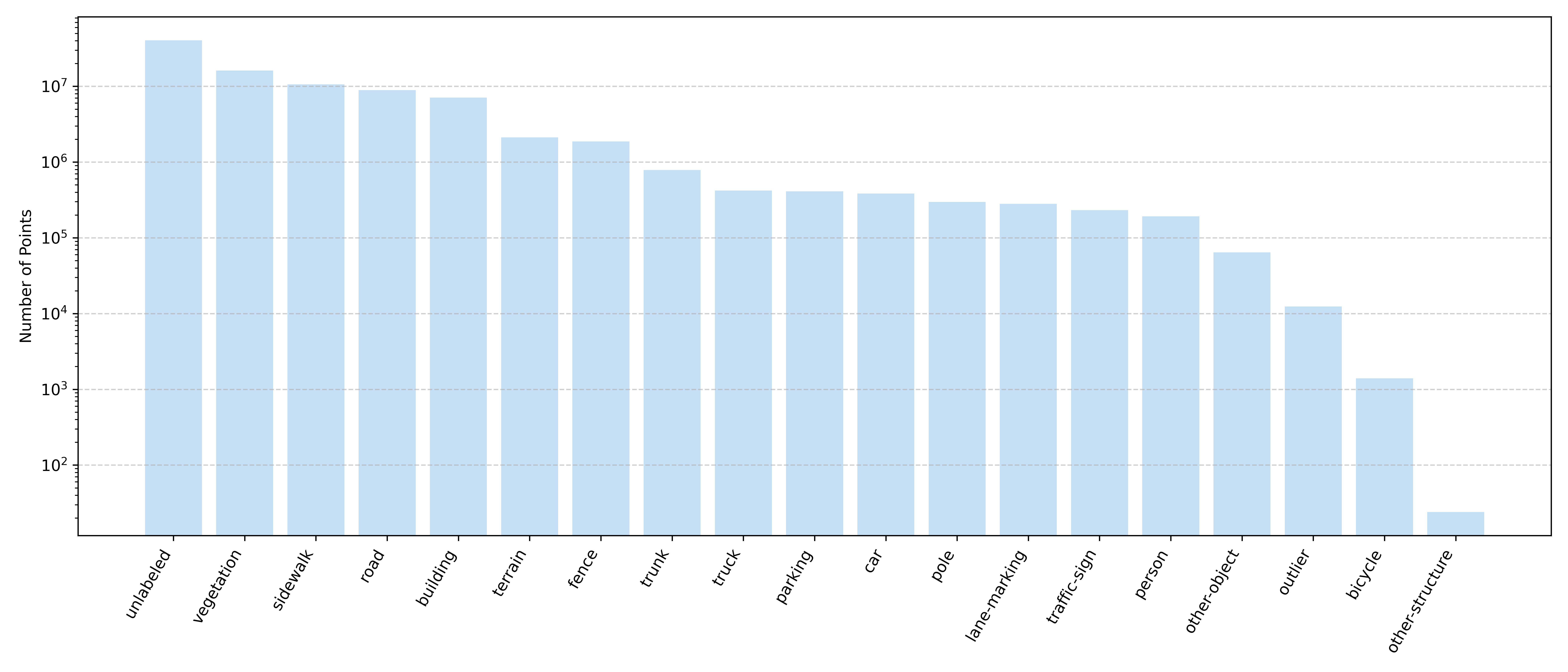
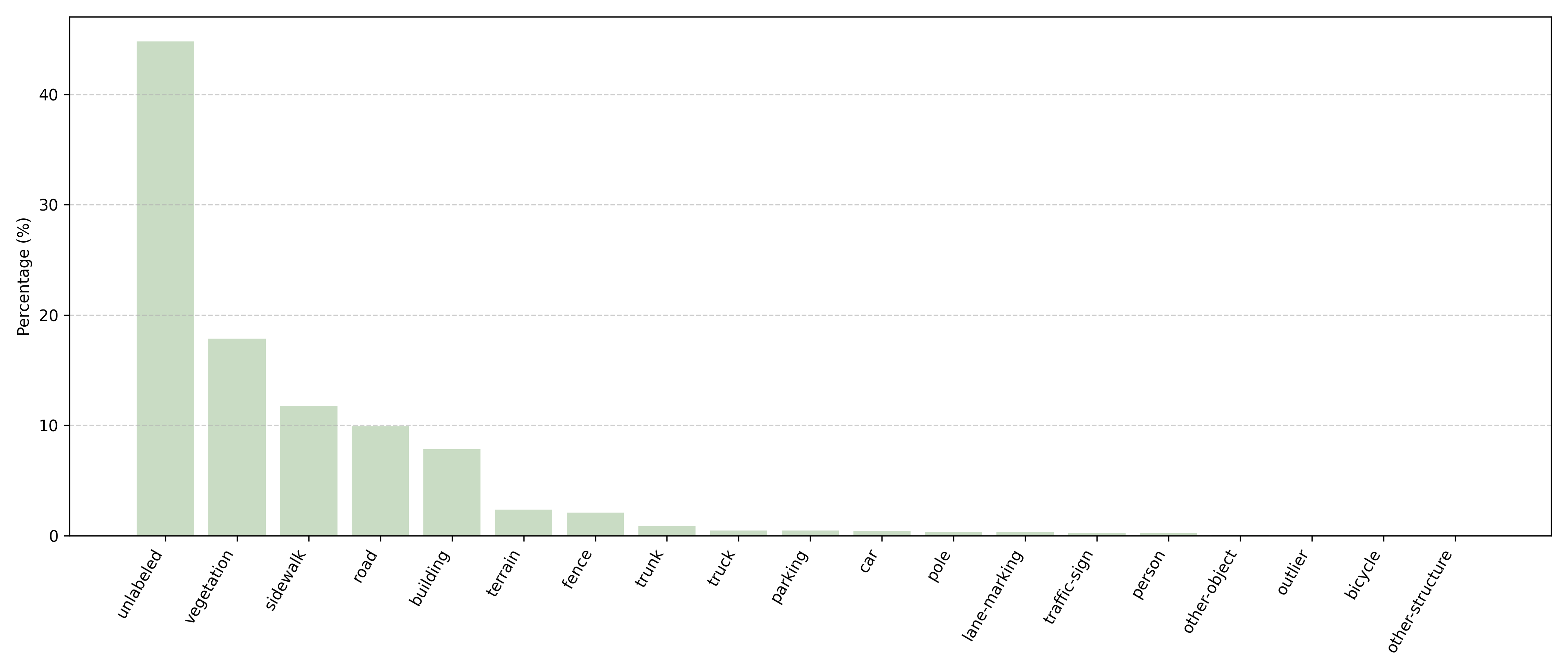
Figure 5: Per-class point counts (log scale) in the heavily imbalanced STU benchmark.
Empirical Results
Extensive experiments on STU (Spotting the Unexpected; real OOD traffic hazards) and SemanticKITTI benchmarks confirm the effectiveness of NDP. Using only in-domain data and Perlin-based OOD synthesis (no external auxiliary sets), NDP achieves:
- STU test set: 61.31% AP, over 10× better than prior art; 24.99% PQ (object-level), nearly 2× prior best.
- Strong generalization: 70.12% AP on SemanticKITTI OOD.
- Improvement is consistent across multiple scoring functions (entropy, energy, extended energy).
Ablations show that both the neural prior and SOE loss contribute significantly to accuracy and that hyperparameters (e.g., prior size, SOE target β) do not induce instability. Crucially, closed-set segmentation performance (panoptic PQ) is preserved relative to Mask4Former training.
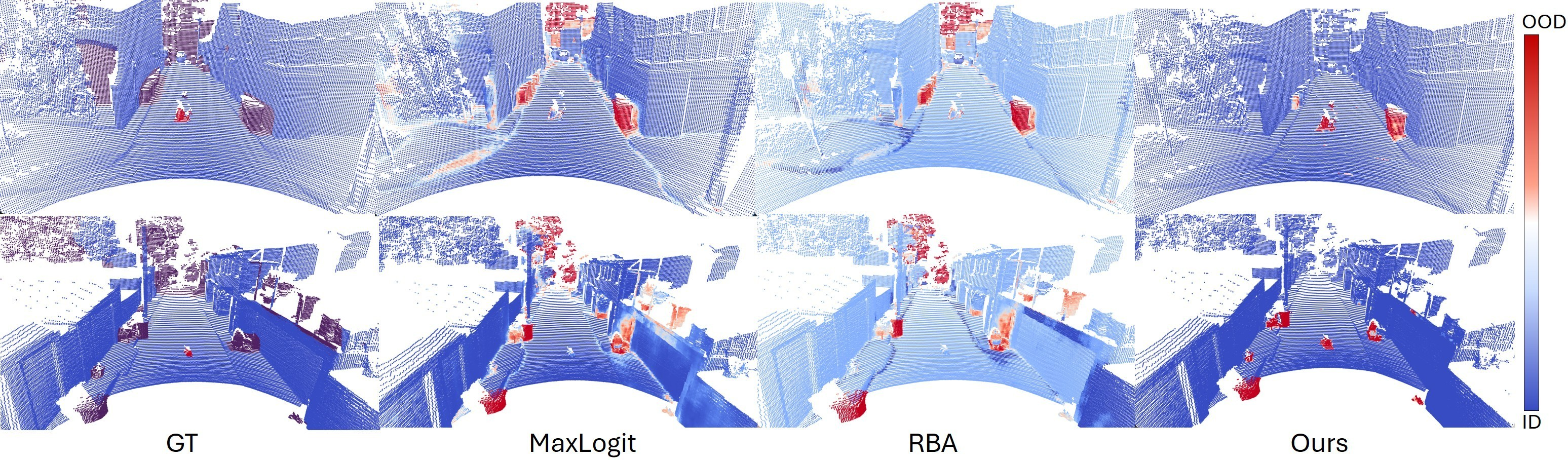
Figure 6: Visualization of OOD score maps on STU: NDP yields precise, spatially coherent anomaly masks, minimizing false positives.
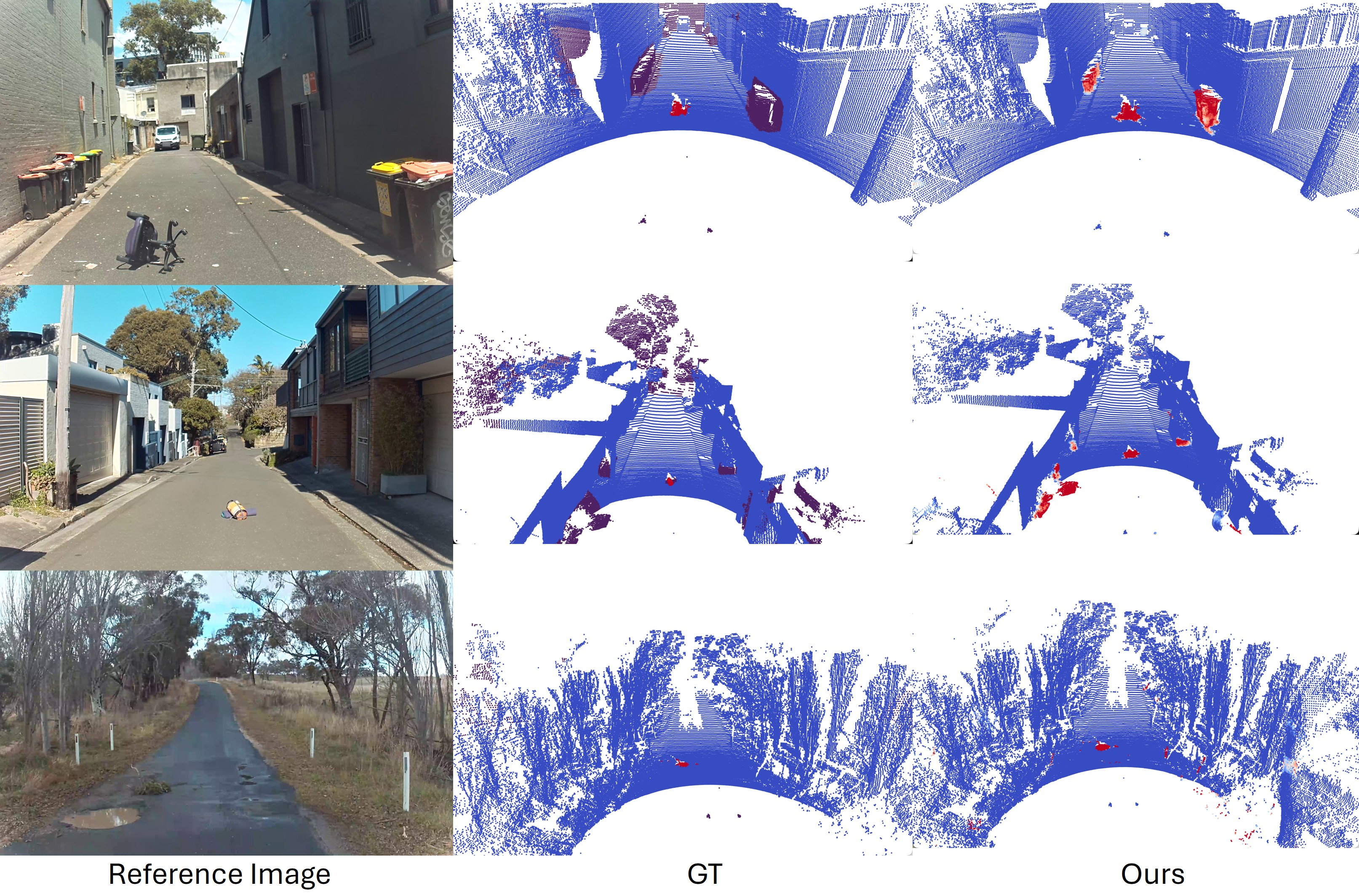
Figure 7: OOD score visualizations on STU with image references; NDP succeeds where baseline methods overfit to background clutter.
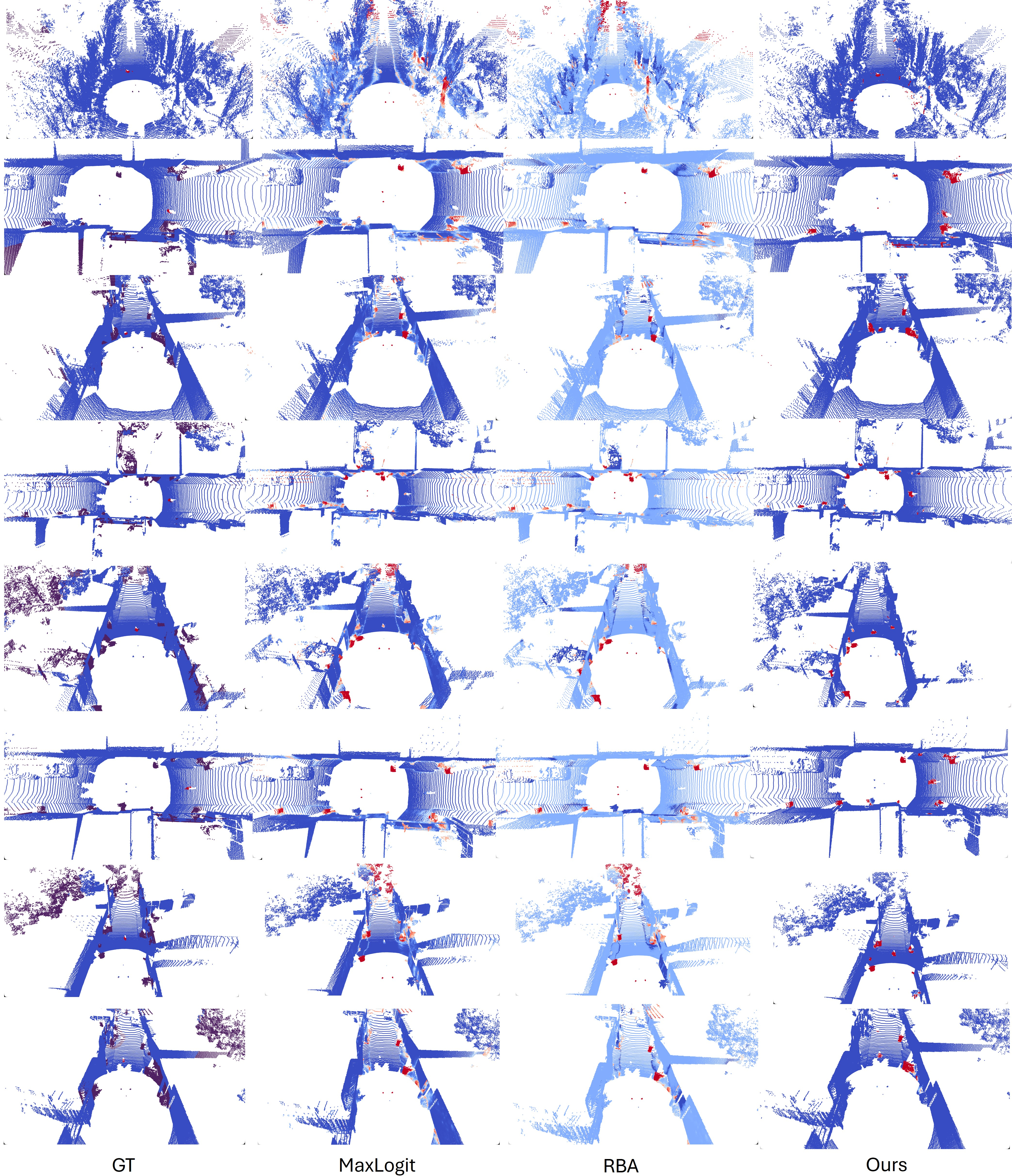
Figure 8: Further qualitative results: NDP flags a wide range of OOD hazards with high fidelity.
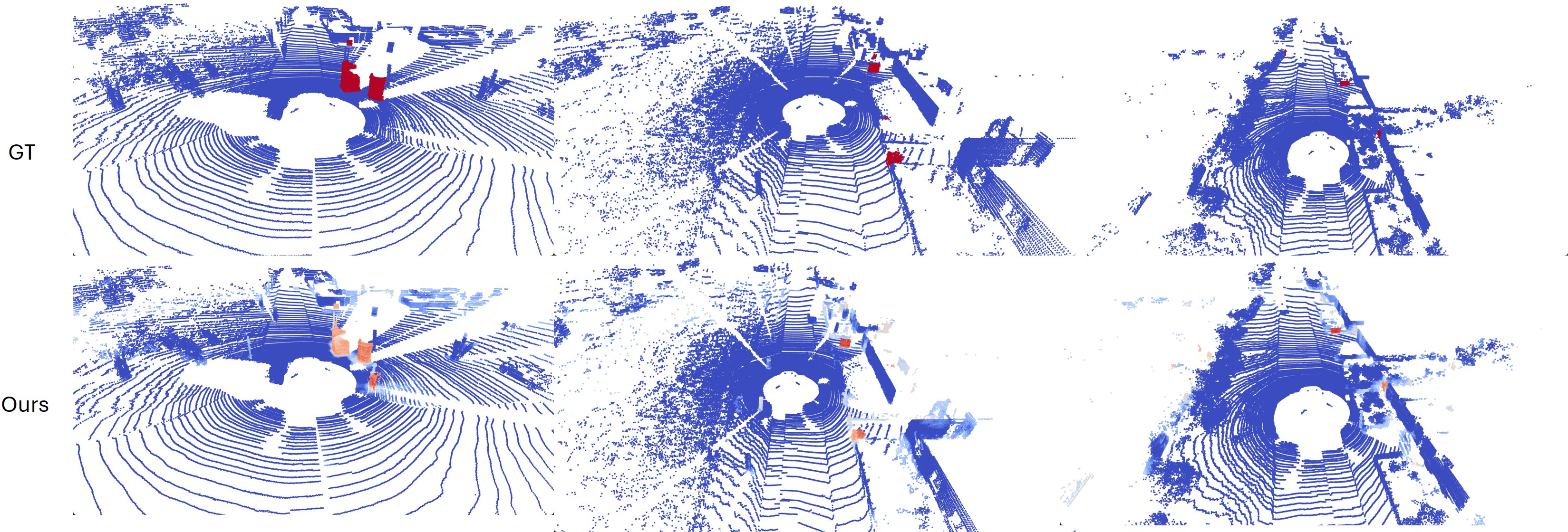
Figure 9: Visualization of OOD map on SemanticKITTI; NDP generalizes well to different datasets.
Theoretical and Practical Implications
This work demonstrates the necessity and effectiveness of flexible, data-driven prior modeling for OOD detection in severely imbalanced, high-dimensional 3D perception. By reframing OOD score calibration as a distribution prior learning problem, adaptation to head/tail class dynamics becomes feasible—particularly crucial for autonomous driving, where rare objects are inherently high risk.
Practically, the framework obviates the need for external or simulated OOD datasets, reducing engineering overhead and closing the domain gap. Methodologically, the approach is modular and compatible with state-of-the-art 3D segmentation backbones, supporting easy adoption within modern LiDAR stacks. Limitations include boundary accuracy for fine-grained OOD shapes due to the lack of real annotated OOD samples and the inherent sparsity of LiDAR data.
Future Research Directions
The authors suggest several promising avenues:
- Extension to multimodal (LiDAR + camera/radar) and spatiotemporal settings, capturing richer context for anomaly cues.
- More advanced OOD mask postprocessing modules to tighten instance boundaries.
- Integration with uncertainty-aware planning stacks for fail-safe autonomous navigation.
Conclusion
Neural Distribution Prior (NDP) is a technically rigorous, empirically validated solution to the problem of OOD detection under severe class imbalance in LiDAR perception. The proposed combination of attention-based distribution priors, Perlin noise OOD synthesis, and soft label exposure yields state-of-the-art results on established benchmarks, generalizes well beyond the training domain, and does not compromise standard segmentation ability. This framework advances the reliability of open-set 3D scene understanding—a key enabler for real-world autonomous driving systems.

