Physics-Informed Functional Link Constrained Framework with Domain Mapping for Solving Bending Analysis of an Exponentially Loaded Perforated Beam
Published 8 Apr 2026 in math.DS, cs.LG, and math.NA | (2604.07025v1)
Abstract: This article presents a novel and comprehensive approach for analyzing bending behavior of the tapered perforated beam under an exponential load. The governing differential equation includes important factors like filling ratio (α), number of rows of holes (N), tapering parameters (φ and ψ), and exponential loading parameter (γ), providing a realistic and flexible representation of perforated beam configuration. Main goal of this work is to see how well the Domain mapped physics-informed Functional link Theory of Functional Connection (DFL-TFC) method analyses bending response of perforated beam with square holes under exponential loading. For comparison purposes, a corresponding PINN-based formulation is developed. Outcomes clearly show that the proposed DFL-TFC framework gives better results, including faster convergence, reduced computational cost, and improved solution accuracy when compared to the PINN approach. These findings highlight effectiveness and potential of DFL-TFC method for solving complex engineering problems governed by differential equations. Within this framework, hidden layer is replaced by a functional expansion block that enriches input representation via orthogonal polynomial basis functions, and the domain of DE mapped to corresponding domain of orthogonal polynomials. A Constrained Expression (CE), constructed through the Theory of Functional Connections (TFC) using boundary conditions, ensures that constraints are exactly satisfied. In CE, free function is represented using a Functional Link Neural Network (FLNN), which learns to solve resulting unconstrained optimization problem. The obtained results are further validated through the Galerkin and PINN solutions.
The paper presents a novel DFL-TFC approach that integrates the Theory of Functional Connections with functional link neural networks to solve bending responses while exactly enforcing boundary conditions.
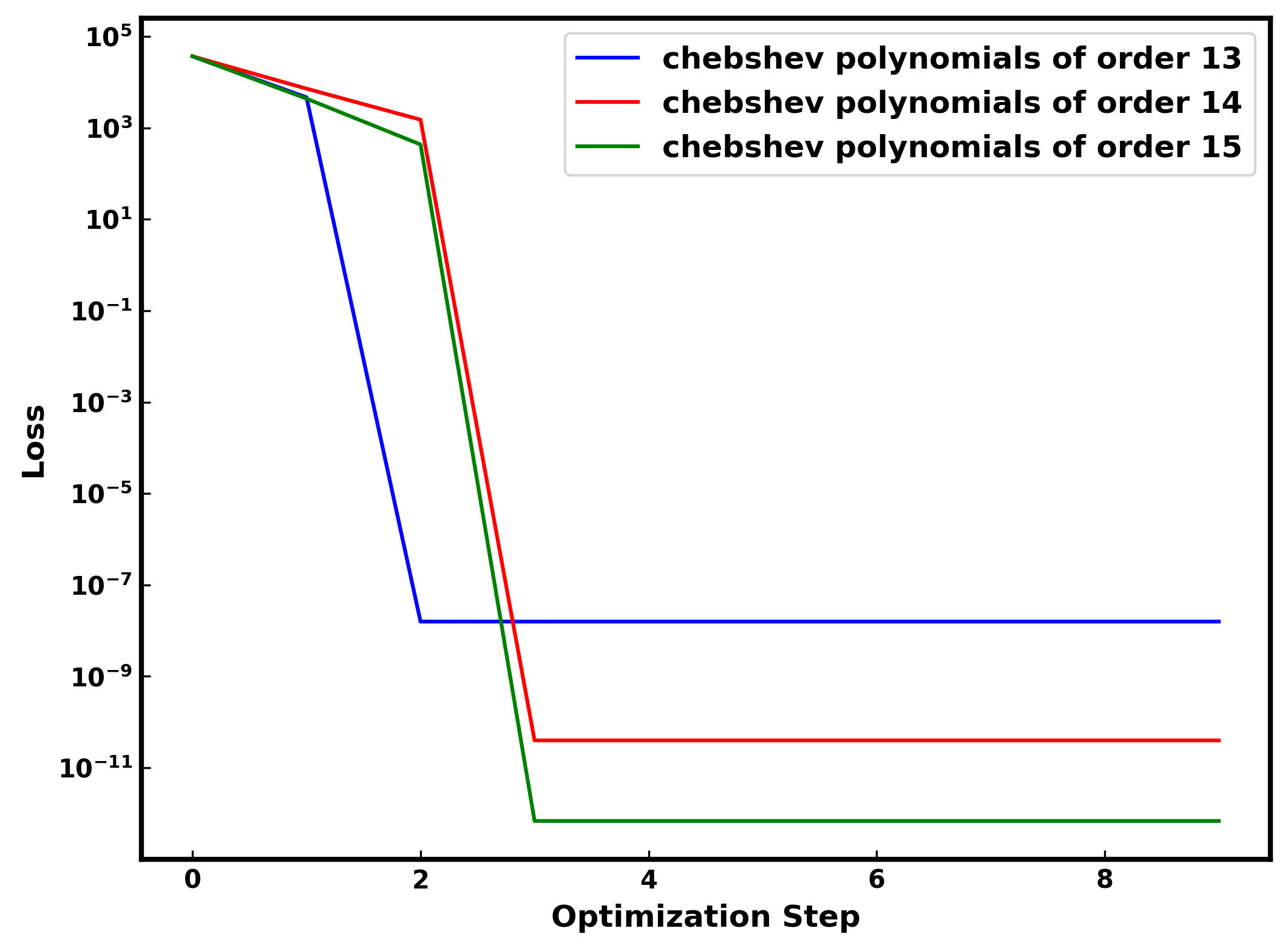
The method employs orthogonal polynomial domain mapping, achieving high accuracy with loss reductions as low as O(10^-11) compared to traditional PINN models.
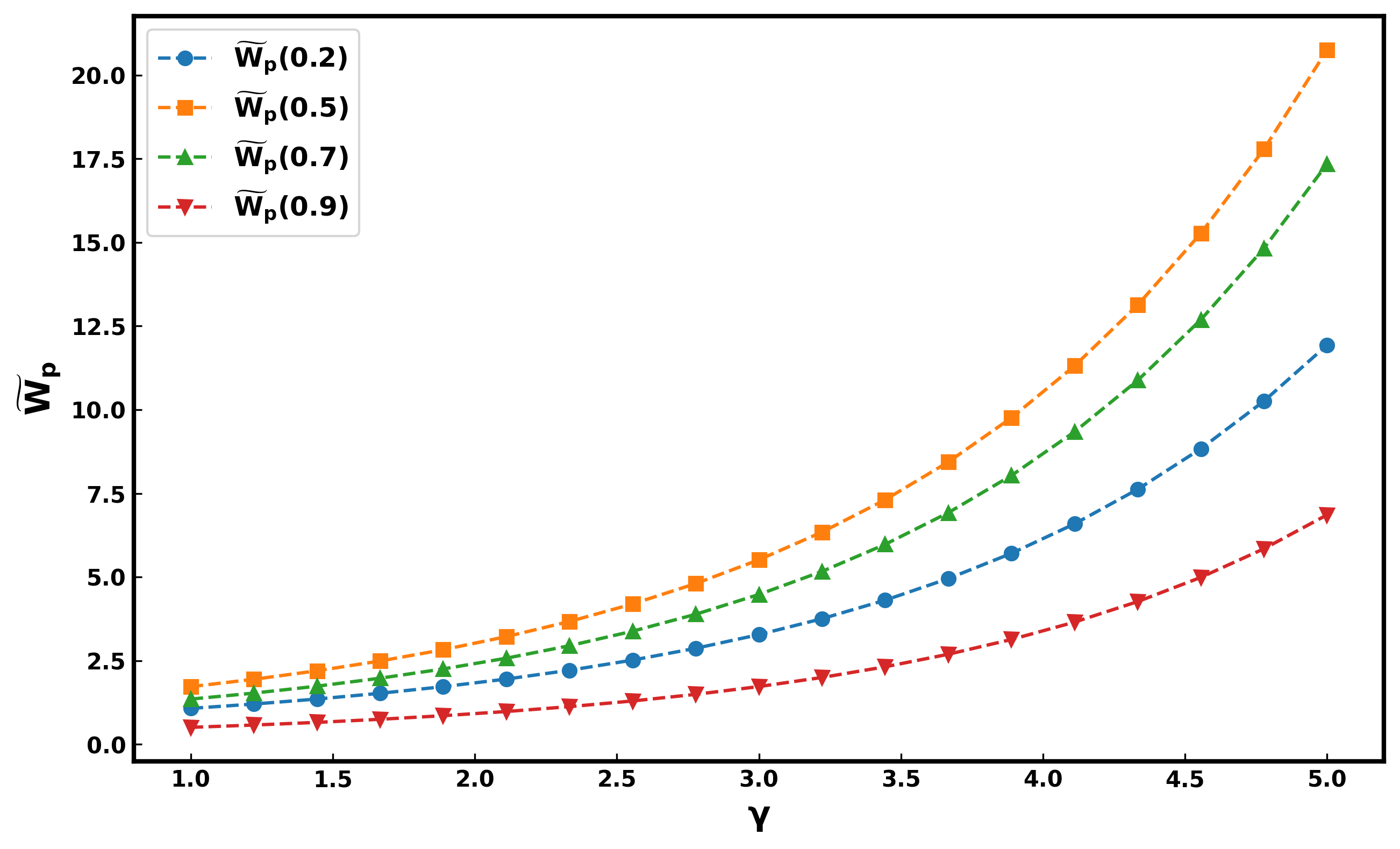
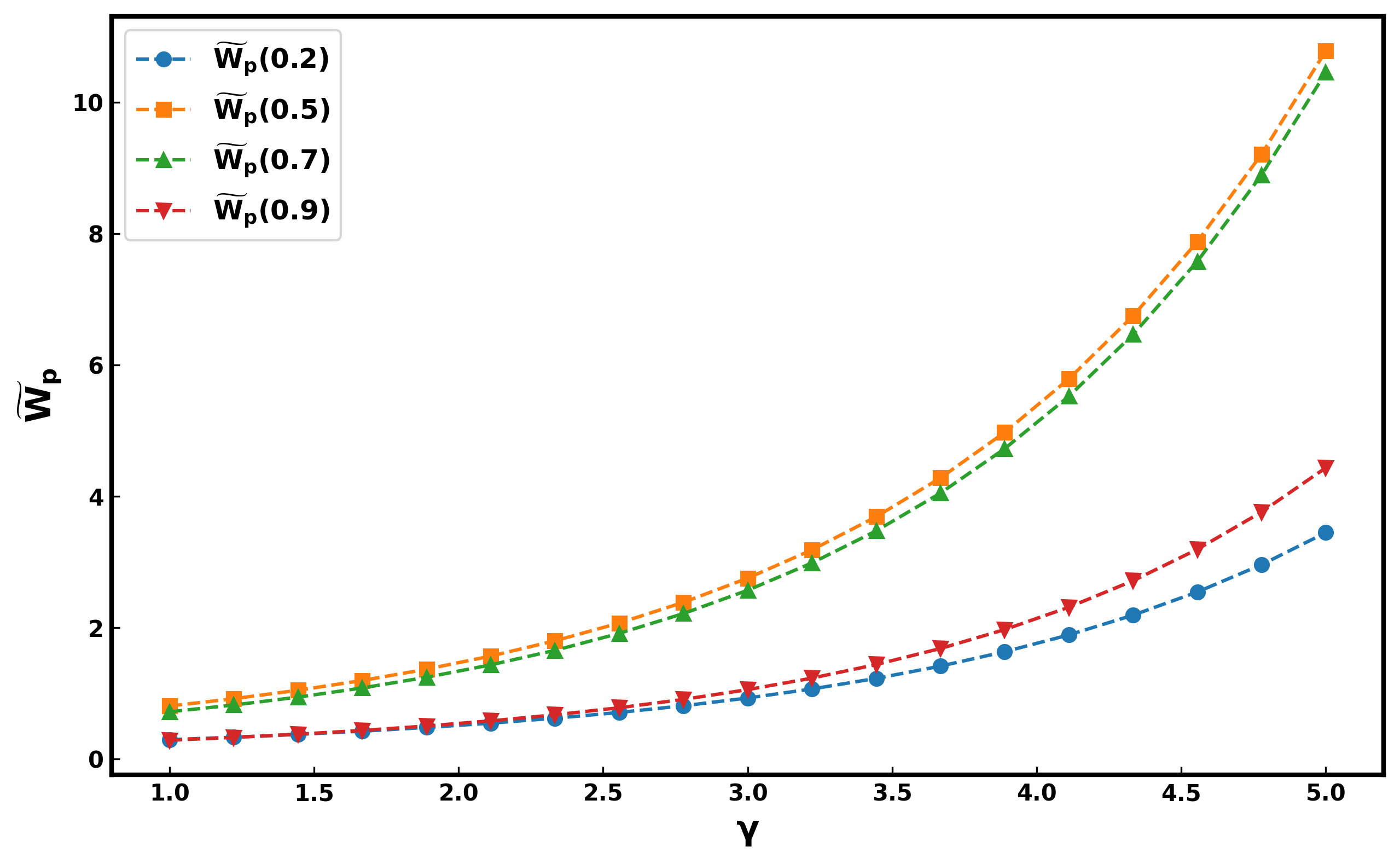
Parametric studies show that increased filling ratio and tapering reduce deflection, while higher exponential loads amplify beam response in agreement with Galerkin simulations.
Physics-Informed Functional Link Constrained Framework with Domain Mapping for Bending Analysis of Exponentially Loaded Perforated Beams
Introduction
The paper "Physics-Informed Functional Link Constrained Framework with Domain Mapping for Solving Bending Analysis of an Exponentially Loaded Perforated Beam" (2604.07025) proposes a hybrid physics-informed functional connection approach to efficiently and accurately solve the bending response in tapered perforated beams under exponential loading. The methodology integrates the Theory of Functional Connections (TFC) with Functional Link Neural Networks (FLNN), leveraging domain mapping onto orthogonal polynomial bases. The governing equations account for critical parameters including filling ratio (α), number of rows of holes (N), tapering coefficients (ϕ,ψ), and exponential load parameter (γ). The framework inherently incorporates boundary constraints, eliminates penalty terms, and demonstrates strong computational efficiency versus PINN baselines.
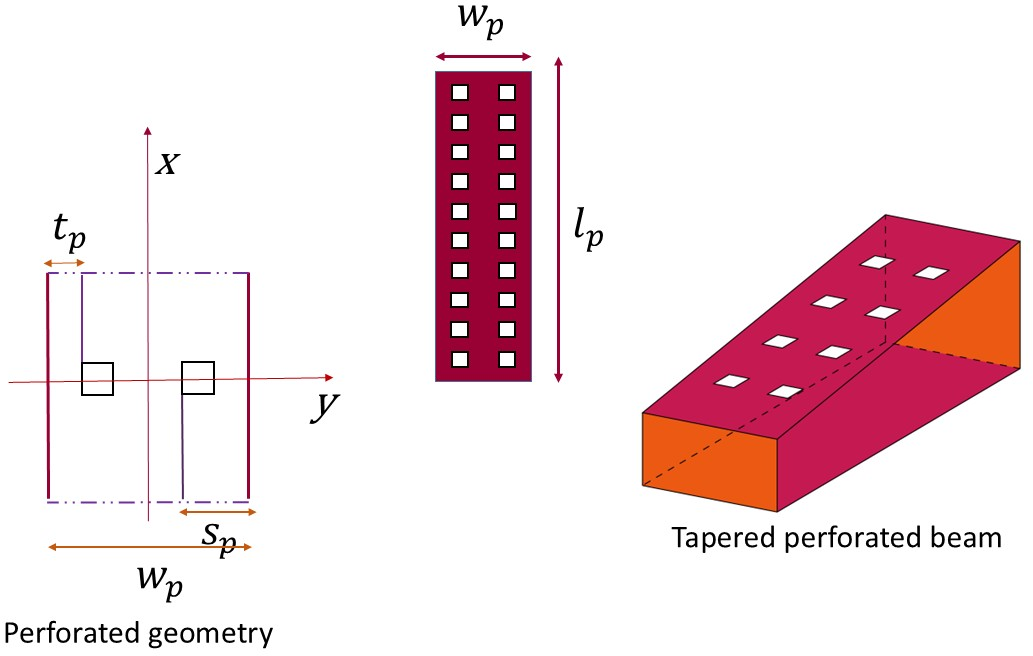
Figure 1: Geometric model of a tapered perforated beam, parameterized by filling ratio, hole rows, and quadratic tapering.
Modeling of Perforated Tapered Beams
The model considers beams with periodic square perforations described by a spatial filling ratio α and row count N. Quadratic tapering is imposed: the cross-sectional height varies smoothly along axis via parameters ϕ and ψ, impacting stiffness and mass distribution. Modified bending stiffness and mass per unit length are formulated, leveraging literature on analytical stiffness reduction and mass redistribution due to perforations and tapering [luschi2014analytical]. The resulting non-dimensionalized governing fourth-order ODE incorporates Pasternak foundation effects and exponential loading:
Boundary conditions are generalized to allow simply supported and clamped-supported configurations, which encode as algebraic constraints in the solution structure.
DFL-TFC Framework and Domain Mapping
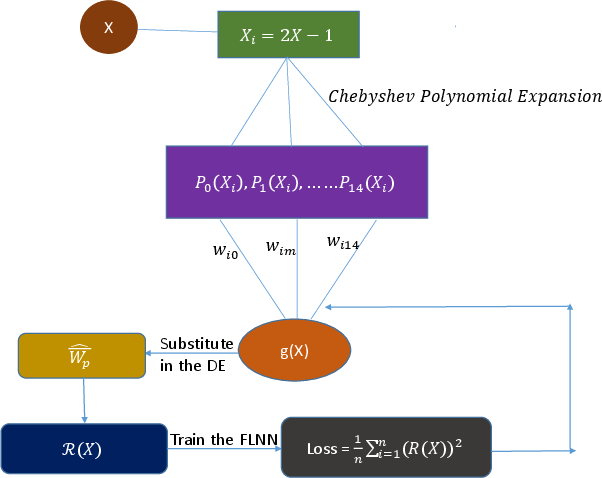
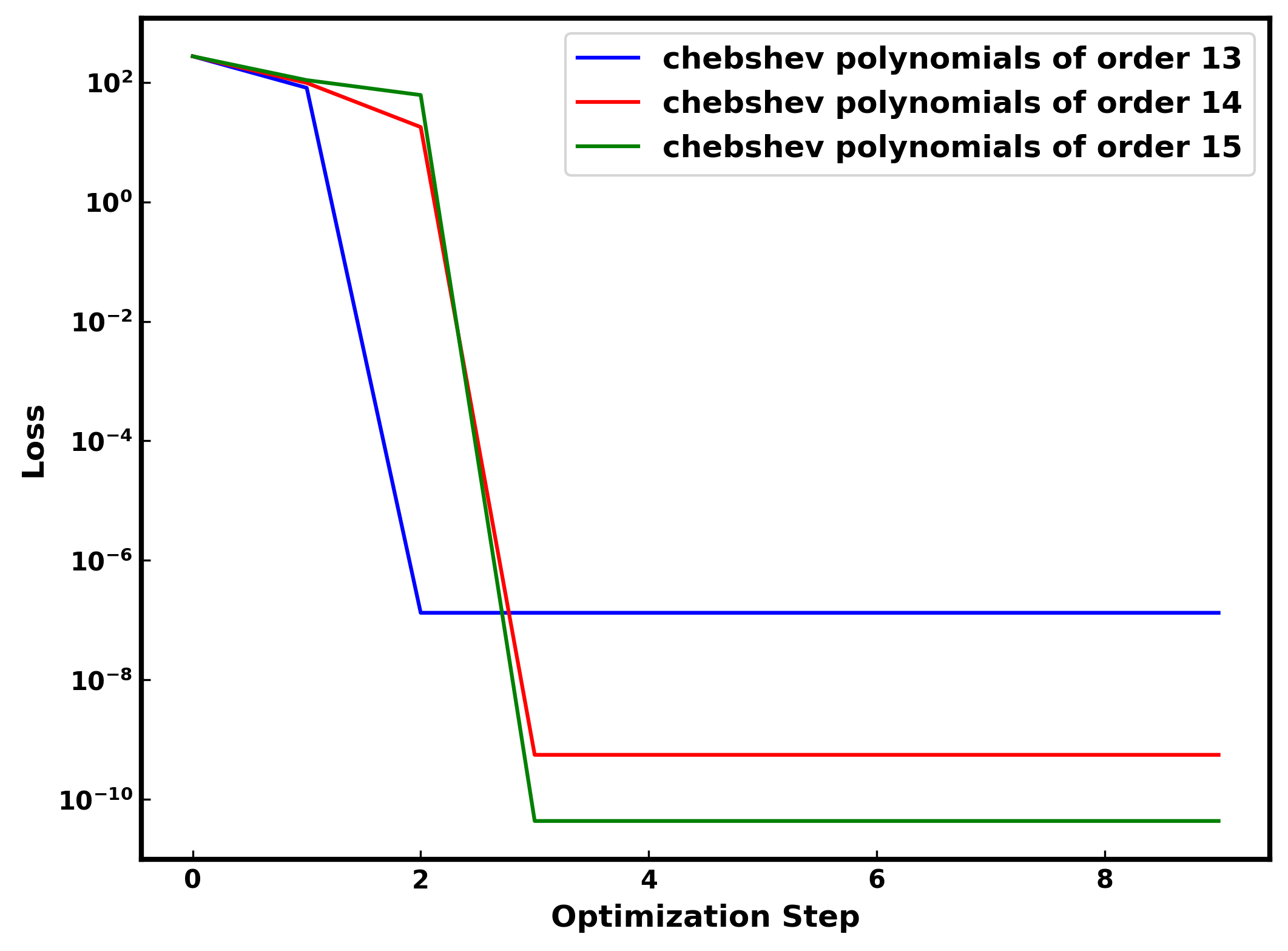
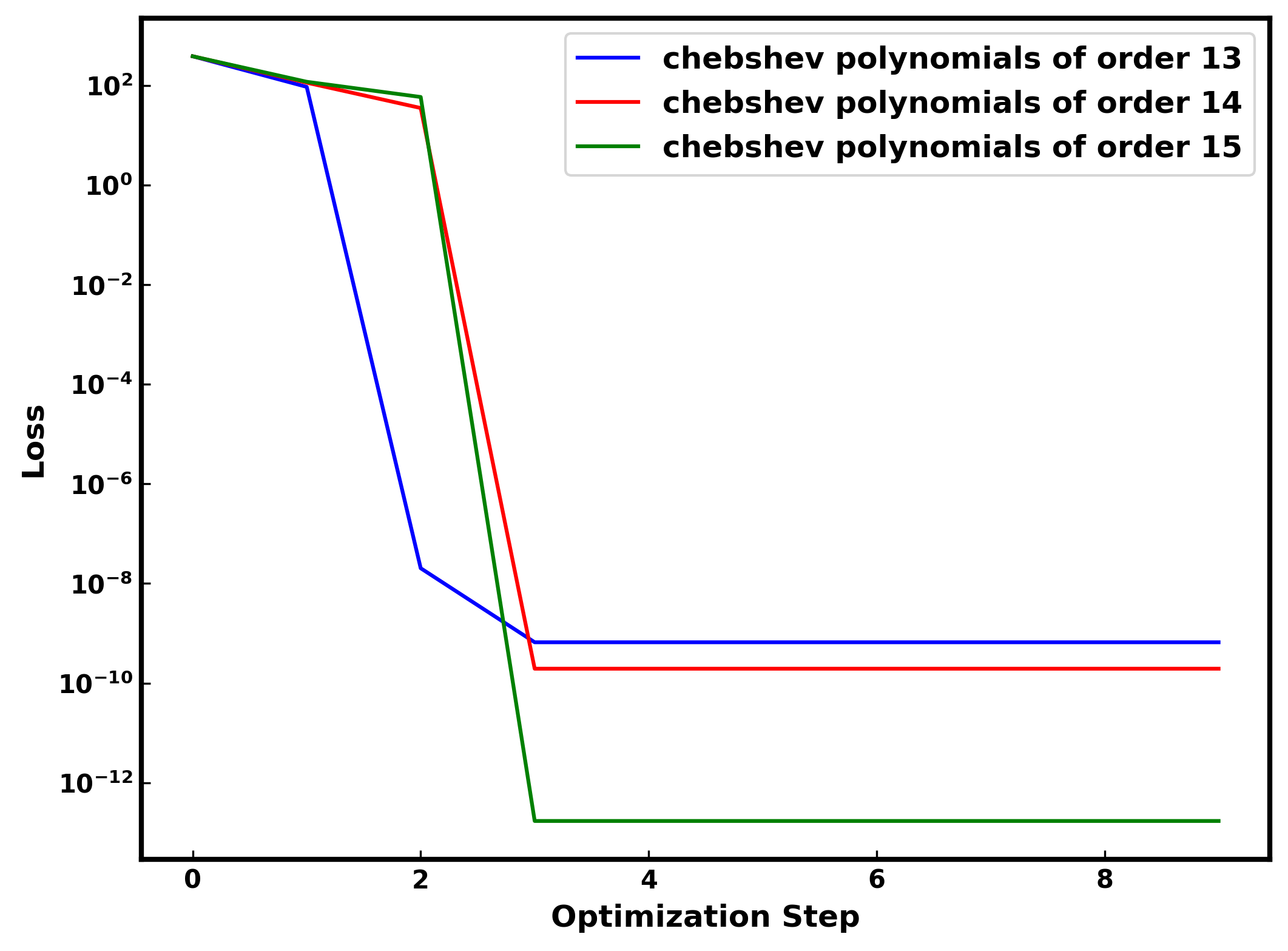
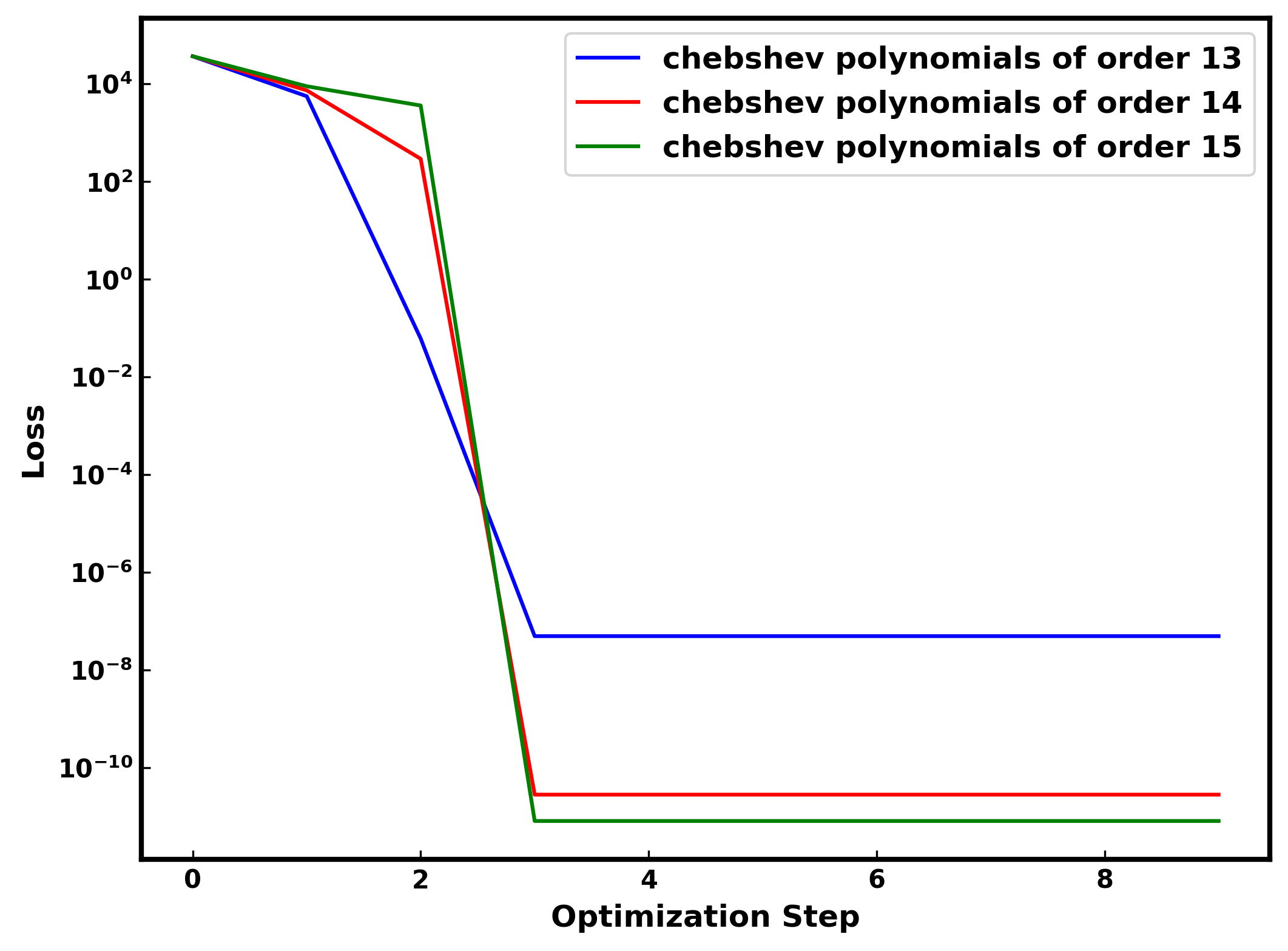
The DFL-TFC approach eschews hidden layers and instead expands features via orthogonal polynomials (Chebyshev) after domain mapping [0,1]→[−1,1], ensuring orthogonality and computational stability. The solution is expressed as a constrained expression (CE) per TFC, guaranteeing exact satisfaction of boundary conditions—a marked advantage over PINN penalty-based enforcement. The free function N0 is learned within the FLNN using a linear combination of Chebyshev expansions up to order 15, determined through loss analysis.
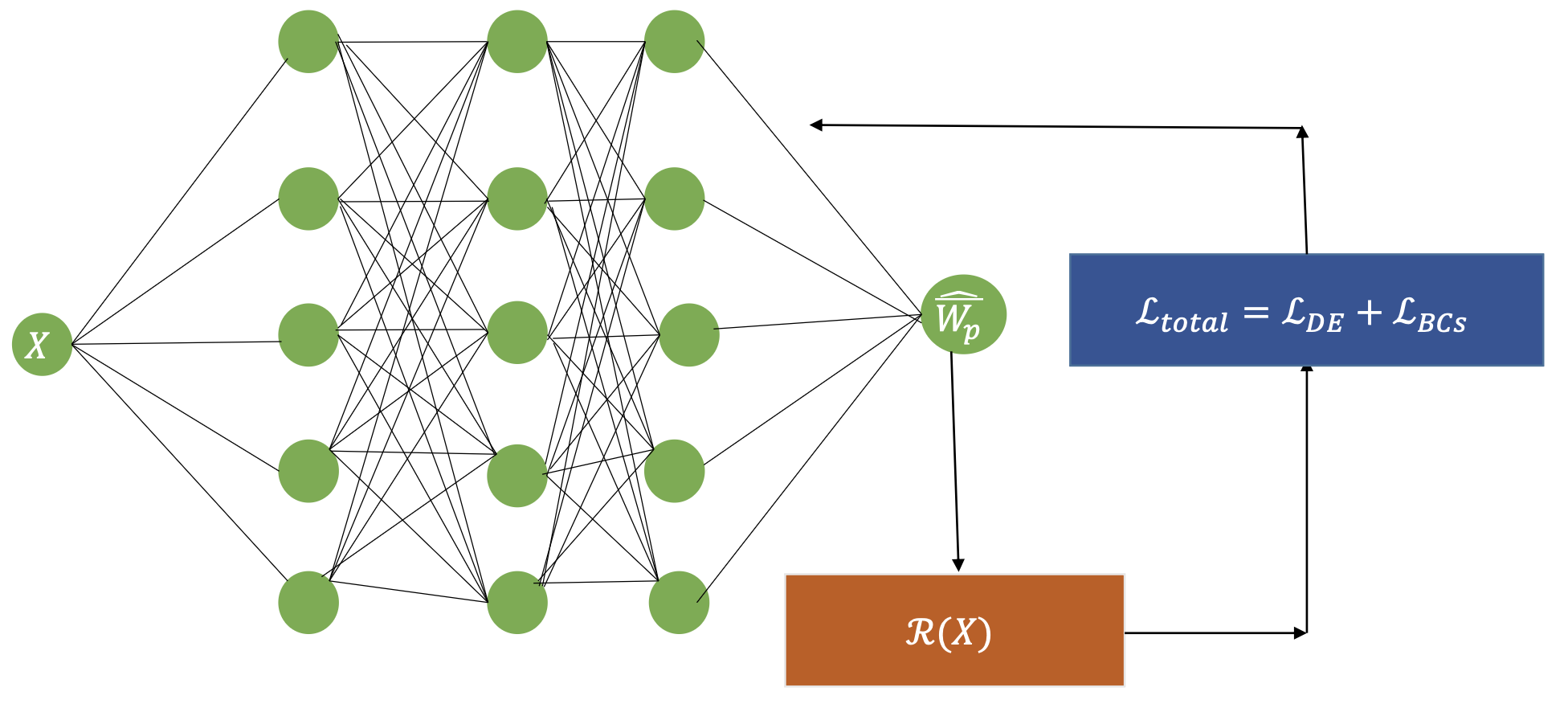
Figure 2: Schematic diagram of the physics-informed neural network (PINN) baseline, which relies on penalty-based boundary constraint enforcement.
Figure 3: Schematic diagram of domain-mapped FL-TFC methodology, highlighting polynomial expansion and direct boundary constraint embedding.
Validation and Comparative Performance
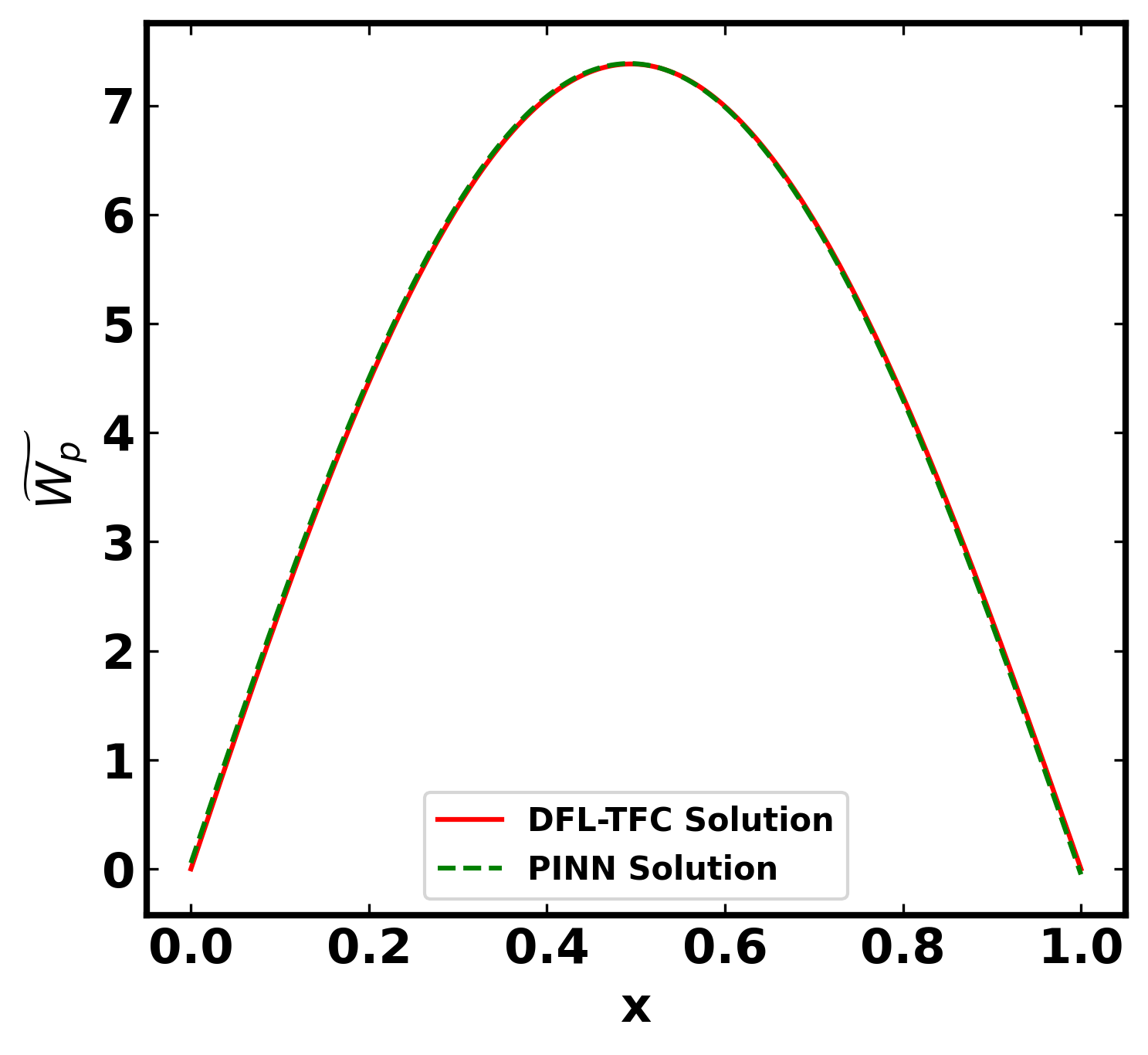
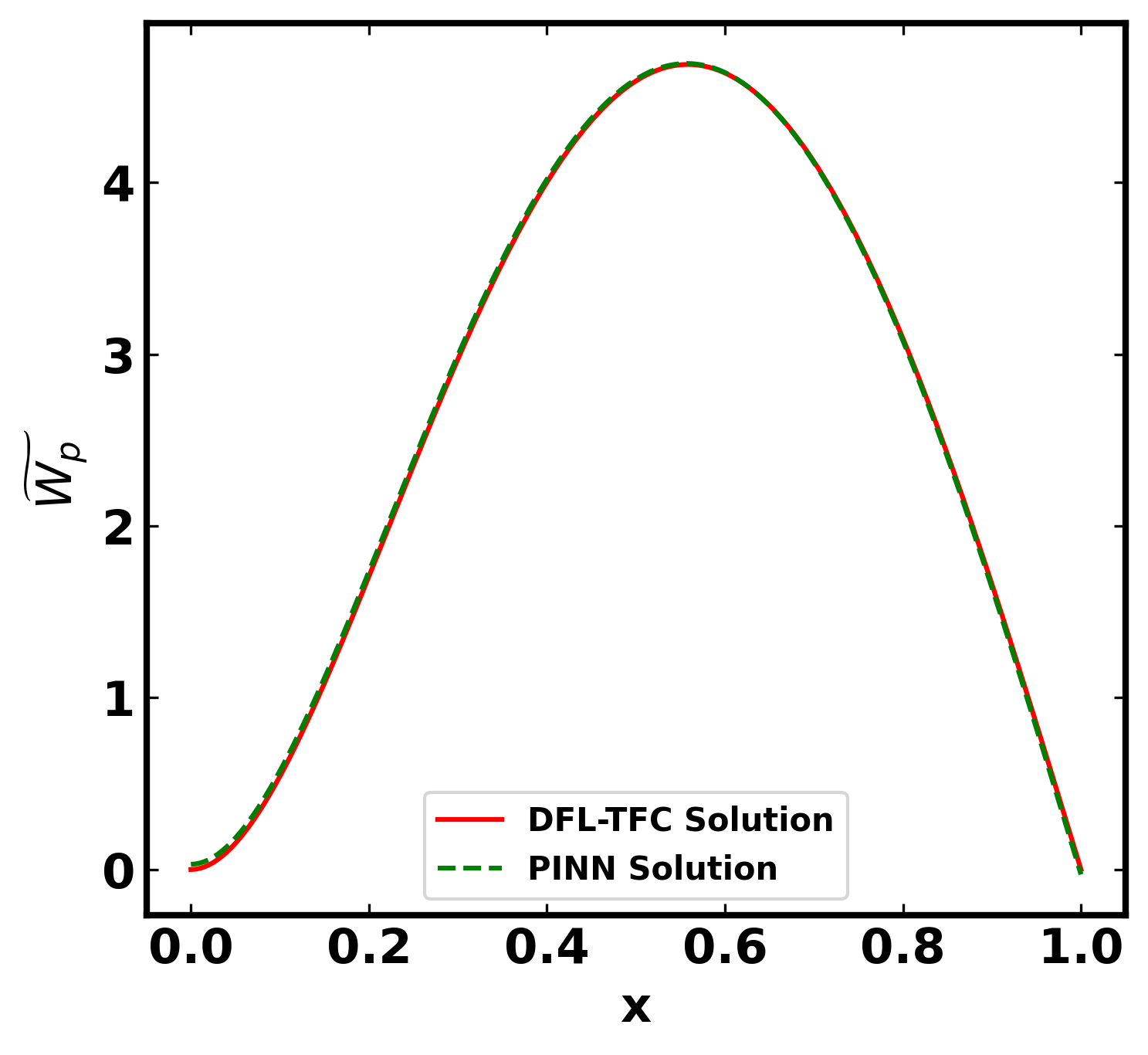
Benchmarking against classical Galerkin methods and PINN formulations validates the DFL-TFC scheme. Across all examined parameter regimes, DFL-TFC achieves lower loss (down to N1) with fewer trainable parameters, converges faster, and returns higher accuracy. In particular, for beams with N2, N3, and significant tapering, mean squared loss for DFL-TFC is N4 (S-S) versus N5 for PINN. The method scales robustly, showing precise agreement with Galerkin reference solutions for both maximum and distributed bending deflections.
Figure 4: Comparative solution profiles for S-S boundary conditions, highlighting fidelity between DFL-TFC, PINN, and Galerkin outputs.
Parametric Analysis
Comprehensive parametric studies elucidate mechanical sensitivities and structural performance:
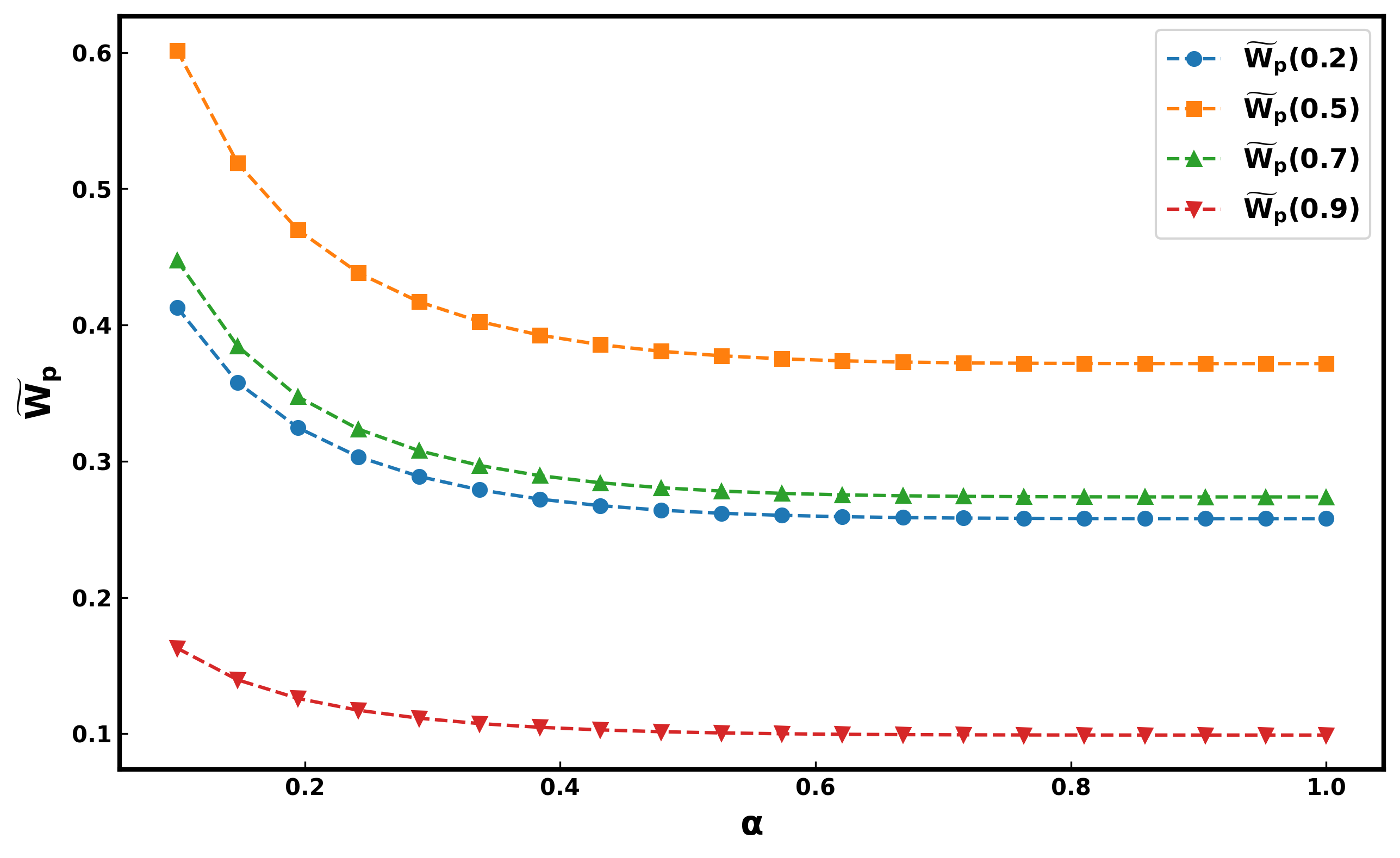
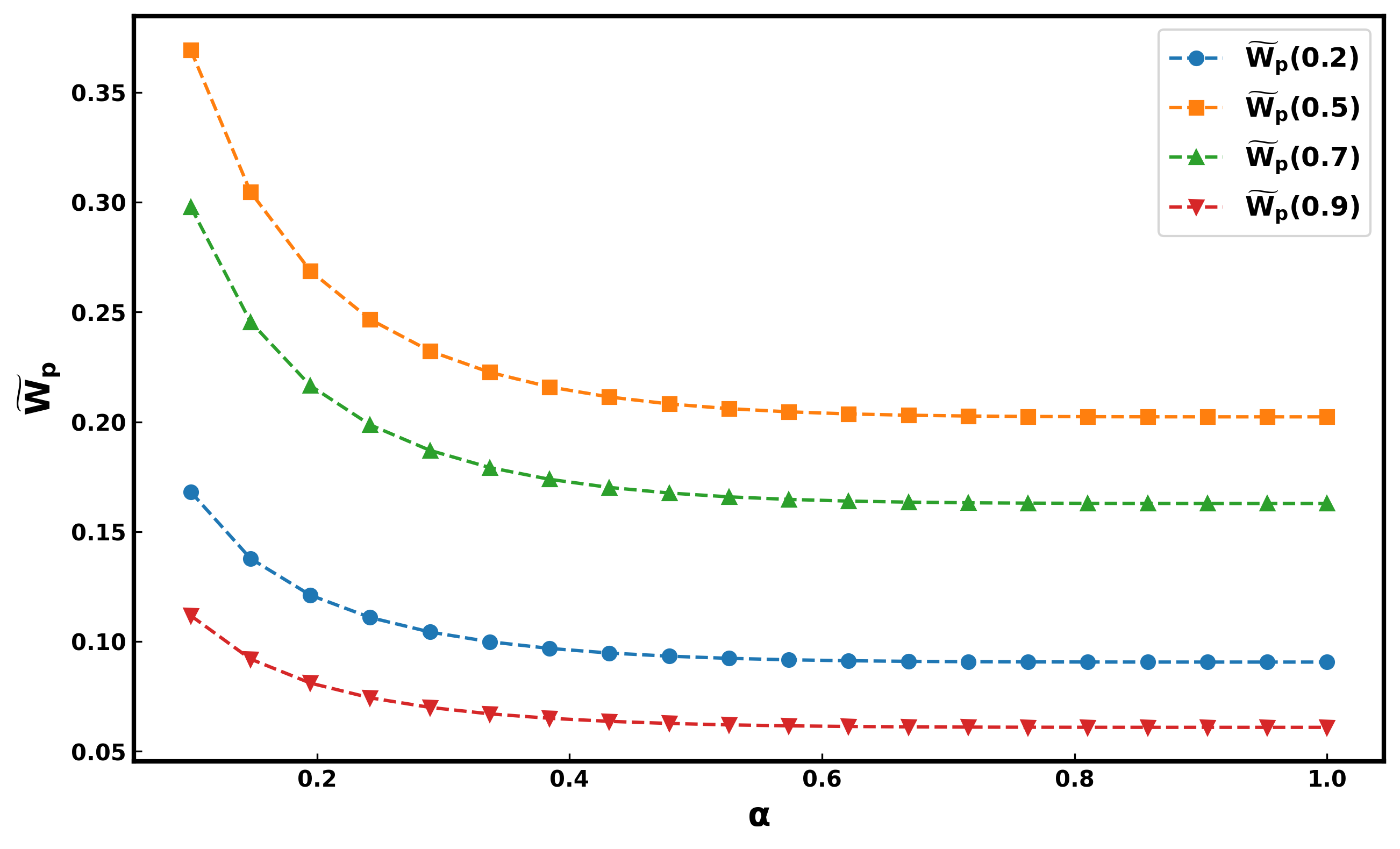
Filling Ratio (N6): Deflection magnitude inversely relates to N7, as increased material presence enhances beam stiffness.
Rows of Holes (N8): Higher N9 yields increased deflection due to effective stiffness reduction by perforation.
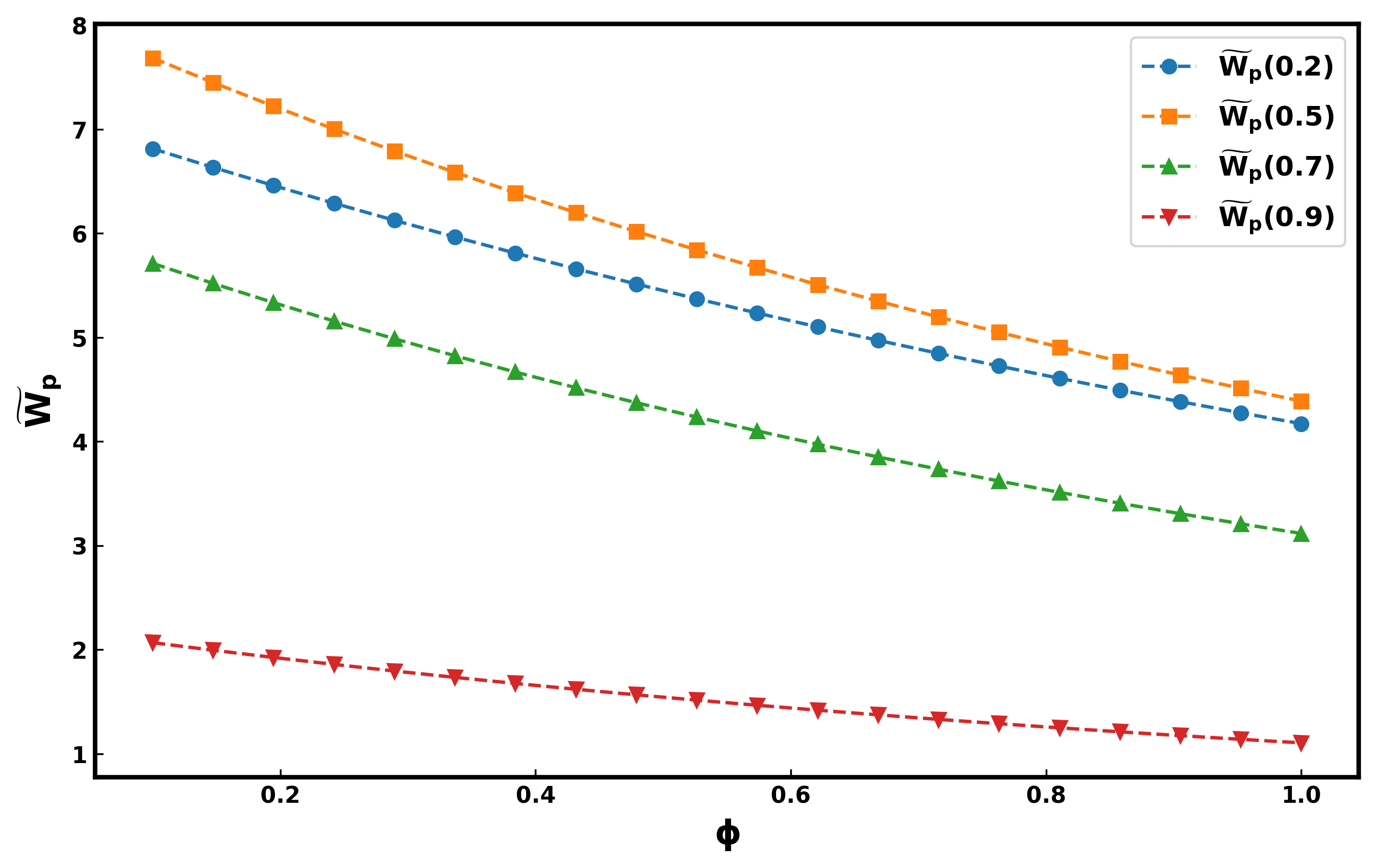
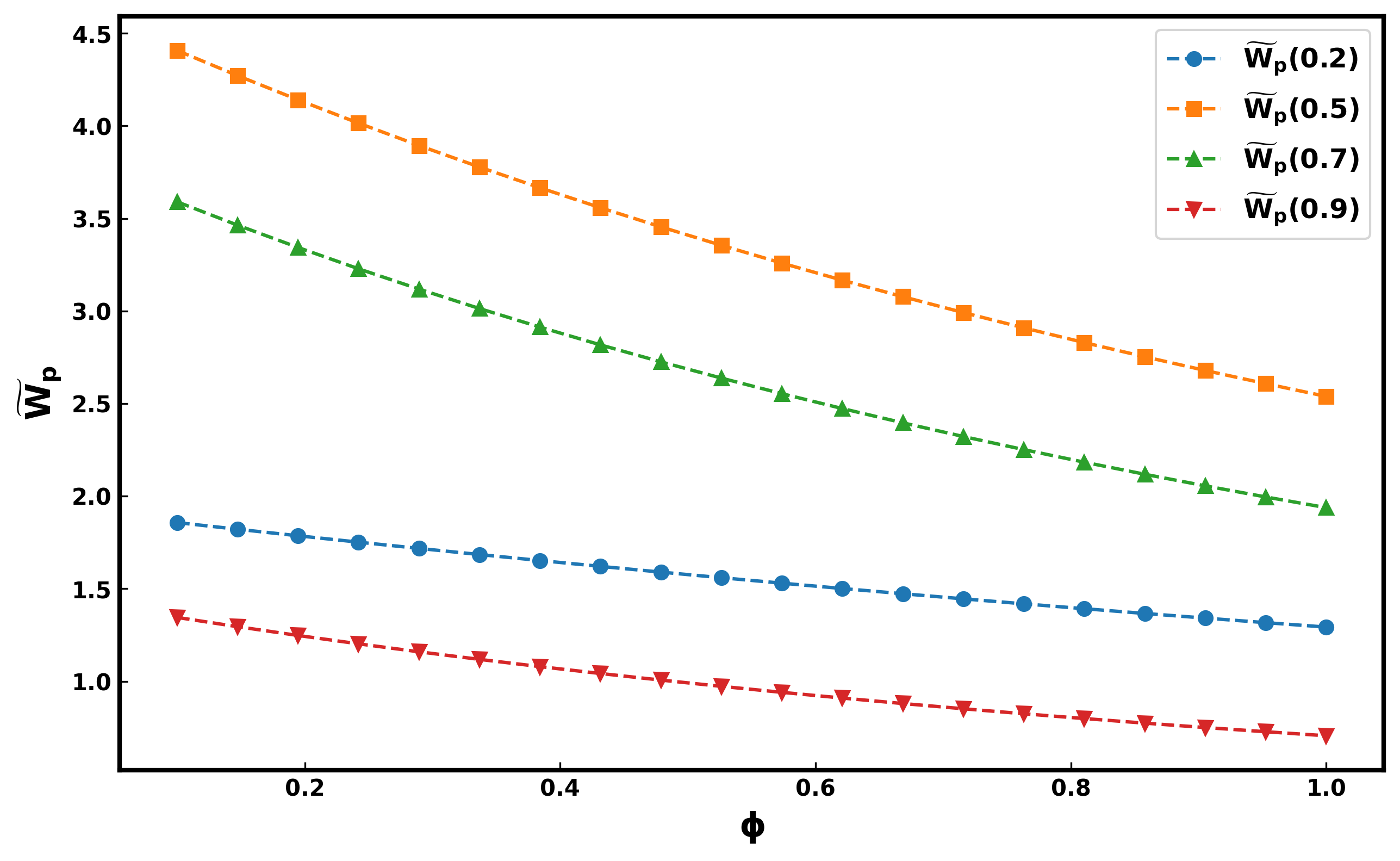
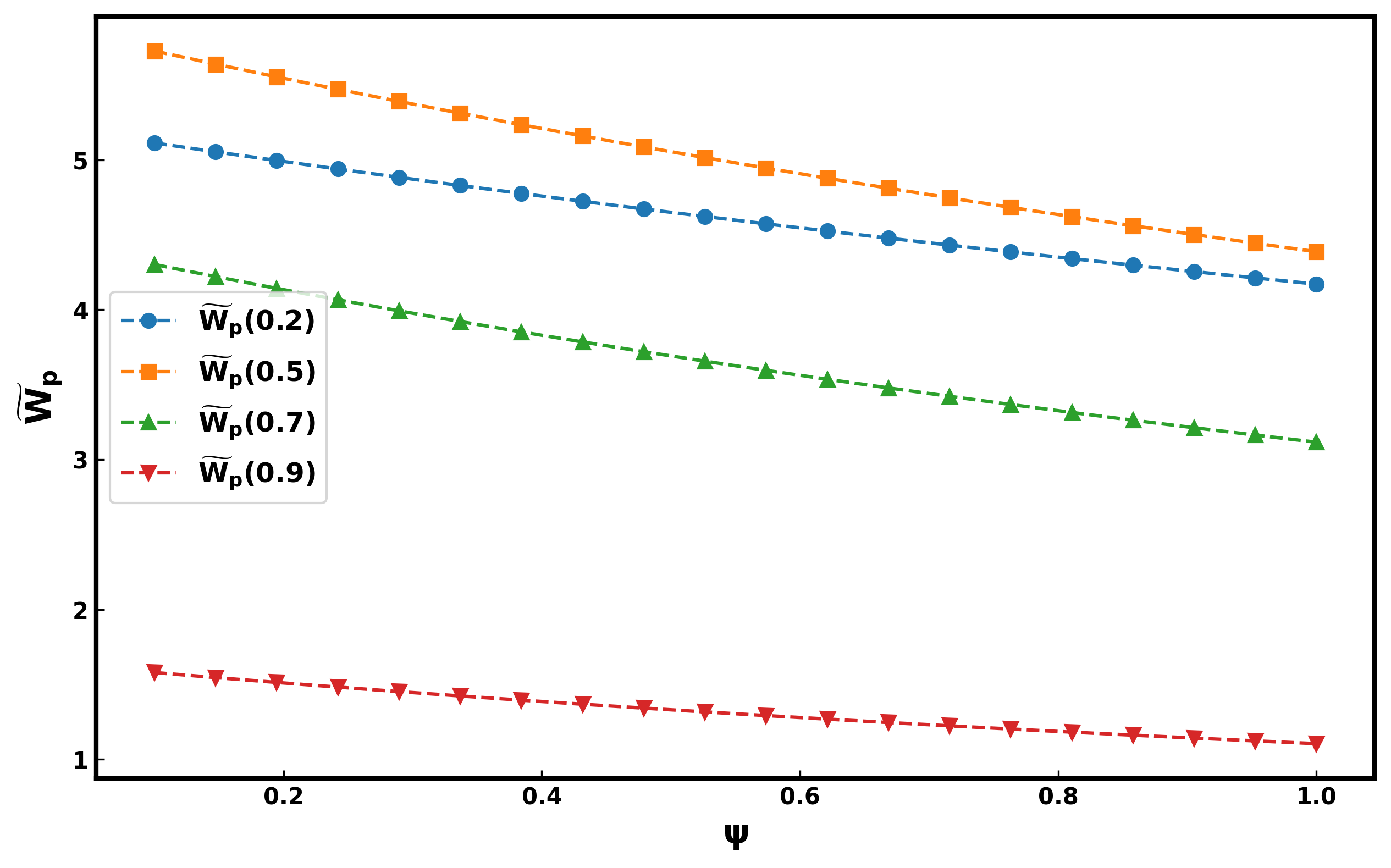
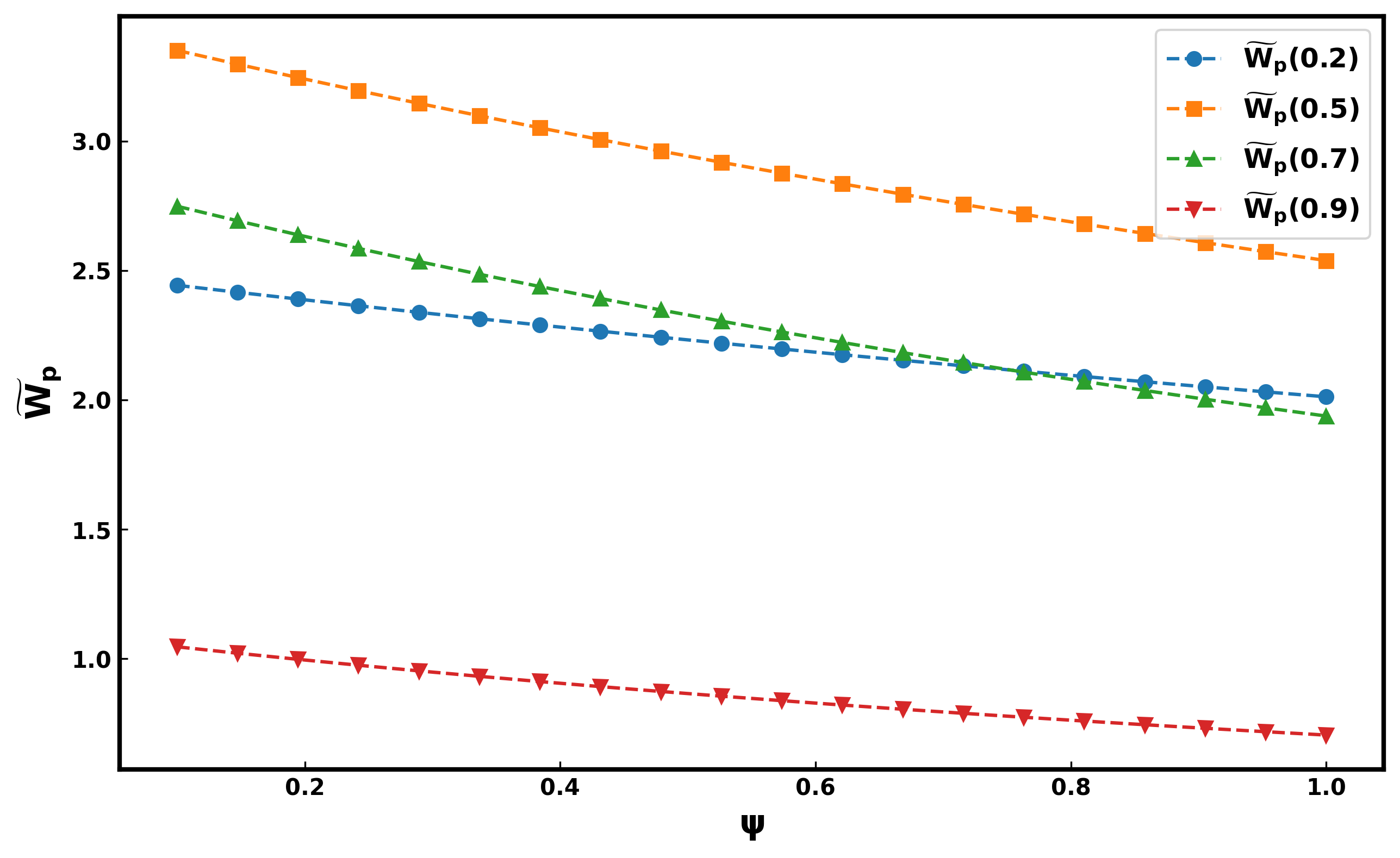
Tapering Parameters ((ϕ,ψ)0): Deflection decreases with increased tapering, attributed to geometric stiffening.
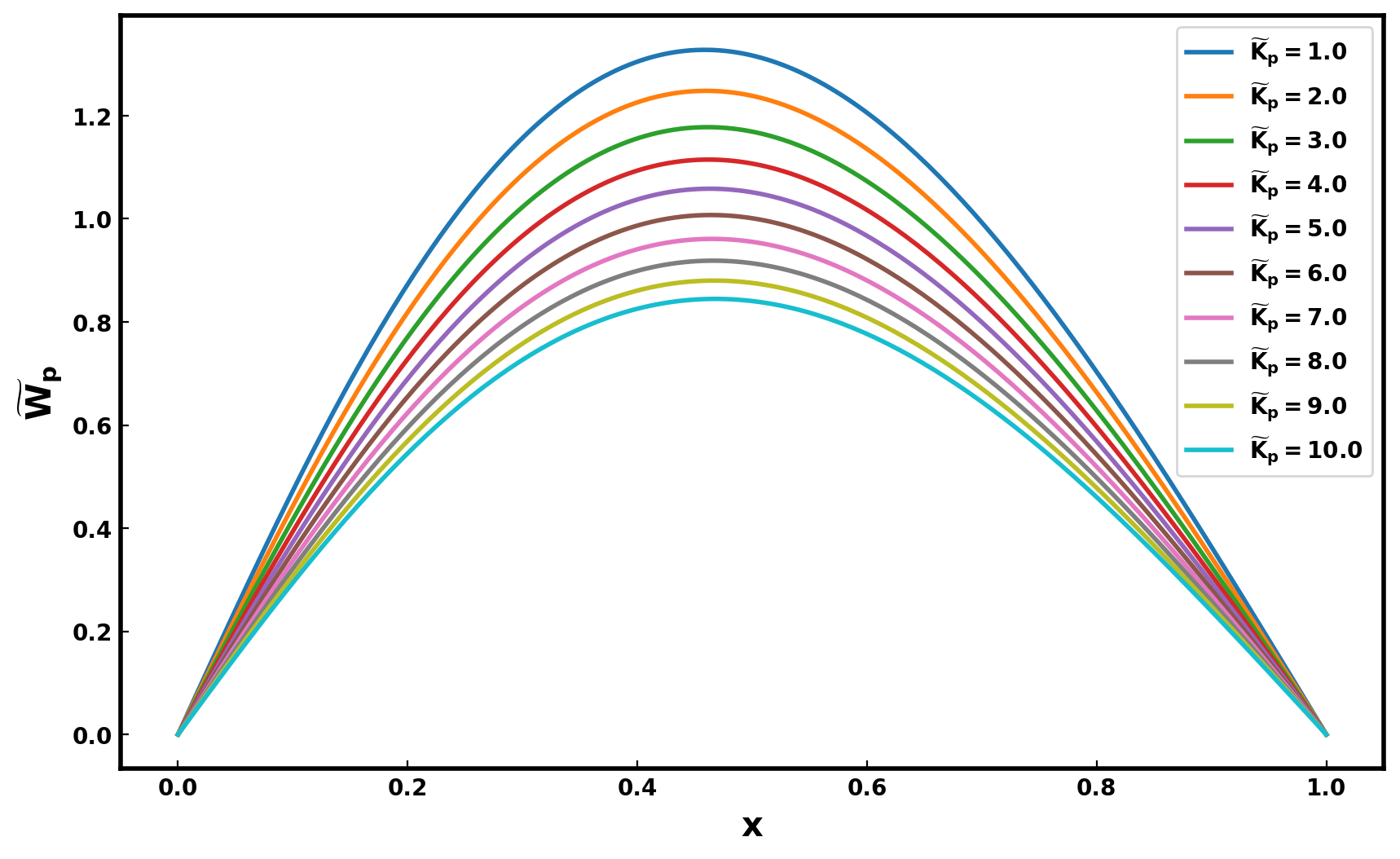
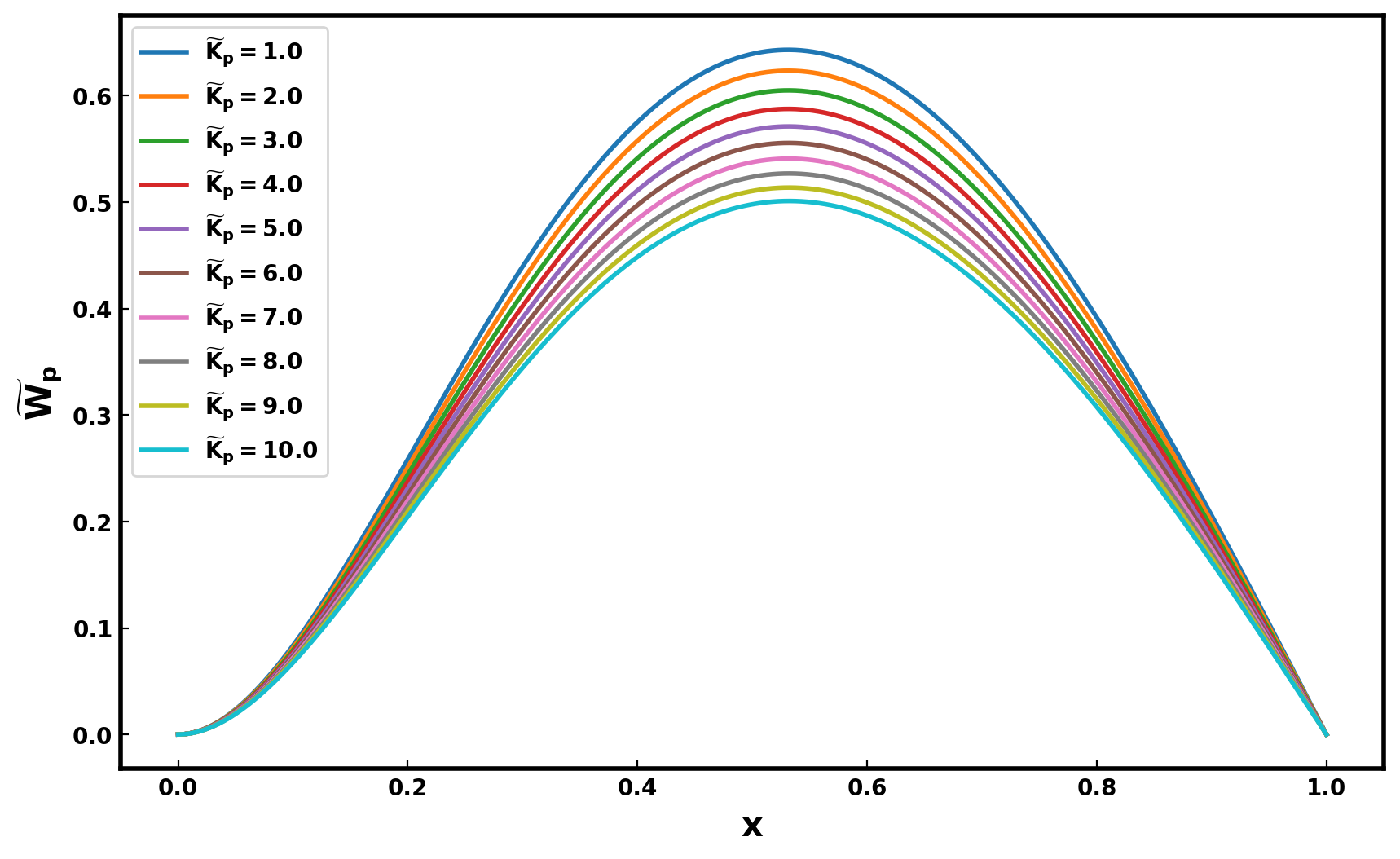
Foundation Stiffness ((ϕ,ψ)3): Increased (ϕ,ψ)4 suppresses deflection, delivering enhanced support.
The results are reported across multiple locations (ϕ,ψ)5 and demonstrate quantified sensitivity to each parameter.
Figure 5: Variation of bending deflection for S-S tapered perforated beam with respect to filling ratio (ϕ,ψ)6.
Figure 6: Deflection growth under increasing exponential load parameter (ϕ,ψ)7 in S-S tapered beam.
Figure 7: Declining deflection trend with increased taper parameter (ϕ,ψ)8 for S-S beam.
Figure 8: Influence of tapering parameter (ϕ,ψ)9 on bending deflection for S-S boundary condition.
Figure 9: Suppression of deflection with larger foundation parameter (γ)0 for S-S configuration.
Loss Behavior and Numerical Stability
Extensive loss analysis contrasts DFL-TFC and PINN convergence:
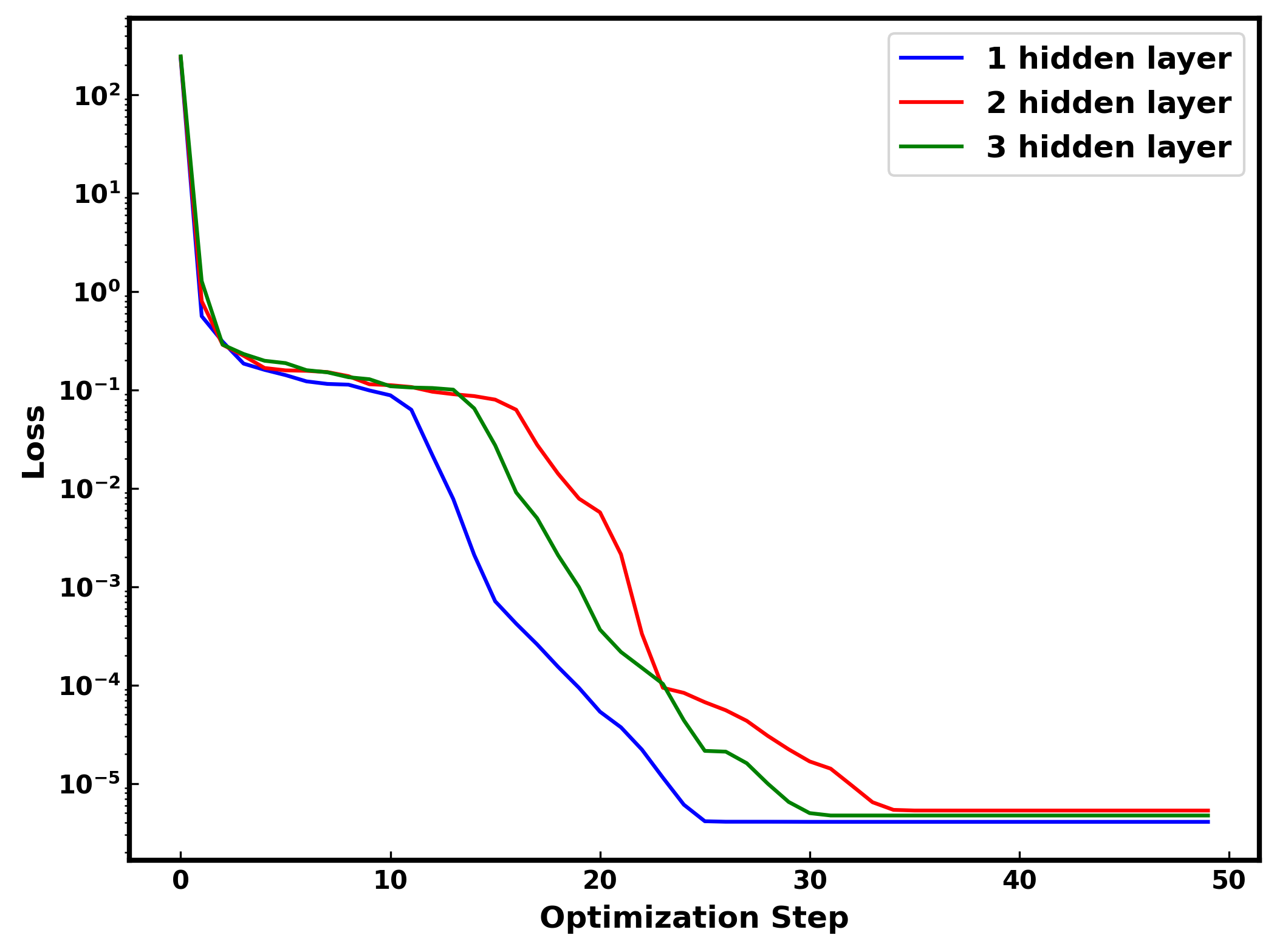
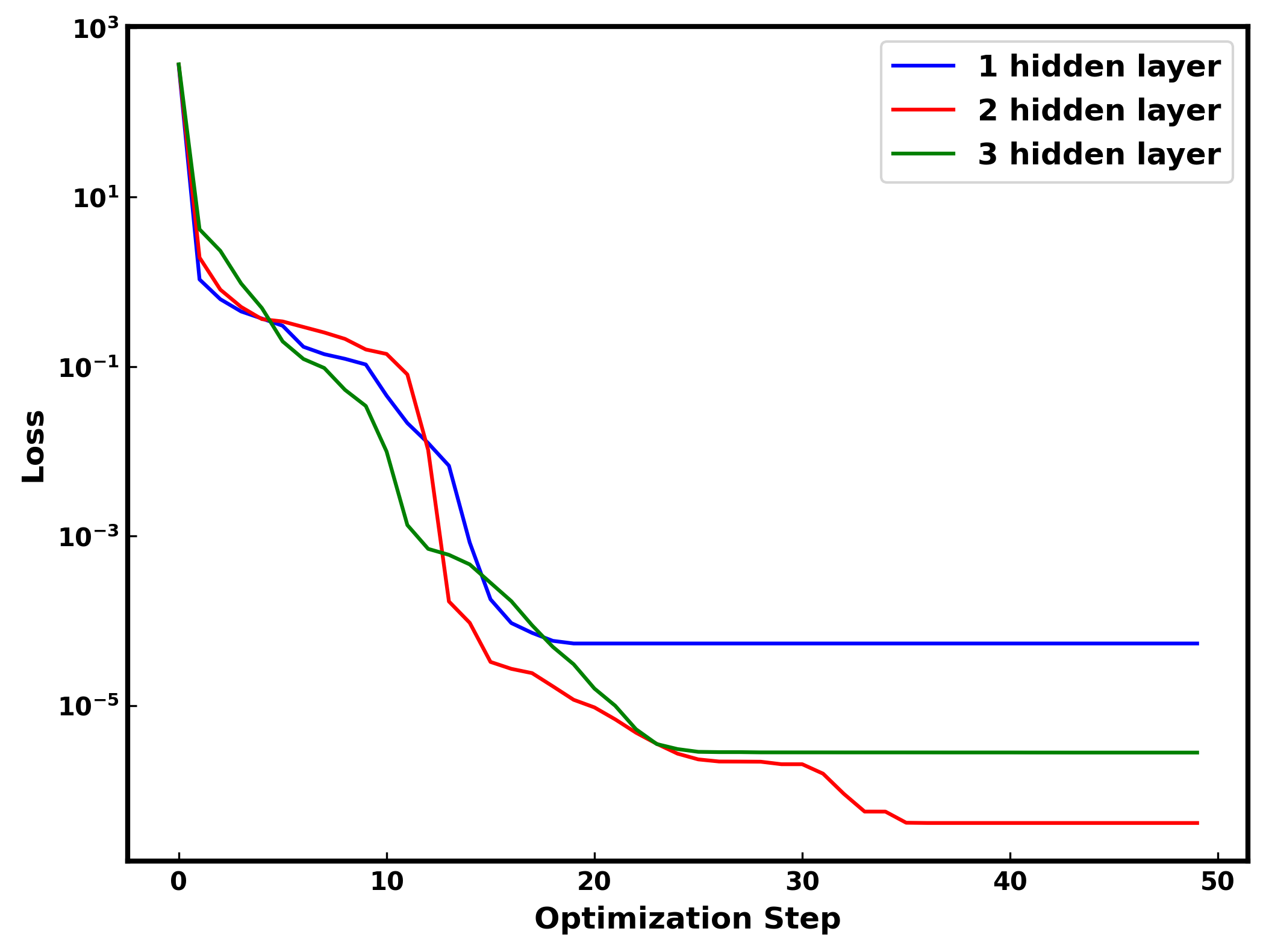
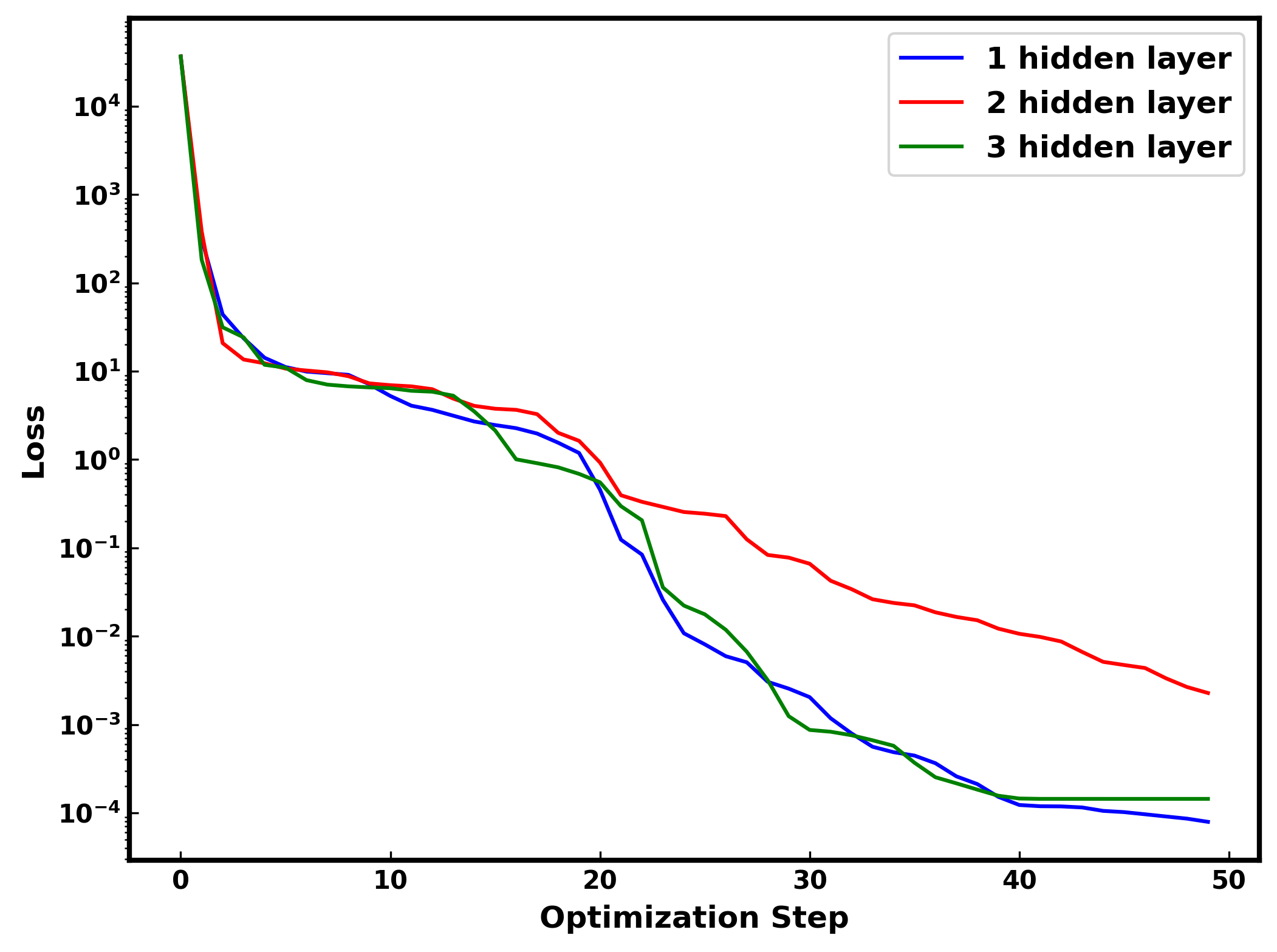
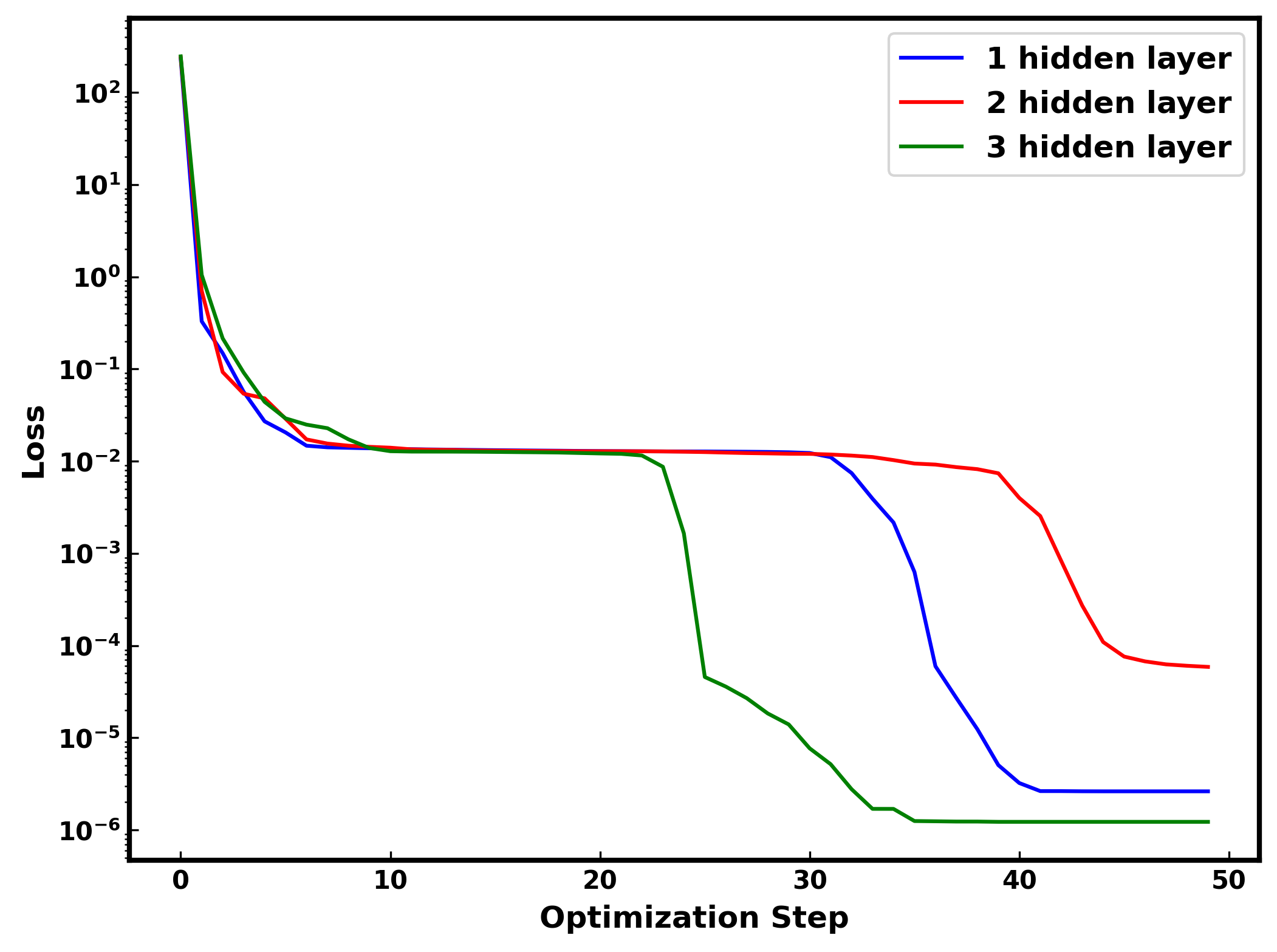
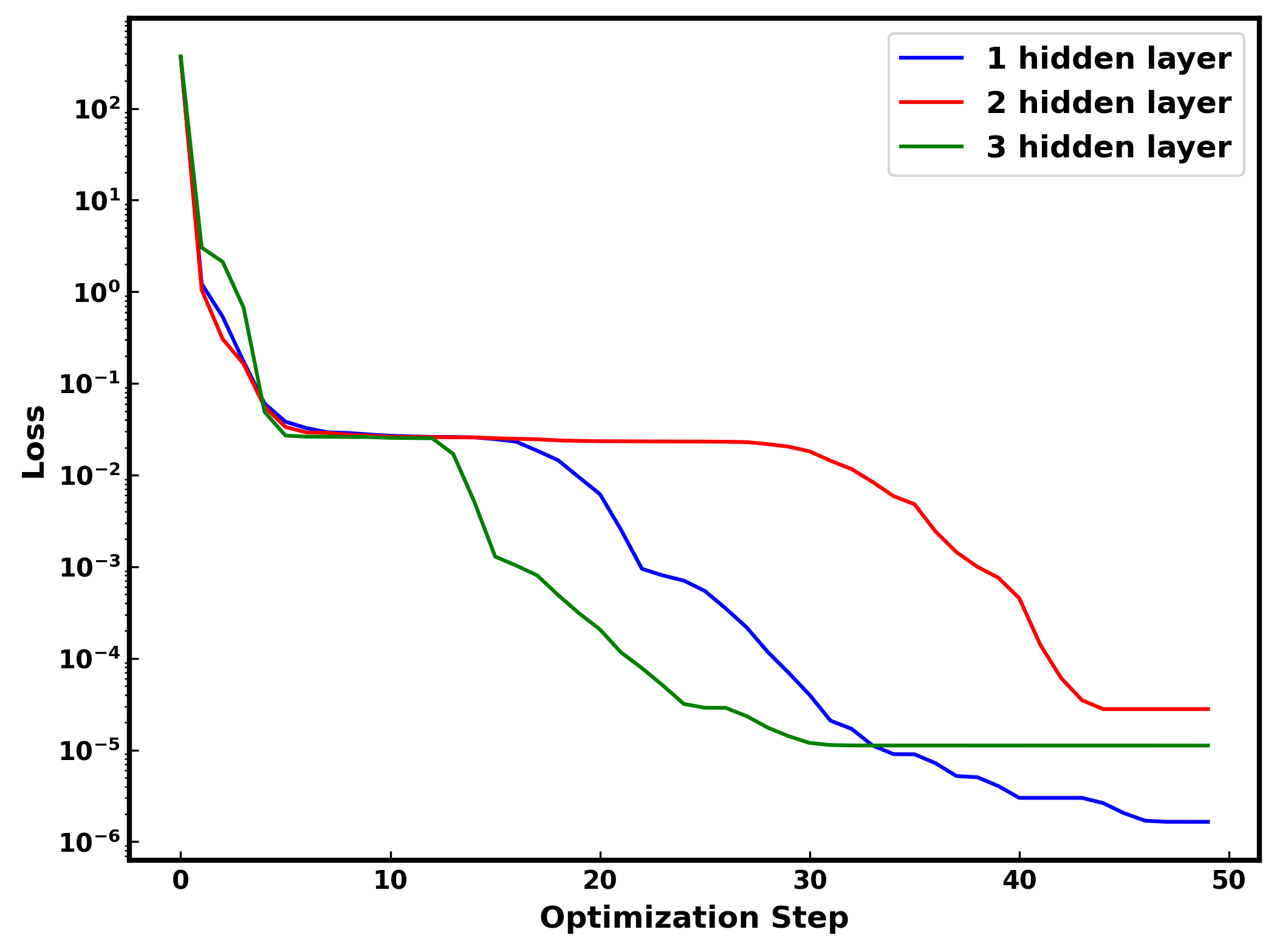
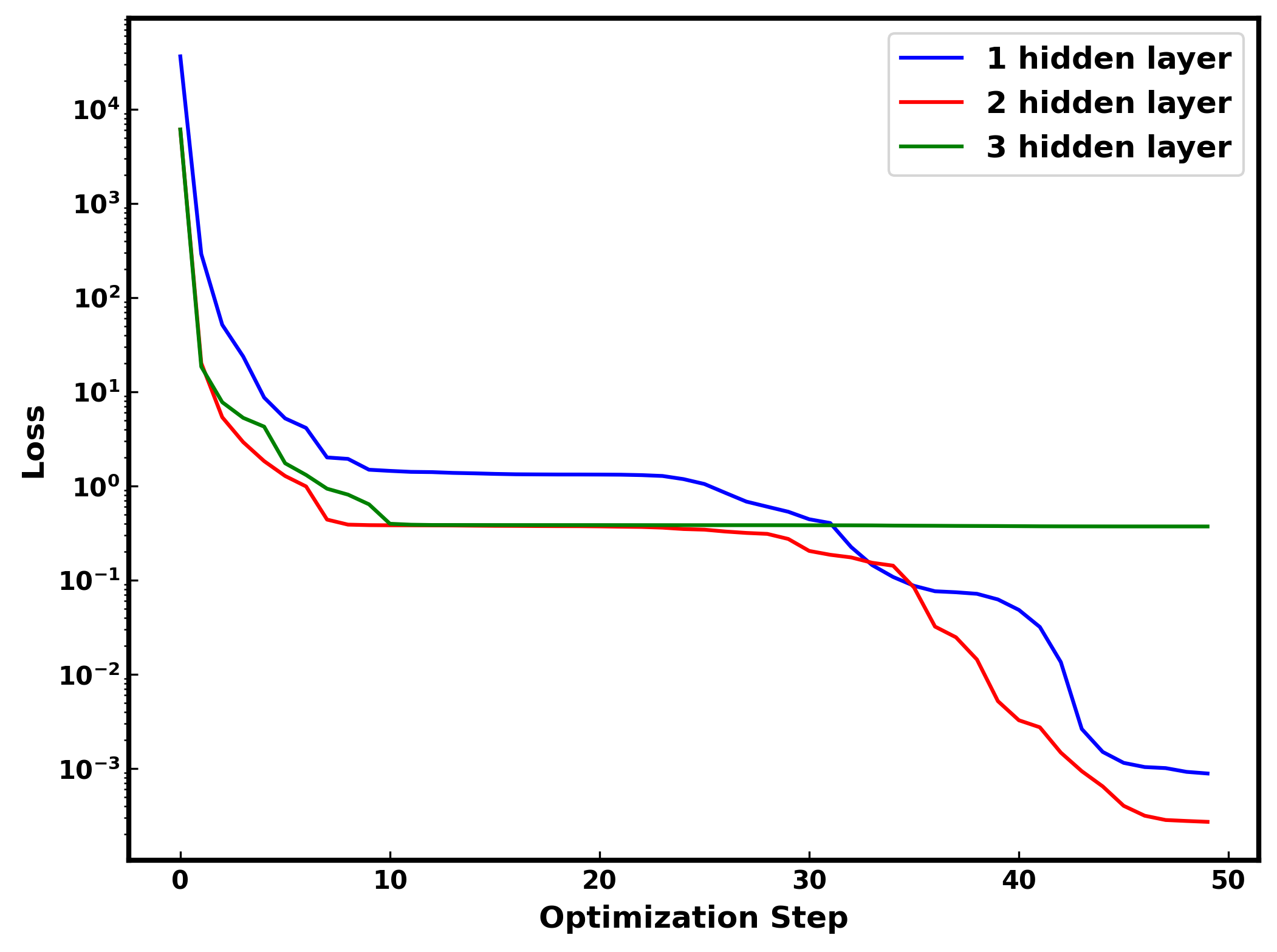
PINN architectures with 1-3 hidden layers (each 5 neurons) plateau at loss (γ)1–(γ)2, requiring longer wall time and larger parameter sets.
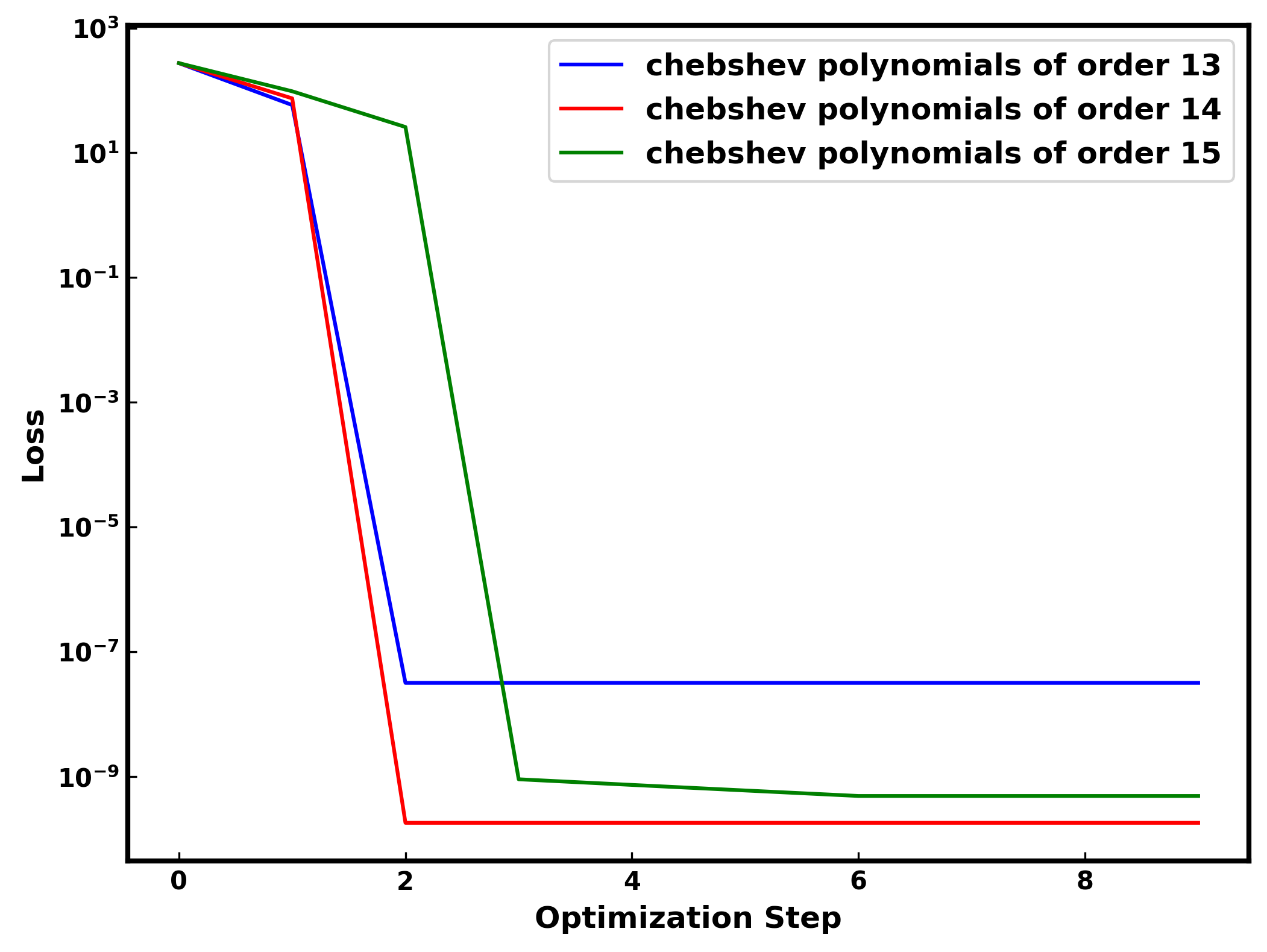
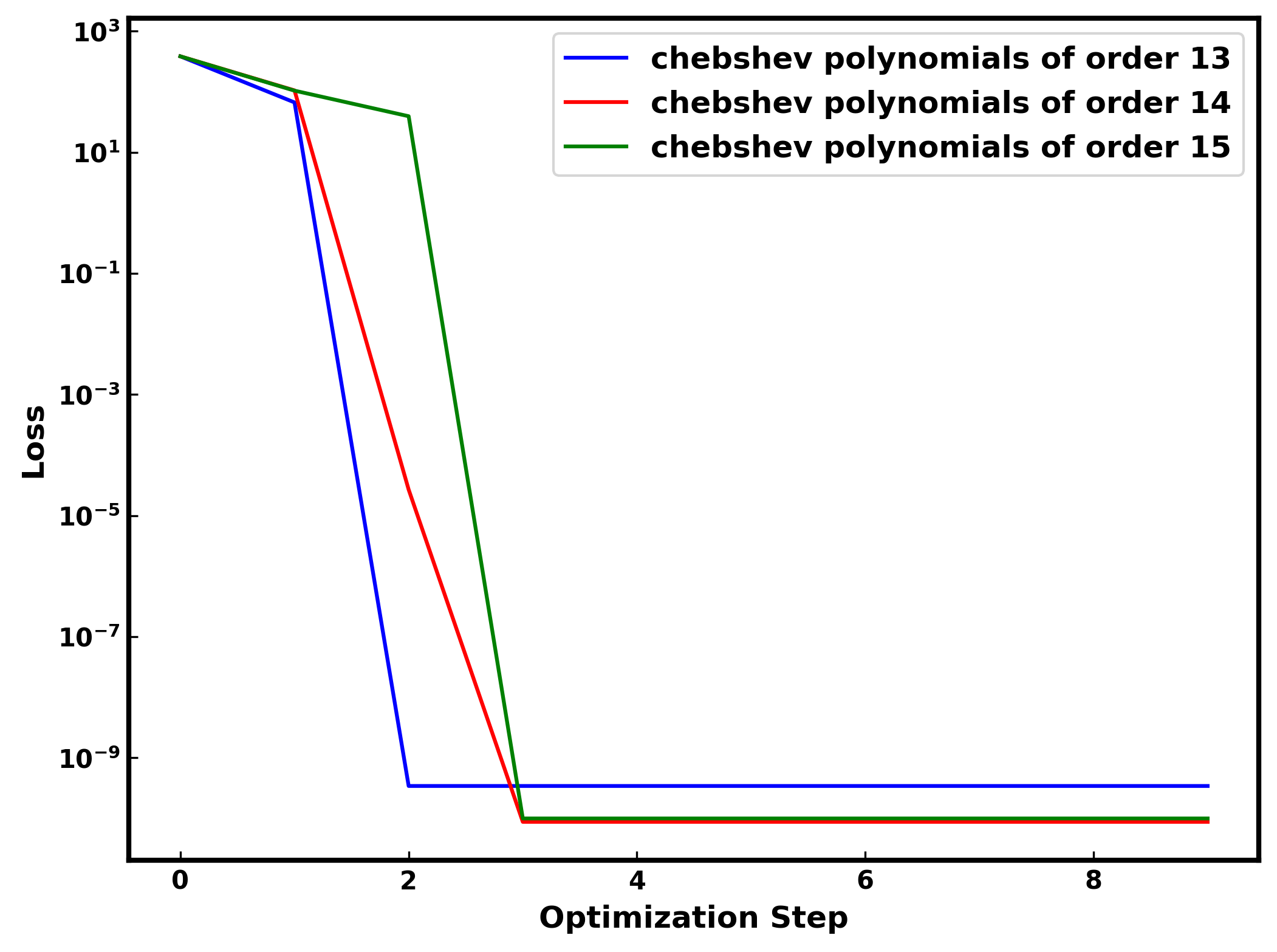
DFL-TFC (Chebyshev order 15) attains loss as low as (γ)3 within shorter optimization windows (via L-BFGS) and proves less sensitive to architecture hyperparameters.
Figure 10: PINN loss curve for S-S boundary with (γ)4, (γ)5, showing non-monotonic convergence and higher residual.
Figure 11: DFL-TFC loss curve under identical settings, with rapid monotonic descent and minimal residual.
Implications and Future Directions
Practically, the DFL-TFC domain-mapped functional link constrained approach presents a scalable, accurate, and stable paradigm for analyzing complex perforated structures under mixed/exponential loading. The framework's inherent constraint satisfaction is critical for extending to higher-dimensional PDEs and more elaborate structural topologies (multi-layer, graded, nonlocal effects). Theoretically, it bridges physics-based learning and functional analytic embedding, which could inform developments in scientific ML for computational mechanics and engineering design optimization. The method is positioned for future expansion into nonlinear, dynamic, and inverse problems, as well as real-time structural health monitoring scenarios.
Conclusion
The DFL-TFC method introduces a robust, computationally efficient solution strategy for the bending analysis of exponentially loaded tapered perforated beams. It consistently outperforms PINN and matches classical Galerkin results in accuracy, while inherently enforcing boundary constraints. The approach is broadly extensible and provides a rigorous mathematical foundation for solving engineering PDEs. Empirical outcomes confirm reduced deflection with increased filling ratio, tapering parameters, or foundation support, and increased response with higher exponential load. The method has significant implications for advanced structural analysis and computational engineering in complex domains.