- The paper presents an end-to-end measurement framework using synthetic profiles to track data collection and distribution in the health insurance lead marketing ecosystem.
- It reveals dual data exfiltration methods, with 70% of sites embedding PII in URLs and 99 third-party interactions, exposing sensitive consumer information.
- It finds that aggressive downstream outreach—averaging 281 calls per profile with regulatory breaches—is linked to significant consumer harm and privacy risks.
Empirical Analysis of the Lead Marketing Ecosystem in Health Insurance
Overview of the Lead Marketing Ecosystem
The study provides a granular empirical characterization of the lead marketing ecosystem, focusing on the health insurance vertical. Lead marketing functions by collecting user-submitted data via multi-step web forms and reselling the aggregated leads to intermediaries and brokers, who then distribute them to downstream buyers such as insurance agents and marketing firms. These buyers subsequently use the data to contact consumers directly via telephony, SMS, and email, often resulting in aggressive outreach patterns.
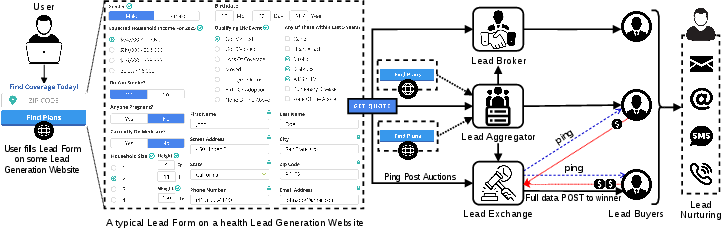
Figure 1: An overview depicting specialized entities—lead generators, brokers, exchanges, and buyers—integrated through rapid data flows and monetization mechanisms in lead marketing.
Methodological Design
The research leverages an end-to-end measurement framework involving 105 health-related lead generation websites. Synthetic profiles—each with unique PII, email, and phone numbers—are used to simulate real-world consumer activity. Controlled provisioning of phone numbers and email addresses allows rigorous monitoring of inbound communications for 60 days post-form submission. The methodology encompasses:
- Instrumenting browser-based crawlers to capture form-level, network, and event listener-based exfiltration,
- Direct purchase of leads from three major platforms (QuoteWizard, NextGen Leads, Aged Lead Store) to analyze downstream brokerage and sale,
- Systematic invocation and measurement of opt-out mechanisms (phone, email, DNC registry),
- Thematic analysis of 7,432 BBB complaints and reviews to contextualize collected data with authentic user experiences.
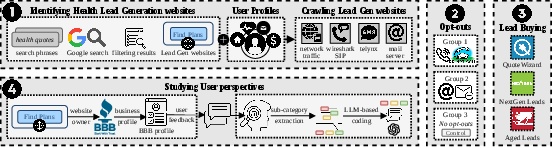
Figure 2: An overview of the integrated measurement methodology, encompassing website instrumentation, data buying, opt-out evaluation, and complaint analysis.
Data Collection and Brokerage Findings
Upstream Data Exfiltration
Lead generation websites share highly sensitive user information—including health status, age, income, and ZIP code—across 99 third parties. Two dominant exfiltration paradigms are observed:
- Intentional Integration: Session replay and compliance vendors (trustedform.com, leadid.com) capture unsubmitted form data via JavaScript during input, enabling downstream routing of leads through ping-post models. Even abandoned forms result in data sharing.
- Accidental Leakages: 70% of sites embed PII in URLs, which is leaked to analytics/ad vendors (e.g., DoubleClick, Google Analytics) through Referer header or DOM access.
Downstream Sale and Brokerage
Purchased leads across platforms consistently contain PII and demographic data. Key observations include:
- Immediate Sale of Submitted Data: Buyer access enables real-time acquisition of own submitted leads at minimal vetting; platforms do not systematically verify buyer legitimacy.
- Data Fabrication: Data quality analysis reveals systemic placeholder values: e.g., QuoteWizard and Aged Lead Store supply fabricated height/weight and uniform marital status not sourced from initial forms (Figure 3).
- Sensitive Attribute Inclusion: Platforms allow filtering and targeting based on health conditions (e.g., pregnancy, HIV/AIDS status), with inconsistent consent traces, exacerbating privacy concerns.
- Geographic and Demographic Distributions: Leads cluster in markets with high demand (California, Florida, Texas), and income distributions vary across platforms (Figure 4).
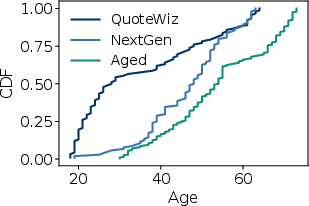
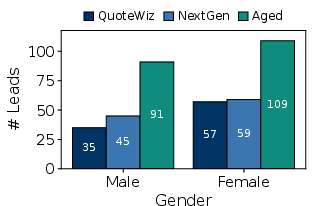
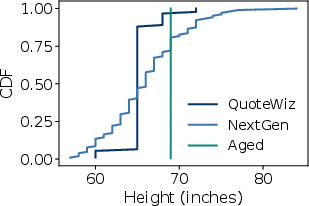
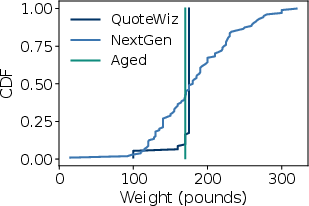
Figure 3: Distributions of age, gender, height, and weight show evidence of fabricated entries in purchased leads from three platforms.
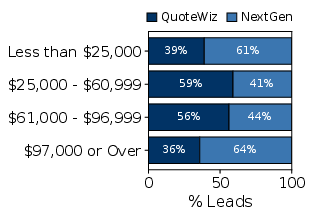
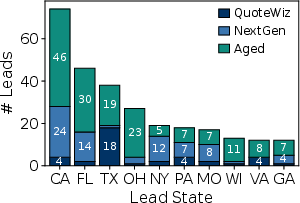
Figure 4: Stacked distributions of income and state demonstrate targeted brokerage practices and market clustering.
Patterns of Marketing Communications
The downstream use of brokered data results in extreme communication behaviors:
- Telephony: Over 8,000 calls from 1,240 unique numbers; 78% phones receive at least one call; profiles average 281 calls (range: 1–1,676) largely in rapid, burst sequences post-form submission.
- VoIP infrastructure dominates, enabling high-frequency dialing and neighbor spoofing (59% calls with local area codes). Outbound persistence exceeds regulatory caps, with 22% of Florida pairs violating daily call limits.
- Some profiles experience phone “unavailability” due to concurrent calls (Figure 5, right).
- SMS and Email: SMS outreach is persistent but less intense than calls; majority routed through Sinch/Twilio, rarely honor opt-out keywords (only 14%). Email outreach is less frequent, with CAN-SPAM non-compliance on ~35% of sites.
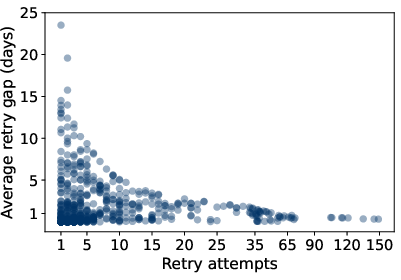
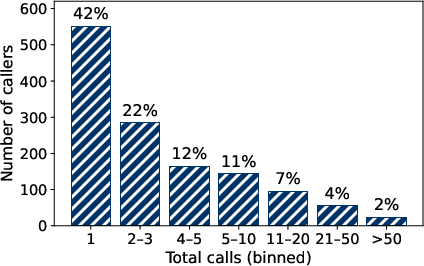

Figure 5: Telephony analysis shows retry behavior, caller frequency distribution, and high-intensity bursts post-submission.
Consumer Experience and Regulatory Compliance
Analysis of BBB complaints confirms widespread consumer frustration and systemic violations:
- Contact Intensity: Median complaint describes >4 calls/hour, top decile >14 calls/hour; some report hundreds/day (Figure 6). Narratives consistently mention “non-stop” outreach, immediate post-submission activity, and long-lived harassment.
- Opt-outs: All tested mechanisms (DNC registration, verbal/email requests, unsubscribe links) reduce outreach but never fully block it. Phone-based opt-outs show fastest, most significant declines, but outreach resumes from new identities. Statistical confidence intervals indicate opt-outs outperform natural decay but remain ineffective.
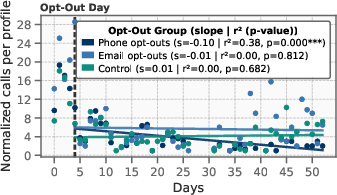
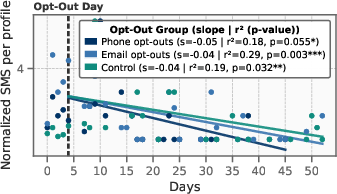
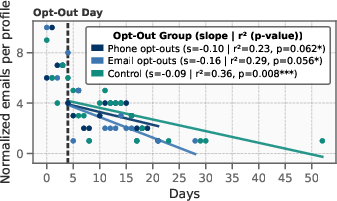
Figure 7: Longitudinal marketing communication trends reveal partial declines post-opt-out, insufficient to fully mitigate contact intensity.
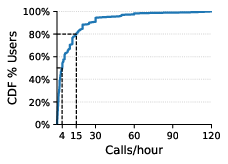
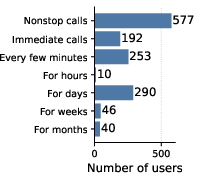
Figure 6: Consumer complaints corroborate high-frequency contact, continuous outreach, and failed opt-out attempts.
Implications and Recommendations
Practical and Regulatory Consequences
- Privacy and Data Security: Immediate distribution and sale of sensitive health data without buyer vetting or robust consent propagate significant risks—unfair premium quotes, credit decisions, or discrimination.
- Regulatory Non-Compliance: Persistent violation of TCPA, CAN-SPAM, and state-level telemarketing laws is prevalent. Consent is often misleading, opt-out propagation is fraught with inefficiency, and fabricated data commodifies consumer profiles, undermining trust and legal compliance.
- Consumer Harm: Users are subjected to overwhelming telephony spam and non-consensual outreach; standard opt-out controls are insufficient.
Future Directions
- Implementation of centralized opt-out propagation APIs is essential for effective suppression of distributed marketing outreach.
- Stricter buyer vetting and transparency requirements for lead platforms are critical to safeguard consumer data.
- Regulatory updates must enforce explicit, informed consent with standardized disclosure.
- Further research should quantify fabricated data prevalence and study downstream use-case effects (e.g., economic impact on insurance premiums).
Conclusion
The study establishes the first rigorous end-to-end empirical measurement of the health lead marketing ecosystem, revealing intricate privacy exposures, data fabrication, and aggressive, non-compliant communication patterns. The findings demonstrate that current opt-out mechanisms and regulatory safeguards are insufficient for meaningful consumer protection. The research framework and dataset provide strong foundations for future investigations targeting other verticals and broader AI-driven marketing applications.
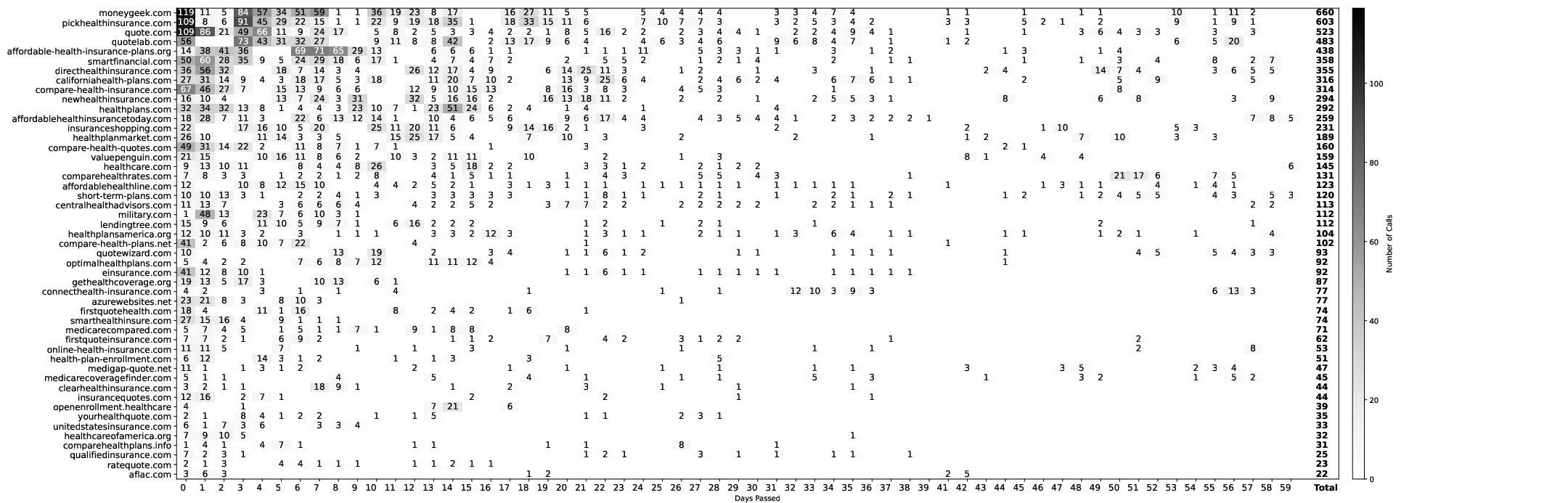
Figure 8: Distribution of call volume by days highlights burst and long-tail outreach patterns across profiles and platforms.

Figure 9: Distribution of email volume by days shows temporal decay and platform-specific email outreach intensity.

