- The paper demonstrates that early technical workshops significantly improved first-year CS students’ technical preparedness, notably narrowing gender gaps.
- It shows that while technical skills improved markedly, cultural seminars had mixed effects on confidence and long-term retention.
- The study recommends better course integration and sustained recruitment efforts to address both skills development and psychosocial support.
Evaluation of BBI 2.0: The First-Year Students at UiT
Project Rationale and Design
BBI 2.0 was implemented at UiT The Arctic University of Norway to address persistent gender imbalance in Computer Science. With only 13% female representation and a high dropout rate among first-year students—disproportionately affecting women—the project aimed to reduce early attrition and strengthen students’ academic and psychosocial preparedness. Two seminar series were run in parallel during Fall 2025: technical workshops targeting foundational computational skill gaps and cultural seminars exposing participants to diverse applications and professional trajectories within CS. Both series were voluntary but promoted extensively to encourage wide participation.
Technical Series Outcomes
The technical seminars covered topics essential but often implicit in introductory courses: file systems, terminal operations, debugging, code lifecycle, Git/GitHub workflows, and hardware basics. Impact surveys administered in 2024 (pre-intervention) and 2025 (post-intervention) demonstrate distinct improvements in students’ self-assessed preparedness on several technical competencies.
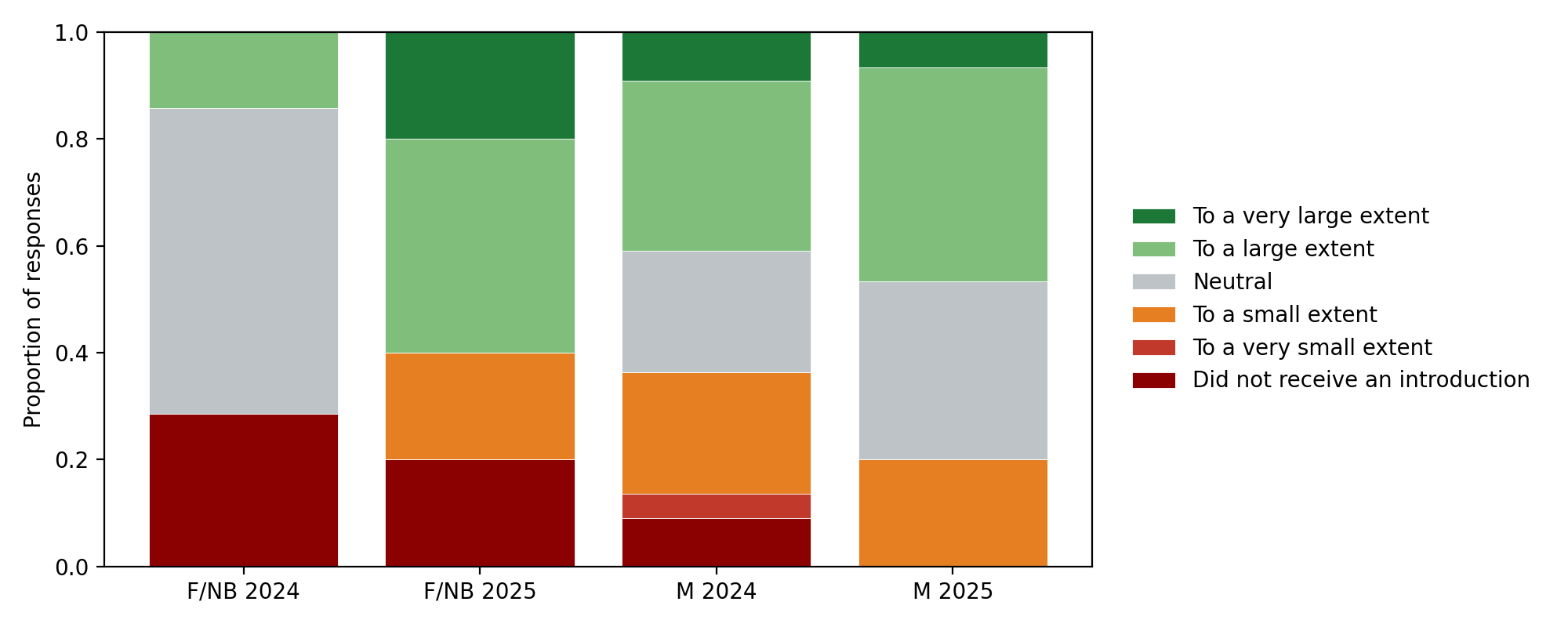
Figure 1: Distribution of students' perceived introduction to using the file system before and after technical seminars.
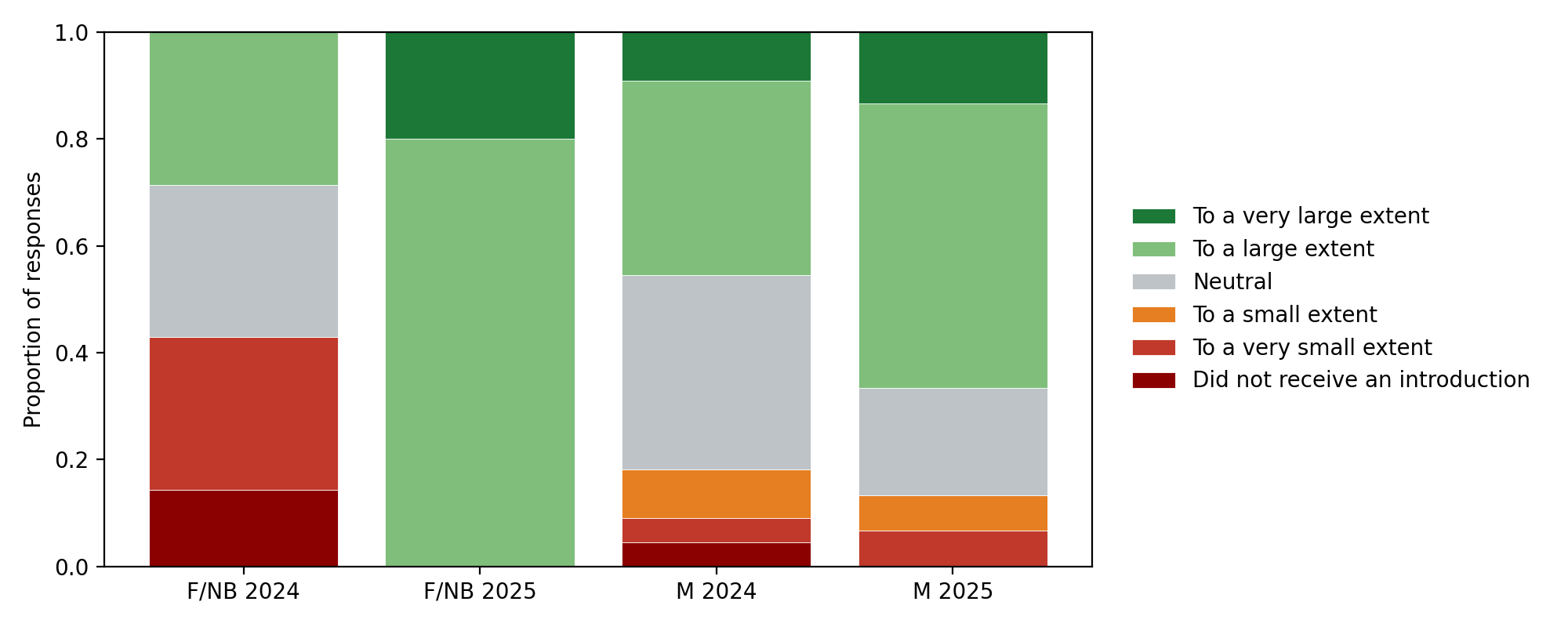
Figure 2: Students' self-assessed exposure to terminal usage across both cohorts.
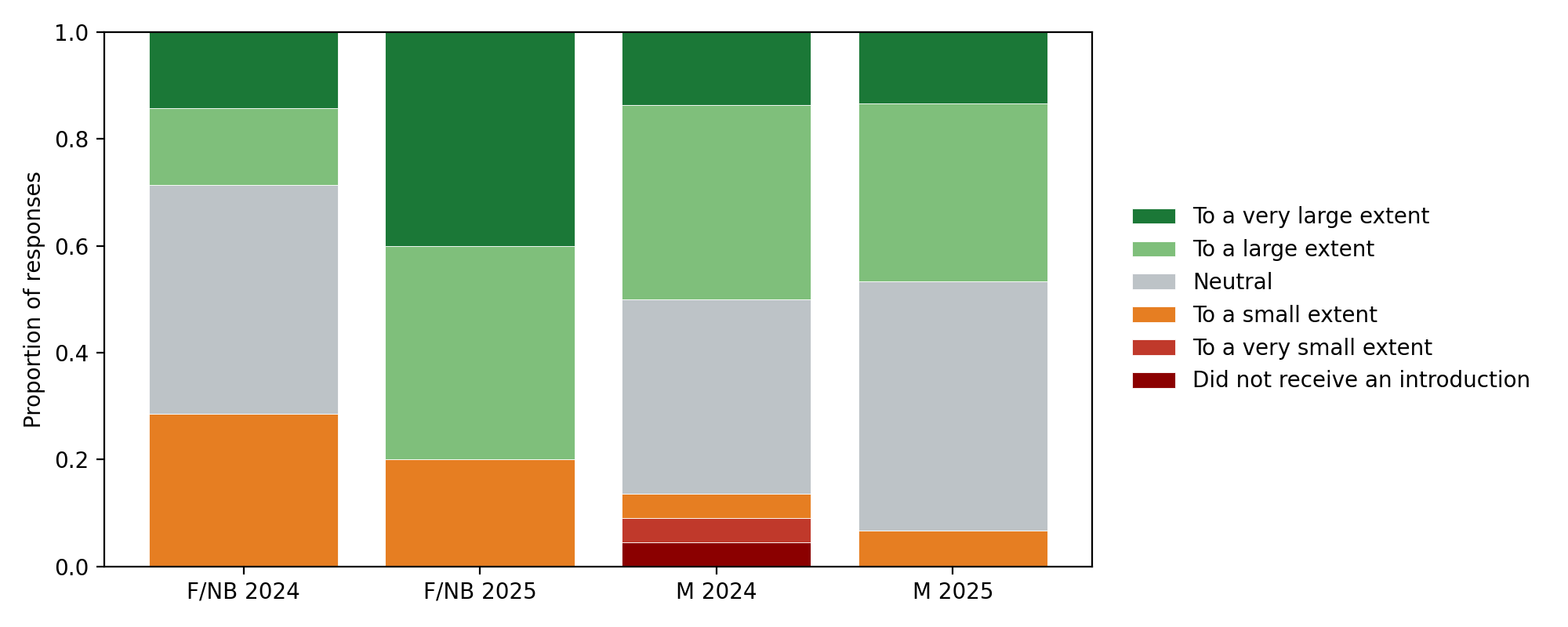
Figure 3: Perceived familiarity with the code development cycle post-intervention.
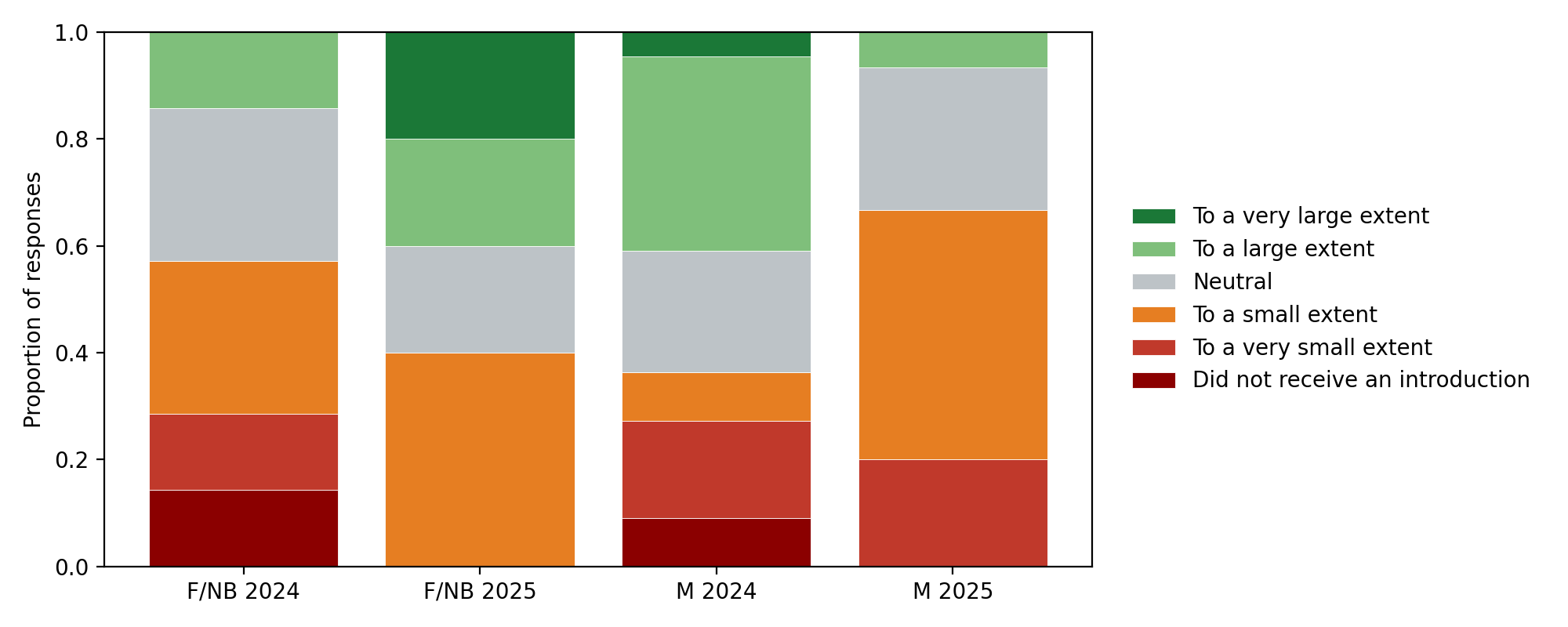
Figure 4: Improvement in perceived introduction to debugging for female students in 2025.
Notably, gender gaps observed in 2024 narrowed in 2025; female students reported significant gains in terminal, file system, and debugging preparedness. Workshops scheduled earlier in the semester correlated with higher impact and participation, whereas late-semester offerings (e.g., GitHub, hardware) had diminished attendance, limiting their cohort-wide effect.
Report writing did not exhibit marked improvement, with negative or neutral shifts, suggesting the content or delivery may warrant revision.
Cultural Series and Psychosocial Outcomes
Cultural seminars included panel debates, career reflections, interdisciplinary research talks, and industry perspectives, designed to enhance belonging and broaden professional outlook. Survey data revealed mixed results: exposure to diverse role models and inspiring themes increased modestly among female students, but metrics of comfort, confidence, and satisfaction deteriorated or stagnated.
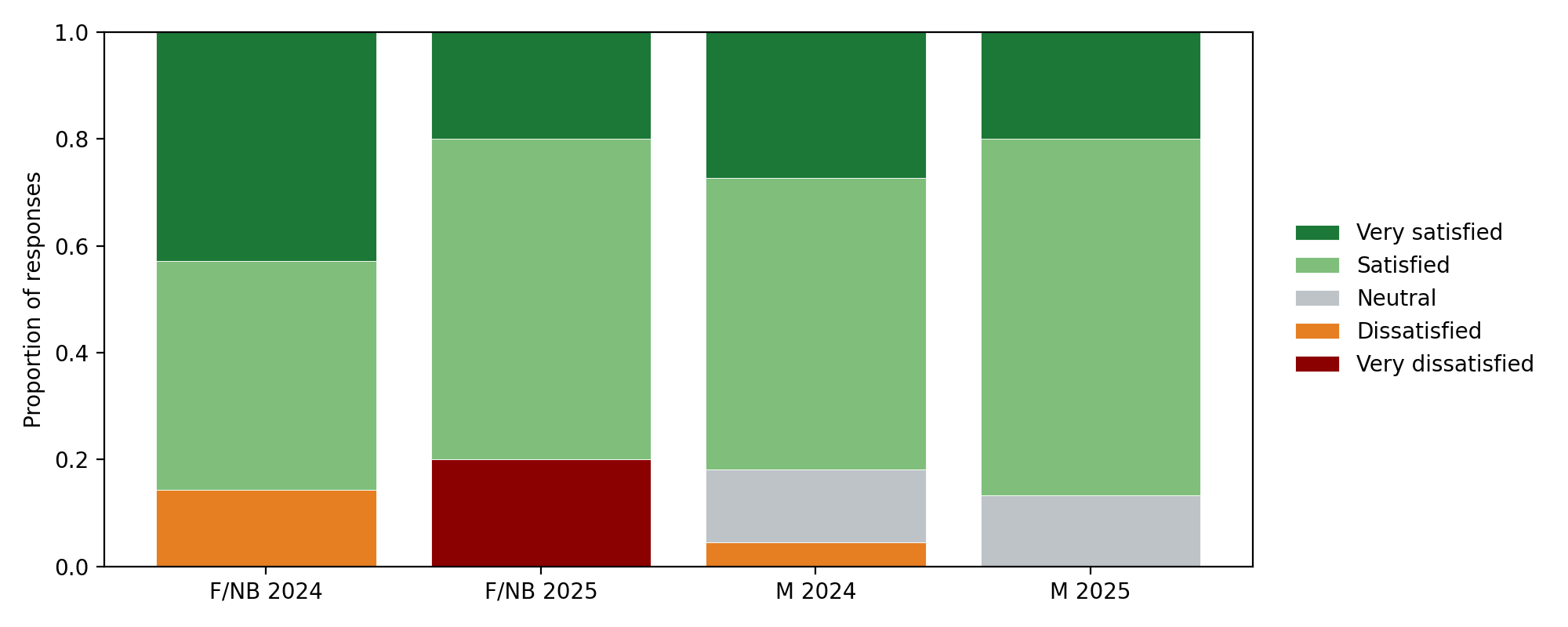
Figure 5: Satisfaction with decision to study CS, showing increased polarization for female/non-binary students.
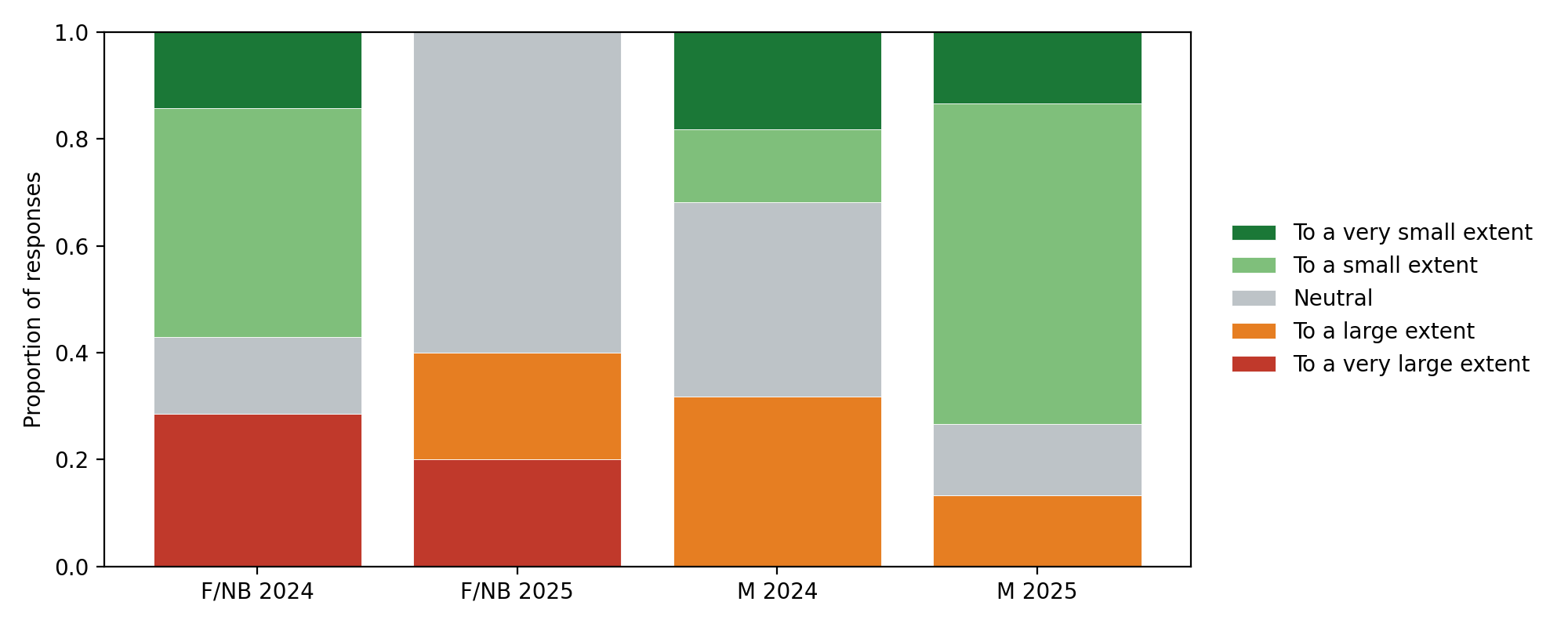
Figure 6: Rising self-reported feelings of being academically behind among female students post-intervention.
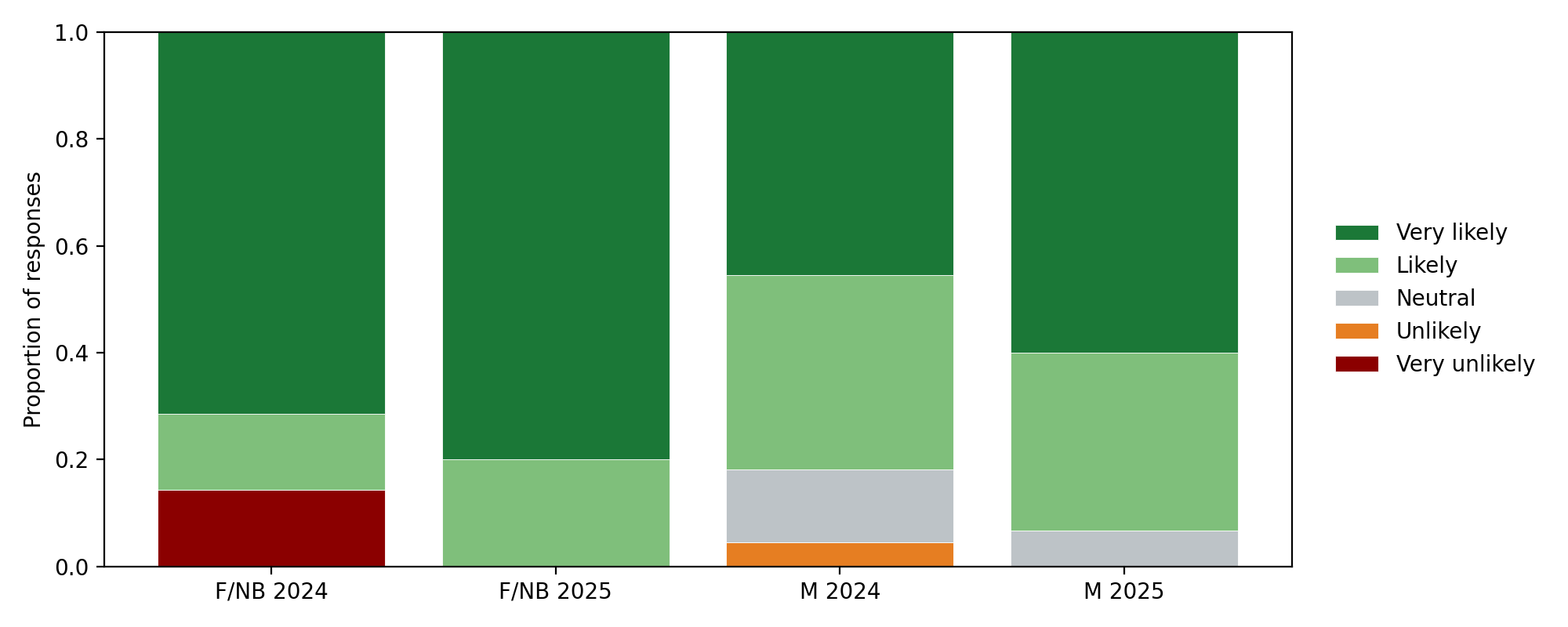
Figure 7: Strengthened retention intentions despite stagnant dropout rates.
Students' intention to continue in CS strengthened for both genders post-intervention, especially among female students. However, self-assessed academic preparedness, comfort seeking support, and satisfaction showed no improvement; some measures worsened for female students. These findings support prior literature that technical skill interventions improve short-term preparedness but rarely address the deeper psychosocial barriers to retention [Frieze2019, Margolis2002, Jaccheri2020].
Quantitative dropout analysis showed nearly identical attrition rates for both cohorts, with only one female student leaving per year, despite increased retention intentions and technical preparedness. Coursework completion rates remained high, primarily among female students. However, exam attendance and pass rates decreased in 2025, notably for males, possibly reflecting changes in format (remote/home exam in 2024 vs. on-campus controlled exam in 2025); these contextual differences preclude direct comparison.
Student Experience and Series Evaluation
Qualitative survey responses indicated the technical seminars were valued, particularly file system and terminal sessions, for demystifying practical computing tasks and boosting confidence. Variation existed regarding prior familiarity with content and demands for greater depth. GitHub and debugging workshops were flagged for insufficient coverage by some respondents.
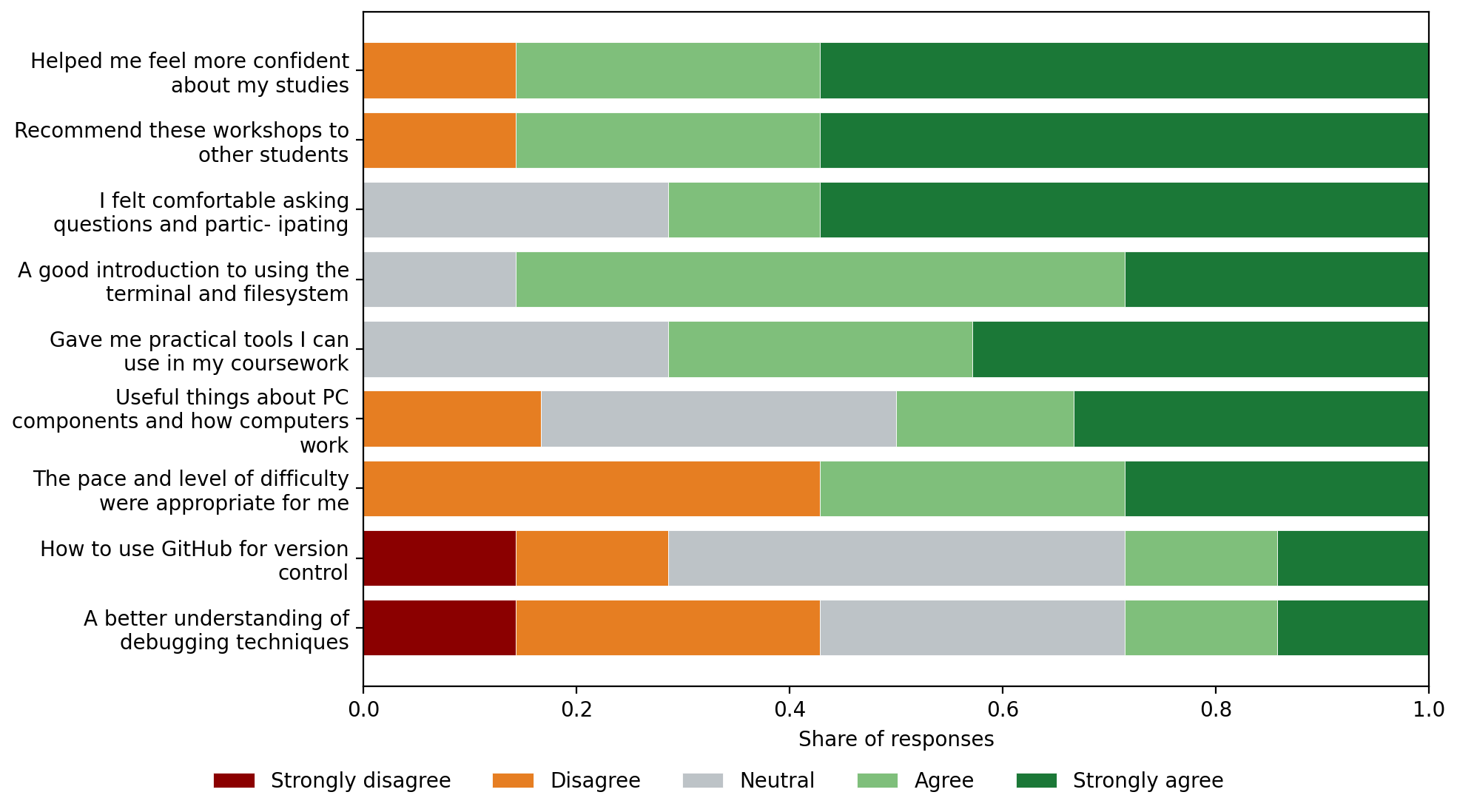
Figure 8: Participant evaluation of technical workshops, with most students recommending them for skill-building.
The cultural events broadened participants' perception of CS careers, but their impact on motivation and identification with the presented role models was inconsistent, especially for male students.
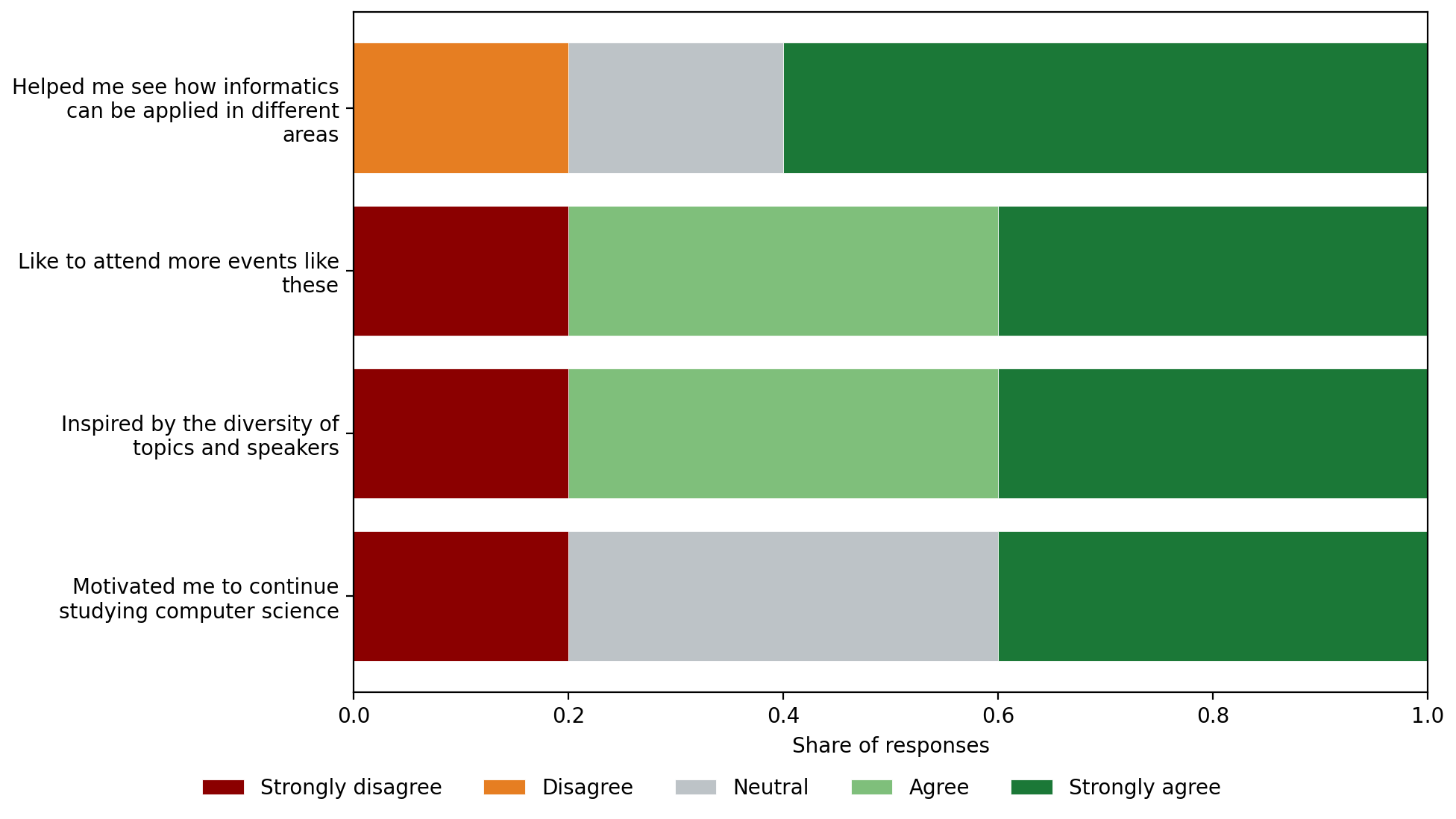
Figure 9: Assessment of cultural talks, reflecting mixed influence on identification and motivation.
Overall, students appreciated the practical and integrative value of the seminar series but indicated variable effects on long-term motivation and sense of belonging.
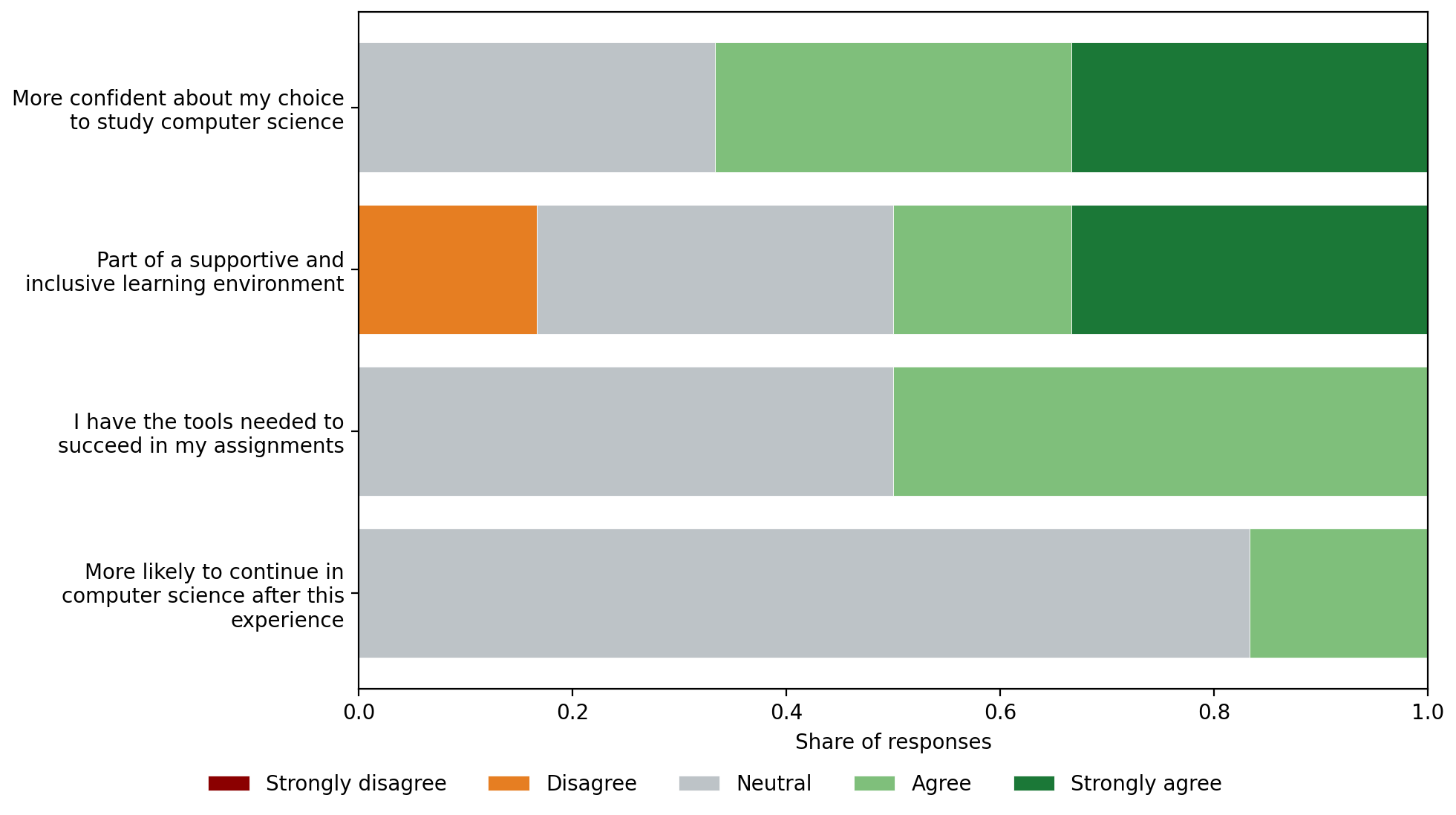
Figure 10: Overall participant evaluation of the BBI 2.0 series, underscoring utility for practical preparation.
Implications and Recommendations
The results emphasize the limited scope of short-term, supplementary initiatives in fundamentally altering confidence, belonging, or retention in the diverse field of CS. Technical workshops, particularly those scheduled early and closely aligned with coursework, demonstrably bridge foundational skill gaps and attenuate gender disparities in technical confidence. However, cultural aspects such as identification, inclusivity, and psychosocial support require sustained, integrated structural changes. The stagnant dropout rates despite improved retention intentions reinforce the gap between increased preparedness and actual persistence.
Recommendations include:
- Front-loading skill-building activities early in the semester
- Closely linking seminars to ongoing coursework to maximize relevance and participation
- Regularly diversifying event formats, prioritizing dialogic and peer-supported models (e.g., panel debates)
- Expanding recruitment efforts, not just retention, to improve gender balance
- Implementing longer-term, systemic changes within the curriculum to sustain gains in confidence and belonging
Future Directions
The project underscores the necessity for comprehensive interventions. Future iterations of BBI should consolidate the strengths of early, skill-focused workshops while collaborating with curriculum designers for greater integration and sustained psychosocial support. The literature affirms that gender balance and retention in CS emerge through multi-faceted, inclusive pedagogical and cultural strategies [Frieze2019, Jaccheri2020].
Conclusion
BBI 2.0 at UiT evidences the efficacy of early, targeted technical workshops in closing gender gaps in preparedness, but highlights their limitations in influencing retention, satisfaction, or confidence among first-year CS students. Persistent dropout rates and psychosocial challenges point to the need for broader, longitudinal reforms: supplementary seminars, while beneficial, are insufficient in isolation. Future interventions should integrate technical, cultural, systemic, and recruitment-focused reforms for lasting impact on gender balance and the student experience in Computer Science.
(2604.06731)