- The paper presents a novel framework that decomposes video representation into regular (network) and irregular (grid) components for improved spatiotemporal modeling.
- It introduces a coupled WarpRNN module to capture multi-scale temporal dynamics, achieving superior reconstruction with PSNR values up to 33.73 dB on benchmark datasets.
- The integration of a mixed residual grid enables efficient encoding of fine details and motion irregularities, resulting in substantial bitrate savings and high decoding speeds.
CWRNN-INVR: A Coupled WarpRNN-based Implicit Neural Video Representation
Introduction and Motivation
Implicit Neural Video Representation (INVR) leverages learnable neural networks and grid-based embeddings to encode video sequences, aiming for efficient storage, transmission, and downstream tasks. Prevailing INVR approaches focus exclusively on designing either neural network architectures or improved grid structures, often neglecting a systematic exploration of their complementary representational roles. The paper "CWRNN-INVR: A Coupled WarpRNN based Implicit Neural Video Representation" (2604.06564) critically investigates this gap, demonstrating that neural networks excel at capturing structured, regular spatiotemporal patterns, while grids are more adept at representing irregular, frame-specific information. This dichotomy is grounded in both empirical reconstruction quality and theoretical information decomposition.
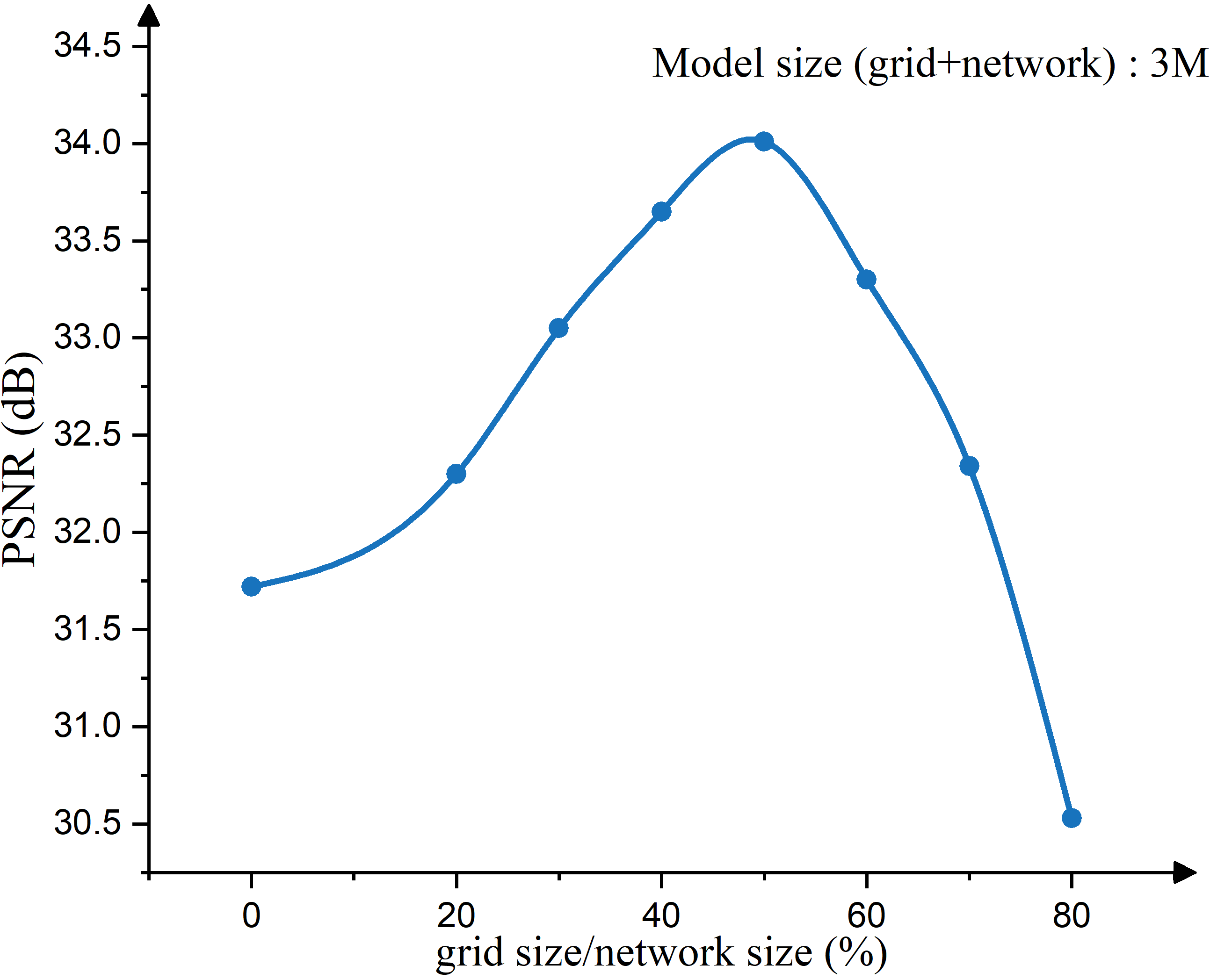
Figure 1: Performance distribution for different ratios of grid and network parameters, illustrating distinct representational strengths.
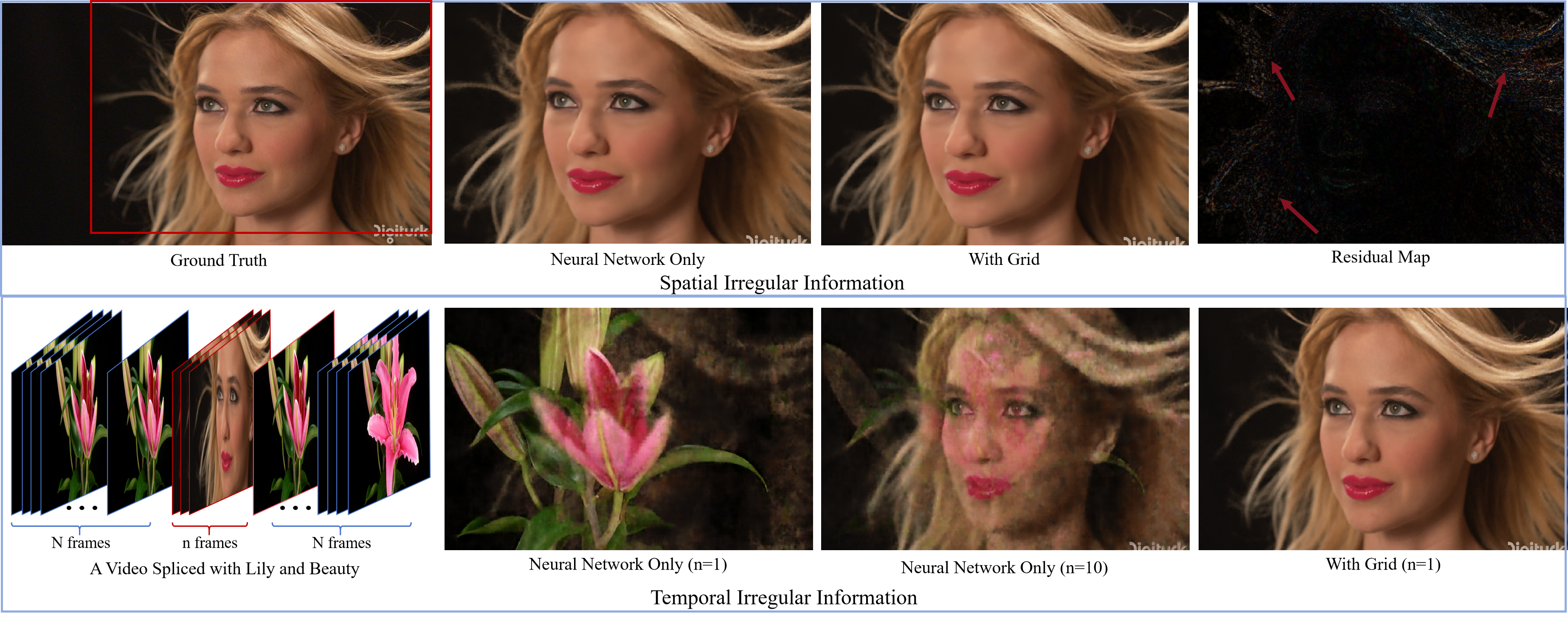
Figure 2: Residual maps highlighting the spatial and temporal irregularities captured by grids where neural networks fail.
Methodology
Mixed Network and Grid INVR Framework
The proposed CWRNN-INVR architecture implements a mixed model, explicitly decomposing video representation into regular (neural network) and irregular (grid) components. Each reconstructed frame I^t is a combination:
I^t=fn(m)
where fn is the spatial-temporal neural network and m is the mixed residual grid. Both elements are jointly trained, enabling network reuse and streamlined encoding.
Coupled WarpRNN for Spatiotemporal Modeling
CWRNN-INVR introduces a Coupled WarpRNN module for explicit multi-scale temporal modeling. The module hierarchically processes local and global motion. Local features are separated via learned masks, processed by a WarpRNN to capture object movements; global features encapsulate background dynamics and are handled by a second WarpRNN. Motion alignment is performed by learned warping functions:
ht=fg(x~t,warp(ht−1,Pt(x~t)))
where ht is the hidden state, Pt extracts motion features, and warp aligns spatially.
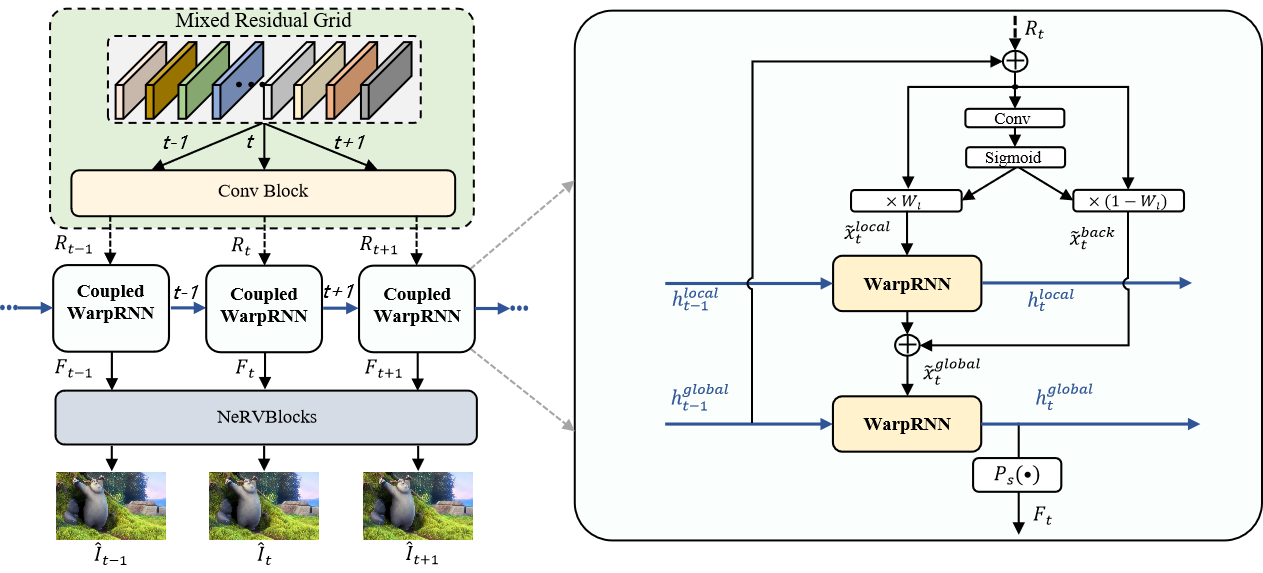
Figure 3: CWRNN-INVR framework overview and detailed Coupled WarpRNN module design.
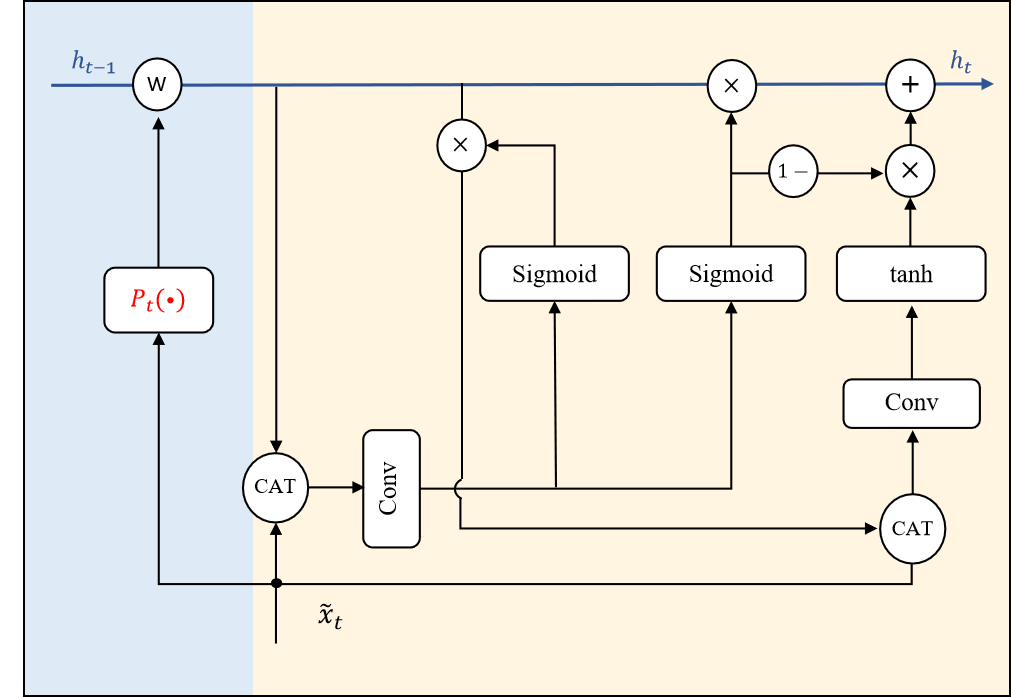
Figure 4: Architecture of the WarpRNN module with a learned spatial warping function.
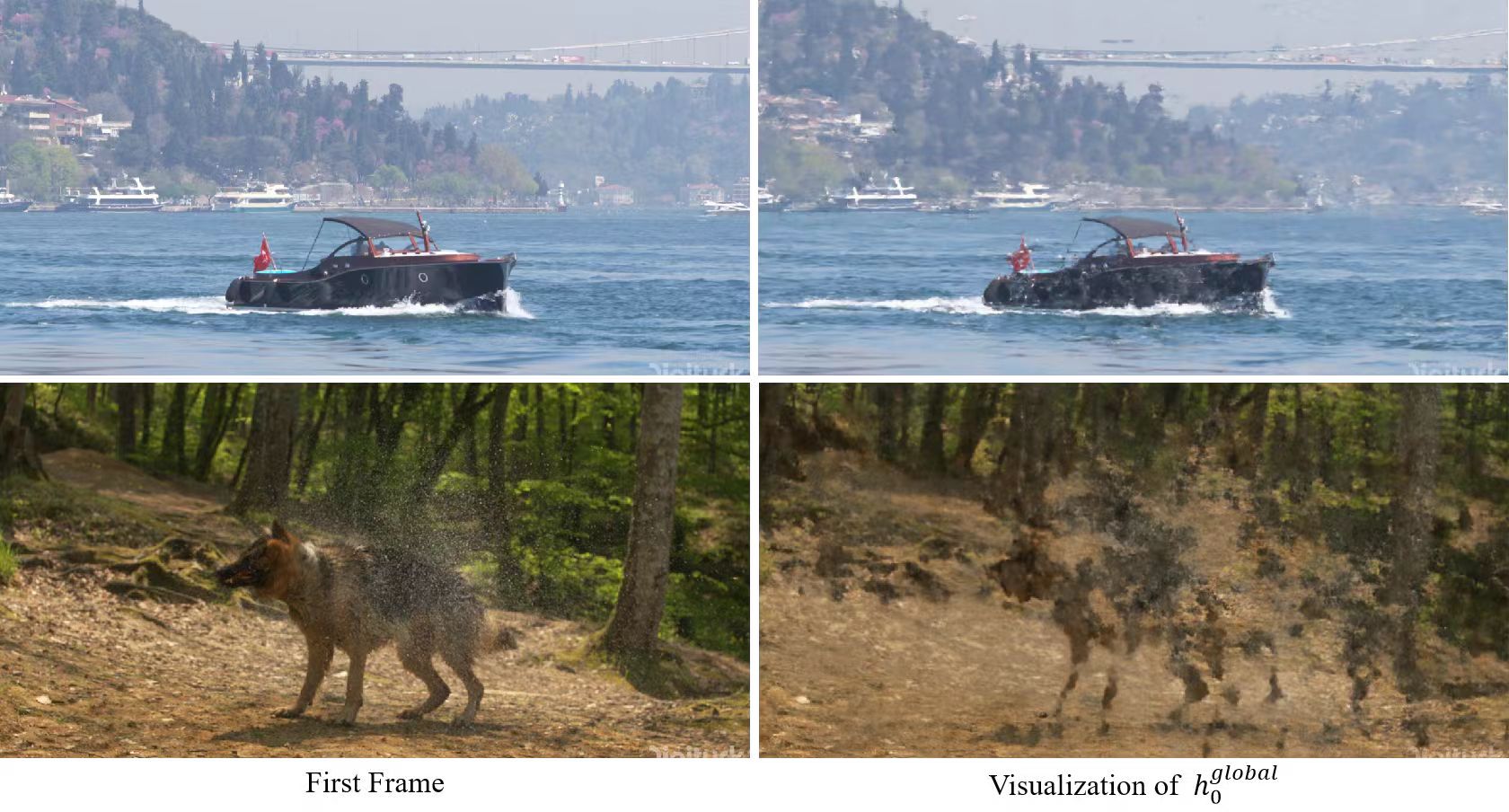
Figure 5: Visualization of learned initial hidden state, demonstrating anchor-like structural retention.
Mixed Residual Grid (MRG)
The MRG locally encodes appearance and motion irregularities. Temporal interpolation is used to obtain frame-specific residual features. These are fed back into the coupled WarpRNN, enhancing both local and global representation, allowing for efficient compensation of scene changes and object dynamics that neural networks alone struggle to capture.
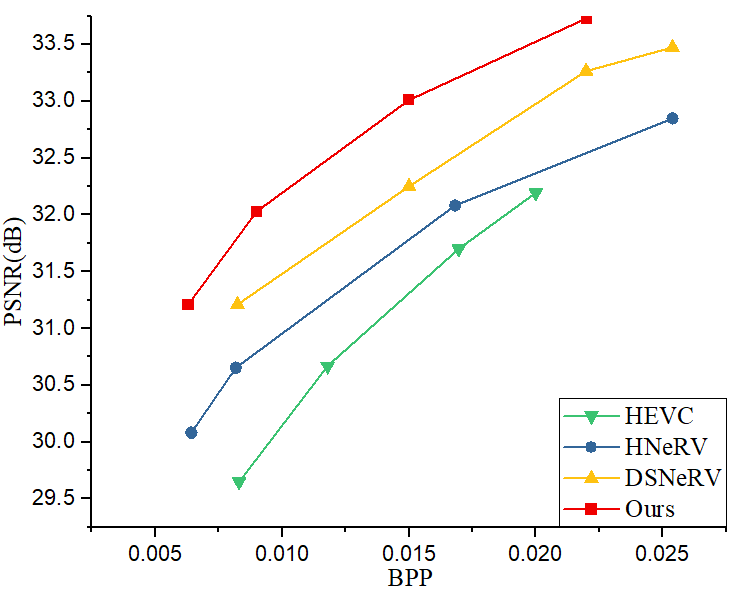
Figure 6: R-D curves on UVG, revealing substantial improvements in rate-distortion efficiency.
Experimental Validation
Video Reconstruction
CWRNN-INVR outperforms prior state-of-the-art INVR models on UVG and DAVIS datasets, with the 3M parameter model achieving average PSNR values of 33.73 dB (UVG) and 31.22 dB (DAVIS), exceeding baseline models such as DSNeRV and HNeRV. Notably, the model preserves fine-frame details and handles both smooth and abrupt motion sequences exceptionally.
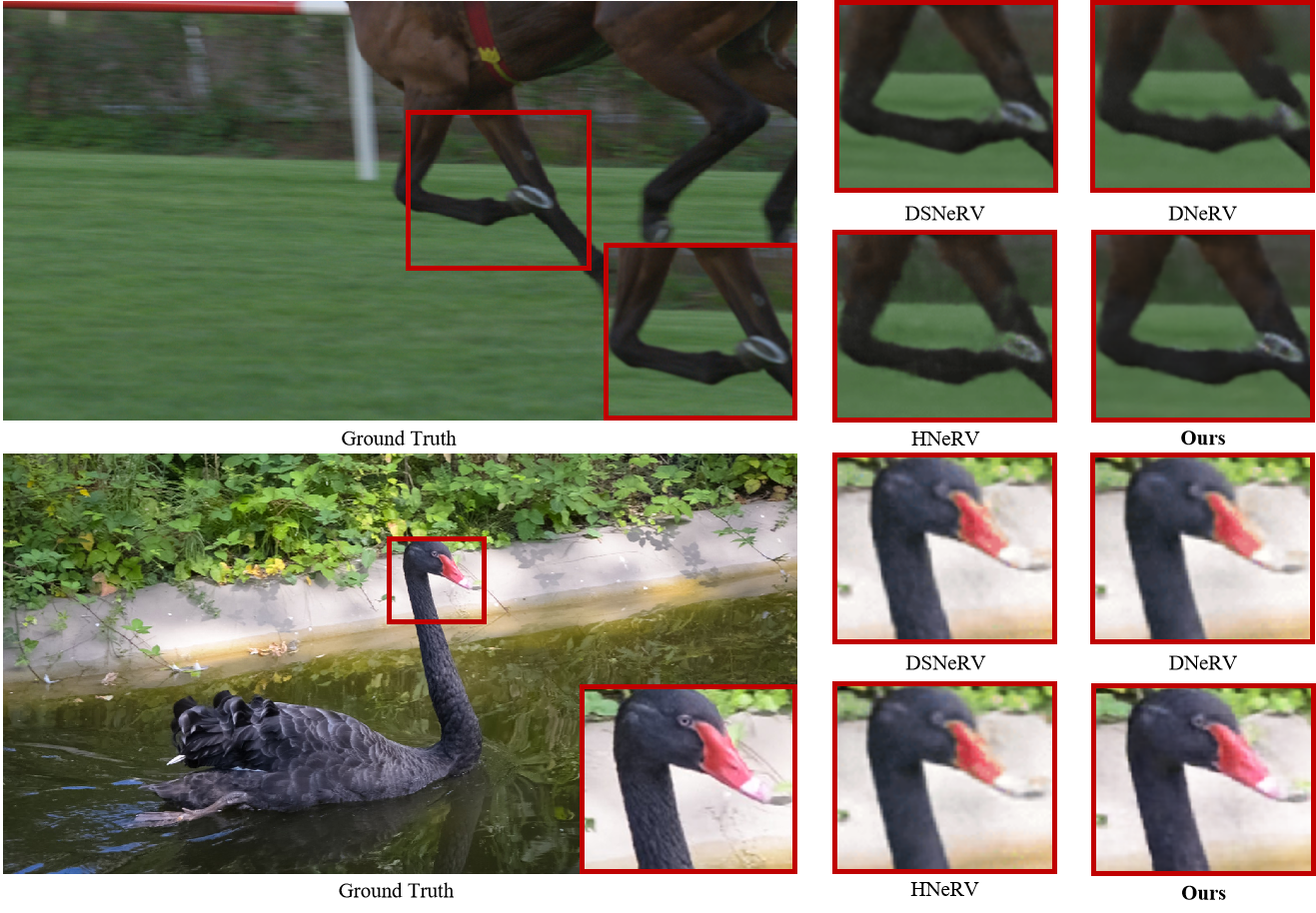
Figure 7: Qualitative reconstruction results on UVG and DAVIS (Jockey and Black swan), demonstrating preservation of motion details and texture.
Video Compression
The method delivers substantial bitrate savings: -54.24% BD-rate relative to HEVC and up to -23% improvement over competing INVR methods. Rate-distortion curves indicate superior performance across model sizes. Encoding time and GPU memory usage are comparable to prior INVR frameworks, with decoding speeds reaching 85.18 FPS, outperforming all neural and traditional codecs.
Ablation and Analysis
Model size ablation confirms scalability: even with 0.75M parameters, CWRNN-INVR outpaces NeRV and HNeRV. Coupled WarpRNN improves PSNR by nearly 1 dB for real videos versus single-layer RNNs. The addition of MRG consistently enhances spatial and temporal reconstruction, particularly for videos with substantial motion or irregular features.

Figure 8: Qualitative comparisons highlight the mixed residual grid’s ability to capture fine appearance details (e.g., hair, bee) unattainable by networks alone.
Implications and Future Directions
The explicit decomposition of video information in CWRNN-INVR enables efficient rate-distortion optimization and flexible adaptation to varying motion regimes. The coupled WarpRNN architecture advances temporal modeling in neural video compression. Practically, this framework sets a new benchmark for both storage and neural downstream tasks such as video editing or semantic querying.
Theoretically, this approach opens avenues for further exploration of joint neural-network/grid architectures, especially in dynamic scenarios with complex motions. Extensions may include hybridization with latent semantic embeddings or integration with neural radiance fields for volumetric video representation.
Conclusion
CWRNN-INVR establishes a rigorous framework for implicit neural video representation that leverages both neural networks for structured information and grids for irregular details. The coupled WarpRNN facilitates multi-scale temporal compensation, and the mixed residual grid efficiently encodes residual appearance and motion. The model achieves superior reconstruction, compression, and decoding results across benchmarks, validating the decomposition approach and offering a flexible foundation for future developments in neural video processing.