- The paper presents multi-frequency radio observations that reveal a faint counterpart to SN 2025ulz, confirming spatial alignment with optical data.
- It quantitatively models the radio light curve using SN-CSM interaction and off-axis jet frameworks, constraining ejecta velocity (~1.5×10⁴ km/s) and mass-loss rate (~10⁻⁴ M☉/yr).
- The findings underscore the need for high-angular-resolution radio follow-ups to differentiate between engine-driven supernovae and standard SN-CSM interactions in multi-messenger contexts.
Identification of a Radio Counterpart to SN 2025ulz in the S250818k Localization Area
Introduction: Context and Objectives
The paper "Identification of a Radio Counterpart to SN 2025ulz in the S250818k Localization Area" (2604.05128) presents a comprehensive radio follow-up of SN 2025ulz, a Type IIb supernova temporally and spatially coincident with the sub-threshold gravitational-wave (GW) candidate S250818k reported by LIGO–Virgo–KAGRA. The main research objective is to determine if SN 2025ulz exhibits non-thermal, likely engine-driven, outflows detectable as faint radio emission, thus testing models such as the "superkilonova" scenario that link sub-solar-mass neutron star formation in SNe to high-energy relativistic outflows. This is motivated by the ambiguous classification of the optical transient AT2025ulz as a kilonova candidate, before spectroscopic evidence confirmed a Type IIb SN, and by theoretical predictions of radio signatures from such events.
Observational Campaign
The field covering SN 2025ulz was observed with the Karl G. Jansky Very Large Array (VLA) as part of the JAGWAR program, alongside coordinated follow-up with MeerKAT and the upgraded GMRT. The multi-band strategy targeted frequencies in the 3–15 GHz range across several array configurations, aiming to optimize both spatial resolution and sensitivity to faint transients. Data calibration leveraged both standard pipelines and thorough manual RFI excision. The VLA imaging reveals a sequence of non-detections, followed by a significant radio counterpart emerging at $6$–$10$ GHz between 51–96 days post-trigger, and fading below detectability thereafter.
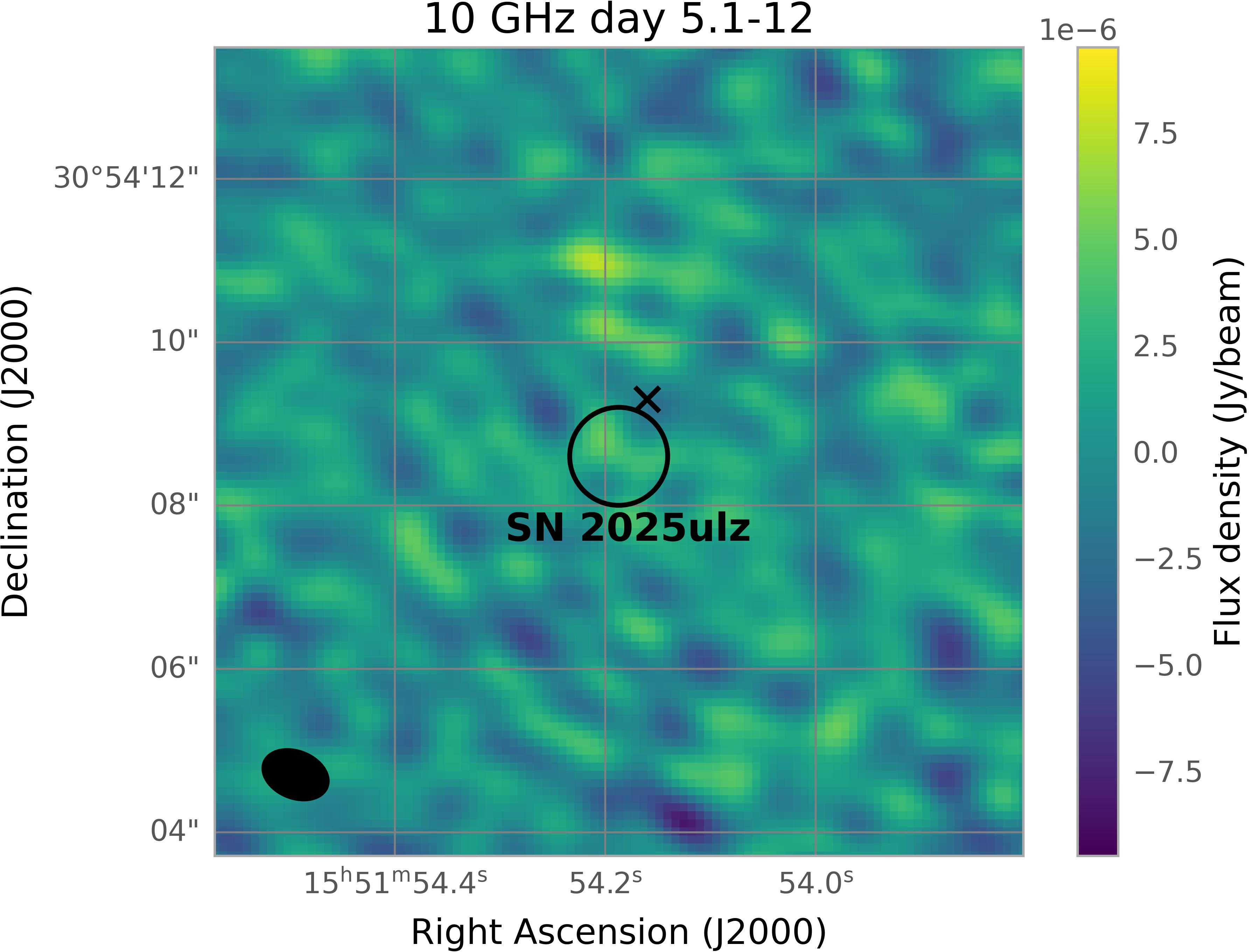
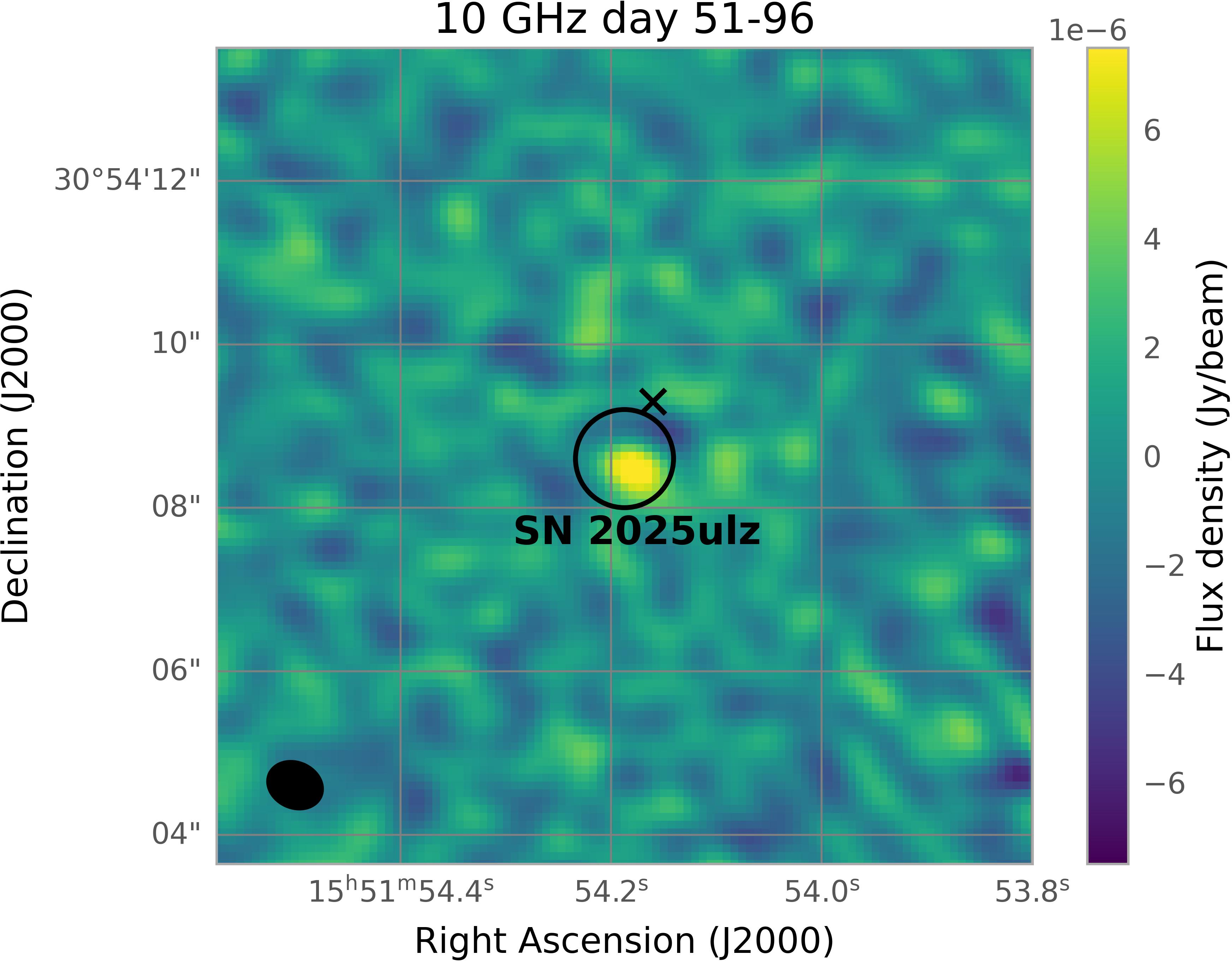
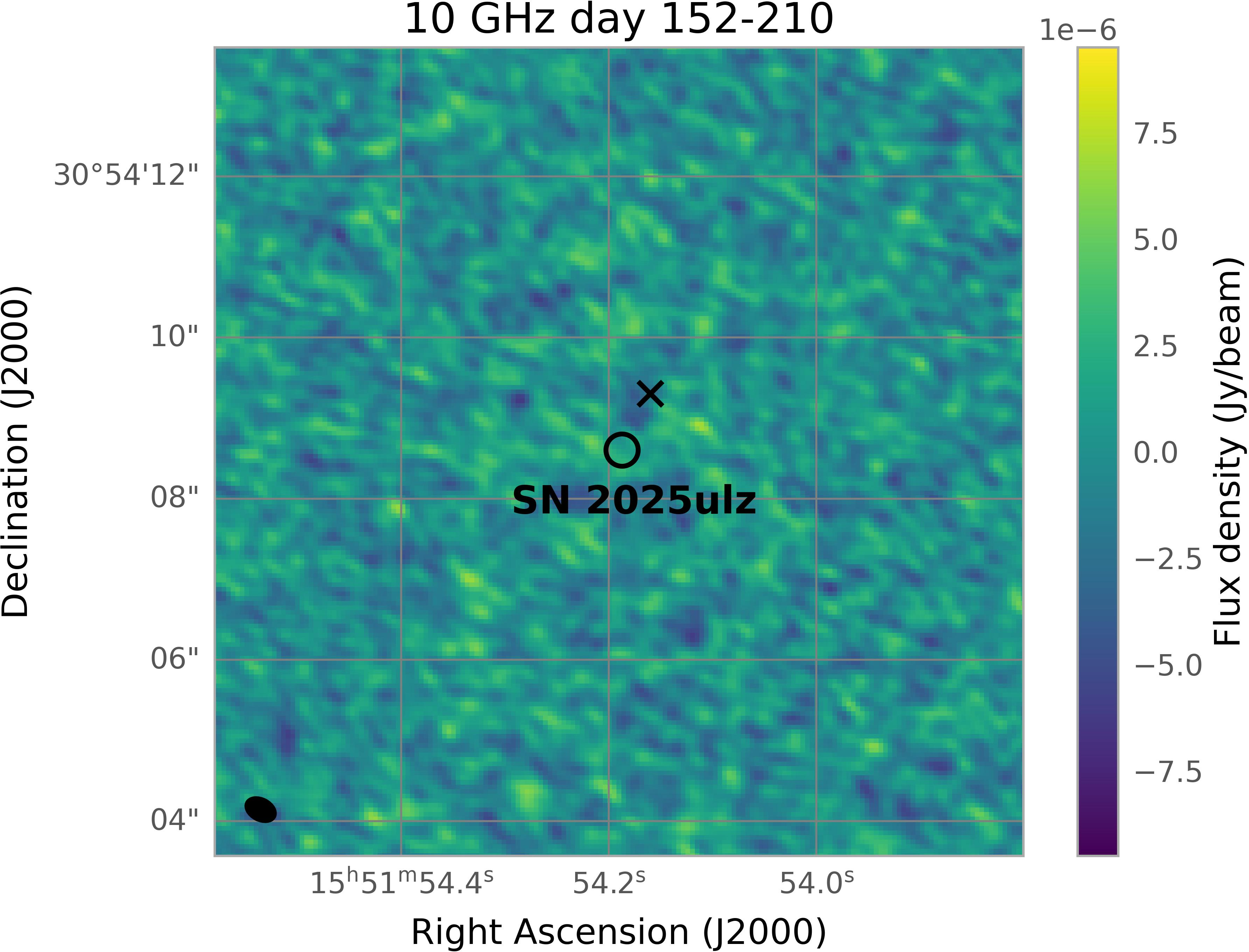
Figure 1: VLA X-band (≈10 GHz) images of the SN 2025ulz field highlighting the detection timeline and spatial alignment with the HST-determined SN position.
The radio position of the transient shows an offset of $0.18''$ from the HST-based SN location, within combined astrometric uncertainties, confirming a robust spatial association.
Temporal and Spectral Radio Properties
Analysis of the temporal behavior at multiple frequencies (3, 6, and 10 GHz) establishes that the radio transient peaks between 51 and 100 days, with a maximum measured flux density ∼12 μJy at 10 GHz, consistent with a faint, fast-evolving source. At lower frequencies, the 3 GHz band shows hints of late-time brightening, but host galaxy contamination precludes unambiguous attribution to SN emission.
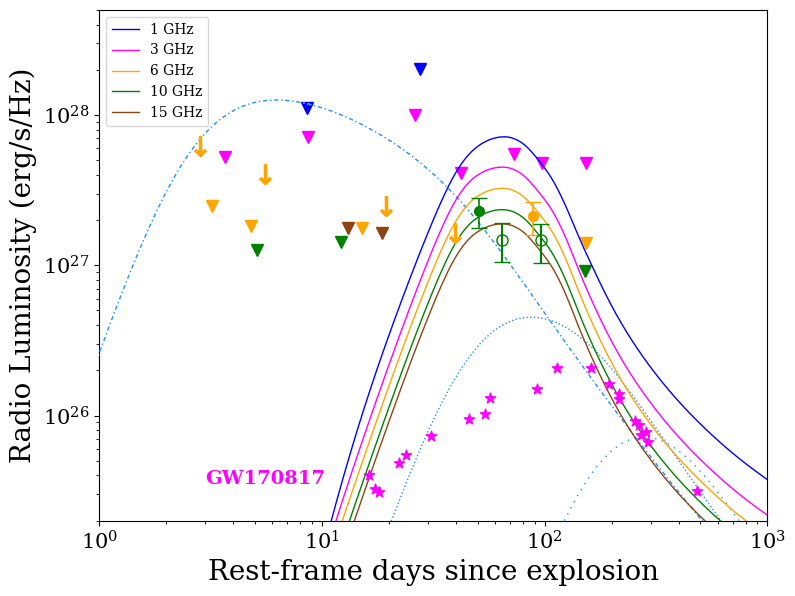
Figure 3: Radio light curve of SN 2025ulz showing upper limits, marginal and significant detections; the temporal evolution at various frequencies constrains emission models.
The multi-frequency evolution and fast fading are consistent with synchrotron radiation from rapidly expanding ejecta that interact with relatively tenuous circumstellar material (CSM).
Physical Interpretation: Progenitor Properties and Outflow Models
SN-CSM Interaction Model
Modeling the radio emission as synchrotron output from forward shock-accelerated electrons in the CSM, the light curve is best fit by ejecta expanding at vsh∼1.5×10⁴ km s−1 and a progenitor mass-loss rate M˙∼10−4 M⊙/yr for wind velocity vw=500 km s$10$0. The rapid rise and decline, in conjunction with the low radio luminosity peak and optical constraints, are diagnostic of a "compact" Type IIb progenitor (cIIb) rather than an "extended" supergiant envelope (eIIb). The inferred parameters match those of the class exemplified by SN 2011dh [Chevalier_2010, Chandra2025].
Off-axis Relativistic Jet Model
The alternative scenario involves an off-axis GRB-like jet powered by a central engine, inspired by the kilonova-like phase in the initial optical evolution and theoretical "superkilonova" frameworks [2025arXiv251023732K, 2022ApJ...941..100S]. Using afterglow fitting tools (PyBlastAfterglowMag), the observations can be explained by a Gaussian jet with isotropic equivalent energy $10$1 erg, core opening angle $10$2, and observer angle $10$3, interacting with an ISM of $10$4 cm$10$5. This model yields a radio peak on $10$6–100 day timescales and is consistent with the observed radio SED.
A key result is that both scenarios are compatible with the data; however, the jet parameters correspond to the high-energy tail typical of long GRBs, which is atypical for core-collapse SNe spatially associated with GW sources.
The radio luminosity, evolution, and SSA-based modeling place SN 2025ulz among the fastest-evolving and lowest-luminosity radio SNe IIb with established compact progenitors. The Chevalier diagram supports this classification.
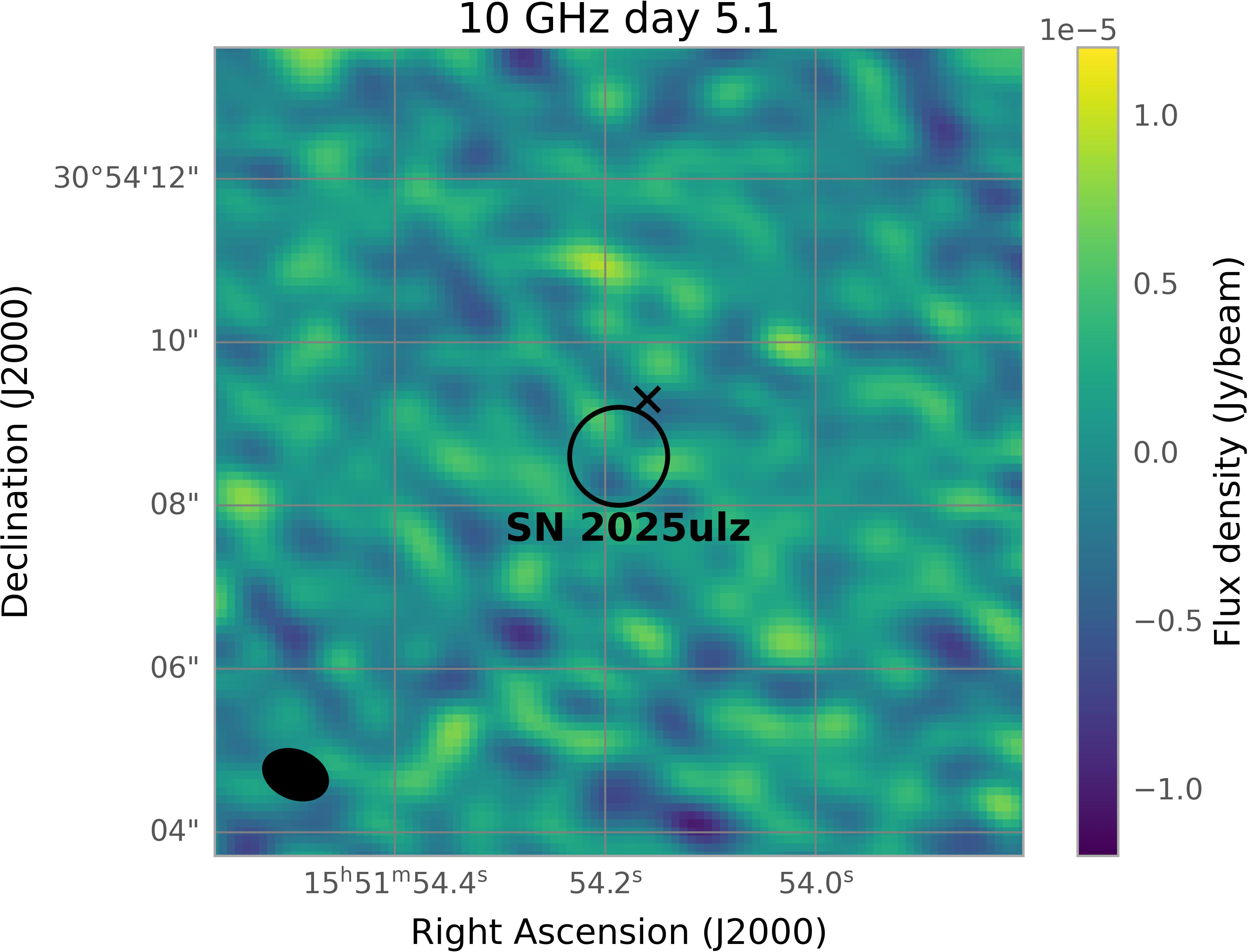
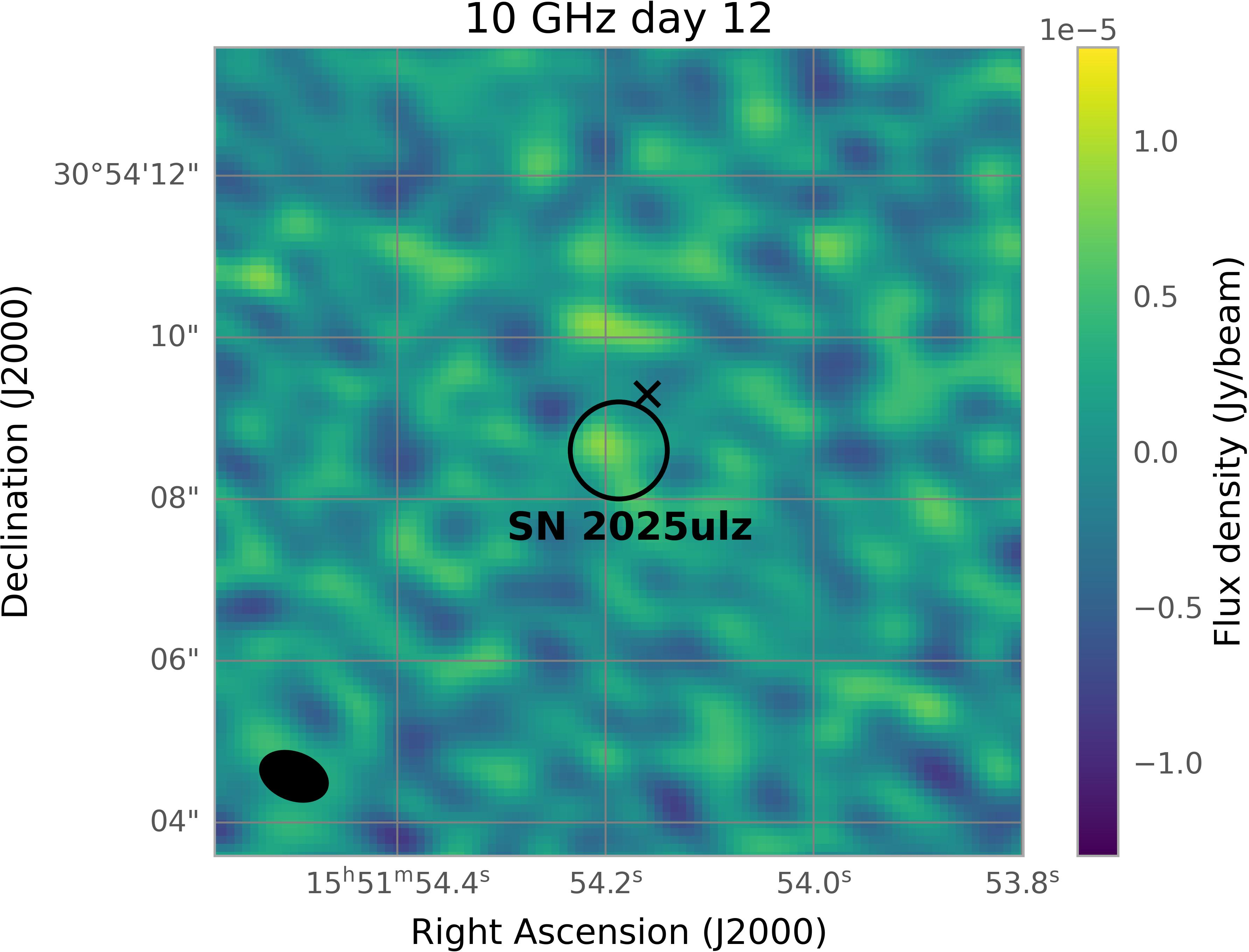
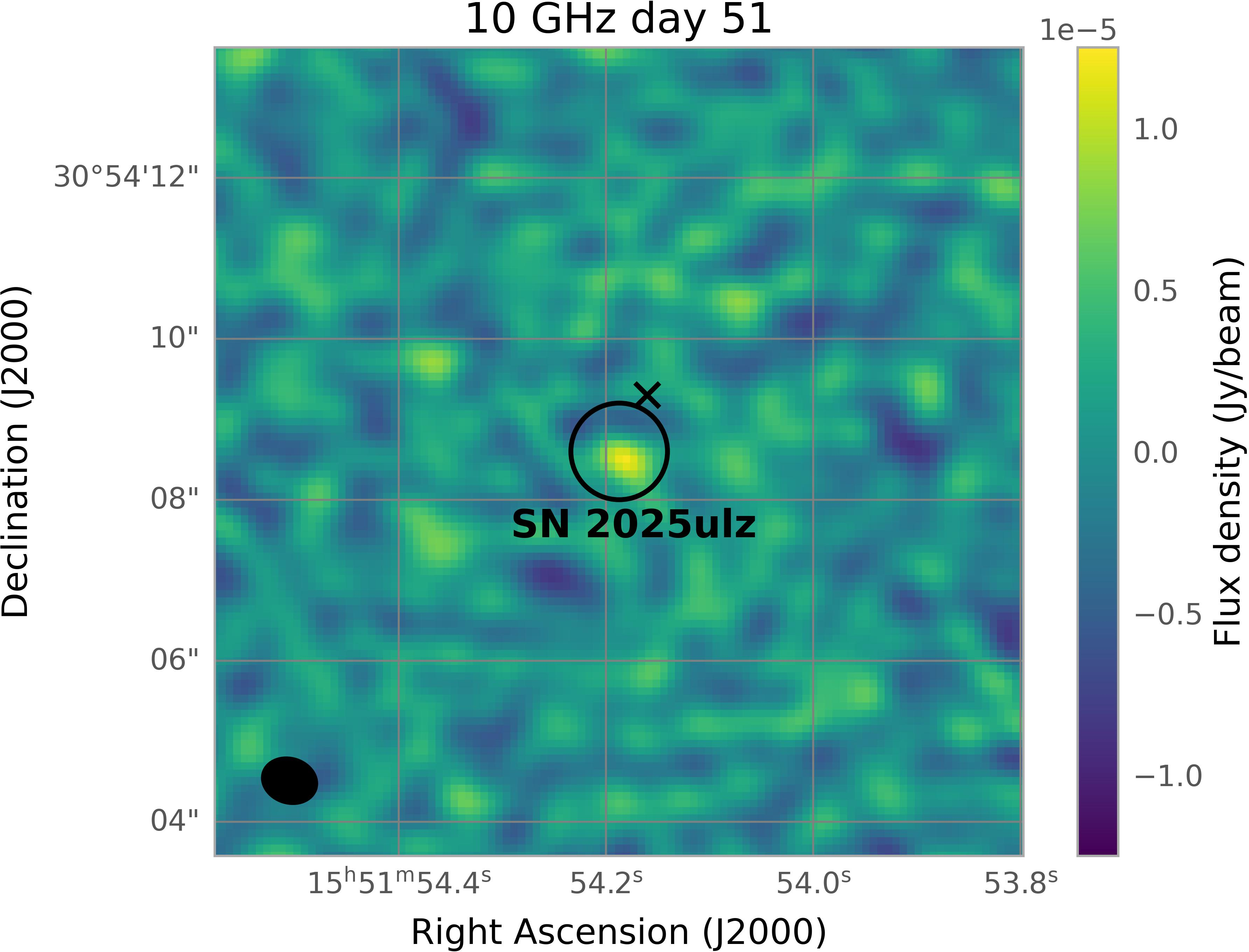
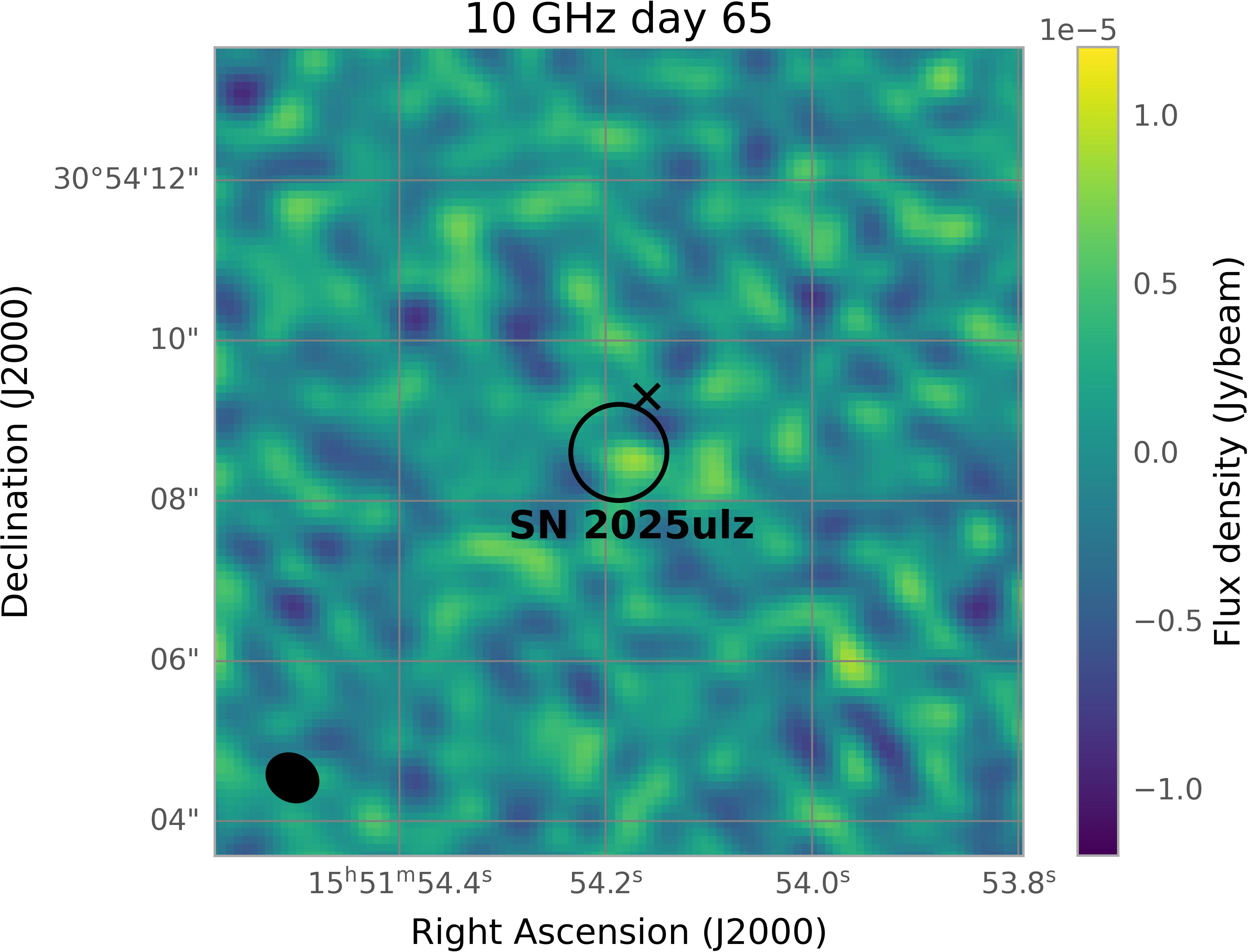
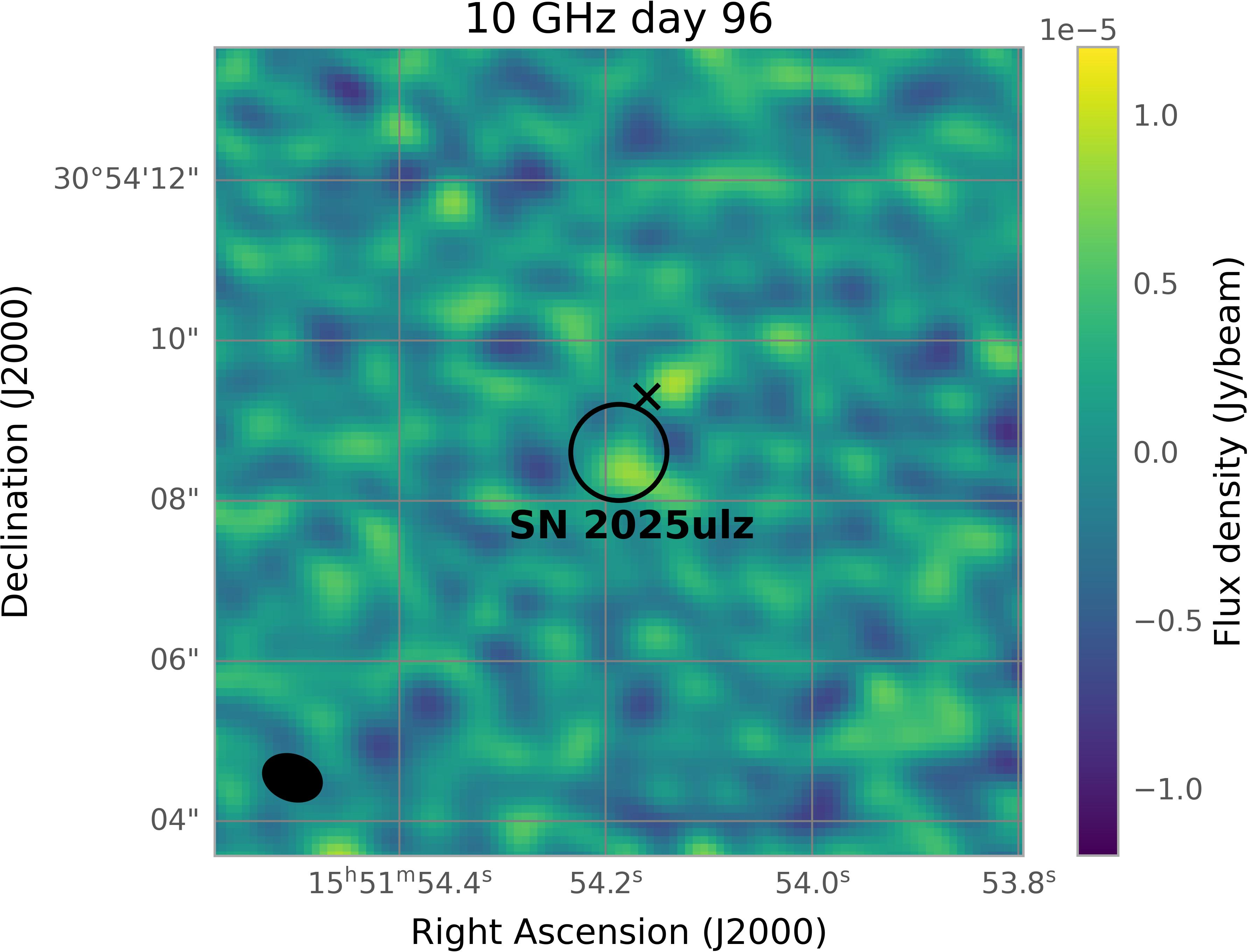
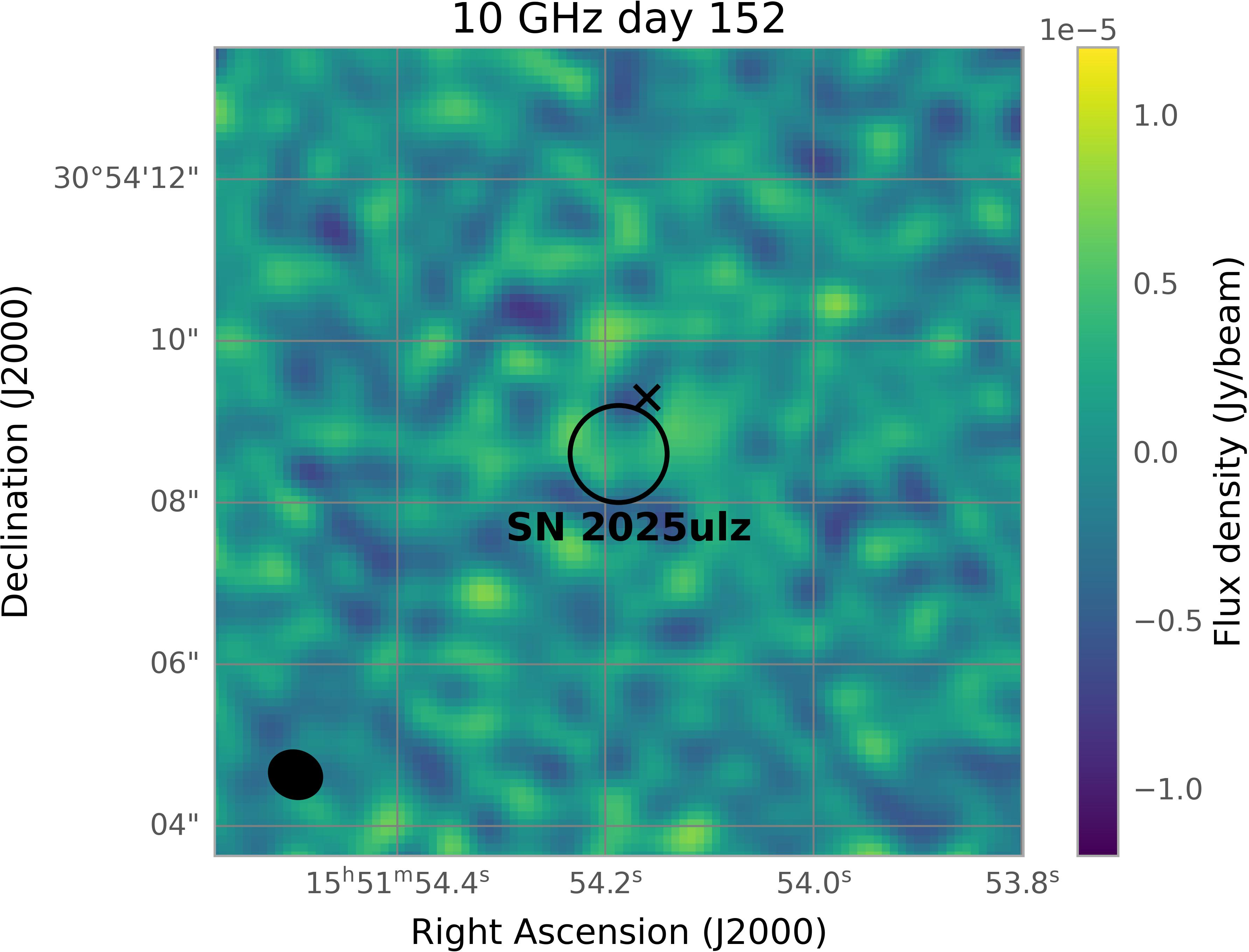
Figure 5: VLA 10 GHz cutouts over multiple epochs, displaying the transient’s emergence, persistence, and dropout, further corroborating temporal association with SN 2025ulz.
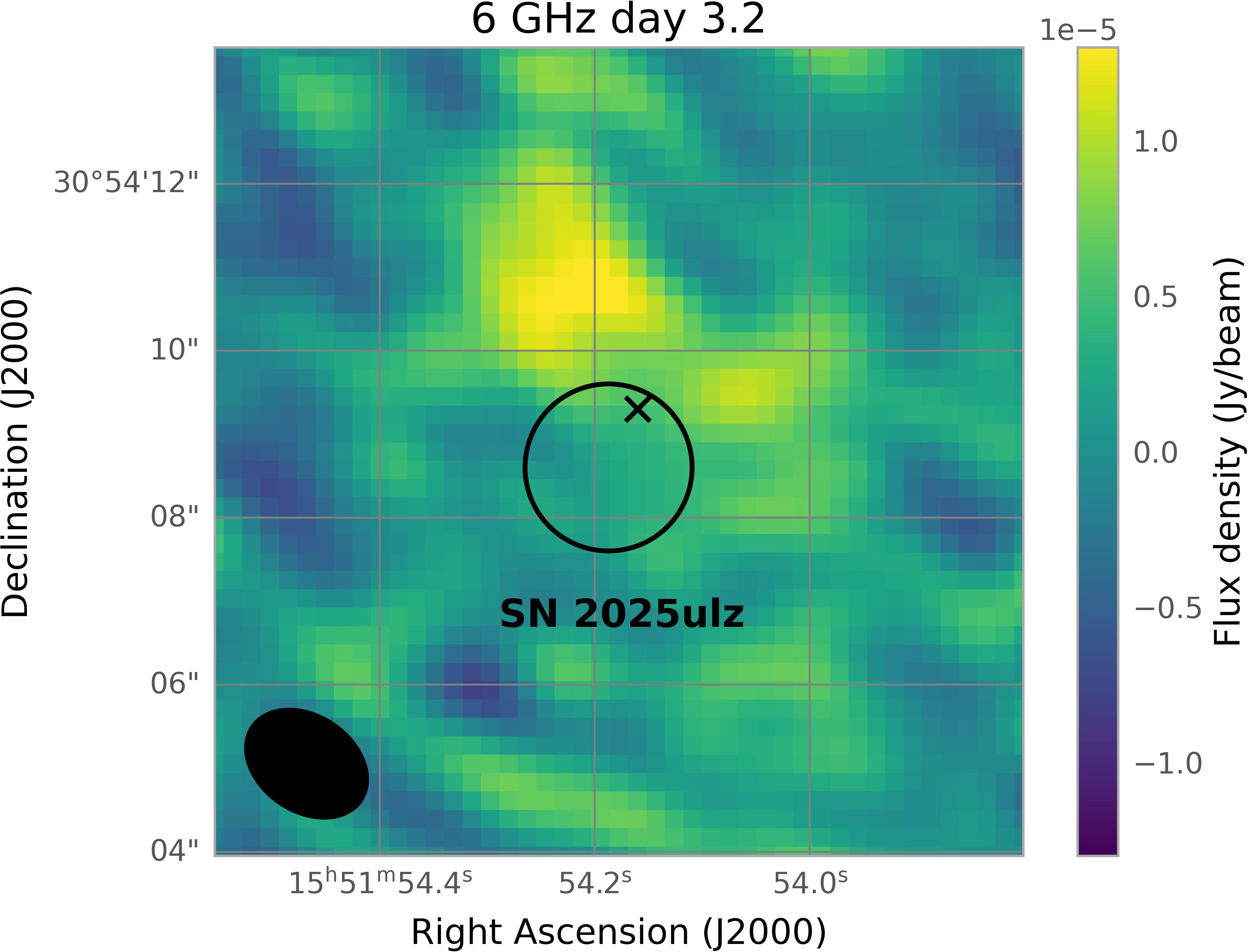
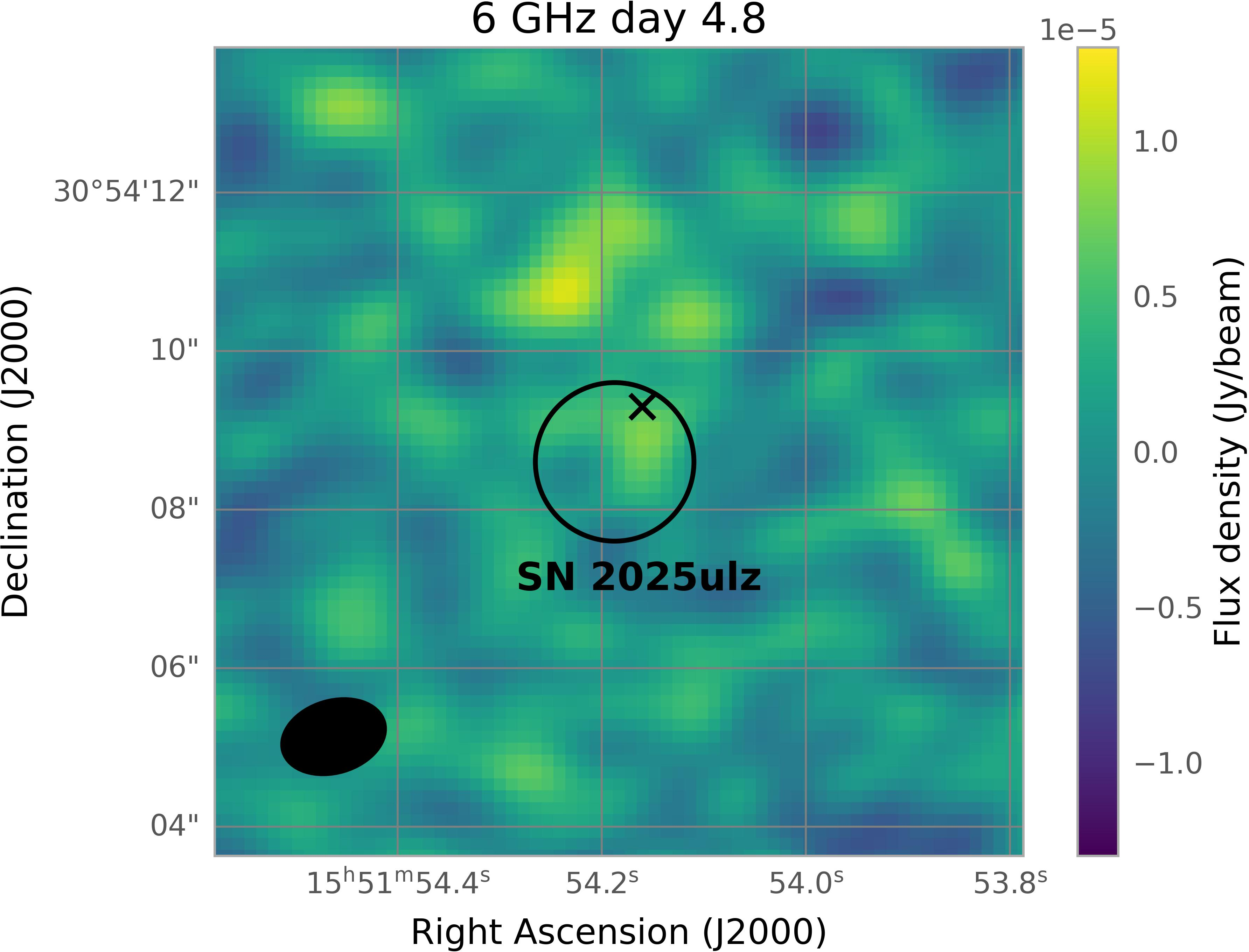
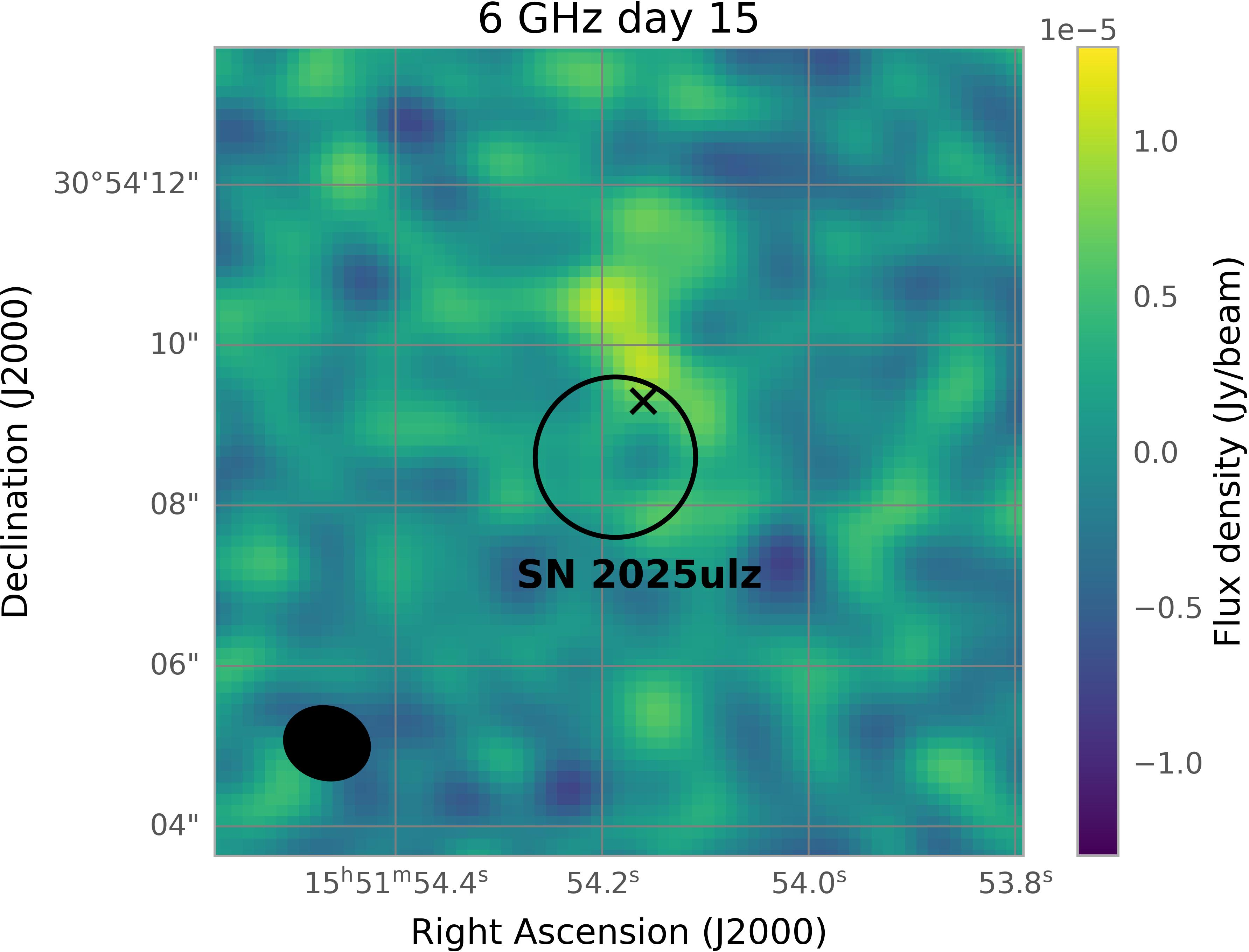
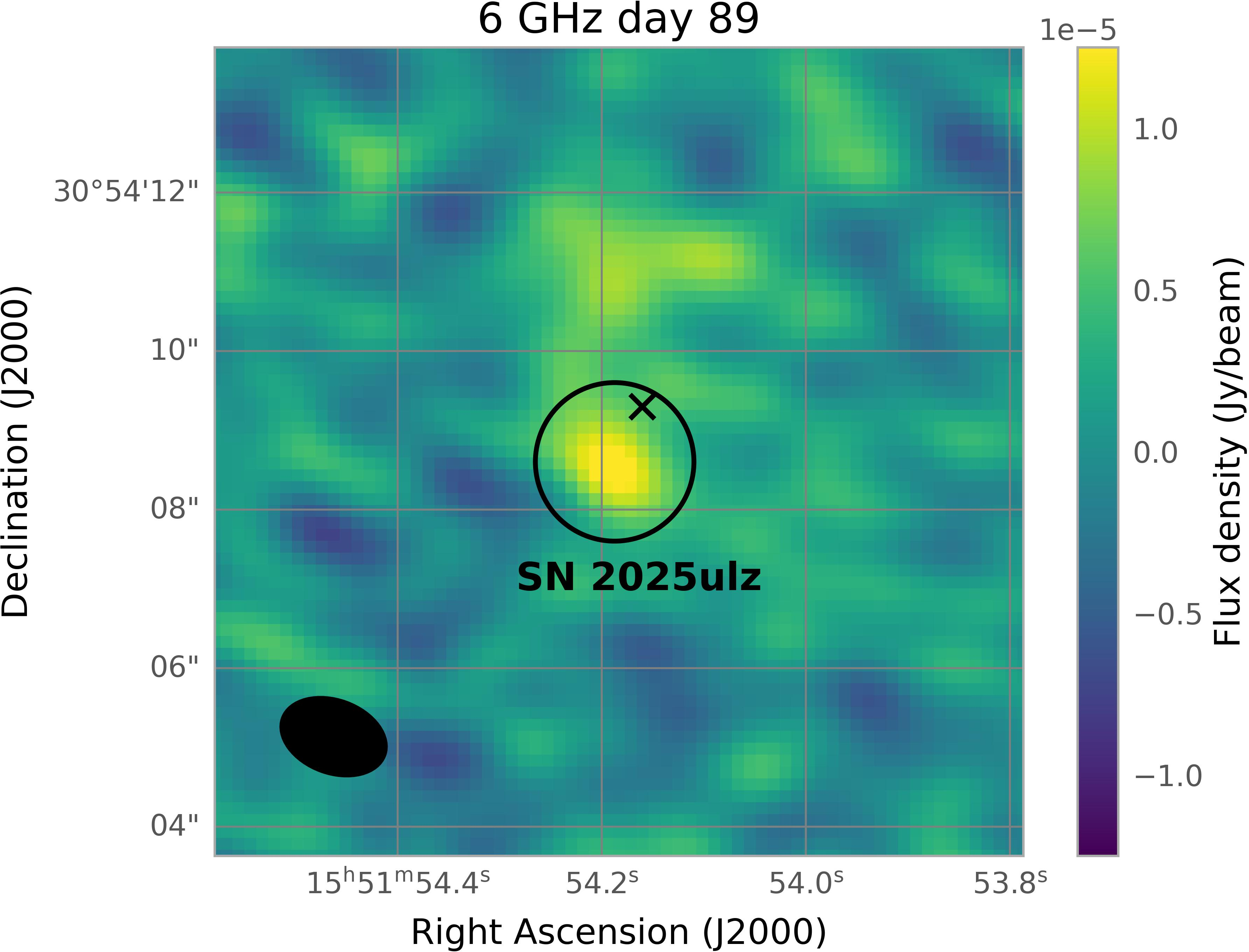
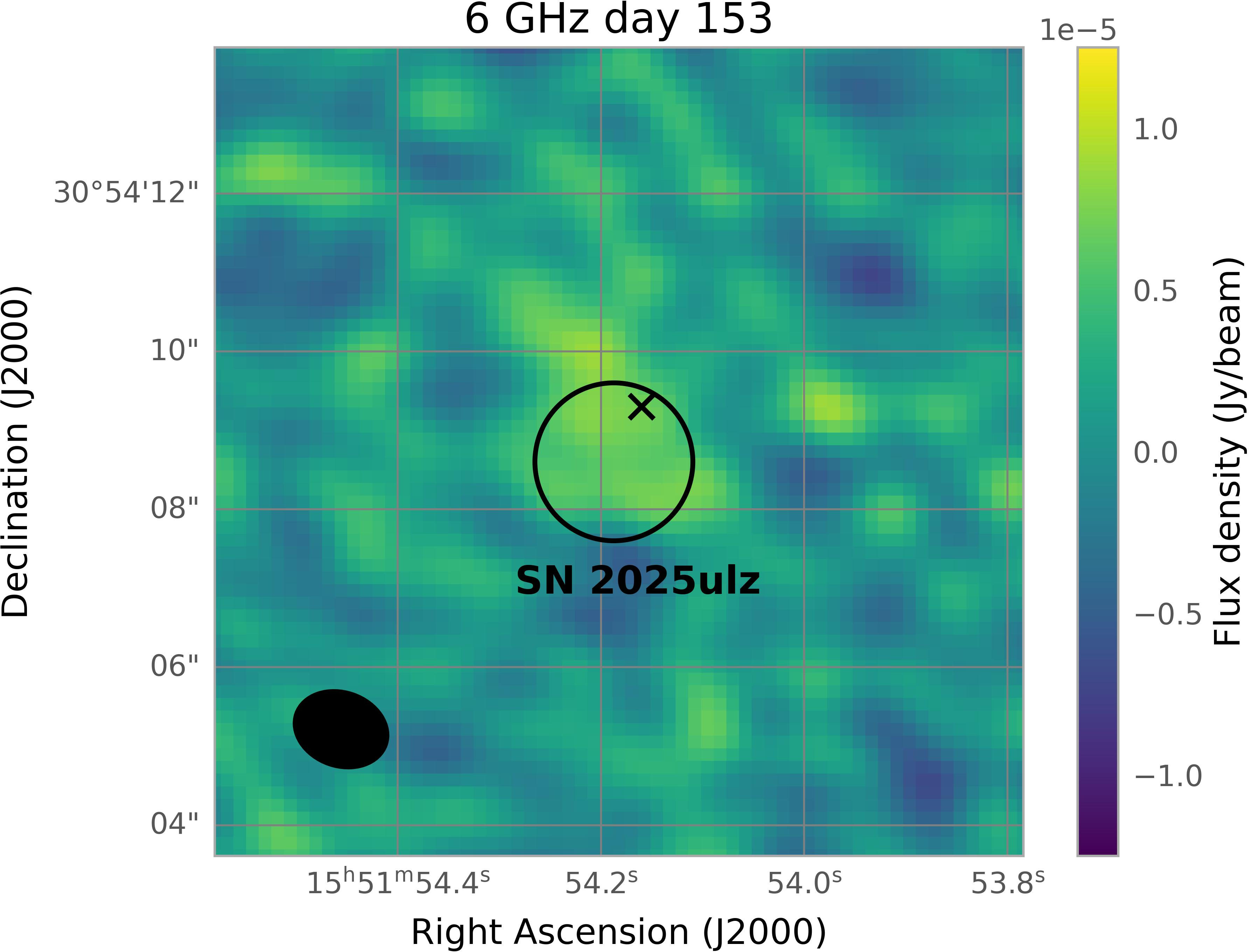
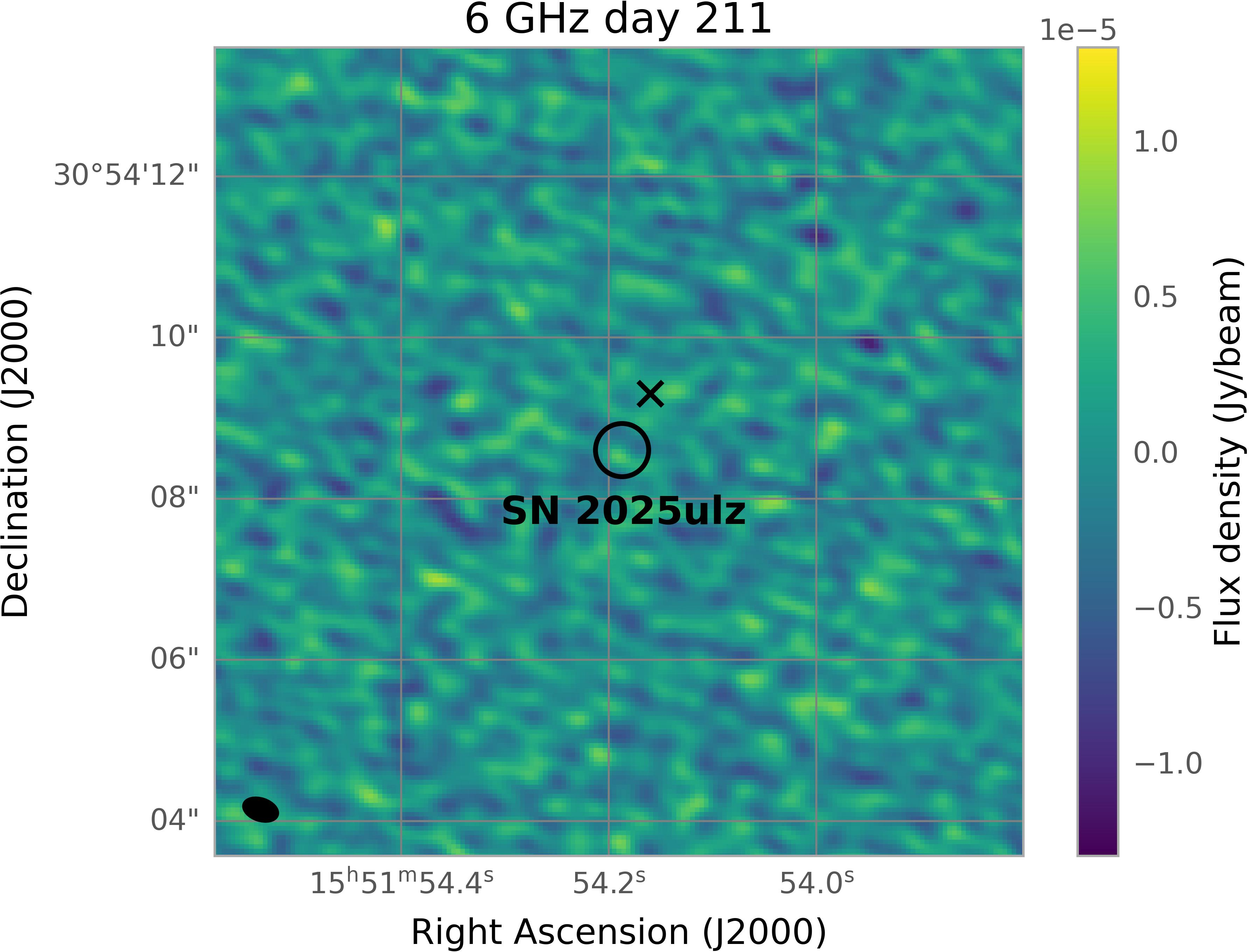
Figure 2: VLA 6 GHz imaging at varying resolutions and epochs, illustrating the spatial localization and evolution of the radio source.
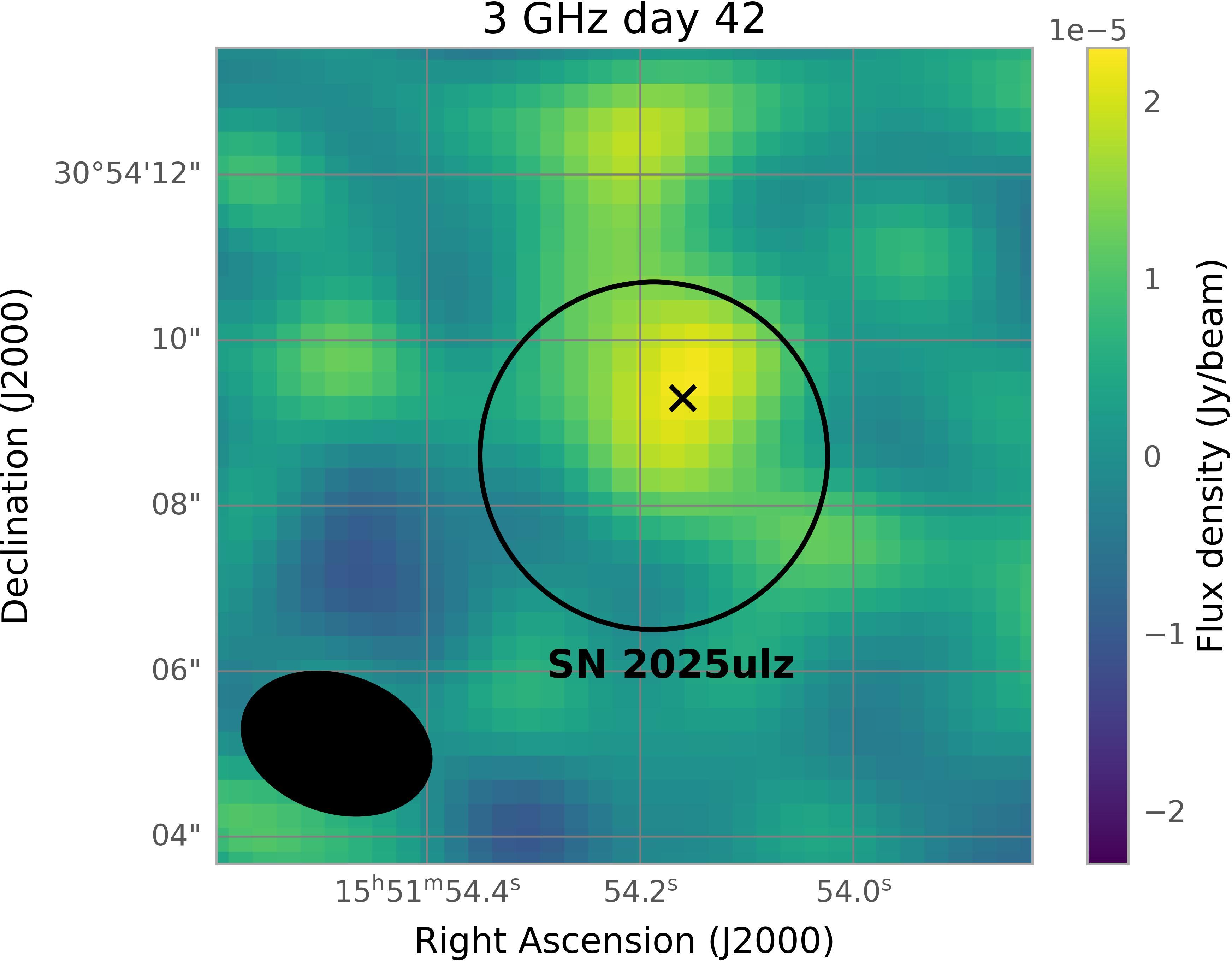
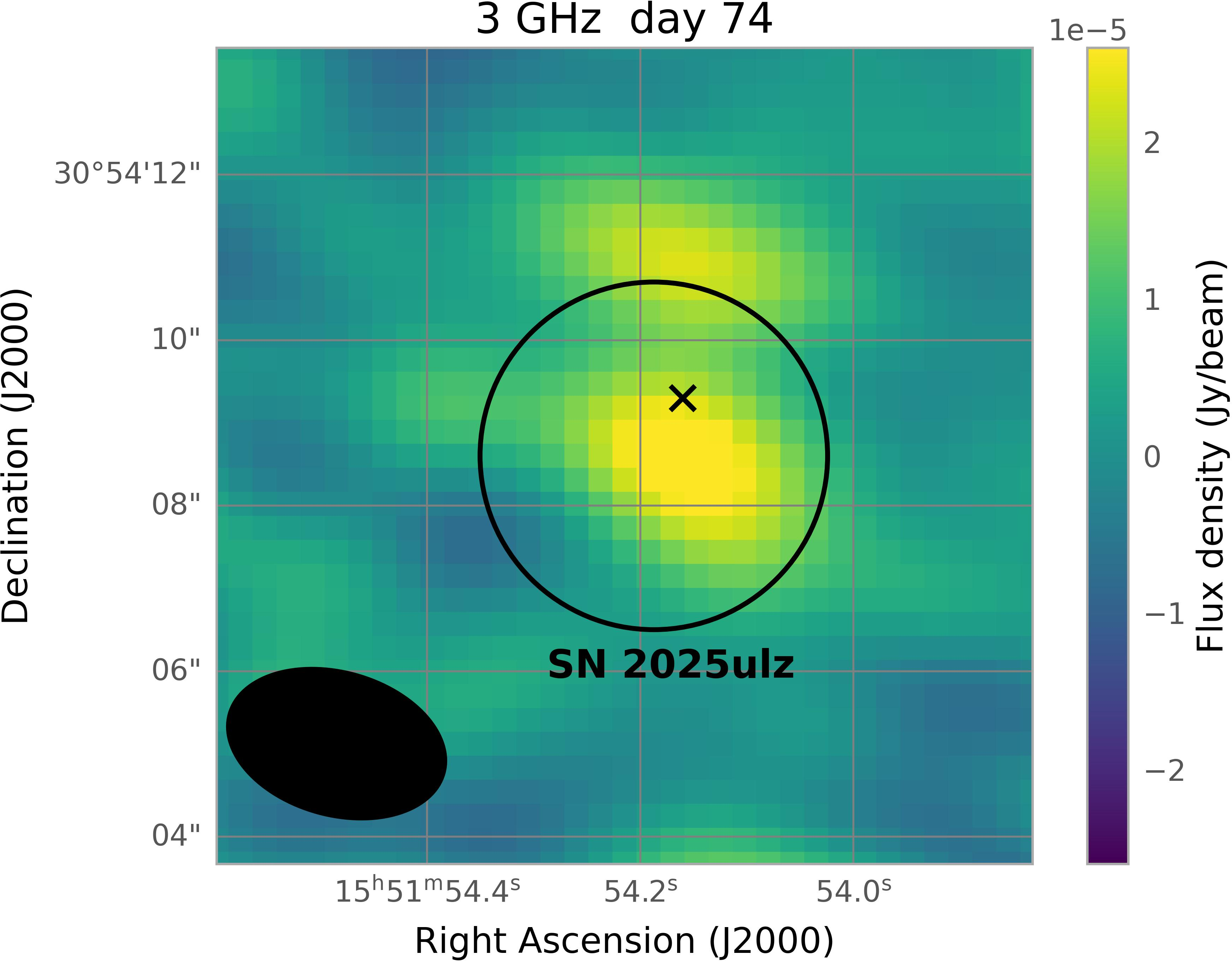
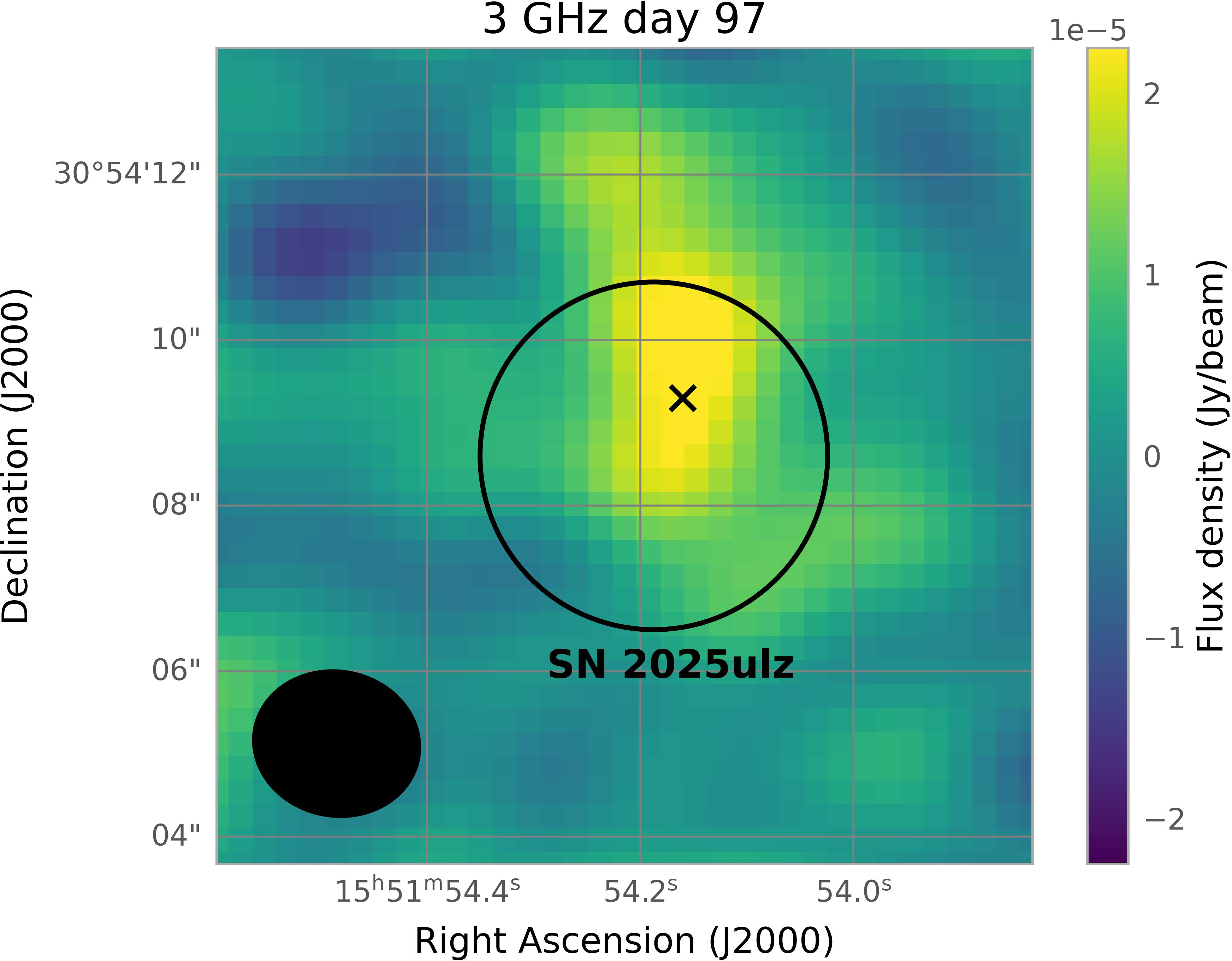
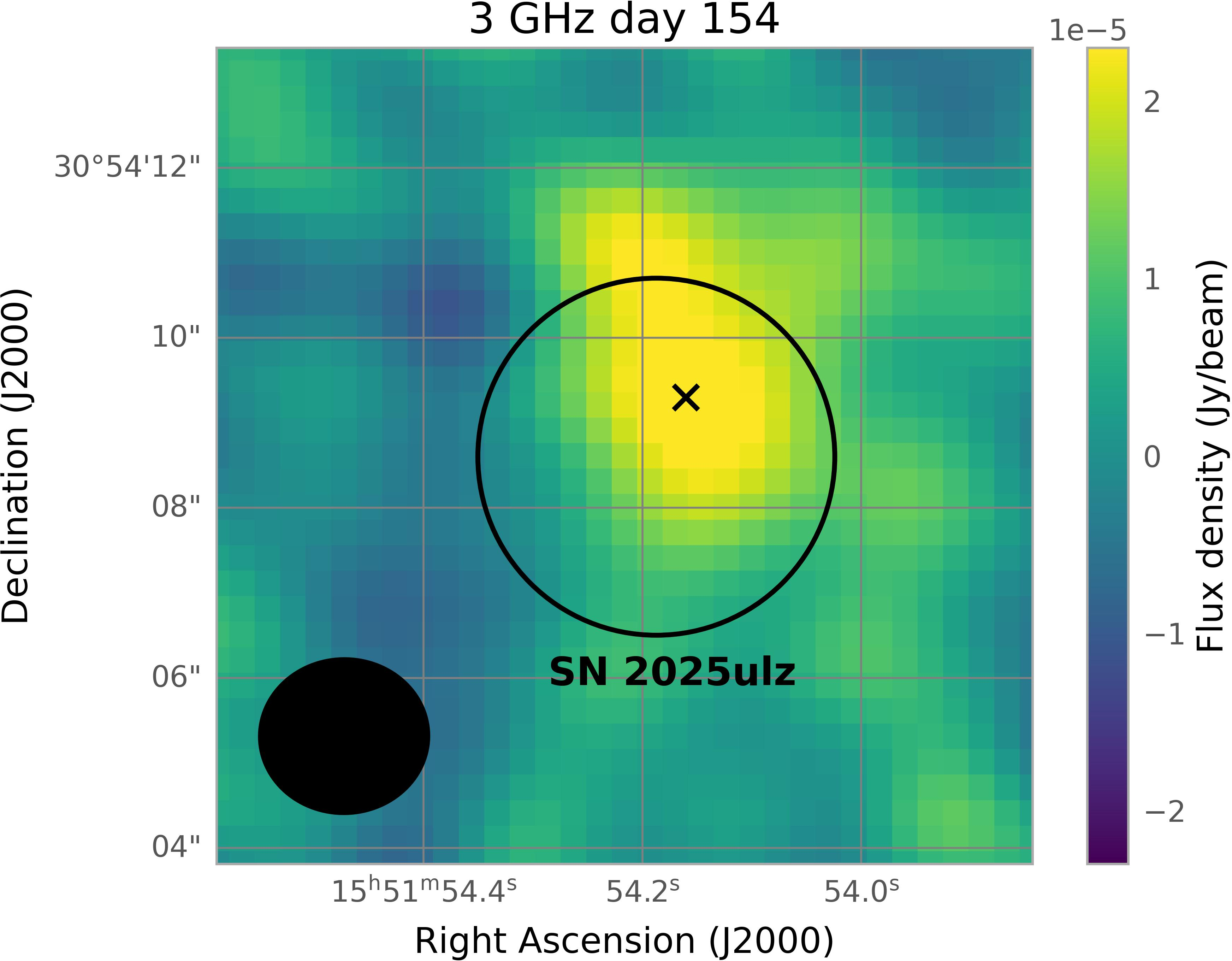
Figure 4: S-band ($10$73 GHz) sequence, where the ambiguous host contribution dominates but allows investigation of late-time flux and possible multi-component emission.
Implications and Future Prospects
The identification of a faint, temporally evolving radio counterpart to SN 2025ulz offers testable predictions for future radio follow-up of SNe coincident with GW triggers involving potential sub-solar-mass NS formation. First, it provides evidence supporting scenarios in which fast-rotating core-collapse progenitors can generate both direct SN emission and relativistic outflows, unified in the superkilonova paradigm. Second, the results emphasize the critical role of high-angular-resolution, multi-frequency radio surveys in disentangling host contamination and probing non-thermal ejecta physics.
The detections and models do not exclude either an off-axis jet or standard SN-CSM interaction; thus, larger and more sensitive systematic radio surveys will be needed to differentiate between these outcomes, to constrain the fraction of SNe harboring relativistic ejecta, and to identify rare events linking GW sources to engine-driven SNe.
Conclusion
The combined VLA, MeerKAT, and uGMRT campaign has delivered the first radio detection of SN 2025ulz, providing new empirical constraints on the diversity of SN emission mechanisms in the context of possible GW associations. The data favor a compact progenitor with fast ejecta, but an off-axis jet cannot be excluded, given the observed temporal and spectral properties and the modeled parameter space. Systematic radio follow-up of future GW events, particularly those in the sub-solar-mass NS candidate regime, will be essential to resolve these ambiguities and to test the superkilonova and related central-engine paradigms. This work demonstrates the necessity of commensal GW–EM observational programs and the key role of radio facilities for multi-messenger astrophysics.