- The paper establishes the first direct measurement of the TDE delay time distribution, with a significant rate increase peaking around 1 Gyr after a starburst.
- Methodology involves Bayesian spectral synthesis fitting of 41 TDE host galaxies along with carefully matched control samples to minimize selection biases.
- Results suggest that SMBH binary models best explain the late-time TDE peak, challenging classical dynamical models based purely on stellar overdensities.
The Delay Time Distribution of Tidal Disruption Events
Introduction
This work establishes the first robust observational measurement of the delay time distribution (DTD) for tidal disruption events (TDEs) in galactic nuclei as a function of time since a burst of star formation, using a spectroscopically-selected sample of 41 optical TDE host galaxies. The aim is to empirically constrain which mechanisms—nuclear overdensities, radial anisotropy in stellar velocity distributions, SMBH binaries, or accretion disk evolution—dominate the observed strong overrepresentation of post-starburst (PSB) galaxies as TDE hosts. The authors combine galaxy spectral modeling with rigorous comparison to mass- and redshift-matched control samples and a series of theoretical DTDs derived from SMBH feeding theory.
Sample Construction and Methodology
A vetted catalog of 41 TDE host galaxies was compiled using archival and survey spectra, with the requirement that observations either precede the TDE or are well-separated temporally to avoid flare contamination. The stellar properties of each host, including SFH, were reconstructed via Bayesian spectral synthesis fitting with Bagpipes, using a physically-motivated two-component SFH model: an old, delayed exponential "quiescent" channel and a younger, parametrically flexible "burst" modeled as a double power law. Metallicity priors and dust attenuation are empirically informed and the pipeline is tested against multiple SFH model variants for robustness.
Control samples of non-TDE hosts were drawn from SDSS, matched in both stellar mass and redshift distribution (Figure 1), ensuring proper normalization and avoidance of biases from the steep galaxy mass function or survey incompleteness. Hα emission and Hδ absorption indices were also utilized for precise galaxy classification (PSB, QBS, SF, quiescent), capturing star formation activity over Gyr timescales.
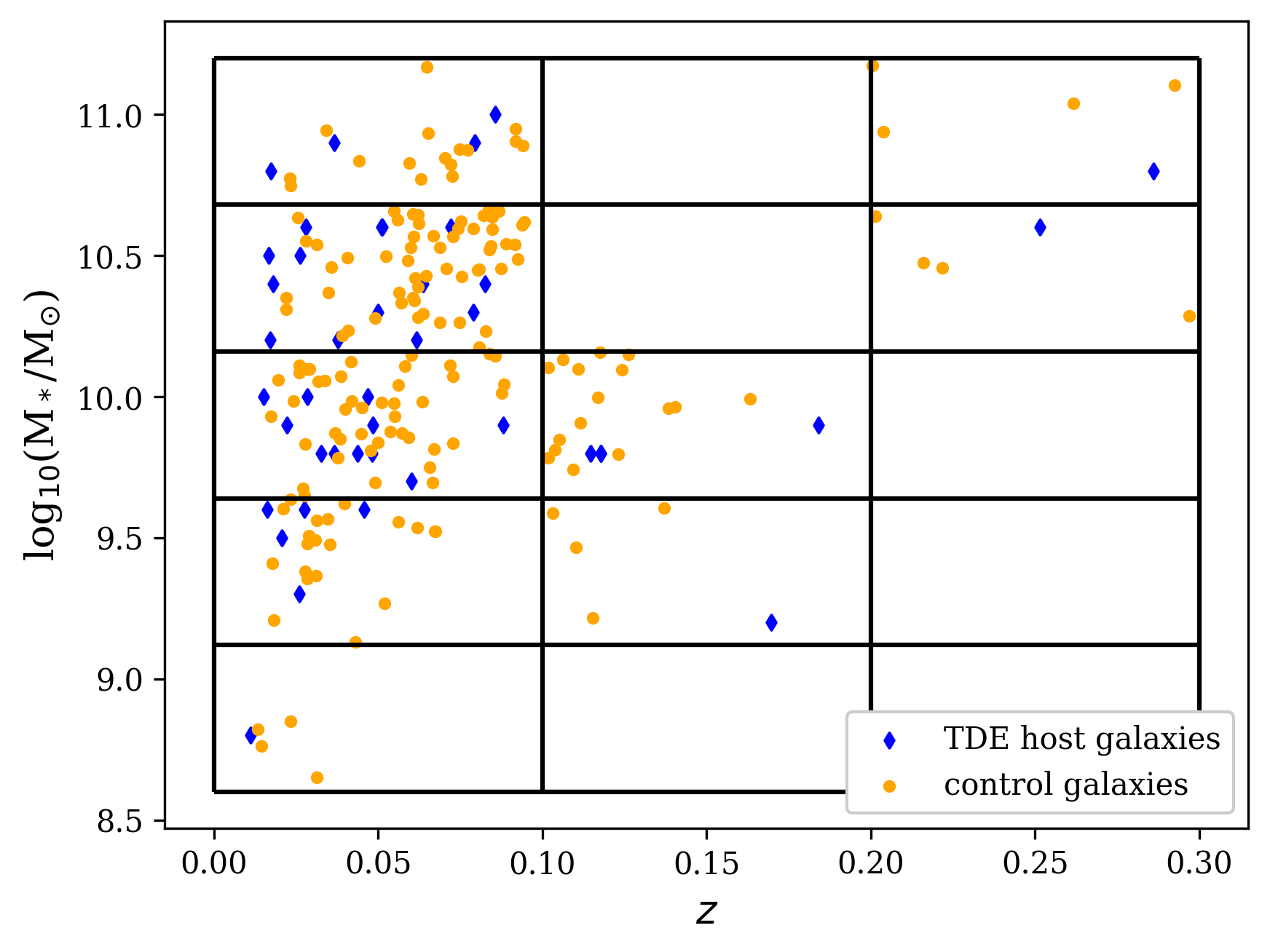
Figure 1: Stellar mass versus redshift of the TDE host galaxy sample and the matched control sample, demonstrating the 2D selection procedure.
Main Observational Results
Post-starburst Overrepresentation
PSB galaxies (Hα<3 Å, Hδ>4 Å) comprise a striking 17% of the TDE host sample—an overrepresentation factor O∼83±29 relative to the galaxy population in SDSS DR8, or O∼12±5 when matched in mass and redshift to the host sample, even after conservatively removing TDEs from PSB-targeted searches (Figure 2).
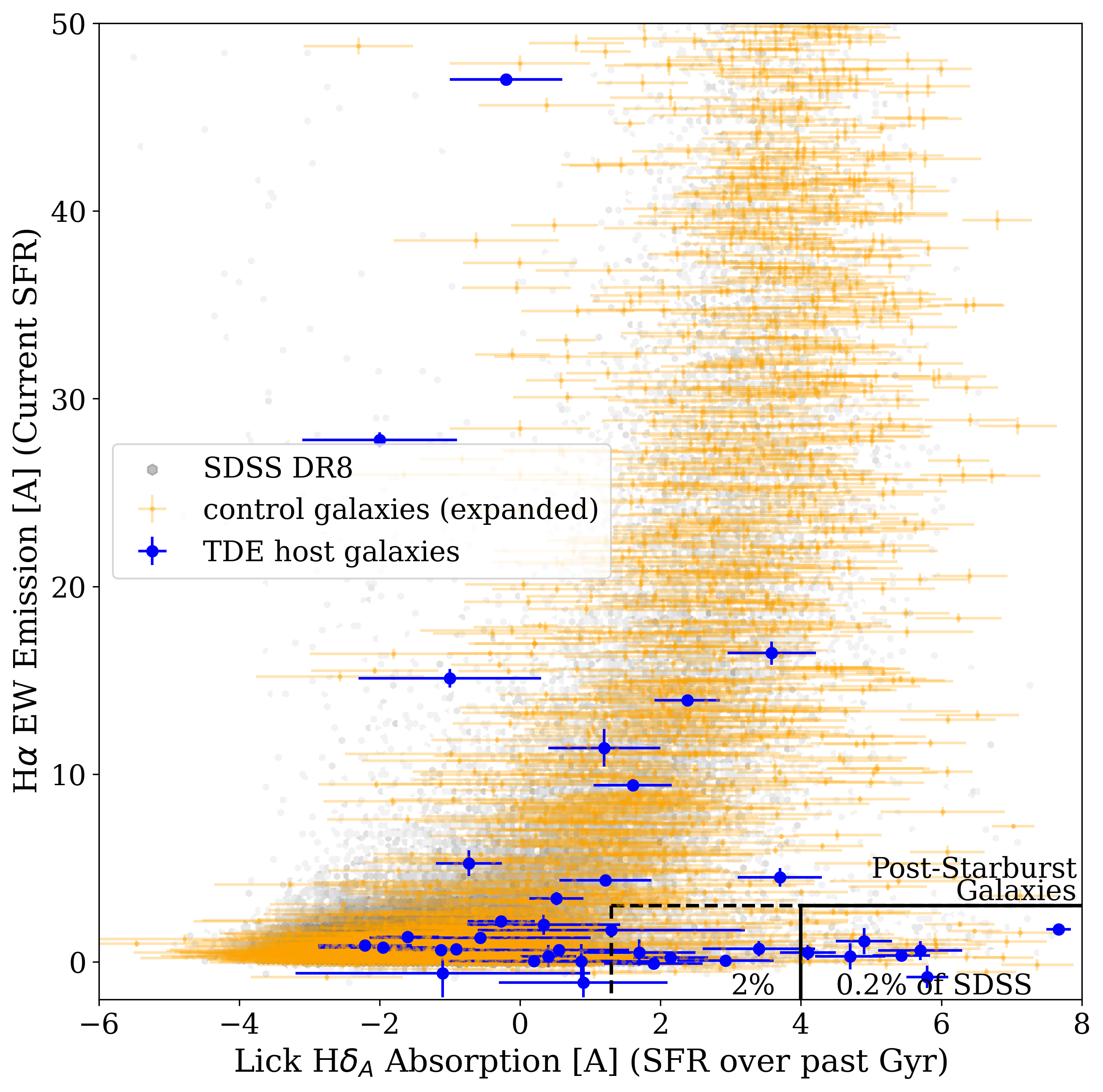
Figure 2: Hα equivalent width versus Hδ index for TDE hosts (blue), matched controls (orange), and SDSS DR8 background (gray). PSB (solid box) and QBS (dashed box) regions are dramatically overpopulated by TDE hosts.
TDE Delay Time Distribution
The DTD inferred from the subset of TDE host galaxies with high burst mass fraction (>1%) diverges qualitatively from the predictions of most classic dynamical models. The TDE rate per galaxy increases with stellar age since the starburst, peaking at ∼1 Gyr post-burst (Figure 3, Figure 4). This is significant (δ0 by Anderson-Darling test) compared to the control. In contrast, when only the subset of PSB/QBS hosts (spectroscopically classified) is considered, a flatter DTD is measured. Both trends are robust to various SFH parameterizations and cuts on burst strength.
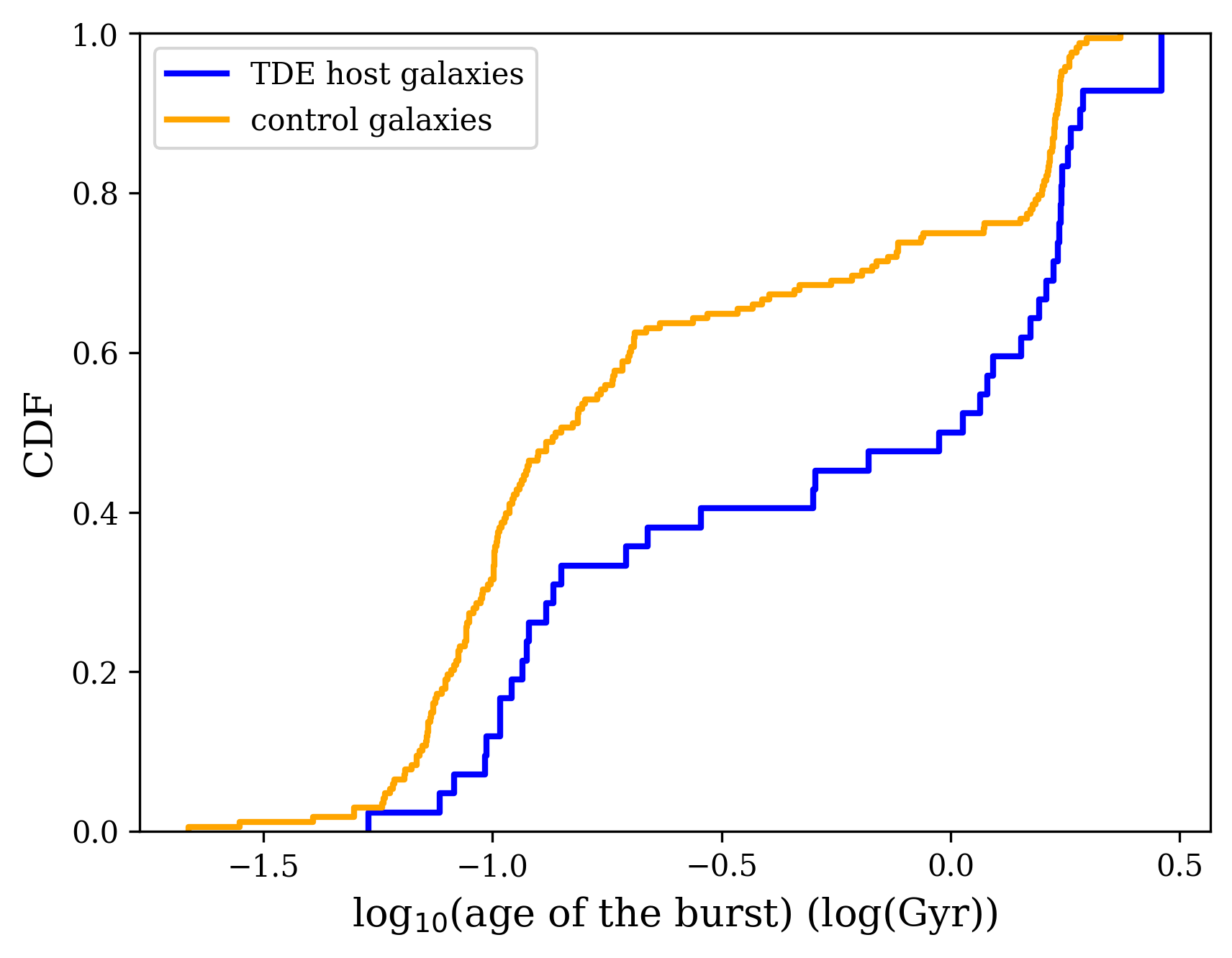
Figure 3: Cumulative distribution of burst ages in TDE hosts (blue) versus control (orange): TDEs preferentially reside in galaxies with older (not young) bursts.
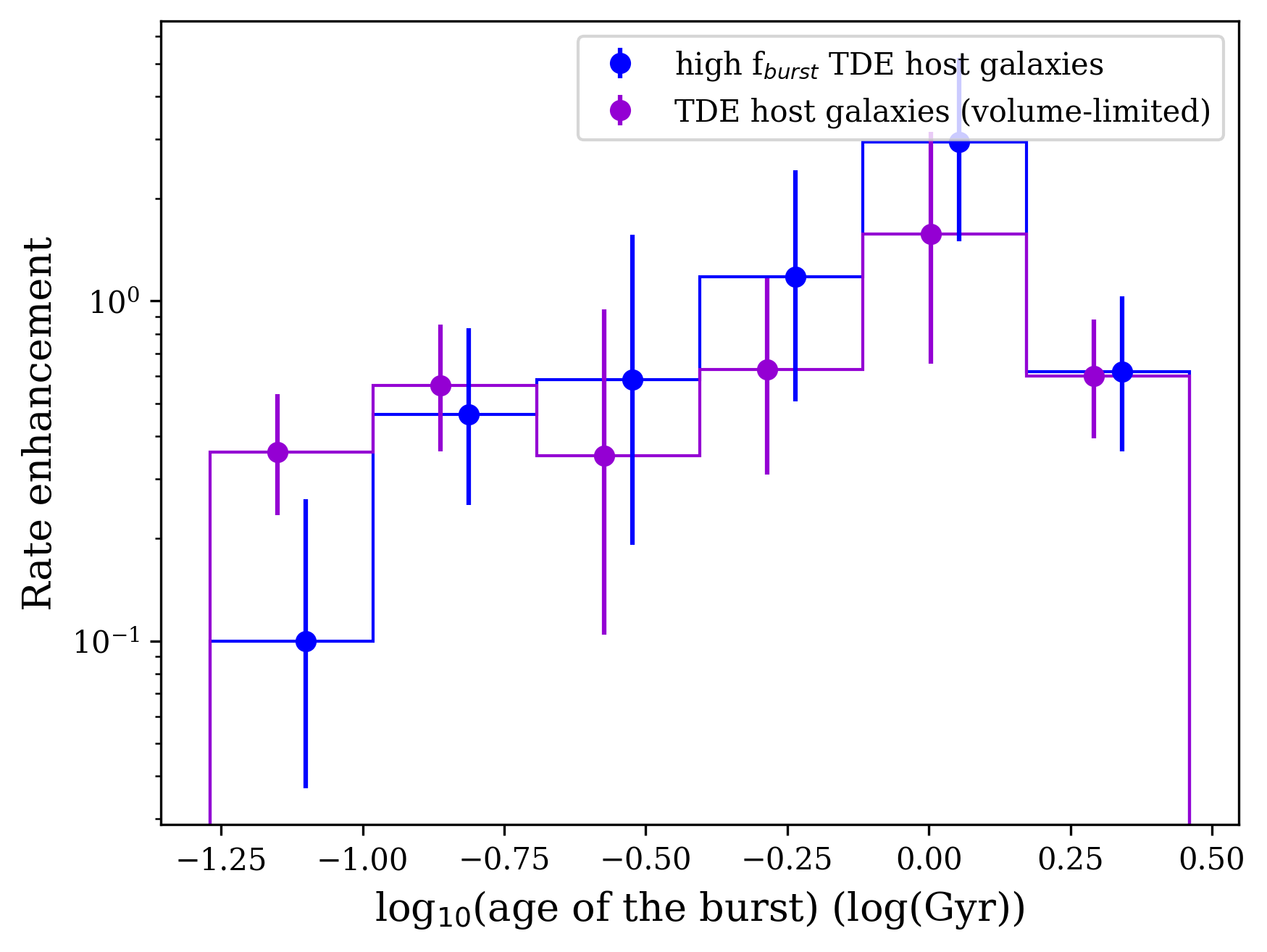
Figure 4: The TDE rate, normalized by controls, as a function of burst age—showing a significant enhancement at δ1 Gyr after a strong burst.
The peak rate enhancement for hosts with burst fractions above 10% is close to an order of magnitude (Figure 5).
Dependence on Galaxy Mass and Dust
No statistically significant dependence of the TDE DTD on black hole mass or stellar mass is found. Likewise, Bagpipes dust attenuation δ2 distributions for TDE hosts are statistically indistinguishable from controls—there is no evidence for missing a population of dusty, young PSB TDEs.
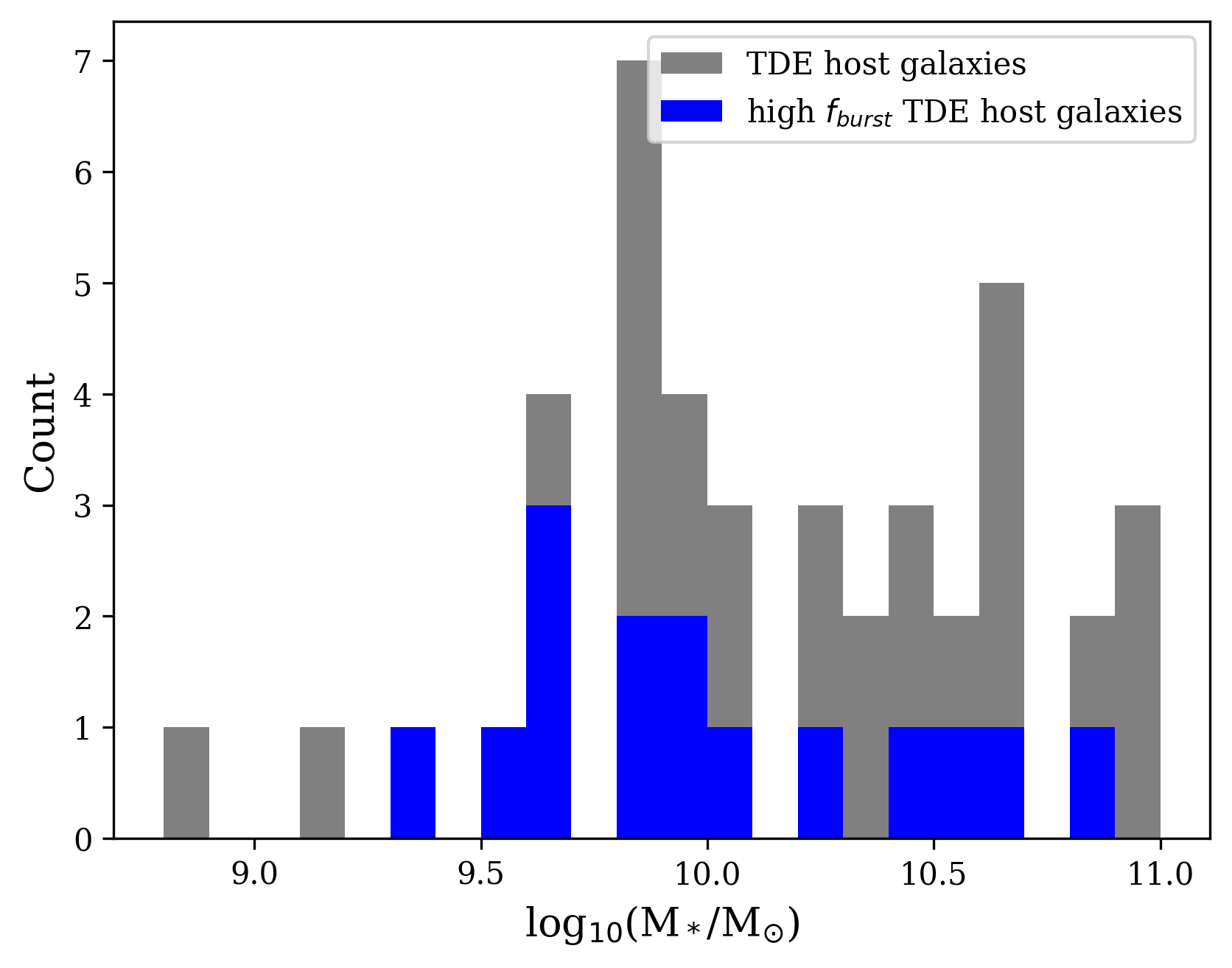
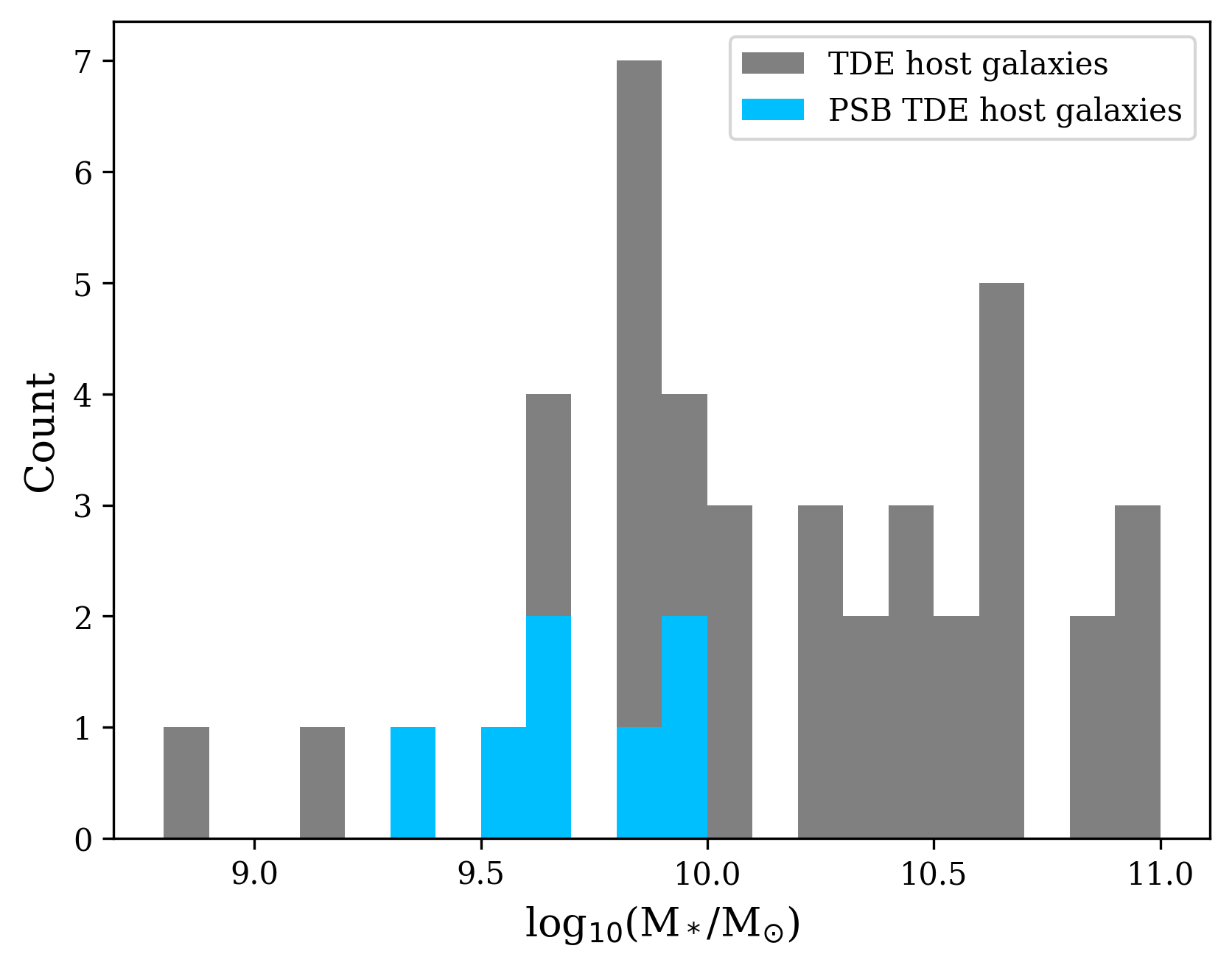
Figure 5: Histograms of stellar masses for TDE hosts and the subset with significant bursts: no significant offset, refuting simple BH mass dependence in DTD.
Model Comparisons and Interpretation
The empirical DTD is contrasted with a range of recent theoretical models:
- Stellar Overdensity/Relaxation: Classical two-body relaxation and overdense nuclear star clusters predict a strongly declining DTD with burst age [Stone_2018]. Extended, top-heavy IMF variants produce longer plateaus but still decline at late ages (Figure 6). None match the observed late DTD rise.
- Radial Anisotropy: Post-starburst radial velocity bias models predict sustained but monotonically decreasing TDE rates after the burst; strong scattering further suppresses the enhancement, especially at lower SMBH masses [Teboul_2025]. Empirical data is inconsistent with this behavior at late times (Figure 7).
- SMBH Binaries/EKL: Dynamical models of eccentric-Kozai-Lidov (EKL)–driven TDEs with delayed black hole merger timescales can be tuned to match the observed δ3 Gyr delay, introducing a physical timescale for rate enhancement post-starburst [Melchor_2024]. This mechanism plausibly explains the late DTD peak if a broad range of binary coalescence timescales is present (Figure 8).
- AGN Disk Evolution: AGN disk fragmentation models predict strong, short-lived TDE rate spikes coinciding with the quenching of disk activity, peaking earlier (δ4 Gyr) than the observed maximal TDE rate (Figure 9). Variance in disk lifetimes could broaden this DTD.
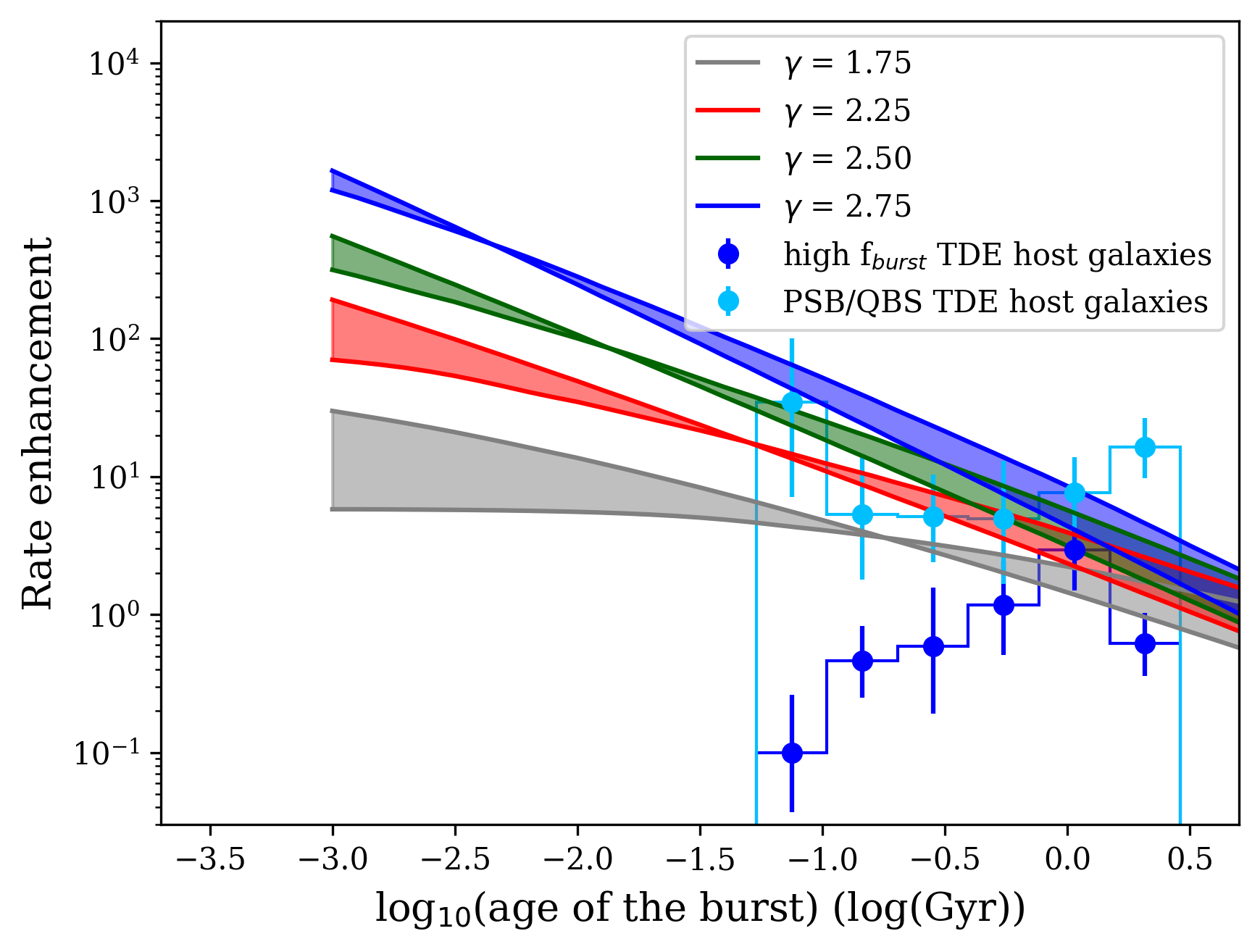
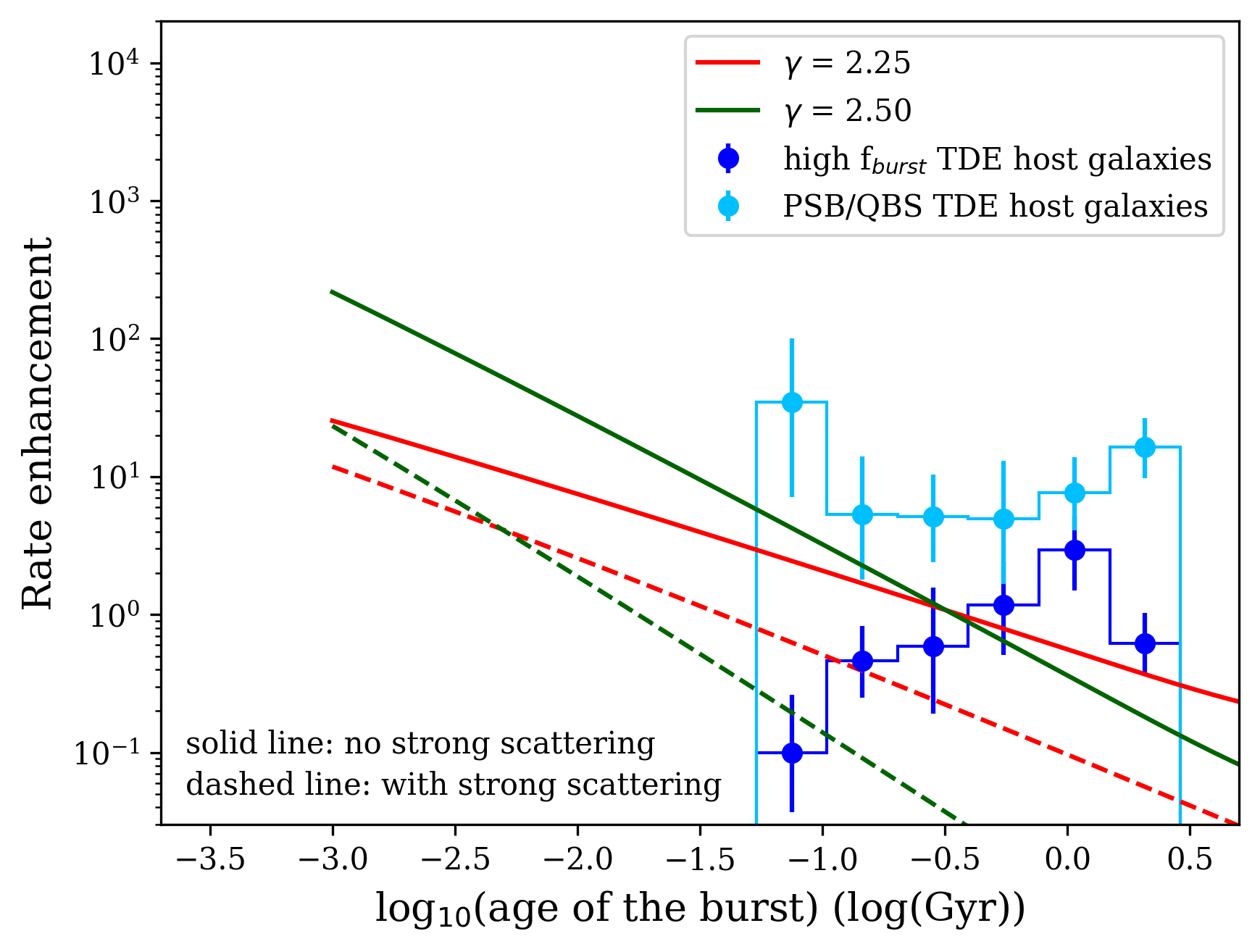
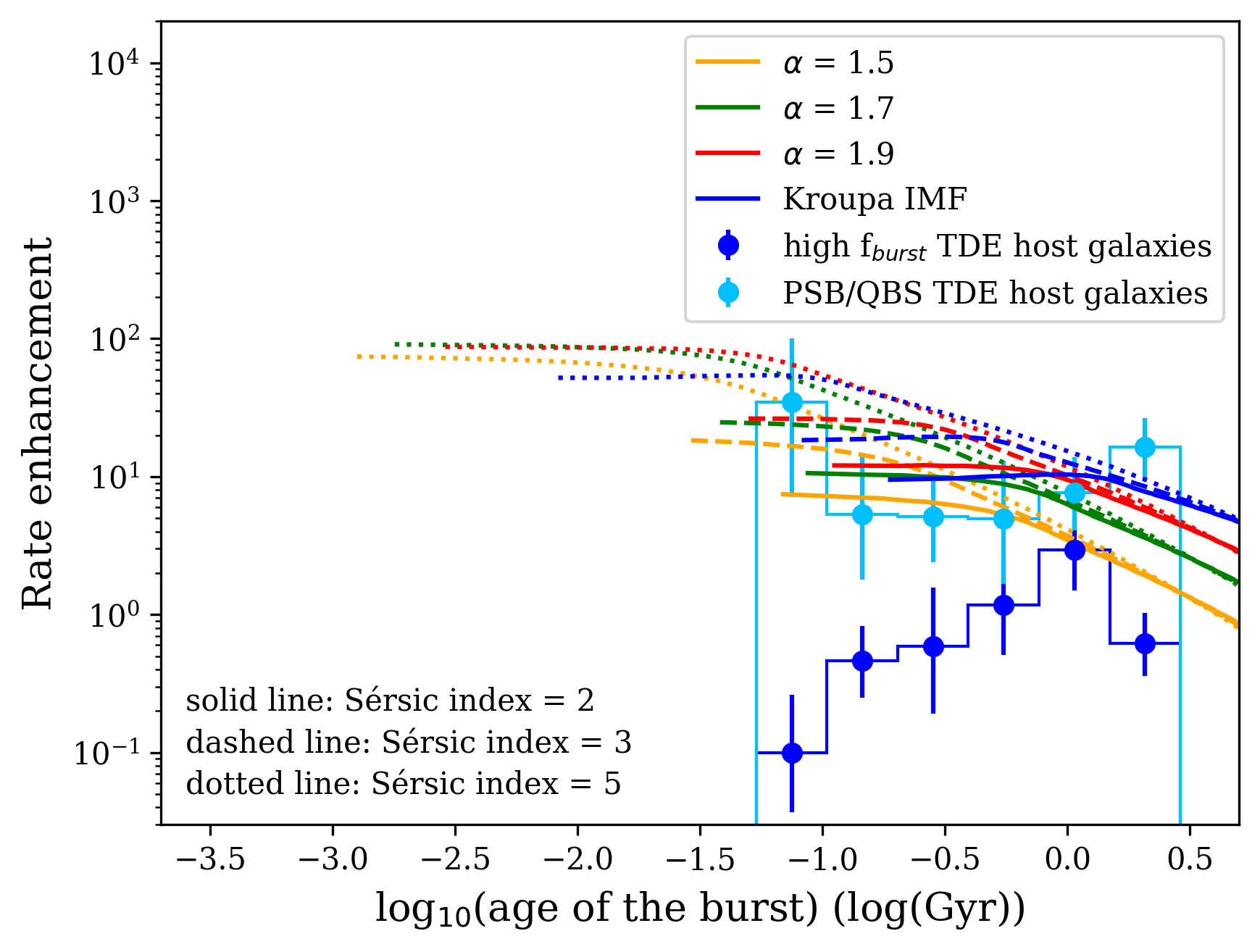
Figure 6: Model DTDs from stellar overdensity evolution compared to measured DTD. The empirical DTD is inconsistent with monotonic post-burst decline.
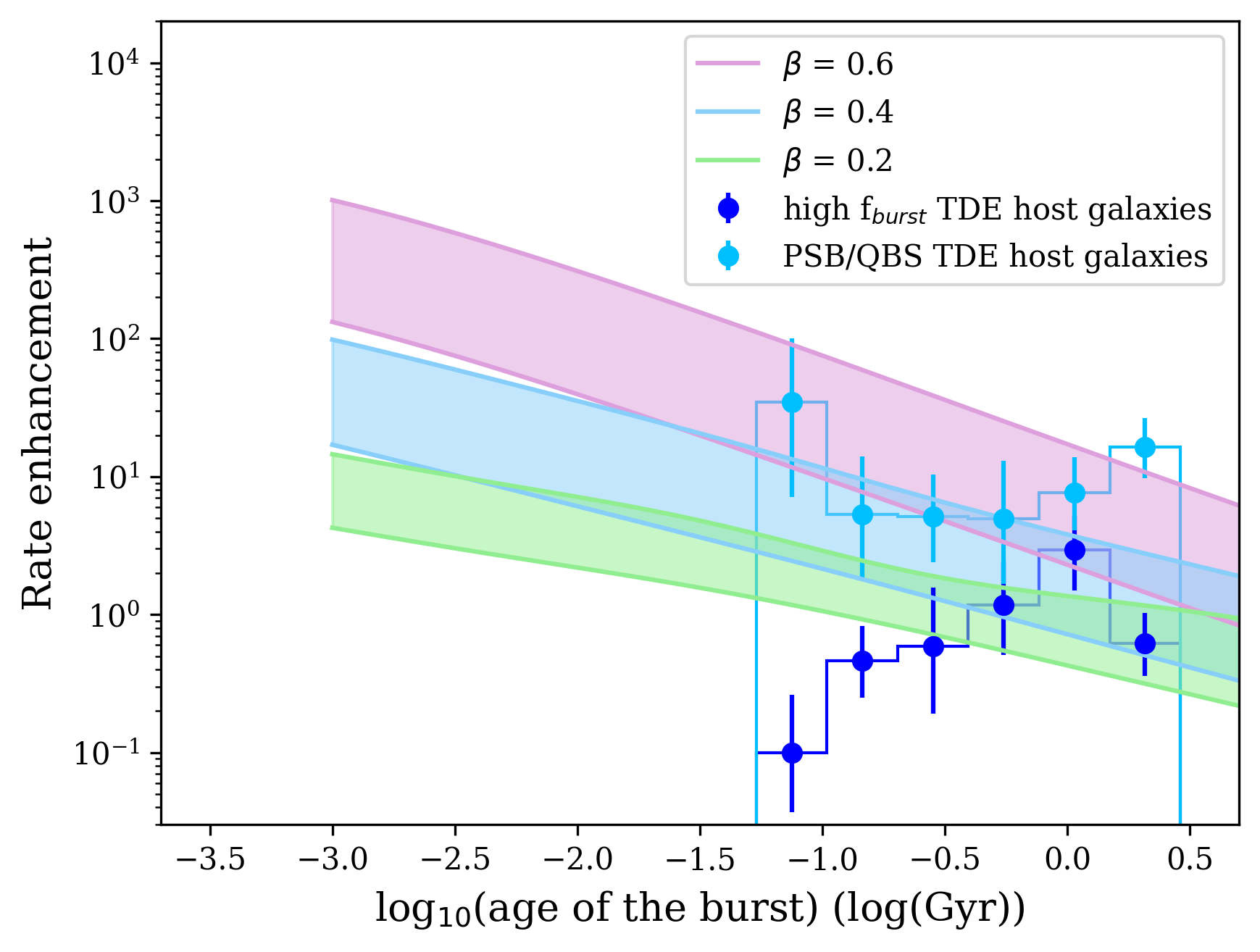
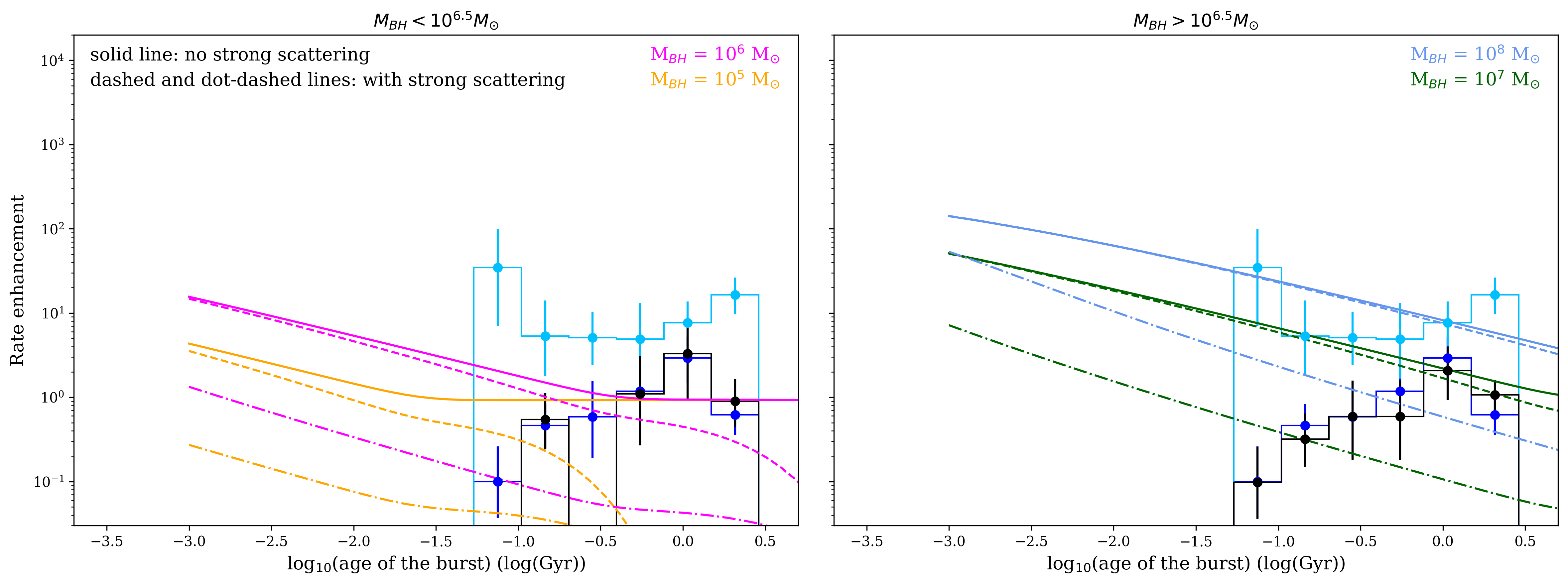
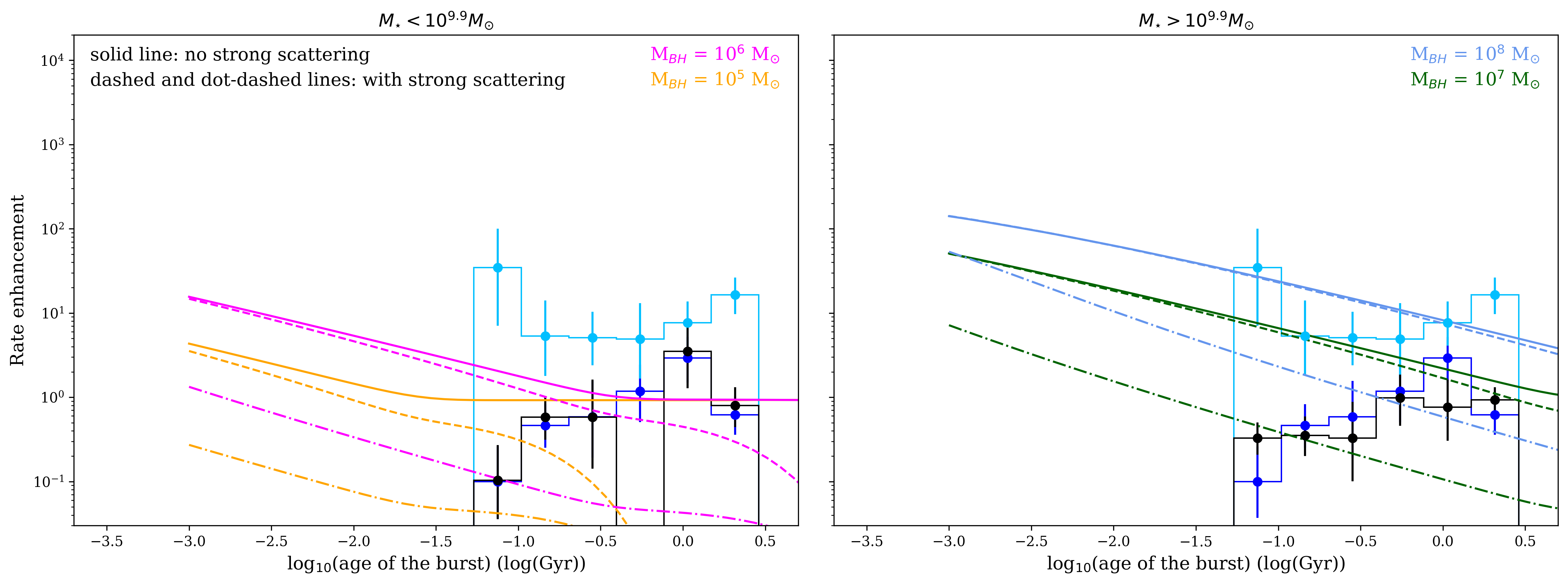
Figure 7: Radial anisotropy models (varied initial δ5) all decrease with time since burst, not matching data at δ6 Gyr.
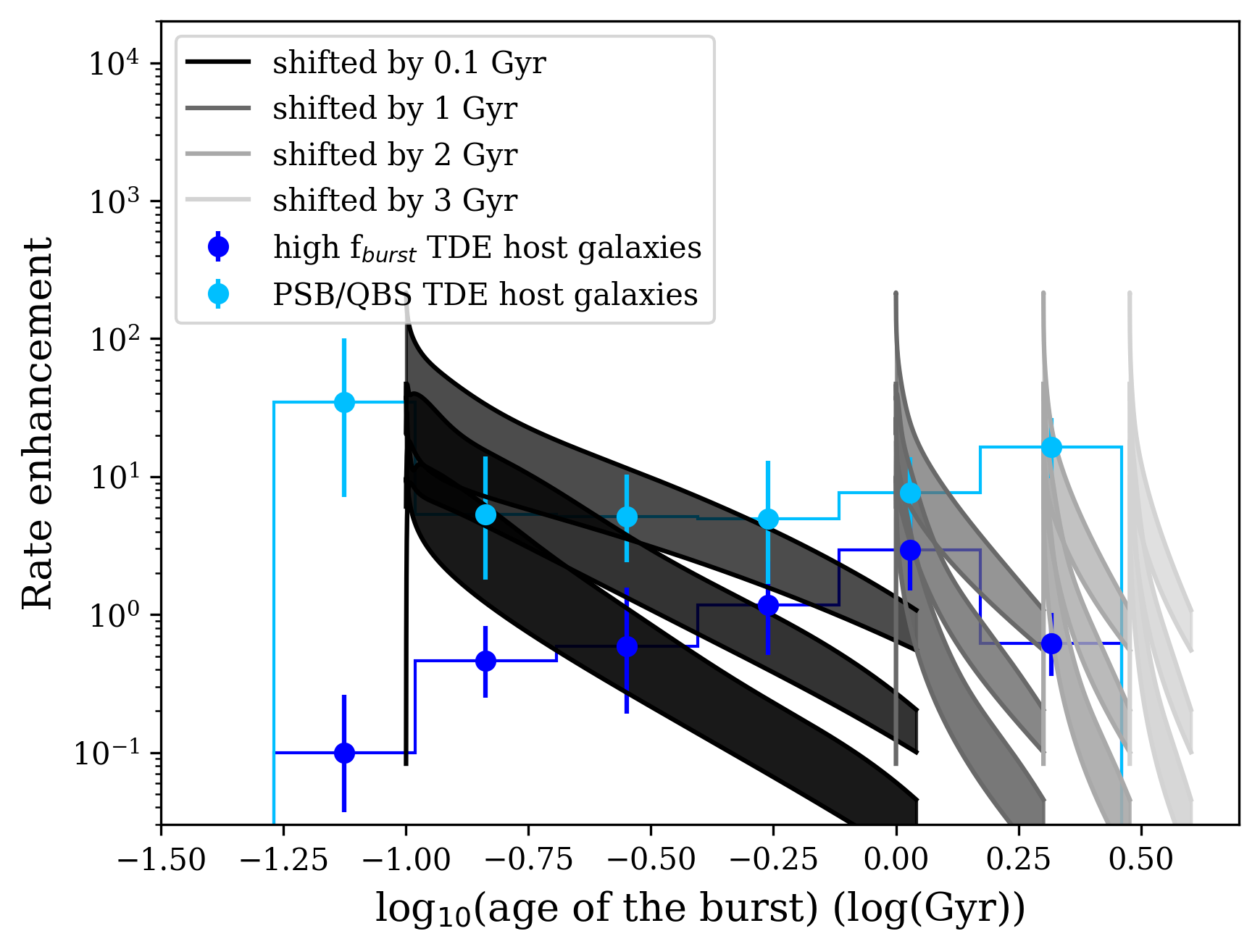
Figure 8: SMBH binary EKL model rates, with physically motivated time shifts for coalescence, line up with the observed DTD peak, suggesting a merger-driven origin.
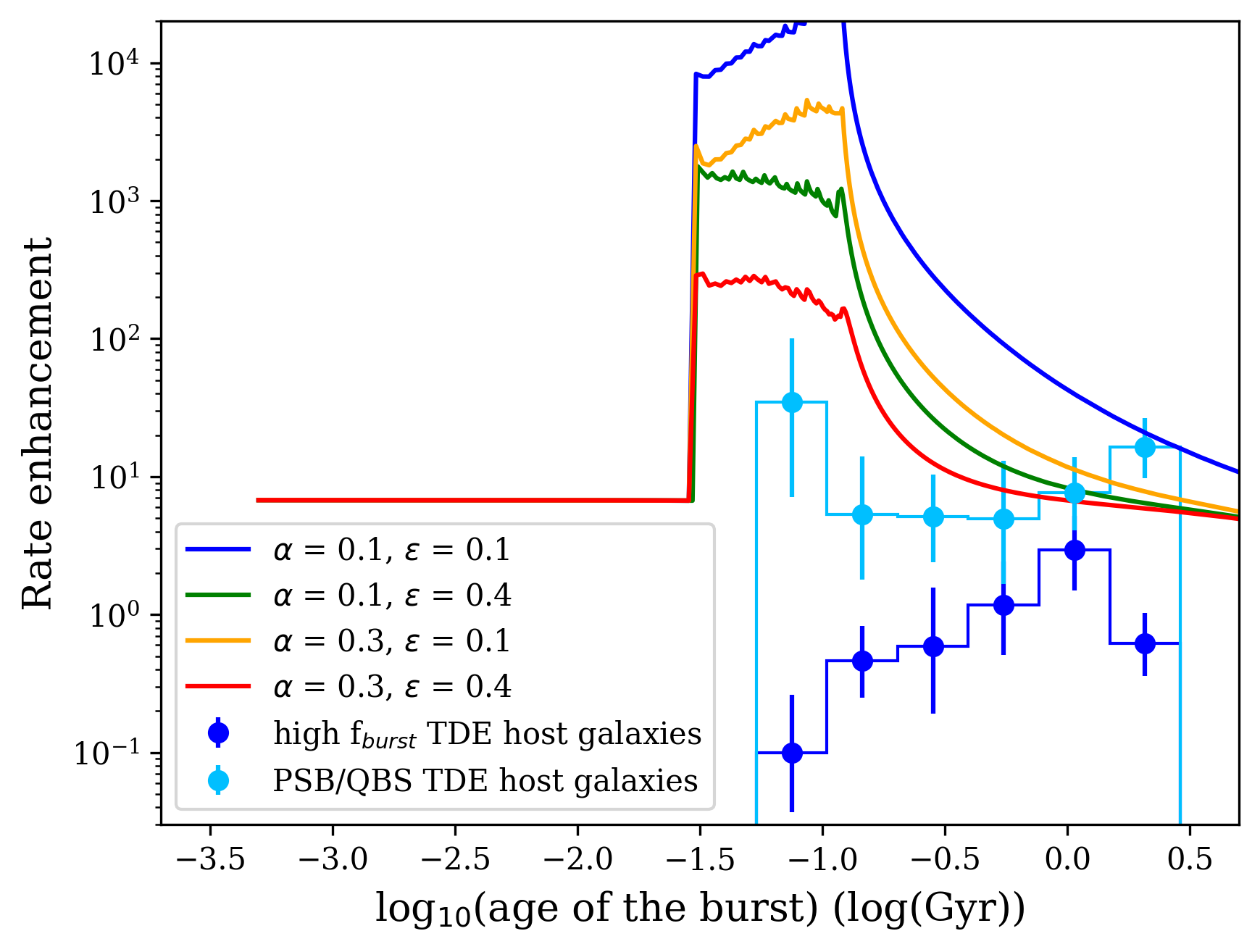
Figure 9: AGN disk models: brief post-quasar burst in TDE rates, timing misaligned from the empirical DTD peak in most parameterizations.
Practical and Theoretical Implications
The most striking finding is the increasing TDE rate with burst age out to δ7 Gyr, and the subsequent flatness for PSB/QBS hosts, in contrast with the monotonic decays native to overdensity and anisotropy-driven dynamical processes. The empirical DTD thus cannot be reproduced by steady-state collisional relaxation alone, strongly suggesting the necessity for mechanisms introducing a delay—either the hardening timescale of SMBH binaries post-merger, or long-term effects of AGN disk evolution (with substantial variance in disk lifetimes/coalescence).
Given the increased fraction of strong starbursts in higher redshift galaxies, these results also imply that the TDE rate evolution with δ8 could be flatter or even rise toward δ9—a feature testable directly in future optical/UV TDE samples from LSST and ULTRASAT.
Further, the lack of strong mass or dust dependence in the DTD for TDE hosts implies that observational selection effects are not large enough to reconcile the qualitative discrepancy with classical models. Multi-wavelength IR/radio searches for TDEs in dusty or ongoing starburst systems could further clarify possible hidden populations, but will not erase the characteristic α<30 Gyr delay.
Finally, the results point to the requirement for composite models in explaining the observed high TDE rates in PSB galaxies. A plausible scenario is a combination of SMBH binary interactions dominating at α<311 Gyr post-merger, possibly with AGN disk–related mechanisms or remnant overdensities providing enhancement at earlier times.
Future Prospects
The statistical limitations of the current TDE sample, particularly given the requirement for high-quality, pre-event host spectroscopy, remain the chief source of uncertainty. However, the findings robustly falsify any single-mechanism loss-cone refilling paradigm, and large-scale time-domain surveys together with homogeneous host follow-up can sharpen and quantify the relative importance of different post-merger nuclear processes in driving TDEs. Artificially increasing the “missing” early DTD population (by a factor of α<32) due to dust or AGN selection would not suffice to bring monotonic decline models into consistency with the observed DTD, underscoring the necessity for fundamentally different physics.
Conclusion
This study presents the first direct mapping of the TDE host galaxy DTD as a function of starburst age. Contrary to the monotonic decline expected from collisional dynamical refilling, the observed DTD increases out to α<331 Gyr, with strong statistical evidence for a mismatch with simple dynamical models. SMBH binary models with realistic coalescence delays are favored to explain the late DTD peak, while AGN/quasar disk mechanisms may supplement the rate at earlier times. The results imply a multi-channel, time-dependent origin for TDEs in PSB galaxies, motivating further high-redshift surveys, multi-wavelength host studies, and development of composite, post-merger nuclear dynamical models.