- The paper establishes that fully coupled-channel dynamics with HQSS constraints yield accurate mass and width predictions for P_c and P_cs states.
- It employs the Bethe-Salpeter equation with a momentum cutoff to extract pole positions, wave functions, and RMS radii, highlighting spatial localization.
- Findings indicate that channel coupling significantly affects decay widths and binding energies, reinforcing the molecular nature over compact configurations.
Molecular Properties of the Pc and Pcs States
Introduction
This work conducts a systematic analysis of the molecular nature of hidden-charm pentaquark states Pc and Pcs, employing a coupled-channel framework that synthesizes heavy quark spin symmetry (HQSS) and the local hidden gauge (LHG) approach. By solving the Bethe-Salpeter equation with a momentum cutoff, the study characterizes the poles, wave functions, and root-mean-square (RMS) radii associated with these states. The analysis encompasses the full coupled-channel scenario, sectoral splittings (pseudoscalar-baryon [PB] and vector-baryon [VB]), and single-channel dynamics. The impact of channel coupling, the relevance of HQSS constraints, the sensitivity to the cutoff scale, and the spatial properties of the dynamically generated states are investigated quantitatively, with a particular focus on comparing the hidden-charm and hidden-charm-strange sectors.
Theoretical Framework
The coupled-channel T-matrix is derived via the on-shell Bethe-Salpeter equation,
T=[1−VG]−1V,
where V is the HQSS-constrained potential matrix and G is the diagonal matrix of loop functions, regularized via a sharp three-momentum cutoff qmax. The LHG scheme provides the V-matrix elements, integrating short-range vector-meson exchange and heavy-quark flavor structure. Poles in the complex energy plane are located by searching for zeros of Pcs0, with analytic continuation to the second Riemann sheet to isolate resonance signatures.
Wave functions in configuration space are reconstructed from the pole residues, yielding localization profiles for the molecular states. The spatial radii are extracted by two consistent procedures: directly from the slope of the calculated form factor at vanishing momentum transfer and via the Pcs1-function derivative scaled by the coupling constant squared and reduced mass.
Hidden-Charm (Pcs2) Sector
Coupled Channel Spectrum and Channel Dependence
The Pcs3, Pcs4 sector (seven channels) presents three dominant poles, each tracking nearby meson-baryon thresholds: Pcs5, Pcs6, and Pcs7. Increasing Pcs8 systematically lowers the pole positions and broadens the widths—a direct manifestation of enhanced short-range attraction and increased phase space for open-channel decay Figure 1.
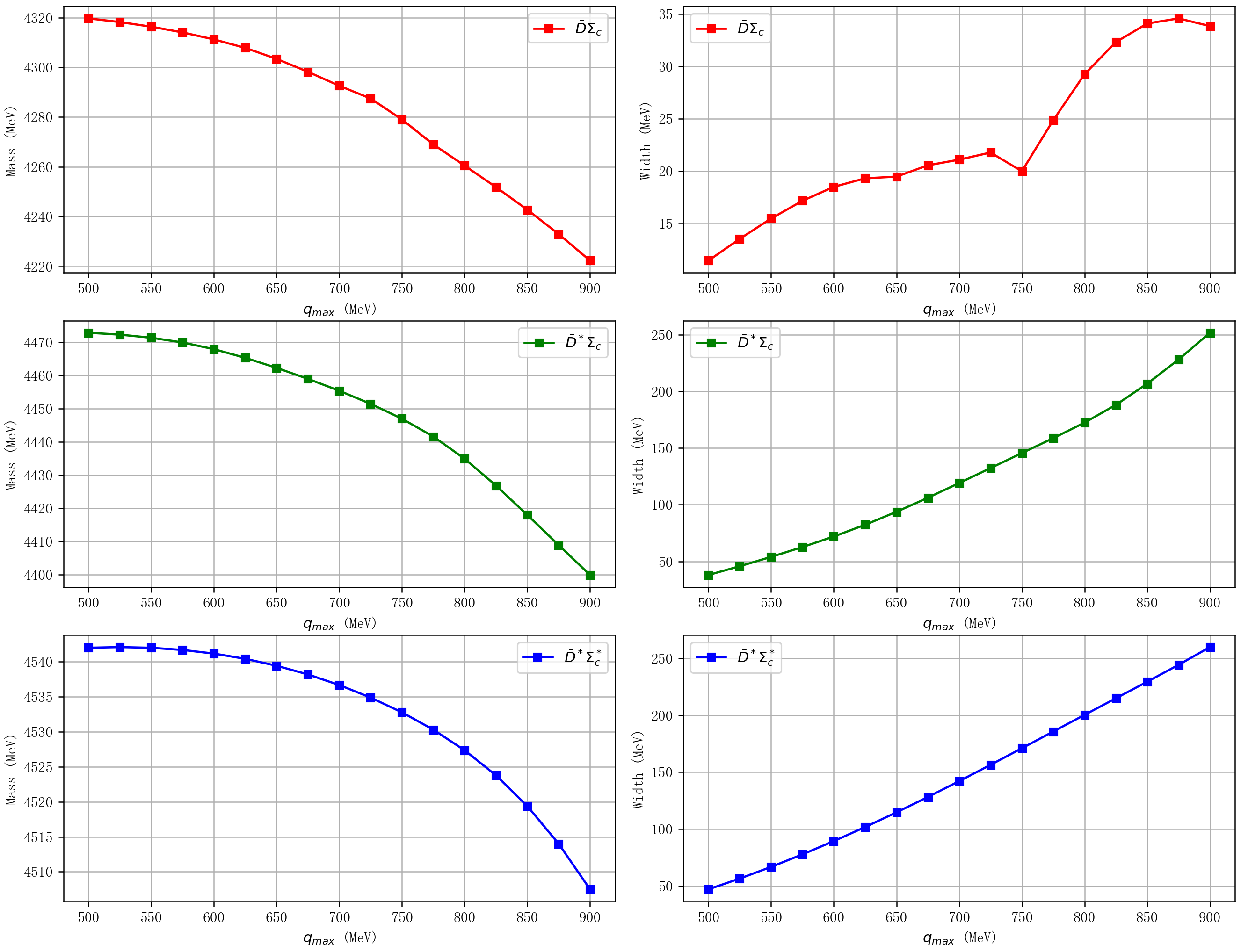
Figure 1: Mass (left) and width (right) trajectories of the poles in the second Riemann sheets for the Pcs9, Pc0 sector as a function of cutoff Pc1.
Splitting into PB and VB subsystems reveals that while pole masses are relatively stable with respect to HQSS breaking, decay widths of non-PB poles diminish substantially without coupled-channel mixing Figure 2.
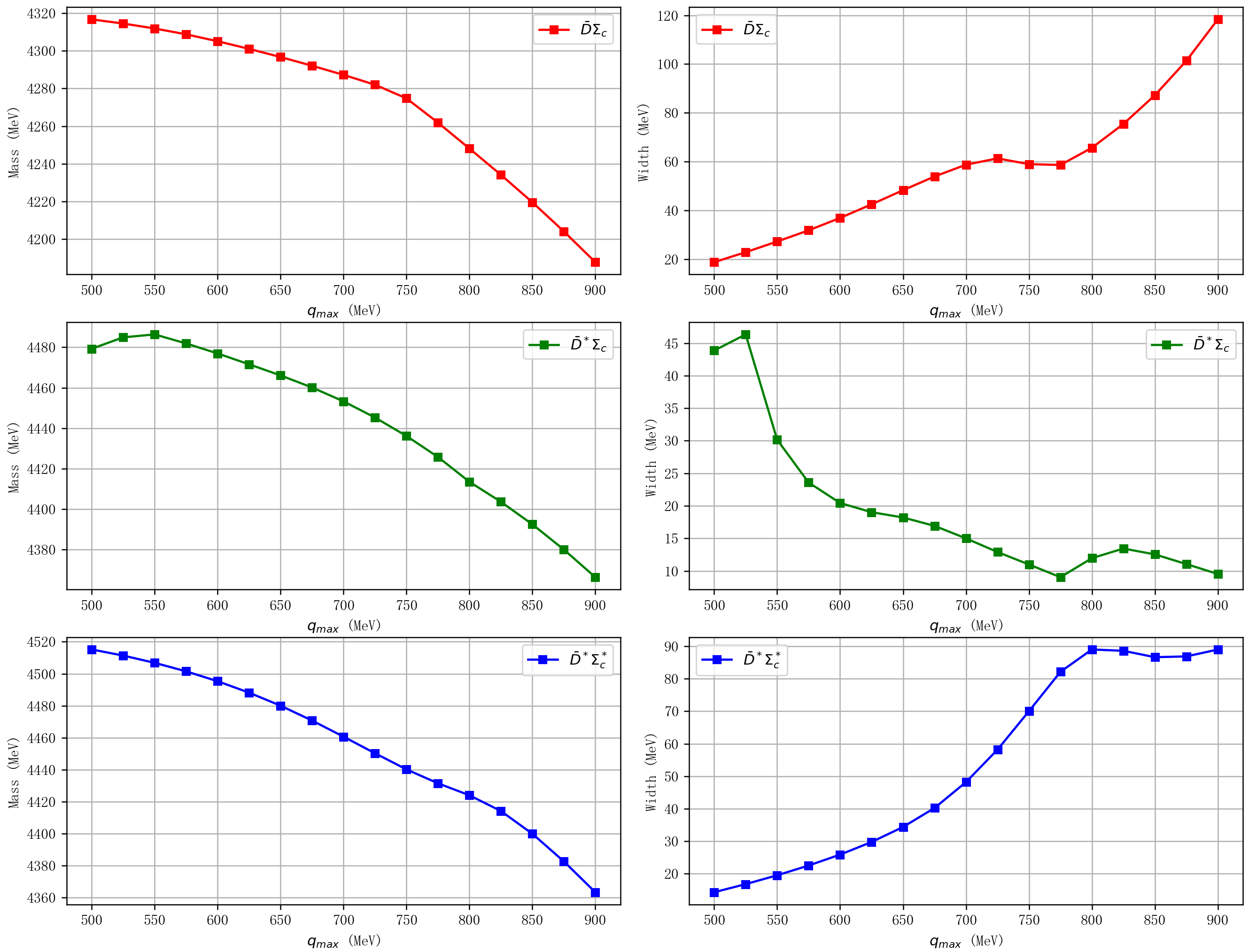
Figure 2: Mass and width trajectories in the PB and VB split sectors, showing reduced width for the Pc2 pole without PB-VB coupling.
Microscopic Structure: Wave Functions and Radii
The configuration-space wave functions are sharply localized, with support almost exclusively in Pc3 fm and rapid attenuation beyond this scale for all bound channels Figure 3. The RMS radii, determined by both aforementioned methods, typically range from Pc4 to Pc5 fm for dynamically generated resonances, consistent with expectations for hadronic molecules. Deviations occur when poles approach threshold, where Method 2 (form factor) maintains numerical stability.
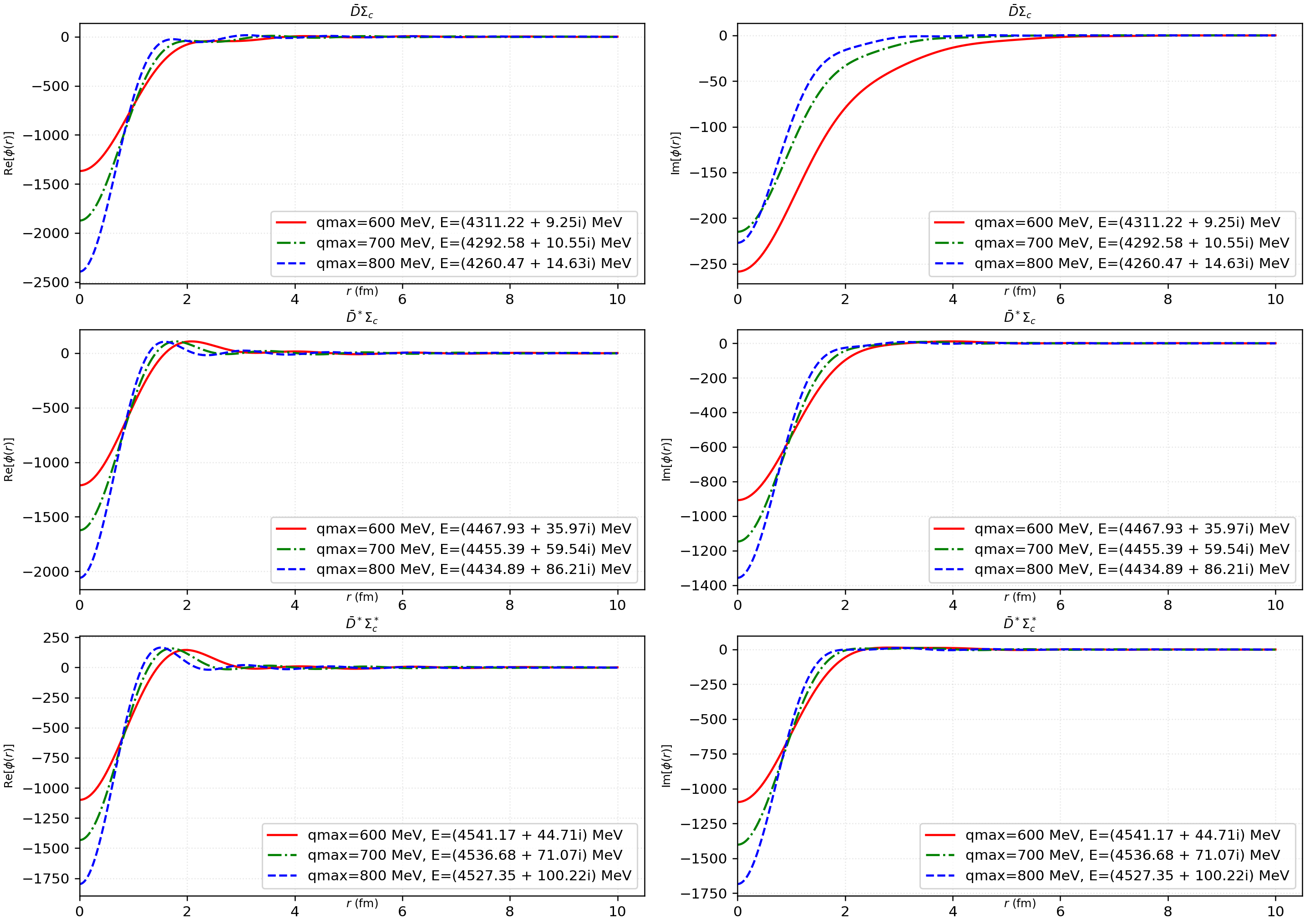
Figure 3: Real and imaginary parts of the wave functions Pc6 for the main poles; significant localization within Pc7 fm.
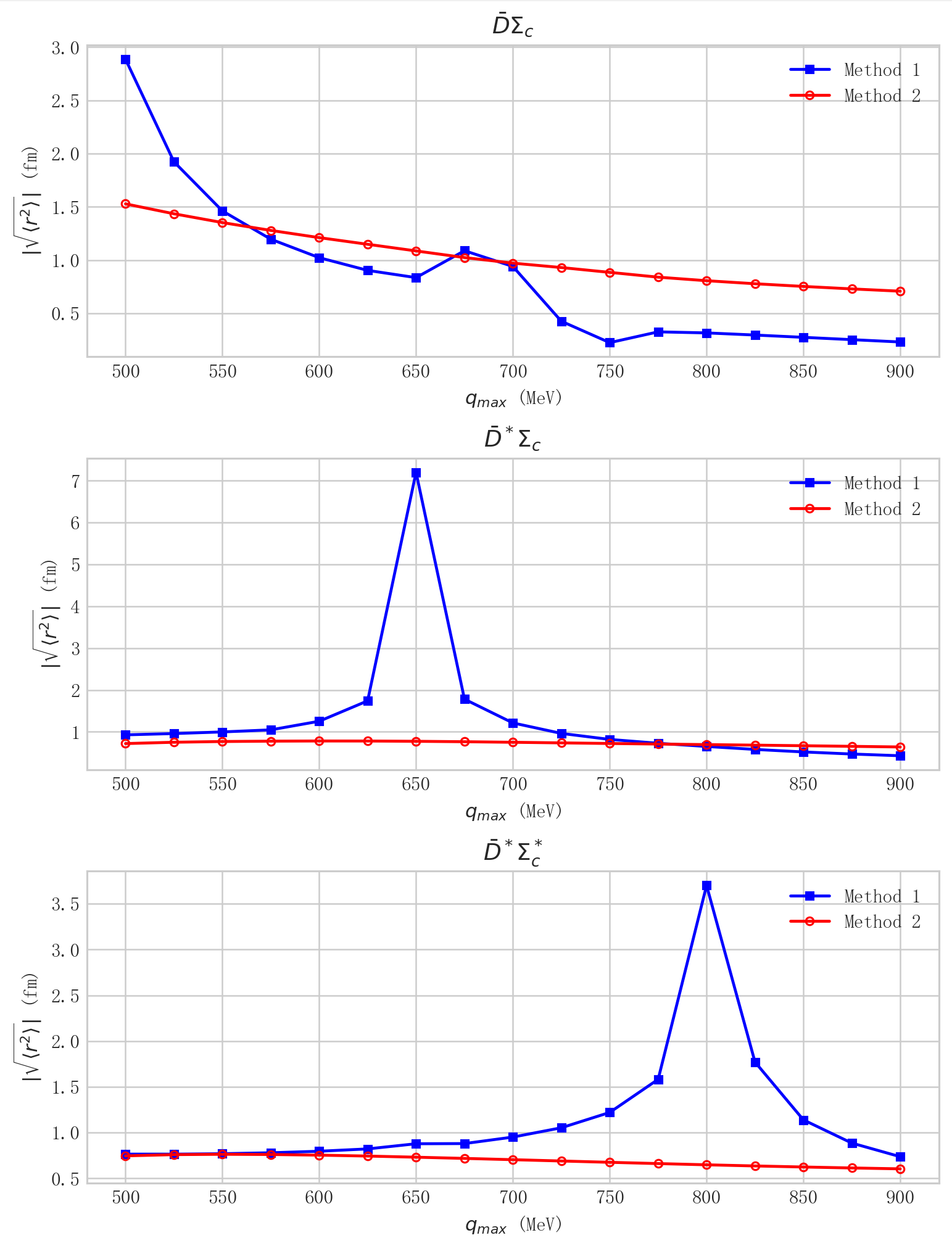
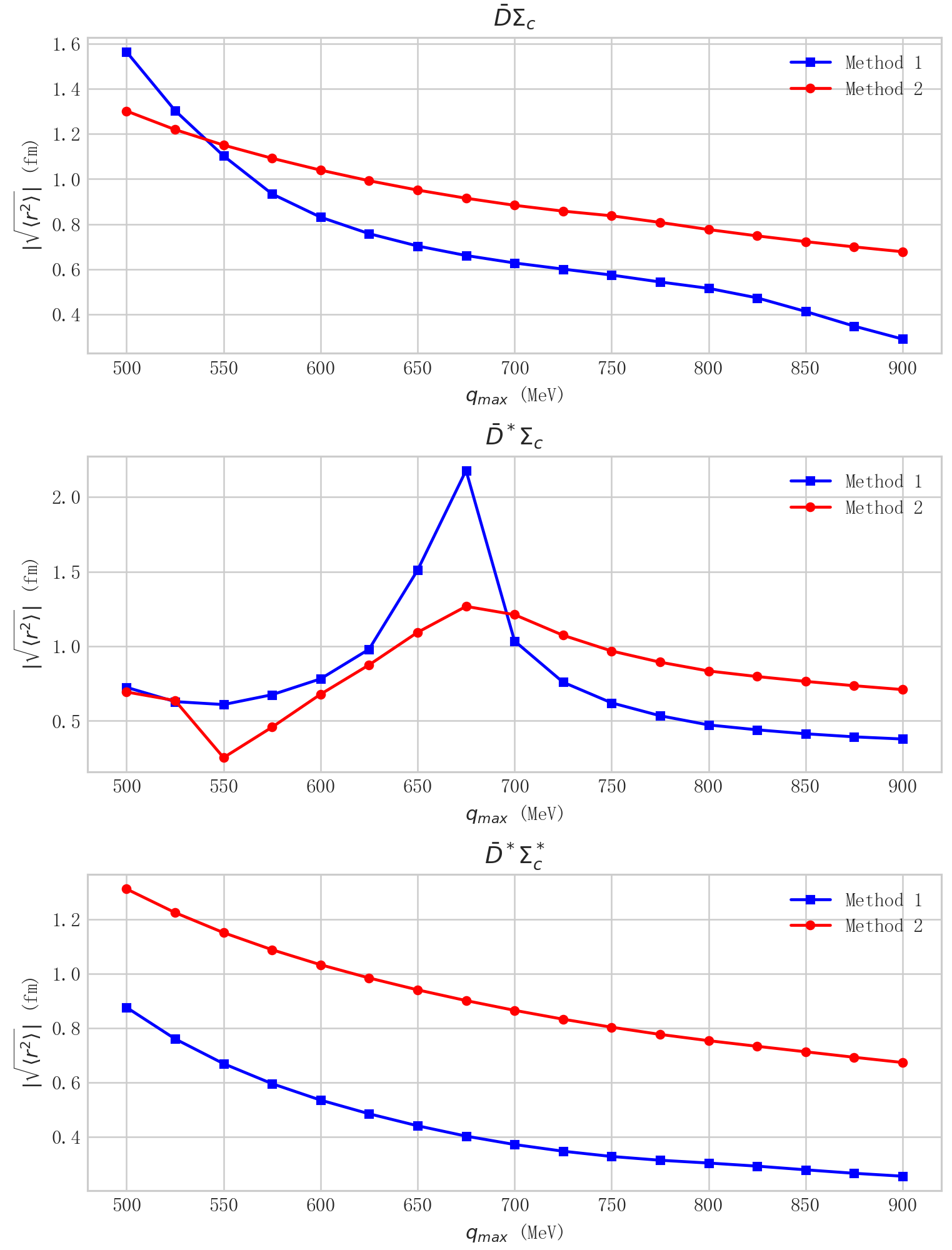
Figure 4: RMS radii as a function of Pc8 for the principal Pc9 candidates, confirming the molecular-scale size.
Pcs0, Pcs1 Sector
The five-channel scenario supports analogously structured poles: Pcs2, Pcs3, Pcs4. Pole trajectories as a function of cutoff and their width evolution follow the same qualitative trends as in the Pcs5 sector (Figures 6, 7). The dominant Pcs6 pole aligns with the experimentally observed Pcs7 when coupled-channel effects are included.
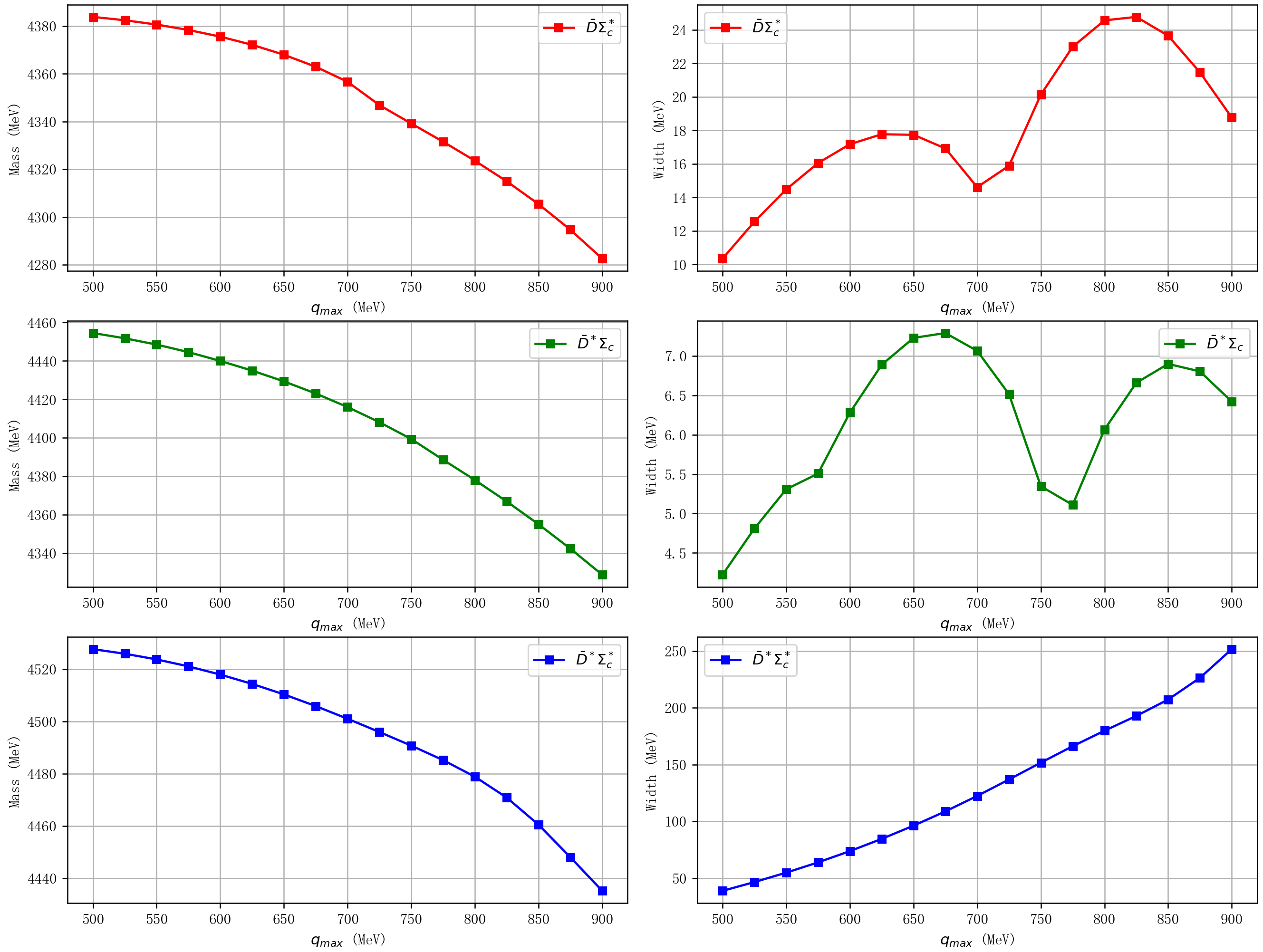
Figure 5: Pole mass and width evolution for the Pcs8, Pcs9 sector.
Hidden-Charm-Strange (T0) Sector
Coupled Channels and Binding Dynamical Patterns
The T1, T2 nine-channel system yields several narrow-bound molecular candidates: T3, T4, T5, T6, and T7. The T8 and T9 poles are deeply bound, coupling predominantly to T=[1−VG]−1V,0 and T=[1−VG]−1V,1 rather than to low-lying open channels, which results in extremely small width, particularly for large T=[1−VG]−1V,2 Figure 6. This behavior persists even when channel coupling is neglected, indicating a lesser importance for HQSS mixing in this system Figure 7.
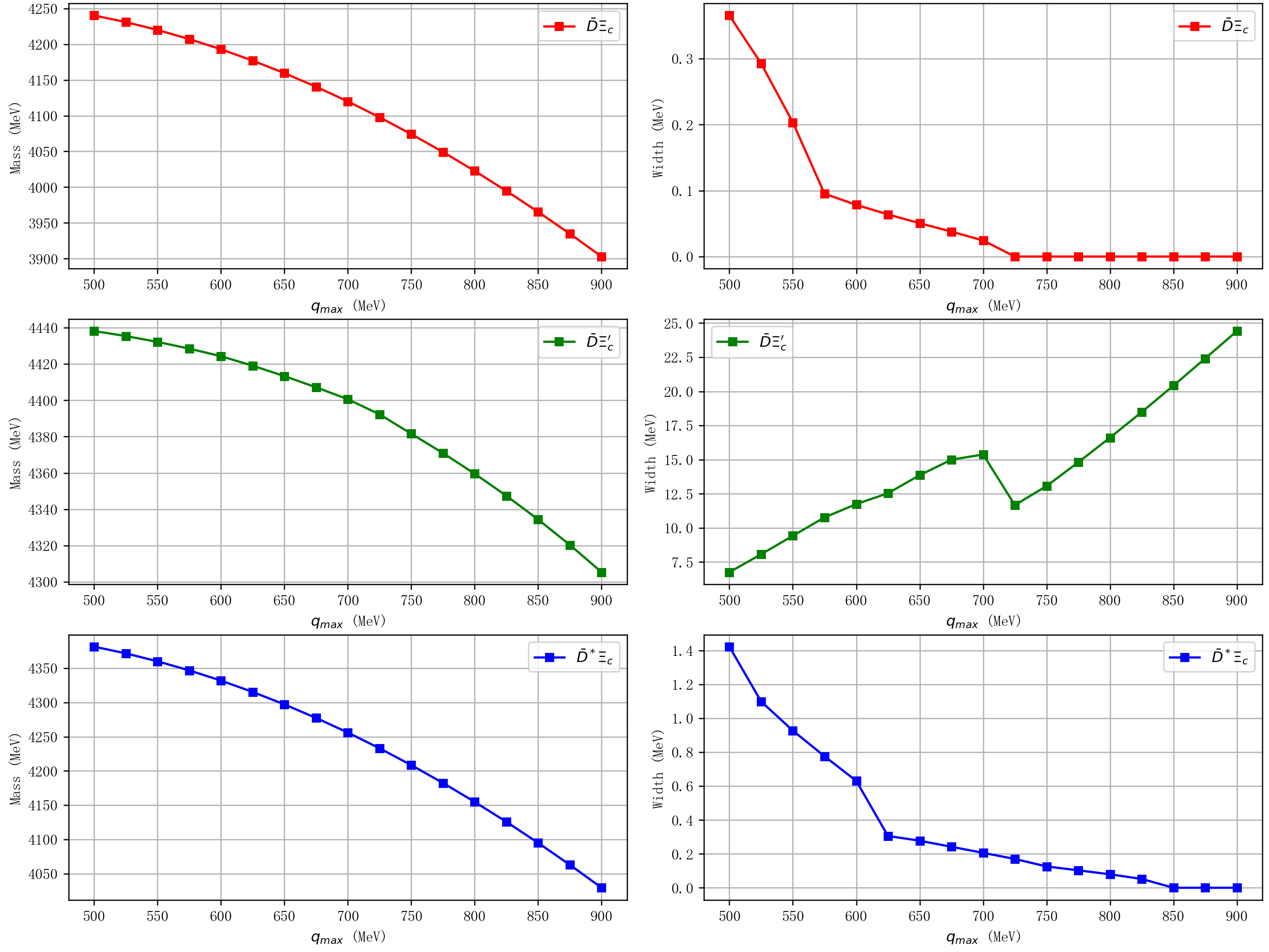
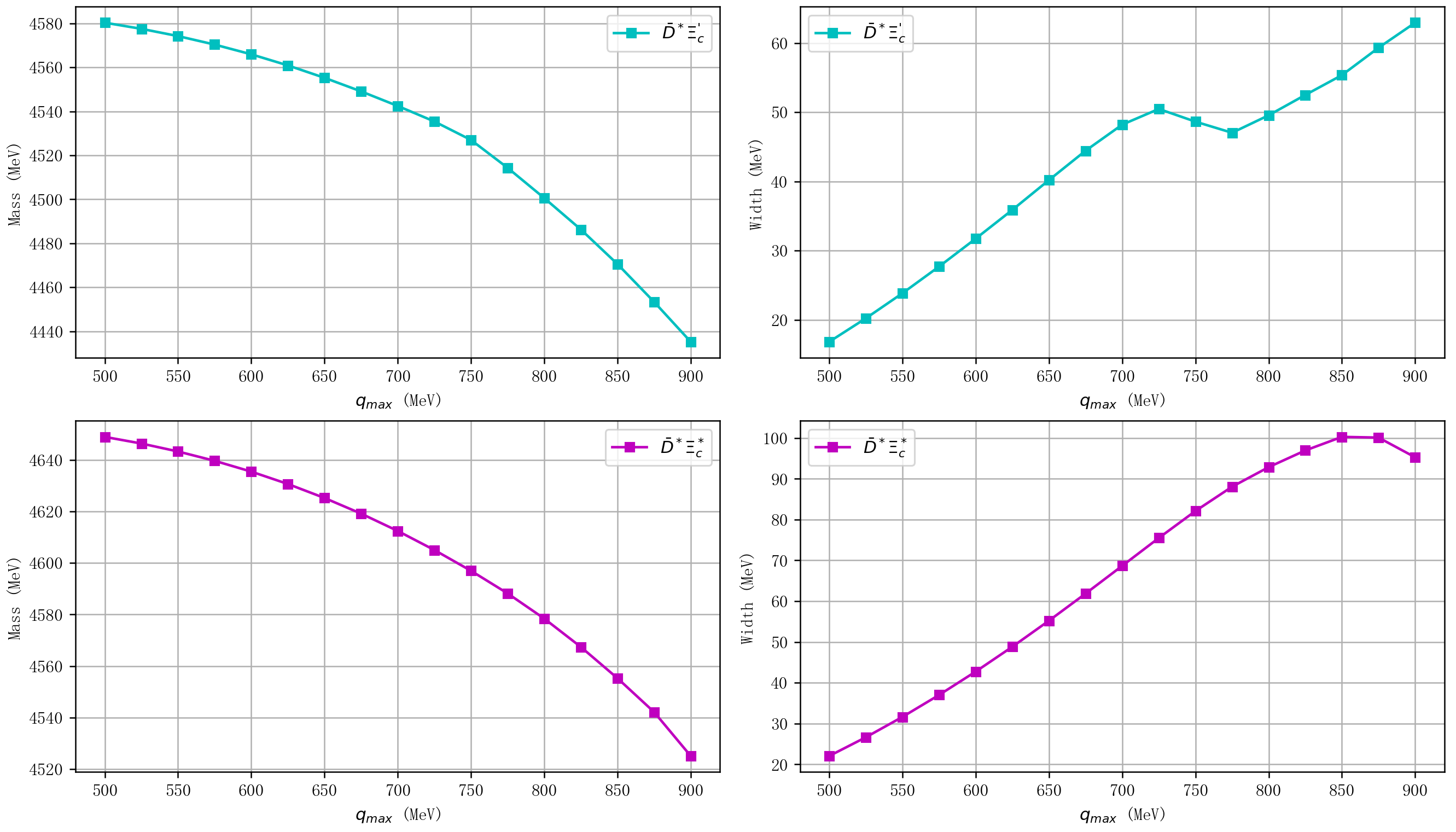
Figure 6: Trajectories for the main T=[1−VG]−1V,3 pole masses and widths in the full nine-channel coupled scenario.
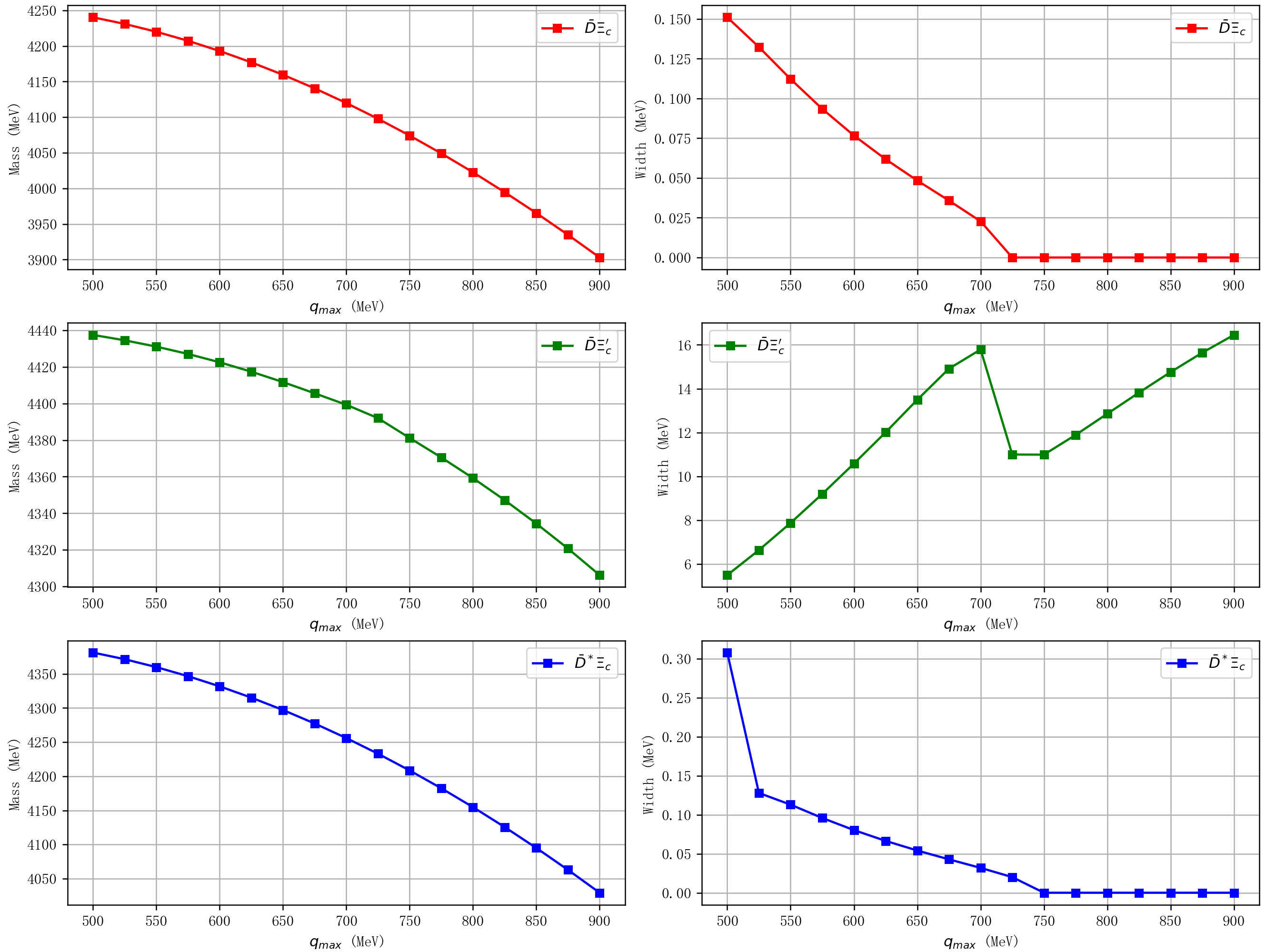
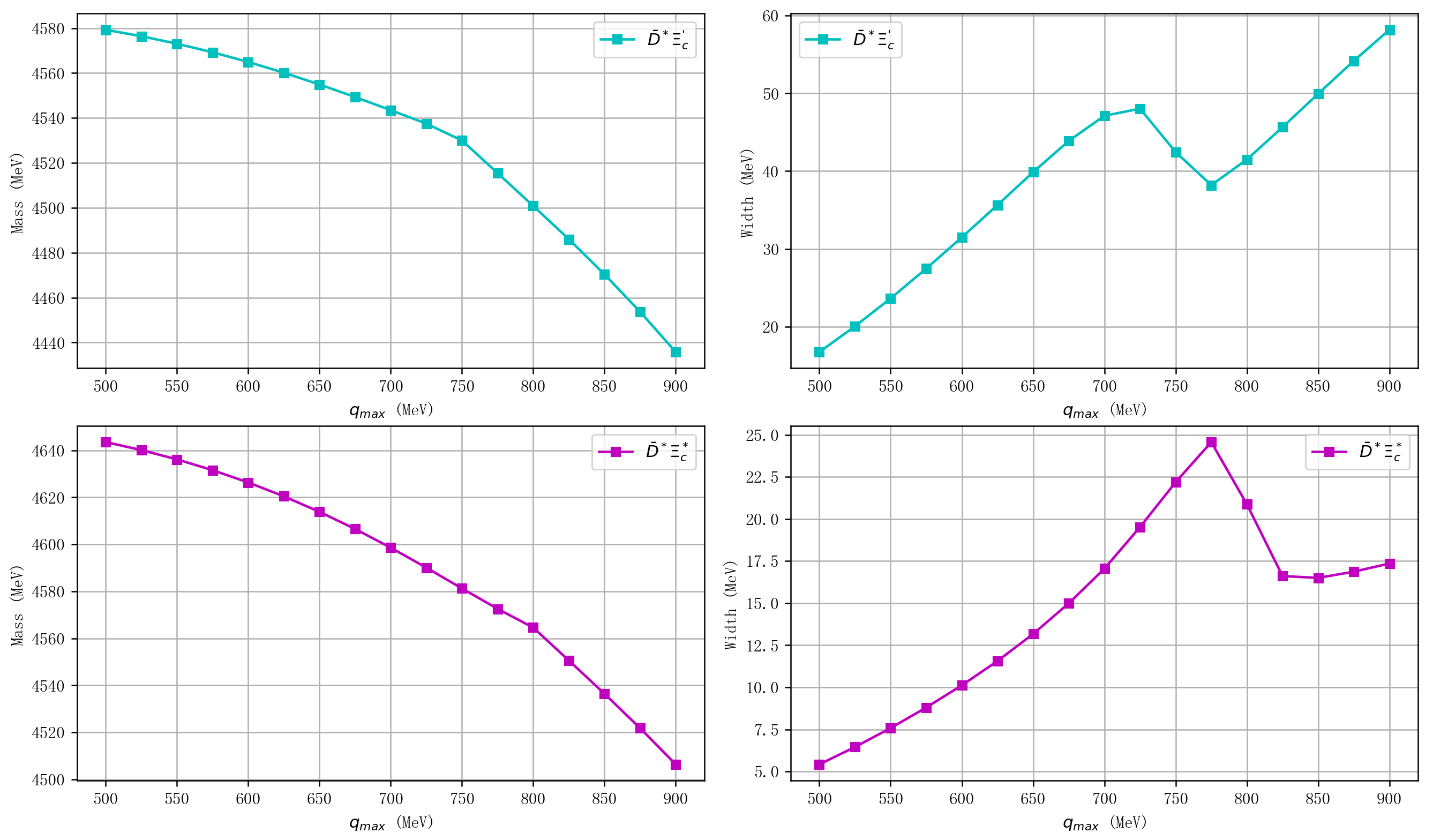
Figure 7: Pole evolution in PB and VB split sectors for T=[1−VG]−1V,4, T=[1−VG]−1V,5, reinforcing the weak-coupling scenario.
Spatial Observables
Wave functions for T=[1−VG]−1V,6 molecular states again vanish outside T=[1−VG]−1V,7 fm (Figures 12, 13). The RMS radii (Figures 13, 14) lie in the T=[1−VG]−1V,8–T=[1−VG]−1V,9 fm interval across bounded states, further corroborating the spatially extended molecular structure.
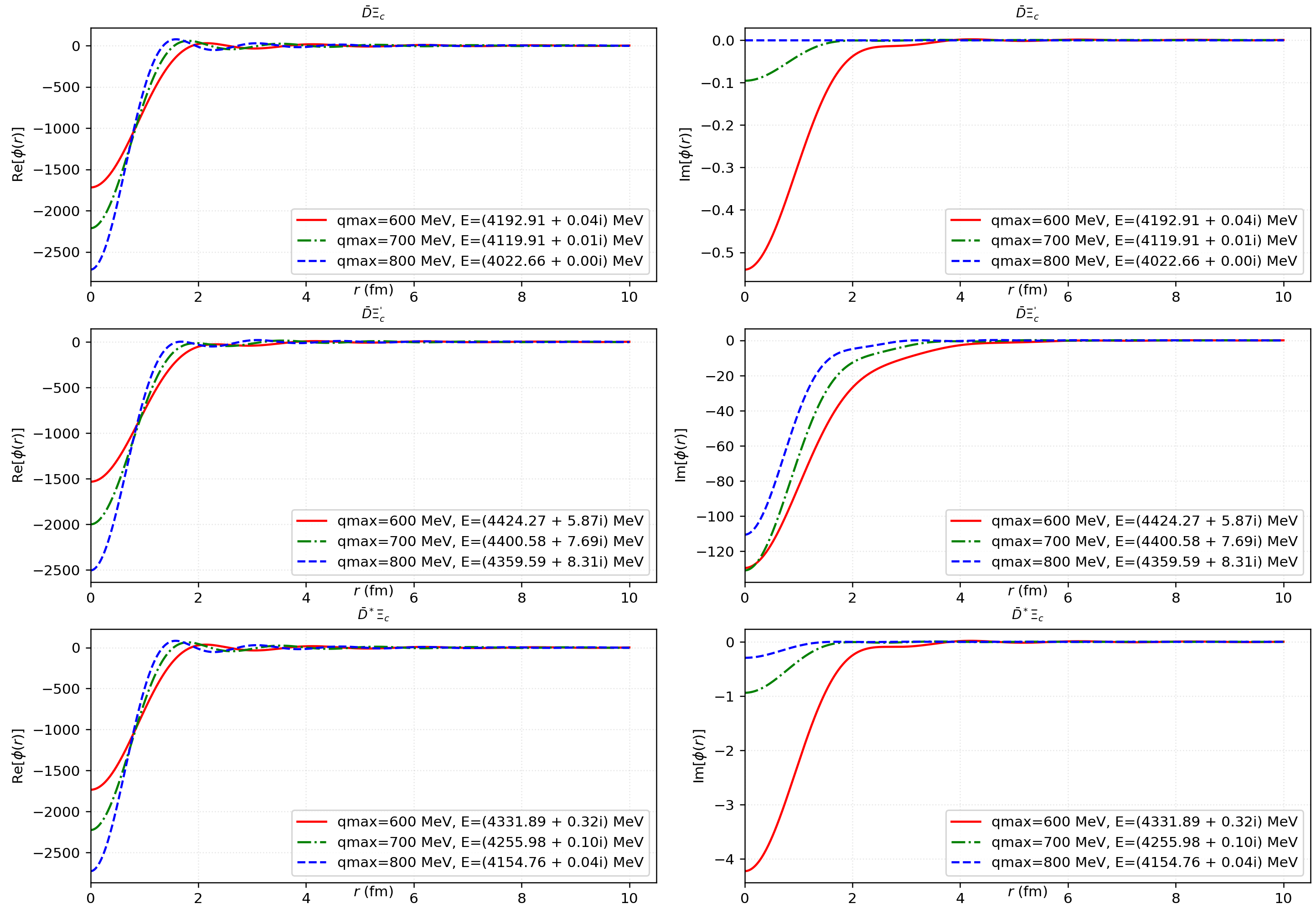
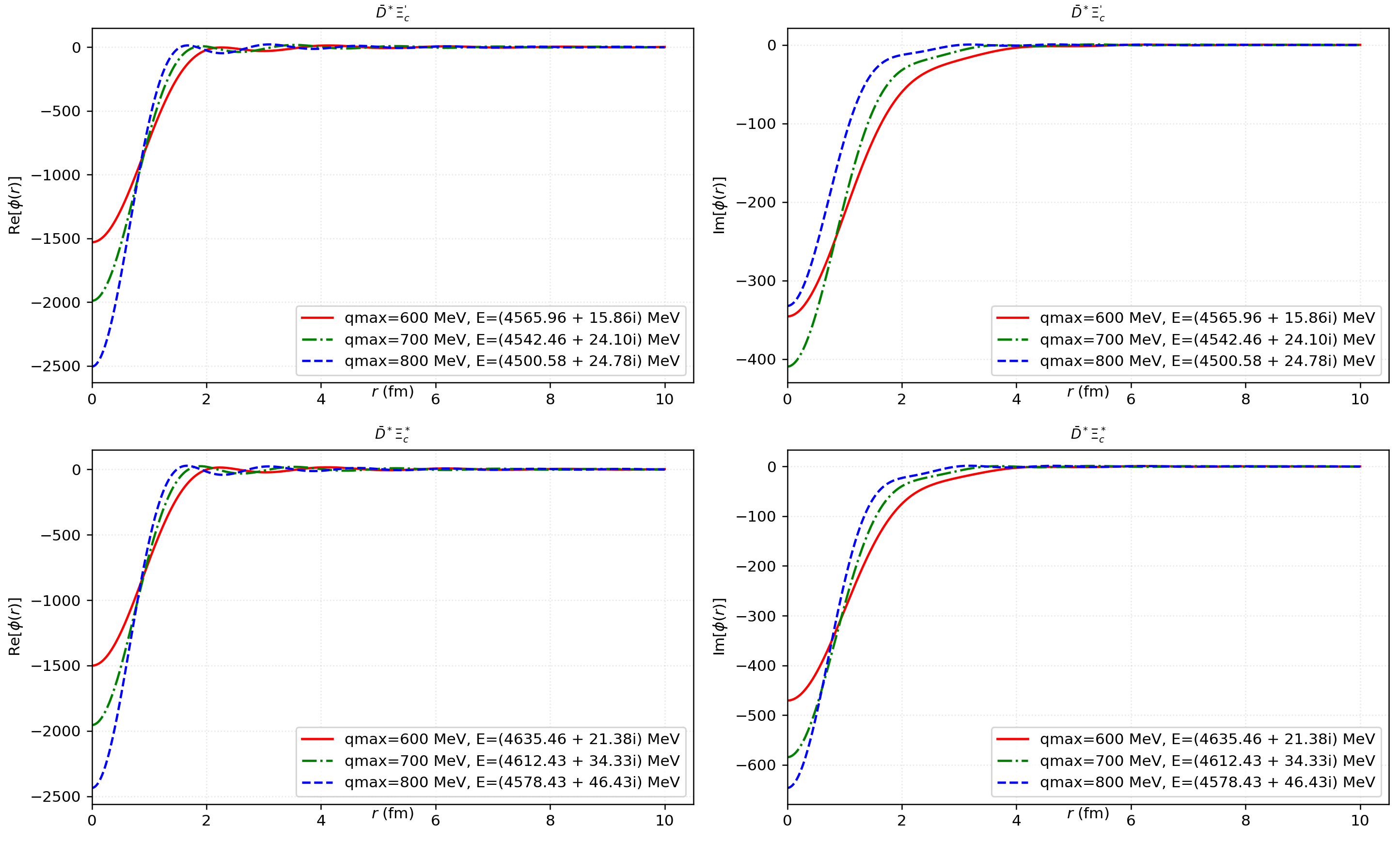
Figure 8: Spatial profile of the main V0 wave function: rapid falloff with V1, confirming localization.
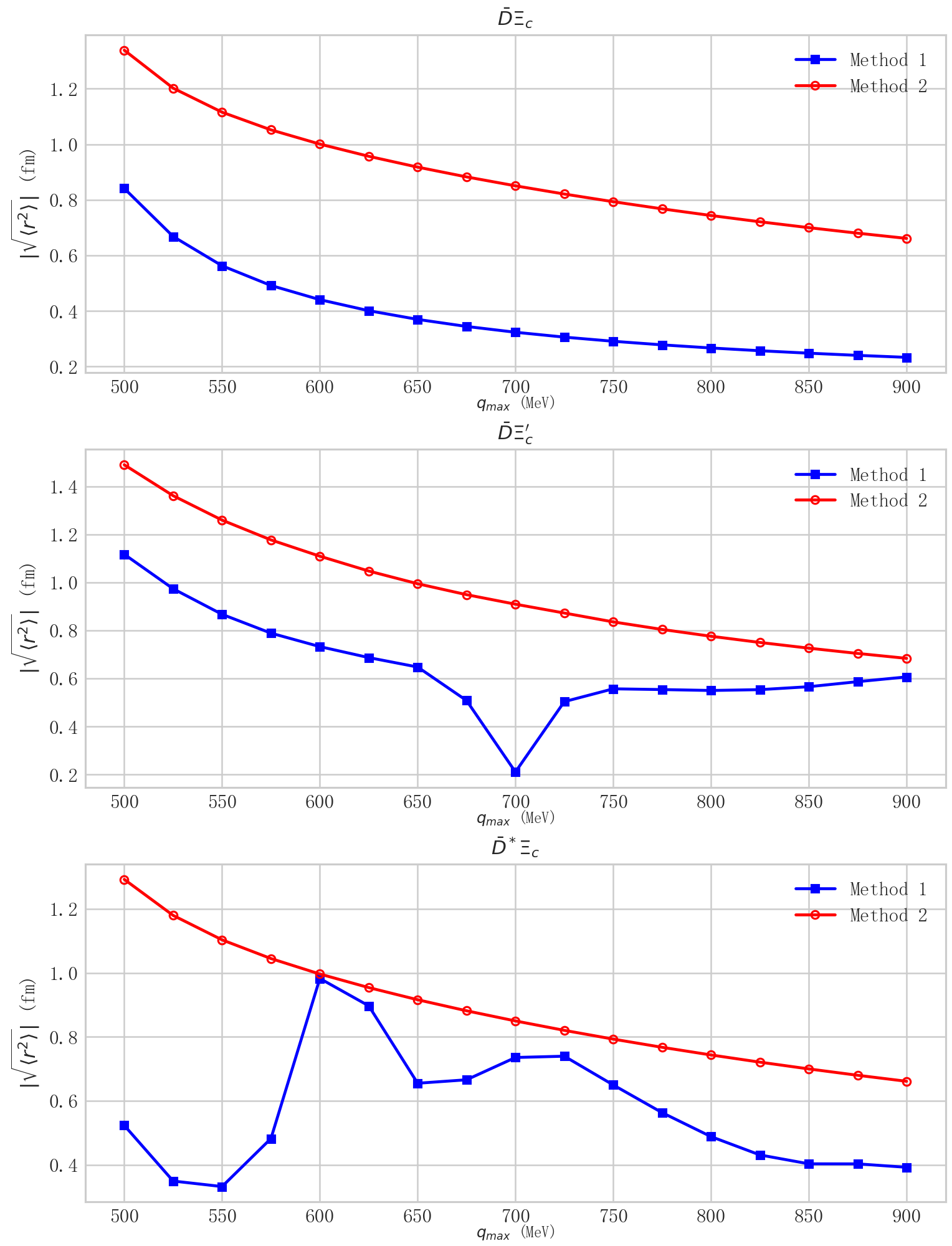
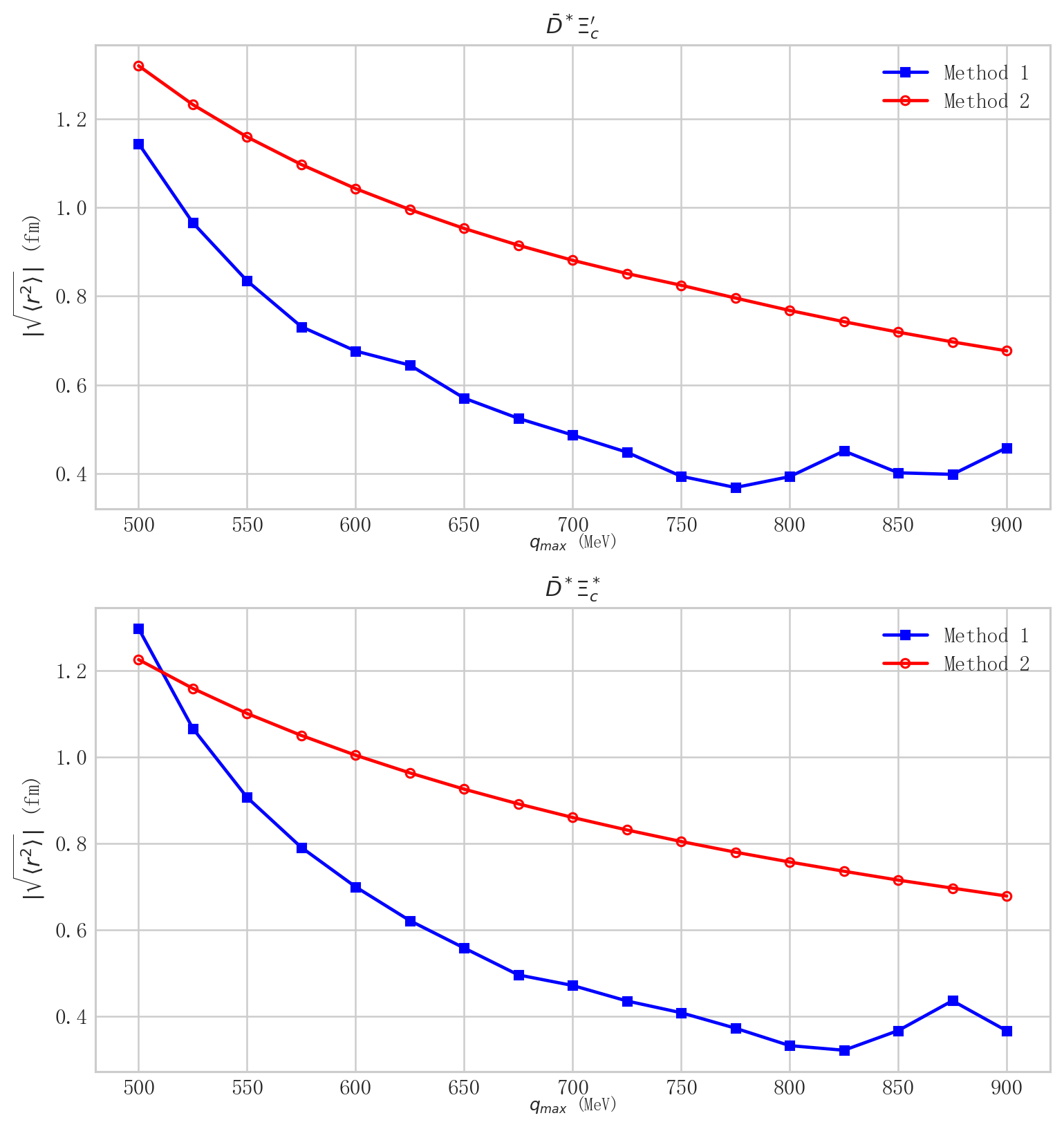
Figure 9: RMS radii for V2, showing molecular-size values largely insensitive to HQSS breaking.
V3, V4 Sector
In the six-channel analysis, the V5 state emerges as the most deeply bound, with extremely narrow width across cutoffs and a spatial radius V6–V7 fm (Figures 15–17).
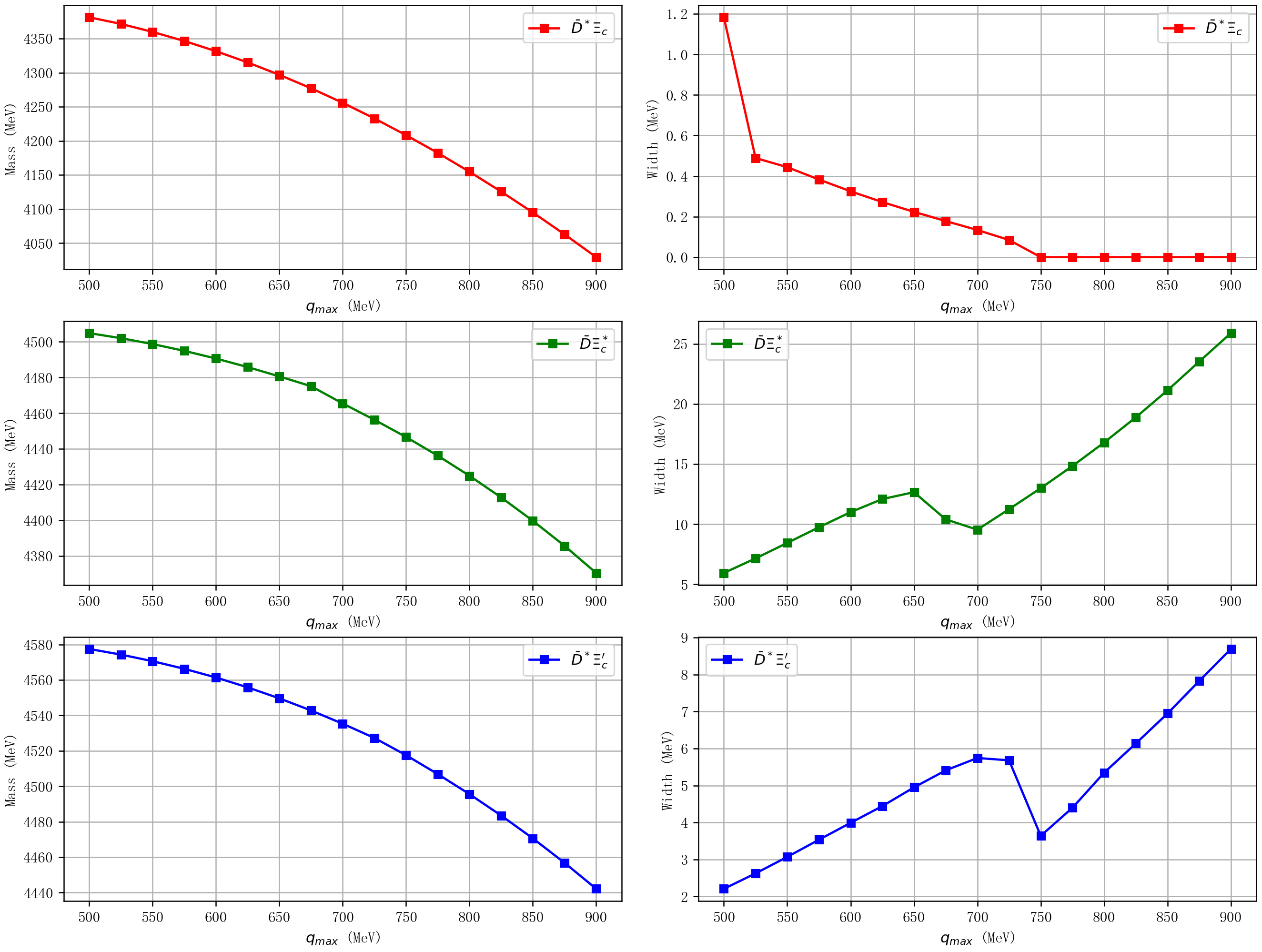
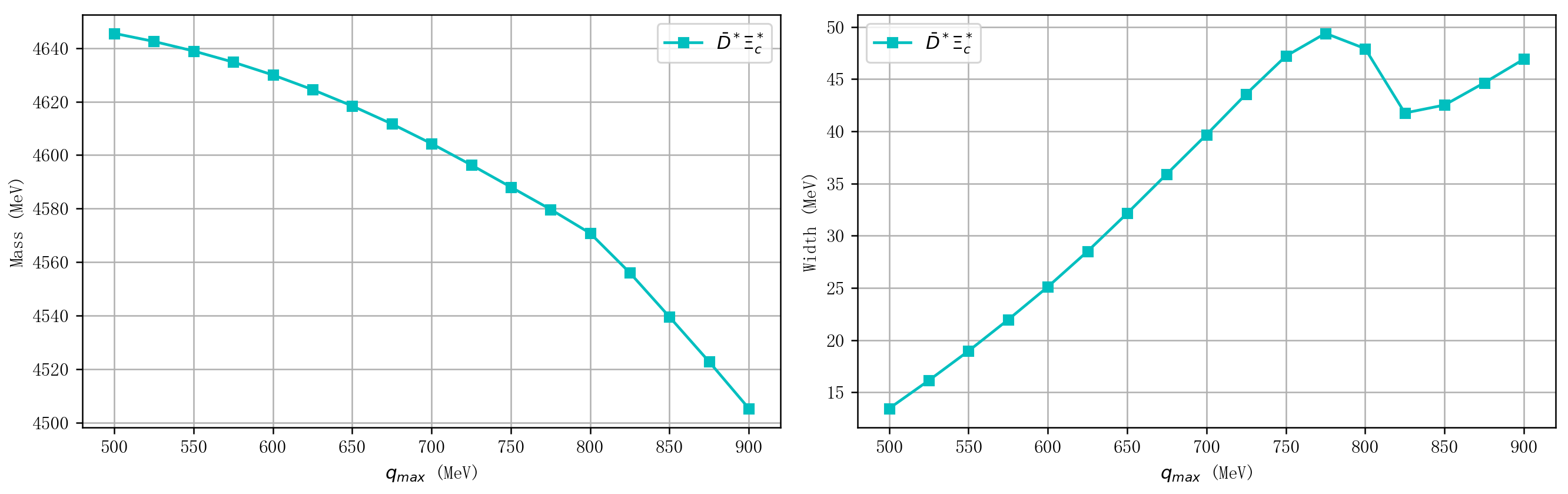
Figure 10: Mass and width trajectories for the principal V8 V9 candidates under cutoff variation.
Single-Channel Limit
In the single-channel limit (Figures 18–23), all bound states become pure bound (vanishing width). Binding energies and radii for all channels in both the hidden-charm and hidden-charm-strange sectors converge owing to isomorphic strong interaction kernels, yielding closely parallel mass and size trajectories for fixed cutoffs.
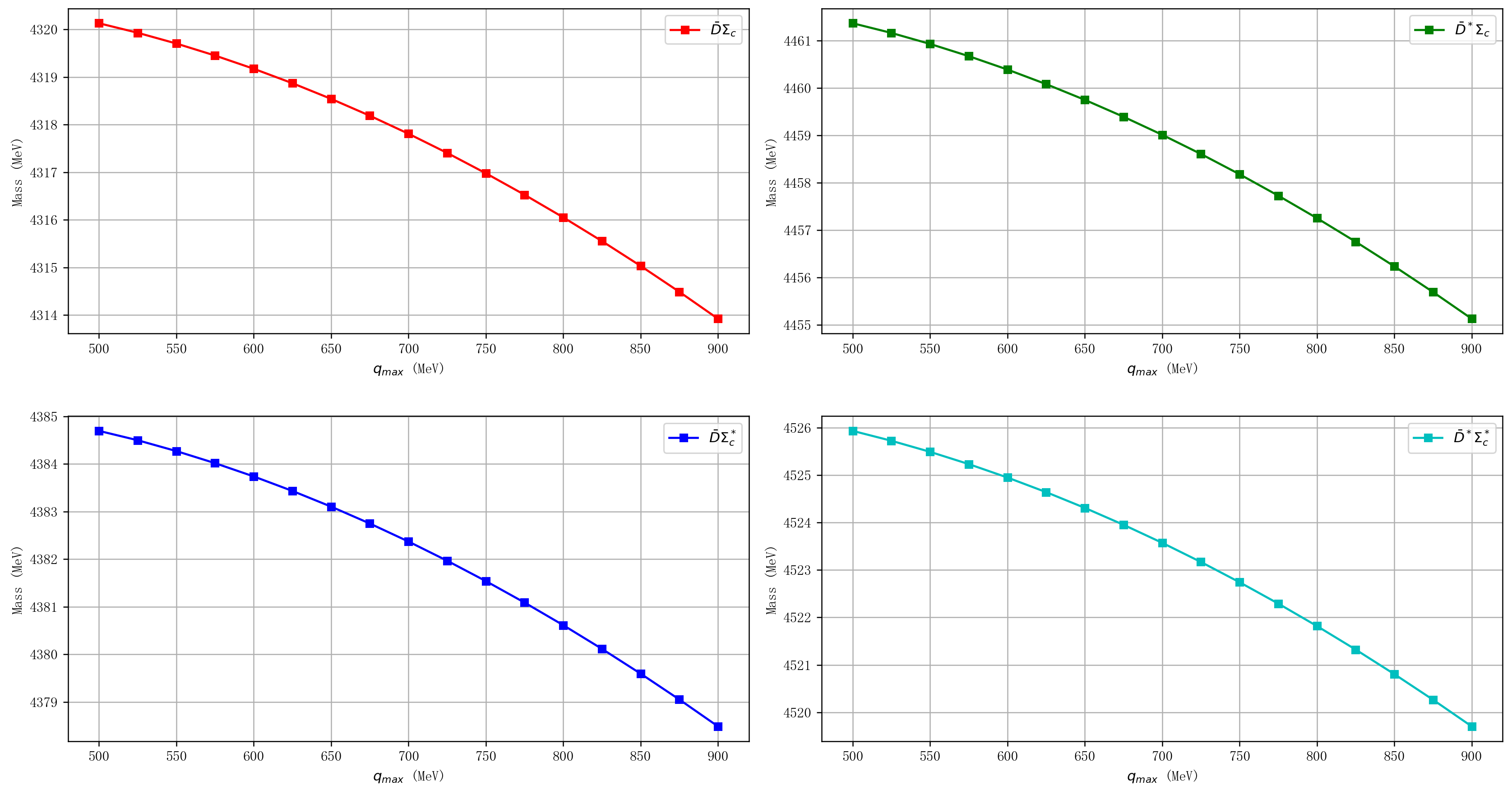
Figure 11: Pole masses in single-channel limit for hidden-charm systems; all states are deeply bound for large G0.
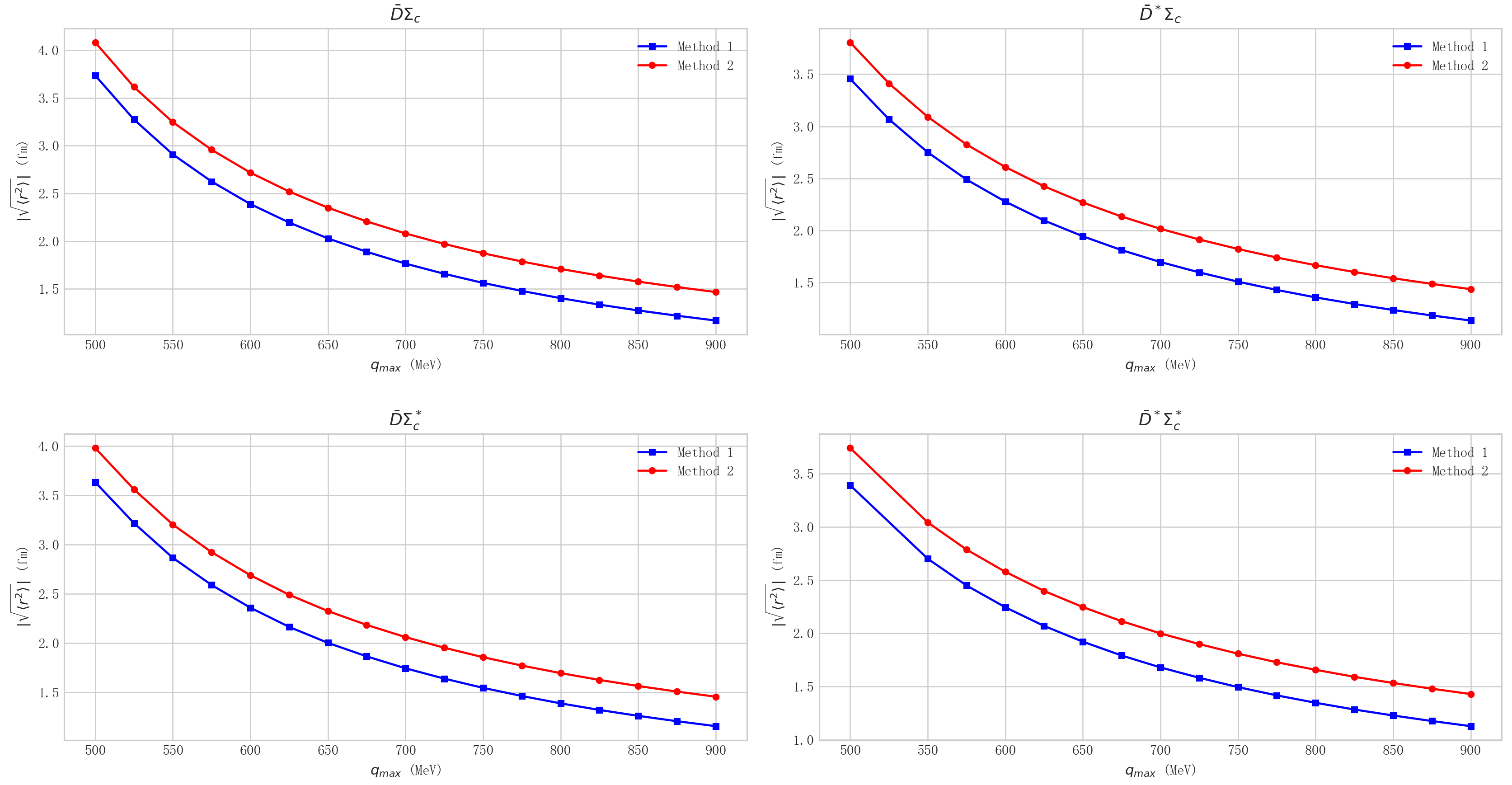
Figure 12: RMS radii under single-channel dynamics; all states exhibit large, monotonic, and smooth G1 scaling.
Implications and Future Perspectives
This comprehensive analysis reinforces several core aspects of pentaquark molecular phenomenology:
- Full coupled-channel dynamics with HQSS constraints are essential for a realistic account of G2 widths, but less critical for the hidden-charm-strange G3 partners.
- The spatial extent (RMS radius) systematically signals a molecular rather than compact multiquark or hadrocharmonium structure.
- For both G4 and G5, deeply bound channels (G6 and G7) are robustly generated as primary poles, while more weakly bound states exhibit strong cutoff and channel-coupling dependence.
- Single-channel and full coupled-channel solutions yield notably different pole trajectories and spatial sizes, highlighting the non-perturbative sensitivity to coupled-channel effects.
- The theoretical predictions for masses, widths, and radii facilitate experimental discrimination of the underlying binding mechanism—molecular versus compact configurations—in future high-statistics measurements.
- The radii and wave function localization found here are consistent with other hadronic molecule studies (1705.00141), supporting universality of binding at the hadronic scale.
Conclusion
The study provides a high-resolution, technically detailed mapping of the molecular structure of G8 and G9 states via the Bethe-Salpeter coupled-channel approach augmented by HQSS and LHG principles. Channel coupling and HQSS constraints decisively shape the phenomenology in the hidden-charm sector, both in observed widths and mass hierarchies, while the hidden-charm-strange sector is less sensitive to these details. The explicit calculation of wave functions and molecular radii supplies crucial benchmarks for the spatial structure of pentaquark candidates. These results underline the necessity of incorporating full channel dynamics and spatial observables in any future theoretical or experimental program aimed at a definitive classification of exotic baryonic molecules.
- Figure 1: Mass and width trajectories in qmax0, qmax1, seven-channel case
- Figure 2: Mass/width for PB and VB split
- Figure 3: qmax2 for main qmax3 poles
- Figure 4: RMS radii trajectories
- Figure 5–7: qmax4 qmax5 pole evolution
- Figure 6–11: qmax6 pole evolution (full and split channels)
- Figure 8–14: qmax7 wave function profiles and RMS radii
- Figure 10–17: qmax8 qmax9 poles, wave function, RMS
- Figure 11–20: Single-channel limit (hidden charm), pole masses, wave function, radii
- Figure 13–23: Single-channel limit (hidden charm-strange)