- The paper quantifies the eMSTO phenomenon in 53 Galactic open clusters, demonstrating that extinction, rotation, and binarity collectively broaden the CMD features.
- It employs the ML-MOC algorithm with Gaia DR3 data and spatially-resolved differential reddening corrections to accurately discern member populations and rotational effects.
- Results reveal a robust correlation between MSTO width and cluster age, indicating the empirical onset of magnetic braking and its modulation by metallicity.
Investigating Extended Main-Sequence Turnoffs in Galactic Open Clusters
Introduction and Scientific Motivation
The extended main sequence (eMS) and extended main sequence turnoff (eMSTO) phenomena constitute a fundamental challenge to canonical stellar population theory, which asserts homogeneous, coeval populations within star clusters. The broadening of the upper MS and MSTO regions, manifesting as bifurcated or highly extended sequences in color-magnitude diagrams (CMDs), has been observed both in the Magellanic Clouds and in Galactic open clusters (OCs). This paper conducts a survey of 53 OCs, quantifying the incidence and properties of eMS/eMSTO features while systematically investigating their physical origins—primarily stellar rotation, extinction effects, binarity, and cluster dynamical evolution.
Methodology
Membership determination was performed using the ML-MOC algorithm—a machine learning-based approach utilizing Gaussian Mixture Models and k-Nearest Neighbors on Gaia DR3 astrometry. Differential reddening correction was achieved via a spatially resolved method employing isochrone normalization and empirical neighbor selection, demonstrated in the context of NGC 2158.
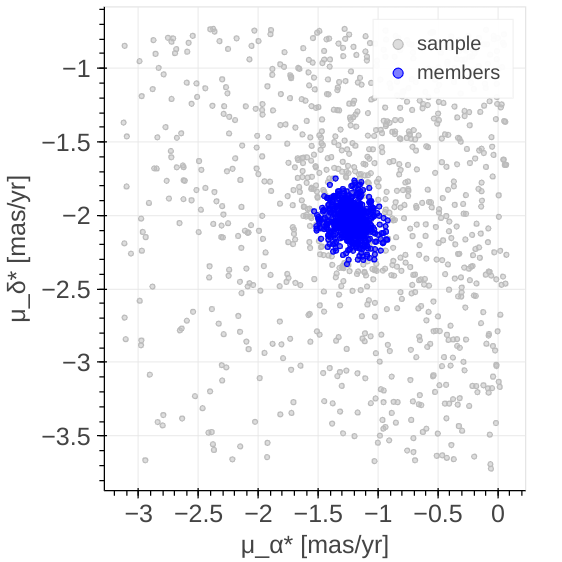
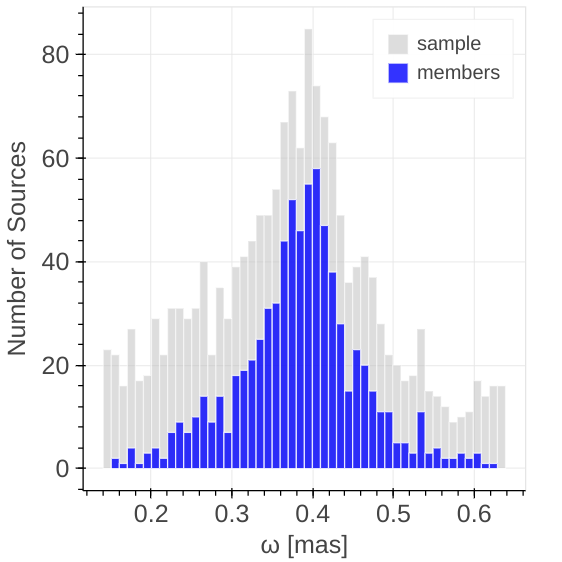
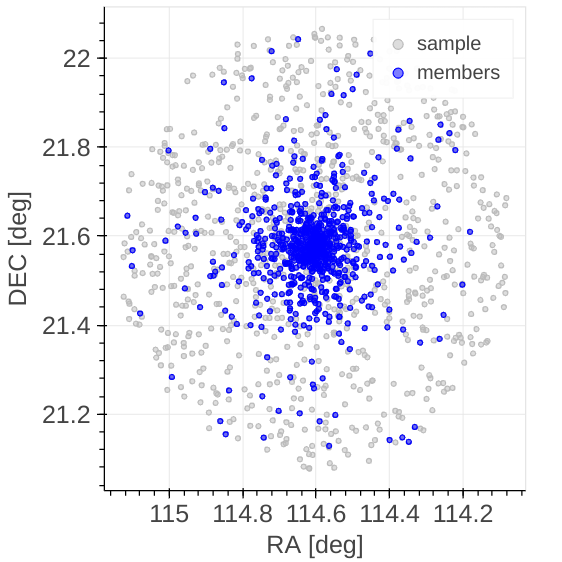
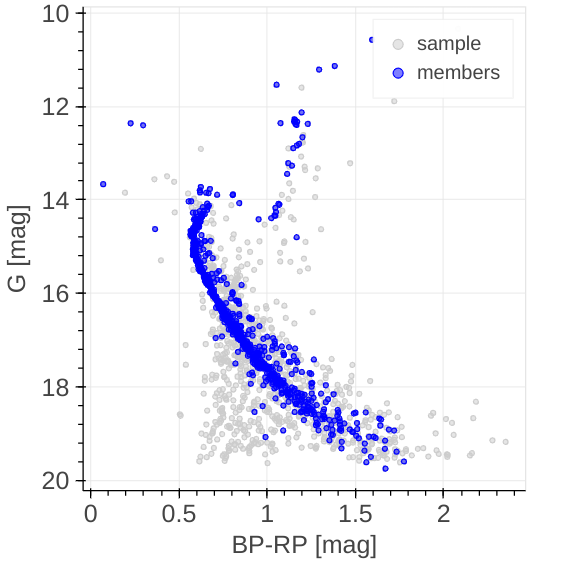
Figure 1: NGC 2420 as an example of the ML-MOC member selection based on astrometry.
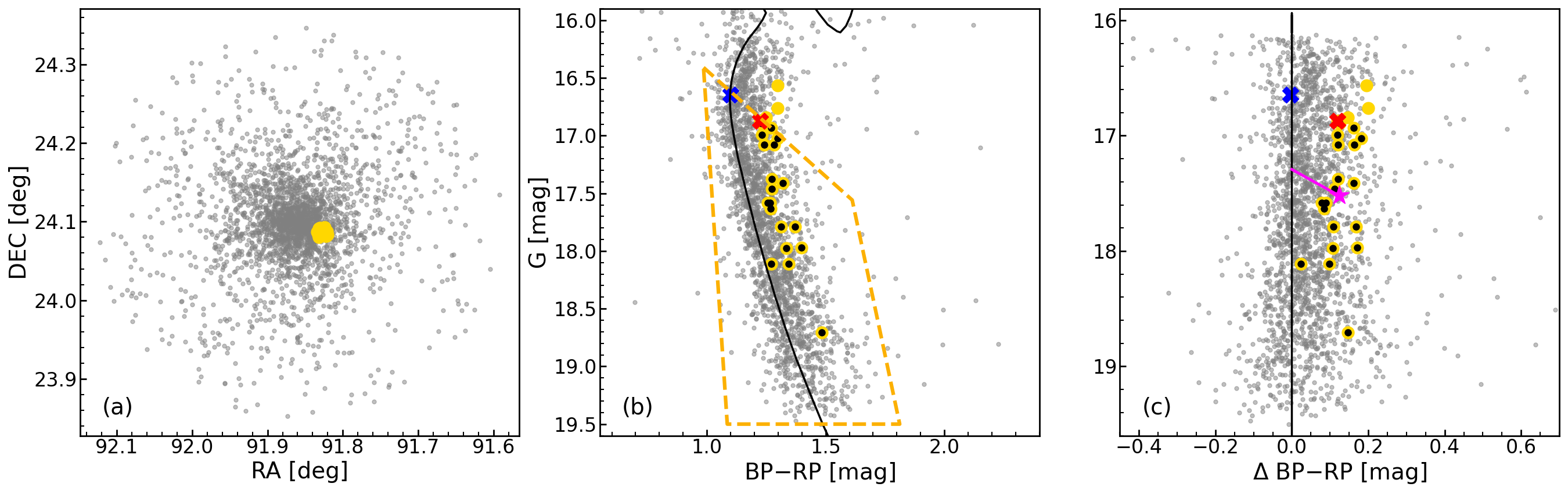

Figure 2: Differential reddening correction in NGC 2158; spatial distribution, CMD with isochrones and selection boxes, and extinction mapping demonstrated.
Fundamental cluster parameters (age, metallicity, extinction, distance) were derived via isochrone fitting, prioritizing blue MS for calibration, minimizing rotational and binary contamination. High mass-ratio binaries were identified with mass-dependent thresholds in CMDs, avoiding overlap with fast rotators.
Cluster Classification and Morphology
Clusters were classified into four categories:
- Class I (14 OCs): Characterized by minimal extinction (AV≲0.15), CMDs reveal a clear bifurcation with slow rotators (blue) and fast rotators (red), providing an unambiguous testbed for rotating stellar models.
- Class II (20 OCs): Exhibiting moderate extinction and MSTO broadening with less pronounced rotational splitting, these are valuable for studying extreme rotators and residual extinction effects.
- Class III (14 OCs): Sparse upper MS populations, eMSTO features suppressed by mass loss and dynamics rather than absence of rotational bimodality.
- Class IV (4 OCs): Older than 2 Gyr, probing the onset of magnetic braking at the MSTO, with metallicity-dependent features.
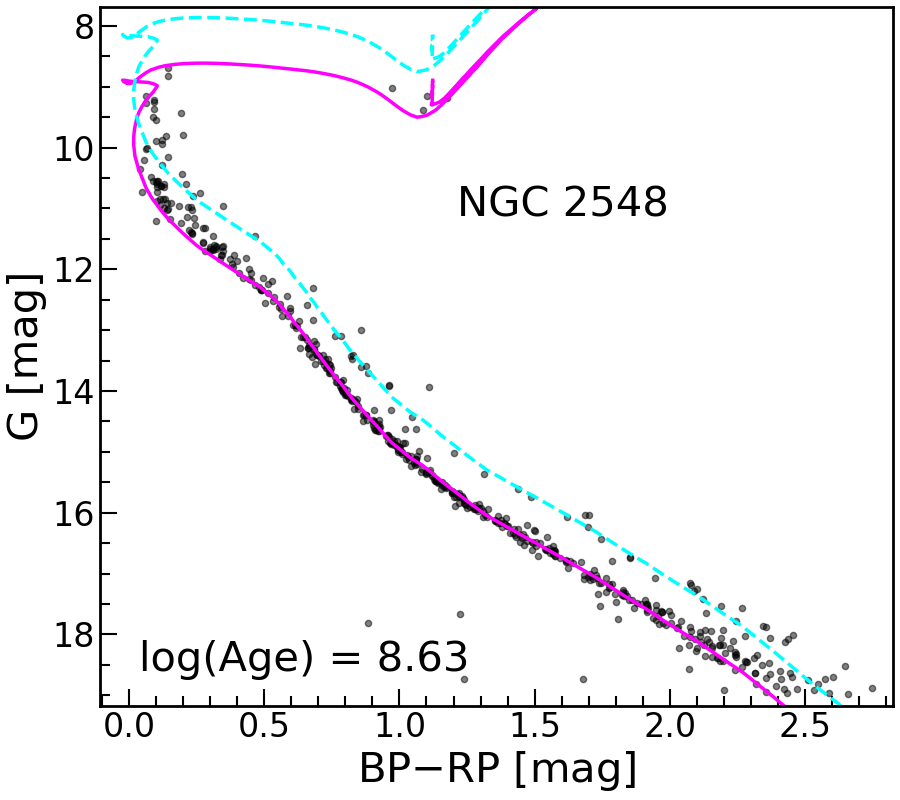
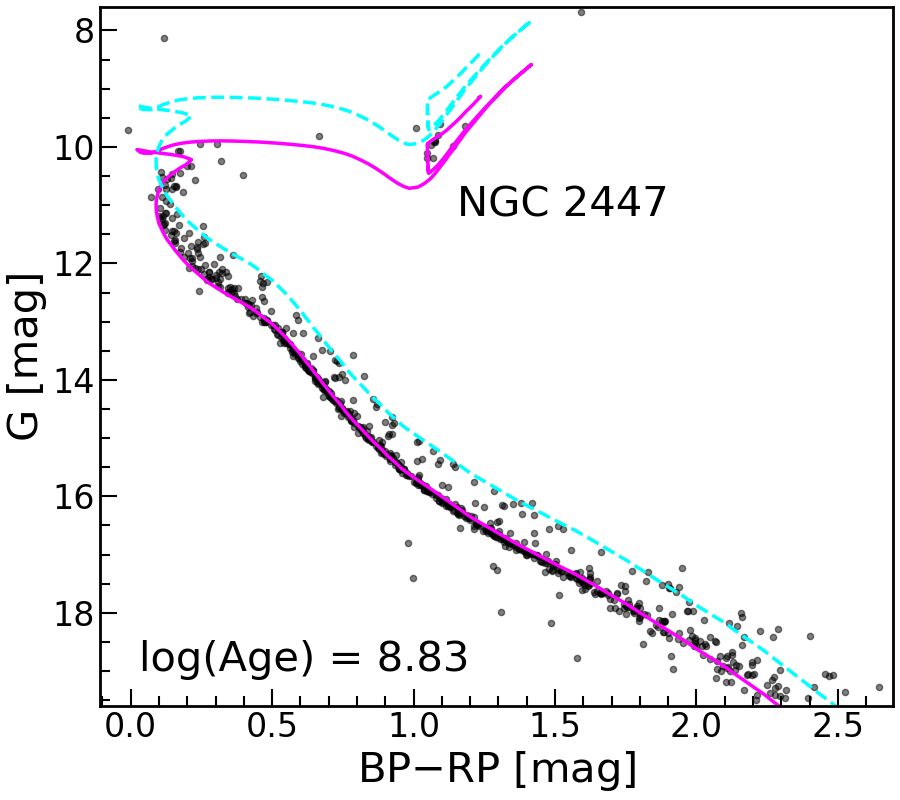
Figure 3: CMDs of NGC 2548 and NGC 2447 with fitted PARSEC isochrones, illustrating the identification of equal-mass binaries and MS features.
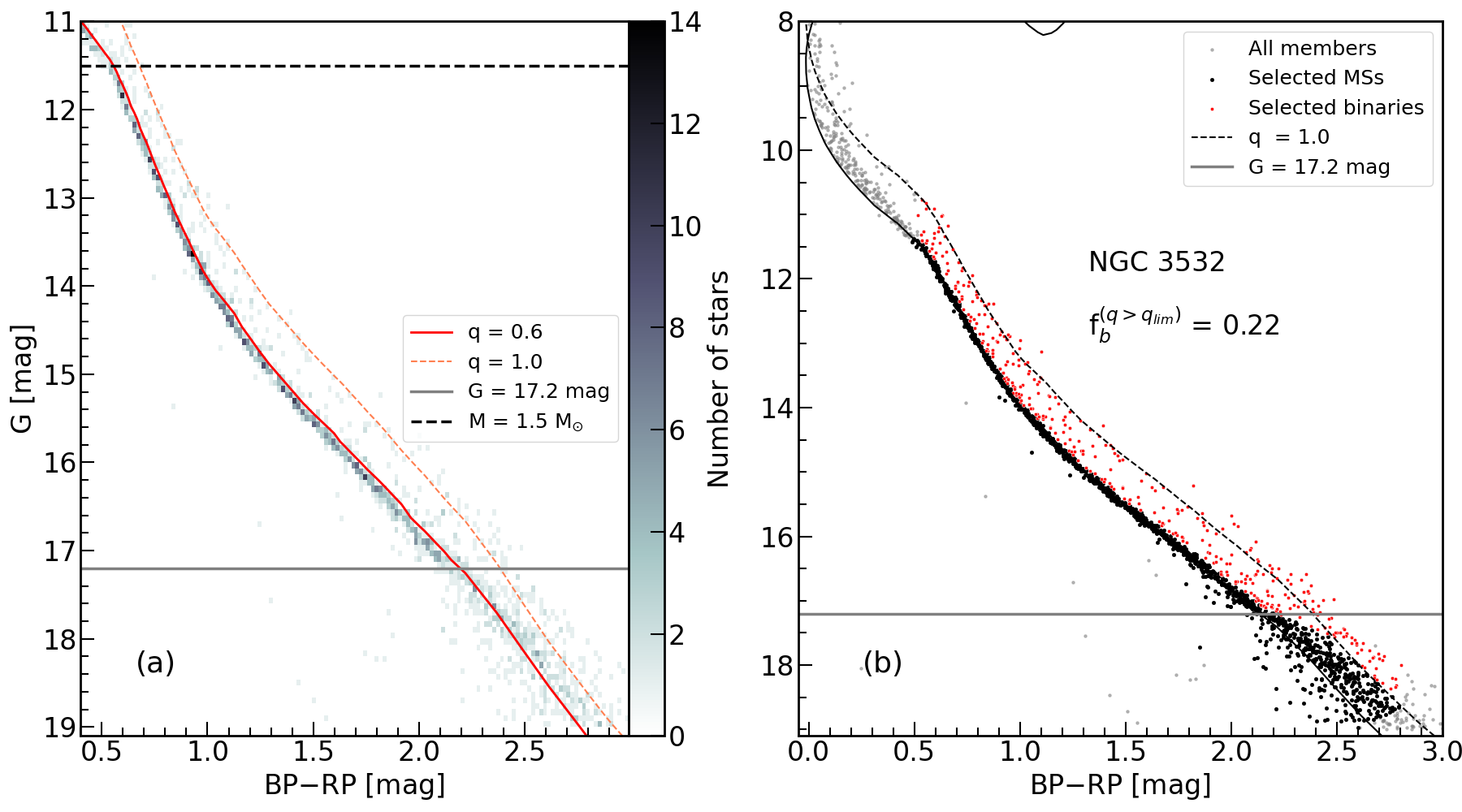
Figure 4: Hess CMD and binary selection for NGC 3532, highlighting isochrone deviations at different mass ratios.
MSTO Width–Age and Extinction Correlation
A robust trend of increasing MSTO color spread with cluster age is observed, consistent with rotational broadening models. Extinction introduces a systematic offset, inflating the CMD spread, and clusters with high line-of-sight extinction systematically overestimate intrinsic MSTO extension. Cluster mass has negligible impact within statistical limitations.
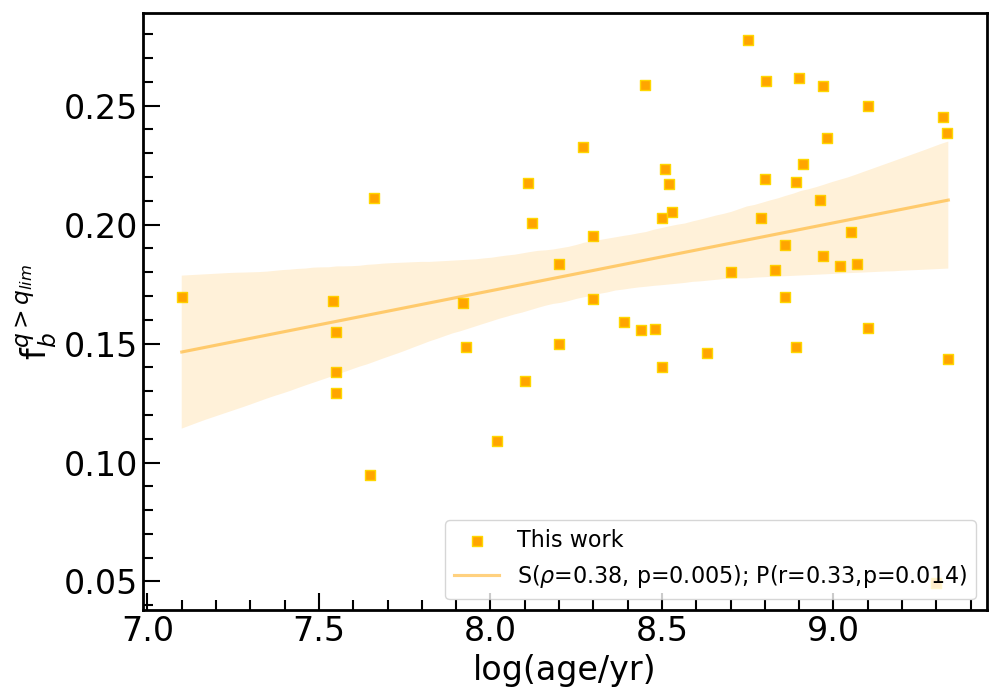
Figure 5: Correlation between binary fraction and log(age/yr), quantifying dynamical retention of binaries.
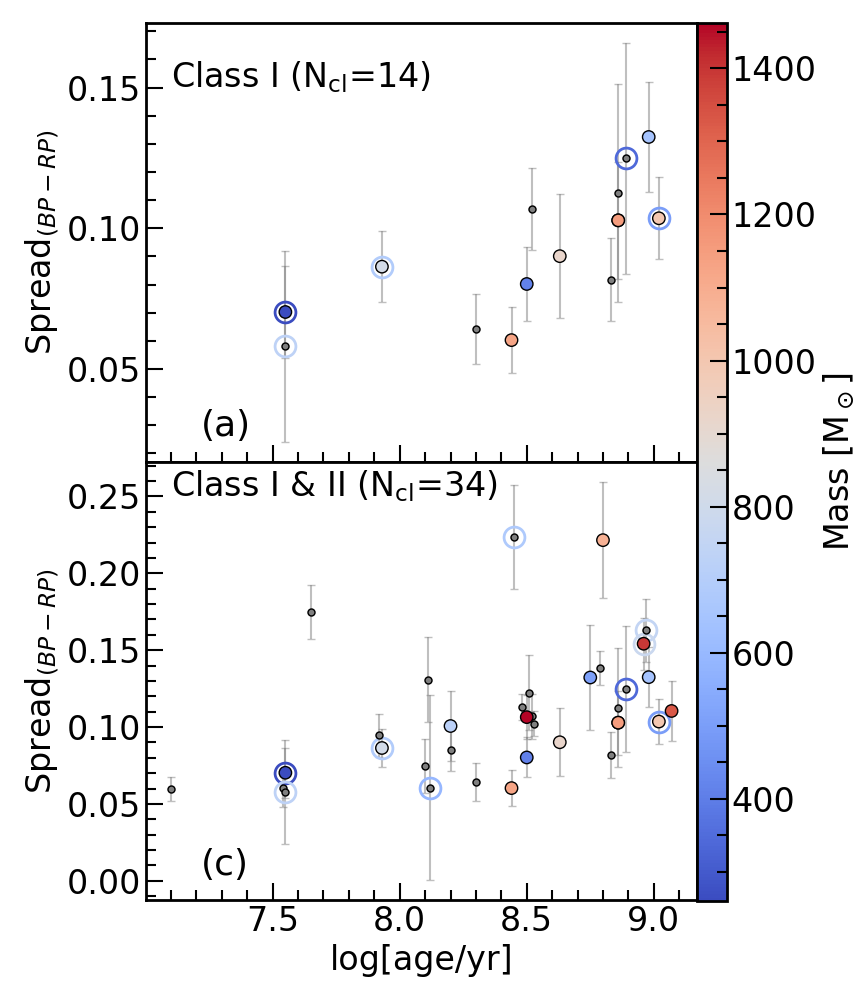
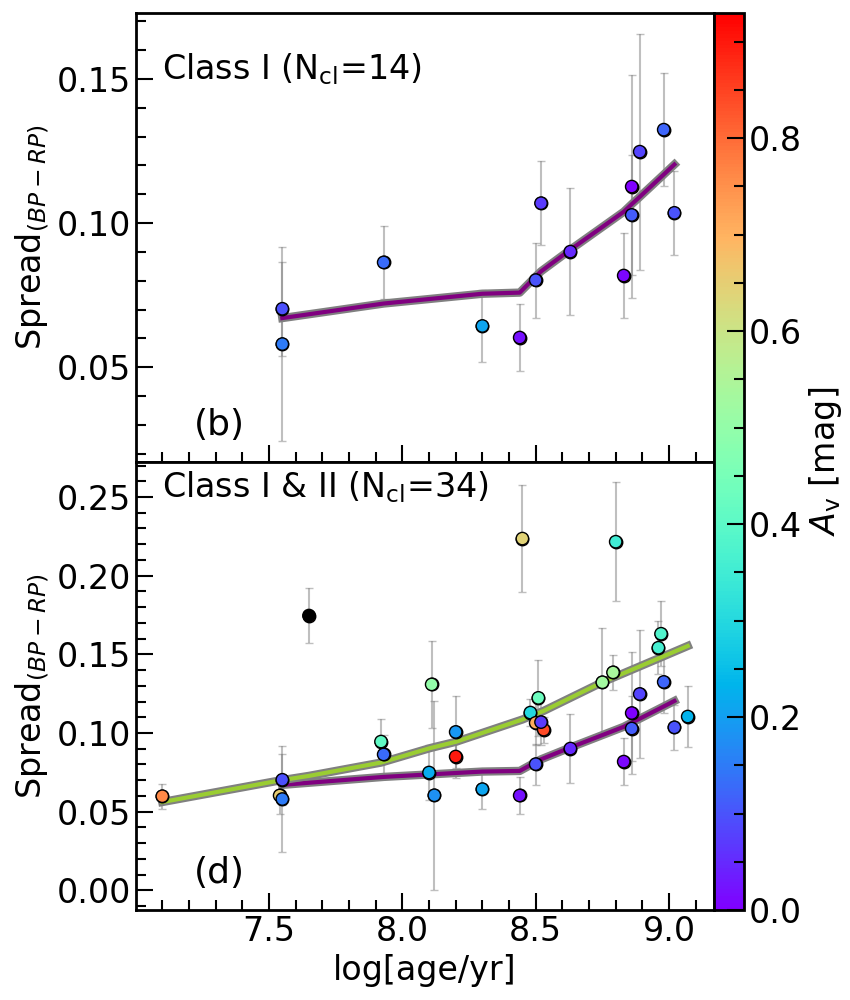
Figure 6: MSTO color spread as a function of cluster age for Class I and II OCs, with mass and extinction color-coded.
Rotational Velocity Distribution, Magnetic Braking, and Binary Effects
Projected rotational velocities (vsini) from GES and Gaia DR3 reveal that the median slow rotator fraction (fslowrotvsini<100) among MSTO stars is ≈0.41. Only ≈0.08 reach the spin-down limit (vsini<30 km/s). No statistically significant correlation is found between slow rotator fraction and binary fraction or cluster age, though a modest increase is seen for older clusters—consistent with cumulative tidal synchronization effects.
Class IV OCs (older than 2 Gyr, turnoff mass ∼1.5M⊙) show slow rotator dominance, indicating the empirical onset of magnetic braking in sub-solar metallicity clusters, with metallicity modulating the efficiency and onset mass threshold.

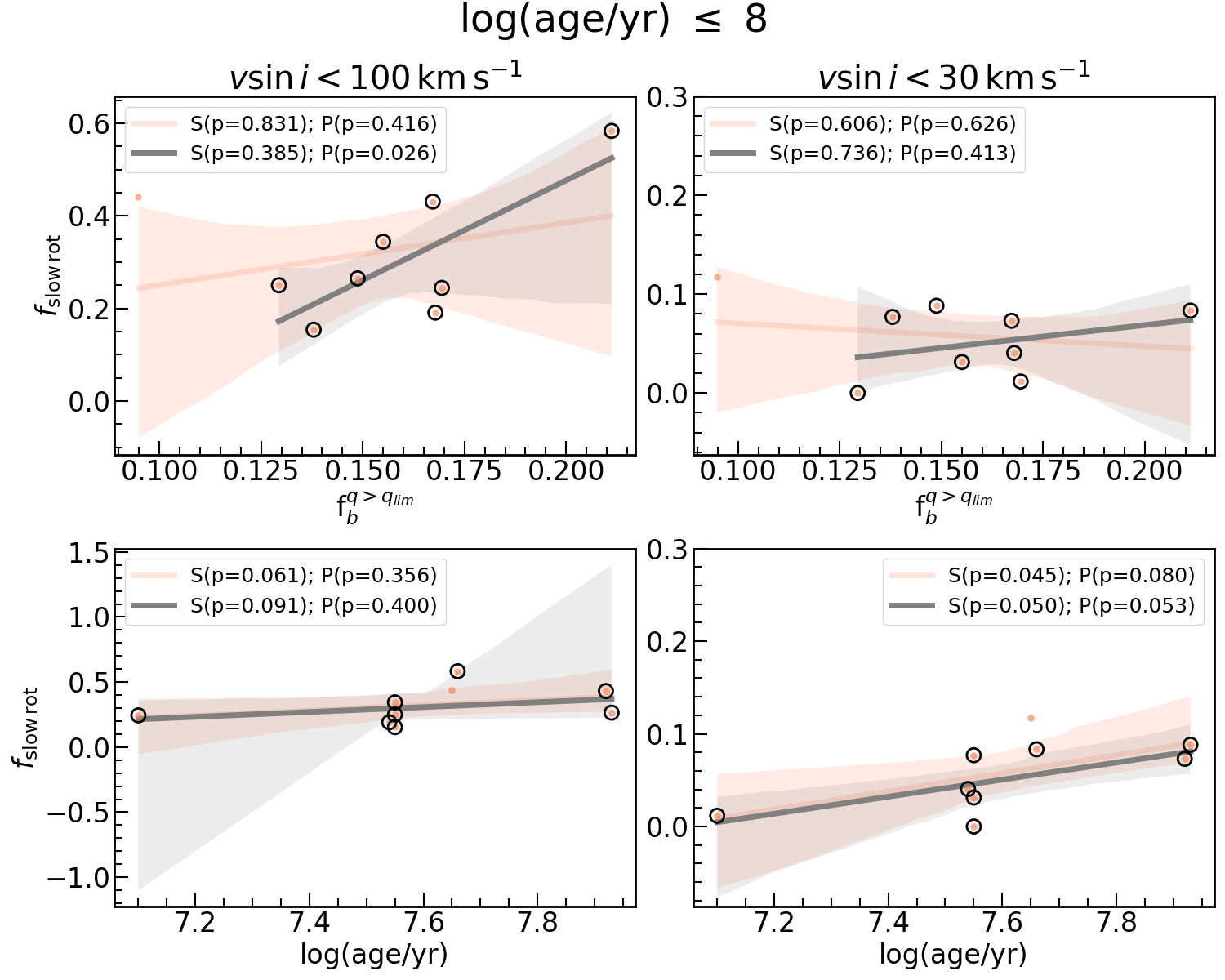
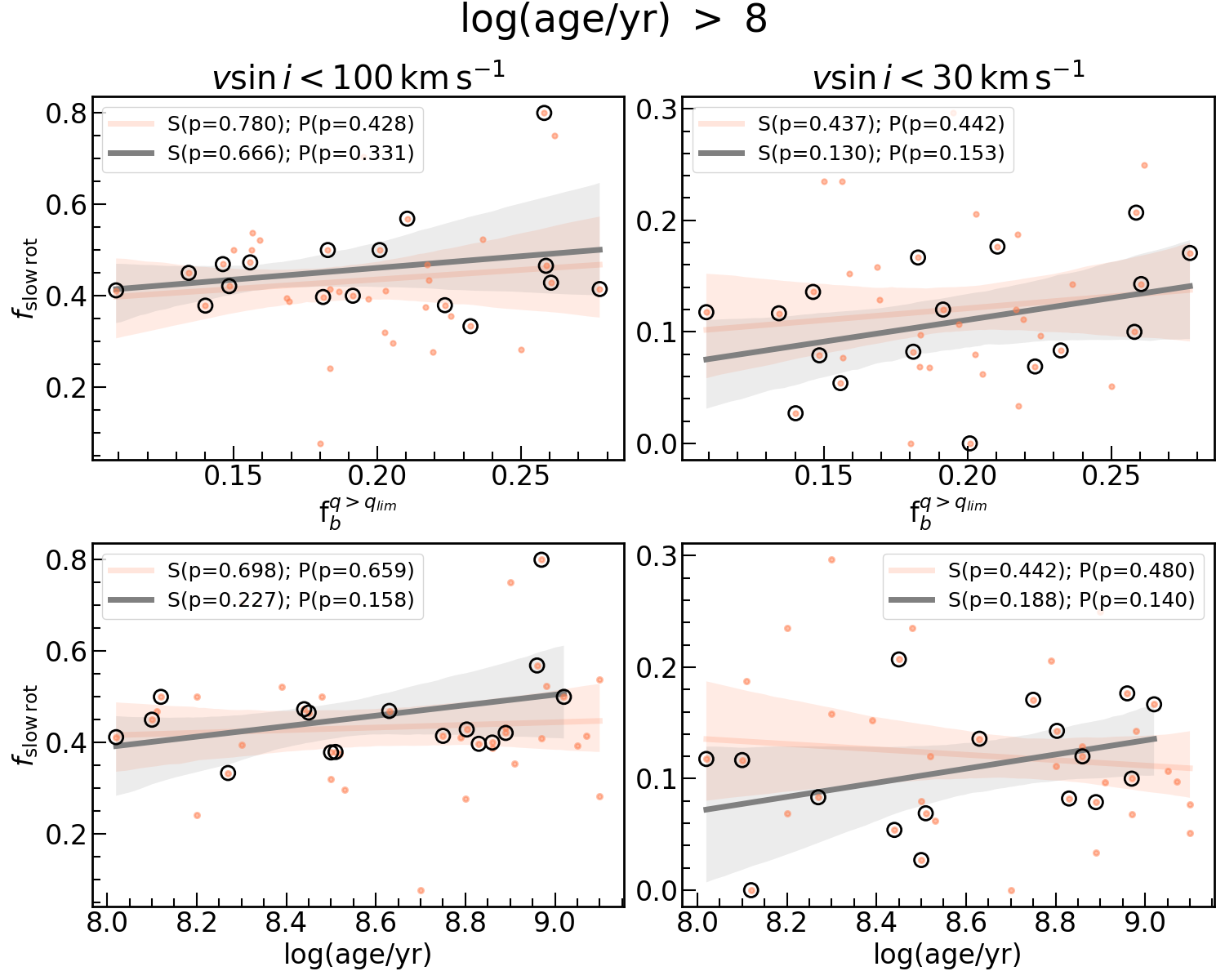
Figure 7: Distribution and correlations of slow rotator fractions with binary fraction and age.
Binaries and Variable Star Contributions
Spectroscopic and eclipsing binaries with vsini measurements occupy predominantly redder CMD regions; the majority show tidal or sub-synchronous rotation, especially for periods below 10–20 days, but orbital period and vsini are uncorrelated, and eccentricity correlates weakly with vsini outside the circularization threshold.
Pulsating (DSCT, GDOR, SXPH) and chemically peculiar (ACV, CP, MCP, ROAM, ROAP, SXARI) variables are predominantly slow–moderate rotators, but detection biases limit quantification. The observed variable population cannot fully account for the measured slow-rotator fractions.
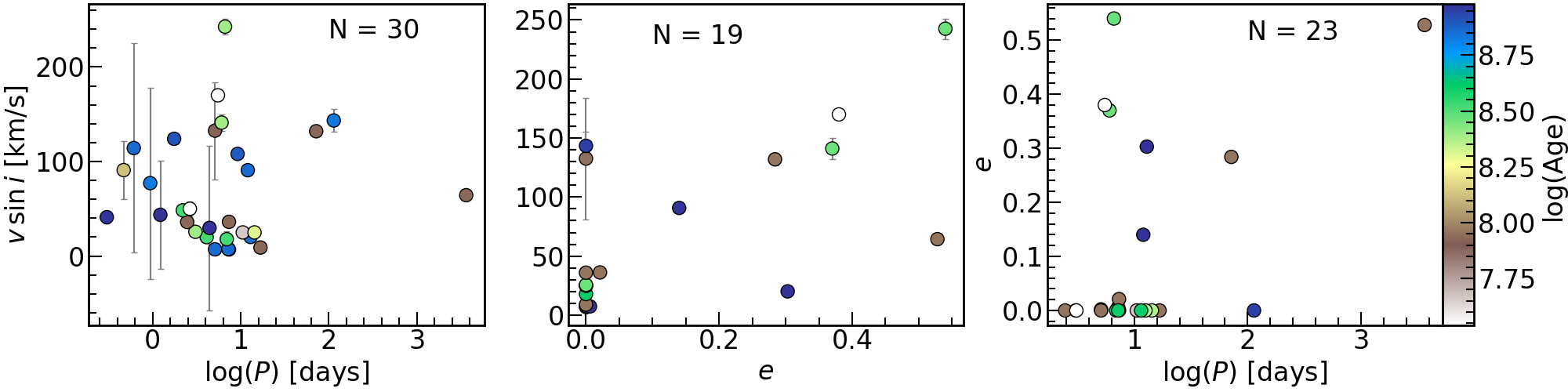
Figure 8: Correlation between orbital parameters of MSTO binaries and their vsini0 values.
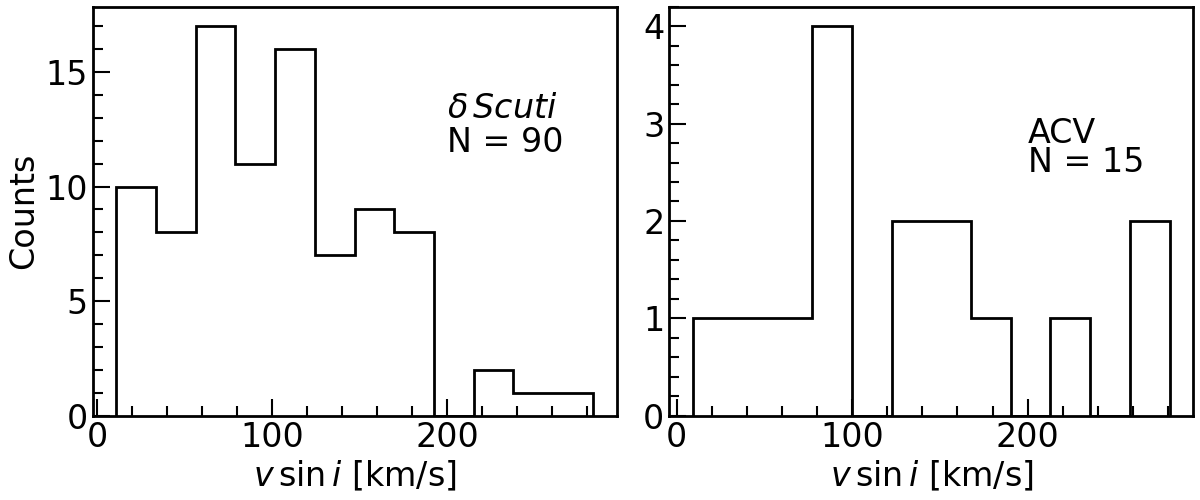
Figure 9: vsini1 distribution for variable star populations, demonstrating concentration of slow/moderate rotators.
Implications and Future Directions
The survey establishes extinction as a critical parameter in the physical interpretation of eMSTO features. The Class I "golden sample" OCs provide an empirical foundation for calibrating next-generation rotating isochrone models, isolating spin-down mechanisms, and constraining magnetic braking onset. The prevalence of slow and moderate rotators among intermediate-mass stars, largely independent of binarity, underscores the complexity of angular momentum evolution, implicating pre-MS disk interactions, mergers, and environmental processes in addition to tidal effects.
Practical relevance includes improved age dating of clusters, refined mass function determination, and characterization of exotic stellar populations. Theoretical implications extend to the evolution of stellar angular momentum, binary interaction physics, and the metallicity dependence of magnetic braking. Upcoming Gaia releases and LSST time-domain surveys are anticipated to expand rotational and variability statistics among cluster populations, enabling robust testing of competing spin-down models.
Conclusion
This comprehensive analysis of 53 Galactic open clusters delineates the interplay between stellar rotation, extinction, binarity, and dynamical evolution in shaping the extended main sequence turnoff phenomenon. Quantitative metrics for rotational bimodality, MSTO width, and binary fraction are provided, with extinction established as the dominant systematic in CMD interpretation. The empirical identification of slow rotator prevalence and magnetic braking thresholds, alongside the new classification framework, positions this work as a basis for future model calibration and mechanistic studies of stellar and cluster evolution.
(2604.03746)

