- The paper introduces a pattern recognition-based acquisition method achieving sub-arcsecond target placement using four-star asterisms and Gaia catalogue matching.
- It describes a multi-fibre guiding system that calibrates fibre positions and corrects atmospheric refraction to maintain guiding accuracy (<0.3 arcsec rms) across different observing modes.
- Extensive simulation and on-sky validation confirm the system’s reliability with acquisition times under 1–2 minutes and high success rates during survey operations.
Overview of the WEAVE Acquisition and Guiding Software
The paper "The WEAVE acquisition and guiding software: pattern recognition-based acquisition and multi-fibre guiding" (2603.30044) presents the architecture, algorithms, and empirical characterization of the automated acquisition and guiding (AG) system for the WEAVE spectrograph on the William Herschel Telescope (WHT). The WEAVE AG addresses stringent astrometric requirements for target placement and guiding stability across multiple observing modes—large integral-field unit (LIFU), multi-object spectrograph (MOS), and mini-IFU (mIFU)—integrating algorithmic astrometry, robust pattern recognition, multi-fibre centroiding, and operational automation within the WEAVE Observatory Control System (OCS).
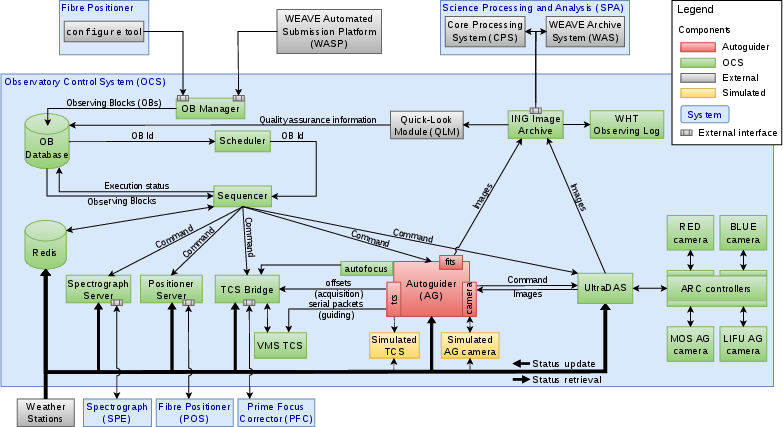
Figure 1: Top-level architecture of the WEAVE OCS software, highlighting the AG subsystem and its interconnections essential for acquisition and guiding control.
AG System Architecture and Observing Modes
The AG system consists of two independent but interoperable subsystems: the off-axis imaging guider for LIFU and the multi-fibre guider for MOS/mIFU. At the hardware level, light from the focal plane is either captured directly by the LIFU AG CCD or routed via coherent image fibre bundles to the MOS AG CCD. Both are managed by a single ARC Generation III controller interfacing with acquisition software (UltraDAS), which provides images for the AG processing pipeline.
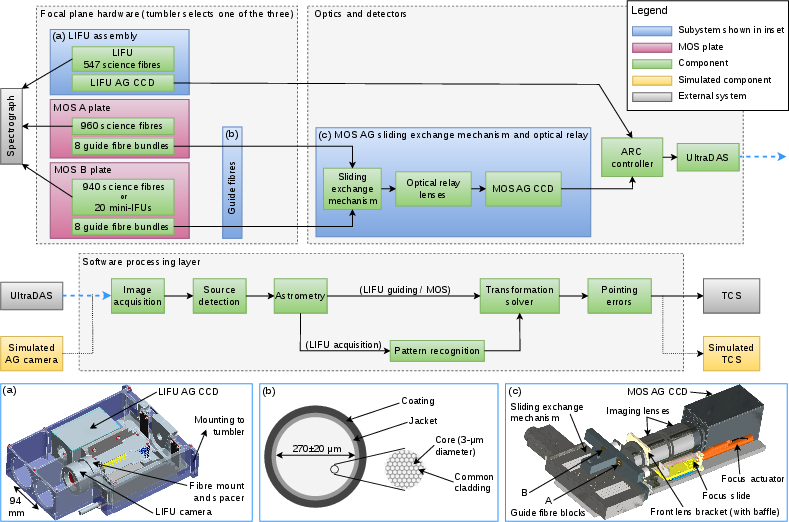
Figure 2: Architecture of the WEAVE AG system, showing optical paths, imaging detectors, and fibre bundle/geometries inherent to MOS and LIFU acquisition.
The scheduling and execution of observations relies on the OCS sequencer, where AG acts as the central astrometric feedback mechanism, interfacing with the telescope control system (TCS) and providing real-time pointing and rotation corrections for closed-loop guiding. The AG is purely a measurement system, with all actuation handled by TCS's PID control loop.
Pattern Recognition-Based Acquisition (LIFU AG)
Acquisition for the LIFU mode is performed using a geometric pattern-recognition algorithm inspired by astrometry.net, facilitating blind astrometric calibration for arbitrary fields. Four-star asterism hashes are formed in a translation-, rotation-, and scale-invariant manner and matched against precomputed Gaia catalogue hashes using rigorous astrometric transformations. Once a match is found, a rigid transformation is applied to extract x, y, and rotation offsets for telescope correction.
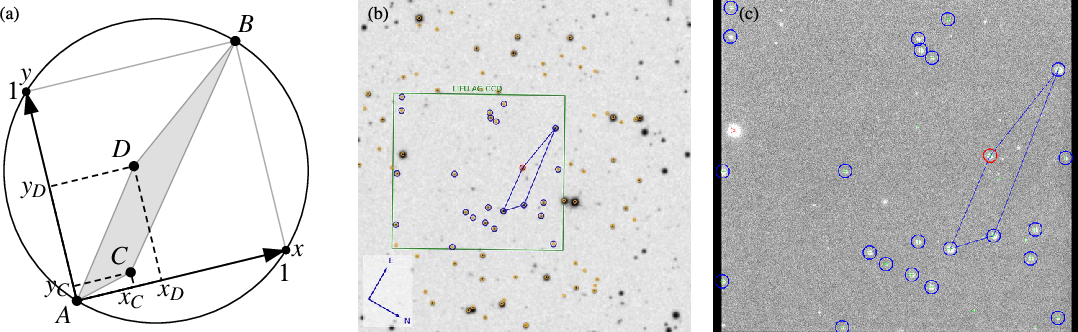
Figure 3: Illustration of four-star asterism hashing for pattern recognition used in the LIFU AG acquisition algorithm.
This method allows for sub-arcsecond placement accuracy even in challenging fields, with robust handling of atmospheric differential refraction, instrument flexure, and field geometric degeneracies. Numerical convergence metrics are enforced, and mitigation strategies address sparse/crowded fields and guide star SNR limitations.
Multi-Fibre Guiding (MOS/mIFU AG)
For MOS and mIFU modes, the AG receives guide fibre images, extracts centroids, and performs real-time astrometric calculations relative to science target locations. Each guide fibre's centroid is converted to plate coordinates, accounting for fibre orientation, relative plate position, and instrument rotation. Differential atmospheric refraction is modeled and corrected per AG frame.
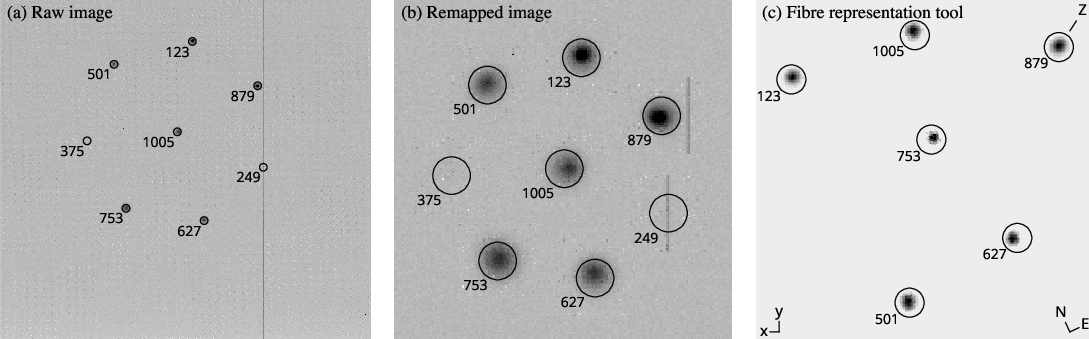
Figure 4: Visualization tools for guide fibre centroiding and representation, enhancing real-time monitoring in MOS operations.
High-fidelity calibration routines automatically determine fibre positions and orientations on the detector, using on-sky streak measurements to extract relative angles with <1∘ uncertainty. Frequent recalibration ensures centroid accuracy for robust guiding despite mechanical flexure and instrument configuration changes.
Focusing and Plate Metrology
AG algorithms exploit the distribution of guide fibres to implement multi-fibre focusing and plate tilt determination. Parabolic fits to FWHM vs. focus position curves yield optimal telescope focus and quantitative assessments of focal plane alignment.
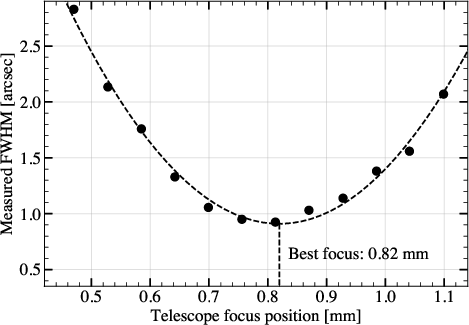
Figure 5: Typical focusing curve for guide stars, with parabola fit indicating best-focus position.
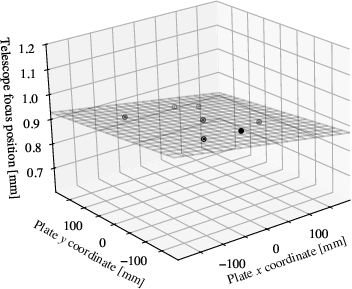
Figure 6: Focal surface tilt measurement, showing fitted plane across MOS guide fibre locations, quantifying mechanical alignment.
Simulation and System Validation
A full simulation environment was developed, comprising a Python-based TCS emulator, real-time AG camera simulator, and fully instrument-compatible software interfaces. The simulator produces astrometrically rigorous, on-the-fly synthetic images (catalogue-driven star fields, fibre bundle imaging, detector artifacts) for both MOS and LIFU modes, enabling algorithm verification, operational training, and regression testing prior to telescope integration.
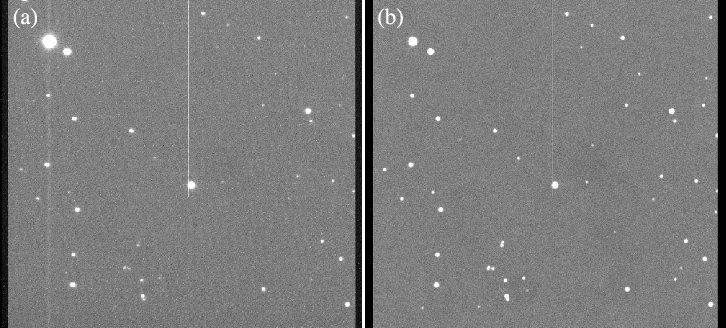
Figure 7: Comparison of real and synthetic LIFU AG images generated by the simulation environment.
Analysis over two years of on-sky commissioning and survey operations yields robust statistics: median LIFU acquisition time under 1 minute, with a 96% success rate; MOS acquisition converging within 2 minutes and 100% success (with FPI fallback). Guiding rms values are consistently below the 0.3-arcsec requirement—median MOS rms ∼0.21 arcsec, LIFU ∼0.24 arcsec—with strict cadence stability over ∼1-hour observing blocks and negligible guiding failure rate.
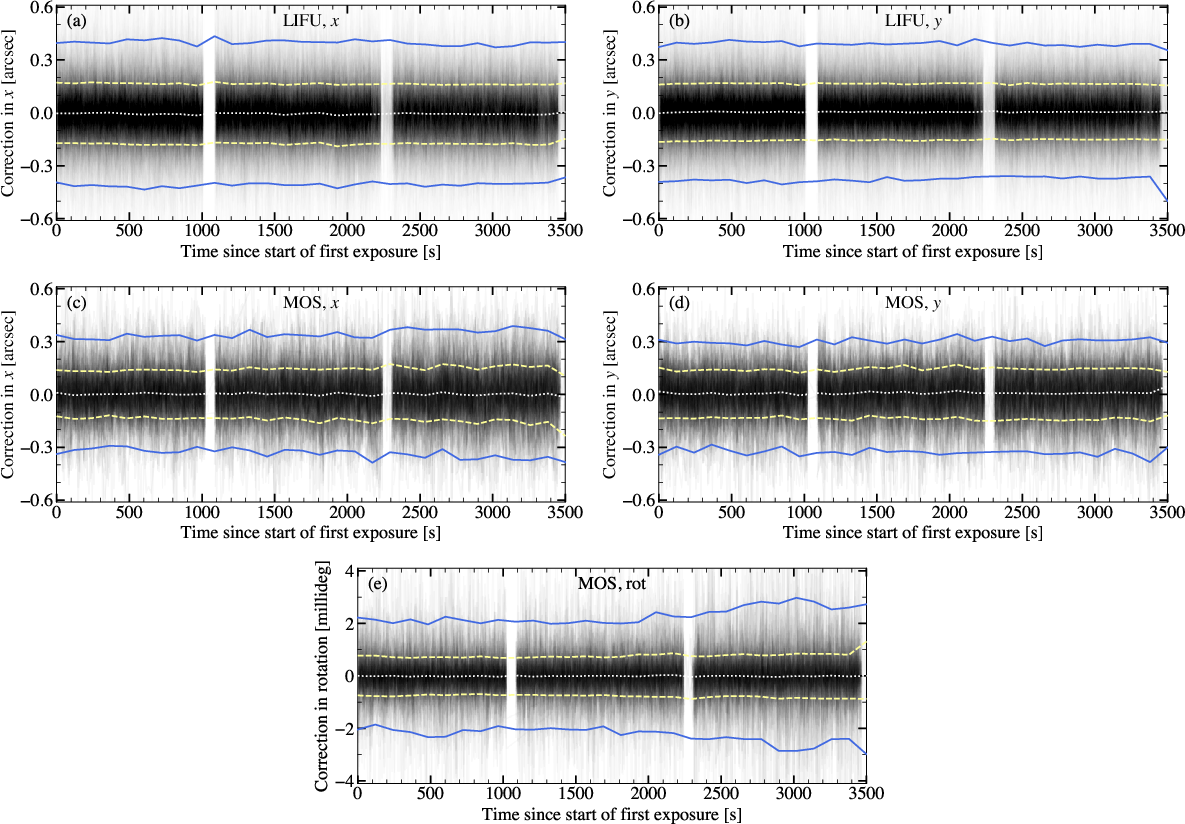
Figure 8: Ensemble time-series plot of AG corrections for LIFU and MOS, showing median and σ envelopes for all exposures.
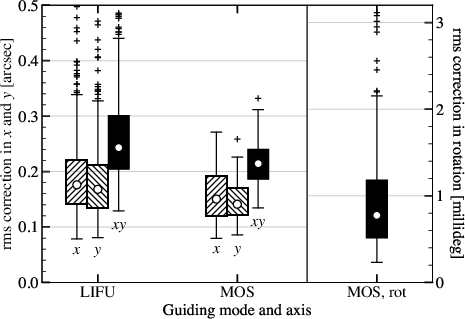
Figure 9: Box plots of rms guiding residuals for all observing modes, demonstrating robust adherence to design requirements.
Power spectral density analysis reveals broadband stochastic behavior dominated by atmospheric seeing, with no coherent oscillatory artefacts traceable to mechanical or algorithmic instability.
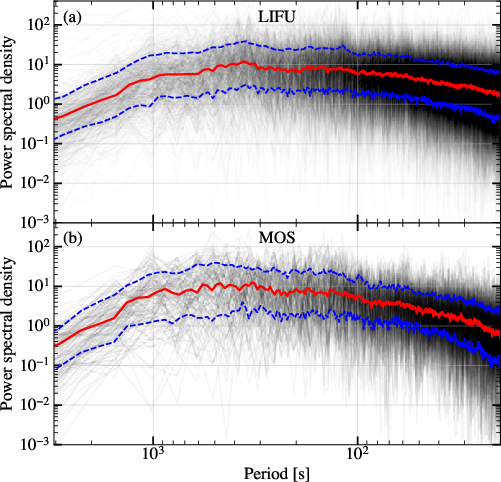
Figure 10: PSD of guiding corrections for LIFU and MOS, indicating broadband noise and absence of mechanical resonances.
Statistical correlation with observing conditions shows only mild dependencies on seeing and wind speed (R2≈0.22, R2≈0.09), confirming resilience across operational environments.
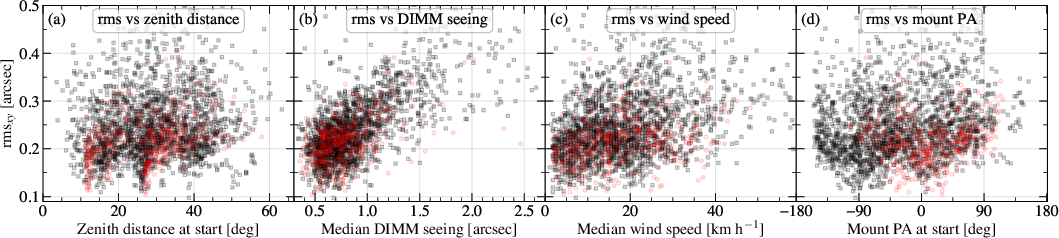
Figure 11: Dependence of rms guiding residuals on zenith distance, seeing, wind speed, and mount orientation; exposures cluster within specification.
Operational and Scientific Implications
The AG system directly determines fibre-coupling efficiency and thus science throughput for WEAVE survey programs. The observed RMS guiding offsets correspond to negligible flux losses (<13% at the y0th percentile for typical seeing conditions), with no AG-imposed throughput floor. LIFU/mIFU guiding stability ensures accurate spatial mapping for extended source spectroscopy and kinematic measurements.
Automation and operational robustness minimize human intervention, enabling queue-scheduled survey execution and rapid reacquisition/closed-loop guiding for moving targets (non-sidereal mode) and low-density WTL fields.
Lessons and Future Directions
Key lessons include the operational value of comprehensive simulation modes for commissioning and training, the necessity of automated calibrations for fibre position/orientation, sensitivity to mechanical placement errors, and challenges with rotational degeneracy in off-axis guidance. Planned improvements encompass multi-star LIFU guiding, per-frame refraction recalculation, rotational control algorithm refinement (Kalman filtering), expanded support for non-sidereal observations, mechanical enhancements to fibre positioning, and broader simulation capability.
Conclusion
The WEAVE AG exemplifies a survey-grade, high-precision acquisition and guiding system integrating advanced pattern recognition, rigorous astrometry, and automated operational workflows. Empirical validation confirms robust compliance with survey requirements across all observing modes, with low guiding jitter and high acquisition reliability. The system's simulation architecture enabled seamless commissioning and continues to support operational resilience and user training. Planned algorithmic and mechanical improvements will further augment accuracy and reliability, ensuring ongoing scientific data quality as WEAVE enters full survey operation.