- The paper introduces a monolithic off-axis compliant RCM joint that achieves near-isotropic stiffness (PAR of 1.37) and parasitic RCM error below 0.172 mm.
- It utilizes analytical stiffness synthesis combined with FEM-driven optimization of torsion-stiffening panels to enhance accuracy and simplify the mechanism.
- Experimental validation with SLS PA12 confirms the design's manufacturability and clinical safety, meeting stringent MIS requirements.
Off-Axis Compliant RCM Joint with Near-Isotropic Stiffness and Minimal Parasitic Error
Introduction and Motivation
Compliant mechanisms for Remote Center of Motion (RCM) are fundamental in the design of surgical robotics, especially for minimally invasive neuroendoscopic procedures that demand high accuracy and safety at the burr-hole interface. Traditional RCM mechanisms, such as double-parallelogram or spherical mechanisms, present drawbacks related to mechanical complexity, size, assembly tolerances, and friction-induced inaccuracies. Software-enforced RCM solutions, while flexible, are susceptible to calibration and control errors. Monolithic compliant architectures offer friction-free, backlash-free motion and inherently enforce the RCM constraint, but spatial designs frequently require the end-effector (EE) to be mounted through the mechanism's body, reducing ergonomic compatibility for clinical use.
The work presents a monolithic, off-axis compliant RCM joint, specifically engineered to preserve near-isotropic stiffness and minimize parasitic RCM error in a compact and sterilizable form. The architecture eliminates the need for serially stacked compliant joints, optimizes stiffness properties, and enhances workspace and usability for MIS applications.
Design Methodology
The new joint advances the classical Tetra II compliant RCM by relocating the EE from the interior to the side of the tetrahedral structure, improving the line of sight, facilitating sterilization, and enabling rapid tool release. Key to the design is the analytical synthesis of the primary mobility panels for isotropic stiffness, followed by the addition and parametric optimization of torsion-stiffening panels to suppress RCM rotation and parasitic drift.
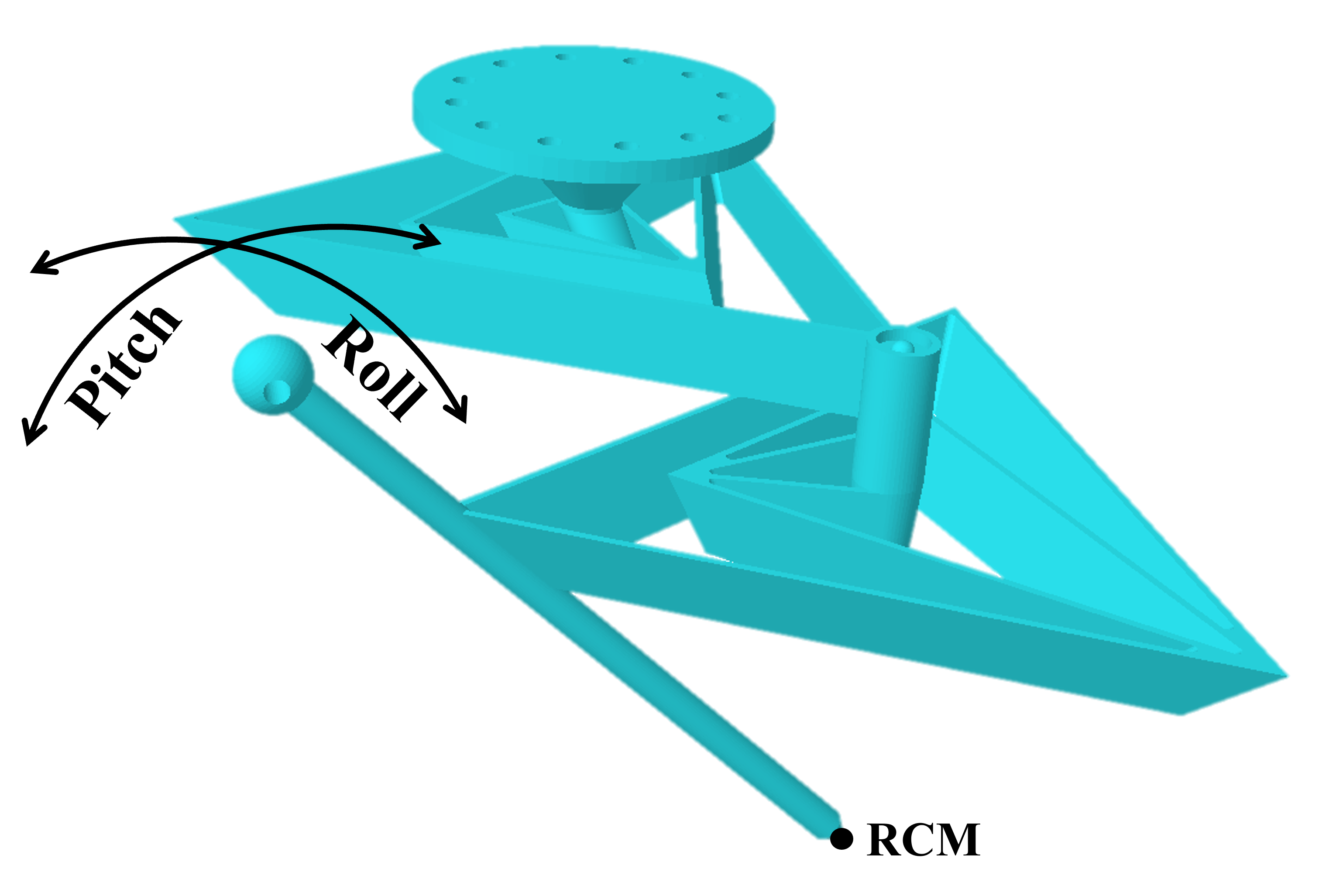
Figure 1: View of the dual compliant joint composed of two identical joints connected in series. The joint enables EE rotation about the RCM along pitch and roll.
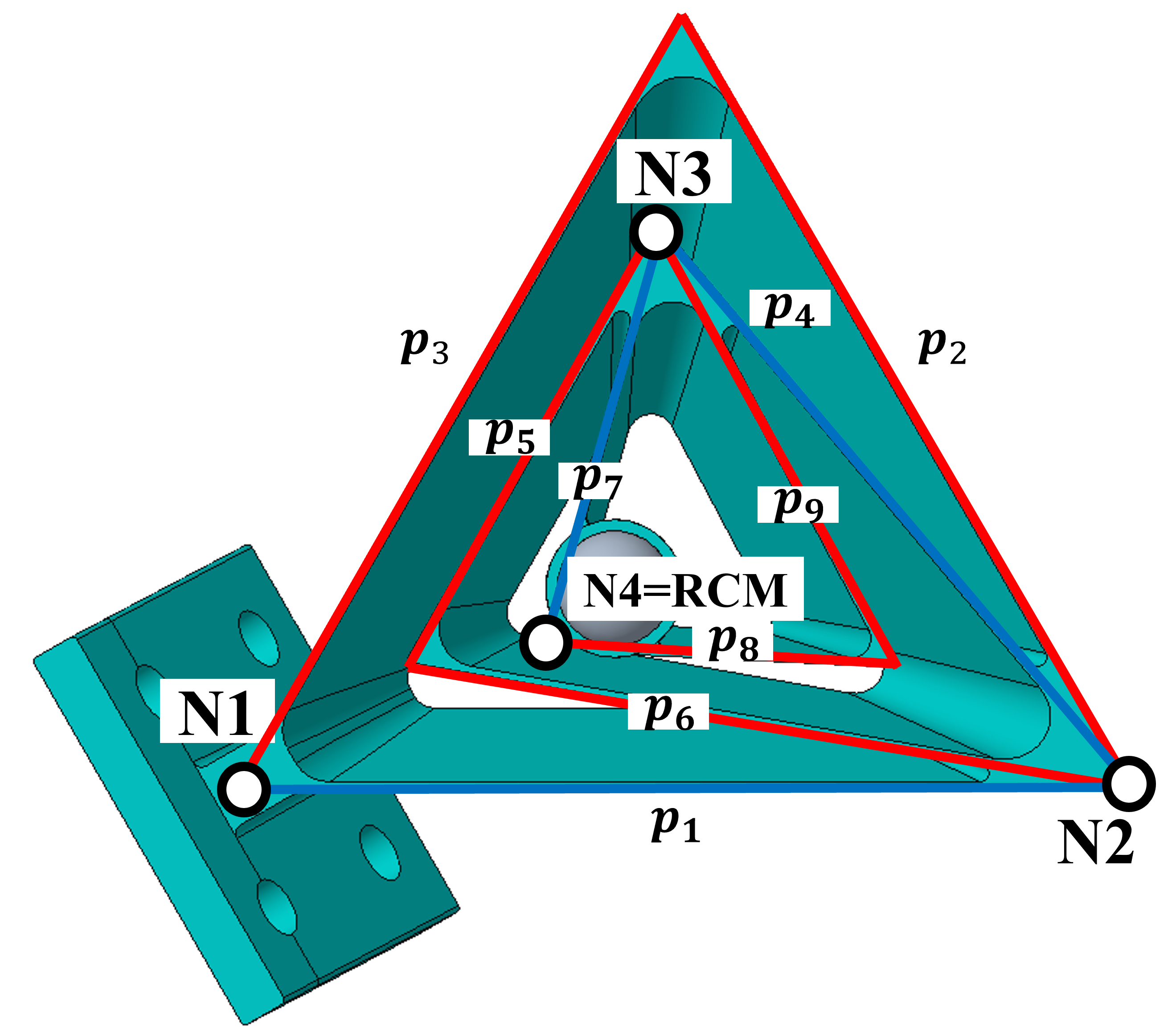
Figure 2: Isometric view of the Tetra II joint showing the nine flexural walls, with mobility-critical (blue) and constraining (red) panels.
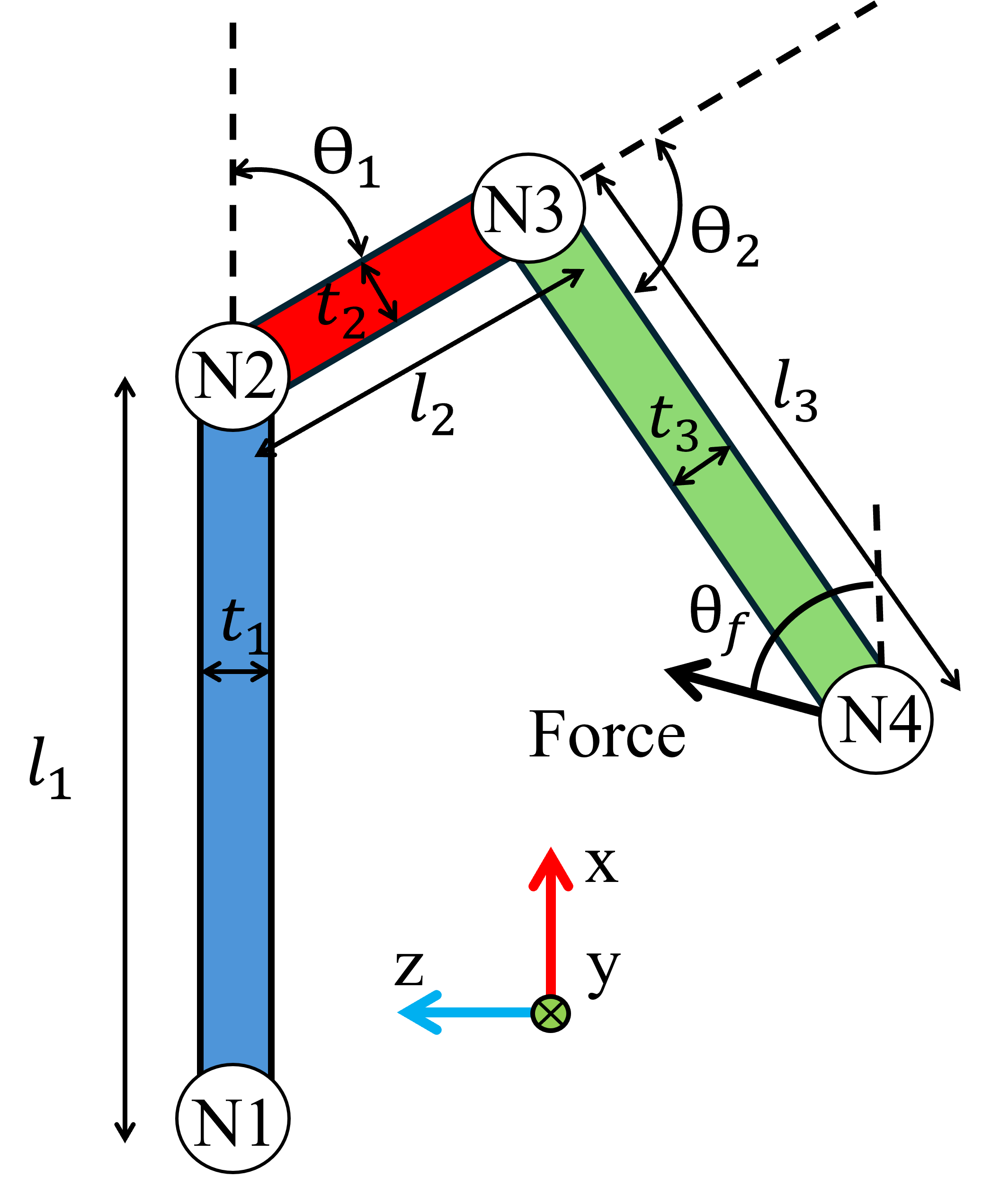
Figure 3: Schematic of the three panels responsible for joint mobility, highlighting nodes, optimization variables, and geometric parameters.
Analytical Stiffness Synthesis
The reduced-order model treats the blue flexural panels as slender beams, extracting geometry ratios that minimize deviation from isotropic planar stiffness. The isotropy index, quantifying the mismatch in principal stiffness directions, is iteratively minimized with respect to length, thickness, and orientation. This process yields scale-invariant geometry ratios, subsequently verified using a 3D finite element method (FEM), before being translated into manufacturable designs.
Torsional Constraining Panel Optimization
The red (constraining) panels are parametrically varied within a high-dimensional design space using an FEM-driven feasibility analysis. Key metrics are IsoErr (quantifies isotropy of EE displacement) and ParErr (relates useful EE displacement to parasitic RCM error). High-performing candidates balance low IsoErr and high ParErr, from which a final optimal is distilled using a combined scalar merit index.
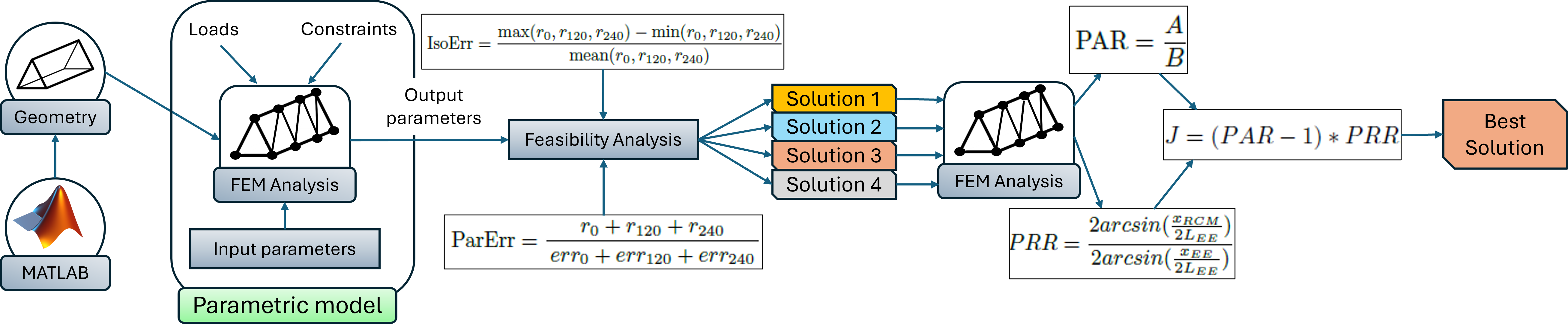
Figure 4: Workflow combining analytical synthesis and FEM feasibility analysis, selecting final candidates via objective merit metrics.
Numerical and Experimental Results
The optimal configuration demonstrates a principal axis ratio (PAR) of 1.37, indicating strong stiffness isotropy, and a parasitic-to-useful rotation ratio (PRR) of 0.63%, reflecting minimal parasitic RCM displacement. Under a clinical steering action of 4.5∘, the FEM-predicted RCM drift remains below 0.172 mm in all orientations—well within the 1 mm clinical safety requirement.
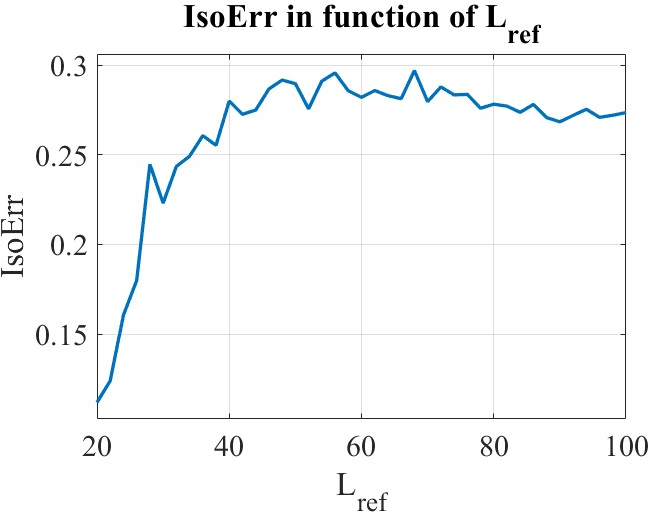
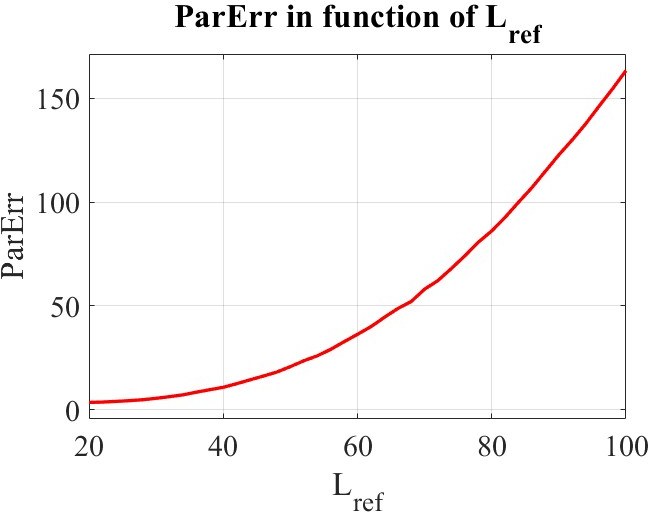
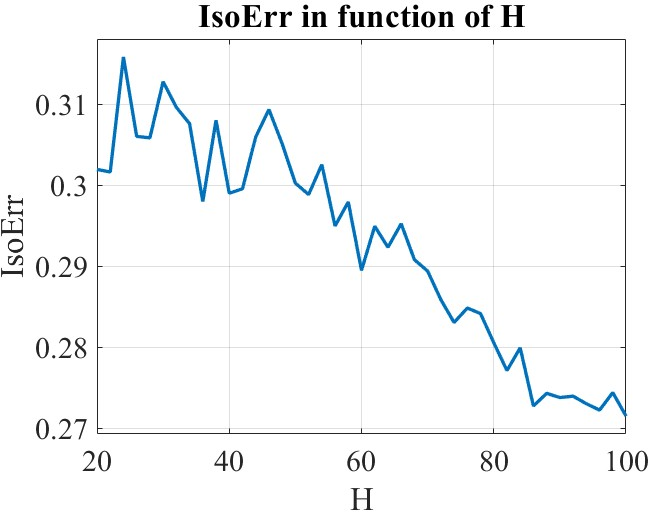
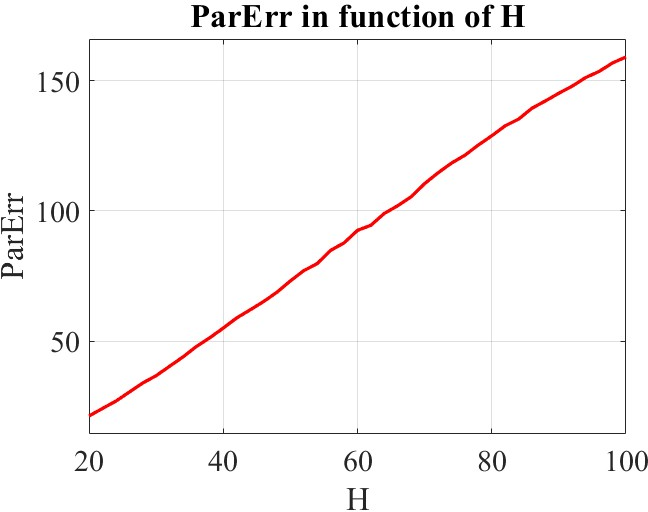
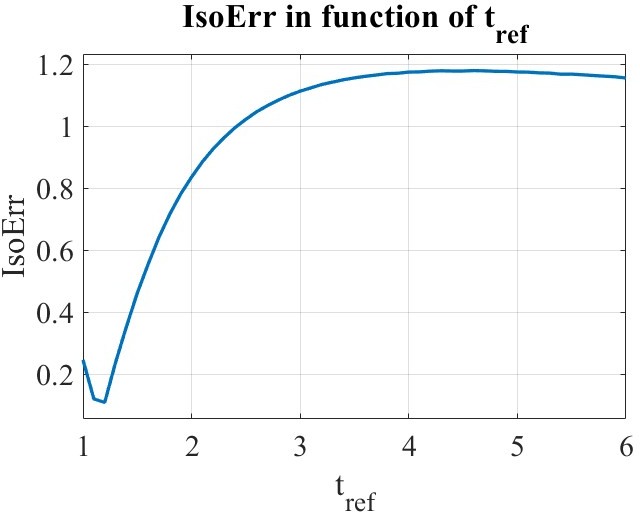
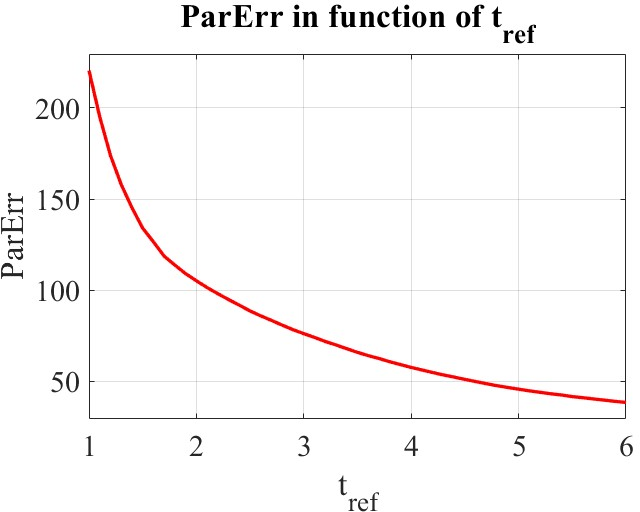
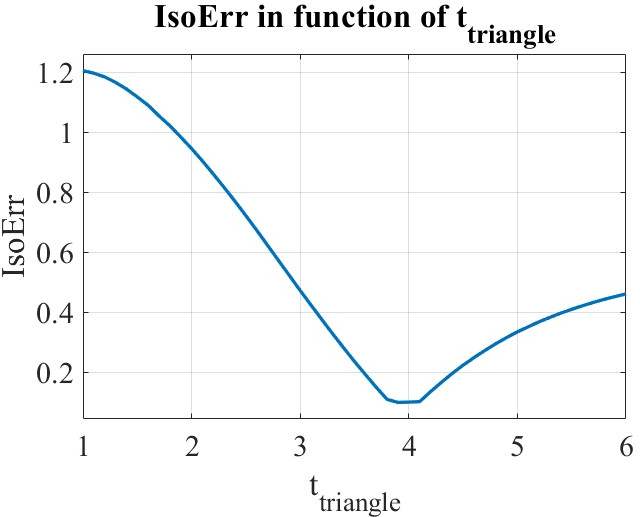
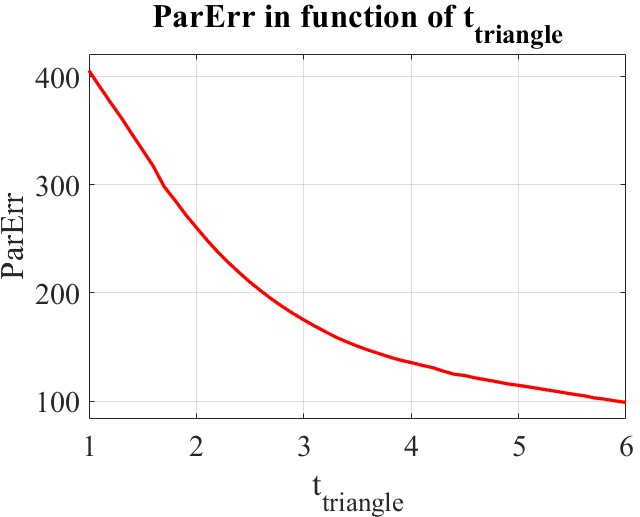
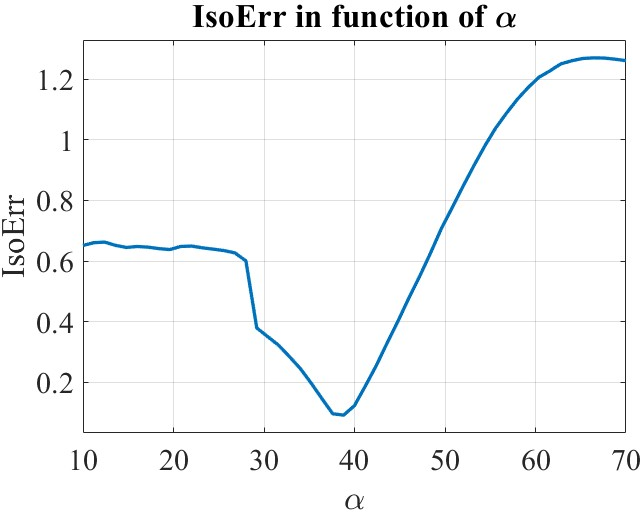
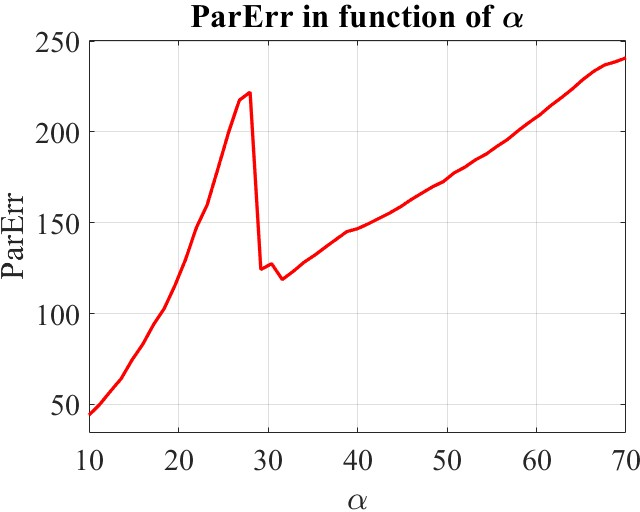
Figure 5: Feasibility metrics (IsoErr in blue, ParErr in red) versus design inputs, illustrating sensitivity and parameter impact on candidate performance.
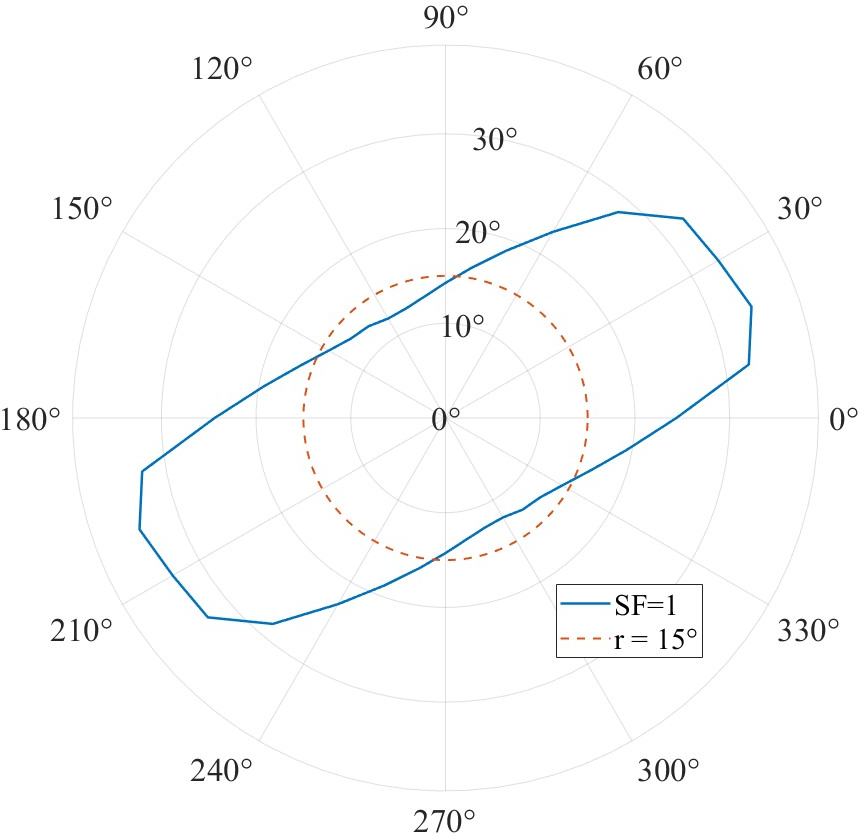
Figure 6: Rotational workspace (blue) compared to the minimal required workspace (red) for clinical neuroendoscopy.
For workspace assessment, fatigue-bound limits using PA12 material are established via a Wöhler (S-N) curve. The joint supports a fatigue-safe workspace ranging from 12.1∘ to 34.4∘ depending on orientation, encompassing the practical surgical region in most directions.
A prototype manufactured by selective laser sintering (SLS) in PA12 underwent benchtop validation. The measured directional stiffnesses agree with FEM predictions (mean absolute percentage error of 16.88%), and the experimental trend follows simulation, confirming the fidelity of the analytical and numerical design workflow.
Figure 2: Visualization of the Tetra II geometry with colored mobility and constraining panels.
Discussion and Implications
Key findings are:
- Strongly isotropic stiffness is attainable in a single-stage, off-axis compliant RCM implementation. The principal axis ratio (PAR) of 1.37 and sub-millimetric parasitic RCM error (maximum 0.172 mm) outperform unoptimized or single-joint off-axis designs and approach the performance of stacked dual-joint architectures, but with reduced complexity and device size.
- Design rules emphasize geometry ratios, not absolute sizes, confirming the scale-invariant nature of directional stiffness—a principle generalizable to other compliant spatial mechanisms.
- Experimental results confirm the practical manufacturability and robustness of the process using SLS PA12. Error analysis spotlights the influence of build imperfections and motivates tighter manufacturing tolerances, especially in mass-produced clinical tools.
- Practical enhancements include improved line-of-sight, easier sterilization pathways due to physical decoupling of sterile from non-sterile components, and rapid instrument detachment, which directly address core clinical bottlenecks.
The joint's monolithic compliant design, requiring neither multi-joint kinematic architectures nor real-time software compensation, enables straightforward closed-loop motorization without additional RCM constraint enforcement, facilitating safe, predictable instrument motion even in the case of actuation or controller failure.
Future Work and Theoretical Outlook
Opportunities for extension include the integration of advanced biocompatible alloys (e.g., additively manufactured NiTi) to further expand fatigue-limited workspace, and the implementation of compact actuators for robotic control and trajectory planning in actual surgical environments. Analytical modeling approaches demonstrated here can be generalized for other spatially-constrained surgical manipulator modules seeking to balance isotropy, fatigue life, and minimal parasitic error. There is further scope for exploring nonlinear, large-deflection responses and for real-time adaptive calibration using in situ geometric measurements.
Conclusion
This work formalizes and demonstrates a design pipeline for a single-stage, off-axis compliant RCM joint with high stiffness isotropy and low parasitic error, validated through numerical simulations and benchtop experiments. The architecture achieves practical improvements in operability, safety, and sterilizability, and can inform the design of compliant mechanisms for controlled tool manipulation in minimally invasive surgical robotics. The framework is extensible to robotic end-effectors and constrained-access manipulation in other application domains.