- The paper confirms GJ 523b as a massive, young mega-Earth with a radius of 2.55 R⊕, a mass of 23.5 M⊕, and a high density of 7.8 g/cm³ on a misaligned polar orbit.
- The methodology integrated TESS transit photometry and NEID radial velocity measurements using Gaussian process regression and the SCALPELS algorithm to decouple stellar activity from the planetary signal.
- The structural modeling indicates a rocky core with a significant water-rich hydrosphere, challenging traditional formation models for sub-Neptune exoplanets.
GJ 523b: A Massive, Young Mega-Earth on a Misaligned Orbit
Discovery and Observational Overview
The paper details the confirmation and comprehensive characterization of GJ 523b, a planet discovered by TESS around the mid-K dwarf GJ 523. Utilizing both time-series photometry from TESS and high-precision radial velocity (RV) measurements from the WIYN/NEID spectrograph, the authors derive precise planetary and stellar parameters. GJ 523b exhibits a period of 17.75 days, a radius of 2.55±0.15R⊕, a mass of 23.5±3.3M⊕, and a high bulk density of 7.8±1.8 g cm−3. The system's age is constrained to 169−48+100 Myr via gyrochronology, corroborated through analysis of comoving stellar companions.
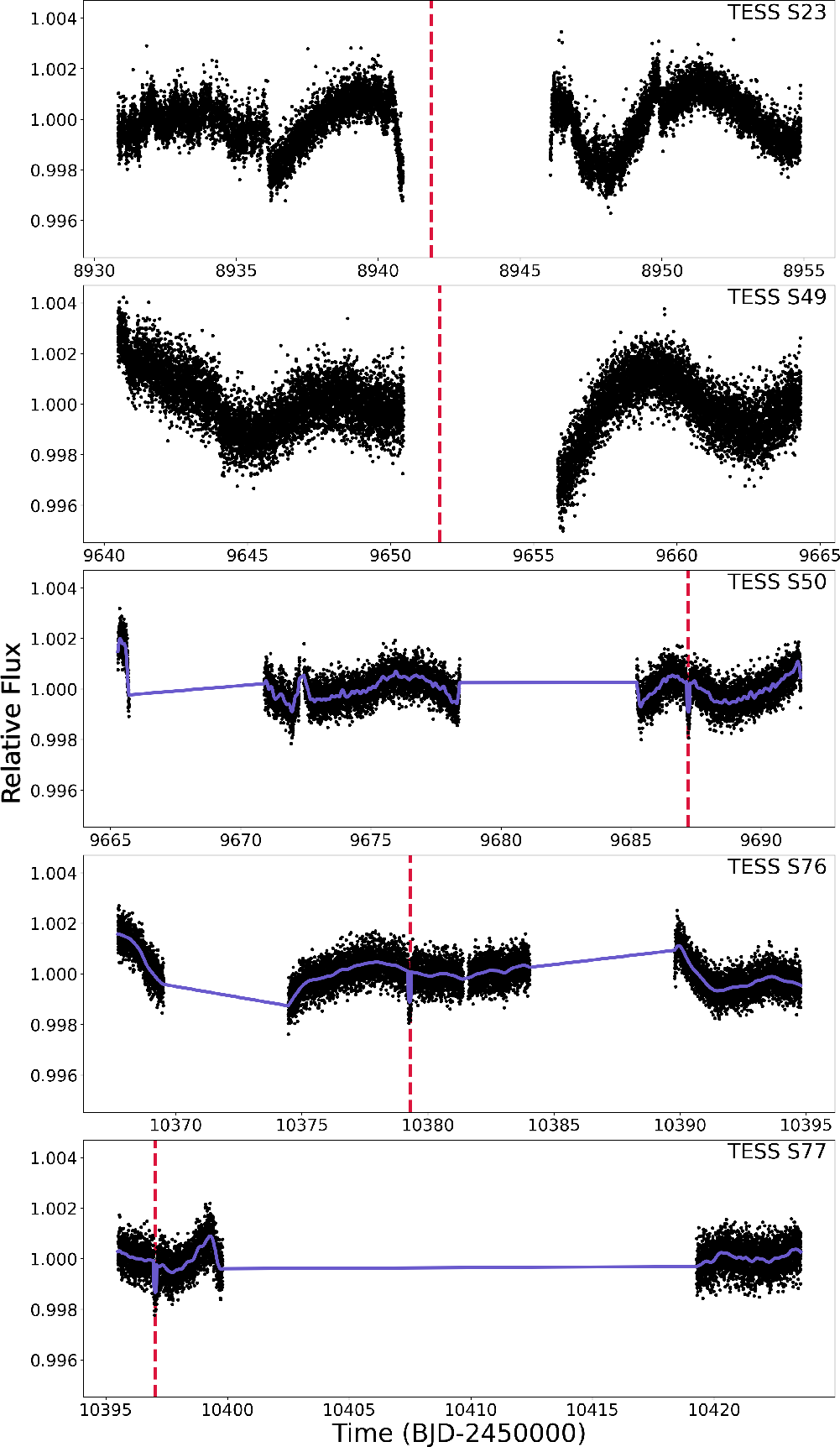
Figure 1: TESS light curve of GJ 523, highlighting out-of-transit rotational modulation (Prot=5.621 days) and transits of GJ 523b in Sectors 50/76/77.
Photometric time series clearly shows rotational modulation (period ∼5.6 days) and strong starspot activity. Sector coverage gaps overlapped planetary transits in some cases, but three well-sampled sectors permitted robust transit modeling despite this activity, leveraging Gaussian process regression to separate stellar variability from the planetary signal.
NEID RV data revealed both the Keplerian planetary signal and complex stellar activity signatures. Application of the SCALPELS algorithm enabled decomposition of stellar-driven vs. Doppler-shifted velocity components, critical for uncoupling the planetary RV from activity-induced artifacts.
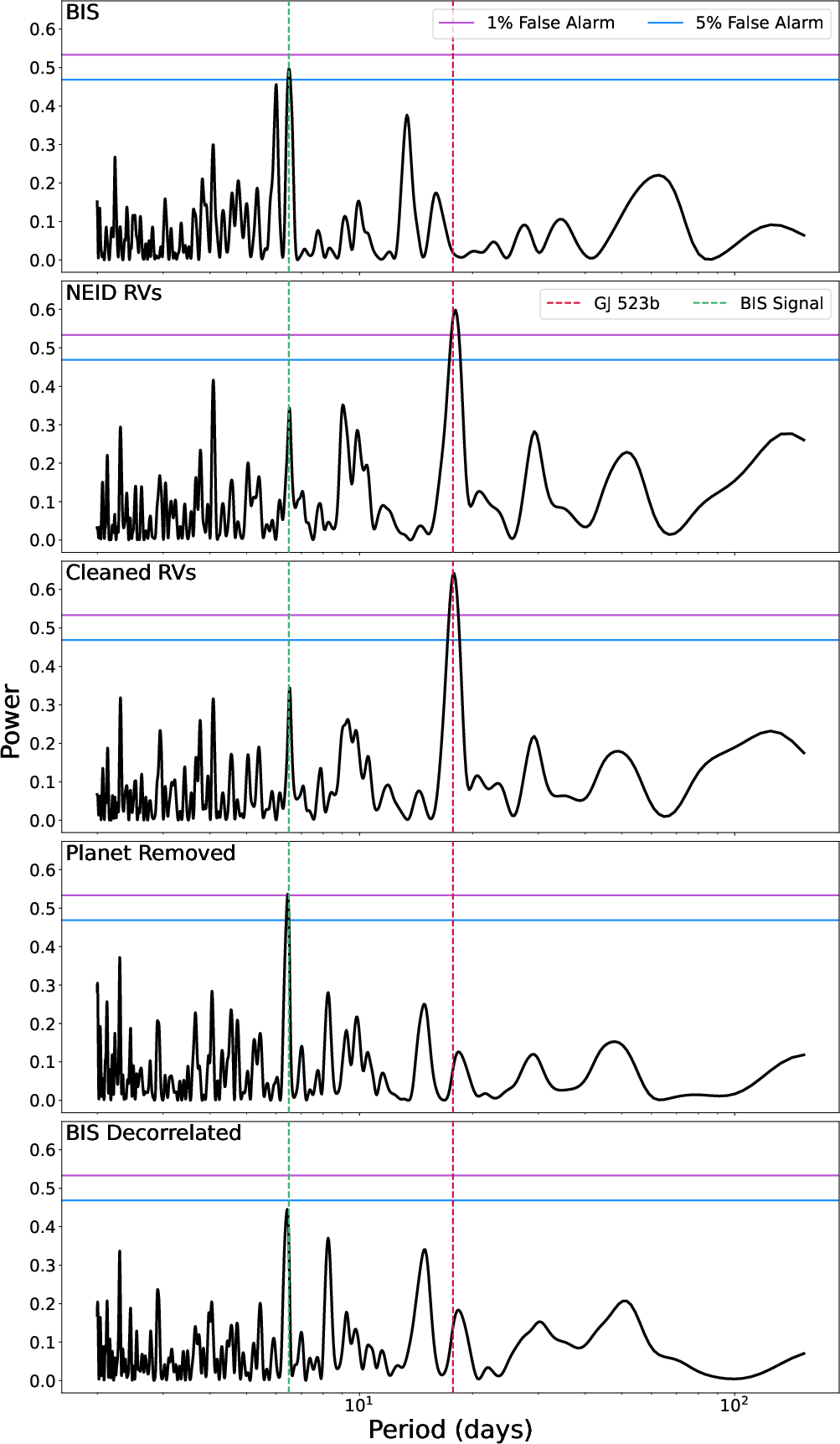
Figure 2: Periodograms of BIS and RV time series, demonstrating the separation of stellar and planetary periodicities and the effective removal of stellar contamination from the planetary RV signal.
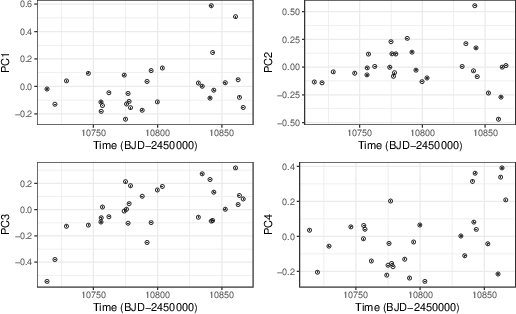
Figure 3: Principal component analysis of the ACFs quantifies dominant stellar activity variability modes over the observing window.
Host Star Properties and Age Determination
A joint spectroscopic, photometric, and kinematic analysis establishes GJ 523 as a mid-K dwarf with Teff=4660±50 K, R⋆=0.702±0.030R⊙, and M⋆=0.781±0.029M⊙. The stellar rotational period, inferred from TESS and confirmed via RV/BIS time series, supports a high level of chromospheric activity and youth.
Gyrochronology, applied to GJ 523 and five kinematically associated field stars, yields a well-constrained ensemble age posterior:
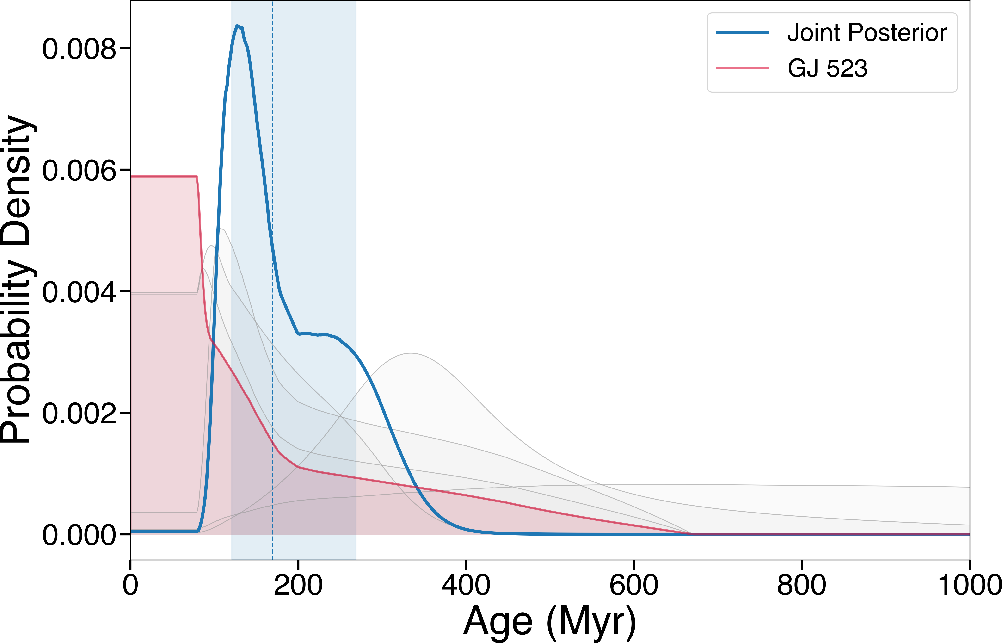
Figure 4: Ensemble gyrochronological age posterior for GJ 523 and comoving stars, with median 23.5±3.3M⊕0 Myr.
Spectral energy distribution fitting using comprehensive photometry and isochrone models (MIST) further refines the stellar parameters, confirming parallax and effective temperature consistency across methods.
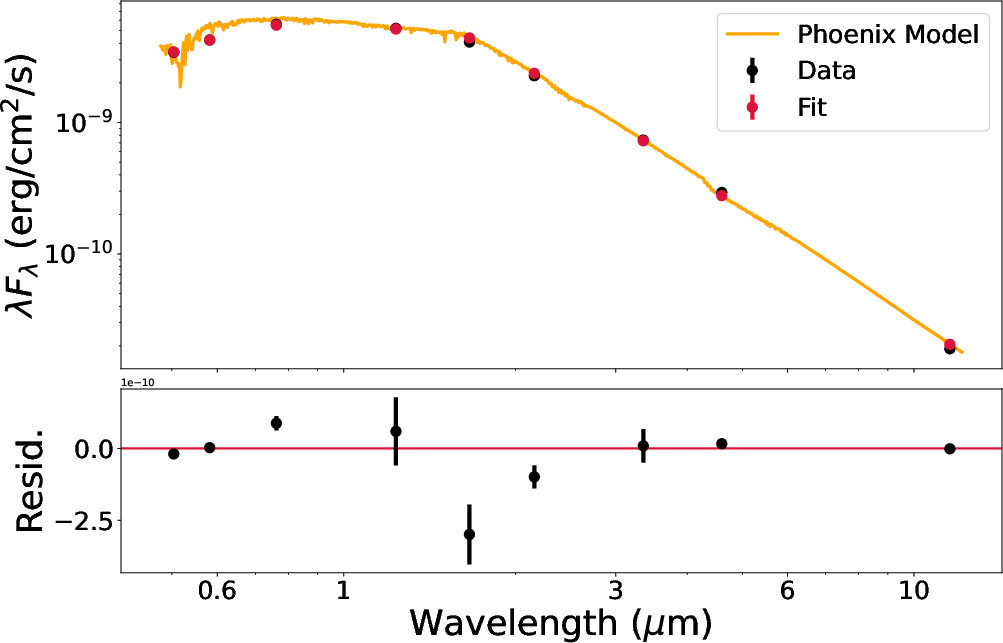
Figure 5: SED fit for GJ 523 compared with the best-fit Phoenix model spectrum, demonstrating accuracy in broadband photometry reproduction.
Planetary Parameters and Orbital Architecture
A joint fit to TESS transit and NEID RV data, combining activity modeling and decorrelation approaches, establishes the orbital and physical properties of GJ 523b:
- 23.5±3.3M⊕1 days, 23.5±3.3M⊕2 AU, 23.5±3.3M⊕3
- 23.5±3.3M⊕4, 23.5±3.3M⊕5, 23.5±3.3M⊕6 g cm23.5±3.3M⊕7
- 23.5±3.3M⊕8 K
Phase-folded transit and RV curves illustrate detection clarity:
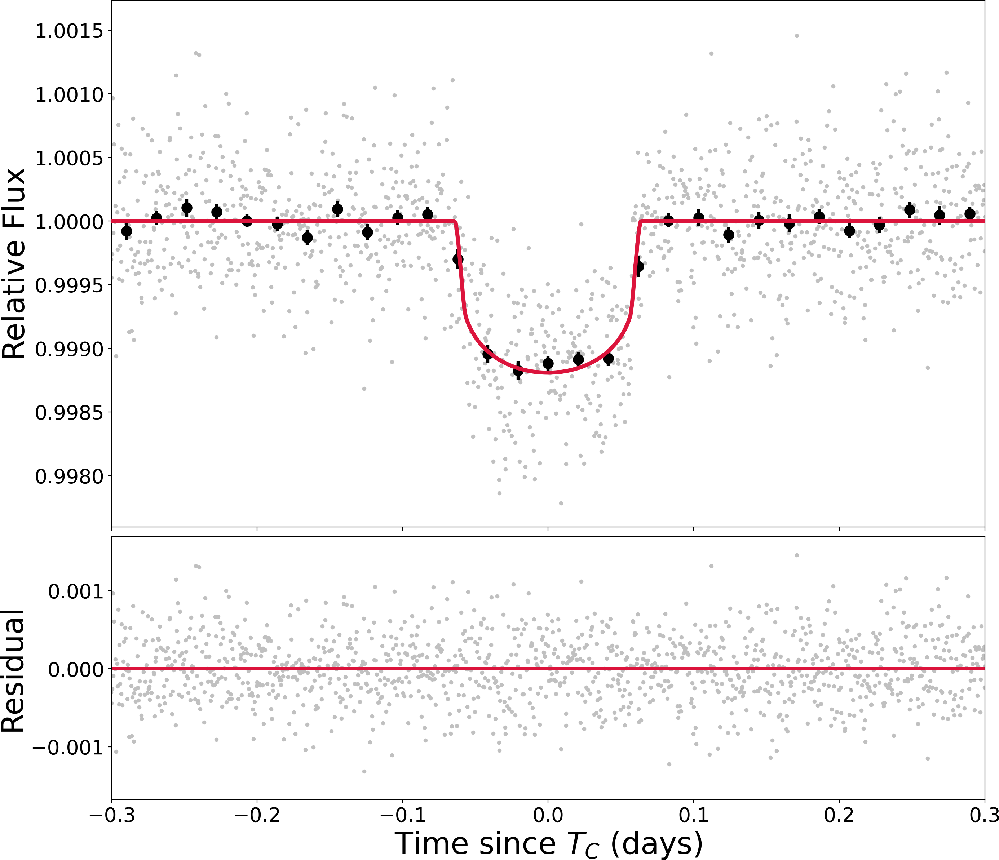
Figure 6: Phase-folded, best-fit transit of GJ 523b across all three TESS sectors with residuals.
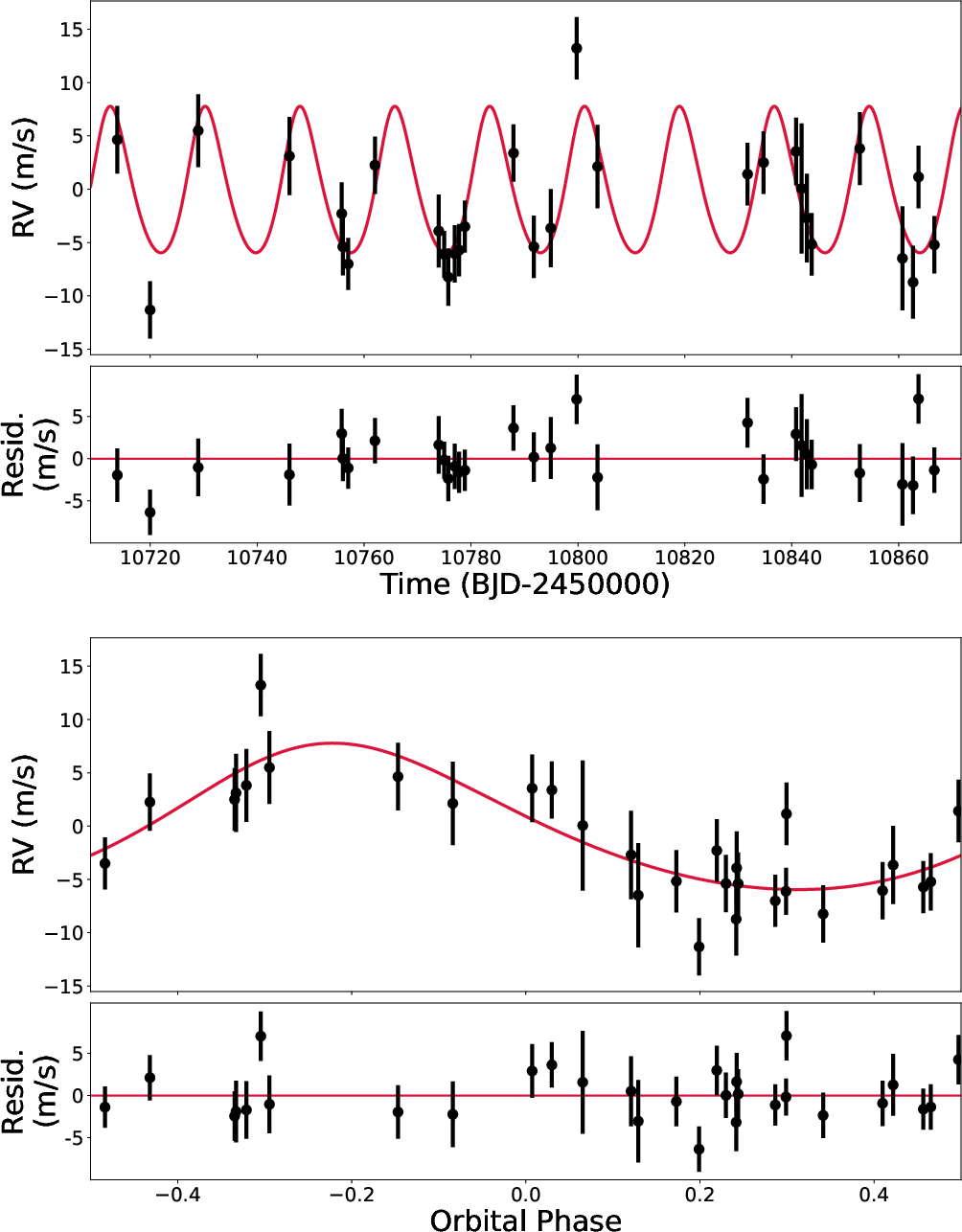
Figure 7: Radial velocity time series and phase-folded model for GJ 523b after BIS correction.
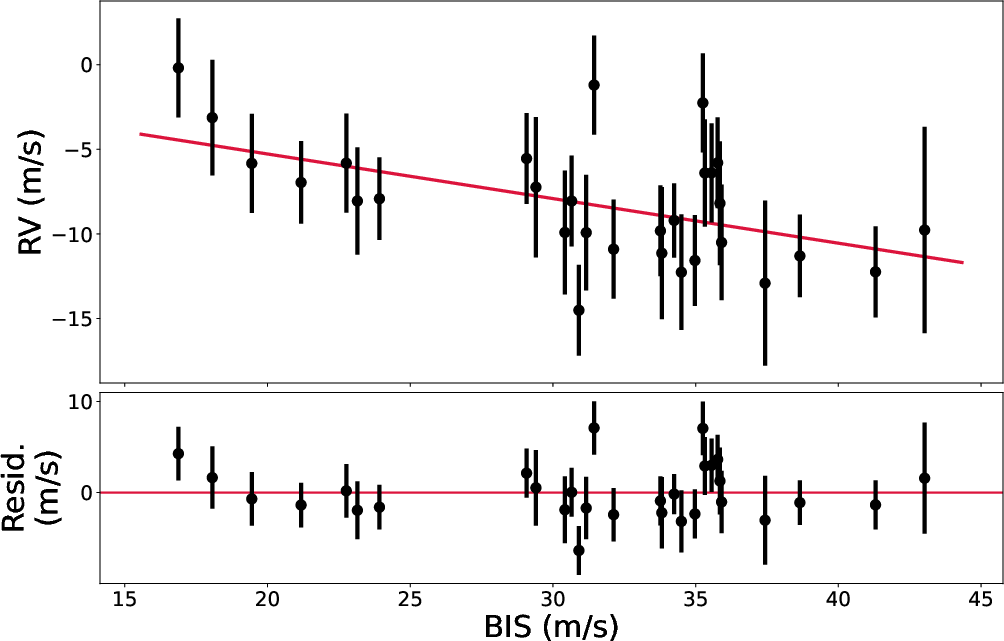
Figure 8: Correlation between BIS and cleaned RVs, demonstrating effective activity decorrelation.
Stellar inclination is determined to be 23.5±3.3M⊕9°, indicating that, with the transiting planet's orbital inclination (7.8±1.80°), the true 3D obliquity is 7.8±1.81°. This result places GJ 523b on a highly misaligned, likely polar orbit.
Composition and Interior Structure Modeling
Using the MAGRATHEA interior model, the authors probe the possible compositional regimes for GJ 523b. Its high density and large radius are incompatible with a substantial H/He envelope under standard structure models; rather, it is best fit by a large rocky core, a silicate mantle, and a significant water-rich hydrosphere with a negligible H/He atmosphere.
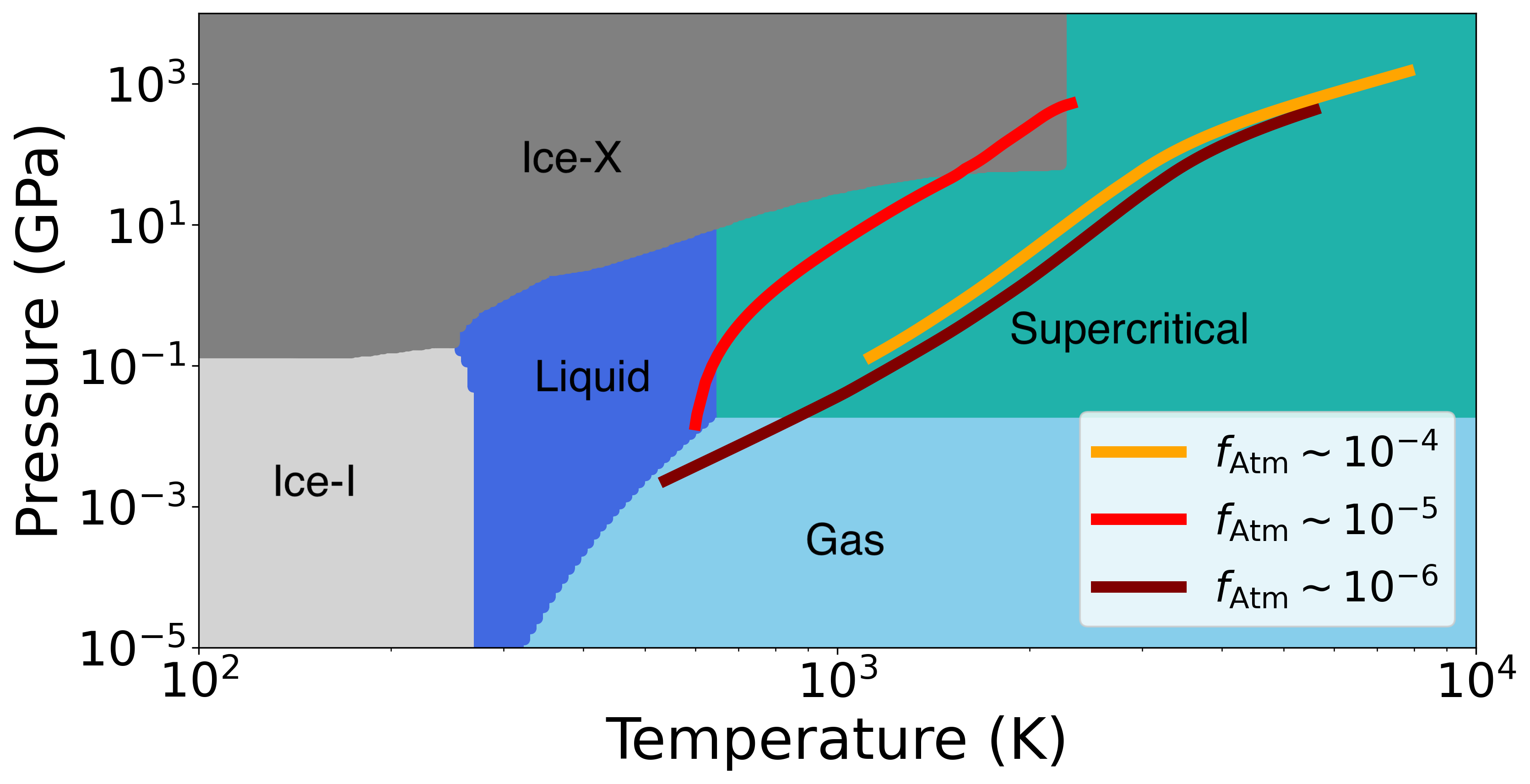
Figure 9: Pressure-temperature profiles through GJ 523b's hydrosphere for varying 7.8±1.82, tracing the phases of water across the interior.
The modeling indicates the most probable scenario as a rock- and water-rich, gas-poor super-Earth, lying above the classic radius gap but firmly inconsistent with volatile-dominated mini-Neptune analogs.
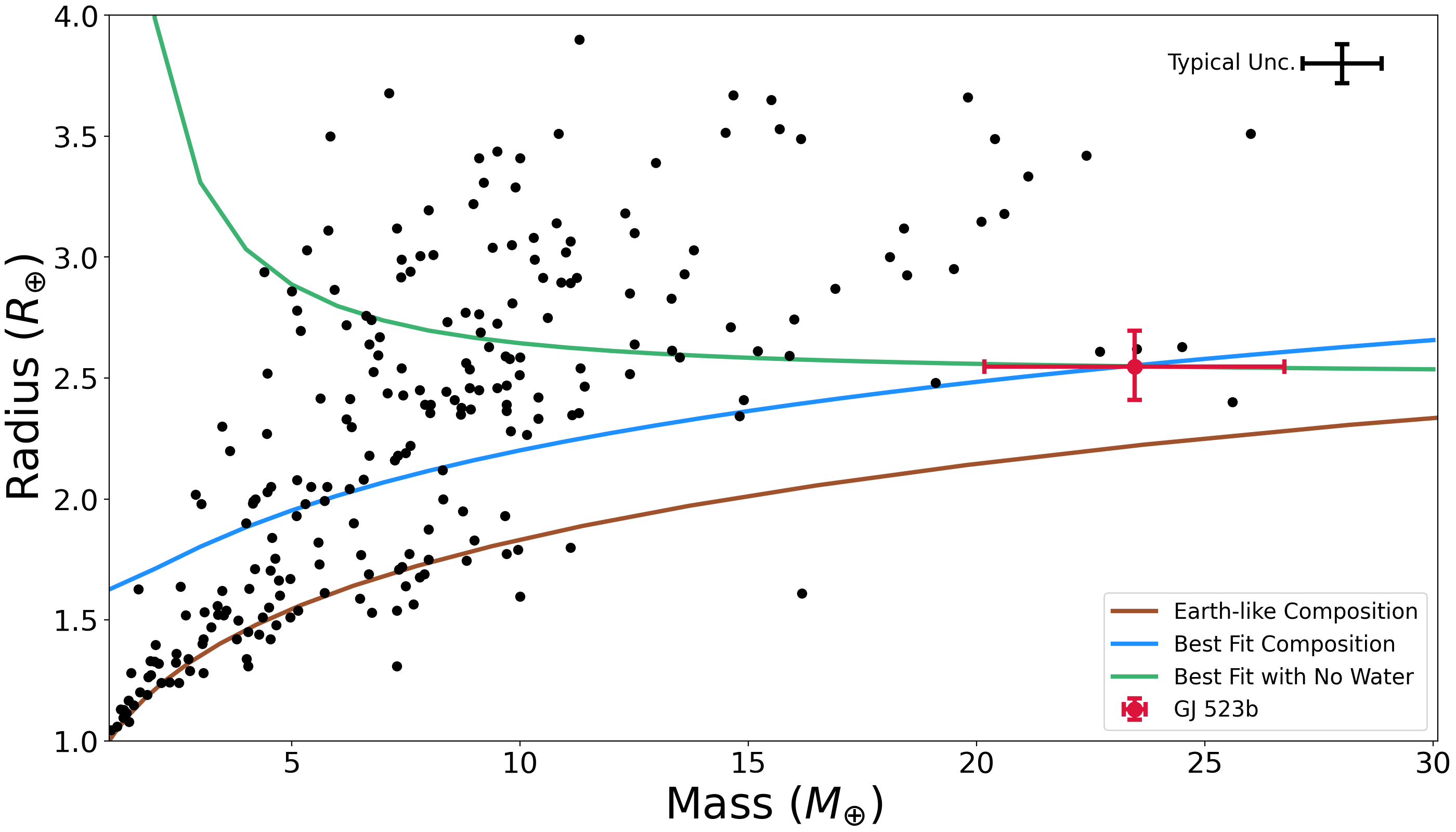
Figure 10: Mass-radius diagram for well-characterized exoplanets, with GJ 523b (red) lying on the high-density, large-radius branch aligned with water-rich and rocky compositions and distinct from the canonical sub-Neptune regime.
GJ 523b’s high obliquity is exceptional among sub-Jovian planets, especially given its orbital separation (7.8±1.83), divergent from the close-in, tidally realigned misaligned population. No additional massive companions are detected; Gaia’s next data releases are anticipated to further constrain the presence of outer perturbing bodies.
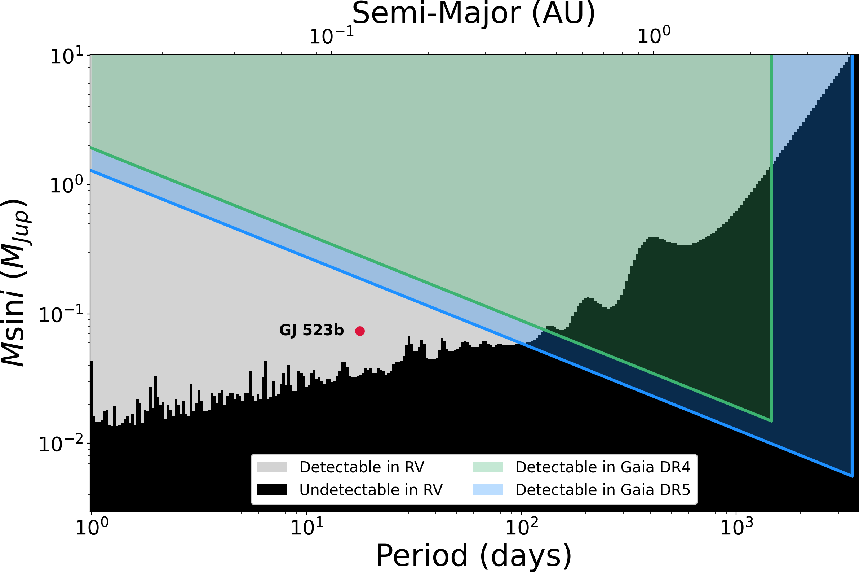
Figure 11: Planet companion detectability in mass-period space for current RV, future Gaia DR4/DR5; the absence of additional companions at this stage is robust over a substantial parameter region.
Theoretical scenarios evaluated for GJ 523b's current architecture include high-eccentricity migration via Kozai-Lidov cycles (contingent on undetected outer bodies), primordial disk misalignment (with or without induced secular resonance), and high-impact atmospheric stripping. Pebble-planetesimal hybrid accretion is discussed as a plausible channel for building large, refractory-rich planets before disk dissipation suppresses gas accretion.
Defining and Contextualizing Mega-Earths
GJ 523b is classified as a “mega-Earth”—a planet with 7.8±1.84 and 7.8±1.85 g cm7.8±1.86, a regime characterized by bulk densities requiring rocky or water-rich compositions without substantial H/He.
Gaussian mixture modeling in radius-density space demonstrates that mega-Earths comprise a statistically distinct cluster of exoplanets, distinct from both canonical sub-Neptunes and super-Earths.
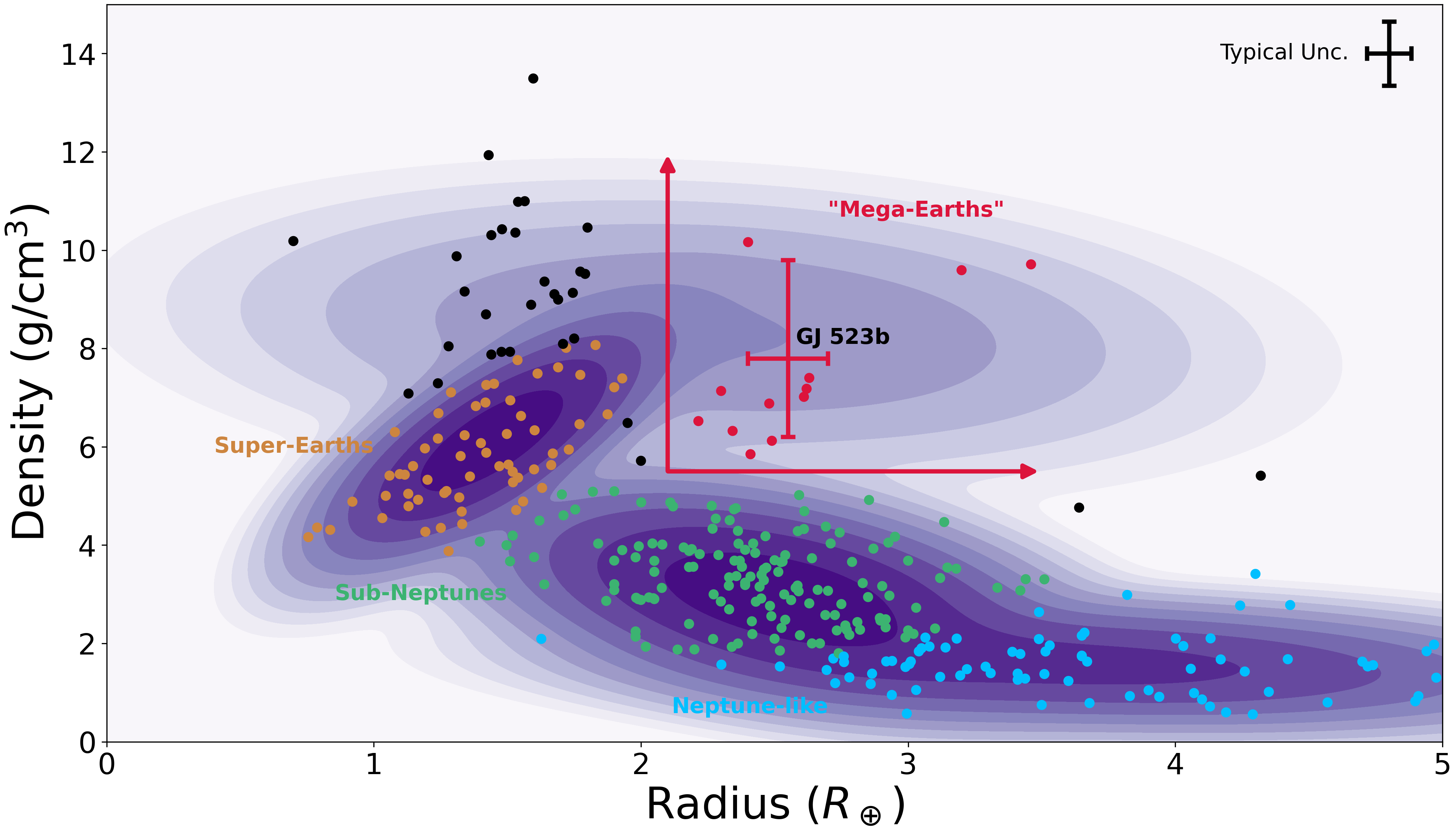
Figure 12: Radius-density relation showing the empirical locus for mega-Earths, super-Earths, sub-Neptunes, and Neptunes; GJ 523b and similar objects populate a distinct high-density, large-radius regime.
GJ 523b extends the diversity of this class, which exhibits a range of ages, orbital periods, host-star types, and system architectures, indicating an underlying heterogeneity in formation and evolutionary histories.
Conclusion
GJ 523b exemplifies a young, massive, high-density “mega-Earth” on a highly misaligned orbit. Its physical, compositional, and orbital properties pose significant challenges to canonical formation and atmospheric retention models for sub-Neptunes. The case of GJ 523b fortifies the observational argument for a distinct mega-Earth population and motivates expanded searches for misaligned and volatile-poor massive planets, particularly in the context of early stellar ages and obliquity measurements. Continuing RV and astrometric work, combined with atmospheric characterization (e.g., via JWST), will further elucidate the formation pathways, migration histories, and potential habitability of these extreme solid exoplanets.
(2603.24682)