- The paper presents detailed analytical and numerical models showing that long-pulse fast ignition in MagLIF is feasible with ignitor energies below 10 kJ.
- It divides the fusion target into hotspot, shocked region, and cold fuel, quantifying magnetic pressure effects on shock speed, compression ratios, and thermal conduction losses.
- Results indicate that axial magnetic fields significantly reduce energy losses and relax traditional ultrashort pulse requirements, paving the way for practical MagLIF reactor designs.
Long-Pulse Fast Ignition in MagLIF: Technical Summary and Analysis
Overview and Motivation
The paper "Long-Pulse Fast Ignition in MagLIF" (2602.12673) rigorously addresses the feasibility and advantages of implementing the fast ignition paradigm within the Magnetized Liner Inertial Fusion (MagLIF) scheme. Fast ignition decouples fuel compression and heating, enabling higher gains and lower entropy compression, but has classically demanded ultrashort, petawatt-class laser pulses and extreme engineering tolerances. MagLIF’s cylindrical geometry, amenability to strong axial magnetic fields, lower areal density requirements, and improved confinement properties together suggest a fundamental relaxation of ignition constraints if fast ignition is employed in this context. The manuscript derives detailed analytical and numerical models of hotspot expansion, energy dynamics, and ignition thresholds, culminating in quantitative predictions for ignitor pulse parameters and efficiency.
Modeling of Hotspot Expansion and Energy Dynamics
The theoretical framework is established by dividing the fusion target into three regions—hotspot, freshly shocked region, and cold fuel—and analytically deriving the radial expansion rates, compression ratios, and shock speeds under the influence of axial magnetic fields and cylindrical geometry.
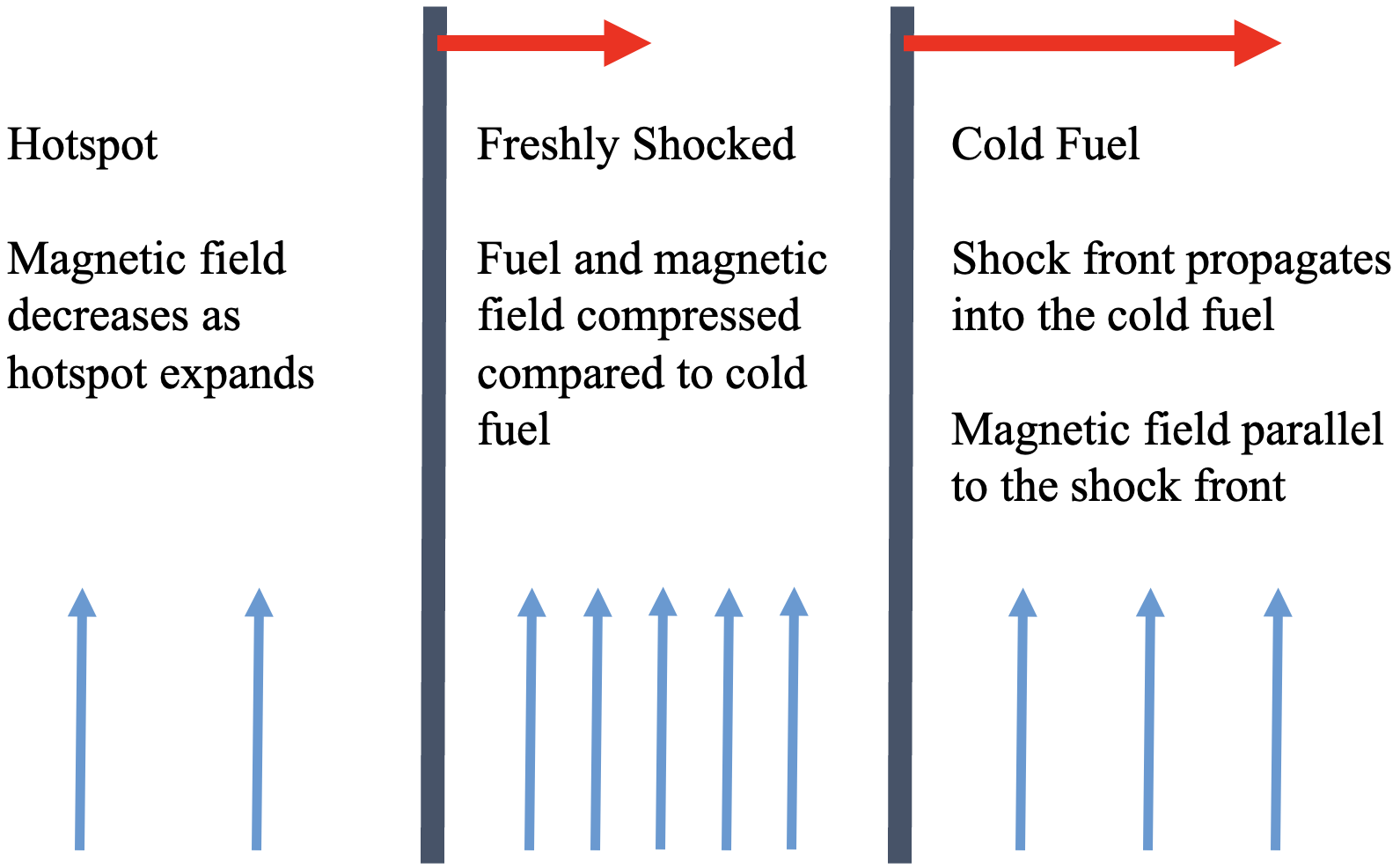
Figure 1: The three regions in the physical model—hotspot, shocked region, and cold fuel—define key interfaces and expansion dynamics.
Magnetic fields introduce additional pressure, modifying both the compression ratio and shock propagation through the cold fuel. This stiffening effect is shown to slow hotspot expansion (reducing energy losses) and speed up shock propagation (without significantly impacting energy balance):
- Compression ratio decreases as magnetic pressure increases (see Figure 2).
- Shock speed increases with magnetic pressure, subject to magnetosonic constraints (see Figure 3).
- Hotspot expansion speed is substantially retarded by magnetic pressure.
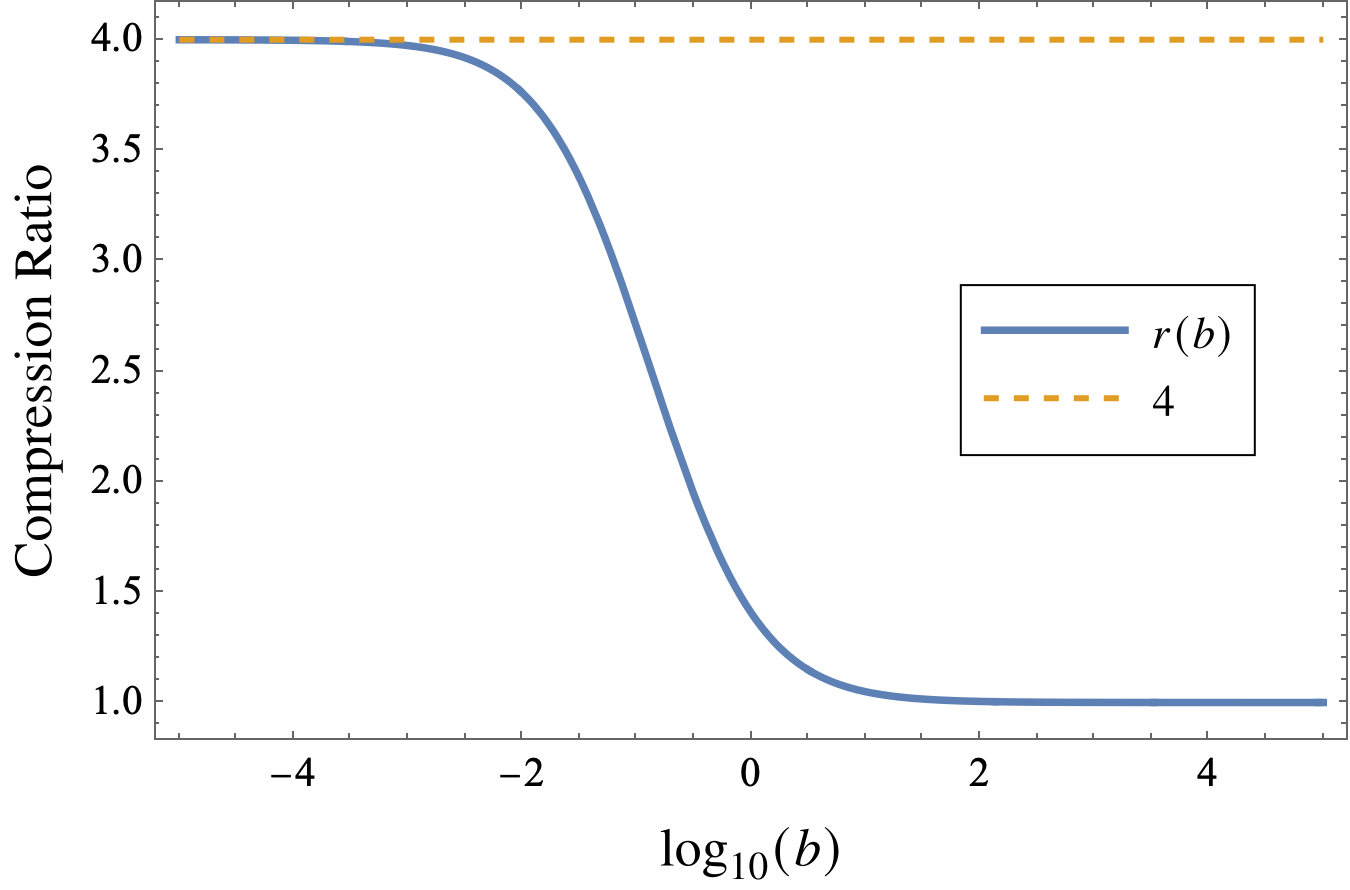
Figure 2: Compression ratio reduces as magnetic pressure increases, for fixed expansion ratio and cold fuel pressure.
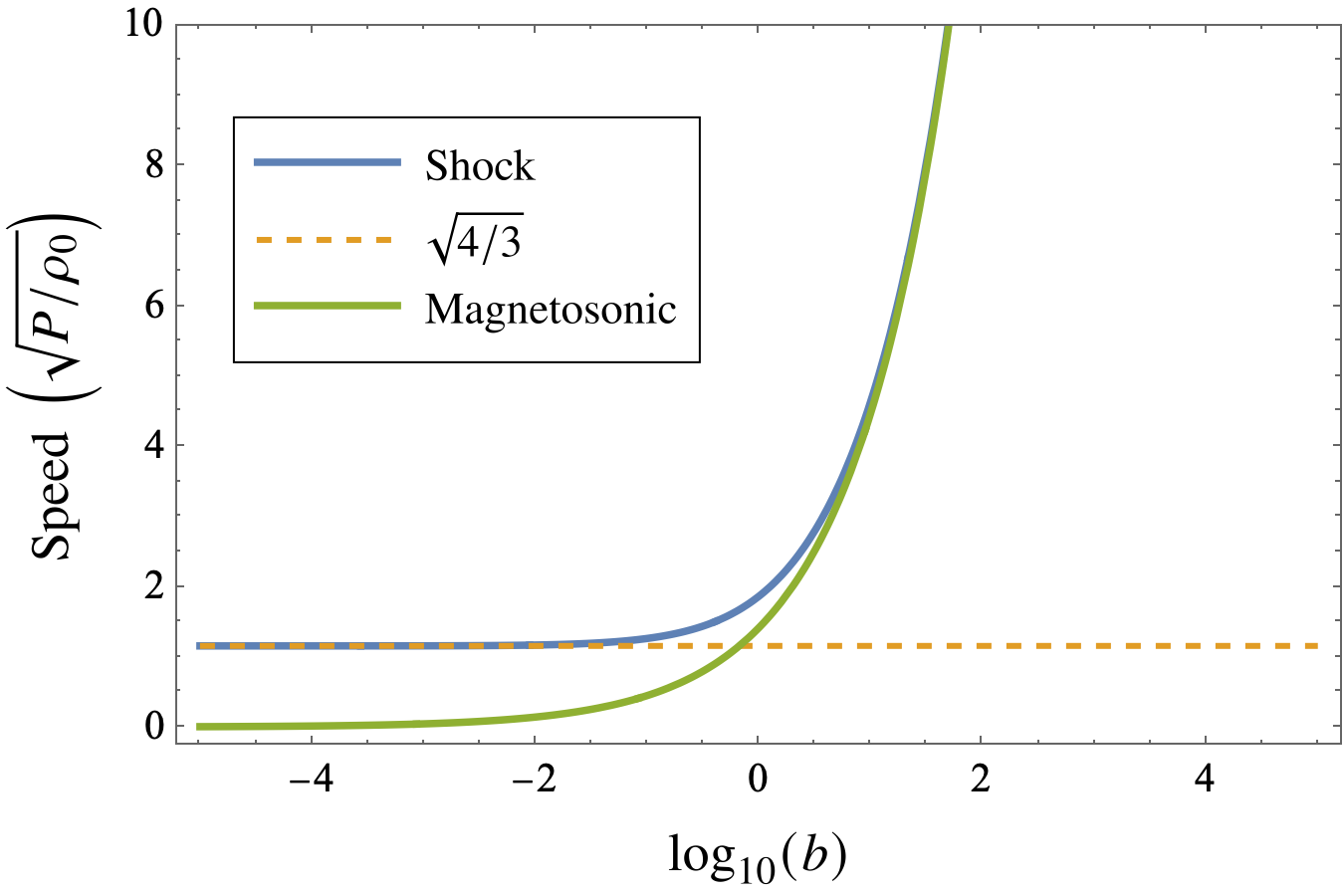
Figure 3: Shock speed grows with increasing magnetic pressure, reflecting enhanced stiffness.
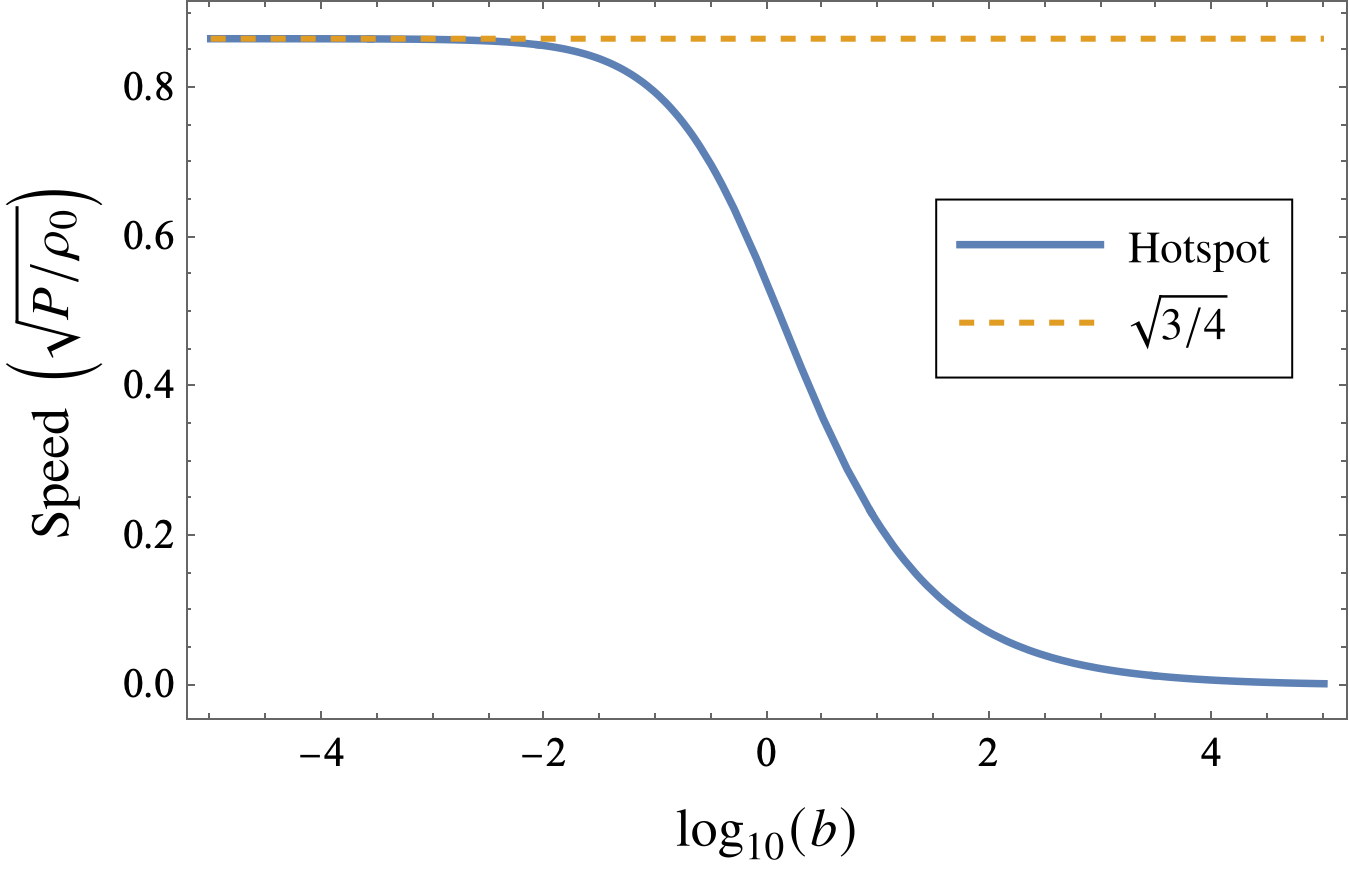
Figure 4: Hotspot expansion speed versus magnetic pressure, demonstrating stabilization of the hotspot by increased magnetic pressure.
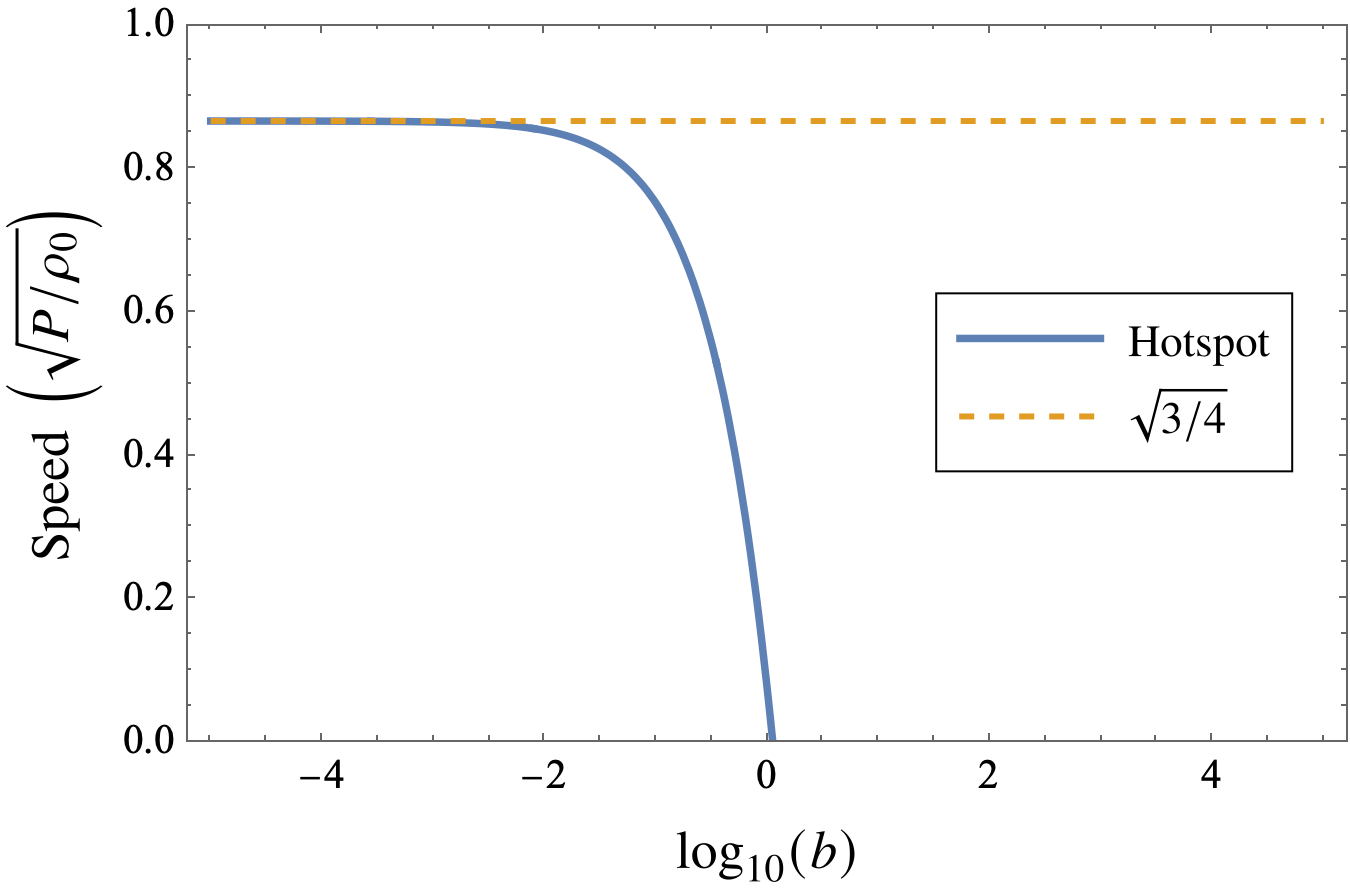
Figure 5: Hotspot expansion speed approaches zero as total pressure equilibrates between hotspot and cold fuel, illustrating arrested expansion at sufficiently high magnetic fields.
This analytic formalism forms the basis for subsequent energy loss estimates.
Energy Loss Mechanisms and Thermal Transport Modeling
Energy dynamics are modeled incorporating PdV losses, bremsstrahlung, and—crucially—radial thermal conduction. The latter, dominant for long-pulse fast ignition in laser ICF, is heavily suppressed by axial magnetic fields in MagLIF, as shown through both classical Braginskii and nonlocal SNB conduction models.
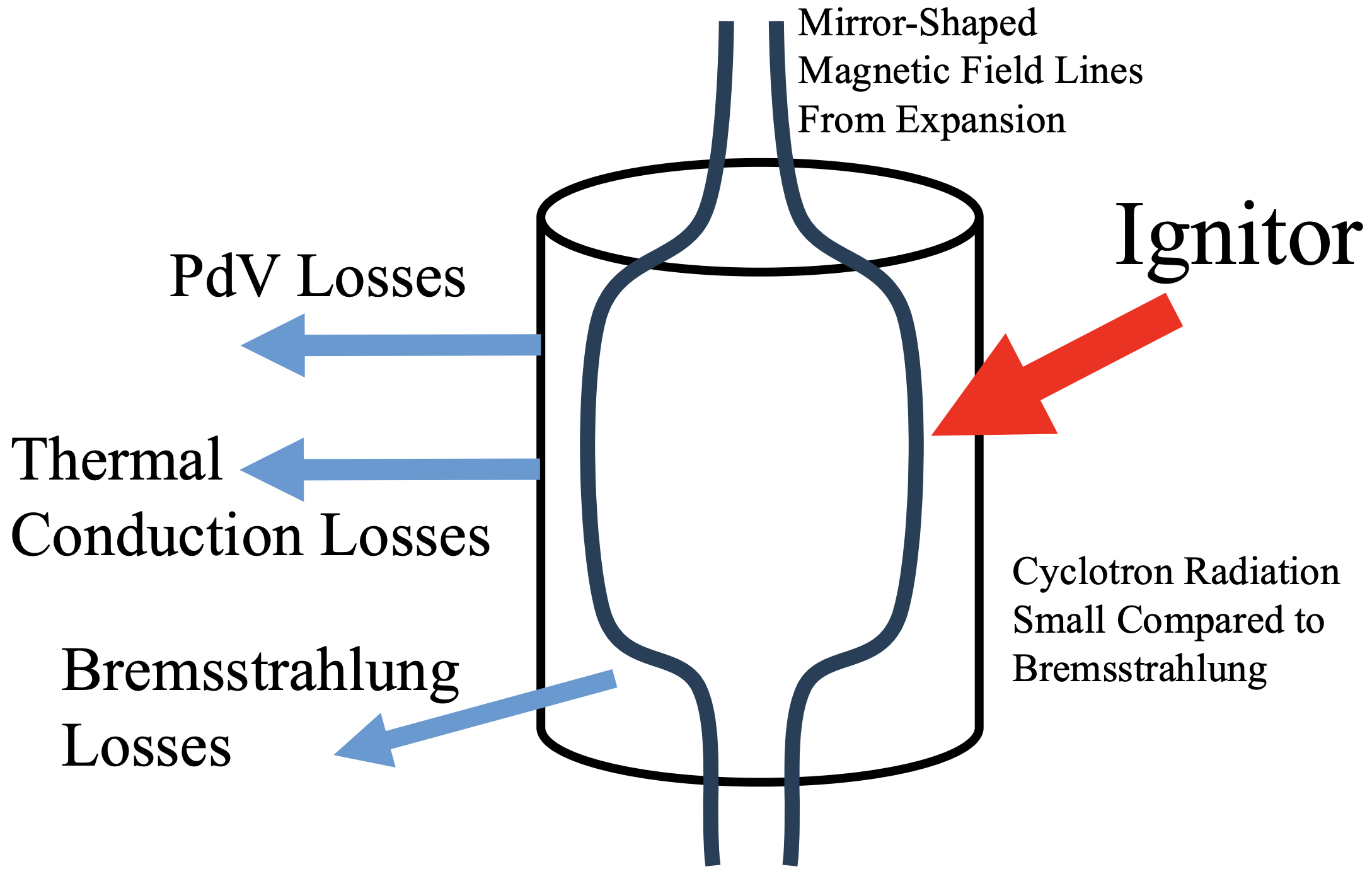
Figure 6: Diagram of energy flows in the hotspot, including ignitor deposition, thermal conduction, bremsstrahlung, and PdV work.
Hotspot temperature profiles under magnetic confinement are calculated, revealing sharper central peaking and reduced energy losses:
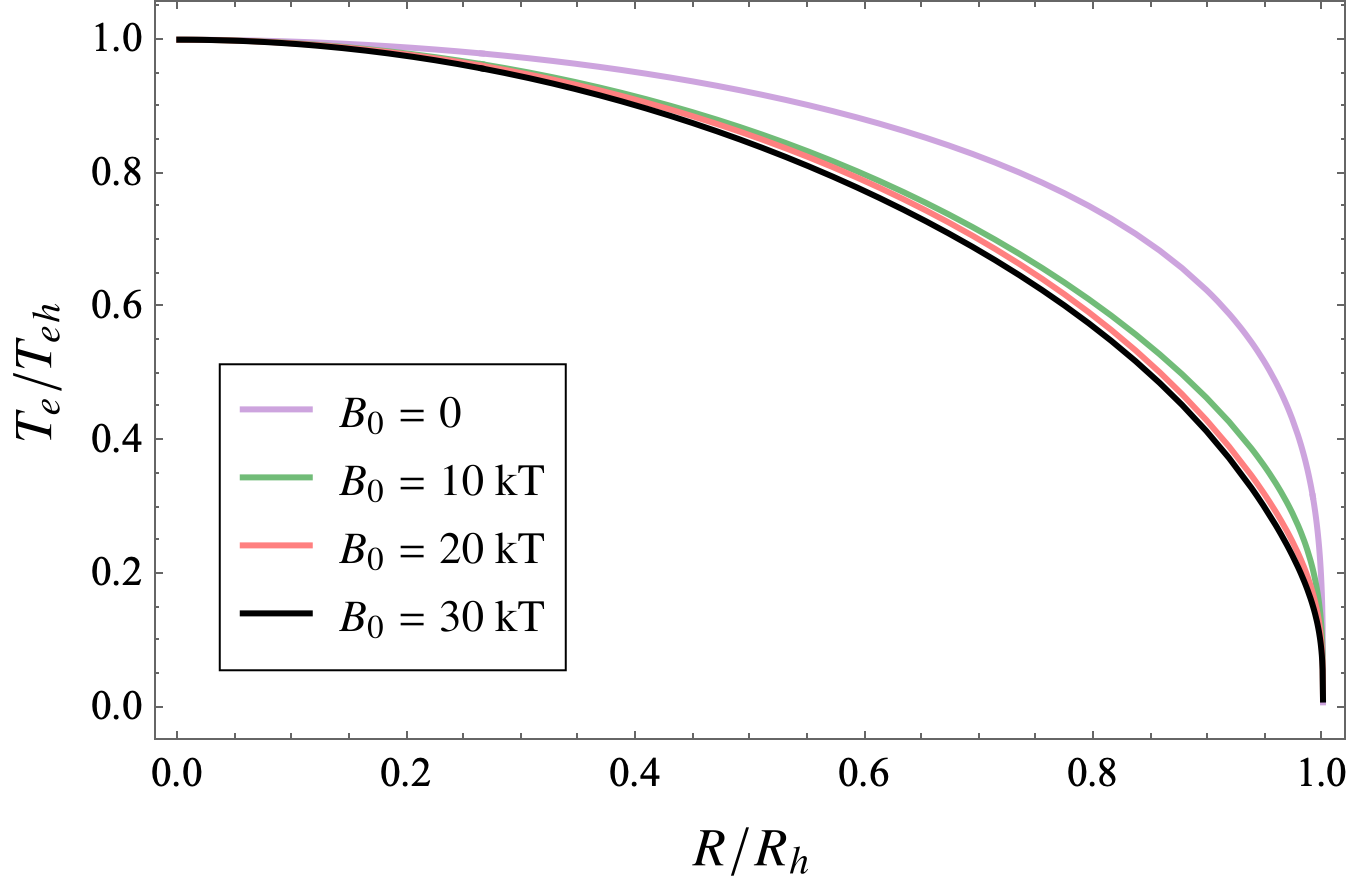
Figure 7: Radial electron temperature profiles for various magnetic field strengths; sharper peaking at high B0 reduces average losses.
Nonlocal corrections are accounted for via harmonic flux limiters, with SNB model calibration establishing the appropriate flux limiter values dependent on initial density and hotspot radius:
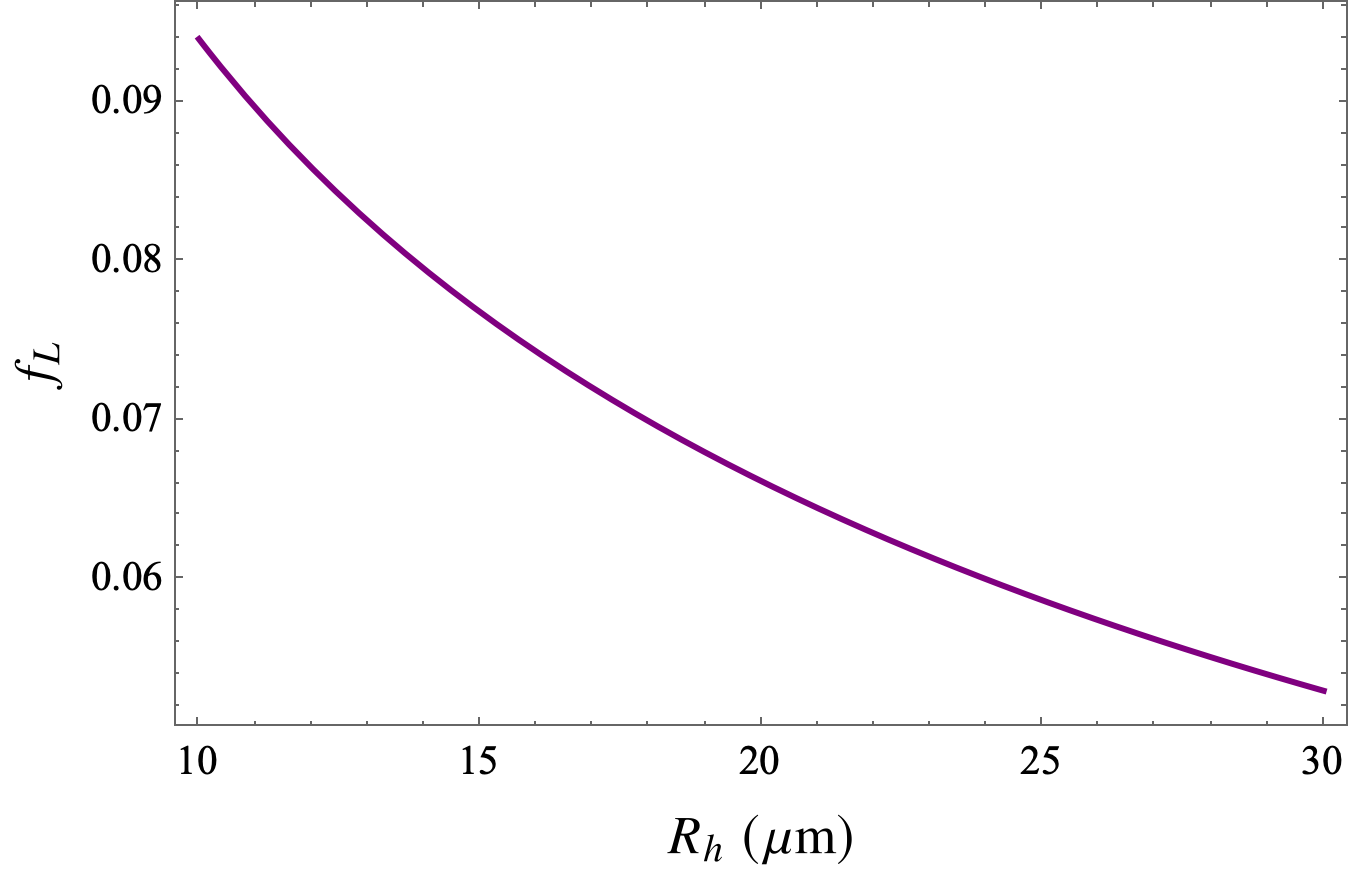
Figure 8: Flux limiter as a function of hotspot radius, quantifying nonlocal suppression in high-density regimes.
The resultant heat conduction losses decline sharply with increasing magnetic field, directly enabling longer and less intense ignitor pulses:
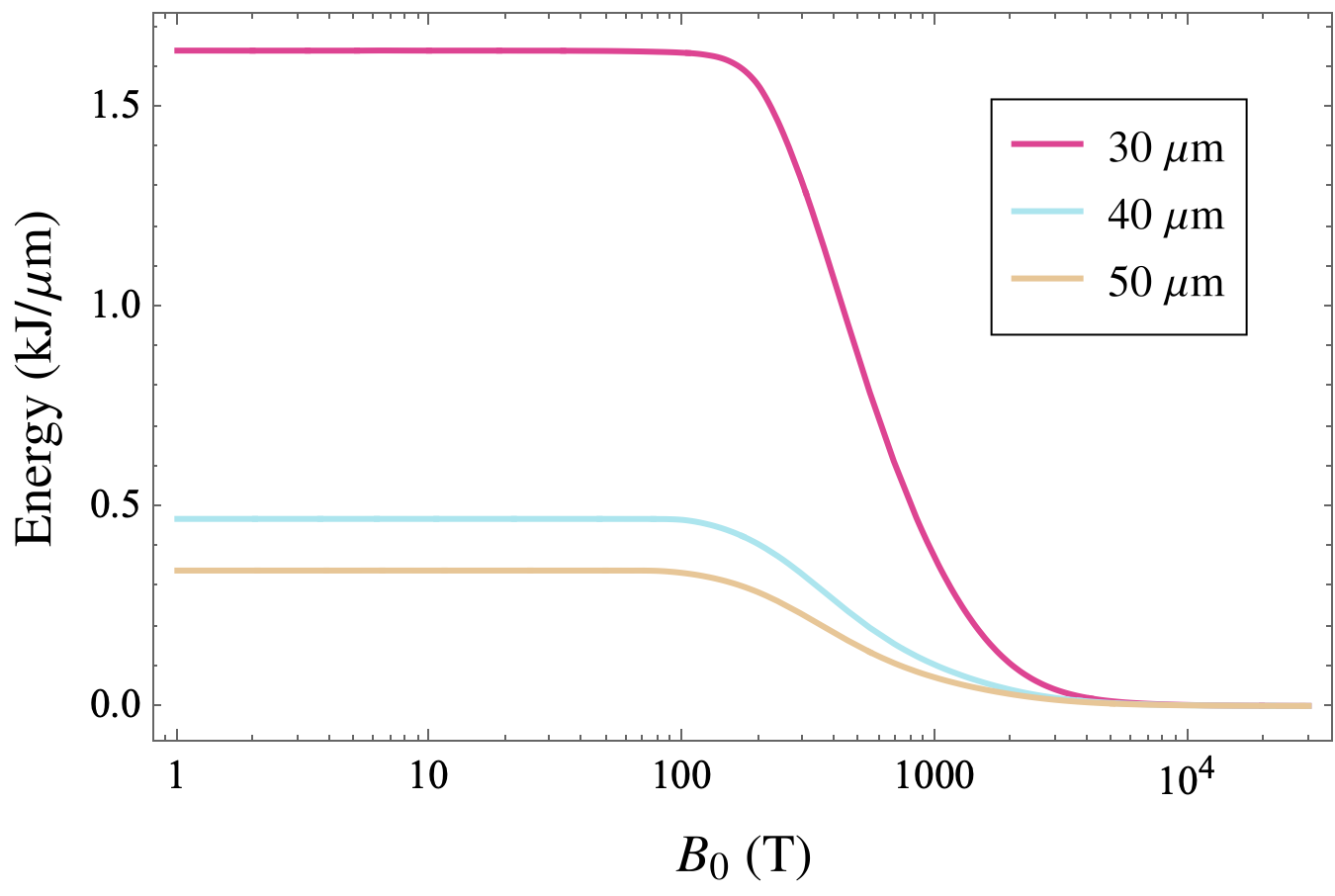
Figure 9: Thermal conduction losses versus magnetic field strength, showing dramatic suppression under strong fields.
Quantitative Analysis of Ignition Thresholds
Numerical integration of pulse physics yields minimum ignitor energies versus magnetic field strength and initial hotspot parameters. Optimal ignitor pulse shaping is implemented by numerically maximizing ion heating over expansion rate at each timestep.
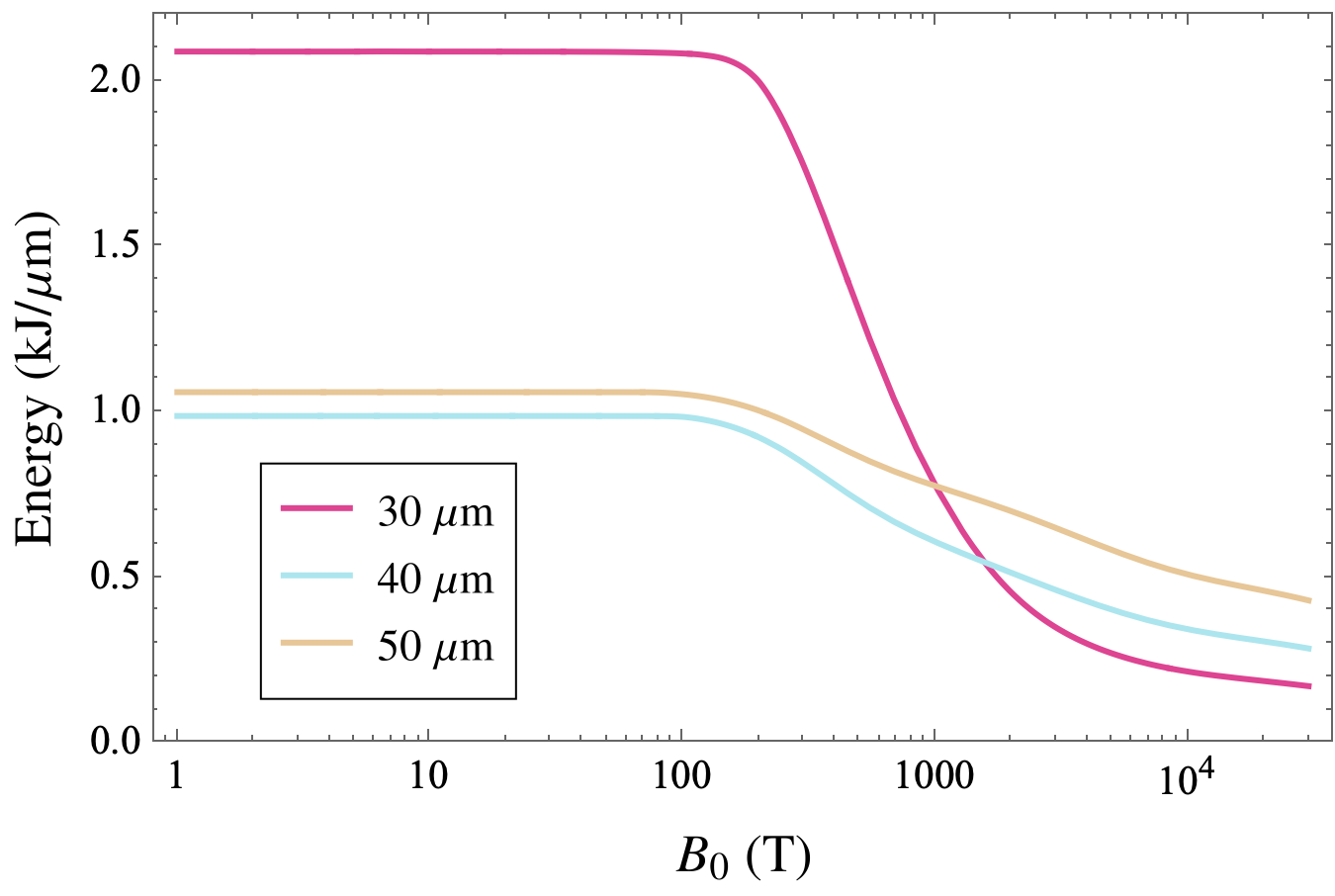
Figure 10: Required ignitor energy for optimal pulse shape as a function of magnetic field strength, highlighting efficiency gains for smaller hotspots under high fields.
For practical constant-power ignitor pulses (100 ps duration, B0=30 kT), the minimum energy to achieve ignition is mapped against hotspot radius for four densities:
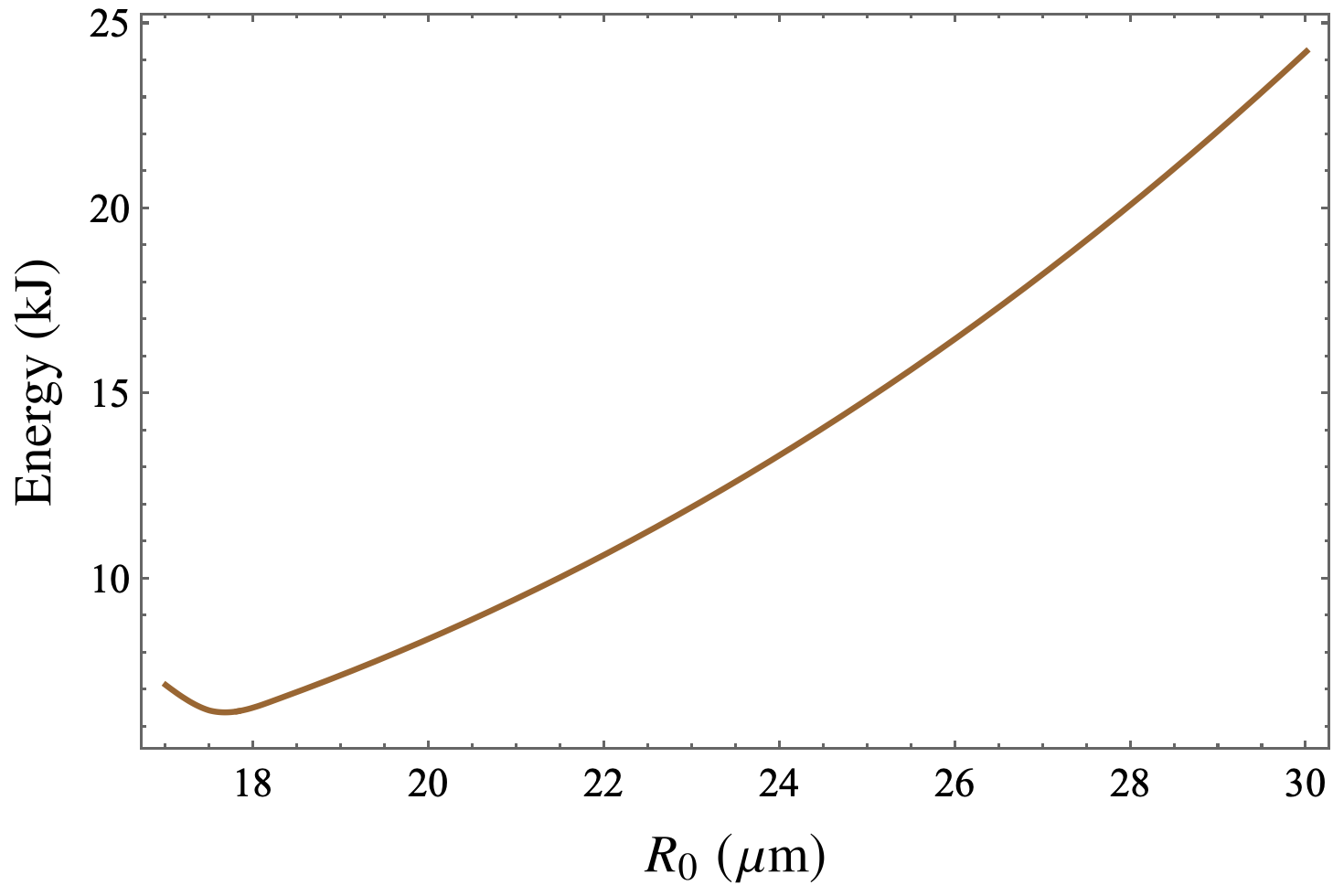
Figure 11: Ignitor energy versus hotspot radius for ρ0=50g/cm3, showing minimum near 6.41 kJ.
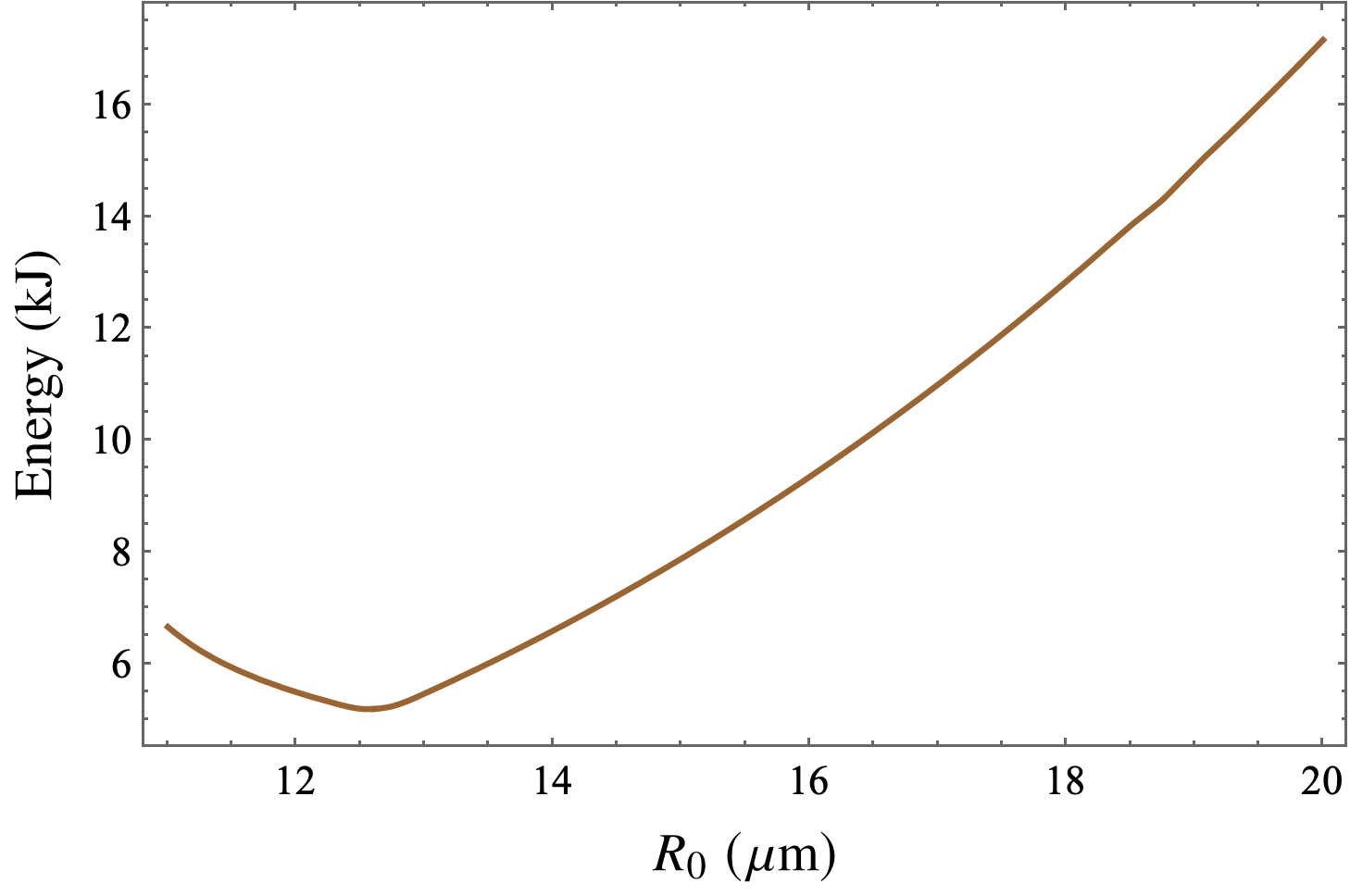
Figure 12: Ignitor energy versus hotspot radius for ρ0=100g/cm3, achieving ignition with 5.19 kJ at 12.5 μm radius.
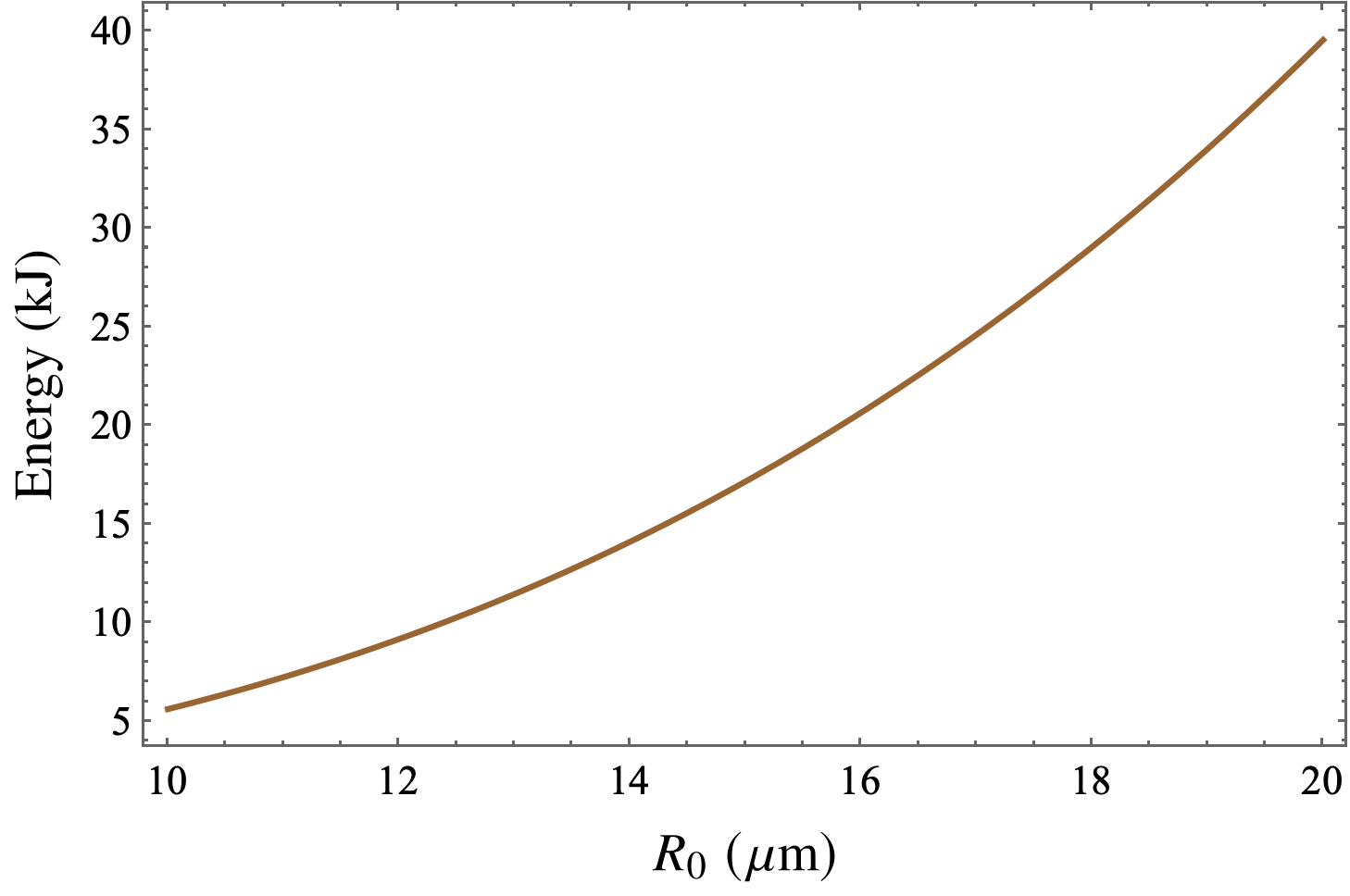
Figure 13: Ignitor energy versus hotspot radius for ρ0=200g/cm3, reaching ignition with 5.63 kJ at 10 μm radius.
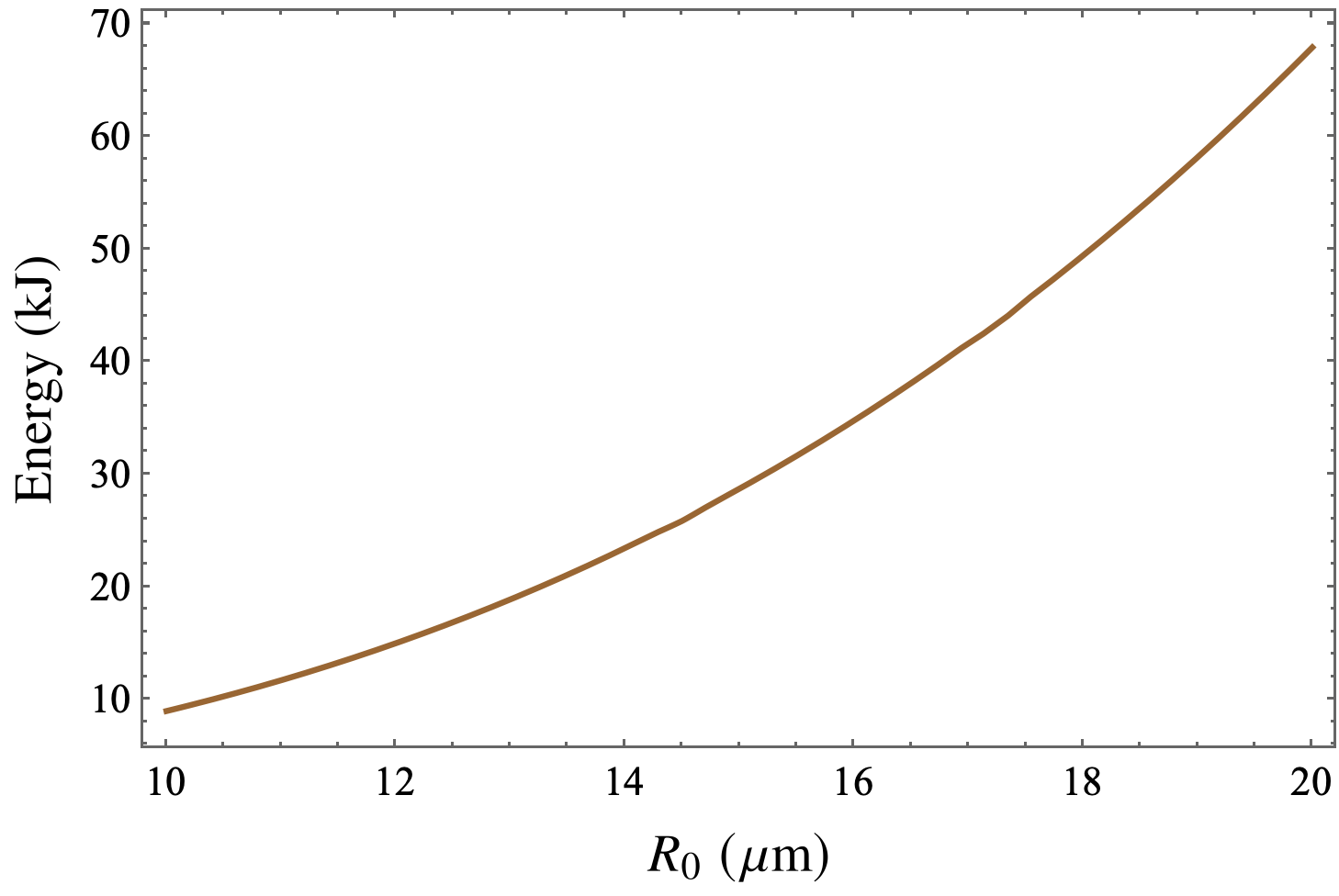
Figure 14: Ignitor energy versus hotspot radius for ρ0=300g/cm3, with minimum near 8.95 kJ.
Results evidence successful ignition with <10 kJ pulse energy and >100 ps duration, contradicting traditional petawatt-scale requirements in laser ICF.
Theoretical and Practical Implications
The model and numerical results rigorously substantiate several strong claims:
- Long-pulse (∼100 ps) fast ignition is feasible in MagLIF with low (∼5–9 kJ) ignitor energies, a regime unattainable in classical spherical ICF due to rapid energy loss.
- Axial magnetic fields, by suppressing conduction and magnetizing fusion alphas, fundamentally alter ignition thresholds and enable ignition at reduced stagnation pressures; for the lowest densities considered, ignition is achievable at pressures comparable to those produced on Z machine-class facilities.
- Practical laser systems (FIREX-II, HiPER) designed for 10–100 kJ, ps-range pulses are more than adequate for the required ignitor energy, relaxing power and standoff constraints.
The practical implication is a major reduction in driver requirements—both in energy and repetition rate—enabling high-yield MagLIF reactors with more accessible hardware and dramatically improved efficiency. Theoretical implications include an expansion of the fast ignition parameter space, with the possibility of high-gain fusion even at moderate pressures and the potential use of advanced fuels.
Future Directions and Considerations
Several avenues for further technical investigation and optimization are identified:
- Incorporation of alpha heating could further reduce ignitor energy, and there is a conservative assumption in neglecting its effect.
- More sophisticated ignitor pulse shaping and intermediate densities can be considered for improved energy efficiency.
- Shear flow enhanced reactivity and turbulence-driven reactivity enhancement—recently proposed mechanisms—could offer additional gains [5nll-y8rx, 10.1063/5.0285620, 10.1063/5.0295335].
- Optimal strategies for collimating ignitor electrons, mitigating magnetic mirror reflection, and exploiting the magnetic field structure in MagLIF require experimental and simulation study.
- The interplay between magnetic and Fermi degeneracy pressure sets stagnation pressure limits and trade-offs which merit optimization.
Conclusion
This work demonstrates, via analytical and numerical modeling, that fast ignition in MagLIF constitutes a fundamentally viable pathway for inertial fusion, capable of achieving ignition with long, modest-energy pulses by leveraging axial magnetic fields, cylindrical geometry, high aspect ratio, and improved hot spot confinement. The results provide crucial insights for experimental design of next-generation MagLIF fusion systems, suggest practical avenues for power plant realization, and compel further study into magnetic field optimization, pulse shaping, and advanced reactivity mechanisms.