- The paper demonstrates a combined experimental and simulation approach to optimize magnetic compression for attaining fusion-relevant plasma conditions.
- It details innovative coil configurations and advanced diagnostics that improve CT stability, enhance flux conservation, and reduce impurity levels.
- The study introduces the DELiTE framework, a finite element MHD simulation tool that rigorously conserves mass, energy, and magnetic flux.
Essay on "Magnetic Compression of Compact Tori: Experiment and Simulation" (2601.19291)
Introduction and Motivation
The thesis "Magnetic Compression of Compact Tori: Experiment and Simulation" (2601.19291) presents a combined experimental and computational study of magnetic compression of compact toroidal (CT) plasmas. This research is motivated by the challenge of achieving magnetically confined plasmas at fusion-relevant conditions using Magnetic Target Fusion (MTF) schemes, in which a pre-formed, magnetized plasma is rapidly compressed to raise its temperature and density to ignition thresholds. The experimental platform, developed by General Fusion, provides a repetitive, non-destructive testbed to complement destructive plasma compression experiments and to elucidate the MHD physics governing CT compression.
Physical Background and Previous Work
The author provides a thorough theoretical and contextual background, situating this work within established magnetic confinement architectures (tokamaks, spheromaks, reversed field pinches, field-reversed configurations) and highlighting the unique regime of MTF—intermediate between Magnetic Confinement Fusion (MCF) and Inertial Confinement Fusion (ICF)—with correspondingly distinctive demands for flux conservation, stability, and rapid compressional heating. The scaling laws for adiabatic compression, magnetic flux conservation, and transport/dissipation mechanisms such as ohmic heating and impurity radiation losses are exhaustively presented, establishing a rigorous basis for the analysis and modeling of the experiment.
An extensive review of prior magnetic compression experiments, including the S-1 spheromak, ATC tokamak, ULQ device, and merging/compression approaches, is included, noting how experimental limitations and plasma-wall interactions have historically complicated precise assessment of performance and scaling laws.
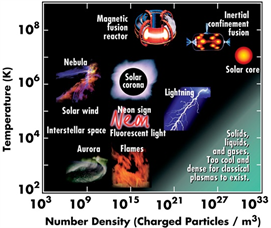
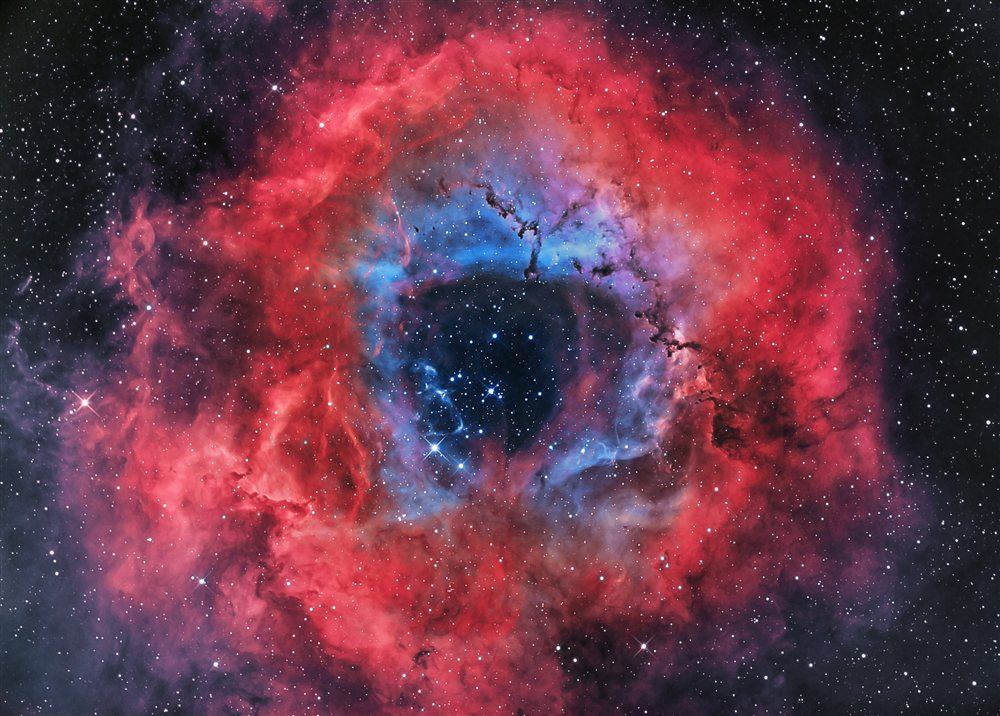
Figure 1: Depiction of plasma parameters across various astrophysical and laboratory environments, situating CT plasmas relative to other regimes.
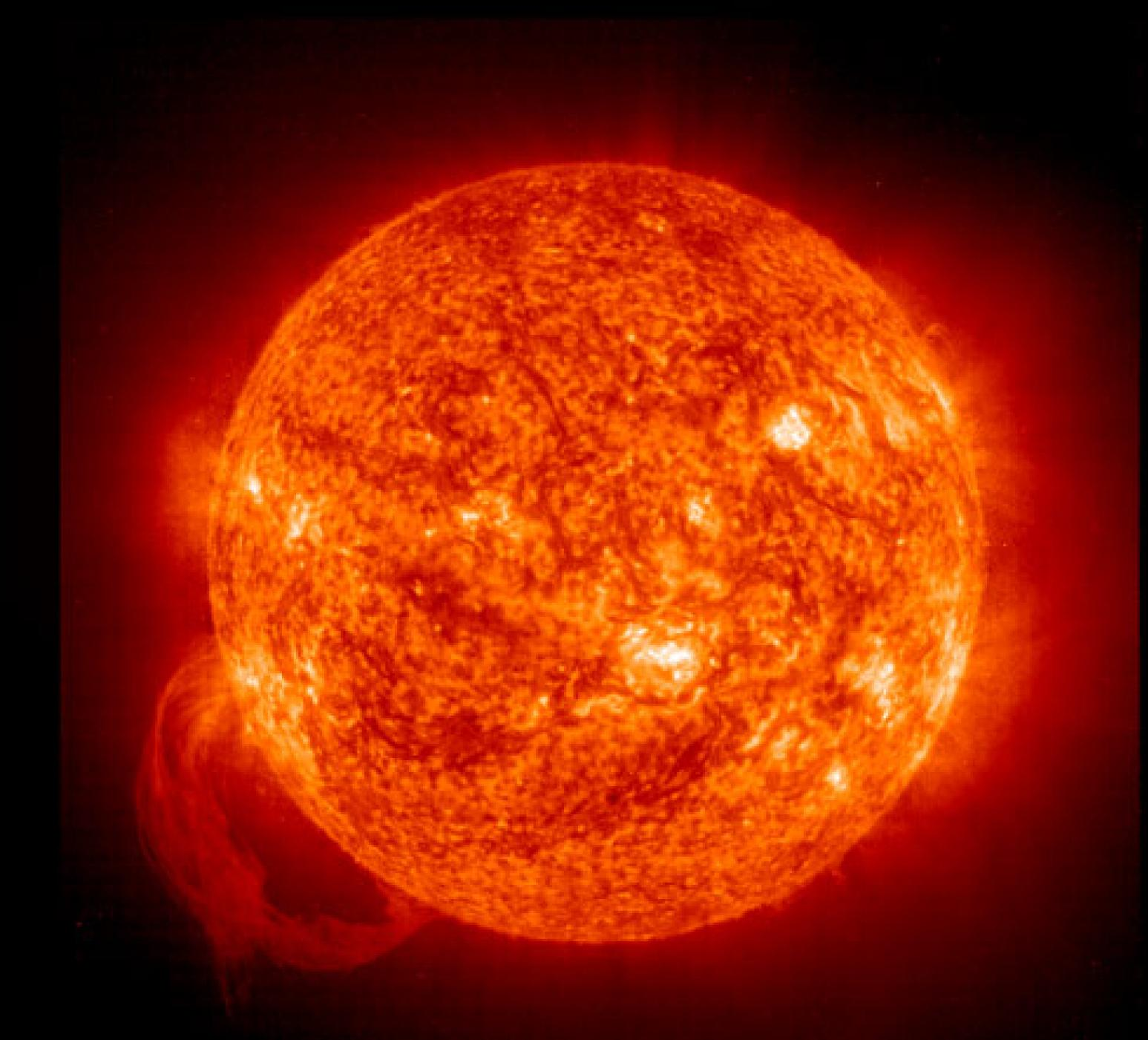
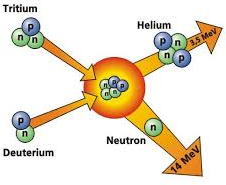
Figure 2: Illustration of the solar D-T reaction, underscoring the energy scales relevant for achieving fusion conditions in MTF experiments.
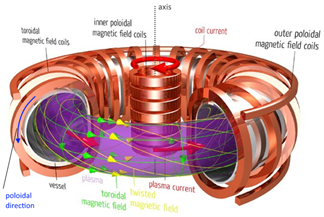
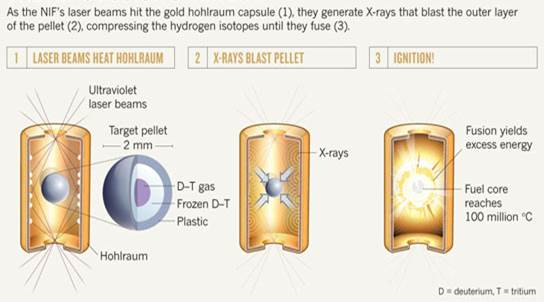
Figure 3: Comparison of MCF and ICF architectures, setting the context for MTF as an intermediate approach.
Experimental System and Diagnostics
The Super Magnetized Ring Test (SMRT) apparatus and subsequent iterations (notably the 11-coil configuration) are detailed as to geometry, materials, and COAX gun-based CT formation (Marshall-gun spheromak injection). The experimental protocol is parametrized via timing and amplitude of the main, levitation, formation, and compression circuits. A key innovation of the platform is its ability to levitate the CT off the outer insulating wall via external magnetic fields and then rapidly compress the plasma in a controlled, repetitive fashion, enabling more extensive diagnostic access and experimentation compared to single-shot, explosive PCS tests.
A comprehensive suite of diagnostics is described: Rogowski coils for current measurements, embedded magnetic (B-dot) probes arrayed in the flux-conserving inner chalice, multipoint interferometry for line-averaged electron density, ion-Doppler spectroscopy for T_i, and optical/photometric and spectrometric methods for impurity/line emission quantification. The design trade-off between non-invasive spatial resolution and diagnostic perturbation is carefully considered.
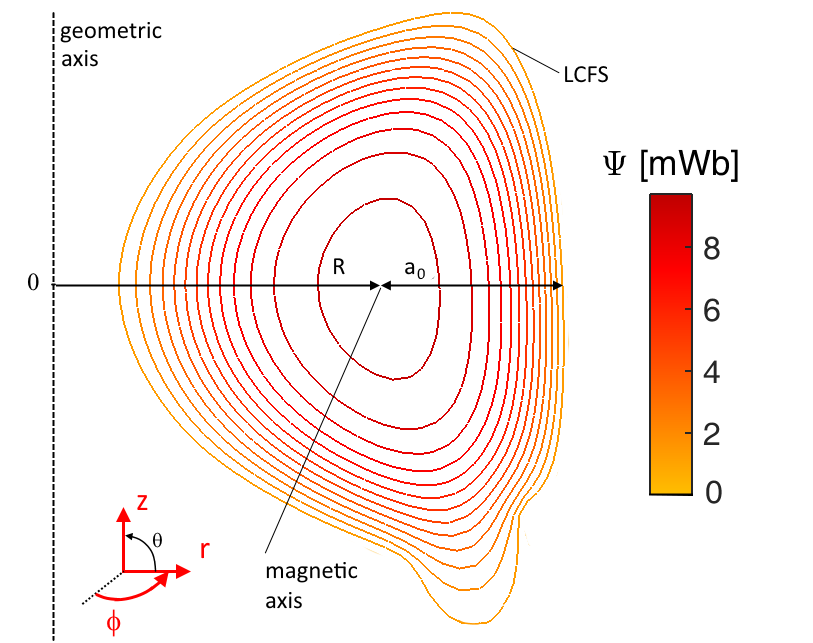
Figure 4: Contours of the CT poloidal flux function in the magnetic compression geometry, defining major/minor radii, magnetic axis, and last closed flux surface.
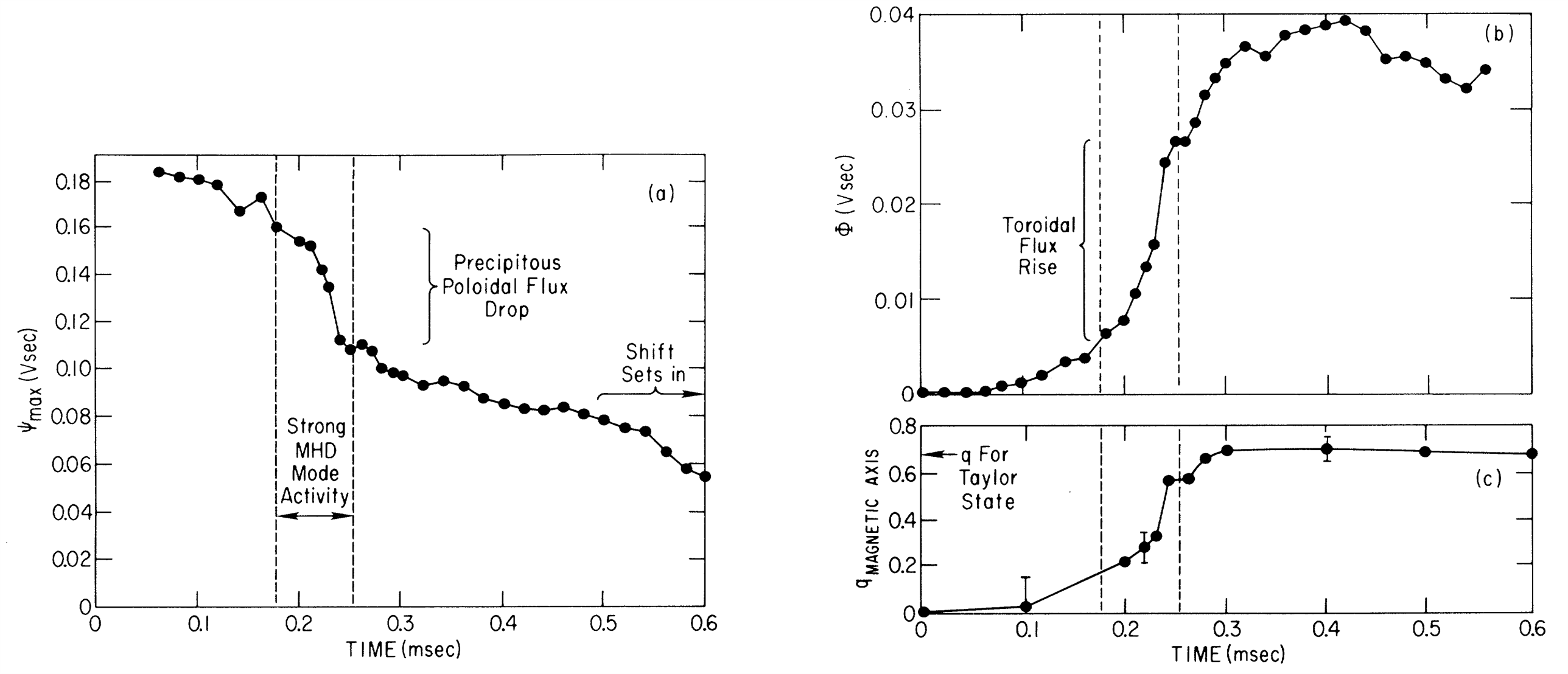
Figure 5: Evolution of spheromak q-axis and magnetic fluxes during compression, displaying relaxation dynamics and flux conservation.
Principal Experimental Findings
Impact of Wall Material and Levitation Field Profile
The thesis presents robust evidence that the choice of insulating wall material (alumina vs. quartz vs. stainless steel), the levitation field topology (6-coil, 11-coil, or multi-turn arrangements), and the dynamic control of levitation/CT current decay rates all exert critical influence on CT stability, impurity generation, and compressional performance. Impurity control is shown to be a central constraint; optimized levitation field configurations (notably the 11-coil setup) significantly reduced plasma-wall contact during formation, leading to much lower impurity concentrations and associated radiative losses, higher T_e/i, and longer-lived CTs.
Numerical and spectrometric data show dramatic reductions in impurity line emission with the improved coil configurations, and a strong correlation between these reductions and increased CT lifetime and recurrence rate for 'good' shots—that is, shots displaying high flux conservation and robust magnetic compression.
CT Compression, Stability, and Instabilities
Quantitative analysis of magnetic field probe data during compression reveals that while traditional 6-coil configurations frequently exhibited flux-loss events correlated with MHD instabilities (typically diagnosed as external kink/sausage modes), the 11-coil configuration both improved average magnetic compression ratios (C_Bθ) and increased the proportion of flux-conserving, symmetric compressions (>70% of shots vs. ~10%). Ion-Doppler measurements demonstrate substantial increases in T_i (by factors up to 4) during compression, and interferometric data show corresponding increases in density and sharp inward movement of the density front, with velocities up to 10 km/s.
The onset of a compressional instability is frequently observed, characterized by asymmetric increases and sign reversals in B_φ probe data—indicative of localized current path shifts facilitated by inhomogeneous MHD activity and partially reconcilable with 2D simulations enforcing strict flux conservation.
Notably, the combination of active control of levitation/CT current decay rates and the optimized external field geometry enables the production of high-flux CTs with consistently high performance, up to τ_CT ~274 μs in the best cases (substantially exceeding prior results with similar hardware).
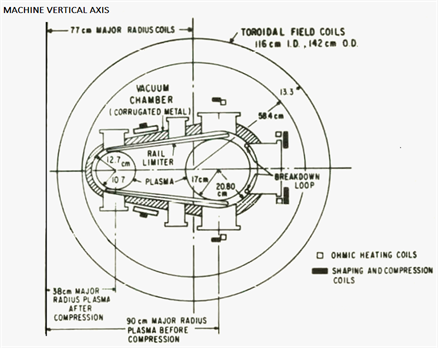
Figure 6: Diagram of the ATC device with compression coil architecture, illustrating the mechanical and field topology contrasts with spheromak systems.
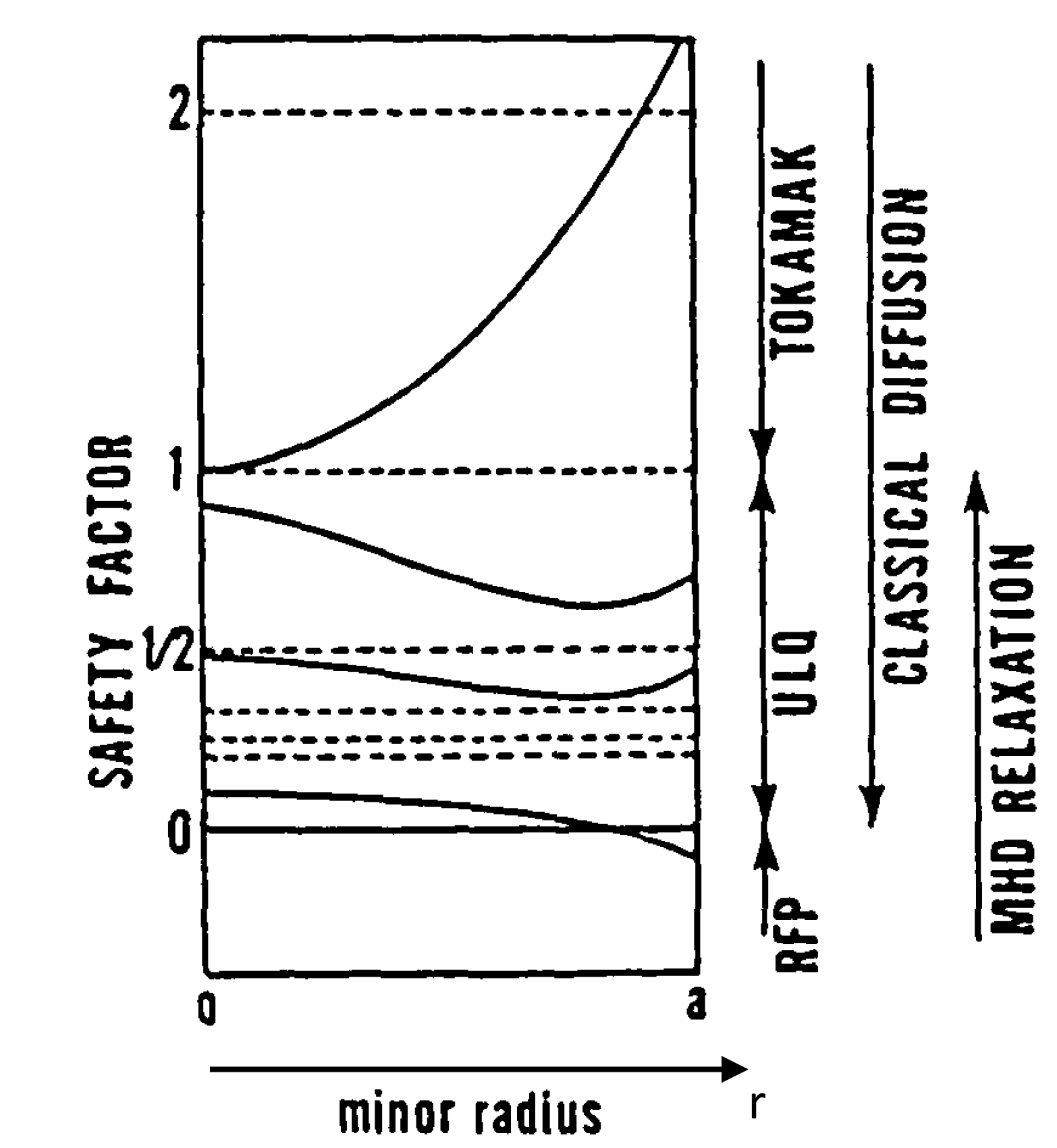
Figure 7: Comparative q-profiles (safety factor) across ultra-low q (ULQ), RFP, and tokamak configurations, relevant for assessing MHD stability in the compressed CT.
Quantified Compression Ratios and Diagnostics
Through innovative use of side-mounted B-dot probes and FEMM-modeled reference discharges, the author demonstrates a quantitative, time-resolved mapping of the outboard equatorial separatrix during compression shots, enabling direct measurement of geometric compression factors. For the most robust cases, radial compression factors of C_s ≈ 1.7 are shown, near the upper limit resolvable by the diagnostic.
Further, coincident spikes in neutron-sensitive scintillator data during initial compression in deuterium discharges imply at least transient access to fusion-relevant ion energies during the compression pulse, though more refined diagnostics would be needed to conclusively demonstrate D-D fusion yield.
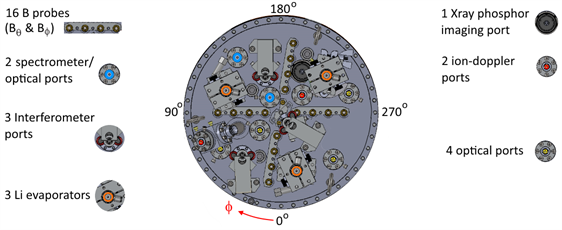
Figure 8: Schematic illustrating current path shift and the emergence of compressional instabilities as CTs are compressed, leading to observable B_φ inversion.
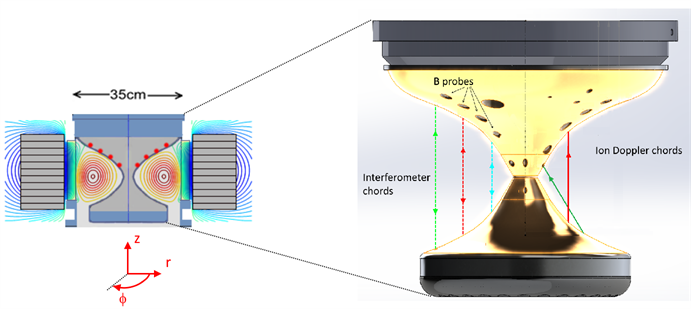
Figure 9: Schematic/photograph showing the 11-coil configuration installed on the experiment, with enhanced field symmetry and vertical coverage.
Computational and Theoretical Advances
A major component of the thesis is the development of the Differential Equations on Linear Triangular Elements (DELiTE) framework—an axisymmetric, unstructured triangular mesh code for simulating resistive single-fluid/two-temperature MHD with global conservation properties. All physical fields and operators (gradient, divergence, Laplacian, elliptic ∆*) are derived using finite element procedures to enforce strict conservation of mass, energy, toroidal flux, and angular momentum, adopting nodal and elemental mappings that ensure discrete analogs of continuous integral theorems and product rules. The code is constructed in a modular, matrix-based formalism, with flexible implementation of closure models (e.g., Spitzer resistivity, anisotropic heat transport), ensuring robust and physically faithful simulation.
Comparative analysis of simulated and experimental diagnostics shows convincing agreement in the time-resolved evolution of B_θ, T_i, and n_e during formation, levitation, and compression, validating both the code and the physical models employed.
Broader Implications and Future Directions
This work provides a comprehensive, quantitatively rich dataset and modeling framework for understanding the coupled roles of magnetic topology, wall/plasma material compatibility, and current drive/decay dynamics in the rapid compression of magnetized plasmas. The findings strongly indicate that high-performance, repetitive MTF compression is accessible—contingent primarily on optimized impurity control and stability management via external field configuration.
Practically, this suggests immediate design improvements for future devices: insulating walls constructed from low-Z, high-purity materials (such as pyrolytic boron nitride), and more advanced multi-coil field shaping arrays—perhaps with in-vessel active controls—can further enhance CT confinement and compressional symmetry. The demonstrated DELiTE approach could serve as a foundational tool for advanced 3D modeling and for coupling to more sophisticated kinetic and radiative transport physics.
Theoretically, the demonstration of conservation-law-respecting finite element frameworks in realistic geometries paves the way for their adoption in broader plasma physics and even general compressible MHD simulation contexts, including fusion startup, reconnection, and astrophysical systems. The identification and partial characterization of the compressional instability also invites further 3D nonlinear analysis.
Conclusion
The thesis "Magnetic Compression of Compact Tori: Experiment and Simulation" (2601.19291) represents a rigorous, multi-faceted advance in the experimental and computational science of magnetized plasma compression. By systematically disentangling the effects of wall material, field geometry, and current dynamics, and by leveraging diagnostics and state-of-the-art numerical modeling, the work provides a well-substantiated basis for both further experimental progress and theoretical understanding in the pursuit of MTF-based fusion approaches. The detailed experimental methodologies, combined with the DELiTE computational infrastructure, provide a template for future work seeking to robustly optimize the magnetic compression of compact torus plasmas for fusion relevant applications.