Democratizing Music Therapy: LLM-Based Automated EEG Analysis and Progress Tracking for Low-Cost Home Devices
Abstract: Home-based music therapy devices require accessible and cost-effective solutions for users to understand and track their therapeutic progress. Traditional physiological signal analysis, particularly EEG interpretation, relies heavily on domain experts, creating barriers to scalability and home adoption. Meanwhile, few experts are capable of interpreting physiological signal data while also making targeted music recommendations. While LLMs have shown promise in various domains, their application to automated physiological report generation for music therapy represents an unexplored task. We present a prototype system that leverages LLMs to bridge this gap -- transforming raw EEG and cardiovascular data into human-readable therapeutic reports and personalized music recommendations. Unlike prior work focusing on real-time physiological adaptation during listening, our approach emphasizes post-session analysis and interpretable reporting, enabling non-expert users to comprehend their psychophysiological states and track therapeutic outcomes over time. By integrating signal processing modules with LLM-based reasoning agents, the system provides a practical and low-cost solution for short-term progress monitoring in home music therapy contexts. This work demonstrates the feasibility of applying LLMs to a novel task -- democratizing access to physiology-driven music therapy through automated, interpretable reporting.
Paper Prompts
Sign up for free to create and run prompts on this paper using GPT-5.
Top Community Prompts
Explain it Like I'm 14
What is this paper about?
This paper shows a new, low-cost way to help people use music therapy at home. It turns brain and heart signals into easy-to-read reports and gives simple music suggestions to help users relax, focus, or track progress over time. The key idea is to use an AI writing tool (a LLM, or LLM) to “translate” complex body signals into plain language and practical music advice.
What questions did the researchers ask?
They focused on three simple questions:
- How can we turn raw brainwave and heart data into clear summaries that normal users can understand?
- How can we connect those summaries to useful, personalized music recommendations?
- Can we do all this with affordable, home-friendly devices instead of expensive hospital equipment?
How did they do it?
Think of your brain and heart as sending out signals like waves on an ocean. The system listens to those waves, then explains what they mean and picks fitting music.
Here’s the basic setup in everyday terms:
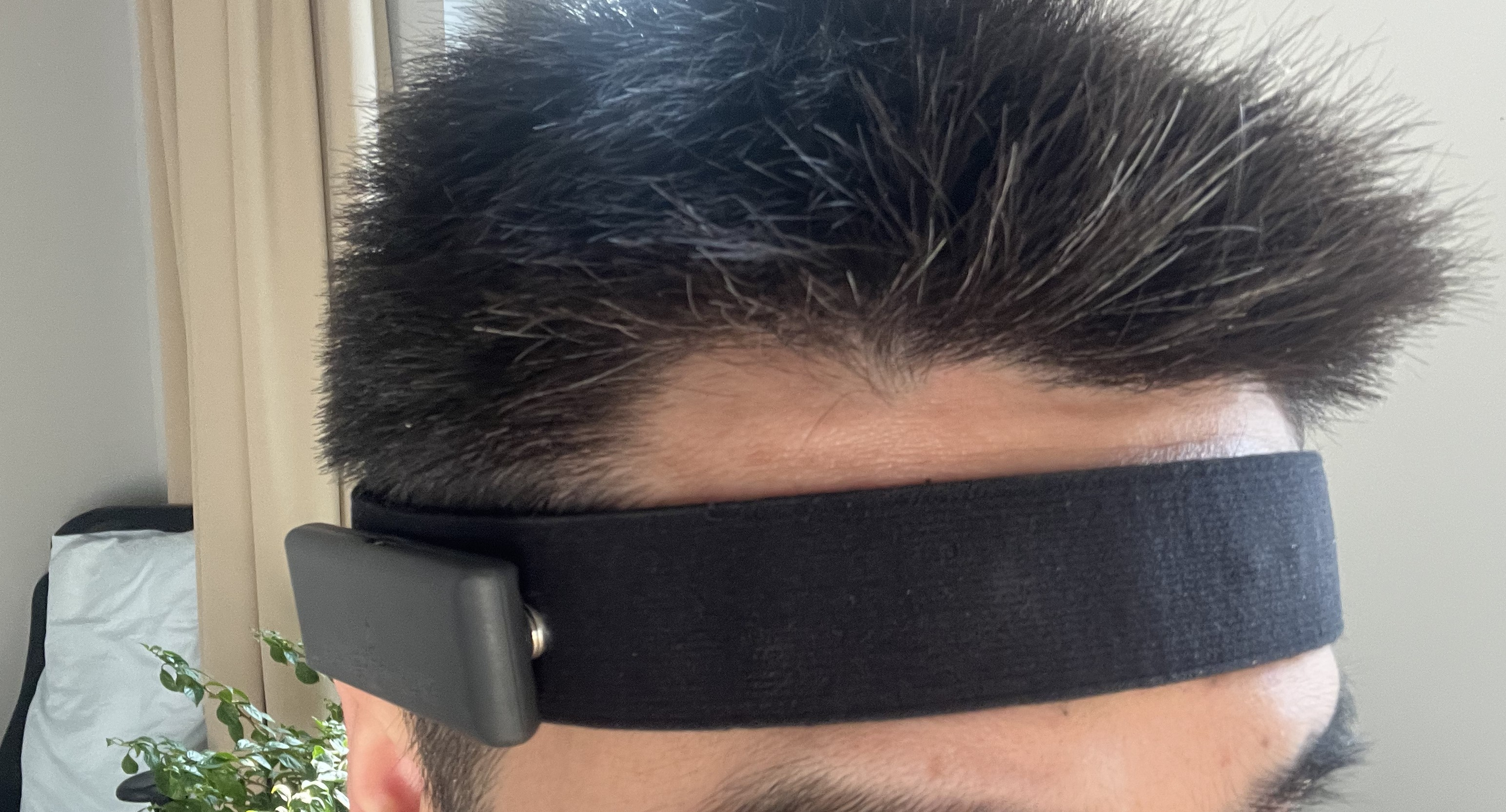
- Brain signals (EEG): A comfy headband on the forehead records brainwaves during a 6‑minute music session. Brainwaves come in different “speeds,” often grouped as:
- Delta (very slow, 0.5–4 Hz)
- Theta (slow, 4–8 Hz)
- Alpha (medium, 8–13 Hz)
- Beta (faster, 13–30 Hz)
- You can think of these like four lanes on a highway, each with cars going at different speeds.
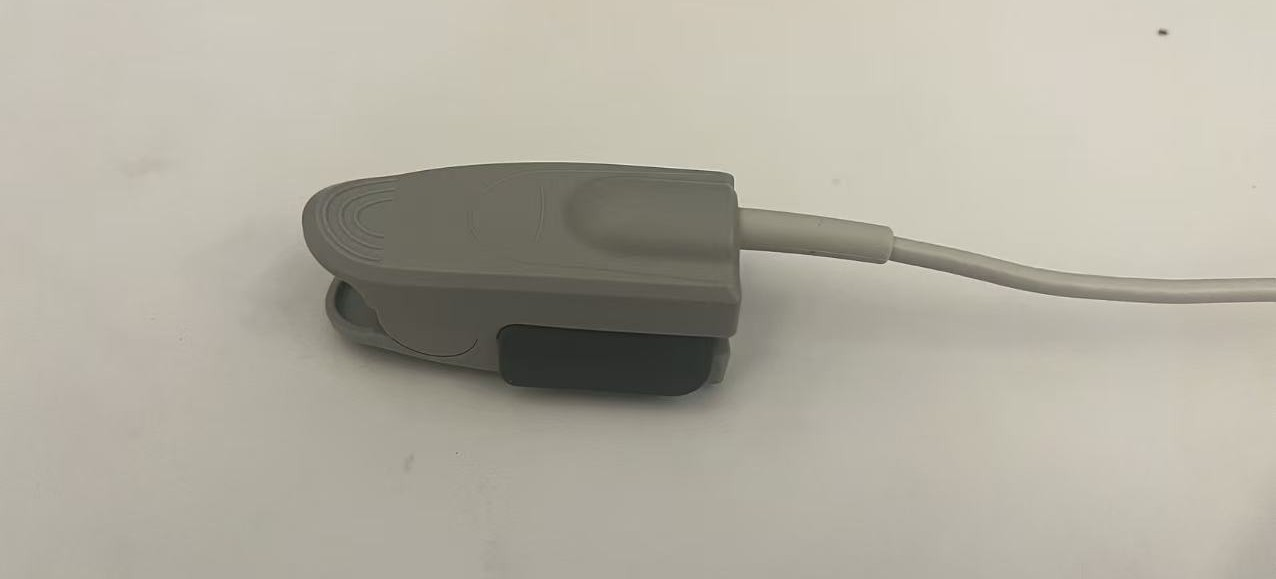
- Heart data: A fingertip sensor tracks heart rate and blood oxygen. Heart rate is measured in beats per minute (BPM).
What the system does step by step:
- It cleans the EEG signal and sorts it into the four brainwave “lanes.” Then it checks how strong each lane is at the start versus the end of the session (did Alpha go up or down?), and finds the most common exact frequency inside each lane.
- It averages your heart rate during the session.
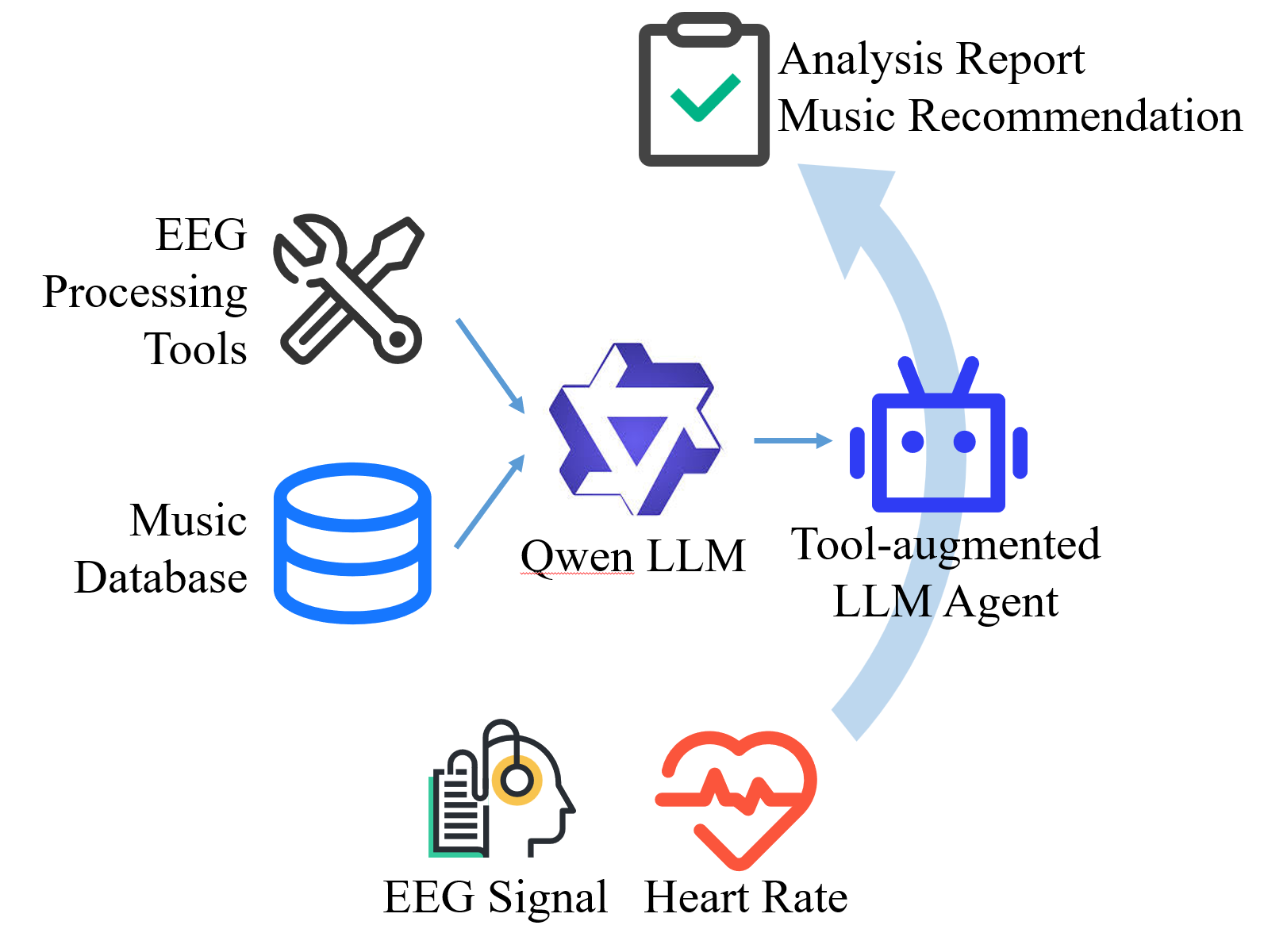
- An AI model (LLM) is then used like a smart translator. It takes these numbers and:
- Writes a short, human-friendly report about your brain state (for example, “more relaxed” or “more alert”).
- Suggests music settings to try next (like a target BPM or sound style).
- Picks tracks from a prepared music library that match your heart rate and goals (for relaxation, it chooses music at or slightly below your heart rate; for exercise, it chooses faster music). This “look-up and recommend” step is supported by a method called retrieval-augmented generation, which just means the AI checks a small database of songs to pick good matches.
The system runs on consumer devices:
- A single-channel EEG headband on the forehead (prefrontal area) that costs a few hundred dollars.
- A low-cost fingertip heart sensor.
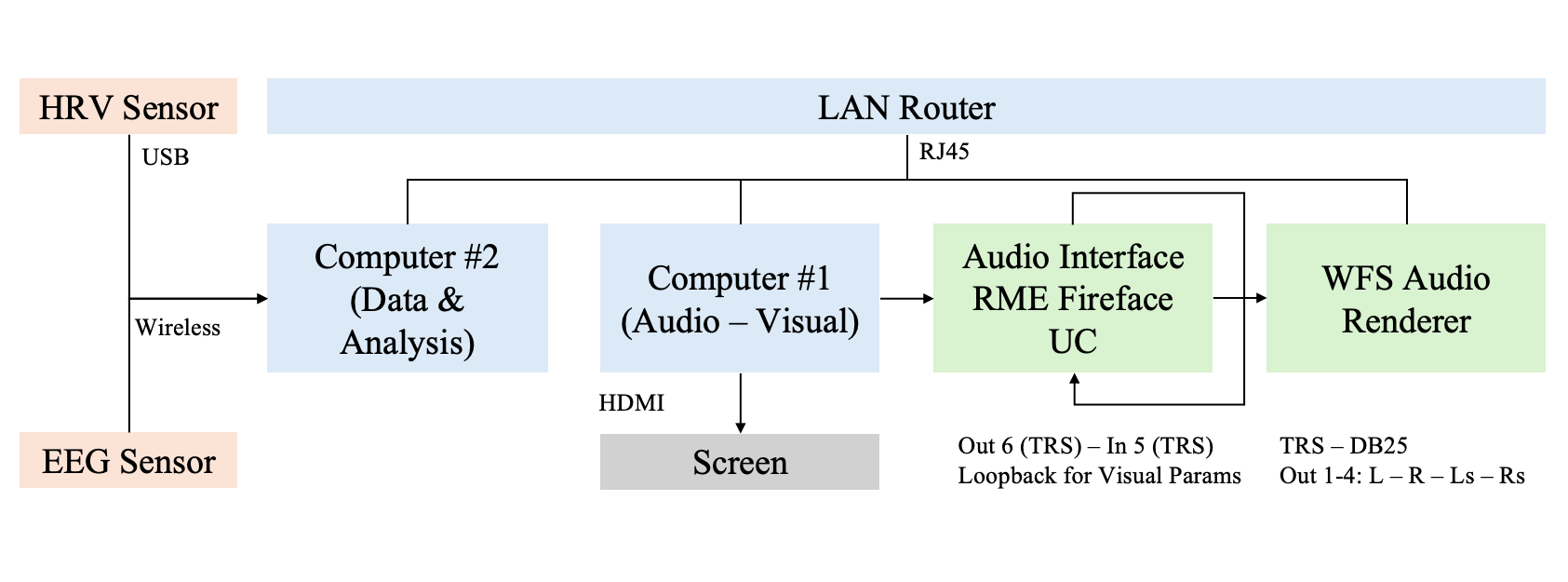
- A regular computer to process data and run the AI.
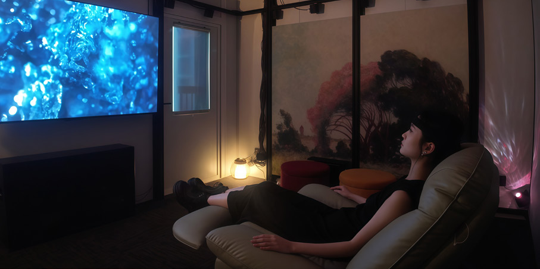
The therapy pod also includes pleasant soundscapes, optional binaural beats, and immersive audio. While the pod can adjust music in real-time, this paper focuses on what happens after the session: the clear report and the follow-up music tips.
What did they find, and why does it matter?
Main results:
- Expert review: Professionals compared reports from three methods. The new system’s reports were rated best on average for accuracy, clarity, and usefulness, beating two baseline AI setups that didn’t use the specialized signal tools.
- User study: 33 volunteers tried the system. When the AI’s reports used emotional words (like “relaxed” or “anxious”), the overall tone matched the users’ own reported moods. People who felt better showed more positive terms in their AI reports, suggesting the summaries reflect real emotional changes.
- Practicality: The whole process worked with affordable, home-friendly gear. That means more people could access music therapy insights without visiting a clinic.
Why it matters:
- It makes complex brain and heart data understandable for everyday users.
- It gives simple, actionable music guidance (like “try songs around this BPM” or “include gentle alpha-range sounds”) to support sleep, relaxation, or focus.
- It helps users track progress over time, not just in the moment.
What are the bigger impacts?
If this approach spreads, it could:
- Democratize music therapy: More people could get personalized, science-informed music guidance at home.
- Support self-care: Clear reports help users see what’s working and adjust their routines.
- Guide future tools: The idea of using an AI “translator” between body signals and human language could be applied to other wellness areas, not just music.
The authors also note some limits and next steps:
- The EEG is just one forehead channel, so it gives helpful trends, not detailed medical diagnoses.
- The music library was carefully designed by the team for consistency; future systems might add more variety for personal taste.
- The current study focuses on post-session reports; future versions could blend real-time adaptation with clear after-session summaries.
In short, this research shows a promising, low-cost path to make music therapy more understandable, personalized, and easy to use at home.
Knowledge Gaps
Knowledge gaps, limitations, and open questions
Below is a concise, actionable list of what remains missing, uncertain, or unexplored in the paper.
- Signal quality and artifact handling: The pipeline lacks robust artifact rejection (e.g., eye blinks, saccades, muscle activity, motion), no ICA or automated artifact detection, and uses forward-only filtering (potential phase distortions) without quantifying SNR or demonstrating artifact resilience.
- Single-channel EEG constraint: Using only AF3 limits spatial information (e.g., frontal alpha asymmetry, inter-hemispheric dynamics) and may reduce reliability of inferences; no comparison to multichannel or clinical-grade EEG to quantify accuracy loss.
- Calibration and placement variability: No assessment of how headband fit, skin-electrode impedance, or electrode drift affect derived features and report stability across sessions or users.
- Feature validity and sensitivity: The trend metric (median envelope in first vs second half) is coarse; no analysis of sensitivity to windowing, session length, or nonstationarity; dominant-frequency identification lacks leakage controls and confidence measures.
- No ground-truth benchmarking: EEG feature extraction and interpretations are not validated against labeled datasets, expert-annotated events, or known physiological benchmarks (e.g., standardized tasks inducing alpha/theta changes).
- Test–retest reliability: Stability of computed EEG features and LLM-generated interpretations across repeated sessions is not reported.
- Cardio-respiratory underuse: Heart data is reduced to average BPM; HRV metrics (time/frequency-domain, non-linear) and respiration coupling are absent; SpO2 is collected but unused.
- Baseline definition for HR: It is unclear whether “average HR” reflects resting, task, or mixed states; the effect of measurement context on BPM-based recommendations is not examined.
- Audio-EEG coupling unmodeled: The system does not include or analyze acoustic features (tempo, spectral centroid, dynamics, timbre) of the stimuli to model causal relationships between music and EEG responses.
- Entrainment efficacy untested in awake state: Claims of theta/alpha neuromodulation via closed-loop or binaural beats are not empirically validated within this setup for awake participants; no entrainment effect sizes reported.
- Short session duration: Only 6-minute sessions are studied; dose-response characteristics (optimal durations, timing, frequency of use) remain unknown.
- Progress tracking not longitudinally validated: Despite the goal of “progress tracking,” there is no multi-session, longitudinal evaluation demonstrating detectable trends or meaningful clinical change over time.
- Outcome measures lack clinical rigor: User study relies on keyword counts rather than validated psychometrics (e.g., STAI, PSS, PSQI) or objective physiological endpoints; no pre–post statistics, effect sizes, or controls.
- Placebo and novelty effects: No control conditions (e.g., sham music, random recommendations, no-report LLM) to rule out expectancy or novelty impacts on user-reported outcomes.
- Expert evaluation limitations: Details about the number of experts, inter-rater reliability, statistical significance, and rubric validity are missing; baseline models are not matched in tool access, raising fairness concerns.
- Ambiguity in baseline models: The “GPT-5” and “Qwen-plus” baselines are insufficiently specified (versioning, configuration), hindering reproducibility and comparability.
- Lack of uncertainty quantification: The system does not provide confidence scores, calibration, or error bars for EEG inferences or recommendations, limiting interpretability and safety.
- Hallucination and safety checks: No quantitative assessment of LLM hallucinations, consistency across runs, or safeguards against medically unsafe or misleading recommendations.
- Generalization to home audio: The prototype uses immersive 64-channel wave field synthesis; efficacy and transferability to common home setups (stereo speakers, headphones) are untested.
- Music library scope and external validity: The RAG database contains 26 curated tracks (despite stating ~100 compositions); it is unclear how the system performs with large, diverse, or user-supplied libraries and real-world streaming catalogs.
- Personalization beyond BPM: Recommendations largely hinge on BPM and generic EEG interpretations; user preferences, cultural context, history, and situational goals are not modeled or learned over time.
- Adaptive policies: No exploration of online learning (e.g., contextual bandits, RL) to adapt recommendations based on longitudinal feedback or physiological responses.
- Safety and contraindications: Potential risks (e.g., auditory stimulation in photosensitive epilepsy, migraine, anxiety exacerbation) are not assessed; no adverse event monitoring or stop criteria are described.
- Privacy and deployment: Data governance for home use (on-device vs cloud inference, encryption, retention policies, model update pathways) is not specified.
- Hardware/platform variability: Cross-device generalization (different consumer EEGs, sampling rates, electrode sites) and robustness to environmental noise are untested.
- Demographic and clinical diversity: Results are from a small, non-clinical convenience sample; no subgroup analyses (age, sex/gender, neurodiversity, cultural background) or testing in target clinical populations (e.g., anxiety, insomnia).
- Visuals as confounds: The presence of synchronized visuals may affect physiology; their contribution is not controlled or quantified relative to audio-only conditions.
- Session design rigidity: A fixed, linear protocol may limit ecological validity; the effect of configurable sequences, user pacing, and branching strategies is unexplored.
- Statistical rigor: No formal hypothesis testing for user study outcomes, no corrections for multiple comparisons, and no preregistered analysis plan are provided.
- Reproducibility gaps: Code, prompts, models, datasets, and parameter settings are not released; several equations include typos, and filter specifications (order, phase, transition bands) are under-detailed.
- Clinical integration: How therapists might audit, override, or incorporate the reports into care pathways is not addressed; regulatory classification and intended use statements are unclear.
- Cross-lingual and cultural adaptation: The system’s language outputs and music styles may not generalize across languages and cultures; localization strategies are not discussed.
- Computational footprint: Real-time latency, memory/compute requirements on consumer hardware, and energy/battery constraints are not measured or reported.
- Model and data drift: Procedures for updating the LLM, music database, and signal-processing components, and monitoring for drift or regressions, are unspecified.
- Metric for “effective therapy”: Clear, validated, and actionable definitions and thresholds for “session effectiveness” or “progress” are absent.
Practical Applications
Immediate Applications
The following applications can be deployed now, leveraging consumer-grade EEG/HR devices, the LLM-based reporting pipeline, and BPM-driven music recommendation demonstrated in the paper.
- Home wellness app for post-session music therapy reporting (Healthcare, Software, Media)
- Use case: Consumers wear a single-channel forehead EEG headband and a fingertip oximeter (or only a smartwatch for HR), then receive a plain-language report of relaxation/attention trends and follow-up music recommendations mapped to BPM.
- Tools/products/workflows: Mobile app with local or cloud LLM inference; function-calling EEG feature extractor; RAG retrieval from a curated BPM-tagged library; integrations with Apple Health/Google Fit/Spotify.
- Assumptions/dependencies: Non-diagnostic wellness positioning; access to wearable sensor streams; sufficient signal quality; licensing for music content; safe audio levels; user consent and privacy compliance.
- Therapist-facing dashboard for remote progress tracking (Healthcare)
- Use case: Music therapists or counselors monitor clients’ home sessions, receive automated psychophysiological summaries, and adjust therapy plans asynchronously.
- Tools/products/workflows: Web dashboard; automated report generation; session history and trend plots; export to EMR-lite notes; therapist annotations and protocol templates.
- Assumptions/dependencies: Clinical oversight; clear disclaimers (not a medical diagnostic); HIPAA/GDPR compliance; consent management; therapist training on interpreting consumer EEG output.
- Workplace wellness pods and quiet rooms (HR/Occupational Health, Facilities)
- Use case: Offices deploy a low-cost therapy pod with guided 6-minute sessions, post-session reports, and personalized playlist QR codes to support stress reduction and recovery breaks.
- Tools/products/workflows: Off-the-shelf single-channel EEG headbands, oximeters, speakers, TouchDesigner/Resolume visuals, local LLM server (Qwen3 32B or smaller), curated music library.
- Assumptions/dependencies: Facilities readiness; liability and safety policies; anonymized usage metrics; data minimization to protect employee privacy.
- Neuro-music education kits (Education)
- Use case: Universities and high schools teach neural signal processing and music therapy principles using the pipeline (band-pass filters, Hilbert envelopes, FFT, LLM interpretation).
- Tools/products/workflows: Lab modules and notebooks; Max patch (Reflex-in) for phase-locked auditory stimuli; open prompts and tool-call examples; classroom-ready datasets.
- Assumptions/dependencies: Access to low-cost sensors; instructor familiarity with basic DSP; institutional ethics guidelines for student data.
- Fitness BPM alignment companion (Fitness, Media)
- Use case: Runners/cyclists receive BPM-matched warm-up/cool-down playlists based on averaged HR, with optional post-session psychophysiological summaries if EEG is available.
- Tools/products/workflows: Wearable HR integration; playlist generation API; session summaries; adaptive tempo targets for training phases.
- Assumptions/dependencies: Reliable HR access from wearables; content licensing; safety guidance for headphone use during outdoor activity.
- Sleep and relaxation content curation (Consumer Health, Media)
- Use case: Sleep apps offer post-session “relaxation score” and targeted playlist recommendations (alpha/theta-oriented content, binaural beat options) based on simple EEG trends.
- Tools/products/workflows: EEG/HR ingestion; LLM-generated reports; BPM- and band-informed content tags; breathing synchronization prompts (e.g., 2:04 at 5.33 Hz).
- Assumptions/dependencies: Comfort with headband at bedtime; non-clinical positioning; individual variability in binaural beat responses; quiet environment.
- Artist/label production and tagging tool (Media/Creative Industry)
- Use case: Producers label tracks by BPM and neuromodulation characteristics (e.g., alpha-friendly textures, limited dynamic range), enabling downstream physiology-aware recommendations.
- Tools/products/workflows: DAW plugin for physiological tagging; batch BPM/metadata tooling; guidelines from the paper’s music corpus (instrumentation, timbre, dynamics).
- Assumptions/dependencies: Adoption by artists; standardized metadata schema; no claims of clinical efficacy; listener diversity in preference.
- Low-cost research pipeline for post-hoc physiological analysis (Academia)
- Use case: Labs run small-scale experiments with consumer EEG/HR, using the LLM agent to generate interpretable summaries and test hypotheses on music-physiology relationships.
- Tools/products/workflows: Python signal processing; function-calling LLM; RAG music retrieval; reproducible prompts and outputs; ethics review for data handling.
- Assumptions/dependencies: Transparent model configuration (e.g., Qwen3 32B); code availability; clear reporting standards; control conditions for validity.
- Pre-op or waiting-area relaxation stations (Healthcare Operations)
- Use case: Hospitals provide non-diagnostic music therapy stations to reduce anxiety, with automated plain-language session reports to support patient experience.
- Tools/products/workflows: Kiosk-like setup; curated safe audio content; short sessions; printed QR codes for at-home playlists.
- Assumptions/dependencies: Infection control (device hygiene); hospital policy approvals; staff onboarding; non-clinical claims.
- VR/AR wellness experiences integrating visuals (Creative Tech, Wellness)
- Use case: Studios embed the pipeline into immersive scenes (ocean/forest) with audio-driven visuals for guided relaxation sessions, followed by report and recommendations.
- Tools/products/workflows: TouchDesigner/Processing/Resolume integration; EEG/HR streaming; local LLM; curated BPM library.
- Assumptions/dependencies: Hardware compatibility; motion sickness considerations; privacy safeguards.
Long-Term Applications
These applications require further validation, scaling, regulatory clearance, productization, or technical development beyond the current prototype.
- Real-time closed-loop personalized neuromodulation (Healthcare, Software)
- Use case: Continuous monitoring adapts musical parameters on the fly (phase-locked stimuli, binaural beats, timbral features) to steer brain states during sessions.
- Tools/products/workflows: Multi-modal latency-optimized pipeline; robust artifact rejection; reinforcement learning for music parameter control; user-specific calibration.
- Assumptions/dependencies: Strong evidence of efficacy in awake states; safety protocols for auditory stimulation; heterogeneous device performance; extensive trials.
- SaMD-class digital therapeutic for anxiety/sleep (Healthcare, Policy/Regulation)
- Use case: A clinically validated, prescription digital therapeutic delivering AI-assisted music therapy with objective physiological progress tracking.
- Tools/products/workflows: Clinical trials; standardized endpoints; adverse event monitoring; post-market surveillance; regulatory submissions (e.g., FDA, NMPA, CE).
- Assumptions/dependencies: High-quality multi-channel data or validated single-channel protocols; model robustness; payer reimbursement pathways; clinician workflow integration.
- Clinical decision support for neuropsychiatry and behavioral health (Healthcare)
- Use case: Clinicians use EEG/HR-informed reports to complement therapy notes, quantify session response, and personalize interventions.
- Tools/products/workflows: EHR integration; longitudinal trend analytics; alerting for atypical patterns; human-in-the-loop review.
- Assumptions/dependencies: Clear scope to avoid diagnostic claims without validation; clinician training; interoperability standards (FHIR).
- Physiology-aware music platform features (Media/Software)
- Use case: Streaming services offer “match to my HR/EEG” curation modes, session recaps, and longitudinal wellness insights.
- Tools/products/workflows: Cross-service APIs for sensor ingestion; standardized content metadata (BPM, spectral density, dynamics); recommendation evaluation pipelines.
- Assumptions/dependencies: Privacy-by-design; user opt-in; robust consent controls; global licensing and data residency constraints.
- Smart home regulation of ambience from psychophysiological states (IoT, Wellness)
- Use case: Lighting, temperature, and soundscapes adapt based on detected states (relaxation/attention/over-arousal) during and after sessions.
- Tools/products/workflows: Edge inference; home hub integrations; multi-sensor fusion (EEG, HRV, SpO2); user preferences and safety constraints.
- Assumptions/dependencies: Reliable state detection; fail-safe behaviors; household privacy norms.
- Employer and insurer wellness programs with outcome incentives (Finance/Policy)
- Use case: Verified reductions in stress indicators tied to incentives, with privacy-preserving metrics and opt-in participation.
- Tools/products/workflows: Aggregated, de-identified analytics; audit trails; fairness and bias checks; program governance.
- Assumptions/dependencies: Scientific validation of outcome measures; ethical frameworks; data-sharing agreements; regulatory acceptance.
- Standardization and benchmarks for LLM-based physiological reporting (Academia, Standards)
- Use case: Community datasets and evaluation protocols to compare models/tools for automated EEG/HR interpretation and music recommendations.
- Tools/products/workflows: Open datasets with labeled sessions; benchmark tasks (trend detection, report quality, recommendation relevance); shared prompts and tool specs.
- Assumptions/dependencies: Broad contributor base; data anonymization; institutional IRB approvals; licensing for models and content.
- Edge-optimized deployment for low-power devices (Software/Hardware)
- Use case: Compress or distill the LLM agent for on-device inference (headbands, mobile SoCs), reducing latency and cloud dependence.
- Tools/products/workflows: Model distillation/quantization; hardware acceleration (NNAPI, Metal, CUDA); offline RAG caches; privacy-centric designs.
- Assumptions/dependencies: Acceptable performance at smaller model sizes; device heterogeneity; update mechanisms.
- Content creation tools for neuromodulation-aware music (Media, Tools)
- Use case: Producers embed phase-locked stimuli and band-targeted textures safely into tracks; export standardized “therapeutic intent” metadata.
- Tools/products/workflows: DAW plugins with safety guards; validation checkers for auditory stimulation parameters; listener calibration workflows.
- Assumptions/dependencies: Replicable efficacy across listeners; hearing safety; avoidance of overclaiming.
- Large-scale, cross-cultural studies of music-physiology mapping (Academia, Public Health)
- Use case: Understand how culture, age, and preferences modulate physiological responses, informing inclusive recommendation policies.
- Tools/products/workflows: Distributed data collection; bias and equity analyses; open science repositories; policy briefs for community wellness programming.
- Assumptions/dependencies: Representative sampling; robust consent; data governance; heterogeneous device ecosystems.
- Certification and training for AI-assisted music therapists (Education, Professional Development)
- Use case: Credential programs teach responsible use of LLM-generated reports, ethical data handling, and evidence-based protocols.
- Tools/products/workflows: Curricula, case studies, supervision frameworks; continuing education credits; competency assessments.
- Assumptions/dependencies: Professional bodies’ adoption; clear scope of practice; evolving guidelines.
- Interoperability frameworks for consumer-grade physiology in clinical workflows (Policy/Standards)
- Use case: Define how non-clinical EEG/HR data can be documented and contextualized in patient records without misleading diagnostic implications.
- Tools/products/workflows: Data schemas, labeling standards (device class, sampling rate, artifact flags), provenance tracking, disclaimers.
- Assumptions/dependencies: Multi-stakeholder consensus; alignment with health informatics standards; legal clarity on data use.
Glossary
- AF3 electrode position: A standard EEG electrode site on the forehead (left prefrontal area) in the 10–20 system. "Raw EEG signals were acquired from the AF3 electrode position (channel index 0) at a sampling rate of 256 Hz."
- Alpha band (α): EEG frequency band associated with relaxed wakefulness, typically 8–13 Hz. "Alpha band (): 8-13 Hz"
- Amplitude envelope: The time-varying magnitude of a signal’s oscillations, often extracted via the analytic signal. "The instantaneous amplitude envelope for each frequency band was computed using the analytic signal derived from the Hilbert transform."
- Amplitude-modulated white noise: Noise whose amplitude is varied over time at a specific rate to influence brain activity. "Harrington et al. confirmed that amplitude-modulated white noise stimulation can enhance higher-frequency theta brainwaves during REM sleep"
- Analytic signal: A complex signal formed from a real signal and its Hilbert transform, used to obtain instantaneous amplitude and phase. "For a real-valued signal , the analytic signal is defined as:"
- Band-pass filtering: A signal processing operation that passes a specific frequency range while attenuating frequencies outside it. "The EEG signals undergo band-pass filtering and a Hilbert transform analysis"
- Beta band (β): EEG frequency band often linked to alertness and active thinking, typically 13–30 Hz. "Beta band (): 13-30 Hz"
- Binaural beats: An auditory illusion produced by playing slightly different tones to each ear, perceived as a rhythmic beat; used for neuromodulation. "we have also incorporated into the system binaural beats based on the dominant frequency of the theta wave band"
- Blood oxygen saturation (SpO2): The percentage of oxygen-saturated hemoglobin in blood, measured non-invasively. "blood oxygen saturation ()"
- BPM (beats per minute): A measure of musical tempo; used to match music to physiological heart rate. "music with a corresponding BPM is searched in a pre-prepared music library"
- Butterworth bandpass filter: A maximally flat-response filter used to isolate EEG frequency bands without ripples in the passband. "using fourth-order Butterworth bandpass filters"
- Closed-loop (phase-locked) auditory stimulation: Sound delivered in real time at a specific phase of ongoing brain rhythms to modulate them. "The closed-loop (phase-locked) auditory stimulation in this work is based on the neuromodulation method demonstrated by Ngo et al. in 2013"
- Cognitive reasoning agent: An LLM-driven component that interprets data and makes decisions or recommendations. "an LLM-powered cognitive reasoning agent"
- Cortical hyperactivation: Excessive activation in cerebral cortex regions, often associated with anxiety or overstimulation. "an abnormally elevated Beta-wave power (21.51 Hz) implies potential cortical hyperactivation or an increased anxiety tendency."
- DC offset removal: Subtracting the mean from a signal to eliminate constant bias before analysis. "Prior to frequency-domain analysis, DC offset removal was performed by subtracting the temporal mean from each signal:"
- Delta band (δ): EEG frequency band linked to deep sleep or slow-wave activity, typically 0.5–4 Hz. "Delta band (): 0.5-4 Hz"
- Dominant frequency: The frequency within a band that exhibits the highest power. "The dominant oscillatory frequency within each band was identified through spectral analysis using the Fast Fourier Transform (FFT)."
- EEG: Electroencephalography; measurement of brain electrical activity via scalp electrodes. "transforming raw EEG and cardiovascular data into human-readable therapeutic reports"
- Fast Fourier Transform (FFT): An efficient algorithm to compute the discrete Fourier transform for spectral analysis. "using the Fast Fourier Transform (FFT)"
- Forward filtering: Applying a filter in the forward time direction only (as opposed to zero-phase forward-backward filtering). "The filtered signals were obtained through forward filtering."
- Function calling mechanism: An LLM integration approach that allows invoking external tools via structured calls. "we implemented a function calling mechanism following the OpenAI protocol."
- Heart rate–BPM mapping: Strategy aligning a listener’s heart rate with music tempo to influence arousal or relaxation. "music recommendations based on heart rate-BPM mapping"
- Hilbert transform: A signal transform used to derive the analytic signal and compute instantaneous amplitude and phase. "the analytic signal derived from the Hilbert transform."
- Instantaneous amplitude: The moment-to-moment magnitude of a signal obtained from the analytic signal. "The instantaneous amplitude envelope for each frequency band was computed using the analytic signal derived from the Hilbert transform."
- LLM: A transformer-based model trained on vast text corpora to perform complex language tasks. "We propose a LLM-based intelligent agent system"
- Neuromodulation: Alteration of neural activity through targeted stimuli (e.g., auditory) to achieve therapeutic effects. "maintaining the neuromodulation effects on brainwaves."
- Neuroplasticity: The brain’s ability to reorganize and adapt functionally or structurally in response to stimuli. "facilitating functional rebalancing via neuroplasticity."
- Nucleus sampling (Top-p): A probabilistic decoding method that samples from the smallest set of tokens whose cumulative probability exceeds p. "Top-p sampling set to 0.8 (nucleus sampling for response diversity)"
- Nyquist frequency: Half the sampling rate; the highest frequency that can be accurately represented. "cutoff frequencies normalized relative to the Nyquist frequency (128 Hz)."
- Pink noise: Noise with power inversely proportional to frequency, used in auditory stimulation protocols. "phase-locked auditory stimulation of pink noise in the alpha band"
- Power spectral density: A function describing how signal power is distributed over frequency. "the power spectral density was computed as:"
- Prefrontal cortex: Frontal brain region involved in emotion regulation and attention, targeted by forehead EEG placement. "The headbandâs forehead placement (prefrontal cortex) allows it to capture signals relevant to emotional regulation, attention, and relaxation states"
- Psychophysiological states: Conditions reflecting interactions between psychological processes and physiological responses. "interpretable summaries of users' psychophysiological states"
- Pulse oximeter: A device that non-invasively measures heart rate and blood oxygen saturation via the fingertip. "a Fingertip Pulse Oximeter is used to collect the user's heart rate and blood oxygen saturation data."
- Qwen3 32B: A 32-billion-parameter LLM used as the core reasoning engine in the system. "The entire pipeline leverages the Qwen3 32B model"
- REM sleep: Rapid eye movement sleep phase associated with vivid dreams and distinct brain activity patterns. "during REM sleep"
- Repetition penalty: A decoding parameter discouraging repeated tokens during LLM generation. "Repetition penalty set to 1.05 (mitigating redundant generation)."
- Retrieval-Augmented Generation (RAG): Technique that enhances LLM outputs by incorporating retrieved external context or data. "retrieval-augmented generation (RAG)"
- Spectrogram: A visual representation of a signal’s frequency content over time. "generate technical outputs (e.g., spectrograms, statistical metrics) unintelligible to non-experts."
- Temporal Energy Trend Analysis: Method assessing how band power changes over time by comparing segments of a recording. "Temporal Energy Trend Analysis"
- Theta band (θ): EEG frequency band often linked to drowsiness, meditation, or internal attention, typically 4–8 Hz. "Theta band (): 4-8 Hz"
- Top-p sampling: See nucleus sampling; selects from the smallest token set with cumulative probability ≥ p. "Top-p sampling set to 0.8 (nucleus sampling for response diversity)"
- Wave field synthesis: Spatial audio rendering technique creating a controlled immersive sound field using many loudspeakers. "based on 64-channel wave field synthesis"
Collections
Sign up for free to add this paper to one or more collections.

