- The paper reports the discovery of a debris disk around the M3 star TWA 20 using JWST/NIRCam coronagraphic imaging with a 13σ detection in the F200W filter.
- It employs advanced RDI and model-constrained PSF subtraction techniques to model the disk, determining a radius of ~65 AU, an inclination of ~70°, and characteristic scattering properties.
- The study also conducts a companion search, establishing mass sensitivity limits that exclude Jupiter-mass perturbers at separations wider than 48 AU.
Discovery and Characterization of the Debris Disk Around TWA 20
Introduction and Scientific Context
The paper presents the imaging discovery and analysis of a debris disk around the M3 star TWA 20, utilizing JWST/NIRCam coronagraphic observations. The detection is significant given the historical scarcity of resolved debris disks around M dwarfs, attributed to their low luminosity and the resulting faintness and coolness of their circumstellar material. The study leverages advanced data reduction and modeling techniques to resolve the disk in scattered light, quantify its geometry, and assess the potential for planetary companions.
Observational Strategy and Data Reduction
TWA 20 was observed in the F200W (1.76–2.22 μm) and F444W (3.89–4.91 μm) filters using JWST/NIRCam's coronagraphic mode. Reference-star differential imaging (RDI) was employed, utilizing a catalog of seven reference stars to construct high-fidelity PSF models. To mitigate disk oversubtraction inherent to conventional RDI, the authors implemented model-constrained RDI (MCRDI), which iteratively refines the PSF subtraction using forward-modeled disk images.
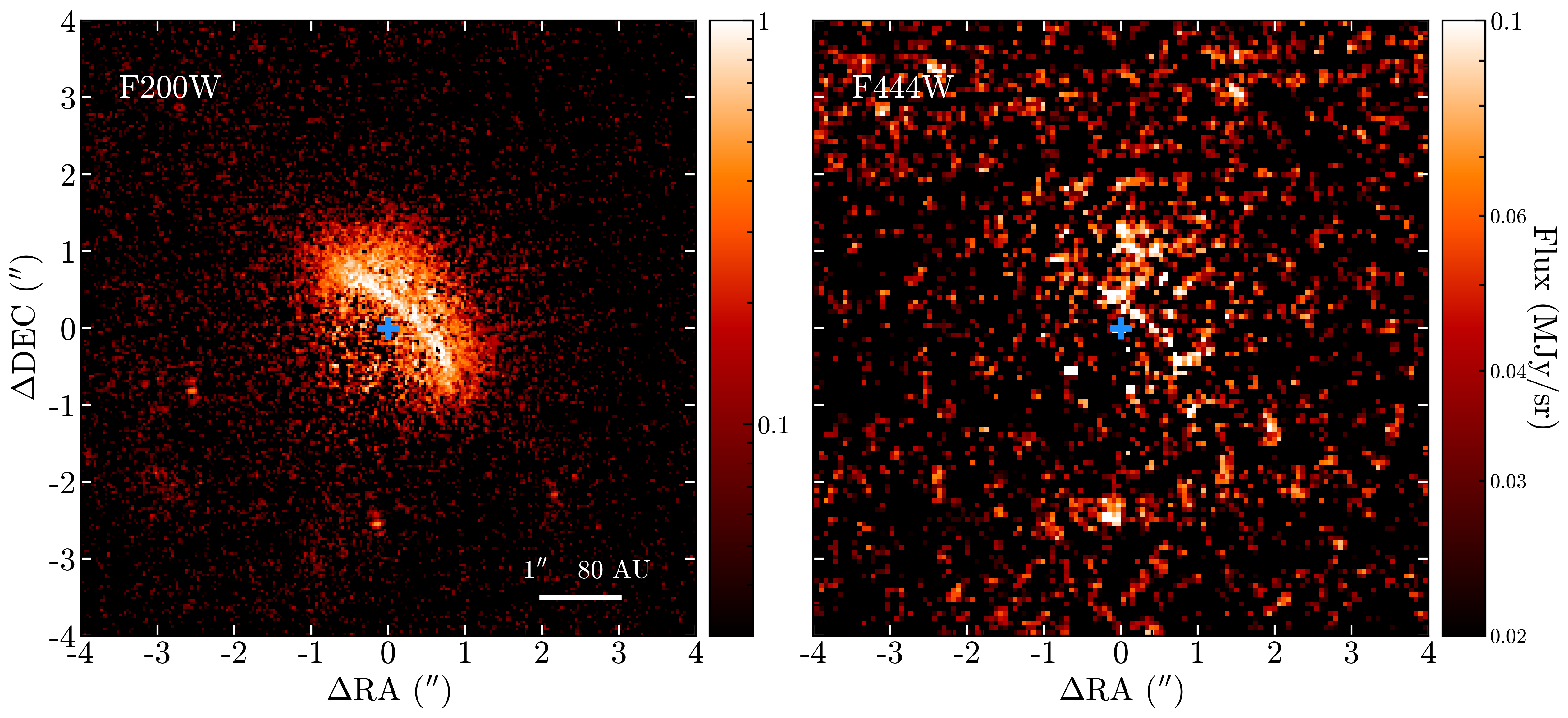
Figure 1: MCRDI reductions of TWA 20 in F200W (left) and F444W (right), showing the resolved disk at high SNR in F200W and low SNR in F444W.
The F200W image yields a 13σ detection of the disk, while the F444W image achieves a 2σ detection, underscoring JWST's sensitivity to faint debris structures around low-luminosity stars.
Disk Modeling and Parameter Estimation
The disk geometry and scattering properties were quantified using a forward modeling approach with the GRaTer disk model, incorporating convolution with synthetic JWST PSFs and coronagraphic transmission maps. The model fitting employed both Powell minimization and nested sampling (DYNESTY), with the latter providing robust posterior distributions for key parameters.
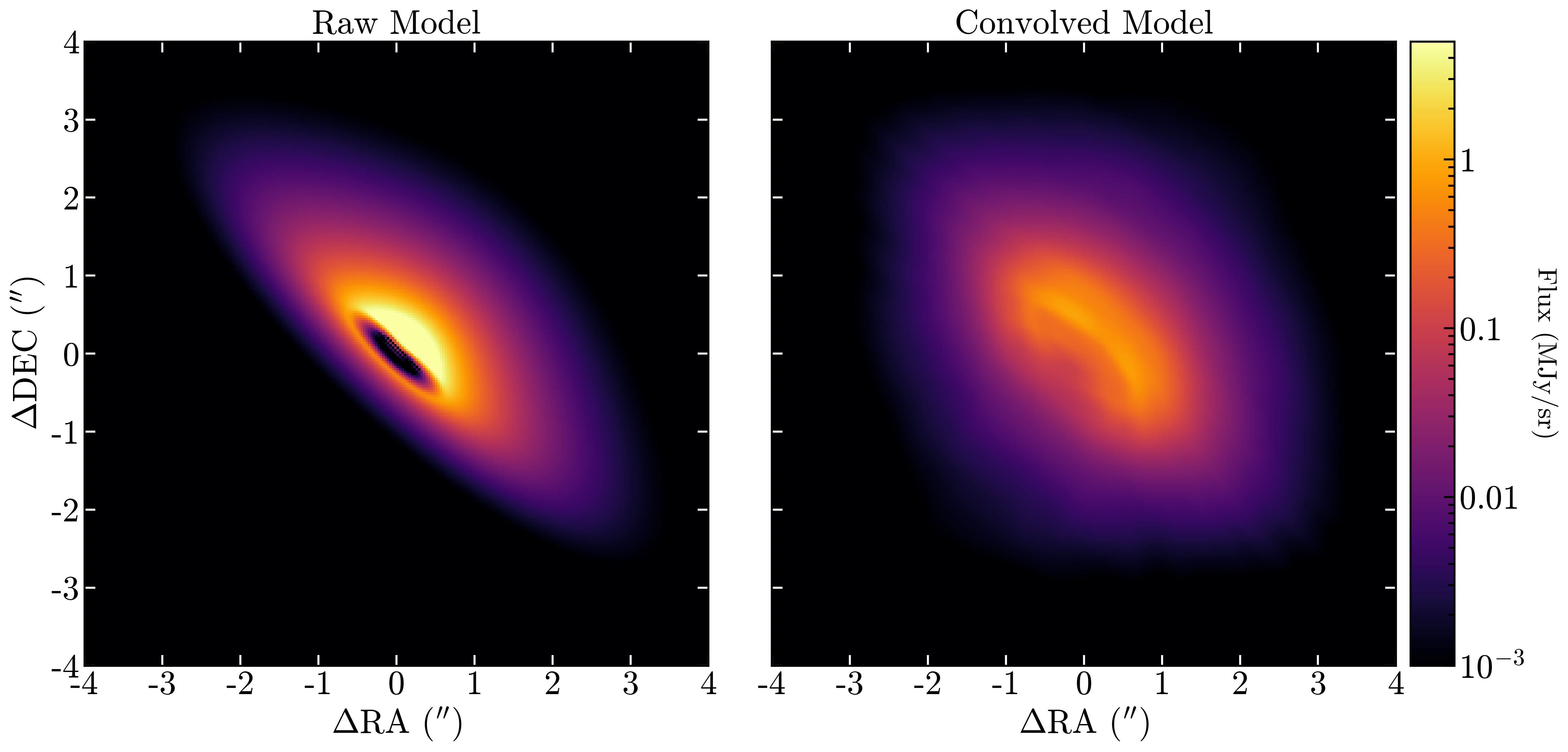
Figure 2: Analytical (left) and PSF-convolved (right) disk models optimized for the F200W data.
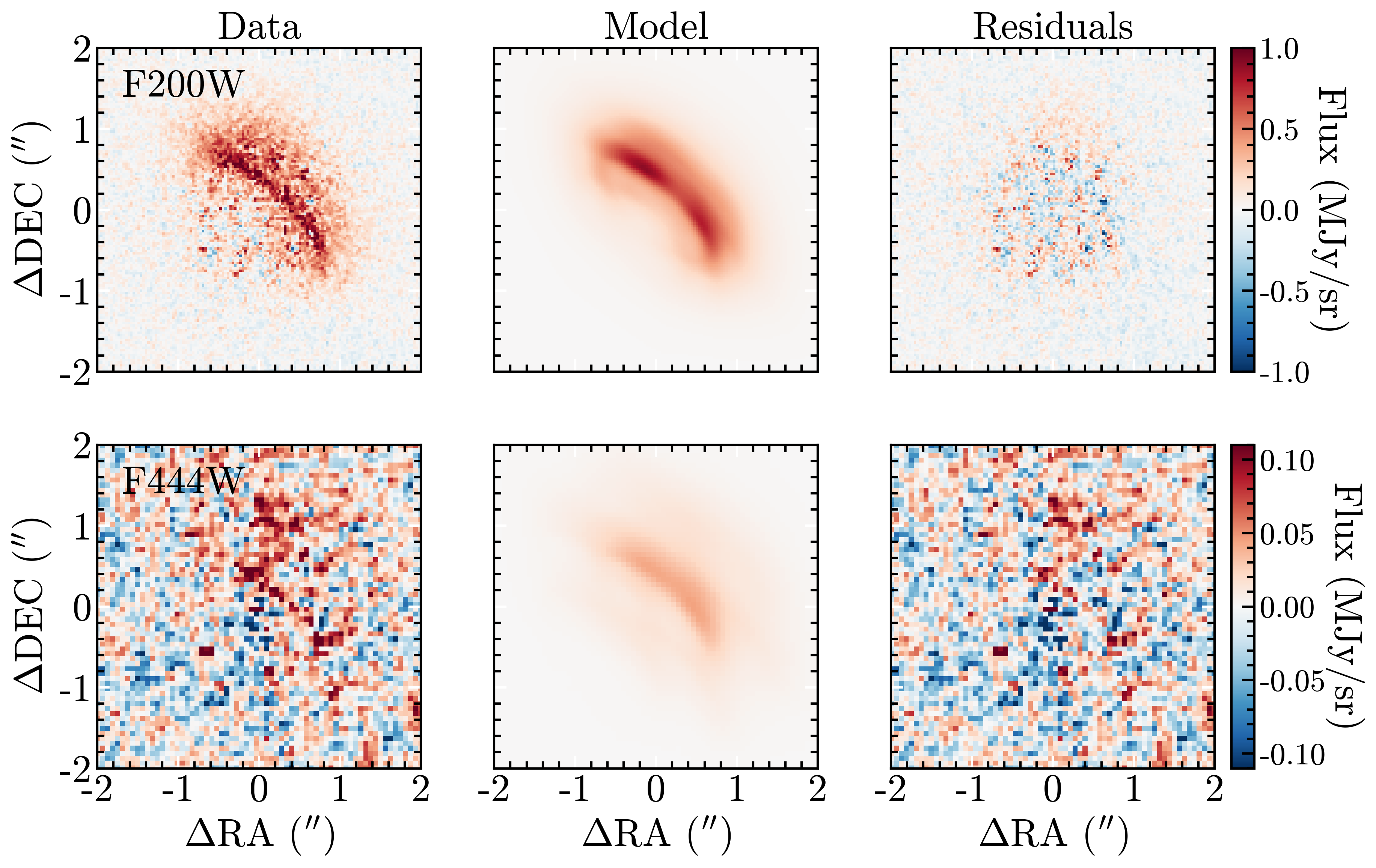
Figure 3: Comparison of modeled disks and MCRDI images, with residuals indicating oversubtraction and possible disk asymmetry.
The best-fit disk radius is 64.7−6.2+6.5 AU, inclination 70.1−3.3∘+2.5, and position angle −132.9∘±2.1. The outer radial density exponent αout=−4.4−1.0+0.6 is consistent with other M dwarf disks, while the inner exponent αin is poorly constrained, likely due to coronagraphic transmission degradation and parameter degeneracies.
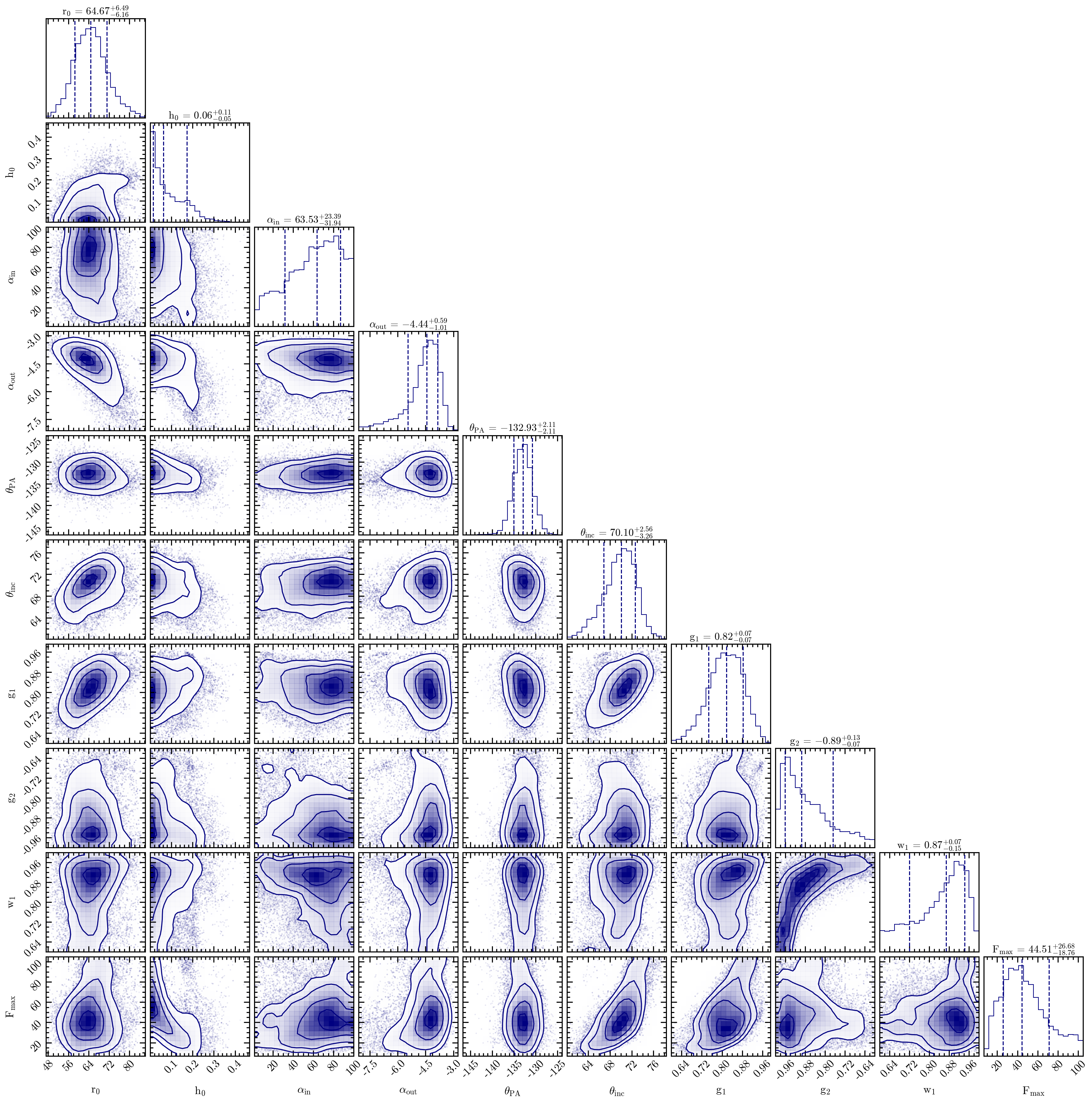
Figure 4: Posterior distributions from nested sampling, showing well-constrained and degenerate parameters.
Companion Search and Sensitivity Analysis
A systematic search for planetary companions was conducted by subtracting the disk model and reprocessing the data to enhance point source detectability. Candidate sources were vetted via PSF fitting and color-magnitude analysis using evolutionary models (BEX, ATMO). The principal candidate (C1) was excluded as a planet due to its inconsistency with the expected color-magnitude locus for young giant planets.
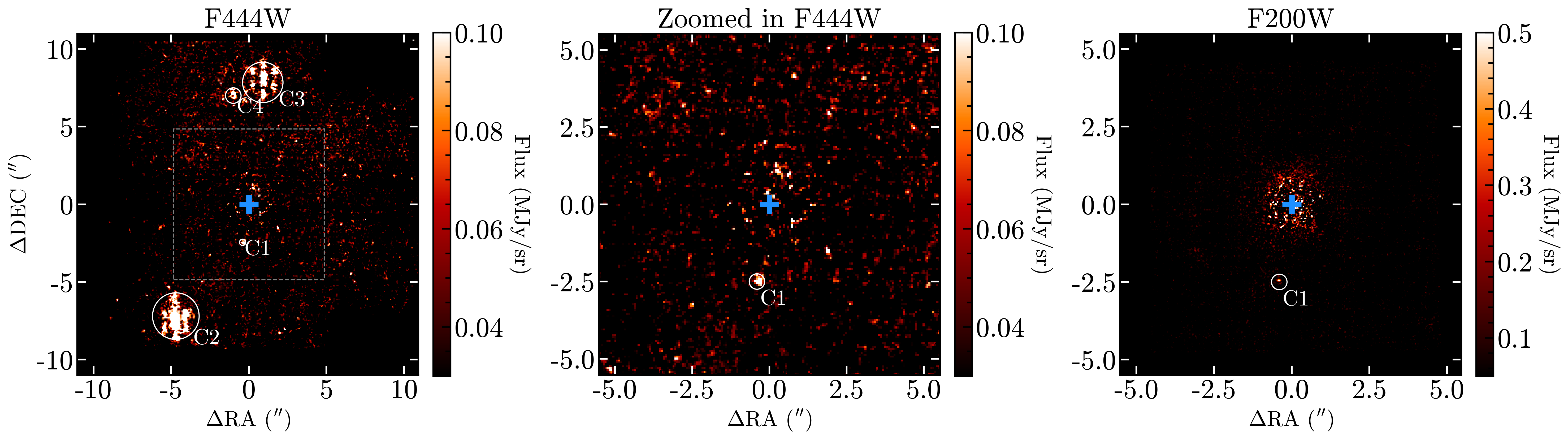
Figure 5: Disk-subtracted images in F200W and F444W, with candidate locations highlighted.
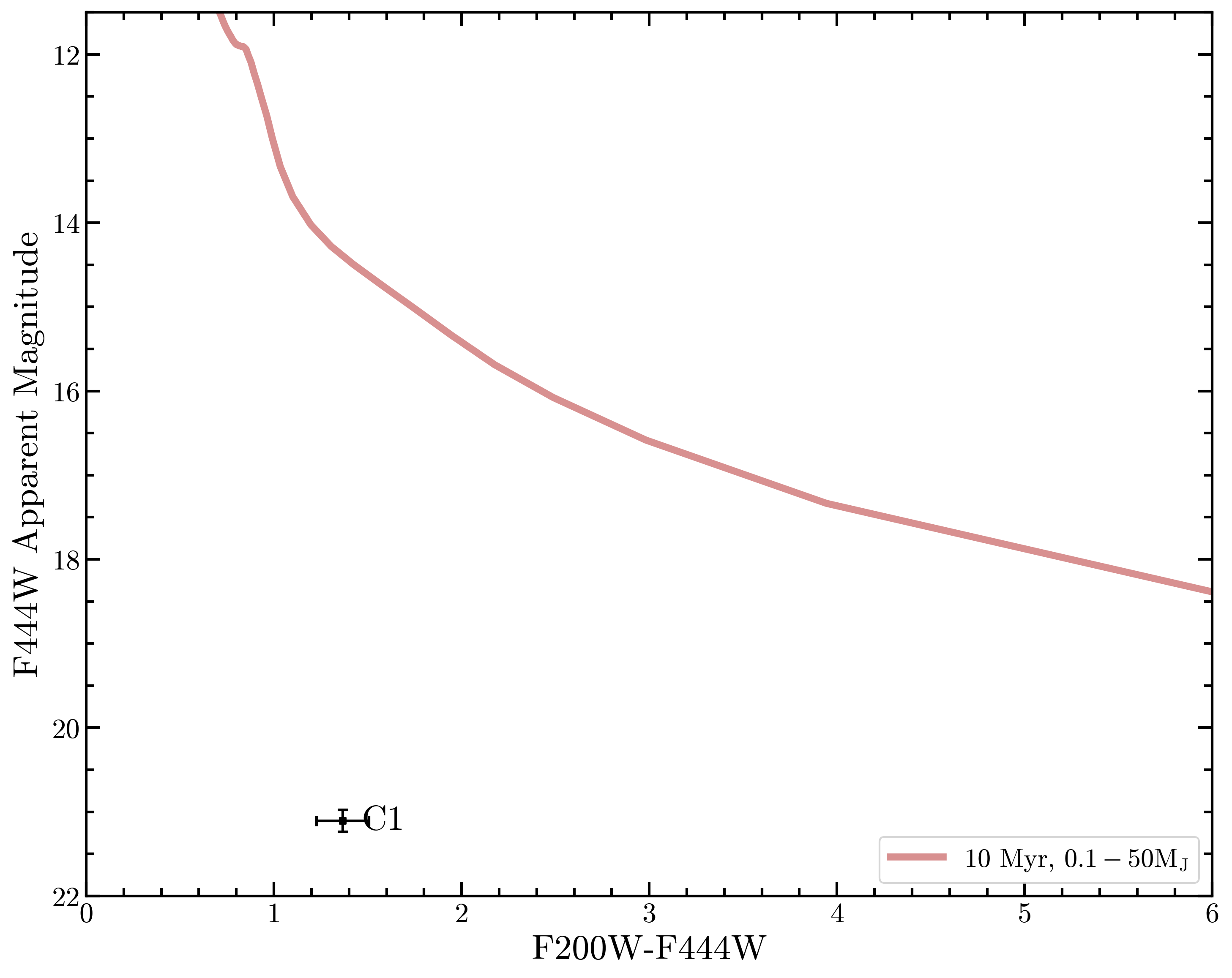
Figure 6: Color-magnitude diagram showing the off-axis source's deviation from the planetary locus, indicating a background origin.
Contrast curves and mass sensitivity limits were derived using spaceKLIP and SPECIES, revealing that JWST/NIRCam achieves contrasts of 3×10⁻⁶ (F200W) and 2×10⁻⁵ (F444W) at 1″ (80 AU), corresponding to mass sensitivities of 2MJ and 0.3MJ, respectively.
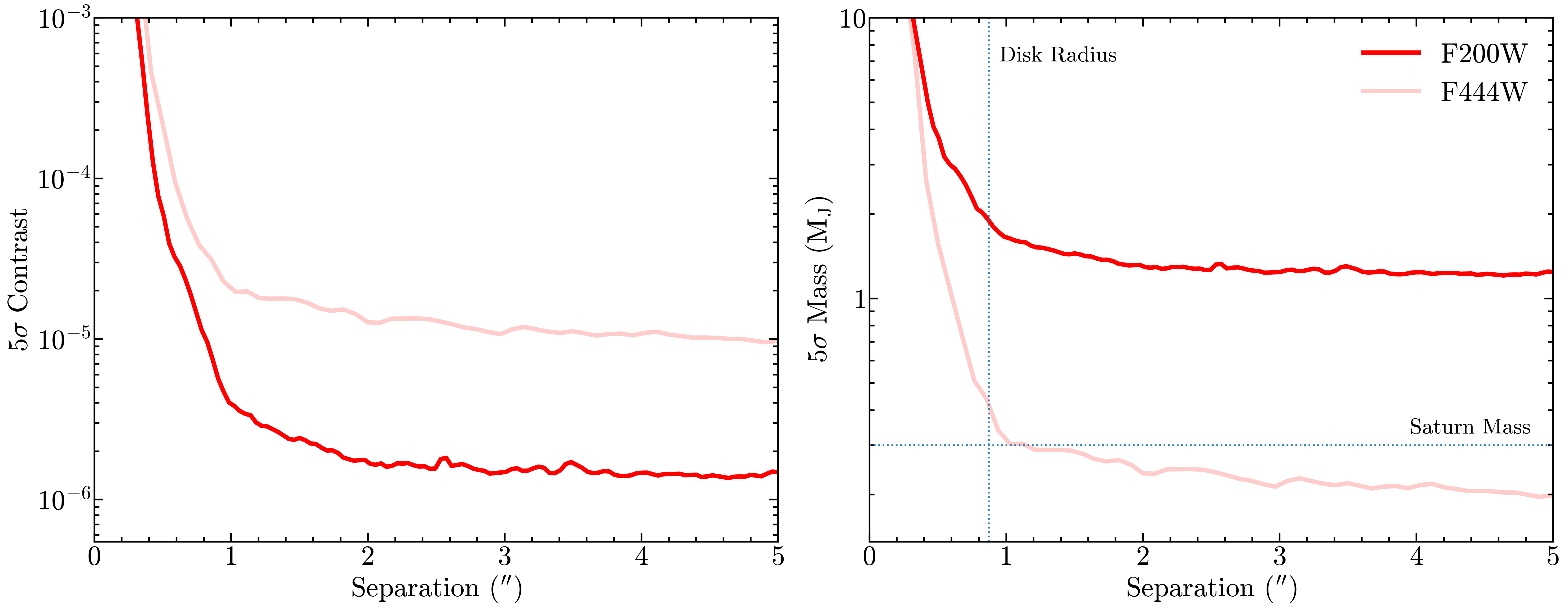
Figure 7: Calibrated contrast curves and mass sensitivity limits as a function of separation, with disk radius and Saturn mass indicated.
No companions were detected down to these limits, allowing exclusion of Jupiter-mass perturbers at separations wider than 48 AU.
Disk Properties in the Context of M Dwarf Debris Disks
The TWA 20 disk is the sixth M dwarf debris disk resolved in scattered light and the third largest among such disks. Its radius and surface brightness are typical compared to the small sample of known M dwarf disks.
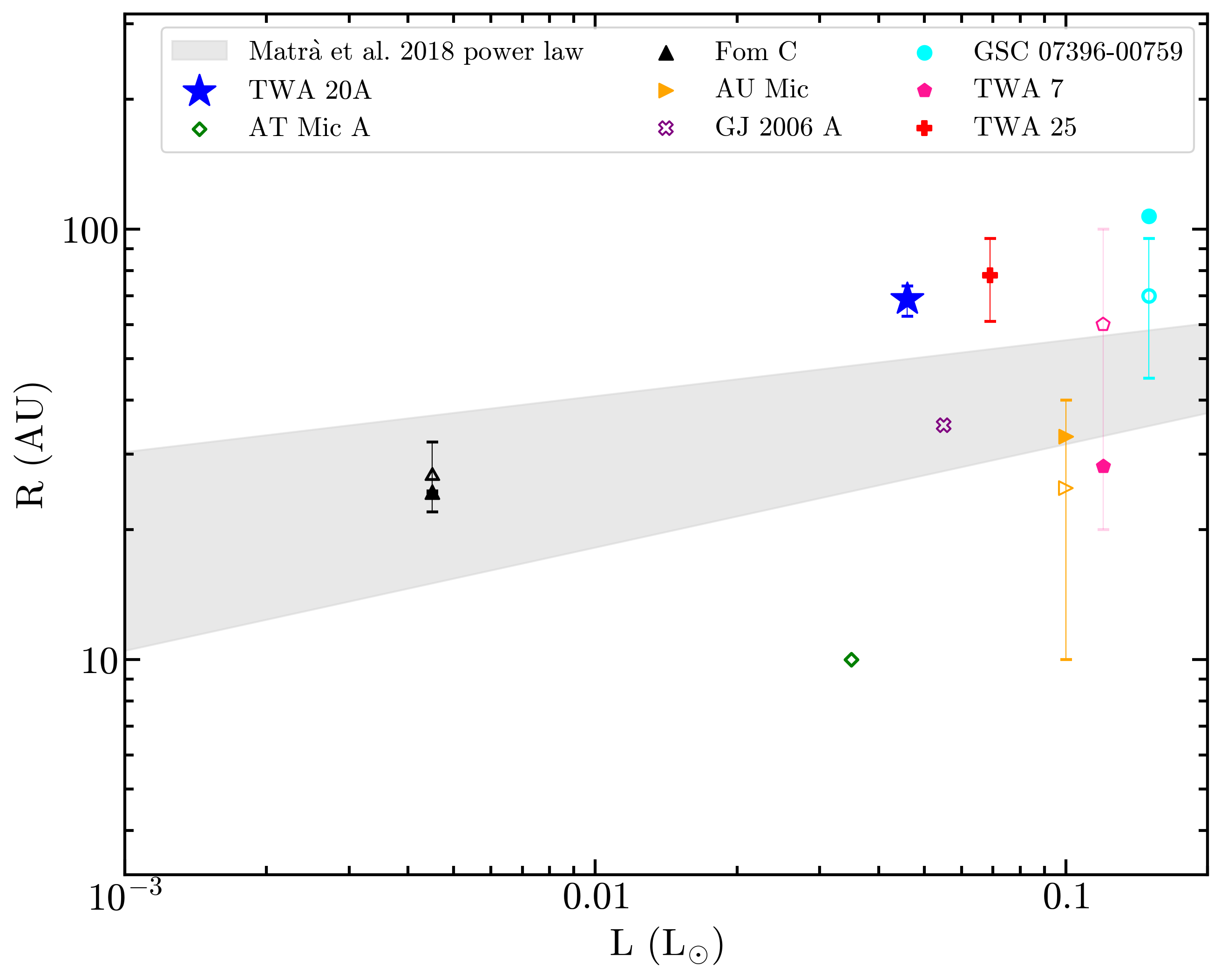
Figure 8: Debris disk radius versus host-star luminosity for resolved M dwarf disks, with TWA 20 positioned among comparable systems.
Surface brightness profiles were extracted from deconvolved images, showing a peak of ∼10 MJy/sr in F200W and ∼0.1 MJy/sr in F444W, consistent with other mid-M disks.
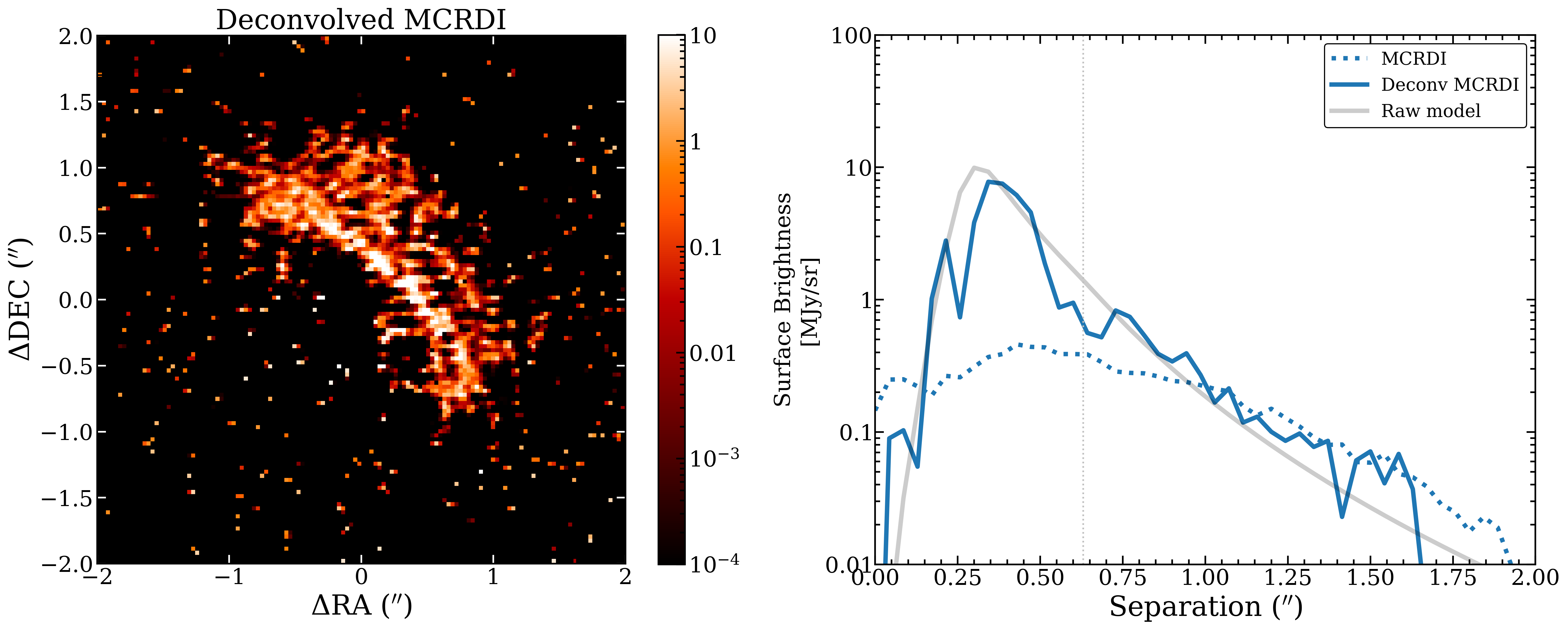
Figure 9: Deconvolved disk image and radial surface brightness profiles for TWA 20.
A notable asymmetric feature is present at ΔDEC $\sim1.0\arcsec$, with color measurements suggesting it may be part of the disk rather than a background source. The disk's Henyey-Greenstein scattering phase function (SPF) exhibits both forward- and backward-scattering peaks, the latter not seen in other M dwarf disks, though this may be an artifact of coronagraphic masking.
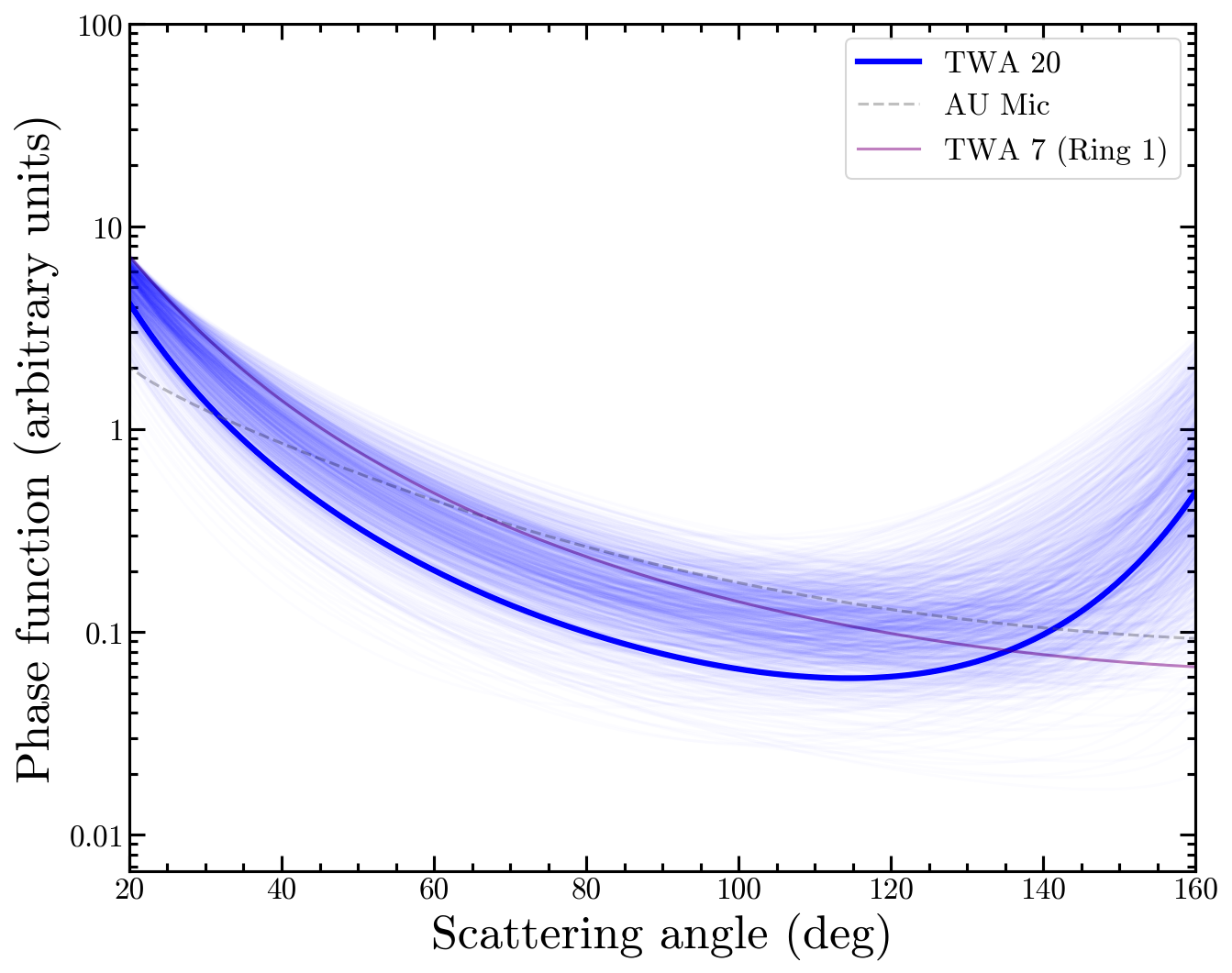
Figure 10: HG SPF for TWA 20, AU Mic, and TWA 7, with posterior draws illustrating the spread and backward-scattering peak.
Spectral Energy Distribution and Infrared Excess
Radiative transfer modeling with MCFOST, assuming astrosilicate dust, indicates that the scattered light detection is consistent with a disk exhibiting an excess at wavelengths beyond ∼100 μm. However, no IR excess has been detected in available photometry, and the fractional luminosity is estimated at ∼1.6×10⁻⁴, with substantial uncertainty due to model assumptions.
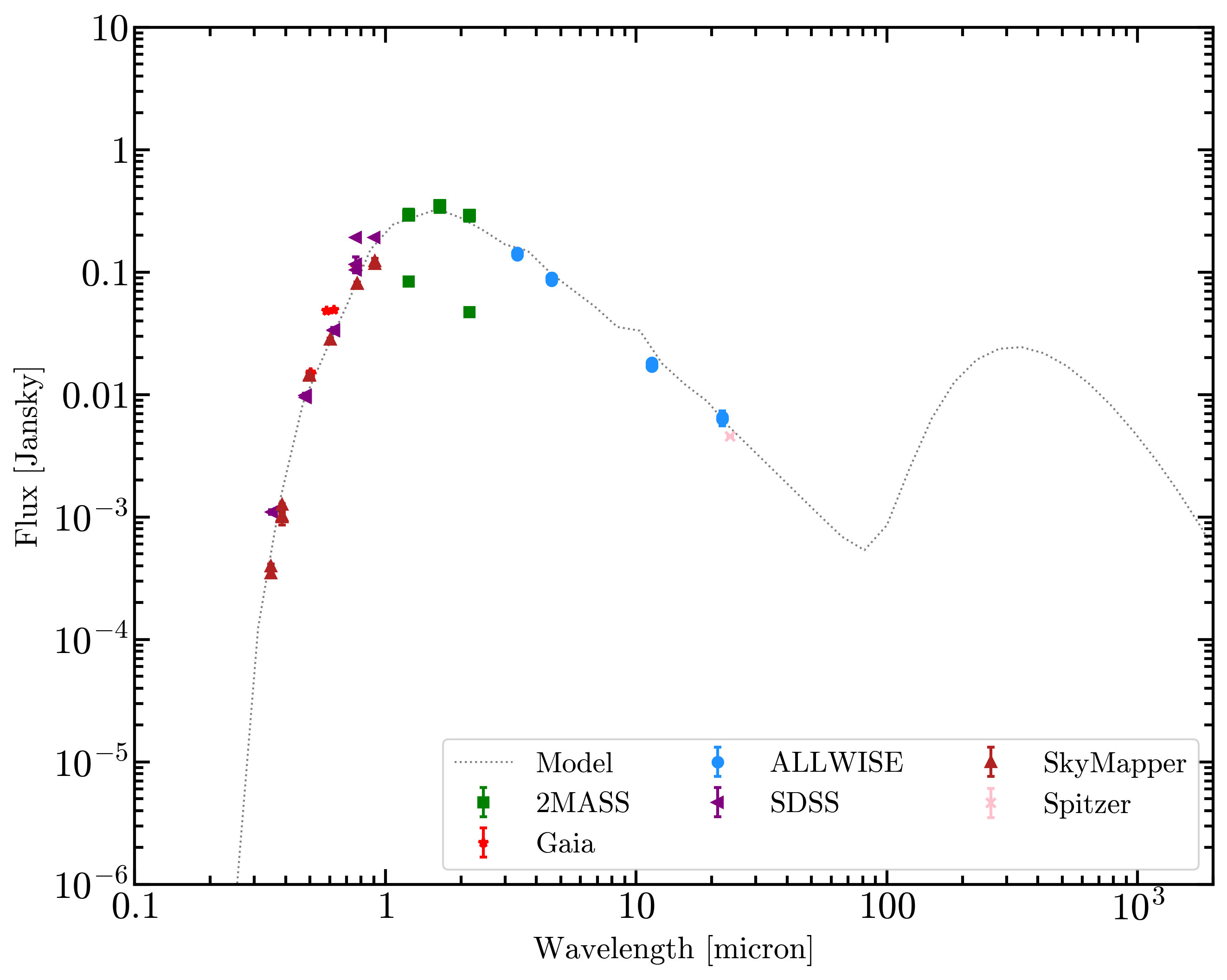
Figure 11: Photometry and MCFOST SED model for TWA 20, showing potential excess at long wavelengths.
Implications and Future Directions
The detection of the TWA 20 debris disk demonstrates JWST's capability to resolve faint, cool disks around low-luminosity stars, expanding the census of M dwarf debris disks. The absence of a detectable IR excess and the disk's typical geometric properties suggest that many M dwarf disks may remain undetected in photometric surveys, necessitating high-contrast imaging for their discovery. The lack of detected companions down to sub-Jupiter masses at wide separations constrains the dynamical architecture of the system.
The presence of non-axisymmetric features and the poorly constrained inner disk structure highlight the need for further observations, potentially at longer wavelengths (e.g., ALMA) and with improved modeling of disk grain properties. Comparative studies across the growing sample of M dwarf disks will elucidate the processes governing disk evolution and planet formation in low-mass stellar environments.
Conclusion
This study reports the resolved imaging and characterization of a debris disk around TWA 20, an M3 star in the TW Hydrae association, using JWST/NIRCam coronagraphy. The disk exhibits a radius of 64.7−6.2+6.5 AU, inclination of 70.1−3.3∘+2.5, and typical surface brightness and geometric properties among M dwarf disks. No planetary companions are detected down to 0.3MJ at 80 AU. The results underscore the necessity of high-sensitivity, high-contrast imaging for the detection and study of debris disks around low-luminosity stars and provide a foundation for future investigations into disk morphology, grain composition, and planetary system architectures in the M dwarf regime.